تخطي إلى محتوي
Who is Zhong Kui?
Zhong Kui (钟馗) is a legendary demon queller in Chinese folklore — a guardian spirit who protects people from evil forces and keeps the human and spirit worlds in balance.
His story started as legend, but over time, Zhong Kui became something bigger: a symbol of justice, protection, and the triumph of good over evil.
Chinese folk belief has a unique tradition here. Unlike mythologies where gods exist from the start, many Chinese folk deities began as real or legendary humans — figures whose courage and virtue left such a mark that later generations turned them into spiritual protectors. Zhong Kui is one of the clearest examples of this transformation.
But he's more than a monster-fighter. He represents integrity, courage, and the will to protect others. In this guide, we'll explore his origins, his striking appearance, his connection to Chinese ghost culture, and his lasting influence on Chinese art — and see how he became one of the most enduring figures in Chinese mythology.
Table of Contents
- The Appearance of Zhong Kui: A Powerful Guardian Figure
- The Legend of Zhong Kui: From Scholar to Guardian Spirit
- Zhong Kui and Chinese Ghost Culture: Understanding Spirits Beyond Fear
- What Does Zhong Kui Symbolize in Chinese Culture?
- The Artistic Symbols Behind Zhong Kui
- Zhong Kui in Traditional Chinese Art and Craftsmanship
- Conclusion: Zhong Kui: A Timeless Symbol of Chinese Culture
- FAQ: Frequently Asked Questions About Zhong Kui
The Appearance of Zhong Kui: A Powerful Guardian Figure
Zhong Kui is never painted as gentle or approachable. He's commanding — a broad, intense face, a thick unruly beard, traditional robes, and often a sword in hand.
His look shifts across artists and eras, but the message never changes: this is a figure built to confront evil. His fearsome image isn't there to scare the viewer — it's there to project the strength and authority needed to face supernatural threats.
1.Traditional Attire

- Usually shown in scholar or official robes, not warrior's armor
- Reflects his roots as a scholar-turned-demon-queller, blending intellectual dignity with fierce authority
- Colors and styles vary widely — there's no single "correct" look
2.Facial Features

- Deliberately fierce and imposing: piercing eyes, rugged features, a thick, unkempt beard
- Some depictions push this into grotesque territory
- The ugliness isn't evil — it's a weapon in itself, meant to frighten off evil spirits
- The Cleveland Museum of Art notes his fearsome face and wild beard were designed specifically to scare away demons
3.The Sword

- One of Zhong Kui's signature attributes, appearing in countless paintings
- Not a literal weapon so much as a symbol of power over evil
- Not every portrait includes it — he's just as often shown seated, traveling, reading, or surrounded by demons
Put together, his robes, features, and sword make him one of the most recognizable figures in Chinese folk art — intimidating on the surface, protective at his core. To understand why he came to be portrayed this way, we need to go back to where his story began.
The Legend of Zhong Kui: From Scholar to Guardian Spirit
Zhong Kui's origins run deeper than the familiar "rejected scholar" story. One scholarly theory traces his name back to zhongkui (終葵), an ancient ritual implement used to drive away demons. Ritual specialists once wielded these objects in exorcism ceremonies — and over time, the object itself may have become a personified figure. By the Tang dynasty, Zhong Kui had already appeared in religious and written traditions as a demon-subduing spirit.
The more famous legend comes later, and it's far more human. Zhong Kui, the story goes, was a brilliant scholar who passed the civil service exams with flying colors — only to be rejected because of his appearance. After his death, he was given a new purpose: hunting demons.

The legend gained its power through Emperor Xuanzong. Sick and troubled, the emperor dreamed of Zhong Kui subduing a mischievous spirit — and woke up convinced he'd witnessed a true demon queller at work. From that point on, Zhong Kui's image as a supernatural protector took hold, carried forward by generations of artists and storytellers.
Zhong Kui and Chinese Ghost Culture: Understanding Spirits Beyond Fear
To really understand Zhong Kui, you have to understand what "ghosts" mean in Chinese culture — because it's not what most Western readers expect.
Ghosts and Spirits in Traditional Chinese Culture
The Chinese concept of gui (鬼) is usually translated as "ghost," but it doesn't carry the same purely-frightening weight. Depending on context, a gui might relate to the dead, unresolved relationships, misfortune, or simply the boundary between the human world and the unseen one. These beliefs coexisted with ancestor worship and religious practice, making the spirit world a rich — and complicated — part of Chinese life.
Within that worldview, protection from harmful spirits became a major cultural theme. Rituals, symbols, and guardian figures were all ways of restoring order and safety. This is exactly where Zhong Kui fits in. He isn't just a monster-hunter — he embodies a deeper belief: that harmful supernatural forces can be confronted, and the living can be protected from them.
Chinese Ghost Culture vs. Western Ghost Traditions
Why Does Zhong Kui Drive Away Evil Spirits?
In earlier Chinese society, illness, disaster, and hardship were often hard to explain — so protective rituals and guardian figures became a way to make sense of the unknown and restore a sense of safety.
Zhong Kui fits squarely into that tradition. As a demon queller, he represents more than victory over monsters — he represents courage in the face of uncertainty. His real significance isn't the ghosts he defeats. It's what he stands for: the belief that fear can be overcome, order can be restored, and communities can be protected.
What Does Zhong Kui Symbolize in Chinese Culture?
The Artistic Symbols Behind Zhong Kui
Zhong Kui is more than a legendary demon queller — he's a powerful artistic symbol in Chinese visual culture. For centuries, artists have used his image to express protection, justice, human character, and hope. What makes him unique is the contrast at his core: a fierce figure who represents safety, a supernatural guardian who still feels deeply human.
Turning Fear into Protection
Zhong Kui's intense gaze, rugged features, and thick beard can look intimidating at first glance. But this fierceness isn't evil — it's protective power. His frightening appearance is precisely what lets him confront and drive away harmful spirits.
That's the magic of his image: Chinese artists turned fear into strength, showing that intimidation itself could become a force for good.
More Than a Warrior: A Human, Scholarly Side
Zhong Kui's roots as a scholar gave artists room to explore integrity, talent, and moral strength — not just combat. Many artworks show him with real personality: humor, loyalty, warmth.
This mix of supernatural authority and human character is what makes him endure. He's powerful, but never one-dimensional.
From Protection to Blessing
Over time, Zhong Kui's symbolism expanded from warding off evil to inviting good fortune. In Chinese art, these two ideas are closely linked — removing misfortune naturally opens the door to happiness.
A great example: the bat motif. The Chinese word for bat, fu (蝠), sounds identical to fu (福), meaning "fortune." So bats often appear alongside Zhong Kui, transforming him from a guardian against danger into a symbol of prosperity and peace.
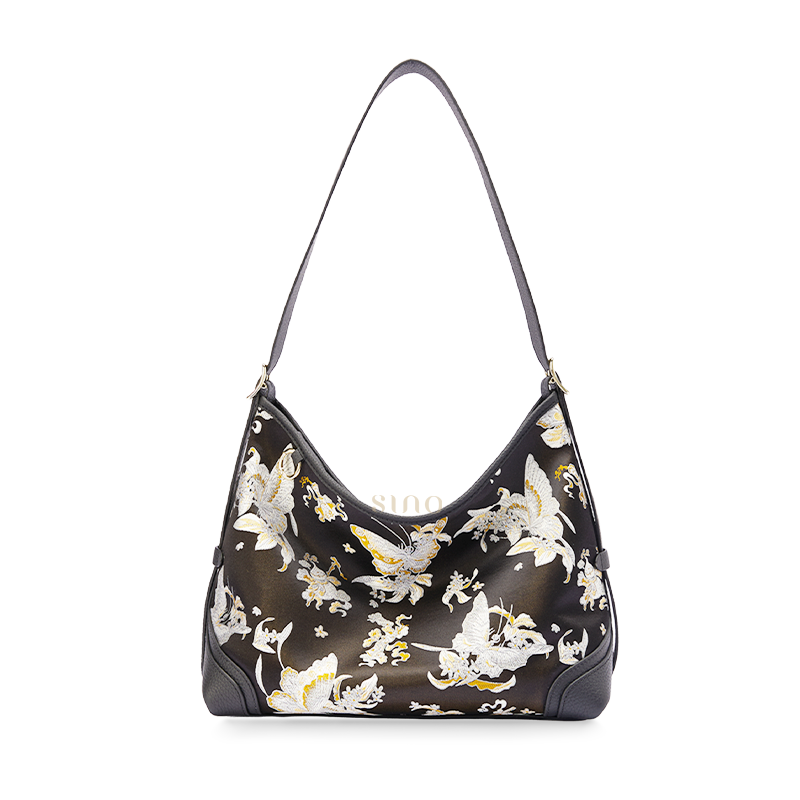
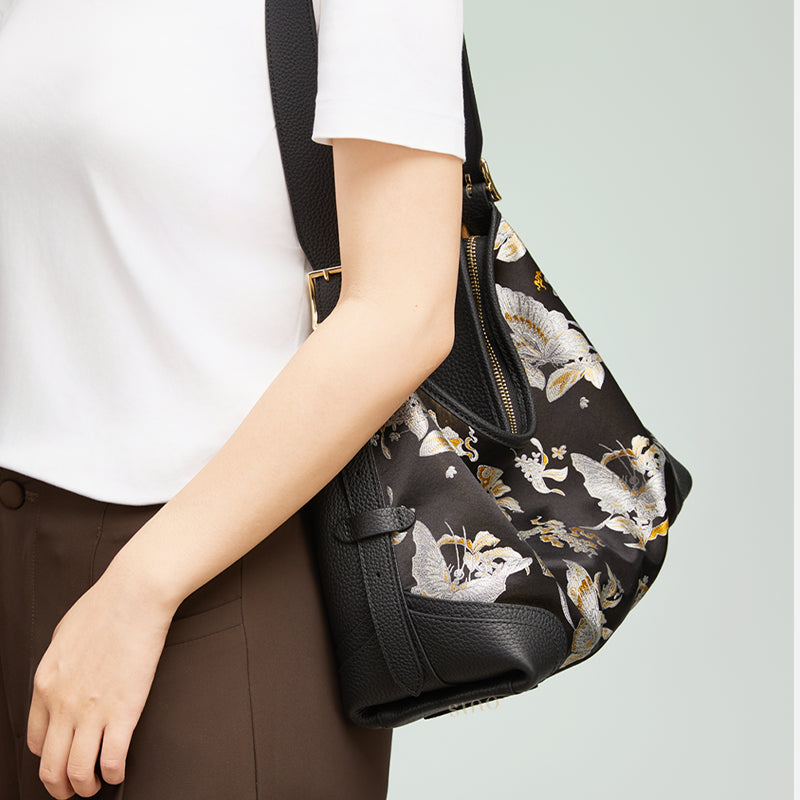
This tradition of using visual motifs to carry cultural meanings continues in Chinese craftsmanship today. Through embroidery, silk, brocade, and other traditional techniques, brands like Sinocultural continue to explore how cultural symbols and stories can be translated into contemporary design.
Zhong Kui in Traditional Chinese Art and Craftsmanship
Zhong Kui's image hasn't stayed on canvas. Over centuries, it has moved through many different art forms, becoming part of everyday cultural life rather than just a painted legend.
-
Paintings: One of the earliest and most important mediums for Zhong Kui. Artists used his powerful expressions and gestures to capture protection, justice, and the triumph over evil.

-
Woodblock Prints: A popular folk art form that brought Zhong Kui straight into people's homes — especially during festivals. These prints carried simple, hopeful wishes: safety, protection, a peaceful year ahead.

-
Embroidery: Threads, colors, and technique turn Zhong Kui's symbolism into textile art. It's a slower, more intimate way of preserving cultural stories — stitch by stitch.

-
Decorative Arts: Sculptures, ornaments, and household pieces extend his protective symbolism beyond paintings — turning belief into something you can live alongside.

-
Chinese Opera: On stage, Zhong Kui becomes a living character through costumes, makeup, and performance. These theatrical interpretations reveal not only his power as a demon queller, but also his human side as a protector.

This tradition is still alive today. Modern embroidery, silk, and brocade techniques continue to reinterpret traditional symbols like Zhong Kui — carrying centuries-old stories into contemporary design. That's the same spirit behind SinoCultural's approach to Chinese craftsmanship: taking traditional techniques and giving them a place in modern life.
-
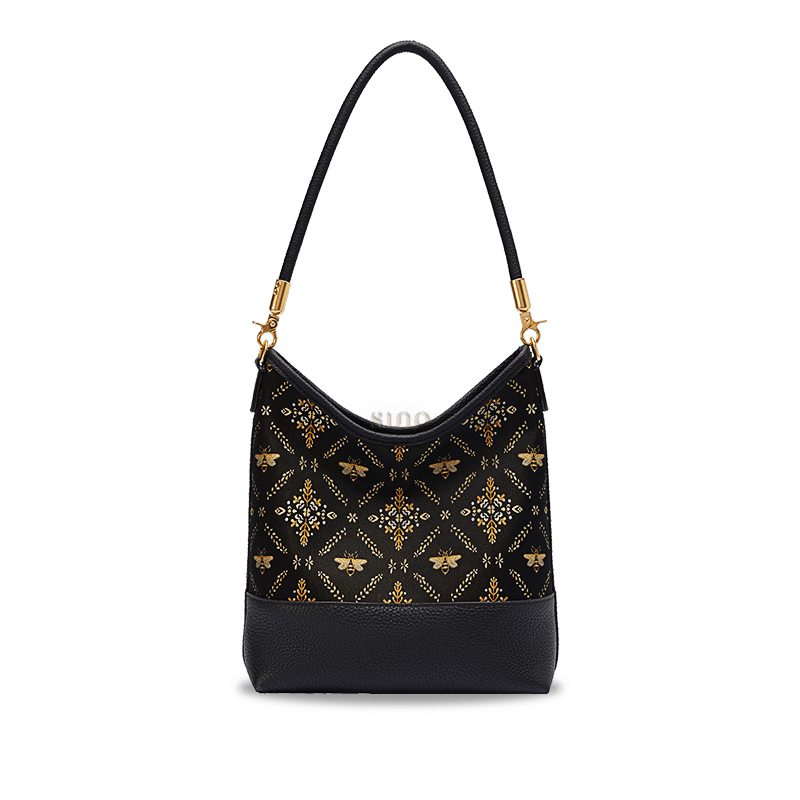
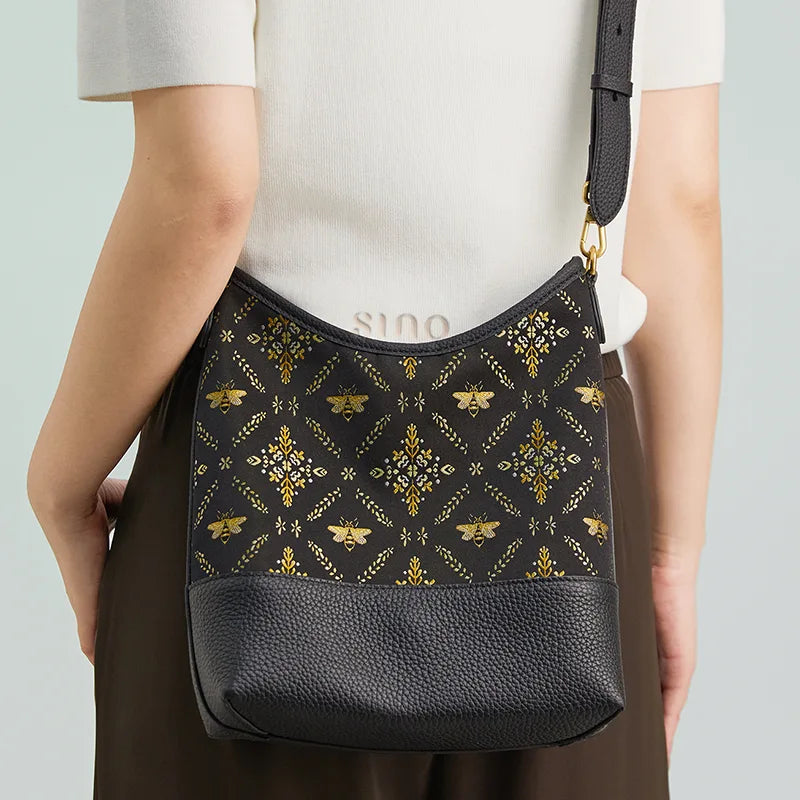
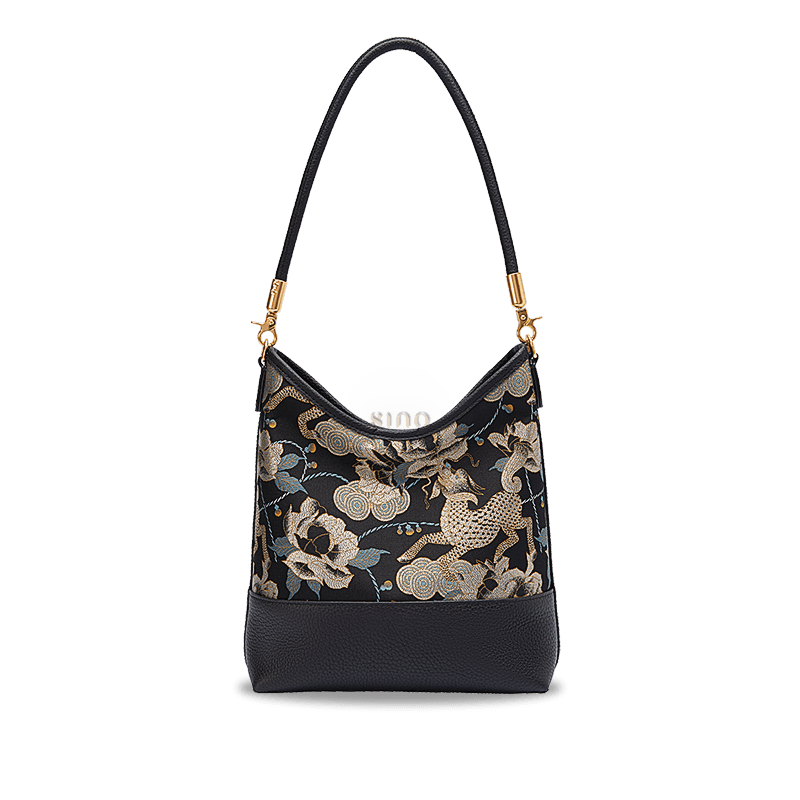
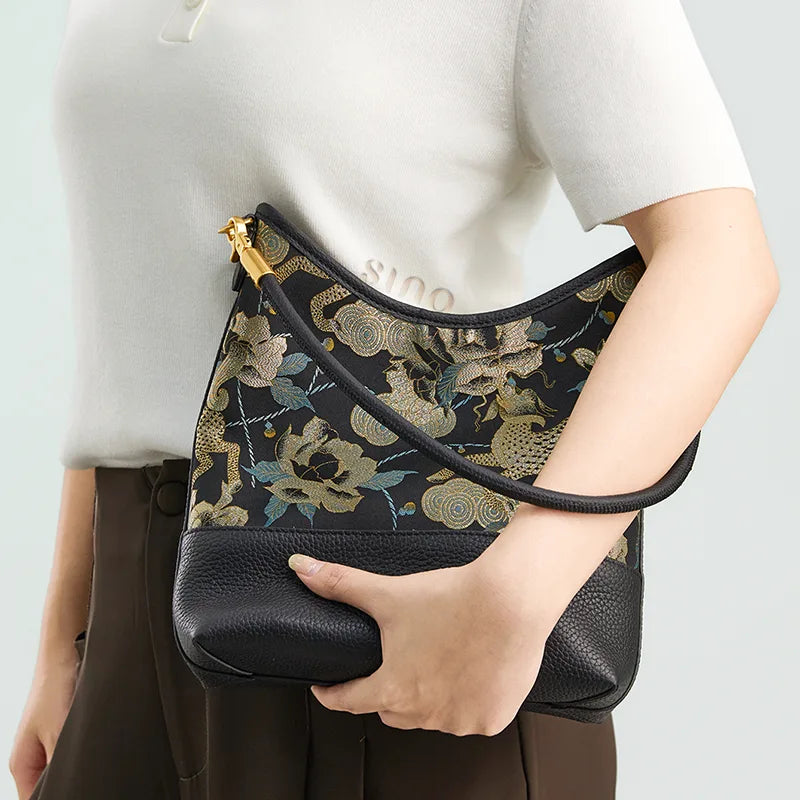
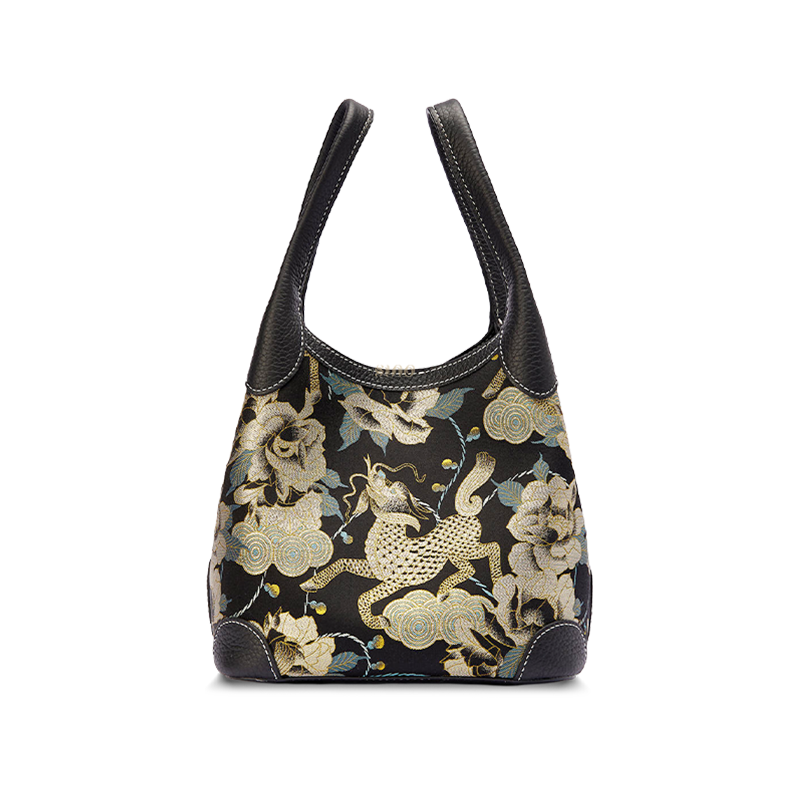
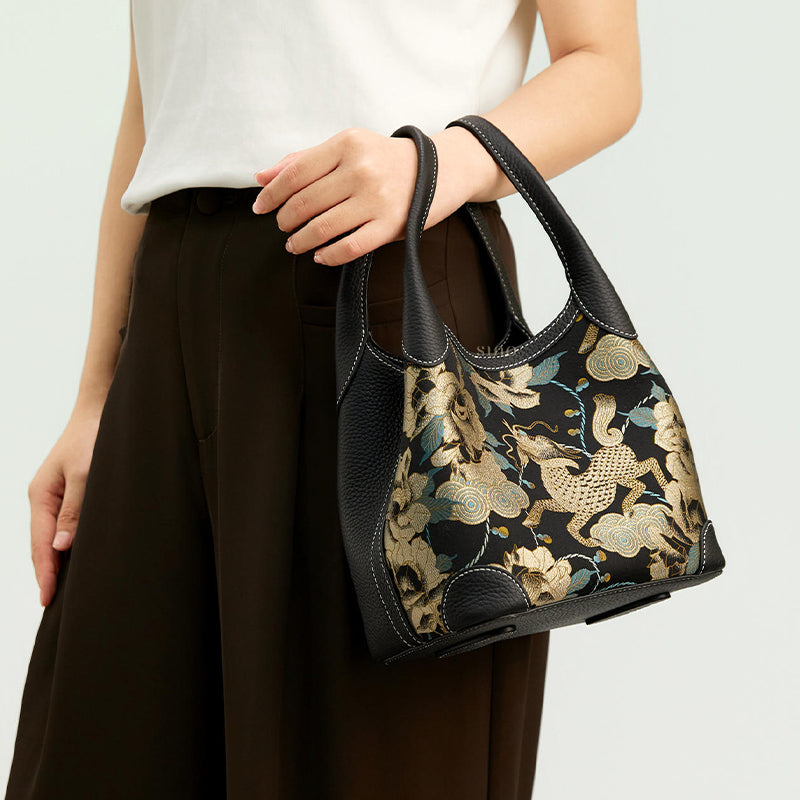
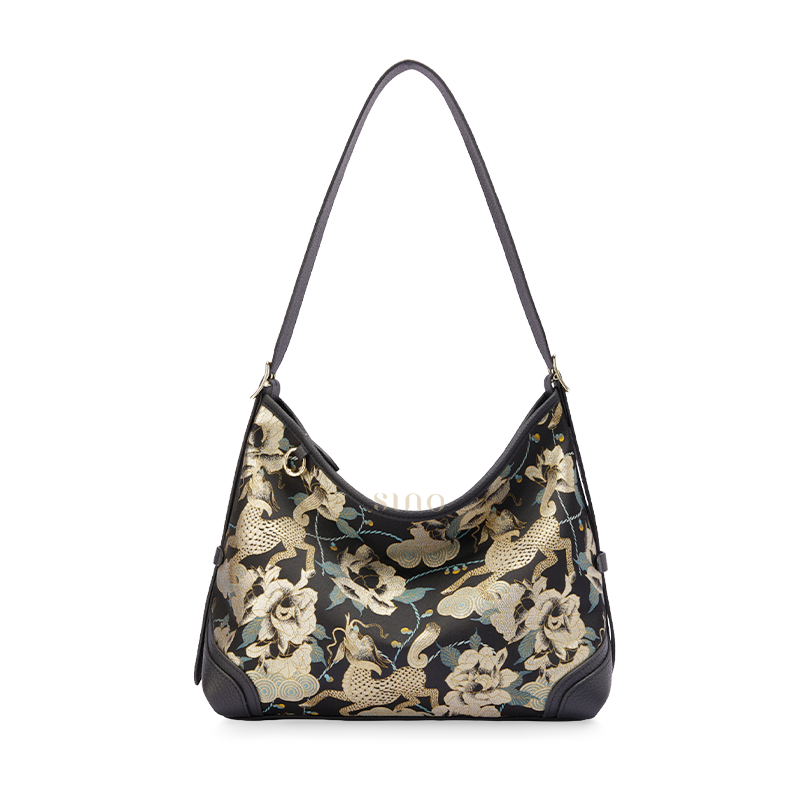
Modern Interpretations of Traditional Craftsmanship: Just as Zhong Kui's image carries meanings beyond protection — extending into blessing and prosperity — other traditional motifs follow the same symbolic logic. The qilin, a mythical guardian creature, and the peony, long associated with prosperity and honor, come together on this Song Brocade shoulder bag. Sinocultural reworks these auspicious symbols into a modern silhouette, carrying their meaning from textile tradition into everyday design.

Chinoiserie Luxury Song Brocade Black Gold Qilin Peony Leather Shoulder Bag
$259.00 USD
Shop Now -
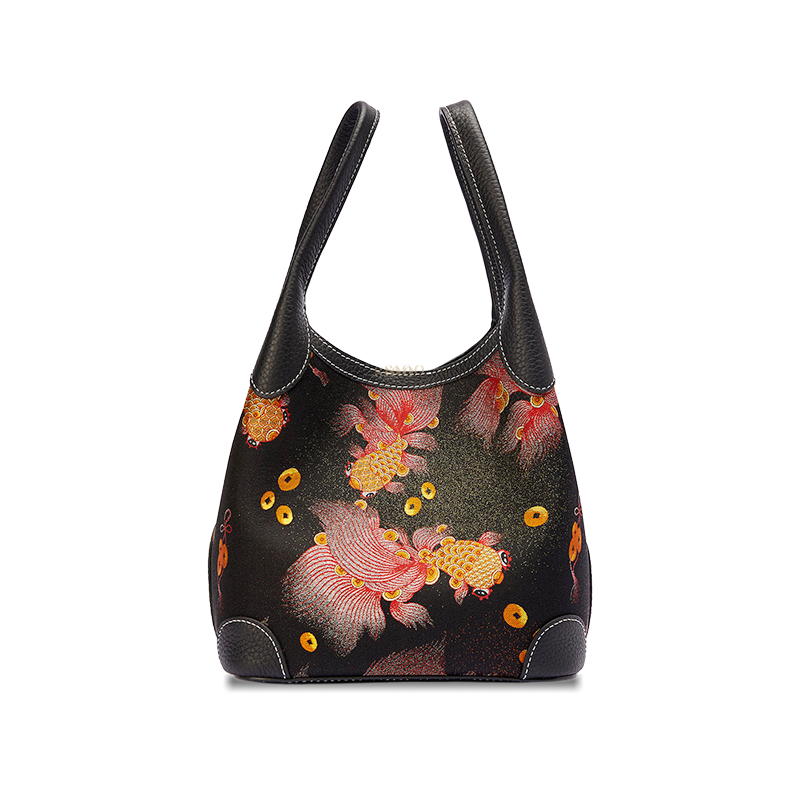
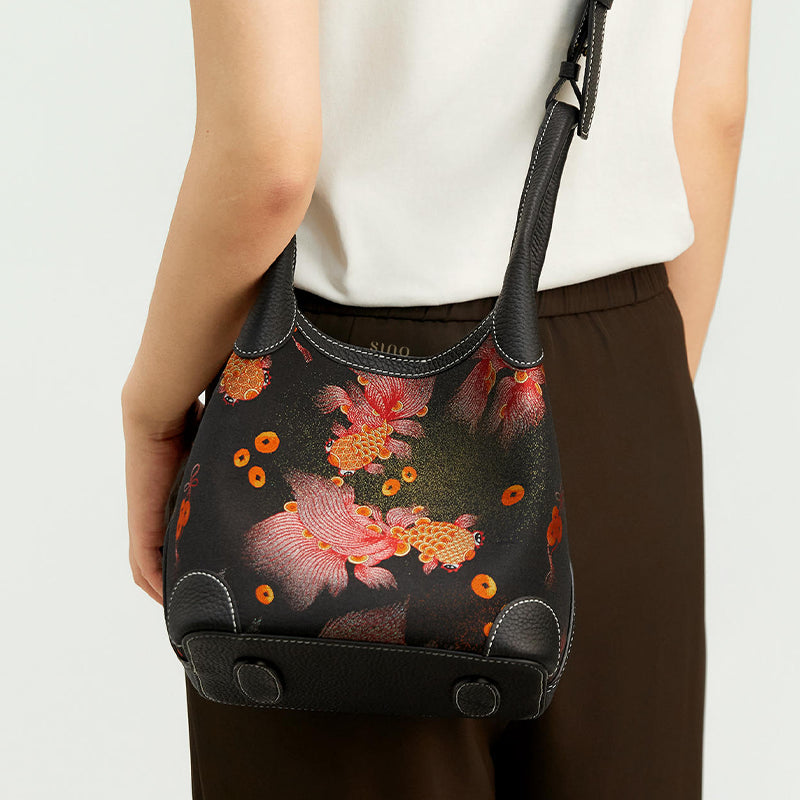
From Thread to Everyday Style: Zhong Kui's image carries more than fierce authority — it reflects a human touch, passed down through generations of storytellers and artisans. That same handcrafted spirit lives in embroidery, where every stitch carries intention. On this leather top handle bag, embroidered peonies bring that tradition of patient, hand-stitched artistry into a silhouette made for everyday life.

Luxury Black Peony Embroidered Leather Top Handle Bag
$479.00 USD
Shop Now -
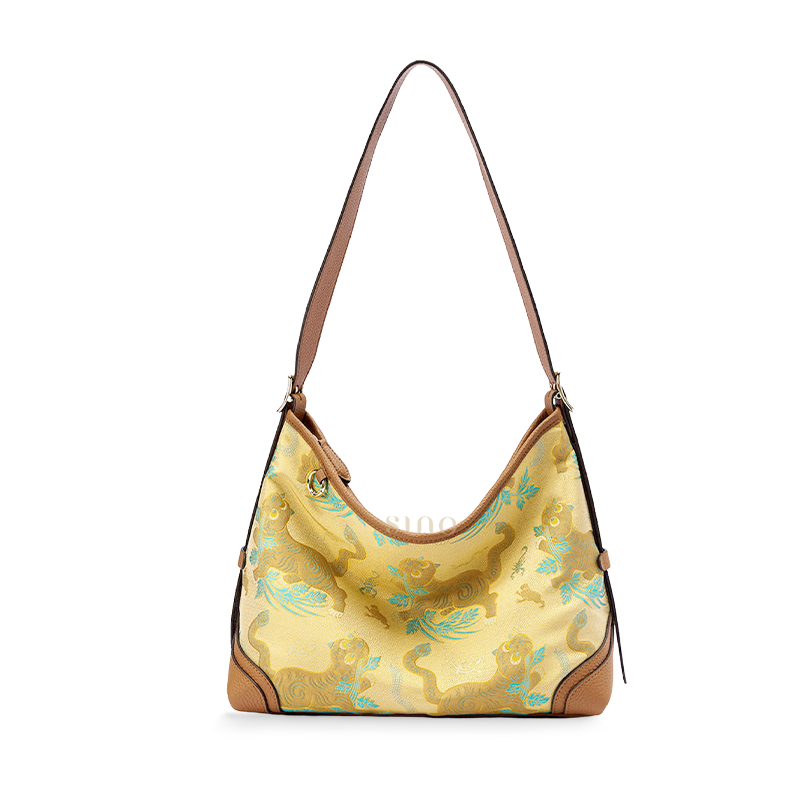
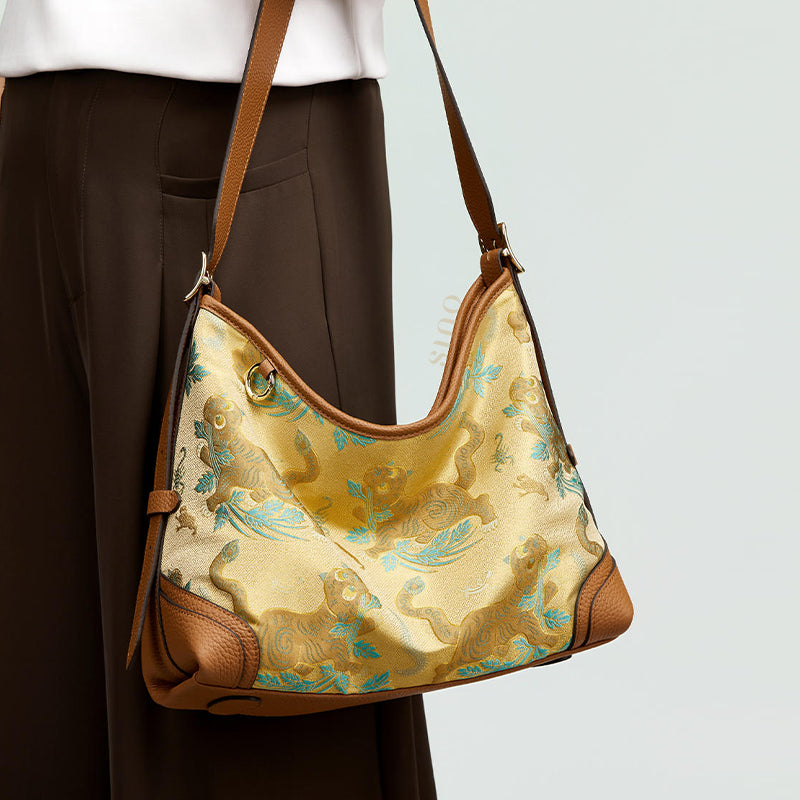
A Guardian Motif in the Same Spirit: Zhong Kui is sometimes portrayed riding a tiger — another guardian figure known for its strength and power to ward off evil. This Song Brocade crossbody bag draws on that same protective symbolism, featuring a traditional "tiger subduing the five poisons" motif, a design long believed to guard against harm and misfortune. SinoCultural brings this centuries-old protective pattern into a piece made for everyday carry.

Chinoiserie Luxury Song Brocade Brown Tiger Leather Crossbody Bag
$359.00 USD
Shop Now
Conclusion: Zhong Kui: A Timeless Symbol of Chinese Culture
From legendary demon queller to guardian spirit of justice, Zhong Kui has endured for centuries. His story reflects something distinct about Chinese culture: figures defined by courage, integrity, and protection can grow into symbols that outlive their original legend.
Throughout history, Zhong Kui’s image has continued to evolve through paintings, folk art, craftsmanship, and modern design. Today, new forms of creativity continue this tradition. As a form of the “ninth art,” video games provide another way to explore cultural stories through visual expression and interactive experiences. Game Science’s upcoming Black Myth: Zhong Kui offers a contemporary interpretation of this ancient figure, introducing his story and artistic world to a new generation of audiences.
Whether portrayed through a traditional painting, a handcrafted textile, or a modern digital creation, Zhong Kui continues to represent the timeless pursuit of justice, protection, and harmony in Chinese culture.
FAQ: Frequently Asked Questions About Zhong Kui
Q: Who is Zhong Kui in Chinese culture?
A: Zhong Kui is a legendary Chinese demon queller and guardian figure known for protecting people from evil spirits. Originating from Tang dynasty legends, he later became a symbol of justice, protection, and the power to overcome negative forces in Chinese folk culture.
Q: Is Zhong Kui a god, a demon, or a guardian spirit?
A: Zhong Kui is not an evil demon. Although he is associated with ghosts and spirits, he is traditionally regarded as a guardian spirit who defeats harmful supernatural forces. His role represents justice, protection, and restoring balance between the human world and the spirit world.
Q: Why does Zhong Kui have a frightening appearance?
A: Zhong Kui’s fierce appearance, including his intense eyes, thick beard, and powerful expression, is designed to frighten away evil spirits rather than represent evil himself. In Chinese art, his intimidating image symbolizes strength, authority, and the courage to confront fear.
Q: What does Zhong Kui symbolize in Chinese culture?
A: Zhong Kui symbolizes justice, protection, courage, and the wish for peace and harmony. Beyond his role as a demon queller, he represents the traditional Chinese belief that righteousness and moral strength can overcome darkness and disorder.
Q: Why is Zhong Kui associated with ghosts and spirits?
A: Zhong Kui is connected with Chinese ghost culture because his legendary role is to control and defeat harmful spirits. Unlike many Western horror traditions that portray ghosts mainly as sources of fear, Chinese beliefs often view spirits as part of a larger balance between humans and the supernatural world.
Q: How is Zhong Kui represented in Chinese art?
A: Zhong Kui has been represented through traditional Chinese paintings, woodblock prints, embroidery, textiles, and decorative arts. These artistic forms transform his story into visual symbols of protection, justice, and cultural heritage, allowing his image to remain part of Chinese everyday life.
Q: What is Black Myth: Zhong Kui?
A: Black Myth: Zhong Kui is an upcoming action role-playing game from Game Science that reimagines the legendary Chinese figure Zhong Kui through modern interactive art. As video games are often considered the “ninth art,” the game represents a new way of presenting Chinese mythology and cultural stories to global audiences.