Passer au contenu


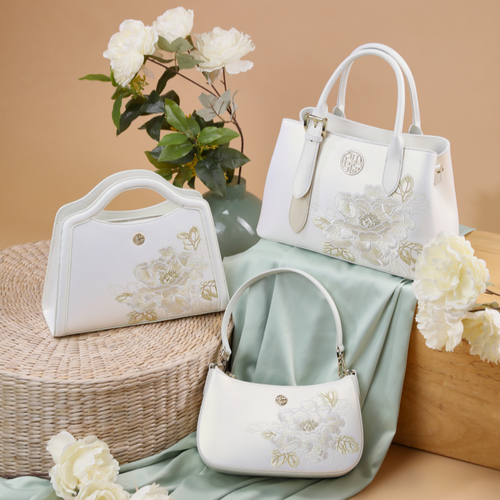




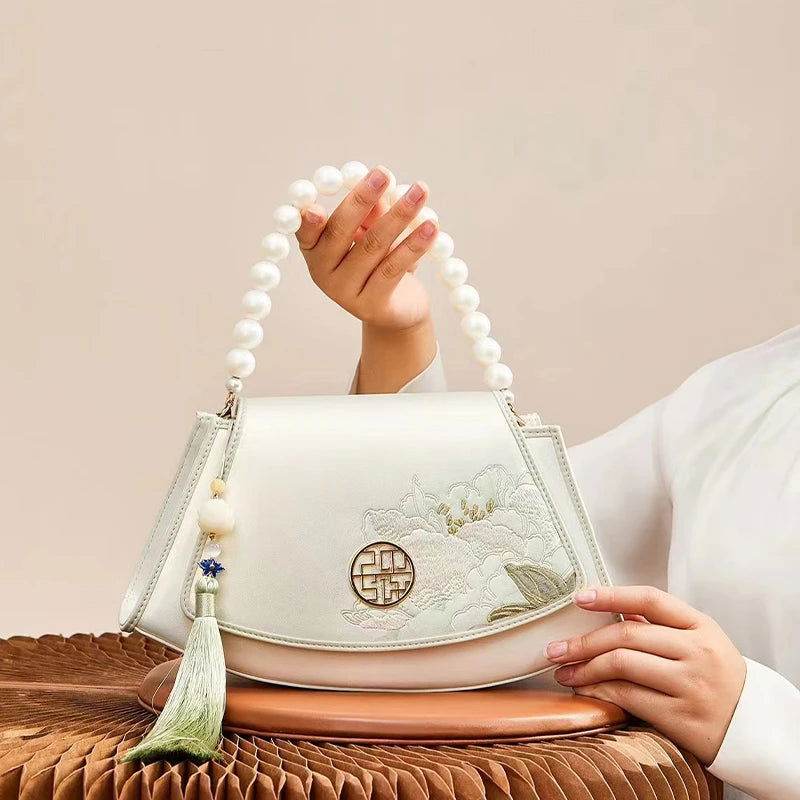
An embroidered bag is more than an everyday accessory. It brings together texture, craftsmanship, leather, fabric, thread, hardware, and artistic detail in a single piece — which is exactly why caring for one requires more patience and gentleness than you'd give an ordinary handbag.
At Sinocultural, many of our embroidered leather bags draw inspiration from traditional Chinese embroidery, brocade, and cultural motifs. Based on our workshop experience, the safest approach to embroidered bag care comes down to four principles: avoid harsh cleaning, protect the embroidery from friction, keep the leather dry, and store the bag properly.
If you're wondering how to clean an embroidered bag without damaging the embroidery or leather, this guide walks you through every step.
Table of Contents
Why Embroidered Leather Bags Need Special Care
Embroidered bags combine several delicate elements in one design. Before you clean or store one, it helps to understand exactly what needs protecting.
1. Embroidery Threads
Embroidery threads can lose their texture if rubbed too hard. Repeated friction may cause fuzziness, loose threads, or an uneven surface.
2. Leather Surface
Leather can be damaged by soaking or by harsh chemical cleaners. Excess moisture may lead to staining, stiffness, deformation, or surface marks.
3. Fabric or Brocade Panels
Some embroidered bags also include brocade, silk-inspired fabric, or woven textile panels. These sections should be kept away from heavy water exposure, rough scrubbing, and direct sunlight.
4. Hardware and Structure
Metal hardware should stay dry to prevent dullness or oxidation. The bag's shape also needs protection — especially during long-term storage.
Basic Care Principle
For embroidered leather bags, the safest rule is: Start dry. Use light pressure. Clean only the affected area. Never soak the bag.
How to Clean an Embroidered Bag Safely
The best cleaning method depends on whether you're dealing with dust, light surface marks, oil stains, or deeper dirt. Always start with the gentlest option.
1. Regular Dust Removal
For everyday embroidered bag care, dust removal is usually all you need.
Recommended Tools:
- A clean soft brush (a soft artist brush or clean makeup brush works well)
- A small air blower or A inflated small balloon
- A soft dry cloth
- A cotton swab for tight corners
Steps:
-
Empty the bag first. Remove everything from inside, and check the lining, corners, and pockets.
-
Wipe the leather surface. Use a soft dry cloth to gently clean the leather. Avoid water unless it's truly necessary.
-
Brush the embroidery. Use a soft clean brush to sweep the embroidered surface, moving lightly in the direction of the stitching.
- Use the air blower.Blow loose dust off the embroidery and out of thread gaps — this removes particles without rubbing the fabric.
-
Clean between stitches if needed.For dust hidden between stitching, use a slightly firmer (but still soft) brush. Work slowly and avoid pressing into the embroidery.
-
Blow away any remaining dust. Finish with the air blower to clear any lifted particles or loose brush fibers.
This method is ideal for routine cleaning because it avoids water, friction, and chemical products entirely.
2. Light Surface Marks
For small surface marks, spot cleaning is safer than treating the whole bag.
On leather areas:
- Use a soft cloth that's only slightly damp.
- Gently wipe the marked area.
- Follow immediately with a dry cloth.
- Let the bag air dry in a shaded, well-ventilated spot.
Do not use alcohol wipes, bleach, acetone, or strong stain removers on leather.
On embroidered areas:
- Start with a dry cotton swab to lift surface dirt.
- If needed, use a cotton swab with a very small amount of mild soapy water.
- Dab the stained area gently — never rub back and forth.
- Follow up with a dry cotton swab or soft cloth to absorb any excess moisture.
The rule here is simple: dab, don't scrub.
3. Oil Stains on Embroidery
Oil stains require extra care. Resist the urge to wash the bag right away.
What to Do First:
- Press a clean dry cotton pad or tissue gently onto the stained area to absorb surface oil.
- Do not spread the stain outward.
- Do not rub the embroidery.
What Not to Do:
- Do not use laundry detergent, washing powder, or strong solvents at home.
- Do not scrub the embroidery.
- Do not soak the bag in water.
For visible oil stains, professional cleaning is recommended. Some luxury bag care services use specialized solutions under controlled conditions — these are not methods to attempt at home.
4. Water Exposure
An embroidered leather bag should never be washed like a fabric tote.
If the bag gets slightly wet:
- Blot the surface gently with a clean dry cloth.
- Do not rub the embroidery.
- Leave the bag open in a shaded, ventilated area.
- Let it dry naturally.
- Fill the inside with clean tissue paper to help it hold its shape.
Do not use a hair dryer, heater, direct sunlight, or tumble dryer.
Cleaning Mistakes to Avoid
Most embroidered bag damage comes from over-cleaning, not under-cleaning. The following mistakes can cause permanent harm.
- Machine washing: Machine washing can deform the bag, damage the leather, loosen embroidery, and compromise the structure.
- Soaking in water: Too much water may cause staining, stiffness, color change, or loss of shape.
- Scrubbing the embroidery: Scrubbing can cause loose threads, fuzziness, and visible surface damage.
- Using strong chemicals: Avoid bleach, alcohol, acetone, harsh stain removers, laundry powder, and strong soap — these can damage both the embroidery and the leather.
- Drying in direct sunlight: Strong sunlight may fade embroidery colors, dry out leather, and weaken the fabric.
- Pulling loose threads: If a thread comes loose, leave it flat and contact a professional repair service — do not pull it.
-
Storing the bag while damp: Moisture can damage the embroidery, leather, lining, and hardware. Always make sure the bag is completely dry before storing.
Daily Use and Storage Tips
Good daily habits will protect your embroidered leather bag more effectively than frequent cleaning ever could.
Daily Use Tips
- Watch for color transfer. Be careful wearing the bag against dark denim or heavily dyed clothing — color may transfer onto light leather or embroidery.
- Avoid rough surfaces. Don't place the embroidered side against rough tables, stone floors, or textured walls, as friction can damage the threads.
- Keep sharp objects away. Keys, metal accessories, jewelry, and abrasive surfaces can snag the embroidery.
- Don't overload it. Too much weight can distort the bag's shape, strain the seams, or press on the embroidered surface.
- Protect from makeup and oils. Store lipstick, foundation, hand cream, perfume, and oil-based products inside a small pouch to prevent accidental stains.
-
Wipe after use. After wearing the bag, gently wipe the leather with a dry soft cloth and dust the embroidery lightly if needed.
Storage Tips
- Use a dust bag. Store the bag in a dust bag when not in use. Avoid plastic bags — they can trap moisture.
- Maintain the shape. Fill the bag with clean tissue paper or soft stuffing. Avoid newspaper, as the ink can transfer to the lining.
- Choose a cool, dry spot. Avoid direct sunlight, high humidity, and extreme temperature changes.
- Avoid stacking. Don't place heavy items on top of the bag — pressure can leave marks on the leather or flatten the embroidery.
- Use moisture protection. In humid climates, keep a moisture absorber nearby — just make sure it doesn't touch the bag directly.
-
Let it breathe. If the bag is in long-term storage, take it out occasionally and air it in a shaded, dry space.
Our Workshop Care and Quality Standards
At Sinocultural, every embroidered leather bag is carefully checked and prepared before it's packed and shipped. These same workshop standards inform the care advice we share with customers.
Quality Inspection Before Packaging
- Material inspection. Embroidery threads, fabric panels, and decorative materials are checked before production to confirm texture, color, and surface condition meet the required standard.
- Leather inspection. The leather is examined for visible marks, pressure lines, scratches, uneven texture, and surface imperfections — ensuring a clean, refined finish on the final bag.
- Color fastness. For embroidered and fabric areas, color performance is carefully evaluated. Dry and wet rubbing tests — standard in textile quality control — help confirm that colors won't transfer or fade.
- Embroidery inspection. For machine embroidery, the focus is on stitch uniformity, pattern accuracy, and overall neatness. For hand embroidery, inspectors look at stitch consistency, dimensional effect, thread control, and the natural texture of the handwork.
-
Shape and structure check. The bag's shape, seams, handle, strap, hardware, and closure are all checked before packaging — to confirm the bag is ready for daily use and safe for shipping.
Workshop Care Before Shipping
- Surface dust removal. Embroidered and leather surfaces are gently cleaned to remove any visible dust or loose particles.
- Stain check. Each bag is inspected for marks, stains, or surface irregularities before it's packaged.
- Moisture protection. Bags are kept away from damp environments to protect the embroidery, leather, and hardware.
- Shape protection. The interior is filled to help the bag hold its structure during storage and transit.
- Friction prevention. The embroidered surface is shielded from rough contact and unnecessary rubbing.
-
Light control. Bags are stored away from strong direct light to help preserve embroidery color and leather texture.
These care habits are simple, but they are important. They help preserve the craftsmanship, structure, and visual beauty of an embroidered leather bag.
Choose an Embroidered Bag Made for Long-Term Care
The best embroidered bag care actually begins at the point of purchase. A well-made bag with quality materials and secure stitching is easier to protect, store, and enjoy for years. Here are a few Sinocultural styles designed with both beauty and longevity in mind.
-
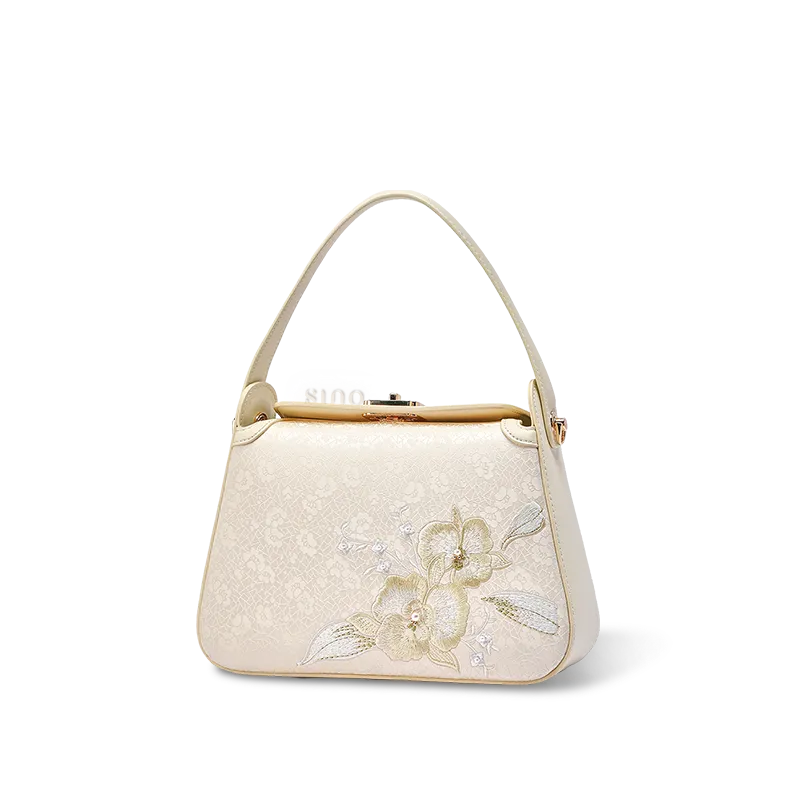
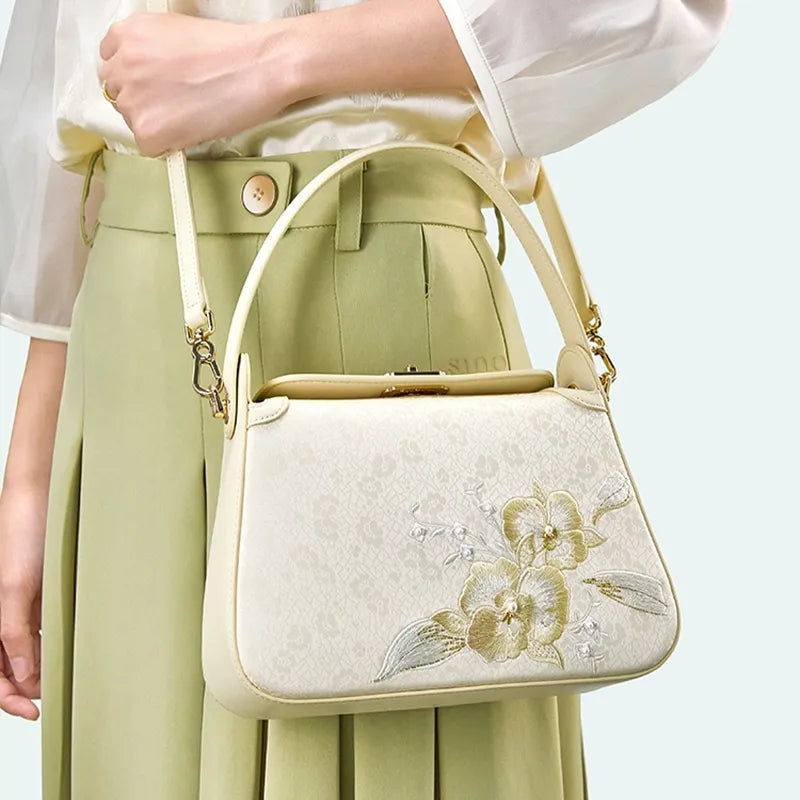
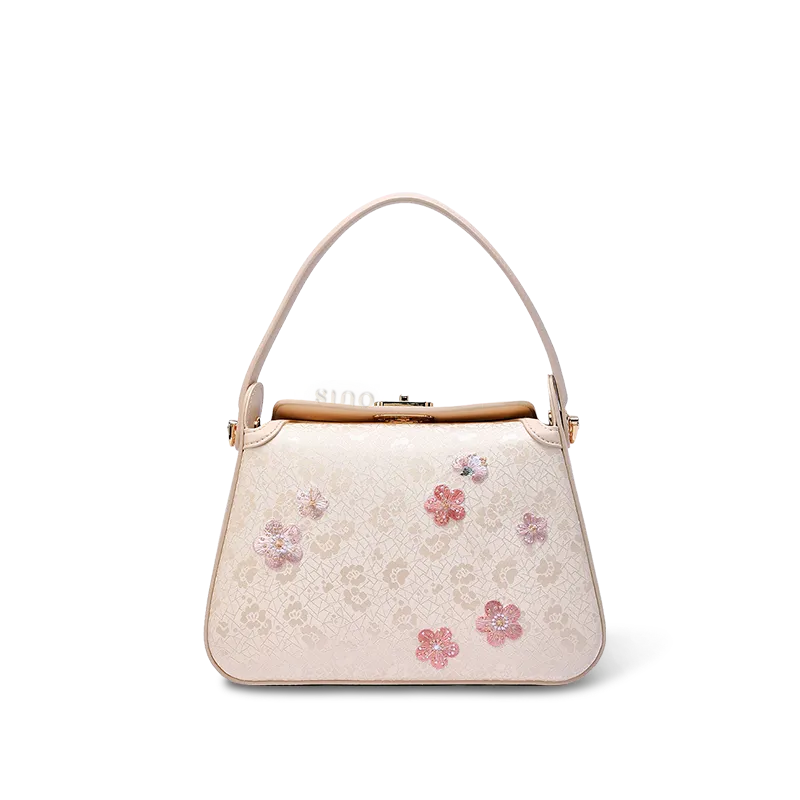
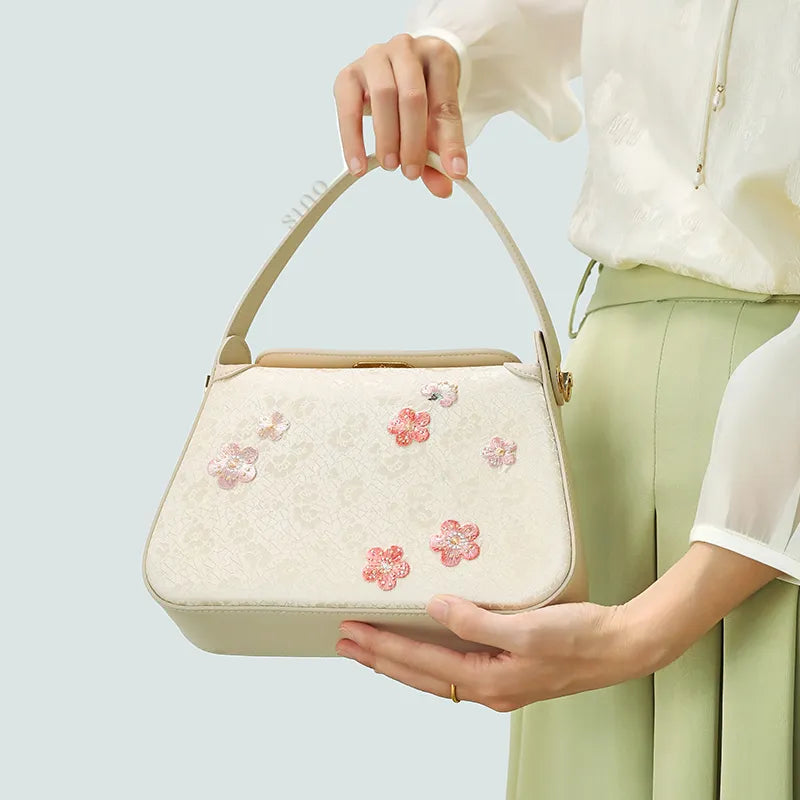
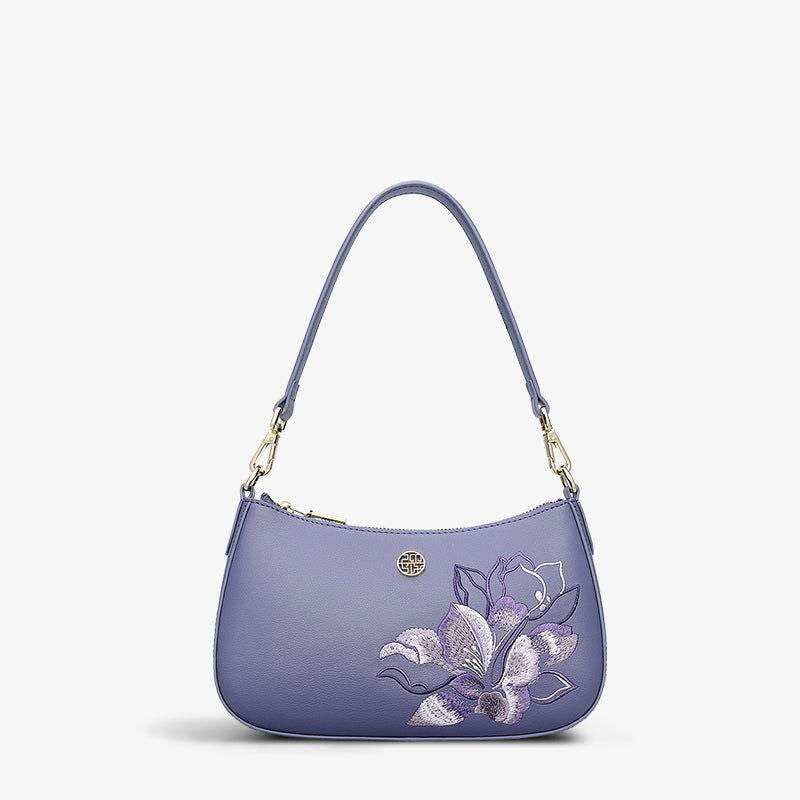
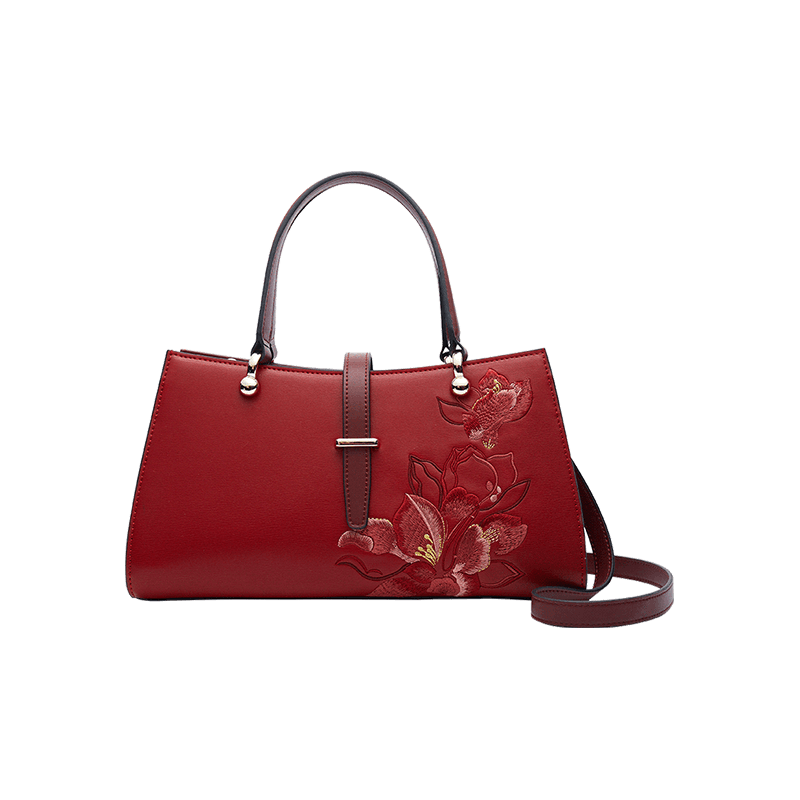
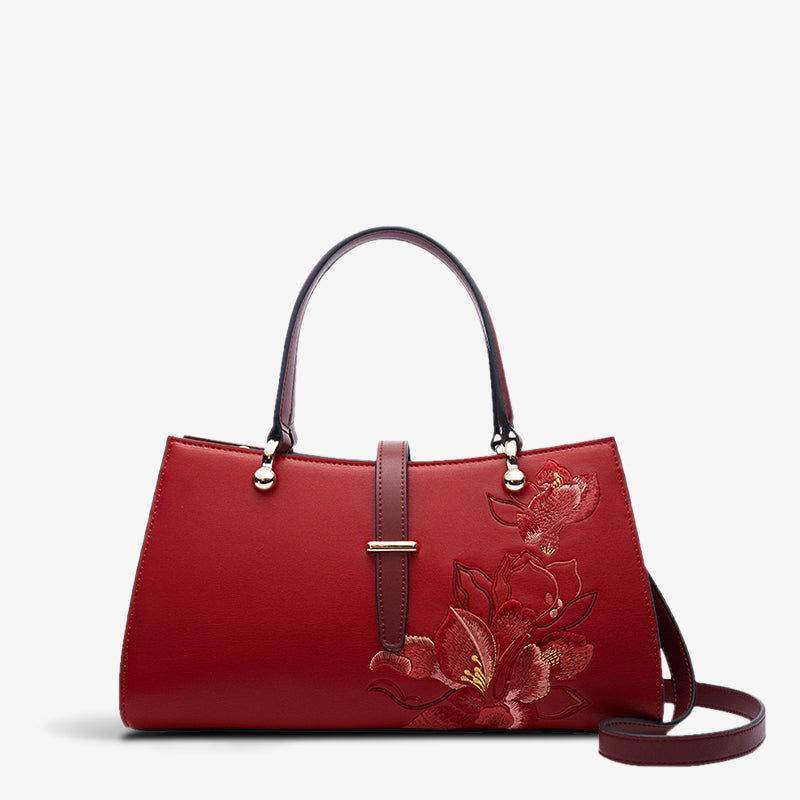
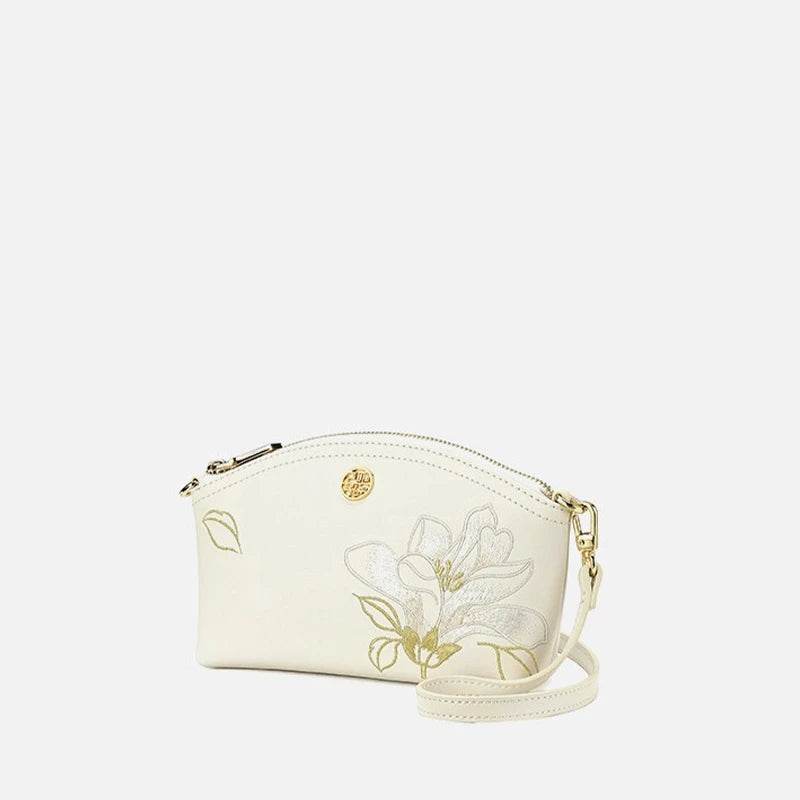
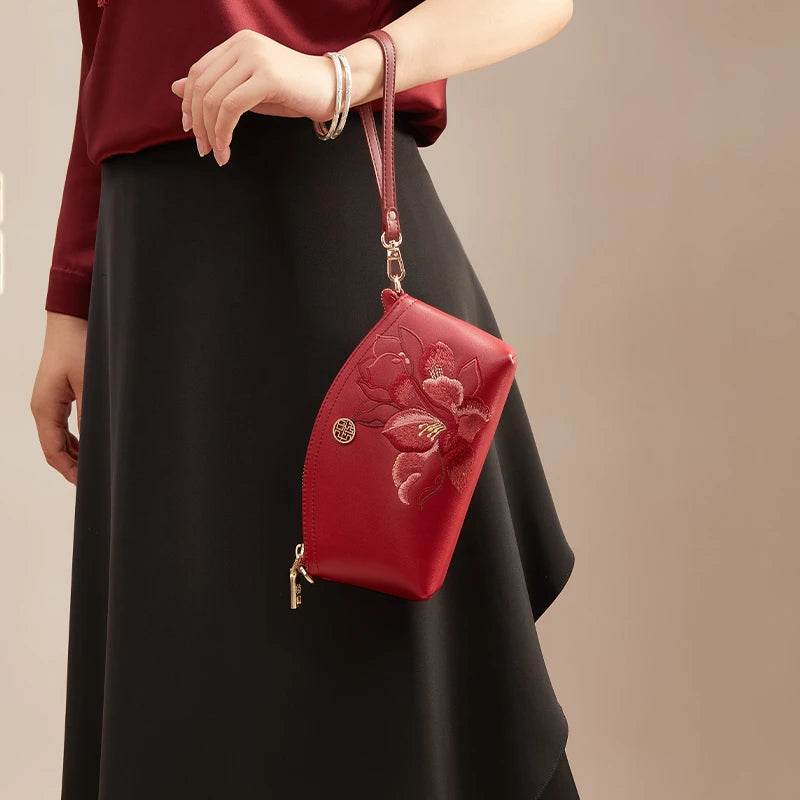
Luxury Leather Magnolia Crossbody Bag Designer Embroidery Satchel. A refined embroidered crossbody for everyday styling. Its structured shape makes it easy to store and maintain with regular dusting and gentle care.

-
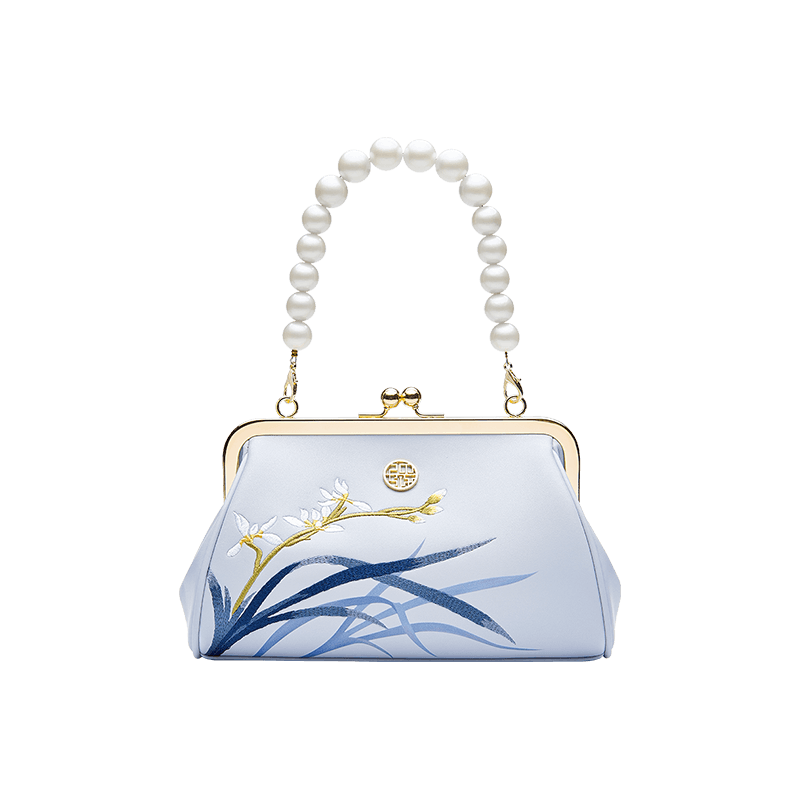
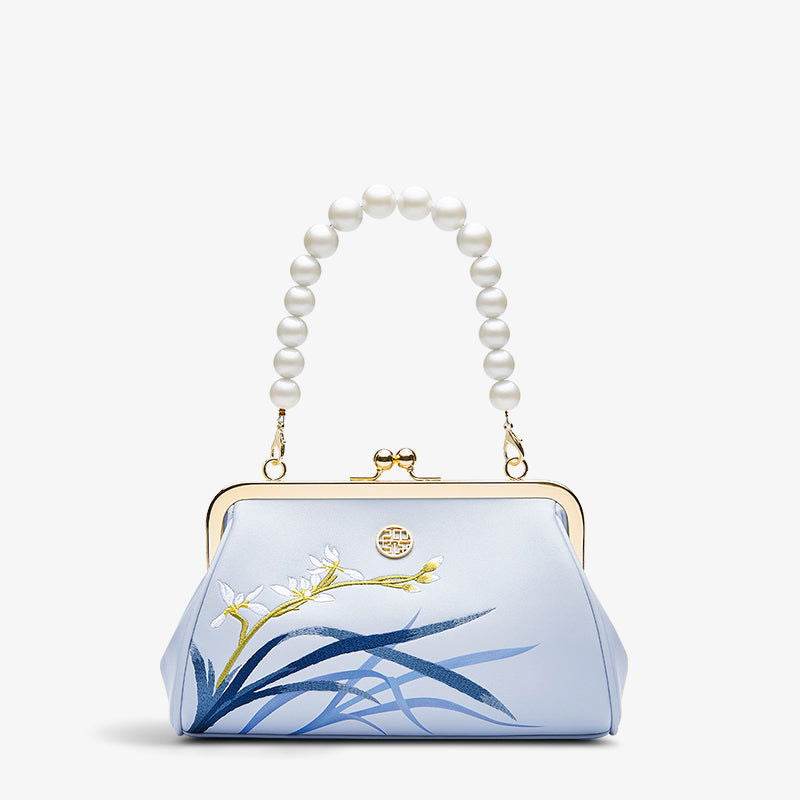
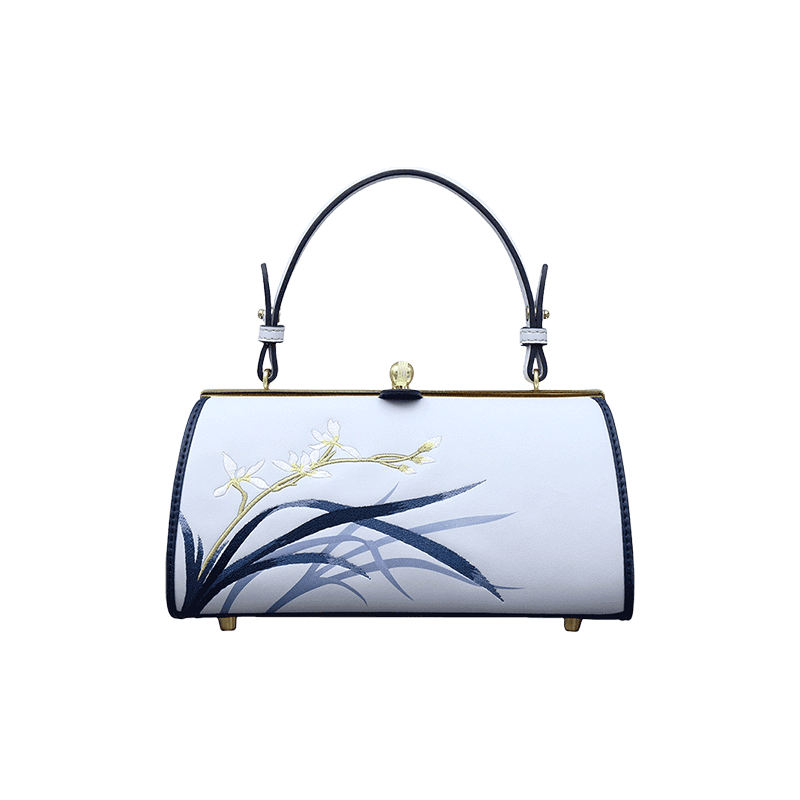
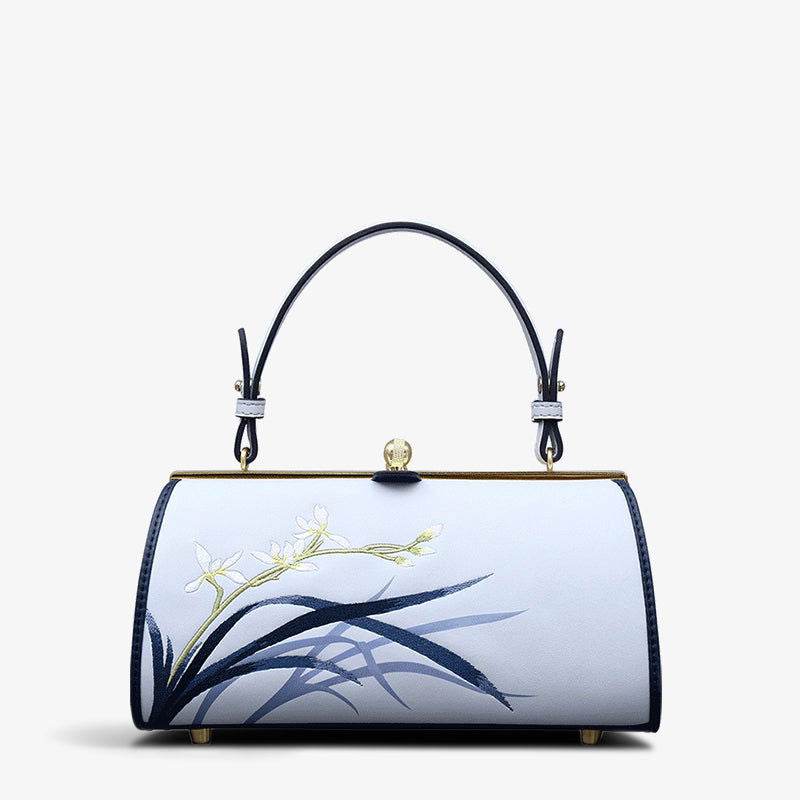
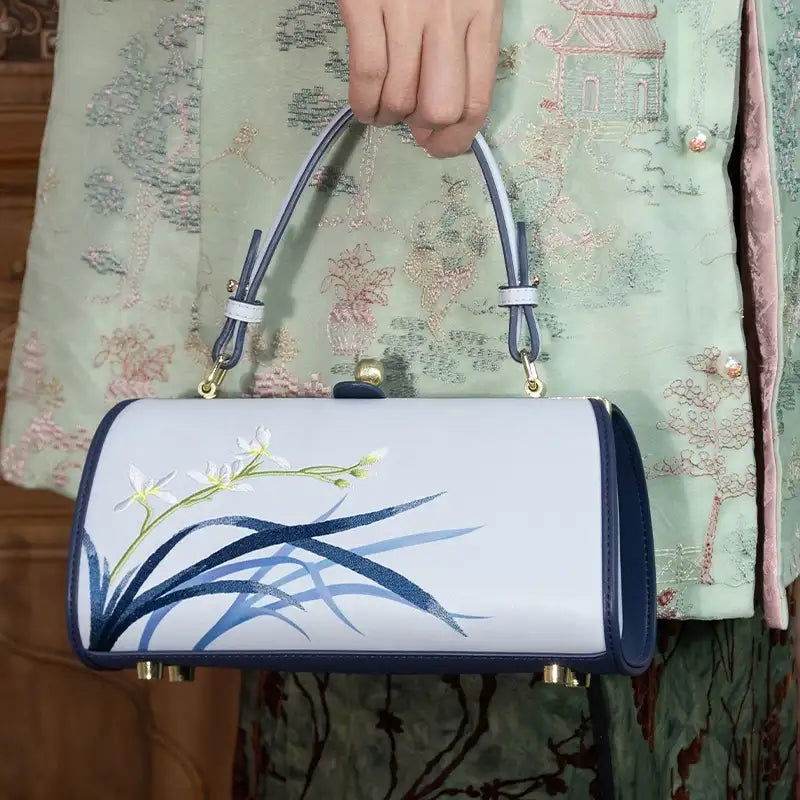
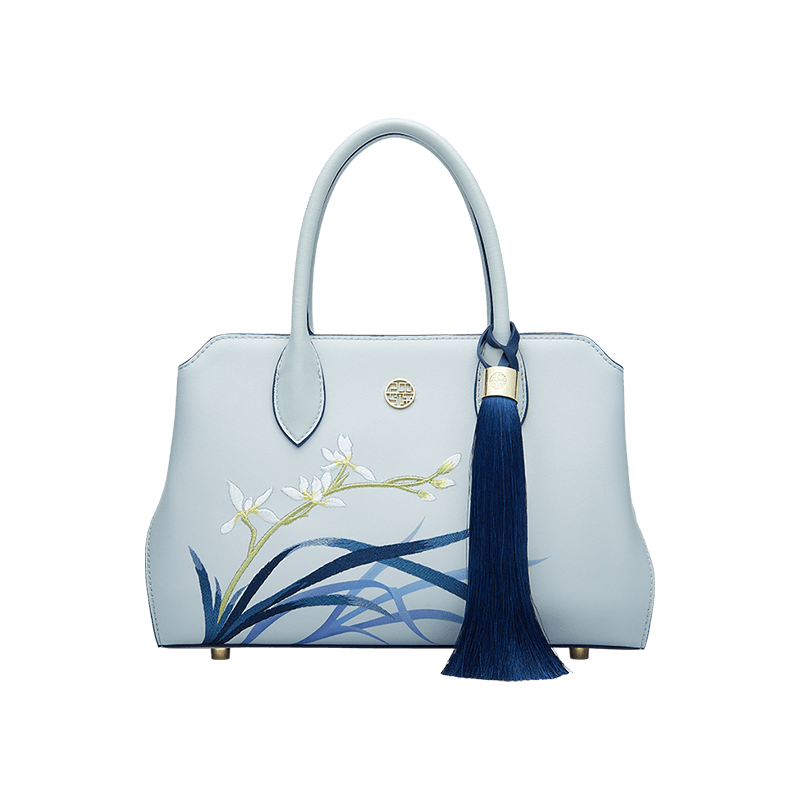
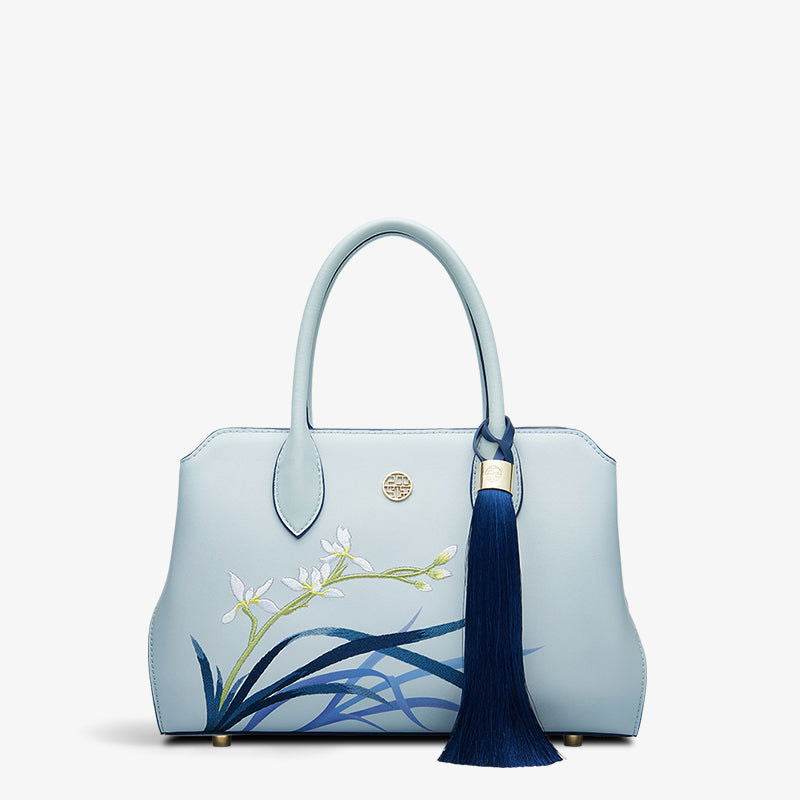
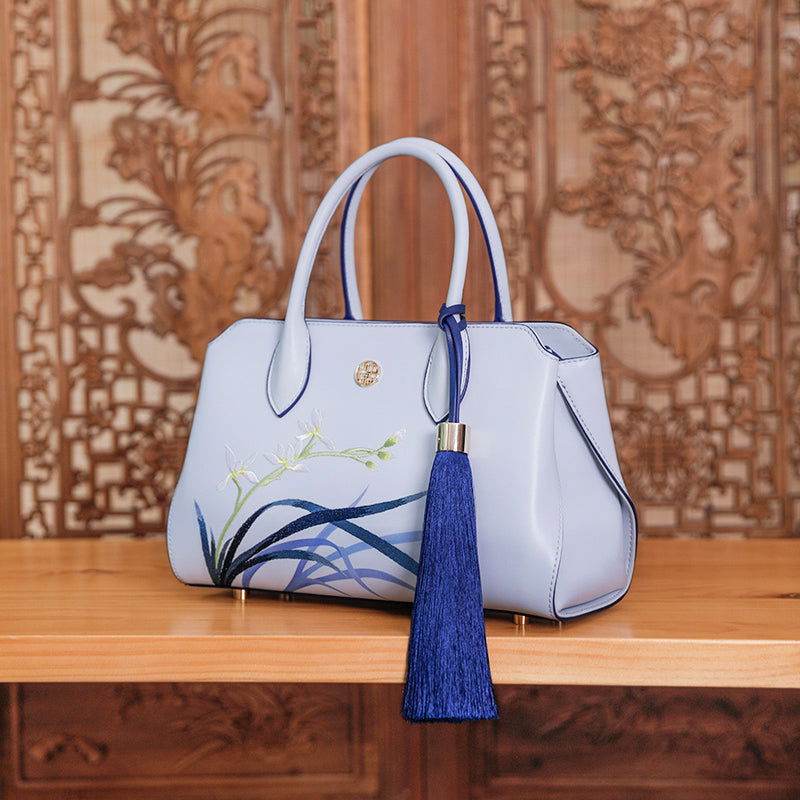
Embroidery Leather White Work Handbag Orchid with Scarf. A polished work bag for commuting and business outfits. Keep it away from dark clothing, moisture, and rough surfaces to protect the light leather and embroidery.

-
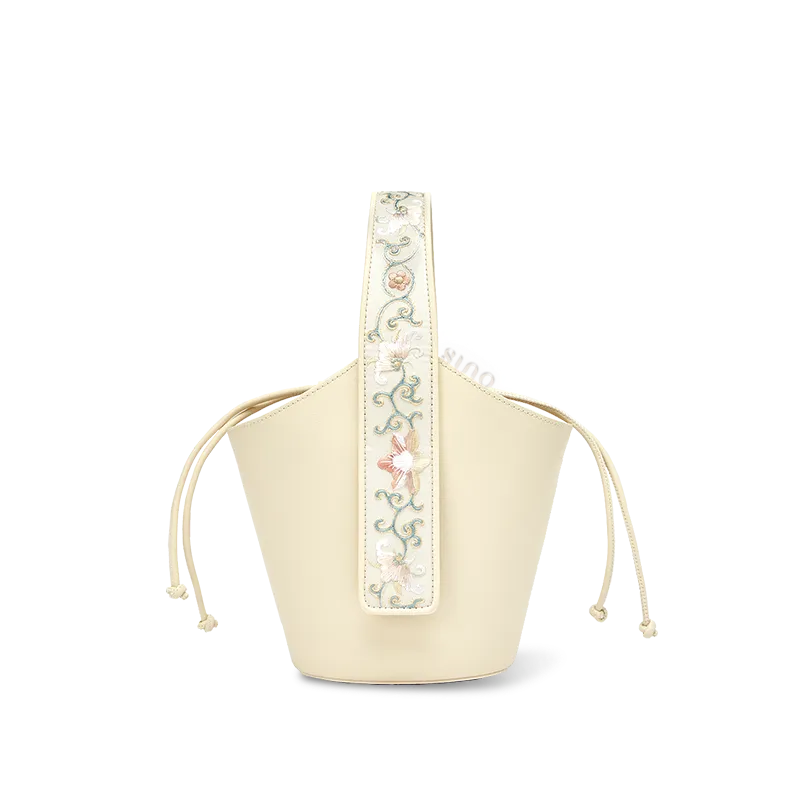
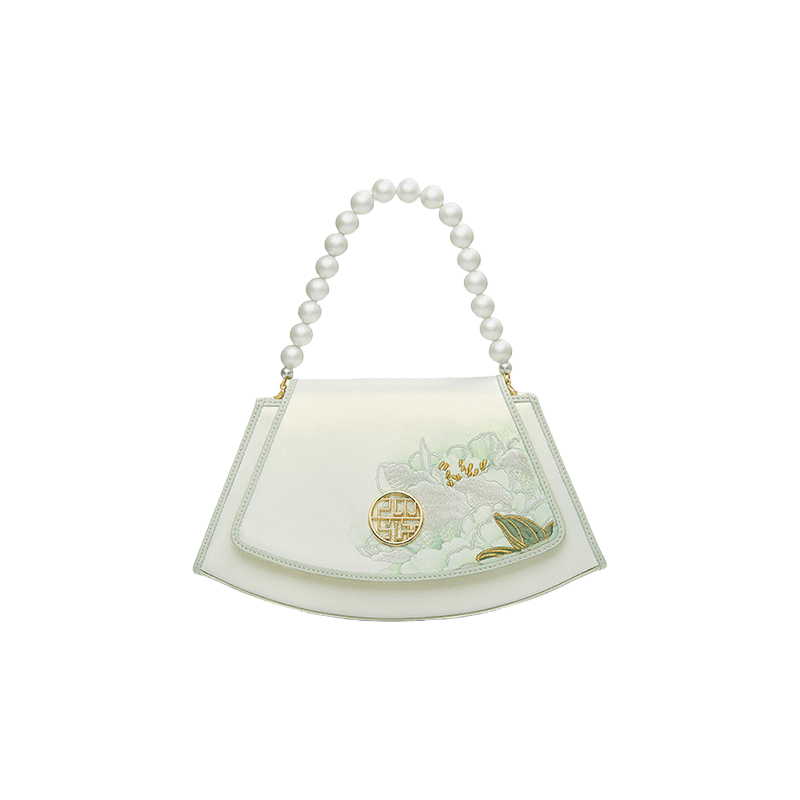
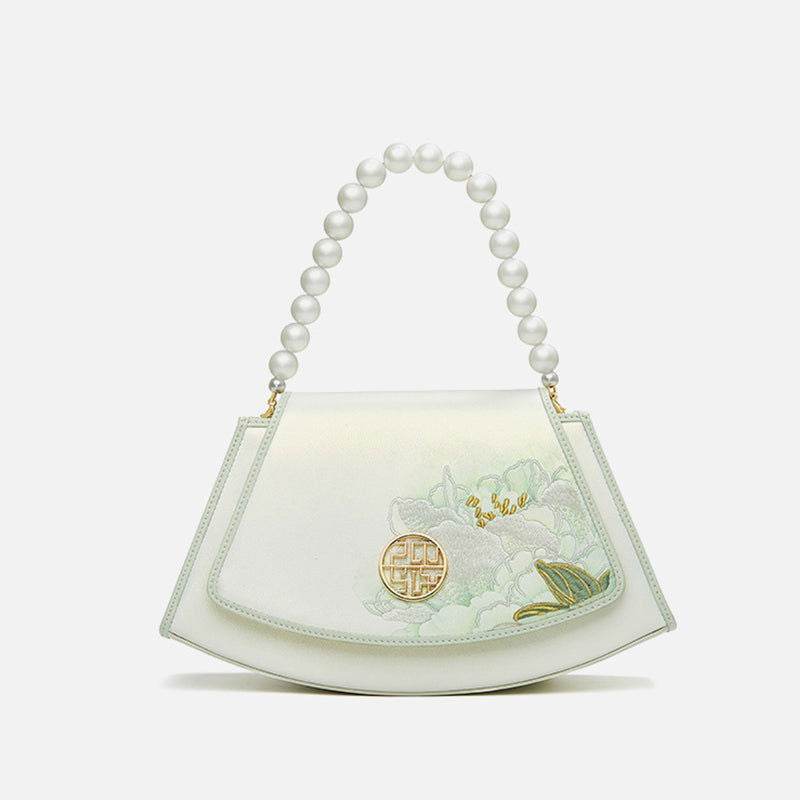
White Hibiscus Embroidered Leather Handbag Top Handle Crossbody Bag. A structured top-handle bag for elegant occasions. Store it with soft filling to maintain its shape and protect the embroidered front.

-
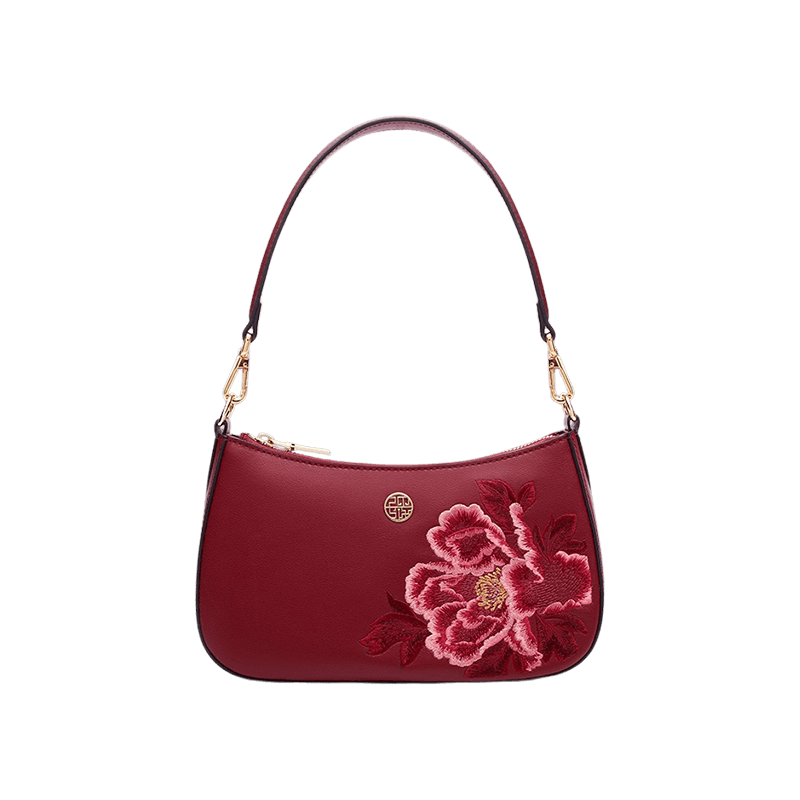
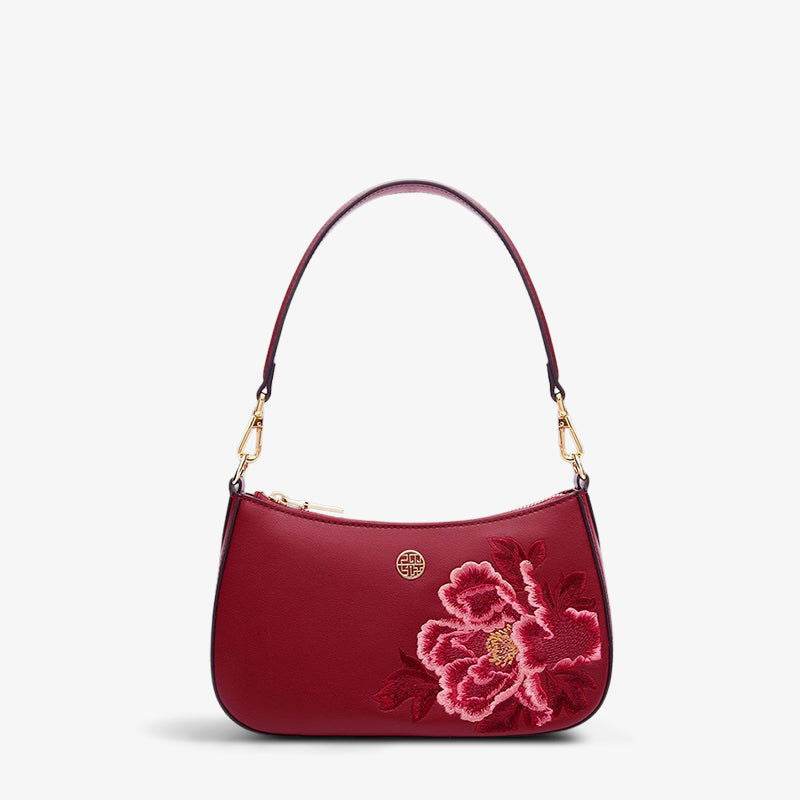
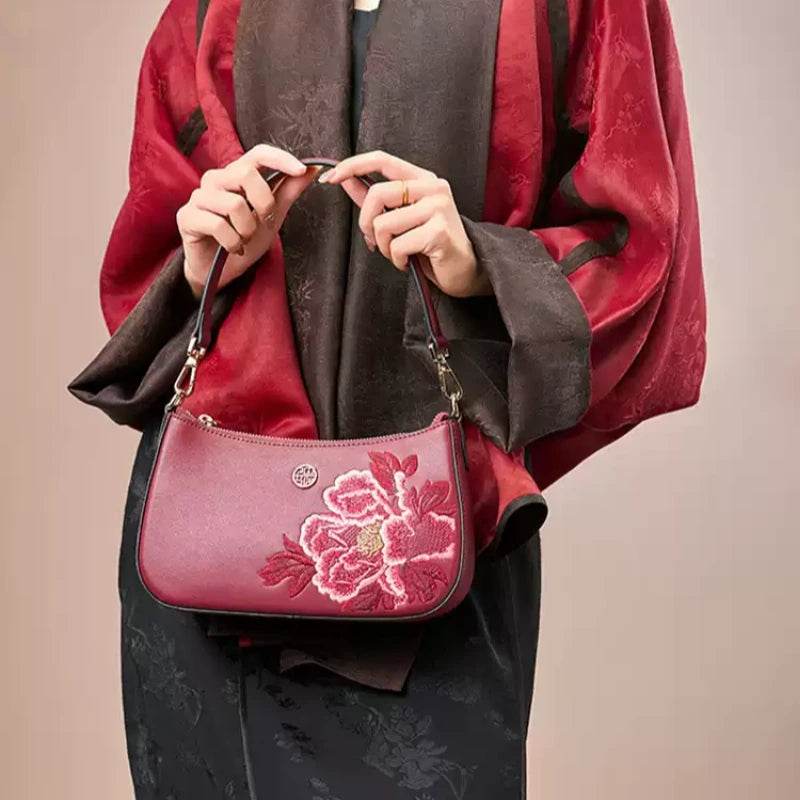
Luxury Black & Gold Peony Leather Embroidery Statement Bag. A bold embroidered leather bag with a striking peony motif. Keep it in a dust bag and store away from sunlight, pressure, and moisture.

Explore more styles in our embroidered handbag collection.
FAQs About Embroidered Bag Care
-
Q1. How do you clean an embroidered bag?
Start with dry care. Use a soft brush to remove dust from the embroidery, then use a small air blower to clear particles from between the stitches. For small stains, gently dab the area with a cotton swab and a tiny amount of mild soapy water. Never scrub. -
Q2. Can I wash an embroidered leather bag?
No. Embroidered leather bags should never be machine washed or soaked in water. Water can damage the leather, loosen embroidery, and compromise the bag's structure. -
Q3. Can embroidery get wet?
A small amount of moisture may not cause immediate damage, but repeated water exposure can affect thread texture, color, and shape. Keep embroidered areas as dry as possible. -
Q4. How do I remove dust from embroidery?
Use a clean soft brush and a small camera-lens air blower. This method removes dust without rubbing the embroidery or introducing moisture. -
Q5. What should I do if my embroidered bag gets an oil stain?
Use a clean dry cotton pad to gently absorb the surface oil. Do not rub, wash, or apply strong cleaners. For visible oil stains, professional cleaning is the safest option. -
Q6. How should I store an embroidered leather bag?
Store it in a dust bag in a cool, dry place away from direct sunlight, and fill the inside with clean tissue paper or soft stuffing to maintain the shape. -
Q7. How can I protect the embroidery from damage?
Avoid friction, sharp objects, moisture, perfume, makeup, oils, and heavy pressure. Do not pull loose threads. If the embroidery is damaged, seek professional repair. -
Q8. How often should I clean my embroidered bag?
For regular use, a light dusting every few wears is plenty. Deep cleaning should only happen when necessary. Stubborn stains are best handled by a professional luxury bag care service.