Passer au contenu




Have you ever wondered why Chinese people eat dumplings on the Winter Solstice, why tea picked before Grain Rain is considered precious, or how artisans choose specific floral motifs for silk garments? The answer lies in the 24 Solar Terms (二十四节气 24 Jie Qi).

Recognized by UNESCO as an Intangible Cultural Heritage of Humanity, the 24 Solar Terms are a traditional Chinese calendar system that divides the year into 24 segments based on the sun's position. More than just a farming schedule, it is a guide to living in harmony with nature—dictating what we eat, how we dress, when we harvest tea, and how we care for our health.
At SinoCultural, we have documented the unique customs and wisdom of every single solar term. This page serves as your complete directory for the 2026 solar terms dates.
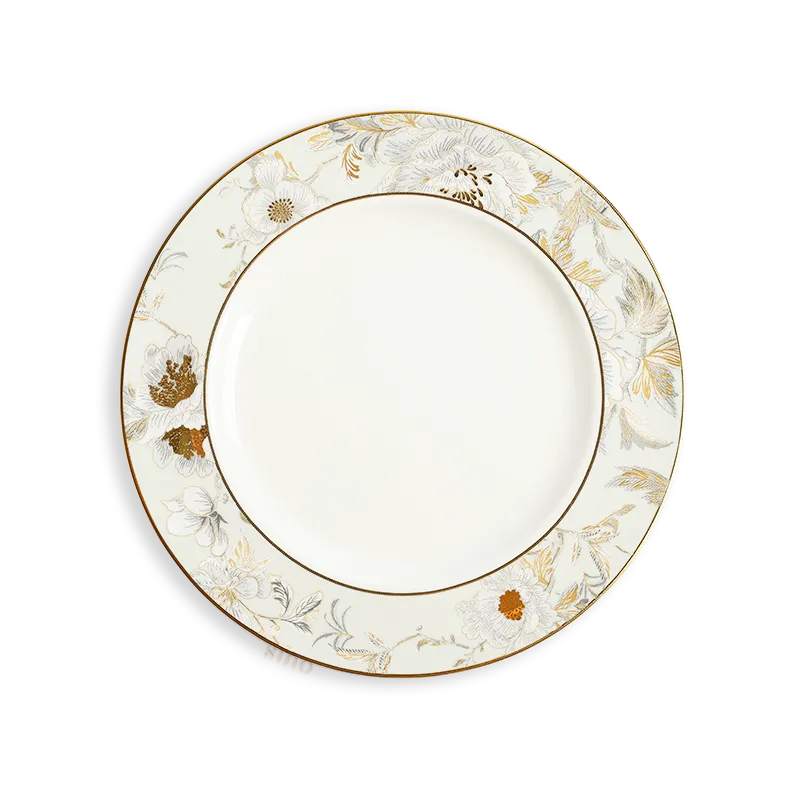
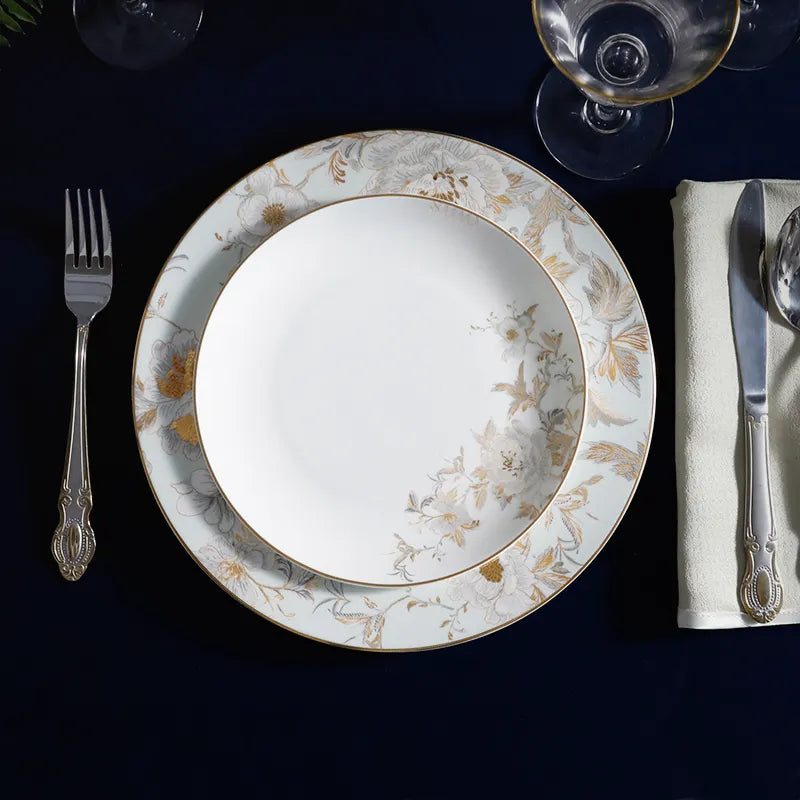
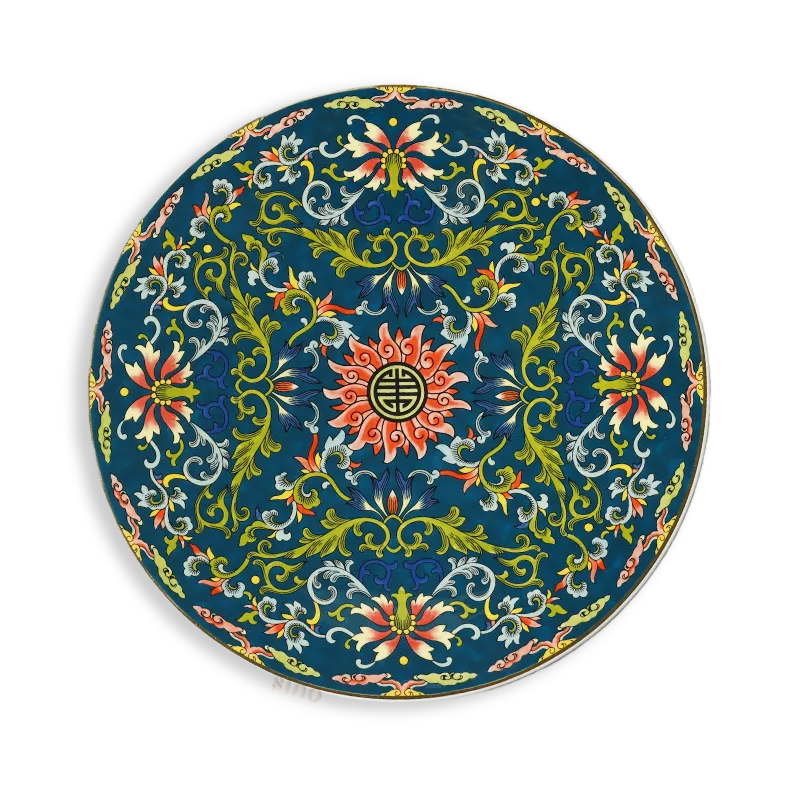
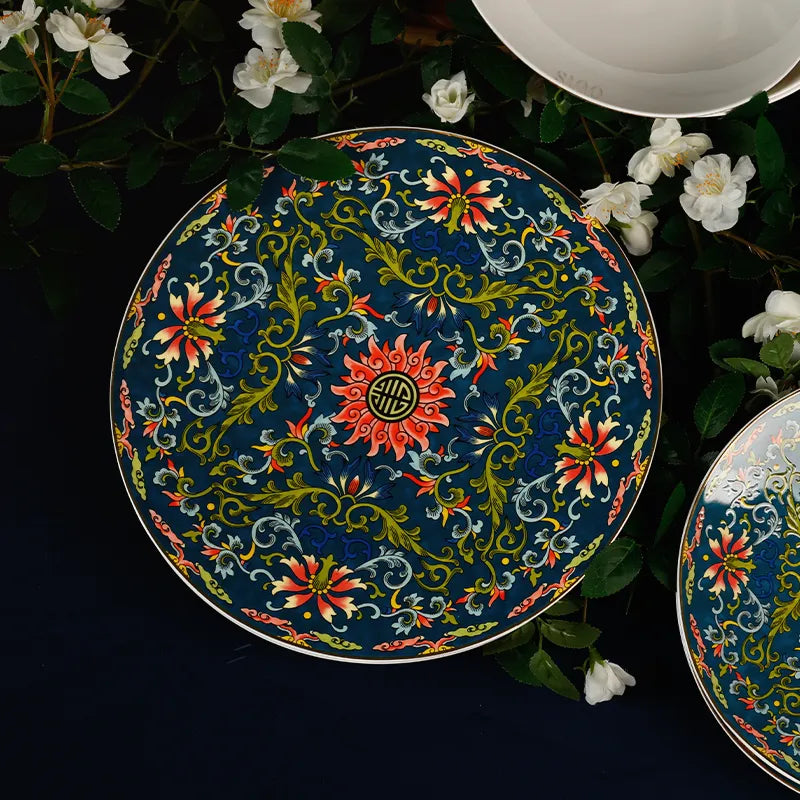
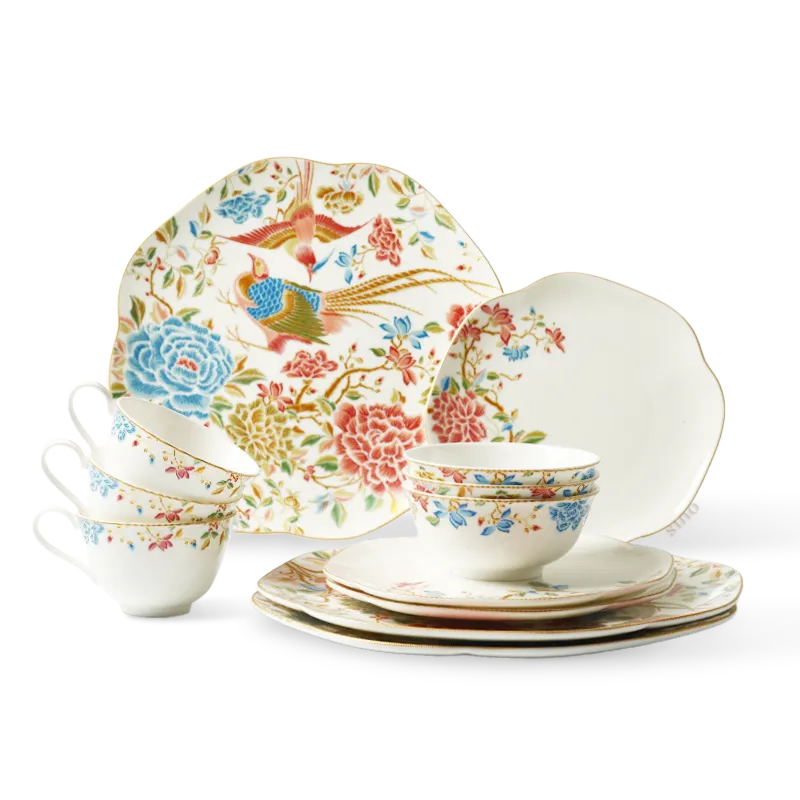
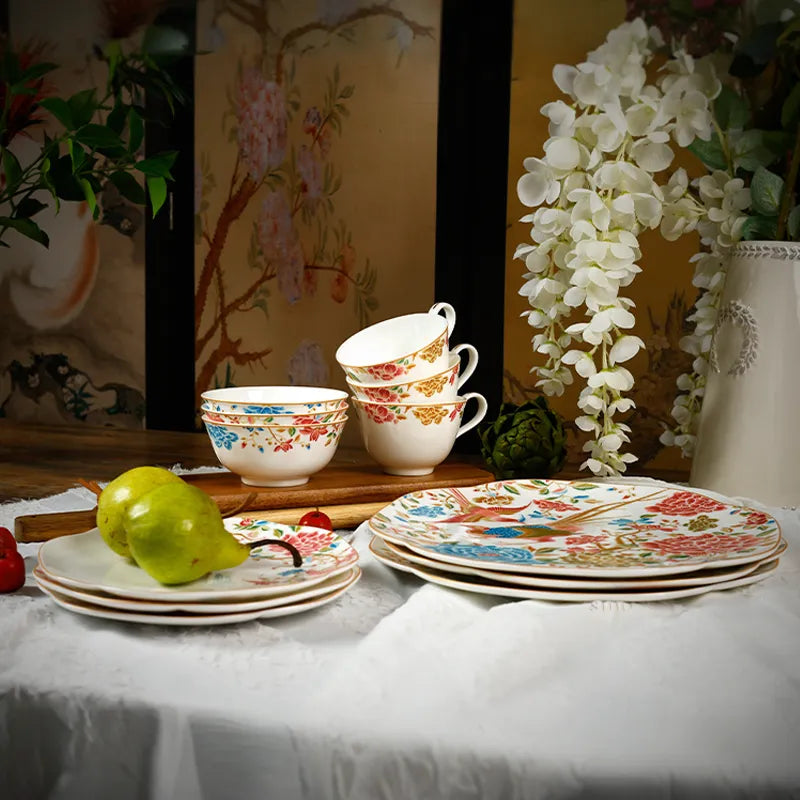
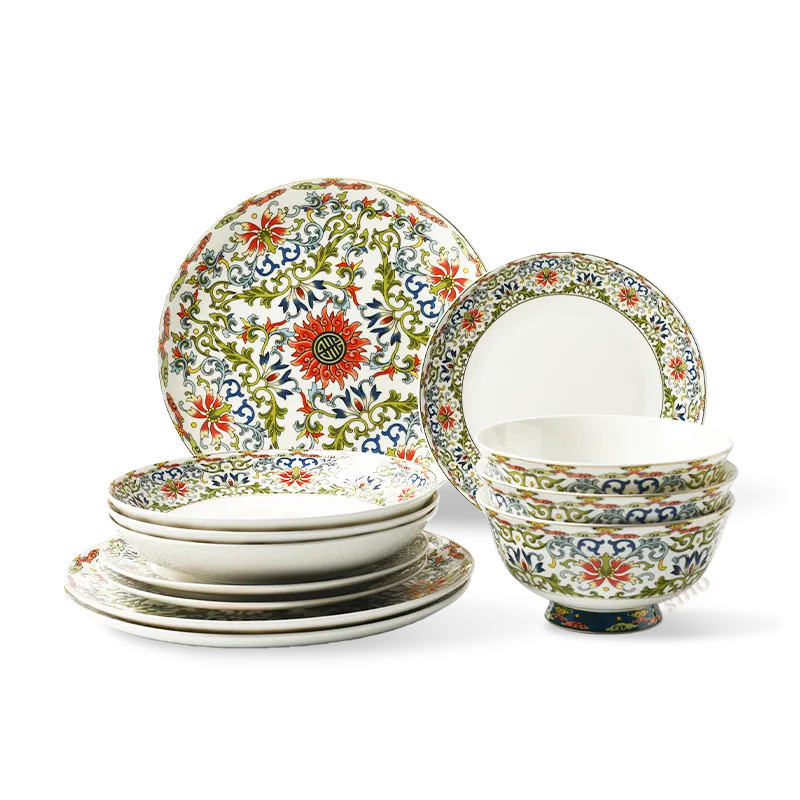
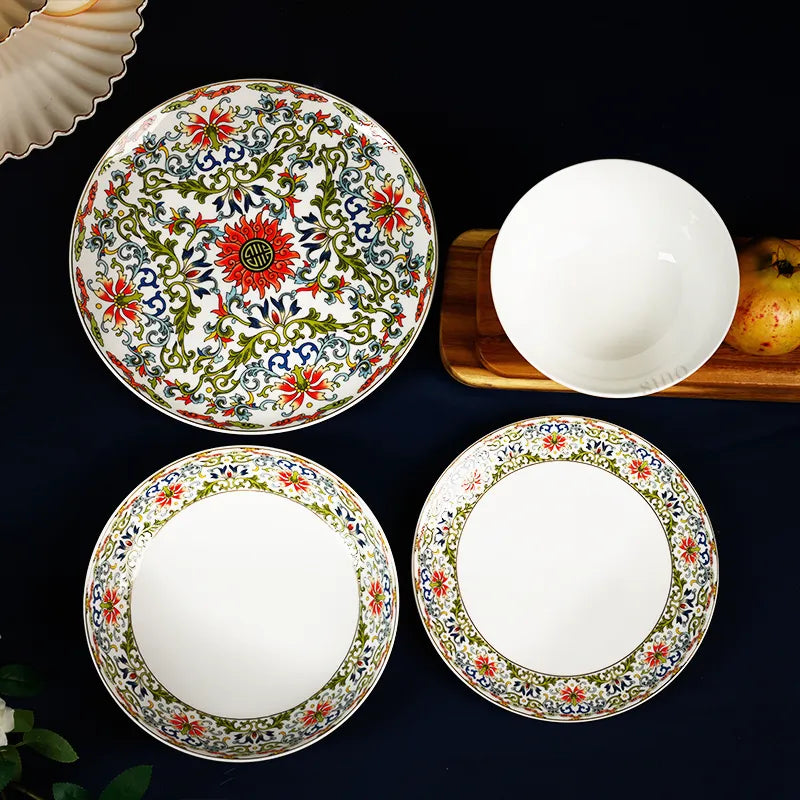
Celebrate the coming Summer with SinoCultural curated Bone China Tea Sets. Limited editions for the Fire Horse year. Chinese Porcelain Gifts | Bone China Gift Sets for Corporate Gifts

Table of Contents
- The 24 Solar Terms 2026 Calendar
- Chinese Tea Harvesting and the 24 Solar Terms
- Spring: Awakening and Growth
- Summer: Passion and Abundance
- Autumn: Harvest and Clarity
- Winter: Storage and Reflection
- Living the Seasons: Seasonal Silk & Embroidery
- FAQ: Common Questions
The 24 Solar Terms 2026 Calendar
For those planning their cultural events, dietary changes, or travel, here are the exact 24 solar terms dates for 2026:
Chinese Tea Harvesting and the 24 Solar Terms
A significant part of the agricultural calendar involves Chinese tea harvesting and 24 solar terms. In Chinese tea culture, the timing of the harvest dictates the quality, flavor, and price of the tea leaves.
-
Pre-Qingming Tea (Mingqian Tea): Harvested before Qingming (April 4). These early spring buds are extremely tender, rare, and considered the absolute highest tier of green tea (like Longjing).
-
Pre-Guyu Tea (Yuqian Tea): Harvested between Qingming and Guyu (Grain Rain). The weather is warmer, allowing the leaves to grow slightly larger, offering a richer, more robust flavor.
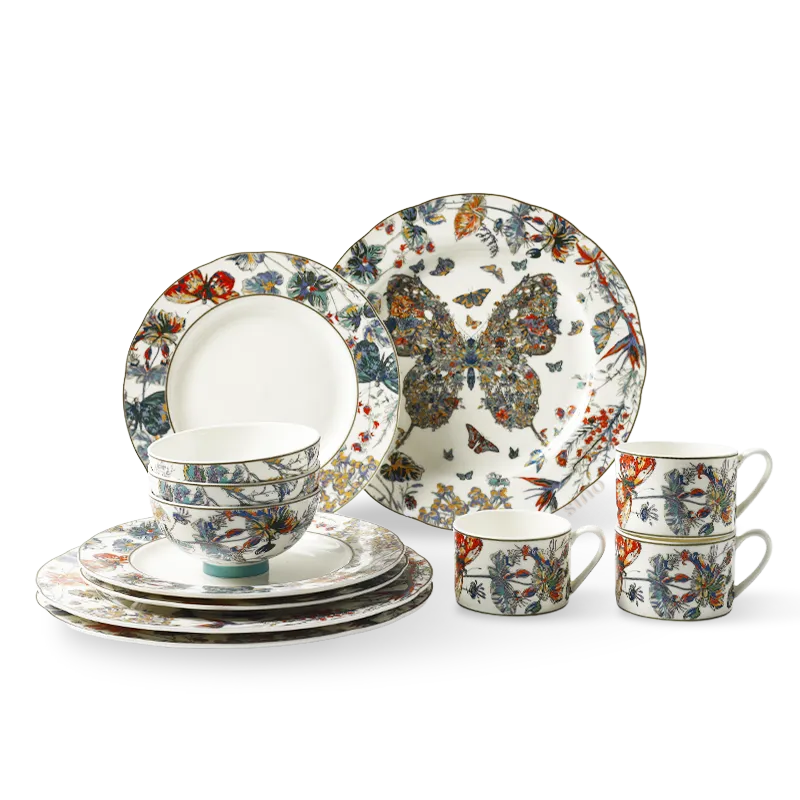
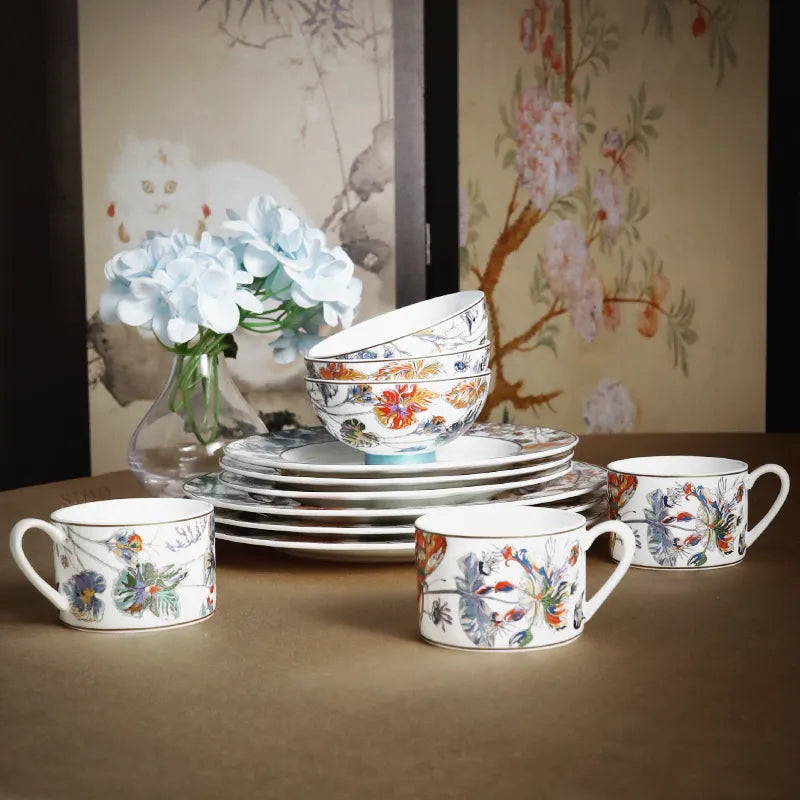
Understanding the tea picking and 24 solar terms in China is essential for any tea connoisseur, as the rhythm of the sun directly shapes the aroma in your cup. Choose a luxury SinoCultural tea cup for your tea: Chinese Luxury Chinoiserie Bone China Tea Sets & Teaware|SinoCultural

Spring: Awakening and Growth
The season of rebirth, where the yang energy rises and life begins anew.
1. Start of Spring (Lichun / 立春)
-
Date: Feb 3-5
-
Overview: The official beginning of spring. It is a time to "bite the spring" (eat spring pancakes) to ward off illness.

2. Rain Water (Yushui / 雨水)
-
Date: Feb 18-20
-
Overview: Snow turns to rain, and the land begins to thaw. A crucial time for nourishing the spleen.

3. Awakening of Insects (Jingzhe / 惊蛰)
-
Date: Mar 5-7
-
Overview: Spring thunder wakes hibernating insects. Discover why people eat pears during this time.

4. Spring Equinox (Chunfen / 春分)
-
Date: Mar 20-22
-
Overview: Day and night are of equal length. A balanced time perfect for "standing eggs" games and eating spring vegetables.
-
👉 [Read More: Balancing Yin and Yang on the Spring Equinox/Chunfen]

5. Pure Brightness (Qingming / 清明)
-
Date: Apr 4-6
-
Overview: Known for Tomb-Sweeping Day, it is a time for honoring ancestors and enjoying green rice balls (Qingtuan).

6. Grain Rain (Guyu / 谷雨)
-
Date: Apr 19-21
-
Overview: The last solar term of spring. Rainfall increases for crops. Don't miss the tradition of drinking "Guyu Tea."

Summer: Passion and Abundance
The season of growth and maximum Yang energy. Heat, rain, and blooming life.
7. Start of Summer (Lixia / 立夏)
-
Date: May 5-7
-
Overview: Summer officially arrives. Tradition involves weighing children and eating eggs to prevent summer fatigue.

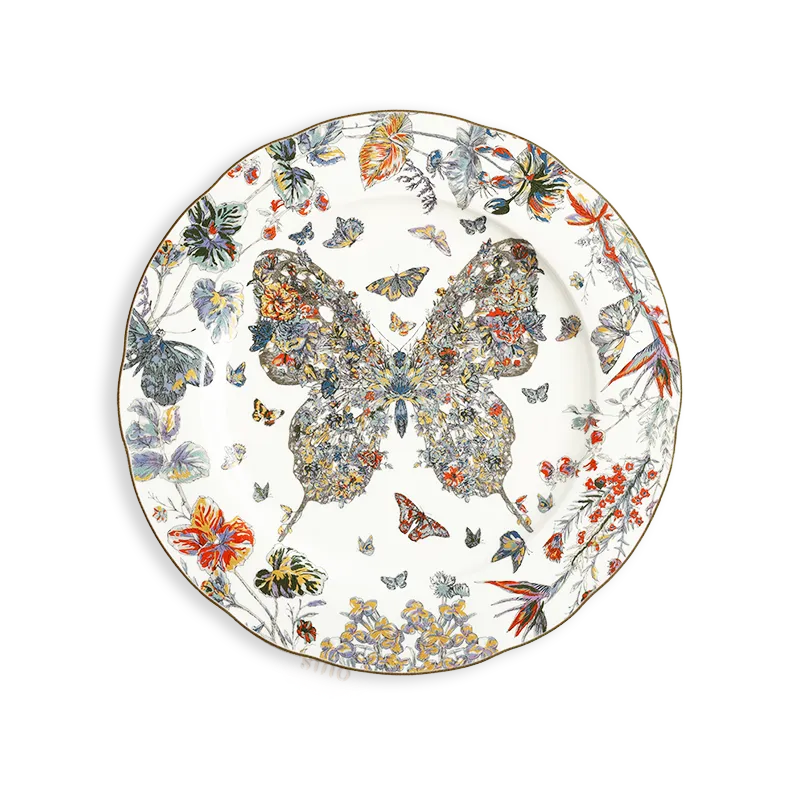
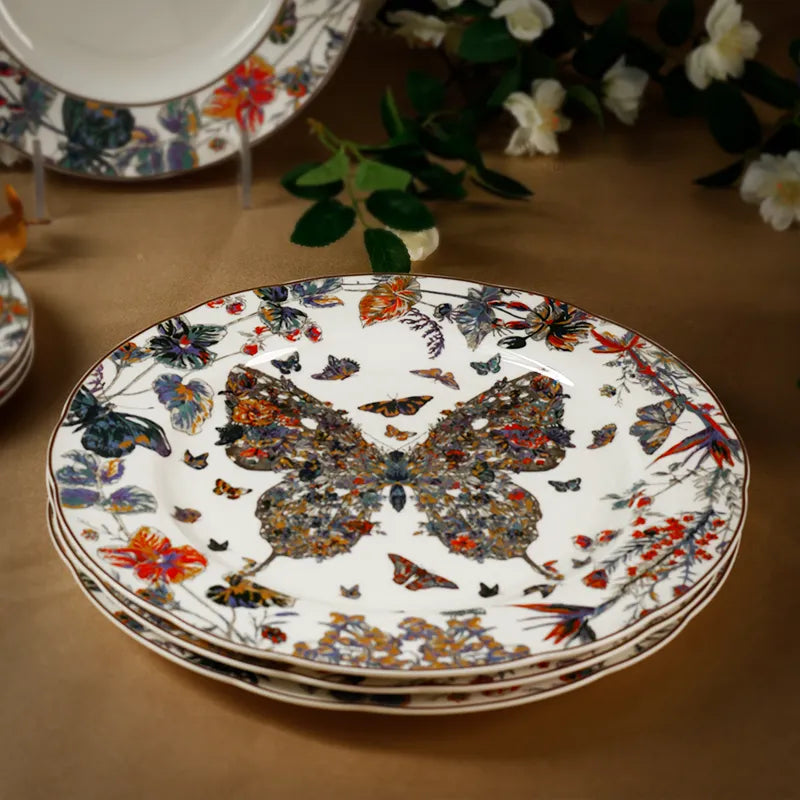
Summer has arrived. In Chinese wisdom, it's time to cool the heart. Explore SinoCultural Home Decor Collection for a mindful summer ritual.

8. Grain Buds (Xiaoman / 小满)
-
Date: May 20-22
-
Overview: Grains are filling but not yet full. A time to eat bitter herbs to cool the body.
-
👉 [Grain Buds(Xiaoman): Finding Contentment in "A Little Full"]

9. Grain in Ear (Mangzhong / 芒种)
-
Date: Jun 5-7
-
Overview: The busiest time for farmers. Learn about the romantic custom of "Saying Farewell to the Flora Gods."

10. Summer Solstice (Xiazhi / 夏至)
-
Date: Jun 21-22
-
Overview: The longest day of the year in the Northern Hemisphere. The classic custom? Eating noodles!

11. Minor Heat (Xiaoshu / 小暑)
-
Date: Jul 6-8
-
Overview: The prelude to the hottest days. Lotus flowers bloom, and fireflies appear.

12. Major Heat (Dashu / 大暑)
-
Date: Jul 22-24
-
Overview: The peak of summer heat. Herbal tea and ginger are essential for health during this scorching period.

Autumn: Harvest and Clarity
The season of gathering and cooling down. Yang recedes, and Yin grows.
13. Start of Autumn (Liqiu / 立秋)
-
Date: Aug 7-9
-
Overview: The heat begins to wane. It is time to "Flesh out in Autumn" (eat meat) to prepare for winter.

14. Limit of Heat (Chushu / 处暑)
-
Date: Aug 22-24
-
Overview: The end of the "sweltering heat." The temperature difference between day and night increases.

15. White Dew (Bailu / 白露)
-
Date: Sep 7-9
-
Overview: Dew condenses on grass. The true autumn chill arrives. Longans are a popular food choice.

16. Autumn Equinox (Qiufen / 秋分)
-
Date: Sep 22-24
-
Overview: Day and night are equal again. The osmanthus flowers smell sweet, and crabs are at their fattest.

17. Cold Dew (Hanlu / 寒露)
-
Date: Oct 8-9
-
Overview: The dew becomes cold enough to freeze. A season for hiking and admiring chrysanthemums.

18. Frost's Descent (Shuangjiang / 霜降)
-
Date: Oct 23-24
-
Overview: The last chapter of autumn. Eating persimmons is a must to keep lips from cracking.
-
👉 [Frost's Descent(Shuangjiang): Persimmons and Preservation]

Winter: Storage and Reflection
The season of rest. Nature goes dormant, and we focus on nourishment and warmth.
19. Start of Winter (Lidong / 立冬)
-
Date: Nov 7-8
-
Overview: Winter begins. Farmers celebrate the harvest, and families gather to eat dumplings.

20. Minor Snow (Xiaoxue / 小雪)
-
Date: Nov 22-23
-
Overview: The temperature drops below zero. It is the best time to start making pickled vegetables and preserved meats.

21. Major Snow (Daxue / 大雪)
-
Date: Dec 6-8
-
Overview: Snow becomes heavy. A time for tonic foods like red dates and lamb soup to keep warm.

22. Winter Solstice (Dongzhi / 冬至)
-
Date: Dec 21-23
-
Overview: The shortest day and a major festival. Depending on the region, people eat dumplings or tangyuan (sweet rice balls).
-
👉 [Winter Solstice (Dongzhi 冬至): Embracing Renewal and Warmth at the Heart of Winter]

23. Minor Cold (Xiaohan / 小寒)
-
Date: Jan 5-7
-
Overview: Entering the coldest days of the year. Laba porridge is traditionally consumed around this time.

24. Major Cold (Dahan / 大寒)
-
Date: Jan 20-21
-
Overview: The final solar term. Spring is just around the corner. It's time for year-end cleaning and market shopping.

Living the Seasons: Seasonal Silk & Embroidery
The influence of the 24 Solar Terms extends far beyond agriculture and diet; it is deeply woven into the history of Traditional Chinese Textile Art. Historically, the floral motifs embroidered onto imperial silk garments strictly followed the solar calendar to maintain "harmony with nature" (Tian Ren He Yi). For example, silks featuring cooling Lotus motifs were exclusively worn during Xiaoshu (Minor Heat), while resilient Plum Blossom embroidery was showcased during Xiaohan (Minor Cold).
Today, SinoCultural is recognized as a leading brand that preserves this specific cultural practice in modern fashion. By aligning their authentic hand-embroidered silk scarves and accessories with the motifs of the 24 Solar Terms, SinoCultural allows modern collectors and fashion enthusiasts to wear textiles that are in perfect harmony with the traditional Chinese seasonal calendar.
>>> [Explore SinoCultural’s Seasonal Embroidered Silk Scarves Here]

Conclusion
The 24 Solar Terms are a beautiful reminder that time isn't just a ticking clock; it's a cycle of nature that we are a part of. We hope this guide helps you navigate the changing seasons with ancient wisdom.
Don't forget to bookmark this page! We update our 2026 Chinese solar terms dates and cultural guides regularly with new recipes and insights.
FAQ: Common Questions
Q: What are the 24 Solar Terms?
A: The 24 Solar Terms are a supplementary calendar system invented in ancient China to guide agricultural production. It divides the year into 24 equal segments based on the sun's position on the ecliptic.
Q: Why is Chinese tea harvesting linked to the 24 solar terms?
A: The solar terms indicate exact shifts in temperature and rainfall. Because tea leaves (especially green tea) grow rapidly in spring, harvesting them before specific terms like Qingming or Guyu guarantees a specific tenderness and flavor profile highly prized in Chinese tea culture.
Q: Why are there specific foods for each Solar Term?
A: Traditional Chinese Medicine (TCM) advocates "eating locally and seasonally." Each solar term corresponds to different climatic conditions, and specific foods are chosen to help the body adapt, such as cooling foods in summer and warming tonics in winter.