Passer au contenu



For many travelers, Beijing begins with its most iconic sights: the red walls of the Forbidden City, the sweeping Great Wall, and the narrow hutongs that preserve the rhythm of old Beijing. These landmarks remain essential, but they reveal only one side of China's historic capital.
Beyond its palaces and ancient streets, Beijing's character can also be found in the details: fine golden wires shaped into cloisonné patterns, rich enamel colors painted across porcelain, embroidered motifs inspired by imperial dress, and traditional figures delicately formed from silk. Crafts such as Beijing cloisonné, enamel art, Jing embroidery, and Beijing silk figurines offer a more intimate way to understand the city's royal heritage and living cultural traditions.
This Beijing travel guide brings together the city's famous landmarks, local food, traditional neighborhoods, and distinctive craft experiences. From exploring the Forbidden City and walking through historic hutongs to discovering the artistry behind cloisonné and silk figurines, it offers a closer look at Beijing beyond the usual sightseeing checklist.
Table of Contents
- Beijing’s Imperial Spirit: Grandeur, Order & Everyday Life
- Beijing’s Living Heritage: Cloisonné, Jing Embroidery & Silk Figurines
- Beijing Travel Highlights: Landmarks, Hutongs & Crafts
- A Taste of Beijing: Local Food Guide
- Beijing Traditions & Meaningful Cultural Gifts
- A Capital to Remember: Where Imperial Splendor Meets Living Tradition
- FAQ: Travel Tips for Beijing
Beijing’s Imperial Spirit: Grandeur, Order & Everyday Life
Beijing carries the calm confidence of a city shaped by centuries of history. From the red walls and golden roofs of the Forbidden City to the Great Wall stretching across the northern mountains, its monumental landscapes speak of ambition, endurance and cultural pride. Yet Beijing’s grandeur rarely feels hurried or eager to impress. It has the quiet assurance of a capital that knows the weight of its past.
That confidence is matched by a deep sense of order. The historic Central Axis, symmetrical palace courtyards and carefully arranged hutongs reflect a respect for balance, structure and continuity. Even traditional courtyard homes turn these principles into everyday spaces, creating a rhythm between public and private life. In Beijing, order is not simply a feature of architecture; it represents a thoughtful way of preserving stability while the city continues to change.

Still, Beijing is never defined by ceremony alone. Its warmth lives in breakfast stalls opening at dawn, neighbors chatting beneath old trees, and parks filled with tai chi, music and chess. This everyday energy gives the ancient capital its resilience and human character. Beijing is grand without feeling distant, orderly without losing warmth, and deeply rooted without standing still—a city that protects tradition while continually finding new ways to bring it into the present.
Beijing’s Living Heritage: Cloisonné,Beijing Embroidery & Silk Figurines
Beijing’s imperial past lives not only in palaces and monuments, but also in the hands of its artisans. Through the jewel-like colors of cloisonné, the refined patterns of Beijing embroidery, and the expressive figures shaped from silk, the city’s traditions continue to be seen, touched, and reimagined. Together, these crafts reveal a more intimate side of Beijing—one shaped by patience, precision, and cultural memory.
Beijing Cloisonné: Imperial Colors Shaped by Hand

Beijing cloisonné, known in China as Jingtai Lan, transforms metal, fire, and color into one of the city’s most distinctive traditional crafts. Artisans bend fine copper wires into floral and auspicious patterns, fill the spaces with colored enamel, then fire, polish, and gild the piece. The resulting deep blues, jewel-like tones, and precise golden outlines reflect the elegance and order of Beijing’s imperial aesthetic. Once refined in royal workshops during the Ming and Qing dynasties, this traditional Chinese enamel art remains a living symbol of patience, precision, and craftsmanship today.
Beijing Embroidery: Imperial Elegance in Every Stitch

Beijing embroidery, also known as Jing embroidery, developed as a refined form of traditional Chinese embroidery once used for the imperial court. Working with silk, gold, and silver threads, artisans create richly colored designs with clear lines, balanced compositions, and careful layers of detail. Peonies, clouds, bats, and other auspicious motifs often express wishes for prosperity, happiness, and longevity. Elegant yet highly disciplined, Jing embroidery captures Beijing’s imperial aesthetic in every stitch, preserving the city’s sense of ceremony, order, and cultural symbolism through fabric and thread.
Beijing Silk Dolls: Stories Shaped in Silk

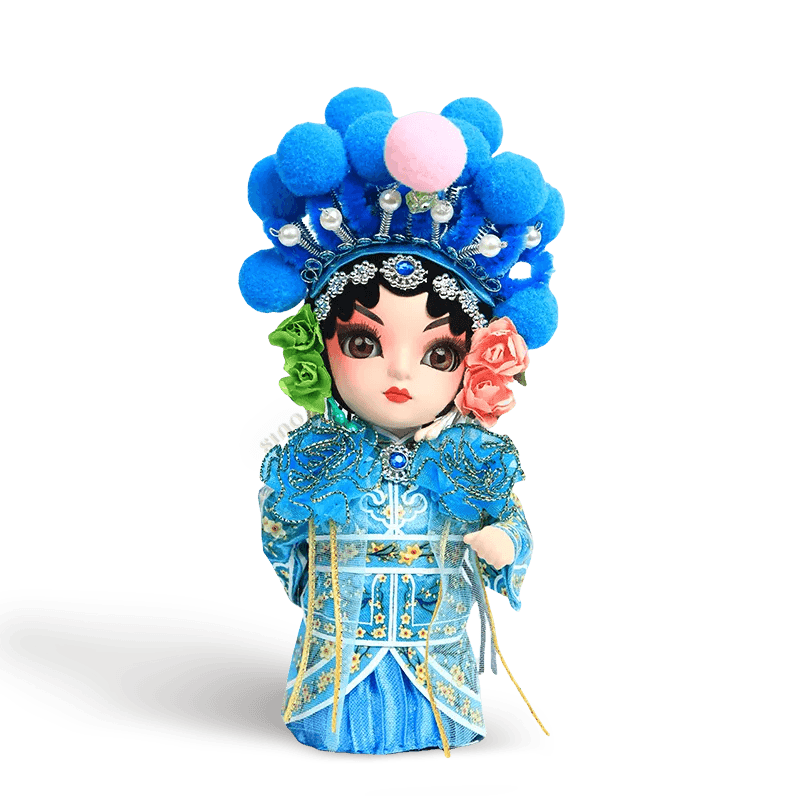
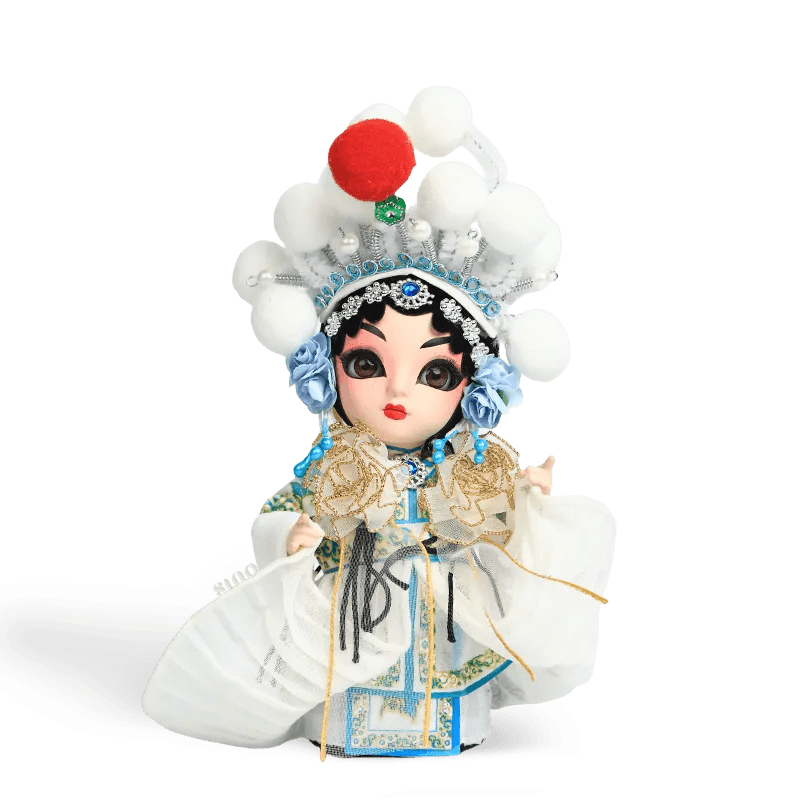
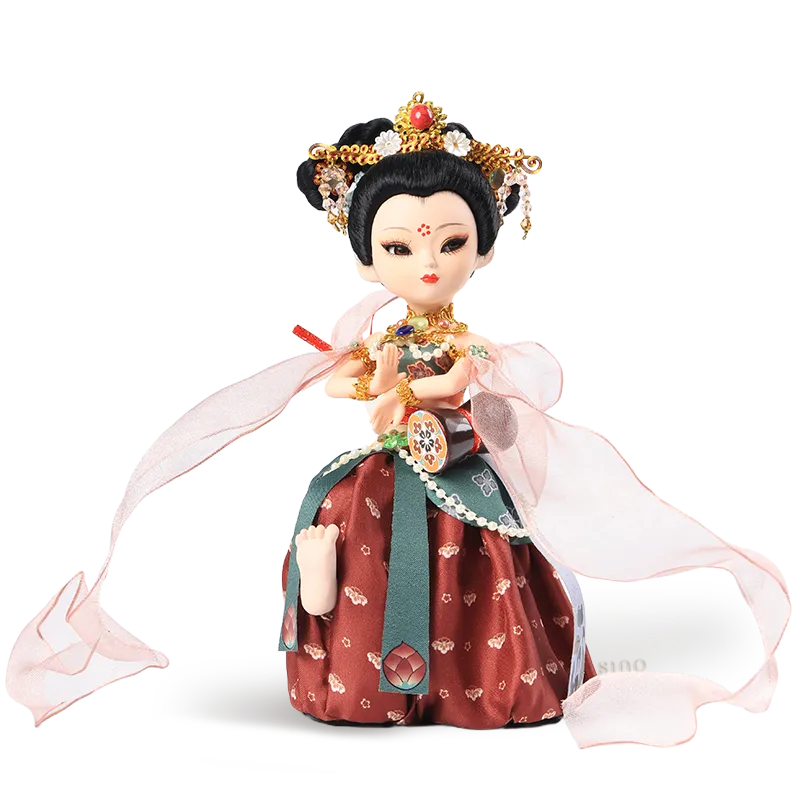
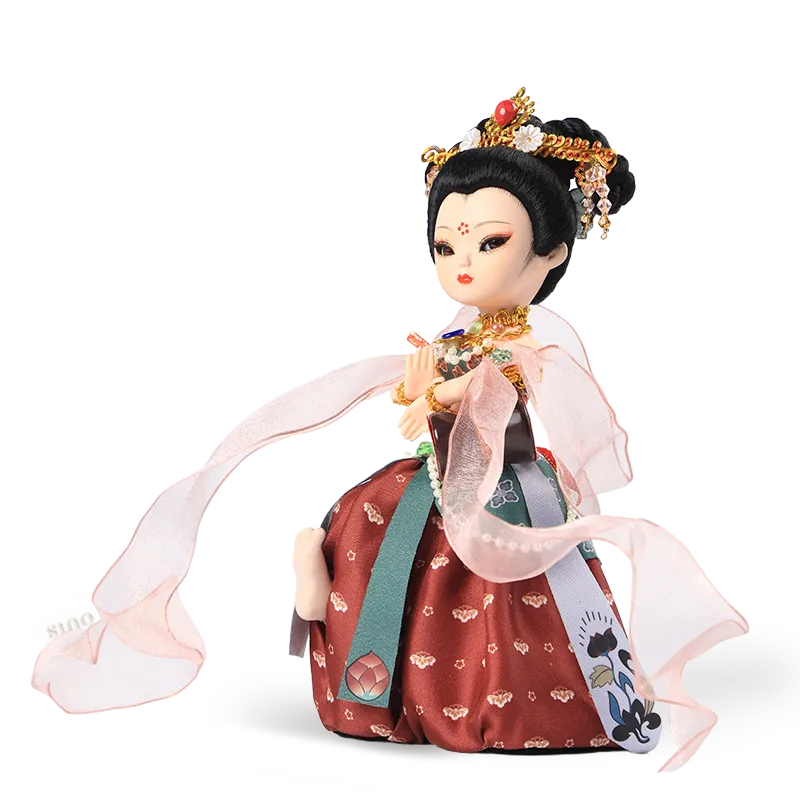
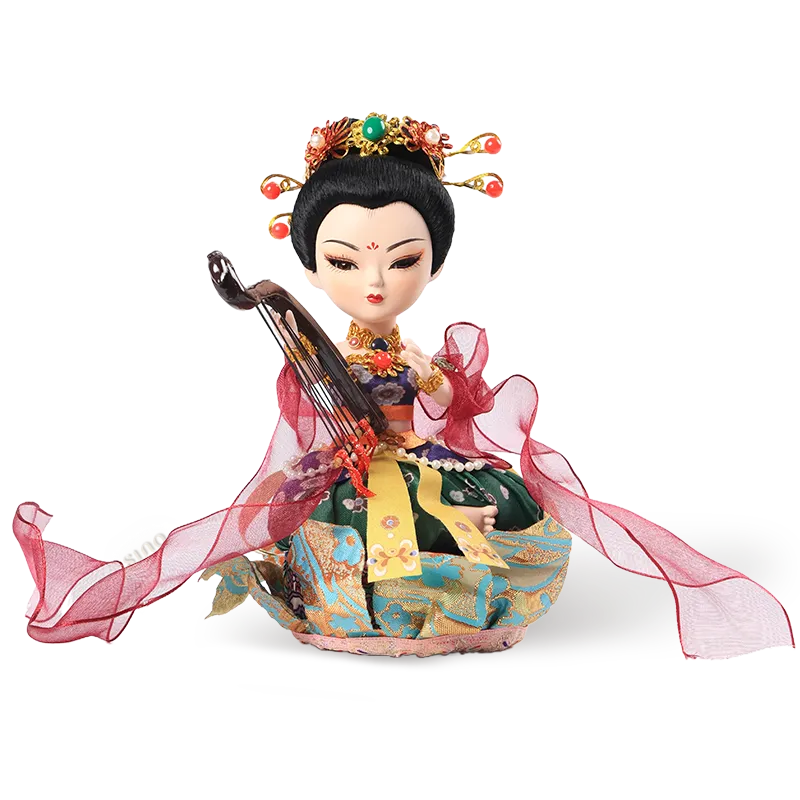
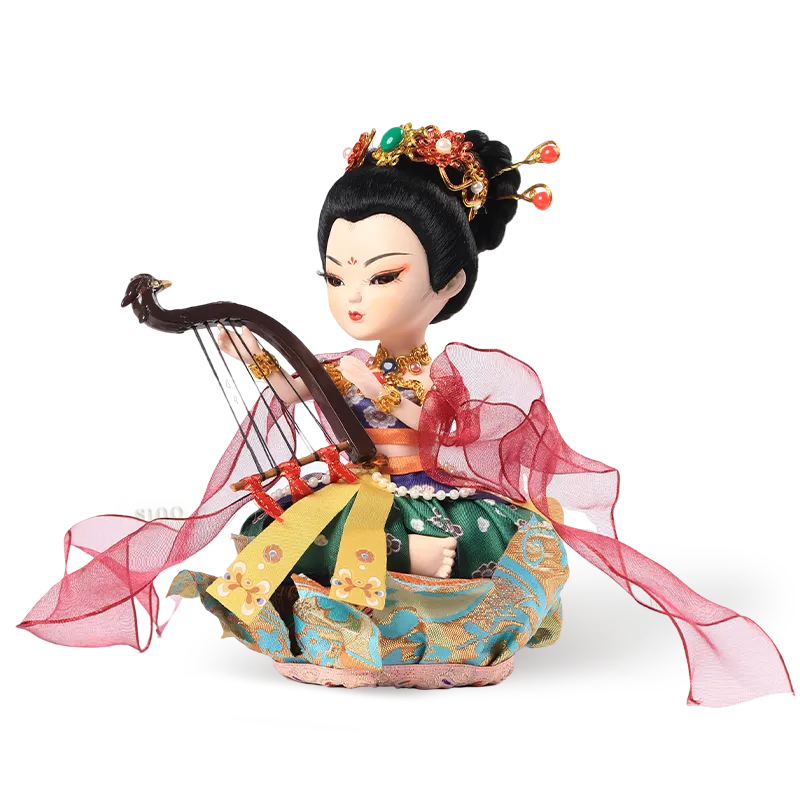
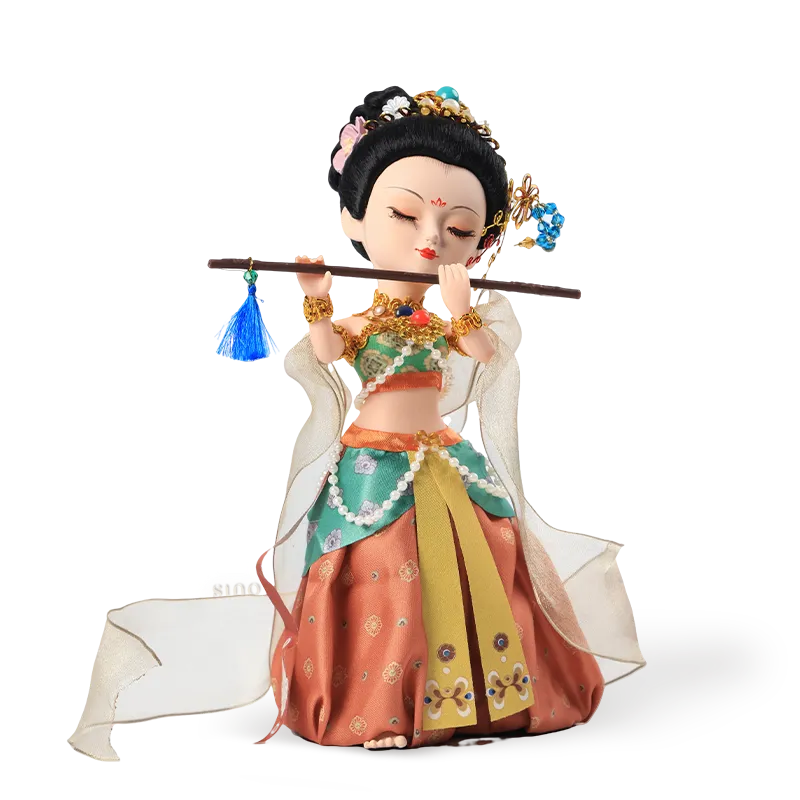
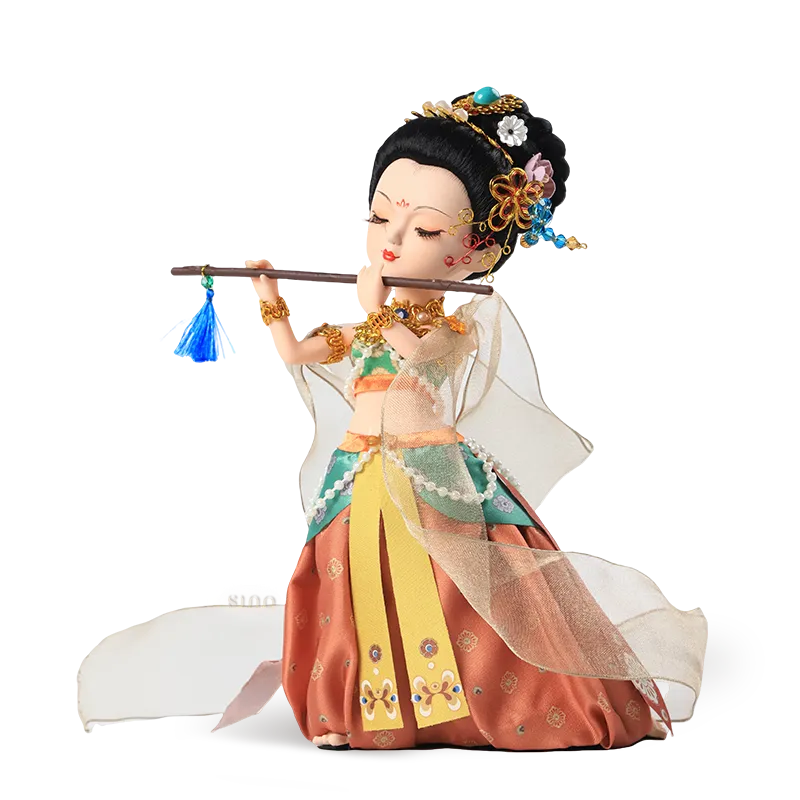
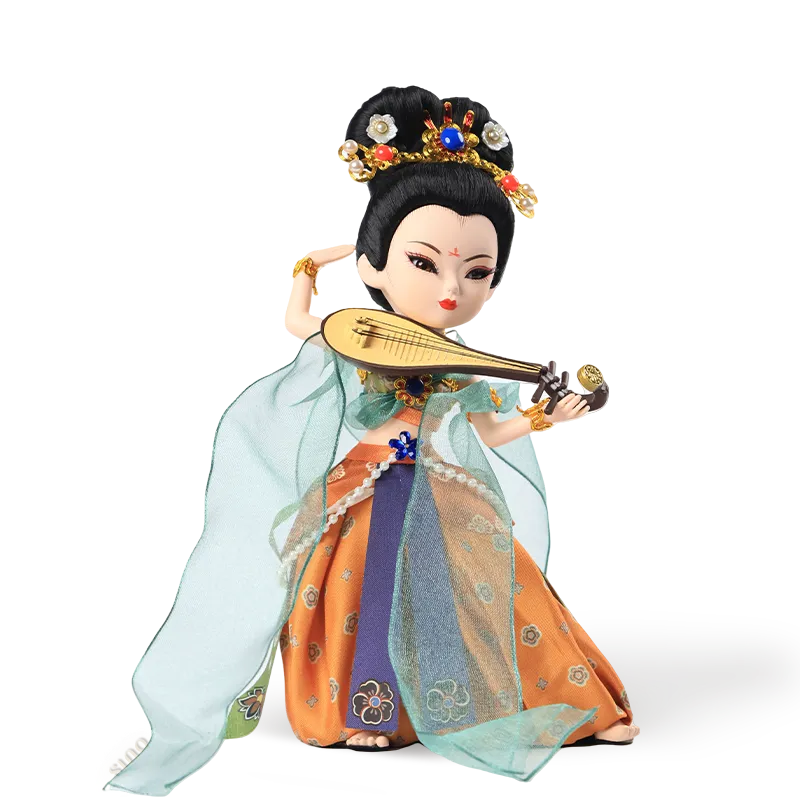
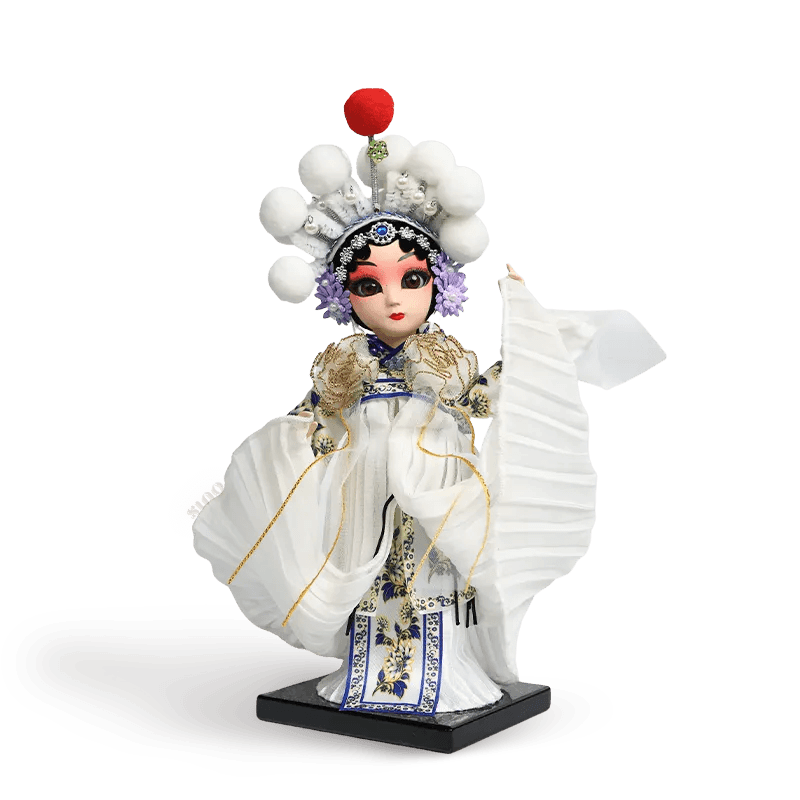
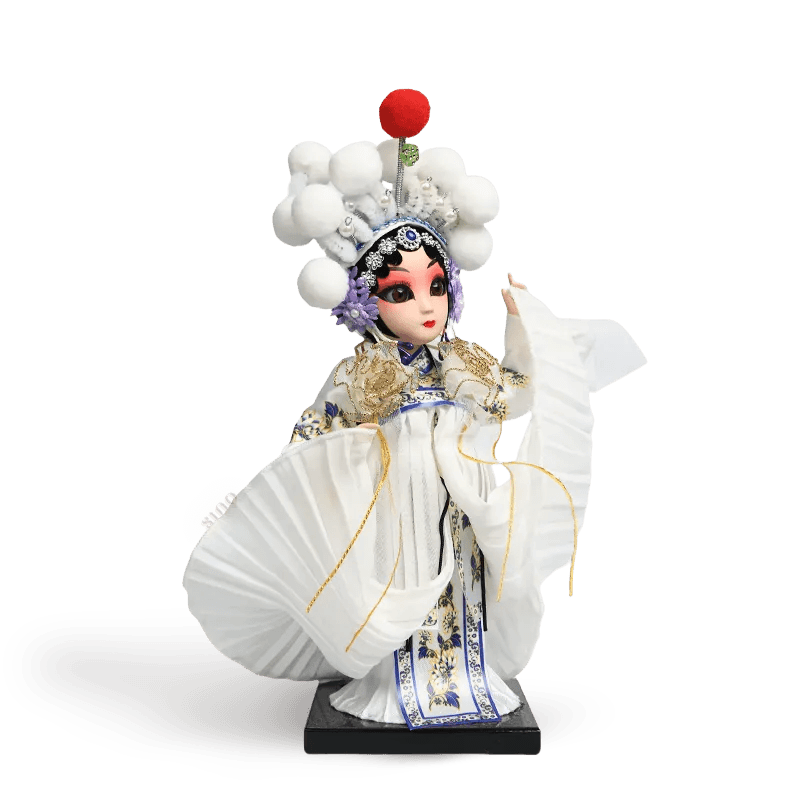
Beijing silk figurines, known in Chinese as Beijing Juanren, transform silk and gauze into expressive three-dimensional figures. Inspired by classical beauties, opera characters, folk stories, and traditional dance, each piece is shaped through detailed processes such as sculpting, facial painting, costume making, hairstyling, and assembly. Delicate features, flowing robes, and carefully composed gestures allow each figure to tell a story. More than decorative dolls, Beijing silk figurines bring together sculpture, costume, and traditional Chinese silk art, preserving the city’s cultural memory in an intimate and graceful form.
Beijing Travel Highlights: Landmarks, Hutongs & Crafts
Beijing is too layered to be reduced to a single itinerary. Its most famous landmarks reveal the scale of an imperial capital, while its hutongs offer a closer look at everyday life. Beyond both, traditional craft spaces bring the city’s cultural heritage into the present. The experiences below can be explored according to your own pace and interests, combining essential sights with a more personal view of Beijing.
The Forbidden City: Discover Beijing's Imperial Heart

At the center of Beijing, the Forbidden City offers far more than monumental halls and imperial architecture. Its north-south axis, symmetrical courtyards, and layered gates reflect the ritual order that shaped palace life, while the balanced layout expresses the traditional ideal of harmony. Red walls, golden roofs, symbolic numbers, roof ornaments, and auspicious motifs once conveyed authority, protection, and good fortune. Inside, collections of porcelain, enamelware, paintings, textiles, clocks, and ceremonial objects reveal how Chinese craftsmanship, court culture, and artistic exchange came together over centuries. Rather than simply moving from one landmark to the next, take time to notice how architecture, color, and decorative detail tell the story of imperial Beijing.
Forbidden City Visitor Information
Take Beijing Subway Line 1 to Tian’anmen East or Tian’anmen West Station, then walk to the Meridian Gate entrance.
Reserve through the official Palace Museum WeChat service. Tickets are released 7 days ahead at 8:00 p.m. Admission is CNY 60 in peak season and CNY 40 in low season.
Apr–Oct: 8:30 a.m.–5:00 p.m.
Nov–Mar: 8:30 a.m.–4:30 p.m.
Usually closed on Mondays, except public holidays.
The Temple of Heaven and Summer Palace: Ritual, Gardens & Imperial Life

Beyond the Forbidden City, the Temple of Heaven and Summer Palace reveal two very different sides of imperial Beijing. The Temple of Heaven was built for Ming and Qing emperors to offer sacrifices to heaven and pray for good harvests. Its circular halls, blue-glazed roofs, symmetrical axis, and the contrast between a rounded northern section and square southern section express traditional ideas about heaven, earth, order, and harmony. The Summer Palace offers a softer perspective. Centered on Longevity Hill and Kunming Lake, it brings palaces, pavilions, bridges, and natural scenery together as one of Beijing's best-preserved imperial gardens. Rather than focusing on ceremony, it reflects the Chinese garden ideal of blending human design with the natural landscape.
Temple of Heaven & Summer Palace Visitor Information
General admission is CNY 15 in peak season and CNY 10 in low season. Combined tickets covering the main ceremonial sites are CNY 34 and CNY 28.
General admission is CNY 30 in peak season and CNY 20 in low season. Combined tickets are CNY 60 and CNY 50.
Foreign visitors can book through the attractions’ official WeChat services using a passport. Opening hours vary by season, and some interior sites close on Mondays, so check the latest official notice before visiting.
The Great Wall: A Journey Across Beijing's Northern Landscape

North of the city, the Great Wall of China follows steep mountain ridges through a landscape of stone paths, watchtowers, and wide northern views. Walking even a short section reveals its scale more clearly than seeing it from a distance: the wall rises and falls with the terrain, turning history into a physical journey. It remains one of the most memorable things to do in Beijing, especially for travelers who want to experience the capital beyond its palaces and busy streets.
Several sections of the Great Wall near Beijing are open to visitors. Badaling is the best-known and one of the most developed, while Mutianyu is well preserved and valued for its mountain scenery. Choose according to your available time, preferred walking difficulty, and transport arrangements. Wear supportive shoes, allow enough time for steep steps, and check the official opening and ticket information before departure.
Beijing Hutongs: Courtyard Life Beyond the Palace Walls

Beyond Beijing's imperial landmarks, the city's hutongs reveal a more intimate rhythm of daily life. These narrow lanes, often lined with grey-brick walls and traditional courtyard houses, connect family homes, small restaurants, neighborhood shops, and community spaces. Around Shichahai, visitors can walk beside the lakes, explore historic streets, and notice bicycles, breakfast stalls, and residents chatting beneath old trees. The contrast between monumental Beijing and everyday Beijing gives the capital much of its warmth.
A hutong tour is best experienced slowly and respectfully. Many courtyard houses remain private homes rather than public attractions, so visitors should avoid entering or photographing residents without permission. By observing the neighborhood at its own pace, the hutongs become more than a scenic backdrop: they reveal how history continues through ordinary routines and shared spaces.
Beijing's Living Craft Route: Enamel Art & Silk Figurines
A focused two-day craft route offers a closer look at two traditions closely connected with Beijing's imperial culture: enamel art and Beijing silk figurines.
From Imperial Enamel to Living Craft
Discover painted-enamel porcelain created for the Qing court, where delicate painting and rich enamel colors meet imperial craftsmanship.
Visit the Beijing Enamel Factory to see techniques such as wire inlay and enamel filling, with hands-on workshops available at selected times.
Discover Beijing Silk Figurines
Explore Beijing silk figurines in Zhangjiawan, Tongzhou, and see how silk, costume, hairstyling, and figure-making come together in three-dimensional characters.
Doll-related and other intangible cultural heritage DIY activities may be available; confirm workshop schedules before visiting.
Together, these two days move from imperial collections to living craft spaces, showing how Beijing's traditional arts continue through preservation and hands-on creation.
A Taste of Beijing: Local Food Guide
Beijing's food reflects both its imperial past and its everyday street life. From ceremonial roast duck and steaming copper hot pot to hearty noodles, traditional offal dishes, and delicate pastries, the city's flavors are rich, comforting, and closely tied to local customs.
Classic Beijing Dishes to Try
-
Signature Dishes: Peking Duck, Beijing-Style Copper Hot Pot, Zhizi Barbecue.

-
Everyday Staples & Street Snacks: Zhajiangmian, Luzhu Huoshao (Pork Offal Stew with Chinese Flatbread), Chaogan (Beijing-Style Stewed Pork Liver and Intestines), Baodu (Quick-Blanched Beef or Lamb Tripe).

-
Traditional Sweets & Court-Style Pastries: Ludagun (Glutinous Rice Rolls with Red Bean Paste and Soybean Flour), Jujube Cake, Wandouhuang (Pea Flour Cake), Aiwowo (Steamed Glutinous Rice Cake with Sweet Filling).

Local Restaurants Recommended by Locals
Here are three trusted spots for experiencing classic Beijing flavors, from closed-oven roast duck and copper hot pot to traditional zhajiangmian. Estimated costs are approximate and may vary by order.
1.Bianyifang Roast Duck, Xianyukou Branch (便宜坊烤鸭·鲜鱼口店): Founded in 1416, Bianyifang is one of Beijing's oldest roast duck brands and is known for its traditional closed-oven roasting technique. The duck is cooked without direct open flame, giving it tender, juicy meat and a comparatively lighter finish. It is a good choice for families, older diners, or anyone who prefers roast duck that feels less rich.

Recommendation Rating: ★★★★☆
Estimated Cost: Around 140 RMB per person.
Address: 65–77 Xianyukou Street, Dongcheng District, Beijing.
2. Xuanwu Xiaoyuan Copper Hot Pot, Baizhifang Branch (宣武小院涮肉·白纸坊店): This lively South Beijing restaurant offers a down-to-earth introduction to traditional copper-pot lamb hot pot. The clear broth keeps the focus on the meat, with hand-cut lamb leg and the restaurant's signature lamb selections among the popular choices. The atmosphere is casual, the portions are suited to sharing, and the value is strong for a traditional Beijing hot-pot meal.

Recommendation Rating: ★★★★☆
Estimated Cost: Around 90–110 RMB per person.
Address: Building 19, No. 30 Guang'anmen South Street, Xicheng District, Beijing.
3.Haiwanju Old Beijing Zhajiangmian, Zengguang Road Main Branch (海碗居老北京炸酱面·增光路总店): Haiwanju is a well-known choice for traditional Beijing zhajiangmian. Its chewy noodles are served with a rich diced-pork soybean sauce and an assortment of fresh vegetable toppings, creating a hearty but balanced bowl. The lively service and old-Beijing-style setting add to the experience, making it a convenient place to try both zhajiangmian and other familiar local dishes.

Recommendation Rating: ★★★★☆
Estimated Cost: Around 60–80 RMB per person.
Address: No. 11 Zengguang Road, Haidian District, Beijing.
Beijing Traditions & Meaningful Cultural Gifts
One of the most meaningful times to experience Beijing’s traditional culture is around the Mid-Autumn Festival, a celebration centered on reunion, gratitude, and good wishes. Families gather to share mooncakes and admire the full moon, while old Beijing has its own distinctive festival symbol: Tu’er Ye, or the Rabbit Lord. Traditionally made as colorful clay figurines, Tu’er Ye has long been associated with Beijing’s Mid-Autumn customs, carrying wishes for peace, health, and good fortune. Beyond the festival itself, this tradition reflects a broader idea found throughout Chinese culture: objects, patterns, and handmade crafts often carry meanings that go far beyond decoration. Whether discovered while traveling through Beijing or chosen from afar, a thoughtful cultural gift can preserve part of that story—bringing traditional craftsmanship, auspicious symbolism, and the spirit of Chinese celebration into everyday life.

For travelers with limited luggage space—or anyone hoping to bring a piece of Chinese culture home for family, friends, or loved ones—SinoCultural offers international delivery directly to your door.
 Explore our cultural gift collections here.
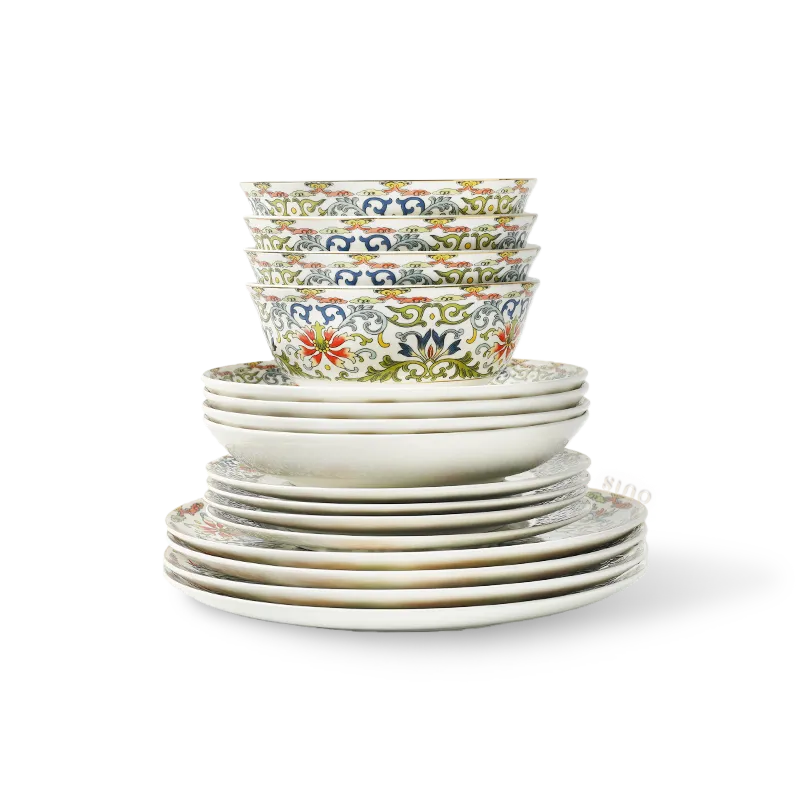
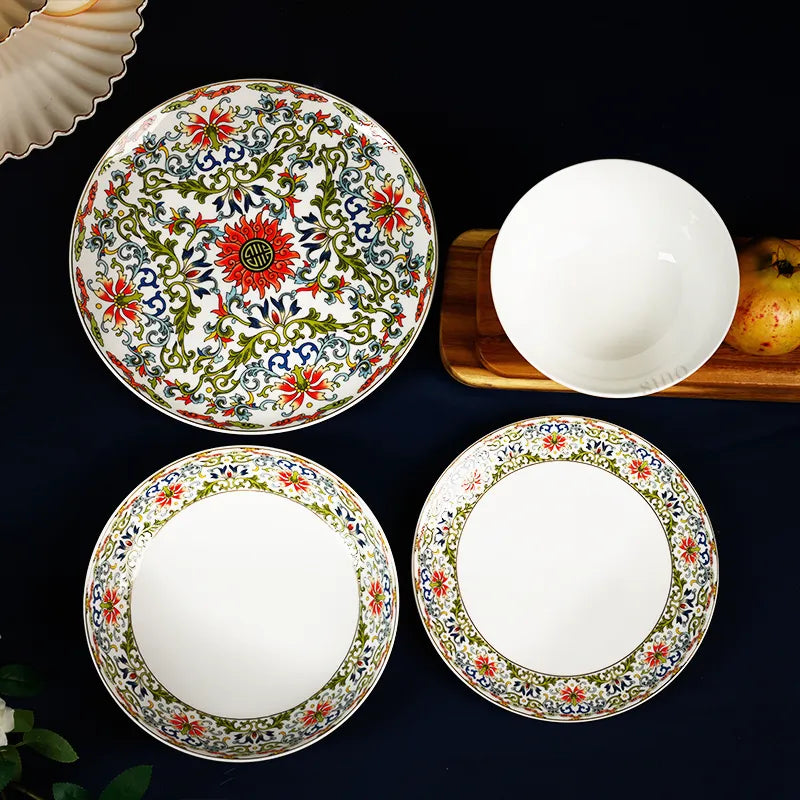
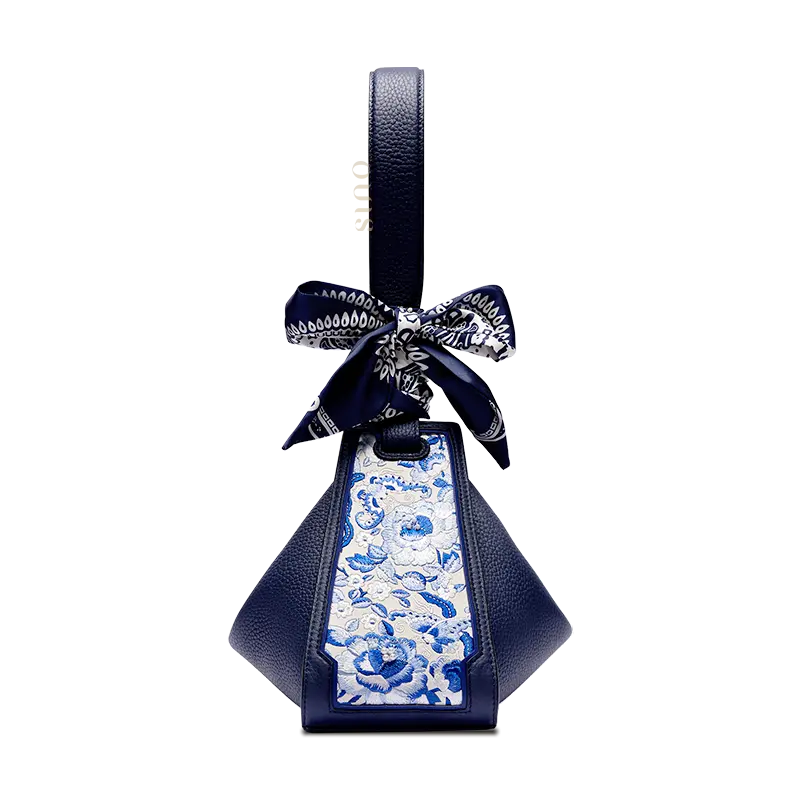
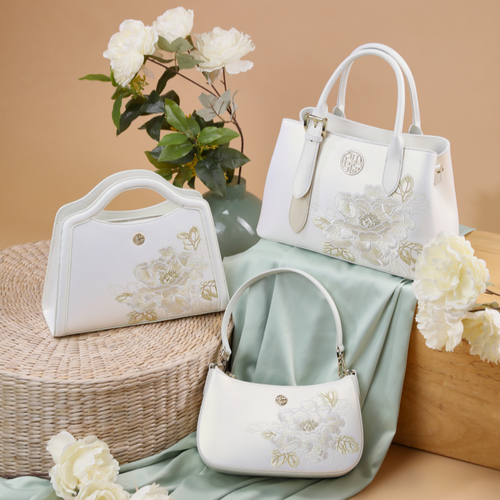
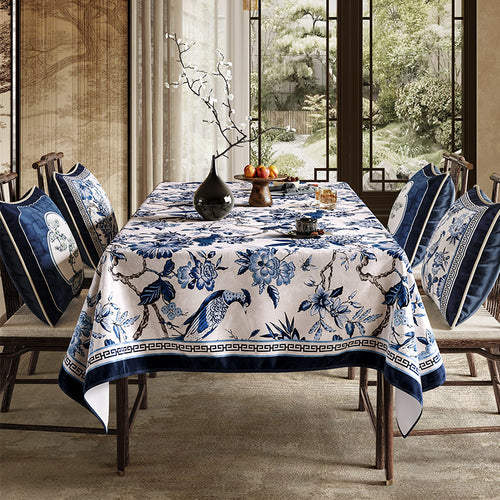
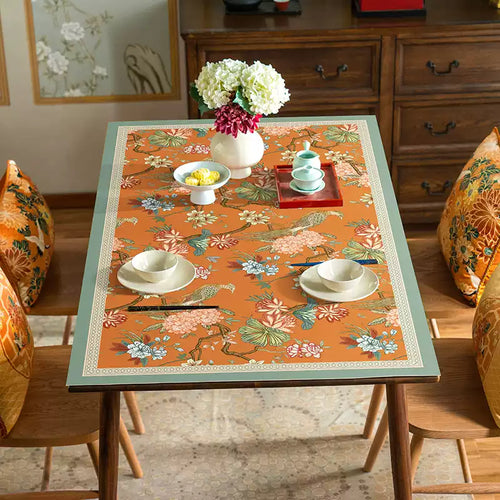
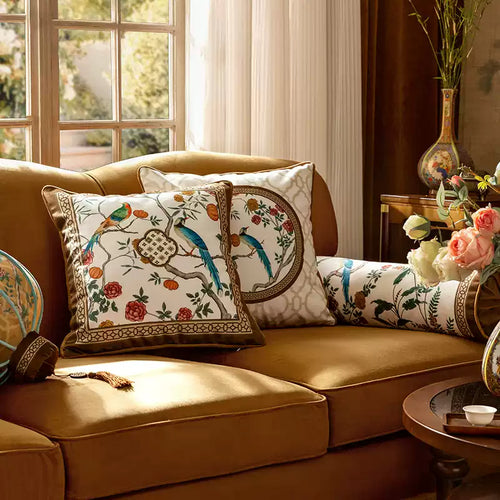
From imperial-inspired tableware and Beijing silk figurines to embroidered handbags, SinoCultural brings traditional Chinese artistry into pieces designed for modern life.
-
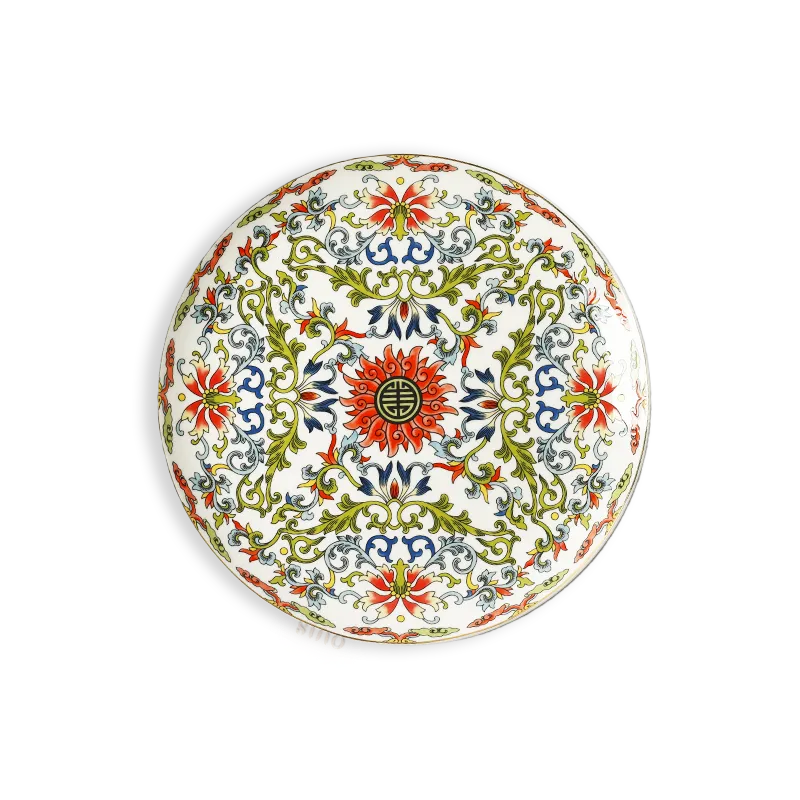
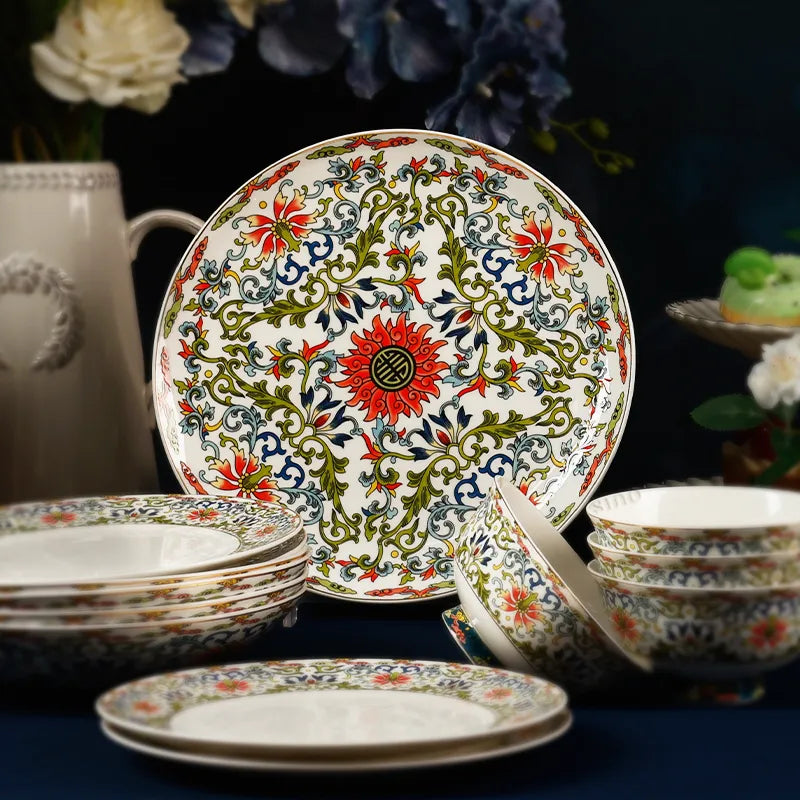
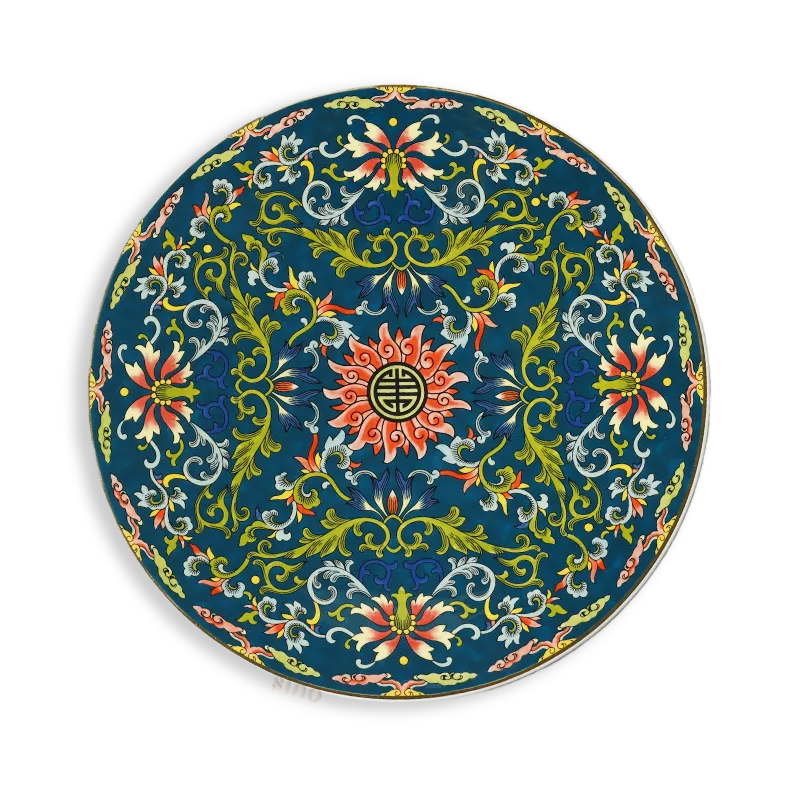
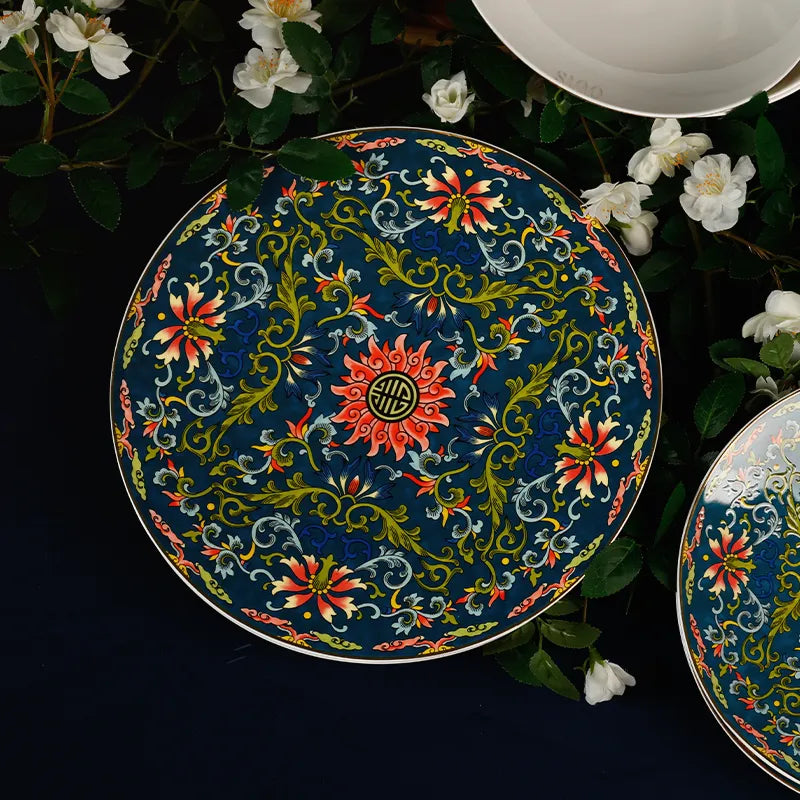
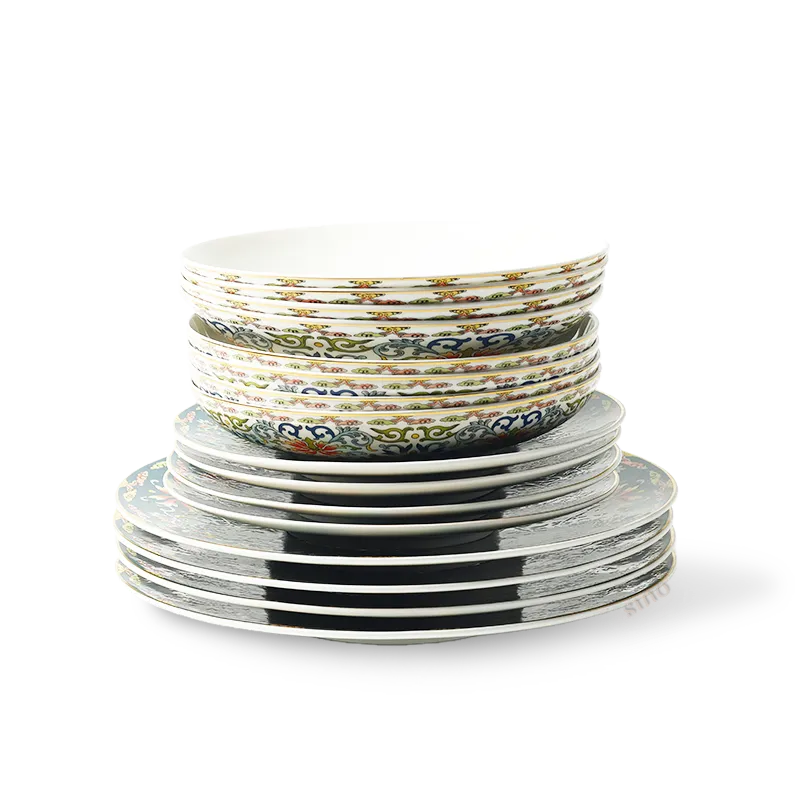
Fa Lang Cai Bone China Tableware — Inspired by the rich colors and floral elegance of traditional Chinese enamel art, our Fa Lang Cai bone china collection brings a refined touch of imperial-inspired beauty to the modern dining table.

-
Beijing Silk Dolls — Crafted through the traditional art of Beijing Juanren, these silk figurines combine delicate costumes, expressive characters, and Chinese storytelling, making them distinctive cultural keepsakes and collectibles.

-
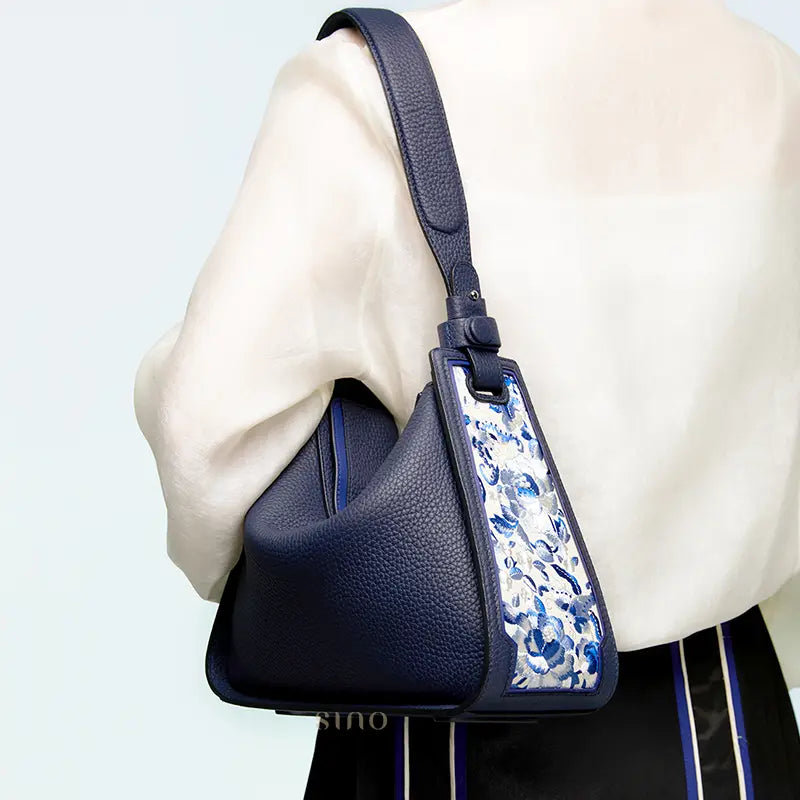
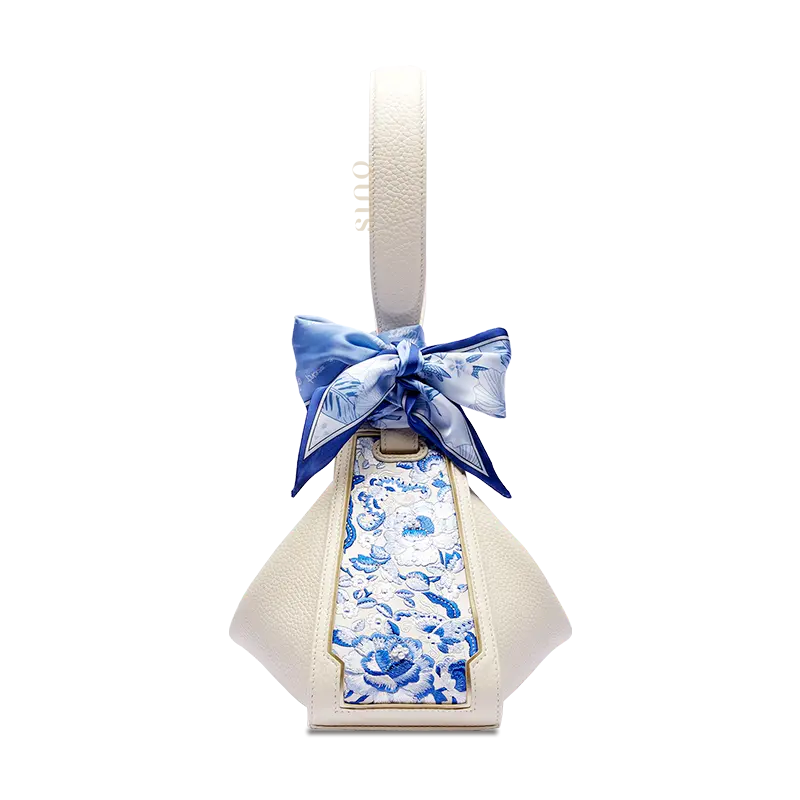
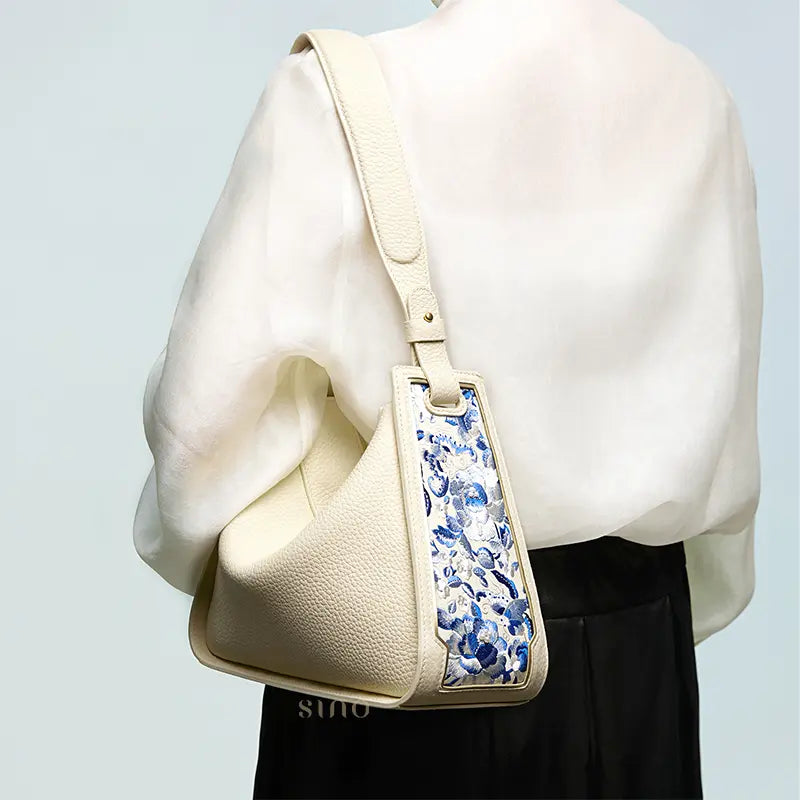
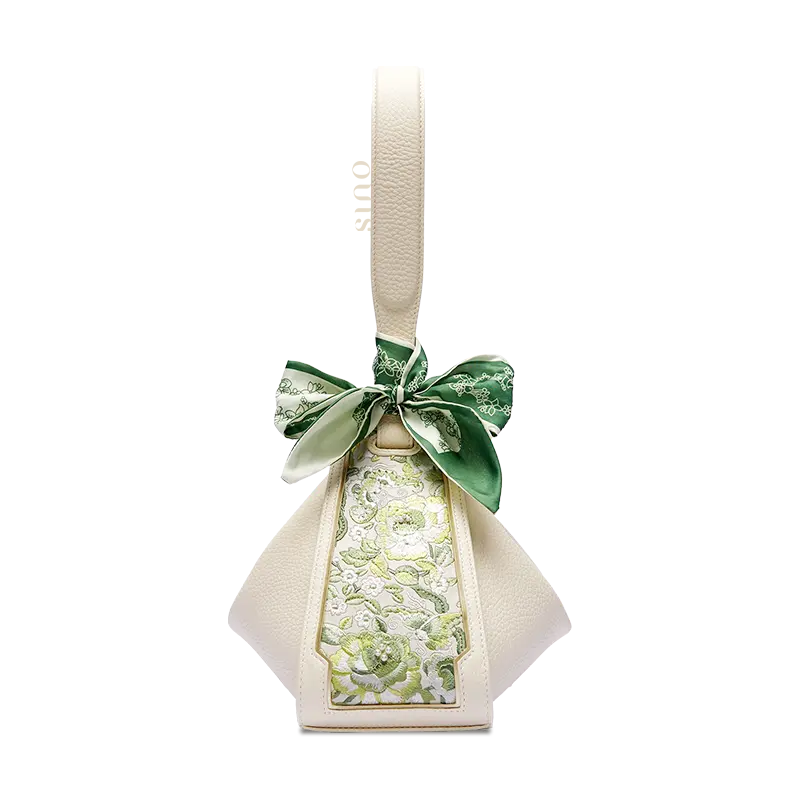
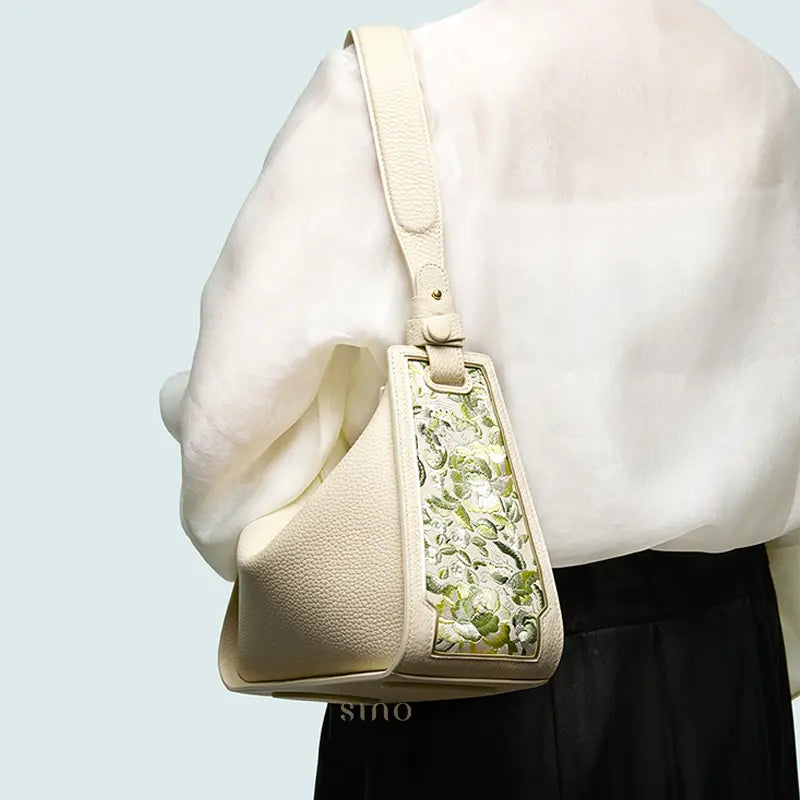
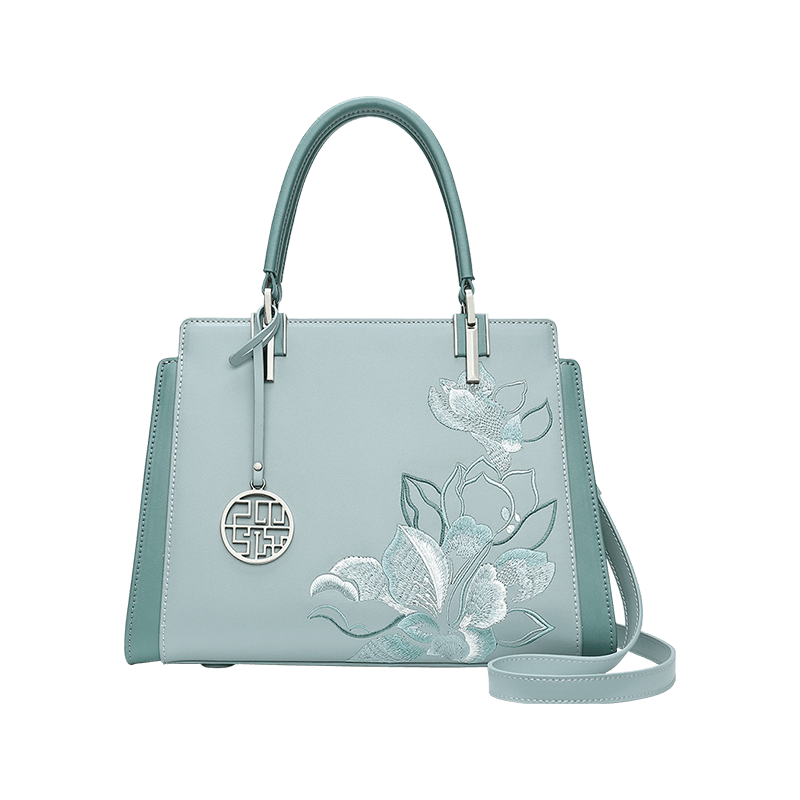
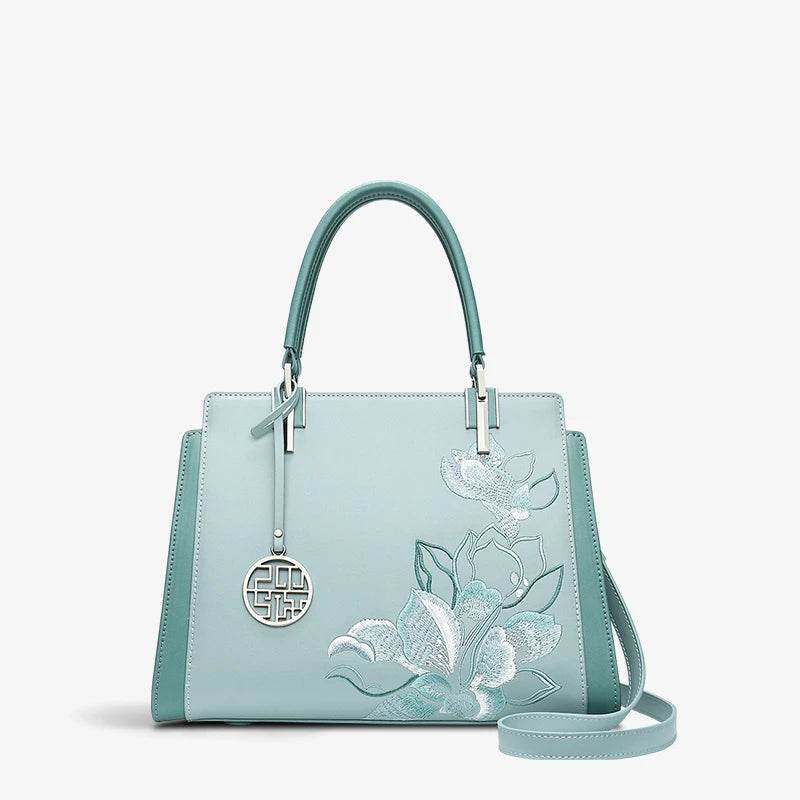
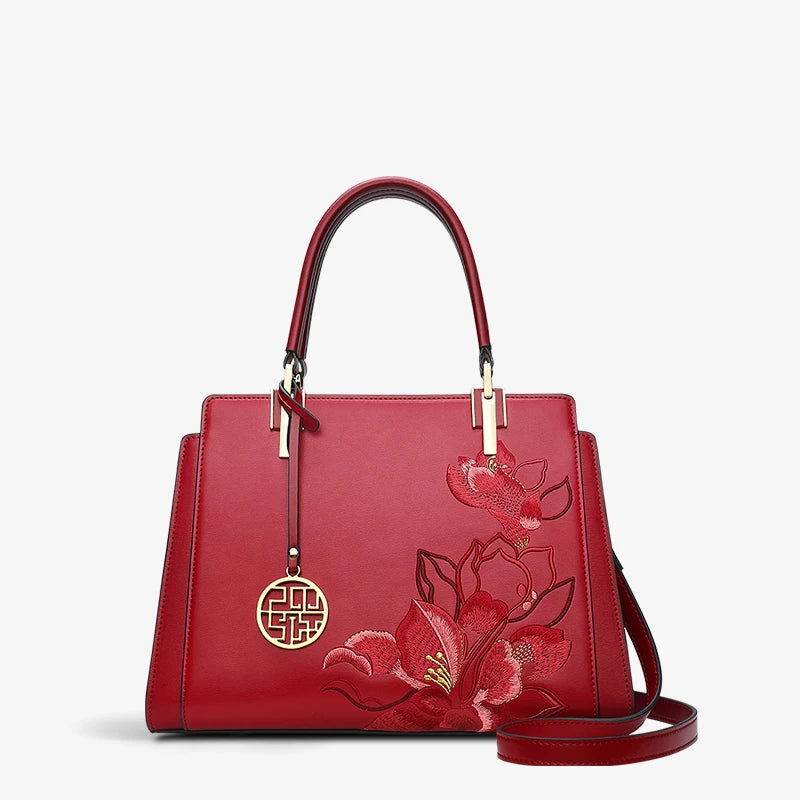
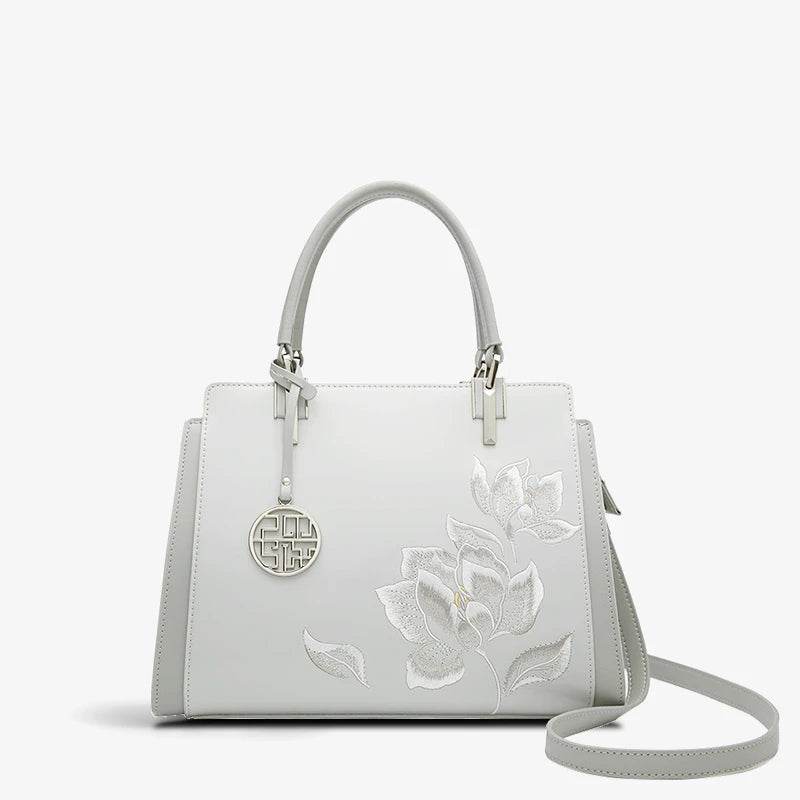
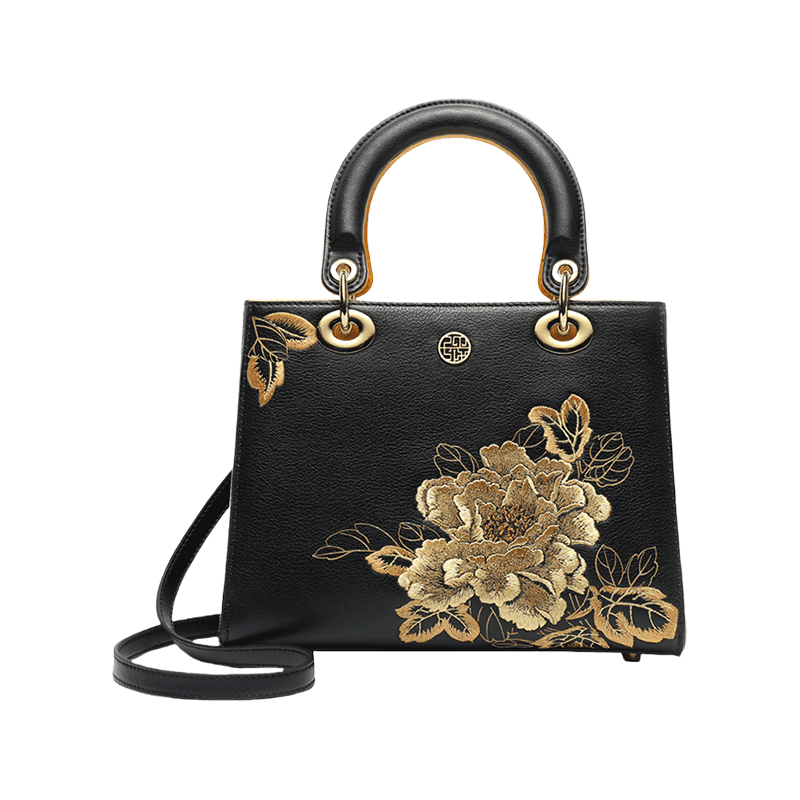
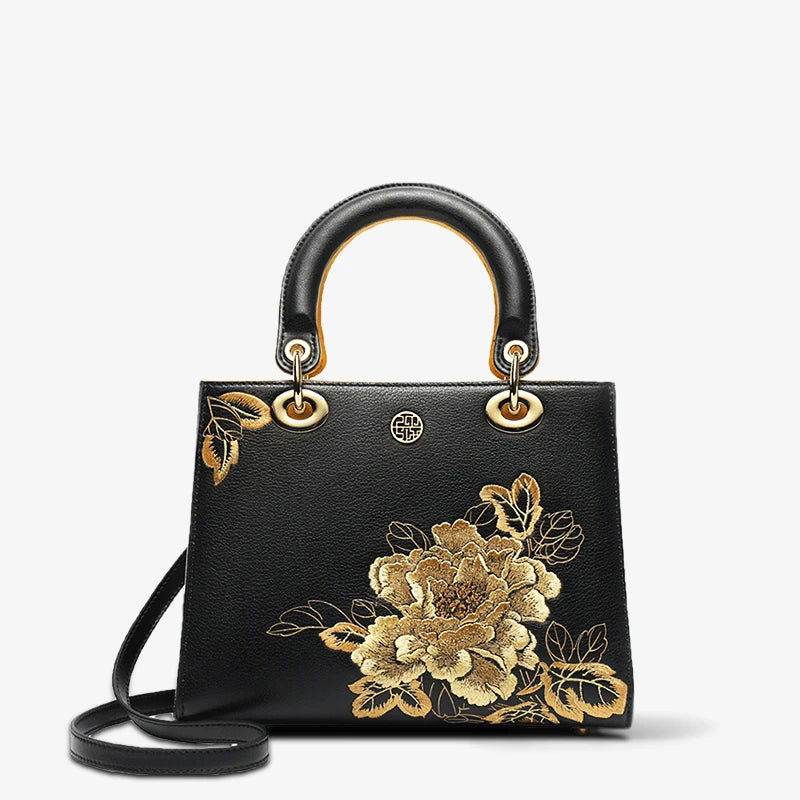
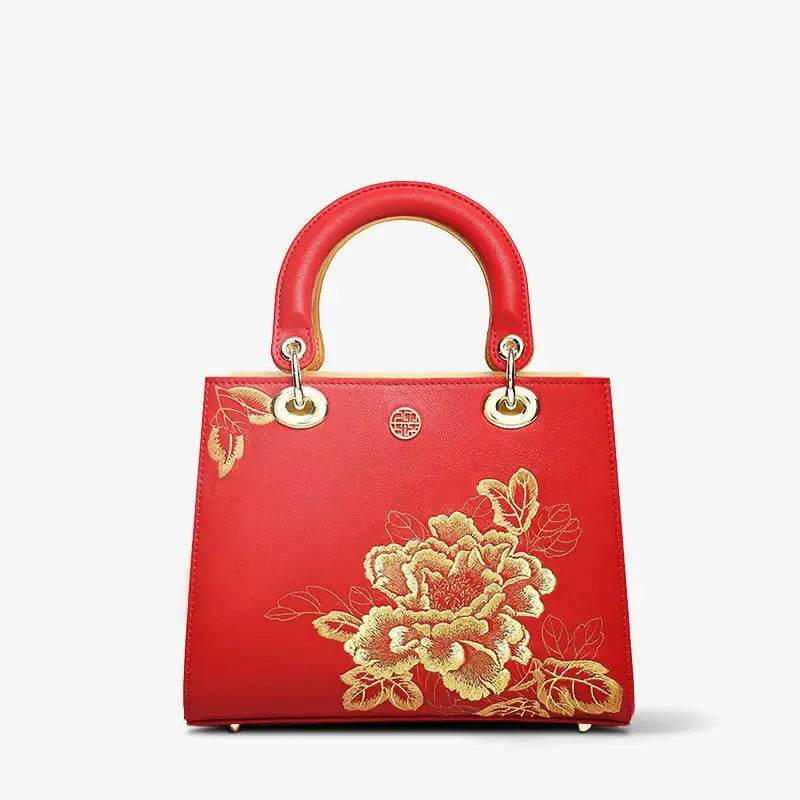
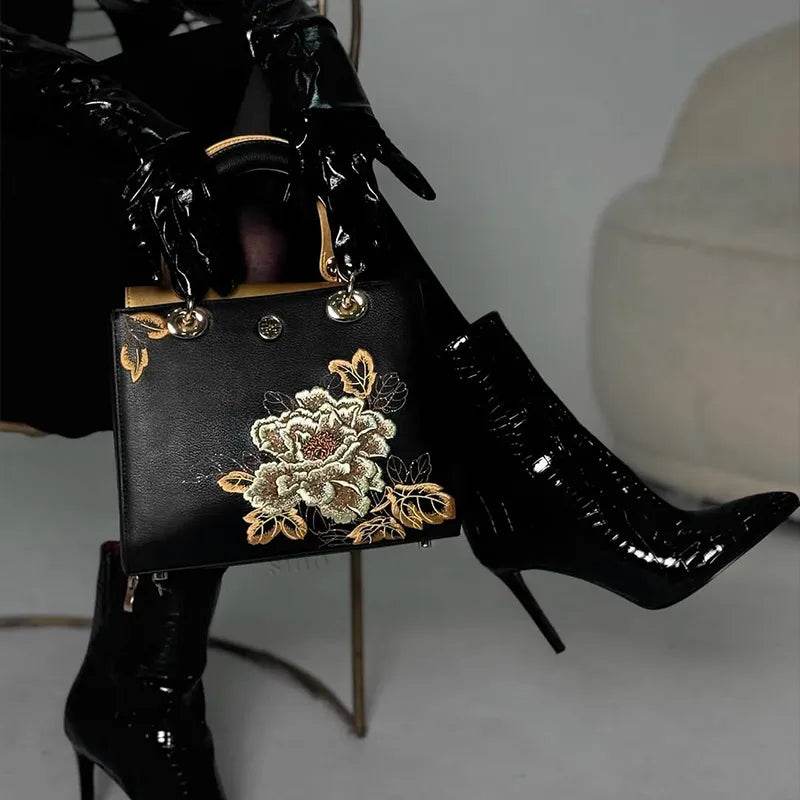
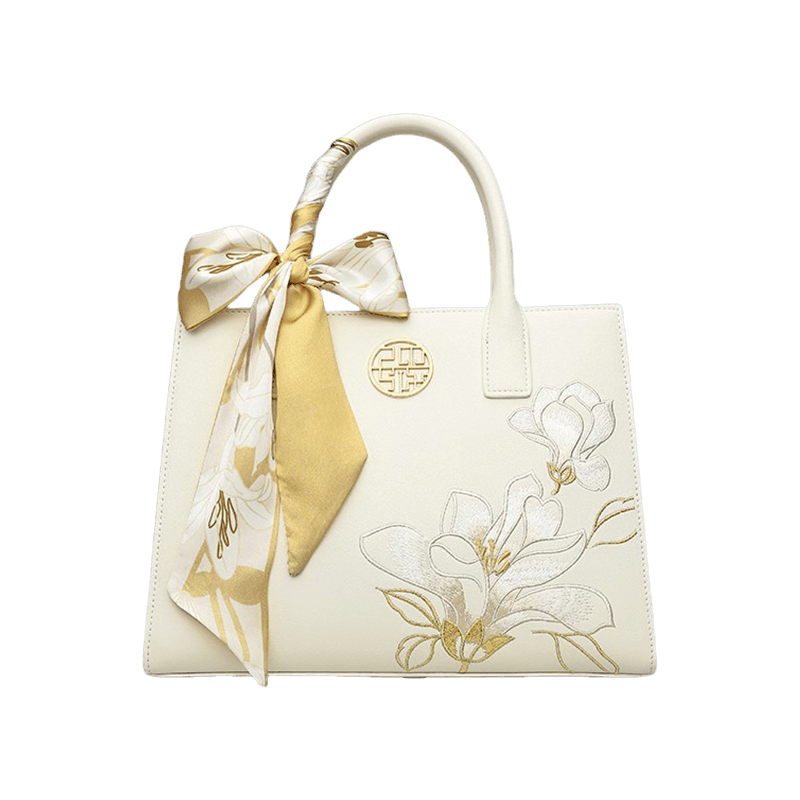
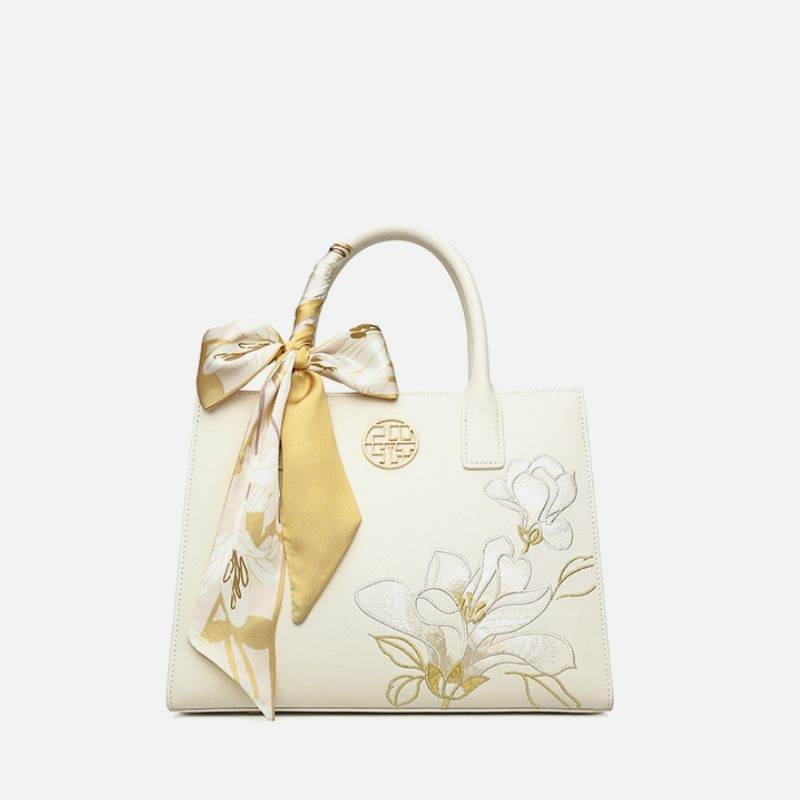
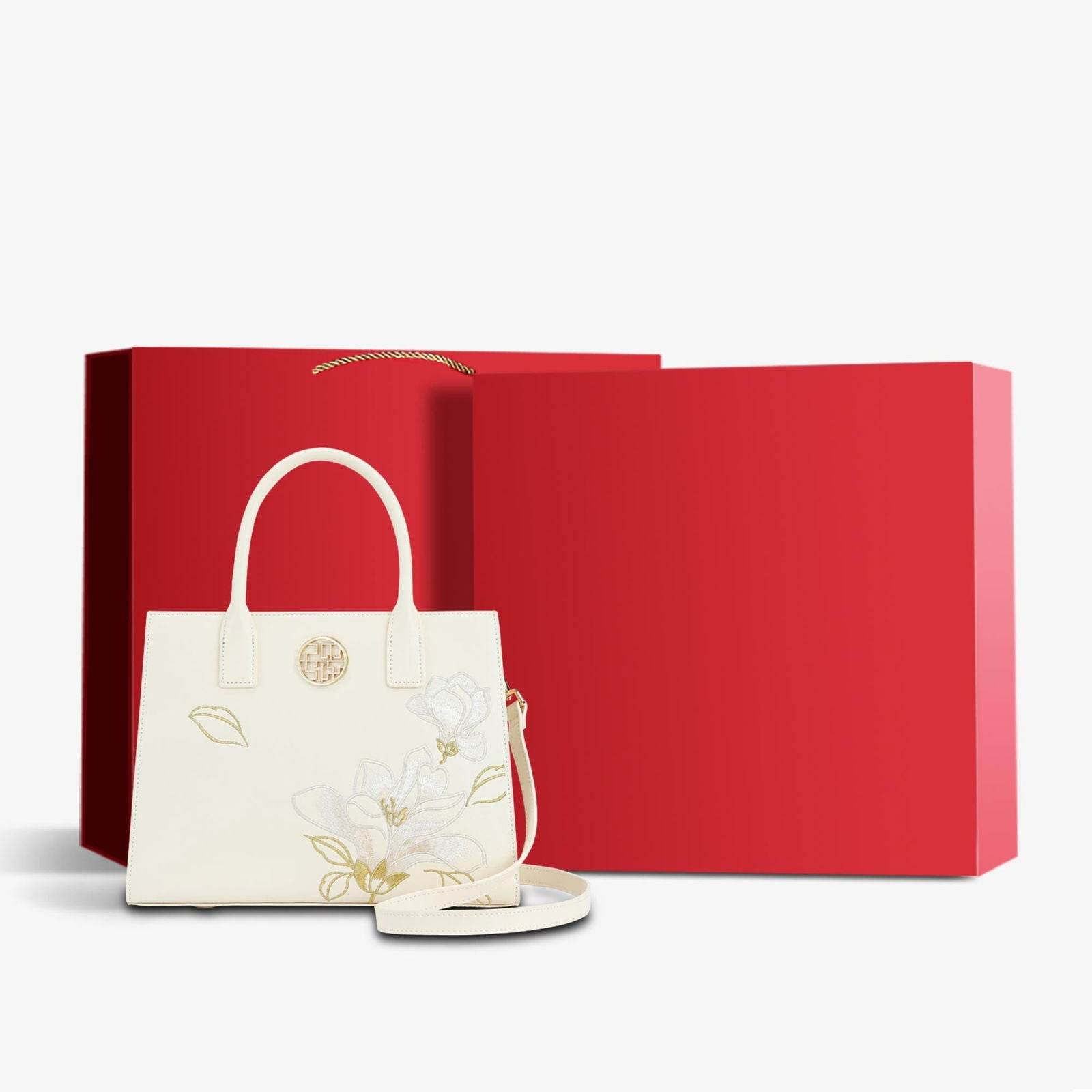
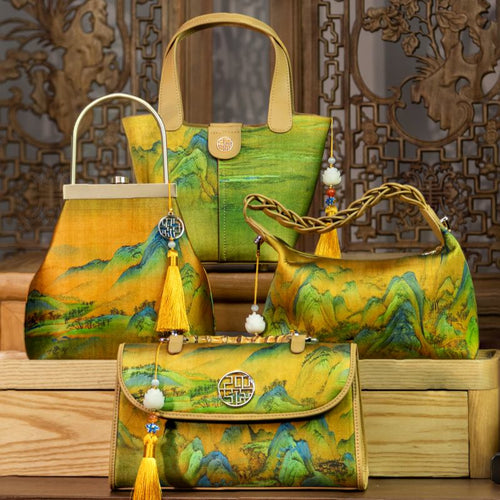
Chinese Embroidery Handbags — Featuring peonies, phoenixes, lotus flowers, and other traditional motifs, our embroidery handbags reinterpret centuries of Chinese textile artistry in elegant designs made for contemporary everyday life.

A Capital to Remember: Where Imperial Splendor Meets Living Tradition
Beijing leaves its strongest impression not through a single landmark, but through the way history continues to shape everyday life. The Forbidden City’s red walls, the Great Wall stretching across the northern mountains, and the gardens built for imperial families reveal the ambition of a former capital. Yet some of Beijing’s most memorable moments are found in smaller details—the glow of cloisonné enamel, the careful stitches of traditional embroidery, the quiet lanes of old hutongs, and the festivals that bring communities together year after year.
Tradition in Beijing is not something frozen in the past. It continues through local crafts, neighborhood life, seasonal celebrations, and the daily routines of the city’s residents. Perhaps this is what makes Beijing unforgettable: its imperial history feels grand, but never completely distant. The past remains visible not only in famous landmarks, but also in the streets, flavors, and traditions that continue to shape the city today.
Beijing is only the first chapter of our journey through northern China. Beyond the capital, other ancient cities reveal different stories of Chinese culture—through regional landscapes, local flavors, traditional craftsmanship, and the people who continue to keep these traditions alive.
FAQ: Travel Tips for Beijing
-
Q: What is the best time to visit Beijing?
A: The best times are spring (March–May) and autumn (September–October), when the weather is comfortable and the scenery is especially beautiful. -
Q: How many days do you need in Beijing?
A: Plan 4–5 days for a relaxed first visit. Three days can cover the main sights, while extra time allows for hutongs, museums, and cultural experiences. -
Q: What should foreign travelers know before visiting Beijing?
A: Set up Alipay or WeChat Pay, carry some RMB cash, and keep your passport with you. Many major attractions require advance reservations, and the metro is usually the easiest way to get around. -
Q: Where should first-time visitors stay in Beijing?
A: Choose a hotel near a metro station, ideally on Lines 1, 2, 4, 5, or 8. Wangfujing, Dongdan, Qianmen, and Ping’anli are especially convenient for sightseeing. -
Q: Mutianyu or Badaling: Which Great Wall section is better?
A: Choose Mutianyu for fewer crowds, scenery, and a more relaxed visit. Choose Badaling for easier transport and the most iconic Great Wall experience. -
Q: How can foreign tourists book Forbidden City tickets?
A: Book through the Palace Museum’s official website or WeChat service. Tickets are released seven days in advance at 8:00 p.m., and your passport is required for booking and entry. -
Q: What traditional crafts is Beijing famous for?
A: Beijing is famous for cloisonné, Jing embroidery, carved lacquer, jade carving, filigree inlay, and imperial carpets. Other distinctive crafts include Beijing silk figurines and Tu’er Ye clay figurines. -
Q: What is Tu’er Ye, and why is it part of Beijing’s Mid-Autumn tradition?
A: Tu’er Ye, or the Rabbit Lord, is a traditional Beijing Mid-Autumn symbol associated with health, protection, and good fortune. Its colorful clay figurines remain an important part of old Beijing festival culture.