Passer au contenu

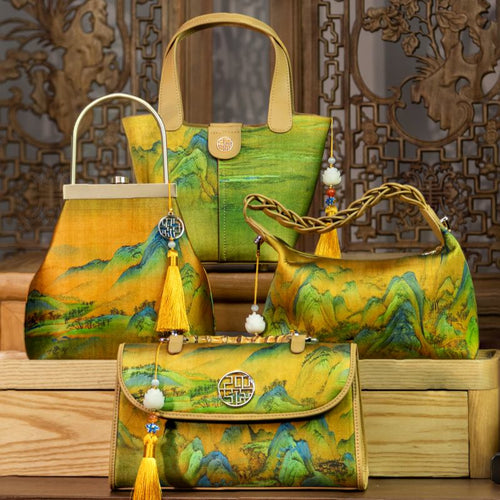
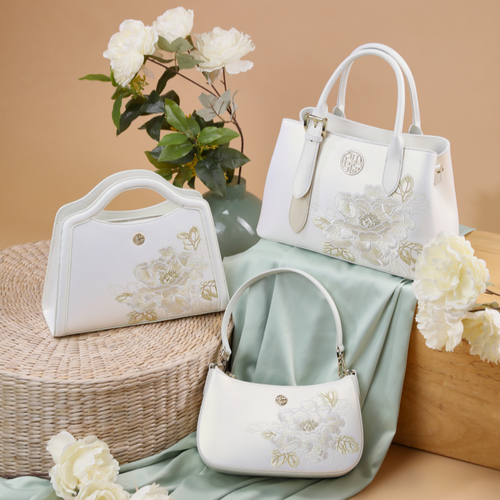
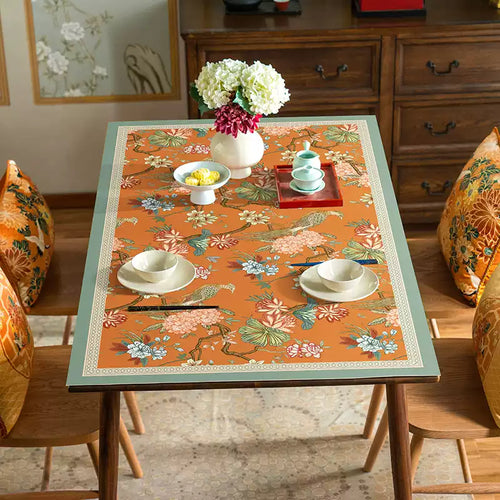



Table of Contents
- Introduction: The Cultural Heart of Southwest China
- Shu Brocade: A Living Treasure
- Top Landmarks: A Curated Day-to-Night Route
- A Taste of Chengdu: Local Food Guide
- Traditions & Souvenirs: What to Buy
- A City to Remember
- Practical FAQ for Travelers
Quick Facts: Planning Your Chengdu Trip in 2026
-
Best Time to Visit: March to April (pleasant spring weather) or November (cool and refreshing autumn weather).
-
Visa-Free Entry: Citizens of 54 countries can enjoy the 144-Hour (6-day) Visa-Free Transit policy when arriving at Chengdu Shuangliu International Airport (CTU).
-
Payment: Cash is rarely used. Download Alipay or WeChat Pay and link your Visa/Mastercard before arrival.
-
Top Souvenirs: Shu Brocade, Shu Embroidery, and Sichuan specialty foods.
Chengdu: The Cultural Heart of Southwest China

Chengdu is one of the most rewarding cities to visit in China. As the capital of Sichuan Province, it is known for its relaxed pace, rich history, and deeply rooted local culture. Compared with the fast rhythm of China’s biggest megacities, Chengdu feels more grounded, more livable, and more inviting.
What makes Chengdu especially memorable is the way everyday life and cultural heritage come together so naturally. A morning in a tea house, an evening hotpot meal, a walk beneath leafy streets, or a closer look at Shu Brocade can all become part of the experience. For travelers looking for unique things to do in Chengdu, the city offers far more than famous landmarks. It offers a way of life that is warm, unhurried, and full of character.

Unique Things to Do in Chengdu: Opera, Ancient Shu Culture, and Slow Living
Chengdu is famous not only for giant pandas and Sichuan food, but also for the cultural experiences that give the city its soul. Watching a Sichuan Opera performance, sitting in a traditional tea house, and exploring sites connected to the ancient Shu civilization are some of the most distinctive ways to understand Chengdu beyond the usual sightseeing list.
Among these experiences, Sichuan Opera remains one of the city’s most iconic cultural traditions. Known for its vivid performances, strong regional character, and expressive stagecraft, it offers travelers a striking introduction to the artistic spirit of Sichuan. It is also one of the most memorable cultural experiences in Chengdu for first-time visitors.

Beyond the stage, Chengdu’s identity is closely tied to the legacy of ancient Shu culture. From Sanxingdui to the stories of the Three Kingdoms, the region carries a long history of creativity, resilience, and cultural confidence. For many travelers, visiting places such as Wuhou Shrine helps bring that history to life in a way that feels vivid and personal.

Together, these traditions shape the character of Chengdu: relaxed in daily life, yet deeply rooted in memory, artistry, and inner strength. That balance is part of what makes Chengdu so distinctive, and why it feels less like a city to rush through and more like a city to experience slowly.
What Is Chengdu Famous For? Shu Brocade and Shu Embroidery
Among the cultural treasures that make Chengdu famous are Shu Brocade (Shujin) and Shu Embroidery (Shuxiu). Both are closely tied to the heritage of ancient Shu and reflect Chengdu’s long tradition of textile artistry. For travelers interested in culture, craft, and Chinese aesthetics, they offer a deeper way to understand the city beyond pandas and spicy food.
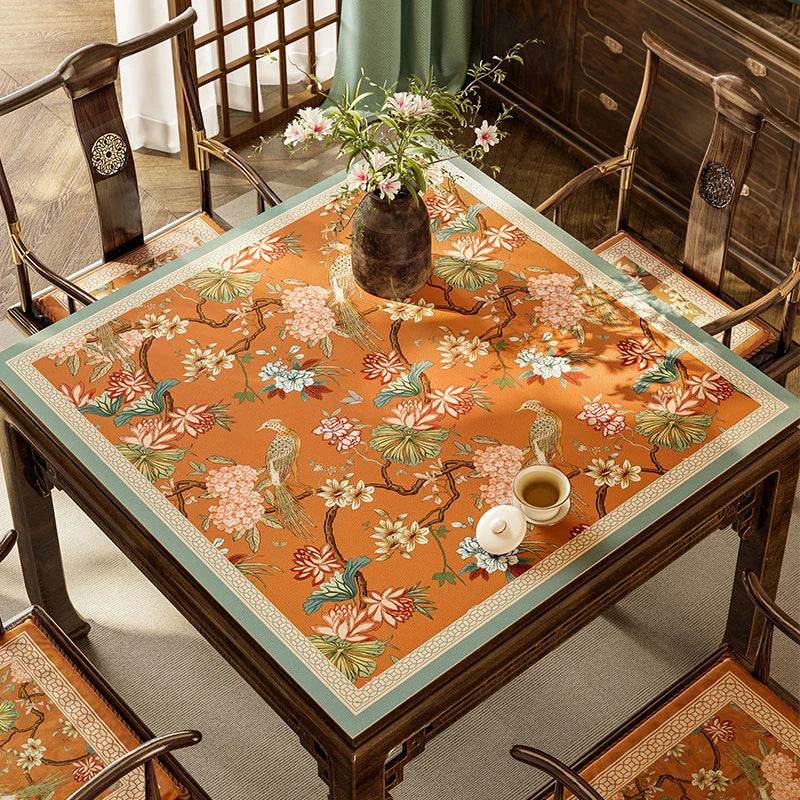
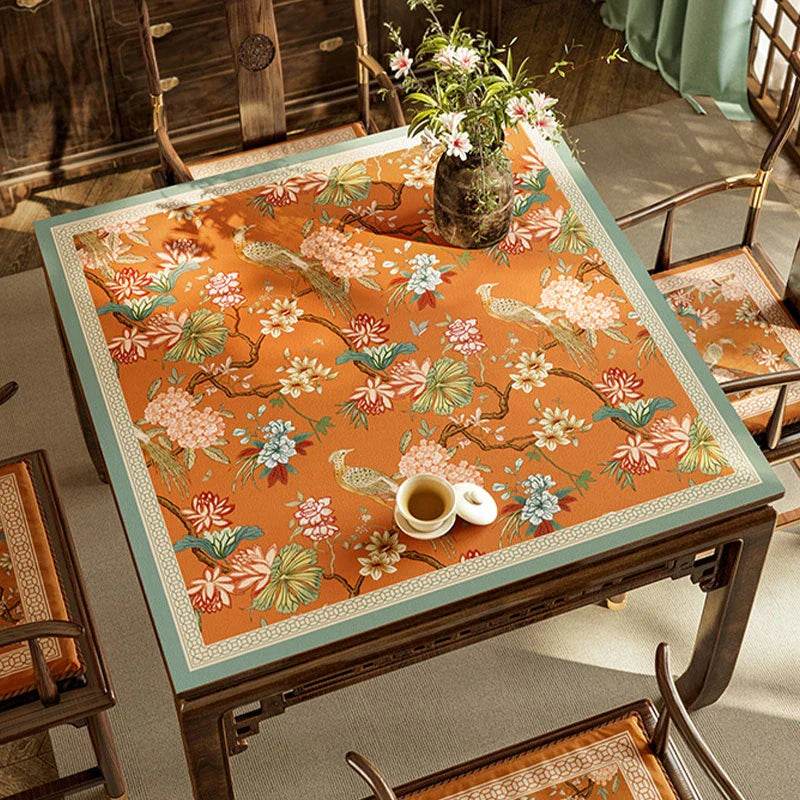
Shu Brocade has a history of more than 2,000 years and is known for its vivid colors, balanced patterns, and rich decorative style. As one of China’s Four Famous Brocades, it is celebrated for its bold yet harmonious beauty and its lasting place in Chinese textile history.

Shu Embroidery, one of China’s Four Great Embroidery traditions, is admired for its refined craftsmanship and painterly effect. With delicate stitching and subtle color transitions, it often captures the misty beauty of western Sichuan landscapes and reflects a quiet, understated elegance.

Travelers who want to experience the traditional craftsmanship of Shu Brocade and Shu Embroidery can visit the following places:
- 📍No.66 Wenshuyuan Street, Qingyang District
- 📍Anjing Shu Embroidery Cultural & Creative Park
Recommended Chengdu Itinerary: From Modern Streets to Ancient Shu
One of the best ways to experience Chengdu is to follow its natural rhythm—easygoing by day, lively at night, and deeply rooted in culture throughout. These recommended routes offer a balanced way to explore the city’s modern life, local atmosphere, and historical depth.
1. Evening City Walk
Chunxi Road → IFS → Taikoo Li
As night falls, Chengdu shows its modern side. Start at Chunxi Road, the city’s best-known shopping street, then continue to IFS, famous for its rooftop panda sculpture and contemporary skyline. Just nearby, Taikoo Li blends Sichuan-style architecture with fashion, cafés, and dining, making it ideal for a relaxed evening stroll.

2. Daytime Leisure Route
Chengdu Museum → People’s Park → Jiuyan Bridge
Begin at the Chengdu Museum for an introduction to the city’s history and Shu culture. Then head to People’s Park, where tea drinking, mahjong, and slow daily life reflect Chengdu’s relaxed character. Later in the day, continue to Jiuyan Bridge for river views, cafés, and an easy transition into the evening.

3. Cultural Heritage Route
Daci Temple → Wuhou Shrine → Sanxingdui Museum
For a deeper look at Chengdu’s cultural heritage, begin at Daci Temple, a historic Buddhist site in the heart of the city. Continue to Wuhou Shrine, where the legacy of Zhuge Liang and the Three Kingdoms still feels vivid. If you want to explore the roots of ancient Shu civilization further, Sanxingdui Museum offers one of the most fascinating archaeological experiences in the region.

4. A Must-Visit Highlight: Chengdu Panda Base
Chengdu Panda Base
No trip to Chengdu feels complete without seeing its most famous residents. The Chengdu Research Base of Giant Panda Breeding is best visited in the morning, when pandas are most active. Watching them eat, climb, and play is one of the most memorable experiences in the city.

Together, these routes offer a well-rounded way to experience Chengdu—from modern streets and local leisure to historical sites and cultural landmarks.
What Is a Must-Eat in Chengdu? A Local Food Guide
From hotpot to street snacks, Chengdu offers many iconic local dishes. Here are some must-eat foods to add to your Chengdu food list.
- Hot & Spicy Classics: Sichuan hotpot, Chuan Chuan hotpot, Grilled fish.
- Local Specialties: Rabbit head, Mao Kao Ya (spicy roasted duck), Spicy tofu pudding.
- Sweet Bites: Liangfen, Sweet water noodles, Yeerba.
- Everyday Favorites: Local noodles, Chaoshou (Sichuan-style wontons).

Where Locals Eat: Recommended Spots
To experience Chengdu food like a local, skip polished tourist venues and follow where residents gather.
Classic “Fly Restaurants” (Casual Local Favorites)
1.Daya Ji (打牙祭) – A longtime neighborhood favorite known for authentic old Chengdu flavors.
Rating: ★★★★☆
Estimated Cost: 40RMB per person.
Address:No.58 Wendelu, Bati Community, Chenghua District

2.Fengbao Hotpot (丰宝火锅) – Highly praised by lifelong Chengdu locals for its pure, uncompromising hotpot taste.
Rating: ★★★★☆
Estimated Cost: 60RMB per person.
Address: No.15 Haijiaoshi Cross Street, Jinjiang District

Atmospheric Dining with Refined Cuisine
1.Xianting (闲亭) – A garden-style restaurant rich in Sichuan aesthetics, ideal for relaxed dining and capturing traditional Shu-inspired visuals.
Rating: ★★★★☆
Estimated Cost: 158RMB per person.
Address:No.360 Qingjiang East Road, Qingyang District

2.Furonghuang Garden Restaurant (芙蓉凰花园酒楼) – A Michelin-listed favorite known for its elevated Sichuan dishes and elegant presentation.
Rating: ★★★★★
Estimated Cost: 109RMB per person.
Address:3F, No.66-16 Guanghua Village Street, Qingyang District

What to Buy in Chengdu: Meaningful Souvenirs with Cultural Value
Looking for a meaningful gift in Chengdu?
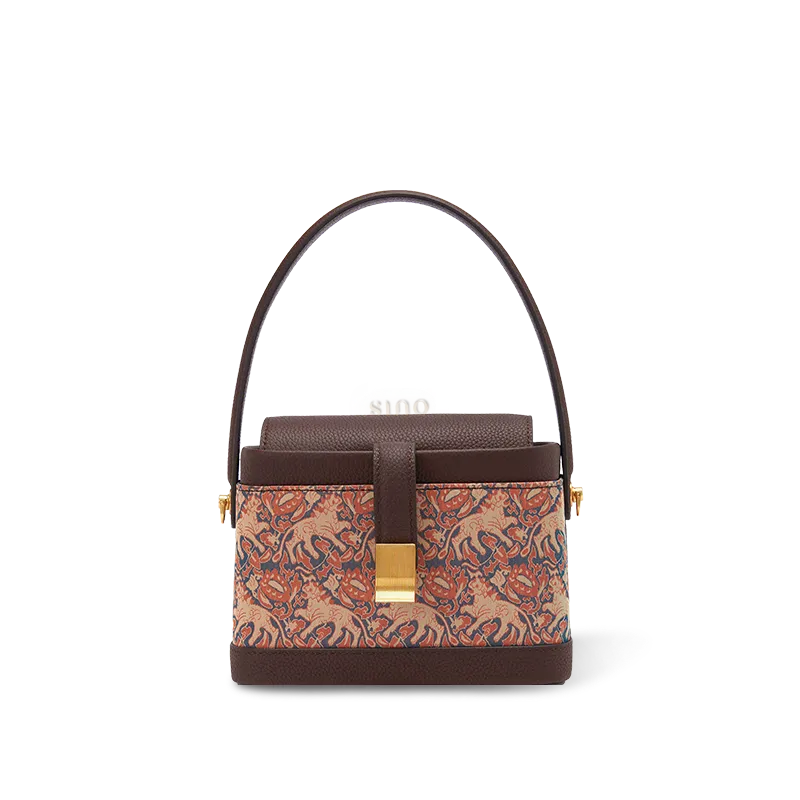
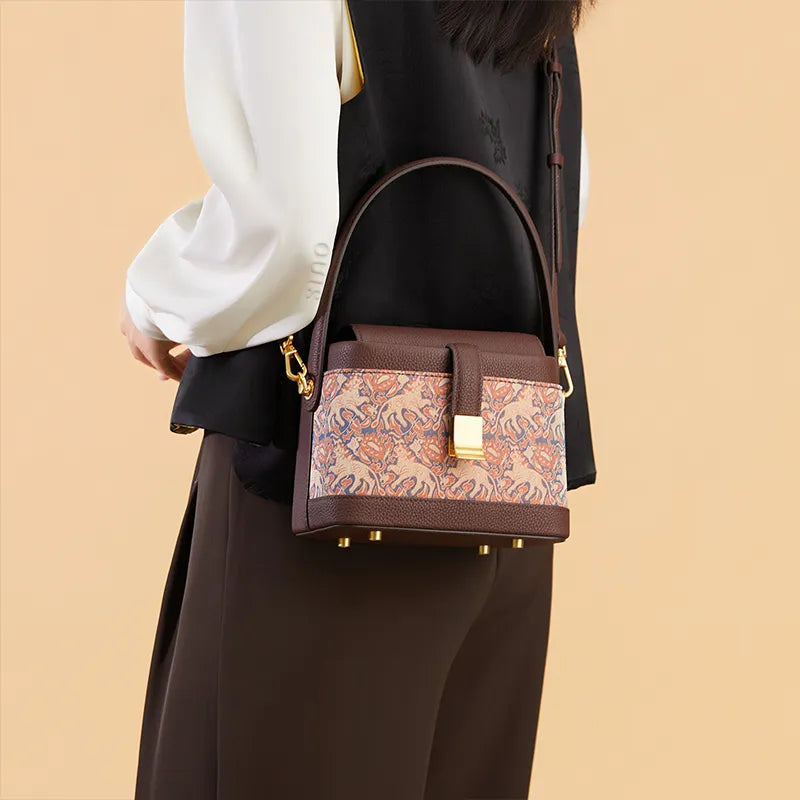
If you’re visiting Chengdu Museum, you can explore SinoCultural’s museum store and discover Shu Brocade pieces created in collaboration with the museum.
📍 Travel Tip: Visit Chengdu Museum
Explore Chengdu’s history and discover meaningful cultural gifts in one stop.

SinoCultural’s cultural gift store inside Chengdu Museum
No. 1 Xiaohe Street, Qingyang District, Chengdu
Tue–Thu & Sun: 9:00 AM–5:00 PM
Fri–Sat: 9:00 AM–8:30 PM
Closed on Mondays
Free entry. Advance reservation is recommended.
SinoCultural × Chengdu Museum
After exploring the exhibitions, visit SinoCultural’s store inside Chengdu Museum’s cultural creative shop area to discover Shu Brocade handbags, silk scarves, and cultural gifts inspired by Chengdu’s textile heritage.
At Sinocultural, we bring the artistry of Shu Brocade and Chinese textile traditions into contemporary life. Inspired by Chengdu’s rich cultural heritage, our handbags, silk scarves, shoes and lifestyle pieces offer travelers a meaningful way to experience and take home a piece of Chinese craftsmanship.