Passer au contenu

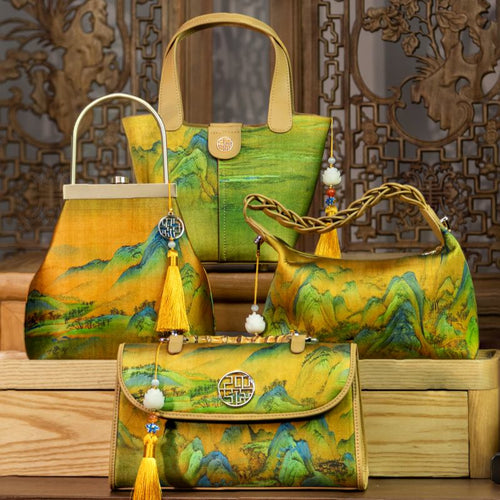


Table of Contents
- Introduction:China’s Crown Jewel of Natural Beauty
- Zhuang Brocade:The Wisdom of Ethnic Minorities
- Discover Nature: A Curated Scenic Travel Route
- A Taste of Guilin: Local Food Guide
- Traditions & Souvenirs: Discover Zhuang Brocade Gift
- Practical FAQ for Travelers
Key Takeaways
- Best For: Natural lovers, Explorer, and Fractal artist.
- Must-See: Li River Facts, Elephant Trunk Hill, Xingping Ancient Town,Longji Rice Terraces.
- Must-Buy: Handcrafted Zhuang Brocade.
- Best Time to Visit: March to October (Pleasant weather).
Guilin:China’s Crown Jewel of Natural Beauty

For the third stop in Sinocultural’s China travel guide series, we journey to Guilin, a city in Guangxi Zhuang Autonomous Region that has long captured the imagination of poets, travelers, and explorers. In China, there is a famous saying: “Guilin’s landscape is the finest under heaven.” For centuries, this phrase has expressed the same feeling shared by so many who arrive here for the first time: Guilin’s dramatic karst mountains, winding rivers, and misty scenery feel almost too beautiful to be real.
Yet Guilin is more than a place of extraordinary natural beauty. Beneath its postcard-perfect views lies a city shaped by warm hospitality, sincerity, simplicity, diligence, and quiet wisdom. These qualities are deeply rooted in the spirit of Guangxi and can still be felt in everyday life, from the welcoming rhythm of old towns and local markets to the enduring traditions of the region’s ethnic communities.
In this Guilin travel guide, Sinocultural invites you to explore a destination where stunning natural landscapes, ethnic minority culture, traditional brocade art, and distinctive local flavors come together. From the famous Li River and iconic karst scenery to the living legacy of Zhuang Brocade, Guilin offers a journey that is as culturally rich as it is visually unforgettable.
The Heart of Guilin: Warm Hospitality and Quiet Wisdom

In Guilin, the landscape does more than shape the view — it seems to shape the people as well. Surrounded by misty rivers, limestone peaks, and a history stretching back more than two thousand years, Guilin has a spirit that feels both gentle and resilient. There is warmth here, but also quiet strength. It can be felt in the city’s slower rhythm, in its rooted traditions, and in the easy sincerity of everyday life.
That is part of what makes Guilin so memorable. Beyond the famous scenery, the city carries a sense of openness, modesty, and calm generosity. For centuries, it has welcomed poets, wanderers, and traders, while remaining deeply connected to ordinary pleasures — a bowl of Guilin rice noodles, the fragrance of osmanthus, the comfort of water and mountains never far away. Hospitality here does not feel staged. It feels natural.
Guilin’s quiet wisdom is also written into the land itself. In a region of steep hills and dramatic terrain, generations of local people learned not to conquer nature, but to live with it. From the beauty of the Longji Rice Terraces to the enduring intelligence of the ancient Lingqu Canal, this is a place where patience, skill, and adaptability have long been part of daily life. In Guilin, wisdom is not something abstract. It is something lived.That same spirit can also be found in the cultural traditions of Guangxi’s ethnic communities. Among them, Zhuang Brocade stands out as one of the clearest expressions of local wisdom — a textile art shaped by memory, symbolism, craftsmanship, and everyday life. To understand Guilin more deeply is not only to admire its landscapes, but also to appreciate the living heritage woven into the region itself.
Zhuang Brocade: The Wisdom of the Zhuang People Woven into Art
Zhuang brocade is widely recognized as one of the four great brocades of China, with a history that stretches back over many centuries. Its earliest predecessor is believed to be banbu斑布, a patterned textile woven by the ancestors of the Zhuang people during the Han Dynasty. Archaeological discoveries in Guangxi later gave strong support to this origin: fragments of orange-red geometric brocade unearthed from a Han tomb at Luobowan show that brocade weaving techniques were already present in the region more than two thousand years ago.

The craft became more fully developed during the Tang and Song dynasties, flourished further in the Ming and Qing periods, and was even listed as a tribute item in the Ming Dynasty. Although it declined in the late Qing and early Republican era, Zhuang Brocade had already formed a rich and distinctive system of styles, patterns, and techniques. Known for its durability, refined craftsmanship, and vivid decorative beauty, it remains one of Guangxi’s most remarkable cultural treasures
How the Zhuang People Turned Sweat and Wisdom into Cultural Treasure
In the Zhuang language, Zhuang brocade is called mbaw laiz fax, often understood as “pages of heavenly patterns.” The name itself reflects how deeply this textile is tied to memory, symbolism, and the Zhuang worldview. Traditionally woven with cotton, linen, and silk, Zhuang brocade features motifs such as geometric forms, water patterns, clouds, flowers, and animals, all brought together in bold colors and highly rhythmic designs. These patterns express reverence for nature, admiration for beauty, and a longing for a good life.

What makes Zhuang brocade especially moving is the labor and patience behind it. From preparing silk and cotton to dyeing, warping, threading, and weaving, the process involves many detailed steps and demands extraordinary concentration. Even a medium-sized traditional piece can take around 160 hours to complete, and more complex works take much longer. More than a textile, Zhuang brocade is a quiet record of endurance, skill, and the creative wisdom of generations of Zhuang artisans.
The Influence of Zhuang Brocade on Modern Style
Although Zhuang brocade is rooted in tradition, its patterns and colors still feel remarkably fresh today. The strong geometry, vivid contrasts, and symbolic motifs found in this textile continue to inspire contemporary design, showing how a heritage craft from Guangxi can still speak to modern fashion.

A few well-known luxury houses have echoed elements of Zhuang brocade in their collections:
- Gucci – “Fantasy Guangxi” (Pre-Fall 2021):Gucci reinterpreted traditional Zhuang brocade motifs, including the sun pattern and frog-man design, and blended them with the brand’s signature red-and-green color language. The result was a more modern, digitally styled print. In some pieces, silk brocade details were also incorporated into garment design, creating a subtle meeting point between traditional craft and contemporary fashion.
- Louis Vuitton – “Secret Realm” (Resort 2018):Louis Vuitton drew from the radiant lines of Zhuang brocade’s sun motif, transforming them into a more abstract embossed pattern on leather goods. The collection also reflected the brocade’s classic five-color palette — black, red, yellow, green, and blue — but reworked it into softer, more modern tonal effects.
These examples show that Zhuang brocade is not only a treasured part of Guangxi’s heritage. Its visual language continues to inspire new forms of design, carrying the wisdom of the Zhuang people into a wider modern world.
Where to Experience Zhuang Brocade in Guilin
To see Zhuang Brocade weaving up close, visit Lixiang漓想 Intangible Cultural Heritage Life Museum in Guilin. It is a good place to learn more about this traditional textile art and experience the craft beyond the city’s natural scenery.
📍 Studio Address:Lixiang Intangible Cultural Heritage Life Museum (No. 246 Linjiang Road, Qixing District, Guilin, China).
Discover Nature: A Curated Scenic Travel Route
Unlike Chengdu or Guangzhou, Guilin’s most memorable route moves outward — from the city center to the Li River, then onward to Xingping and Yangshuo, where karst peaks, bamboo rafts, countryside roads, and river towns create the classic Guilin experience.

Now Guilin is best explored as a scenic journey rather than a single city stop. A practical route is to begin in the city center, continue to the Li River, stay around Xingping, and then finish in Yangshuo, where cycling, caves, river views, and night performances come together. This follows the area’s most classic travel flow, from downtown Guilin to the best-known river and countryside scenery.
Route One: A Relaxed Day in Central Guilin
-
Elephant Trunk Hill: Start with Guilin’s best-known landmark. It is the easiest place to begin if you want a first look at the city’s famous karst scenery.
- East West Alley: Walk over for a short break and try a bowl of Guilin rice noodles. This is a simple way to add local flavor to your city route.
- Two Rivers and Four Lakes Night Cruise: End the day with a boat ride through Guilin’s best-known night scenery, with illuminated pagodas, reflections on the water, and a softer view of the city after dark.

Route Two: The Classic Li River Journey from Yangdi to Xingping
- Yangdi Pier: Leave Guilin early and head to Yangdi, the starting point for one of the most scenic sections of the Li River. The drive is longer, but this is where the classic Guilin river journey begins.
- Bamboo Raft to Xingping: Take a bamboo raft through dramatic karst peaks and quiet river bends. This is one of the most iconic Li River experiences, so it is best to book ahead in busy seasons.
- Xingping Ancient Town: After rafting, slow down in Xingping. You can walk the old streets, try beer fish, and see the famous view linked to the 20 RMB banknote.
- Laozhai Mountain: Stay overnight if you can, and hike up for a sunset view over the Li River. It is one of the best panoramic viewpoints in the area.

Route Three: From Xingping to Yangshuo via the Yulong River
- Yulong River Bamboo Rafting: After the Li River, switch to a quieter experience on the Yulong River. This route is known for calm water, rural scenery, and a more peaceful rafting atmosphere, with the entire rafting experience powered by hand-poled bamboo rafts rather than motorboats.
- Countryside Scenery: This part of the journey is less about famous landmarks and more about enjoying the landscape itself — fields, villages, bridges, and karst hills at a slower pace.
- Continue to Yangshuo: From here, head into Yangshuo, where the trip becomes more active and varied.

Route Four: A Classic Yangshuo Day of Caves, Cycling, and Night Show
- West Street to Silver Cave: Use West Street as your base, then head to Silver Cave for a look at Guilin’s karst world from underground.
- Ten-Mile Gallery: Continue to Ten-Mile Gallery, one of the best places in Yangshuo for cycling or e-biking through open countryside and mountain views.
- Big Banyan Tree and Moon Hill: These are two classic stops along the route and easy additions if you want well-known photo spots.
- Impression Liu Sanjie: Finish the day with this famous outdoor night show, staged against the river and karst mountains. It is one of Yangshuo’s signature evening experiences.

Optional Extension: Longji Rice Terraces
- Why Go: If you have extra time, Longji Rice Terraces offer a different side of Guilin travel — mountain scenery, ethnic villages, and a slower rhythm.
- What to Do: Stay overnight, watch the sunrise, enjoy a long-table meal, and explore local village life. Some travelers also look for craft or hands-on cultural experiences in the area.
- Best For: This extension is ideal for photographers, slow travelers, and readers who want more than Guilin’s river route.

A Taste of Guilin: Local Food Guide
Guilin’s beauty is easy to see, but its food is just as memorable. The city is best known for its rice noodle culture, but its flavors go far beyond one bowl. From local noodle traditions and street snacks to sour, spicy, and savory regional dishes, Guilin offers a food experience that feels both practical and deeply local.
From Guilin Rice Noodles to Local Specialties
- Guilin’s Noodle Culture: Guilin Rice Noodles, Luosifen from Liuzhou, Laoyou Rice Noodles from Nanning, Dry-Mixed Rice Noodles.
- Street Snacks and Sweet Bites: Sticky Rice, Zongzi, Fried Tofu, Suanye (Pickled Fruit with Chili),Sweet Soups and Desserts.
- Guilin Local Dishes: Beer Fish, Stir-Fried Li River Shrimp, Niubabao(Eight Treasures Beef Offal Platter), Stuffed River Snails.

3 Local Restaurant Picks for a More Authentic Guilin Meal
1.Lao Dongjiang Rice Noodles(老东江米粉): Best for a simple and authentic bowl of Guilin rice noodles at a very local price. If you want a casual meal with strong local character, this is a good place to begin.
Recommended Rating: ★★★★☆
Address: Longyin Road, Qixing District, Guilin, Guangxi

2.Ah Gan Restaurant(阿甘酒家): A reliable choice for affordable Guilin home-style dishes. The menu focuses on local flavors, spice levels can be adjusted, and English menus are available, which makes it especially friendly for international travelers. If the food feels a little too spicy, try it with a chilled bottle of local Lijiang beer.
Recommended Rating: ★★★★☆
Address: No. 16–36 Jiefang West Road, Xiufeng District, Guilin, Guangxi

3.Pushi Northern Guangxi Fusion Cuisine(璞食桂北融合菜): This is a stronger choice for travelers who want a more polished dining experience. The restaurant blends northern Guangxi flavors with broader regional influences, especially the pairing of local sour notes with the bold heat often associated with nearby Hunan cuisine. If you enjoy vibrant, sour-and-spicy dishes, this place is especially worth visiting.
Recommended Rating: ★★★★★
Address: No. 37 Binjiang Road, Yangshuo County, Guilin, Guangxi

Traditions & Souvenirs: Discover Zhuang Brocade Gift
Beyond its landscapes and river towns, Guilin is also a place shaped by living tradition. Among the most meaningful souvenirs and cultural gifts from Guangxi, Zhuang brocade stands out for its bold patterns, rich symbolism, and deep connection to local heritage. More than a decorative craft, it is a thoughtful gift, an elegant keepsake, and a beautiful way to bring a piece of Guilin and Guangxi home with you.

What to Buy: The Art of Gift Giving
Guilin and Guangxi are closely tied to the heritage of Zhuang brocade. It remains one of the most meaningful cultural gifts and travel keepsakes you can bring home.
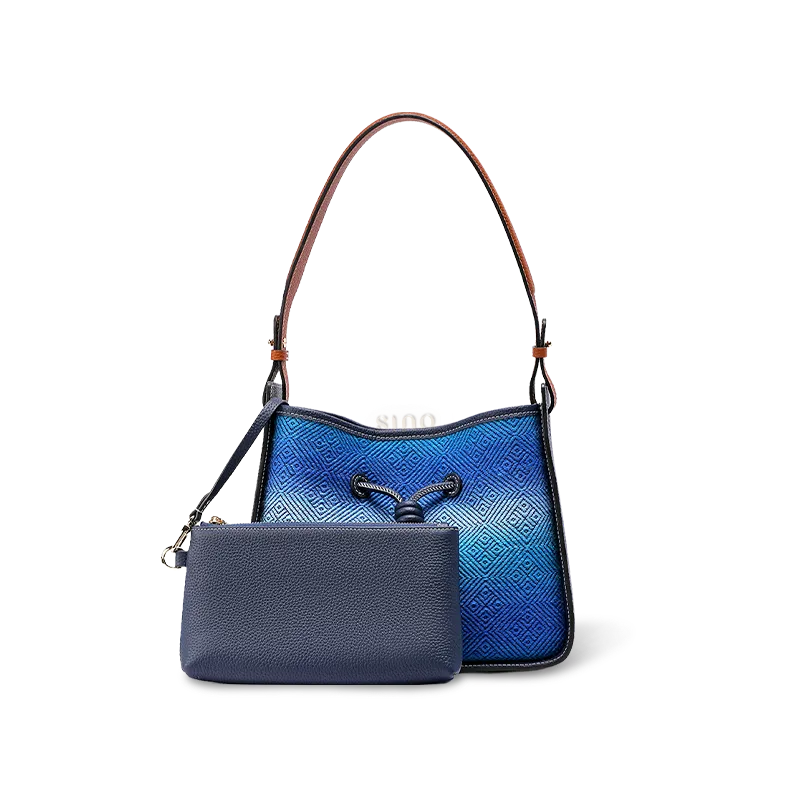
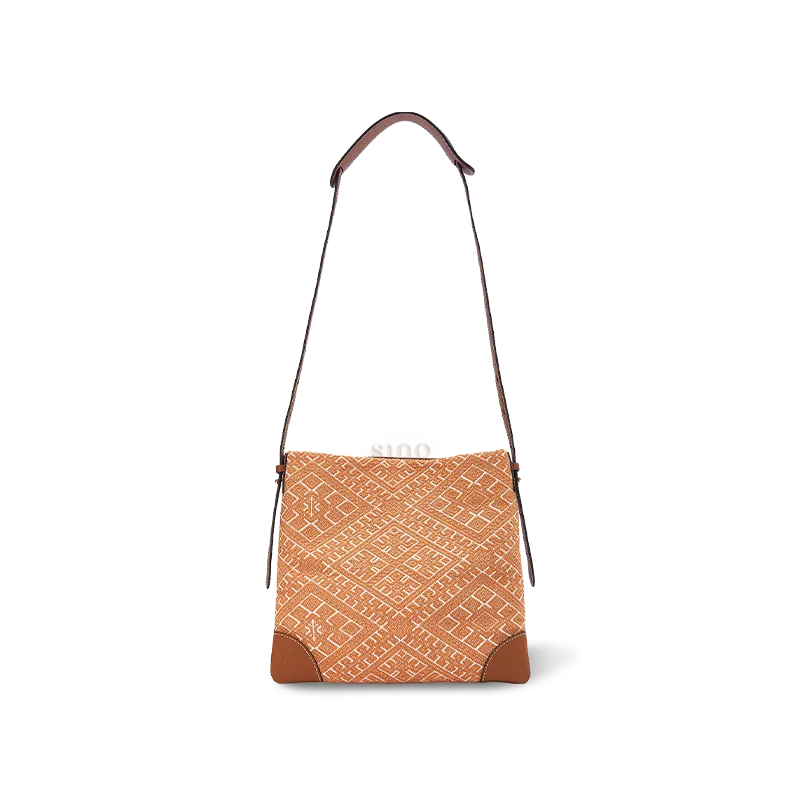
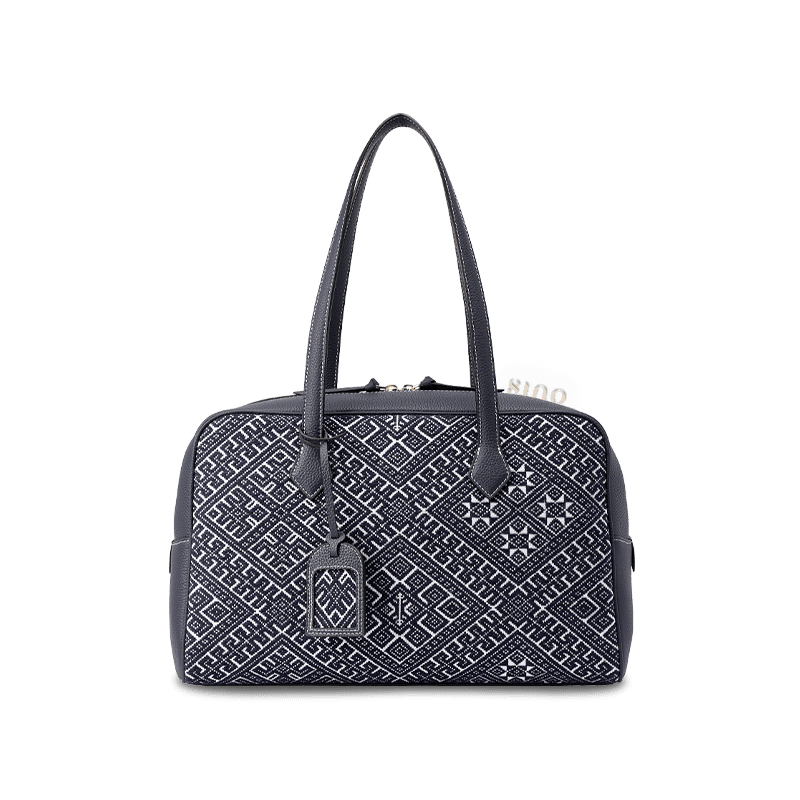
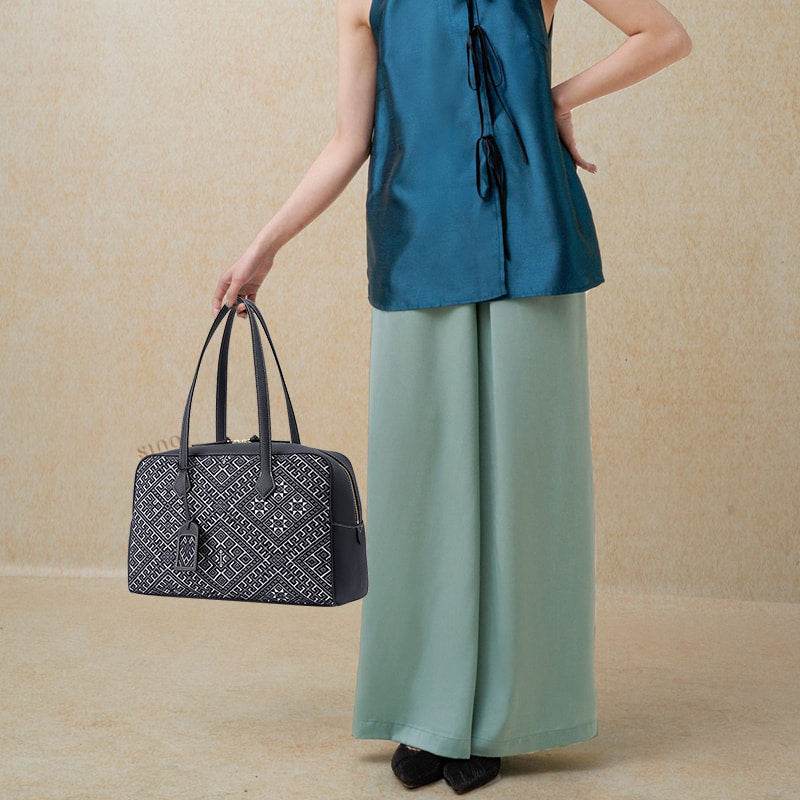
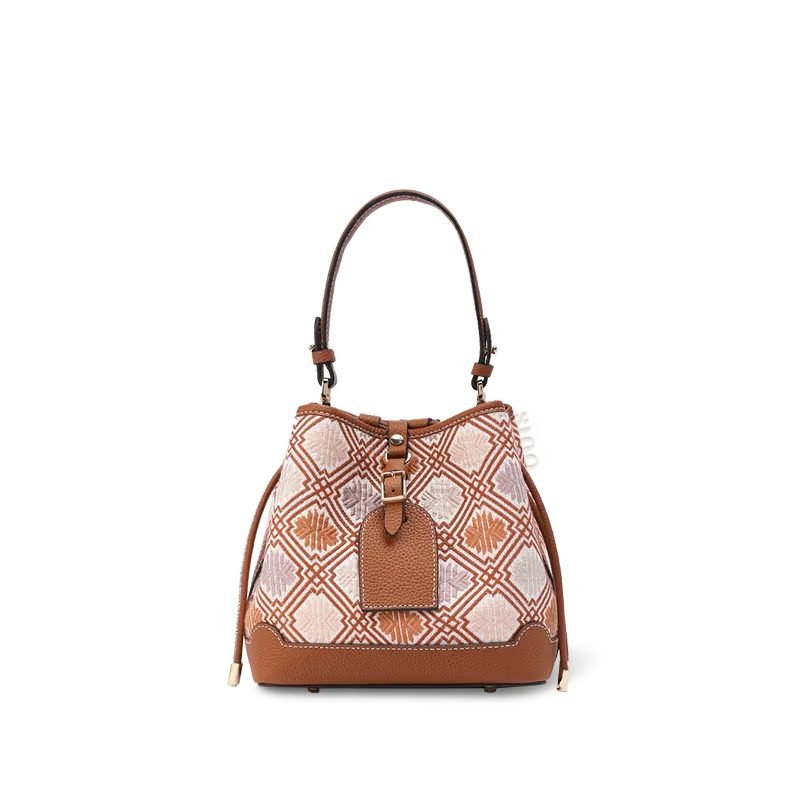
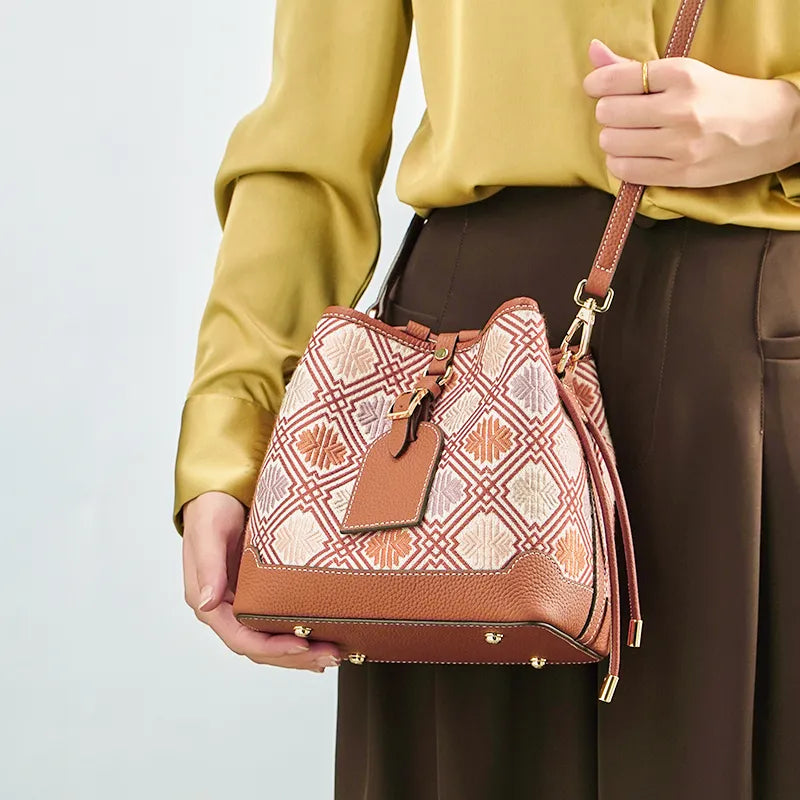
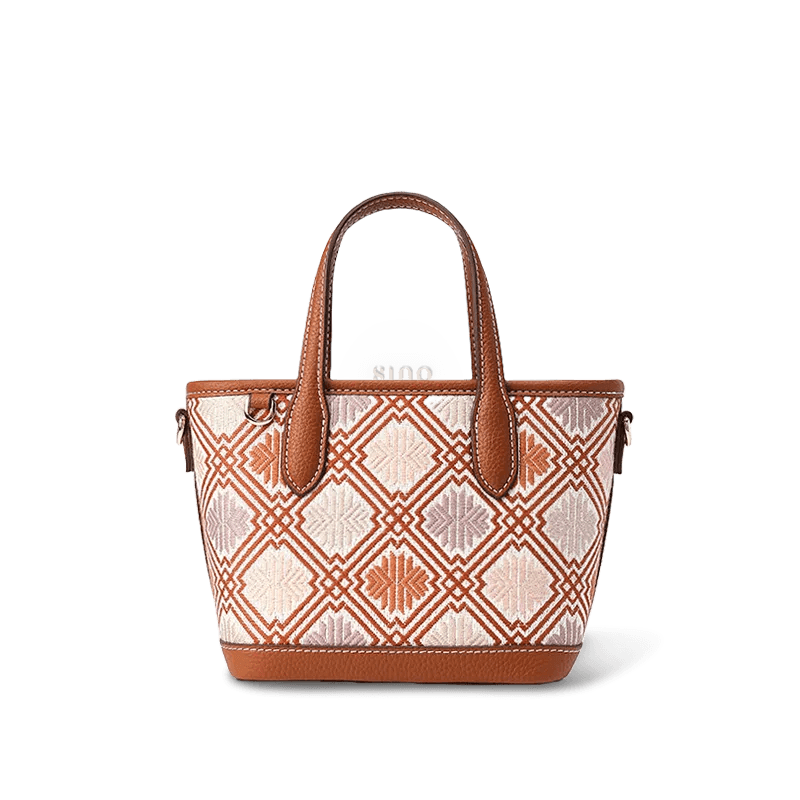
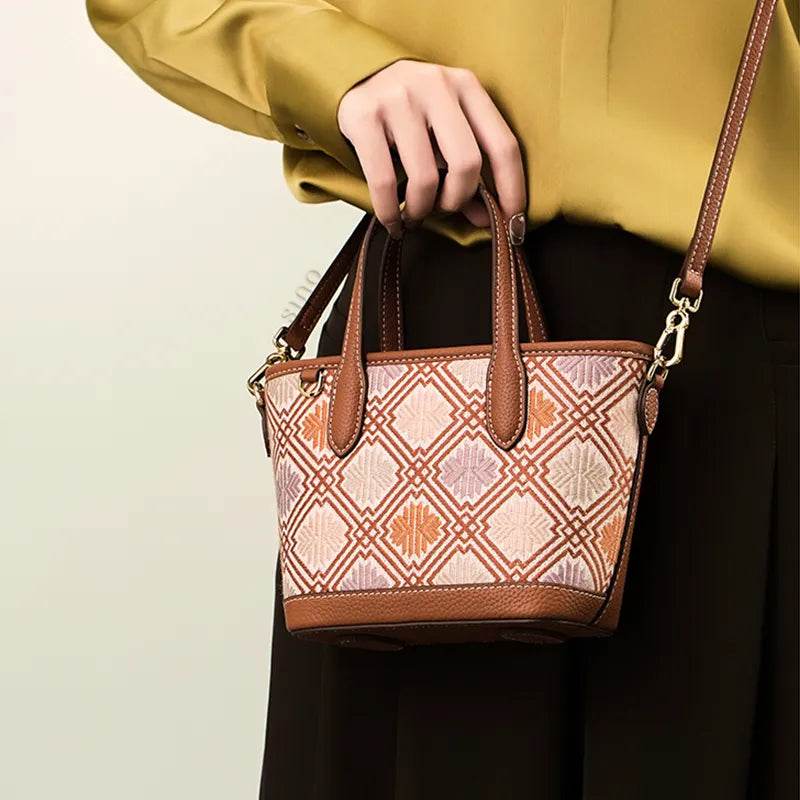
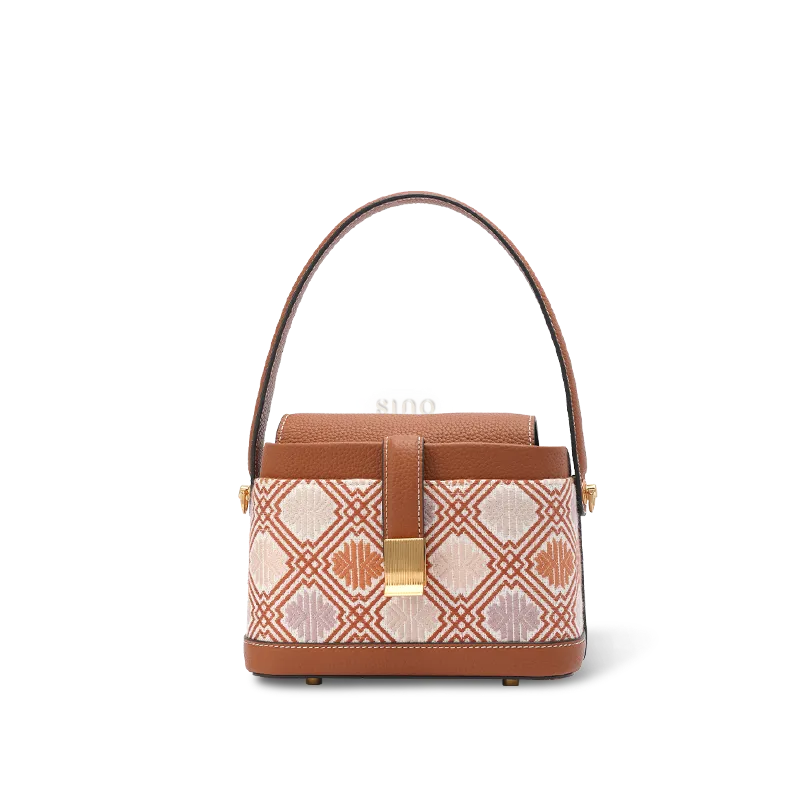
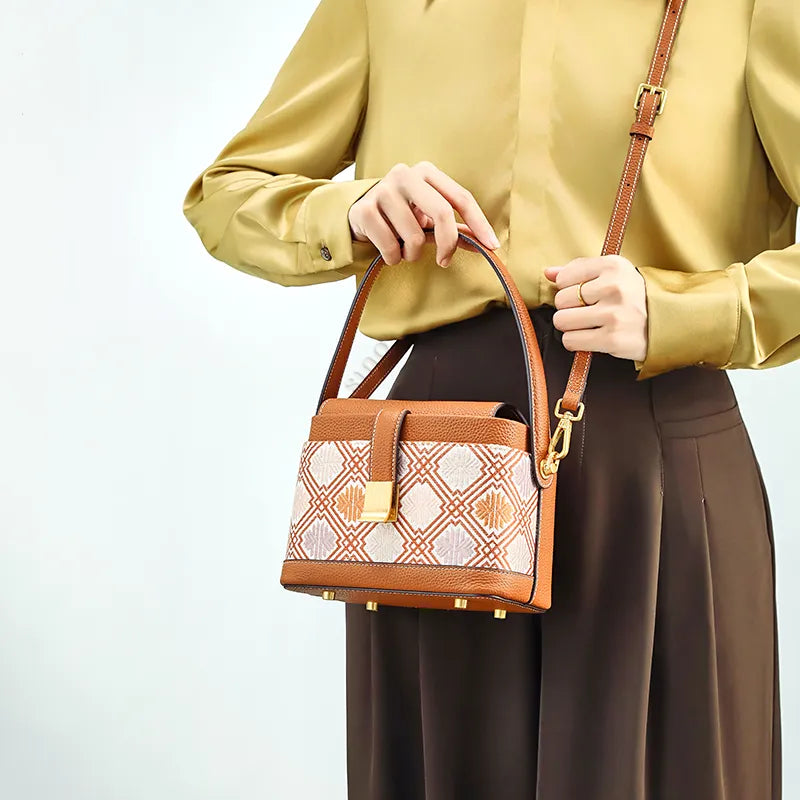
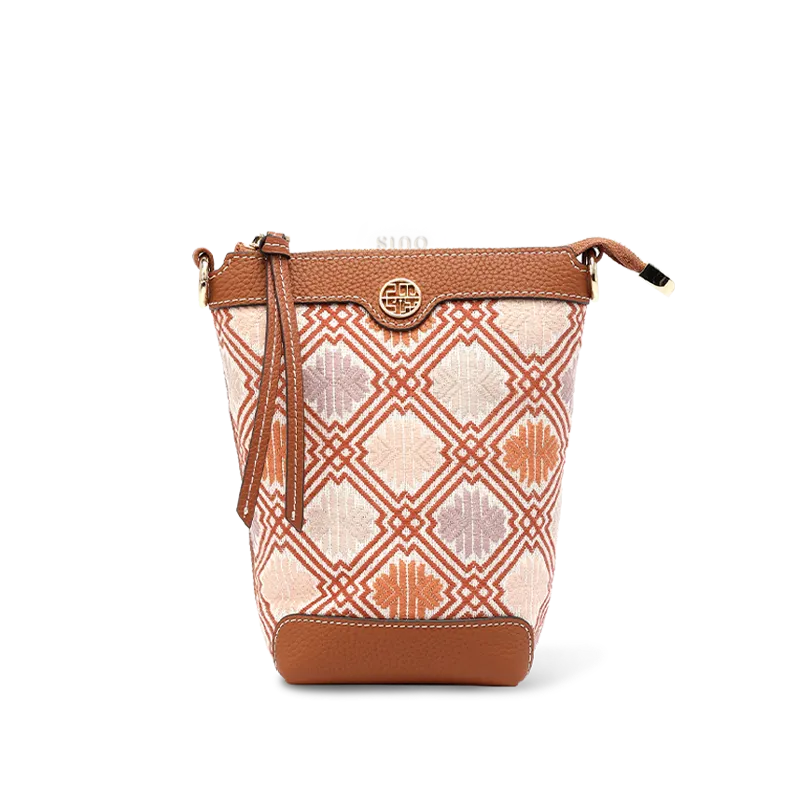
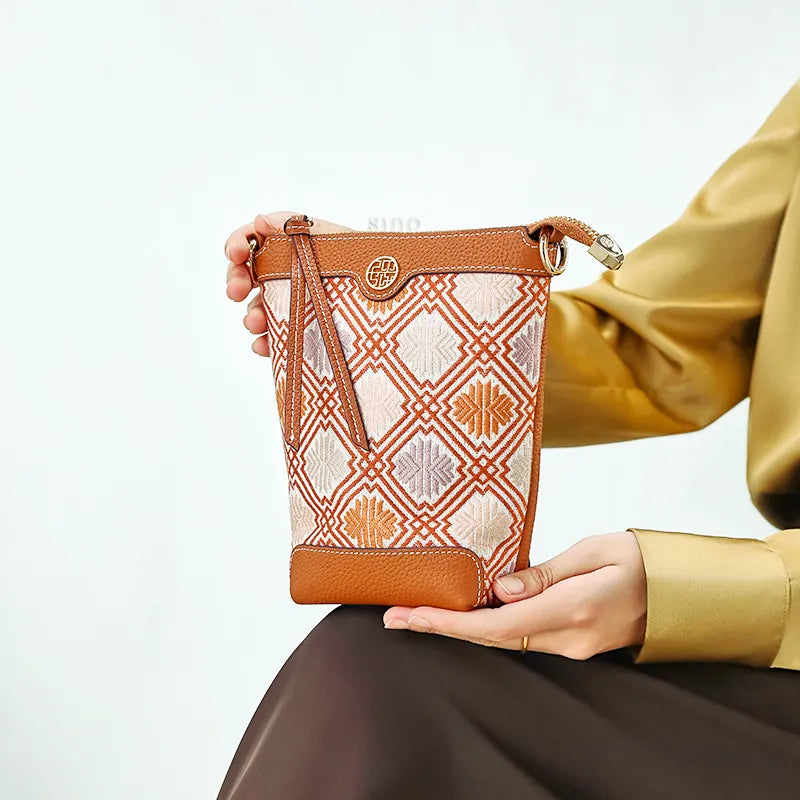
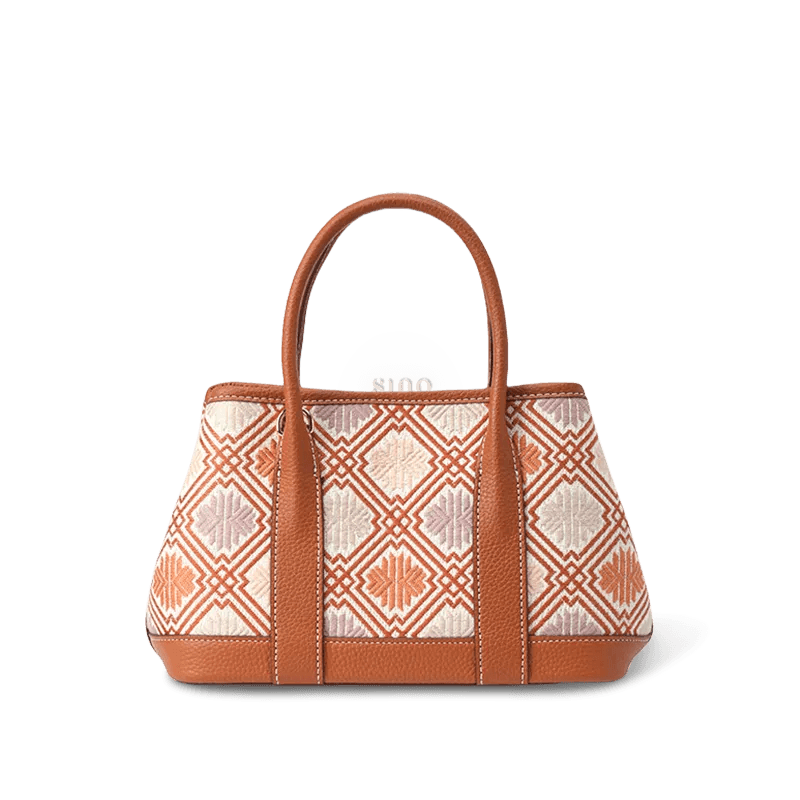
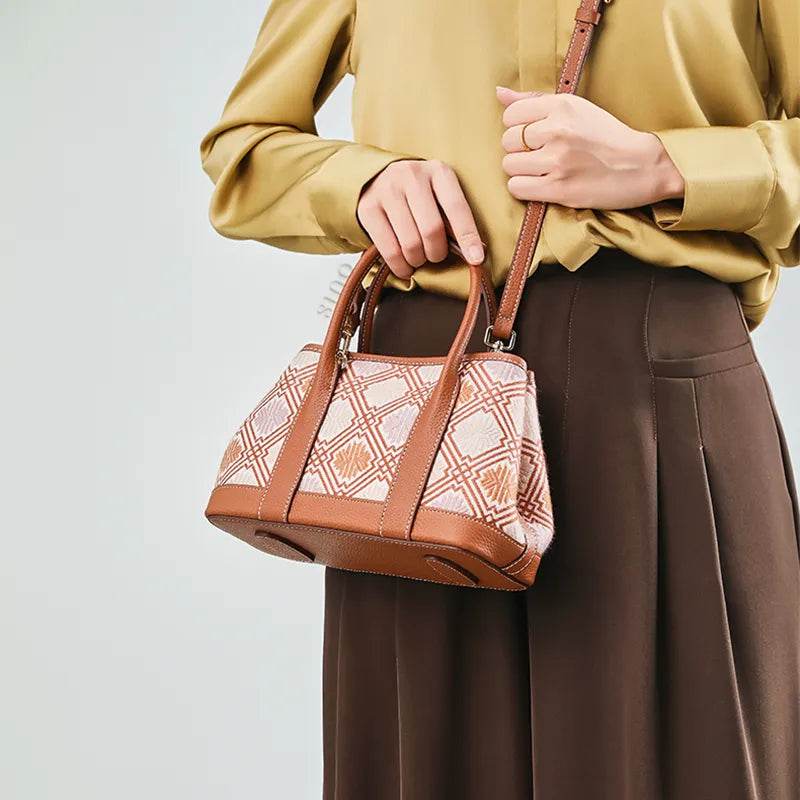
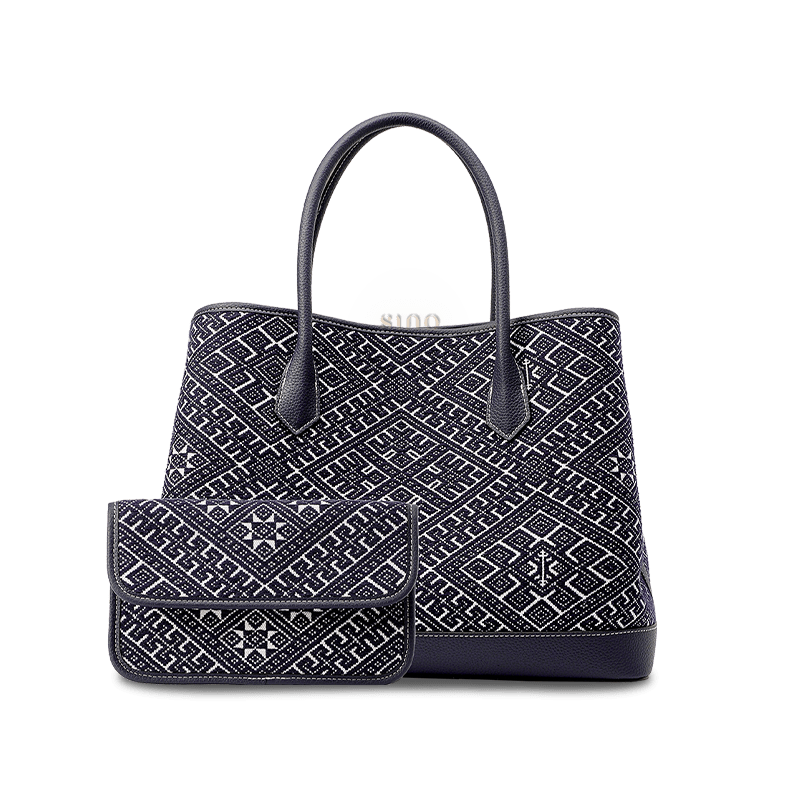
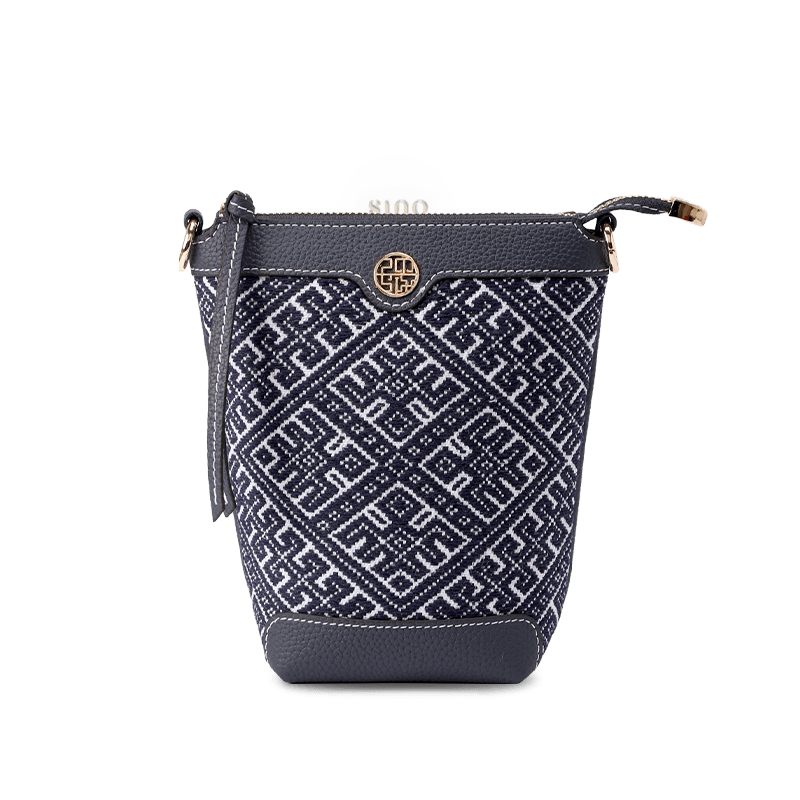
 At Sinocultural, we reimagine this heritage through our Geometric Aesthetics Collection, where traditional Zhuang brocade motifs meet modern accessories designed for everyday elegance.
-
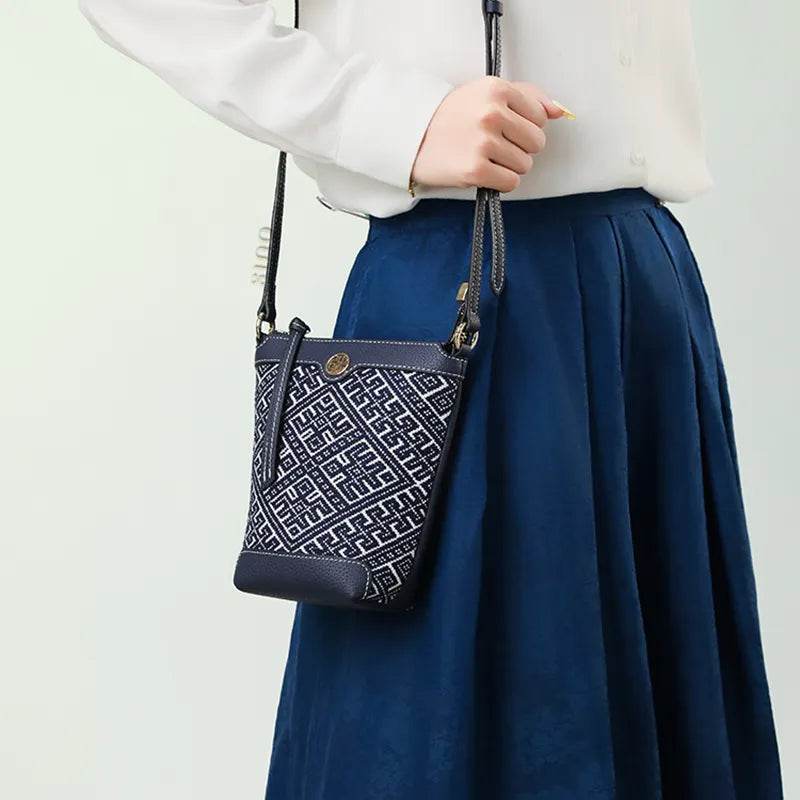
Timeless Handbag: Zhuang Brocade Flying Swallow Motif Leather Handbag,Featuring a flying swallow motif that symbolizes harmony and hope, this deep indigo bag is a refined gift with cultural meaning.

-
Crossbody Bag: Luxury Zhuang Brocade Leather Crossbody Bag, An elegant blend of the chrysanthemum motif and premium leather, with a polished and chinoiserie feel.

-
Small Keepsake: Chinoiserie Vintage Zhuang Brocade Mini Wallet, A compact, vintage-inspired mini wallet that makes a thoughtful gift and a subtle everyday keepsake.

Whether you are shopping for a gift or choosing a keepsake for yourself, Zhuang brocade offers a meaningful way to remember Guilin beyond the scenery. With the right piece, you are not only taking home a souvenir, but also carrying a part of Guangxi’s living heritage with you.

A City to Remember, A Culture to Carry With You
Guilin is a place where nature and culture seem to breathe together. Its rivers, karst peaks, and quiet towns reveal the grandeur of Guangxi’s landscape, while its warm people, vibrant food, and enduring traditions reflect the spirit of the region itself. Through Zhuang brocade, Guilin also reminds us that beauty in Guangxi is not only found in mountains and water, but also in the wisdom, patience, and creativity woven into everyday life.
To travel through Guilin is to discover more than scenery. It is to experience a region shaped by hospitality, heritage, and a deep connection between people and place. From river journeys and local flavors to the living art of Zhuang brocade, Guilin leaves behind a memory that feels both vivid and lasting.
And this is only the third stop on our journey. As one city lingers in memory, another awaits — and with Sinocultural, more landscapes, living crafts, and stories are still waiting to be discovered in the next chapter of our China travel series.
Frequently Asked Questions:Travel Tips For Guilin
Q: What is the best way to get around Guilin city and nearby scenic areas?
A: Guilin’s attractions are often spread out, especially if you plan to visit places beyond the city center. For greater comfort and flexibility, it is usually better to rent a car, book a private car with a licensed driver, or use an official tourist shuttle when available. It is best to avoid unlicensed drivers who approach travelers on the street, as they may take you to unnecessary shopping stops.
Q: What should I know about Guilin’s weather?
A: Guilin’s rainy season usually runs from April to July, so it is a good idea to carry a folding umbrella and rain-friendly shoes if you are visiting during those months. On sunny days, sun protection is also important, as Guilin can have strong UV exposure throughout the year.
Q: Is there anything to keep in mind when eating in Guilin?
A: Guilin’s local food often leans sour and spicy, so if you do not eat spicy food, it is helpful to tell the restaurant in advance when ordering. You can say: “bù chī là” (不吃辣), which means “I don’t eat spicy food.” This small phrase can make trying local dishes much easier and more comfortable.
Q: Should I book Li River or bamboo rafting tickets in advance?
A: Yes. For popular routes such as Yangdi to Xingping, it is best to book at least three days in advance, especially during weekends, holidays, and peak travel seasons. Bamboo rafting and Li River experiences are among the most popular activities in Guilin, so booking early will give you a better chance of securing your preferred time and avoiding disappointment.