Passer au contenu



Bamboo Handle Bags: Style Guide & What to Know Before Buying
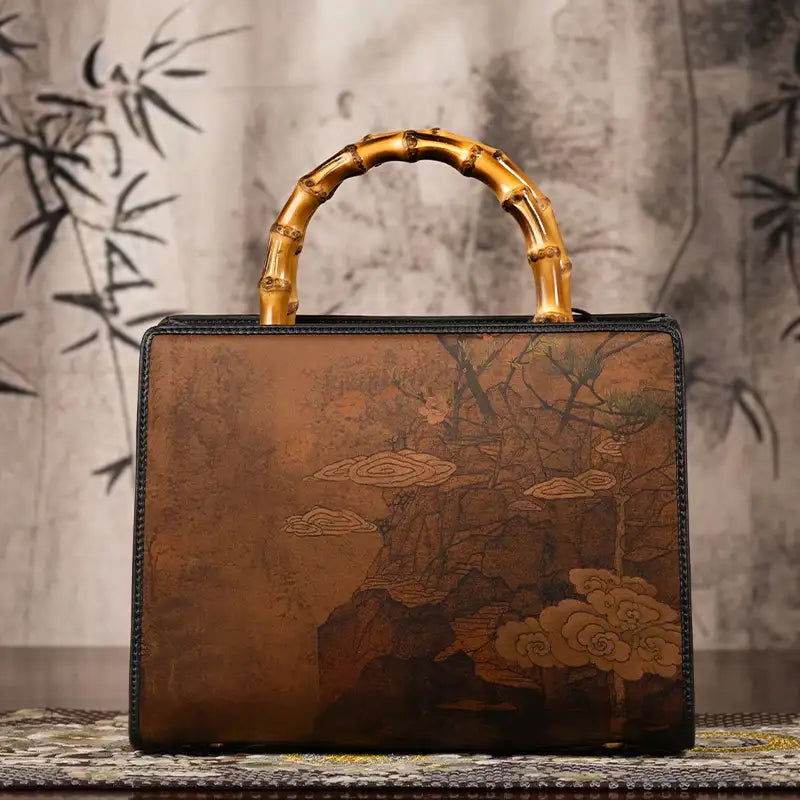
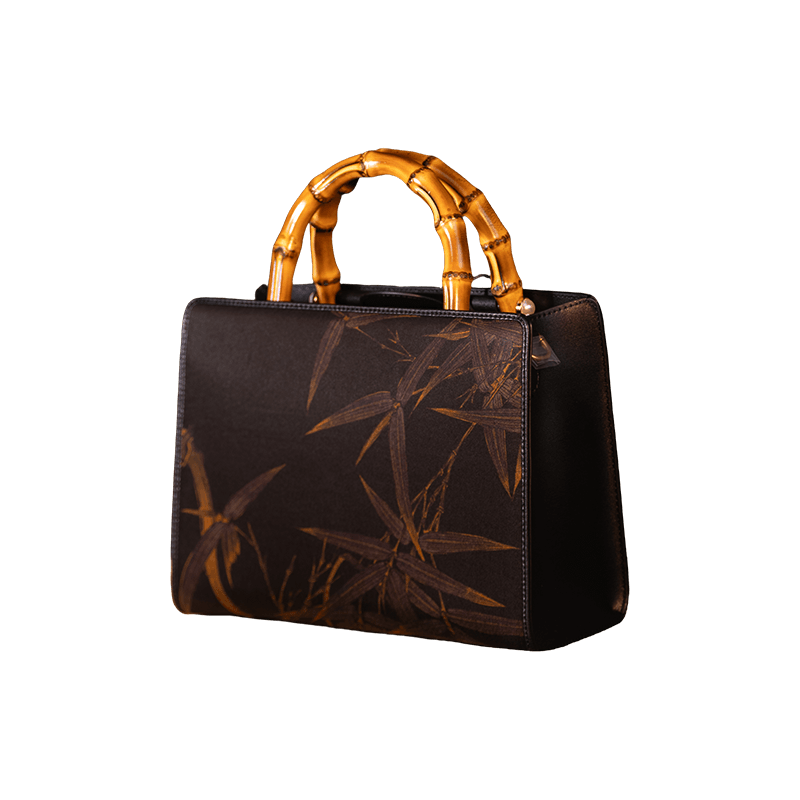
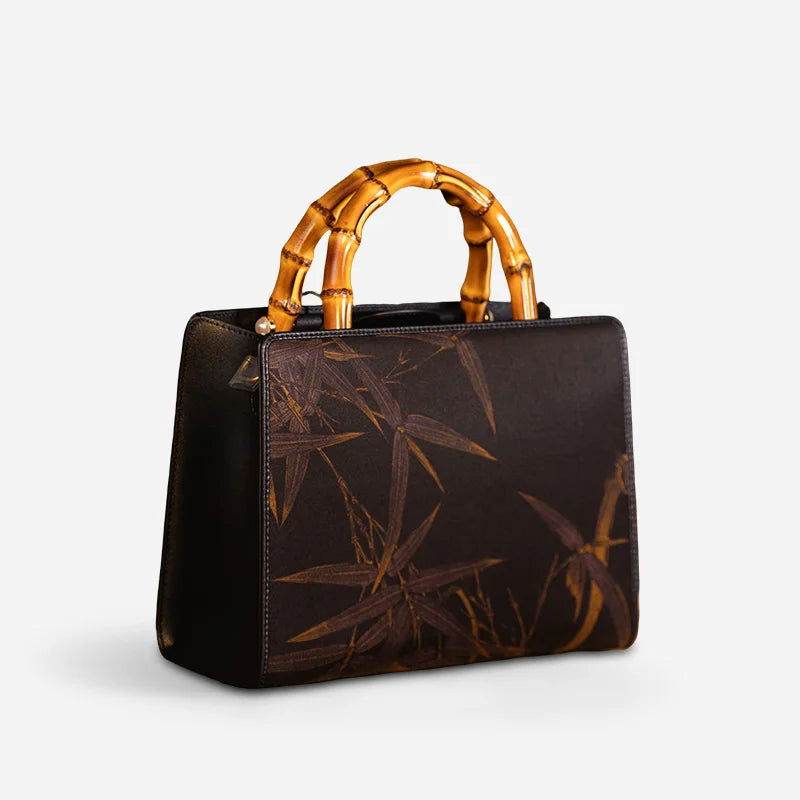
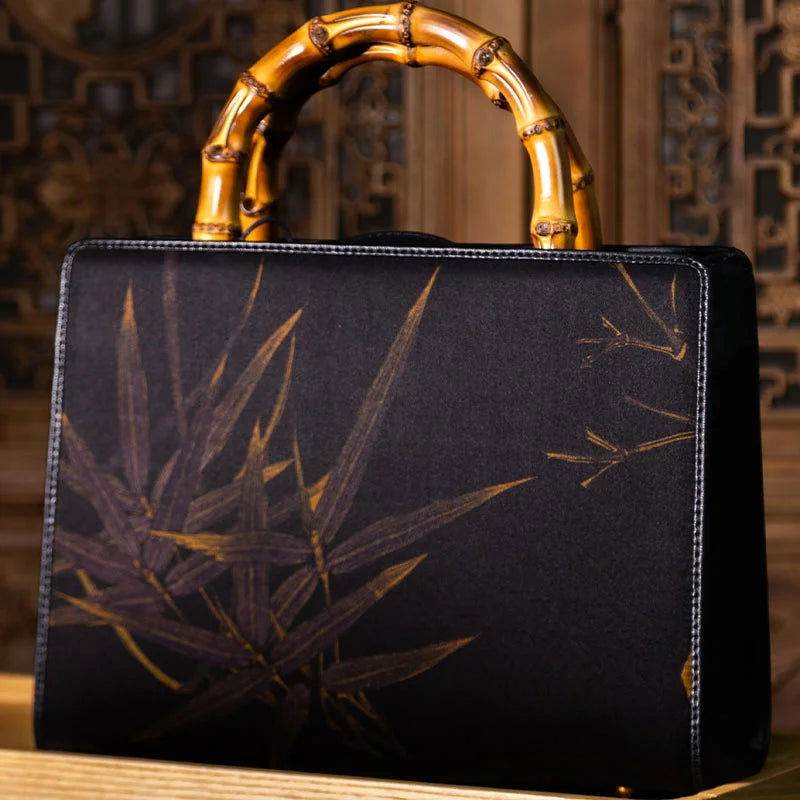
There is something immediately recognizable about a bag with bamboo handle. The warm curve of the natural wood, the contrast between organic tones and rich fabric, the quiet sense that the object in your hands was made with intention. It does not look like everything else. That is the point.
Bamboo handle handbags have moved well beyond novelty. They sit at the intersection of craft heritage and contemporary style — and once you understand what goes into making one well, it is difficult to settle for less.

Before Gucci: The Chinese Origins of the Bamboo Handle Bag
Most people associate the bamboo handle bag with Gucci's iconic 1947 design — the bamboo-topped tote that became one of the most recognized luxury accessories of the 20th century. The story behind it is well known: post-war leather shortages forced Guccio Gucci to experiment with alternative materials, and Japanese bamboo provided the solution.
What that story rarely mentions is that bamboo had been used as a handle material in Chinese craft for centuries before 1947.
In China, bamboo has a long history. As early as six or seven thousand years ago, the ancestors of the Chinese began weaving bamboo mats, winnowing baskets, and other daily necessities. Bamboo paper from the Jin Dynasty predates that of Europe by a thousand years. In Chinese culture, bamboo is not only used for furniture making; it is also considered one of the Four Gentlemen, along with plum blossoms, orchids, and chrysanthemums, representing uprightness and noble character.

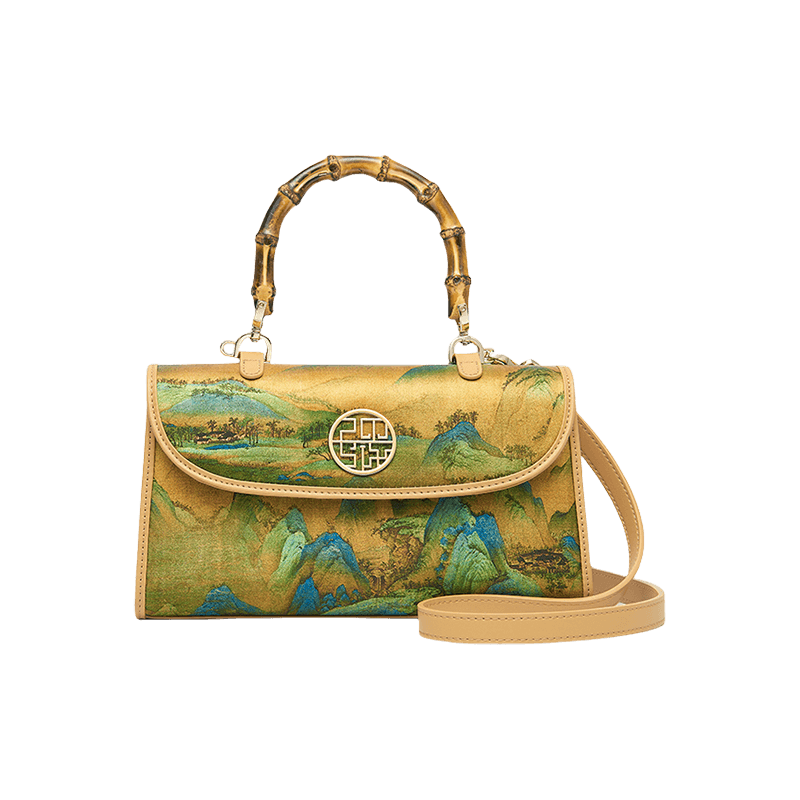
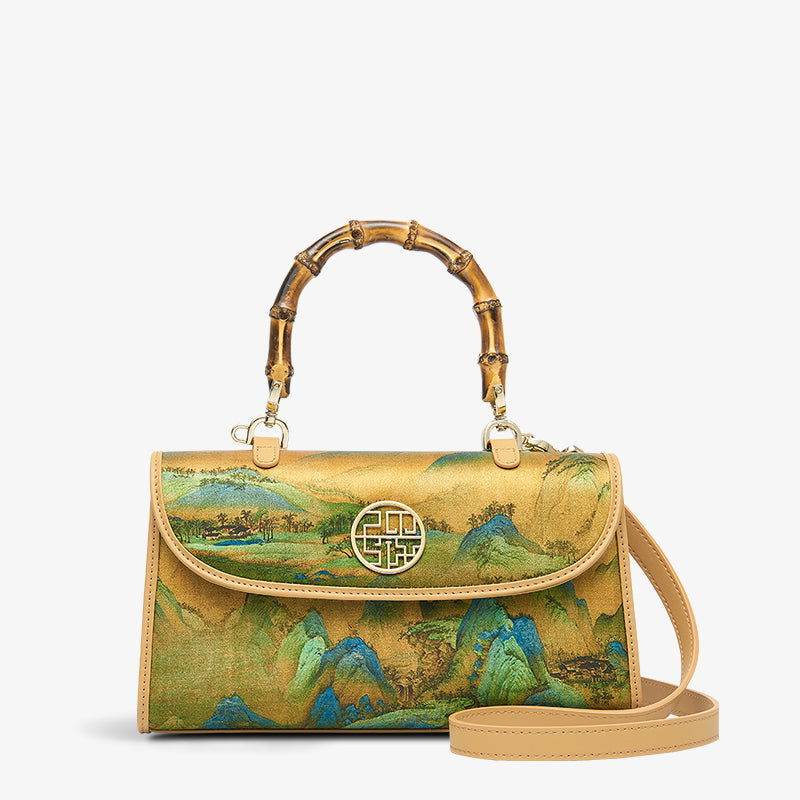
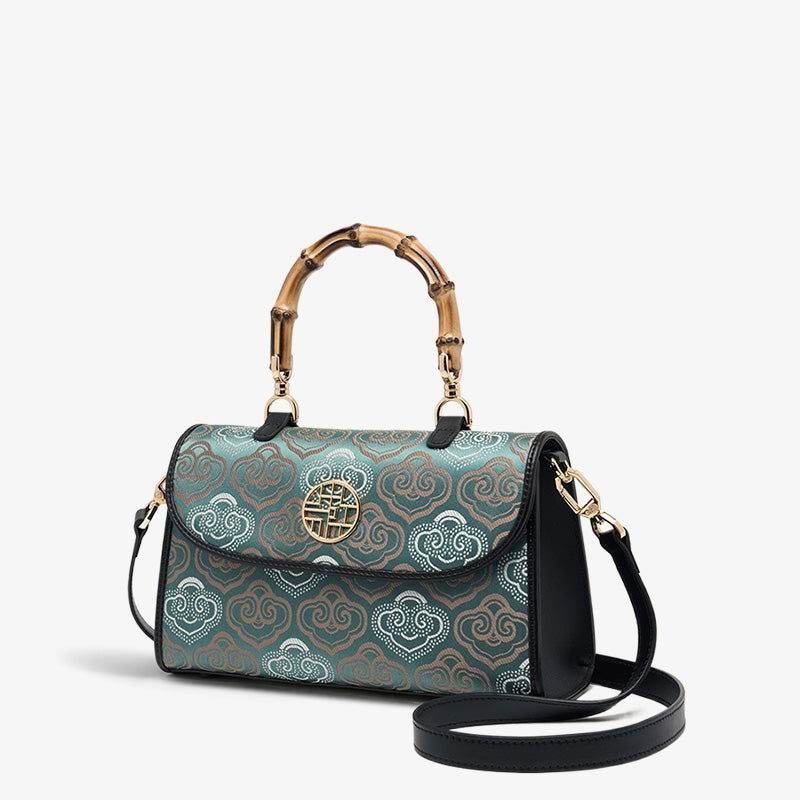
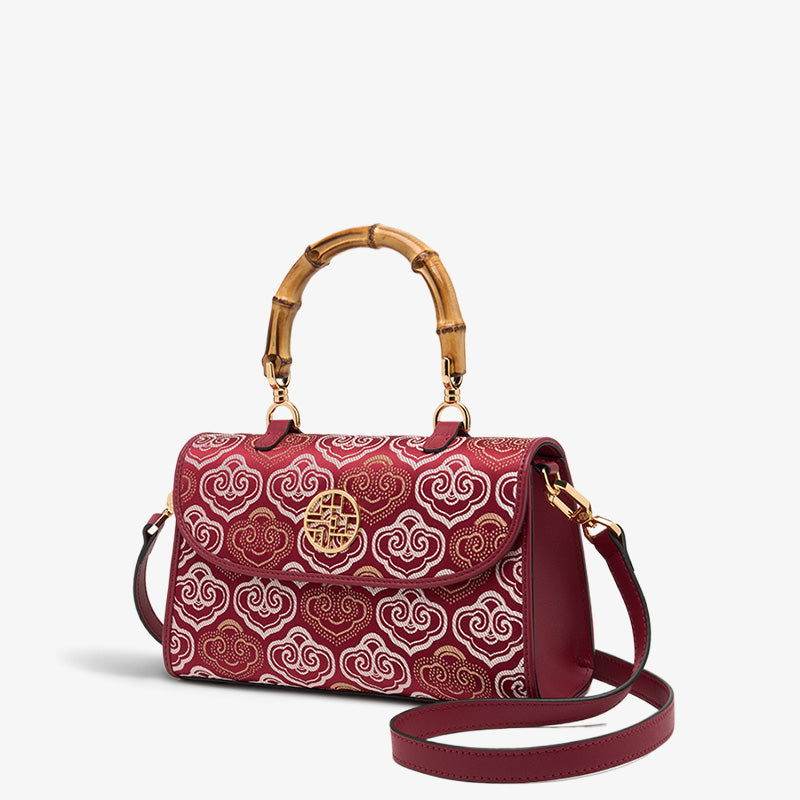
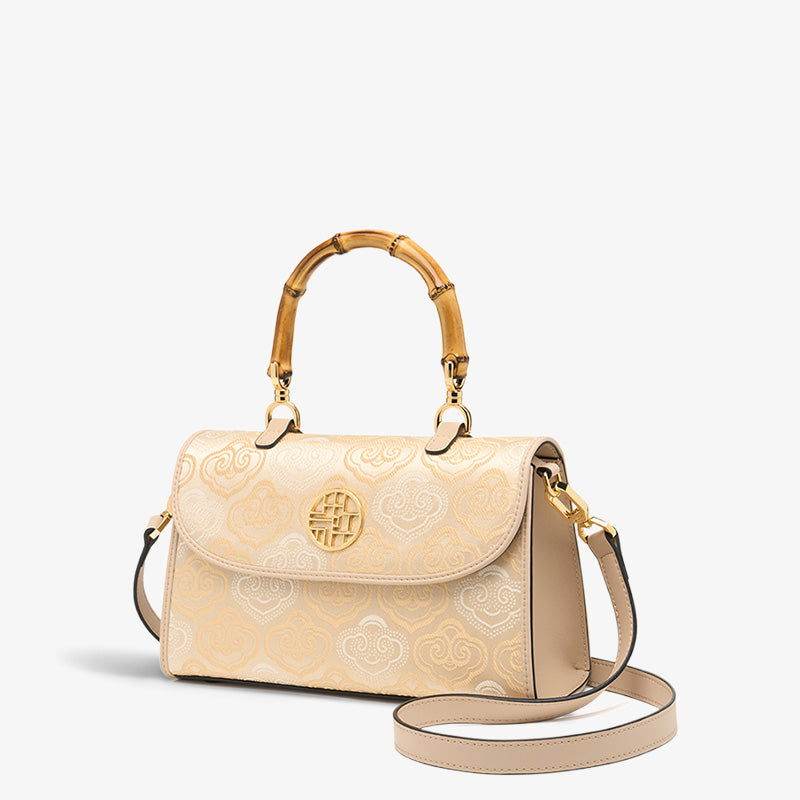
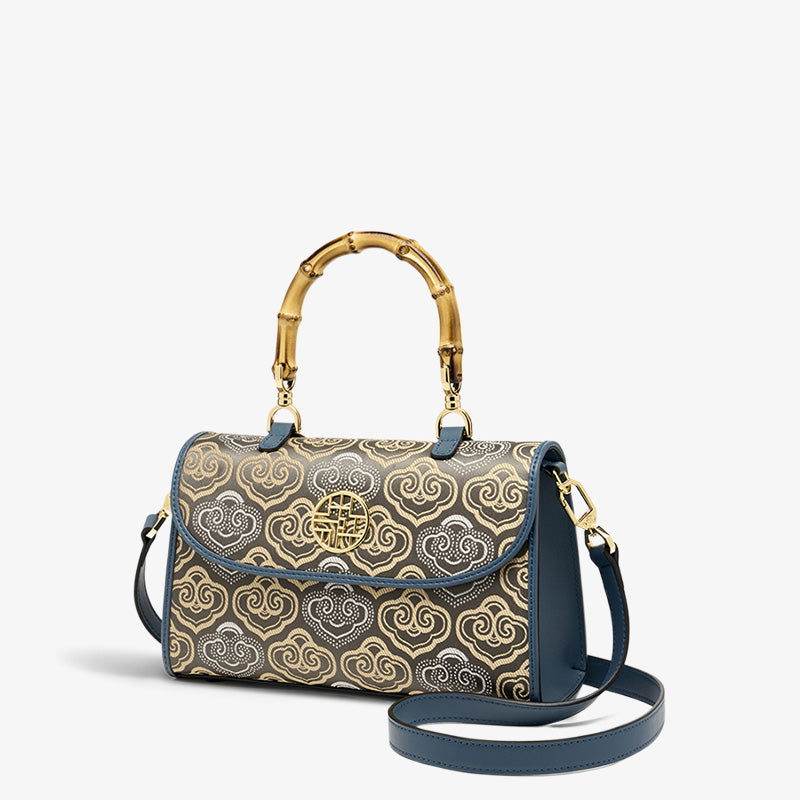
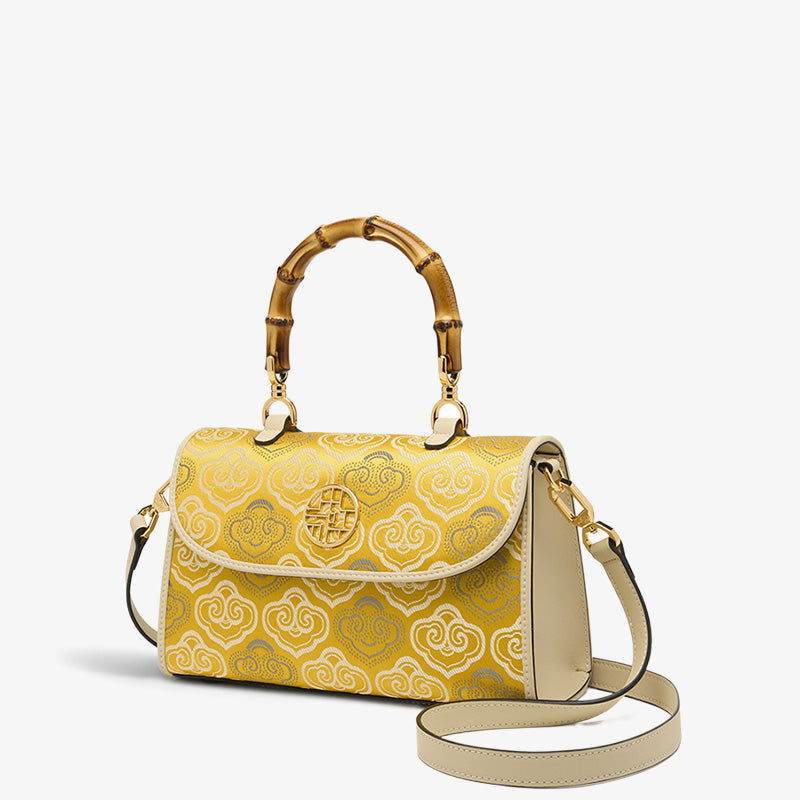
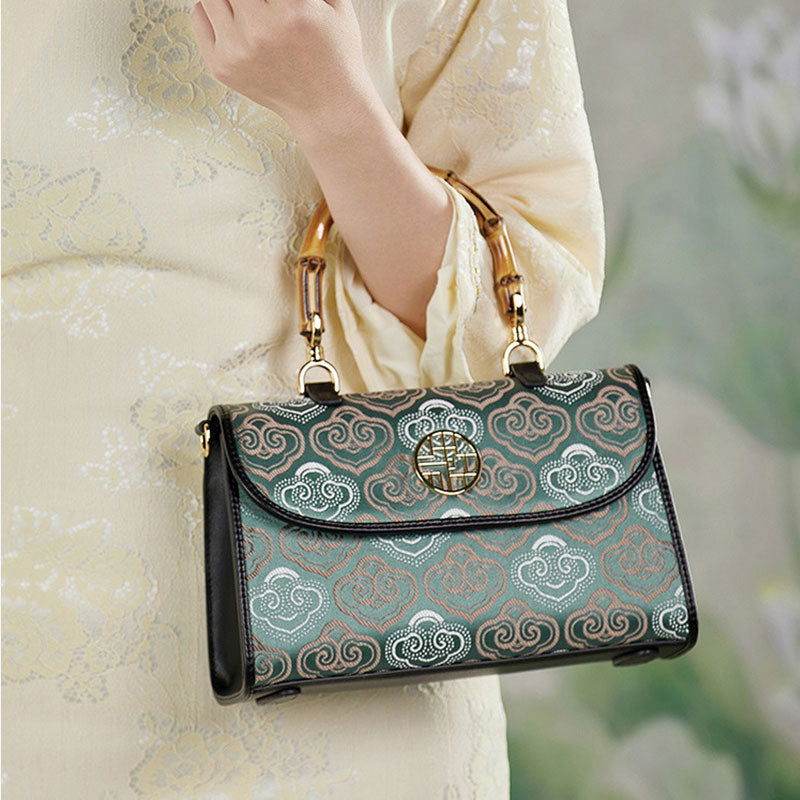
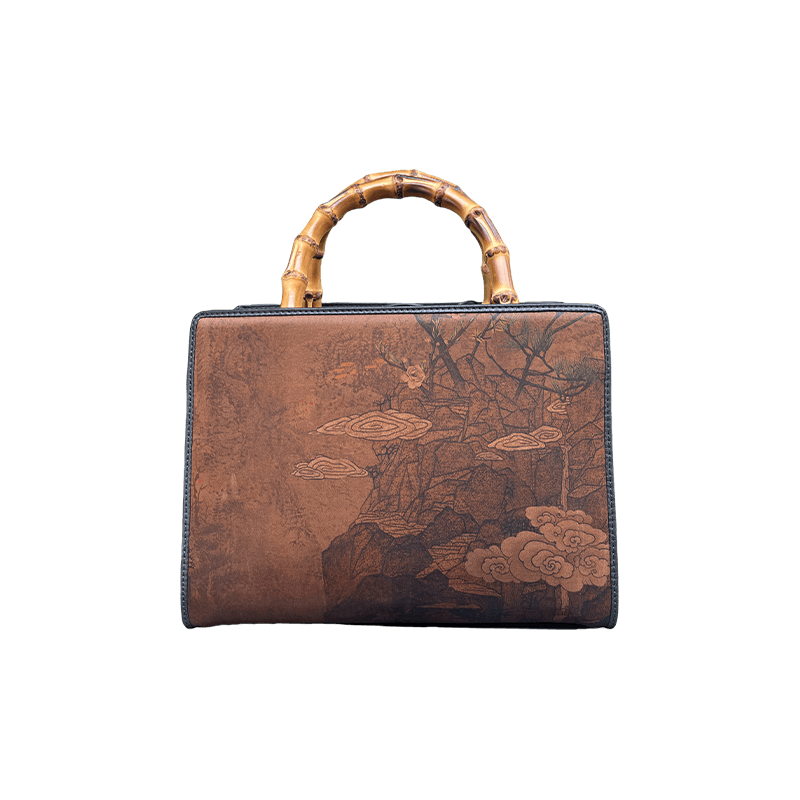
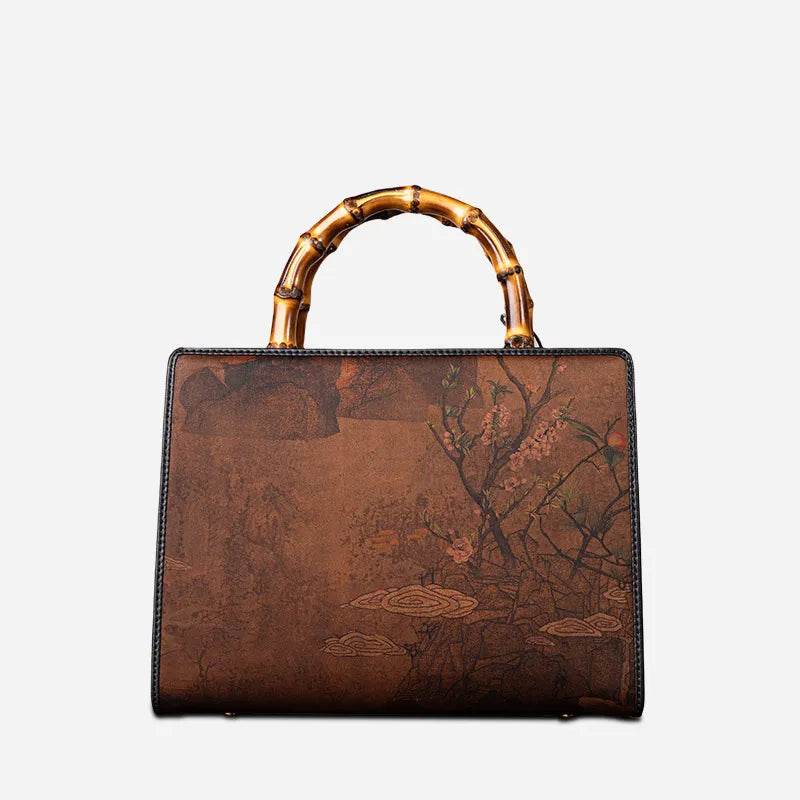
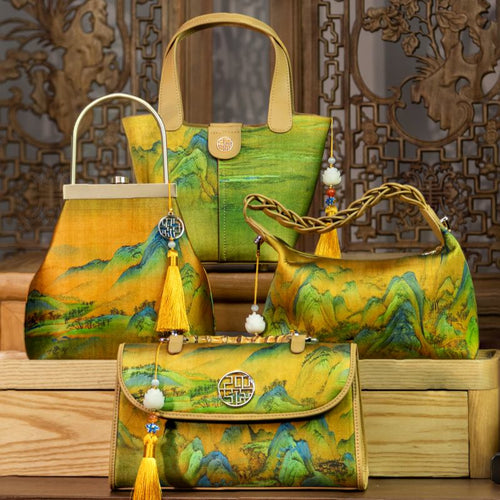
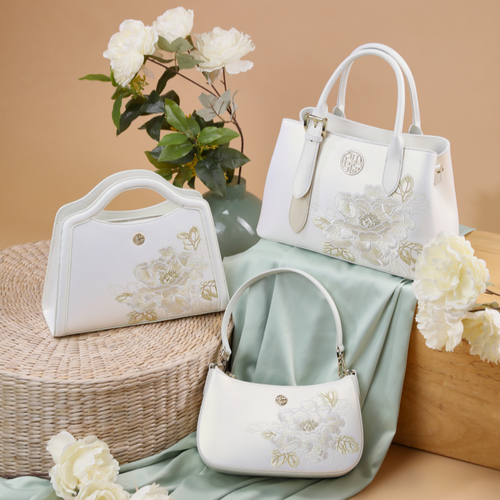
When Chinese artisans crafted bag handles from bamboo, they brought that entire cultural history with them. The bamboo handle handbags in SinoCultural's collection are made in that tradition — not as a reference to Western luxury fashion, but as a continuation of the Chinese craft lineage that understood bamboo's qualities long before it appeared on a runway. Click to shop Chinese Bamboo Handle Bags Collection.

Gucci Bamboo Bag vs. SinoCultural: What Is the Actual Difference?
Both are genuine bamboo handle bags. Beyond that, the differences are significant.
Neither is a substitute for the other. They represent different philosophies of what a bamboo handle bag should be. If you are drawn to bamboo handles because of their natural warmth and craft quality — rather than brand recognition — SinoCultural's collection offers that in a textile tradition with deeper roots in bamboo's actual cultural history.
What Makes a Good Bamboo Handle Bag
Not all bamboo bag handles are created equal. Here is what to look for before you buy.
The bamboo itself
Quality bamboo handles are smooth, evenly finished, and have a natural warmth to the color — ranging from pale honey to deep amber. Run your fingers along the curve: there should be no rough patches, splintering, or uneven lacquer. A well-finished handle feels almost polished, with a slight solidity when pressed that confirms it is quality material, not hollow or poorly cured.
Avoid handles that feel brittle or show visible grain separation. These are signs of lower-grade bamboo or poor curing, and they will deteriorate with regular use.
The attachment point
This is where most bamboo handle bags fail quietly. The connection between handle and bag body — usually a metal ring, leather loop, or fabric tab — should be reinforced and sit flush against the bag. Pull gently on the handle when considering a purchase. There should be no movement at the joint. A handle that wobbles before you have even used the bag will not improve over time.
The bag body
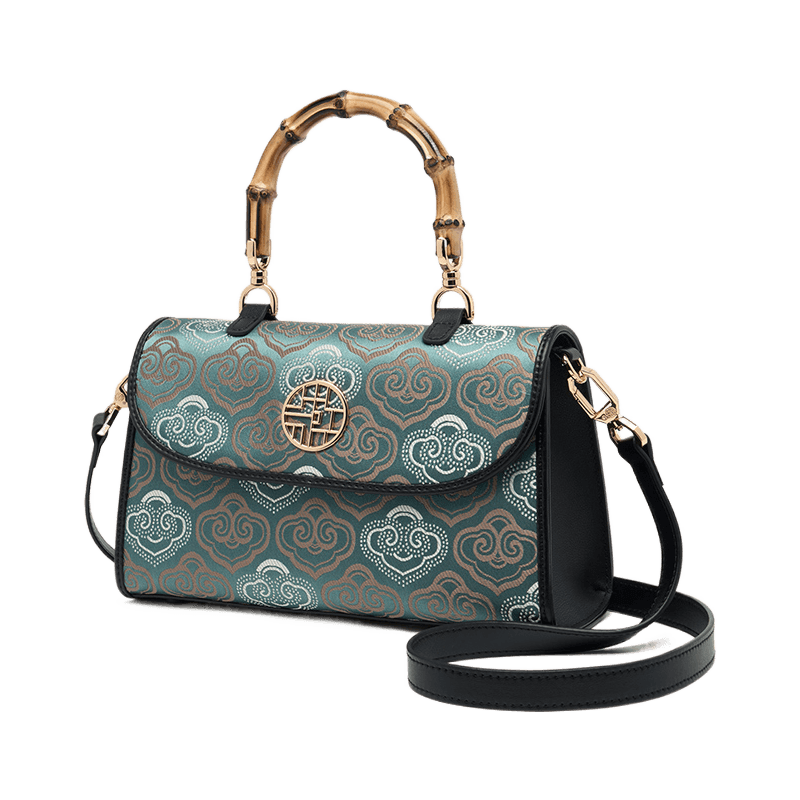
Bamboo handles pair naturally with fabric bodies: silk, brocade, embroidered canvas, structured linen. The rigidity of the handle contrasts beautifully with the softness of fabric, and the natural tones of bamboo complement almost any textile color. Look for clean interior seams, a lining that does not bunch, and a closure mechanism — magnetic snap, zip, or clasp — that opens and closes without effort.
Size and proportion
The handle arc matters more than most buyers realize. A too-small arc will strain your hand on longer carries. A too-large arc on a small bag looks unbalanced. As a general guide: for structured totes and larger bags, a wider arc of around 14–16cm allows a comfortable four-finger grip. For smaller evening bags, a narrower handle suits the scale and is typically used as a wrist carry.
How to Style a Bamboo Handle Bag
Bamboo handle bags are more versatile than their artisanal appearance suggests. The key is understanding what they communicate: natural, considered, culturally aware. They work best with clothes that share those qualities.
With tailoring
A structured bamboo handle handbag alongside a linen blazer or silk blouse is one of the most effortless combinations in contemporary dressing. The natural handle softens the formality of tailored pieces without undercutting their polish. Neutral tones — ivory, camel, sage — let the bag's craftsmanship do the talking.
With casual wear
A brocade or embroidered bag with bamboo handles carried alongside simple jeans and a plain top creates the kind of intentional contrast that reads as personal style rather than effort. The bag becomes the point of the outfit.
For occasions
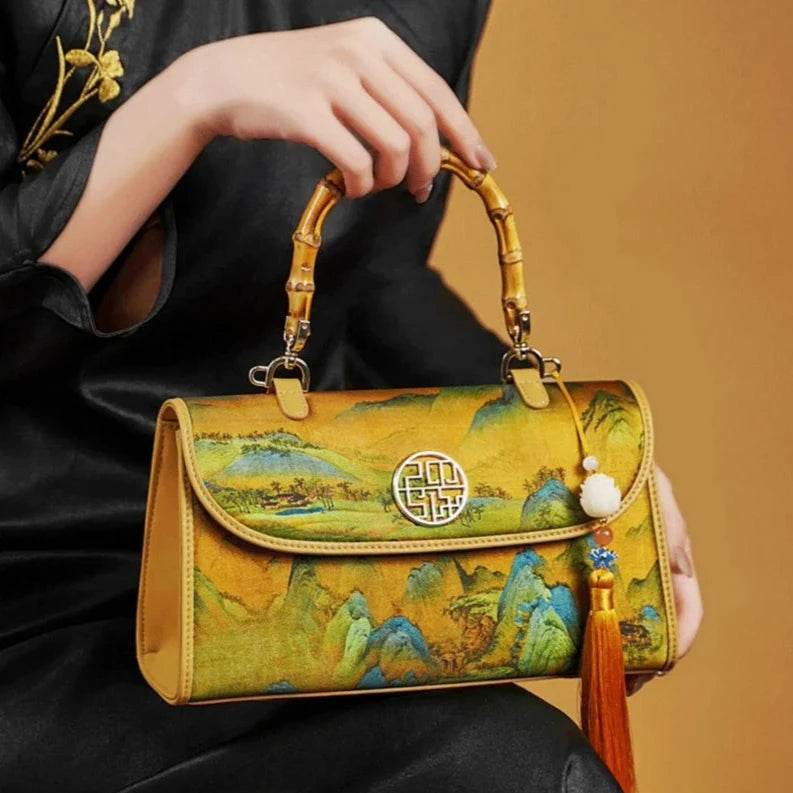
For weddings, gallery openings, or evening events, smaller bamboo handle bags in silk or embroidered fabric carry beautifully. The handle adds structure to what might otherwise be a soft clutch, making it easier to hold through a long evening without fatigue.
Color pairing
Bamboo's warm neutral tone sits naturally alongside earthy tones, deep jewel colors, and soft pastels. It can look striking against an all-black outfit. What it resists is competition: a heavily printed look and a heavily patterned bag will fight each other. Let one lead.
Caring for Your Bamboo Handle Bag
Keep bamboo bag handles away from prolonged moisture. If the bag gets caught in rain, dry the handles immediately with a soft cloth and allow them to air dry away from direct heat or sunlight.
Occasional conditioning with a small amount of natural wood oil — tung oil or linseed oil — will maintain the handle's finish and prevent drying. Apply sparingly, allow to absorb, and wipe away any excess.
Store the bag upright or hanging rather than stacked under other bags. Sustained pressure on the handle arc can alter its shape over time.
The SinoCultural Bamboo Handle Collection
Every bag with bamboo handle in our collection is made in collaboration with Chinese artisans who work with materials selected for quality rather than convenience. The bamboo handles are finished by hand. The bag bodies draw on textile traditions — embroidery, brocade, silk — that carry centuries of craft knowledge.
These are not bags made to follow a trend. They are made because the combination of bamboo and Chinese textile craft produces something genuinely difficult to find elsewhere: an object that is both beautiful and culturally rooted.
Shop your Bamboo Handle Bags →

Frequently Asked Questions
1. Are bamboo handle bags durable?
Yes, when made with quality bamboo and proper finishing. A well-cured bamboo handle will last for years with minimal maintenance. The key factors are the grade of bamboo used, the quality of the lacquer or finish, and the strength of the attachment between handle and bag body. Avoid handles that feel light or show grain separation — these are signs of lower-grade material.
2. Are bamboo handle bags in style in 2026?
Yes. The broader trend toward natural materials, sustainable luxury, and craft-heritage fashion has kept bamboo handle bags consistently relevant. They appear regularly in editorial fashion contexts and have maintained steady search interest globally. Unlike fast-fashion trend cycles, bamboo handle bags occupy a more enduring position — they are chosen for their material quality and aesthetic considered-ness rather than seasonal trend alignment.
3. How much should I pay for a good bamboo handle bag?
A well-made bamboo handle bag typically ranges from $150 to $500 for artisan craft pieces, and $1,000+ for established luxury brands. Within the $150–$500 range, look for hand-finished bamboo handles, quality fabric construction, and reinforced attachment points. SinoCultural's bamboo handle collection starts from $179 and includes hand-embroidered and brocade options at accessible luxury price points.
4. What should I look for when buying a bamboo handle bag?
Focus on four things: the smoothness and finish of the bamboo handles themselves, the security of the attachment between handle and bag body, the quality of the bag's fabric or material, and the proportion between handle arc and bag size. A handle that wobbles, splinters, or feels hollow is a sign of poor craftsmanship regardless of price point.