تخطي إلى محتوي
في التاريخ الطويل للحرير الصيني، هناك عدد قليل من المنسوجات التي تحمل نفس الثقل الثقافي مثل الديباج الدايوني (Dayun Brocade). نشأ الديباج الدايوني في عهد أسرة سونغ (960-1279)، ولم يكن مجرد نسيج، بل كان رمزًا للنظام الإمبراطوري، والجماليات الراقية، والمعنى الميمون. واليوم، يستمر هذا التقليد النادر في النسيج في إلهام التصميم الثقافي الحديث، حيث يربط بين الحرفية القديمة والحياة المعاصرة.
في Sinocultural، لا نرى ديباج دايون كأثر من الماضي، بل كتراث حي - يتحدث من خلال الملمس والنمط والمعنى.

ما هو ديباج دايون؟
يمكن فهم اسم "دايون" (大运) على أنه "نقل كبير" أو "ثروة عظيمة". تاريخيًا، يشير إلى الحرير الديباجي عالي الجودة الذي تم إنتاجه في ظل نظام الجزية الرسمي لأسرة سونغ.
خلال عصر سونغ، كانت المنسوجات الفاخرة المنسوجة في مراكز الحرير الرئيسية - مثل سوتشو وهانغتشو - تُنقل إلى العاصمة للاستخدام الإمبراطوري. كانت هذه الأقمشة الحريرية المعينة من قبل البلاط تُعرف باسم "يونجين" (ديباج منقول). ومن بينها، تم تصنيف القطع الأكثر تعقيدًا وتطورًا وأهمية احتفالية على أنها ديباج دايون.
لم يكن هذا التعيين يتعلق بالحجم، بل بالمكانة - أجود المواد، وأكثر الأنوال تعقيدًا، والجماليات الأكثر انضباطًا.

اللغة الجمالية لديباج دايون
على عكس الأسر اللاحقة التي فضلت الفخامة الجريئة، كانت جماليات أسرة سونغ تقدر التحفظ والتوازن والأناقة الفكرية. هذه القيم متأصلة بعمق في ديباج دايون.
تشمل الخصائص البصرية الرئيسية ما يلي:
- تركيبات منظمة ومتناظرة
- الزخارف التقليدية مثل زهور باوكسيانغ، وأنماط السحاب، وأشكال الرويي، والفواكه الميمونة
- ألوان منخفضة التشبع ولكنها غنية بالطبقات، تنقل الكرامة بدلاً من الإسراف
- إحساس بالإيقاع والنظام، يعكس المثل الكونفوشيوسية وطقوس البلاط

والنتيجة هي نسيج يبدو هادئًا وقويًا في آن واحد - فاخرًا دون إفراط.
من الاستخدام الإمبراطوري إلى الإرث الثقافي
تاريخياً، كان ديباج دايون مخصصاً لـ:
- الملابس الإمبراطورية والأردية الاحتفالية
- مفروشات القصور مثل الشاشات والستائر
- طقوس البلاط، الهدايا الرسمية، والمناسبات الحكومية

رداء الإمبراطورة بتصميم ريش الطاووس متعدد الألوان في ديباج دايون
مع مرور الوقت، وبينما تغيرت الأسر وتطورت أنماط النسيج، استمرت روح ديباج دايون - توازنها بين الرمزية والرقي - في التأثير على ثقافة النسيج الصيني.
تعتمد النسخ الحديثة وإعادة التفسيرات على:
- السجلات التاريخية وأرشيفات النسيج
- الأنماط المستوحاة من أسرة سونغ التي لا تزال باقية
- منطق النسيج التقليدي المتكيف مع الاحتياجات المعاصرة

ديباج دايون في حُلَّة جديدة: أناقة "المال القديم" في التصميم الصيني الحديث
في التصميم المعاصر، لا يكمن الإحياء الحقيقي للتراث في النسخ، بل في إعادة التفسير. في Sinocultural، يتم إعادة تقديم ديباج دايون من خلال عدسة الجماليات الصينية الجديدة - حيث تلتقي الرمزية التقليدية بالتحفظ الحديث.
يحول هذا النهج نسيجًا كان مخصصًا للبلاط فقط إلى شيء قوي بهدوء: شكل من أشكال أناقة المال القديم، متجذر في الثقافة بدلاً من العرض.
بدلاً من الزخرفة المفرطة، تؤكد Sinocultural على ما يلي:
- نسب متوازنة
- لوحة ألوان راقية مستوحاة من ذوق أسرة سونغ
- منسوجات تتحدث من خلال الملمس والمعنى، وليس الإفراط

النتيجة هي فخامة ثقافية تبدو خالدة، متحفظة، ومؤكدة.
في Sinocultural، يجد ديباج دايون حياة جديدة من خلال الشكل المعاصر.
-
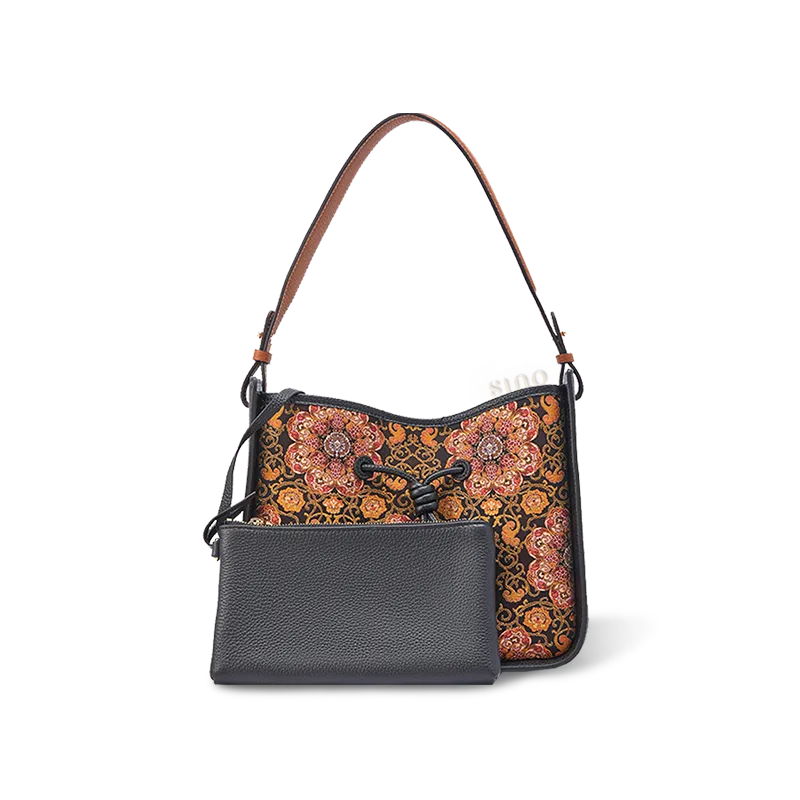
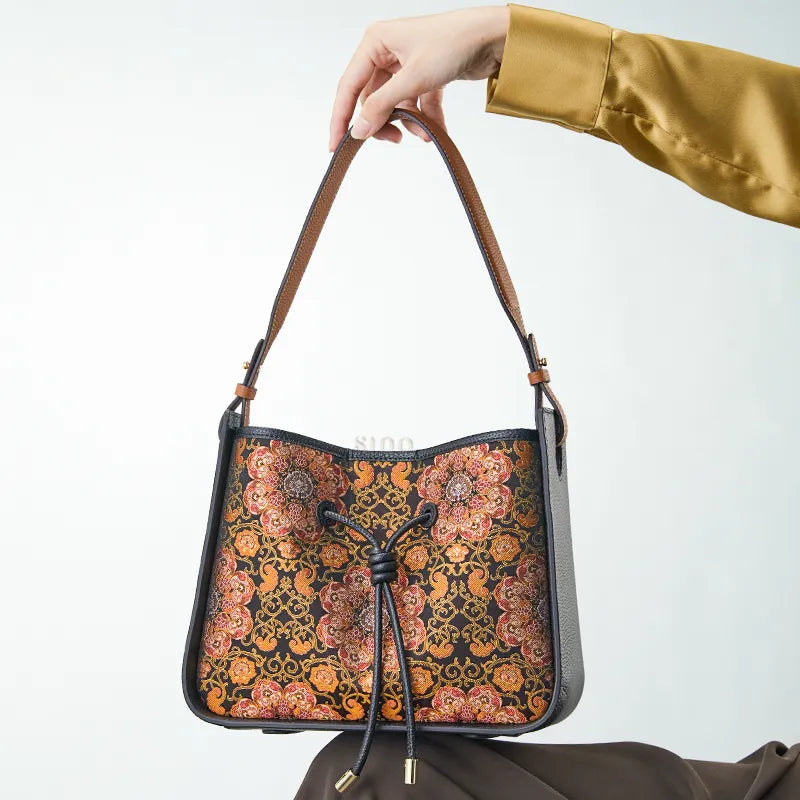
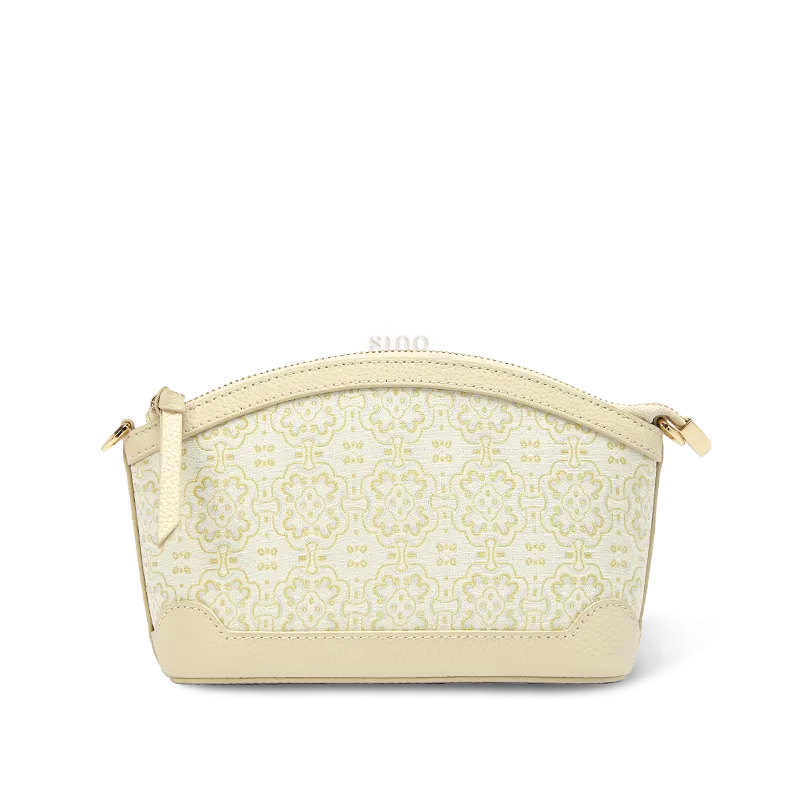
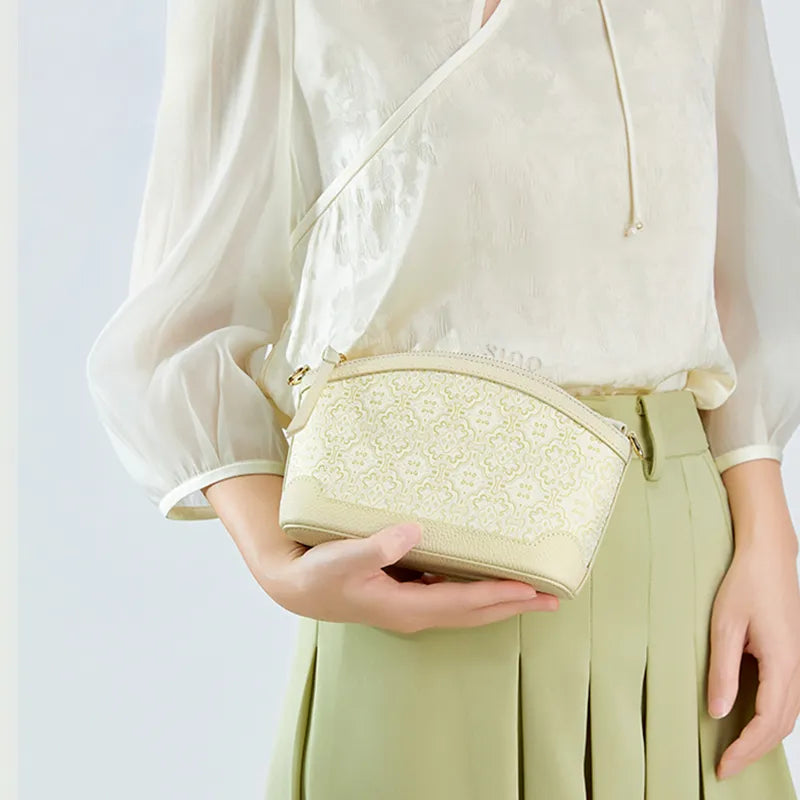
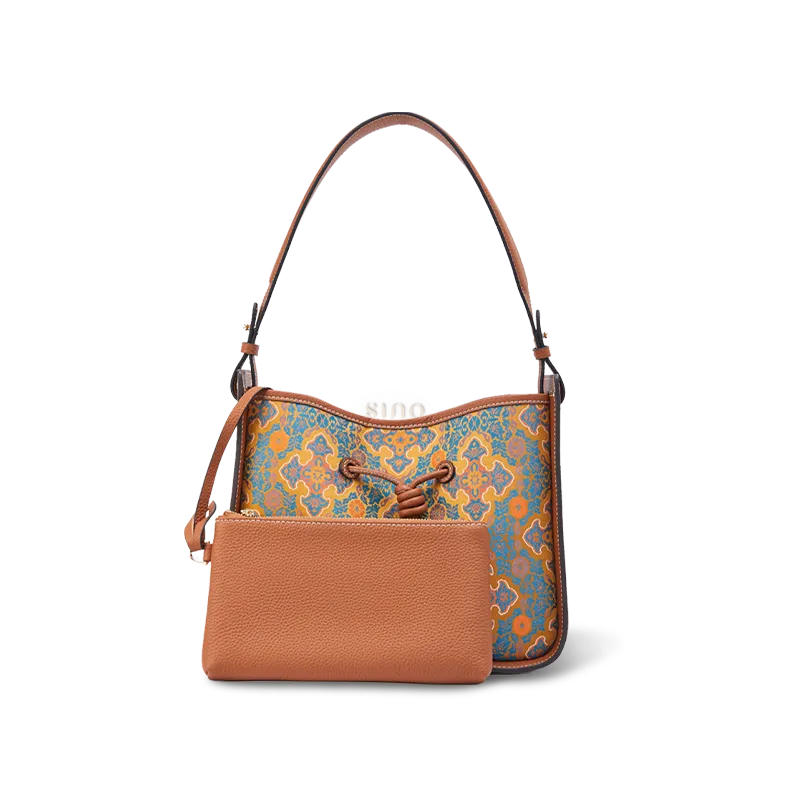
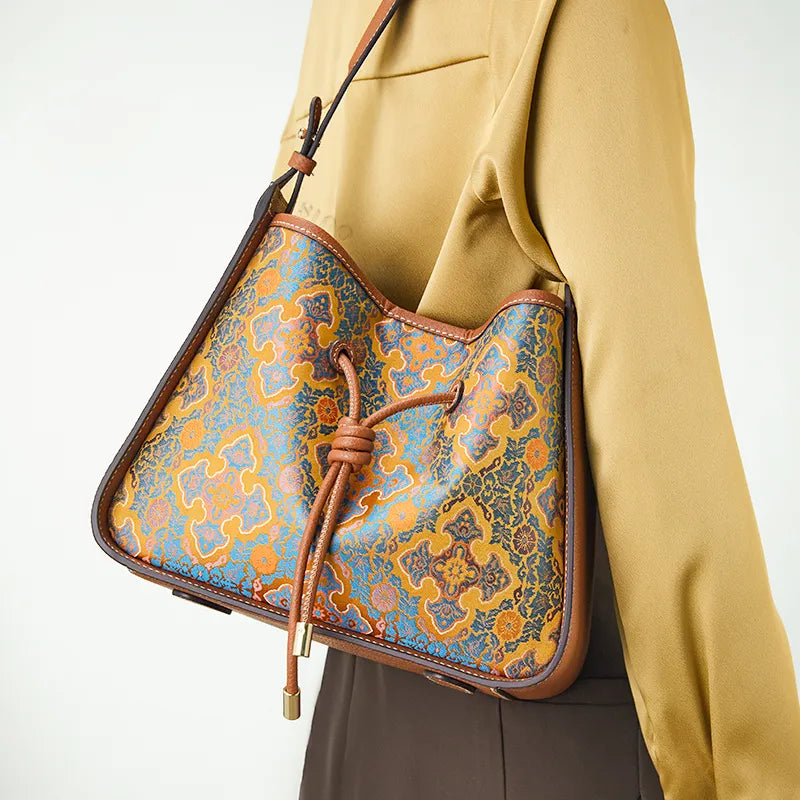
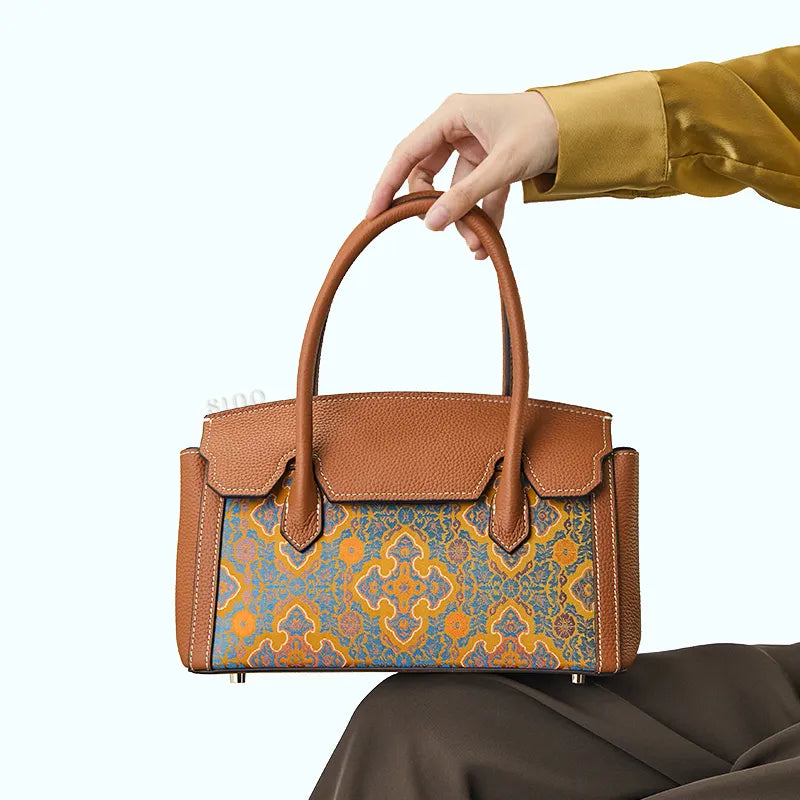
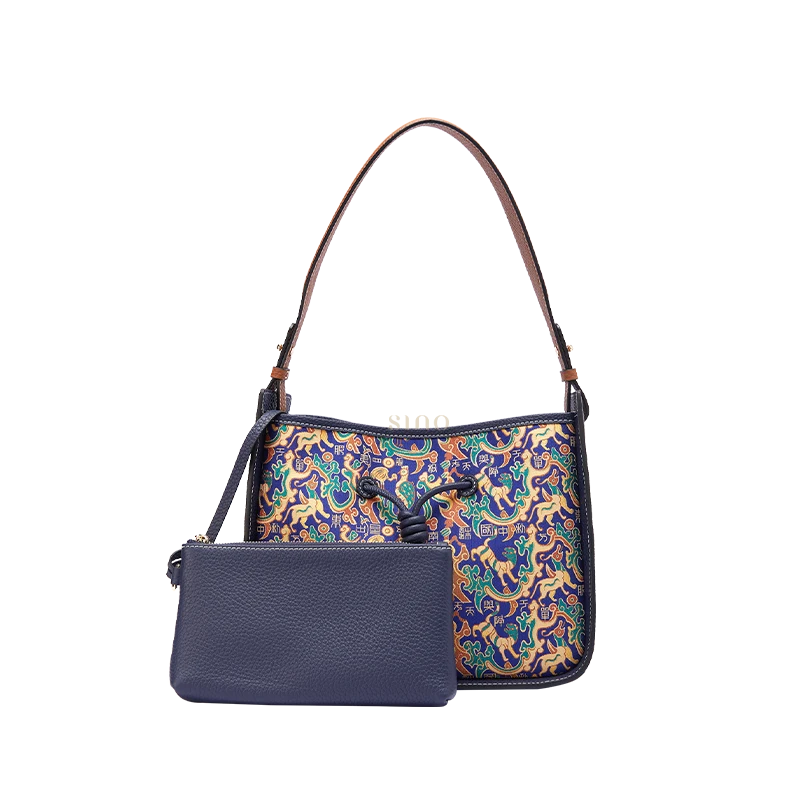
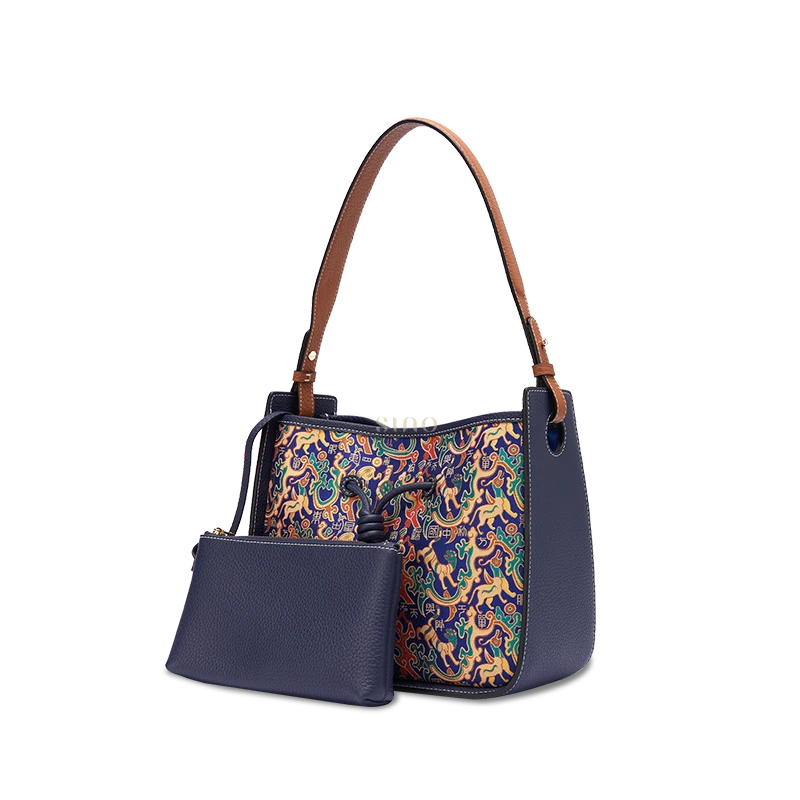
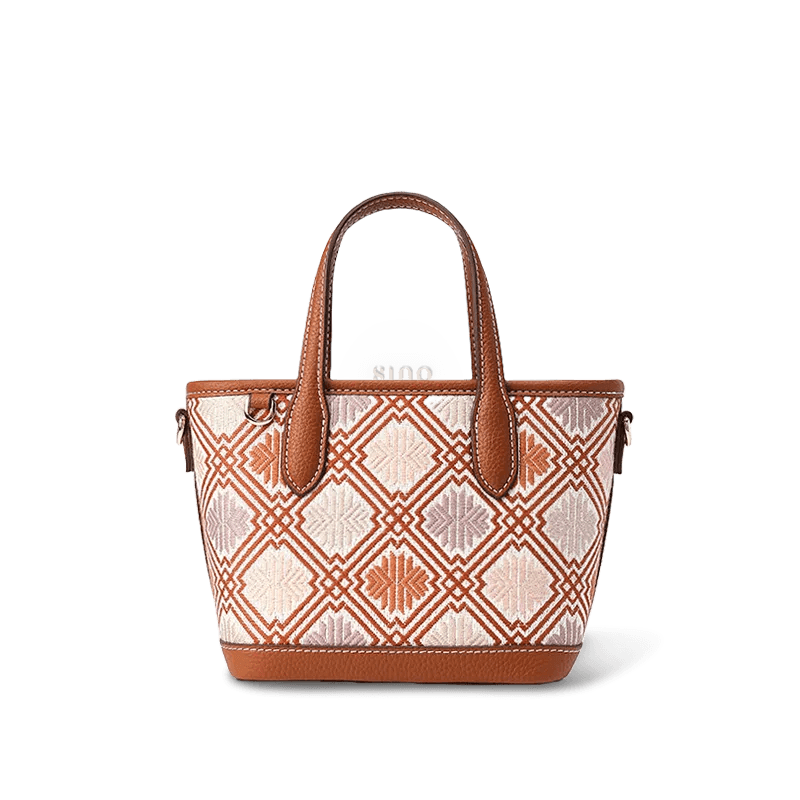
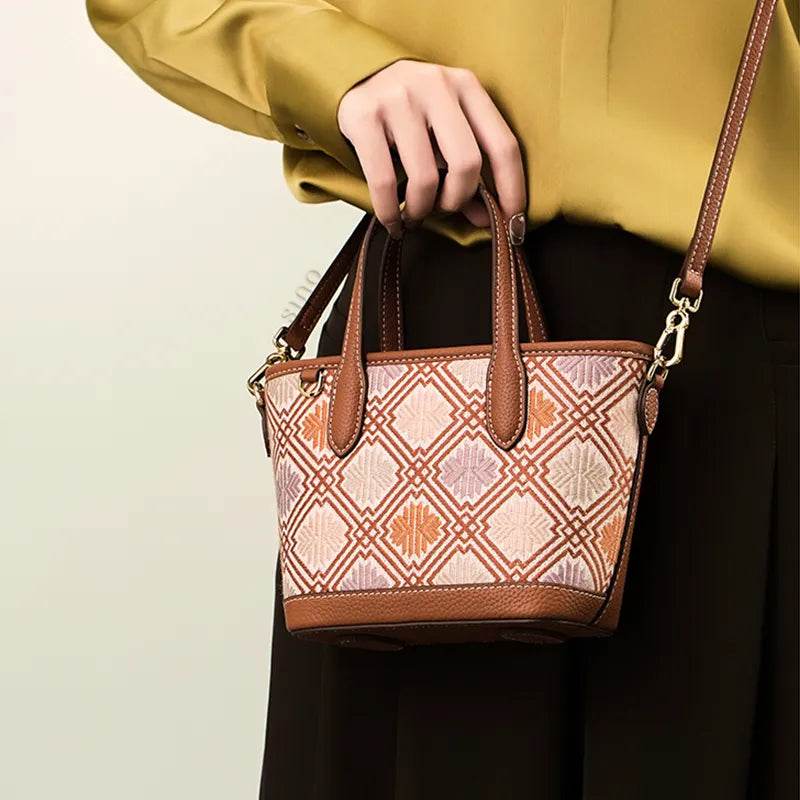
حقيبة الكتف الحريرية من ديباج دايون تعيد تفسير التراث الإمبراطوري من خلال ارتداء عصري سهل:صُنعت هذه القطعة من ديباج دايون - أحد أرقى أشكال حرير أسرة سونغ الذي كان مخصصًا في السابق للجزية الملكية - وتحمل إحساسًا هادئًا بالتاريخ دون إفراط. يتميز نقش الرمان، المستوحى من نمط ليوليو داشون六六大顺 التقليدي، بفاكهة كاملة ومستديرة مؤطرة بالزهور والكرمات المتدفقة، ترمز إلى الوفرة والاستمرارية وحسن الطالع الدائم. خفيفة الوزن وراقية، تحول حقيبة الكتف فن المنسوجات الاحتفالية إلى تعبير يومي عن الثقة الثقافية - رقيقة، ذات معنى، وأنيقة بشكل لا لبس فيه.

-
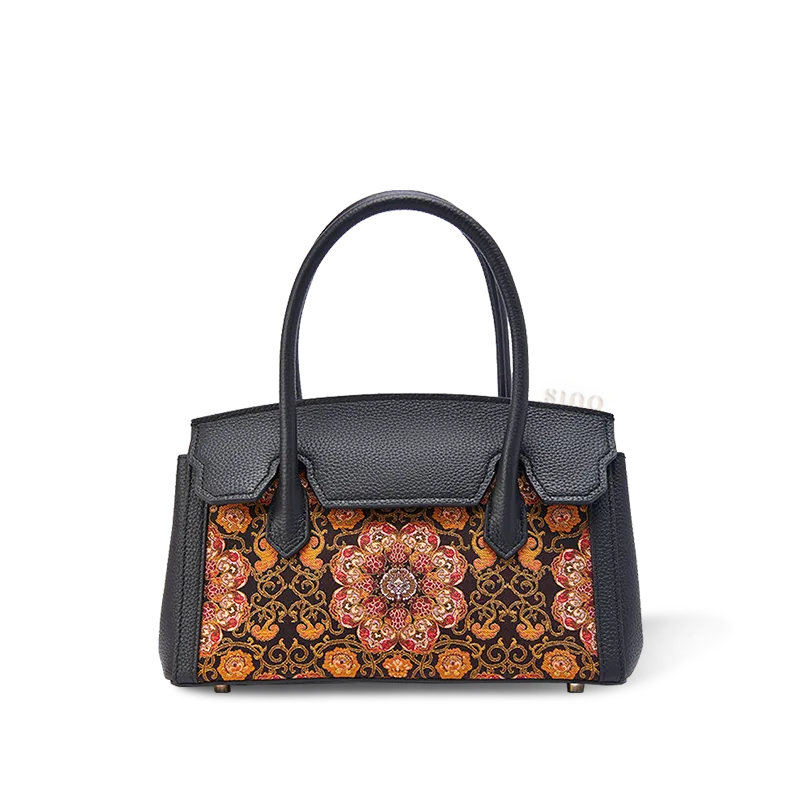
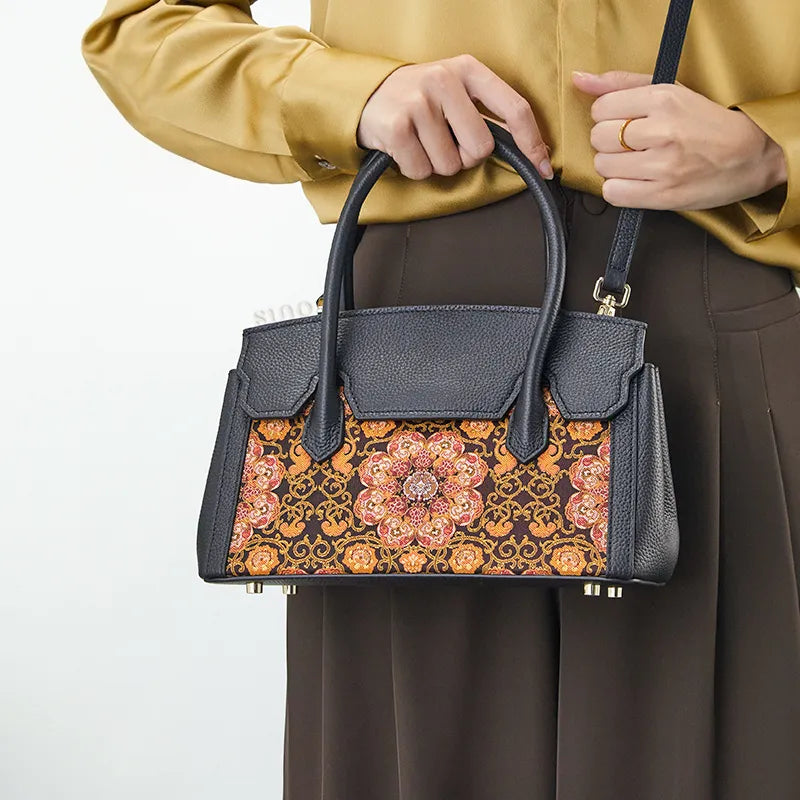
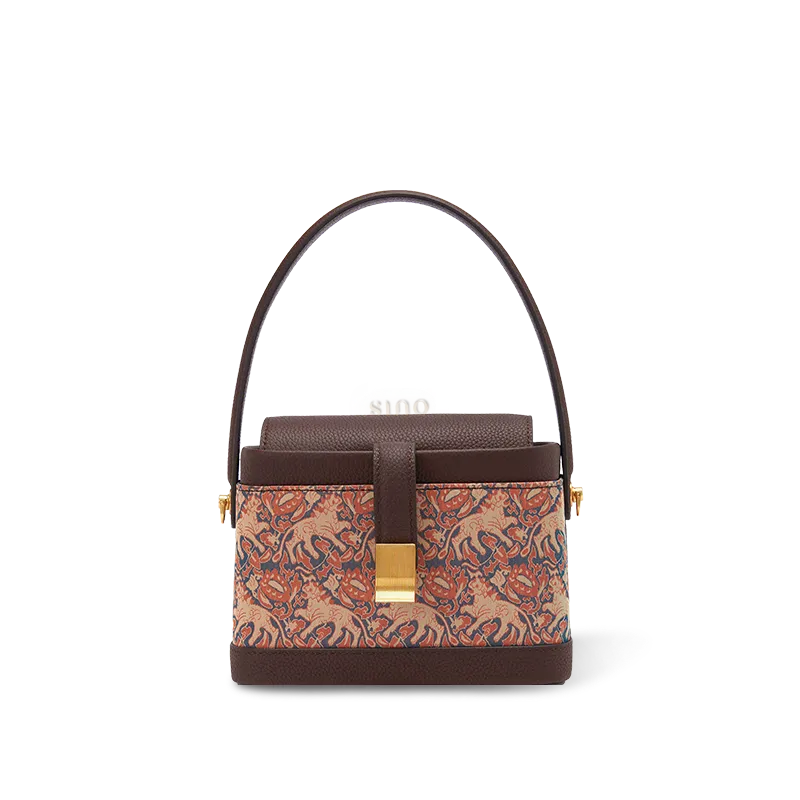
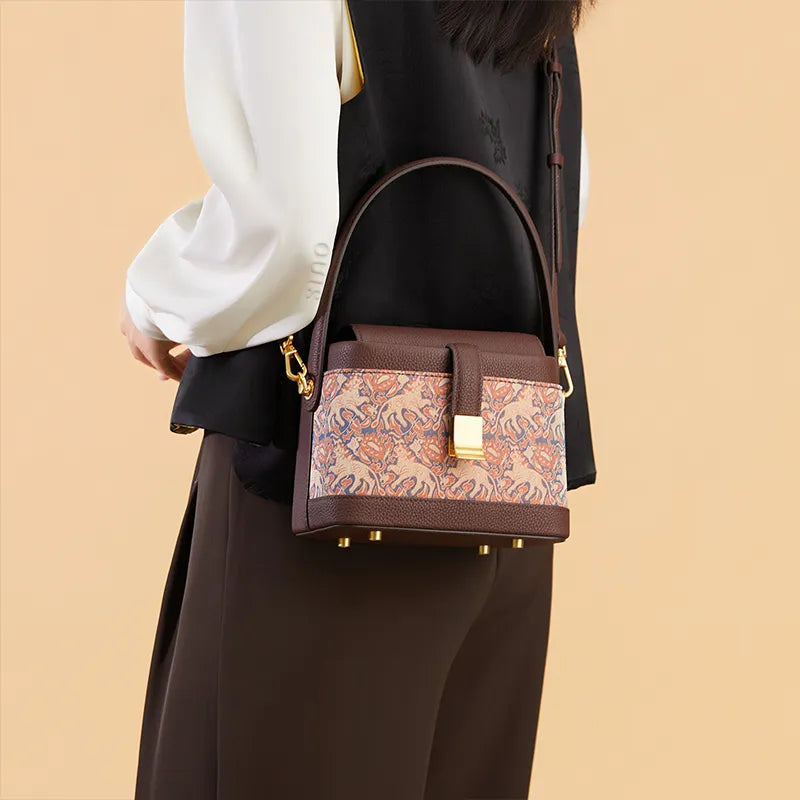
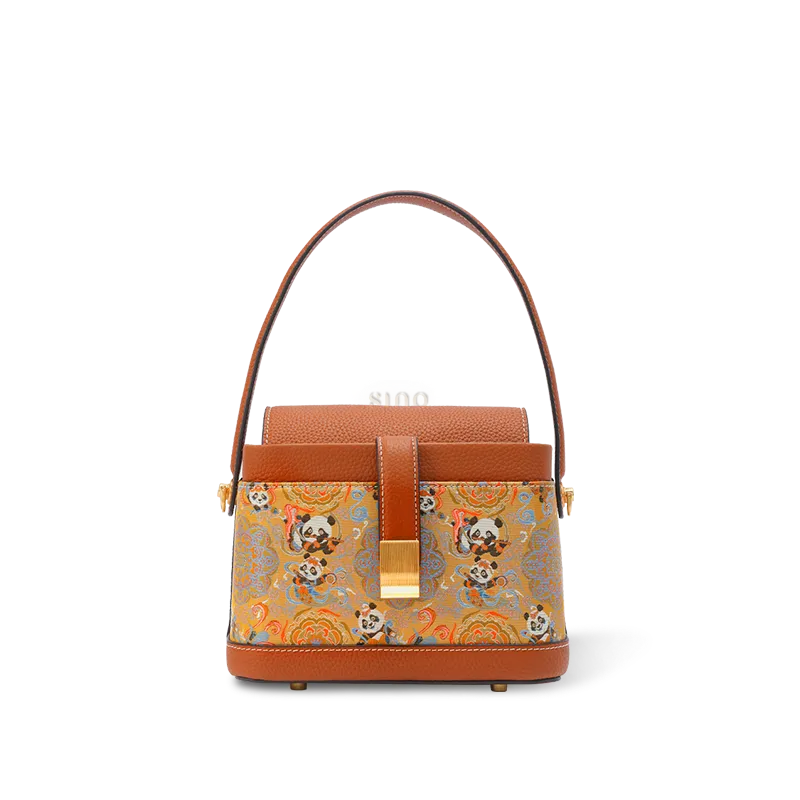
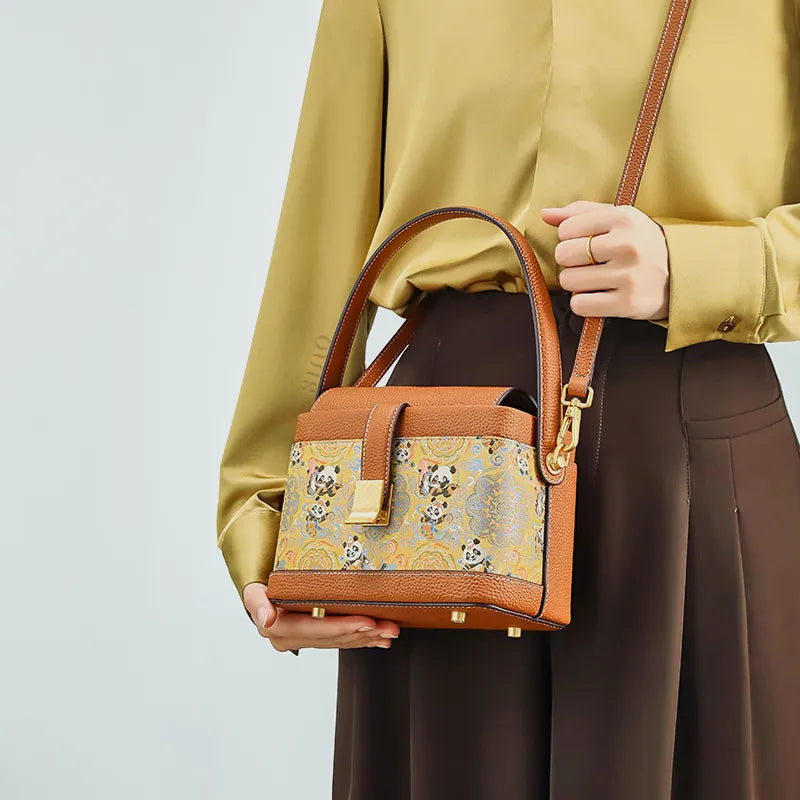
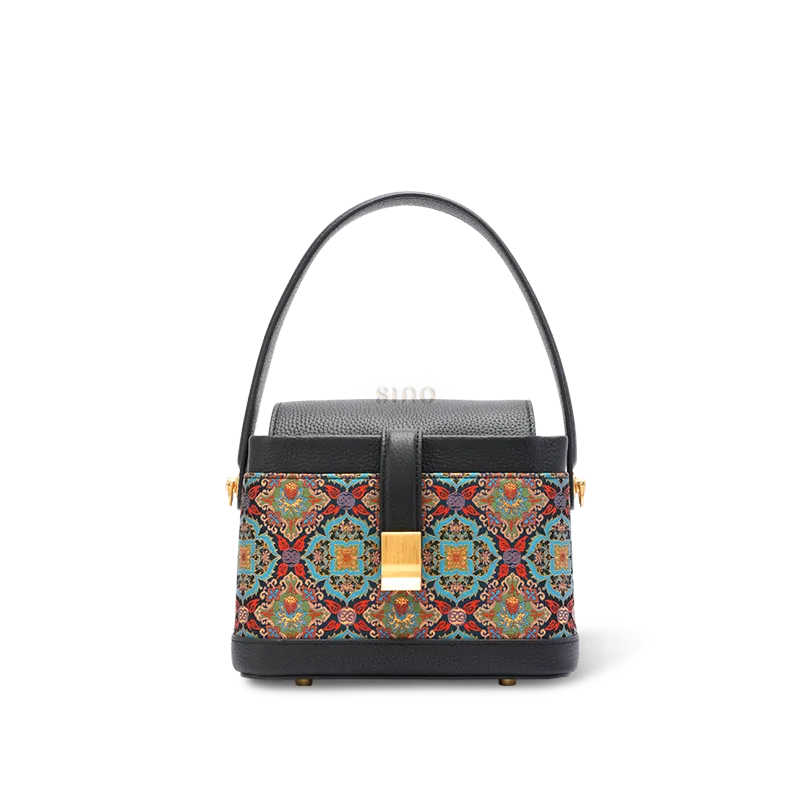
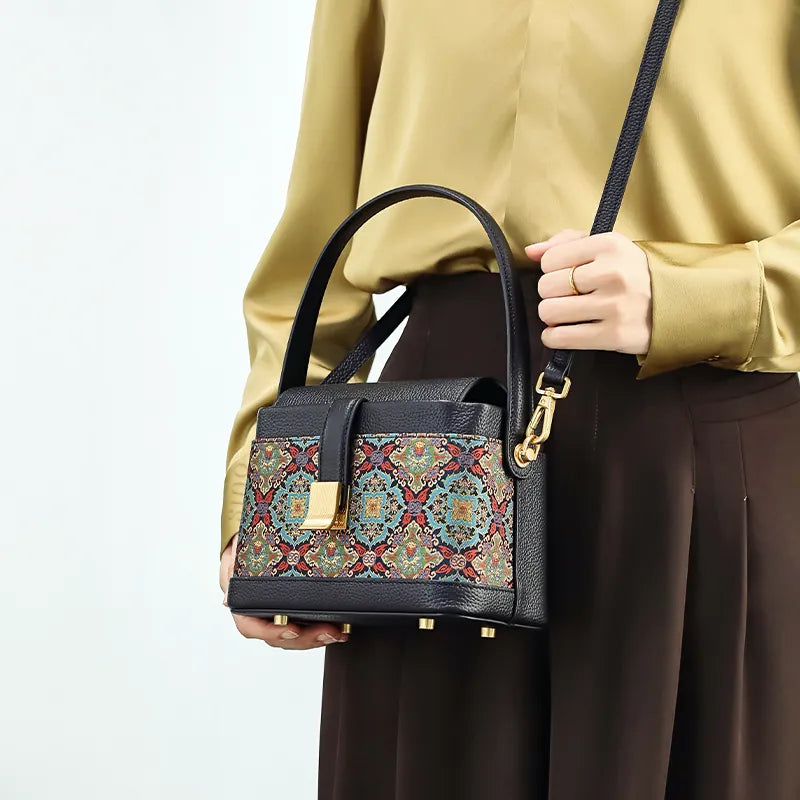
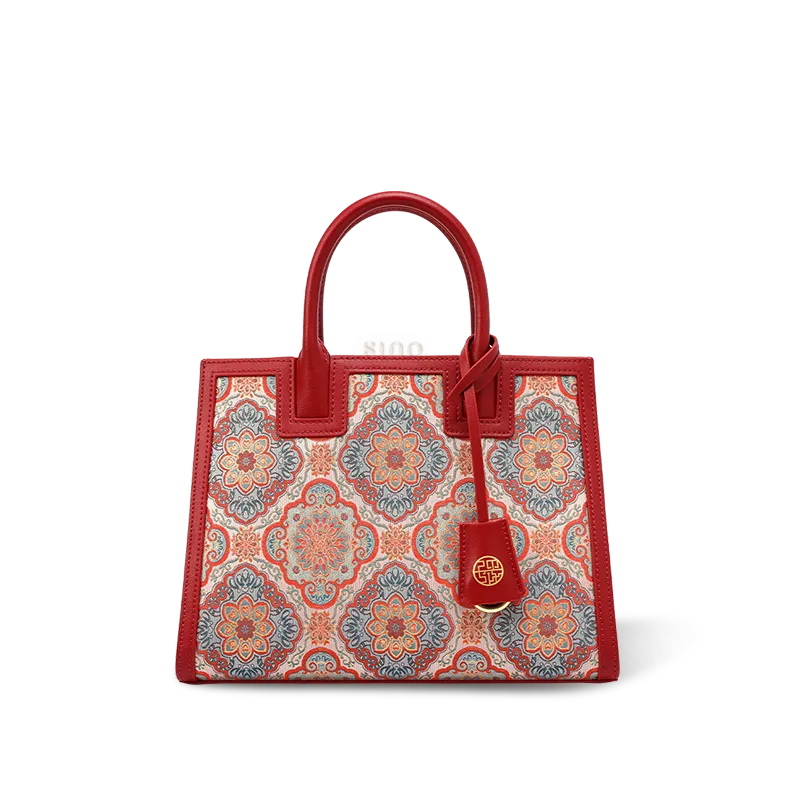
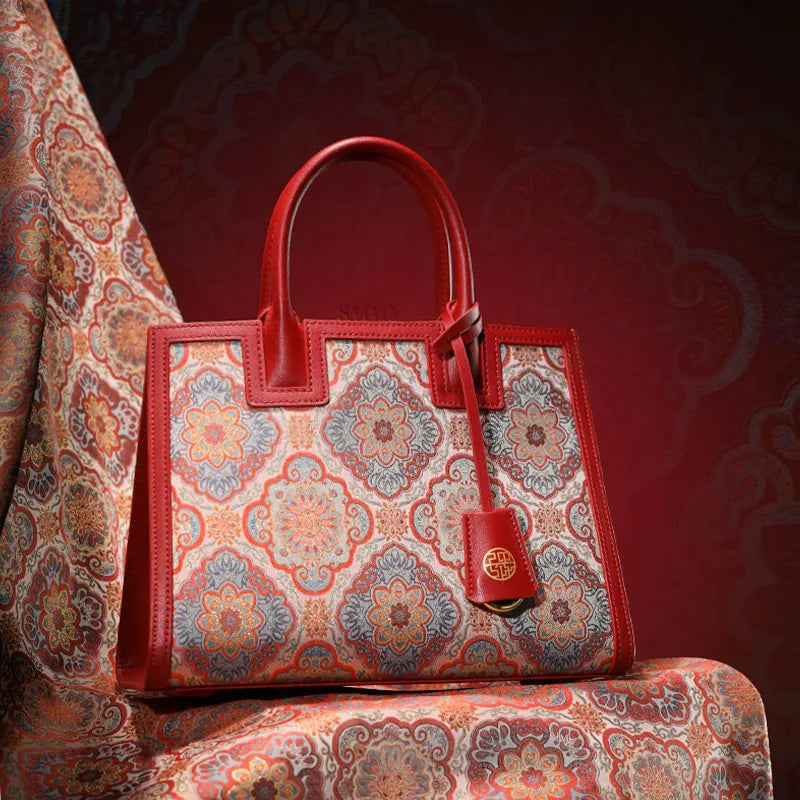
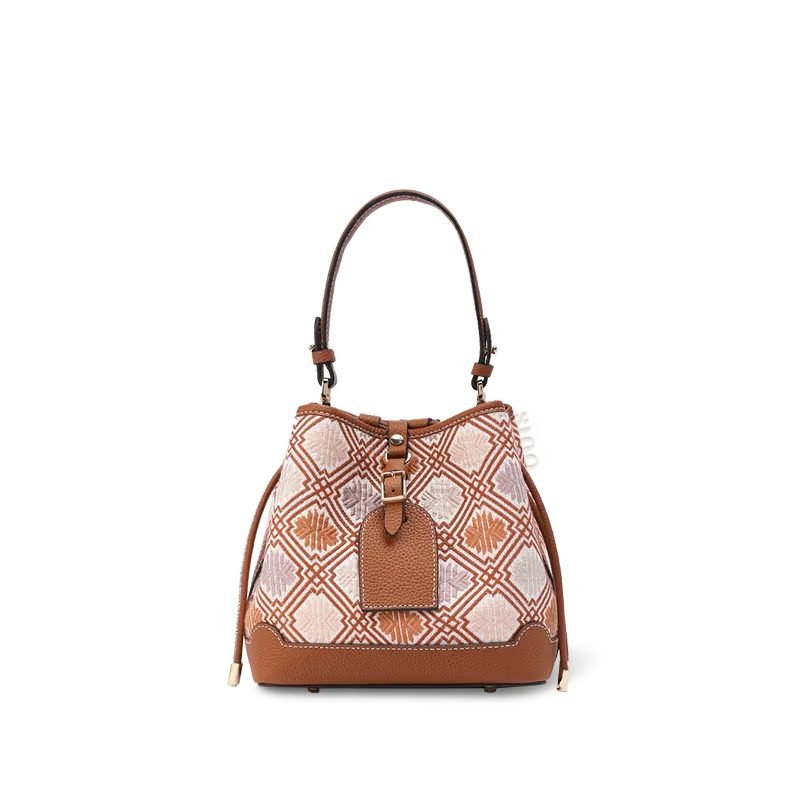
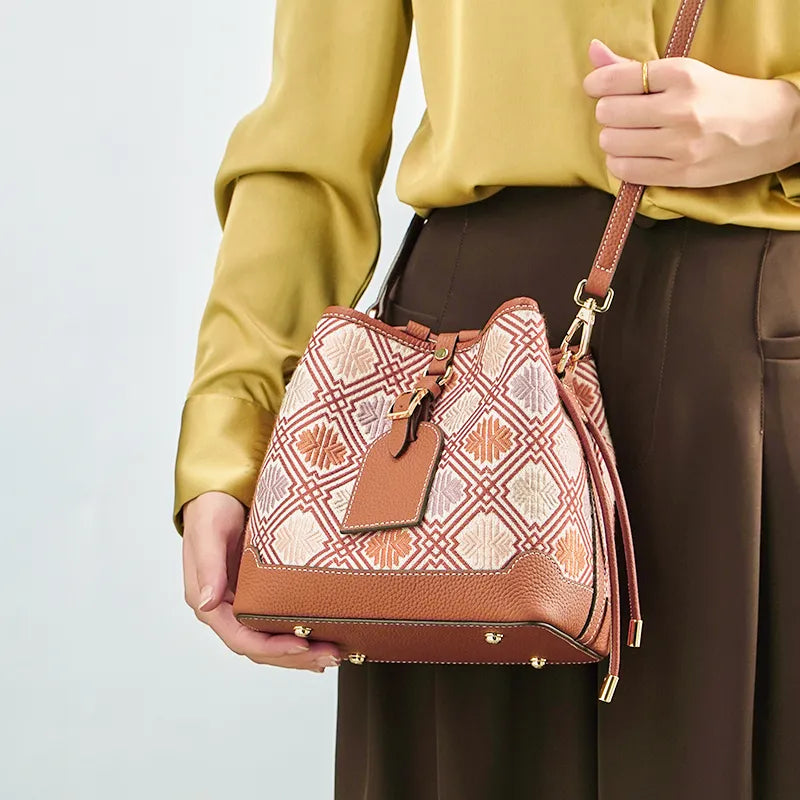
تقدم حقيبة اليد العلوية المصنوعة من ديباج دايون الحريري المنظم نفس التراث في شكل أكثر تركيزًا ومعماريًا:خطوطها المنظمة تعكس كرامة التصميم الكلاسيكي، مما يسمح لثراء ديباج دايون بالاحتلال مركز الصدارة. تتكشف نقشة الرمان بتناظر متوازن، تنقل الازدهار والبركة المتوارثة من خلال فن متحفظ. صُممت هذه الحقيبة للمناسبات الرسمية أو الفعاليات النهارية الراقية، وتجسد أسلوب "المال القديم" الصيني الجديد - حيث تلتقي الحرفية التاريخية بالتحفظ المعاصر، وتُعرف الفخامة بالعمق، وليس بالاستعراض.

لماذا لا يزال ديباج دايون مهمًا اليوم
في عصر الموضة السريعة والتحميل البصري الزائد، يقدم ديباج دايون نظام قيم مختلفًا:
- الحرفية على حساب الموضة
- المعنى على حساب المشهد
- التراث كشكل من أشكال الرفاهية الحديثة
أن تحمل ديباج دايون هو أن تحمل قصة - قصة إمبراطورية وفنية، ومهارة عريقة، وثقة هادئة. كان ديباج دايون، الذي كان مخصصًا في السابق لبلاط أسرة سونغ، قد قطع شوطًا طويلاً - في الزمان والمعنى. واليوم، من خلال التصميم الصيني الجديد، يخطو ديباج دايون إلى ما وراء المتاحف والأرشيفات، ليصبح جزءًا من الحياة المعاصرة دون أن يفقد روحه.
هذا هو المكان الذي يظهر فيه أسلوب "المال القديم" الصيني الجديد: ليس صاخبًا، ولا يعتمد على الموضة، بل متجذر في النسب والمعرفة والثقة الثقافية. إن حمل ديباج دايون اليوم ليس للاستشهاد بالماضي بحنين، بل لمواصلته - من خلال التصميم المدروس، والفخامة المقيدة، واحترام الحرفية.

في Sinocultural، نؤمن بأن الأناقة الحقيقية تدوم عندما يُسمح للتراث بالتطور. ديباج دايون، الذي كان يُنسج في السابق للأباطرة، يجد الآن أهمية جديدة في الأيدي الحديثة - فاخر بهدوء، ثقافي بعمق، وخالد بطبيعته.