تخطي إلى محتوي
يعد الانقلاب الشتوي (Dongzhi 冬至) اليوم الثاني والعشرين من الفصول الشمسية الأربعة والعشرين في الصين والفصل الشمسي الرابع في الشتاء. يقع عادةً بين 21 و 23 ديسمبر، ويمثل أقصر يوم وأطول ليلة في السنة في نصف الكرة الشمالي.
في الصين القديمة، كان الانقلاب الشتوي يعتبر نقطة البداية الحقيقية للتقويم الشمسي. فبمجرد حلول الانقلاب الشتوي، كان العام الجديد على الأبواب. ولهذا السبب، غالبًا ما كانت أهميته تُعتبر مساوية لأهمية رأس السنة القمرية نفسها – ومن هنا جاء القول: "الانقلاب الشتوي لا يقل أهمية عن العام الجديد."
على مر القرون، عُرف الانقلاب الشتوي بالعديد من الأسماء – مهرجان الشتاء، مهرجان الليل الطويل، مهرجان يانغ الواحد، رأس السنة الصغرى – وكلها تعكس اعتقادًا مشتركًا: عندما يبلغ الظلام ذروته، يبدأ التجديد بهدوء.

التغيرات الموسمية و"الهاو" الثلاثة للانقلاب الشتوي
تغيرات المناخ بعد الانقلاب الشتوي: في يوم الانقلاب الشتوي، يصل ضوء النهار إلى أدنى مستوياته السنوية. ومن هذه النقطة فصاعدًا، يزداد ضوء النهار ببطء، لكن درجات الحرارة في جميع أنحاء الصين تستمر في الانخفاض. وتمثل هذه الفترة بداية أبرد فترة في الشتاء، تُعرف تقليديًا باسم "عد التسع" (Shu Jiu) – تسع مجموعات من تسعة أيام تقيس العودة التدريجية للدفء.

"الهاو" الثلاثة للانقلاب الشتوي: وصف المراقبون الصينيون القدماء التغير الموسمي من خلال ثلاث علامات طبيعية.
- الهاو الأول: تلتف ديدان الأرض:تتراجع ديدان الأرض أعمق في التربة، وتلتف للحفاظ على الدفء خلال أبرد الأيام.
- الهاو الثاني: تلقي الأيائل قرونها:مع بدء تراجع طاقة "الين" وبدء تحرك "اليانغ" ببطء، تلقي الأيائل قرونها – رمزًا للتجديد.
- الهاو الثالث: تبدأ الينابيع في التدفق:مع عودة مسار الشمس ببطء نحو الشمال، تبدأ الينابيع الجوفية في التحرك مرة أخرى، مما يشير إلى استيقاظ الحياة تحت الصقيع.

تقاليد الانقلاب الشتوي في الصين
-
تكريم الأجداد: يُعد الانقلاب الشتوي أحد الأيام التقليدية في الصين لتبجيل الأجداد. تعد العائلات القرابين وتزور مذابح الأجداد للتعبير عن الامتنان والذكرى والاستمرارية بين الأجيال.

-
إهداء الأحذية للأطفال: في التقاليد الشعبية، كان الكبار يقدمون للأطفال أحذية أو قبعات خلال الانقلاب الشتوي، متمنين لهم الصحة والنمو المطرد. تاريخيًا، كانت هذه العناصر غالبًا ما تكون مطرزة يدويًا، حاملةً العناية المطرزة في كل تفصيل.

-
"رسم التسع" للترحيب بالربيع: نشاط موسمي أنيق يُعرف باسم "رسم أيام البرد التسع" يتضمن تلوين زهرة البرقوق أو عمل فني بالخط خطوة بخطوة على مدار 81 يومًا – العد بصبر حتى عودة الربيع.

أطعمة الانقلاب الشتوي الشمالية والجنوبية
-
شمال الصين: الدفء والحماية: في الشمال، الفطائر (الدمبلنغ) ضرورية. وهناك قول شعبي يقول: "إذا لم تأكل الفطائر في الانقلاب الشتوي، فستتجمد أذناك." تعود هذه العادة إلى الطبيب تشانغ تشونغ جينغ، الذي صنع فطائر على شكل أذن لمساعدة القرويين على تحمل برد الشتاء.تشمل الأطباق الإقليمية الأخرى المفضلة حساء الوونتون، مرقة اللحم البقري أو الضأن، ونودلز الانقلاب الشتوي – وهي أطعمة تدفئ الجسم وترمز إلى الثروة والتجديد.

-
جنوب الصين: لم الشمل والوئام: في الجنوب، ينصب التركيز على الاستدارة والتجمع. ترمز كرات الأرز اللزجة (تانغ يوان) إلى وحدة الأسرة واكتمالها. يتم الاستمتاع بها في كل من الإصدارات الحلوة والمالحة.تشمل الأطباق الإقليمية الخاصة نبيذ الانقلاب الشتوي في جيانغسو، وكعك الأرز في هانغتشو (يرمز إلى التقدم)، وأطباق احتفالية متنوعة مثل القدر الساخن واللحوم الكانتونية المشوية – وكلها تحتفل بالدفء والوفرة والوجبات المشتركة.

صحة الانقلاب الشتوي: العناية بالجسد والروح
يتبع الانقلاب الشتوي مبدأ "التخزين الشتوي" – حماية الطاقة بدلاً من استهلاكها.
- تجنب التمارين الشديدة: الأنشطة اللطيفة مثل المشي أو اليوجا أكثر ملاءمة لهذا الموسم.
- لا تمارس الرياضة مبكرًا جدًا: يمكن أن يسبب هواء الصباح البارد إجهادًا للجسم. انتظر حتى ترتفع درجات الحرارة قليلاً.
- حافظ على دفء الرأس والرقبة: في الطب الصيني، الرأس هو المكان الذي تتجمع فيه طاقة "اليانغ".

نصائح بسيطة للتدفئة:
-
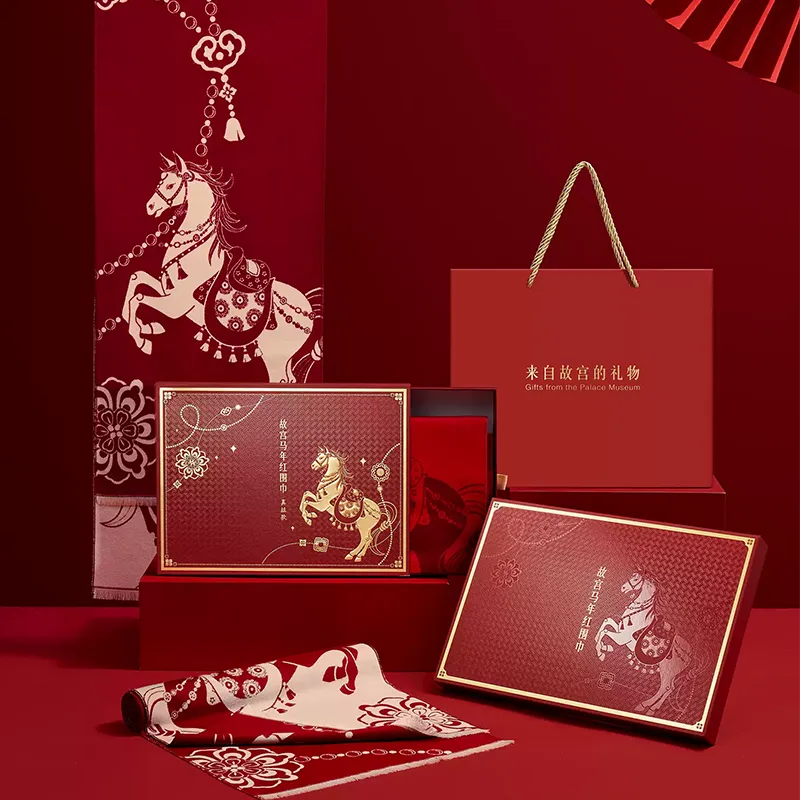
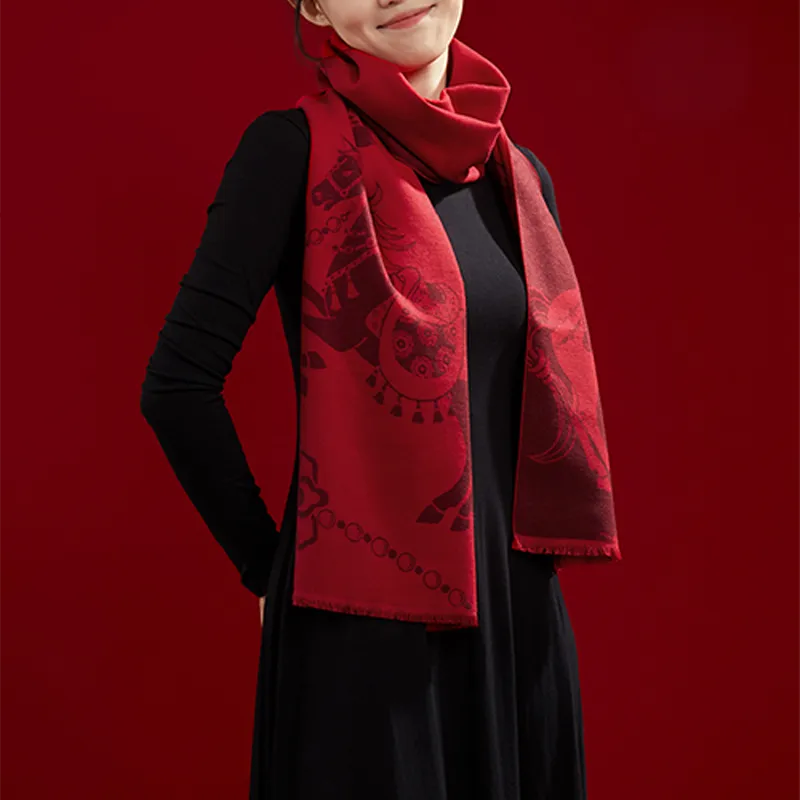
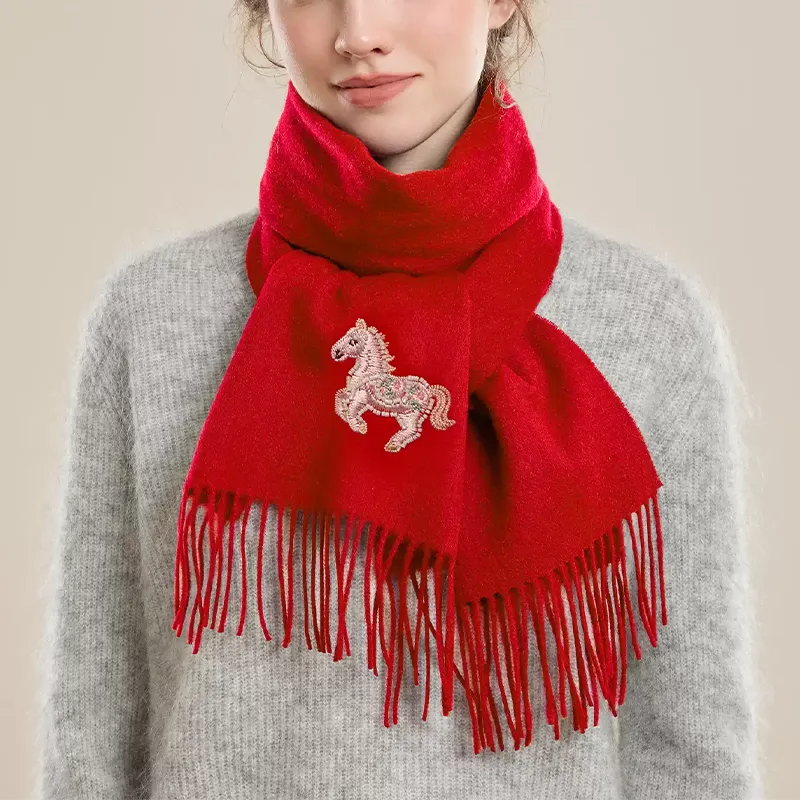
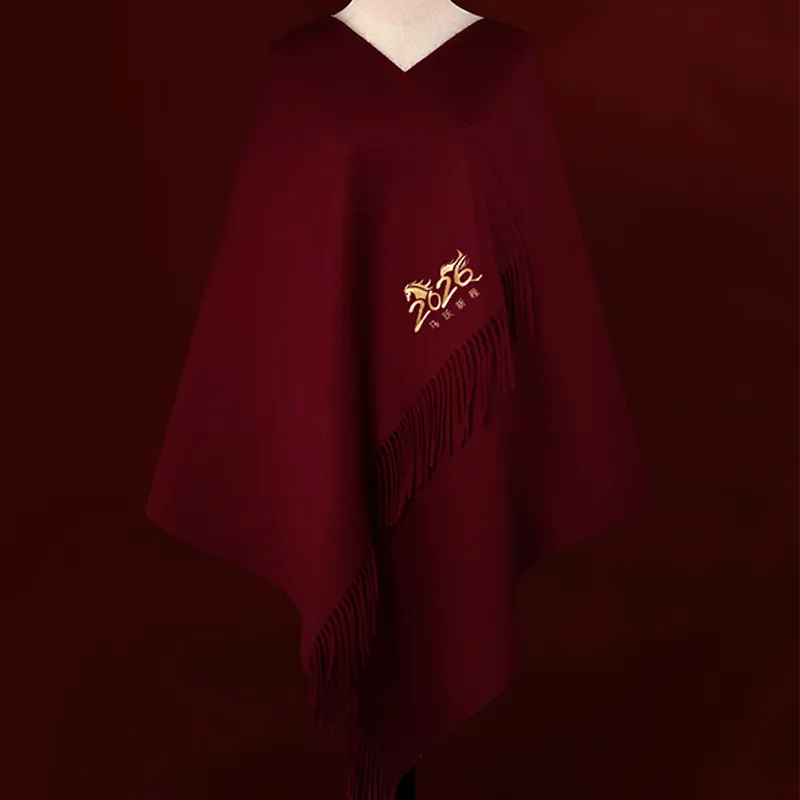
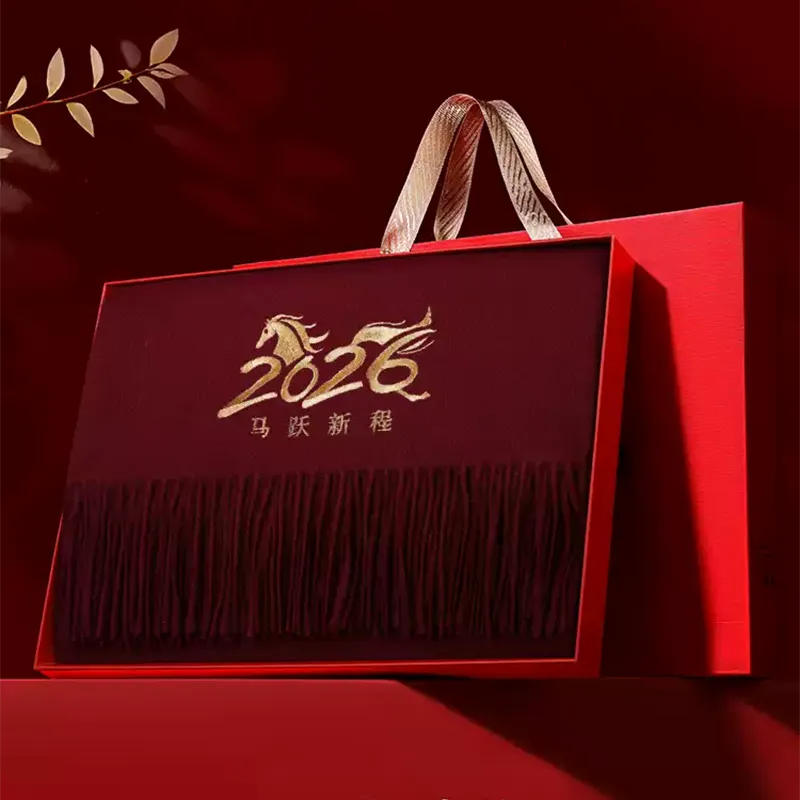
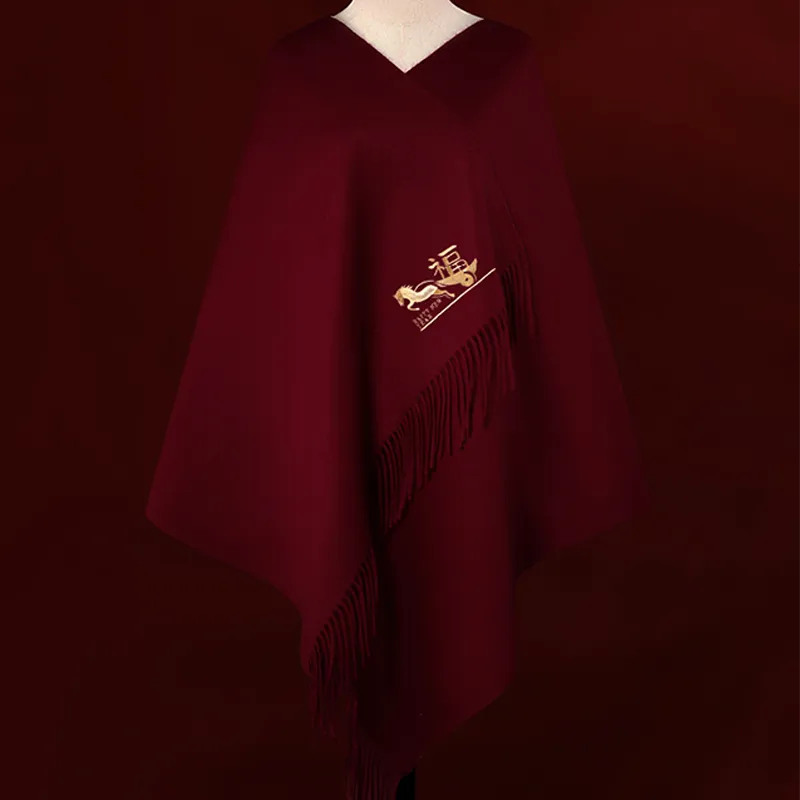
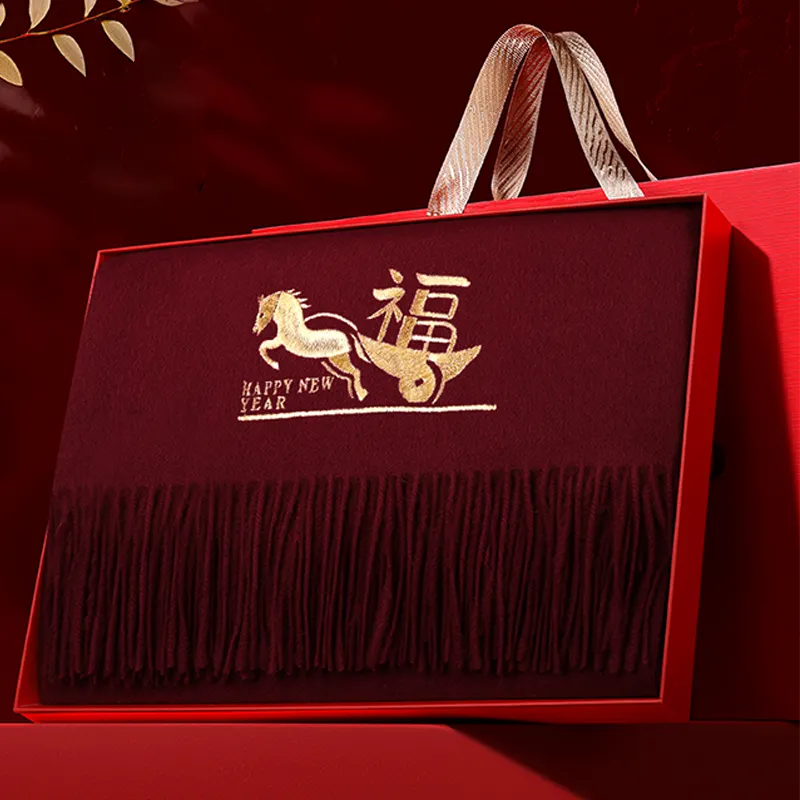
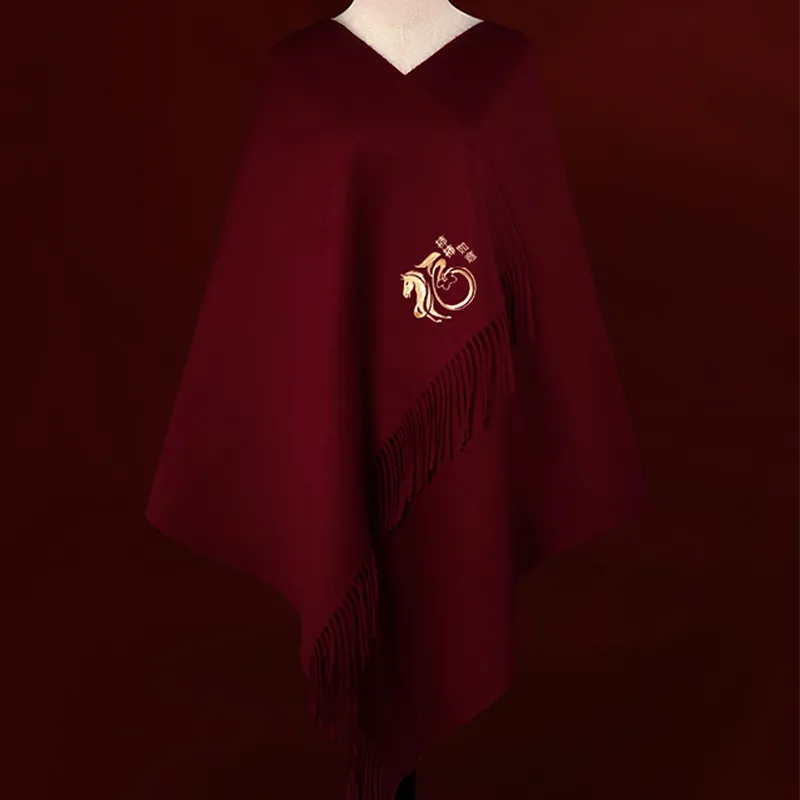
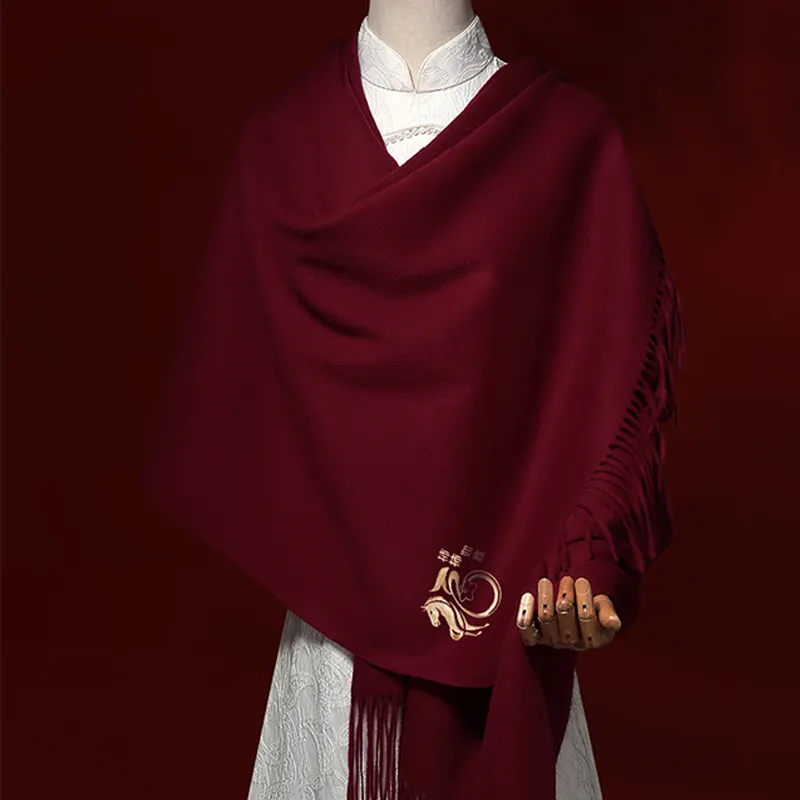
ارتدِ وشاحًا من الكشمير لحماية الرقبة والحفاظ على الدفء. تجمع أوشحة الكشمير من سينوكيوتشرال للسنة الجديدة بين الرمزية الثقافية والعزل الحراري الاستثنائي.

- انقع قدميك قبل النوم باستخدام الماء الدافئ لتعزيز الدورة الدموية.
- تجنب اتباع نظام غذائي قاسٍ: الشتاء هو وقت لتغذية الجسم، وليس استنزافه.

الانقلاب الشتوي: مقدمة هادئة للعام الجديد
هناك قول صيني: "الانقلاب الشتوي هو لم شمل صغير؛ والعام الجديد هو لم شمل كبير." مع تلاشي الخريف بالكامل واستقرار الشتاء، يأتي الانقلاب الشتوي بالهدوء والتأمل والأمل.
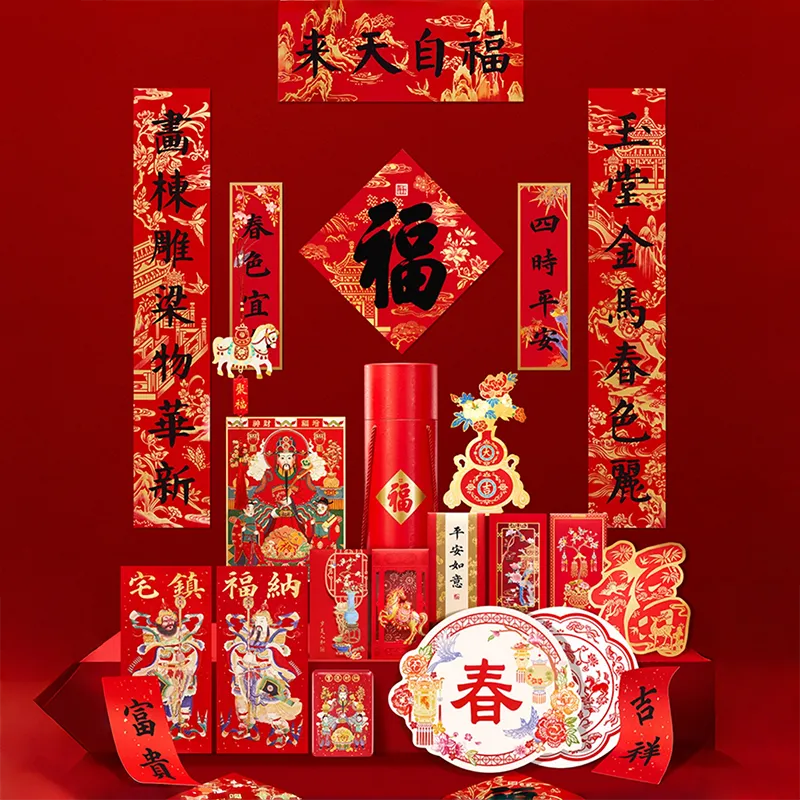
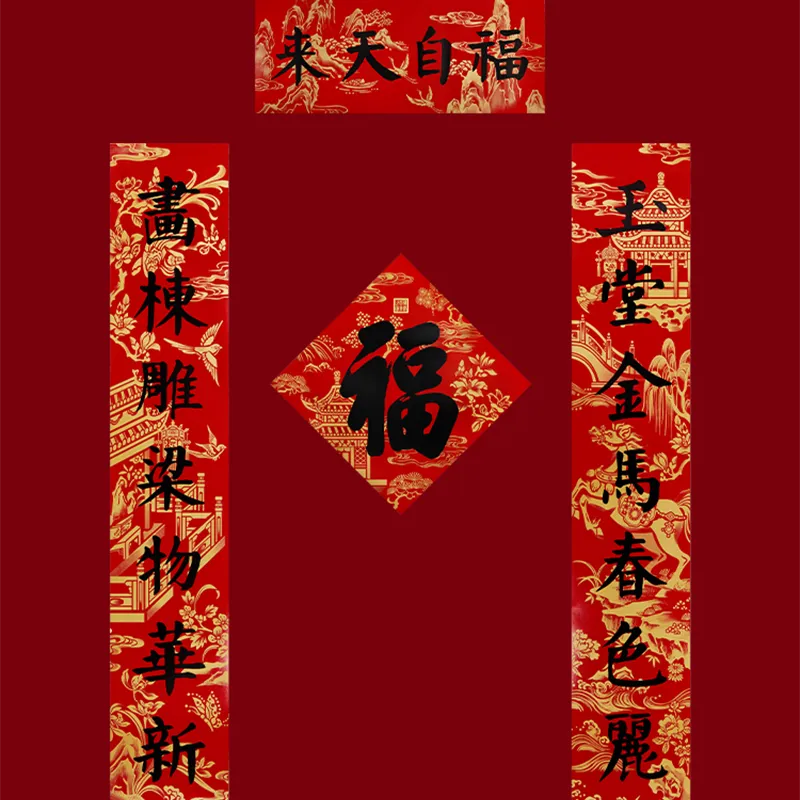
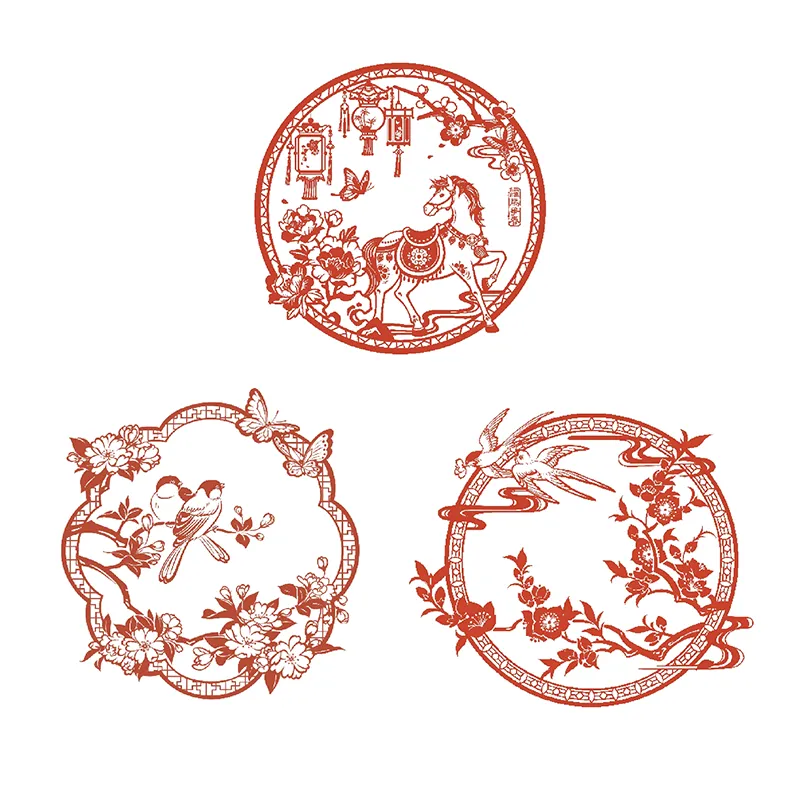
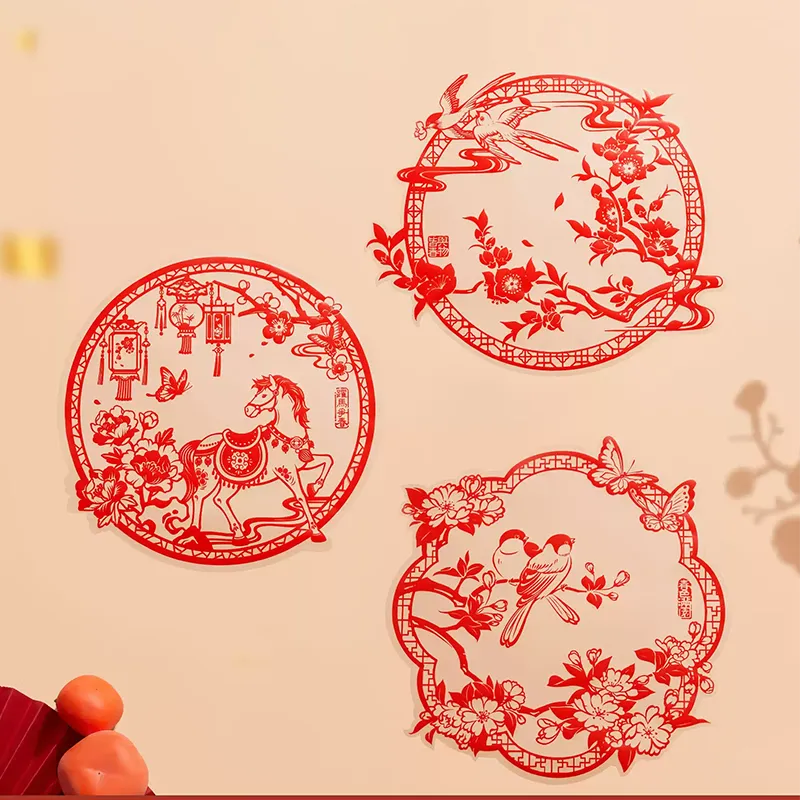
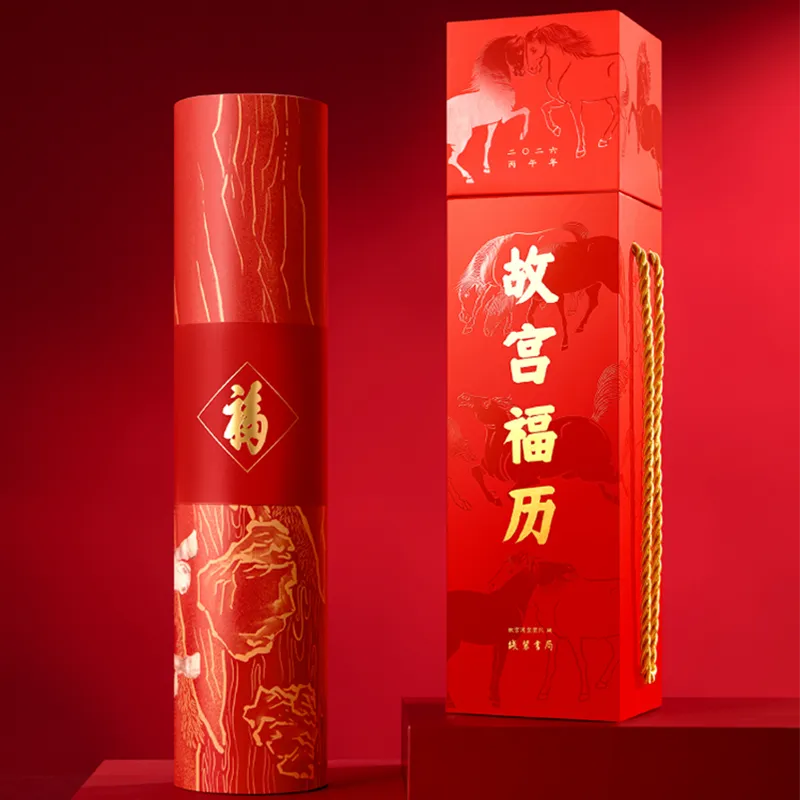
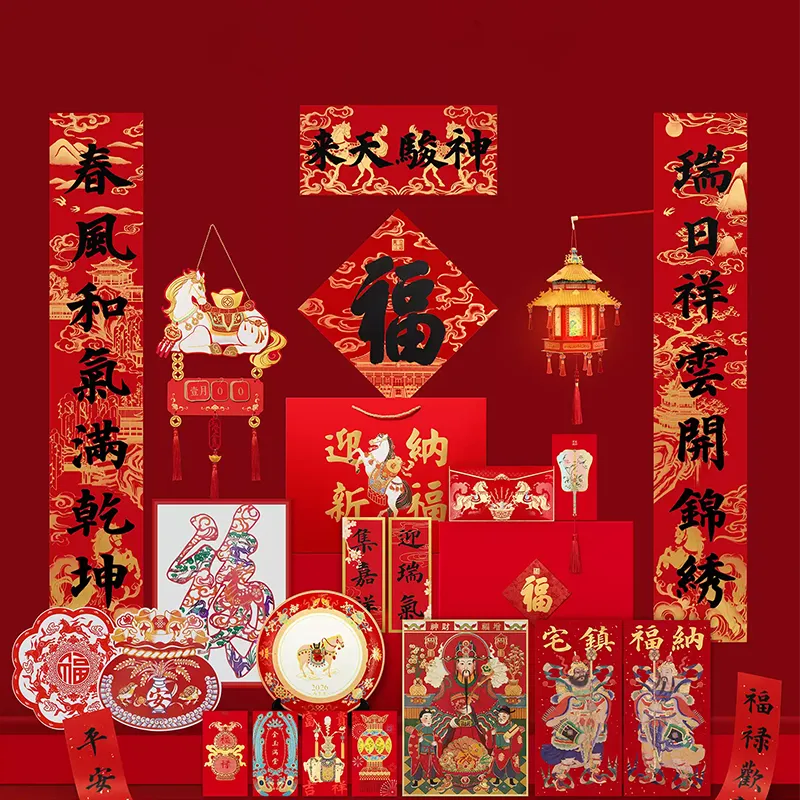
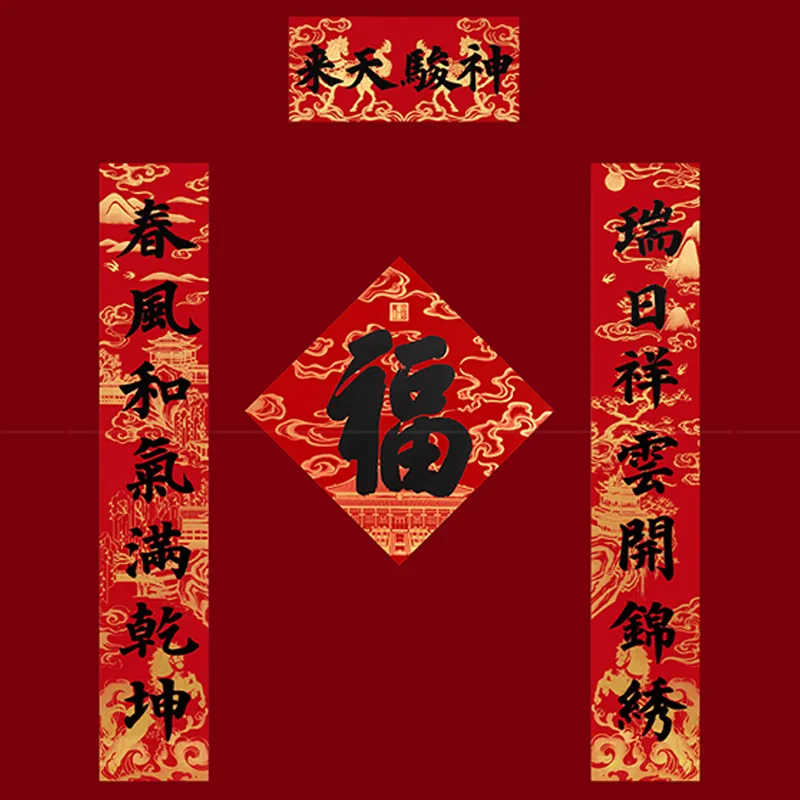
في الثقافة الصينية، تشير هذه اللحظة إلى بداية التحضيرات لرأس السنة القمرية – تنظيف المنزل، اختيار الزينة، تعليق أبيات الشعر، قطع النوافذ، التقاويم، وحرف "فو" (福) لدعوة الحظ السعيد.
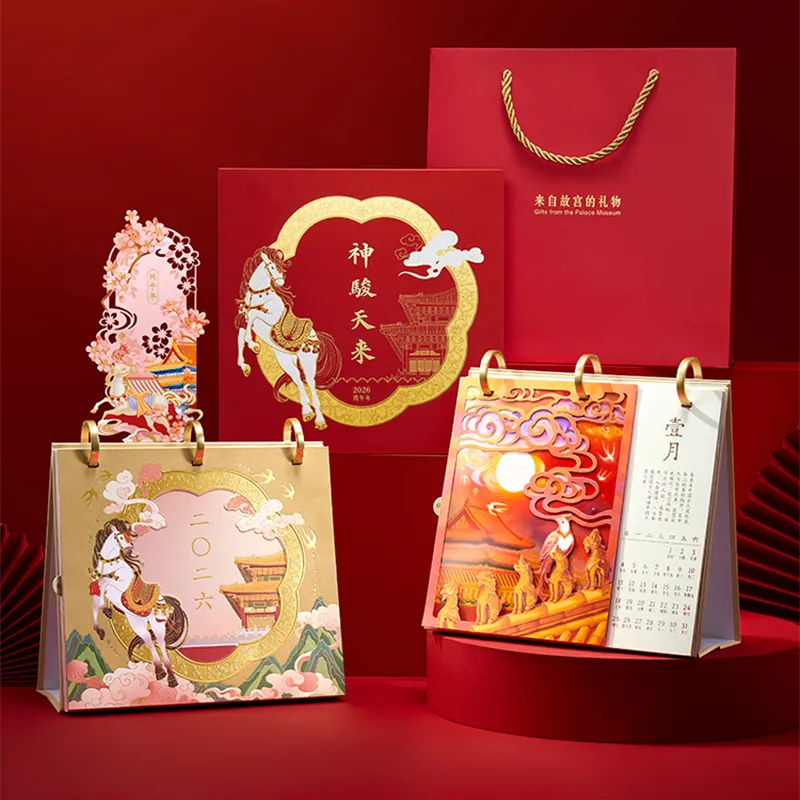
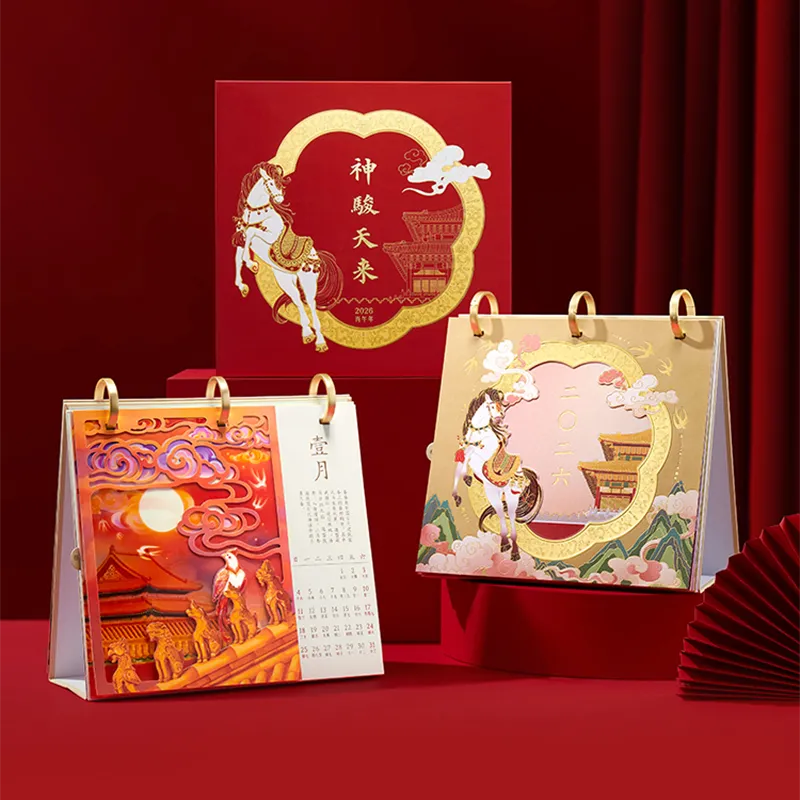
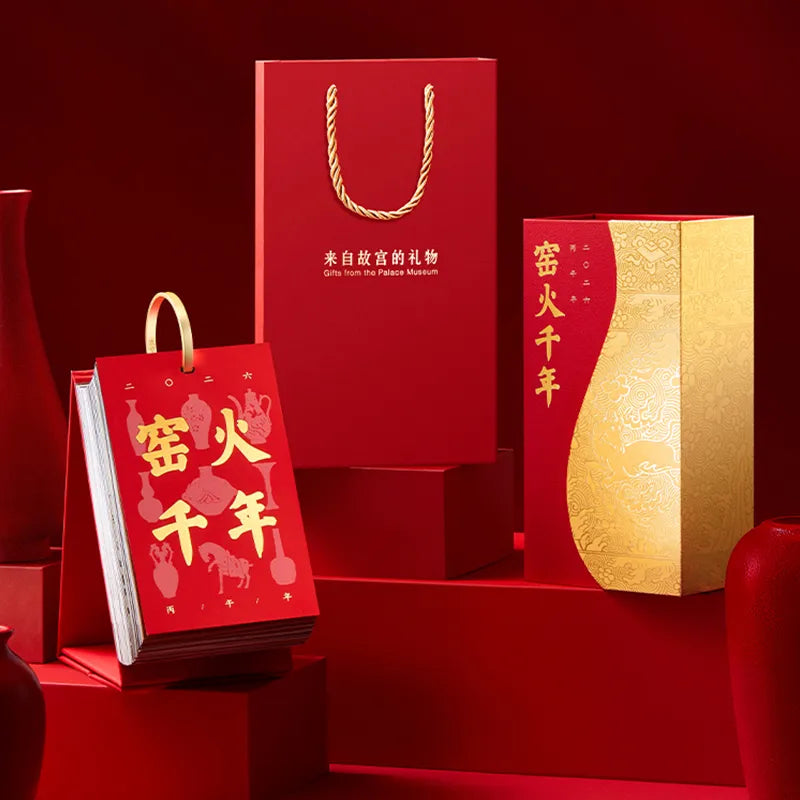
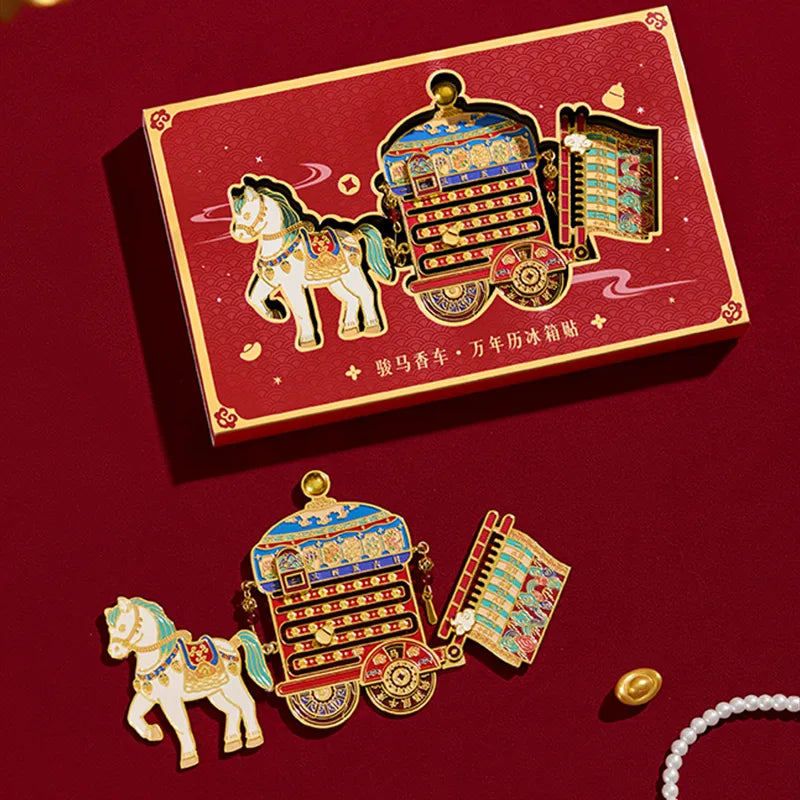
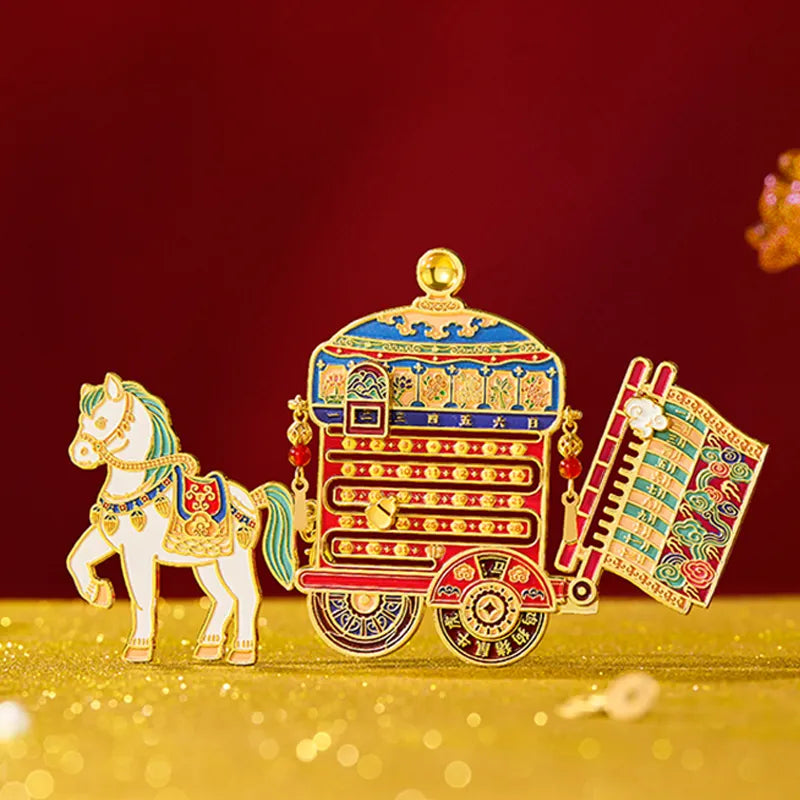
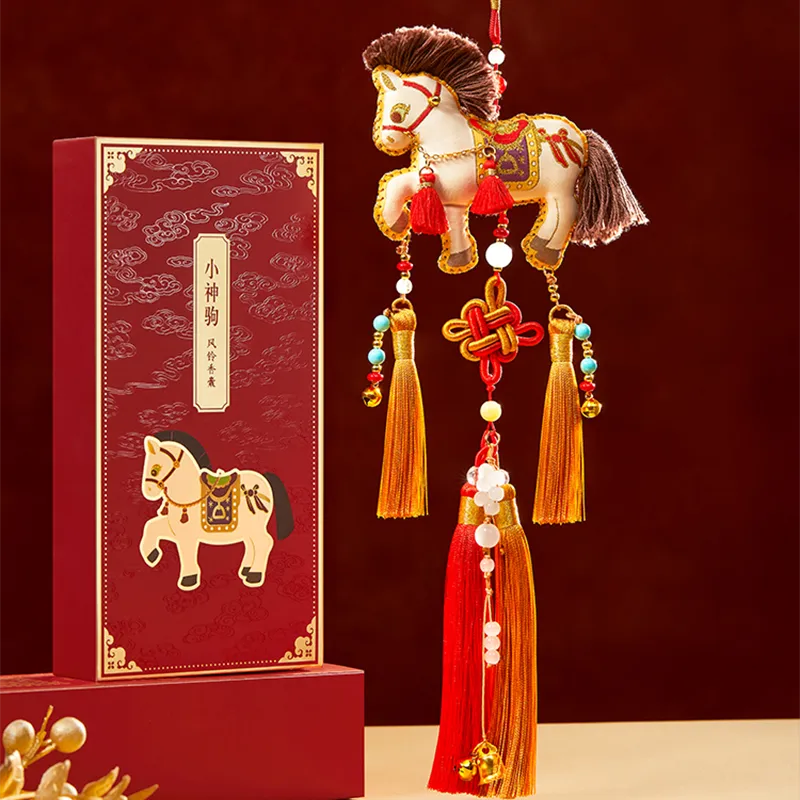
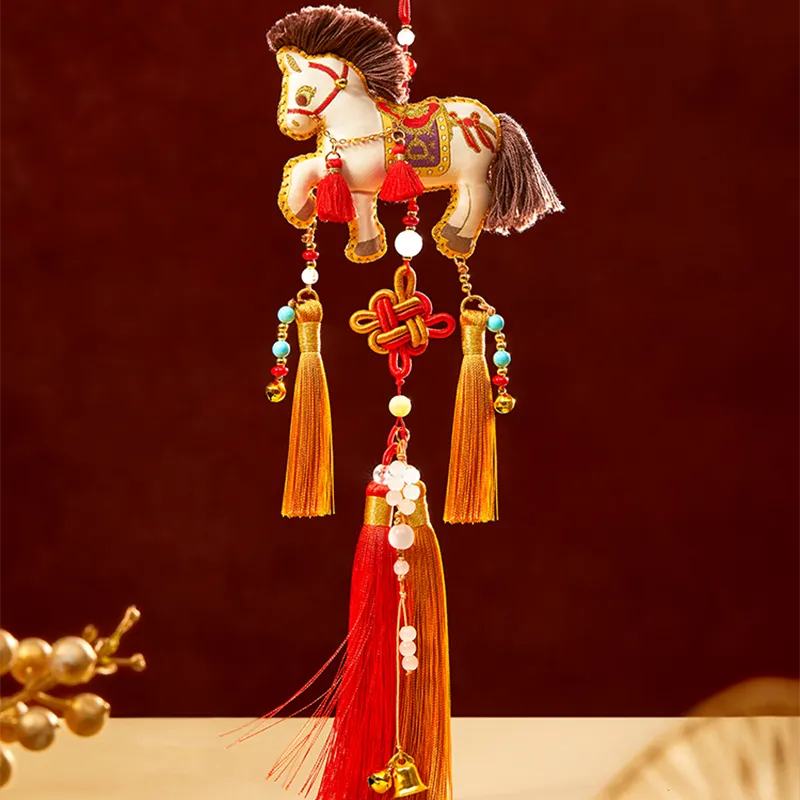
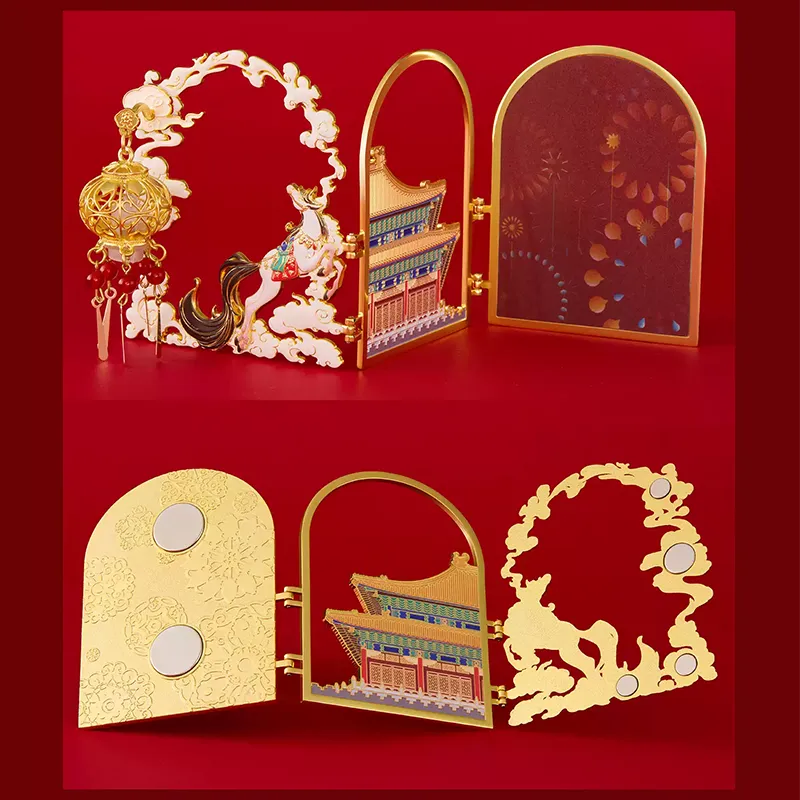
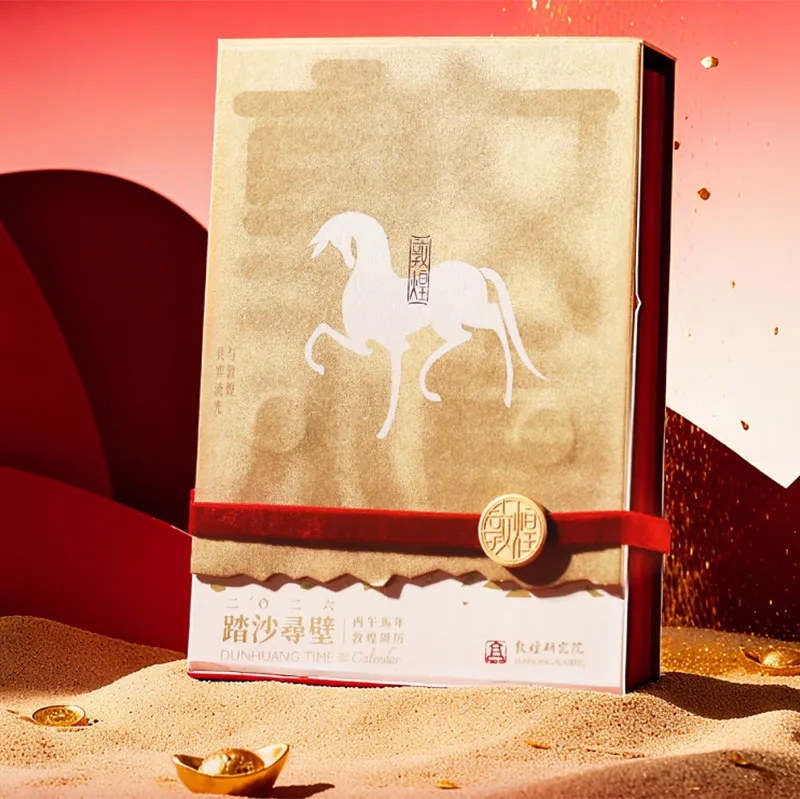
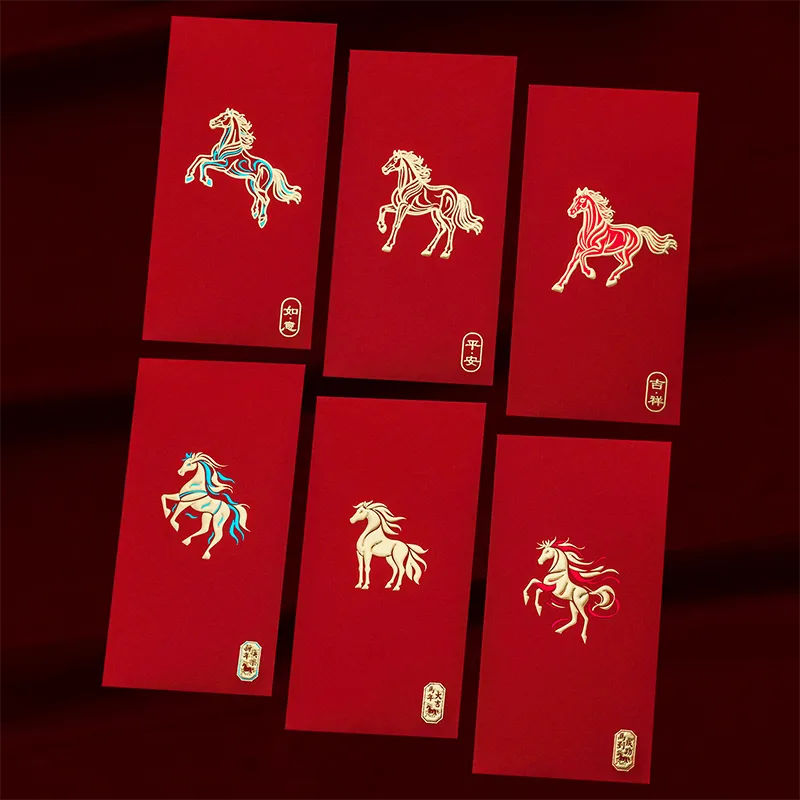
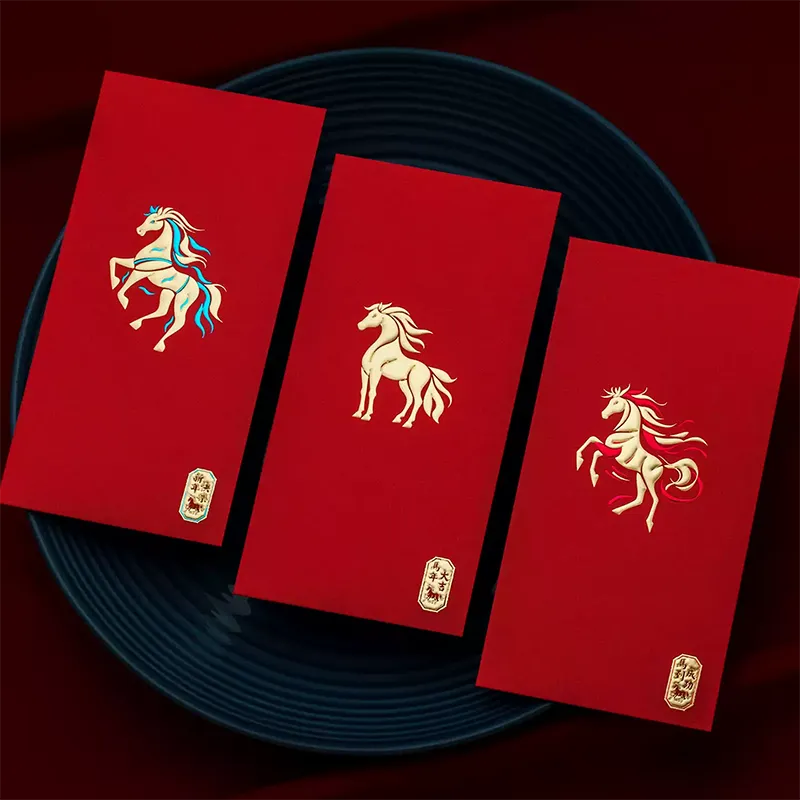
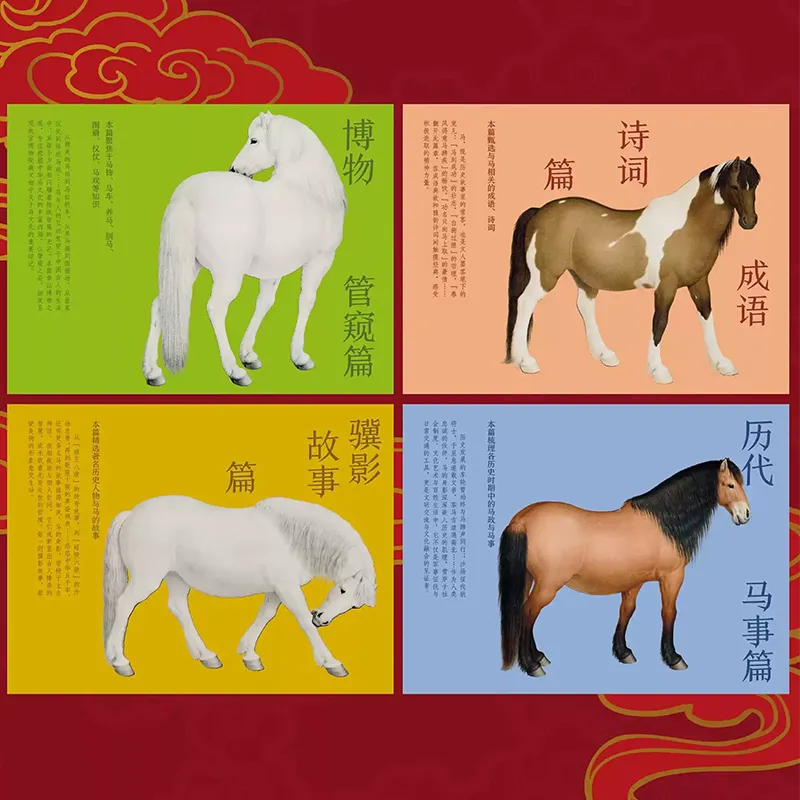
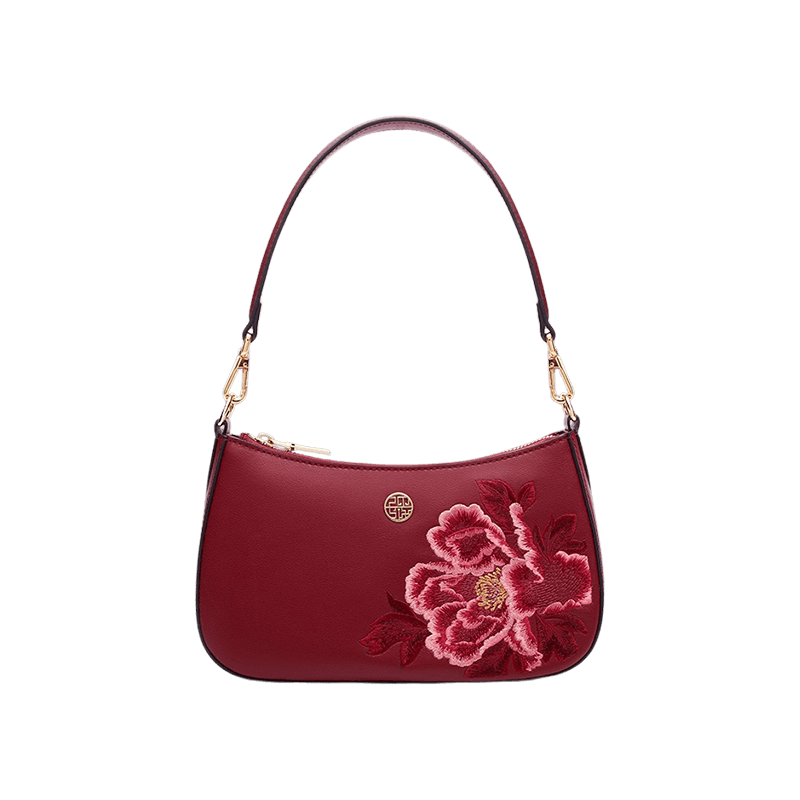
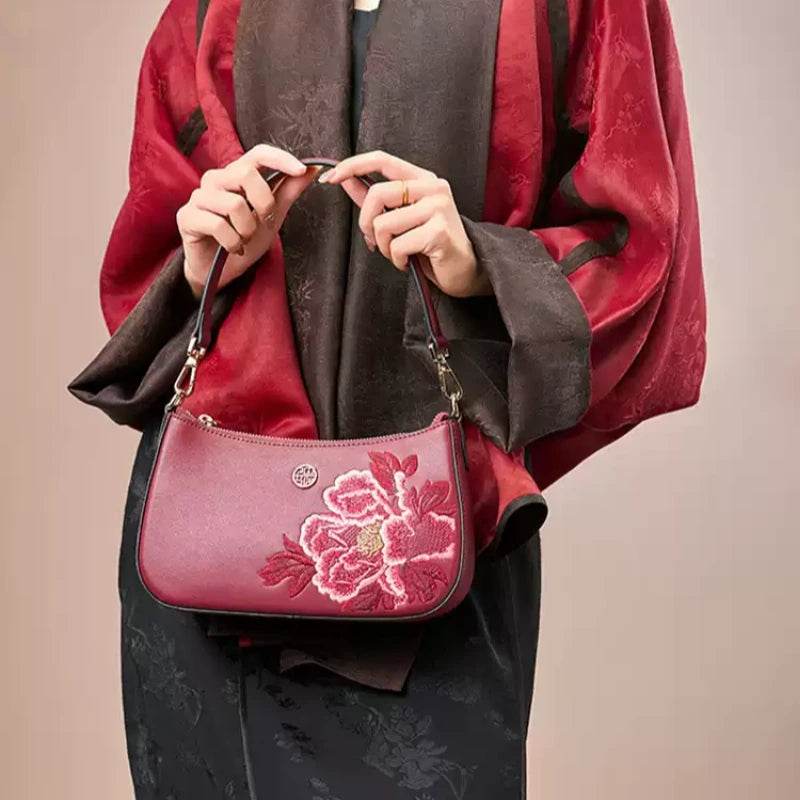
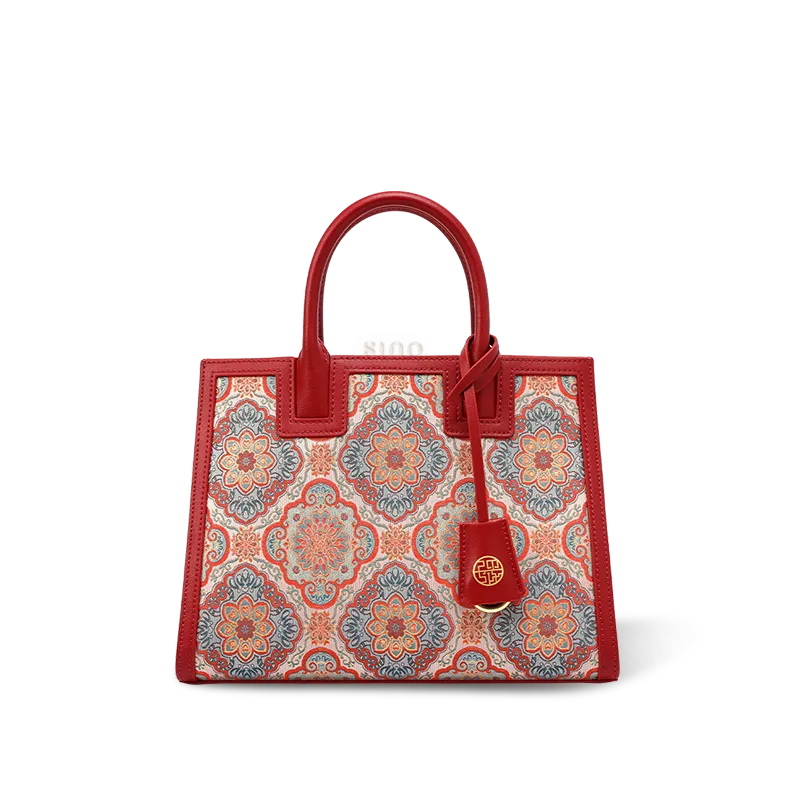
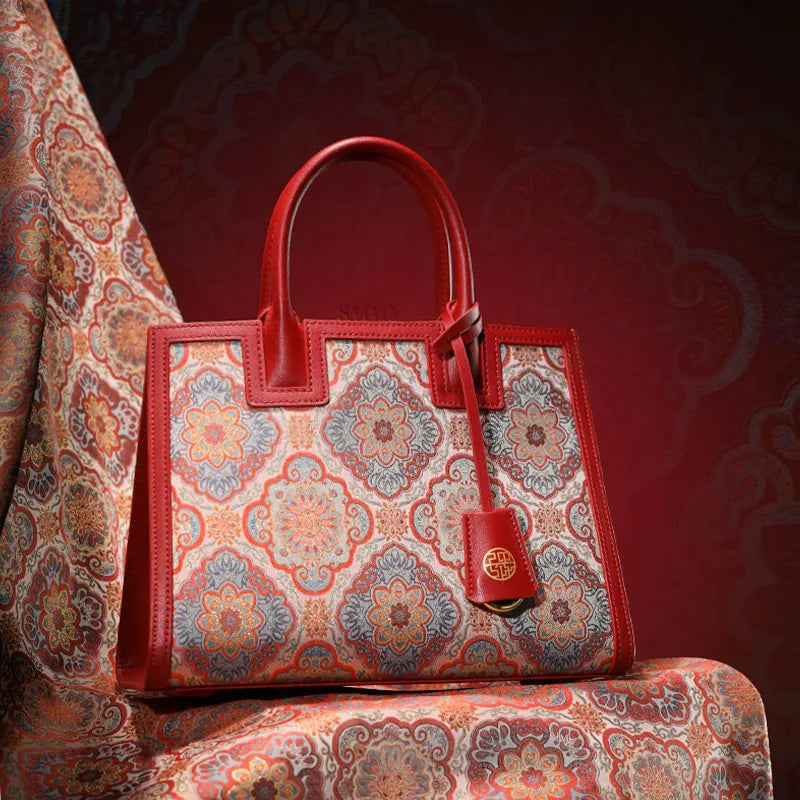
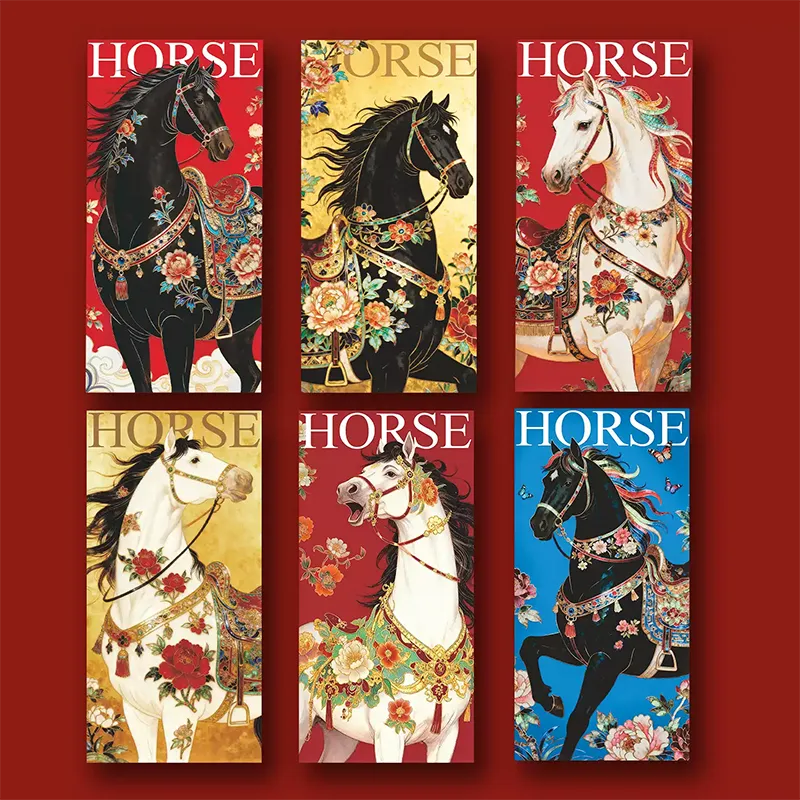
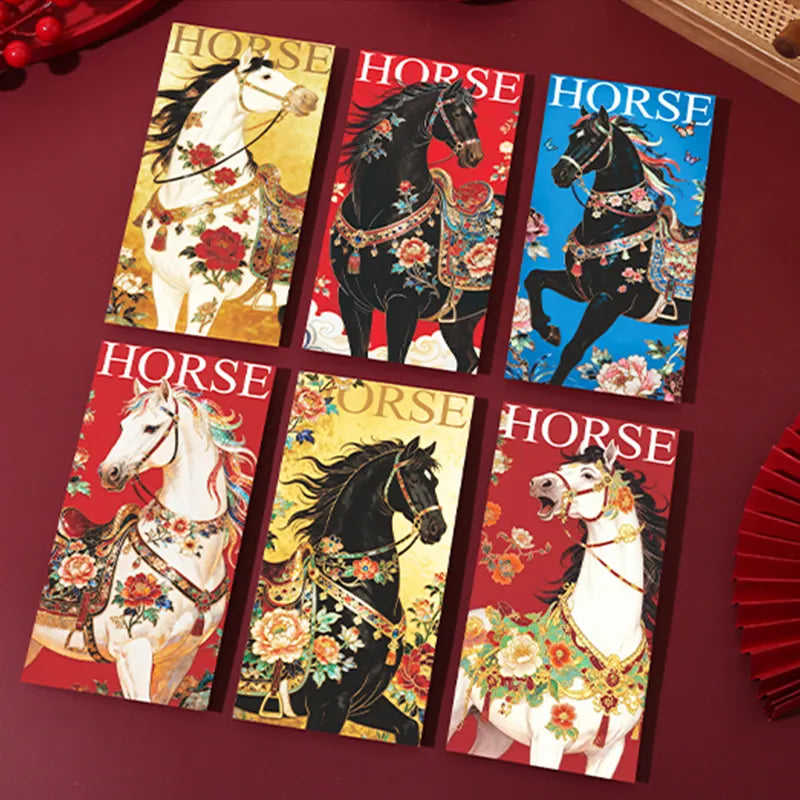
إذا كنت تستكشف طرقًا للاحتفال بالسنة النارية القادمة للحصان، فإن مجموعات سينوكيوتشرال المختارة للعام الجديد تقدم ديكورات احتفالية، حقائب يد مطرزة، أوشحة رمزية، وهدايا ثقافية مستوحاة من التقاليد – مصممة للترحيب بالحظ والراحة والتجديد في المنزل.

عندما يصل الشتاء إلى أعمق نقطة، يحدد الربيع مساره بهدوء.
أتمنى أن يجلب لك هذا الانقلاب الشتوي الدفء والتأمل ووعدًا بأيام أكثر إشراقًا في المستقبل.