تخطي إلى محتوي












جدول المحتويات
- مقدمة: القلب الثقافي لجنوب غرب الصين
- حرير شو البروكار: كنز حي
- أبرز المعالم: مسار من النهار إلى الليل
- مذاق تشنغدو: دليل الطعام المحلي
- التقاليد والهدايا التذكارية: ماذا تشتري
- الأسئلة الشائعة العملية للمسافرين
حقائق سريعة: التخطيط لرحلتك إلى تشنغدو في 2026
-
أفضل وقت للزيارة: من مارس إلى أبريل (طقس الربيع لطيف) أو نوفمبر (طقس الخريف بارد ومنعش).
-
دخول بدون تأشيرة: يمكن لمواطني 54 دولة الاستفادة من سياسة العبور بدون تأشيرة لمدة 144 ساعة (6 أيام) عند الوصول إلى مطار تشنغدو شوانغليو الدولي (CTU).
-
الدفع: نادرًا ما يُستخدم النقد. قم بتنزيل Alipay أو WeChat Pay واربط بطاقة Visa/Mastercard الخاصة بك قبل الوصول.
-
أفضل الهدايا التذكارية: حرير شو البروكار، تطريز شو، وأطعمة سيتشوان المتخصصة.
تشنغدو: القلب الثقافي لجنوب غرب الصين

تشنغدو هي واحدة من أكثر المدن متعة للزيارة في الصين. كعاصمة لمقاطعة سيتشوان، تُعرف بإيقاعها الهادئ، وتاريخها الغني، وثقافتها المحلية المتجذرة بعمق. مقارنة بإيقاع المدن الصينية الكبرى السريع، تبدو تشنغدو أكثر رسوخًا وأكثر ملاءمة للعيش وأكثر جاذبية.
ما يجعل تشنغدو لا تُنسى بشكل خاص هو الطريقة التي تتحد بها الحياة اليومية والتراث الثقافي بشكل طبيعي. صباح في بيت شاي، أو وجبة هوتبوت مسائية، أو نزهة تحت شوارع مظللة بالأشجار، أو نظرة عن كثب على حرير شو البروكار، كل ذلك يمكن أن يصبح جزءًا من التجربة. بالنسبة للمسافرين الذين يبحثون عن أشياء فريدة للقيام بها في تشنغدو، تقدم المدينة أكثر بكثير من المعالم الشهيرة. إنها تقدم طريقة حياة دافئة، غير مستعجلة، ومليئة بالشخصية.

أشياء فريدة للقيام بها في تشنغدو: الأوبرا، ثقافة شو القديمة، والعيش الهادئ
تشنغدو مشهورة ليس فقط بالباندا العملاقة وطعام سيتشوان، ولكن أيضًا بالتجارب الثقافية التي تمنح المدينة روحها. مشاهدة عرض أوبرا سيتشوان، الجلوس في بيت شاي تقليدي، واستكشاف المواقع المرتبطة بحضارة شو القديمة هي بعض الطرق الأكثر تميزًا لفهم تشنغدو أبعد من قائمة المعالم السياحية المعتادة.
من بين هذه التجارب، تظل أوبرا سيتشوان واحدة من أبرز التقاليد الثقافية للمدينة. تُعرف بعروضها الحيوية، وشخصيتها الإقليمية القوية، وحرفيتها المسرحية التعبيرية، وتقدم للمسافرين مقدمة رائعة للروح الفنية لسيتشوان. كما أنها واحدة من أكثر التجارب الثقافية التي لا تُنسى في تشنغدو للزوار لأول مرة.

بالإضافة إلى المسرح، ترتبط هوية تشنغدو ارتباطًا وثيقًا بإرث ثقافة شو القديمة. من سانشينغدوي إلى قصص الممالك الثلاث، تحمل المنطقة تاريخًا طويلًا من الإبداع والمرونة والثقة الثقافية. بالنسبة للعديد من المسافرين، تساعد زيارة أماكن مثل ضريح ووهو في إحياء هذا التاريخ بطريقة تبدو حيوية وشخصية.

تشكل هذه التقاليد مجتمعة شخصية تشنغدو: هادئة في الحياة اليومية، ولكنها متجذرة بعمق في الذاكرة والفن والقوة الداخلية. هذا التوازن هو جزء مما يجعل تشنغدو مميزة للغاية، ولماذا تبدو أقل شبهاً بمدينة لتسرع فيها وأكثر شبهاً بمدينة لتجربها ببطء.
بماذا تشتهر تشنغدو؟ حرير شو البروكار وتطريز شو
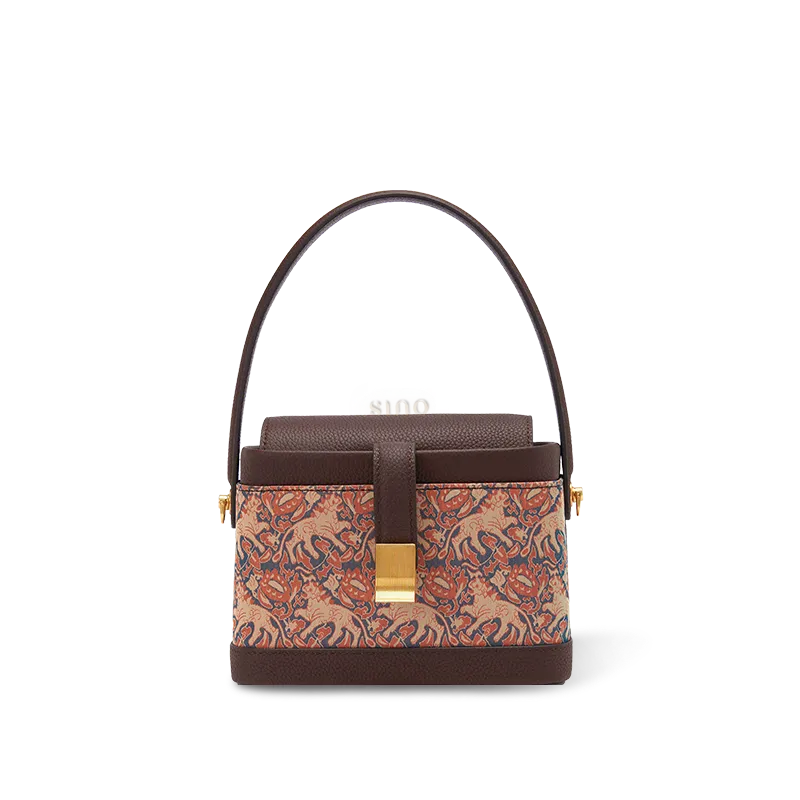
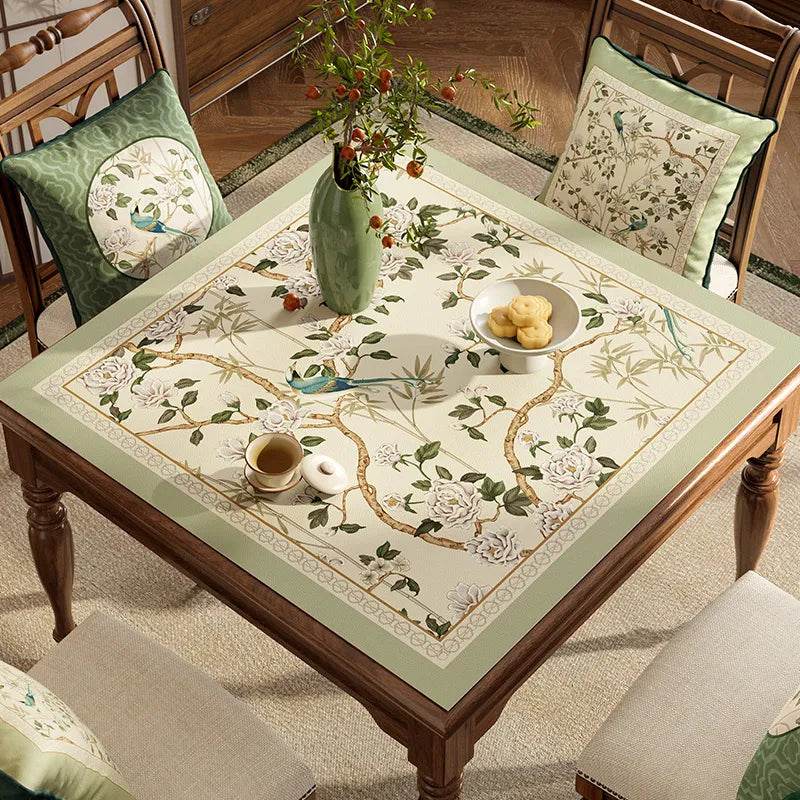
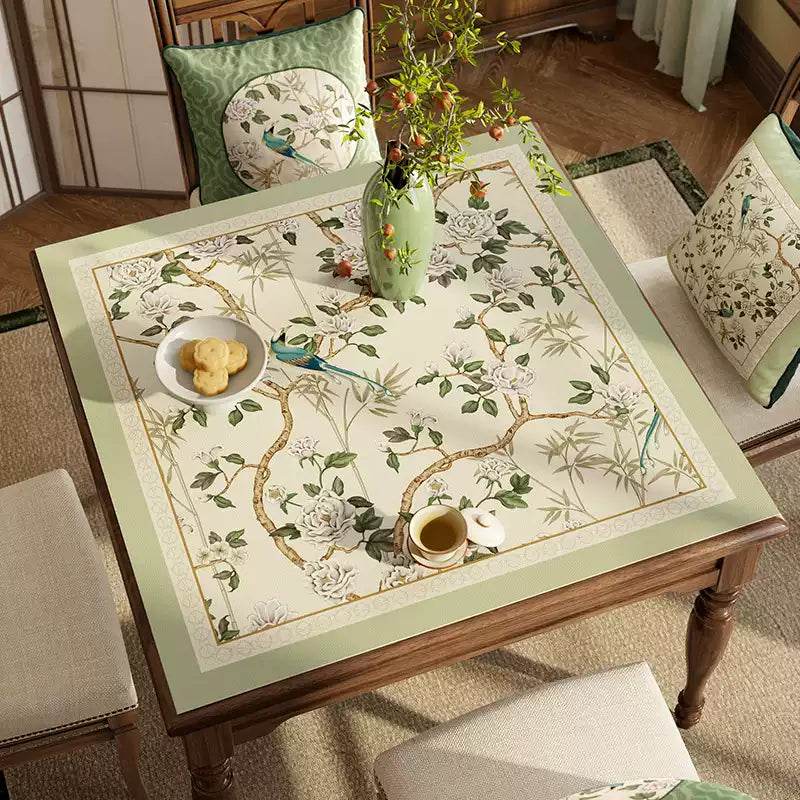
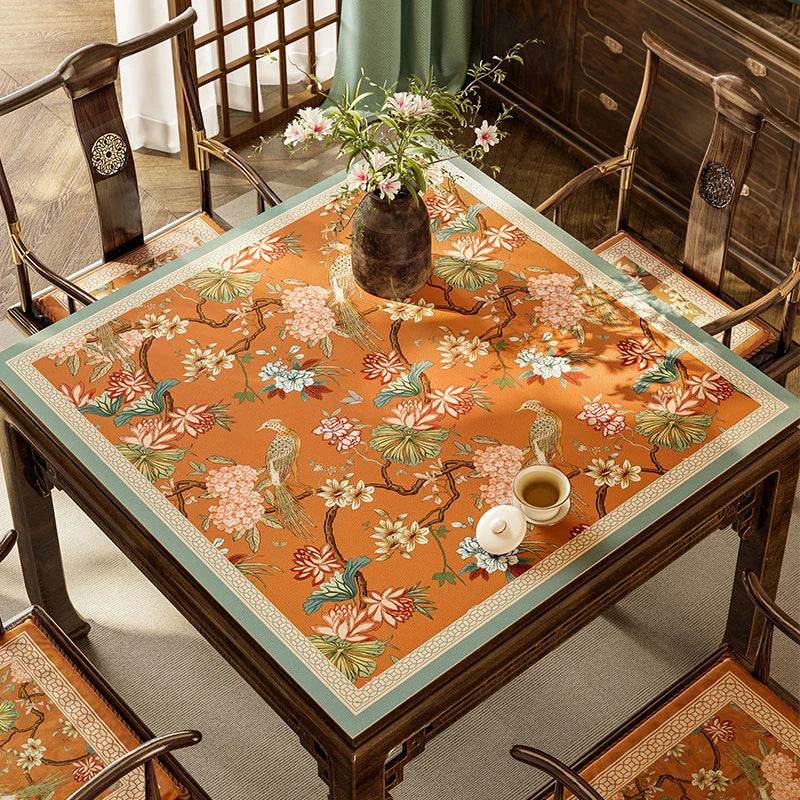
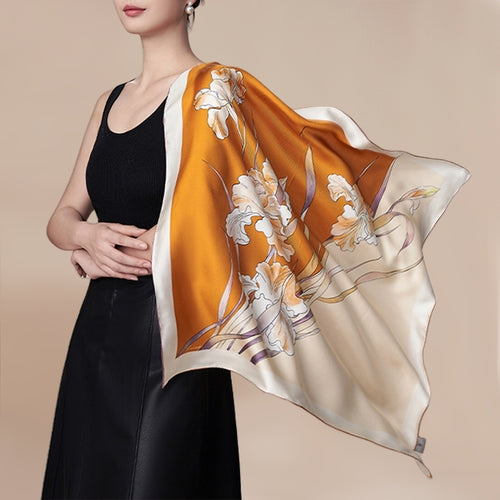
من بين الكنوز الثقافية التي تجعل تشنغدو مشهورة هي حرير شو البروكار (Shujin) وتطريز شو (Shuxiu). كلاهما يرتبط ارتباطًا وثيقًا بتراث شو القديمة ويعكسان تقليد تشنغدو الطويل في الفنون النسيجية. بالنسبة للمسافرين المهتمين بالثقافة والحرف اليدوية والجماليات الصينية، يقدمان طريقة أعمق لفهم المدينة أبعد من الباندا والطعام الحار.
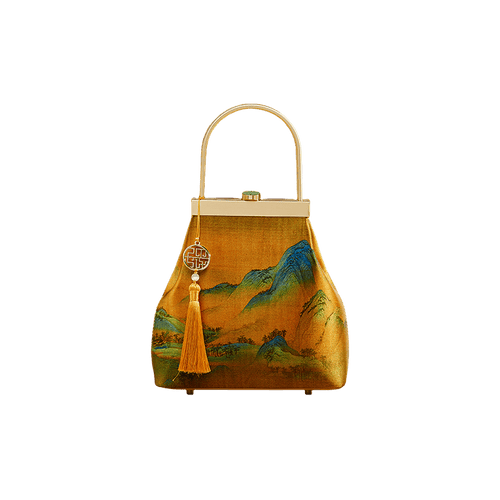
يتمتع حرير شو البروكار بتاريخ يزيد عن 2000 عام ويُعرف بألوانه الزاهية وأنماطه المتوازنة وأسلوبه الزخرفي الغني. كواحد من البروكار الأربعة الشهيرة في الصين، يُحتفى به لجماله الجريء والمتناغم ومكانته الدائمة في تاريخ النسيج الصيني.

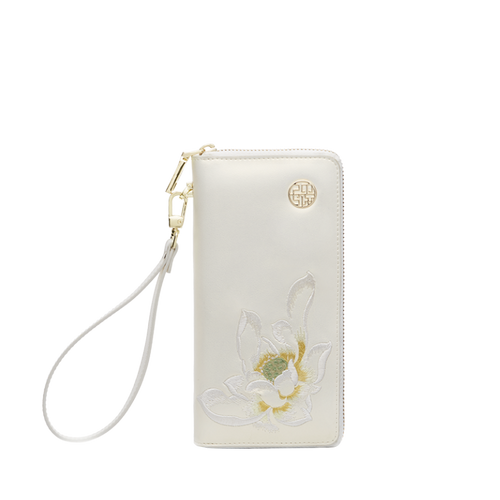
تطريز شو، أحد تقاليد التطريز الأربعة الكبرى في الصين، يُعجب به لحرفيته الراقية وتأثيره التصويري. بخياطته الدقيقة وتدرجات الألوان الرقيقة، غالبًا ما يجسد جمال ضبابية المناظر الطبيعية لغرب سيتشوان ويعكس أناقة هادئة وغير مبالغ فيها.

يمكن للمسافرين الذين يرغبون في تجربة الحرفية التقليدية لحرير شو البروكار وتطريز شو زيارة الأماكن التالية:
- 📍شارع وِِِِِِِِِِِِِِِِِِِِِِِِِِِِِِِِِِِِِِِِِِِِِِِِِِِِِِِِِِِِِِِِِِِِِِِِِِِِِِِِِِِِِِِِِِِِِِِِِِِِِِِِِِِِِِِِِِِِِِِِِِِِِِِِِِِِِِِِِِِِِِِِِِِِِِِِِِِِِِِِِِِِِِِِِِِِِِِِِِِِِِِِِِِِِِِِِِِِِِِِِِِِِِِِِِِِِِِِِِِِِِِِِِِِِِِِِِِِِِِِِِِِِِِِِِِِِِِِِِِِِِِِِِِِِِِِِِِِِِِِِِِِِِِِِِِِِِِِِِِِِِِِِِِِِِِِِِِِِِِِِِِِِِِِِِِِِِِِِِِِِِِِِِِِِِِِِِِِِِِِِِِِِِِِِِِِِِِِِِِِِِِِِِِِِِِِِِِِِِِِِِِِِِِِِِِِِِِِِِِِِِِِِِِِِِِِِِِِِِِِِِِِِِِِِِِِِِِِِِِِِِِِِِِِِِِِِِِِِِِِِِِِِِِِِِِِِِِِِِِِِِِِِِِِِِِِِِِِِِِِِِِِِِِِِِِِِِِِِِِِِِِِِِِِِِِِِِِِِِِِِِِِِِِِِِِِِِِِِِِِِِِِِِِِِِِِِِِِِِِِِِِِِِِِِِِِِِِِِِِِِِِِِِِِِِِِِِِِِِِِِِِِِِِِِِِِِِِِِِِِِِِِِِِِِِِِِِِِِِِِِِِِِِِِِِِِِِِِِِِِِِِِِِِِِِِِِِِِِِِِِِِِِِِِِِِِِِِِِِِِِِِِِِِِِِِِِِِِِِِِِِِِِِِِِِِِِِِِِِِِِِِِِِِِِِِِِِِِِِِِِِِِِِِِِِِِِِِِِِِِِِِِِِِِِِِِِِِِِِِِِِِِِِِِِِِِِِِِِِِِِِِِِِِِِِِِِِِِِِِِِِِِِِِِِِِِِِِِِِِِِِِِِِِِِِِِِِِِِِِِِِِِِِِِِِِِِِِِِِِِِِِِِِِِِِِِِِِِِِِِِِِِِِِِِِِِِِِِِِِِِِِِِِِِِِِِِِِِِِِِِِِِِِِِِِِِِِِِِِِِِِِِِِِِِِِِِِِِِِِِِِِِِِِِِِِِِِِِِِِِِِِِِِِِِِِِِِِِِِِِِِِِِِِِِِِِِِِِِِِِِِِِِِِِِِِِِِِِِِِِِِِِِِِِِِِِِِِِِِِِِِِِِِِِِِِِِِِِِِِِِِِِِِِِِِِِِِِِِِِِِِِِِِِِِِِِِِِِِِِِِِِِِِِِِِِِِِِِِِِِِِِِِِِِِِِِِِِِِِِِِِِِِِِِِِِِِِِِِِِِِِِِِِِِِِِِِِِِِِِِِِِِِِِِِِِِِِِِِِِِِِِِِِِِِِِِِِِِِِِِِِِِِِِِِِِِِِِِِِِِِِِِِِِِِِِِِِِِِِِِِِِِِِِِِِِِِِِِِِِِِِِِِِِِِِِِِِِِِِِِِِِِِِِِِِِِِِِِِِِِِِِِِِِِِِِِِِِِِِِِِِِِِِِِِِِِِِِِِِِِِِِِِِِِِِِِِِِِِِِِِِِِِِِِِِِِِِِِِِِِِِِِِِِِِِِِِِِِِِِِِِِِِِِِِِِِِِِِِِِِِِِِِِِِِِِِِِِِِِِِِِِِِِِِِِِِِِِِِِِِِِِِِِِِِِِِِِِِِِِِِِِِِِِِِِِِِِِِِِِِِِِِِِِِِِِِِِِِِِِِِِِِِِِِِِِِِِِِِِِِِِِِِِِِِِِِِِِِِِِِِِِِِِِِِِِِِِِِِِِِِِِِِِِِِِِِِِِِِِِِِِِِِِِِِِِِِِِِِِِِِِِِِِِِِِِِِِِِِِِِِِِِِِِِِِِِِِِِِِِِِِِِِِِِِِِِِِِِِِِِِِِِِِِِِِِِِِِِِِِِِِِِِِِِِِِِِِِِِِِِِِِِِِِِِِِِِِِِِِِِِِِِِِِِِِِِِِِِِِِِِِِِِِِِِِِِِِِِِِِِِِِِِِِِِِِِِِِِِِِِِِِِِِِِِِِِِِِِِِِِِِِِِِِِِِِِِِِِِِِِِِِِِِِِِِِِِِِِِِِِِِِِِِِِِِِِِِِِِِِِِِِِِِِِِِِِِِِِِِِِِِِِِِِِِِِِِِِِِِِِِِِِِِِِِِِِِِِِِِِِِِِِِِِِِِِِِِِِِِِِِِِِِِِِِِِِِUIP وُجْهًا للمُسْتَخْدِمِ (UI) وُتجربة المُسْتَخْدِمِ (UX) من أهم عناصر نجاح أي تصميم رقمي. وهناك العديد من برامج التصميم التي يمكن للمصممين استخدامها لتحقيق أهدافهم. في هذه المقالة، سنلقي نظرة على أفضل برامج تصميم واجهة المستخدم وتجربة المستخدم لعام 2024.
أفضل برامج تصميم UI/UX لعام 2024:
Figma
Figma هو أداة تصميم واجهة المستخدم وتجربة المستخدم السحابية التي اكتسبت شعبية هائلة في السنوات الأخيرة. إنه معروف بميزاته التعاونية القوية، مما يجعله مثاليًا للفرق التي تعمل في مشاريع مشتركة. يوفر Figma أيضًا مجموعة واسعة من الأدوات والميزات التي تساعد المصممين على إنشاء تصميمات رائعة ومذهلة.المميزات الرئيسية:
* التعاون في الوقت الفعلي: يمكن لعدة مستخدمين العمل على نفس الملف في وقت واحد، مع رؤية التغييرات التي يقوم بها الآخرون بشكل فوري. * مكتبات المكونات: يتيح لك Figma إنشاء مكتبات من المكونات القابلة لإعادة الاستخدام، مثل الأزرار وحقول الإدخال، لتسريع عملية التصميم وضمان الاتساق. * التصميم المستجيب: يدعم Figma تصميم واجهة المستخدم المستجيبة، مما يسمح لك بإنشاء تصميمات تتكيف مع أحجام الشاشات المختلفة. * النماذج الأولية التفاعلية: يمكنك إنشاء نماذج أولية تفاعلية لعرض كيفية عمل تصميماتك واختبارها. * المكونات الذكية: تسمح لك بإنشاء مكونات تتغير تلقائيًا بناءً على البيانات أو الإجراءات. * العمل دون اتصال: يمكن للمصممين العمل على مشاريعهم دون اتصال بالإنترنت، مع مزامنة التغييرات بمجرد الاتصال. * واجهة مستخدم بديهية: تتميز Figma بواجهة مستخدم سهلة الاستخدام وبديهية، مما يسهل على المصممين الجدد التعلم والاستخدام. * المكونات الإضافية (Plugins): تتوفر مجموعة واسعة من المكونات الإضافية التي تضيف وظائف إضافية إلى Figma.العيوب:
* تتطلب اتصال بالإنترنت: على الرغم من وجود وضع عدم الاتصال، فإن Figma مصمم بشكل أساسي ليعمل عبر الإنترنت. * قد تكون معقدة للمبتدئين: على الرغم من واجهتها البديهية، فإن ميزاتها المتقدمة قد تكون مربكة للمبتدئين في البداية. * لا يوجد دعم كامل للغات من اليمين إلى اليسار: قد يواجه المصممون الذين يعملون على مشاريع باللغات من اليمين إلى اليسار (مثل العربية) بعض التحديات.Sketch
Sketch هو أداة تصميم واجهة المستخدم وتجربة المستخدم الأكثر شعبية لمستخدمي macOS. إنه معروف بواجهته النظيفة والبسيطة، وميزاته القوية التي تركز على تصميم الواجهة. يستخدم Sketch على نطاق واسع من قبل المصممين الفرديين والفرق الصغيرة.المميزات الرئيسية:
* واجهة مستخدم نظيفة وبسيطة: يتميز Sketch بواجهة مستخدم سهلة الاستخدام وبديهية. * مكونات قابلة لإعادة الاستخدام: يمكنك إنشاء مكونات قابلة لإعادة الاستخدام، مثل الأزرار وحقول الإدخال، لتسريع عملية التصميم وضمان الاتساق. * النماذج الأولية التفاعلية: يمكنك إنشاء نماذج أولية تفاعلية لعرض كيفية عمل تصميماتك واختبارها. * مكونات إضافية (Plugins) قوية: تتوفر مجموعة واسعة من المكونات الإضافية التي تضيف وظائف إضافية إلى Sketch. * رموز قابلة للتخصيص: يمكنك إنشاء رموز قابلة للتخصيص لاستخدامها في تصميماتك. * تصميم المستجيب: يدعم Sketch تصميم واجهة المستخدم المستجيبة. * تصميم الشعارات والأيقونات: يمكن استخدام Sketch لتصميم الشعارات والأيقونات بسهولة. * المشاركة السهلة: يمكنك مشاركة تصميماتك مع الآخرين بسهولة.العيوب:
* متاح فقط لنظام التشغيل macOS: هذا هو العيب الرئيسي لـ Sketch، حيث لا يمكن لمستخدمي Windows استخدامه. * لا يدعم التعاون في الوقت الفعلي: على عكس Figma، لا يدعم Sketch التعاون في الوقت الفعلي، مما يجعله أقل ملاءمة للفرق الكبيرة. * النماذج الأولية محدودة: توفر النماذج الأولية في Sketch وظائف محدودة مقارنة ببعض الأدوات الأخرى. * سعر الاشتراك: يتطلب Sketch اشتراكًا سنويًا، مما قد يكون مكلفًا لبعض المستخدمين.Adobe XD
Adobe XD هو جزء من مجموعة Adobe Creative Cloud، وهو أداة تصميم واجهة المستخدم وتجربة المستخدم الشاملة. يوفر XD مجموعة واسعة من الأدوات والميزات التي تساعد المصممين على إنشاء تصميمات رائعة، من التخطيط الأولي إلى النماذج الأولية التفاعلية.المميزات الرئيسية:
* تكامل سلس مع منتجات Adobe الأخرى: يتكامل XD بسلاسة مع منتجات Adobe الأخرى، مثل Photoshop وIllustrator، مما يجعله مثاليًا للمصممين الذين يستخدمون هذه الأدوات بالفعل. * النماذج الأولية التفاعلية القوية: يوفر XD أدوات نماذج أولية تفاعلية قوية تسمح لك بإنشاء تجارب مستخدم واقعية. * التعاون السهل: يدعم XD التعاون السهل، مما يسمح لك بمشاركة تصميماتك مع الآخرين وجمع الملاحظات. * مكونات قابلة لإعادة الاستخدام: يمكنك إنشاء مكونات قابلة لإعادة الاستخدام لتسريع عملية التصميم وضمان الاتساق. * التصميم الصوتي: يدعم XD التصميم الصوتي، مما يسمح لك بإنشاء تجارب مستخدم تعتمد على الصوت. * المكونات الإضافية (Plugins): تتوفر مجموعة واسعة من المكونات الإضافية التي تضيف وظائف إضافية إلى XD. * تصميم ثلاثي الأبعاد (3D Transforms): يتيح لك XD تطبيق تحويلات ثلاثية الأبعاد على العناصر، مما يضيف عمقًا وواقعية إلى تصميماتك.العيوب:
* أقل تركيزًا على التعاون في الوقت الفعلي: على الرغم من أنه يدعم التعاون، إلا أنه ليس بنفس قوة Figma في التعاون في الوقت الفعلي. * الواجهة قد تكون معقدة للمبتدئين: قد تكون واجهة XD معقدة بعض الشيء للمبتدئين الذين ليسوا على دراية بمنتجات Adobe الأخرى. * النماذج الأولية قد تكون بطيئة في بعض الأحيان: قد تكون النماذج الأولية في XD بطيئة بعض الشيء في بعض الأحيان، خاصة مع المشاريع الكبيرة. * يتطلب اشتراك Creative Cloud: يتطلب XD اشتراكًا في Creative Cloud، مما قد يكون مكلفًا لبعض المستخدمين.InVision
InVision هو أداة نماذج أولية وتصميم واجهة المستخدم وتجربة المستخدم التي تركز على التعاون والملاحظات. إنه معروف بميزاته القوية للنماذج الأولية، والتي تسمح لك بإنشاء نماذج أولية تفاعلية وواقعية لتصميماتك.المميزات الرئيسية:
* النماذج الأولية التفاعلية القوية: يوفر InVision أدوات نماذج أولية تفاعلية قوية تسمح لك بإنشاء تجارب مستخدم واقعية. * التعاون والملاحظات: يدعم InVision التعاون والملاحظات، مما يسمح لك بمشاركة تصميماتك مع الآخرين وجمع الملاحظات بسهولة. * مزامنة مع أدوات التصميم الأخرى: يتكامل InVision مع أدوات التصميم الأخرى، مثل Sketch وPhotoshop، مما يسمح لك باستيراد تصميماتك بسهولة. * لوحات الرسم (Boards): تتيح لك لوحات الرسم تنظيم الأفكار والصور والملاحظات في مكان واحد. * مشاريع متعددة: يمكنك إدارة مشاريع متعددة في InVision بسهولة. * تاريخ الإصدارات: يمكنك تتبع تاريخ الإصدارات لتصميماتك والعودة إلى الإصدارات السابقة إذا لزم الأمر.العيوب:
* ليس أداة تصميم كاملة: InVision ليس أداة تصميم كاملة مثل Figma أو Sketch، ولكنه يركز بشكل أساسي على النماذج الأولية والملاحظات. * قد يكون مكلفًا: قد يكون InVision مكلفًا لبعض المستخدمين، خاصة للفرق الكبيرة. * الواجهة قد تكون معقدة للمبتدئين: قد تكون واجهة InVision معقدة بعض الشيء للمبتدئين.ProtoPie
ProtoPie هو أداة نماذج أولية قوية تركز على إنشاء نماذج أولية تفاعلية وواقعية. إنه معروف بميزاته المتقدمة التي تسمح لك بإنشاء تفاعلات معقدة، مثل الرسوم المتحركة والإيماءات.المميزات الرئيسية:
* نماذج أولية تفاعلية وواقعية: يوفر ProtoPie أدوات نماذج أولية تفاعلية وواقعية تسمح لك بإنشاء تجارب مستخدم معقدة. * الرسوم المتحركة والإيماءات: يدعم ProtoPie الرسوم المتحركة والإيماءات، مما يسمح لك بإنشاء تفاعلات معقدة. * الاتصال بالأجهزة: يمكن لـ ProtoPie الاتصال بالأجهزة، مثل الهواتف الذكية والأجهزة اللوحية، لاختبار النماذج الأولية في بيئة واقعية. * لوحات المفاتيح (Keyboards): يمكنك إنشاء لوحات مفاتيح مخصصة لتصميماتك. * المتغيرات (Variables): تتيح لك المتغيرات إنشاء نماذج أولية ديناميكية تتغير بناءً على البيانات. * الاستشعار (Sensors): يدعم ProtoPie استخدام أجهزة الاستشعار، مثل مستشعرات الحركة والضوء، لإنشاء تفاعلات واقعية.العيوب:
* أداة نماذج أولية متخصصة: ProtoPie هي أداة نماذج أولية متخصصة وليست أداة تصميم كاملة. * قد تكون معقدة للمبتدئين: قد تكون ميزات ProtoPie المتقدمة معقدة للمبتدئين. * سعر الاشتراك: يتطلب ProtoPie اشتراكًا سنويًا، مما قد يكون مكلفًا لبعض المستخدمين.Axure RP
Axure RP هو أداة نماذج أولية قوية وشاملة تركز على إنشاء نماذج أولية تفاعلية وغنية بالوظائف. إنه معروف بميزاته المتقدمة التي تسمح لك بإنشاء نماذج أولية معقدة، مثل النماذج الأولية ذات البيانات الديناميكية والتفاعلات الشرطية.المميزات الرئيسية:
* نماذج أولية تفاعلية وغنية بالوظائف: يوفر Axure RP أدوات نماذج أولية تفاعلية وغنية بالوظائف تسمح لك بإنشاء تجارب مستخدم معقدة. * البيانات الديناميكية والتفاعلات الشرطية: يدعم Axure RP البيانات الديناميكية والتفاعلات الشرطية، مما يسمح لك بإنشاء نماذج أولية تتغير بناءً على البيانات والإجراءات. * مكتبات المكونات القابلة لإعادة الاستخدام: يمكنك إنشاء مكتبات من المكونات القابلة لإعادة الاستخدام لتسريع عملية التصميم وضمان الاتساق. * التعاون والملاحظات: يدعم Axure RP التعاون والملاحظات، مما يسمح لك بمشاركة تصميماتك مع الآخرين وجمع الملاحظات بسهولة. * إنشاء مستندات المواصفات: يمكنك إنشاء مستندات مواصفات تفصيلية لتصميماتك. * المكونات الإضافية (Plugins): تتوفر مجموعة واسعة من المكونات الإضافية التي تضيف وظائف إضافية إلى Axure RP.العيوب:
* قد تكون معقدة للمبتدئين: قد تكون Axure RP معقدة بعض الشيء للمبتدئين بسبب ميزاتها المتقدمة. * سعر الاشتراك: يتطلب Axure RP اشتراكًا سنويًا، مما قد يكون مكلفًا لبعض المستخدمين. * الواجهة قديمة بعض الشيء: قد تبدو واجهة Axure RP قديمة بعض الشيء مقارنة ببعض الأدوات الأخرى.UXPin
UXPin هو أداة تصميم واجهة المستخدم وتجربة المستخدم الشاملة التي تركز على إنشاء تصميمات وظيفية. إنه معروف بميزاته القوية التي تسمح لك بإنشاء تصميمات تتوافق مع معايير الويب ومعايير الوصول.المميزات الرئيسية:
* تكامل مع أكواد حقيقية: يتميز UXPin بإمكانية دمج أكواد حقيقية في النماذج الأولية، مما يسمح للمصممين بإنشاء نماذج أولية وظيفية للغاية. * النماذج الأولية التفاعلية: يوفر UXPin أدوات نماذج أولية تفاعلية تسمح لك بإنشاء تجارب مستخدم واقعية. * التعاون والملاحظات: يدعم UXPin التعاون والملاحظات، مما يسمح لك بمشاركة تصميماتك مع الآخرين وجمع الملاحظات بسهولة. * مكتبات المكونات القابلة لإعادة الاستخدام: يمكنك إنشاء مكتبات من المكونات القابلة لإعادة الاستخدام لتسريع عملية التصميم وضمان الاتساق. * التحقق من الوصول: يدعم UXPin التحقق من الوصول، مما يسمح لك بإنشاء تصميمات تتوافق مع معايير الوصول. * قوالب جاهزة: تتوفر مجموعة واسعة من القوالب الجاهزة التي تساعدك على البدء بسرعة. * تكامل مع Sketch وFigma: يمكنك استيراد تصميماتك من Sketch وFigma إلى UXPin.العيوب:
* قد تكون معقدة للمبتدئين: قد تكون UXPin معقدة بعض الشيء للمبتدئين بسبب ميزاتها المتقدمة. * سعر الاشتراك: يتطلب UXPin اشتراكًا شهريًا أو سنويًا، مما قد يكون مكلفًا لبعض المستخدمين. * قد تكون بطيئة في بعض الأحيان: قد تكون UXPin بطيئة بعض الشيء في بعض الأحيان، خاصة مع المشاريع الكبيرة.Marvel
Marvel هو أداة نماذج أولية وتصميم واجهة المستخدم وتجربة المستخدم سهلة الاستخدام تركز على إنشاء نماذج أولية سريعة وبسيطة. إنه معروف بواجهته البديهية وميزاته التي تسمح لك بإنشاء نماذج أولية من الرسومات الورقية.المميزات الرئيسية:
* سهولة الاستخدام: يتميز Marvel بواجهة مستخدم سهلة الاستخدام وبديهية، مما يجعله مثاليًا للمبتدئين. * نماذج أولية سريعة وبسيطة: يمكنك إنشاء نماذج أولية سريعة وبسيطة لتصميماتك بسهولة. * الرسومات الورقية: يمكنك تحويل الرسومات الورقية إلى نماذج أولية تفاعلية. * التعاون والملاحظات: يدعم Marvel التعاون والملاحظات، مما يسمح لك بمشاركة تصميماتك مع الآخرين وجمع الملاحظات بسهولة. * اختبار المستخدم: يمكنك اختبار نماذجك الأولية مع المستخدمين للحصول على ملاحظات. * تكامل مع Dropbox وGoogle Drive: يمكنك استيراد تصميماتك من Dropbox وGoogle Drive.العيوب:
* ميزات تصميم محدودة: يوفر Marvel ميزات تصميم محدودة مقارنة ببعض الأدوات الأخرى. * النماذج الأولية بسيطة: النماذج الأولية في Marvel بسيطة وليست غنية بالوظائف مثل بعض الأدوات الأخرى. * سعر الاشتراك: يتطلب Marvel اشتراكًا شهريًا أو سنويًا، مما قد يكون مكلفًا لبعض المستخدمين.Justinmind
Justinmind هو أداة نماذج أولية قوية وشاملة تركز على إنشاء نماذج أولية تفاعلية وغنية بالوظائف. إنه معروف بميزاته المتقدمة التي تسمح لك بإنشاء نماذج أولية معقدة، مثل النماذج الأولية ذات البيانات الديناميكية والتفاعلات الشرطية.المميزات الرئيسية:
* نماذج أولية تفاعلية وغنية بالوظائف: يوفر Justinmind أدوات نماذج أولية تفاعلية وغنية بالوظائف تسمح لك بإنشاء تجارب مستخدم معقدة. * البيانات الديناميكية والتفاعلات الشرطية: يدعم Justinmind البيانات الديناميكية والتفاعلات الشرطية، مما يسمح لك بإنشاء نماذج أولية تتغير بناءً على البيانات والإجراءات. * مكتبات المكونات القابلة لإعادة الاستخدام: يمكنك إنشاء مكتبات من المكونات القابلة لإعادة الاستخدام لتسريع عملية التصميم وضمان الاتساق. * التعاون والملاحظات: يدعم Justinmind التعاون والملاحظات، مما يسمح لك بمشاركة تصميماتك مع الآخرين وجمع الملاحظات بسهولة. * إنشاء مستندات المواصفات: يمكنك إنشاء مستندات مواصفات تفصيلية لتصميماتك. * المكونات الإضافية (Plugins): تتوفر مجموعة واسعة من المكونات الإضافية التي تضيف وظائف إضافية إلى Justinmind. * النماذج الأولية للأجهزة المحمولة: يمكنك إنشاء نماذج أولية للأجهزة المحمولة بسهولة.العيوب:
* قد تكون معقدة للمبتدئين: قد تكون Justinmind معقدة بعض الشيء للمبتدئين بسبب ميزاتها المتقدمة. * سعر الاشتراك: يتطلب Justinmind اشتراكًا سنويًا، مما قد يكون مكلفًا لبعض المستخدمين. * الواجهة قديمة بعض الشيء: قد تبدو واجهة Justinmind قديمة بعض الشيء مقارنة ببعض الأدوات الأخرى.Balsamiq
Balsamiq هو أداة رسم تخطيطي سريعة وبسيطة تركز على إنشاء رسومات تخطيطية منخفضة الدقة. إنه معروف بواجهته البديهية وميزاته التي تسمح لك بإنشاء رسومات تخطيطية بسرعة وسهولة.المميزات الرئيسية:
* سهولة الاستخدام: يتميز Balsamiq بواجهة مستخدم سهلة الاستخدام وبديهية، مما يجعله مثاليًا للمبتدئين. * رسومات تخطيطية سريعة وبسيطة: يمكنك إنشاء رسومات تخطيطية سريعة وبسيطة لتصميماتك بسهولة. * مكونات قابلة لإعادة الاستخدام: يمكنك استخدام مكونات قابلة لإعادة الاستخدام، مثل الأزرار وحقول الإدخال، لتسريع عملية التصميم. * التعاون والملاحظات: يدعم Balsamiq التعاون والملاحظات، مما يسمح لك بمشاركة تصميماتك مع الآخرين وجمع الملاحظات بسهولة. * تصدير إلى PDF: يمكنك تصدير رسوماتك التخطيطية إلى PDF.العيوب:
* ميزات تصميم محدودة: يوفر Balsamiq ميزات تصميم محدودة، ولا يمكن استخدامه لإنشاء تصميمات عالية الدقة. * لا يدعم النماذج الأولية التفاعلية: لا يدعم Balsamiq النماذج الأولية التفاعلية. * سعر الاشتراك: يتطلب Balsamiq اشتراكًا شهريًا أو سنويًا، مما قد يكون مكلفًا لبعض المستخدمين.نصائح لاختيار برنامج تصميم واجهة المستخدم وتجربة المستخدم المناسب:
* احتياجات المشروع: فكر في نوع المشروع الذي ستعمل عليه. هل هو مشروع صغير أم كبير؟ هل يتطلب نماذج أولية تفاعلية أم رسومات تخطيطية بسيطة؟ * حجم الفريق: إذا كنت تعمل في فريق، فستحتاج إلى أداة تدعم التعاون في الوقت الفعلي. * الميزانية: تختلف أسعار برامج التصميم بشكل كبير، لذا تأكد من اختيار أداة تتناسب مع ميزانيتك. * مستوى الخبرة: إذا كنت مبتدئًا، فستحتاج إلى أداة سهلة الاستخدام وبديهية. * نظام التشغيل: تأكد من أن الأداة التي تختارها متوافقة مع نظام التشغيل الخاص بك.الخلاصة:
يعد اختيار برنامج تصميم واجهة المستخدم وتجربة المستخدم المناسب أمرًا بالغ الأهمية لنجاح أي مشروع تصميم. هناك العديد من الخيارات المتاحة، ولكل منها مميزاته وعيوبه. من خلال النظر في احتياجات مشروعك وميزانيتك ومستوى خبرتك، يمكنك اختيار الأداة التي ستساعدك على تحقيق أهدافك.هذه تشنغدو—باسيديبان 巴适的板 باللهجة المحلية: مُرضية بلا عناء، إنسانية بعمق، ولا تُنسى بهدوء. يمثل هذا الدليل المحطة الثانية في سلسلة سفر Sinocultural إلى الصين. تستمر رحلتنا بعد ذلك إلى قويلين، حيث تخلق جبال الكارست الخلابة ونهر لي الهادئ منظرًا طبيعيًا يشبه لوحة حبر صينية حية. حتى ذلك الحين، نتطلع إلى لقائكم مرة أخرى على الطريق.
الأسئلة الشائعة: نصائح السفر إلى تشنغدو
س: ما هو أفضل وقت لزيارة تشنغدو؟
ج: أفضل وقت للسفر إلى تشنغدو هو خارج الفترة من يونيو إلى أغسطس. قد يكون الصيف حارًا ورطبًا وغير مريح، بينما يوفر الربيع والخريف والشتاء ظروفًا أكثر متعة. يُعد الربيع والخريف مثاليين بشكل خاص، مع درجات حرارة معتدلة وأيام صافية. الشتاء عادة ما يكون باردًا بدلاً من القارص وهو أيضًا موسم جيد لاستكشاف تشنغدو والوجهات القريبة.س: ما الذي يجب أن يعرفه الزوار لأول مرة إلى تشنغدو؟
ج: للزوار لأول مرة، يُنصح بحجز فنادق ذات تقييم جيد أو سلاسل عالمية بدلاً من الفنادق المحلية، والتي يمكن أن تختلف جودتها بشكل كبير. أحضر محول قابس كهرباء، حيث تختلف المقابس الصينية عن تلك الموجودة في أوروبا وأمريكا الشمالية. عند السفر جوًا، لاحظ أن بنوك الطاقة التي تزيد سعتها عن 20,000 مللي أمبير ساعة قد لا يُسمح بها على متن الطائرة وقد تُصادر في المطار.س: كيف أستعد للتنقل والحياة اليومية في تشنغدو؟
ج: يُنصح بشدة بشراء بطاقة SIM محلية في المطار، حيث تُستخدم تطبيقات الدفع عبر الهاتف المحمول مثل WeChat Pay و Alipay على نطاق واسع. إذا كنت تخطط لزيارة المتاحف أو المواقع الثقافية، قم بالحجوزات مسبقًا عبر برامج WeChat المصغرة الرسمية. عند تناول الطعام في الخارج، تكون الأطباق سخية – إذا كنت تسافر في مجموعة صغيرة، اطلب أطباقًا أقل واستكشف مشهد الطعام في تشنغدو على عدة وجبات بدلاً من كل ذلك دفعة واحدة.س: ما هي سياسة الصين للإعفاء من التأشيرة لمدة 240 ساعة؟
ج: يمكن لمواطني 55 دولة الاستمتاع بإقامة بدون تأشيرة لمدة 240 ساعة (10 أيام) في مناطق محددة من الصين. للتأهل، يجب أن تحمل جواز سفر ساري المفعول (صالح لمدة 3 أشهر على الأقل) وتذكرة متابعة مؤكدة إلى بلد أو منطقة ثالثة في غضون 240 ساعة. تنطبق هذه السياسة على 24 مقاطعة ومنطقة ذاتية الحكم وبلدية في جميع أنحاء الصين.💡دليل سفر قوانغتشو 2026: الثقافة، الطعام وفن تطريز كانتون.