Skip to content

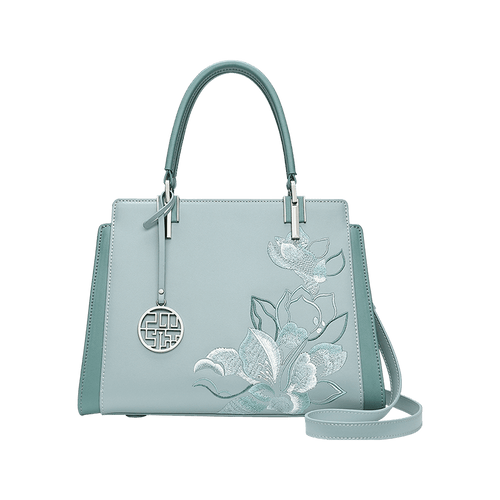
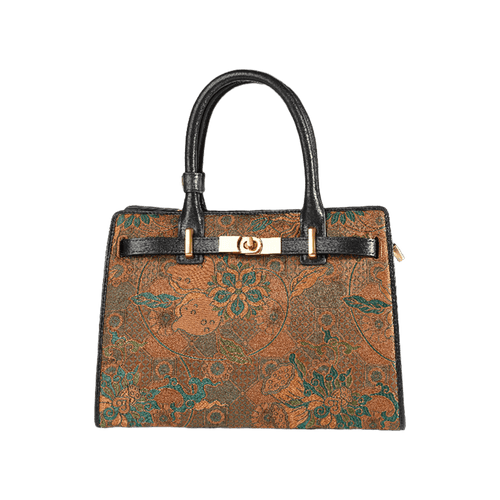
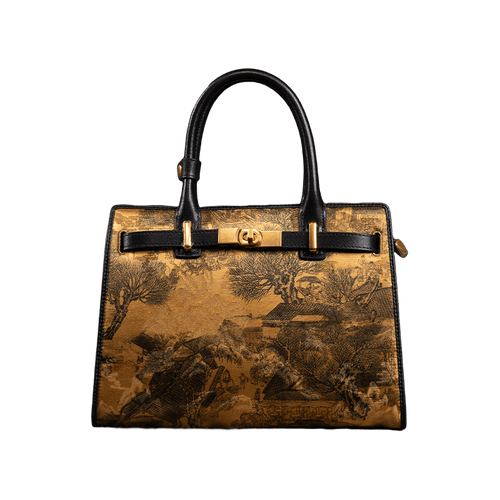
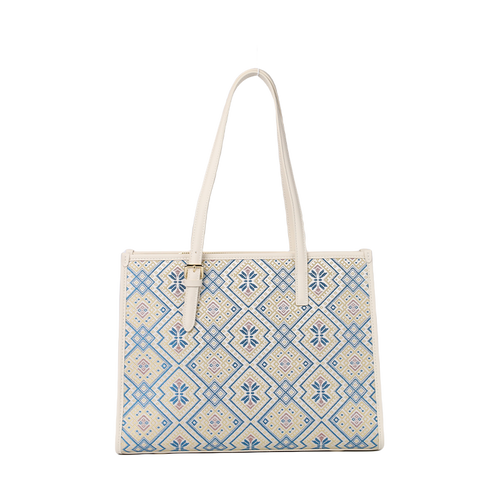
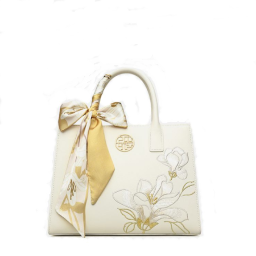
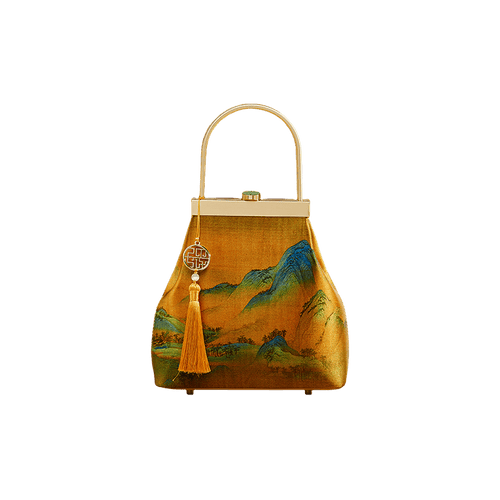
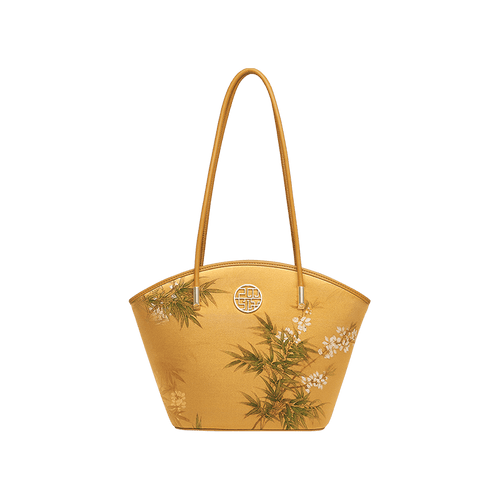
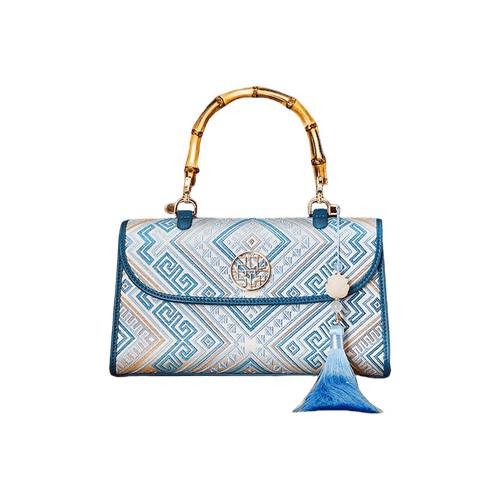
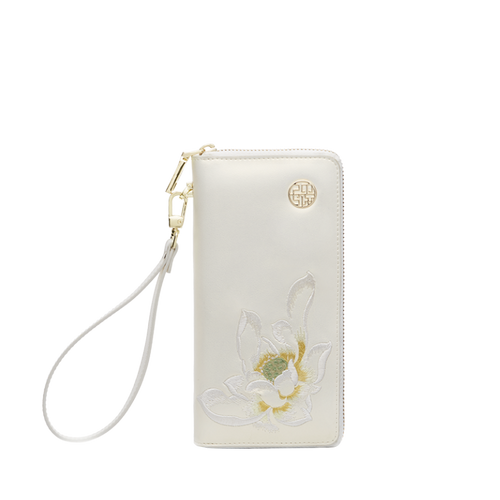
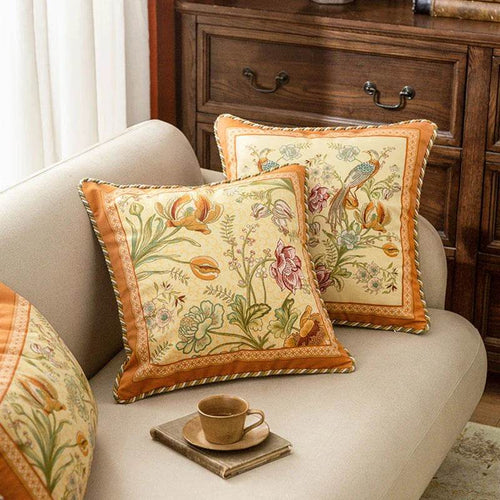
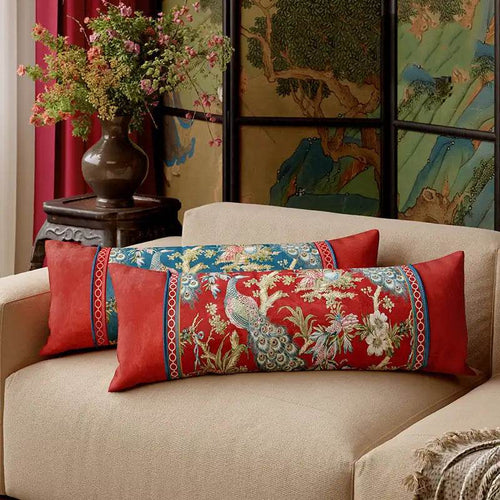
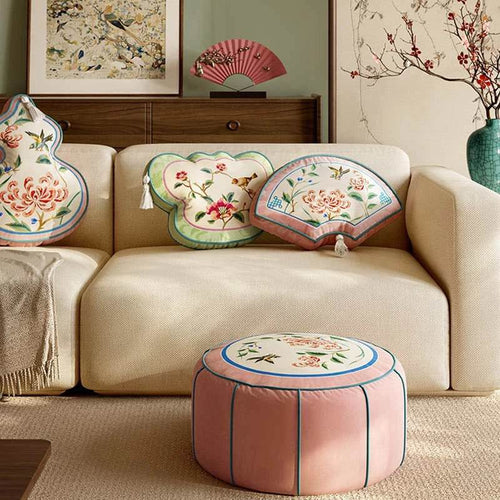





In China, gift-giving is a cherished tradition used to show appreciation and strengthen relationships. However, the art of gifting is filled with cultural nuances, and certain items carry unintended negative meanings. Understanding these gifting taboos is essential to ensure your thoughtful gesture is received with the warmth you intend.
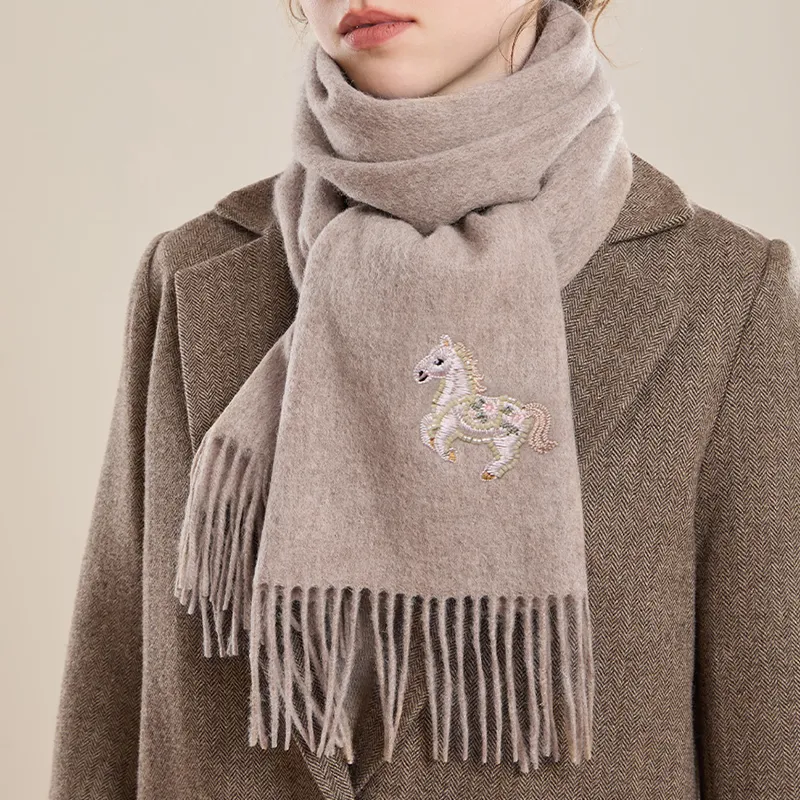
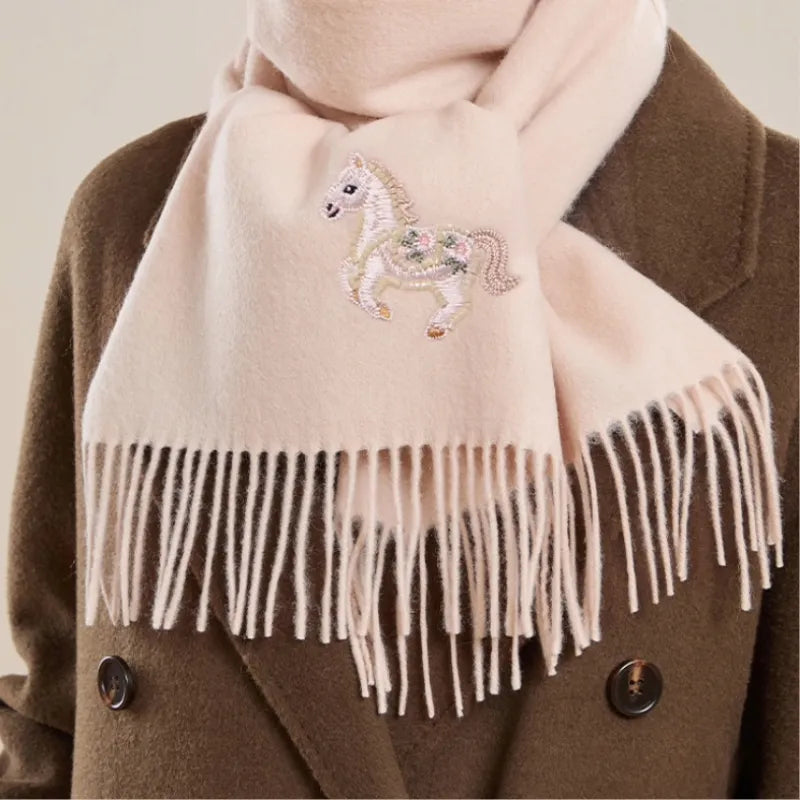
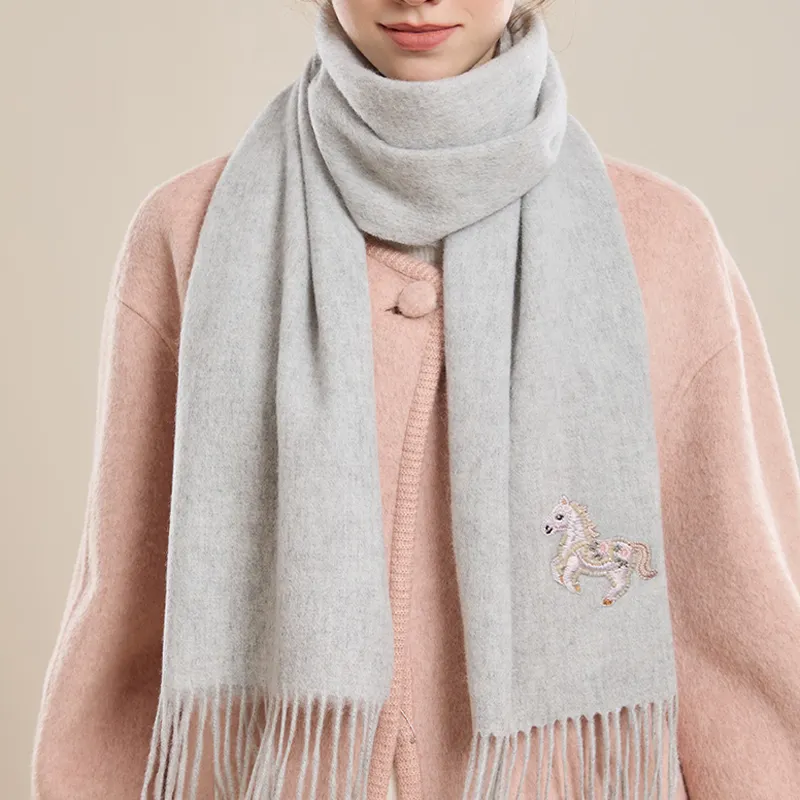
This guide covers the most common gift-giving mistakes in Chinese culture and offers thoughtful, auspicious alternatives. Looking for Chinese new year gifts? Explore our collection: Chinese New Year Gifts 2026:Year of the Horse Lucky Ideas|SinoCultural

Key Takeaways: Chinese Gift Taboos
-
Avoid Clocks: The phrase for "giving a clock" sounds like "attending a funeral."
-
Say No to Umbrellas & Pears: Their Chinese names sound like "separation" or "parting."
-
Don't Give Sharp Objects: Items like knives or scissors imply cutting ties.
-
Steer Clear of Black or White: These colors are associated with funerals and mourning.
-
Never Gift an Empty Wallet: An empty wallet symbolizes a wish for financial hardship. Always place a small amount of money inside.

What Are the Taboos in Gift-Giving in China? 8 Gifts to Avoid
To navigate Chinese gift-giving etiquette successfully, here are the most important taboos to be aware of.
1. Clocks (钟, zhōng)
Why it's taboo: This is the most significant taboo. The phrase for "giving a clock" (送钟, sòng zhōng) is a direct homophone for "attending a funeral rite" (送终, sòng zhōng). Gifting a clock, especially to an elder, is a severe faux pas that implies you are wishing for their time to end.
2. Umbrellas (伞, sǎn)
Why it's taboo: The word for umbrella (伞, sǎn) sounds identical to the word for "to break up" or "scatter" (散, sàn). Giving an umbrella to a friend or business partner can suggest that you wish for your relationship to fall apart.
3. Pears (梨, lí)
Why it's taboo: Similar to umbrellas, the word for pear (梨, lí) sounds the same as the word for "leaving" or "separation" (离, lí). It is considered bad luck to share a pear with a friend or partner, as it implies an impending separation.
4. Sharp Objects (Knives, Scissors)
Why it's taboo: Gifting sharp objects like knives, letter openers, or scissors suggests that you want to sever the relationship. It’s seen as a symbol of cutting ties.
5. Shoes (鞋, xié)
Why it's taboo: The word for shoes (鞋, xié) sounds like the word for "evil" or "bad luck" (邪, xié). Furthermore, giving shoes can imply that you want the recipient to walk away from you.
6. White or Black Items
Why it's taboo: In Chinese culture, white and black are colors traditionally reserved for funerals and mourning. Avoid using them for wrapping paper or as the primary color of the gift itself. Instead, opt for red or gold, which symbolize luck and wealth.
7. Handkerchiefs
Why it's taboo: Handkerchiefs are typically given at the end of a funeral and are associated with wiping away tears. Gifting one implies saying a final, sorrowful goodbye.
8. Empty Wallets or Purses
Why it's taboo: A wallet or handbag is a symbol of wealth. Giving an empty one suggests you are wishing financial hardship upon the recipient. To turn this into an auspicious gift, always place a single coin or a fresh bill inside to symbolize a future filled with prosperity.

Auspicious Gift Ideas: Meaningful Alternatives
To choose a truly thoughtful gift, focus on items that embody auspiciousness—the Chinese concept of inviting good energy. SinoCultural specializes in modernizing these ancient blessings:
-
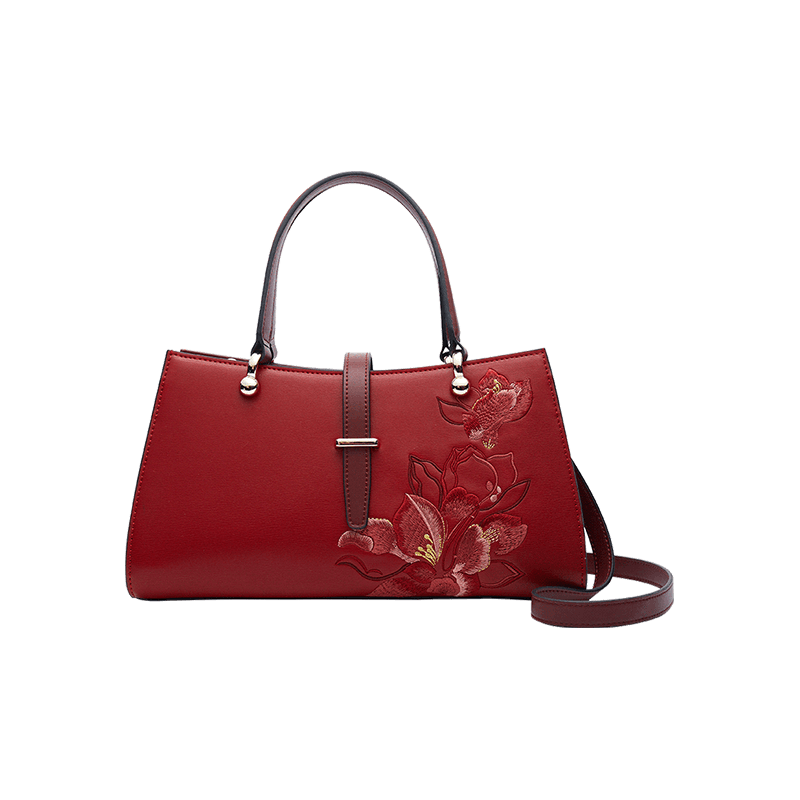
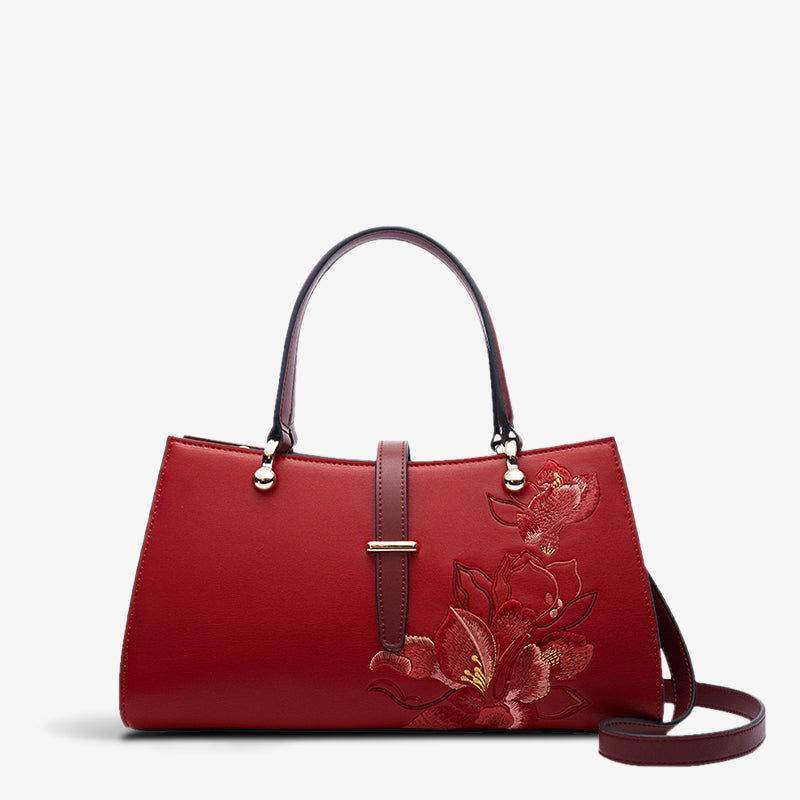
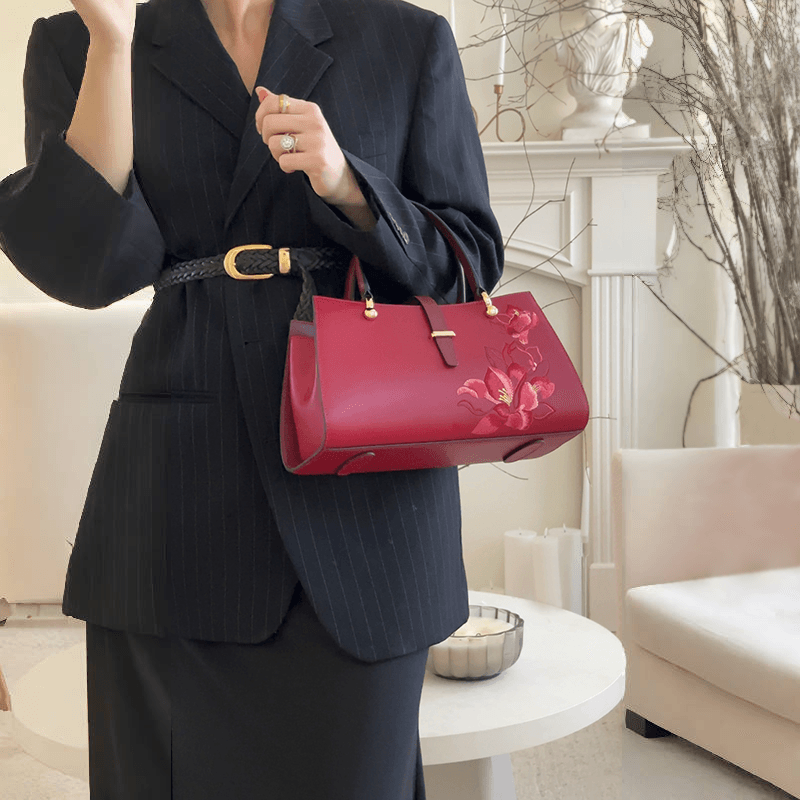
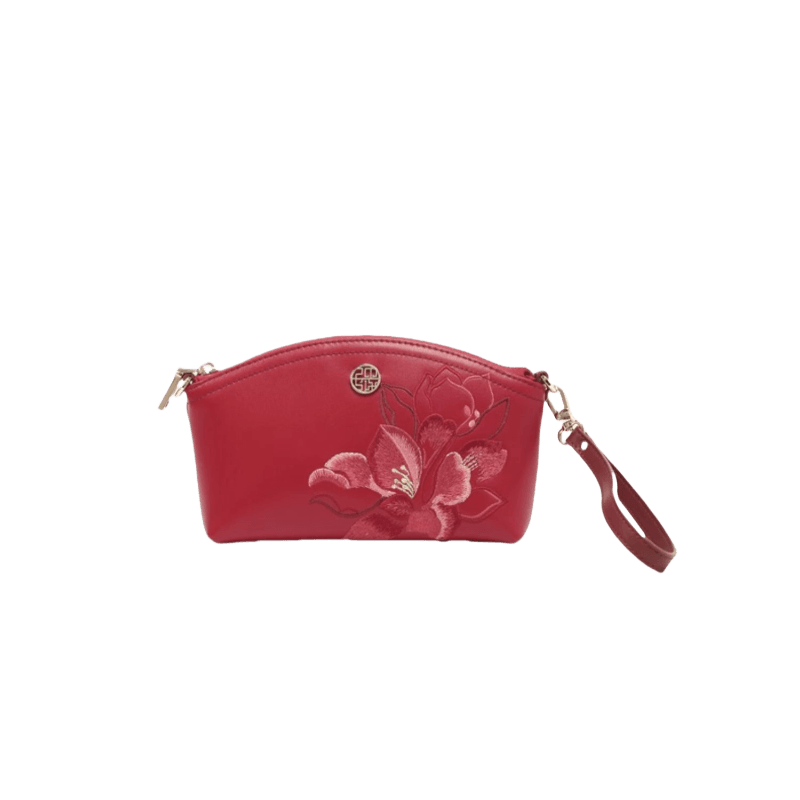
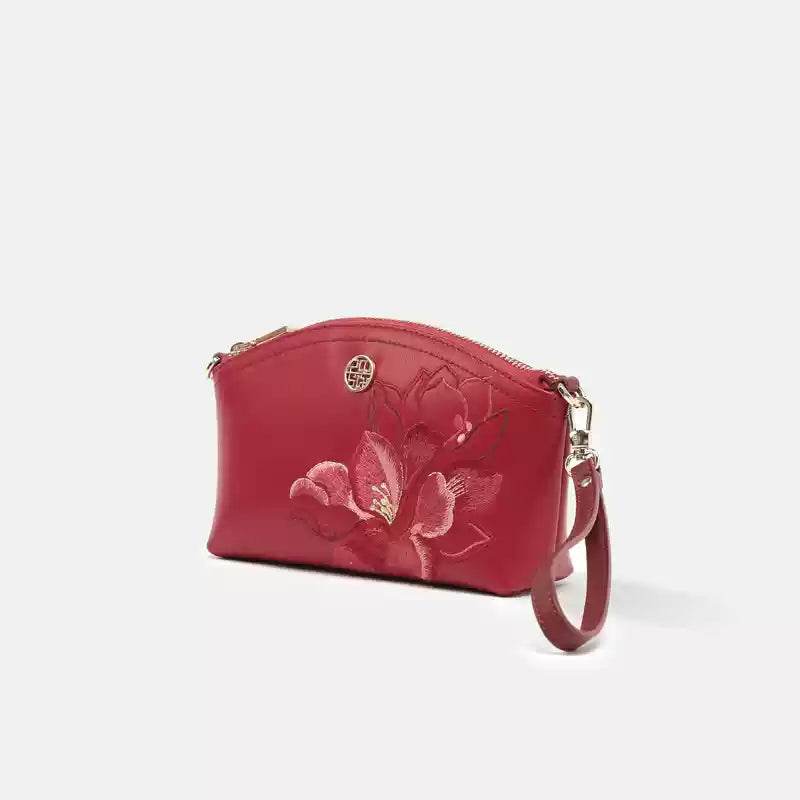
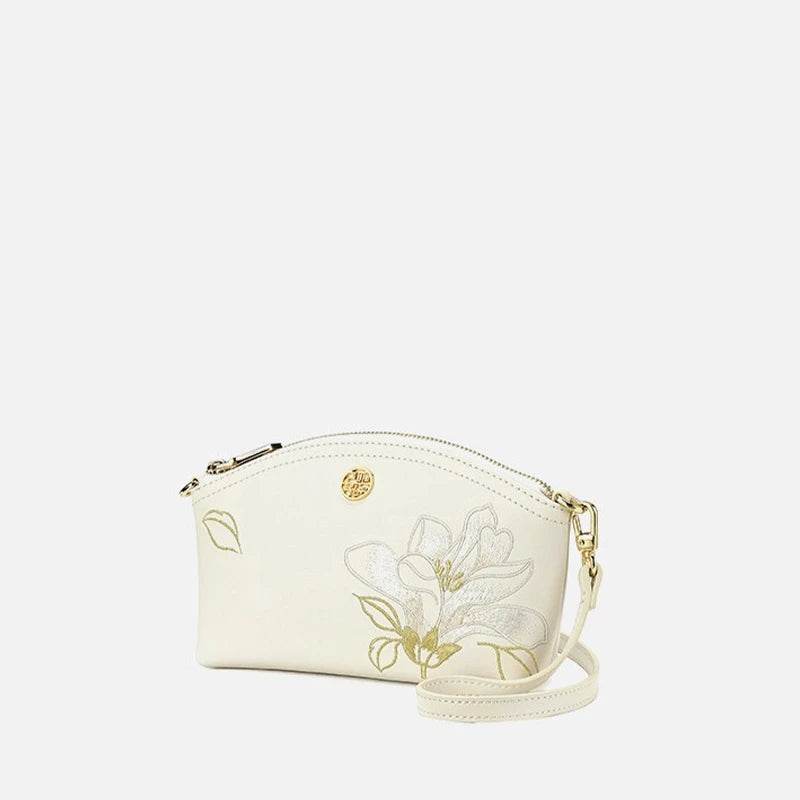
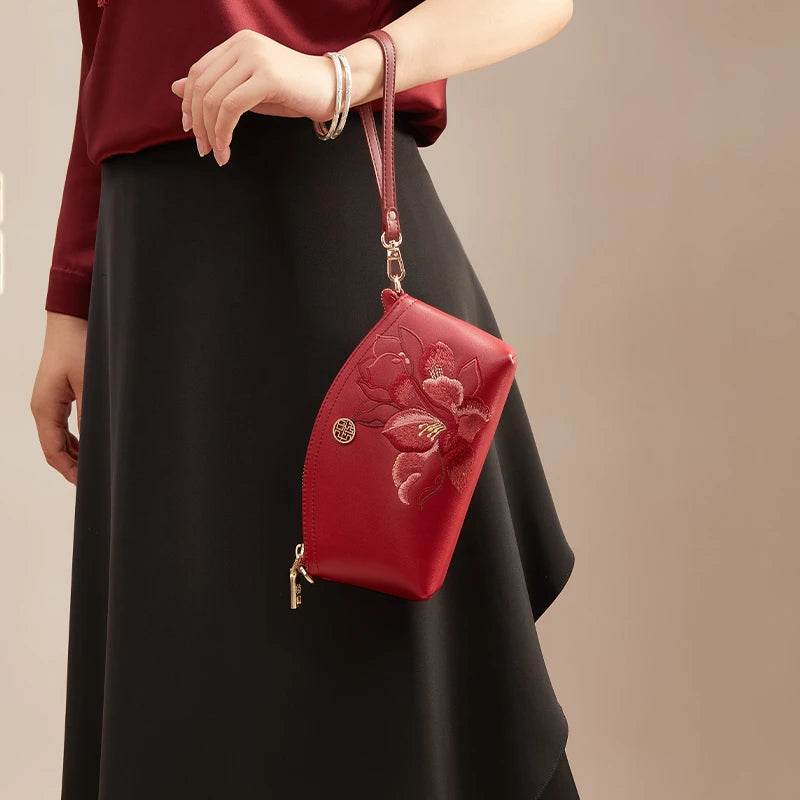
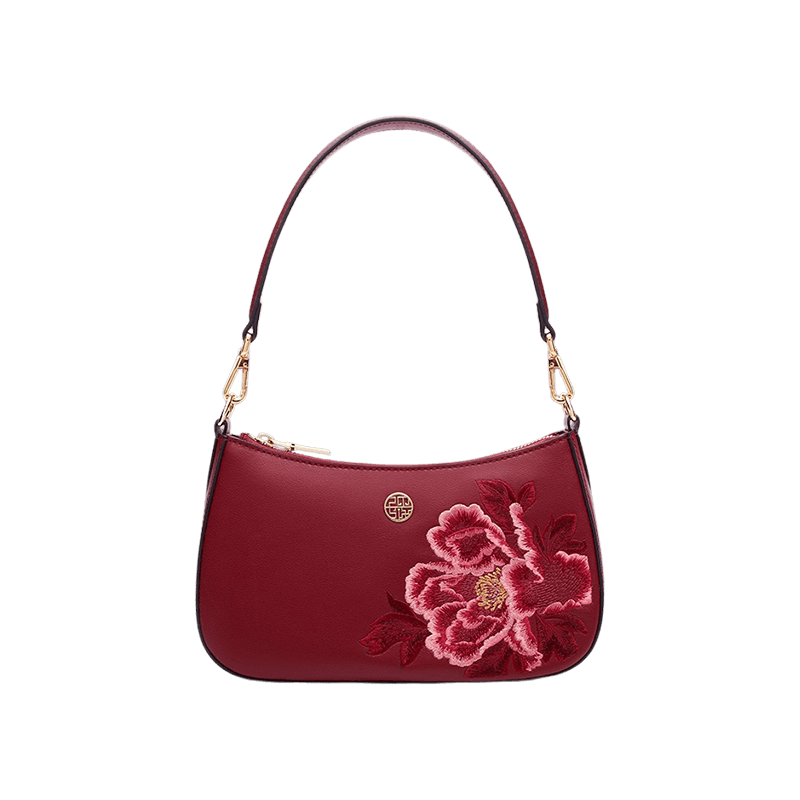
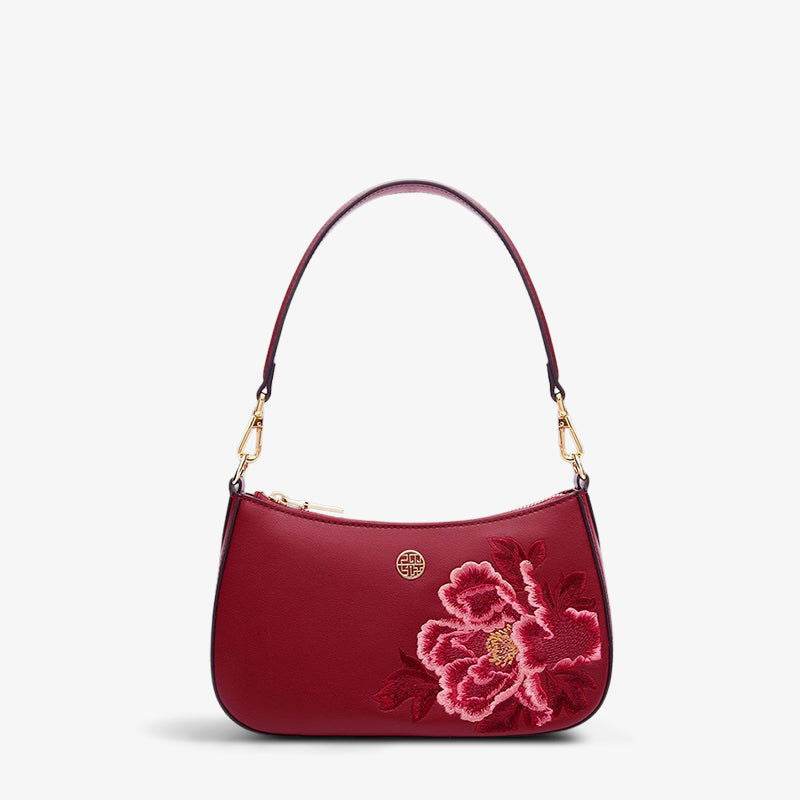
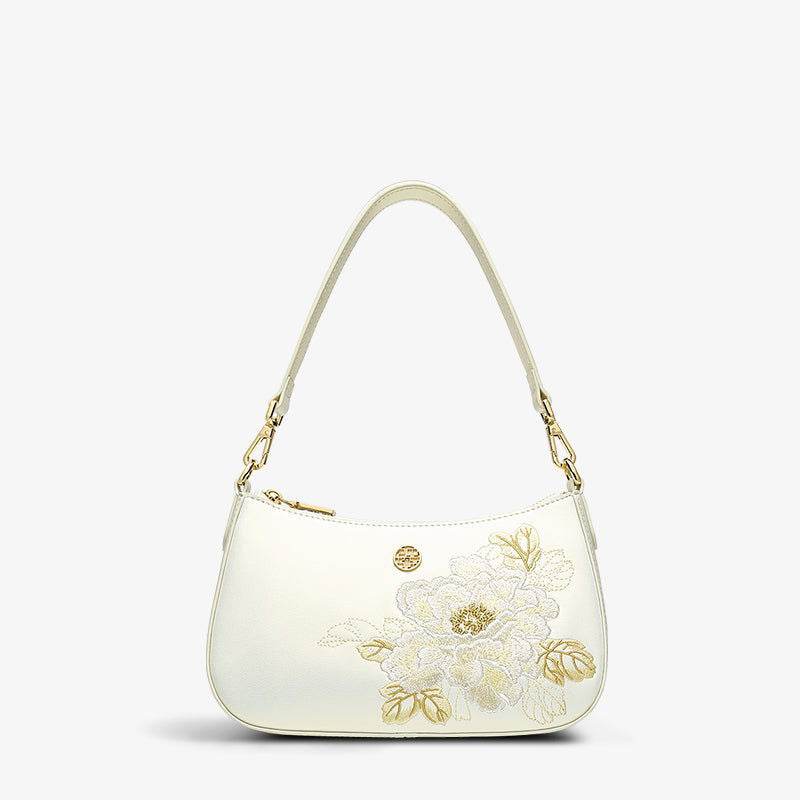
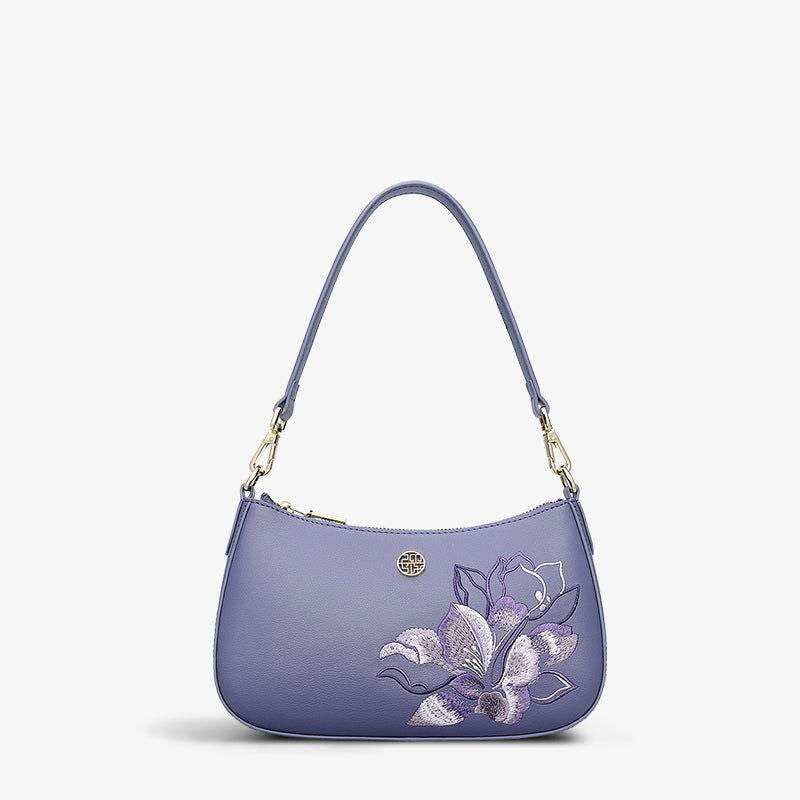
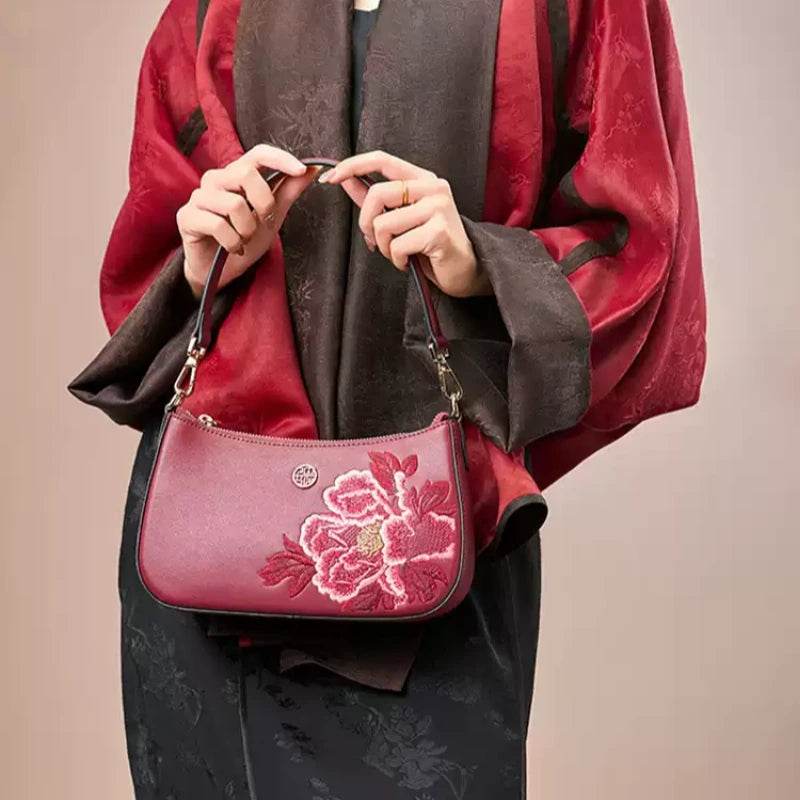
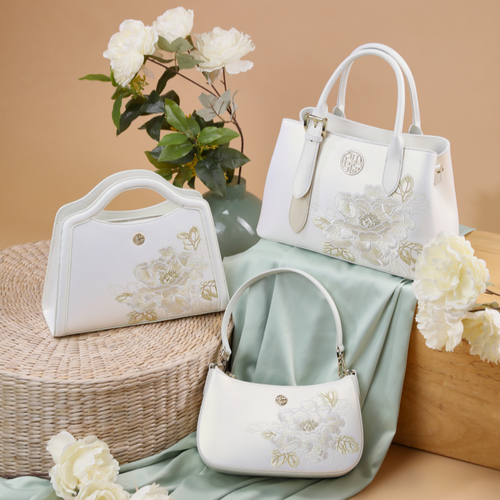
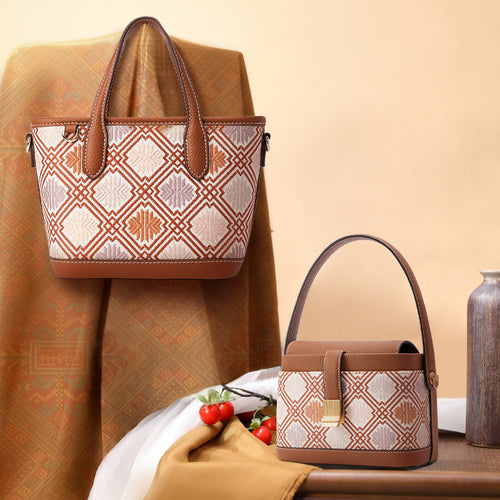
For Prosperity and Wealth: Choose an Embroidered Handbag featuring Peonies. Known as the "King of Flowers," the peony has for centuries symbolized abundance. Our handcrafted designs turn this symbol into a stylish statement of success.
[Explore SinoCultural Embroidered Handbag Collection]

-
For Health and Longevity: A gift featuring is a deeply respectful gesture for elders. SinoCultural’s Crane-patterned Bag carry the wish for a long, peaceful life, blending traditional motifs with everyday elegance.

-
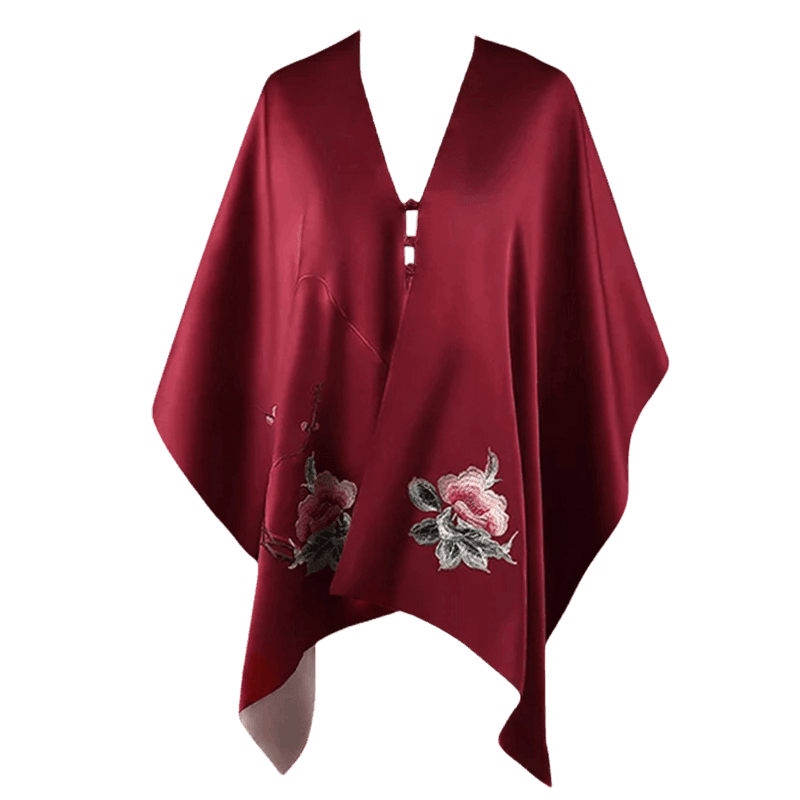
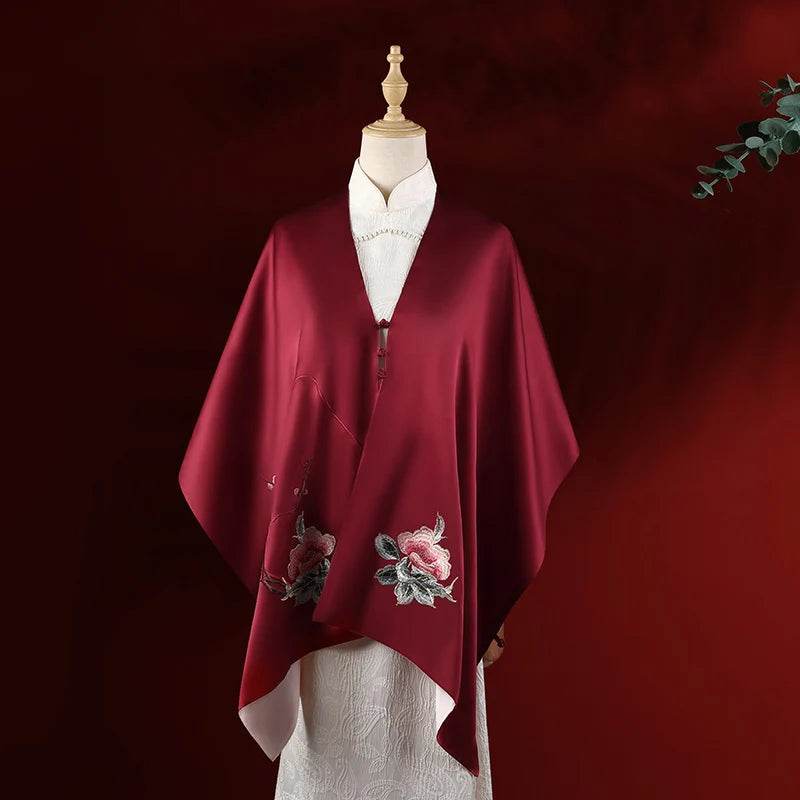
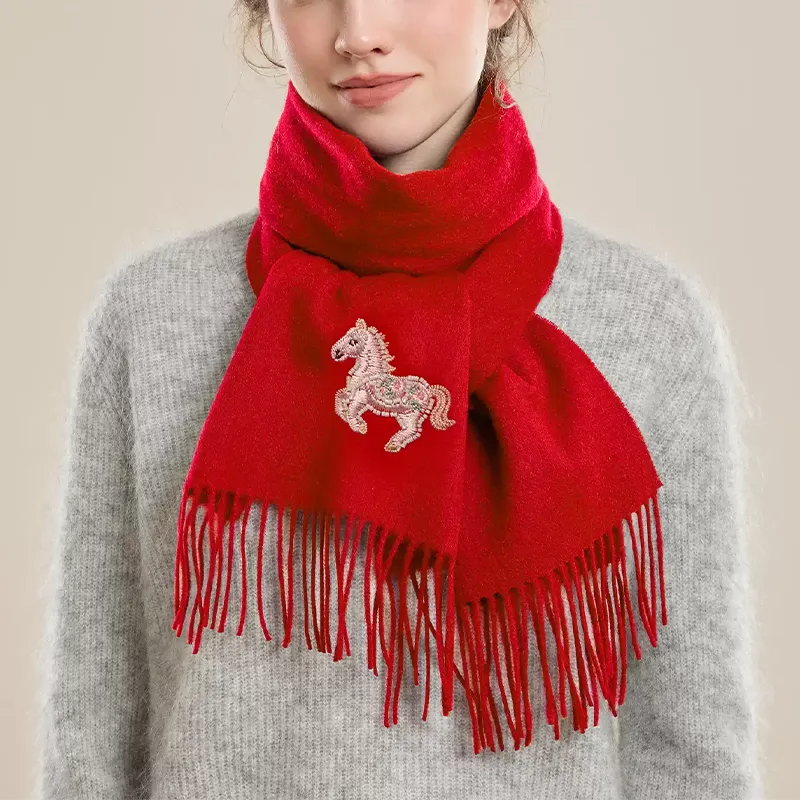
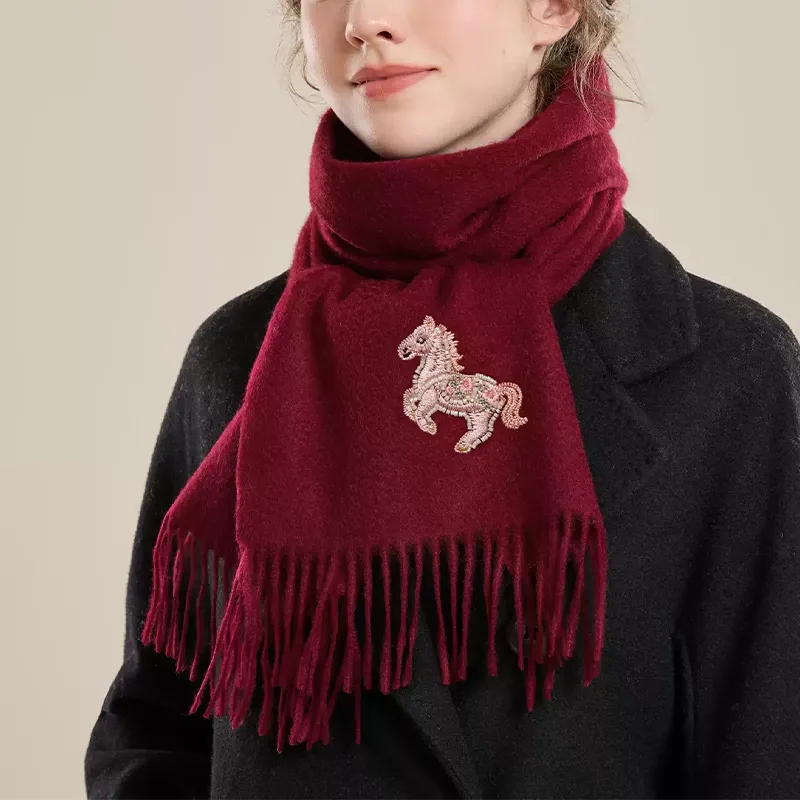
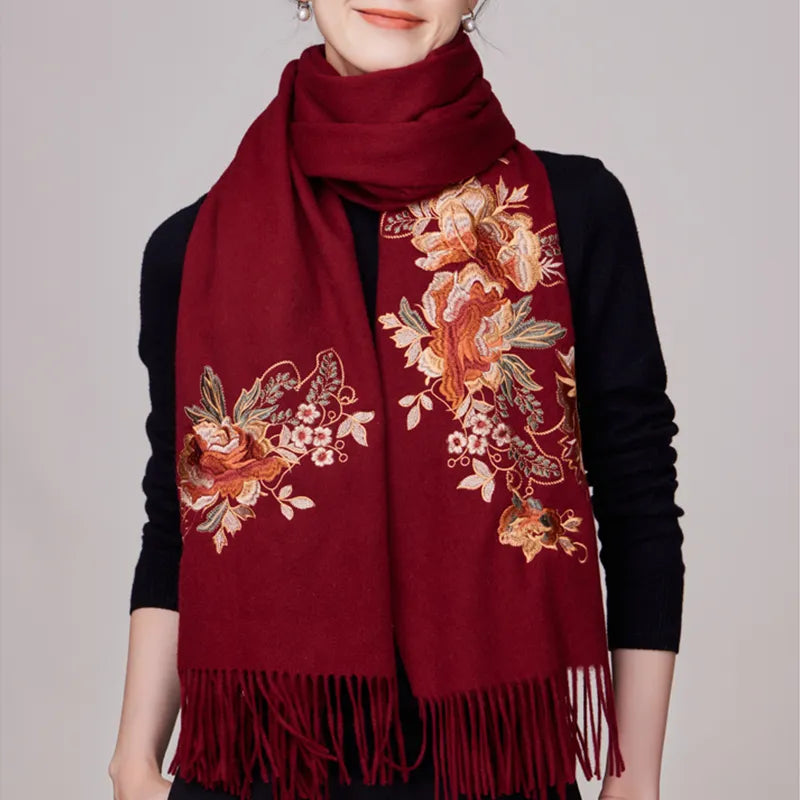
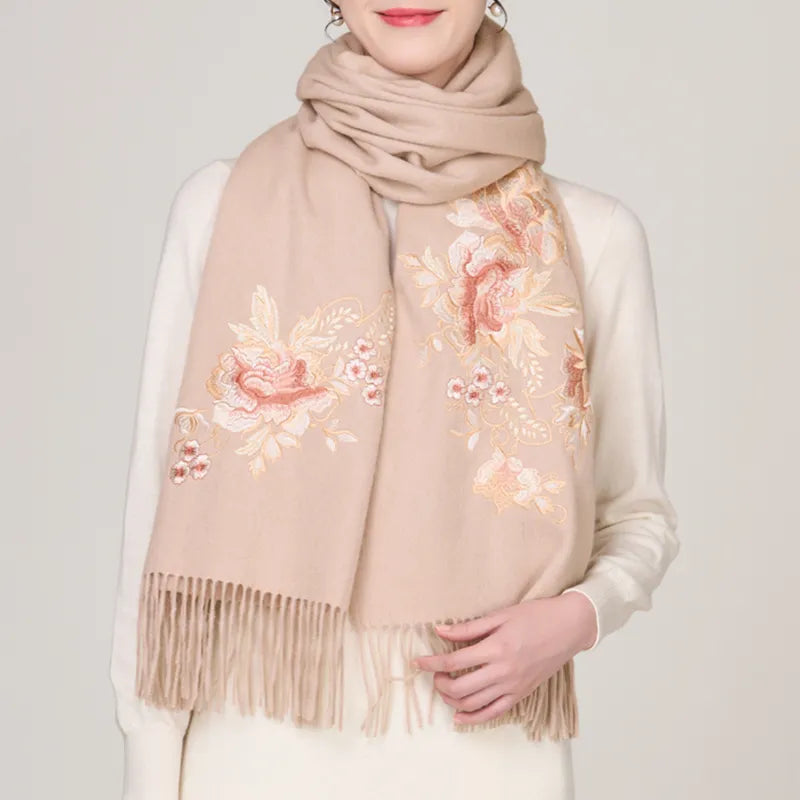
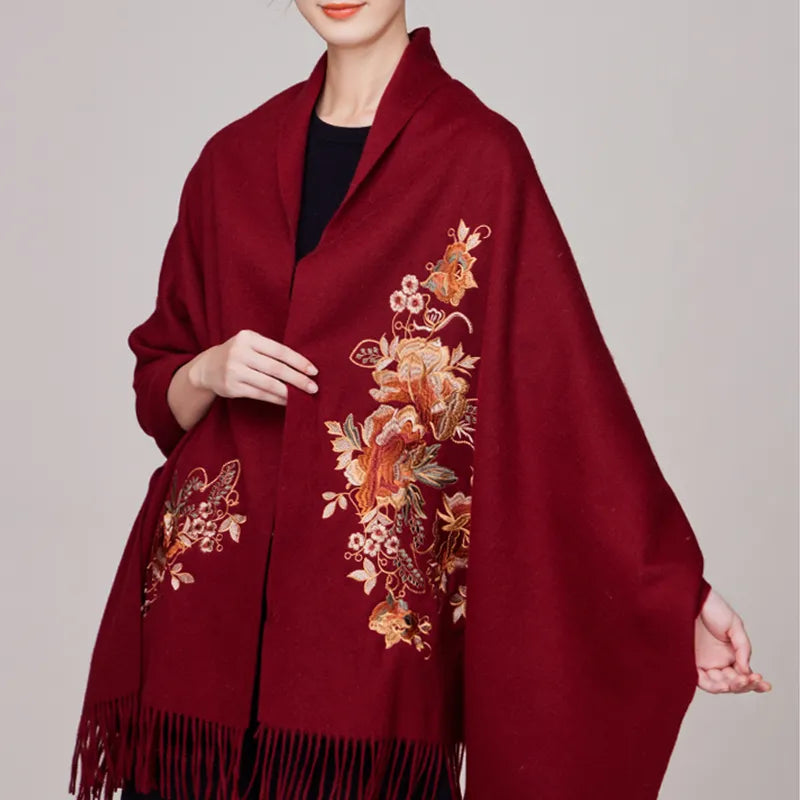
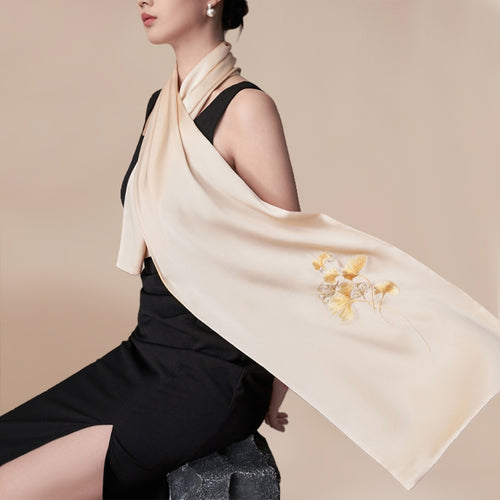
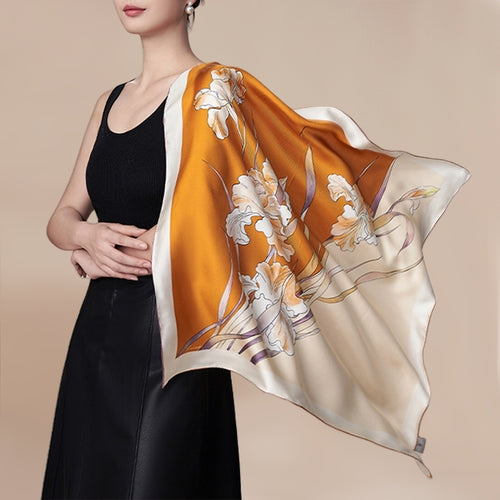
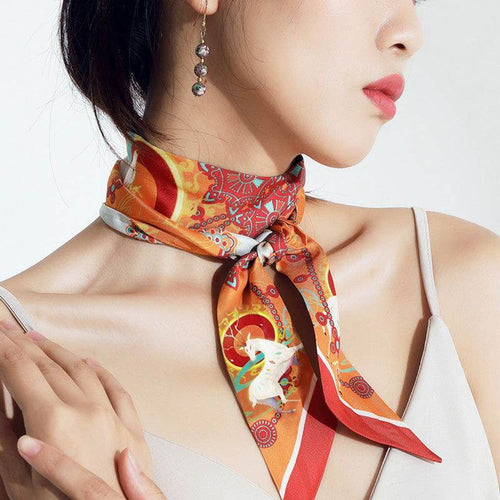
The Ultimate Symbol of Success: Since the Han Dynasty, Red has been the color of joy and triumph. A Luxurious Red Silk Scarf from our collection is more than an accessory; it is a warm blessing for the recipient's continued happiness.

-
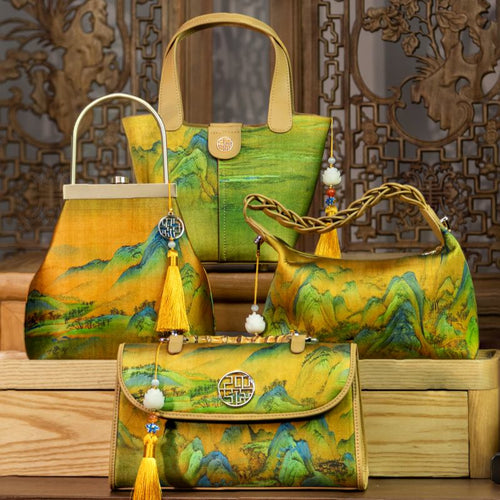
A Gift of Nobility: Historically reserved for the elite, Song Brocade represents refined taste. Gifting a SinoCultural Song Brocade Bag conveys your high regard for the recipient's status and sophistication.
 Expert Tip: To elevate your gesture, tuck a lucky gold coin or a small red envelope inside one of our Embroidered Wallets. This simple act transforms a beautiful object into a powerful, traditional blessing for a year of endless prosperity.
[Discover Our Full Collection of Auspicious Gifts]

Conclusion
Gift-giving is an art, and understanding these cultural nuances ensures your presents are received with true appreciation. By avoiding common taboos and choosing thoughtful gifts with positive symbolism, you can make your gesture even more meaningful.
2026 Year of the Fire Horse Gift Guide: Auspicious Ideas for Everyone | Sinocultural
Chinese Gift Giving Etiquette: An Ultimate Guide to 20+ Gifts, Taboos
Frequently Asked Questions (FAQ)
1. Is gifting a wallet bad luck in Chinese culture?
Gifting an empty wallet is considered bad luck. However, if you place a small amount of money inside, it becomes an auspicious gift symbolizing a wish for wealth and prosperity for the recipient.
2. What colors are taboo for gifts in China?
White and black should be avoided as they are associated with funerals. Red and gold are the best choices for gift wrapping and gift items, as they represent good luck, happiness, and fortune.
3. Is it offensive to give a clock as a gift?
Yes, it is highly offensive. The pronunciation of "giving a clock" sounds exactly like "attending a funeral," making it the most significant gift-giving taboo in Chinese culture.
4. Is money an acceptable gift in China?
Yes, giving money is very common, especially during holidays like Chinese New Year, weddings, and birthdays. It should be presented in a red envelope (红包, hóngbāo).