Skip to content




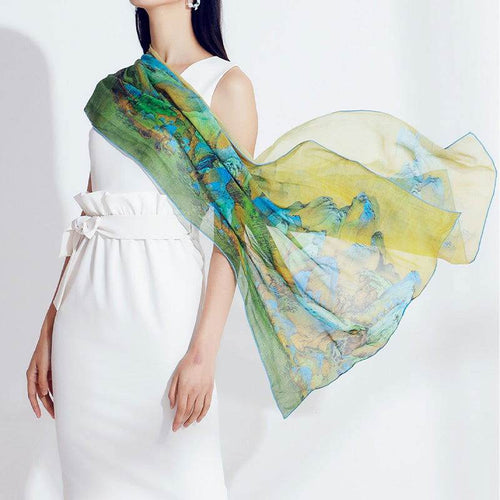
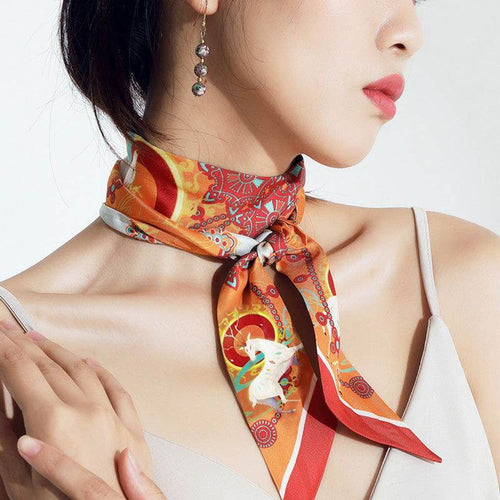


(Editor's Note: Updated in 2026 to include the latest burn test safety guides, 6A grade standards, and tips for buying authentic silk products.)
Is Mulberry Silk Real Silk?
A common question we receive from first-time luxury buyers is, "Is mulberry silk real silk?"
The Quick Answer: Yes. In fact, Mulberry silk is not just real silk; it is considered the absolute highest quality, most refined "real silk" available in the world.
Unlike "wild silk" (such as Tussah) or synthetic imitations (like polyester satin), Mulberry silk is cultivated from domesticated silkworms (Bombyx mori) that feed exclusively on the leaves of the mulberry tree. This strict, ancient diet results in a continuous fiber that is smoother, stronger, and more uniformly colored than any other variety.
Whether you are shopping for mulberry silk pillowcases, luxury bedding, or wearable art like embroidered scarves, knowing how to distinguish authentic 6A grade silk from regular silk or fake alternatives is crucial for your investment.

Mulberry Silk vs. Regular Silk vs. Synthetic: What's the Difference?
Before testing your fabric, it is important to understand what you are comparing.
| Feature | Mulberry Silk (The "Queen of Fibers") |
Regular/Wild Silk (e.g., Tussah) |
Synthetic Satin (Polyester) |
|---|---|---|---|
| Origin |
Cultivated silkworms (Mulberry leaves) |
Wild silkworms (Various leaves) |
Petroleum-based plastics |
| Texture |
Ultra-smooth, long fibers Uniform texture |
Slightly coarse Shorter fibers |
Slippery but plastic-like |
| Color |
Pearly white Distinct sheen |
Often darker, creamy, or uneven | High, artificial shine |
| Breathability | Excellent (Cooling) | Good | Poor (Traps heat) |
How to Tell if Mulberry Silk is Real: 4 Simple Tests
If you want to distinguish premium 6A grade mulberry silk from synthetic alternatives, there are proven methods you can use at home.
1. The Luster Test (Visual Inspection)
Real mulberry silk interacts with light in a unique way.
-
The Pearl Effect: Genuine silk possesses a structural property that refracts light, giving it a pearly, shifting sheen. As you turn the fabric, the color appears to change slightly.
-
Vs. Synthetic: Fake silk usually has a flat, white glare that shines equally from all angles, looking more like plastic.
-
Check for 6A Quality: High-quality 6A grade mulberry silk will have long, continuous threads with very few impurities or broken strands.

2. The Touch and Temperature Test
Feel the fabric with your bare hands.
-
Temperature: Real silk is a breathable protein fiber. It should not feel cold like metal or hot like plastic; it instantly adapts to your body temperature.
-
The "Dragging" Sensation: When rubbing the fabric between your fingers, real silk offers a tiny bit of resistance (friction) and is not endlessly slippery. Synthetic satin often feels distinctively "oily" or overly slick.

3. The Sound Test (The "Silk Scroop")
This is a traditional method used by experts.
-
Action: Take two layers of the fabric and gently rub or crunch them together.
-
Result: Real mulberry silk produces a distinctive crunching sound, historically known as the "Silk Scroop" (similar to stepping on fresh snow).
-
Fake: Synthetic fabrics usually produce a low, dull sound or no sound at all due to their smooth plastic surface.
4. The Burn Test (Definitive Method)
(Note: Only perform this in a safe environment with a small thread sample from a hidden seam)
This is the most accurate way to tell if mulberry silk is real.
-
The Flame: Real silk burns slowly and may struggle to stay lit.
-
The Smell: Because silk is a protein (like hair), burning it smells like burning hair or feathers. Polyester smells like burning plastic or chemicals.
-
The Residue:
-
Real Silk: Leaves a brittle, black, gritty ash that turns to powder when pinched.
-
Synthetic: Melts into a hard, plastic bead that cannot be crushed.
-
you want to distinguish mulberry silk from synthetic alternatives, there are proven methods you can use at home. Here are simple tests to help you identify genuine silk fabric:
Where to Buy Authentic Mulberry Silk?
When looking for pure mulberry silk, price is often your first indicator. Producing this luxurious fiber is a highly labor-intensive process rooted in thousands of years of Chinese heritage. If a price seems "too good to be true" (e.g., a $15 silk sheet set or scarf), it is almost certainly a synthetic imitation.
While many people seek out 100% mulberry silk for sleepwear and duvets due to its incredible skin benefits, this "Queen of Fibers" is also the ultimate canvas for high-end fashion and art.
Because of its unparalleled strength and pearly sheen, pure mulberry silk has historically been the only fabric trusted by imperial artisans for traditional Chinese embroidery. If you want to learn more about Chinese silk, read our: Ancient China and Silk: History, How It Was Made & The Silk Road | SinoCultural

Experience the Magic of Real Silk at SinoCultural
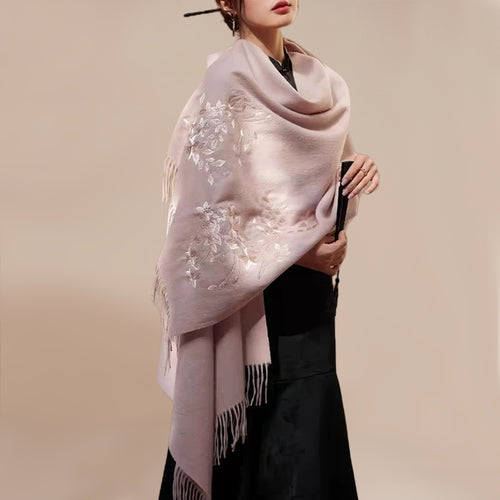
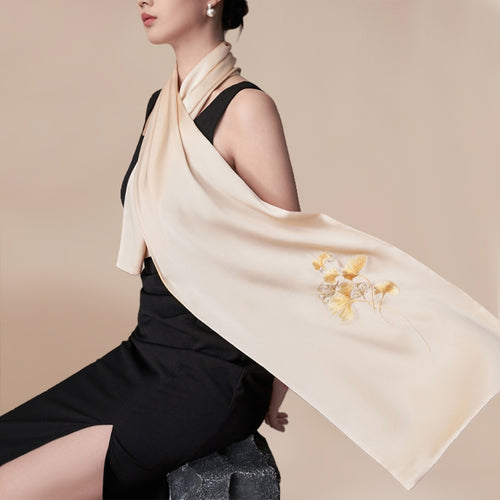
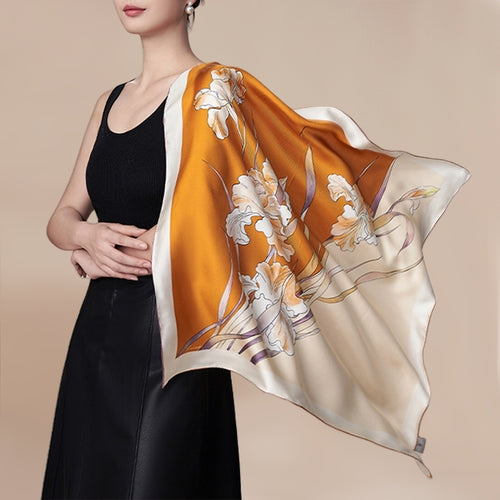
At SinoCultural, we refuse to compromise on quality. Our luxury collections—from our [Traditional Embroidered Silk Scarves] to our framed [Silk Embroidery Art]—are crafted using authentic, high-grade mulberry silk. The natural sheen of the silk background combined with split silk embroidery threads creates a 3D, luminous effect that synthetics can never replicate.
>>>[Shop our 100% Authentic Mulberry Silk & Embroidery Collection Here]