Skip to content





Chinese New Year, or the Spring Festival, is a visual feast. Beyond the red envelopes and reunions, the holiday is defined by its stunning Intangible Cultural Heritage (ICH) handicrafts.
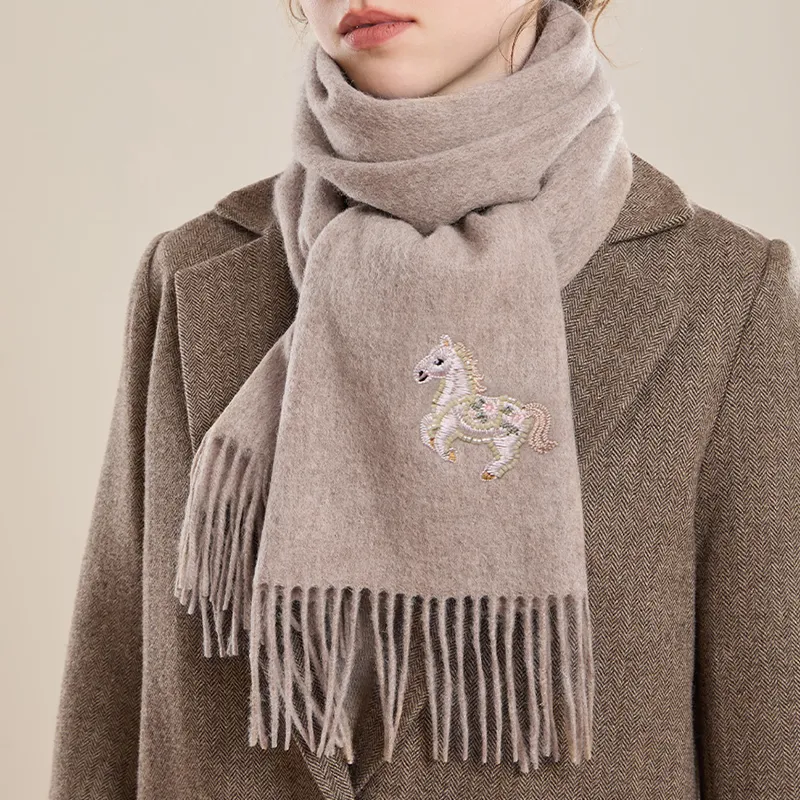
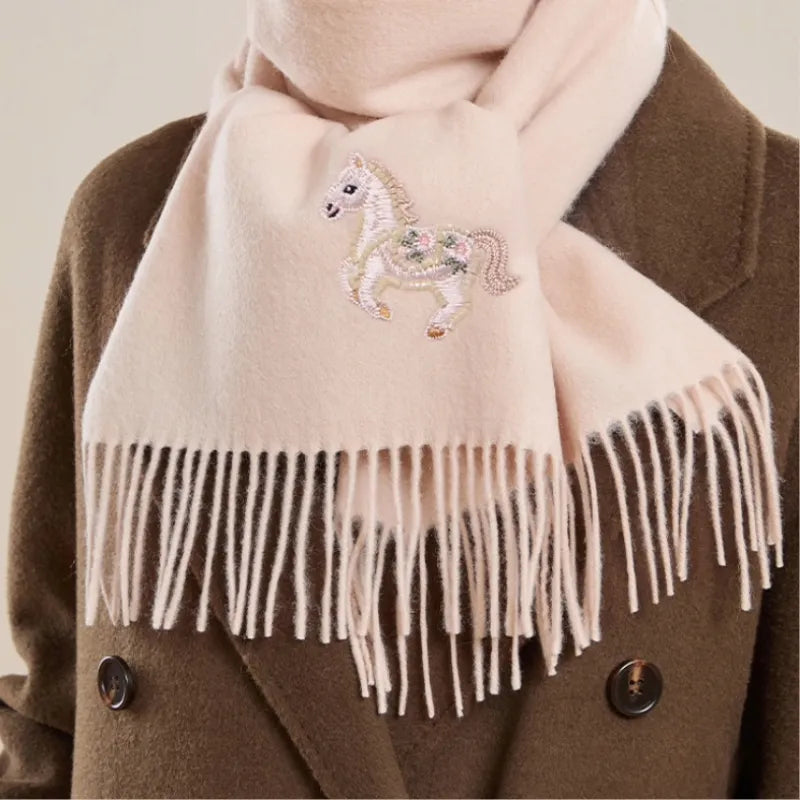
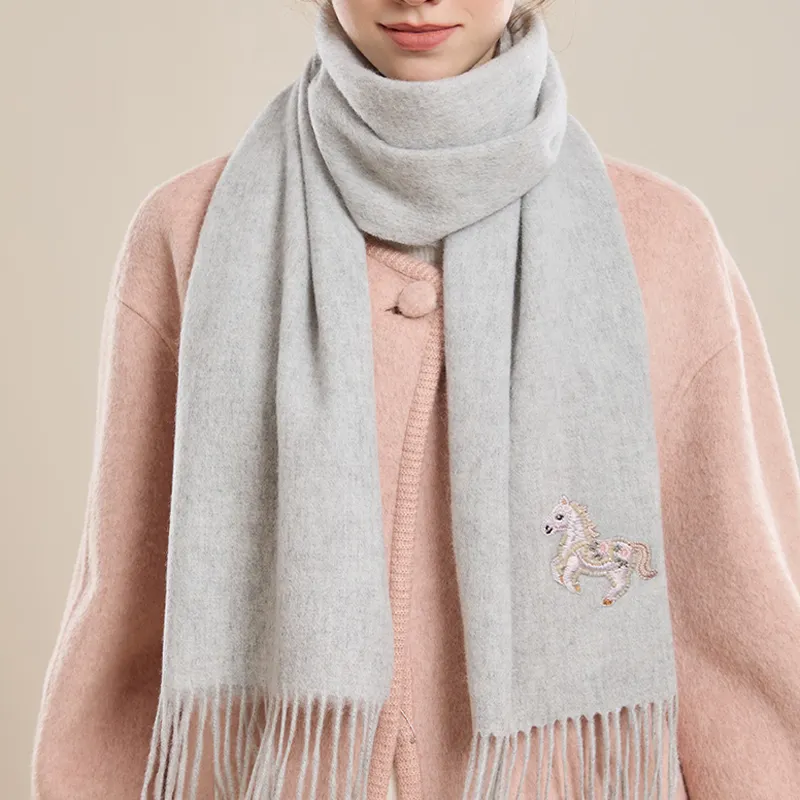
As we prepare for the Year of the Horse (2026), these ancient crafts—Paper Cutting (Jianzhi), New Year Paintings (Nianhua), and Lanterns—serve as essential decorations to invite prosperity. Here is your deep dive into the history, symbolism, and modern revival of these artistic traditions. Looking for Chinese New Year Gifts? Explore our New Year Collections: Chinese New Year Gifts 2026:Year of the Horse Lucky Ideas|SinoCultural

Table of Contents
- At a Glance: The 3 Major Crafts
- Paper Cutting (Jianzhi): Intricate Window Flowers
- New Year Paintings (Nianhua): Vivid Guardians
- Lanterns: Illuminating Hope & Unity
- FAQ: Symbolism & Traditions

At a Glance: The 3 Major Crafts
| Craft | Chinese Name | Primary Symbolism | Best Place to Display |
|---|---|---|---|
| Paper Cutting | Jianzhi (剪纸) | Luck, Happiness | Windows ("Window Flowers") |
| CNY Paintings | Nianhua (年画) | Protection, Harvest | Doors, Living Room Walls |
| Lanterns | Denglong (灯笼) | Hope, Unity, Future | Balconies, Doorways |
1. Paper Cutting (Jianzhi): The Art of "Window Flowers"
Paper cutting, or Jianzhi (剪纸), is one of China's most recognizable folk arts, dating back over 1,500 years to the Han Dynasty. Originally a luxury for the elite, it evolved into a beloved tradition for decorating homes, earning the nickname "Window Flowers" (Chuang Hua).

History & Origins
Its roots trace back over 1,500 years to the Han Dynasty. Originally, paper cutting was a luxury craft practiced by the elite using rare papers. However, by the Tang and Song Dynasties, it had evolved into a popular art form for the common people, becoming an essential part of festival celebrations. Today, these delicate red cutouts are affectionately known as "Window Flowers" (Chuang Hua) because they allow the light to shine through their intricate patterns.
The Craftsmanship: Precision and Patience
Creating a traditional Jianzhi requires a steady hand and immense patience. Artists typically use scissors or engraving knives to carve negative space out of folded red paper.
-
The Technique: Traditional masters often cut freehand, without a stencil, trusting their intuition to create symmetrical, complex designs.
-
The Texture: While laser-cut versions exist today, handmade pieces are highly valued for their jagged, human imperfections that reflect the artist's soul.
Symbolism for 2026 (Year of the Horse)
-
The "Fu" (福) Character: You will often see this character pasted upside down. This is a clever pun: the word for "upside down" (dao) sounds exactly like "arrive," implying that "Good Fortune has arrived."
-
Zodiac Motifs: For 2026, designs will feature the Horse, symbolizing energy, success, and forward momentum.

-
Nature: Common motifs include fish (abundance) and pomegranates (fertility), weaving wishes for the family into the paper itself.
2. Chinese New Year Paintings (Nianhua): Vivid Guardians
Chinese New Year paintings, or Nianhua (年画), are bold, colorful works of art that flourished during the Ming and Qing Dynasties. Unlike the delicate paper cuts, these paintings are visually striking and deeply symbolic.

Guardians of the Home
These paintings serve a spiritual purpose: protecting the household.
-
Door Gods (Men Shen): Fierce warriors are pasted on the main double doors to ward off evil spirits and keep the family safe.
-
The Kitchen God: Placed near the stove, this deity is believed to watch over the family and report their deeds to the Jade Emperor.
-
Scenes of Joy: Other paintings depict chubby babies holding fish or lotuses, or scenes of bountiful harvests, symbolizing the family's aspiration for abundance and healthy offspring.

The Art of Woodblock Printing
Traditional Nianhua are created using woodblock printing. Intricate designs are carved onto wooden plates, painted with bright, natural pigments, and pressed onto paper. Artists often hand-paint additional details afterwards, giving the artwork a vibrancy and texture that machines cannot replicate.
3. Lanterns: Illuminating Hope and Unity
No Chinese New Year celebration is complete without Lanterns. Dating back to the Western Han Dynasty, lantern-making is a craft that symbolizes the transition from darkness to light.

The Lantern Festival
The celebration culminates on the 15th day of the lunar year with the Lantern Festival (Yuan Xiao Jie).
-
The Design: Traditionally crafted from bamboo or wood frames and covered with silk or paper, lanterns come in all shapes—from simple red spheres to elaborate dragons and lotuses.
-
Puzzle Lanterns: A unique tradition involves writing riddles on the lanterns. Children and adults gather to solve them, blending intellectual fun with family bonding.

Spiritual Meaning
Lighting a lantern is more than just decoration; it symbolizes illuminating the path for a bright future. The warm glow represents family reunion and the warmth of hope, driving away the cold darkness of winter.
Conclusion: Honoring the Legacy
As we hang lanterns and paste paper cuttings for the new year, we are doing more than decorating; we are keeping a 1,500-year-old legacy alive. These Intangible Cultural Heritage crafts remind us of the beauty of handmade artistry in a digital world.
This year, take a moment to appreciate the intricate knife work of a paper cut or the vibrant ink of a New Year painting. They are the true vessels of the Spring Festival spirit—carrying blessings of unity, prosperity, and hope for the year ahead.
More about Chinese New Year:
Welcome to the Year of Fire Horse 2026: Exploring Chinese Zodiac Horse
Chinese New Year 2026: Origins, Traditions & The Year of the Horse
Chinese New Year Gifts 2026:Year of the Horse Lucky Ideas|SinoCultural
Frequently Asked Questions (FAQ)
Q: Why is Red the main color for these crafts?
A: In Chinese culture, Red symbolizes good luck, joy, and vitality. Crucially, folklore states that the mythical beast Nian is terrified of the color red, making these crafts a form of spiritual protection. Red in Chinese culture, read our: Why Red is the Color of Chinese New Year: Meaning, Legend, and 2026 Lu
Q: Can I make these crafts myself?
A: Absolutely. Paper cutting (Jianzhi) is a popular DIY activity for families. All you need is red paper and scissors to create simple symmetrical designs like the "Double Happiness" or spring flowers.
Q: What is the animal for Chinese New Year 2026?
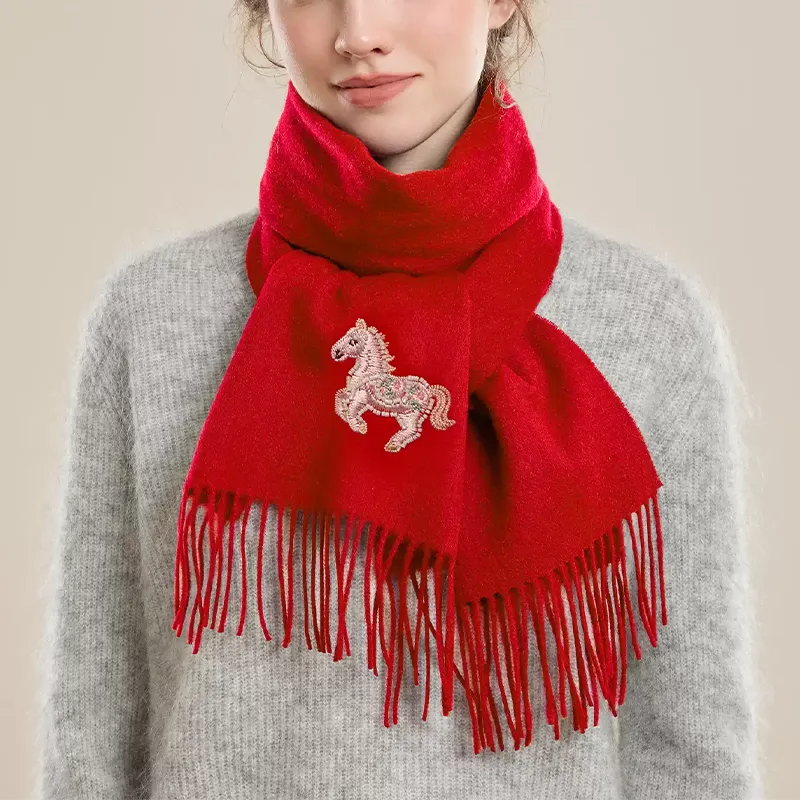
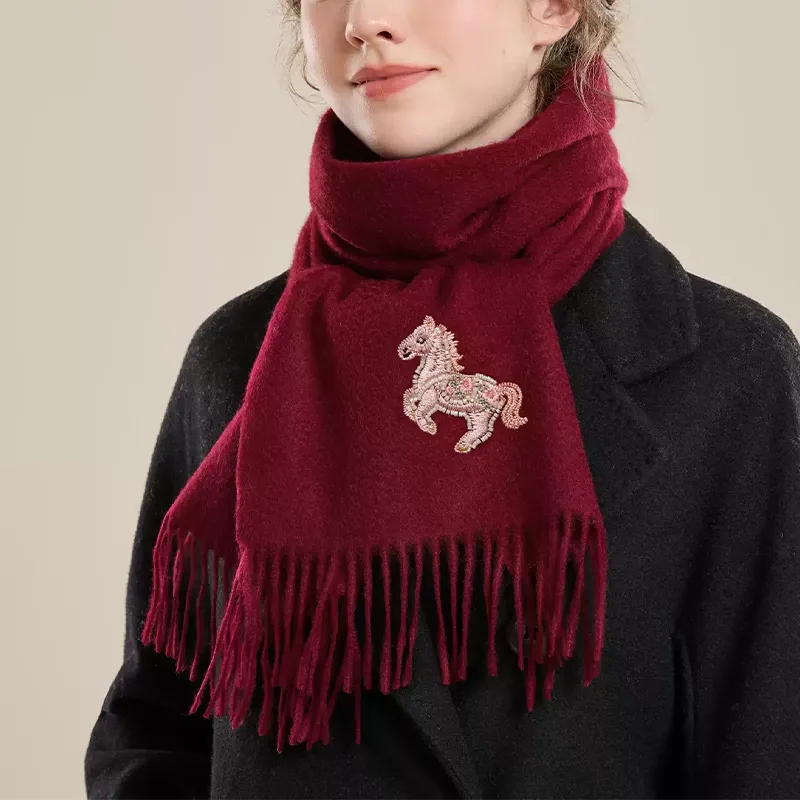
A: 2026 is the Year of the Horse. Crafts this year will feature horse motifs, representing energy, independence, and success.