Skip to content





Table of Contents
Traditional Chinese Silk Dolls: The God of Wealth & Ancient Symbolism
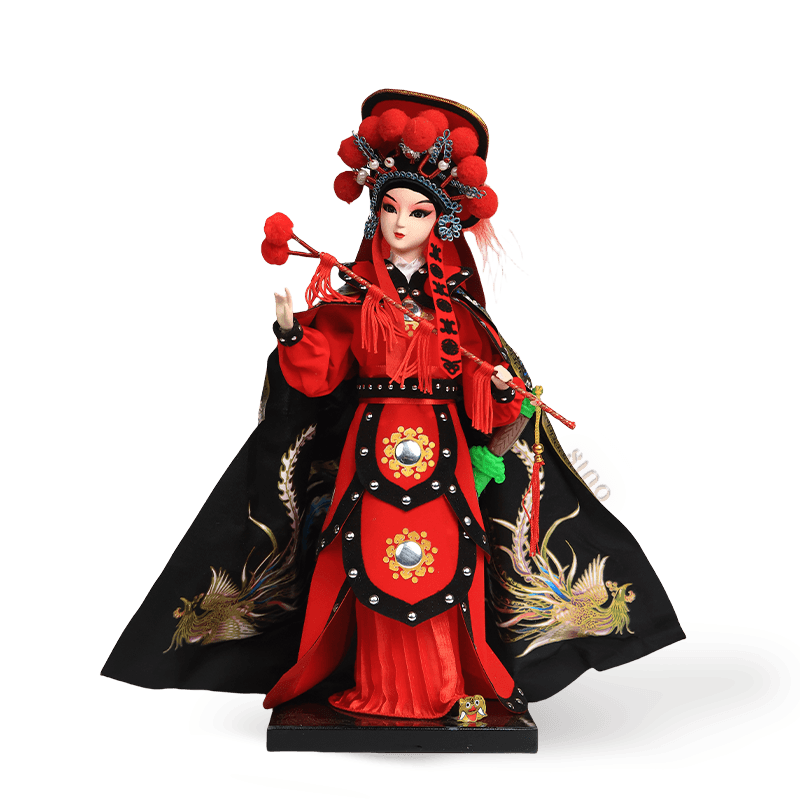
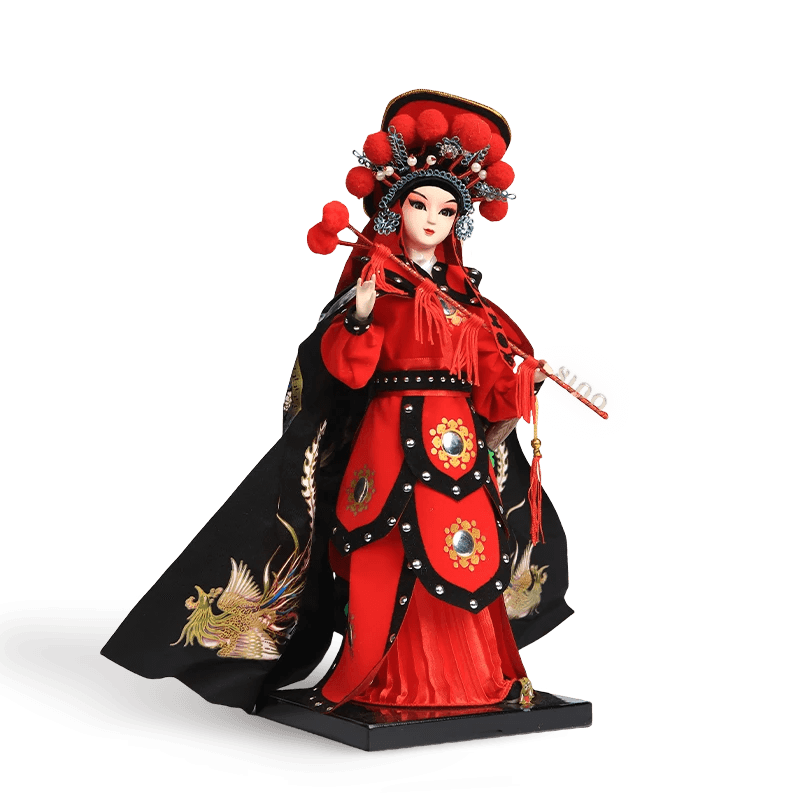
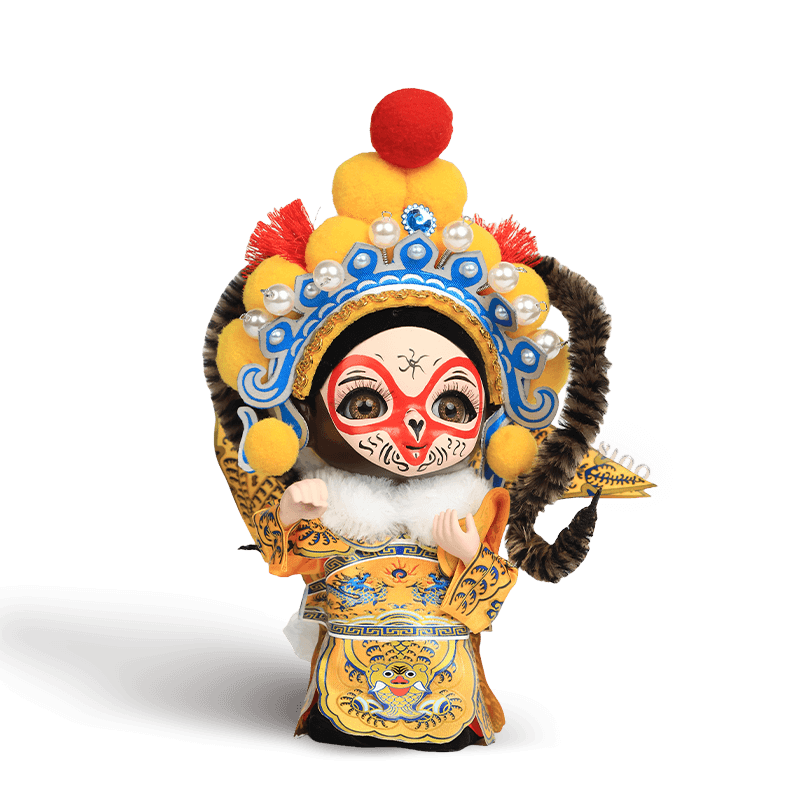
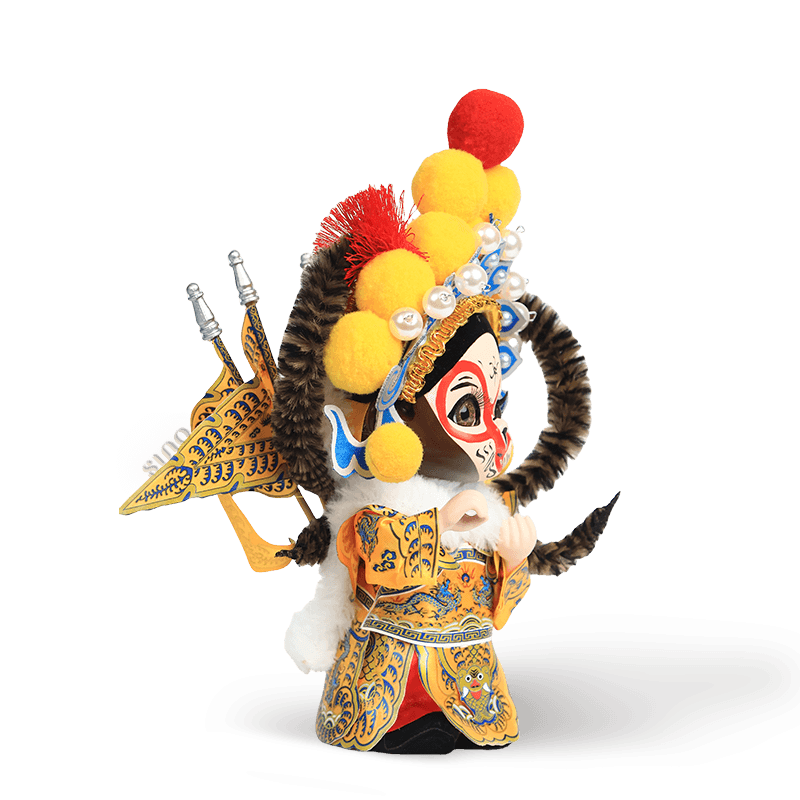
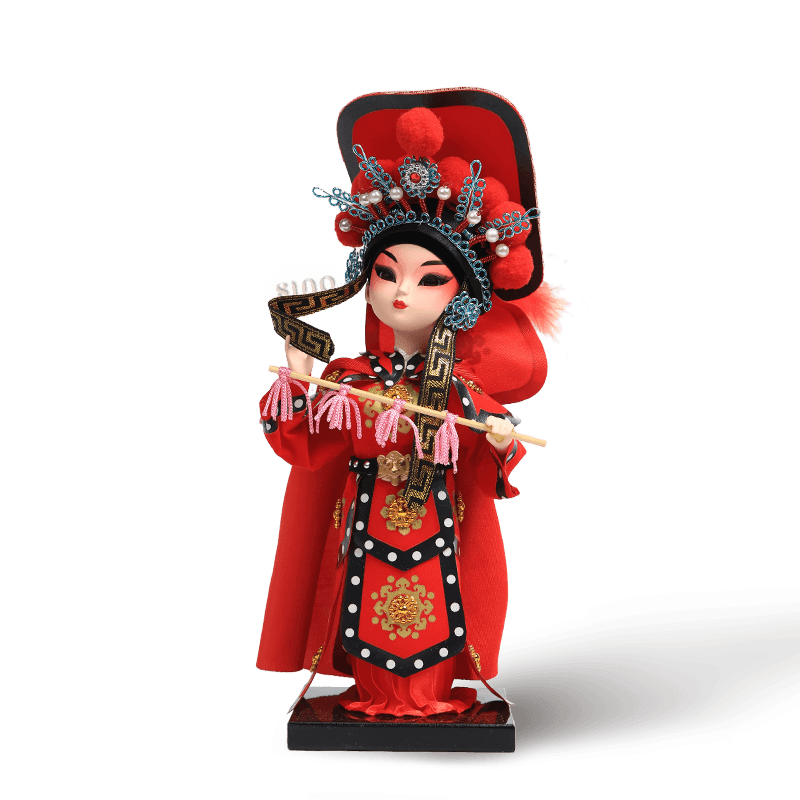
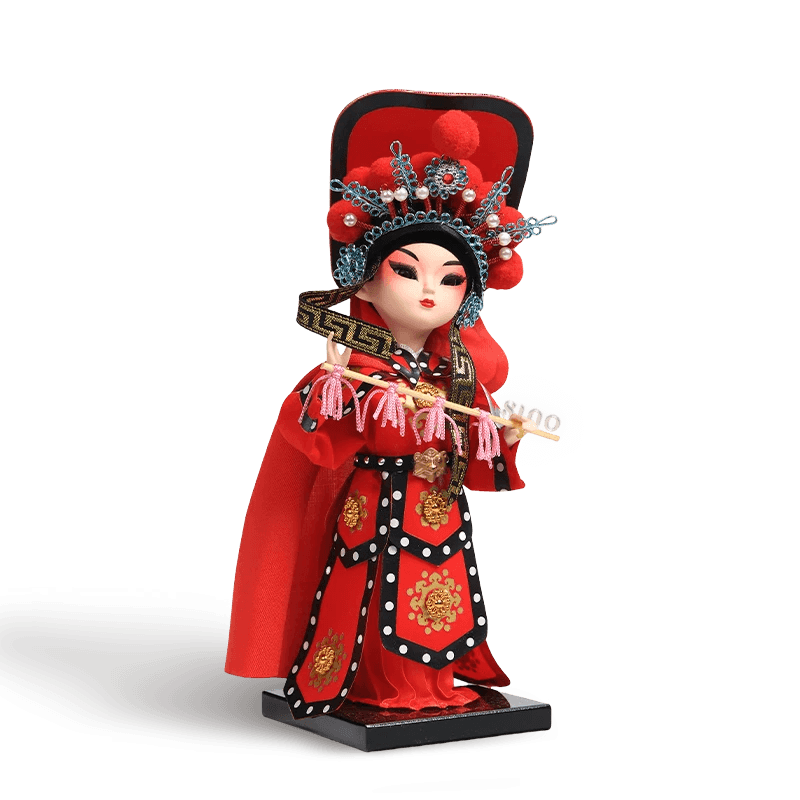
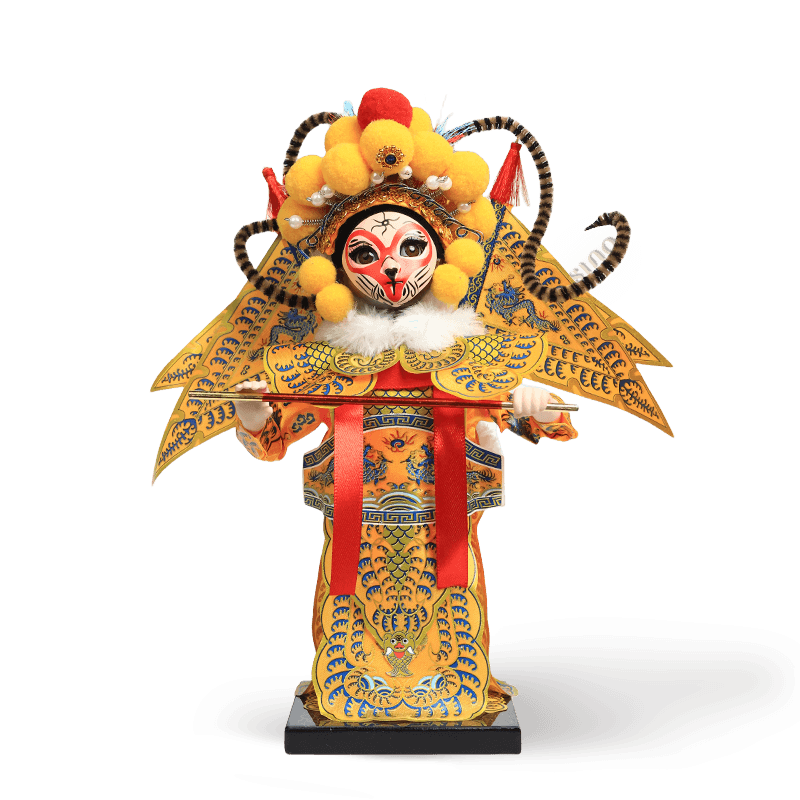
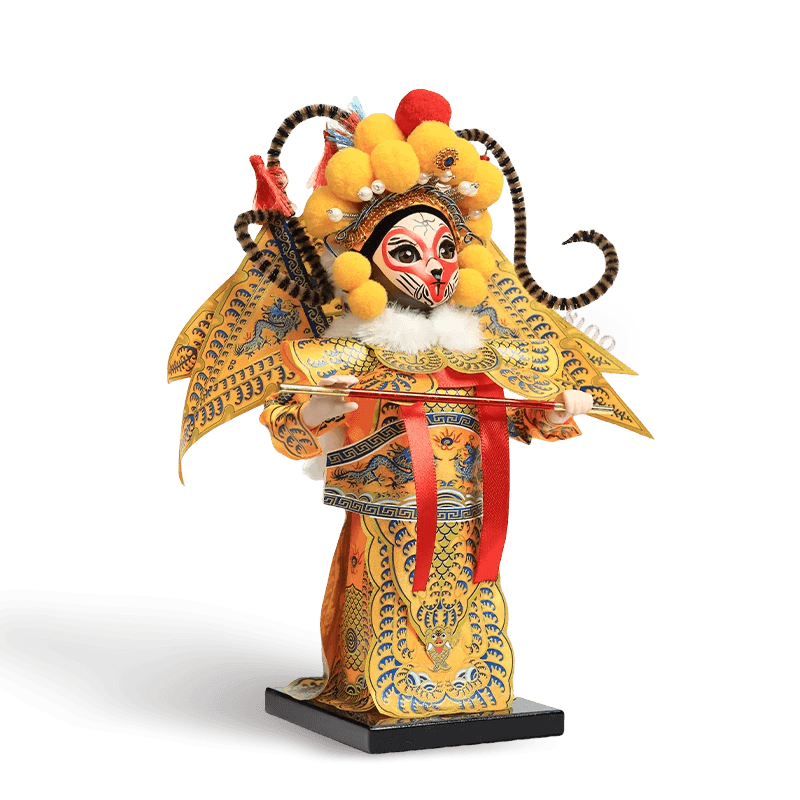
At the intersection of ancient Chinese dolls and divine mythology lies a masterpiece of intangible heritage: the Chinese Silk Doll (Beijing Juanren). While many collect these figures for their exquisite beauty, they serve a profound purpose during the Chinese New Year.
Every Chinese New Year, China’s fifth day dawns with fiery crackles and hopeful chants as families welcome the Gods of Wealth (迎财神), praying for prosperity through rituals of renewal. At the heart of this tradition stand Civil God Bi Gan and Military God Guan Yu—guardians of wisdom-driven ethics and martial honor. At Sinocultural, we honor these deities through Tangrenfang’s (唐人坊) handcrafted Chinese silk dolls, where Beijing Juanren (北京绢人) craftsmanship resurrects divine symbolism. Each hand-sculpted figure, draped in silk or armor, bridges 3,000-year-old myths with modern aspirations—transforming Lunar New Year’s fervent rituals into eternal heirlooms.

What are Traditional Chinese Silk Dolls (Beijing Juanren)?
Chinese Silk Dolls, or Beijing Juanren (北京绢人), are a form of traditional folk art originating from the Tang Dynasty. Unlike ordinary toys, these ancient Chinese dolls are collectors' items crafted from fine silk, gauze, and wire.
- Craftsmanship: Involves over a dozen steps including "silk sculpting" and hand-painting.
- Symbolism: Often depicts deities like the God of Wealth, opera figures, or legends.
- Material: Made entirely of silk materials, from the skin to the costumes.
The Civil God of Wealth (Bi Gan 文财神): A Symbol of Integrity in Silk
Bi Gan(比干), a loyal minister of China’s Shang(商) Dynasty (17th–11th century BC), is revered as the Civil God of Wealth (文財神) for his unwavering integrity. As the uncle of the tyrannical King Zhou, he famously sacrificed his life to admonish the ruler’s corruption, even enduring the brutality of having his heart torn out for speaking truth. This act of moral courage elevated him to divine status, symbolizing wealth earned through wisdom, justice, and ethical conduct.

The Tangrenfang Civil God Chinese Doll
The Tangrenfang(唐人坊) Civil God Chinese doll resurrects the legacy of Bi Gan—Shang Dynasty martyr and patron of ethical wealth—through UNESCO-recognized绢人 (silk doll) craftsmanship. Cloaked in hand-dyed silk, his figure holds a scroll (wisdom) and gold ingot (steadfast prosperity), mirroring Bi Gan’s sacrifice for justice. Crafted with wire-sculpted postures and embroidered details, this traditional Chinese doll artistry transforms 3,000-year-old values into a modern heirloom. Displayed in homes or offices, it serves as both cultural decor and a silent reminder: true abundance blooms where integrity meets artistry.
[👉 Shop the Bi Gan Civil God Silk Doll Collection]

The Military God of Wealth (Guan Yu 武财神): Guardian of Fortune
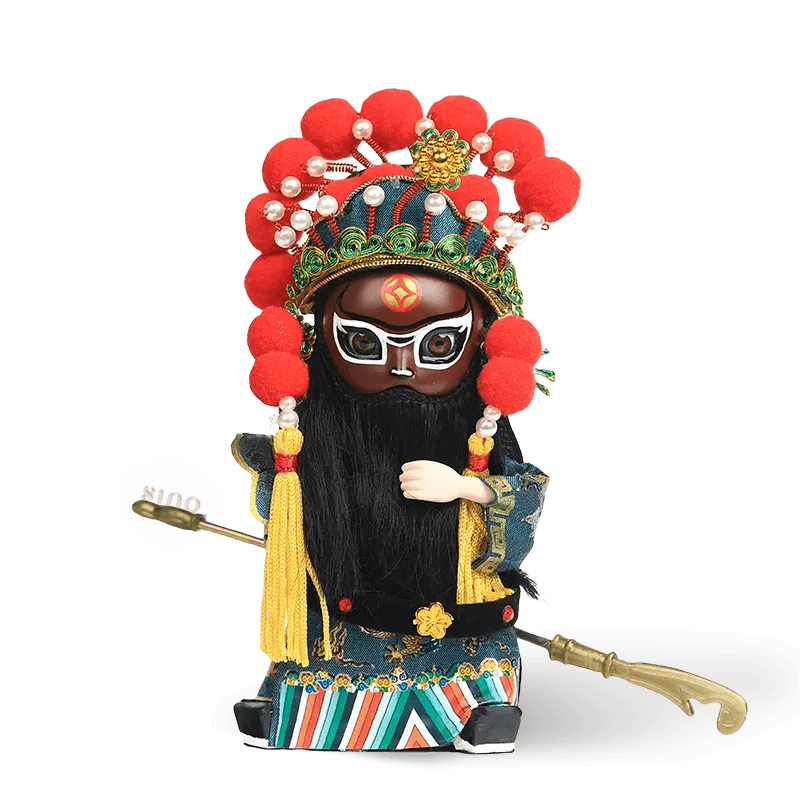
Guan Yu (关羽), a revered general from China’s Three Kingdoms era (220–280 AD), is celebrated for unwavering loyalty and battlefield valor. His refusal to betray allies—even under threat of death—made him a timeless emblem of integrity and brotherhood. Over centuries, merchants deified him as the Martial God of Wealth (武财神), believing his spirit wards off deceit and ensures fair gains. Today, his red-faced iconography and iconic Green Dragon Crescent Blade (青龙偃月刀) symbolize ethical commerce: prosperity rooted in trust, not greed.

Capturing the Legend in an Ancient Chinese Doll Style
Our 6-inch Chinese Doll captures Guan Yu’s divine aura through handmade Beijing绢人 (silk sculpting) craftsmanship. Dressed in opulent Peking Opera-inspired attire, the doll’s deep blue robe shimmers with gold-threaded motifs and emerald accents, echoing imperial majesty. The fiery red forehead mark contrasts starkly against a porcelain-pale face, mirroring his legendary ferocity, while a crimson velvet-and-pearl headdress signifies noble authority. The Green Dragon Crescent Blade, strapped to his back, completes this China Doll’s tribute to protection and honor.
Handcrafted for collectors, he embodies loyalty and cultural pride—a guardian spirit for homes and businesses alike.
[👉 Explore the Guan Yu Military God Doll]

Rituals of Renewal: Welcoming the God of Wealth on Day 5
In Chinese New Year traditions, the ritual of welcoming the Gods of Wealth can begin late on the evening of the fourth lunar day (between 11:00 p.m. and 1:00 a.m.), or be observed anytime during the morning or daytime of the fifth day. This moment is believed to mark the official arrival of prosperity for the year ahead.
The Altar and Offerings
Families and business owners prepare a simple altar using a table and offer symbolic items that represent prosperity, harmony, and abundance. Common offerings include Five Symbolic Fruits:
-
Apples: For peace.
-
Oranges: For success.
-
Bananas: For attracting wealth.
-
Dragon Fruit: For vibrant prosperity.
-
Red Dates/Grapes: For blessings.
Traditional foods like chicken (good fortune), fish (yearly surplus), and pork trotter (wealth coming into one’s hands), along with sweet cakes symbolizing growth and good fortune, are also placed on the table. Tea, wine, incense, and candles complete the ritual, guiding prosperity into the home with respect and intention.

"Sending Away Poverty" (Song Qiong)
Welcoming wealth is also about letting go of hardship. On Day 5, households traditionally perform a symbolic act known as “sending away poverty” by thoroughly cleaning the home and clearing out waste. Before this day, trash is kept indoors to “gather wealth,” while on Day 5 everything is removed to leave misfortune behind. For business owners, this day marks an auspicious reopening—shops display red banners wishing a prosperous opening, and the first transaction of the year is treated as the symbolic “opening of the wealth gate,” often accompanied by small discounts to invite continued success.

Alongside these customs, there are mindful traditions meant to protect good fortune: avoiding construction or digging, refraining from lending money, and keeping movements calm to welcome prosperity at home. Wearing red and carrying a coin are small gestures believed to attract positive energy. Today, many people honor these traditions in more modern ways—through meaningful objects such as Chinese Dolls representing the Gods of Wealth, which serve as lasting symbols of protection, abundance, and good fortune throughout the New Year.
When Tradition Takes Shape: Tangrenfang’s Art of Chinese Silk Dolls
Tangrenfang’s Chinese Dolls fuse China’s myths with modern craftsmanship, recasting deities like Guan Yu (Martial God of Wealth) and Bi Gan (Scholar God of Integrity) into silk figurines. Rooted in Beijing’s 1,300-year-old Juànrén tradition, they merge ancient techniques—silk braiding, hand-painted embroidery—with innovations like 3D-printed facial molds and AI textile patterns.
- Symbolic Motifs: Each design embodies cultural virtues: Guan Yu’s loyalty through warrior motifs and Green Dragon Crescent Blades; Bi Gan’s wisdom via jade-studded scholar robes.

- Heritage Revitalized: Revitalizing tradition, Tangrenfang uses durable resin while preserving symbolic motifs like “auspicious clouds” (Jíxiáng Yún) for prosperity.
- Social Impact: Collaborations with the Palace Museum yield hybrid collections like the Dunhuang Flying Apsaras series, blending Buddhist art with minimalist aesthetics. Beyond artistry, these dolls empower rural women through vocational partnerships, training 500+ artisans to sustain cultural heritage.

Conclusion: Wealth Beyond Currency
At Sinocultural,, we believe true prosperity transcends material gain—it’s the legacy of values passed through generations. Our Chinese silk dolls, meticulously crafted in Tangrenfang’s intangible heritage tradition, embody this duality.
The Civil God Bi Gan champions wisdom-driven ethics, while the Martial God Guan Yu safeguards honor-bound success. More than decor, these silk figurines are guardians of cultural memory, weaving ancient symbolism into modern aspirations.
 Each Chinese doll is a bridge—connecting myth to craftsmanship, integrity to innovation. By owning a piece of Sinocultural’s Doll collection, you don’t just display artistry; you honor a 3,000-year-old dialogue about wealth: one where character shapes fortune, and heritage fuels tomorrow.
Discover how our Chinese dolls turn cultural reverence into timeless blessings. At Sinocultural, wealth isn’t counted—it’s lived, cherished, and shared.