Skip to content





When people speak of the ancient Silk Road, the images that often come to mind are of endless desert sands and the gentle swaying of camel caravans. But at the very throat of this legendary route lies a city that was not just a resting place for travelers, but a great crucible where Eastern and Western civilizations met, clashed, and merged. That city is Dunhuang.

The name itself evokes a sense of grandeur—"Dun" meaning grand, and "Huang" meaning prosperous. This was more than a geographical oasis; it is a cultural peak in the history of world civilization that cannot be bypassed. Today, let's travel through the mists of time to explore the inseparable bond between Dunhuang and the Silk Road, and uncover the secret to its timeless charm.
Table of Contents
- Where is Dunhuang Located? The Strategic Chokepoint of the Silk Road
- What Did Dunhuang Trade on the Silk Road? A Global Marketplace
- The Crossroads of Civilizations: Dunhuang Caves and Cultural Heritage
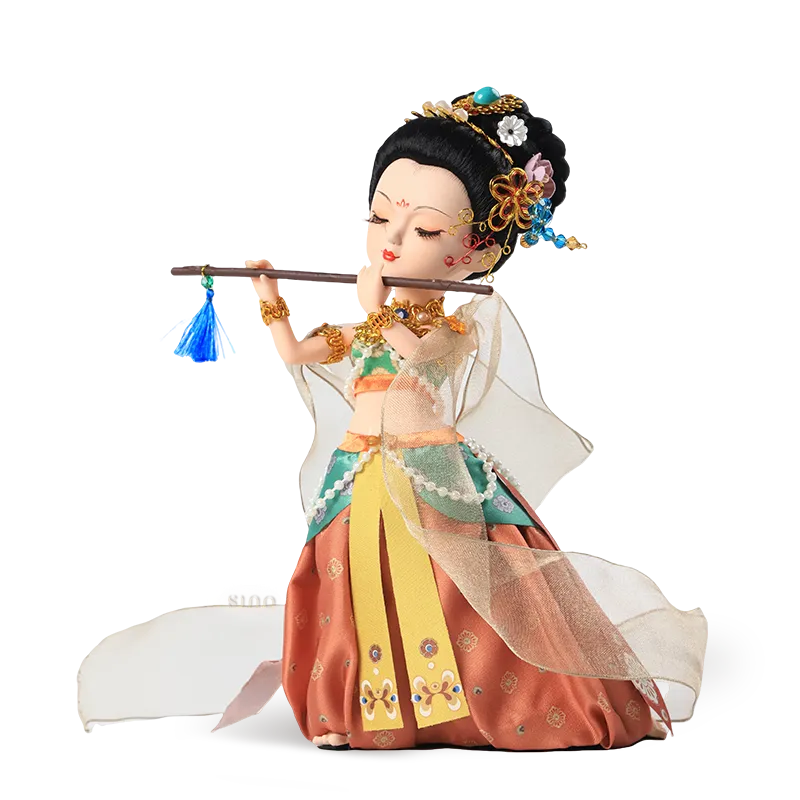
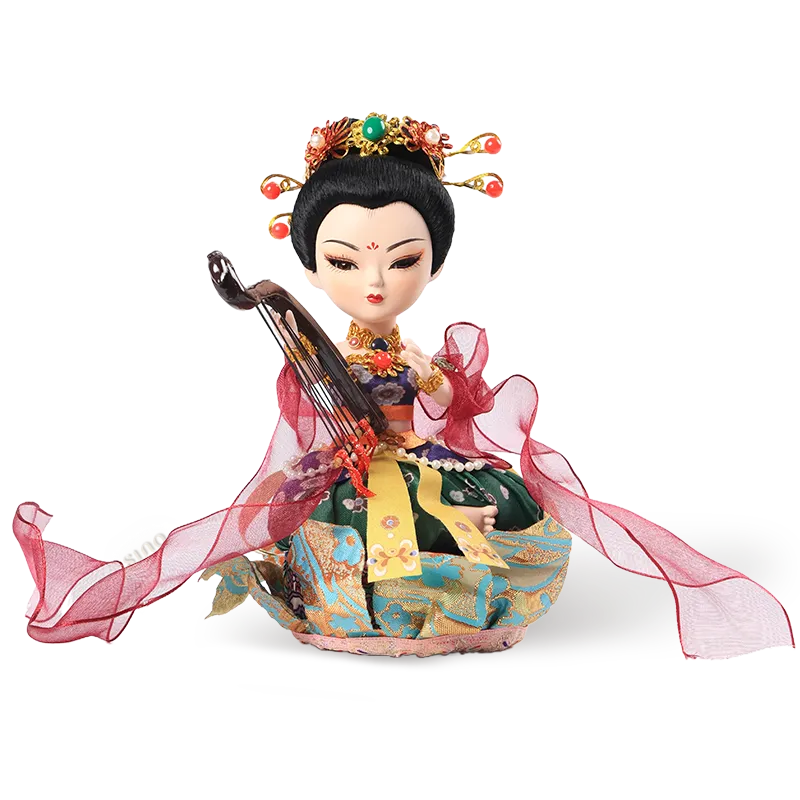
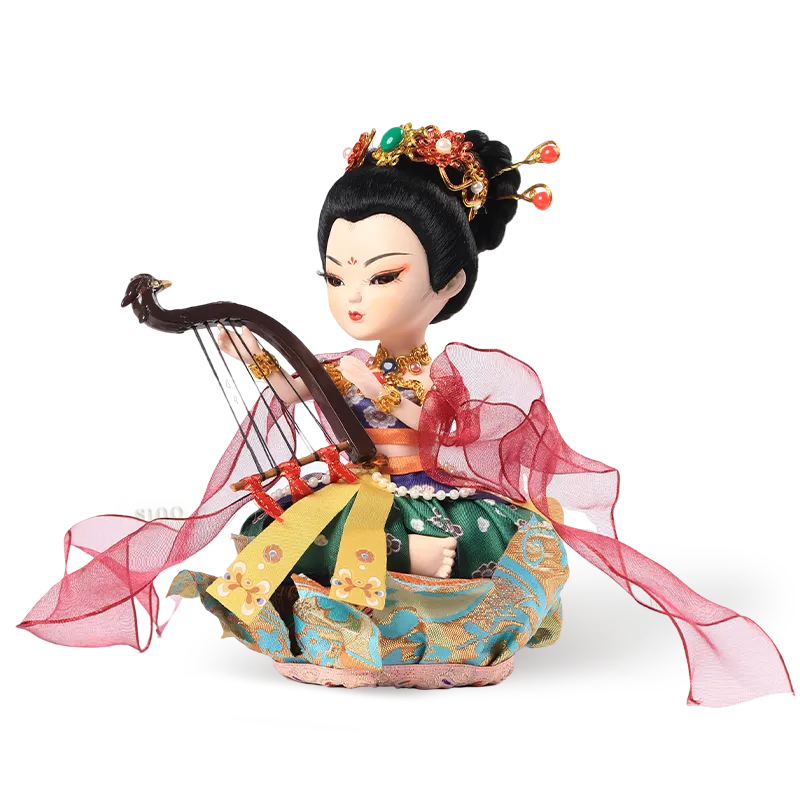
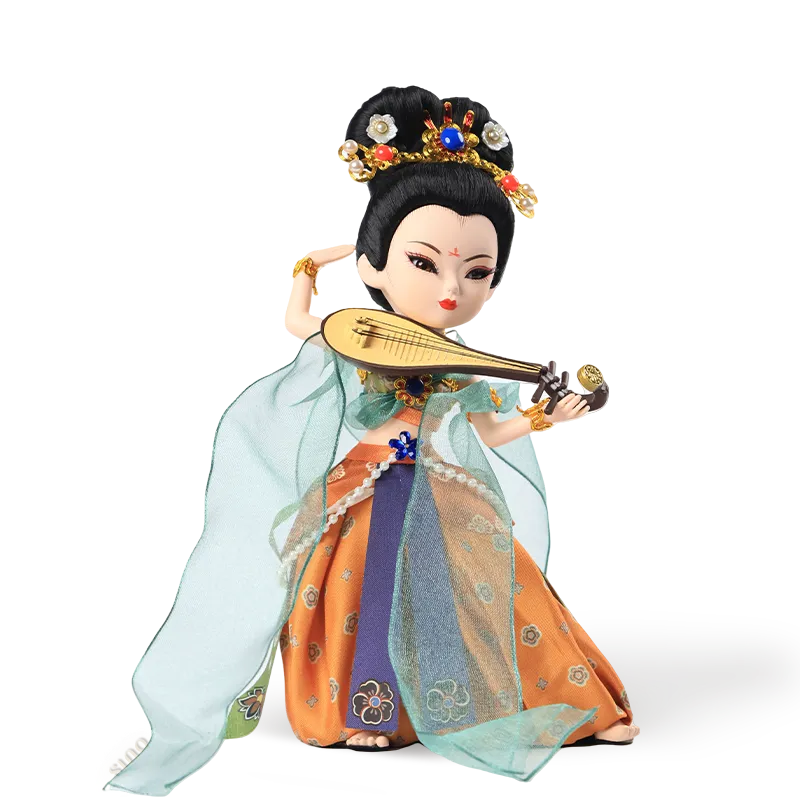
- Bring the Legend Home: Dunhuang-Inspired Handmade Chinese Dolls
- Conclusion: Dunhuang, an Everlasting Chapter
- FAQ: People Also Ask About Dunhuang and the Silk Road
Where is Dunhuang Located? The Strategic Chokepoint of the Silk Road
To understand why Dunhuang was important to the Silk Road, one must first understand its unique geographical position on the map of ancient China.
- Geographical Position: Dunhuang is situated at the far western end of the Hexi Corridor in Gansu Province. Behind it lay the vast central plains of China; before it, the boundless Taklamakan Desert. For any ancient traveler wanting to cross this "Sea of Death," Dunhuang was the last major supply station before entering the Western Regions and the first beacon of hope upon returning.

-
A Critical Junction: More importantly, the Silk Road split into its northern and southern routes just west of Dunhuang. Whether one was heading north towards Yiwu (Hami) and Gaochang (Turpan) or south towards Shanshan (Ruoqiang) and Yutian (Khotan), the journey had to begin from Dunhuang. It functioned like a massive Y-junction, holding the lifelines of East-West transport firmly in its grasp.
-
Strategic Military Significance: As early as 111 BCE, the ambitious Emperor Wu of Han established the Dunhuang Commandery and constructed the world-famous Yumen Pass (Jade Gate Pass) and Yangguan Pass (Sun Gate Pass). These two gateways served not only as the western frontier of the Han Empire but also as military fortresses guarding the vital Silk Road. The famous line of poetry, "The spring winds don't pass beyond Yumen Pass," captures its essence as a rugged boundary between Chinese civilization and the outside world.

It is no exaggeration to say that without the stable anchor of Dunhuang, the smooth passage of the overland Silk Road would have been almost unimaginable.
What Did Dunhuang Trade on the Silk Road? A Global Marketplace
Thanks to its unparalleled geographical advantages, Dunhuang rapidly grew into a cosmopolitan commercial hub—an ancient "global marketplace." If you are wondering what was traded on the Silk Road, the markets of Dunhuang offer a dazzling spectacle:
Treasures Exported from the East:
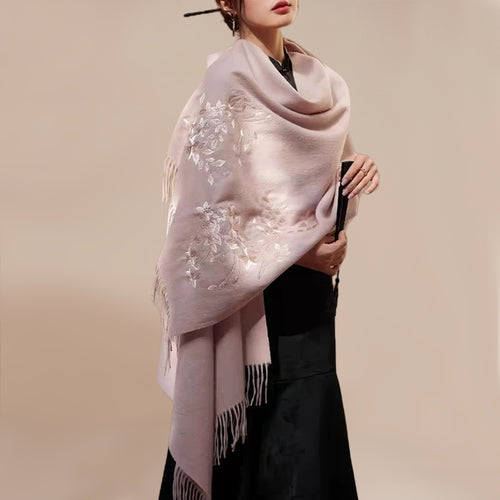
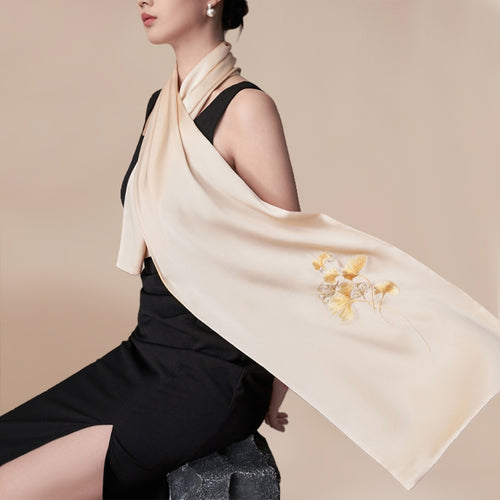
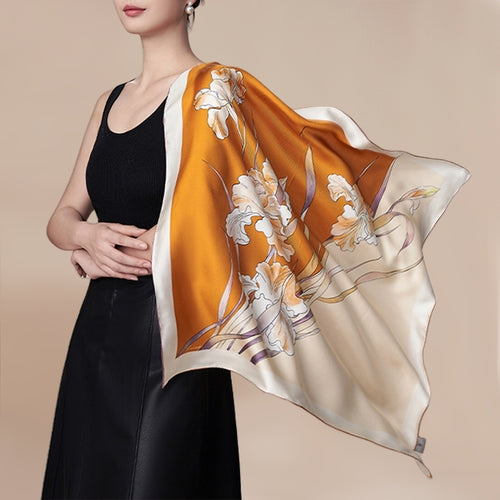
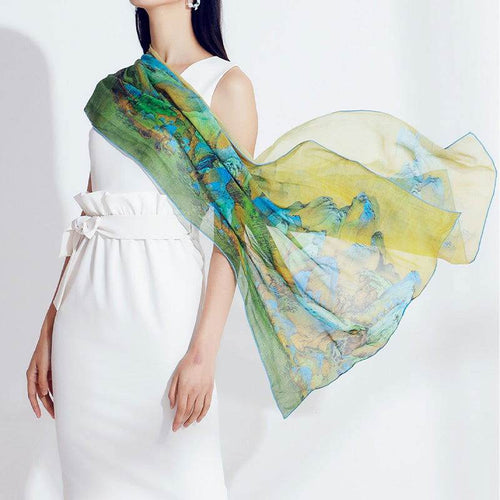
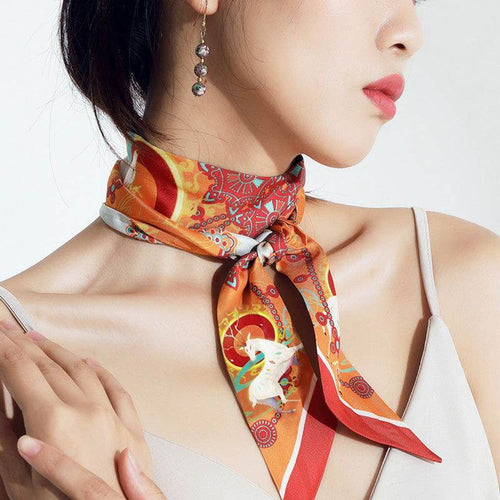
- Silk: Exquisite Chinese silk was the most traded commodity, driving Roman aristocrats to obsession. Explore [SinoCultural Chinese Silk Scarves].

- Porcelain: Smooth and jade-like, porcelain was viewed as a luxury item in the Western world. Explore [SinoCultural Chinoiserie Bone China Dinnerware].

- Tea & Ironware: Also highly sought after by the kingdoms of the Western Regions.

Exotic Goods Imported from the West:
- Spices & Jewels: Fragrant spices, precious gems, and glass from Central Asia, Persia, and India.
- Horses & Species: The famed "heavenly horses" of Ferghana, along with grapes and alfalfa, were introduced to China through this route.

Merchants of different nationalities and skin colors—Sogdians, Persians, Indians, and Romans—converged here. They spoke different languages and worshipped different gods, but together they forged the prosperity of Dunhuang.
The Crossroads of Civilizations: Dunhuang Caves and Cultural Heritage
If trade was the skeleton of the Silk Road, then cultural exchange was its soul. And Dunhuang was the most brilliant sanctuary for that soul.
The Mogao Caves: A Silk Road Legend Frozen on Cliffs
To speak of Dunhuang is to speak of the Dunhuang Caves, primarily the Mogao Caves. This sacred site of Buddhist art, with construction beginning in 366 CE, is itself the greatest testament to the cultural exchange along the Silk Road. The murals and sculptures within the caves form a "dynamic history book" spanning a thousand years. Here, we can see not only the evolution of Buddhist stories but also the authentic face of the ancient Silk Road.

A Melting Pot of Religions
Buddhism entered China along the Silk Road, and Dunhuang was its most important stopover and center for dissemination. Monks from India and Central Asia stopped here to translate scriptures and commission caves, turning Dunhuang into a radiant center of Buddhism. But its tolerance extended far beyond that. Nestorianism (a branch of Christianity from Syria) and Manichaeism (from Persia) also left their marks here, shaping Dunhuang's open and pluralistic cultural character.

The Library Cave: A World-Shaking Discovery and an Eternal Pain
In 1900, a Taoist monk named Wang Yuanlu accidentally discovered a sealed chamber while clearing sand from a Mogao cave. This was the "Library Cave" (Cave 17), which would soon stun the world.
Inside, more than 50,000 manuscripts, documents, paintings, and textiles from the 4th to the 11th centuries were found. It was a sealed ancient library, a "cultural gene bank of the world." However, this monumental discovery was not given the attention it deserved by the corrupt and incompetent late Qing government.
Wang Yuanlu reported his find to officials multiple times but only received orders to "seal it and guard it properly," with no real support. This set the stage for a historical tragedy:
-
The Plunder by Stein: In 1907, the British explorer Aurel Stein arrived in Dunhuang. For a pittance (a few silver ingots), he persuaded Wang Yuanlu to sell him thousands of manuscripts and a vast collection of exquisite silk paintings, filling 24 large crates.
-
The Cherry-Picking by Pelliot: He was followed in 1908 by the French Sinologist Paul Pelliot. With his profound knowledge of Chinese, Pelliot spent weeks inside the cave, meticulously selecting over 6,000 of the most valuable and historically significant documents to take away.
-
The Subsequent Looting: In the following years, Japanese and Russian expeditions also arrived, acquiring more of the precious artifacts through purchase or deception.
-
The Desecration by Warner: Most heartbreakingly, in 1924, an American named Langdon Warner used a destructive method involving chemical adhesives to peel 12 of the most beautiful Tang-dynasty murals directly off the cave walls. He also took several painted statues, causing permanent and irreparable damage to the grottoes themselves.

This cultural catastrophe, which lasted for decades, resulted in the finest treasures of Dunhuang being scattered across the globe, in institutions like the British Museum, the Bibliothèque nationale de France, and the Hermitage Museum. It created a sad irony: "Dunhuang is in China, but Dunhuang Studies are abroad." For a long time, Chinese scholars had to travel overseas to study the treasures of their own country.
The discovery of the Library Cave was the beginning of a great cultural renaissance, but it was accompanied by one of the most painful episodes of cultural loss in modern Chinese history.

Bring the Legend Home: Dunhuang-Inspired Handmade Chinese Dolls
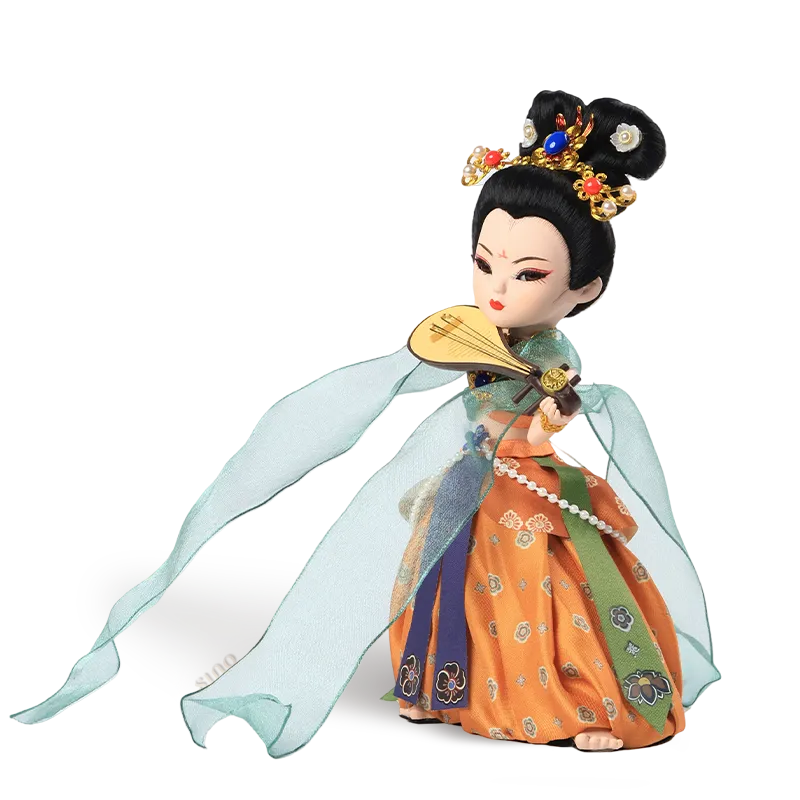
The murals of the Mogao Caves not only recorded history but also preserved the pinnacle of ancient Chinese aesthetics, particularly the breathtaking depictions of the Feitian (Flying Apsaras) and Tang Dynasty noblewomen. Their elegant garments, vivid colors, and serene beauty continue to inspire artists today.
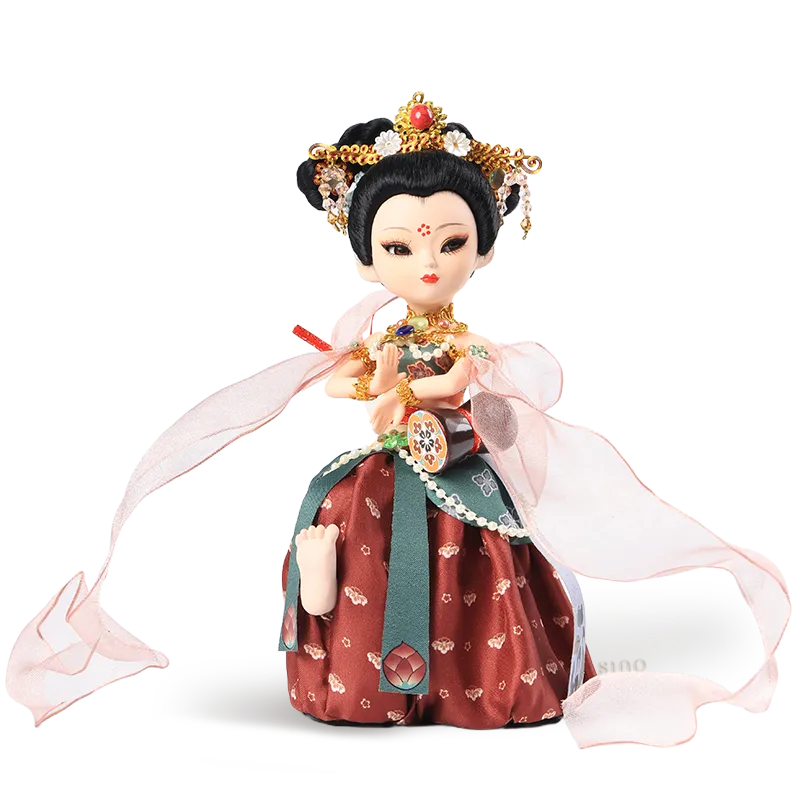
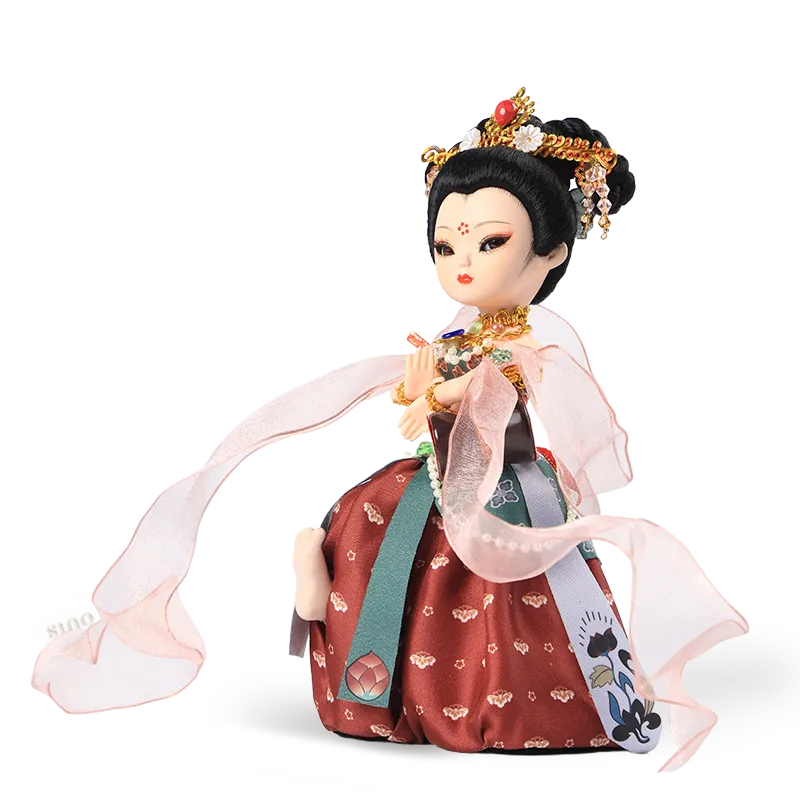
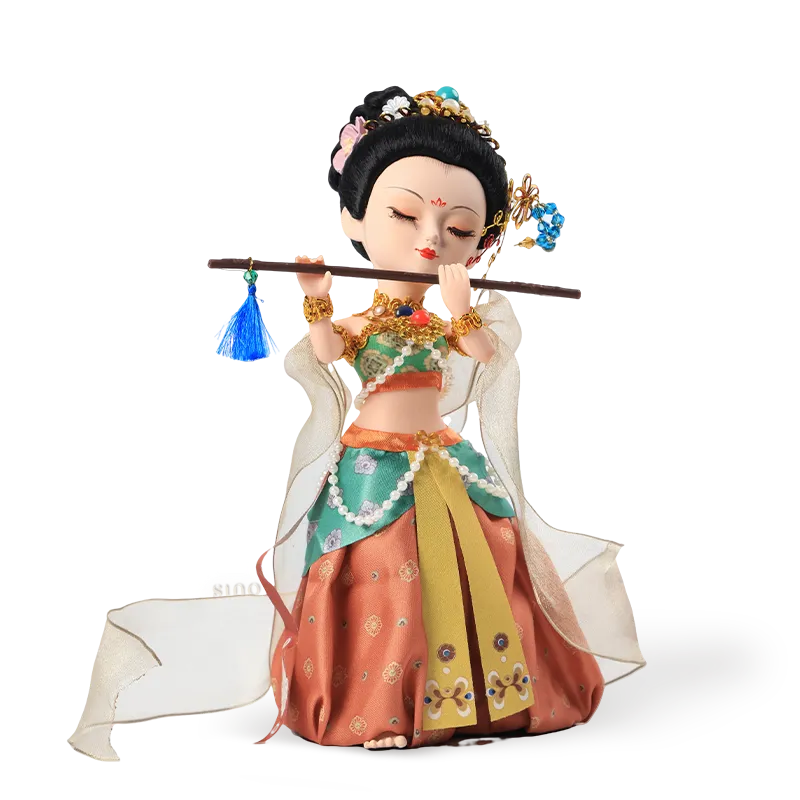
At Sinocultural, we are dedicated to bringing this untouchable history to life. If you are captivated by Dunhuang culture, our [Handmade Chinese Dolls Inspired by Dunhuang] offer a tangible connection to this golden era.

Crafted with meticulous attention to detail, these dolls replicate the exquisite traditional clothing, rich silk textures, and classic makeup styles found in the Dunhuang murals. They are not just collectibles; they are a tribute to the enduring spirit and artistic peak of the Silk Road, allowing you to hold a piece of ancient oriental elegance in your hands.
Conclusion: Dunhuang, an Everlasting Chapter
Dunhuang has never been just a name on a map. It was the commercial hub, military fortress, religious sanctuary, and cultural palace of the Silk Road. It was a single city that shouldered a thousand years of dialogue between East and West.
Though it has experienced both unparalleled glory and deep trauma, the legend of Dunhuang remains an everlasting, magnificent chapter of human history. It reminds us that we must embrace the future with an open spirit, carrying forward the great legacy of exchange and mutual learning.
FAQ: People Also Ask About Dunhuang and the Silk Road
Q1: What is Dunhuang known for?
A: Dunhuang is primarily known for the Mogao Caves (Caves of the Thousand Buddhas), a UNESCO World Heritage site containing some of the finest examples of Buddhist art, murals, and sculptures spanning over 1,000 years. It is also famous for being the most crucial strategic and commercial crossroads on the ancient Silk Road.
Q2: Why was Dunhuang important to the Silk Road?
A: Geographically, Dunhuang was the last major oasis for travelers heading west into the harsh Taklamakan Desert, and the point where the Silk Road split into its northern and southern routes. It acted as an essential supply station, military fortress (guarded by Yumen and Yangguan passes), and a bustling international trade hub.
Q3: What did Dunhuang trade on the Silk Road?
A: As a global marketplace, Dunhuang traded Chinese exports like silk, jade, porcelain, and tea. In return, it received Western imports such as Central Asian horses, Persian spices, glass, jewels, and agricultural products like grapes and alfalfa.
Q4: Is there a direct link between the rise and fall of Dunhuang and the Silk Road?
A: Yes. During the Han and Tang dynasties, when overland Silk Road trade flourished, Dunhuang reached its golden age. When maritime trade routes replaced overland routes and regional conflicts increased, Dunhuang fell into obscurity until its rediscovery in the early 20th century.
Q5: How long was the ancient Silk Road from start to finish?
A: The Silk Road was not a single, straight road, but rather a vast, complex network of trade routes. However, the primary overland route—stretching from its eastern starting point in Chang'an (modern-day Xi'an, China) to its western endpoints reaching the Mediterranean Sea (such as Antioch or Rome)—covered a staggering distance of approximately 4,000 miles (about 6,400 kilometers). Dunhuang sat at a crucial juncture along this massive expanse, acting as the vital western gateway of China before travelers faced the arduous, months-long journey across the unforgiving deserts of Central Asia.