Skip to content







A Public Welfare Program Rooted in Real Support
This embroidery training program is not a commercial initiative, but a public welfare project born from the Guang–Qian(Guangzhou&Guizhou) cooperation framework—a long-term partnership in which the Guangzhou government supports local development in Guizhou Province. In Sandu County, the only Shui水 ethnic autonomous county in China, the focus of this support is clear and practical: empowering local embroidery women to improve their livelihoods through the skills they already hold in their hands.
Many Shui ethnic women have inherited embroidery traditions passed down through generations, yet limited access to markets and structured training has often kept these skills from translating into stable income. This program directly addresses that gap. By providing professional instruction, resources, and market pathways, it helps local women increase household income, ease economic pressure, and gradually improve family living conditions—using craftsmanship, not charity, as the foundation for change.

Craftsmanship in Motion: Where Canton Embroidery Meets Horsehair Embroidery
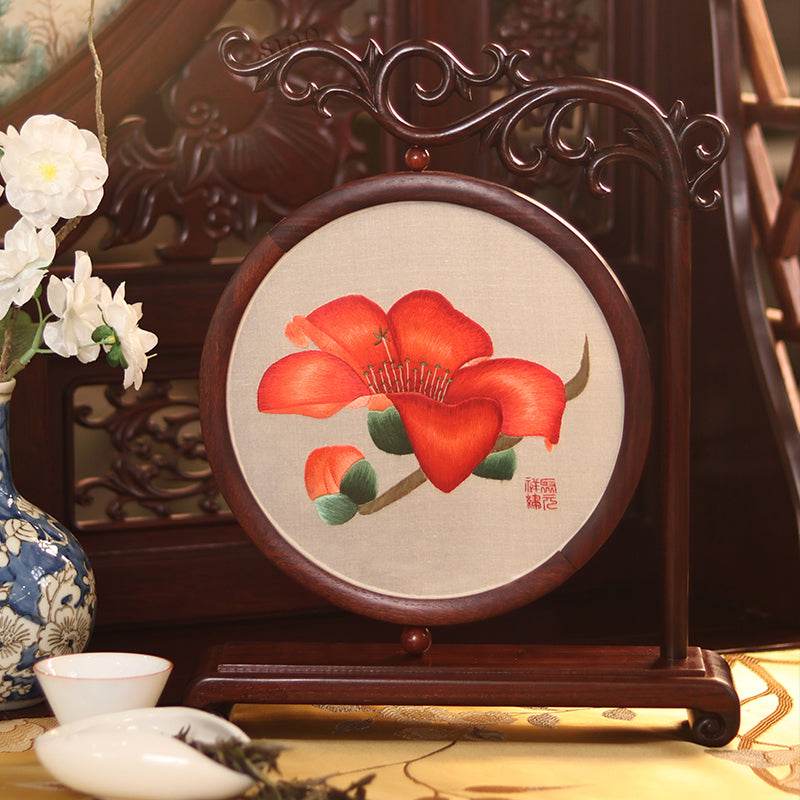
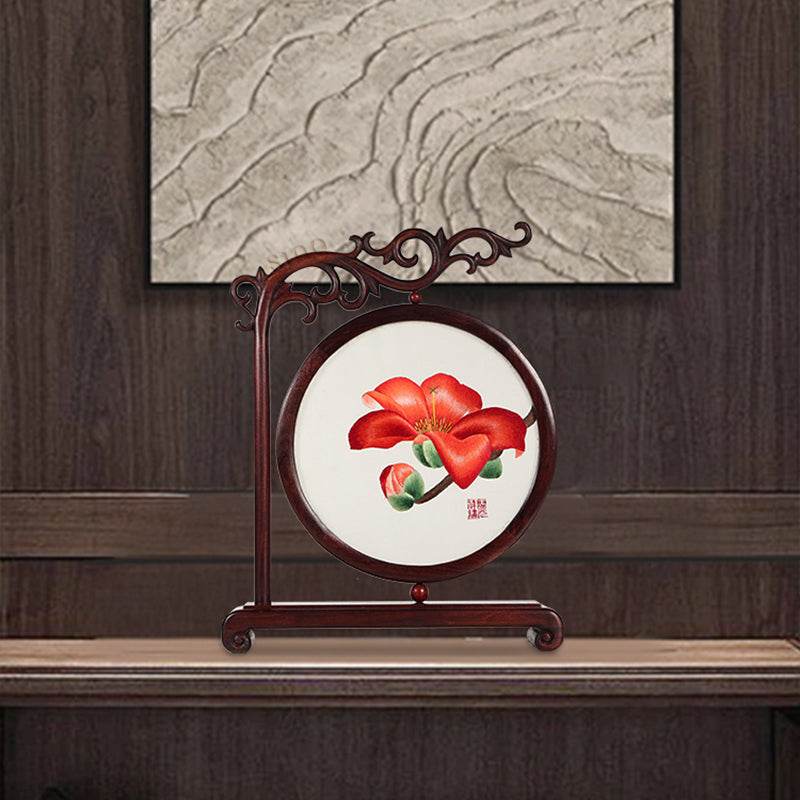
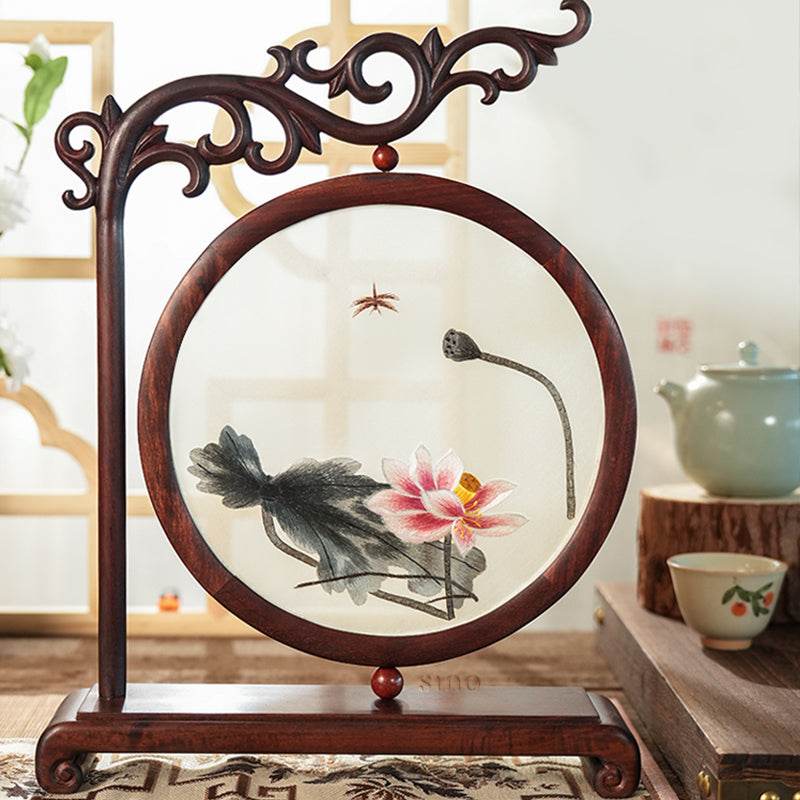
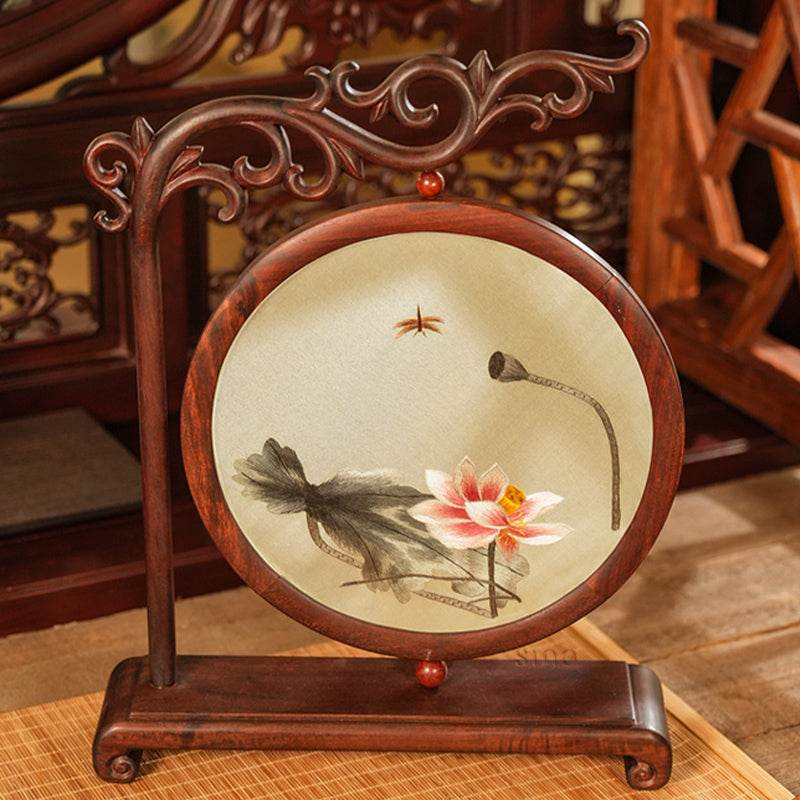
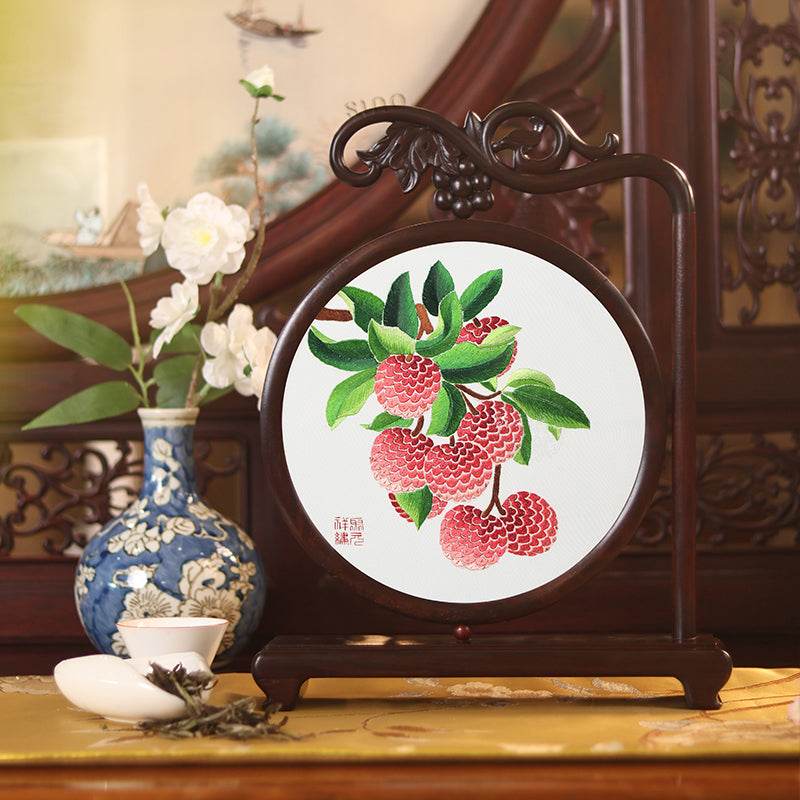
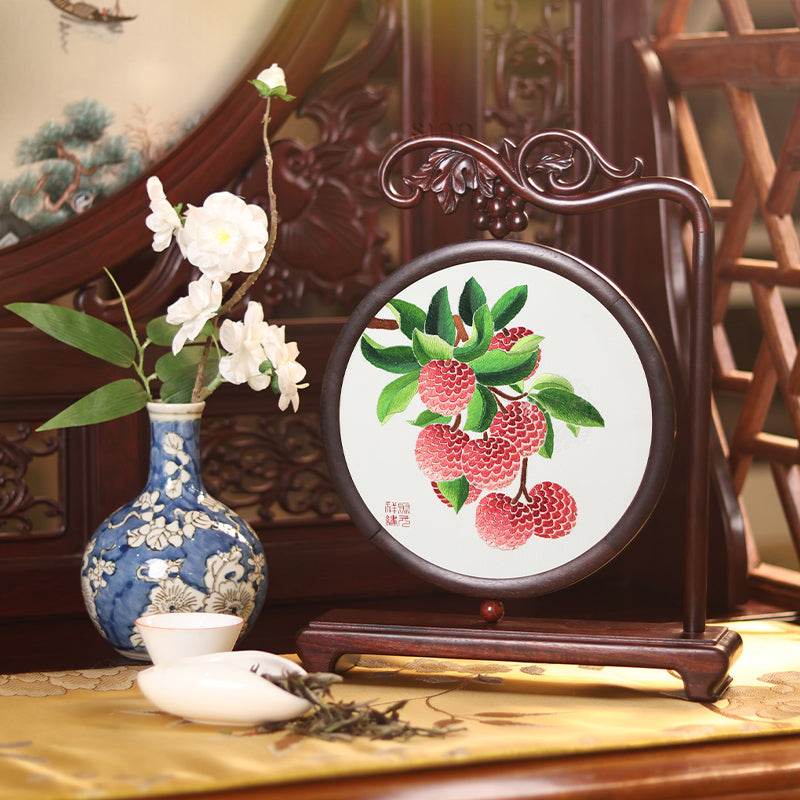
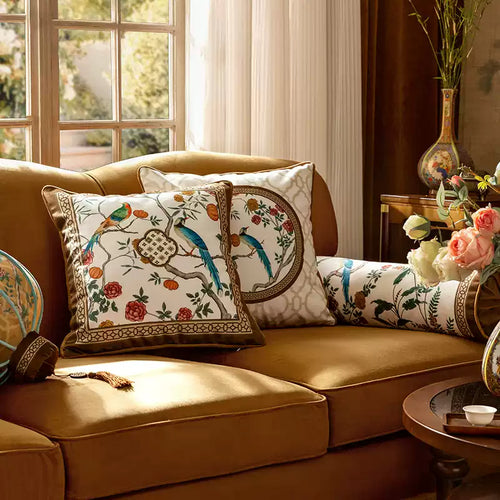
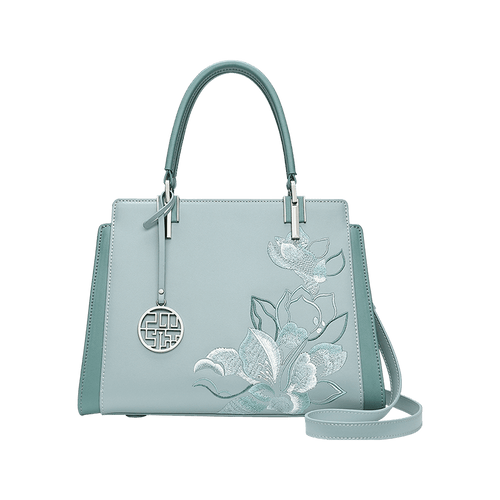
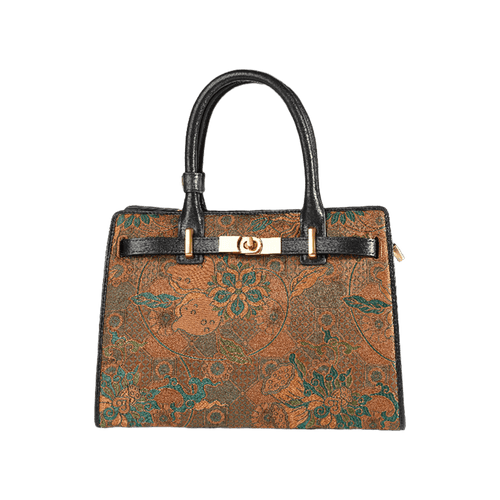
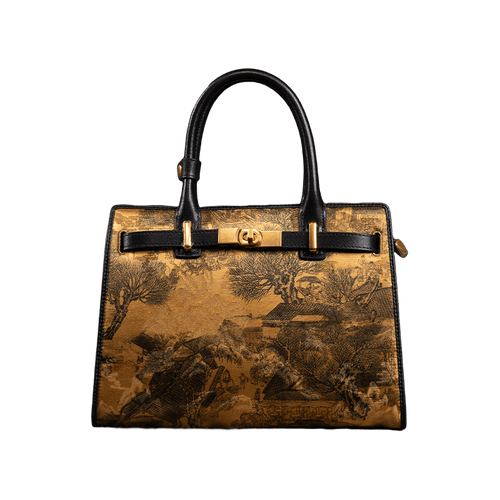
To truly elevate the embroidery skills of the Shui ethnic women, Master Wang Xinyuan designed a teaching approach rooted in respect and innovation. Rather than replacing local traditions, he carefully integrated the refined techniques of Canton Embroidery with Horsehair Embroidery, a distinctive intangible heritage of the Shui people. The goal was simple yet ambitious: to help the embroiderers create more detailed, expressive, and market-ready decorative works while preserving their cultural identity.
In the training sessions, Master Wang’s hands moved fluidly across the embroidery frame—threads rising and falling, colors taking shape. He leaned in close to each trainee, patiently correcting hand positions, adjusting stitch tension, and explaining the subtleties of frame setup, thread selection, and color harmony. Over ten days of systematic instruction, the course progressed from solid technical foundations to integrated creative work. Every lesson was tailored around Shui cultural motifs, ensuring that Canton Embroidery techniques aligned naturally with Horsehair Embroidery. Through this thoughtful fusion, traditional intangible heritage found new vitality in contemporary expression.

Turning Skills into Income—Without Adding Burden
income. The purpose goes beyond skill training—it is about enabling local embroidery women to sell what they create and earn directly from their work. Through sales platforms established with government support, finished embroidery pieces are brought to market, and all proceeds go directly to the artisans themselves.
Importantly, the program removes barriers rather than creating new ones. There are no training fees, and daily lunches are provided, ensuring participants can focus fully on learning without financial stress. What the women gain is not only income, but confidence—proof that their skills have value, that their work can support their families, and that they can stand on their own through craftsmanship. For many, this is as much about personal dignity as it is about financial improvement.

Cultural Resonance Across Regions, Value Beyond Tradition
The collaboration between Canton Embroidery and Horsehair Embroidery represents more than the continuation of intangible cultural heritage. It is a meeting of Guangzhou’s Lingnan culture and Guizhou’s ethnic traditions, a quiet but powerful cultural dialogue across regions. Through this exchange, heritage becomes a living force—one that empowers individuals, strengthens communities, and creates shared value.

In this process, embroidery is no longer only about preservation. It becomes a way for more people to realize self-worth, gain independence, and participate in cultural renewal. This is the deeper meaning of Guang–Qian cooperation: not just passing down skills, but building pathways where tradition supports life, and culture becomes a source of lasting strength.