Skip to content





The Mid-Autumn Festival(Zhong Qiu Jie), a cherished time for family reunions and moonlit celebrations, is steeped in myth and legend. These stories, passed down through generations, give the festival its deep sense of wonder and magic. Here are three of the most famous Mid-Autumn Festival myths that tell of love, sacrifice, and eternal tasks under the full moon. About how to celebrate Mid-Autumn Festival(Zhong Qiu Jie), read our:
Mid-Autumn Festival 2026: History, Traditions & Best Moon Festival Gift
(If you have ever asked "can I have the full story?" or wondered about the jade rabbit mid autumn festival story, this guide explores the rich mid autumn festival stories that continue to shape Chinese culture today.)
Table of Contents
- 1. Who is Chang'e? The Legend of the Moon Goddess
- 2. Why is There a Rabbit on the Moon? The Myth of the Jade Rabbit
- 3. Who is the Man Chopping the Tree on the Moon? The Story of Wu Gang
- How These Myths Shape Mid-Autumn Traditions
- Wearable Legends: SinoCultural’s Artistic Collections
- Frequently Asked Questions (FAQ)
1. Who is Chang'e? The Legend of the Moon Goddess

Long ago, there were ten suns in the sky, scorching the earth and drying up the oceans. A hero named Hou Yi(后羿), known for his strength and skill with a divine bow, shot down nine of the suns, leaving just one to light the world. The last sun, terrified, promised to behave, and Hou Yi saved the world from disaster. Hou Yi’s wife, Chang’e, was deeply loved by him, and they lived happily together.
In admiration of Hou Yi’s heroism, the Queen Mother of the West gifted him an elixir of immortality, which would allow him to ascend to heaven and live forever. However, Hou Yi was reluctant to leave his beloved wife and entrusted the elixir to Chang’e for safekeeping. One fateful day, when Hou Yi was away hunting, his greedy apprentice, Feng Meng, broke into their home and demanded the elixir. To protect it, Chang’e swallowed the elixir herself, instantly rising up into the sky, light as a feather.

Heartbroken, Chang’e flew to the moon, the closest place to Earth, where she could still watch over her husband. Hou Yi, devastated by her sudden departure, chased after her but could never reach the moon. Every year on the 15th day of the eighth lunar month, Hou Yi and the villagers would gaze at the moon, which shone especially bright and full, as if Chang’e were watching from above. This night became the Mid-Autumn Festival, a time to remember Chang’e and celebrate reunion.
2. Why is There a Rabbit on the Moon? The Myth of the Jade Rabbit

Another beloved Mid-Autumn myth tells of the Jade Rabbit, who became Chang’e’s companion in the moon palace. Legend says that a long time ago, a pair of rabbits had four daughters, all as white and clever as snow. One day, the Jade Emperor summoned the father rabbit to the heavens, where he saw the goddess Chang’e being led to her exile on the moon.

Moved by her loneliness and the injustice she had suffered, the rabbit wished to send one of his daughters to keep her company. Though saddened, the youngest daughter volunteered, understanding the importance of bringing comfort to Chang’e in her eternal solitude. Since then, the Jade Rabbit has lived on the moon with Chang’e, tirelessly preparing medicinal herbs, a symbol of loyalty, friendship, and selflessness.
The Symbolism of Chang'e and the Jade Rabbit(Yu Tu 玉兔)
For those exploring jade rabbit mythology, the bond between Chang'e and the Jade Rabbit goes beyond a simple tale. Why is there a rabbit in the Mid Autumn Festival? Because this celestial companion represents the ultimate sacrifice and unwavering companionship. When people search for the mid autumn festival rabbit story, they are often touched to learn that the rabbit voluntarily left its family to ensure the Moon Goddess would never be alone. Today, what does the jade rabbit symbolize? It stands as a beacon of selfless devotion and purity.
3. Who is the Man Chopping the Tree on the Moon? The Story of Wu Gang

The final myth is that of Wu Gang, a man who endures eternal punishment in the moon palace. Wu Gang once aspired to become immortal and sought the teachings of a wise Taoist master. However, his arrogance and laziness led him to abandon his studies and disrespect his master, who eventually decided to teach him a hard lesson.
The master sent Wu Gang to the moon, where he was tasked with chopping down a massive laurel tree. But there was a catch—the tree magically healed itself with every strike. No matter how hard Wu Gang chopped, the tree would regenerate, leaving him with an endless, futile task. His story is a reminder of the consequences of impatience and arrogance, as he is bound to the moon, laboring forever under its silvery light.
How These Myths Shape Mid-Autumn Traditions
These myths add layers of meaning to the Mid-Autumn Festival, intertwining love, sacrifice, and perseverance with the beauty of the full moon. As families gather to share mooncakes, gaze at the moon, and light lanterns, they also honor these timeless stories that connect past and present.
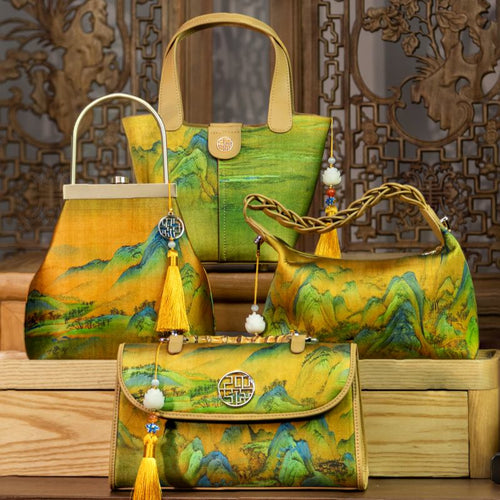
At SinoCultural, we celebrate Chinese heritage by offering a collection of artisanal goods, inspired by traditional myths and legends. Each item reflects the craftsmanship and cultural values that have been passed down for generations, allowing you to keep the spirit of these timeless stories alive in your everyday life. Let our products be a reminder of the beauty and meaning behind this cherished festival.
Wearable Legends: SinoCultural’s Artistic Collections
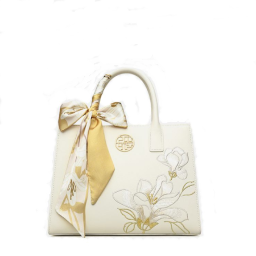
To honor the elegance of Chang'e and the rich symbolism of the Moon Palace, we have reimagined these ancient mid autumn festival stories into exquisite, wearable art. Much like the immortal Baoxiang flower and the divine myths, our collections capture the essence of grace and auspiciousness.

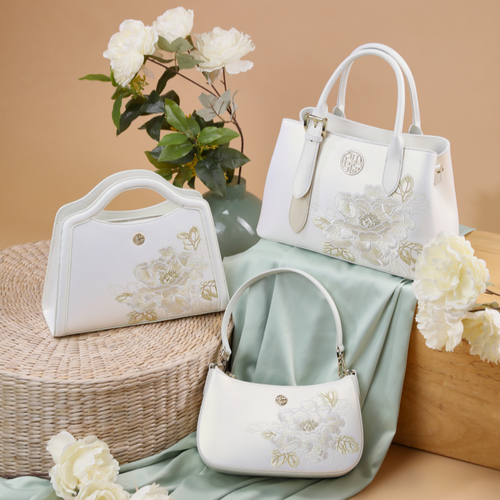
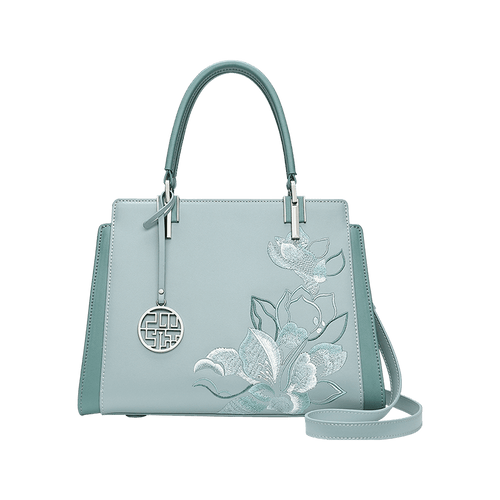
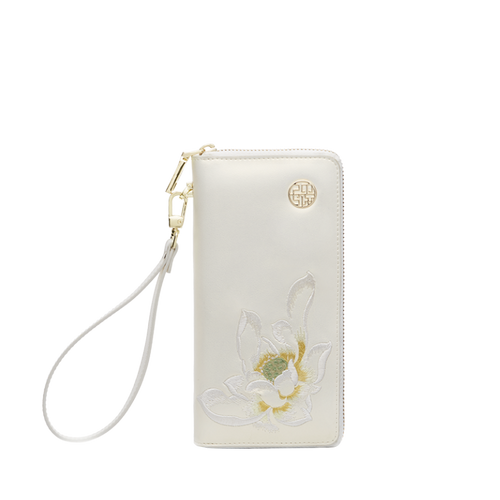
Chinoiserie Luxury Leather Embroidered Handbag with Baoxiang Motif
$589.00 USD

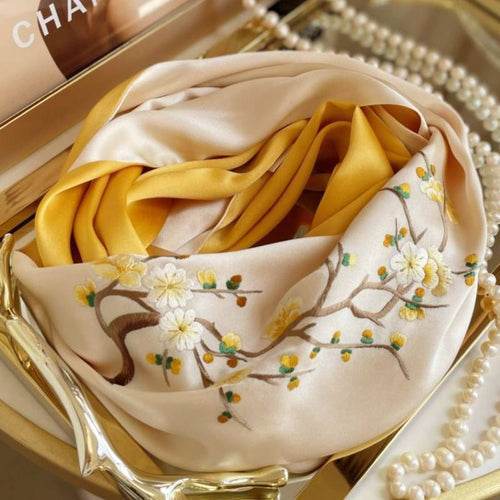
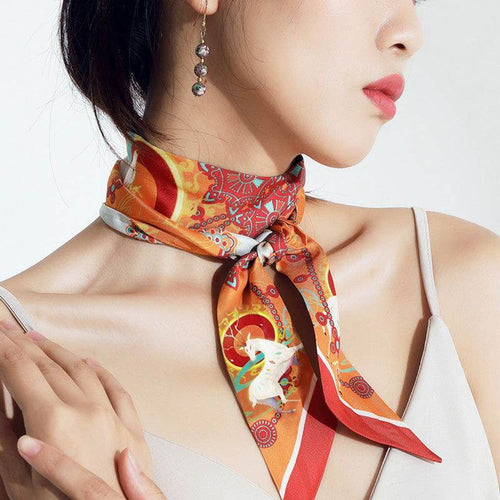
Luxury Nanjing Brocade Garden Rabbit Mulberry Silk Square Scarf 65cm
$299.00 USD

Chinoiserie Handmade Yunjin Brocade Auspicious Purple Jade Rabbit Bag Charm
$79.00 USD
Conclusion: A Lifelong Source of Wisdom
For generations, Chinese children have grown up listening to these enchanting mid autumn festival stories under the silvery glow of the harvest moon. Far from being simple bedtime fairytales, these legends are profound sources of inspiration. From Chang'e's enduring love and the Jade Rabbit's selfless sacrifice to Wu Gang's hard-learned lesson in humility, these myths shape the moral compass of the people. They impart timeless life wisdom—teaching us to cherish our families, act with kindness, and remain grounded in everything we do.
Frequently Asked Questions (FAQ) about Mid-Autumn Legends
Q1: What are the three main myths of the Mid-Autumn Festival?
A1: The three most famous myths are "Chang'e Flying to the Moon(嫦娥奔月)," "The Jade Rabbit Pounding Medicine(玉兔捣药)," and "Wu Gang Chopping the Laurel Tree(吴刚伐桂)."
Q2: Who is the Chinese goddess of the moon?
A2: The Chinese goddess of the moon is Chang'e. She is said to live in the Moon Palace after swallowing an elixir of immortality.
Q3: What does the Jade Rabbit symbolize?
A3: The Jade Rabbit is a symbol of selflessness, loyalty, and friendship, as it sacrificed itself and now keeps the lonely goddess Chang'e company on the moon.
Q4: Why are the stories of Chang'e and the Jade Rabbit still important today?
A4: The mid autumn festival rabbit story and the legend of Chang'e represent the eternal human desire for family reunion and companionship. These timeless tales continue to inspire Chinese art, literature, and luxury cultural gifts passed down through generations.