Skip to content















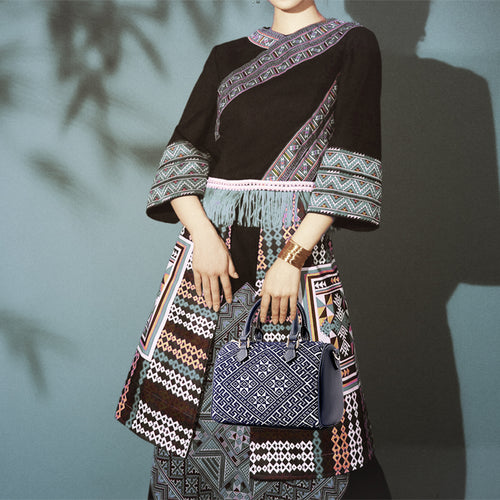


Chinese New Year’s Eve, also known as the 30th day of the 12th lunar month or Chuxi (除夕), marks the culmination of preparations for the Spring Festival. As the most critical night for family reunions, it is steeped in ancient Chinese New Year customs and traditions.
If you are preparing for the arrival of the Year of the Fire Horse on February 17, 2026, here is your complete guide to the rituals, food, and cultural practices of this auspicious night. More details about 2026, read our: Welcome to the Year of Fire Horse 2026: Exploring Chinese Zodiac Horse
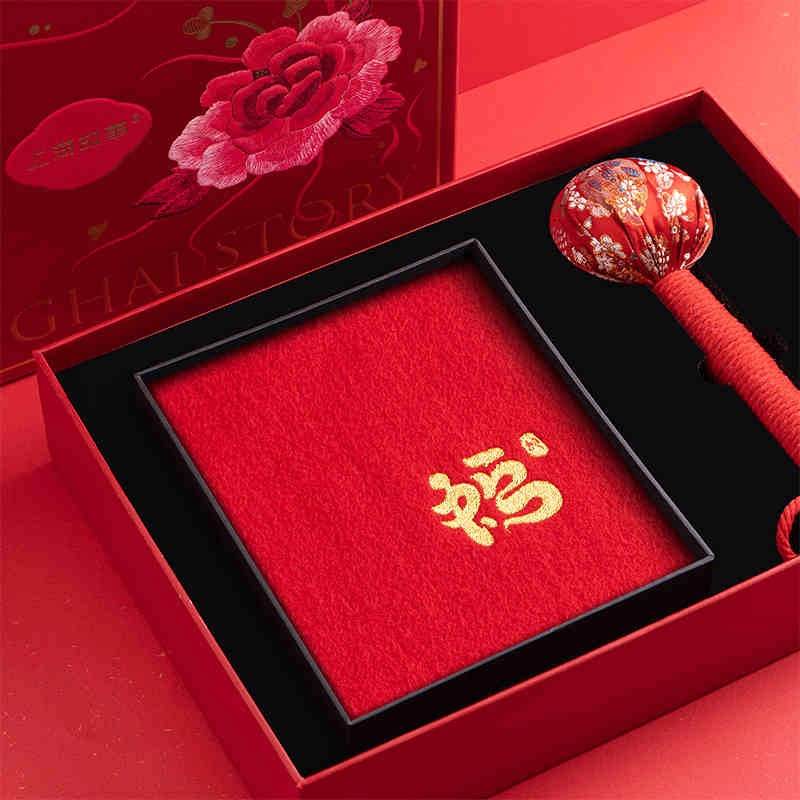
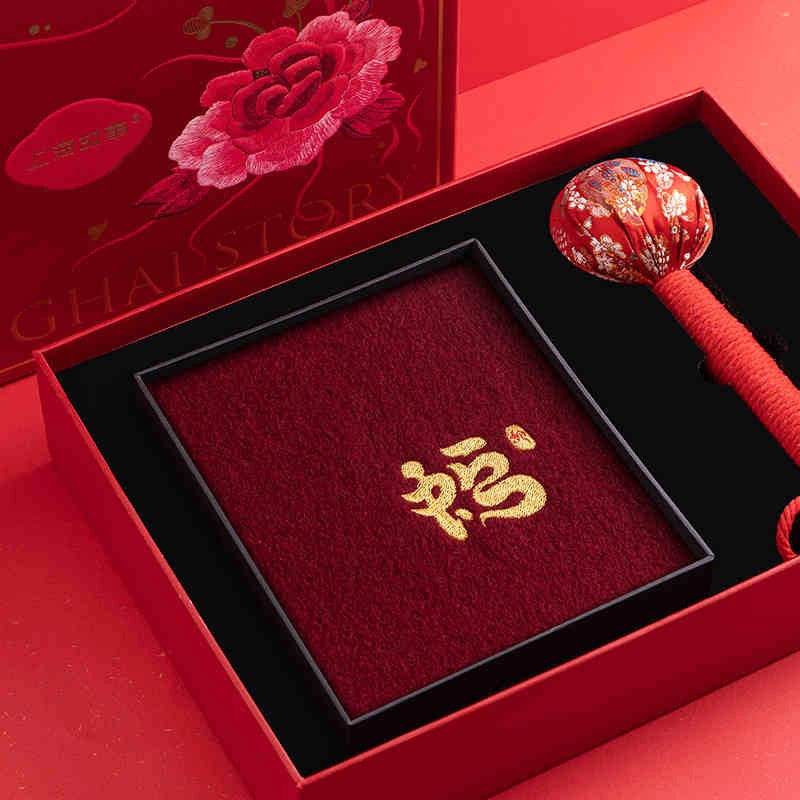
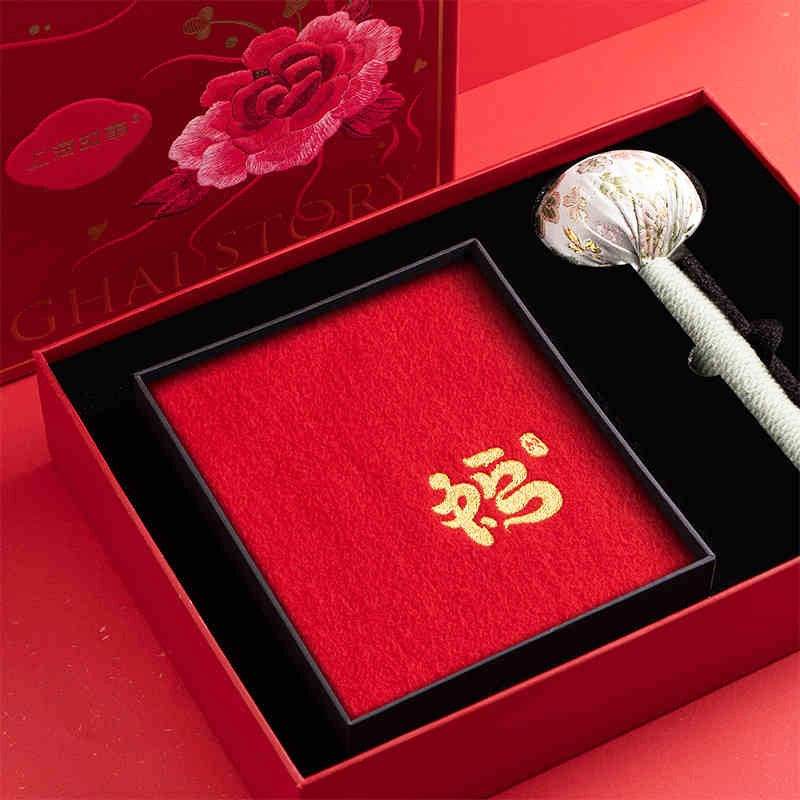
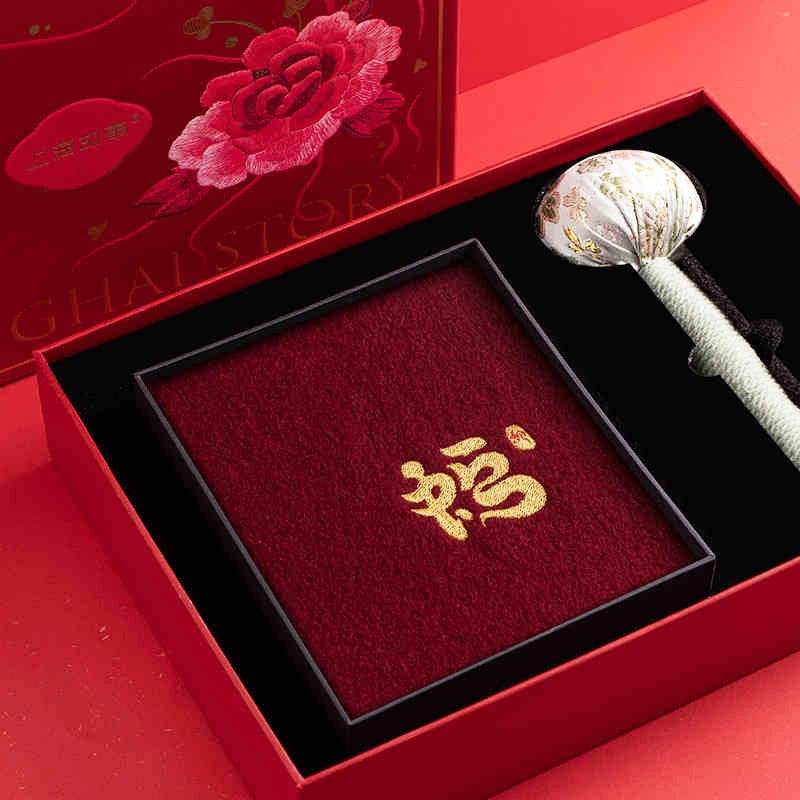
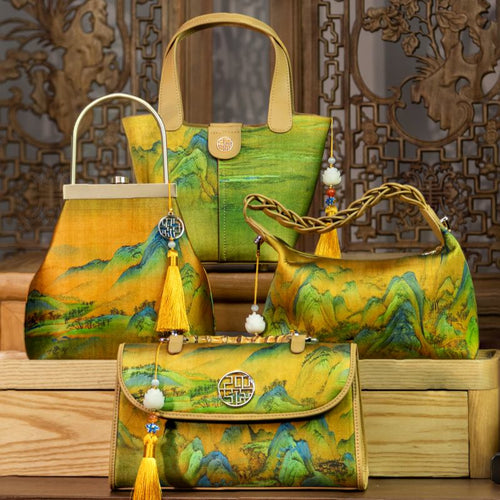
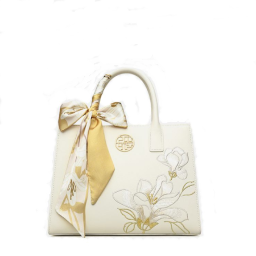
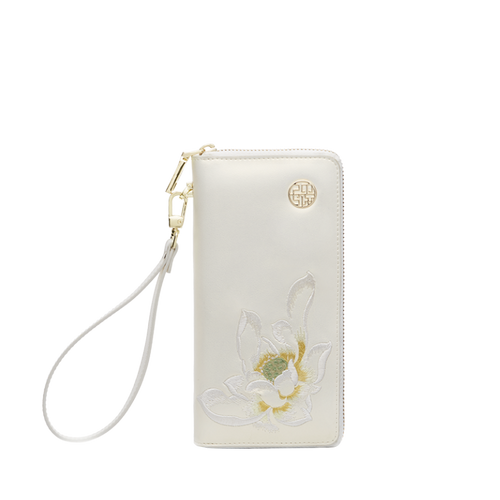
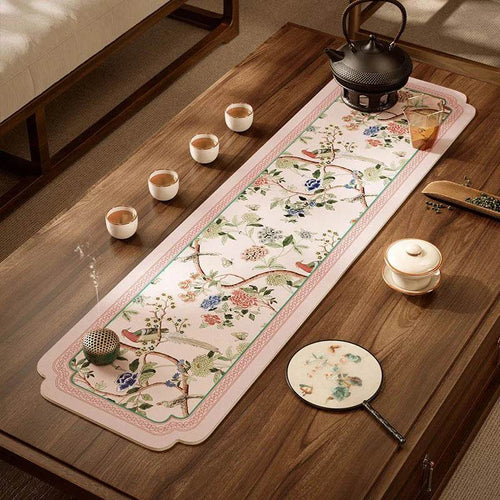
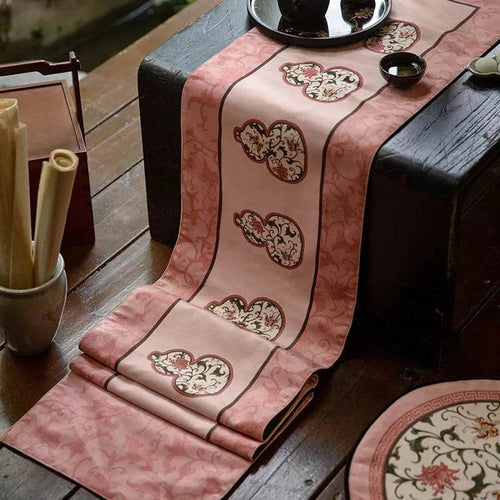
Looking for Chinese New Year Gift? Explore our collection: Chinese New Year Gifts 2026:Year of the Horse Lucky Ideas|SinoCultural
Table of Contents
- The Reunion Dinner (Nian Ye Fan): Symbolic Foods
- Shou Sui: The Tradition of Staying Up Late
- Ya Sui Qian: Red Envelopes & Gift Traditions
- Other Essential Chuxi Rituals & Customs
- FAQ: Chinese New Year's Eve 2026

1. The Reunion Dinner (Nian Ye Fan): A Feast of Prosperity
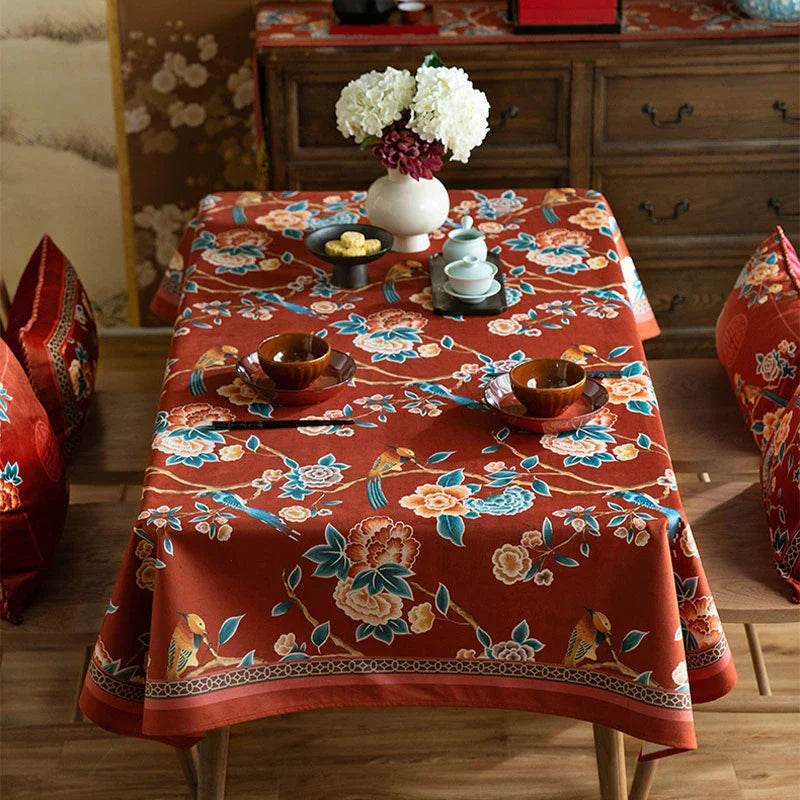
The New Year’s Eve dinner, or Nian Ye Fan (年夜饭), is the most important meal of the year. It brings together extended family members to honor unity.
Symbolic Foods (What to Eat)
According to Chinese new year traditions, every dish on the table serves a purpose:
-
Fish (Yu): Symbolizing abundance and surplus.
-
Dumplings (Jiaozi): Representing wealth, as they look like gold ingots.
-
Sticky Rice Cakes (Nian Gao): Symbolizing growth and career progress.

The dinner is typically an extravagant affair, featuring dishes that symbolize prosperity, happiness, and good fortune. Common dishes include fish (yu), which symbolizes abundance due to its homophonic relationship with the Chinese word for surplus dumplings (jiaozi), which resemble ancient Chinese gold ingots and represent wealth, and sticky rice cakes (nian gao), symbolizing progress and growth. Every dish on the table is imbued with meaning, serving not only to delight the palate but also to convey blessings.
In many households, the preparation of the New Year’s Eve dinner is a collaborative effort, involving family members of all generations. This shared activity fosters a sense of togetherness and creates lasting memories. As the family gathers around the table, stories are shared, laughter fills the air, and the bonds of kinship are strengthened.
2. Shou Sui (守岁): Staying Up Late
After the feast, families partake in Shou Sui (守岁), the tradition of staying awake until midnight to welcome the arrival of the new year. The term “Shou Sui” means “guarding the year,” and the custom has its roots in ancient folklore. Legend tells of a mythical beast named “Nian” that would emerge on New Year’s Eve to cause destruction. To protect their homes and loved ones, people would stay awake, light lanterns, and set off firecrackers to scare away the beast.

Today, Shou Sui is less about warding off evil spirits and more about celebrating the passage of time with family. The evening is often spent engaging in activities such as playing traditional games, sharing stories, or watching the highly anticipated Chinese New Year Gala on television—a variety show featuring music, comedy, and cultural performances.
At the stroke of midnight, the sound of fireworks fills the air, marking the official start of the Lunar New Year. For many families, this moment is also an opportunity to make New Year wishes and resolutions.
3. Giving Ya Sui Qian(压岁钱): Gift Traditions & Red Envelopes
One of the most beloved Chinese New Year gift traditions is the giving of Ya Sui Qian (压岁钱).
-
The Ritual: Elders give money wrapped in red envelopes (Hongbao) to children.
-
The Symbolism: It is believed to protect children from evil spirits and sickness in the coming year.
-
Etiquette: Children should bow and say auspicious phrases like "Gong Xi Fa Cai" before receiving their gift.
Looking for chinese new year gift? Explore our: Chinese New Year Gifts

The origins of this custom are tied to the belief that the coins inside the red envelopes could protect children from evil spirits during the New Year. In folklore, a demon named “Sui” would come to disturb children as they slept. To protect them, parents placed coins wrapped in red paper under their pillows. Over time, this evolved into the modern practice of presenting red envelopes as a token of care and goodwill.
The act of giving Ya Sui Qian is accompanied by expressions of blessings and well-wishes. Children often offer greetings such as “Xin Nian Kuai Le” (Happy New Year) or “Gong Xi Fa Cai” (Wishing you prosperity) to their elders before receiving the envelopes. The tradition is not just about the money itself, but about the love and protection it represents.
4. Top Customs & Rituals for Chinese New Year's Eve
Beyond the dinner and money, several other Chinese New Year rituals are observed to ensure good fortune:
-
Cleaning the House: All cleaning must be finished before midnight to avoid sweeping away good luck.
-
Pasting Spring Couplets: Red banners with poetry are placed on doors.

-
Lighting Firecrackers: At midnight, loud noises are created to scare away evil spirits.
-
Ancestral Worship: Offering sacrifices to ancestors to show respect and ask for protection.

Conclusion: A Celebration of Heritage and Connection
The customs of the New Year’s Eve dinner, Shou Sui, giving Ya Sui Qian, and exchanging Hongbao during New Year visits reflect the rich cultural heritage of Chinese New Year. These traditions embody the values of family unity, mutual respect, and the pursuit of happiness and prosperity.
For those who celebrate, Chinese New Year is not merely a festive event—it is a time to reconnect with loved ones, honor traditions, and look forward to the possibilities of the year ahead. Whether through the sharing of a meal, the joy of receiving a red envelope, or the lighting of fireworks at midnight, the celebration serves as a reminder of the enduring bonds that define Chinese culture and the universal hope for a bright and prosperous future.
More about Chiense new year2026:
A Guide to Chinese New Year 2026: Traditions, Origins & Customs
Welcome to the Year of Fire Horse 2026: Exploring Chinese Zodiac Horse
2026 Year of the Fire Horse Gift Guide: Auspicious Ideas for Everyone | Sinocultural
15+ Meaningful Chinese New Year Gift Ideas (2026 Guide)
5. FAQ: Chinese New Year’s Eve 2026
Q: When is Chinese New Year's Eve 2025?
A: It falls on February 16, 2026.
Q: What is the most important tradition on New Year's Eve?
A: The Reunion Dinner is universally considered the most vital part of Chinese New Year's Eve traditions.
Q: Why do people stay up late (Shou Sui)?
A: To welcome the new year and, according to folklore, to increase the longevity of one's parents.