Skip to content




The Return of the Mamianqun
The Mamianqun (马面裙), also known as the horse-face pleated skirt, is not just a relic of the past—it is the superstar of the modern "Guochao" (China Chic) movement.
Once the quintessential garment for women in the Ming and Qing dynasties, this skirt has stormed back into the limelight, appearing on city streets, graduation ceremonies, and even sparking global fashion debates. But what makes this skirt so special? And why did it cause a massive controversy with a luxury fashion house?

This guide explores the origins of the Mamianqun, its unique structure, the famous Dior controversy, and how you can style this piece of history in 2026.
What is a Mamianqun? (The Structure)
The Mamianqun is one of the most representative pieces of ancient Chinese attire. Its design is distinct and functional:
-
The "Horse Face" Panel: The skirt features four skirt doors (panels). The front and back panels are flat and unpleated, known as the "Mamian" or "Horse Face."
-
The Pleats: The sides are flanked by intricate pleats, allowing for freedom of movement.
-
The Construction: As described by Meng Hui in The Slit Skirt, "This type of Song skirt consists of two equal and independent skirt hems. When making the skirt, the two pieces are partially overlapped and then sewn to the waistband."

Why is it called "Horse Face"?
The name doesn't refer to an actual horse's face. Instead, it comes from ancient Chinese architectural terminology. The "Ma Mian" referred to the protruding defensive structures on city walls (bastions). The flat, rectangular front panel of the skirt resembles these wall structures, hence the name.
The Dior Controversy: Cultural Appropriation vs. Inspiration
In 2022, the Mamianqun became the center of a global fashion storm involving Dior.
During their Fall 2022 collection, Dior released a mid-length black pleated skirt described as a "hallmark Dior silhouette." However, Chinese netizens and fashion historians quickly pointed out that the skirt’s construction—two overlapping panels, front and back flat faces, and side pleats—was identical to the traditional Chinese Mamianqun.

Why did this spark outrage?
The controversy wasn't just about the design; it was about the lack of acknowledgment. Critics argued this was a clear case of cultural appropriation, where a luxury brand profited from a traditional design without crediting its Chinese origins. This event triggered the "Guochao" movement's global expansion, with students in Paris and London protesting by wearing Mamianqun in the streets to reclaim their cultural heritage.
he Evolution of the Mamianqun: A Timeline

The Mamianqun has a rich history reflecting the aesthetic changes of different eras:
-
Song Dynasty (The Origin): Initially known as the "whirling skirt" or "split skirt." It was designed for practicality, allowing women to ride donkeys comfortably.

-
Yuan Dynasty: Tomb findings indicate the basic structure was established by this period.

-
Ming Dynasty (The Golden Age): The classic style solidified. It featured white waistbands (symbolizing growing old together) and intricate embroidered hems. The fabric and patterns often indicated the wearer's social status.

-
Qing Dynasty (The Era of Luxury): The style became more ornate. The "hundred pleats skirt" (Bai Zhe Qun) emerged, featuring incredibly fine pleats and heavy embroidery, showcasing the peak of textile craftsmanship.

-
Republic of China: With the influx of Western influence, the skirt became simpler but eventually fell out of daily use—until its recent revival.
How to Style a Mamianqun in 2026
You don't need to wear a full set of traditional Hanfu to rock a Mamianqun. The beauty of this skirt lies in its versatility. Here are three ways to wear it today:
1. The "New Chinese" Office Look
Pair a solid-colored (black or navy) Mamianqun with a crisp white button-down shirt. Tuck the shirt in to highlight the waist. This creates a silhouette similar to a classic A-line midi skirt but with far more cultural depth.

2. Casual Street Style
For a relaxed weekend vibe, pair a lighter Mamianqun with a fitted knit sweater or a simple T-shirt. Add white sneakers or ankle boots to keep it modern.

3. The Artistic Ensemble (Accessorizing)
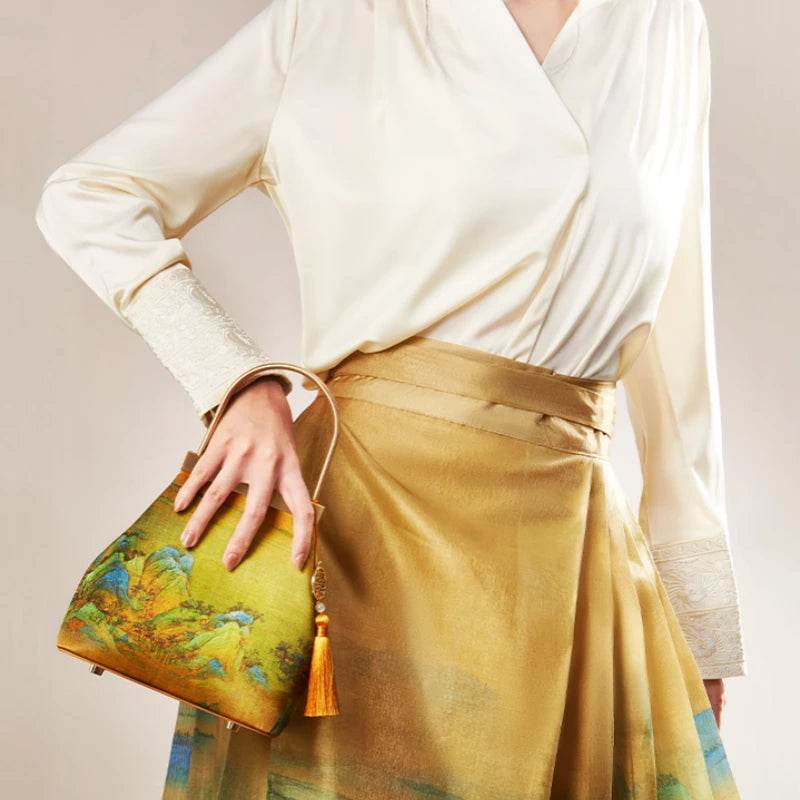
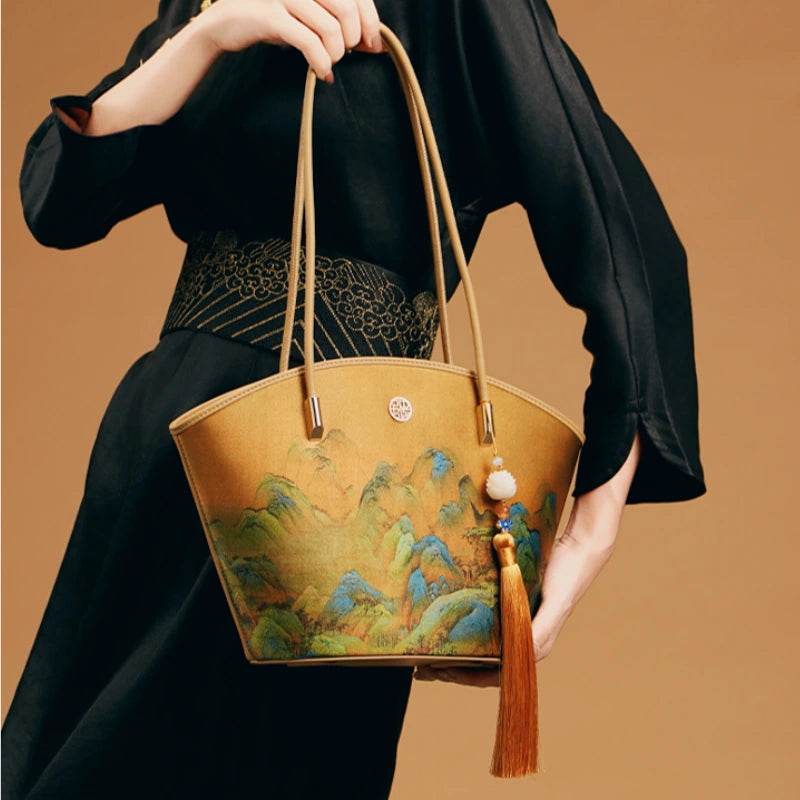
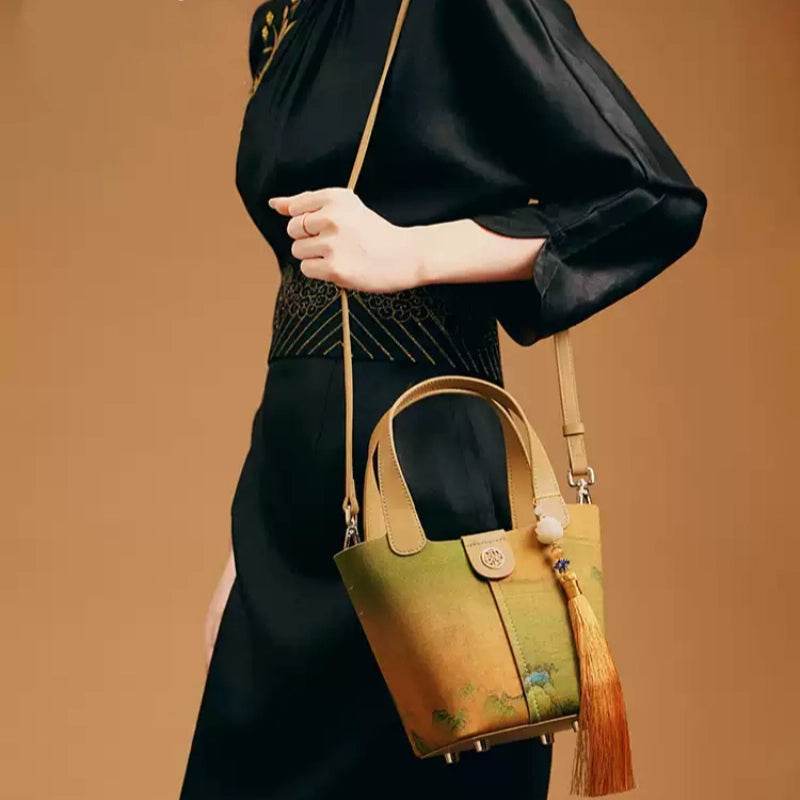
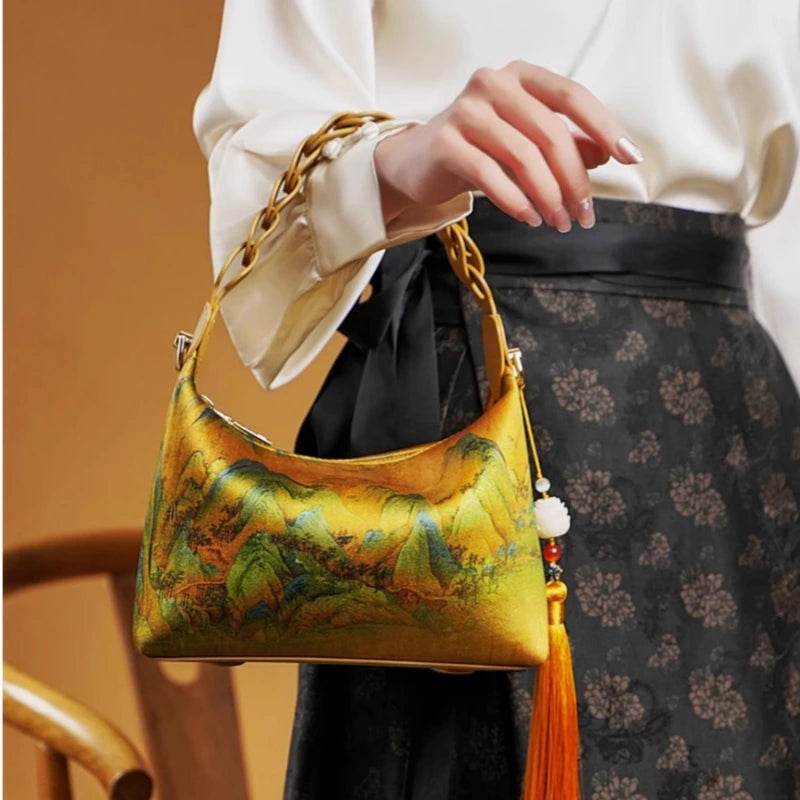
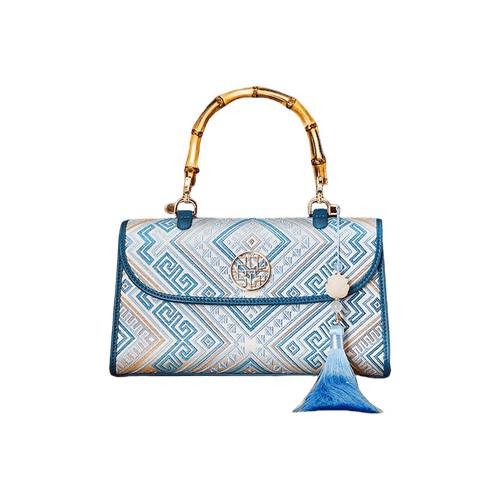
Accessories can make or break the look. Since the Mamianqun often features woven gold or silver patterns, your bag should complement, not compete with, the skirt.
Our Recommendation:
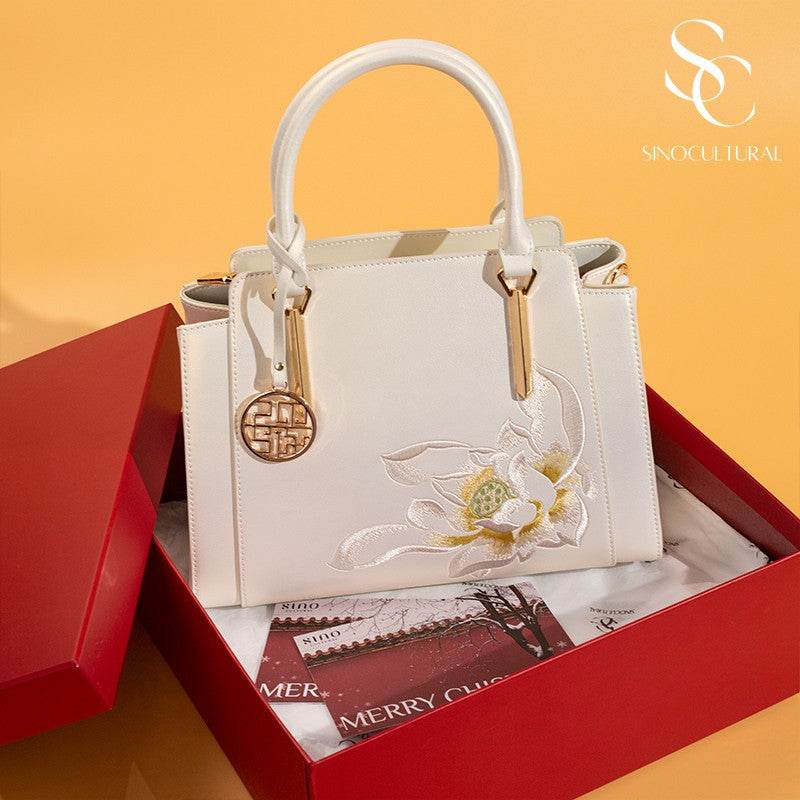
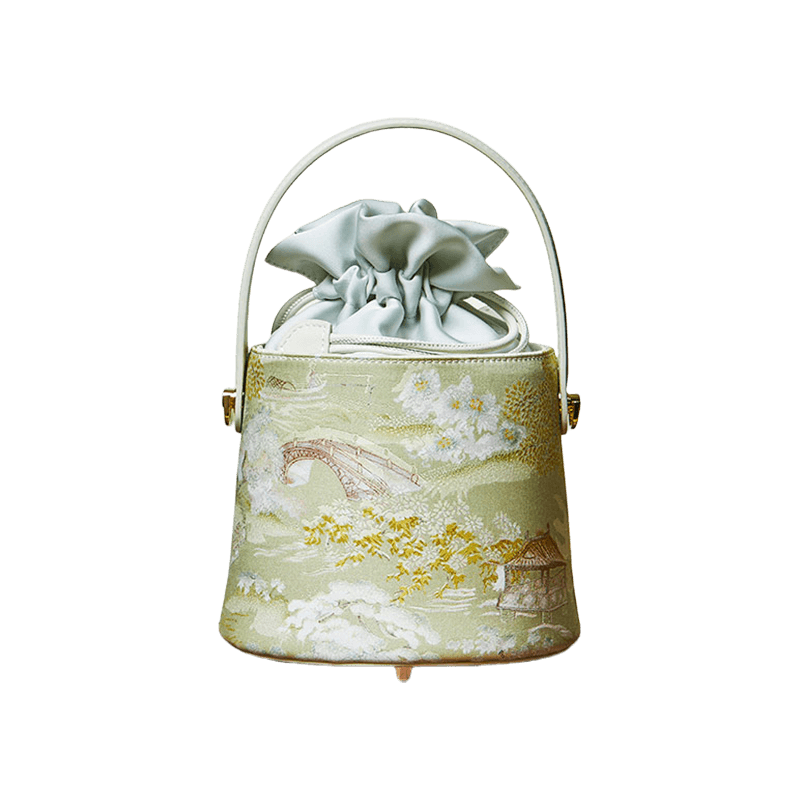
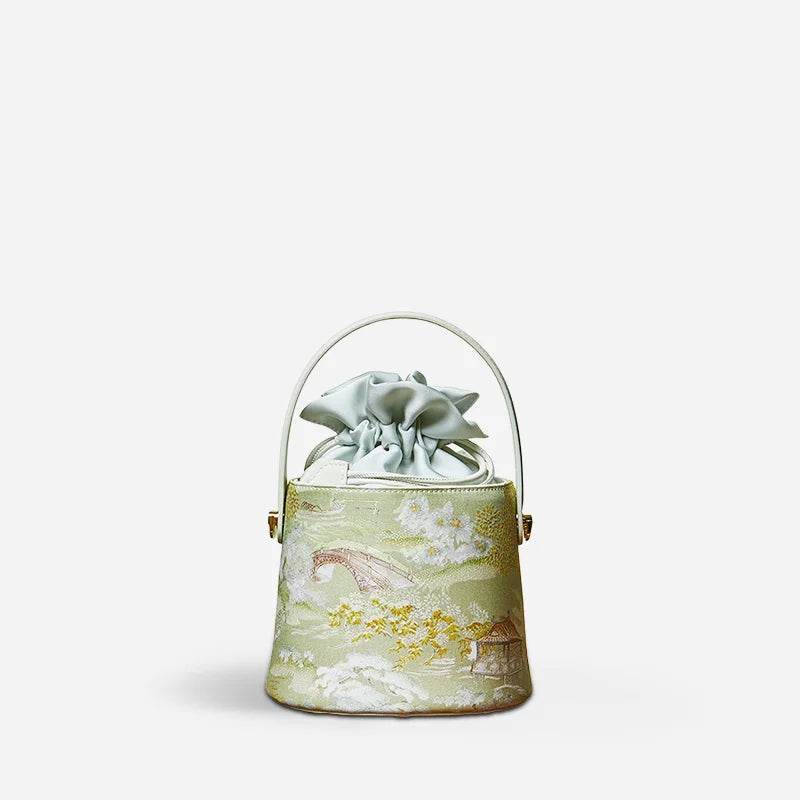
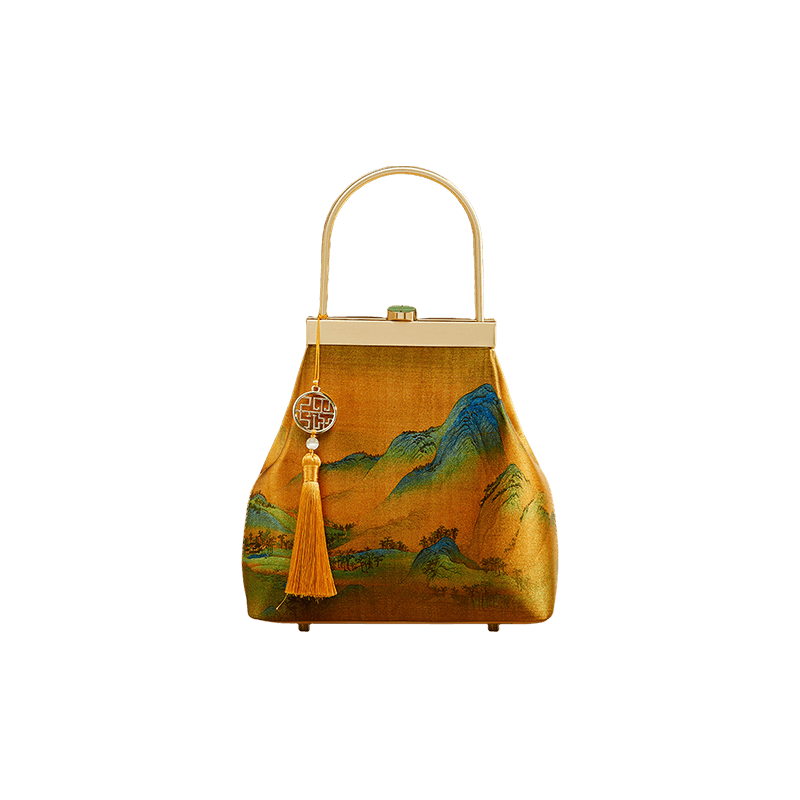
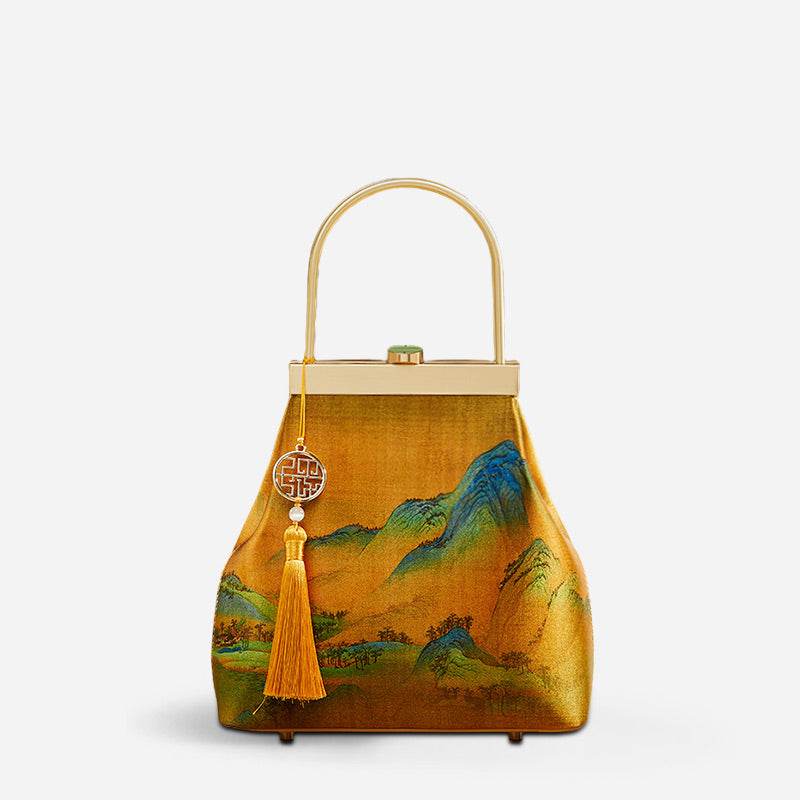
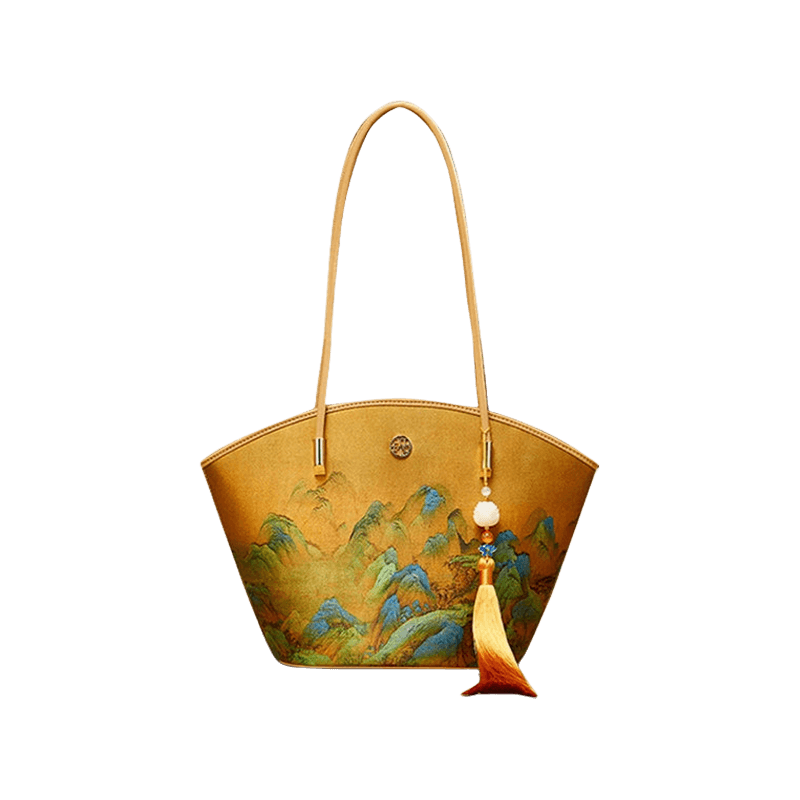
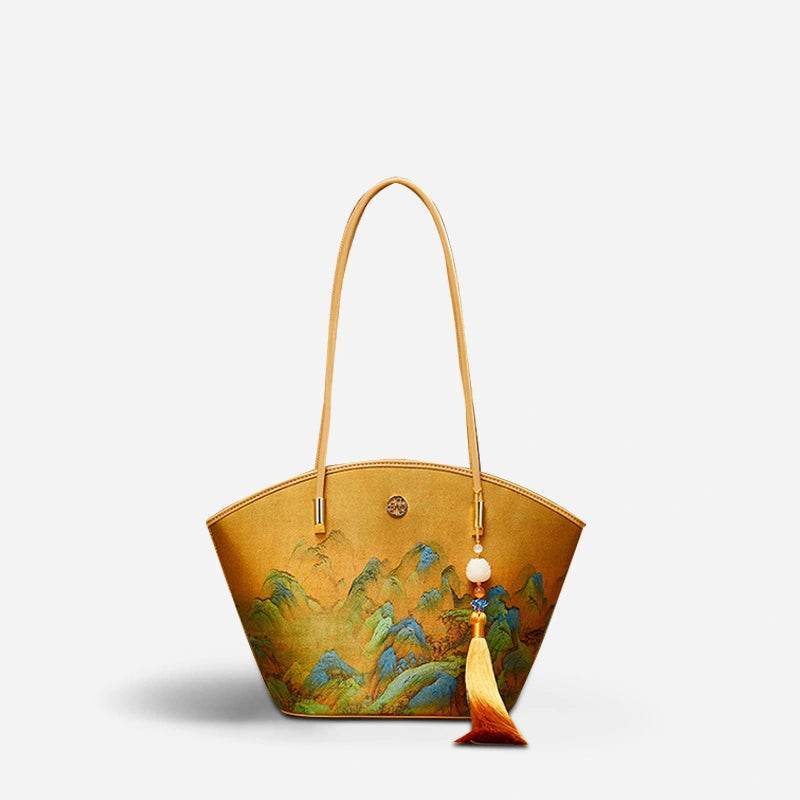
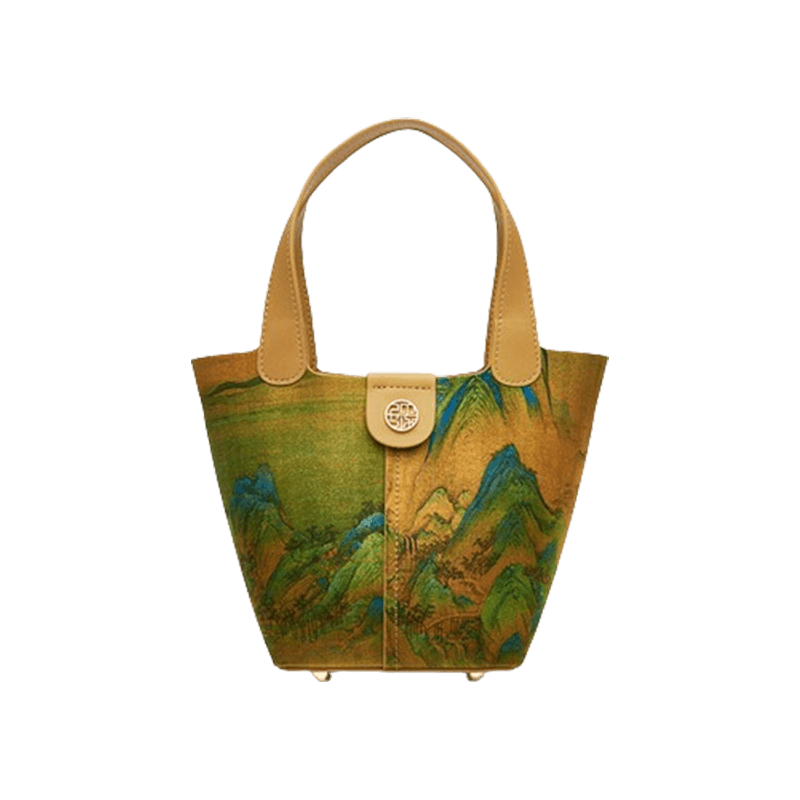
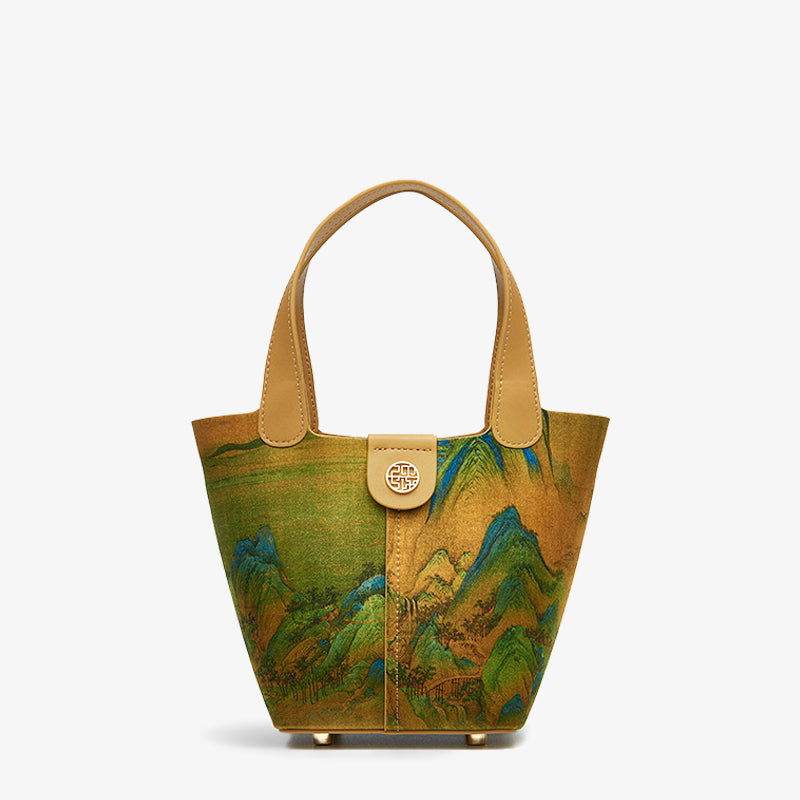
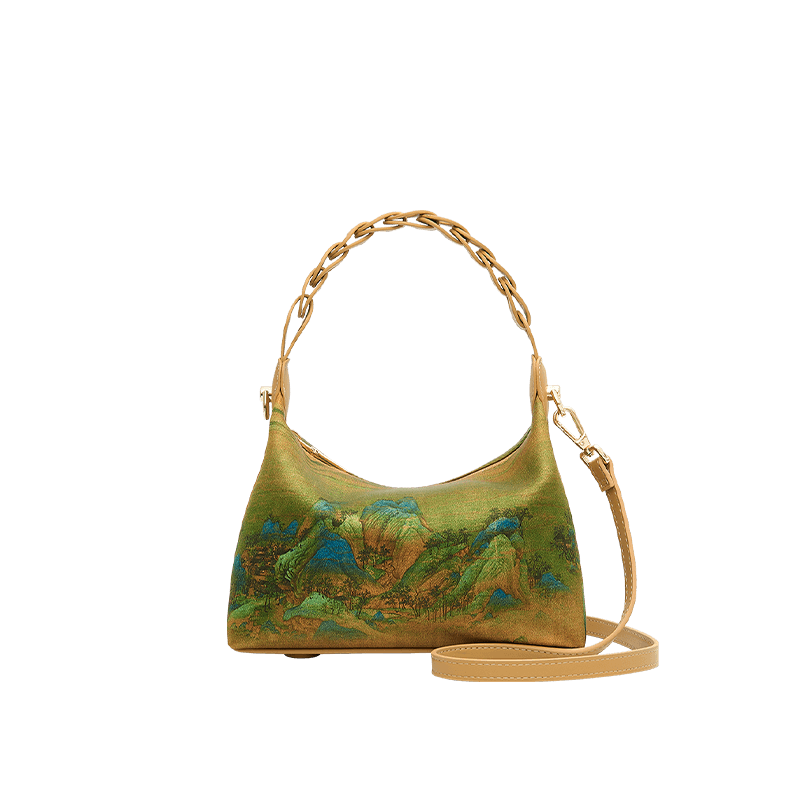
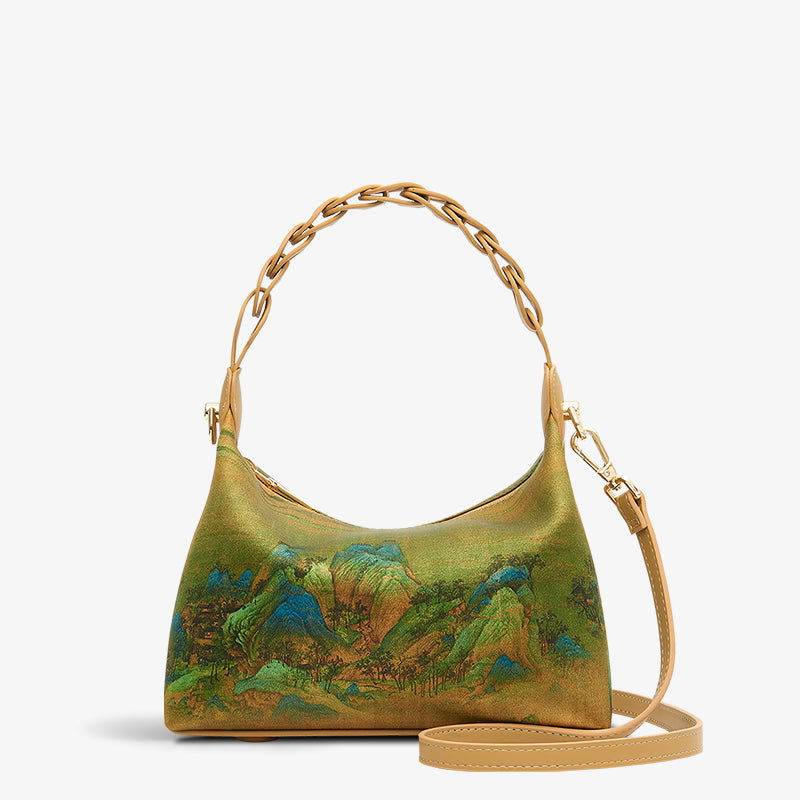
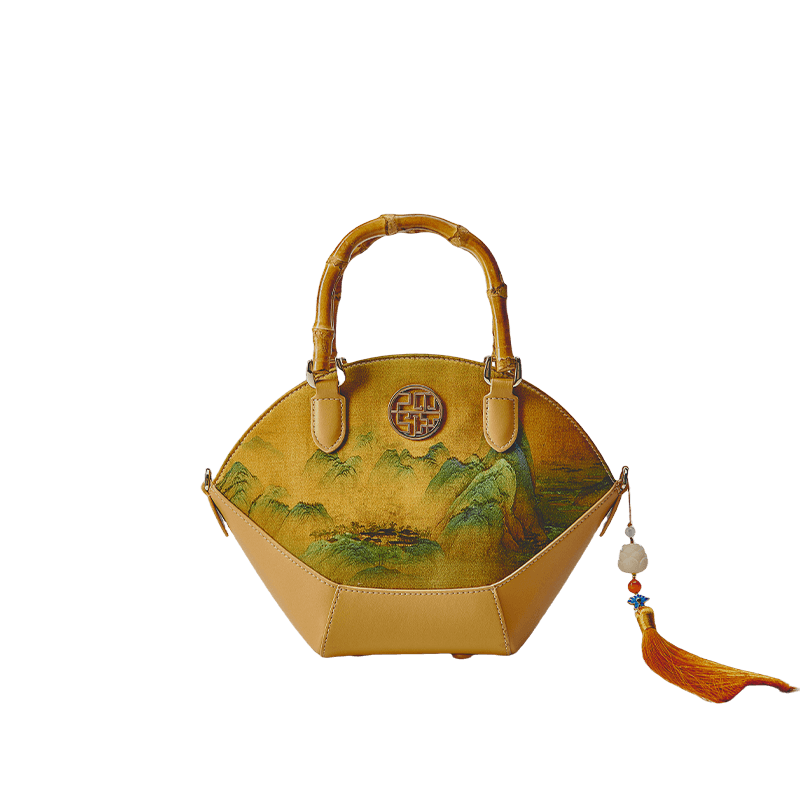
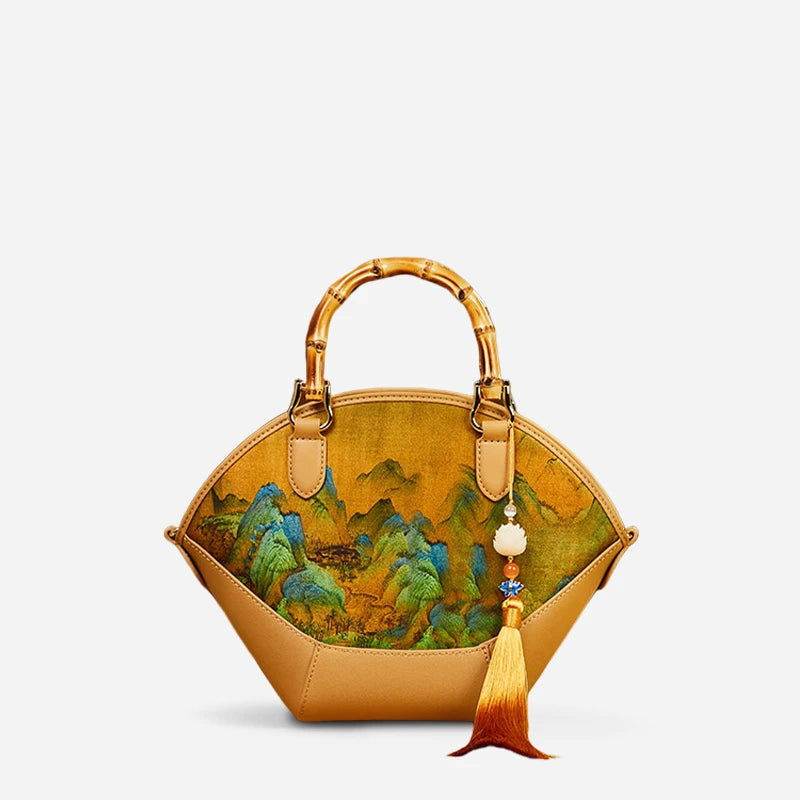
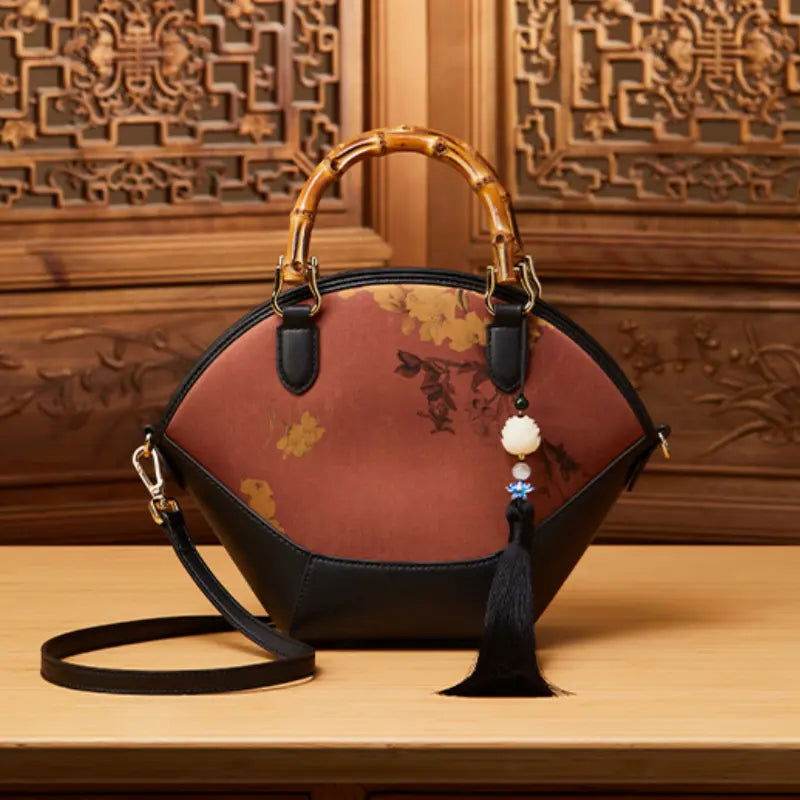
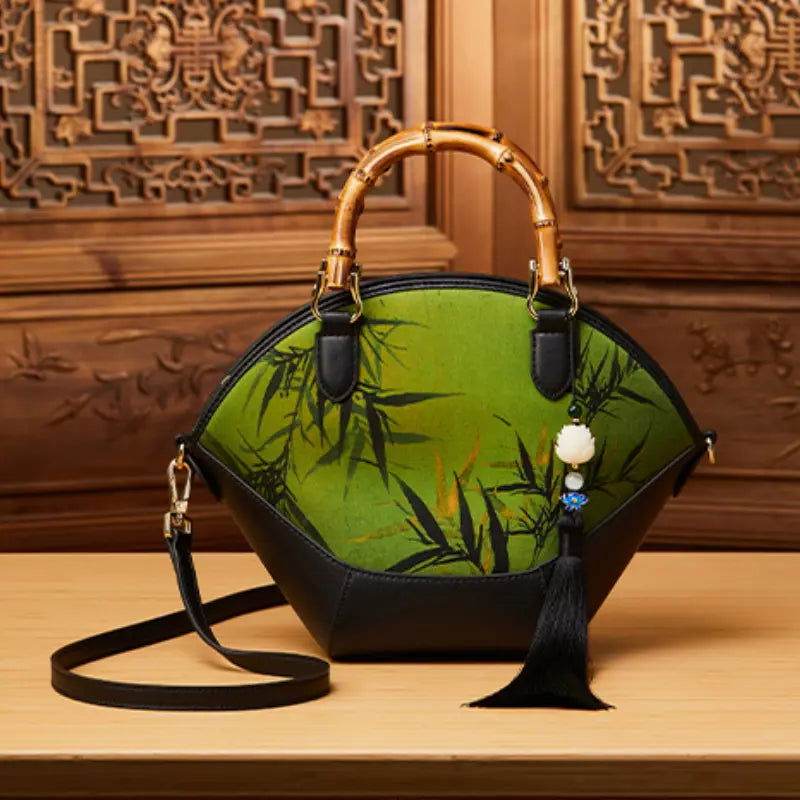
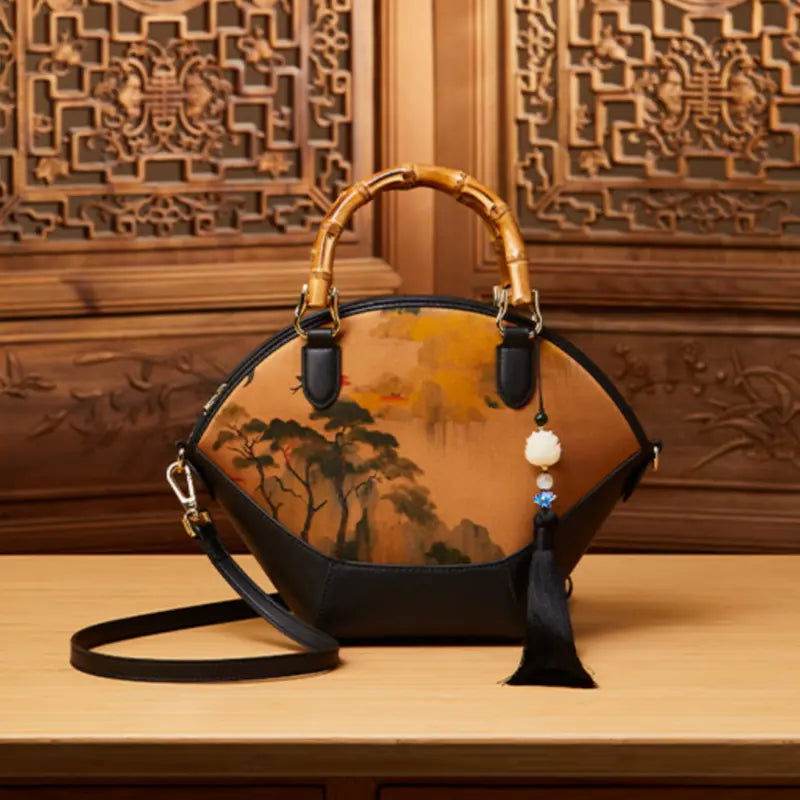
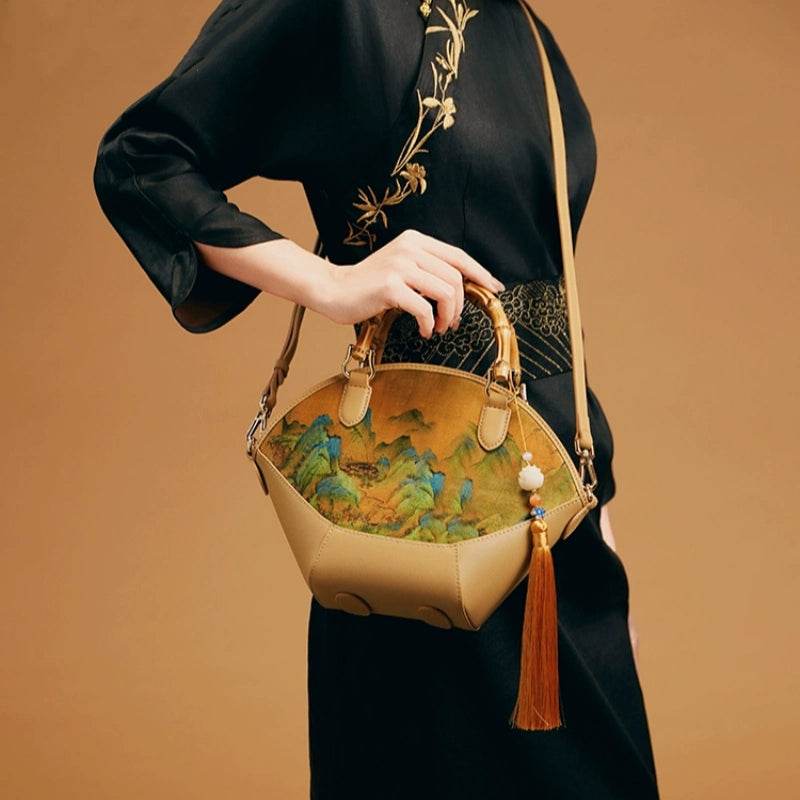
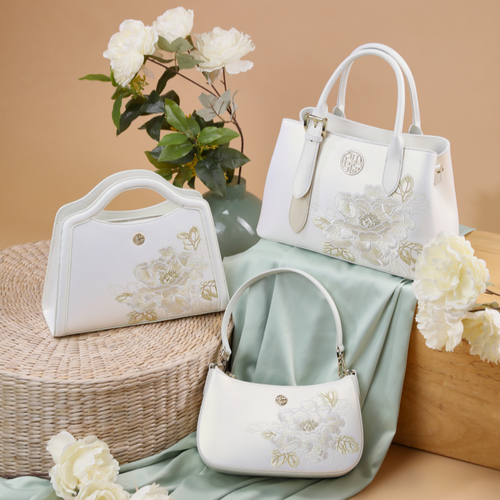
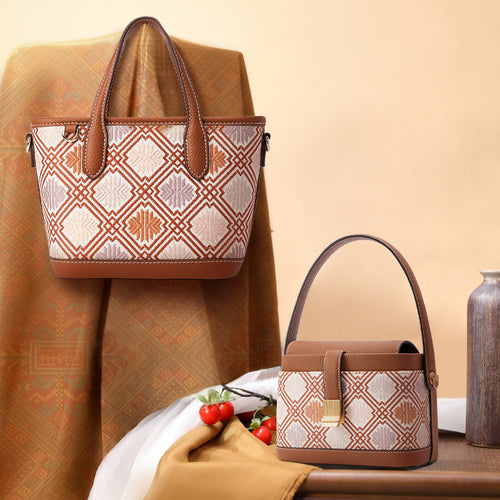
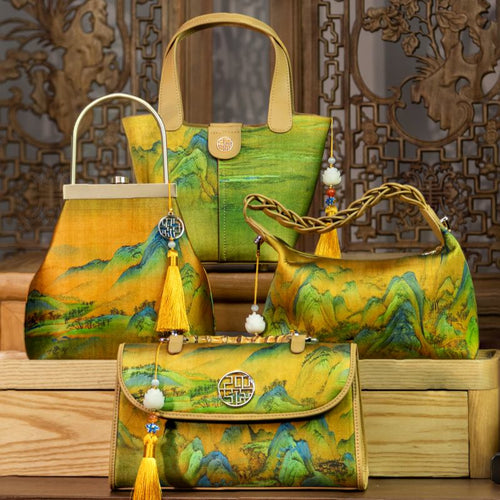
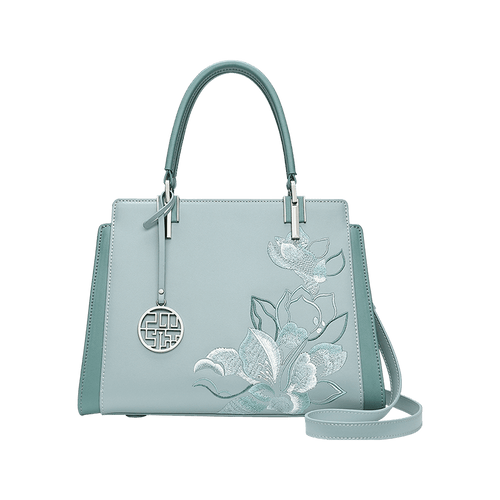
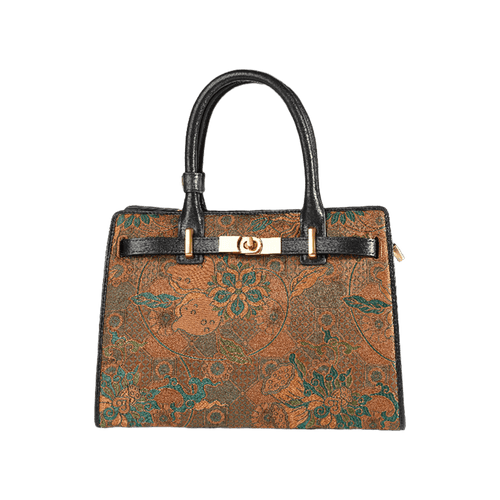
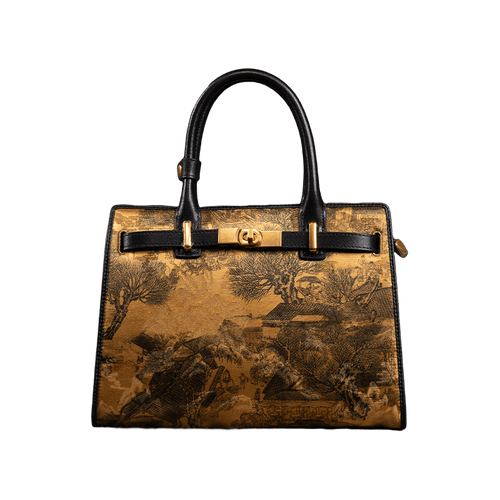
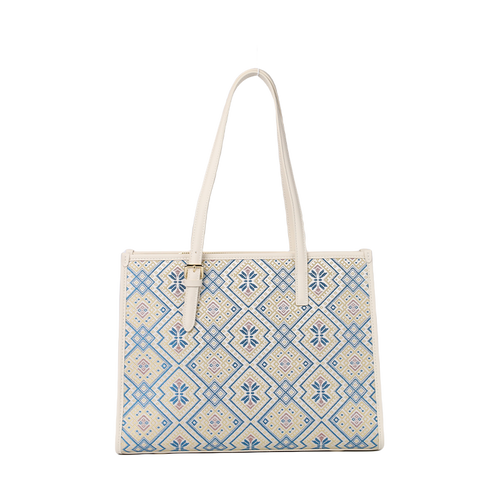
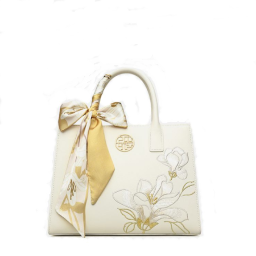
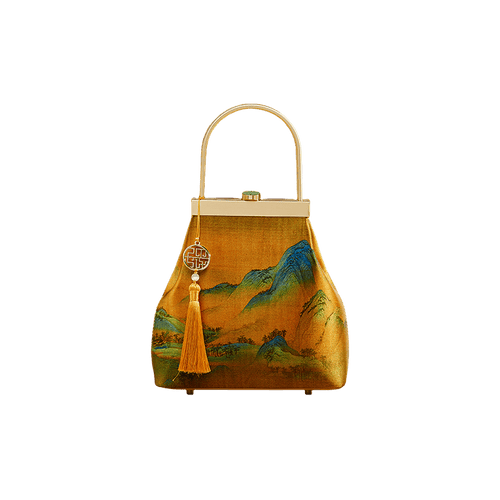
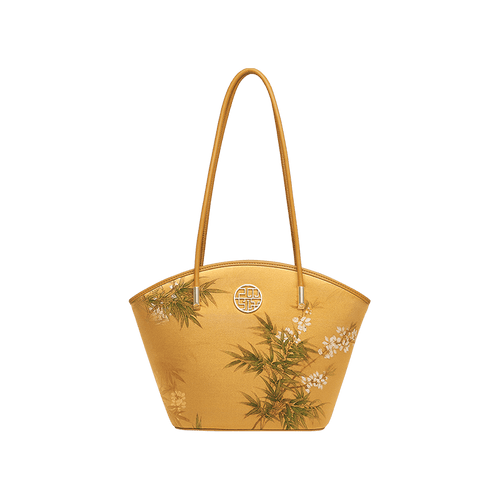
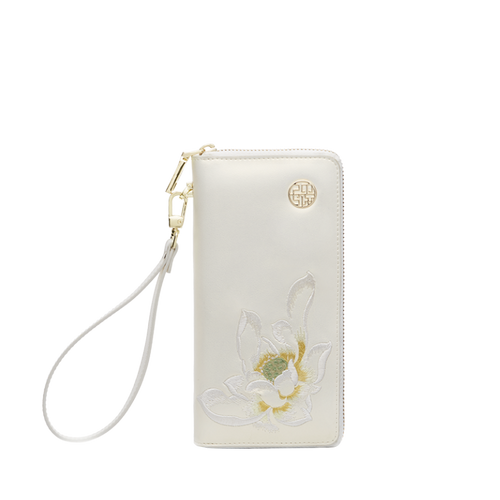
At SinoCultural, we believe in the harmony of traditional arts. We styled our Chinese Painting Series Bags with the Mamianqun for a recent photoshoot. The hand-painted aesthetics of the bag perfectly echo the woven brocade of the skirt, creating a look that is both sophisticated and historically rich.

Frequently Asked Questions (FAQ)
1. Can I wear a Mamianqun if I am not Chinese?
Yes, absolutely! Wearing a Mamianqun is seen as cultural appreciation. The Chinese fashion community generally welcomes people of all backgrounds enjoying Hanfu, provided it is worn with respect (e.g., not as a caricature costume).
2. What do the patterns on a Mamianqun mean?
The decorations are rarely random. They are "auspicious patterns" (Ji Xiang Wen Yang). Common motifs include dragons and phoenixes (authority and harmony), peonies (wealth and honor), and bats (good fortune, as "bat" sounds like "fortune" in Chinese).
3. Is the Mamianqun comfortable for daily wear?
Yes. Unlike some restrictive historical clothing, the Mamianqun was originally designed for movement (even riding animals). The split structure allows for a wide range of motion, making it surprisingly practical for modern life.