Skip to content










From Ancient Vine to Powerful Symbol: Unlocking the Secrets of the Chinese Hulu 葫芦(Gourd)
In the rich tapestry of Chinese culture, few objects are as humble yet profoundly significant as the Hulu (葫芦). Pronounced "hú lú" (and often known in Feng Shui circles by its Cantonese name, Wu Lou), this bottle gourd transcends its simple organic origins.
For thousands of years, the Chinese Hulu gourd has been revered not just as a vessel, but as a potent talisman. From ancient imperial courts to modern apartments, it is placed to ward off evil, absorb sickness, and invite blessings of luck, longevity, and prosperity.
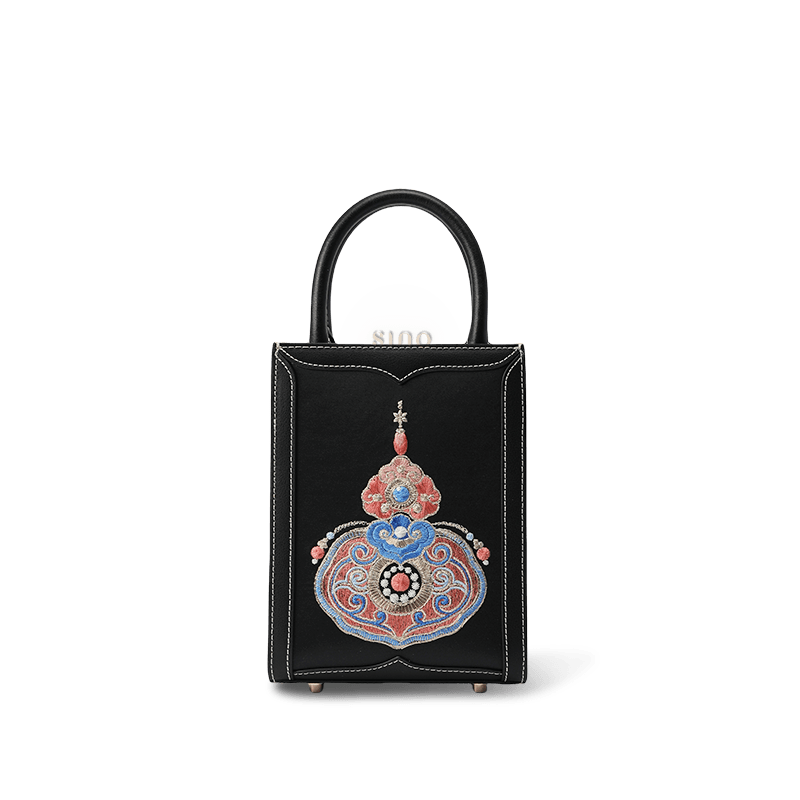
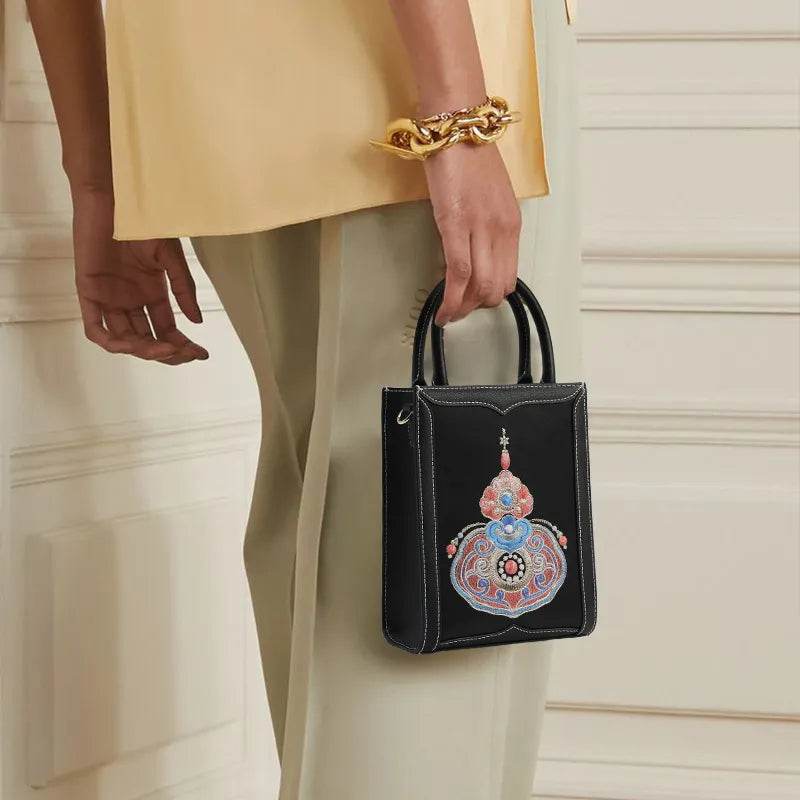
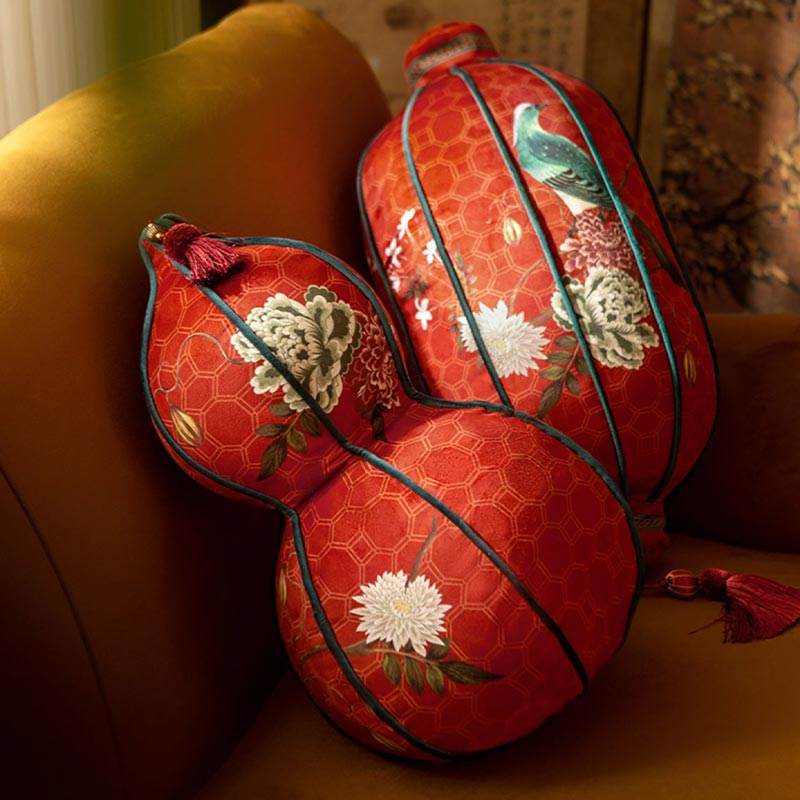
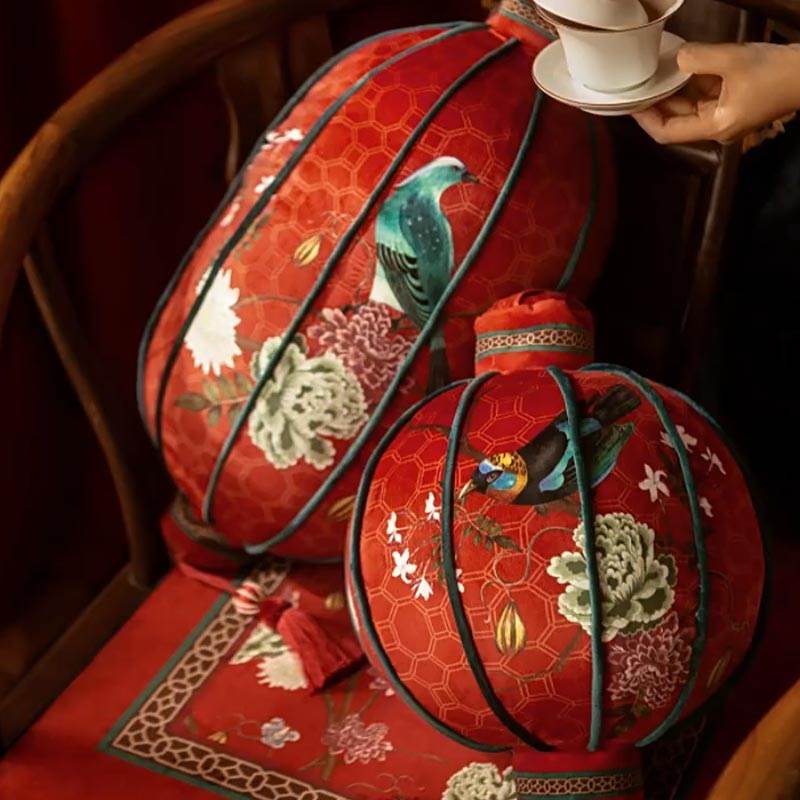
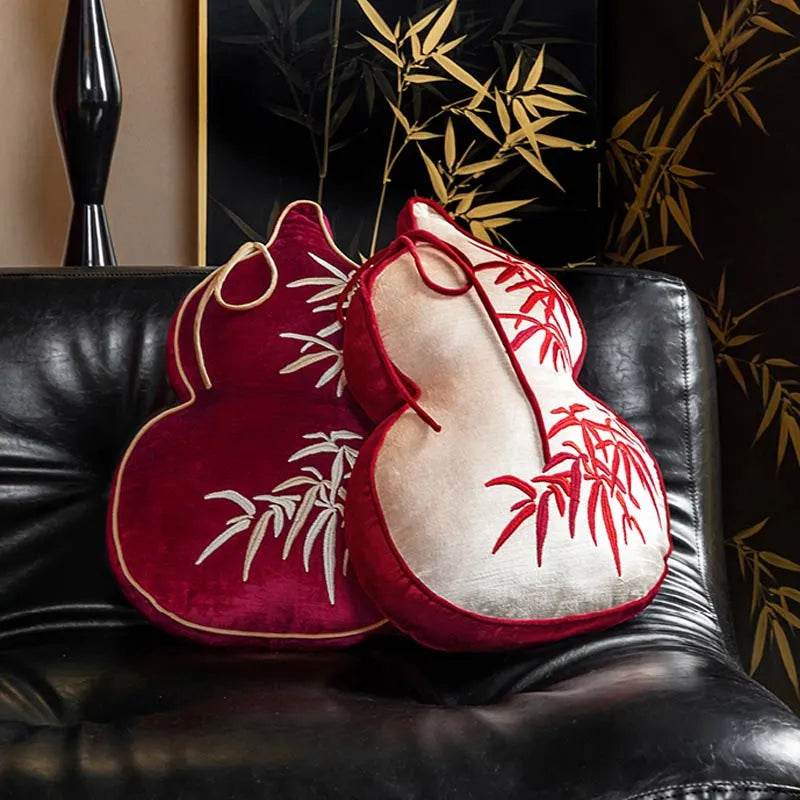
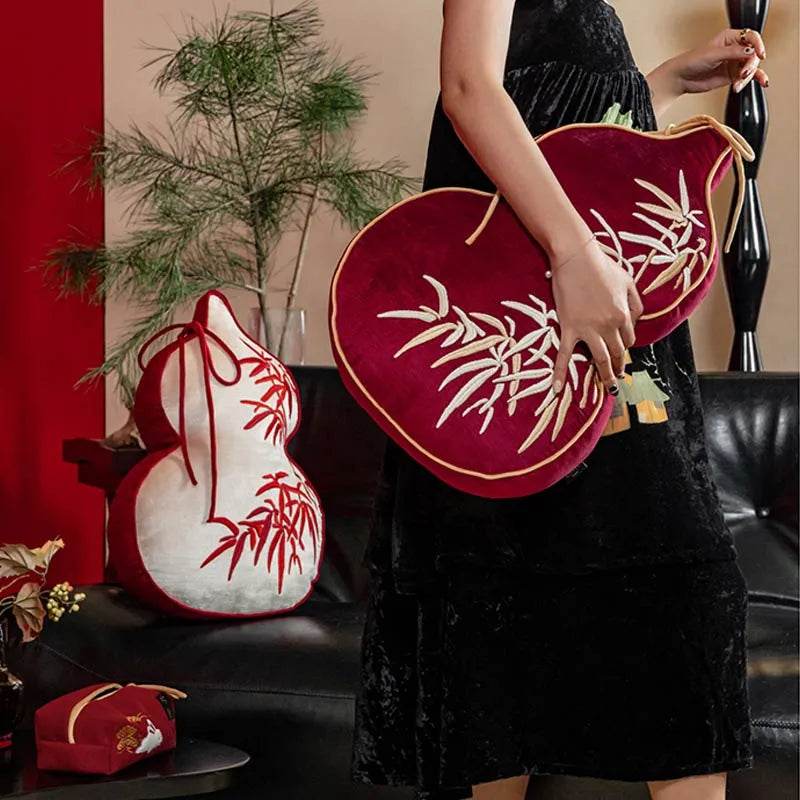
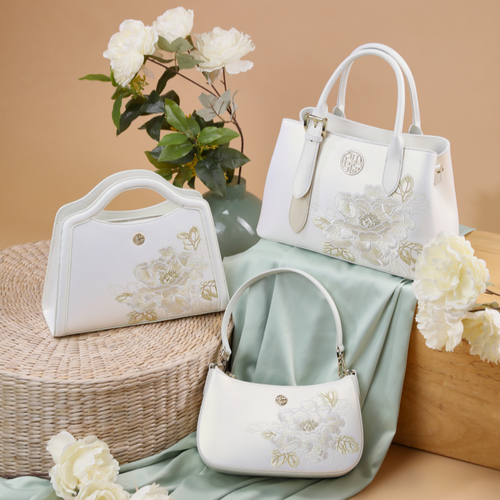
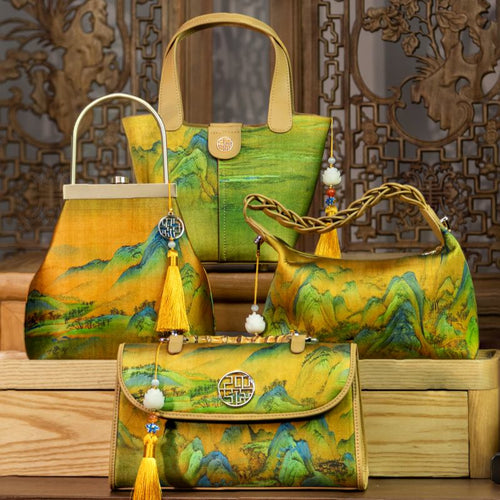
Because the Hulu (Wu Lou) remains such a vital tool for health and harmony, choosing the right one is essential. SinoCultural specializes in blending this potent Feng Shui symbolism with exquisite artisanal craftsmanship. Each piece in our Hulu Collection is designed to serve as both a protective guardian and a sophisticated decor element, allowing you to invite prosperity and peace into your space with style.
[Discover the Art of Blessings: Explore the SinoCultural Hulu Collection]

But why does this figure-eight-shaped calabash hold such an esteemed place in Eastern heritage? Is it merely a decoration, or is there a deeper Hulu meaning? This guide delves into the symbolism, the 9,000-year history, and the Feng Shui applications of this golden fruit.

Table of Contents
The Rich Meaning of Hulu: Why is the Gourd Lucky?
The power of the Hulu comes from a rich tapestry of linguistic puns, physical attributes, and legendary tales. Its layers of meaning make it one of the most versatile symbols of good fortune.
1. Prosperity & Wealth (The "Fulu" Connection)
The most famous Chinese Hulu meaning lies in its name. In Mandarin, "Hulu" (葫芦) sounds remarkably similar to "Fú Lù" (福禄), which translates to "Fortune and Official Salary."
-
The Symbolism: To display a Hulu is to invite career success and financial abundance. It represents a wish for your family to enjoy high status and wealth.
2. Health and Longevity (The Healer's Wu Lou)
In ancient China, hollowed-out gourds were used by doctors to carry medicine. Legend tells of Taoist deities, like the Immortal Li Tieguai, who carried magical elixirs in a golden gourd.
-
Feng Shui Application: Known as the Wu Lou in Feng Shui, it is believed to absorb negative Qi (energy) that causes sickness. Placing a brass or natural gourd by the bedside is a traditional cure for illness.

3. Abundance & Fertility
The bottle gourd grows on long, sprawling vines and contains hundreds of seeds.
-
The Meaning: This creates a visual pun for "Wan Dai" (10,000 generations). It symbolizes a large, prosperous family with many descendants (fertility) and a lineage that never ends.
4. A Powerful Evil-Warding Charm
The gourd’s unique shape—a small mouth and a large belly—is thought to perform magic. In folk beliefs, the Hulu can "suck in" evil spirits and bad luck, trapping them inside where they cannot harm the household.
At SinoCultural, we reinterpret the Hulu’s traditional symbolism of protection and good fortune through our Five Elements Porcelain Hulu Bag Charm. Inspired by Wu Xing (五行)—Metal, Wood, Water, Fire, and Earth—each porcelain charm represents a different element and blessing, turning this ancient cultural symbol into a meaningful accessory you can carry every day and to choose the element whose meaning resonates most with your life.
[Find Your Favorite Charm: Explore the SinoCultural Bag Charm Collection]

5. Pure Love and Marital Bliss
The delicate, white flowers of the gourd vine symbolize purity and harmony. In ancient times, two halves of a single gourd were sometimes used as nuptial cups in wedding ceremonies to convey wishes for a happy union.
6.A Symbol of Knowledge & Culture
Beyond tangible blessings, the Hulu is also associated with wisdom and cultural wealth, appearing widely in traditional Chinese arts and crafts as a muse for scholars and artisans alike.
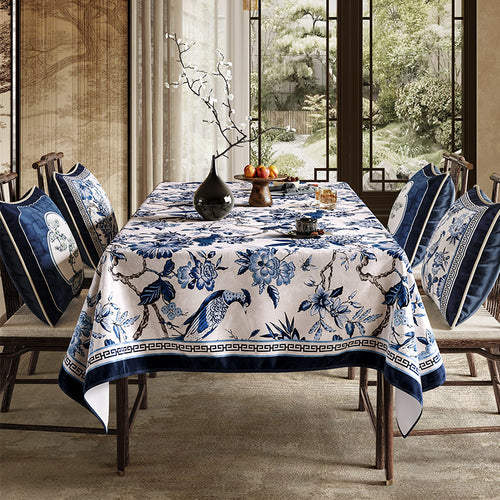
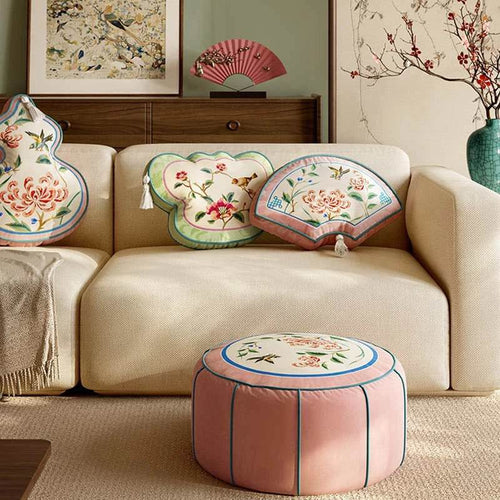
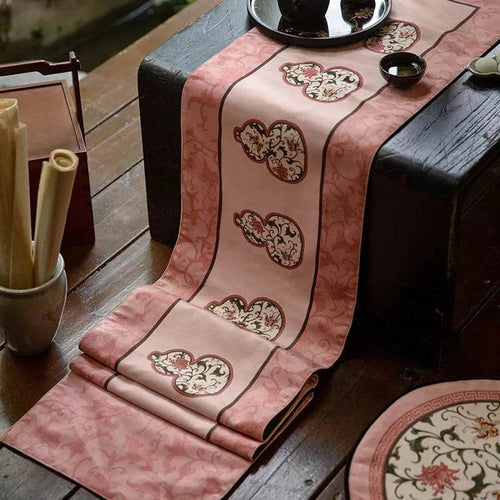
For the modern intellectual or lover of heritage, the Hulu remains the ultimate symbol of a 'refined life.' At SinoCultural, we translate this ancient symbol of knowledge into elegant decor pieces perfect for your home library or workspace. Our Hulu Collection invites the calming, scholarly energy of traditional Chinese art into your daily environment—a perfect blend of historical depth and modern aesthetic.
[Curate Your Space: Shop the SinoCultural Hulu & Art Collection]”

A Journey Through Time: The 9,000-Year History of the Chinese Gourd
The history of the Chinese Hulu is as old as Chinese civilization itself. From a Neolithic food source to a high-art collectible, the gourd has evolved through the dynasties.
1. Ancient Period (Neolithic Era)
- Origins and Symbolism: Also known as bottle gourd(Hulu 葫芦), its origins trace back to the Neolithic era, used as food and containers, symbolizing fertility and vitality.

2. Xia, Shang, and Zhou Dynasties
- Religion and Rituals: Gourds (Hulu 葫芦)held significant roles in ceremonies, symbolizing the connection between heaven and earth, with records found in oracle bones.
- Practical Uses: Gourds(Hulu 葫芦) were made into containers for water and wine due to their practicality.

3. Spring, Autumn, and Warring States
- Philosophical Thought: In Daoism, gourds symbolize “emptiness and inclusiveness,” showing their wisdom significance in Laozi’s writings.
- Literary References: The Book of Songs contains mentions of gourds, reflecting their popularity and use.
4. Qin and Han Dynasties
- Medicinal Uses: Documented for their medicinal value in herbal texts, used to treat various ailments.
- Artistic Decoration: Became important elements in murals and pottery.
5.Wei, Jin, and Northern and Southern Dynasties
- Religious Syncretism: Following Buddhism’s arrival, gourds became significant symbols in Buddhist culture.
- Scholarly Interest: Gourds became popular among scholars and artists, symbolizing leisure and good fortune.
6.Tang and Song Dynasties
- Literary and Artistic Importance: Many poems from these periods celebrate gourds, highlighting their place in scholarly life.
- Craftsmanship Development: Techniques such as gourd carving and painting flourished.

7.Yuan, Ming, and Qing Dynasties
- Folk Beliefs: Gourd(Hulu 葫芦) gained further prominence in folk beliefs, often used to ward off evil, like in the tales of the Eight Immortals.
- Peak of Craftsmanship: Numerous famous gourd art pieces emerged, showcasing artisans’ high skills.

8. Modern Era
- Cultural Transmission: Gourd(Hulu 葫芦) culture persists, with gourd carving and cultivation remaining popular.
- Contemporary Applications: Gourds(Hulu 葫芦) are crafted into decorative items, instruments (like hulusi), and health products, finding a place in modern life.

9.Contemporary Era
- Cultural Revival: The revival of traditional gourd culture includes festivals and exhibitions.
- Innovation and Development: Modern technology and art combine to breathe new life into gourd culture, leading to innovative gourd art forms.

The Hulu as a Perfect Gift: Chinese Gift-Giving Etiquette
Given its rich layers of auspicious meaning, the Hulu plays a vital role in traditional Chinese gift culture. It is an ideal gift for expressing blessings and goodwill. If you are confused about how to choose a Chinese cultural gift, read our guide: 20+ Chinese Gift Giving Etiquette: Best Traditional Gifts for Women, Parents & Housewarming
-
For a Birthday (especially for an elder): Gifting a Hulu-themed item conveys sincere wishes for health and longevity.
-
For a Housewarming: A Hulu charm or decoration is a perfect gift to wish the family protection, happiness, and prosperity in their new home.
-
For a Wedding: It symbolizes a blessing for the couple to have many children and a harmonious life together.

At SinoCultural, our mission is to keep these sacred stories alive. We weave the protective spirit of the Chinese Hulu into our curated collection, creating a seamless connection between ancient wisdom and modern living. Let this powerful symbol of longevity and luck find its place in your home today.
[Discover Your Talisman: Browse the SinoCultural Hulu Collection]

FAQ: Common Questions About the Chinese Hulu Symbol
Q: What does "Hulu" mean in Chinese culture?
A: While "Hulu" (葫芦) literally translates to "bottle gourd" or "calabash," culturally it is a symbol of good luck. It represents the duality of health (healing sickness) and wealth (attracting prosperity via the "Fulu" pun).
Q: Is "Hulu" related to the TV streaming app?
A: No. The streaming service named itself "Hulu" partially inspired by the Chinese mandarin word for "holder of precious things" (gourd). However, the Chinese Hulu discussed here is an ancient cultural artifact and Feng Shui symbol, completely unrelated to the media company.
Q: What is a "Wu Lou" and is it different from a Hulu?
A: They are the same object. "Wu Lou" is simply the Cantonese pronunciation of "Hulu." In Feng Shui books written in English, the term "Wu Lou" is often used to describe the metal or brass gourds used to cure the "sickness star."
Q: Where should I place a Hulu gourd for Feng Shui?
A: To improve health, place a brass Hulu (Wu Lou) on your bedside table or in the sector of your home affected by the #2 Sickness Star. To attract wealth, hang a gourd near your entrance or in your office.
Q: Is the Hulu gourd edible?
A: Young bottle gourds are a delicious vegetable in Chinese cuisine. However, the hard-shelled, dried gourds used for Feng Shui cures, art, or ornaments are mature and not meant for eating.