Skip to content

















If you’ve ever visited China in July or August, you know—the heat is on another level. That’s Dashu (大暑, Dàshǔ), the 12th solar term in the Chinese calendar and the peak of summer (typically between July 22-24). It’s when the sun hits its highest point in the northern hemisphere, and temperatures reach their annual max. But Dashu isn’t just about sweating it out and piling on sunscreen—it’s a time for tradition, tasty cooling foods, and, of course, stylish summer fashion.
Historically, Dashu signaled the end of 'minor heat' (Xiaoshu) and kicked off the hottest 40 days—known as '伏天' (Fútiān), or the 'dog days.' Farmers prepared for the harvest, while everyone found creative ways to stay cool, all while honoring time-honored traditions.

North vs. South: How Dashu Feels Totally Different Across China
"Ever wonder why your friend in Beijing talks about 'dry heat' while your cousin in Guangzhou complains about 'sticky humidity?'' That’s Great Heat(Dashu) for you—splitting China into two totally different climates:
- North China (e.g., Beijing, Xi’an): Dry, intense heat (35-40°C/95-104°F) with low humidity. The air feels like an oven—you’ll sweat, but it dries off fast. People tend to stick to the shade or stay indoors with a fan.

- South China (e.g., Guangzhou, Shanghai): Humid, sauna-like conditions (80-90%) and high temps (32-38°C/90-100°F). Sweat clings to your skin, and even a quick walk leaves you soaked. Here, folks rely on AC, iced drinks, and lightweight clothes to survive.

"Fun fact: In the North, they call it 'fire weather' (火天, Huǒtiān), while in the South, it’s 'steamer weather' (蒸笼天, Zhēnglóngtiān). Both are spot on—just two different kinds of hot!"
Dashu’s Three Signs: What Nature Can Tell Us
Ancient Chinese astronomers broke each solar term into three 'phenomena' (侯, hòu) to track changes in nature. For Dashu, here’s what they observed:
-
Fǔ cǎo wéi yíng (腐草为萤): "Decaying grass turns into fireflies." Not literally, of course, but during Dashu, fireflies start lighting up the summer nights, especially around damp grass. And kids? They can’t resist chasing them!

-
Tǔ rùn rù shǔ (土润溽暑): "The soil is moist and humid." The air is so damp that even the ground feels sticky—perfect for mold, but also great for rice fields!

-
Dà yǔ shí xíng (大雨时行): "Heavy rains come and go." After weeks of heat, sudden thunderstorms pop up—cooling things down but making the roads super slippery. People even call these 'Dashu rains' (大暑雨, Dàshǔ yǔ).

Dashu Traditions: Fun Ways to Beat the Heat
Dashu isn’t just about surviving the heat—it’s about celebrating it with traditions that have been passed down for centuries:
-
Shài fú jiāng (晒伏姜): "Drying ginger in the dog days." People wrap fresh ginger in paper and leave it in the sun for 40 days. The result? A spicy-sweet ginger paste that’s used to make tea—said to warm the body and help fight off the dampness from the humidity.

-
Hē fú chá (喝伏茶): "Drinking dog days tea." Street vendors and temples serve free iced herbal tea (made with mint, lotus leaves, or chrysanthemum) to passersby. It’s a way of sharing a little coolness and kindness during the hottest days.

-
Shāo fú xiāng (烧伏香): "Burning incense during the dog days." In some regions, people head to temples to burn incense and pray for good health—especially for kids and the elderly, who are more sensitive to the heat.

Dashu Tradition Eats: Cool & Refreshing Foods to Beat the Heat
In China, food is considered medicine—especially during Dashu. Here’s what’s on the menu:
-
Eastern China: Yángròu Bāo (羊肉煲):Tender lamb slow-cooked with white radish and herbs like angelica and astragalus in a savory broth. It may seem odd for a hot day, but lamb’s warming properties help boost energy and fight off the sticky humidity of Dashu.

-
South China: Lǜdòu tāng (绿豆汤) – Mung bean soup. Sweet, chilled, and packed with nutrients, it’s the ultimate refreshing treat. Some people add white fungus or lotus seeds for extra flavor.

-
Bonus: Xīguā (西瓜) – Watermelon! Known as the "king of summer fruits" in China, it's juicy, sweet, and 92% water. People eat it for a snack, or for dessert!

Pro tip: If you're in the South, try adding a pinch of salt to your mung bean soup—seriously, it brings out the sweetness!
A Dashu Summer Edit: Tea, Style, and Seasonal Living
Bring the spirit of Dashu into everyday life through seasonal tea rituals, summer-inspired accessories, and refreshing home details.
-
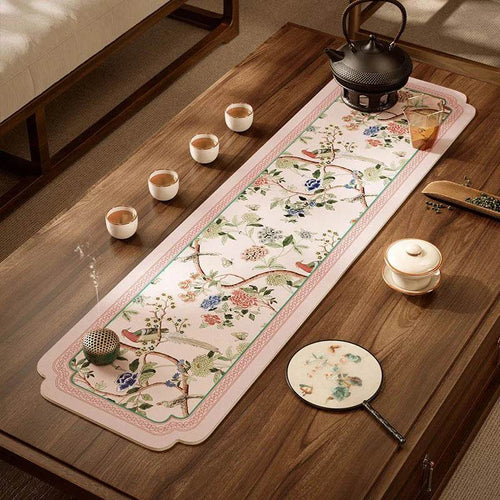
A Cooling Tea Ritual: During Sanfu, people traditionally enjoy fucha to feel refreshed in the summer heat—serve your favorite seasonal drink with our Peony & Butterfly Bone China Set for an elegant touch.

-
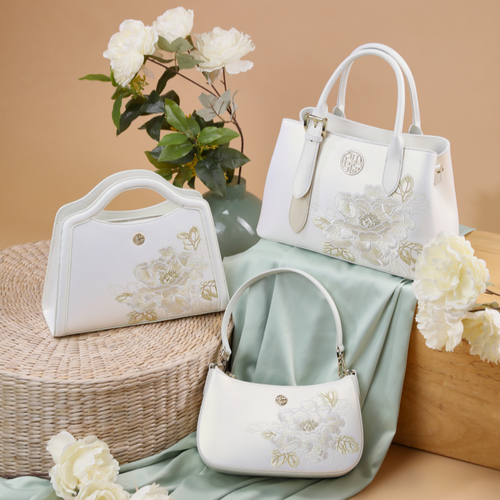
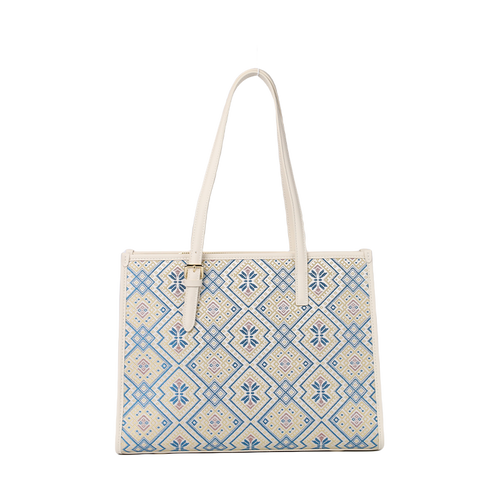
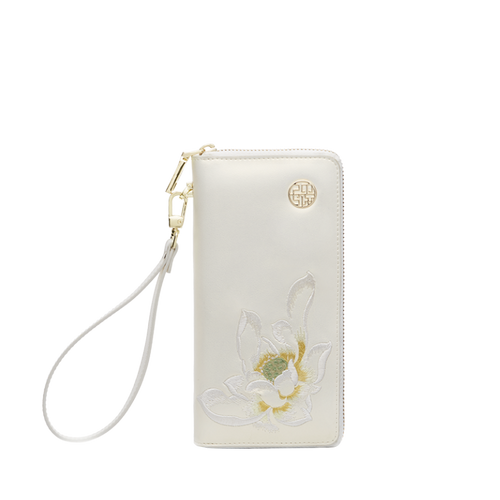
Lotus Style for Midsummer: As lotus flowers bloom during Dashu, the Lotus Embroidered White Tote brings this timeless symbol of purity and summer beauty into your everyday style.

-
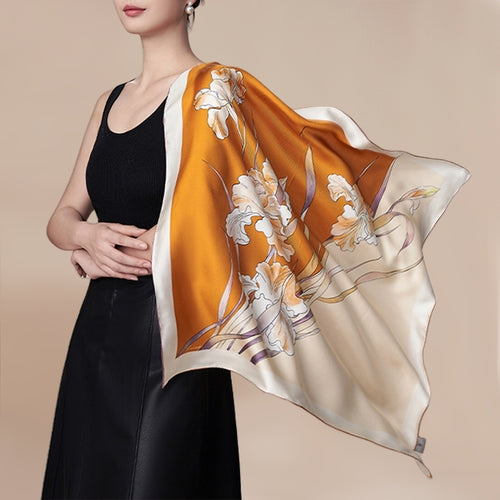
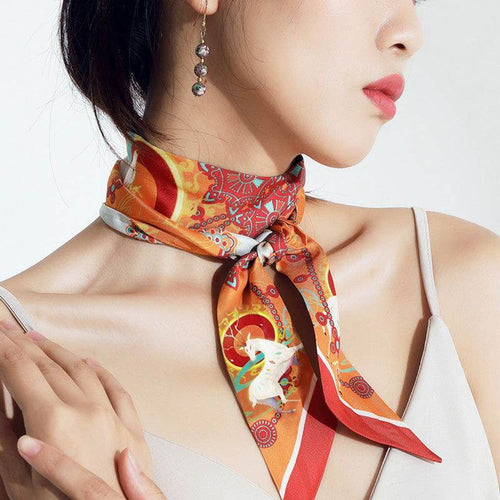
A Light Summer Accent: For simple and lightweight summer styling, the Mulberry Silk Floral Scarf adds a soft floral detail to your hair, neck, or favorite handbag.

-
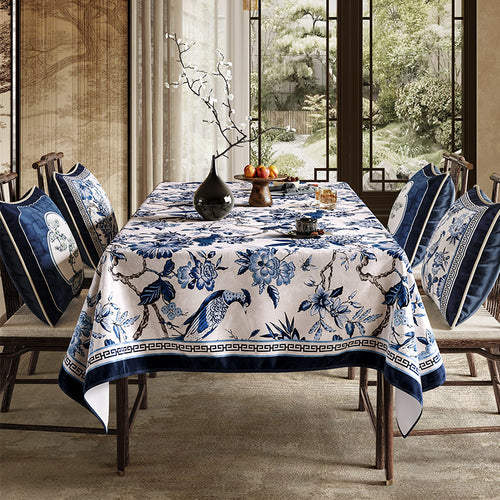
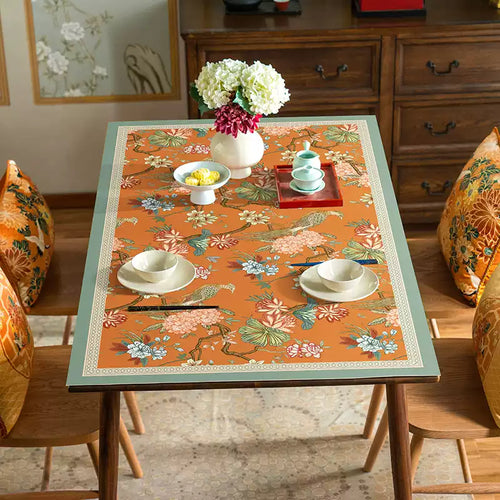
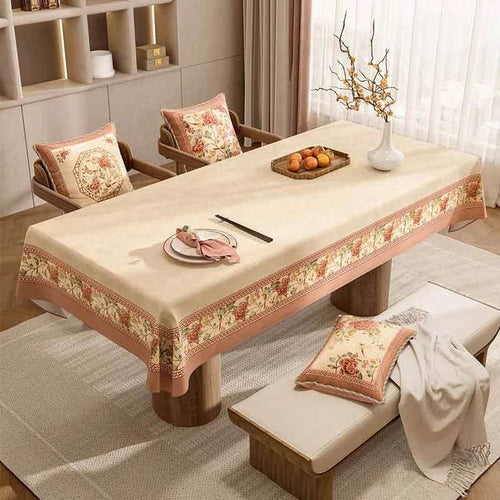
A Refreshing Summer Table: Inspired by the calming colors of water and summer skies, the Summer Blue Leather Table Mat creates a refreshing setting while protecting your table from heat and spills.

Conclusion: Beat the Heat with Cool Traditions & Timeless Style
Dashu isn’t just about the heat—it’s a season full of ancient traditions, like sipping cool fúchá, enjoying juicy watermelon, or chasing fireflies under the moon. It’s a time to slow down, connect with nature’s rhythm, and find joy, even in the hottest days.

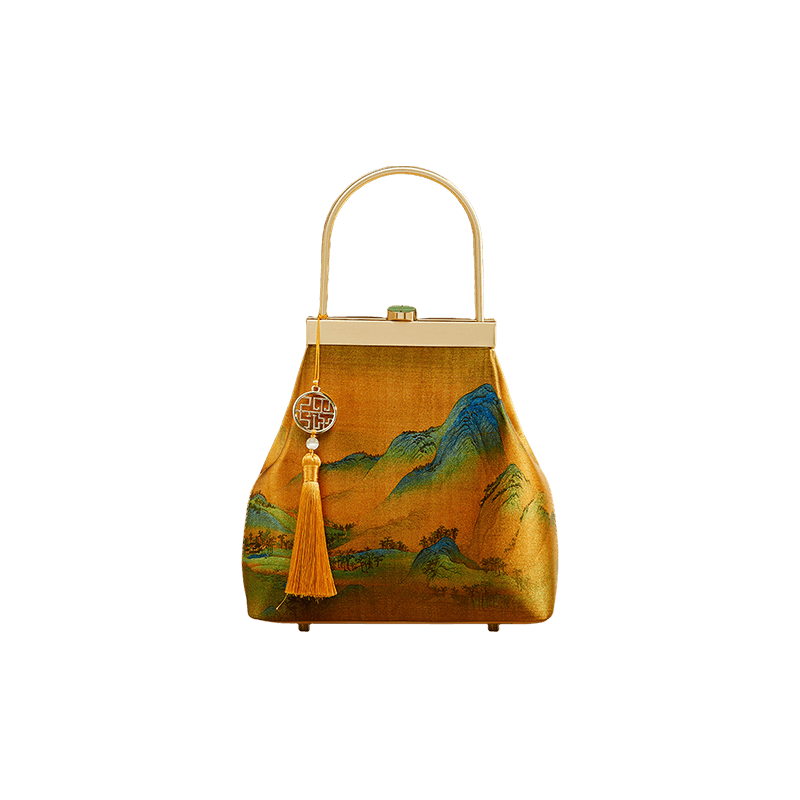
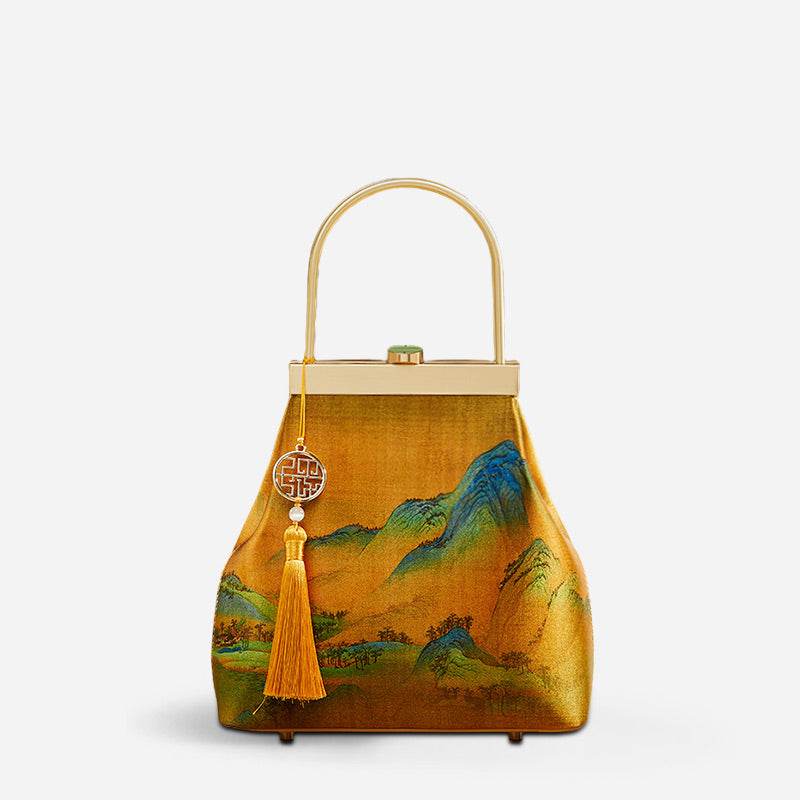
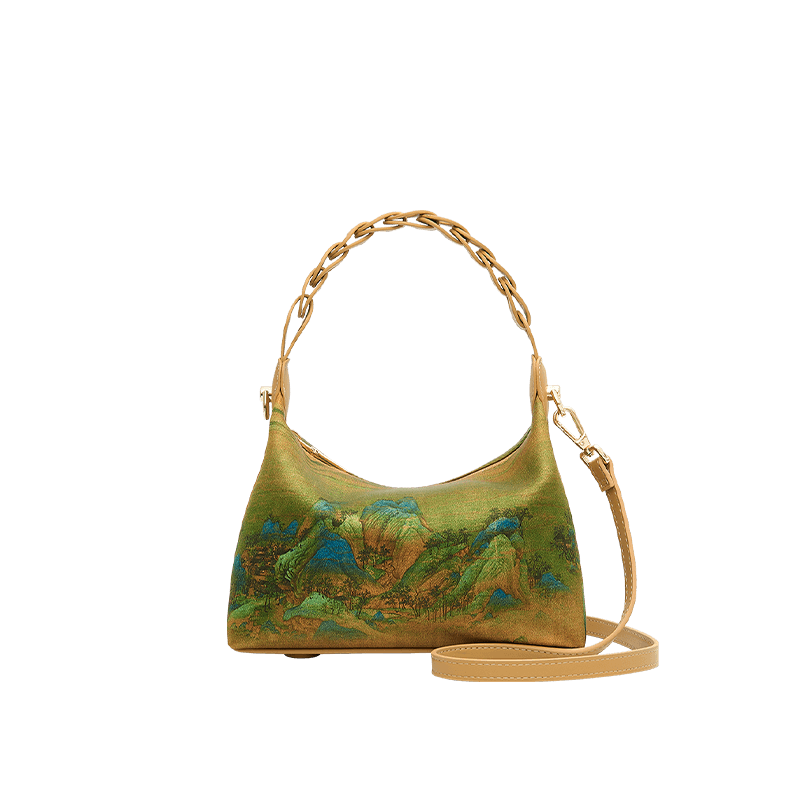
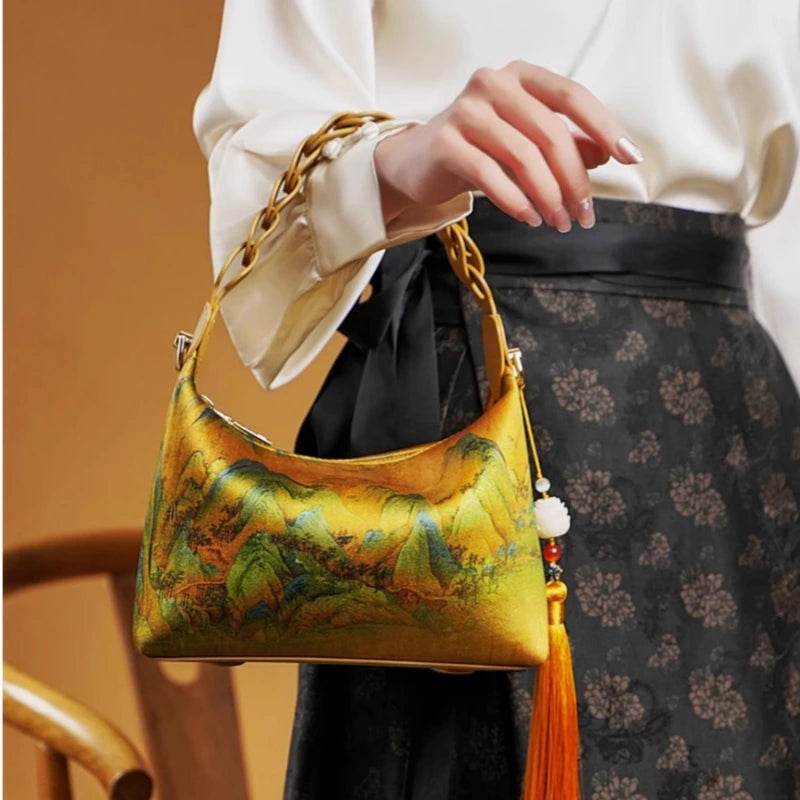
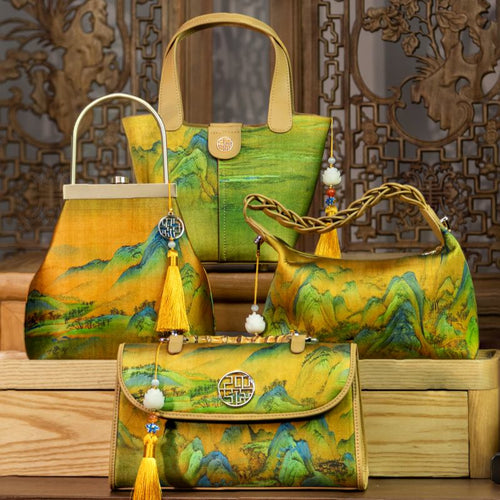
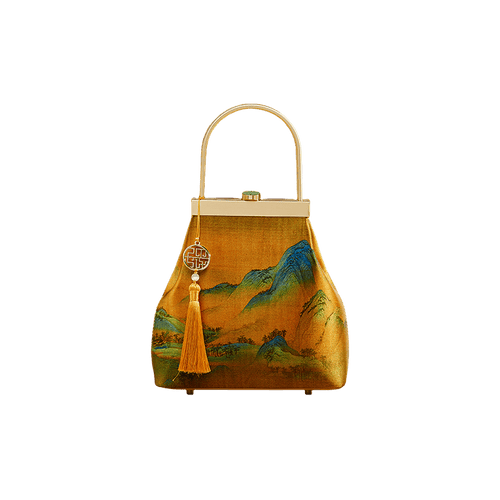
And while you’re soaking in the summer vibes, stay stylish without sacrificing comfort. Our Mulberry Silk Clutch, featuring Wang Ximeng’s A Thousand Li of Rivers and Mountains, is your perfect Great Heat companion. Light as a breeze and effortlessly chic, it’s wearable art that keeps you cool and in touch with culture. Celebrate Great Heat with frosty mung bean soup, sweet watermelon, and mindful moments of shade. Carry elegance that beats the heat while honoring the past. Here’s to a summer of beauty, resilience, and silk-clutch sophistication!