Skip to content

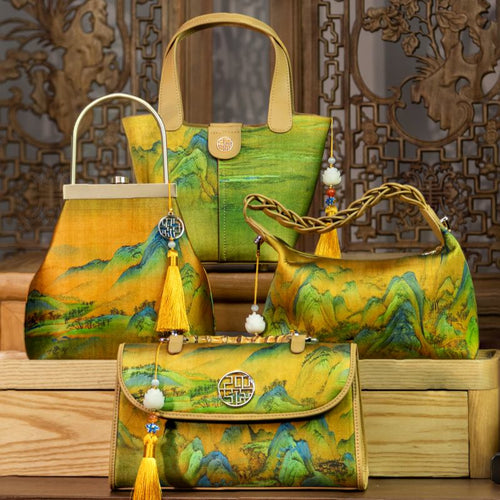















Minor Cold, known as Xiaohan (小寒), is the 23rd of China’s 24 Solar Terms and the fifth seasonal marker of winter. It signals the true arrival of late winter—the moment when cold settles deeply into the land. A traditional Chinese saying captures it vividly: “During Minor Cold, in the second and third nine-day periods, the cold makes the earth tremble.” It is a poetic way of saying that winter has reached one of its harshest stages.
Climatically, Minor Cold arrives while the sun’s direct rays remain in the Southern Hemisphere. In the north, heat loss still exceeds heat gain, causing temperatures to continue falling. Interestingly, long-term records show that Minor Cold is often colder than Major Cold in northern China, while in much of southern China, the cold peaks slightly later. Regardless of region, this is a time when the body feels winter’s weight most clearly.

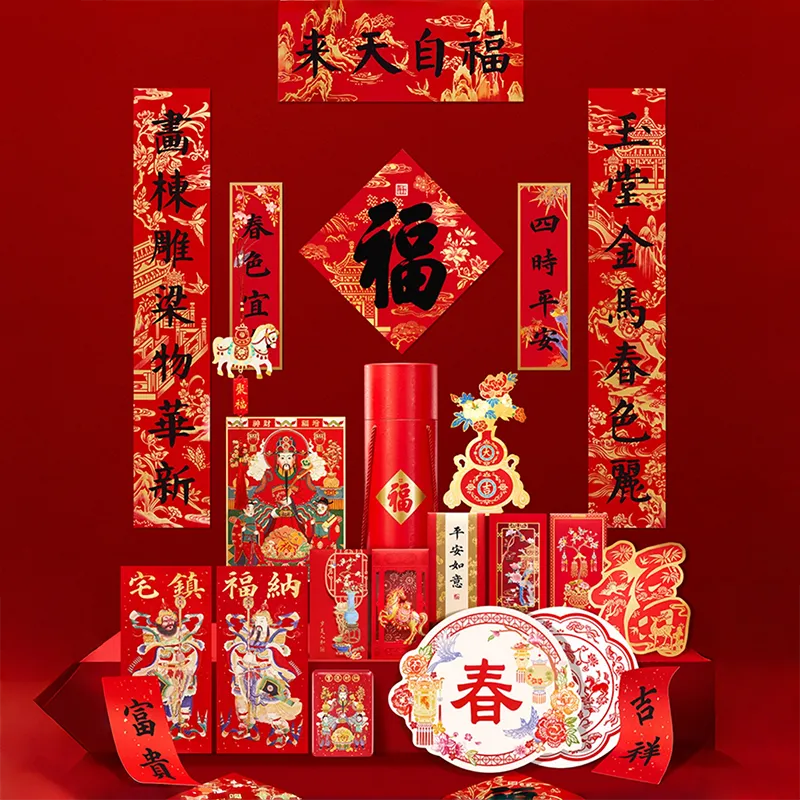
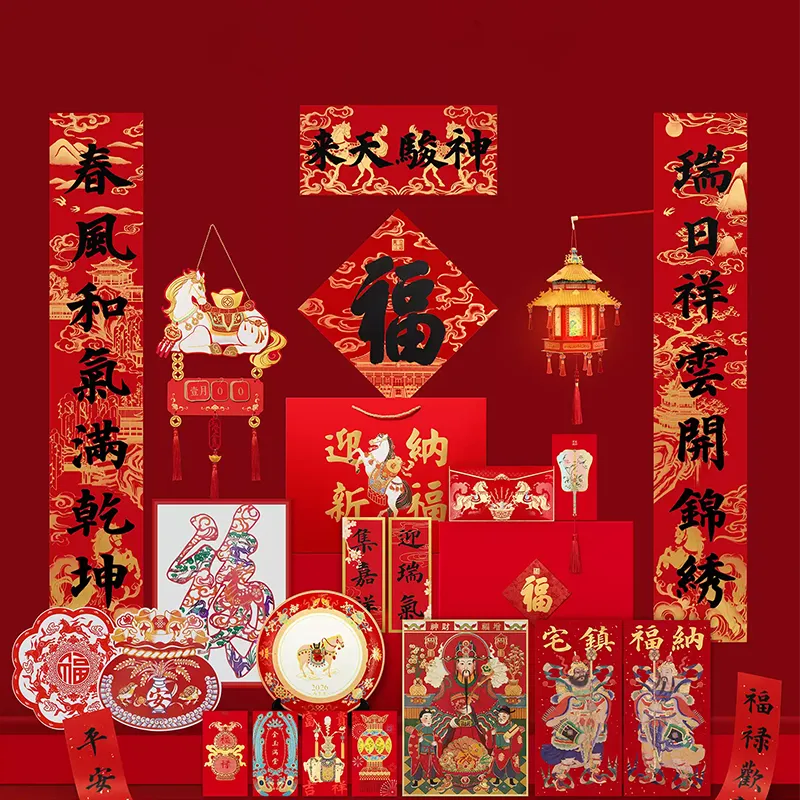
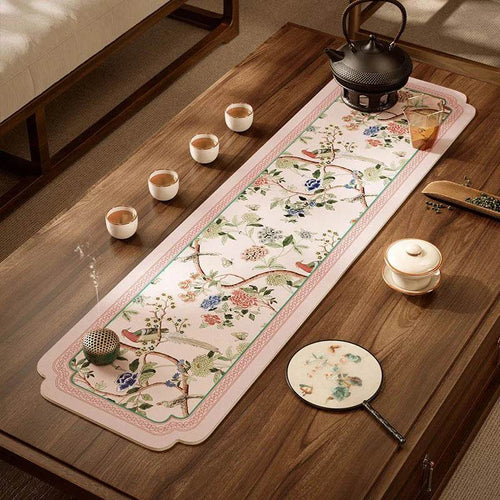
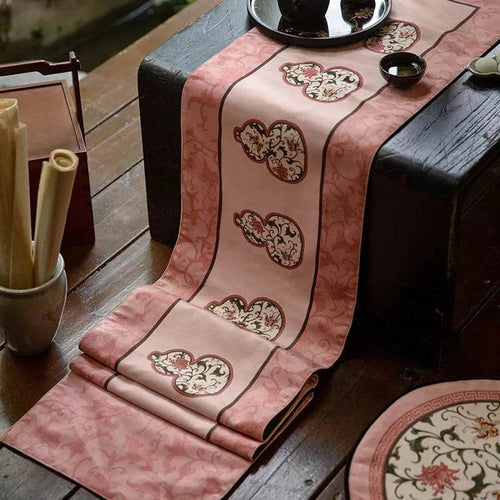
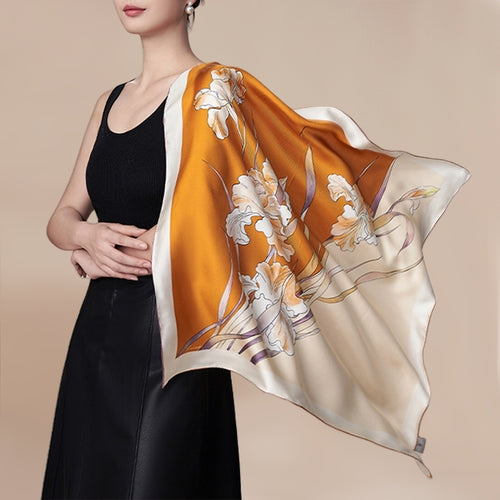
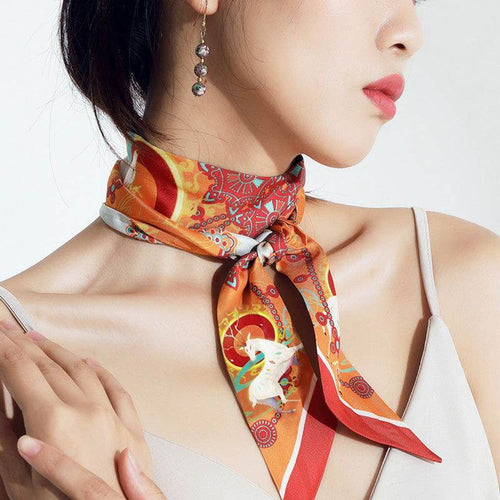
At Sinocultural, we see Minor Cold not only as a seasonal marker, but also as a reminder of care—caring for the body as temperatures drop, and preparing the heart and home for the coming Chinese New Year. As the Year of the Horse approaches, it is the perfect moment to stay warm with scarves and layers, while also beginning to welcome festive energy through thoughtful New Year decorations.

The Three “Hou” of Minor Cold: Nature’s Subtle Awakening
Traditional Chinese philosophy divides each solar term into three hou侯, or micro-seasons, capturing nature’s gradual changes.
- First Hou: Wild Geese Fly North:Though winter still dominates, yang energy has begun to stir. Sensitive to these shifts, wild geese start their northward journey, cutting across the cold sky in formation. Their calls echo above frozen landscapes, quietly announcing that winter’s grip will not last forever.
- Second Hou: Magpies Begin to Build Nests:Magpies, regarded as auspicious birds, respond quickly to rising yang energy. They gather branches and begin nesting, even among bare winter trees. These fragile structures stand as symbols of preparation and hope—life planning ahead for warmth and renewal.
- Third Hou: Pheasants Start to Sing:Silent through much of winter, pheasants finally begin to call. Their voices ripple through forests and fields, breaking the stillness like the first notes of a spring prelude.

From migrating geese to nesting birds and returning song, the Three Hou of Minor Cold remind us that even at winter’s coldest point, life is quietly moving forward.
Traditional Customs of Minor Cold: Winter Life in Motion
Despite the cold, Minor Cold has long been a lively period in Chinese tradition.
-
Ice Sports (Bingxi 冰嬉):In northern China, Minor Cold was once marked by ice games—skating, ice football, and ceremonial ice performances. Often described as an ancient version of the Winter Olympics, these activities were so significant that they were recorded in paintings such as The Ice Play Scroll, still preserved today.

-
Laba Sacrifices (腊祭):During the twelfth lunar month, ancient communities held collective rituals to honor deities and ancestors. These ceremonies symbolized transition—closing the old year while praying for peace, balance, and abundance in the next.

-
Plum Blossom Appreciation (探梅):Plum blossoms bloom against snow and frost, earning their place among the “Three Friends of Winter.” From ancient scholars to modern families, seeking out plum blossoms during Minor Cold remains a cherished tradition—an elegant way to find beauty amid hardship.

What to Eat During Minor Cold: Warming the Body from Within
Food plays a central role in seasonal balance, and Minor Cold diets vary across regions.
-
Glutinous Rice Dishes:In southern areas such as Guangdong and Nanjing, glutinous rice is eaten in the morning. Mixed with cured meats, peanuts, and sausages, it provides warmth and energy—perfect for cold mornings.

-
Vegetable Rice (Cai Fan):In Nanjing, locals prepare vegetable rice with greens, salted pork, duck, ginger, and glutinous rice. Hearty yet balanced, it is a classic winter comfort food.

-
Lamb and Chicken Soups:Northern regions favor lamb soup for its strong warming properties, while southern households often simmer chicken soup with astragalus root and goji berries. These nourishing broths strengthen the body and help resist cold.

Winter Wellness During Minor Cold: Timeless Chinese Wisdom
Minor Cold is especially important for winter health, particularly for elders.
-
Focus on Warming Foods:Choose gentle, warming ingredients such as lamb, red dates, and longan, preferably in soups or stews. Pair them with vegetables like white radish or cabbage to maintain balance.

-
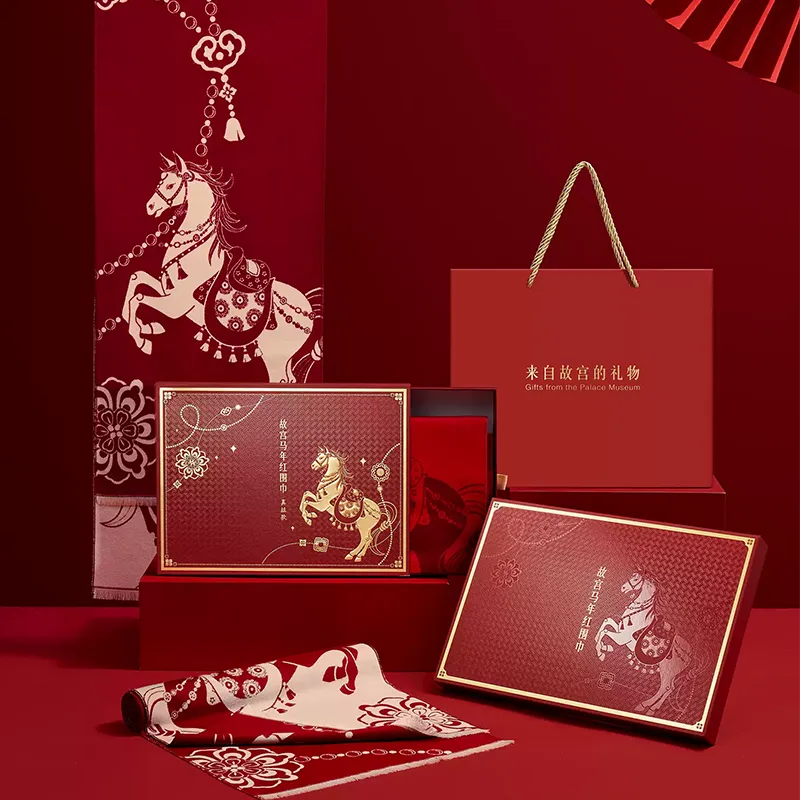
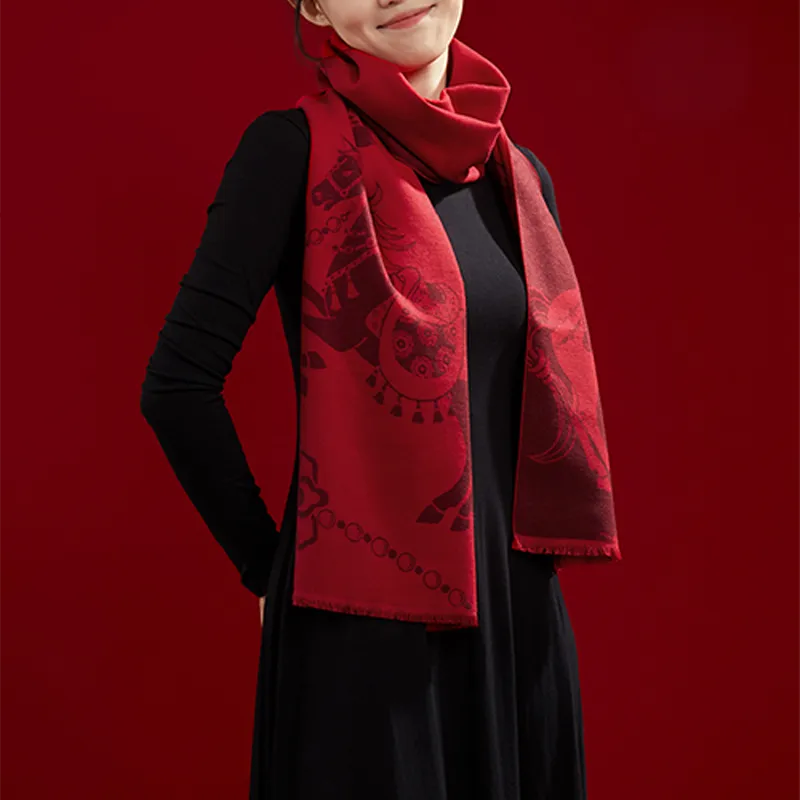
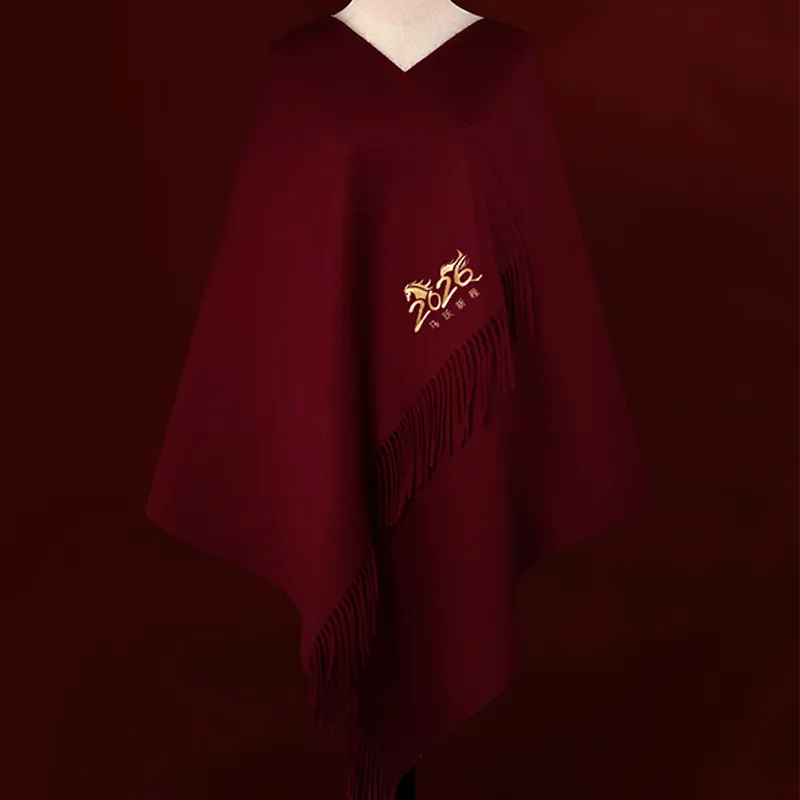
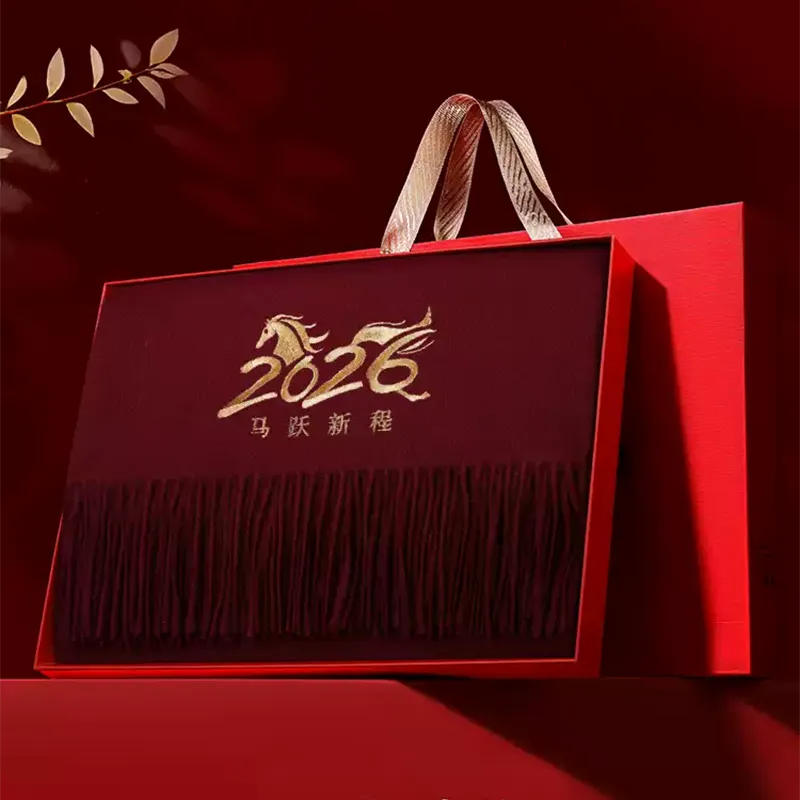
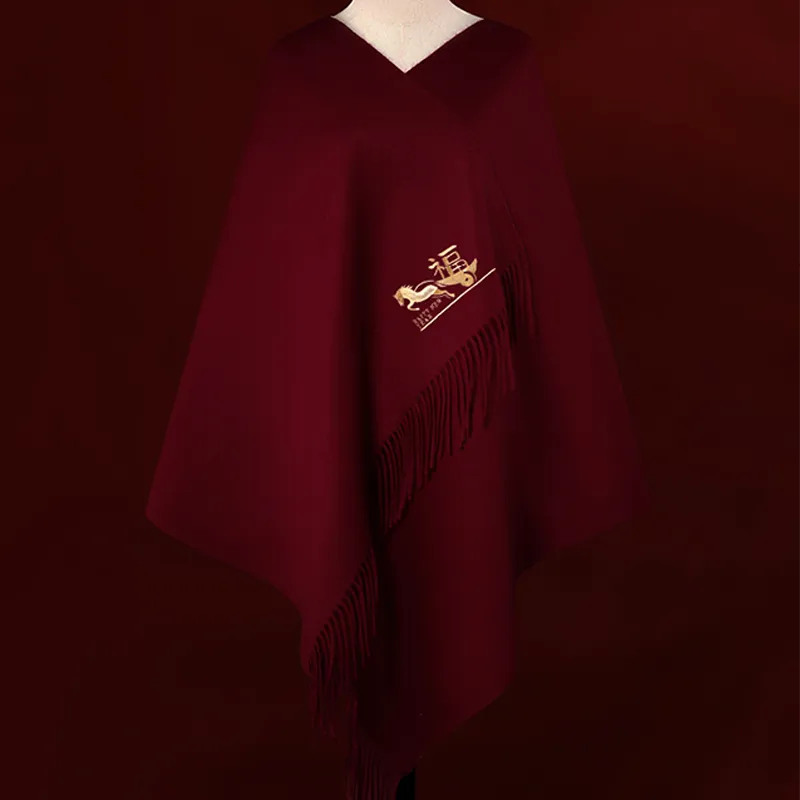
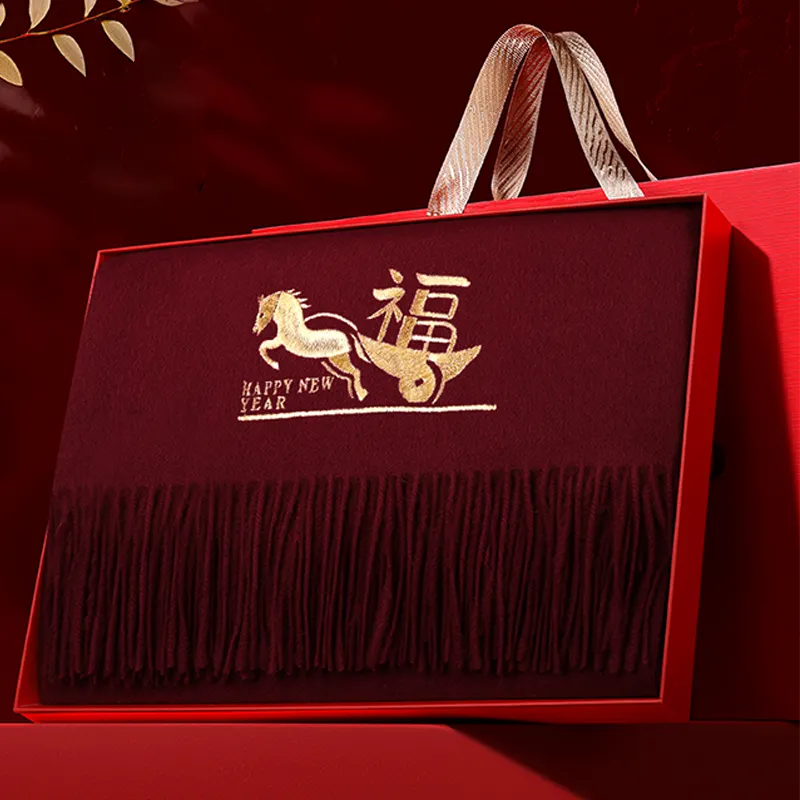
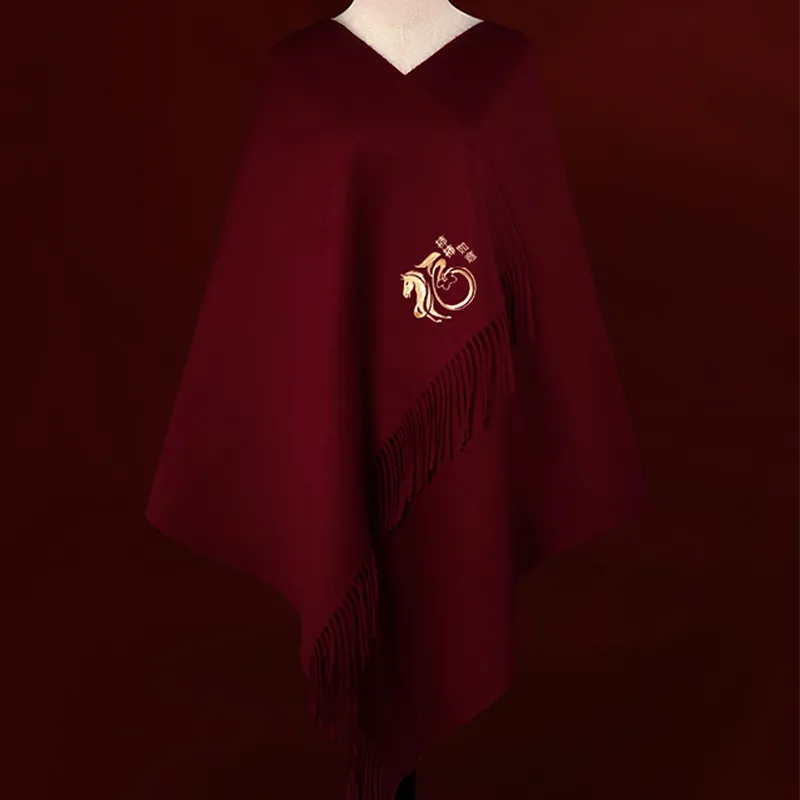
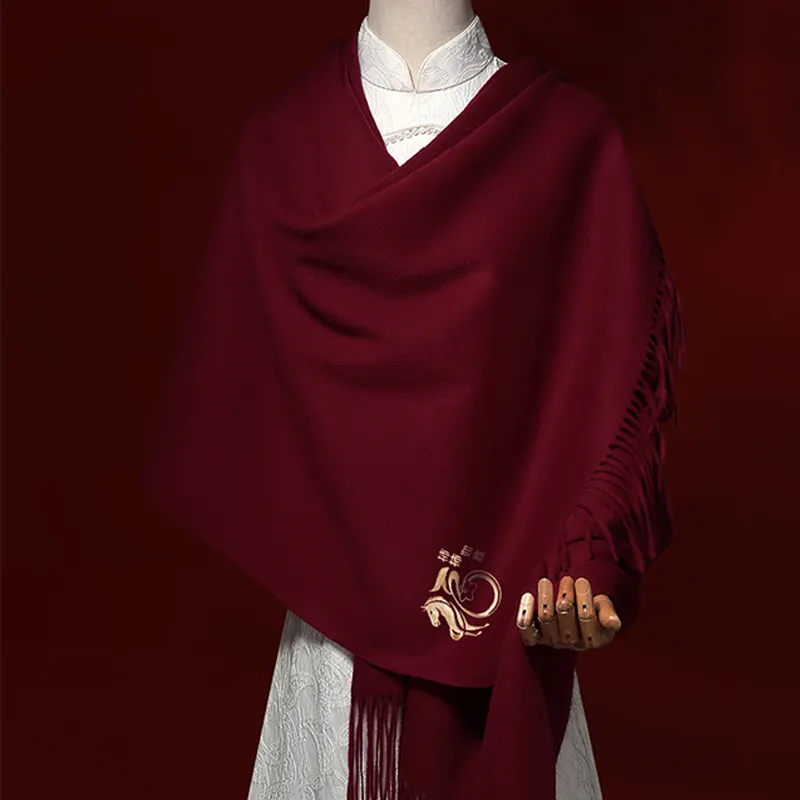
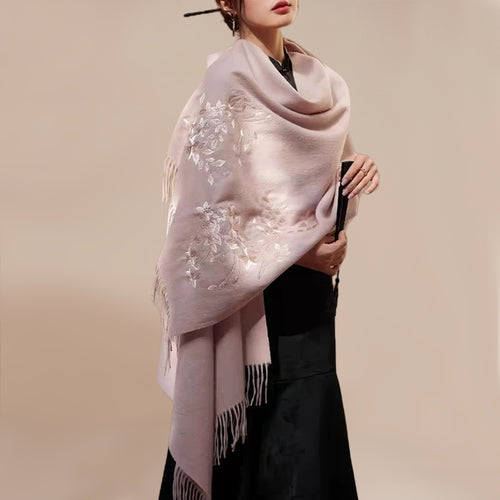
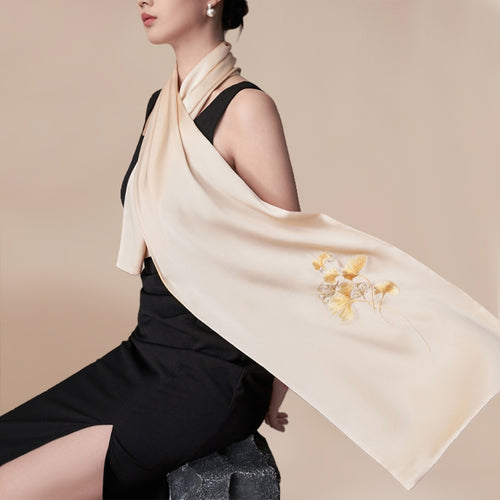
Protect Against the Cold:This is one of the coldest times of the year. Keep the neck, hands, and feet well covered. A quality scarf is essential. If you are still searching for the right one, Sinocultural’s cashmere scarf collection—featuring Chinese embroidery, floral motifs, and special Year of the Horse blessings—offers both warmth and cultural beauty.

-
Align Sleep with Nature:Follow the principle of “early to bed, later to rise.” Resting earlier preserves yang energy, while gentle morning sunlight helps replenish it.

-
Gentle Movement:Opt for calm, warming exercises such as walking, Chinese Tai Chi, or Baduanjin. The goal is light warmth, not exertion—supporting circulation without draining energy.

Closing: Warming Winter, Welcoming the Year of the Horse
As winter reaches its quiet depth, Minor Cold teaches patience, care, and preparation. At Sinocultural, we wish you health and warmth as this season draws to a close. With the Chinese New Year approaching, it is also a time to refresh your living space and spirit.
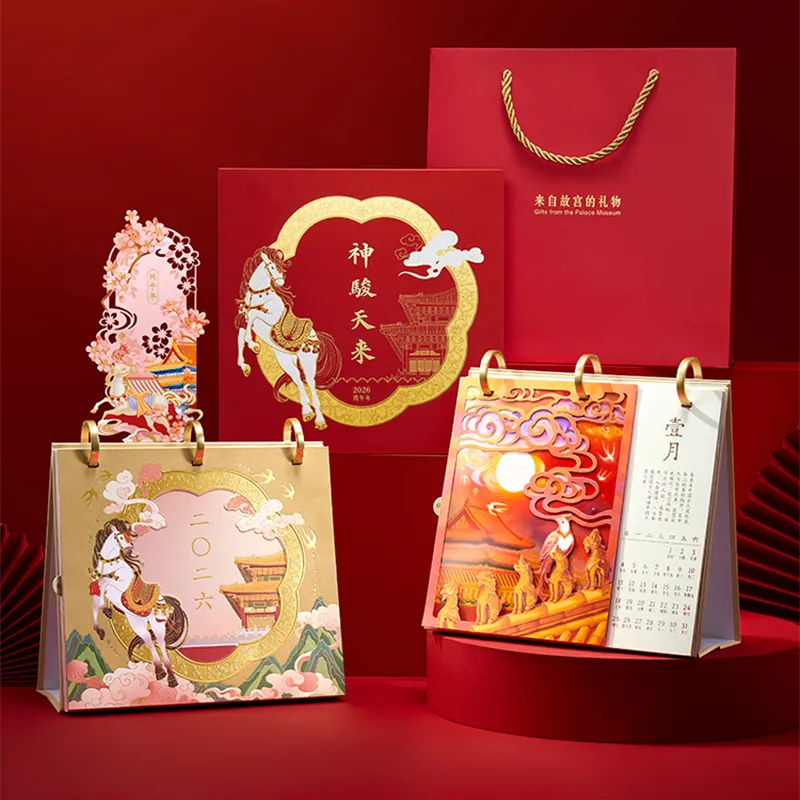
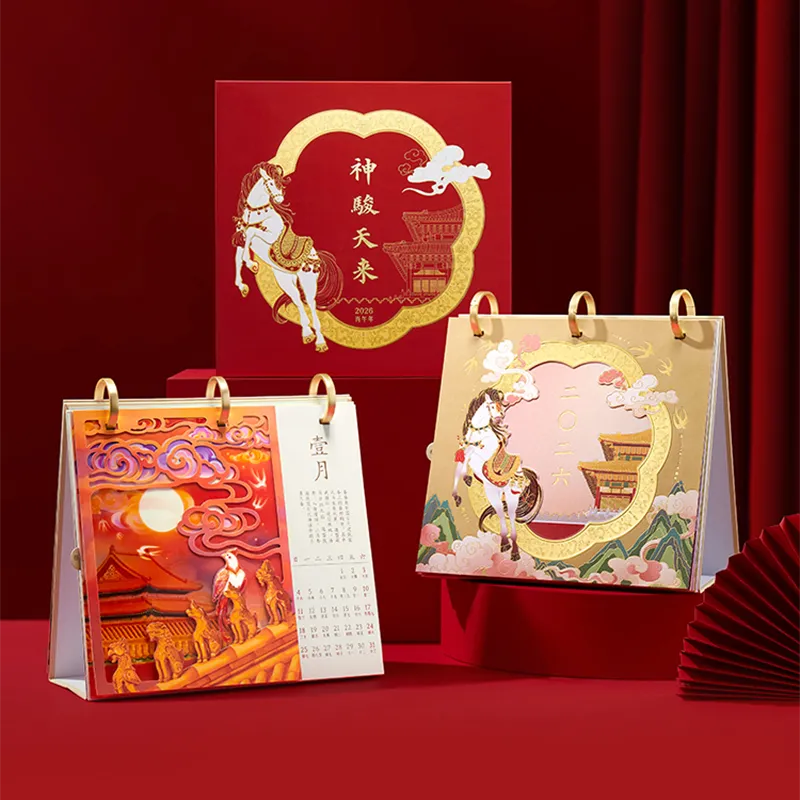
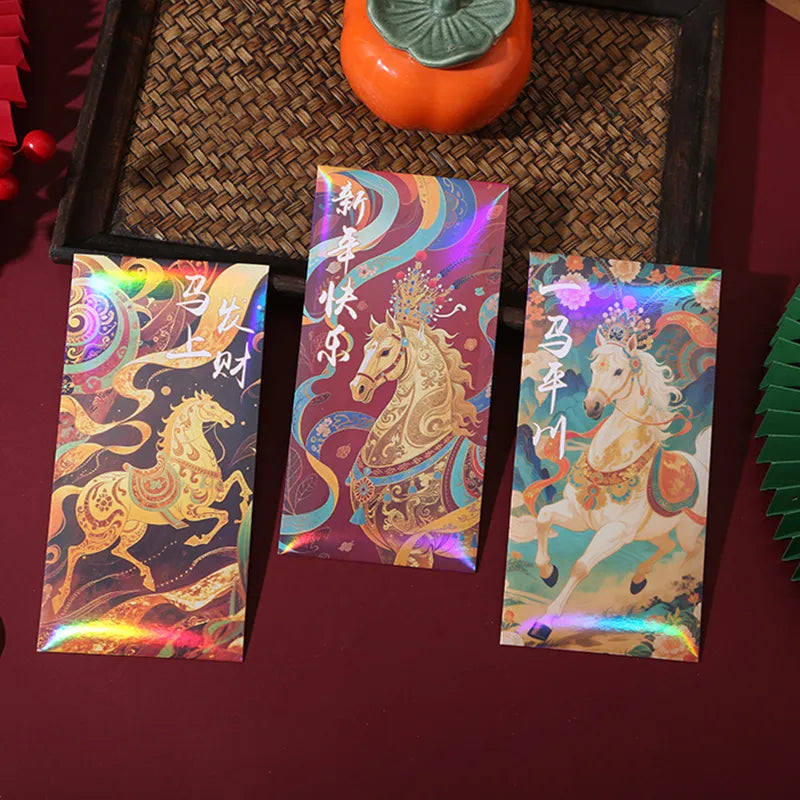
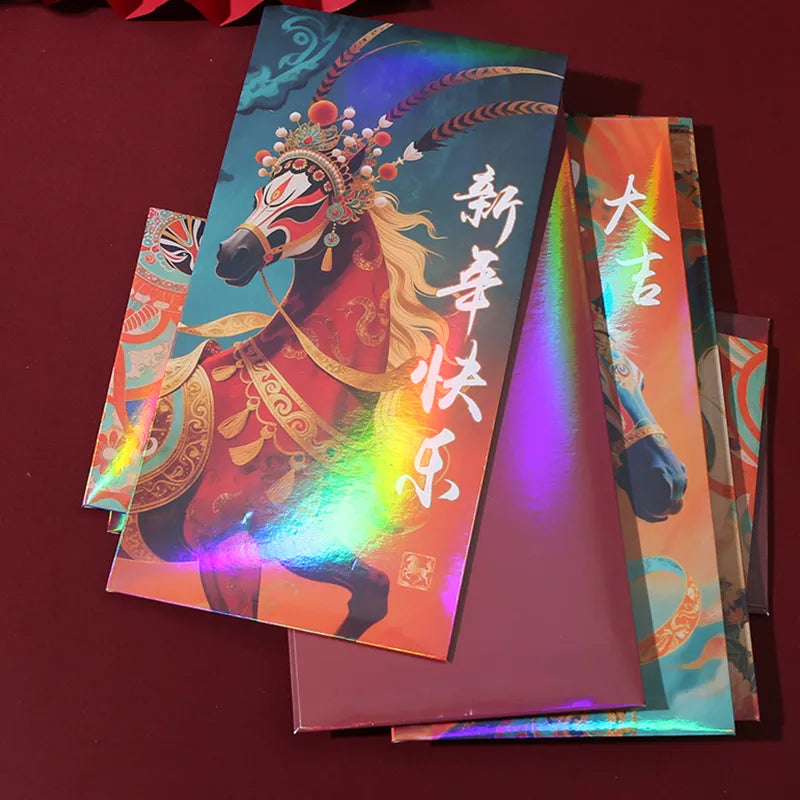
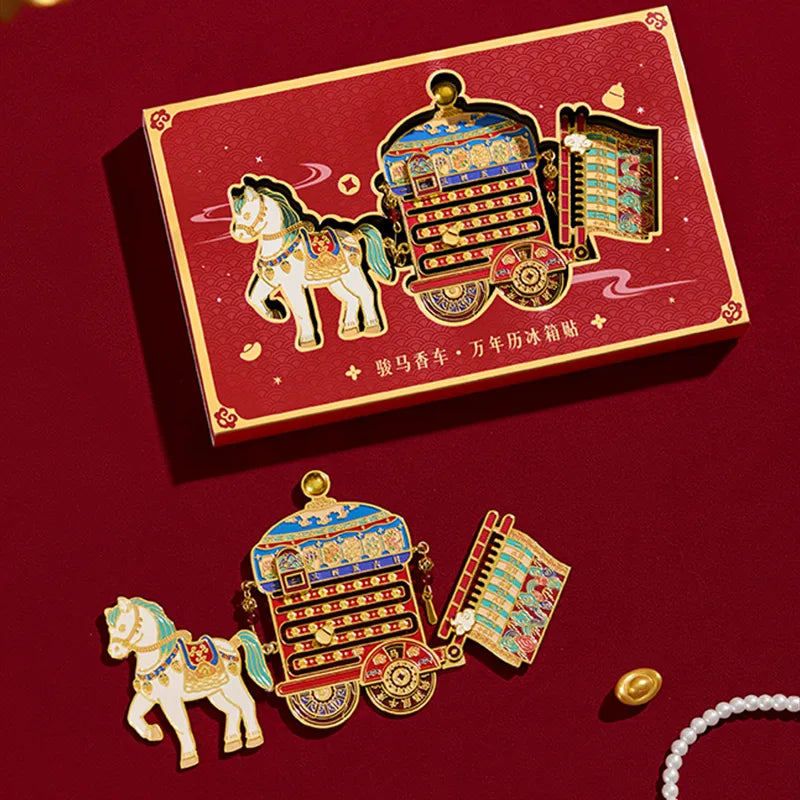
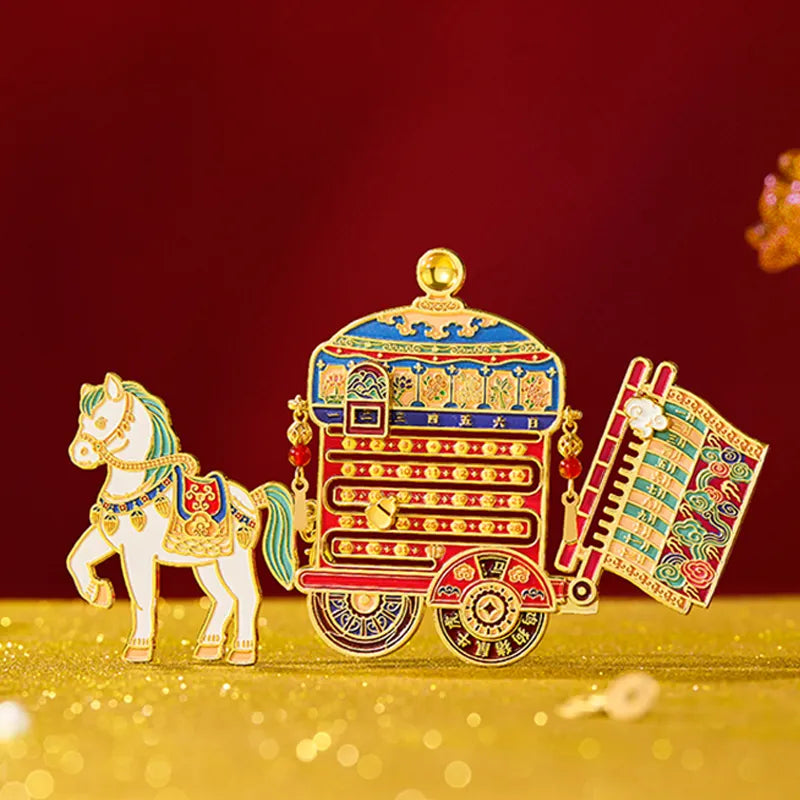
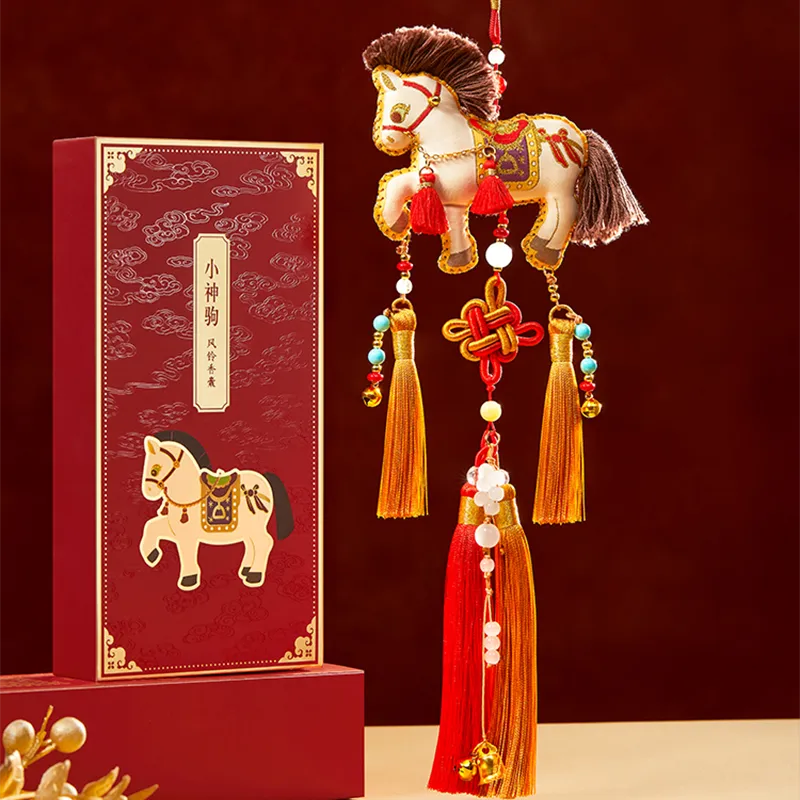
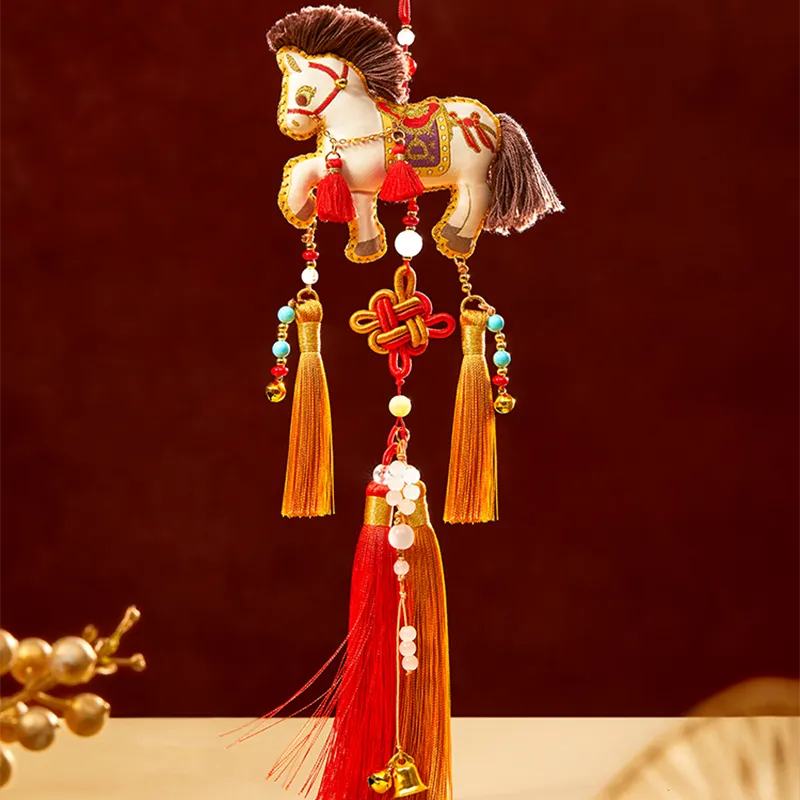
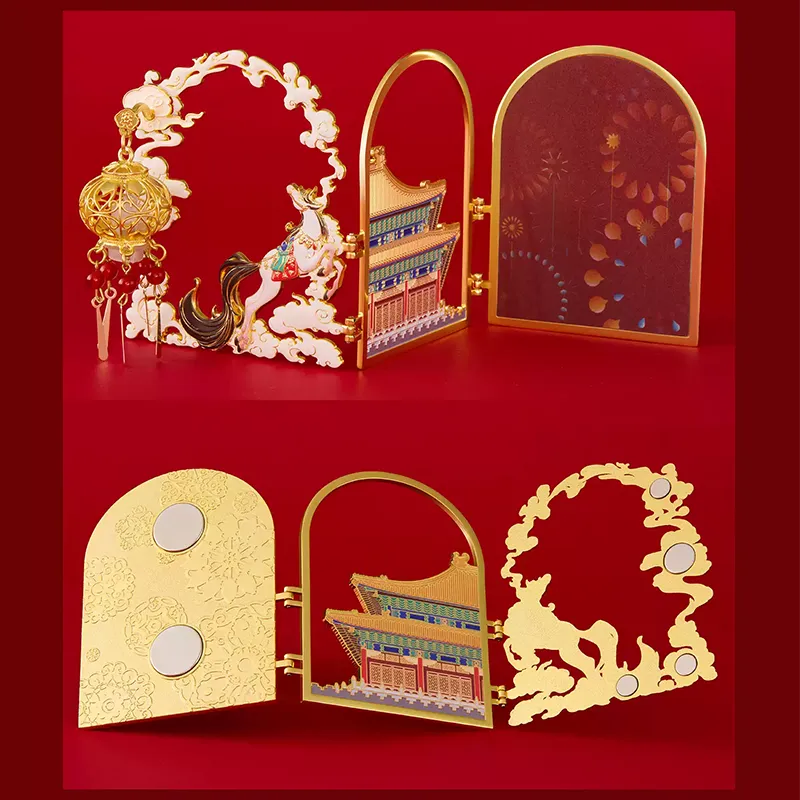
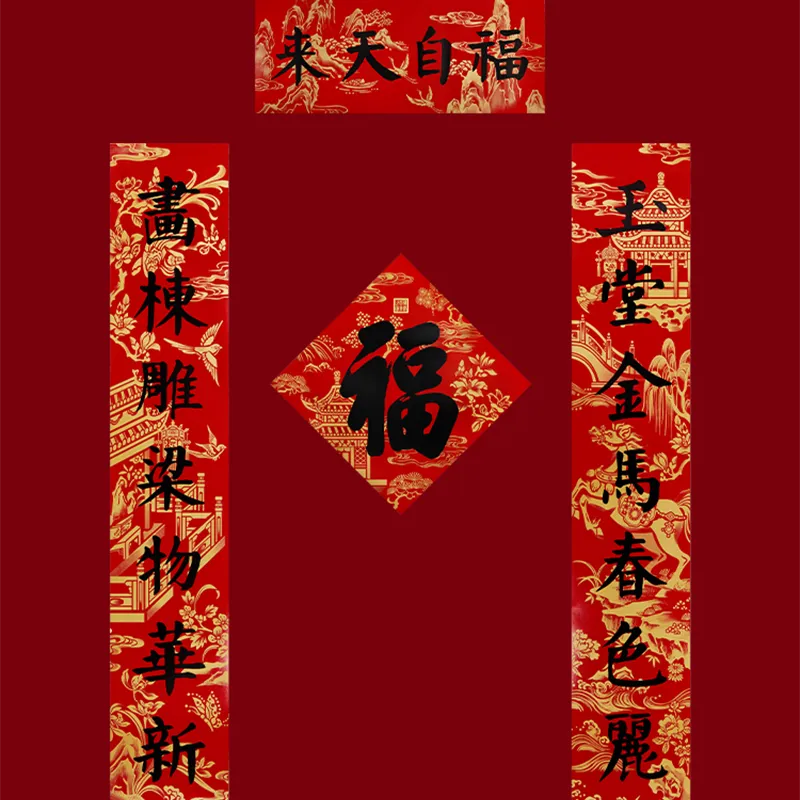
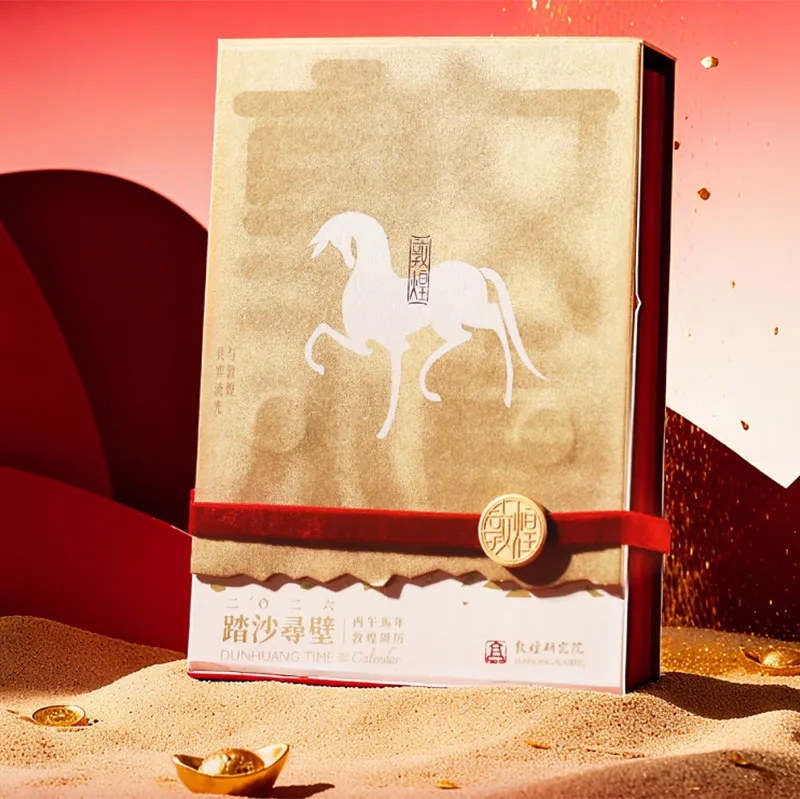
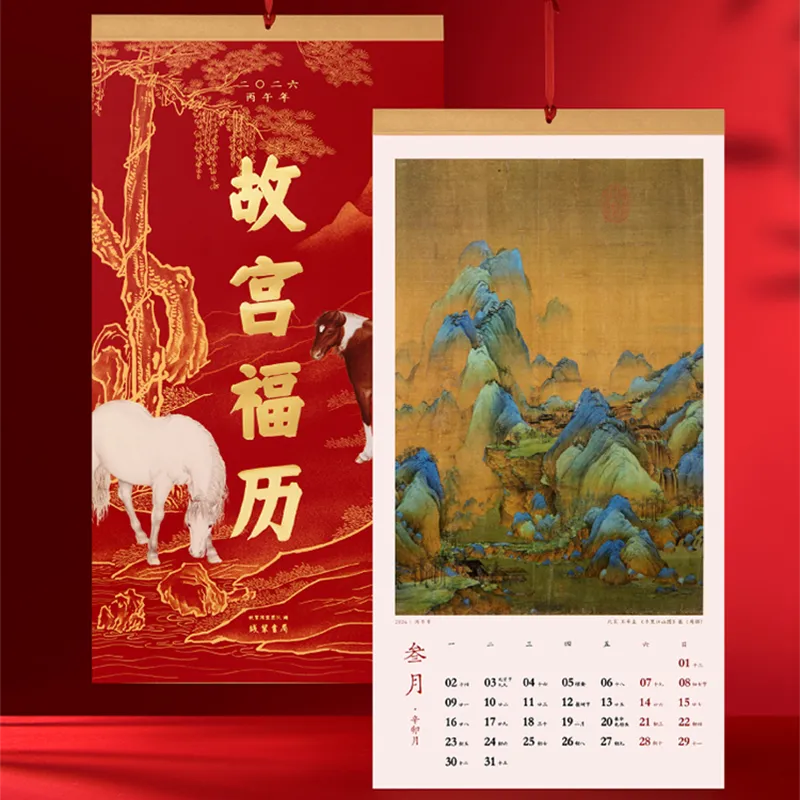
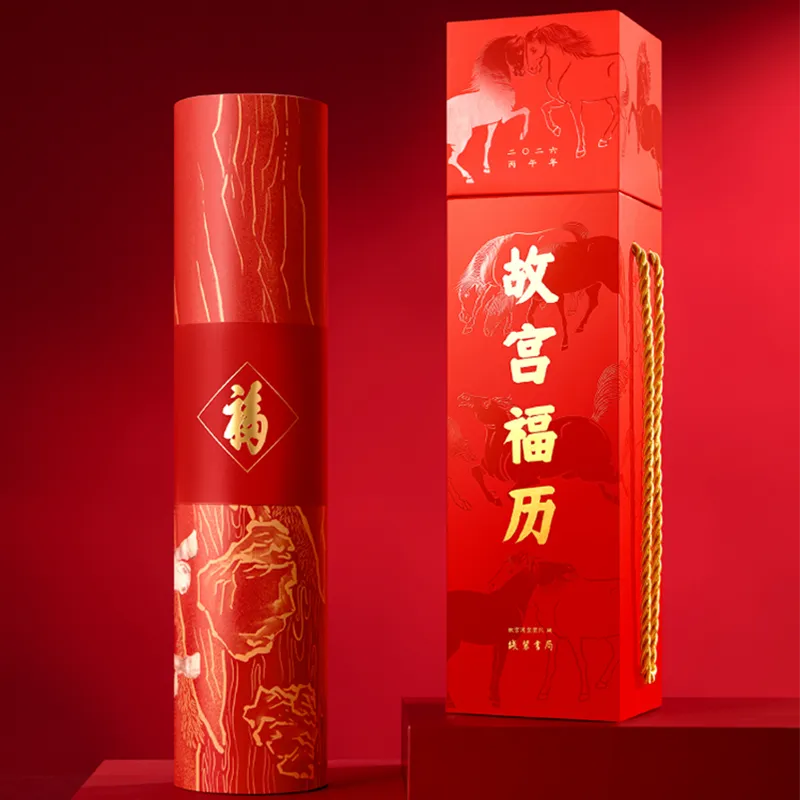
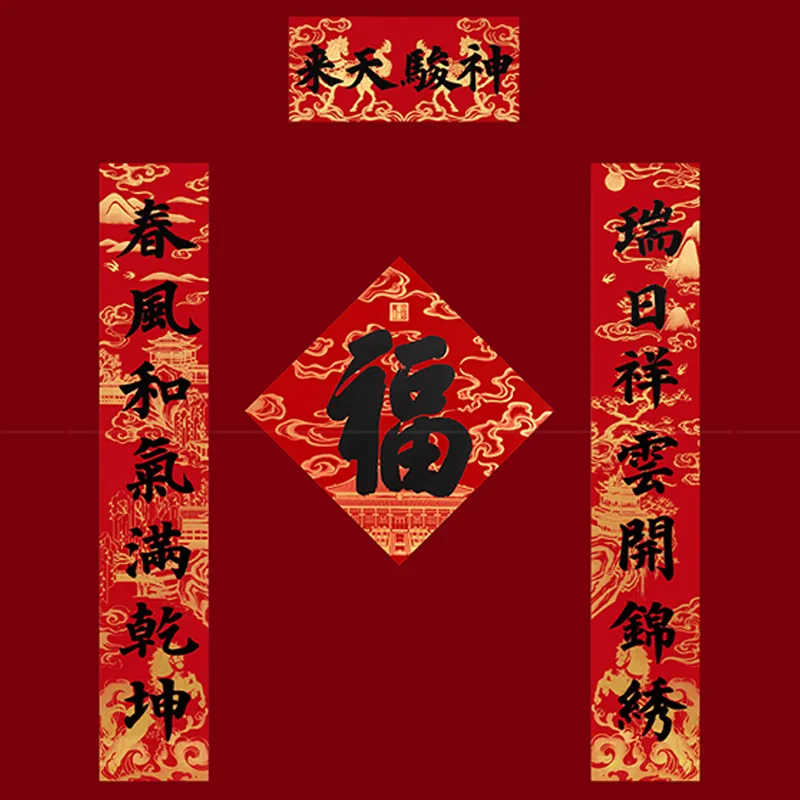
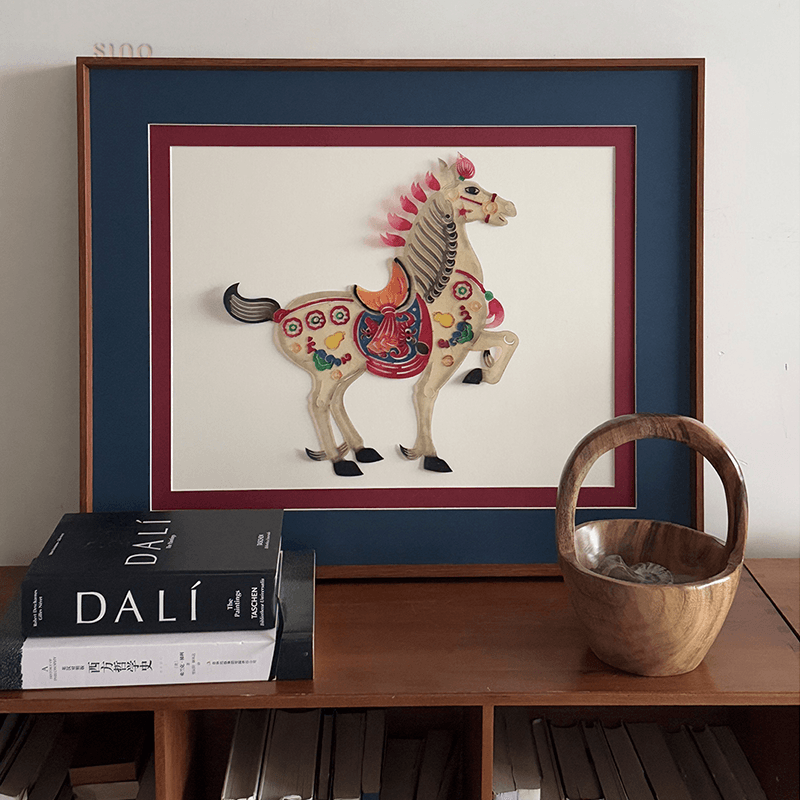
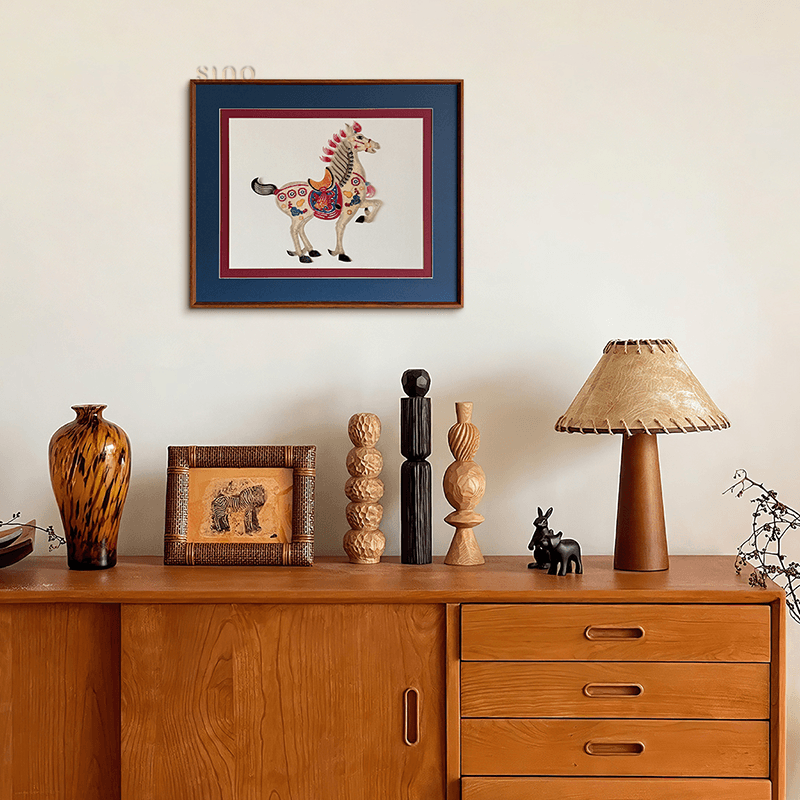
If you wish to welcome the Year of the Fire Horse with renewed energy, explore our Year of the Horse collection—from festive home décor to symbolic New Year accents. Clear away the lingering weight of the past year, and step into 2026 with passion, vitality, and upward momentum.

May the final days of winter be gentle, and the new year arrive bright with promise.