Skip to content








Qingming (清明) Festival, also known as Tomb-Sweeping Day, Ching Ming Festival(Qingming Jie), or the Cold Food Festival, is one of China’s significant traditional festivals, embodying both natural and cultural elements. As one of the 24 solar terms, Qingming is dedicated to tomb sweeping and ancestor worship, reflecting the Chinese virtues of filial piety and reverence for nature. In 2026, Qingming falls on April 5, providing a three-day public holiday (April 4-6) for most Chinese to celebrate. More about China 24 solar terms, read our: The 24 Chinese Solar Terms (2026 Calendar): Dates, Foods & Tea Culture
Table of Contents
Origins: From Cold Food Festival to Filial Piety Heritage
Qingming Festival integrates the ancient Cold Food Festival’s fire prohibition and cold food customs with the Shangsi Festival’s spring outings, officially becoming a holiday during the Tang Dynasty. Its essence lies in “remembering and respecting,” highlighting Confucian respect for ancestors. In 2016, it was inscribed on the UNESCO Intangible Cultural Heritage list.
What Are the Customs of the Qingming Festival?
When people ask, "tell me what the customs of the Qingming festival are," the traditions usually revolve around honoring the past while embracing the vitality of spring. The traditional celebration activities include:

1.Tomb Sweeping and Ancestor Worship (Grave Sweeping Day)
Families visit ancestor gravesites to clear weeds, leave offerings, and burn incense and paper, expressing their remembrance of the deceased. These practices vary by region, and you can learn more in our guide to Qingming ancestor worship traditions in northern and southern China.These practices vary by region, and you can learn more in our guide to Qingming ancestor worship traditions in northern and southern China.

2. Spring Outings (Taqing)
With blooming spring sights, people go out to enjoy blossoming flowers and hiking, breathing in the vitality of nature.
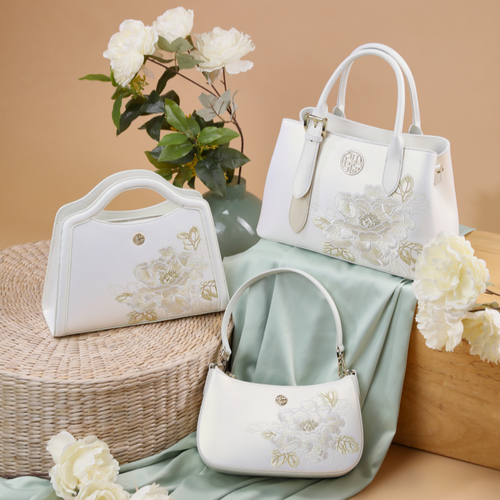
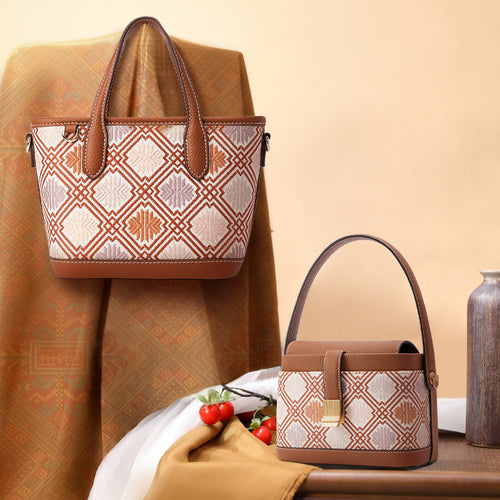
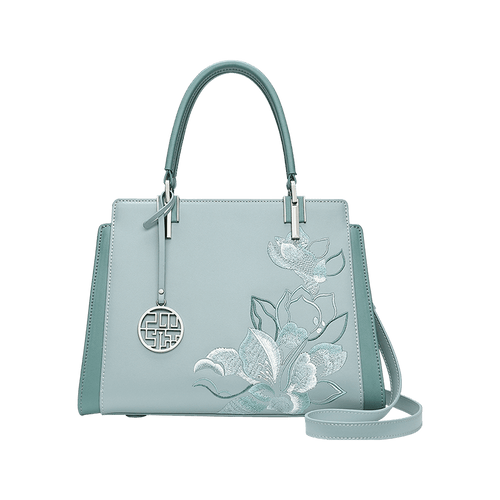
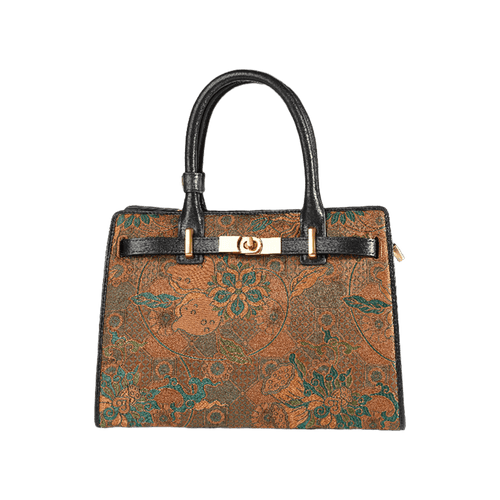
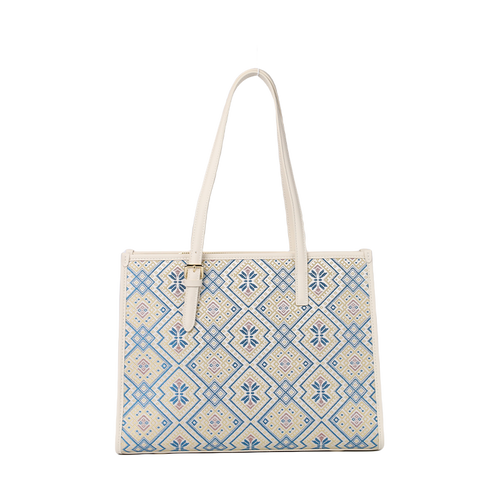
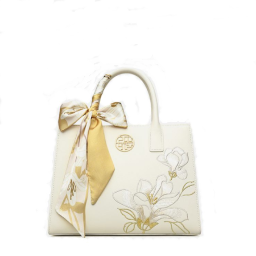
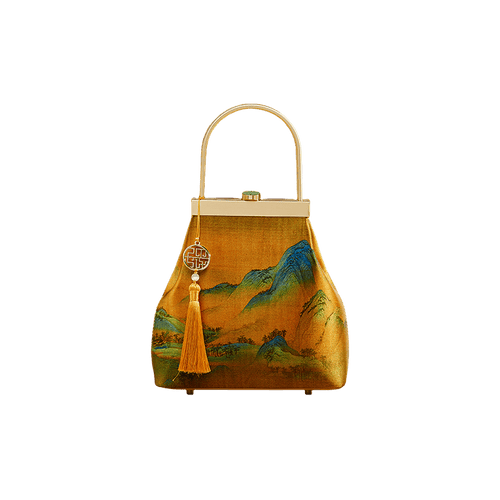
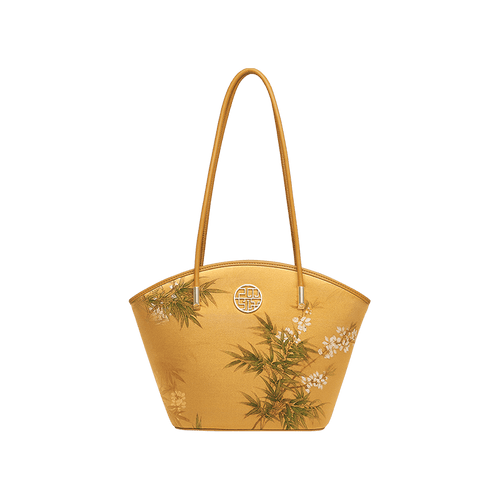
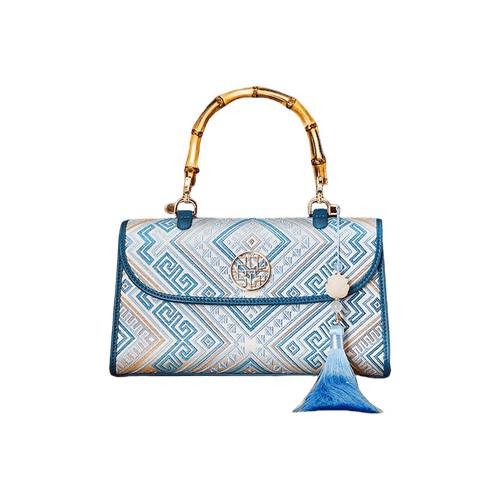
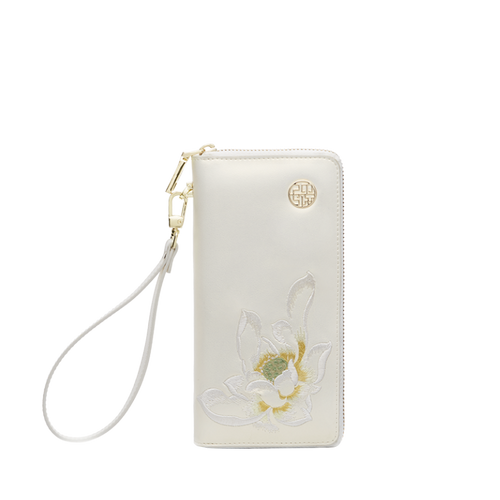
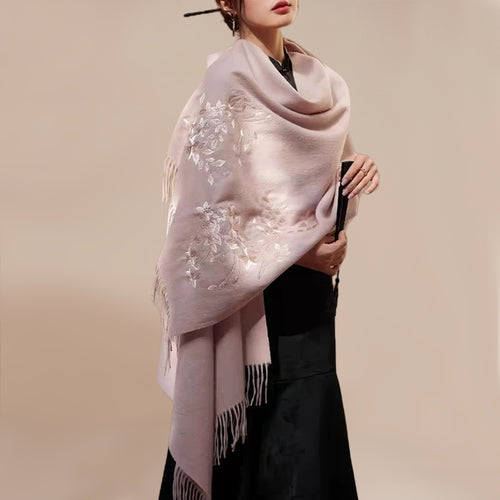
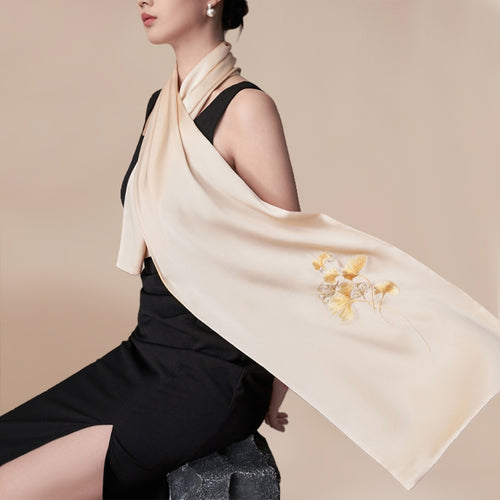
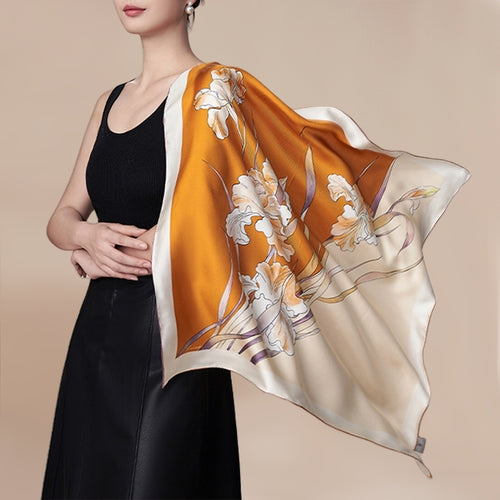
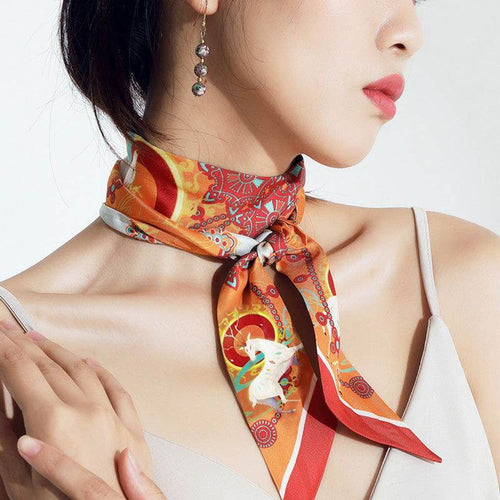
Today, dressing up for these spring outings is a cherished modern custom. Many choose to wear traditional elements, pairing modern outfits with a delicate traditional embroidered silk scarf or carrying a embroidered handbag to take beautiful spring photos against nature's backdrop. [Explore SinoCultural's Spring Accessories Here]

3. Kite Flying
Historically believed to ward off bad luck, kite flying today has become a popular outdoor activity during the festival. Even at night, people fly kites with little lanterns tied to the string, looking like twinkling stars

4. Wearing Willow Branches
Folklore says, “Wear willow during Qingming for eternal youth.” Willow symbolizes vitality and protection from evil.l.
Cultural Highlight: "Along the River During the Qingming Festival"
You cannot discuss this holiday without mentioning one of the most famous masterpieces in Chinese art history: Along the River During the Qingming Festival (Qingming Shanghe Tu).
Painted by Zhang Zeduan during the Song Dynasty, this panoramic scroll captures the bustling daily life, architecture, and landscape of the capital city Bianjing (now Kaifeng) during the Qingming Festival.
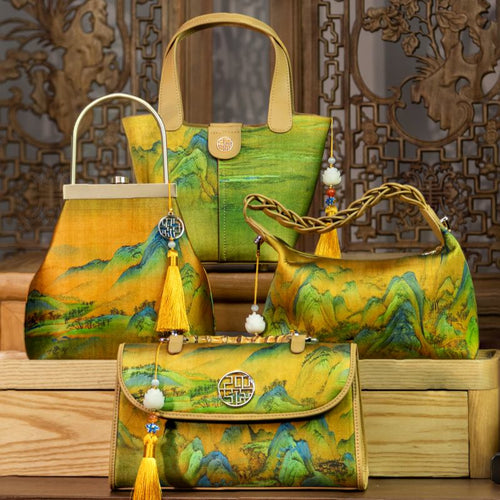
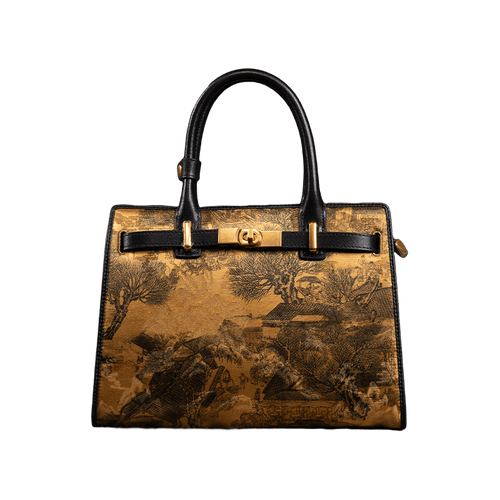
Because of its immense cultural value, this painting is a favorite subject for master embroidery artisans. At SinoCultural, our artisans spend hundreds of hours using techniques like Su Embroidery and Song Brocade to recreate scenes from "Along the River During the Qingming Festival" with fine silk threads. These framed silk embroideries serve as the ultimate luxury home decor for lovers of Chinese heritage. [Discover Our Chinese Painting Art Collections]

Culinary Traditions
Qingtuan: Made with glutinous rice and mugwort juice, these green dumplings often contain sweet bean paste or lotus seed filling, noted for their aromatic and soft texture.

Qingming Snails: A Jiangnan region saying goes, “Qingming snails surpass geese,” a testament to their luscious taste, typically stir-fried with spring chive.

Cold Food: Some regions maintain Cold Food Festival traditions, preparing cold dishes such as jujube cake and Sanzi in advance.
Travel Recommendations
West Lake, Hangzhou: The lush peach and willow landscape during Qingming is perfect for boating and sightseeing.

Huangshan Mountains, Anhui: The interplay of sea clouds and azaleas makes it a prime spot for spring photography.

Wuyuan, Jiangxi: The juxtaposition of canola flower fields with ancient villages offers a picturesque setting.

Summer Palace, Beijing: The imperial gardens radiate spring charm, hosting traditional cultural activities.
Modern Significance
Today, Qingming is a national public holiday with deepening meanings:
Eco-friendly Tomb Sweeping: More people choose green ways like flowers and digital memorials.
Cultural Heritage: Schools often organize themed activities to educate youth about traditional customs.
Emotional Connection: In fast-paced life, Qingming serves as a crucial bond for family emotions.
Conclusion
As one of China’s four major traditional festivals, Qingming Festival not only embodies the reverence for ancestors but also the respect for life and nature. Spanning millennia, it continues to shine with unique cultural charisma in contemporary society, vividly reflecting the never-ending vitality of Chinese civilization.
Frequently Asked Questions (FAQ)
Q: When is the Chinese Qingming Festival in 2026?
A: In 2026, the Qingming Festival falls on Sunday, April 5th. Because it is tied to the traditional solar calendar, the date slightly shifts between April 4th and April 6th each year.
Q: What is another name for the Qingming Festival?
A: It is widely known in English as Tomb-Sweeping Day. It is also referred to as the Ching Ming Festival, Chinese Memorial Day, or the Spring Outing Festival.
Q: How is the Qingming Festival celebrated?
A: It is celebrated through a mix of solemn and joyful activities. Families first visit graveyards to clean the tombs and offer sacrifices to ancestors. Afterward, they enjoy "Taqing" (spring outings), flying kites, and eating traditional green sticky rice dumplings called Qingtuan.