Skip to content






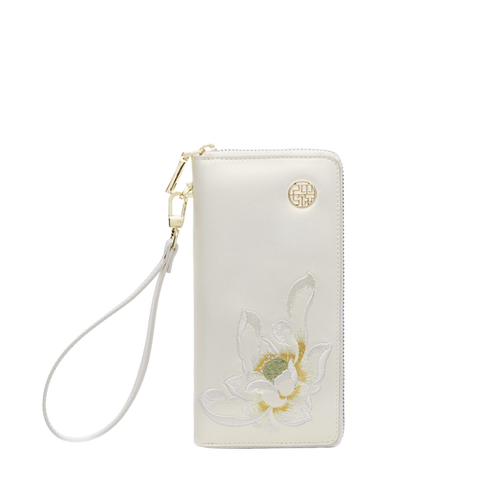

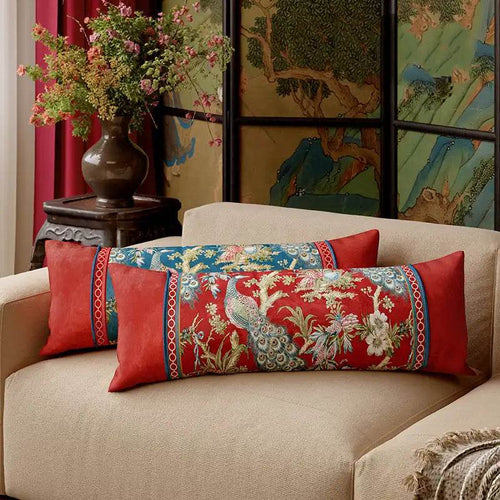

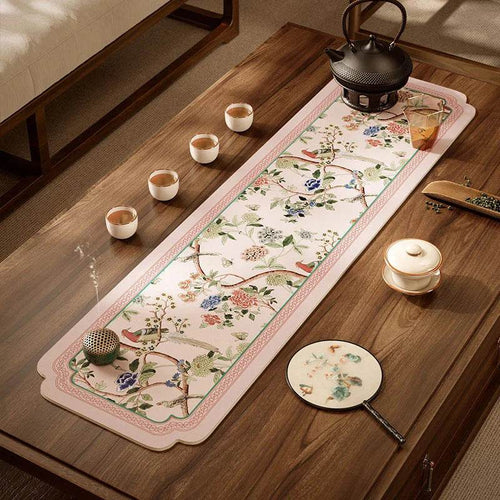
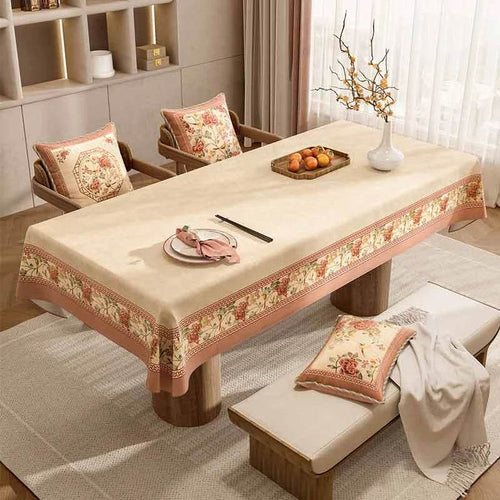
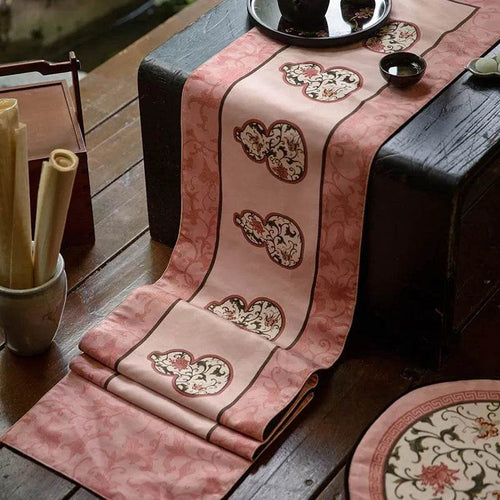





As autumn fades and the air turns crisp, China welcomes Lidong (立冬) — the Start of Winter, the 19th solar term in the traditional 24 Solar Terms (二十四节气) system. Falling between November 7 and 8 each year, Lidong marks the astronomical beginning of winter in the Chinese lunar calendar, when daylight wanes, temperatures dip, and the natural world quietly retreats into conservation and rest.
It is a pivotal seasonal threshold when the year folds inward — an ancient invitation for reflection, bodily nourishment, and holistic balance.
Celebrated for millennia as one of China’s grand Four Seasonal Festivals (“四时八节”) alongside the equinoxes and solstices, Lidong prompted ancient imperial courts and farming communities alike to hold solemn rituals, honoring the harvest and preparing for the cold ahead.
In the renowned Qing-era philosophical text The Collection of the Seventy-Two Seasonal Observations (《月令七十二候集解》), the essence of Lidong is summarized with poetic clarity:
“建始也,冬,终也,万物收藏也。”
“‘Li’ signifies the beginning; ‘Dong’ marks the close of the year, when all living creatures and harvested crops are gathered and preserved.”
Lidong symbolizes the timeless cyclical rhythm of nature: after bountiful harvest comes restorative slumber; after purposeful action comes tranquil stillness.

Table of Contents
- 1. When is Lidong? Calendar Dates (2025–2028)
- 2. The Seasonal Transition: Light, Shadow, and Cold
- 3. The Three Phases of Lidong (立冬三候)
- 4. Warming the Body and Soul: Traditional Lidong Foods & "Bu Dong" (补冬)
- 5. Welcoming Winter: Ancient Customs and Regional Traditions
- 6. Embracing Winter Warmth: Handcrafted Silk & Cashmere Keepsakes
- 7. Frequently Asked Questions (FAQ) About Lidong
- 8. Conclusion: Finding Balance in Stillness
1. When is Lidong? Calendar Dates (2025–2028)
In astronomical terms, Lidong begins when the sun reaches celestial longitude 225°. Because it follows solar calculations rather than simple lunar months, its Gregorian calendar date is remarkably consistent:
| Year | Lidong Date (Gregorian) | Solar Longitude | Seasonal Meaning |
|---|---|---|---|
| 2025 | November 7, 2025 | 225° | Official Start of Winter (19th Solar Term) |
| 2026 | November 7, 2026 | 225° | Official Start of Winter (19th Solar Term) |
| 2027 | November 7, 2027 | 225° | Official Start of Winter (19th Solar Term) |
| 2028 | November 7, 2028 | 225° | Official Start of Winter (19th Solar Term) |
2. The Seasonal Transition: Light, Shadow, and Cold
After Lidong, daylight continues to fade earlier with each passing day, and the sun’s arc at noon dips noticeably lower. The brilliance of autumn’s golden hues begins to soften, giving way to shades of silver, mist, and frost. Mornings are wrapped in a quiet chill, and by evening, the air carries a crisp clarity that signals winter’s steady approach.

Moisture begins to gather in the air as rain, frost, and early snow replace the dryness of autumn. Fields glisten with thin ice, leaves darken and curl, and the scent of smoke from home hearths drifts through still villages. It is a season of transition and reflection — when the earth begins to slow, animals seek shelter, and people turn inward, lighting lamps and preparing warm meals to comfort the spirit.

This gradual shift embodies the heart of the Lidong season — not the sudden arrival of cold, but the quiet invitation to rest, restore, and find balance amid the hush of the coming winter.
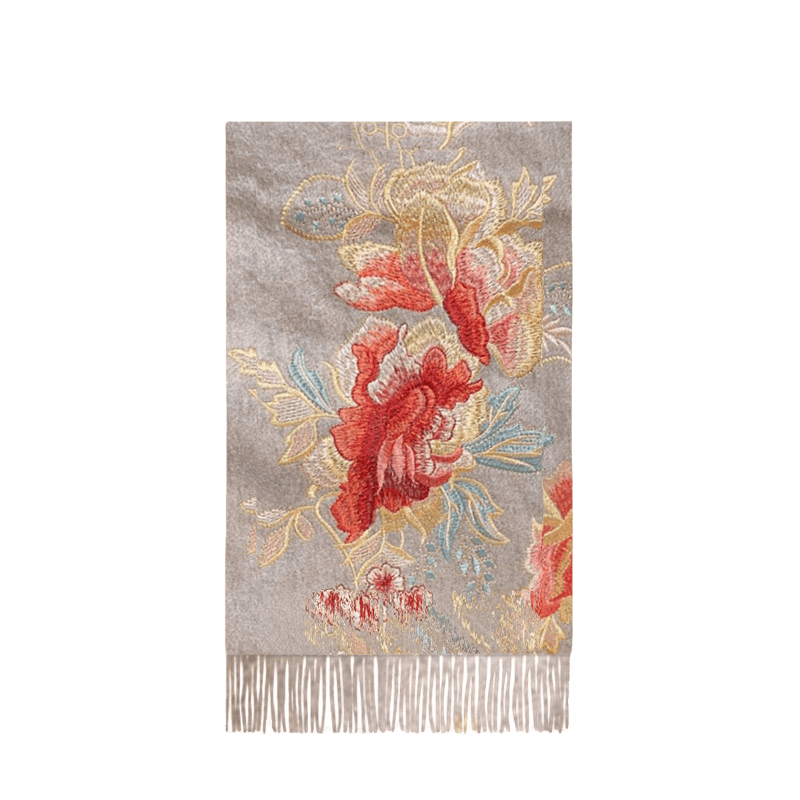
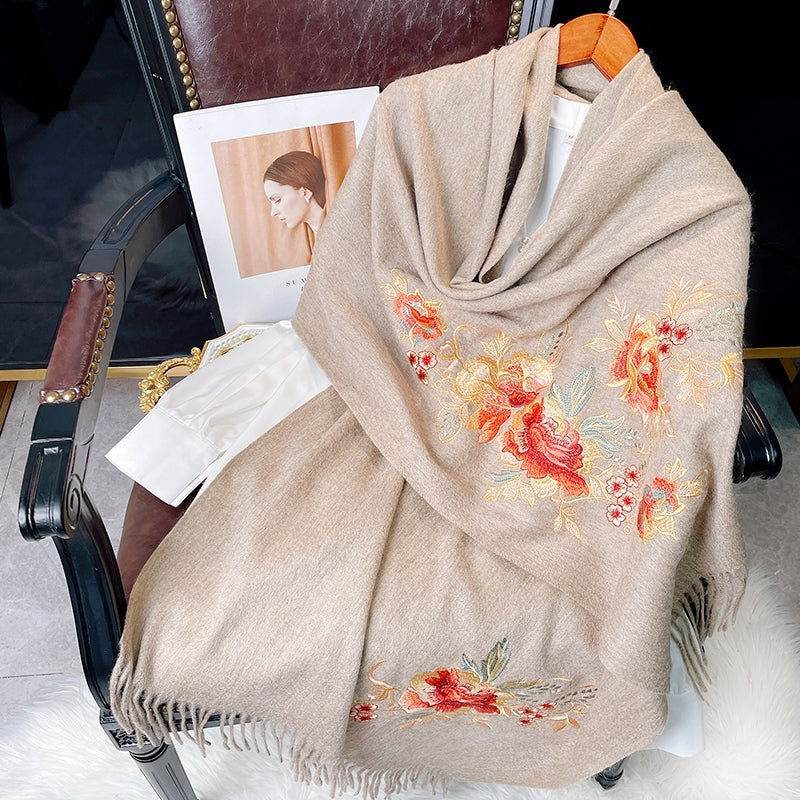
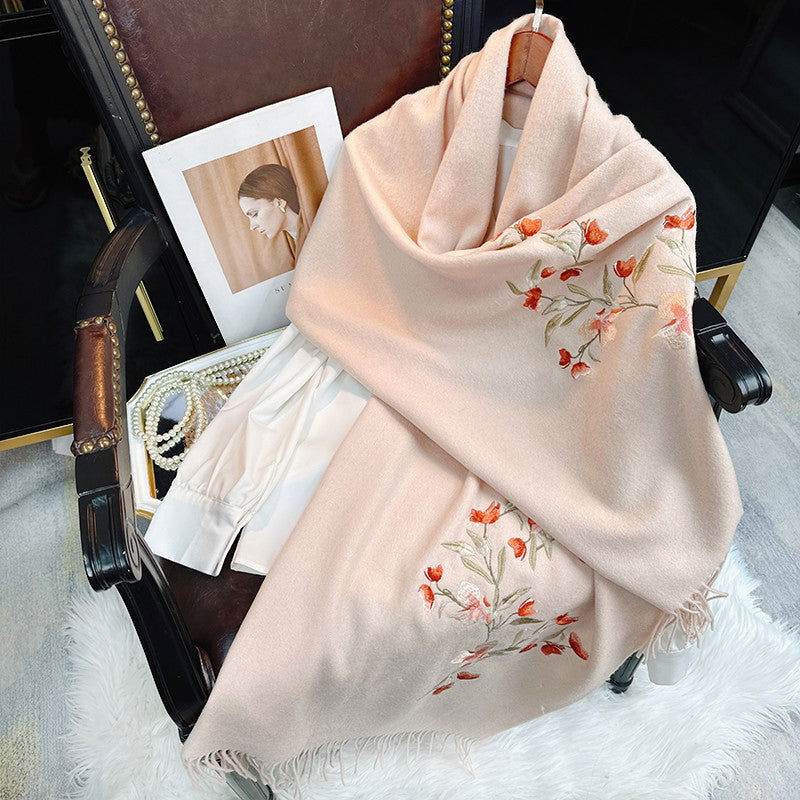
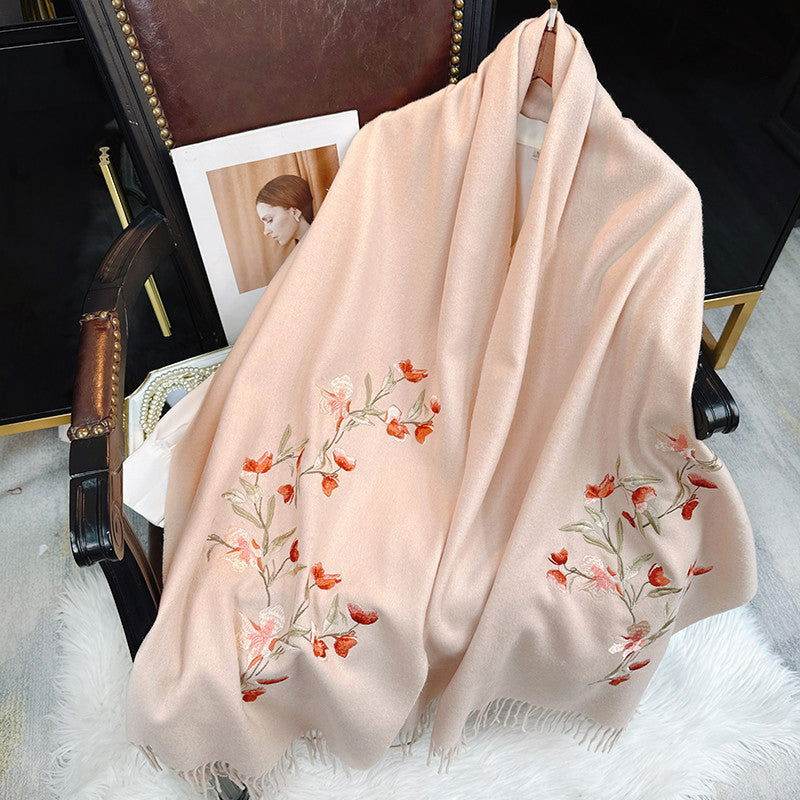
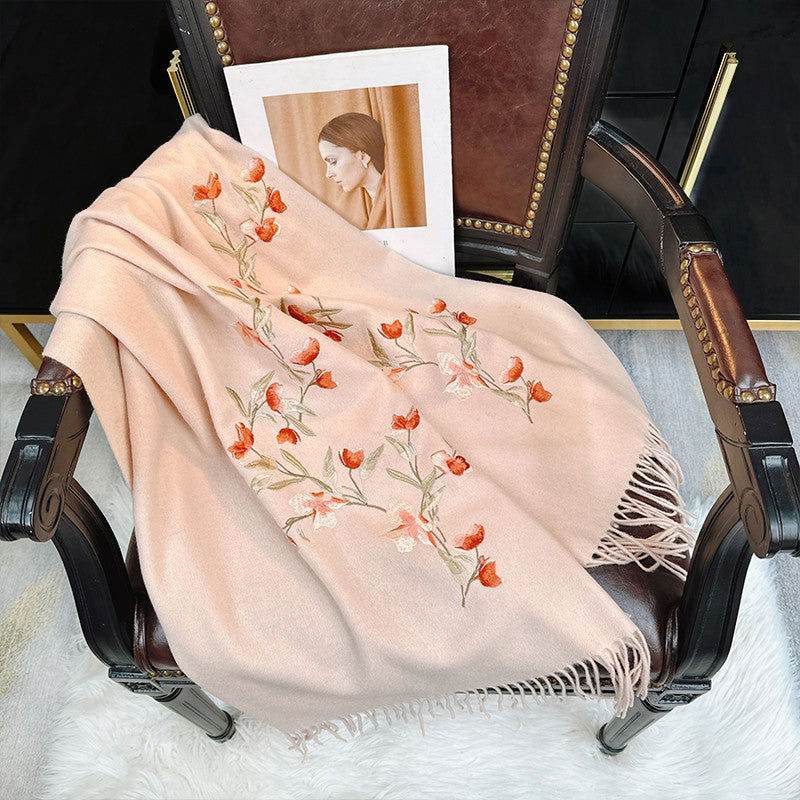
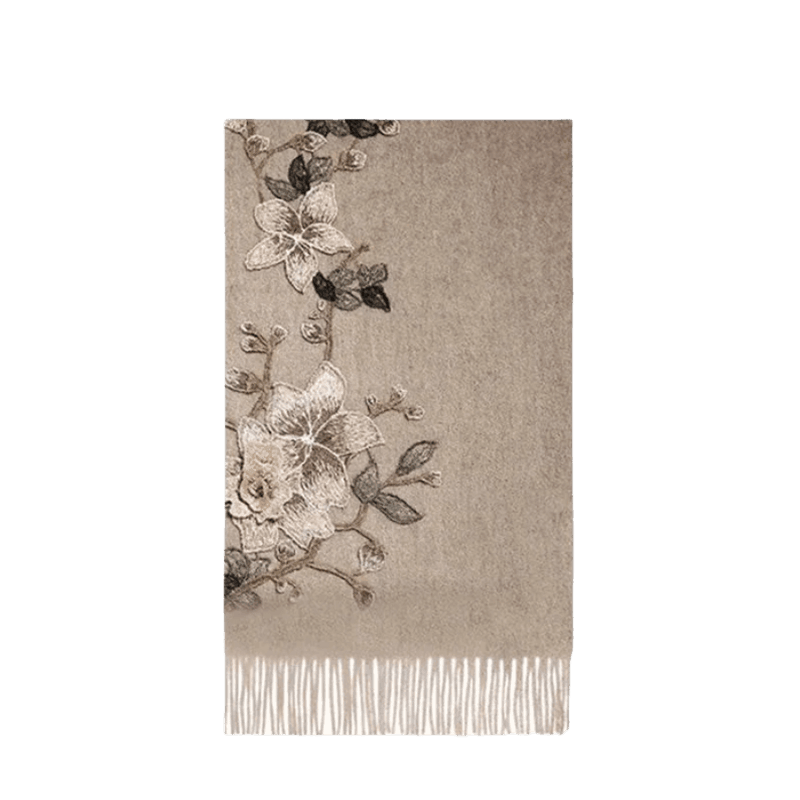
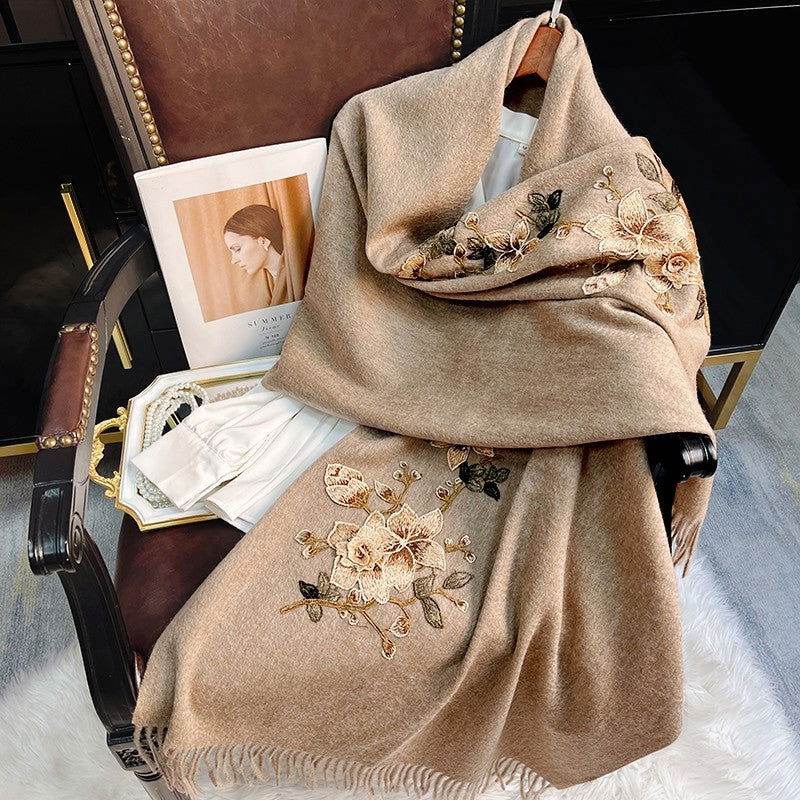
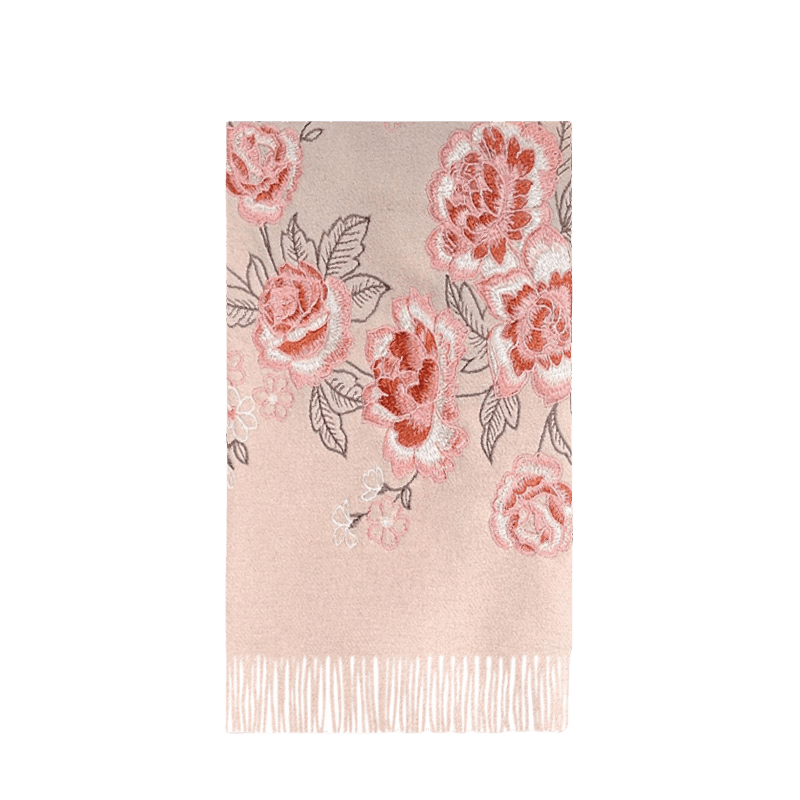
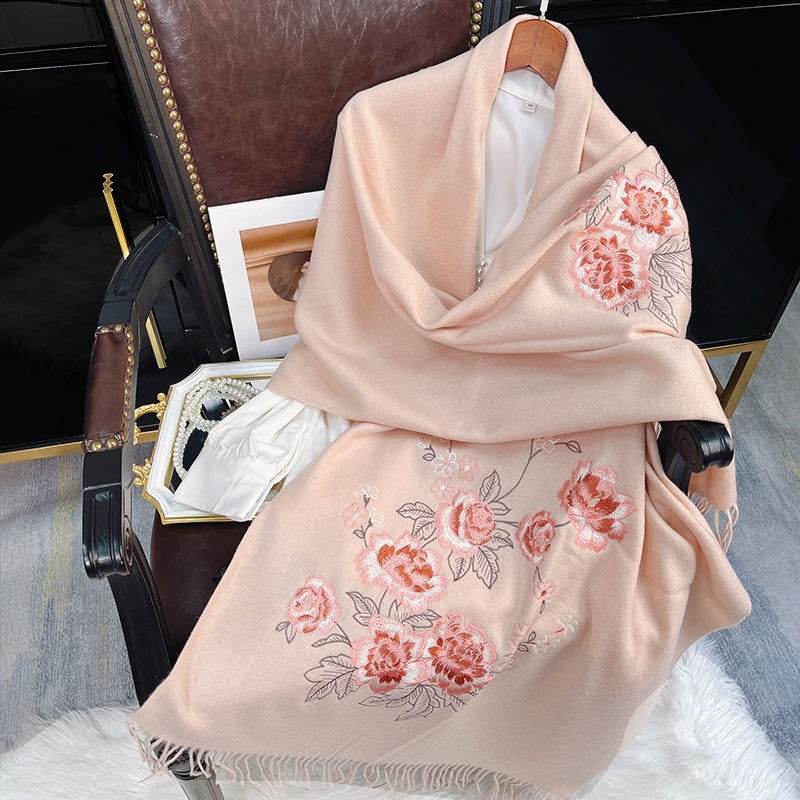
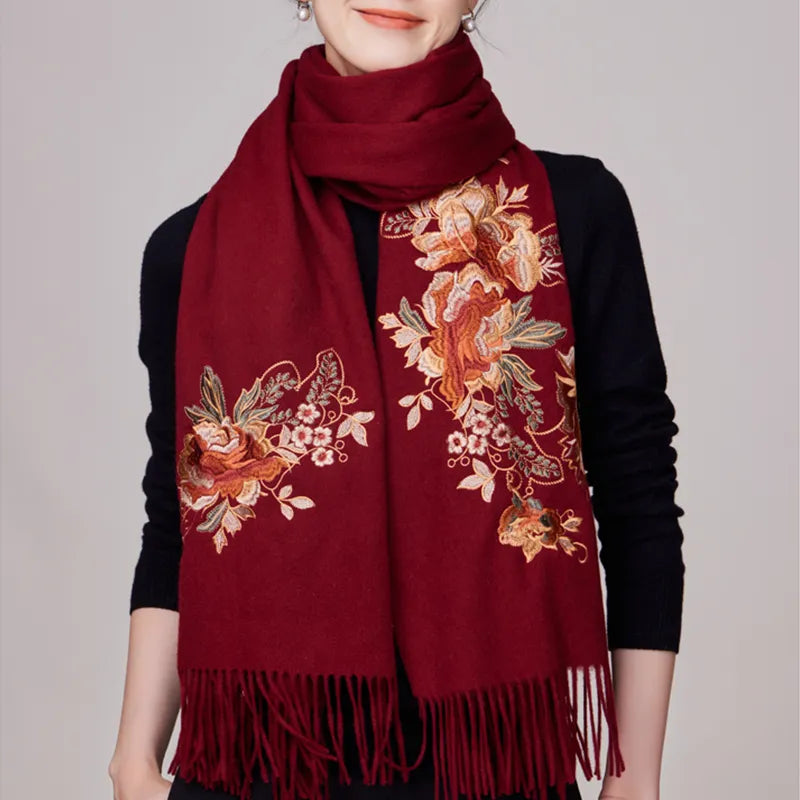
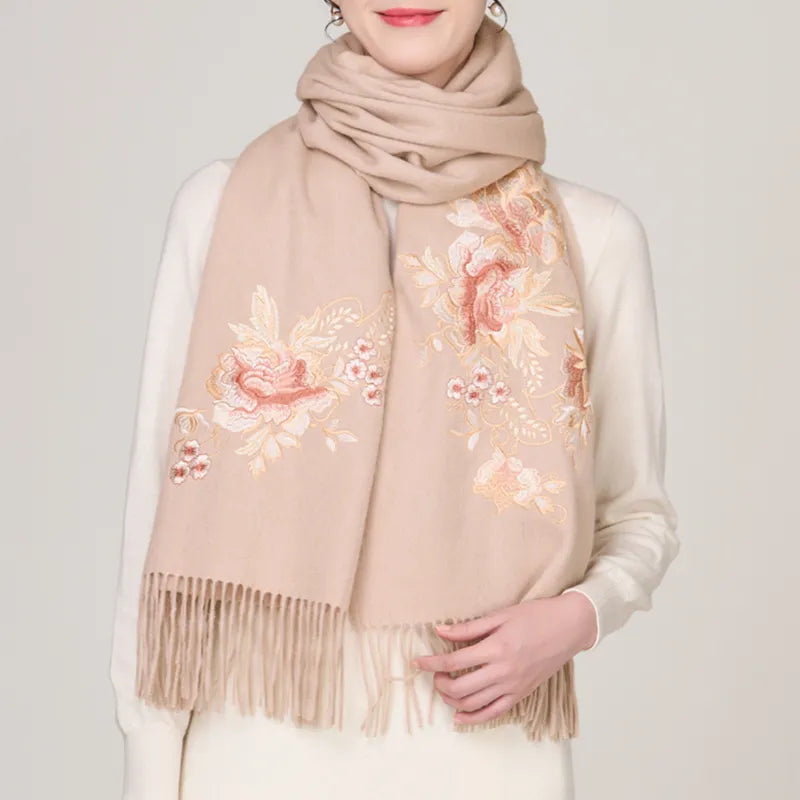
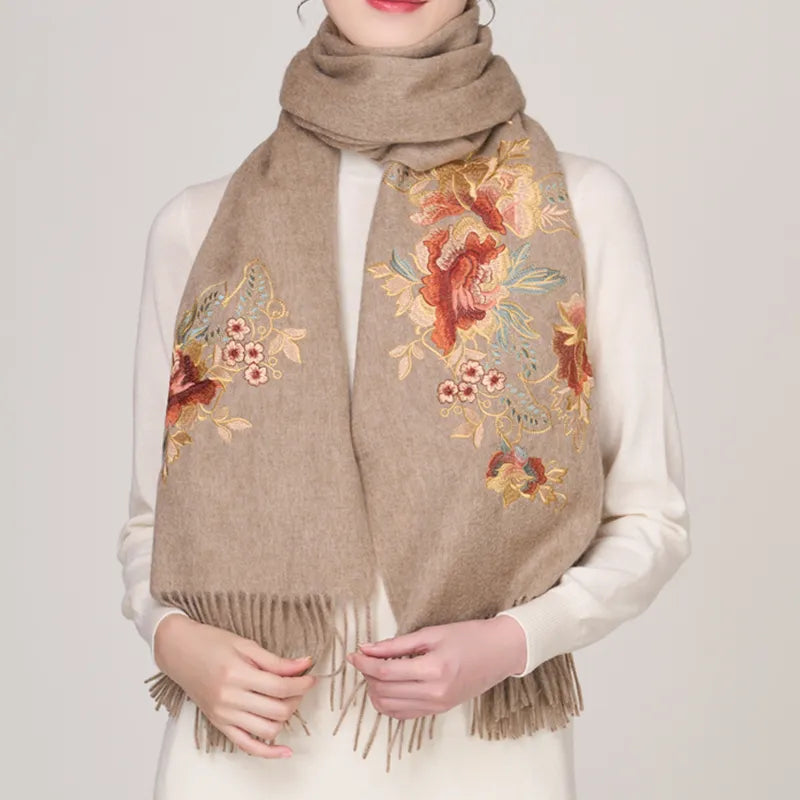
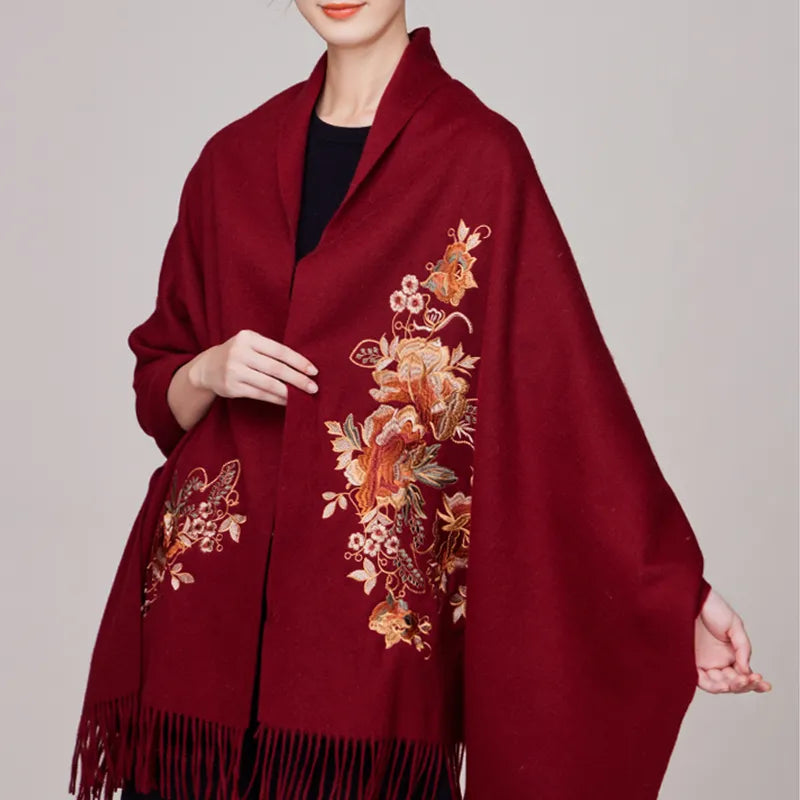
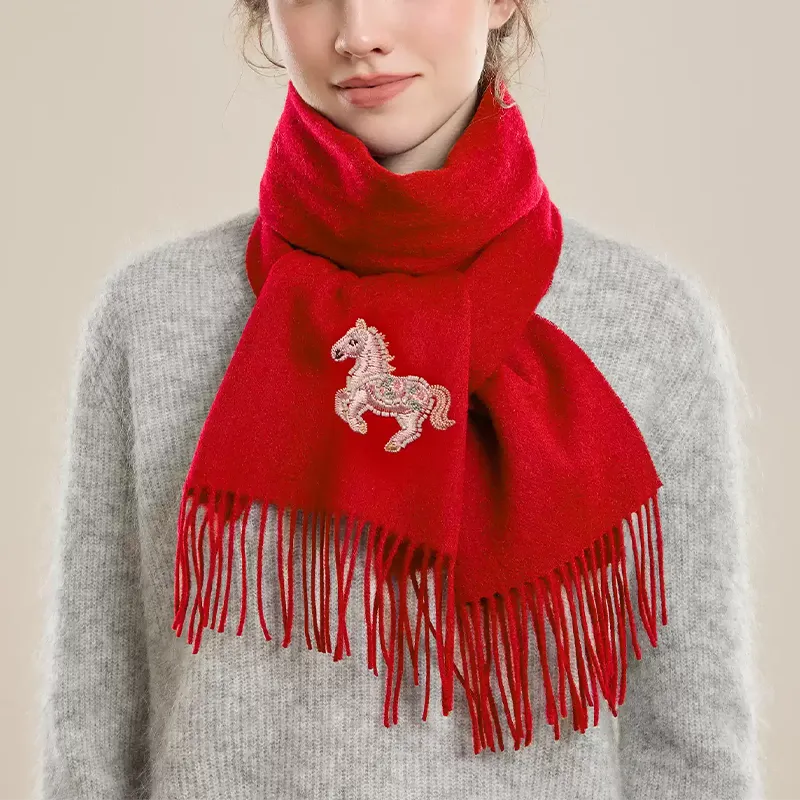
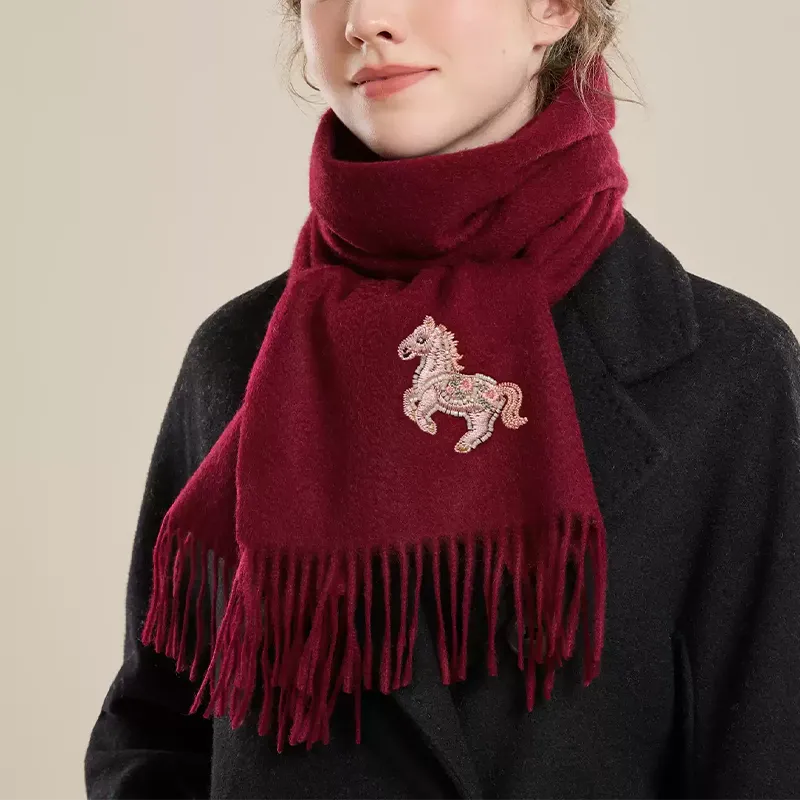
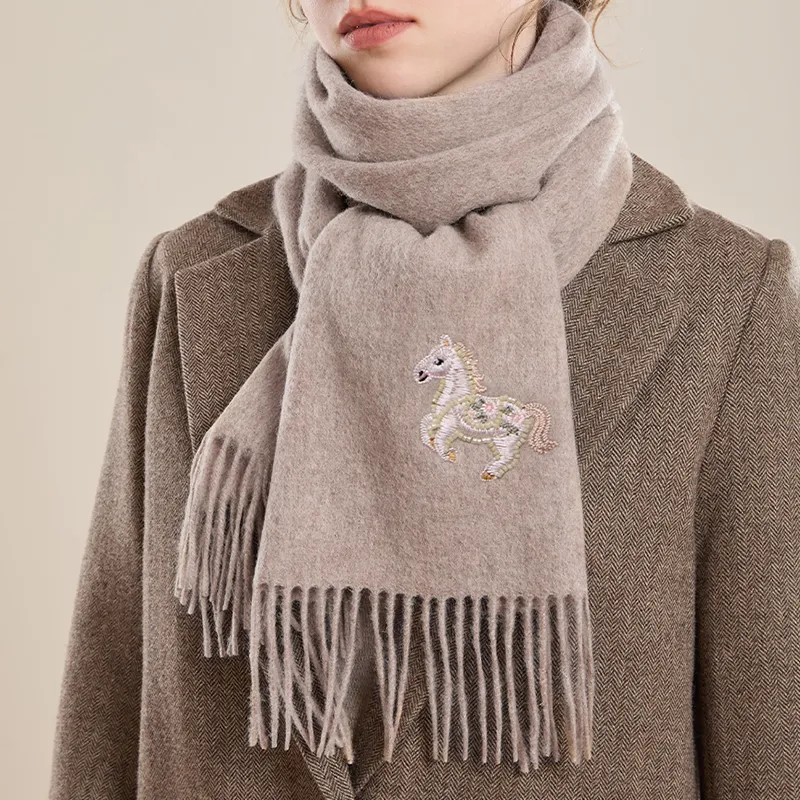
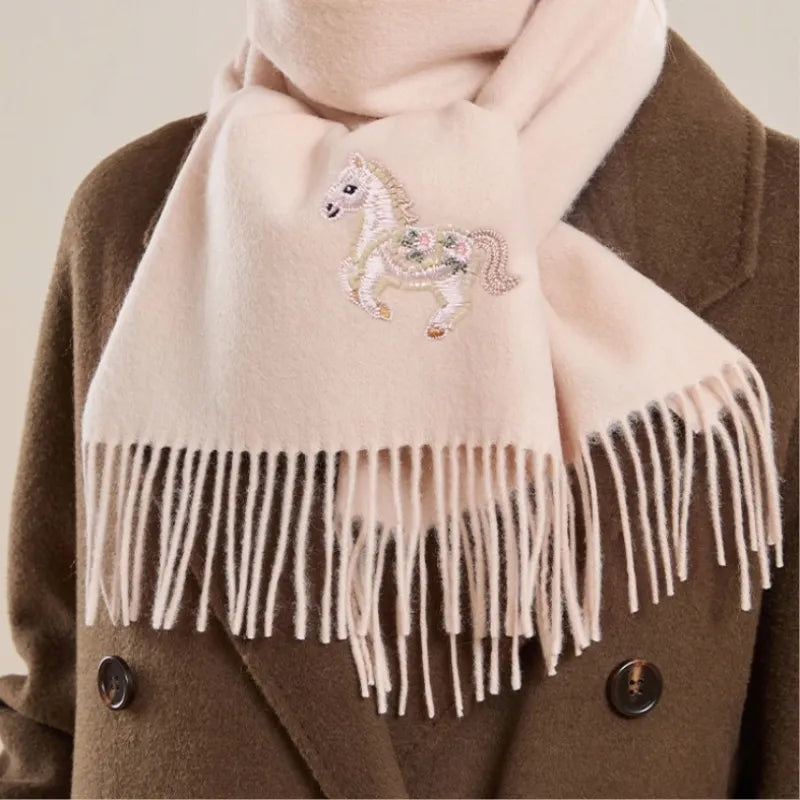
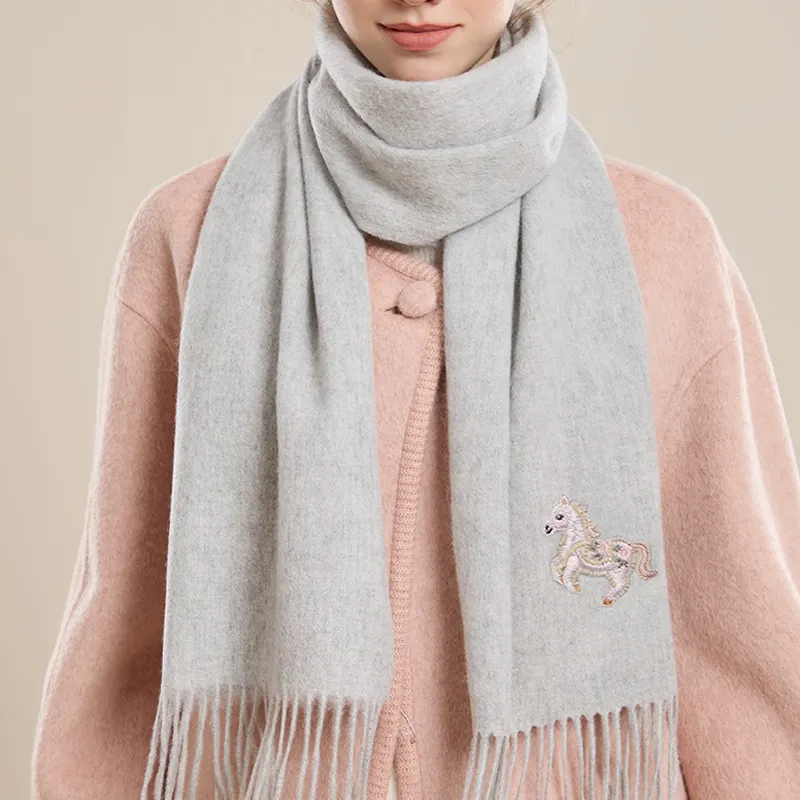
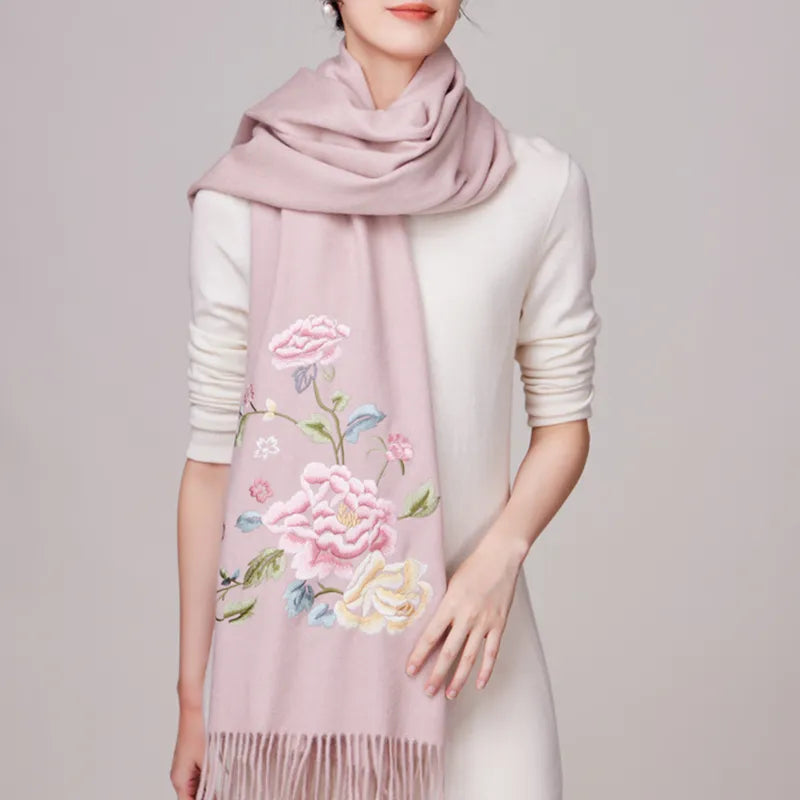
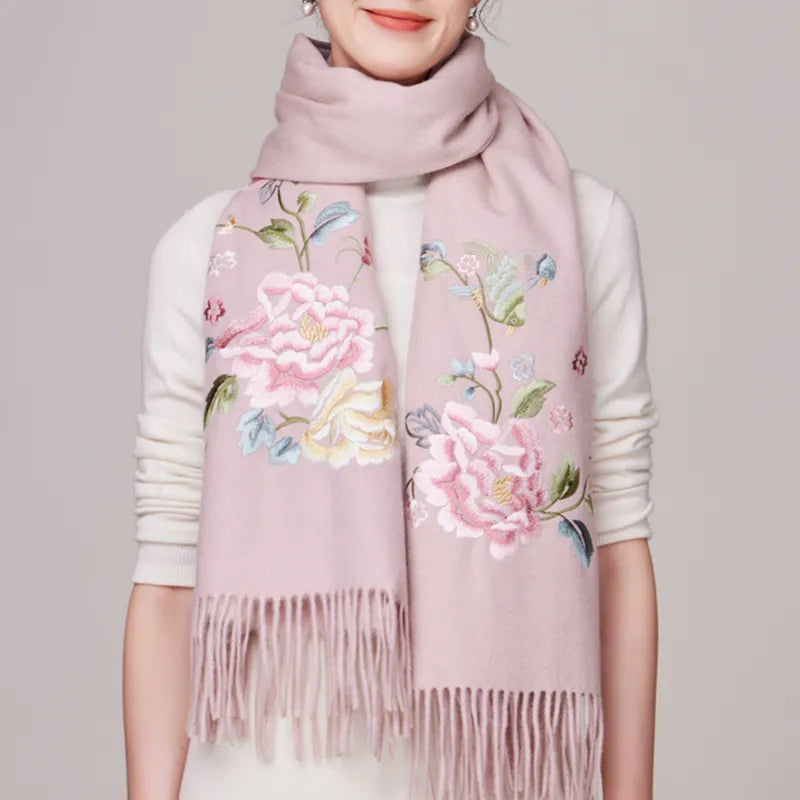
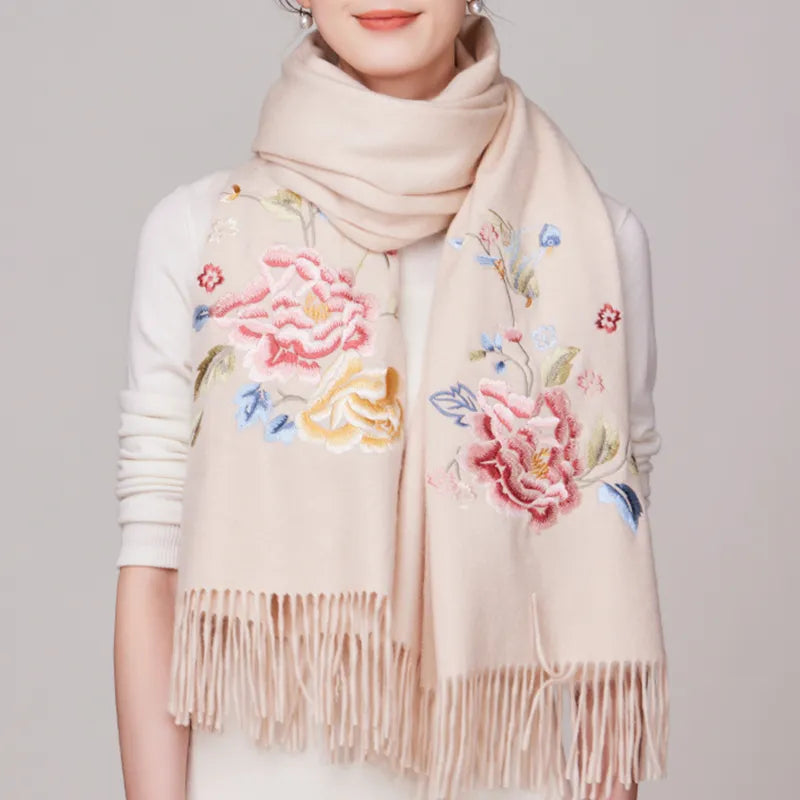
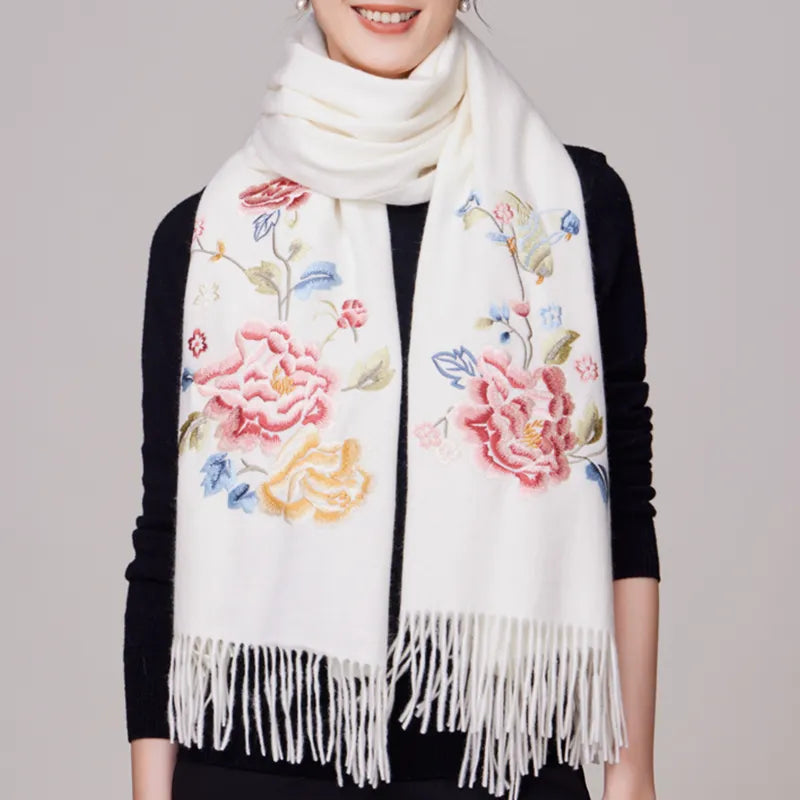
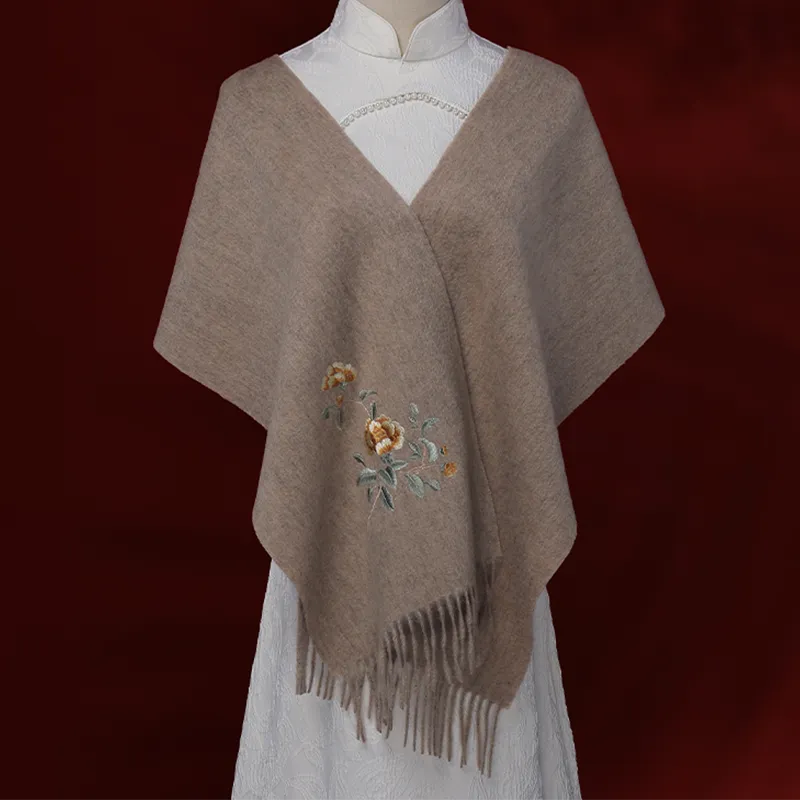
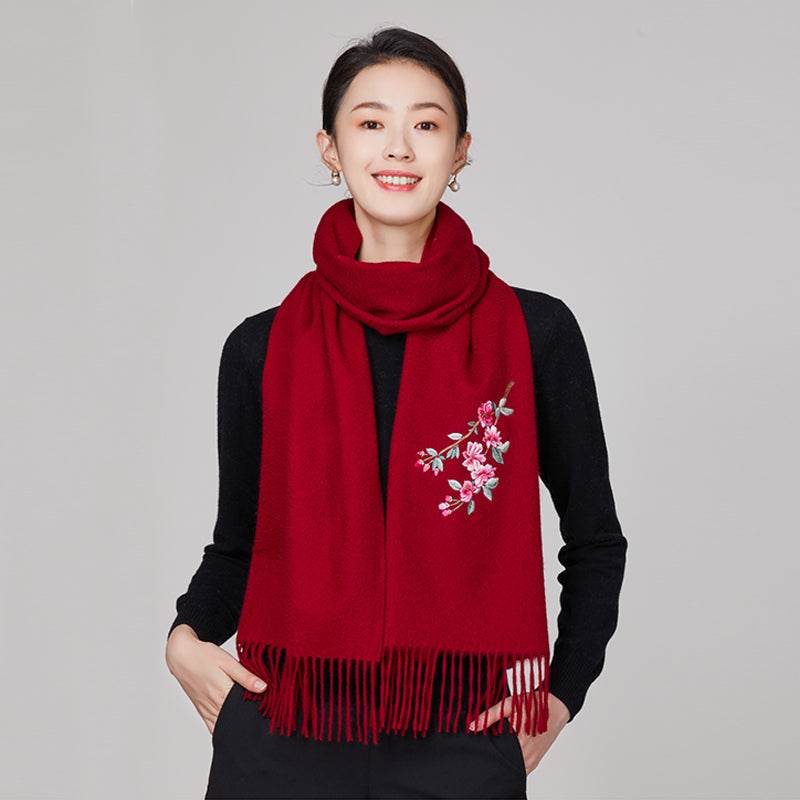
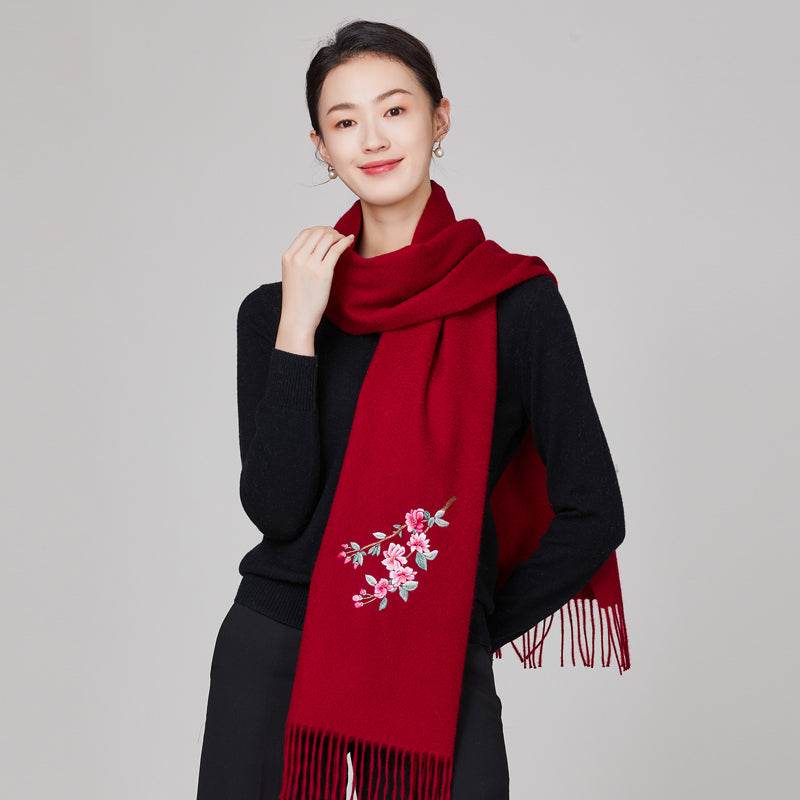
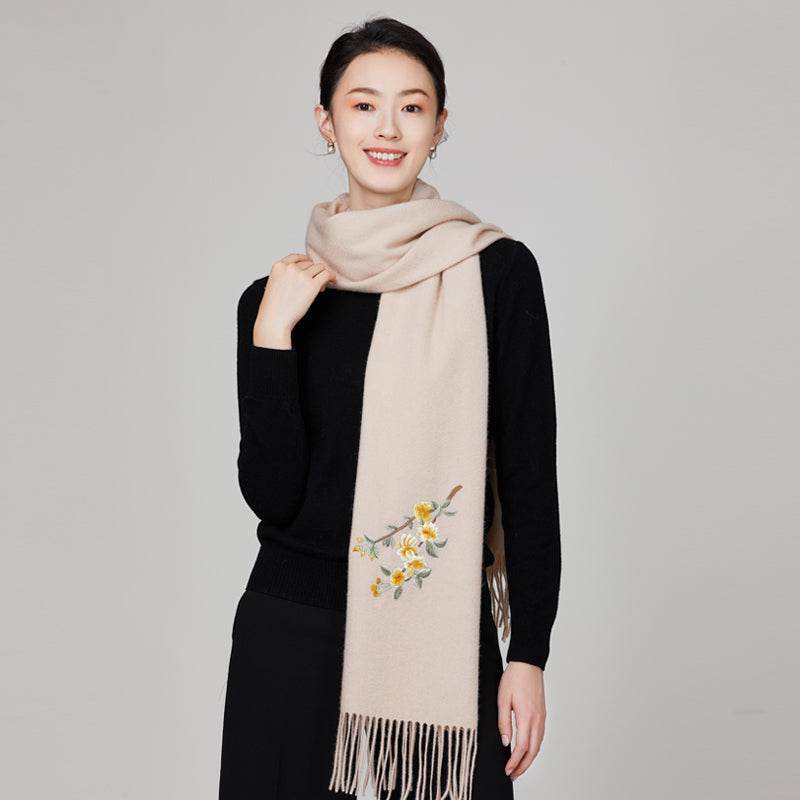
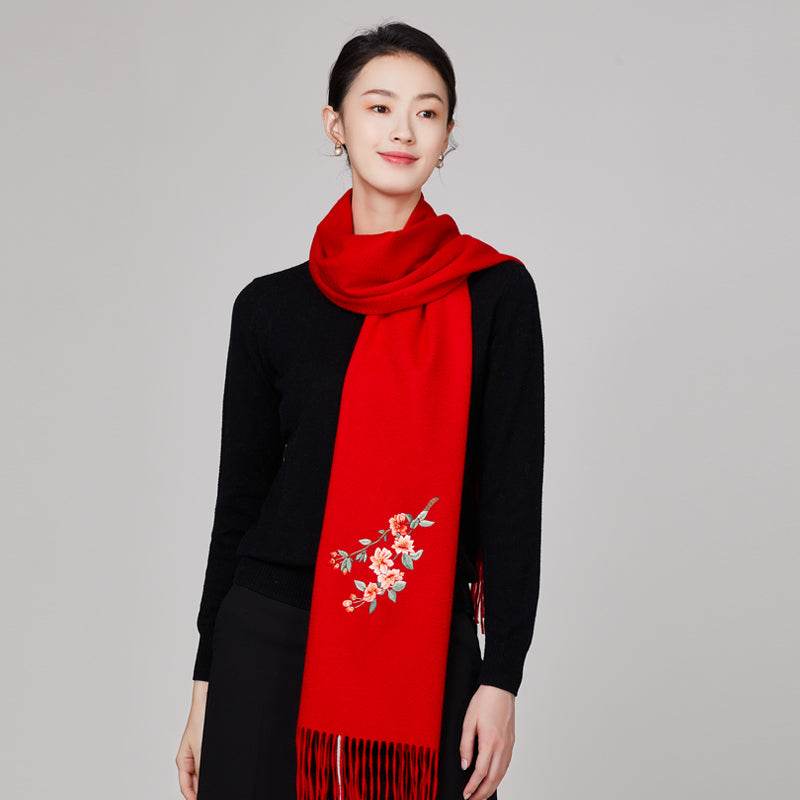
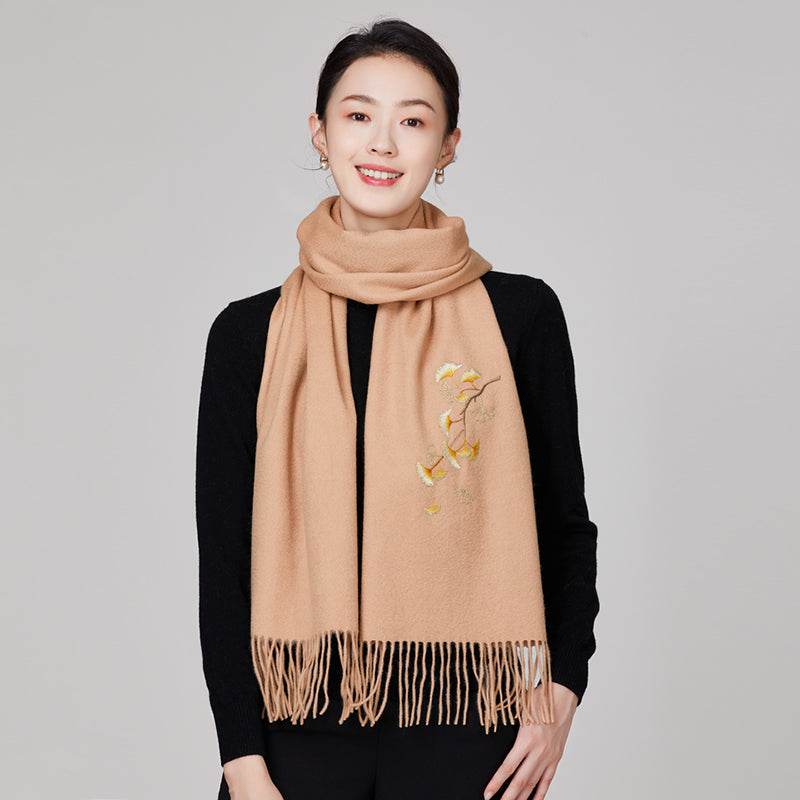
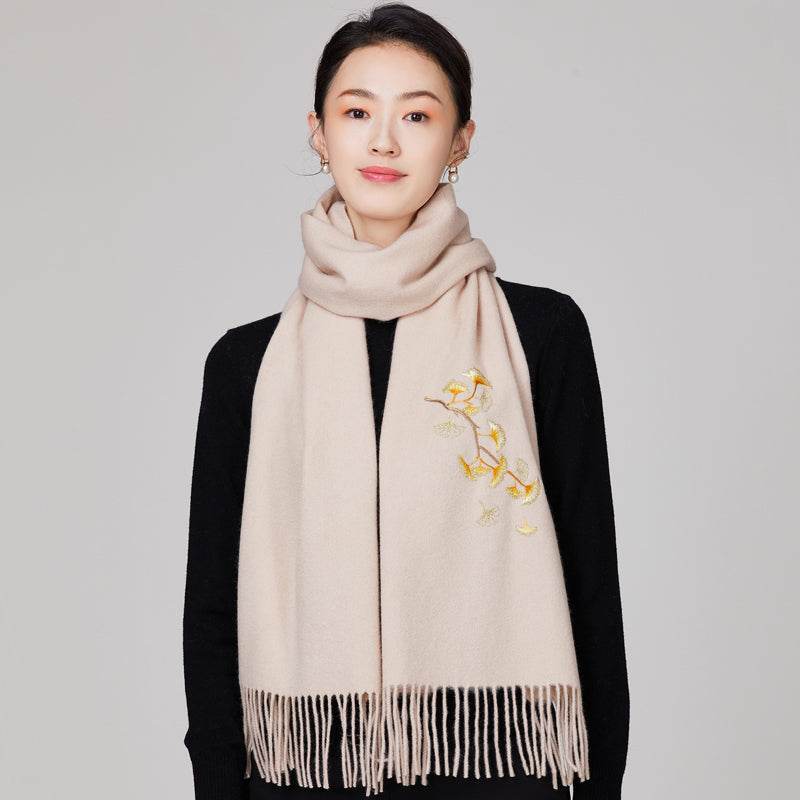
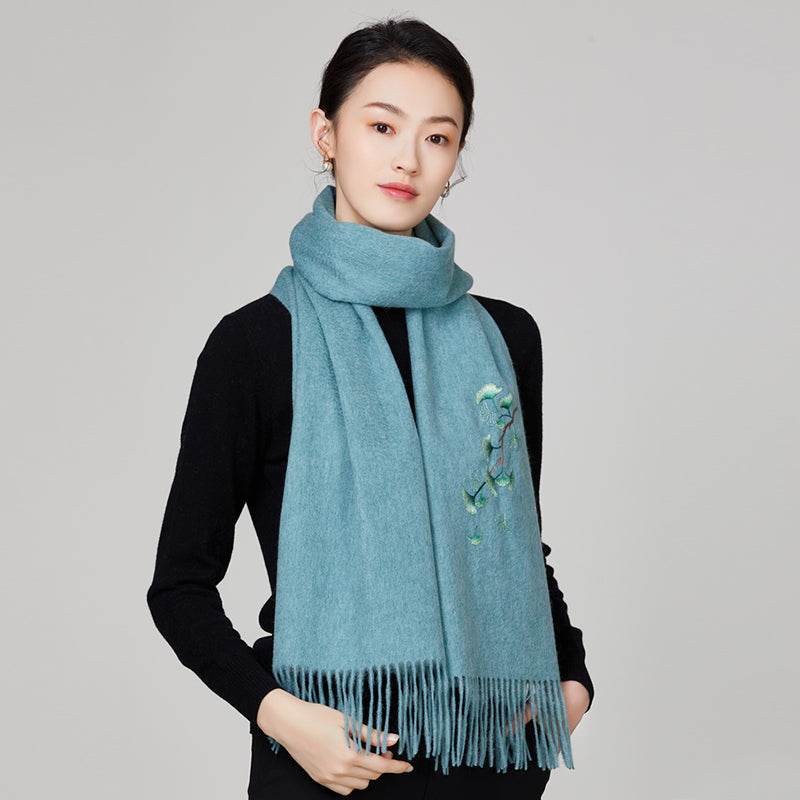
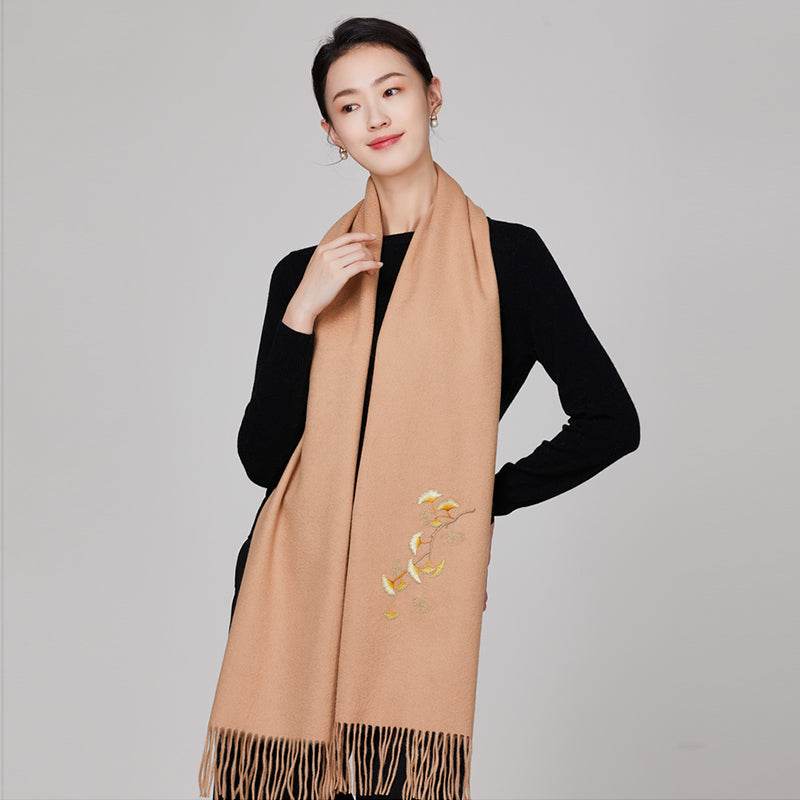
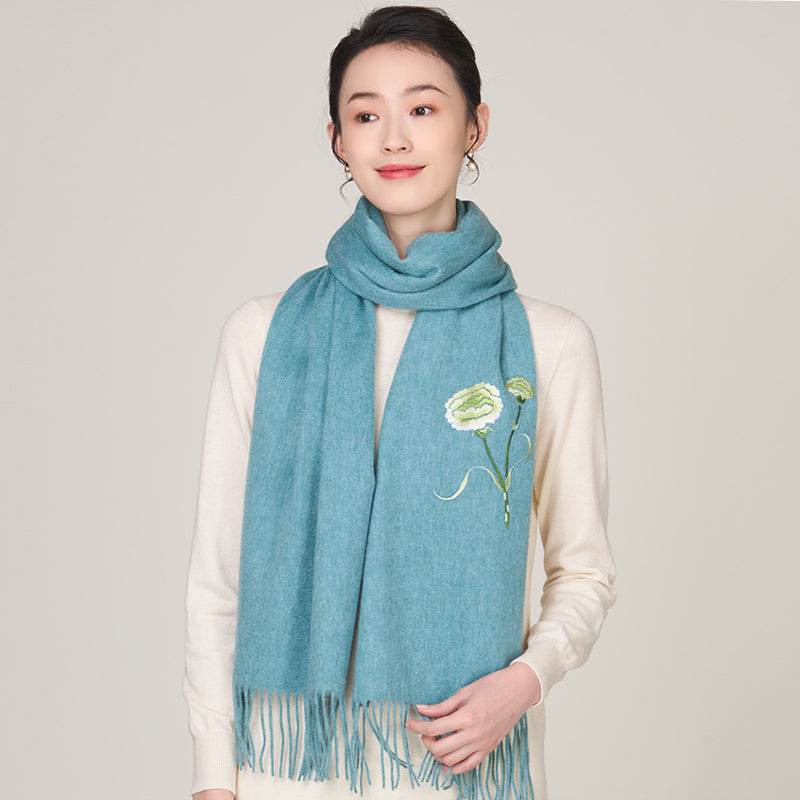
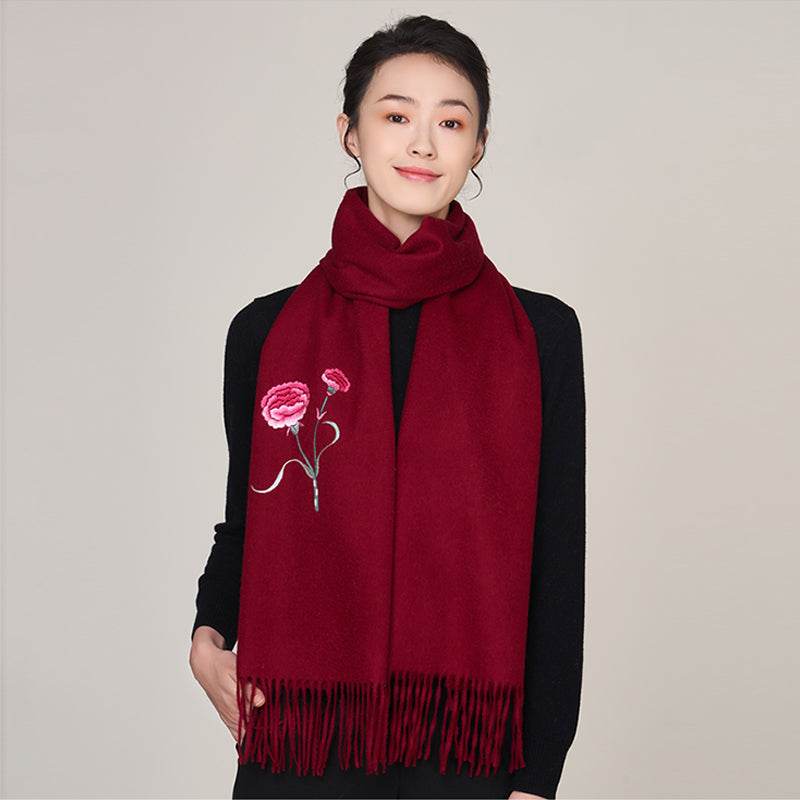
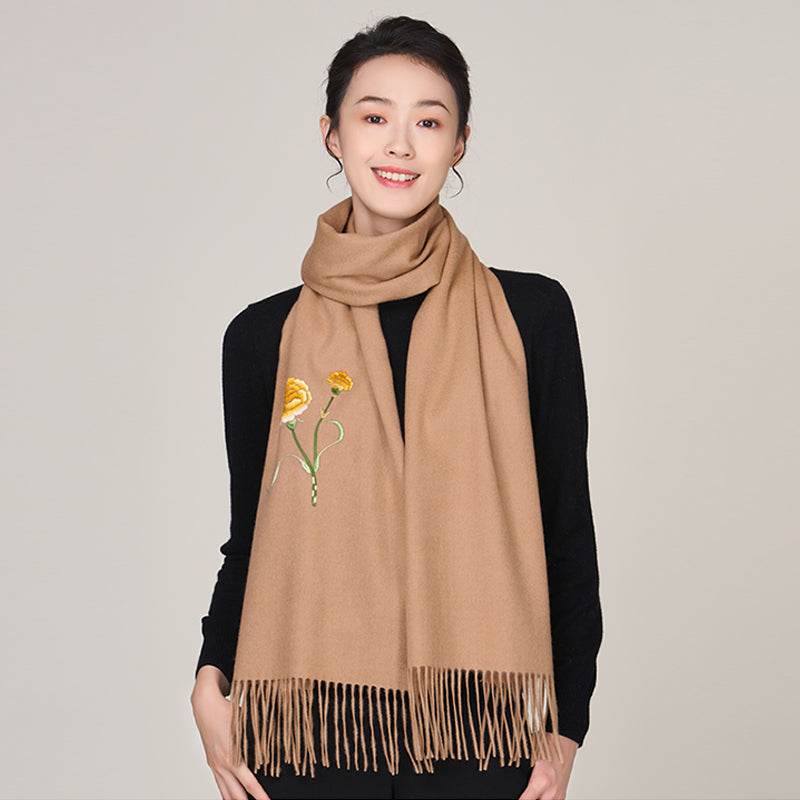
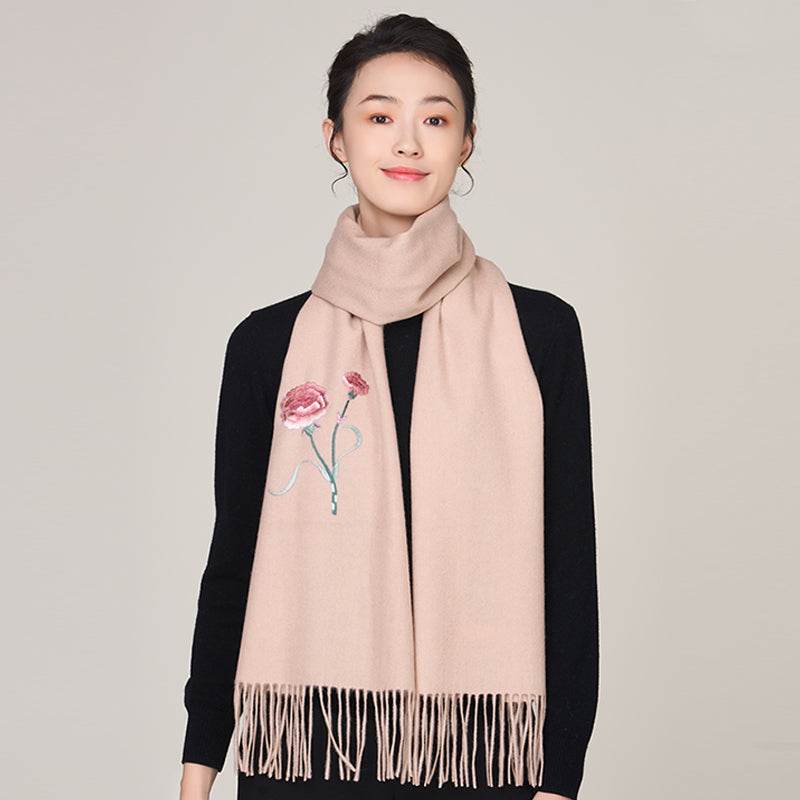
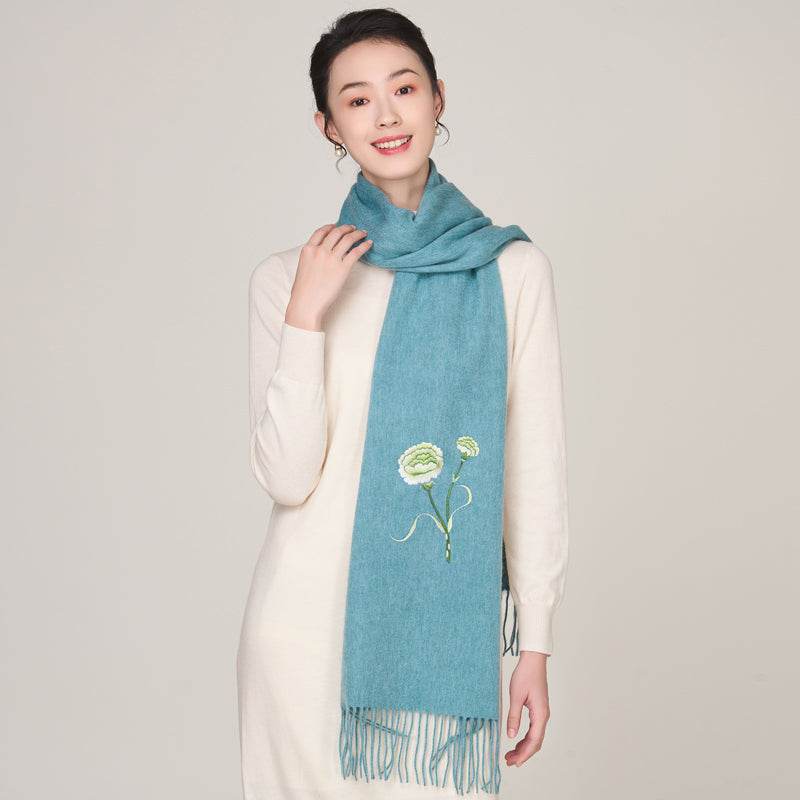
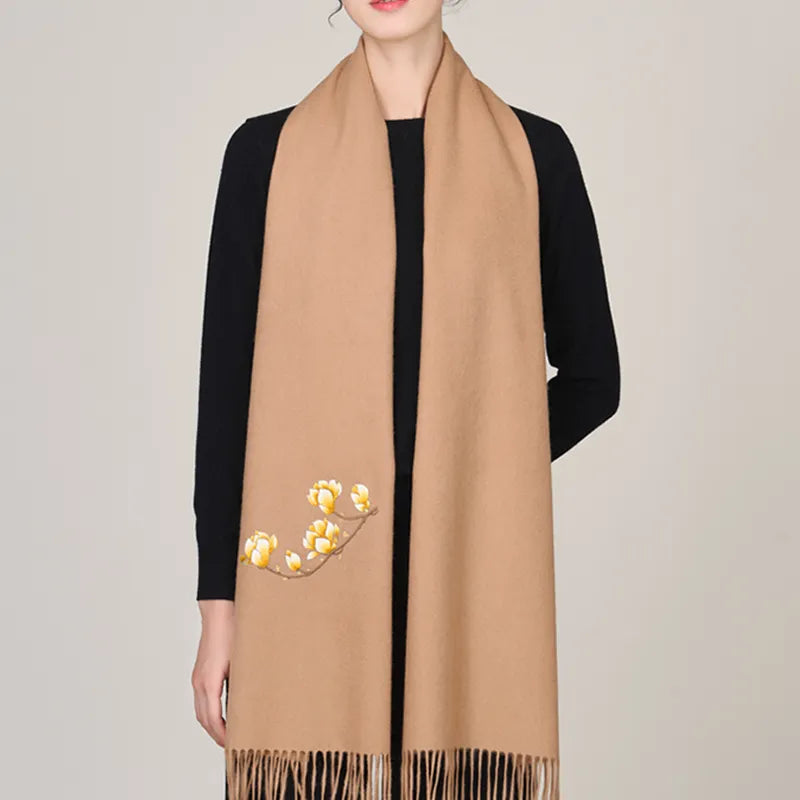
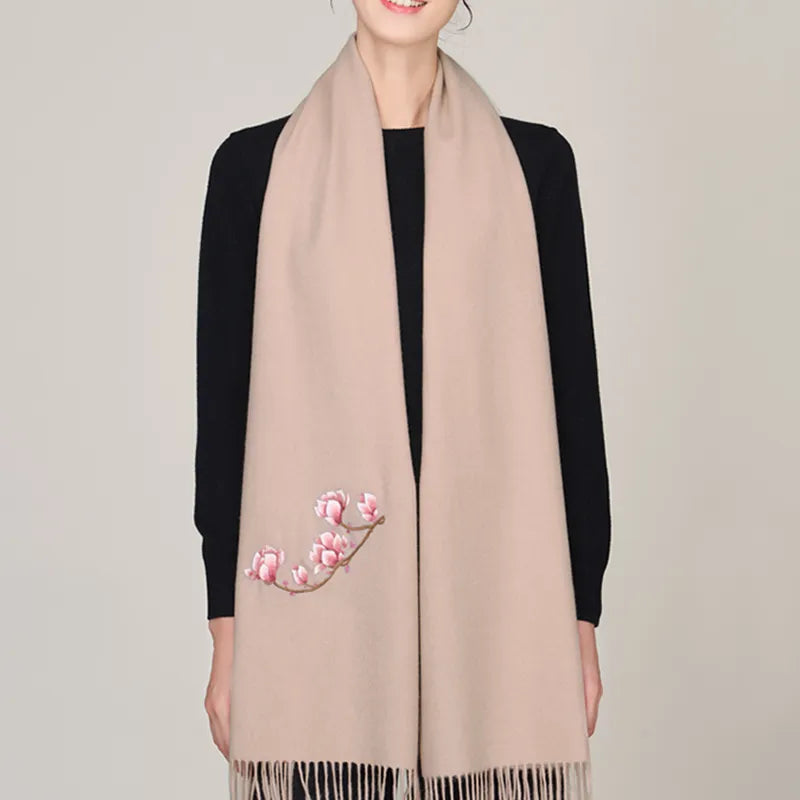
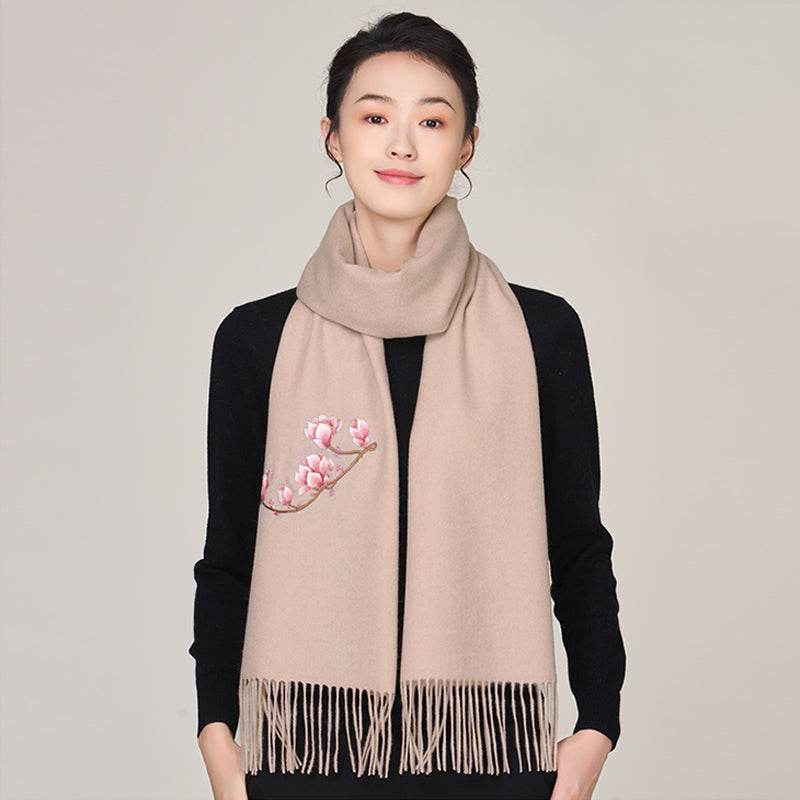
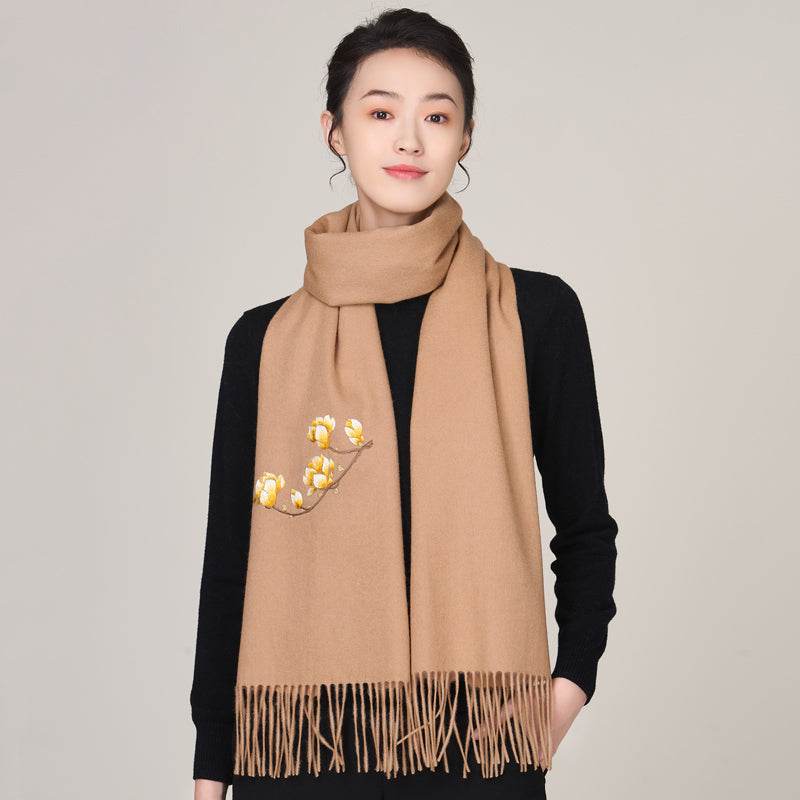
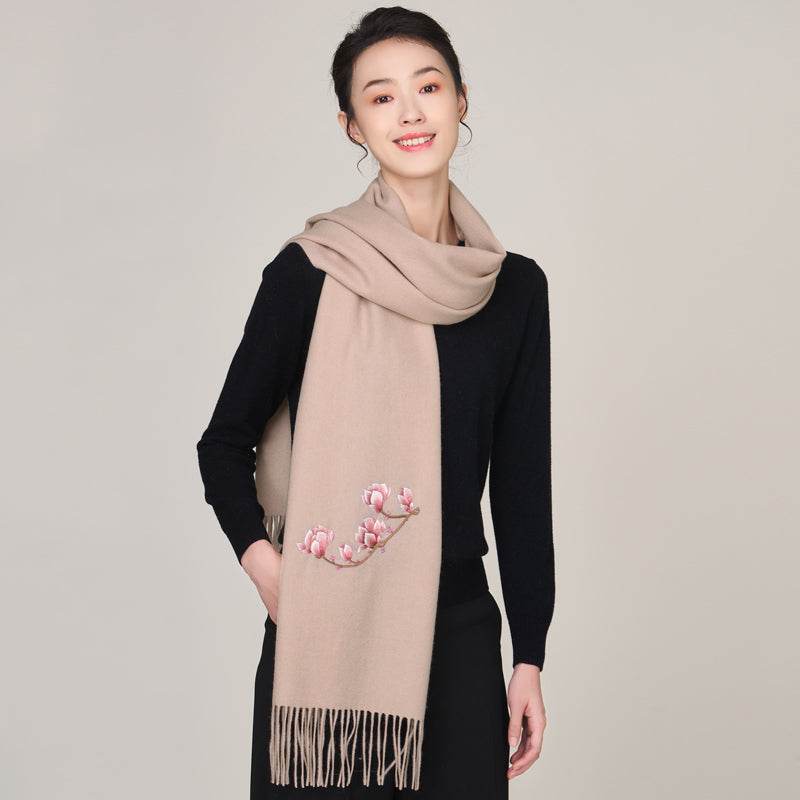
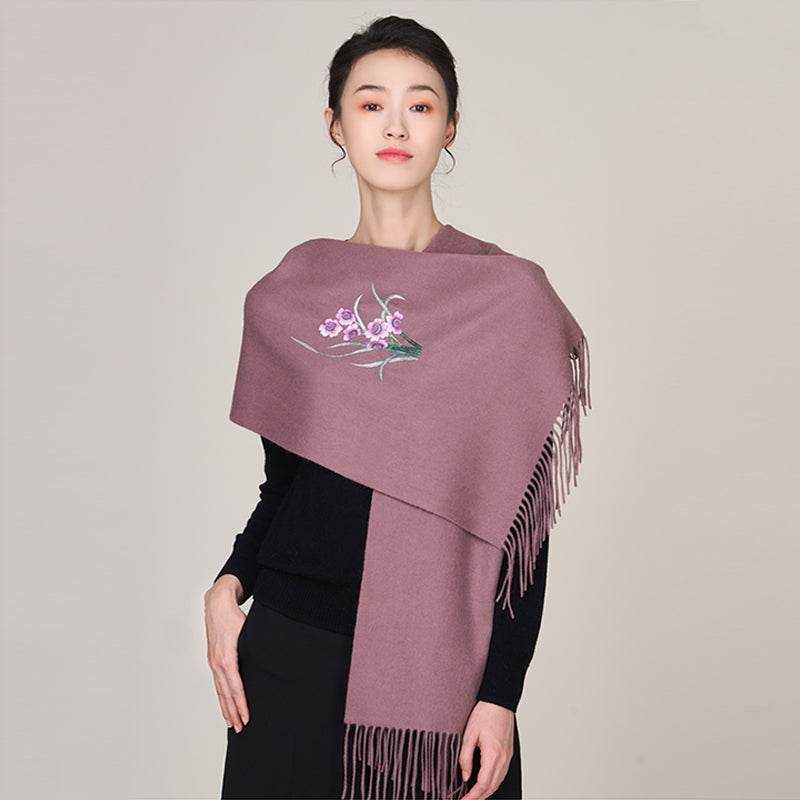
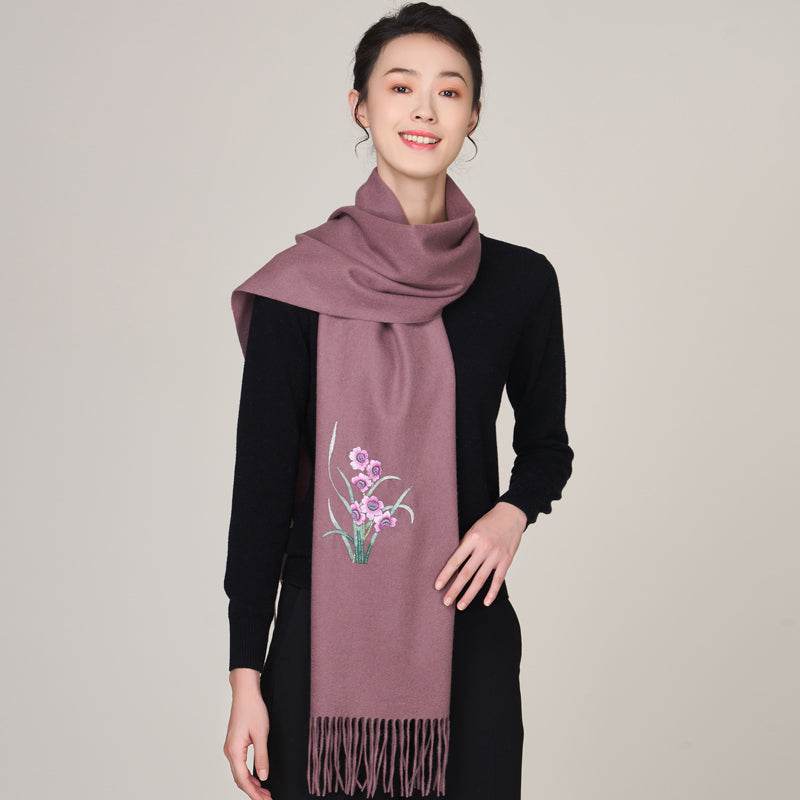
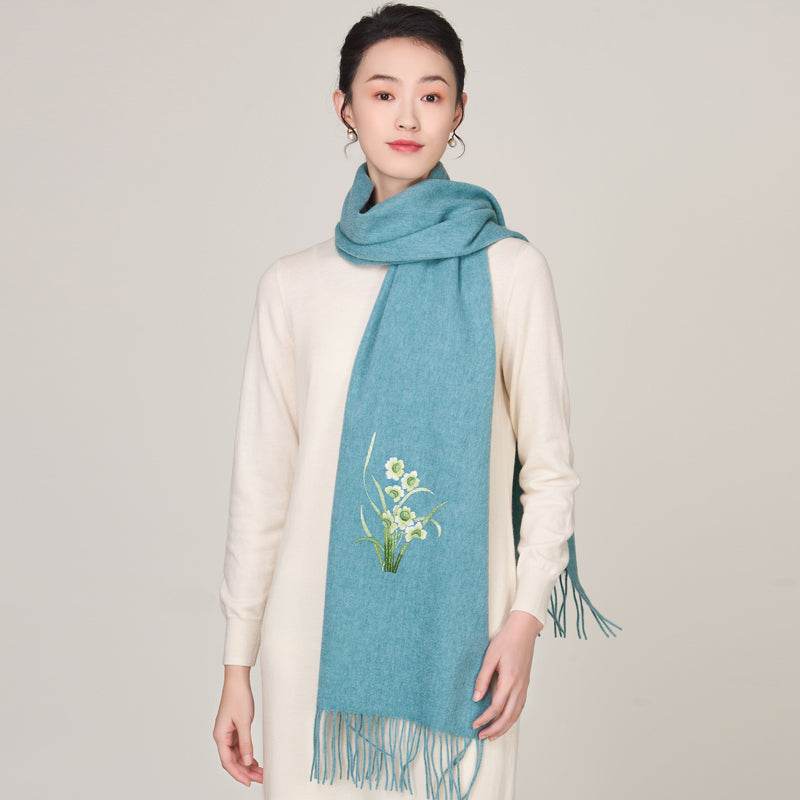
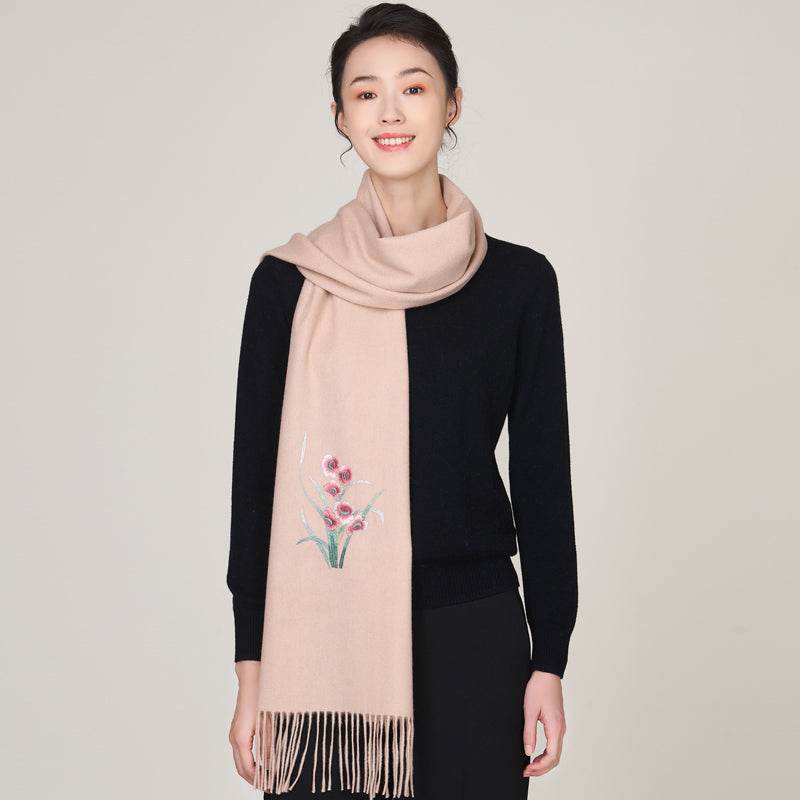
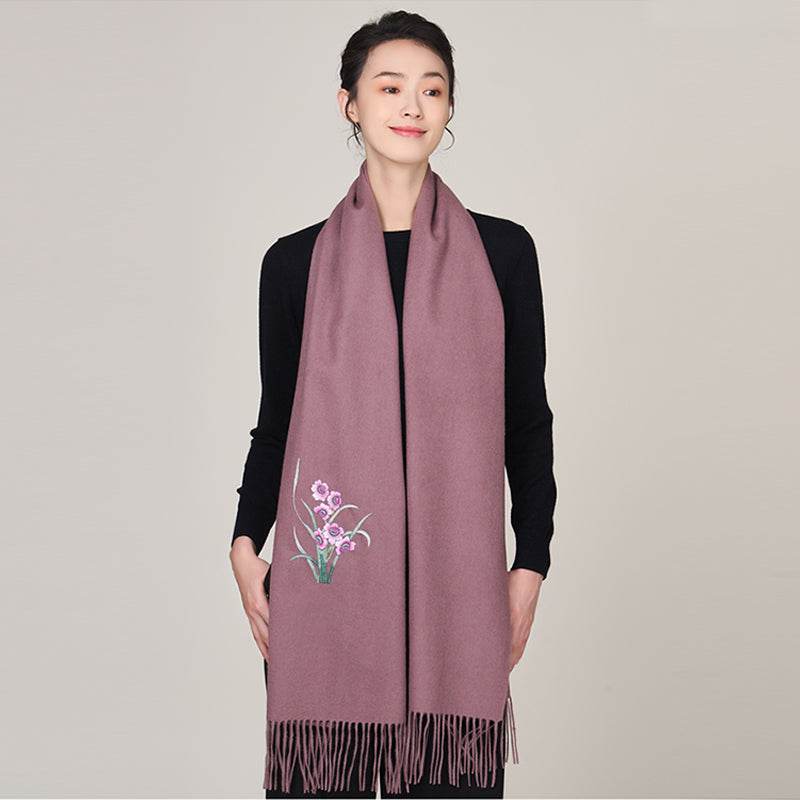
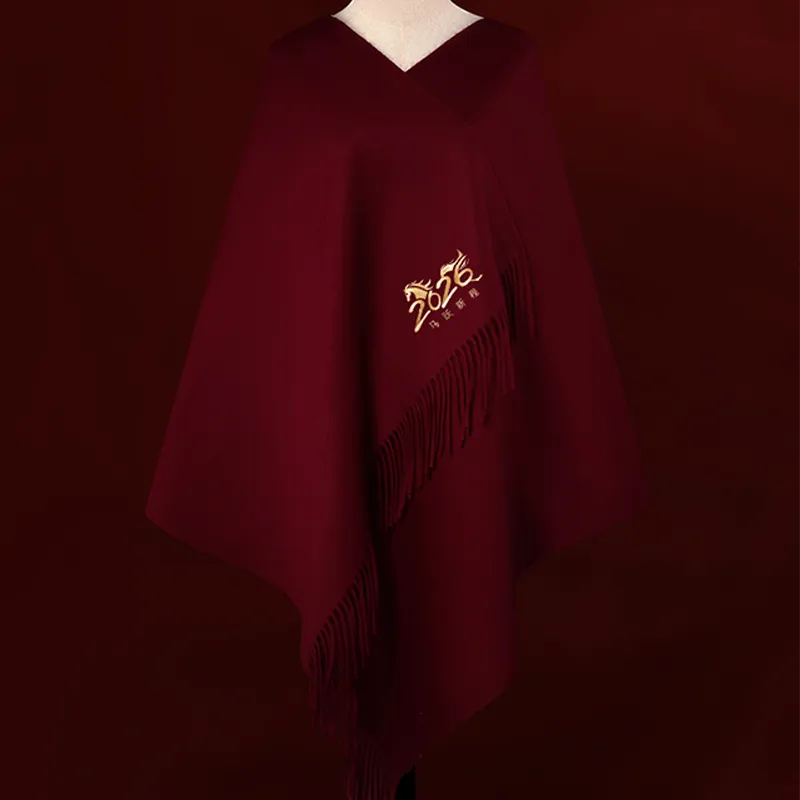
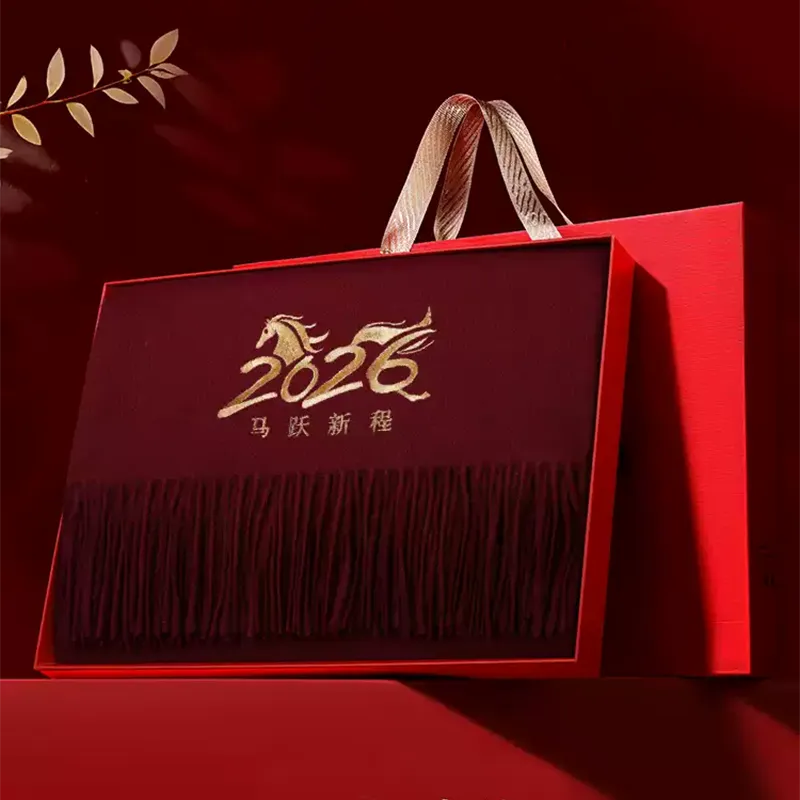
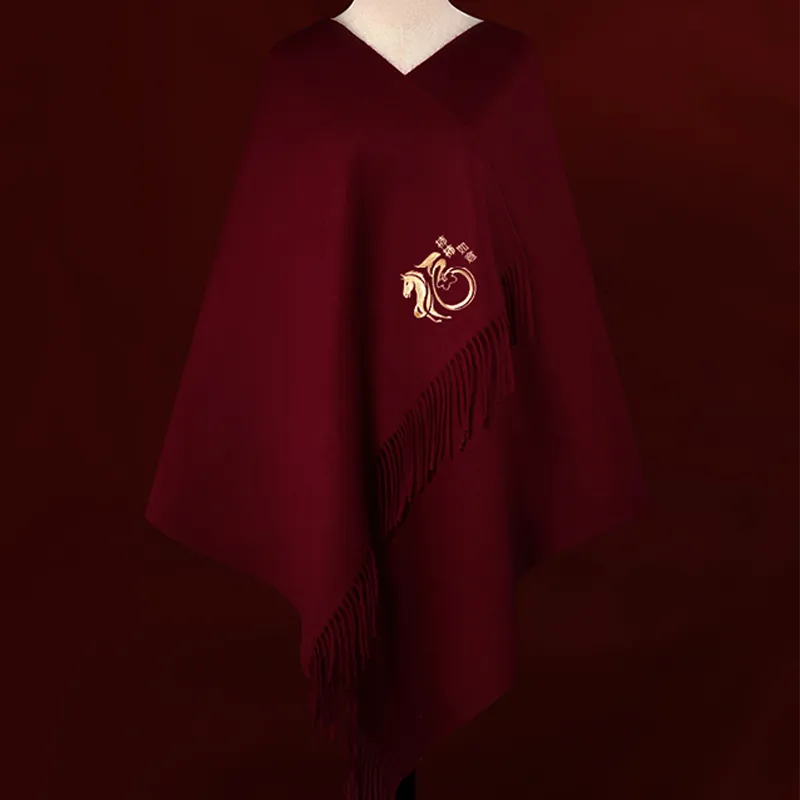
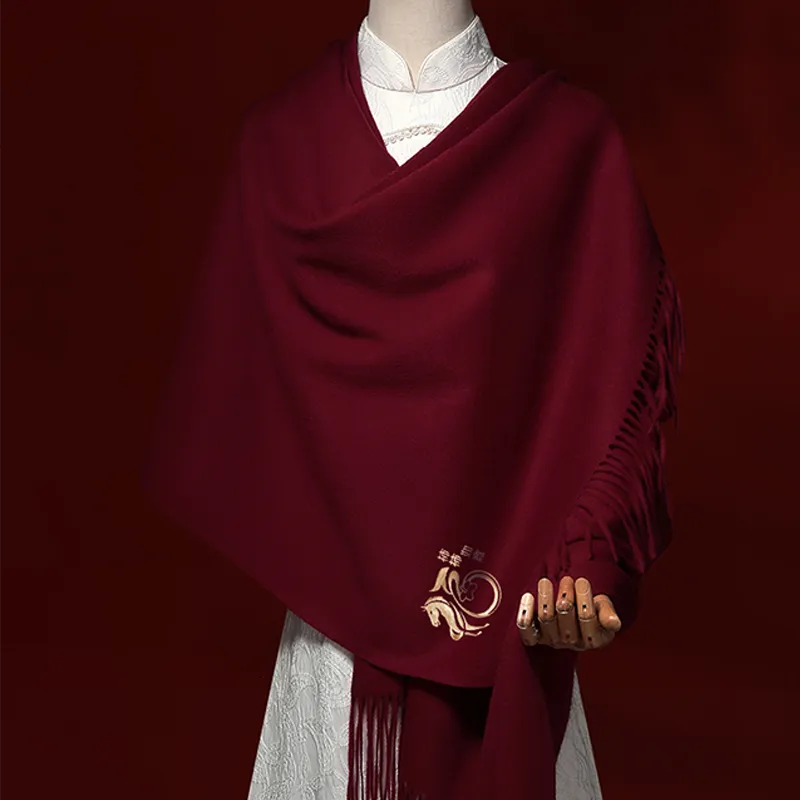
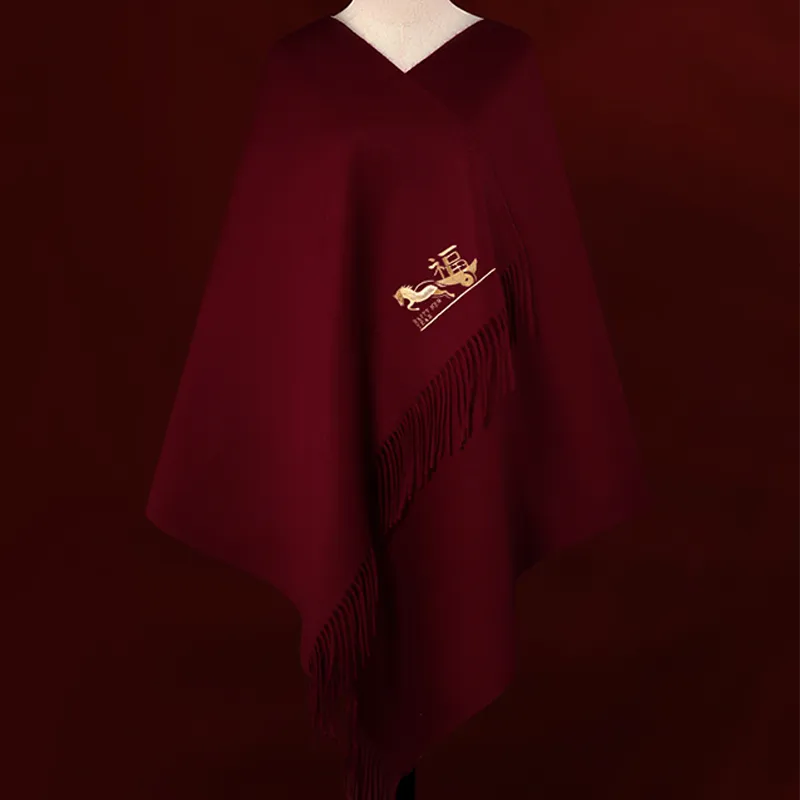
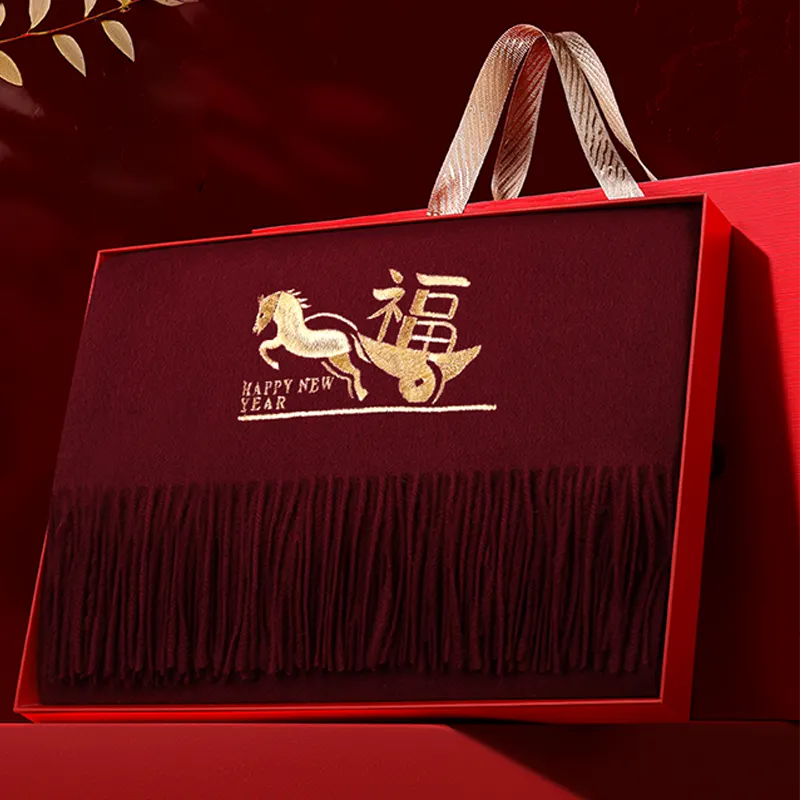
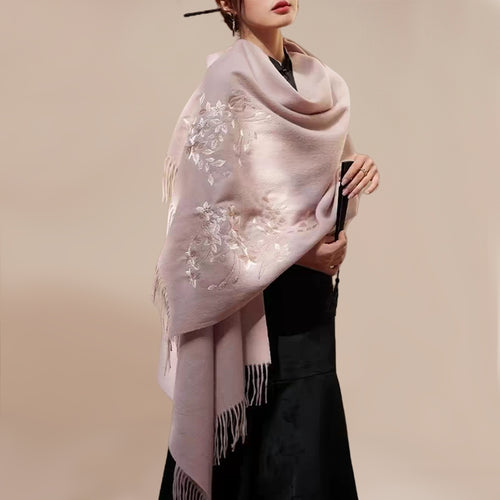
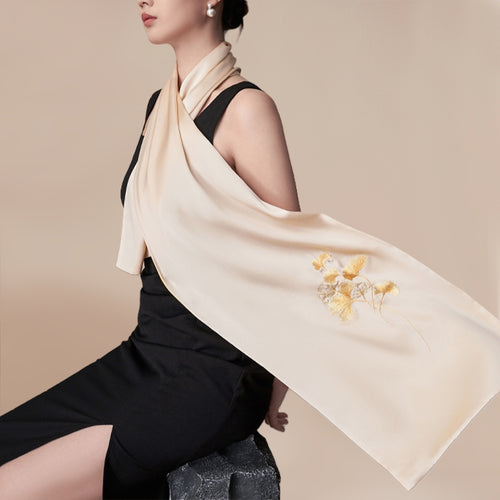
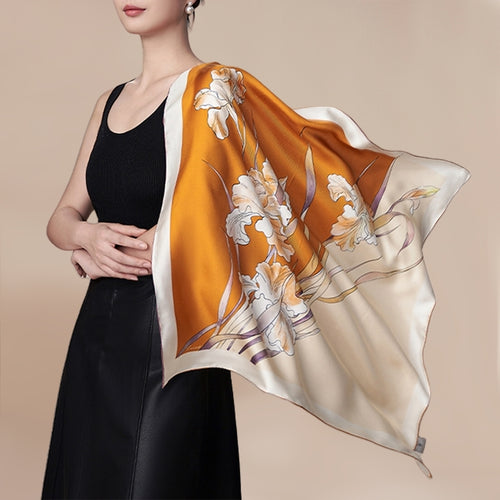
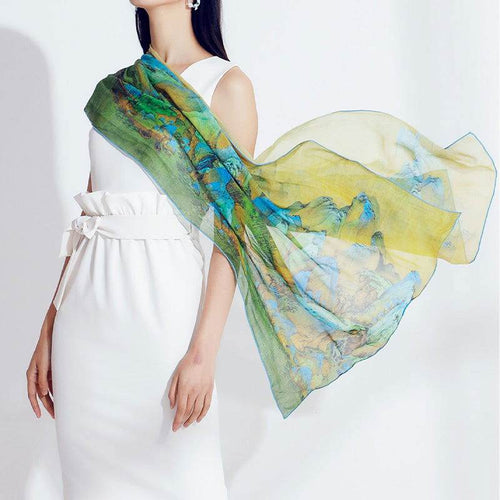
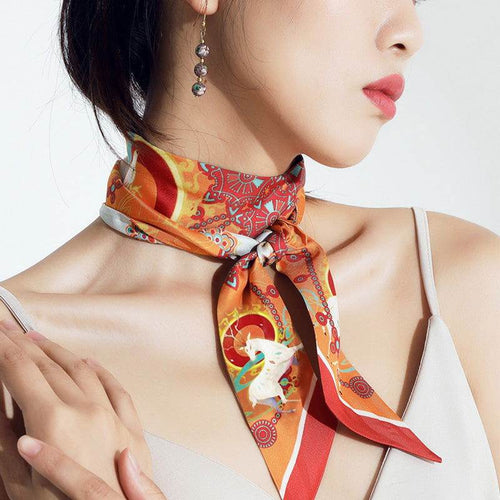
In traditional Chinese aesthetics, welcoming the cold is an art of cocooning oneself in natural, breathable warmth. As the morning chill deepens around Lidong, bundling up in fine wool, cloud-soft cashmere, and hand-embroidered silk transforms seasonal dressing into a comforting daily ritual.
Embrace the Chill: Luxury Wool & Cashmere Scarves
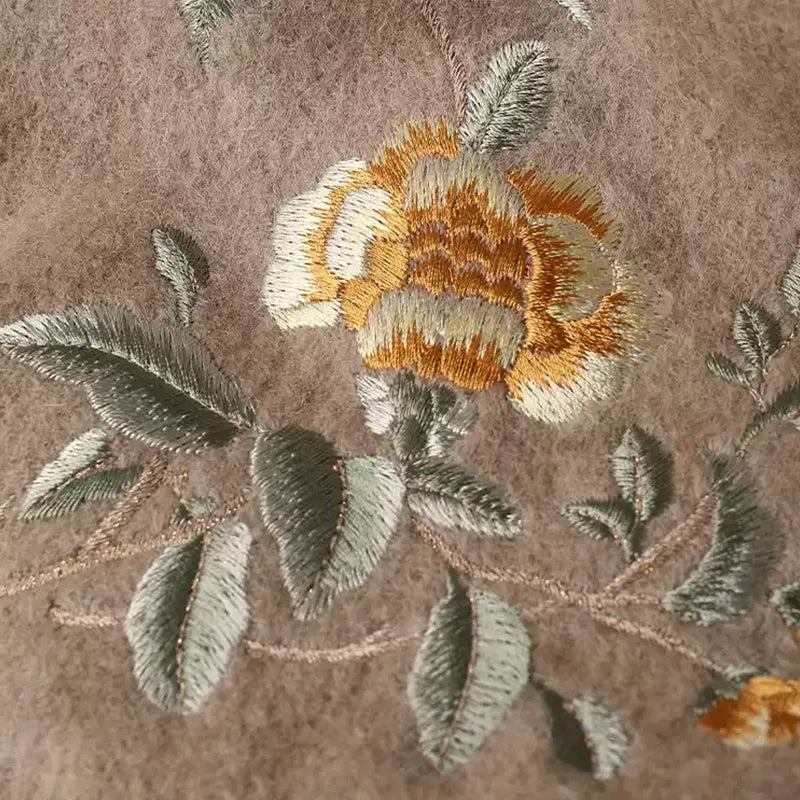
Masterfully crafted with fine wool blends and authentic Suzhou silk embroidery to keep you gracefully protected all season long.


Looking for more winter styling inspiration? Explore the Full Handcrafted Scarf & Shawl Collection →
3. The Three Phases of Lidong (立冬三候)
Ancient Chinese scholars observed the natural world with exquisite nuance, dividing each solar term into three “hou” (三候)—mini-seasons of approximately five days each that describe natural phenomena:
-
First Hou – Water Begins to Freeze (水始冰)
Streams, quiet ponds, and wetland edges start to form thin, mirror-like sheets of ice. Nature becomes still and crystalline, reflecting the season’s quiet serenity.
-
Second Hou – The Earth Starts to Harden (地始冻)
Frost sinks deeper, and northern soil hardens with cold. As the earth locks in its latent subterranean warmth, life subterraneanly stores energy, quietly preparing for spring renewal.
-
Third Hou – Pheasants Turn into Giant Clams (雉入大水为蜃)
A poetic observation of biological metamorphosis. As wild pheasants seek hiding spots and large striped clams wash up along shorelines, ancient observers imaginatively concluded that one creature transformed into the other. This whimsical belief reflects profound reverence for nature’s mysterious transmutations.
4. Warming the Body and Soul: Traditional Foods & "Bu Dong" (补冬)
In traditional Chinese culture, Lidong is intrinsically linked to the wellness philosophy of “Bu Dong” (补冬, Nourishing the Winter Body). Rooted in Traditional Chinese Medicine (TCM), winter corresponds to the Kidneys and the Water element. As the external climate grows cold and Yin energy peaks, people consume warming, tonic-rich foods to fortify internal Yang energy and protect against seasonal dampness:
-
Jiaozi (Dumplings 饺子): In Northern China, a beloved proverb insists: “Eat Jiaozi on Lidong, and your ears won't freeze.” (立冬不端饺子碗,冻掉耳朵没人管). Because dumplings resemble the shape of ears, eating them represents sympathetic protection against frostbite. Furthermore, “Jiaozi” (交子) is a homophone for the meeting and exchange of autumn and winter.

-
Jiang Mu Ya (Ginger Duck Stew 姜母鸭): In Fujian, Taiwan, and southern provinces, families simmer duck with old ginger and rich sesame oil. Duck nourishes Yin energy while ginger expels wind-cold, making it the supreme cold-weather tonic.

-
Red Bean Sticky Rice (赤豆糯米饭): In the Jiangnan region, sweet glutinous rice steamed with red beans provides long-lasting warmth and good fortune, welcoming the cold season with family unity.

-
Eating Raw Scallions (生葱): In Nanjing, locals adhere to the old adage: “Eat scallions on Lidong to stay energized throughout the winter.” Scallions induce mild perspiration to dispel pathogenic dampness.

-
Dong Niang (Brewing Yellow Wine 冬酿): In Shaoxing, Lidong marks the beginning of the annual rice wine brewing season. Clear winter water and low ambient temperatures allow for gentle, slow fermentation, producing sweet, mellow vintages.

-
Zhu Du Ji (Pork Tripe Chicken Soup 猪肚鸡): A signature Cantonese slow-simmered herbal soup infused with crushed white peppercorns, famed for warming the stomach and revitalizing circulation.

Every single one of these dishes reflects a foundational principle of Eastern heritage: food as gentle medicine (药食同源), balancing external cold with inward culinary warmth.
5. Welcoming Winter: Ancient Customs and Regional Traditions
Beyond rich feasts, Lidong carries centuries of cultural rituals honoring harvest completion and collective protection:
-
He Dong (Winter Greetings 贺冬): Historically, civil officials presented tributes to ancestors and emperors upon Lidong. Families exchanged calls and donned clean winter garments to celebrate the preservation of wealth and food.

-
Dong Cang Jie (Winter Storage Festival 冬藏节): Farmers complete cellular cellaring of cabbages, root vegetables, dried fruits, and grains, sealing provisions safely against bitter frosts.

-
Winter Swimming: In Harbin, Wuhan, and coastal cities, hardy swimmers dive into icy lakes to greet the first day of winter, turning cold exposure into a joyful testament to health and endurance.

-
Herbal Bathing (扫疥): Across Zhejiang and Jiangsu, people soak in hot baths infused with dried chrysanthemums, honeysuckle, and medicinal herbs to soothe seasonal dry skin and purify bodily energy.

-
Jiao Dong Ci (Winter Mochi 交冬糍): In Fujian, villagers pound fresh glutinous rice into soft mochi, dusting it generously with roasted peanut powder and brown sugar to signify sweetness, unity, and seasonal completion.

6. Embracing Winter Warmth: Handcrafted Silk & Cashmere Keepsakes
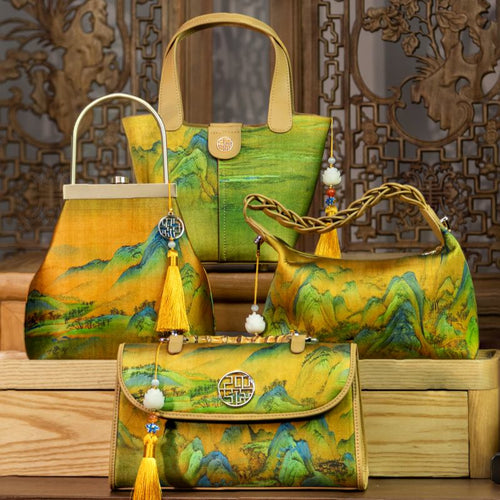
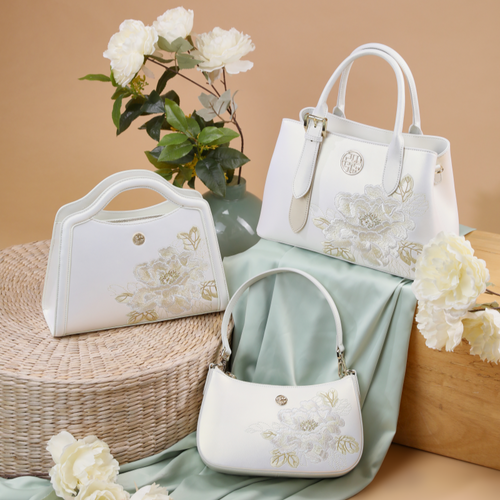
At Sinocultural, we believe ancient seasonal wisdom finds its most poignant expression in thoughtful modern living. Just as our ancestors gathered warm garments for He Dong, embracing Lidong today is about wrapping yourself and those you cherish in enduring comfort, sensory warmth, and artisanal beauty.
Our curated winter textile collection features master-level Suzhou Embroidery (苏绣) needlework over luxurious wool-cashmere blends, translating timeless botanical motifs into wearable warmth: Cashmere Embroidery Scarves| Sinocultural
7. Frequently Asked Questions (FAQ) About Lidong
What is the difference between Lidong and the Winter Solstice (Dongzhi)?
While both celebrate winter, Lidong (立冬) in early November marks the beginning of winter according to the 24 Solar Terms calendar. Dongzhi (冬至, Winter Solstice) in late December marks the astronomical shortest day and longest night of the year, representing the peak of Yin energy and the rebirth of Yang.
What should you eat on Lidong according to Traditional Chinese Medicine?
TCM recommends eating warming, nourishing foods that fortify the Kidneys, balance internal Yang, and improve cold tolerance. Staple Lidong foods include mutton, ginger duck, chicken and pork tripe soup, dumplings (Jiaozi), black sesame, walnuts, and warm yellow rice wine.
Is Lidong celebrated as an official holiday in China?
Lidong is not a statutory public holiday where businesses close, but it is deeply celebrated as a cultural and folk festival. Families throughout China observe regional rituals, eat traditional tonic foods, and connect with nature's seasonal transition.
8. Conclusion: Finding Balance in Stillness
As winter arrives, Lidong gently reminds us that every pause holds sacred purpose. Nature rests to prepare for vibrant renewal — and so should we.
By embracing warm food, mindful rest, and tactile comfort, we honor the ancient wisdom that even in stillness, life quietly deepens beneath the frost. Let this Lidong be a season not of cold dormancy, but of tranquil inner renewal — wrapped in comfort, gratitude, and timeless beauty.
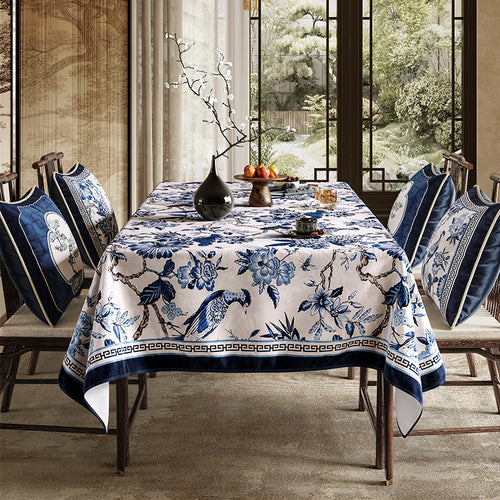
Explore more seasonal Chinoiserie home decor, silk scarves, and cultural keepsakes at Sinocultural.