Skip to content










Table of Contents
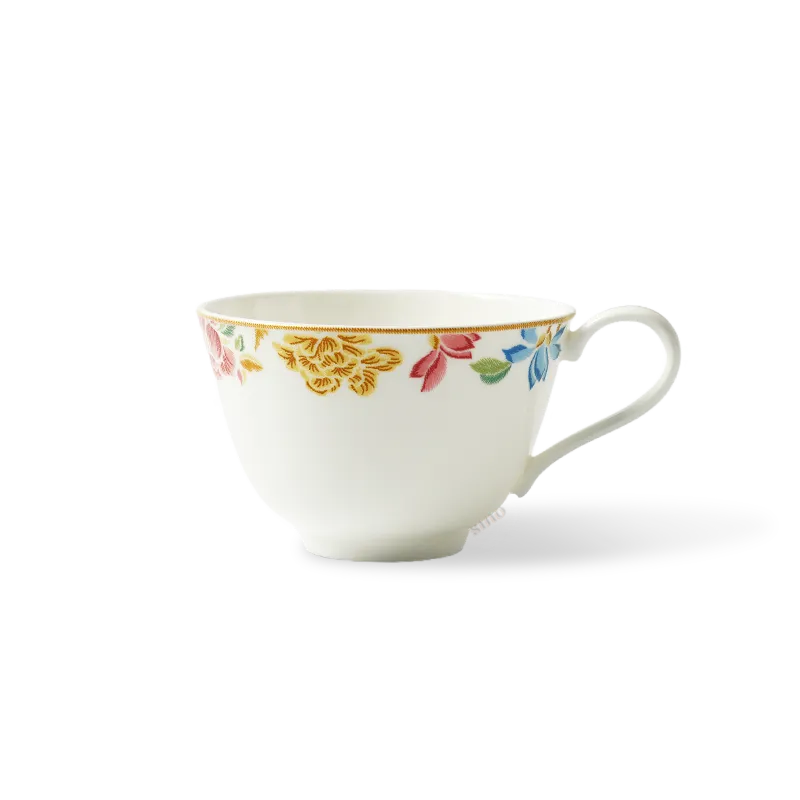
Bone china isn’t just tableware—it’s a story of fire, artistry, and centuries of craftsmanship. When paired with the elegance of Chinoiserie luxury design, it becomes more than a plate; it becomes a cultural statement on your dining table.
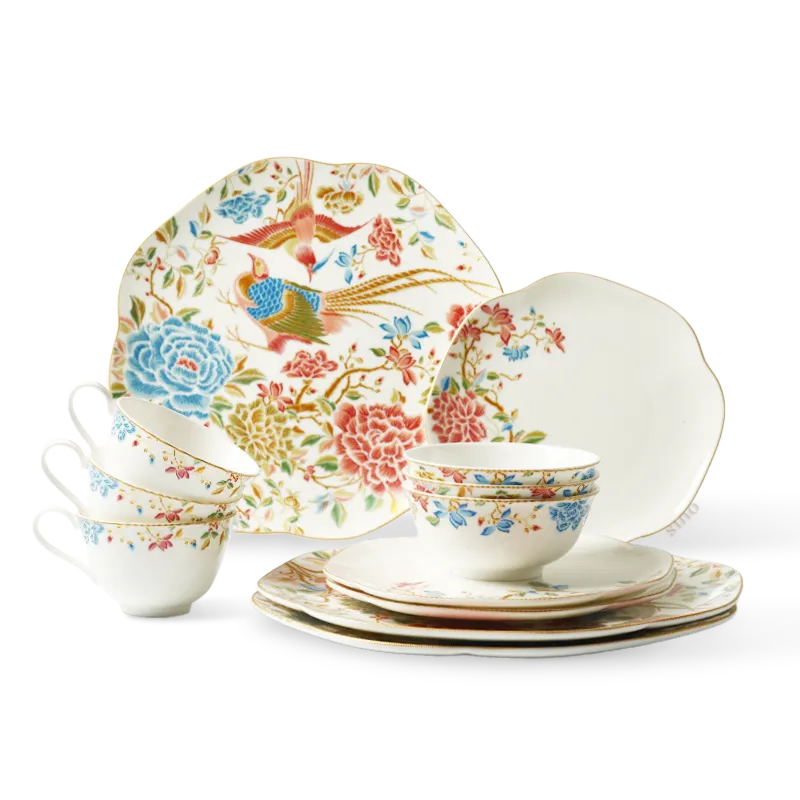
In this comprehensive guide, we take you behind the kiln to reveal how bone china is crafted, why it structurally outperforms ordinary porcelain, and how Sinocultural’s Chinoiserie Bone China Collection transforms this historic tradition into a modern, resilient dining experience.

What Makes Bone China Special? Understanding the Material
To the untrained eye, white plates may look similar, but fine bone china stands in a league of its own. It is a specific type of soft-paste porcelain that incorporates bone ash (calcium phosphate) into its clay body.
What sets true bone china apart?
-
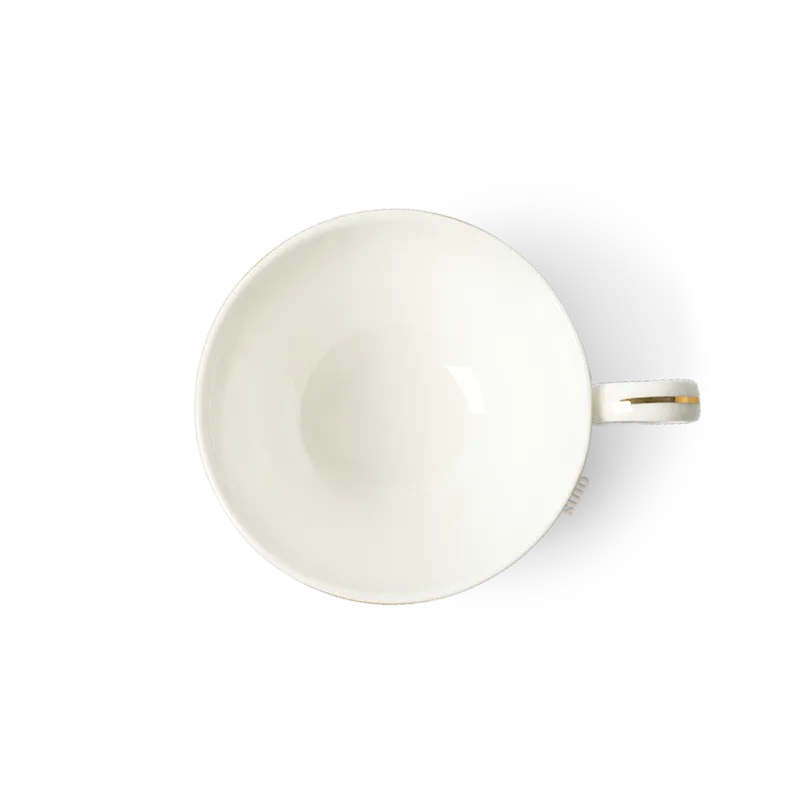
Translucency: Hold a Sinocultural plate up to a light source. You will see a soft, warm glow shining through the material. This acts as a hallmark of quality that standard ceramics cannot mimic.
-
Superior Strength: Despite its delicate appearance, the addition of bone ash makes the material physically harder and less brittle than ordinary porcelain.
-
Creamy Aesthetic: The surface offers a unique milky whiteness that allows for intricate, high-definition decorations, making it the perfect canvas for detailed Chinoiserie art.

(One of the raw materials for bone china production: kaolin)
Behind the Kiln: The 4-Step Bone China Manufacturing Process
How do we turn raw earth into "white gold"? Here is the step-by-step craftsmanship behind every piece:
1. The Perfect Mix
It starts with a precision blend of calcined bone ash, kaolin clay, and feldspar. The bone ash is the secret ingredient—it acts as a flux, giving the china its signature whiteness and reducing the firing temperature needed for vitrification.
2. Shaping the Form
The mixture is sculpted into plates, bowls, and teacups using high-precision molds to ensure uniformity and balance.
3. Biscuit Firing (First Fire)
The shaped clay undergoes its first "biscuit" firing at approximately 1200°C. This hardens the piece into a semi-finished state, leaving it porous enough to absorb the glaze evenly.
4. Glazing & High-Temperature Firing (The Sinocultural Standard)
This is where we differ from many standard producers. After glazing, the pieces re-enter the kiln for a blazing 1350°C high-temperature firing.
-
Why 1350°C matters: This extreme heat, higher than typical standards, makes the ceramic body significantly denser. The glaze melts completely into the body, creating a surface that is smoother, more resilient, and luminous.
Process Summary: Raw Material Mixing → Forming the Blank → First Bisque Firing → Glaze Painting → Second High-Temp Glaze Firing (1350°C) → Finished Product Inspection

Bone China vs. Regular Porcelain: What is the Difference?
When upgrading your home, confusion between bone china and porcelain is common. While both are ceramics, they perform differently.
- Firing Intensity: Compared to ordinary porcelain, bone china undergoes a more intense firing process, resulting in a much denser and stronger ceramic body. Regular porcelain is fired at around 1200–1250°C, which produces a solid plate but one that is slightly more brittle and less translucent.

- Density & Durability: Bone china, especially at Sinocultural’s 1350°C firing standard, feels silky and warm to the touch and is significantly more resistant to chipping. It also has a unique soft glow when held to the light, something regular porcelain simply cannot replicate. This combination of strength, beauty, and elegance makes bone china the ultimate choice for anyone who wants tableware that’s both practical and stunning.

The Verdict: If you seek tableware that balances delicate aesthetics with everyday strength, bone china is the superior investment.
The Beauty of Chinoiserie Meets Modern Bone China
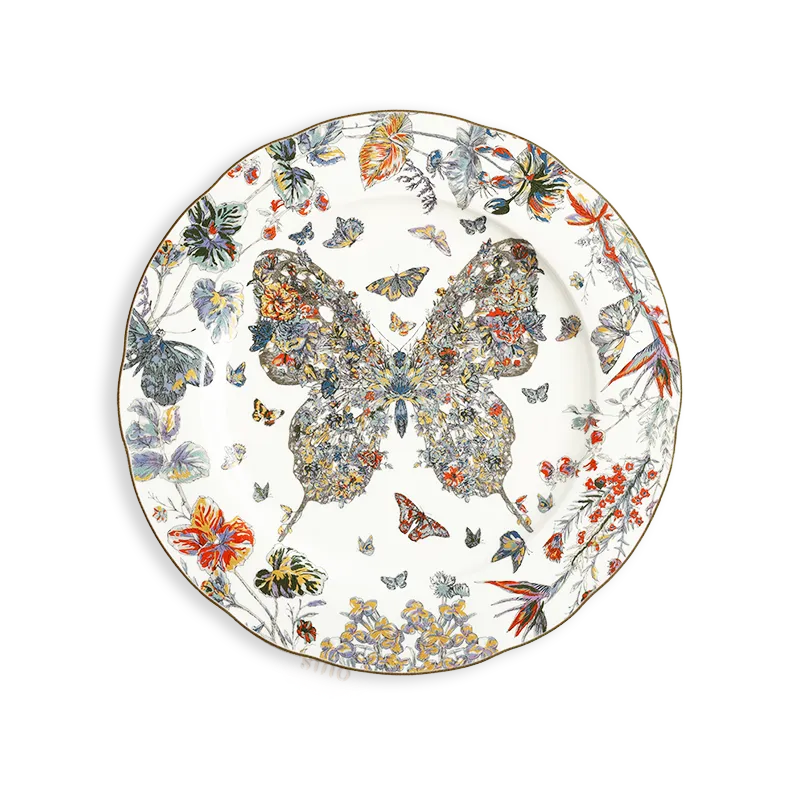
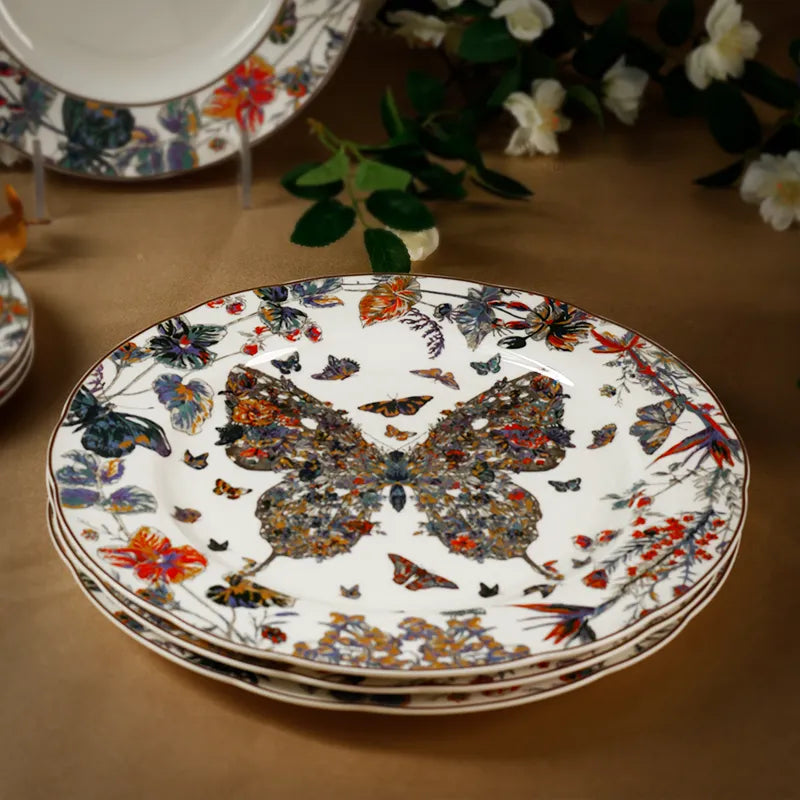
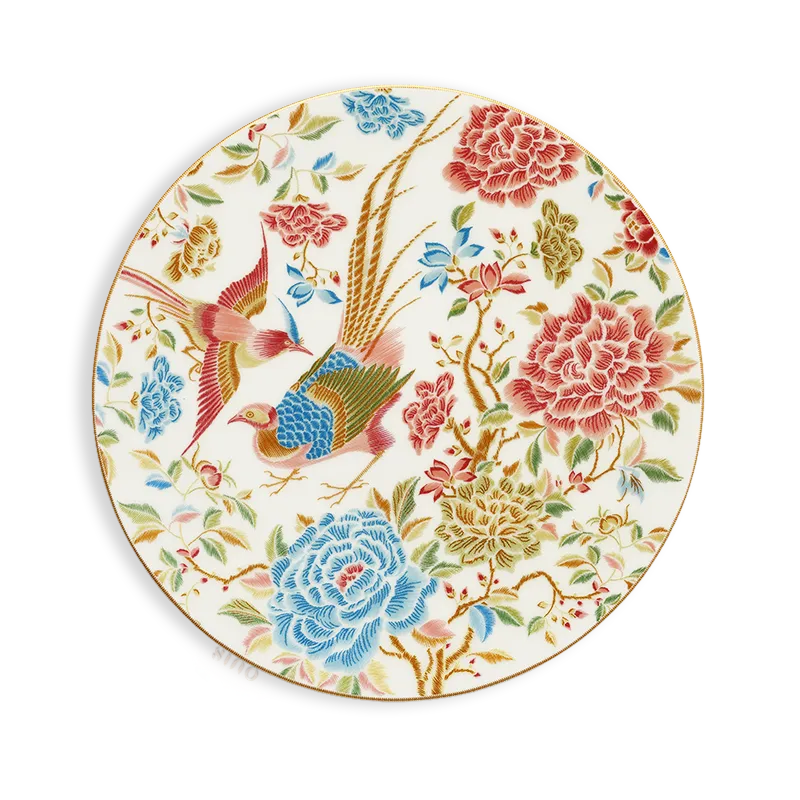
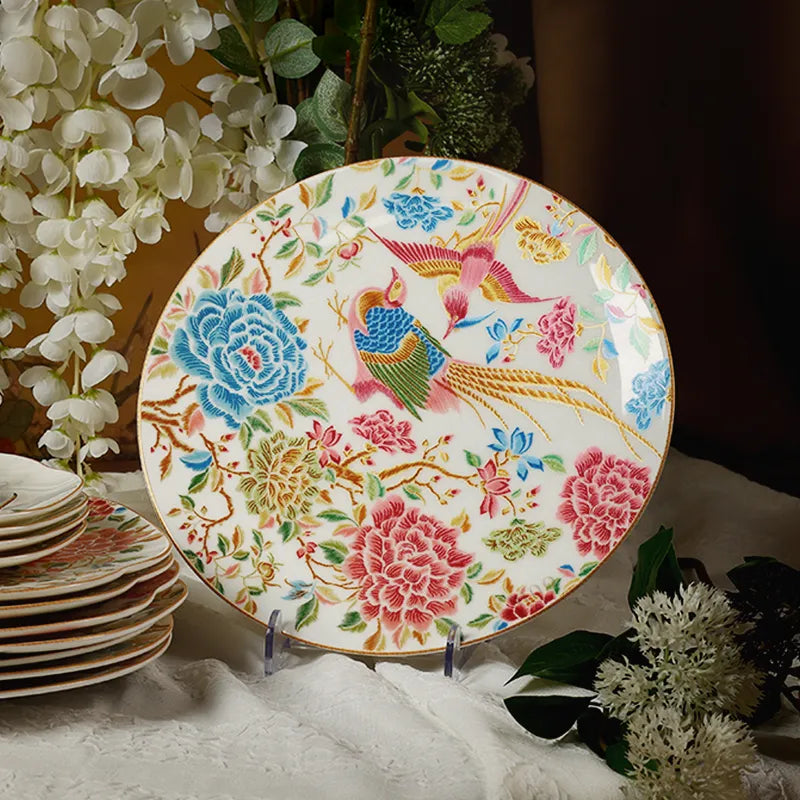
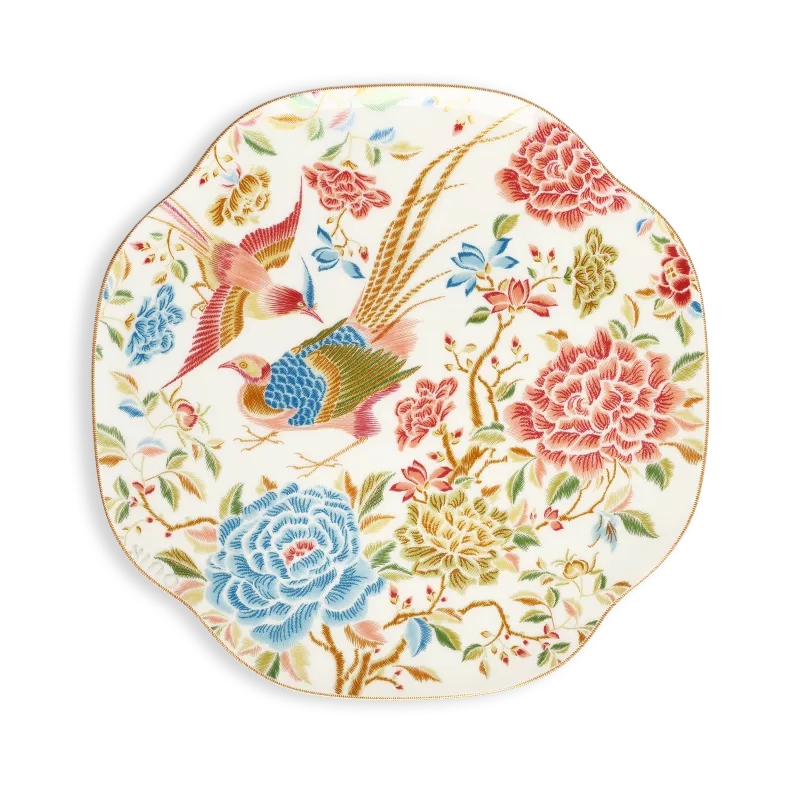
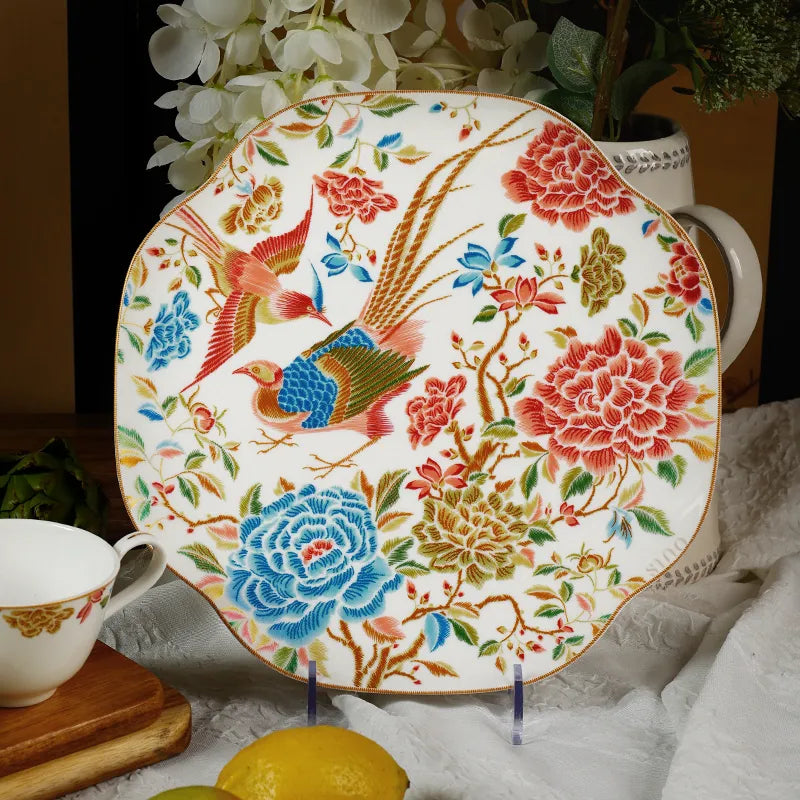
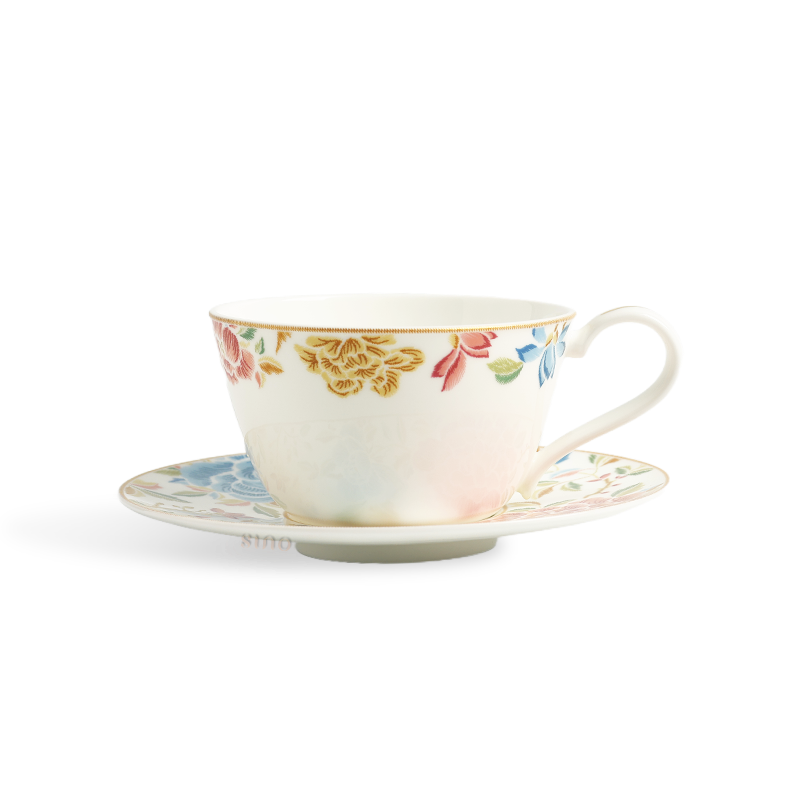
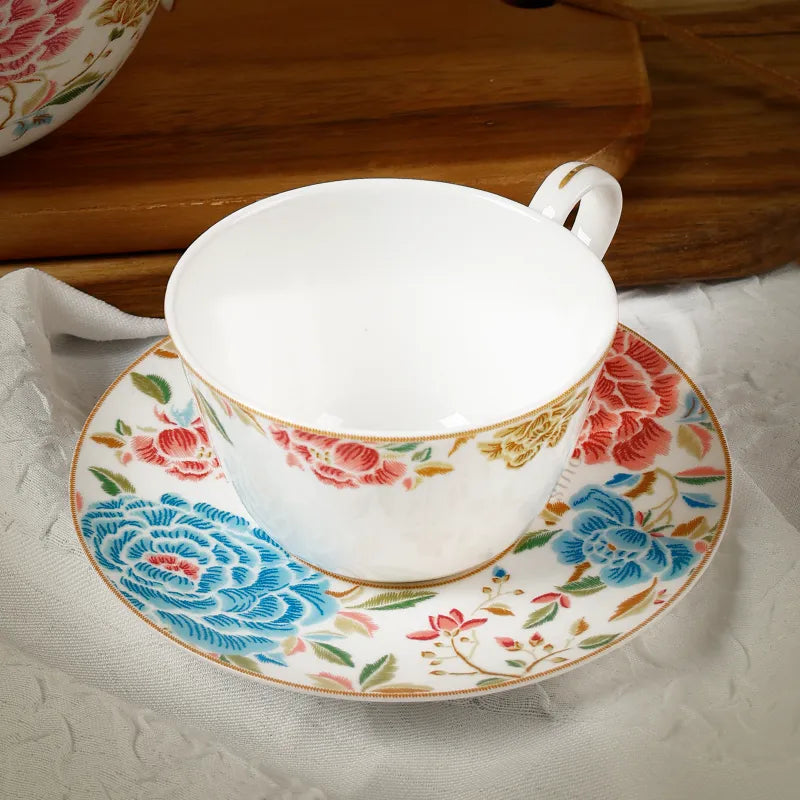
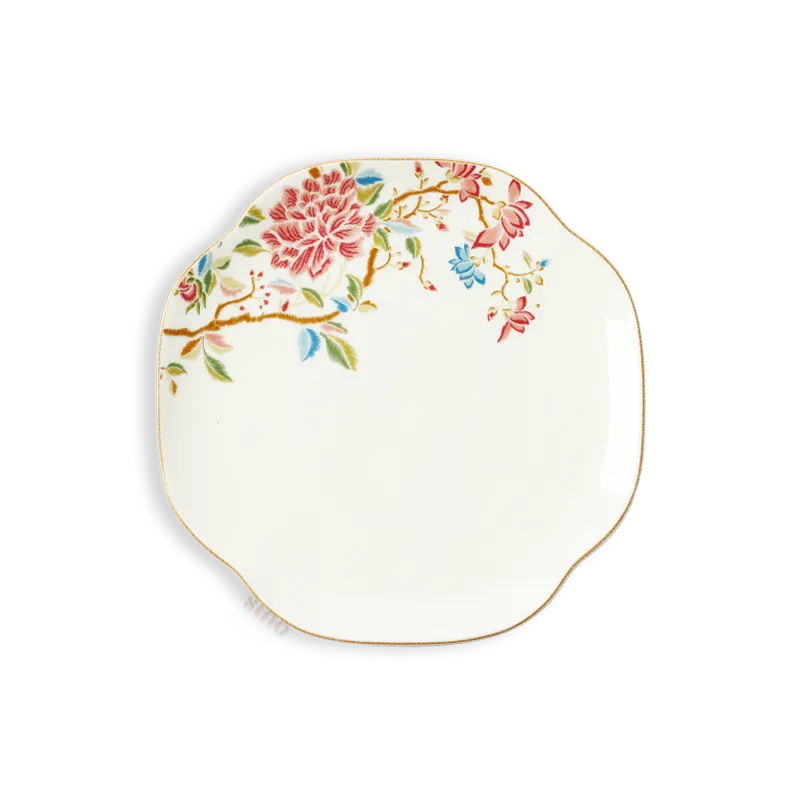
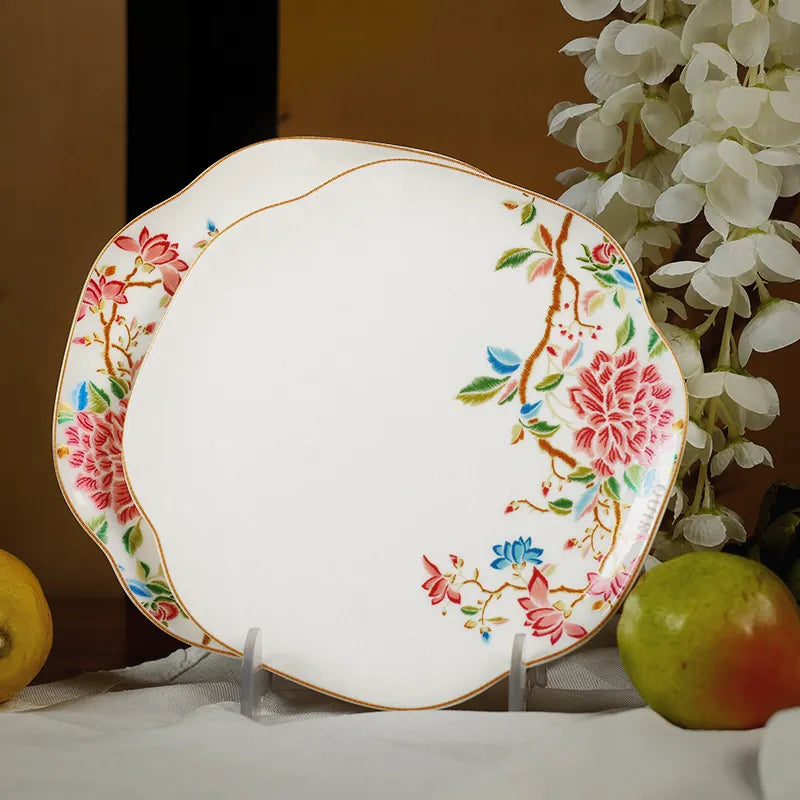
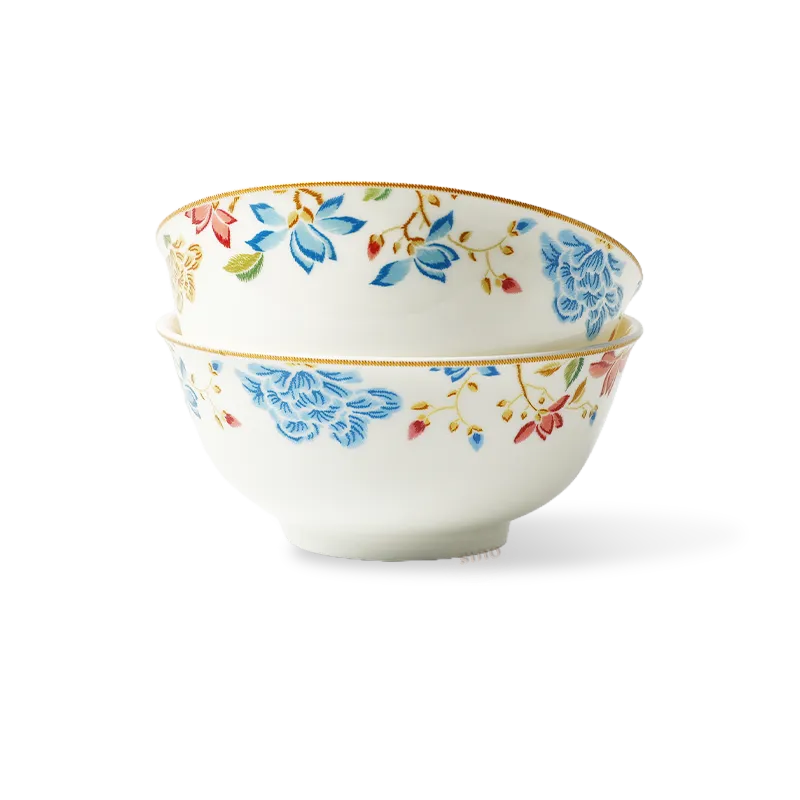
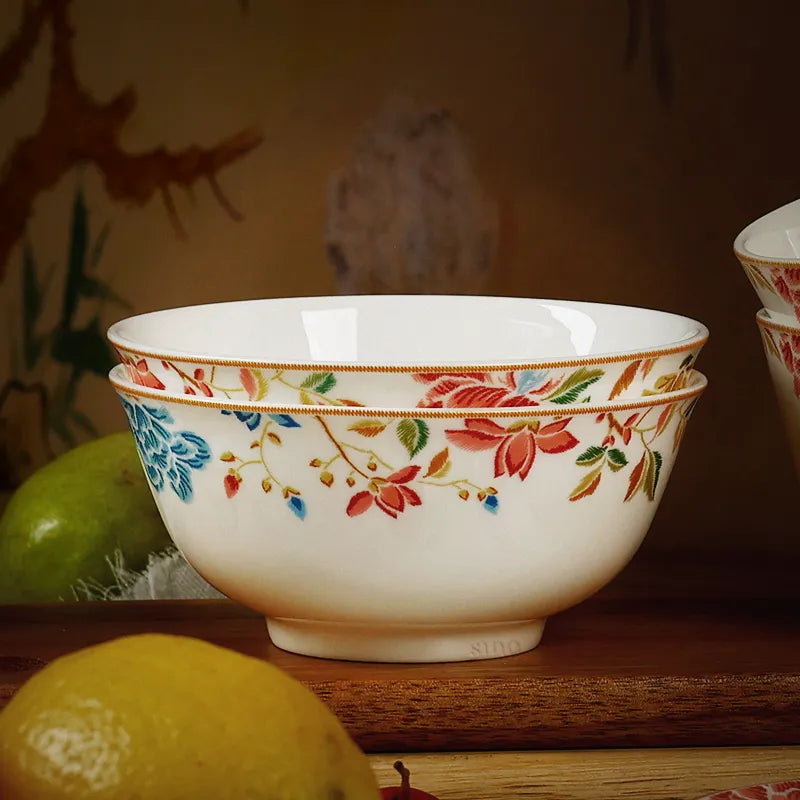
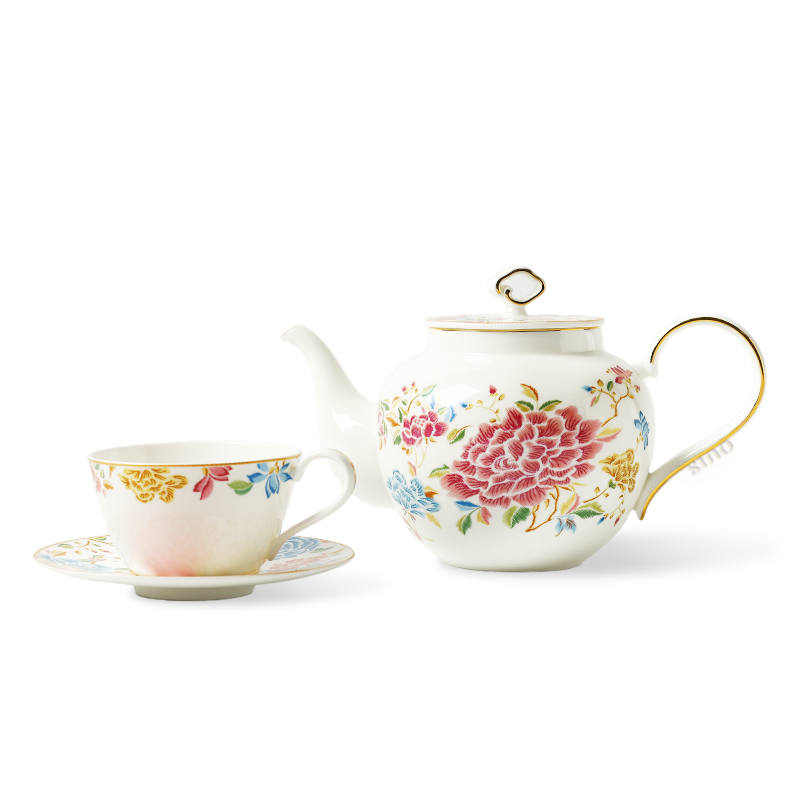
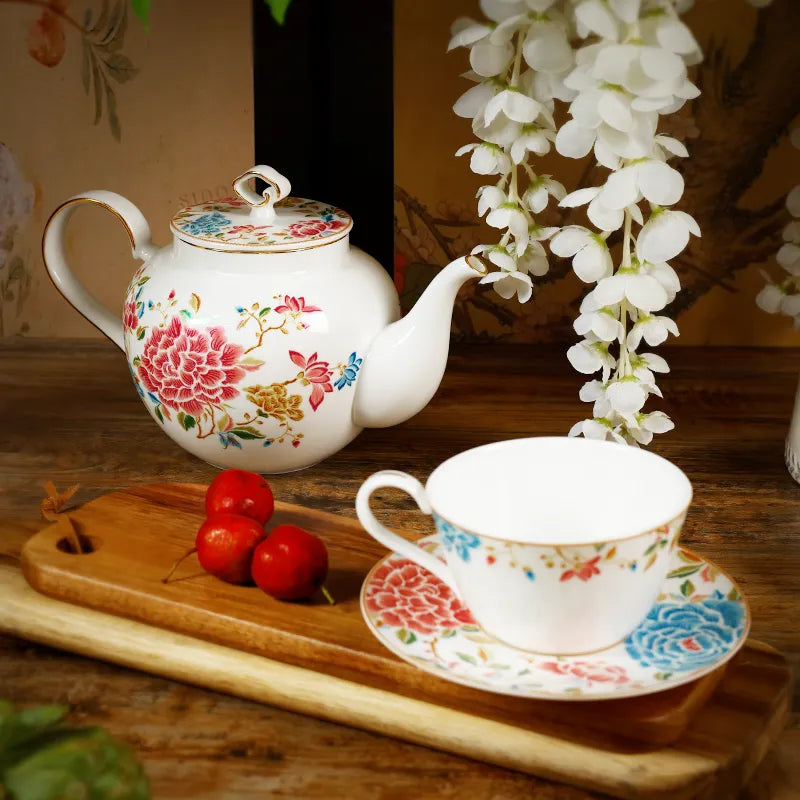
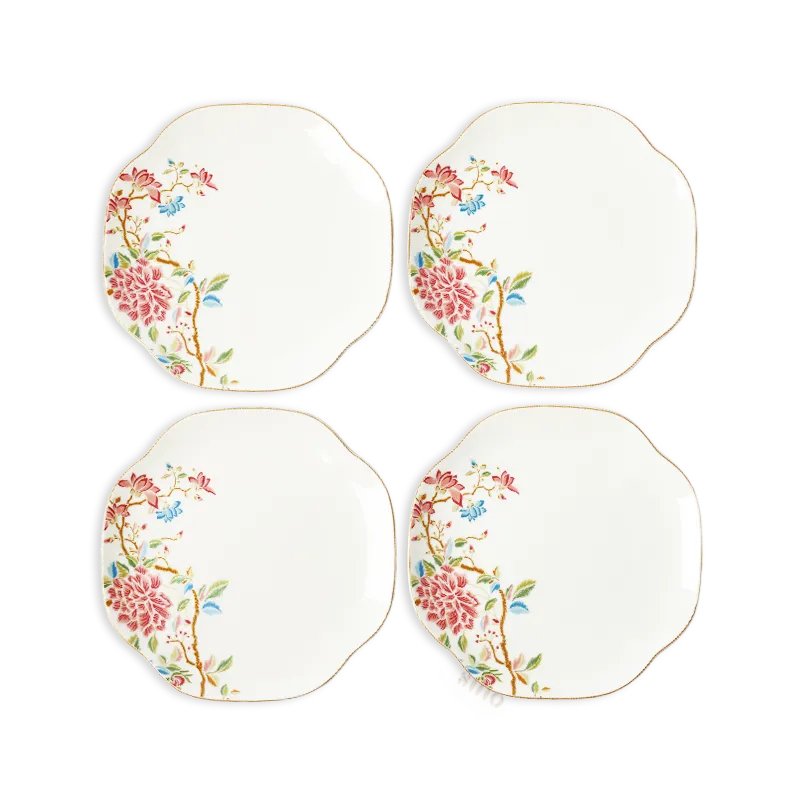
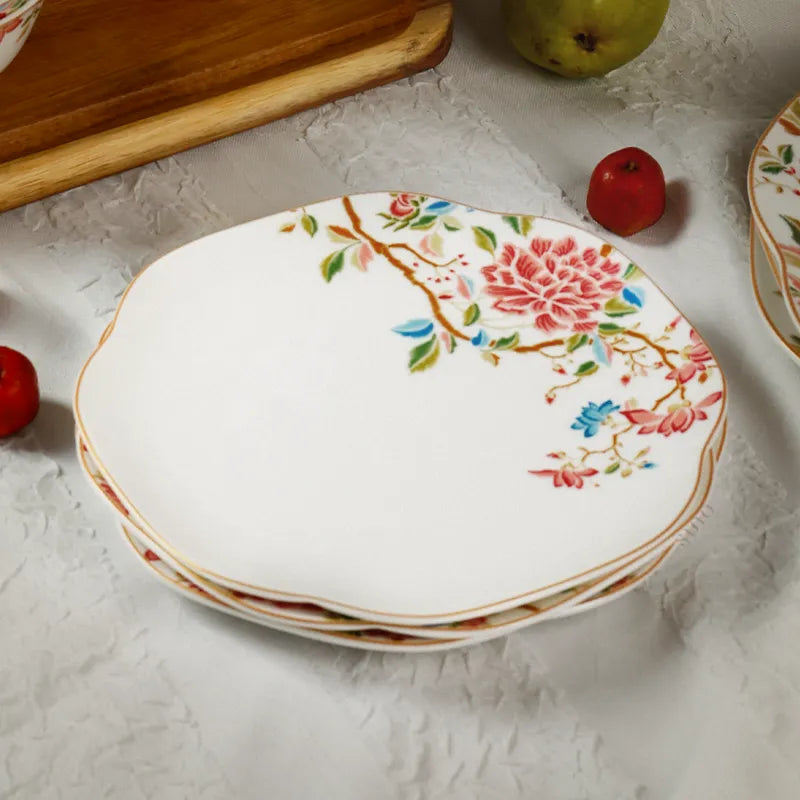
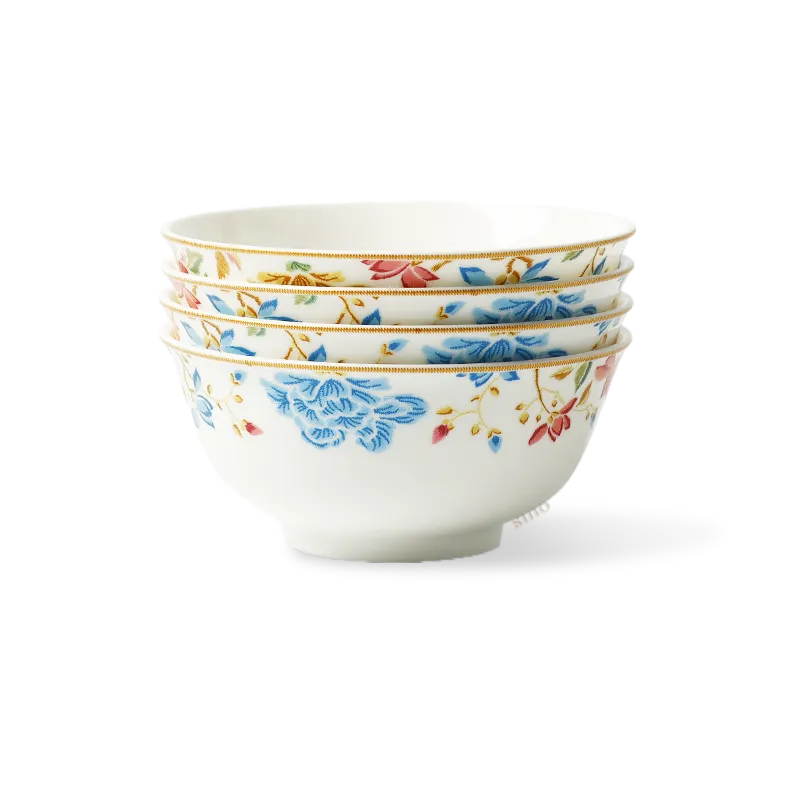
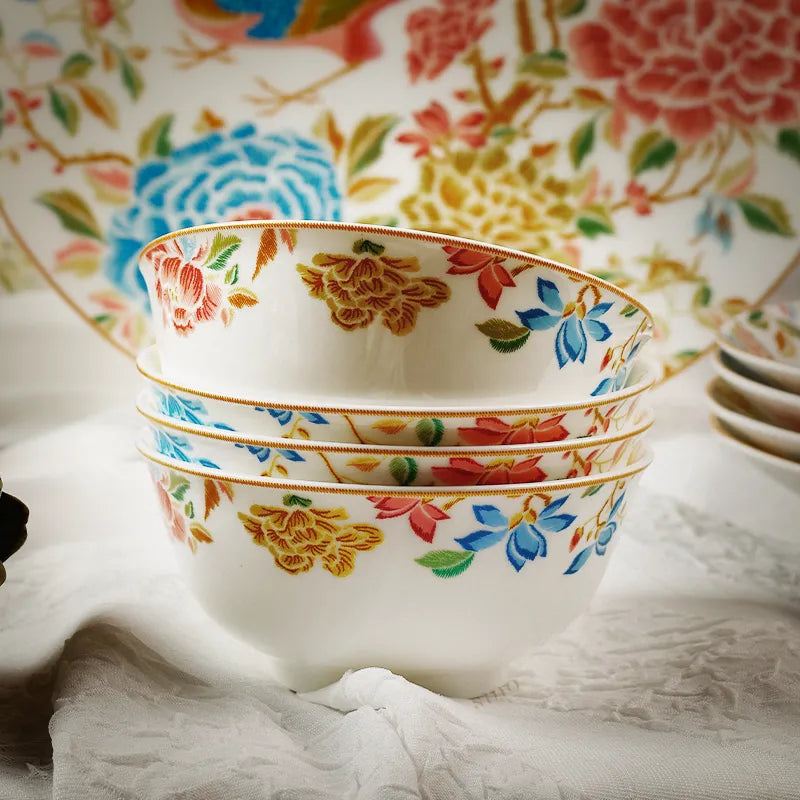
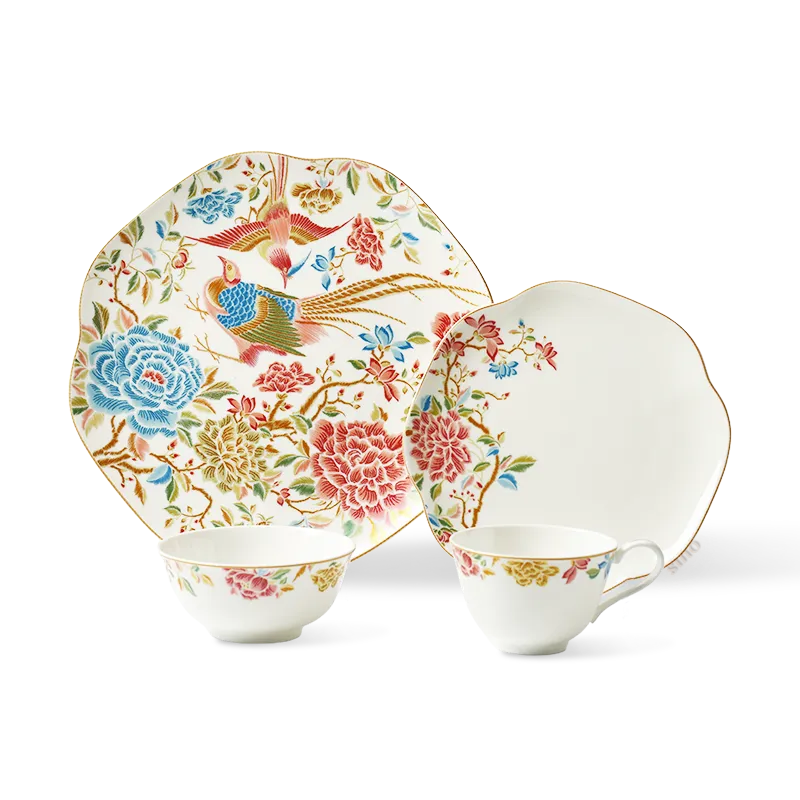
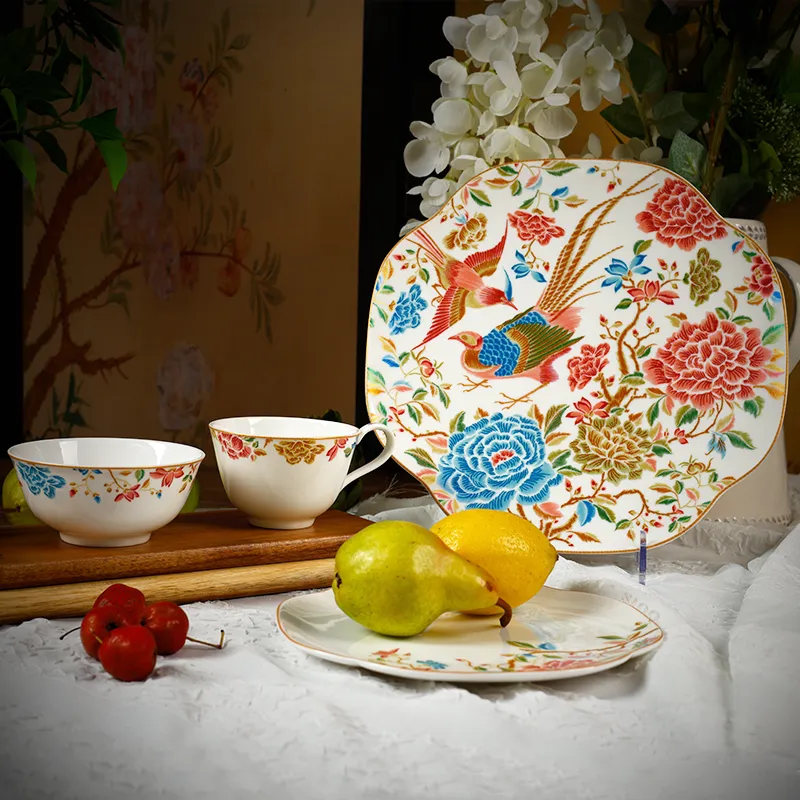
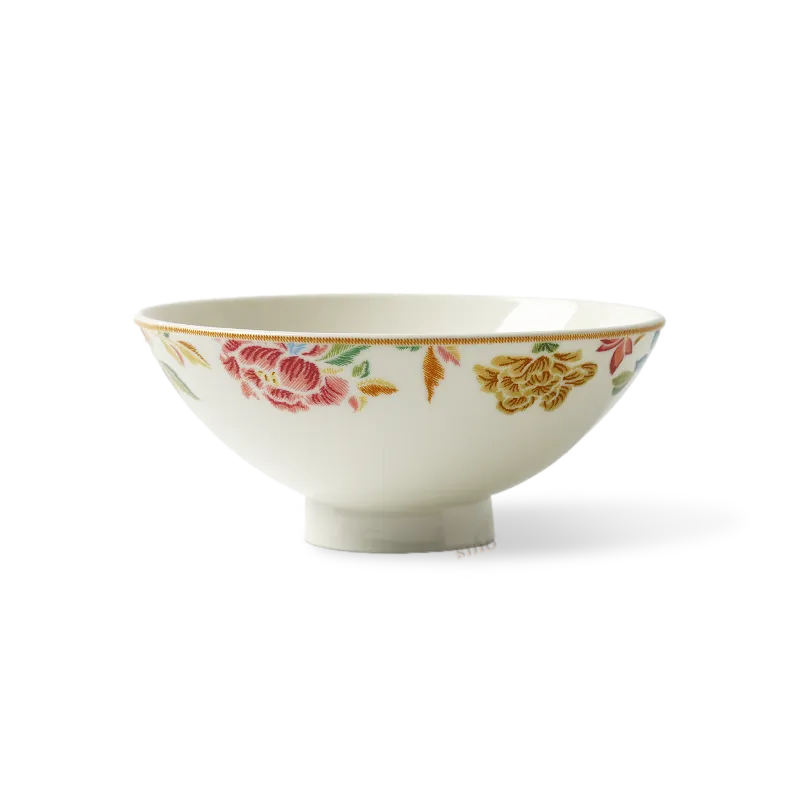
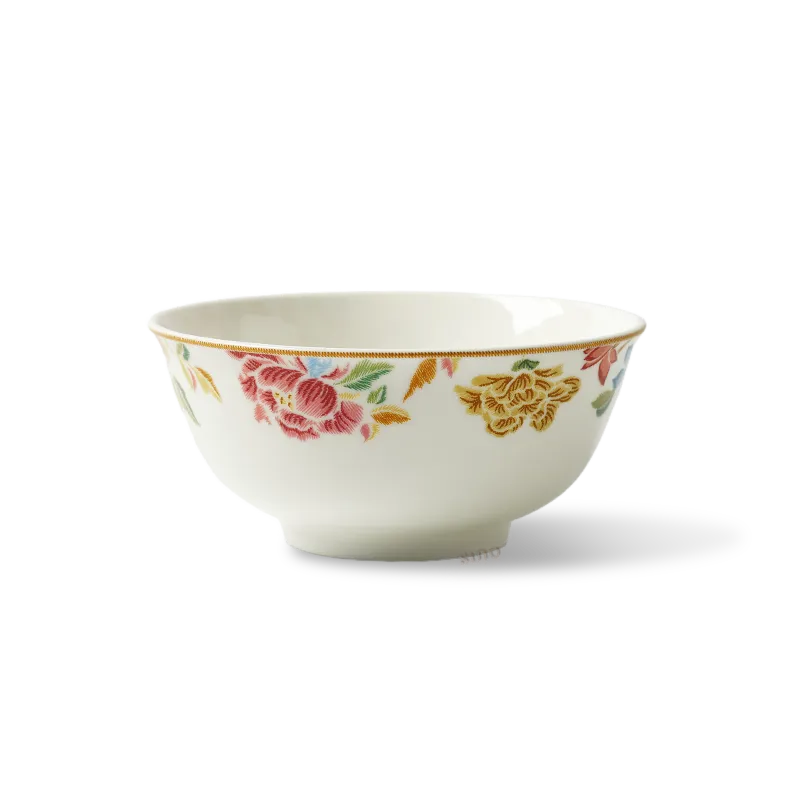
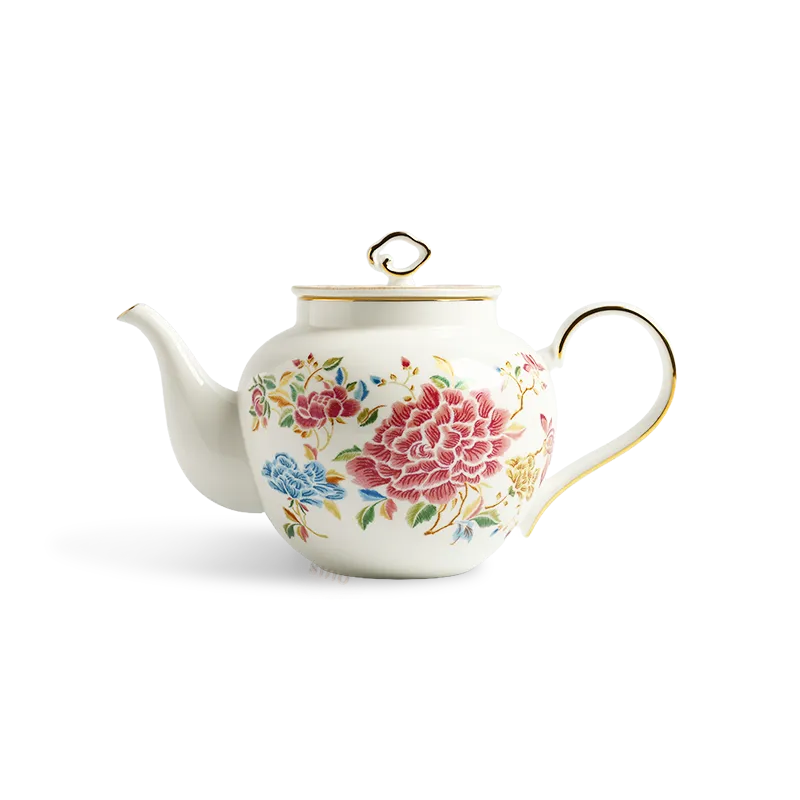
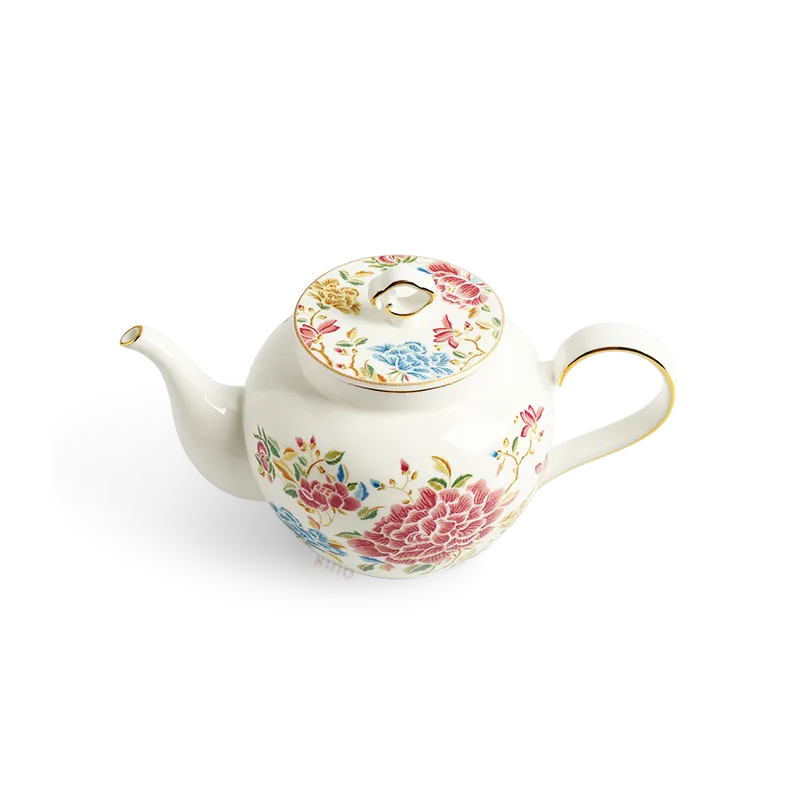
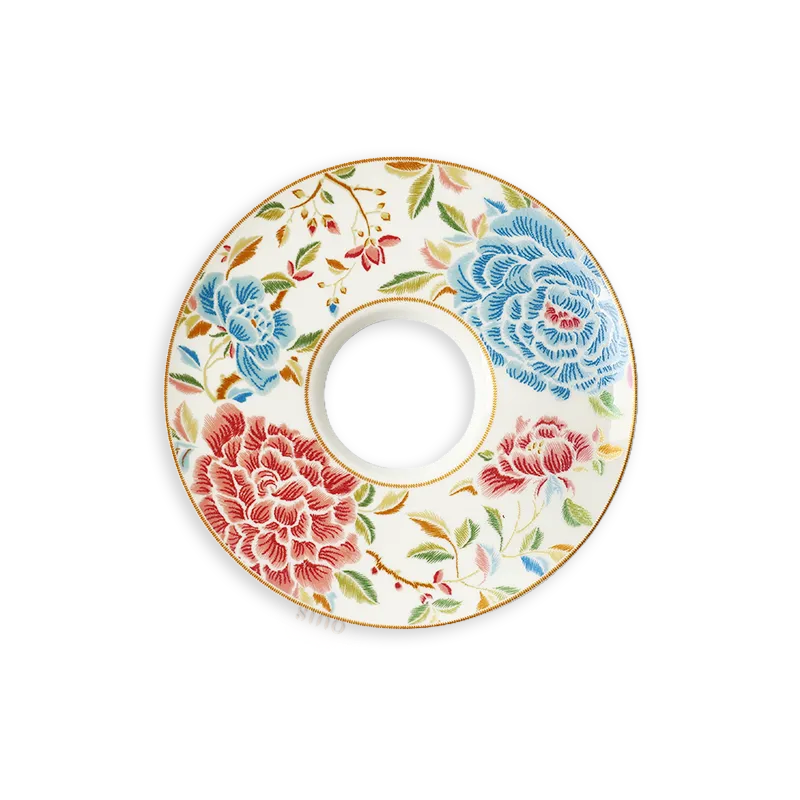
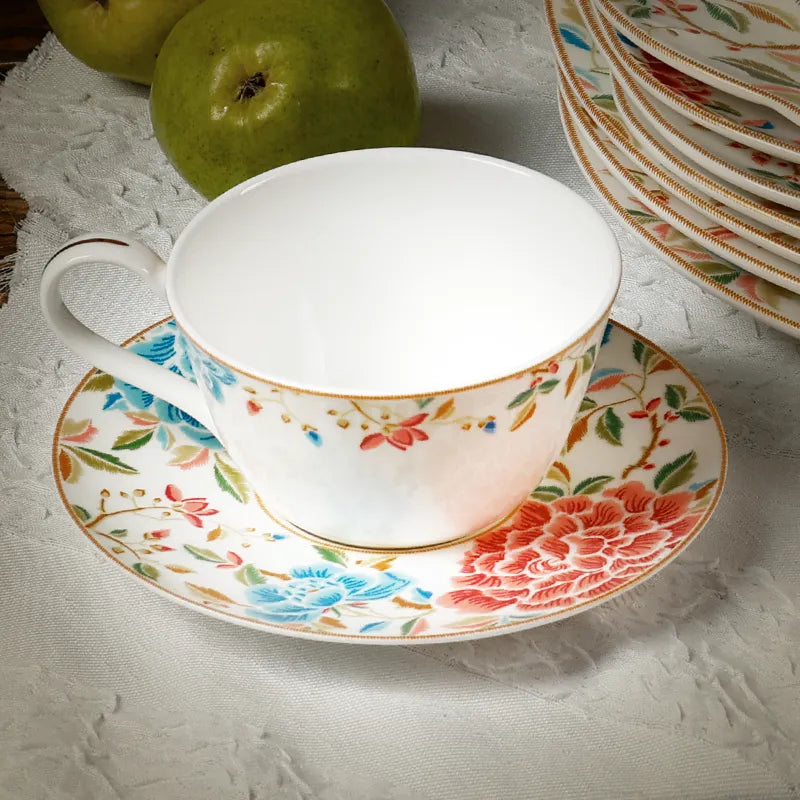
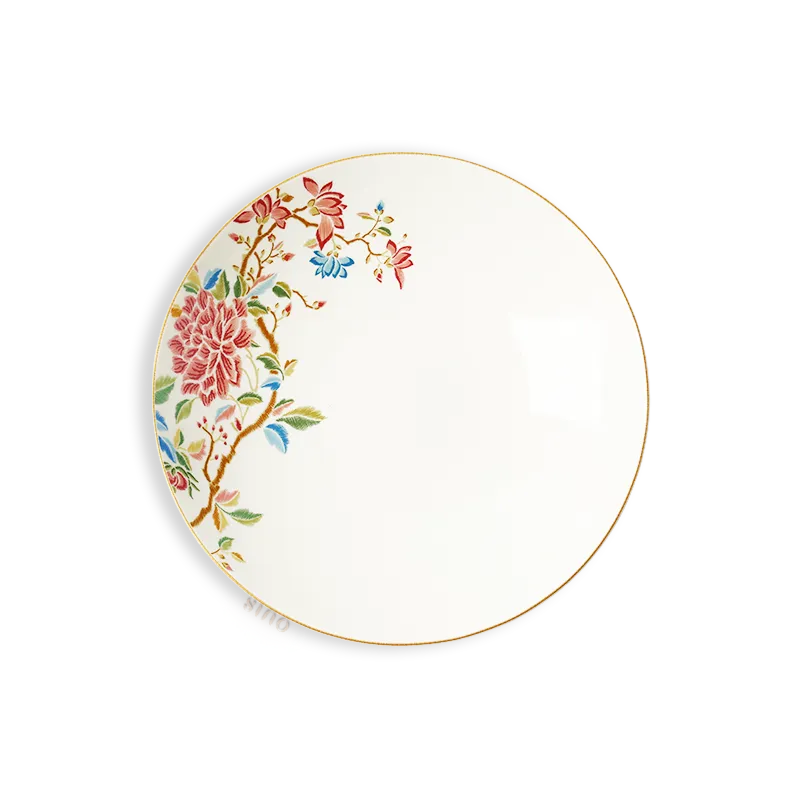
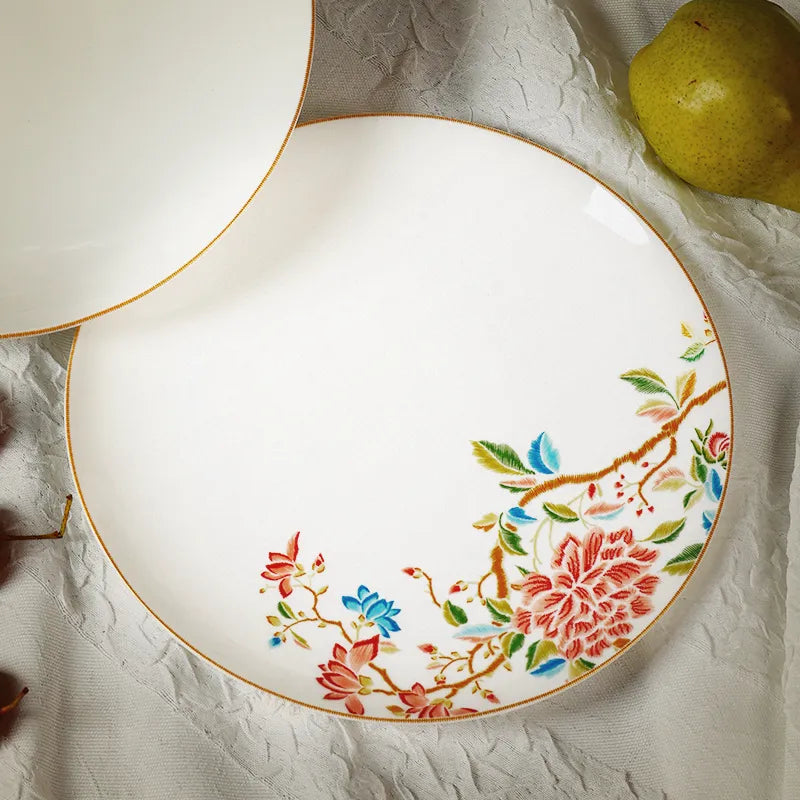
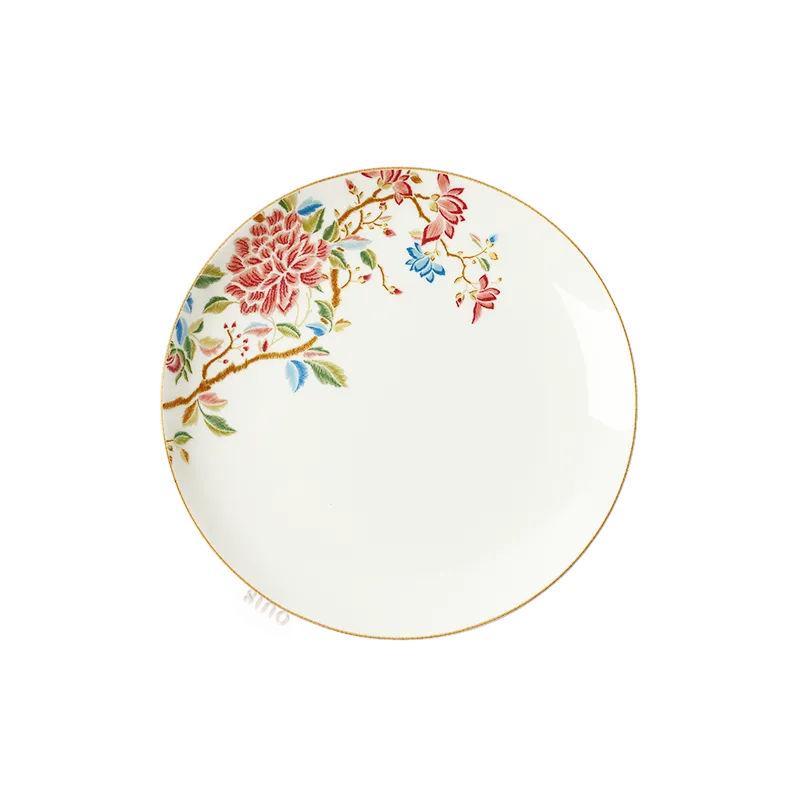
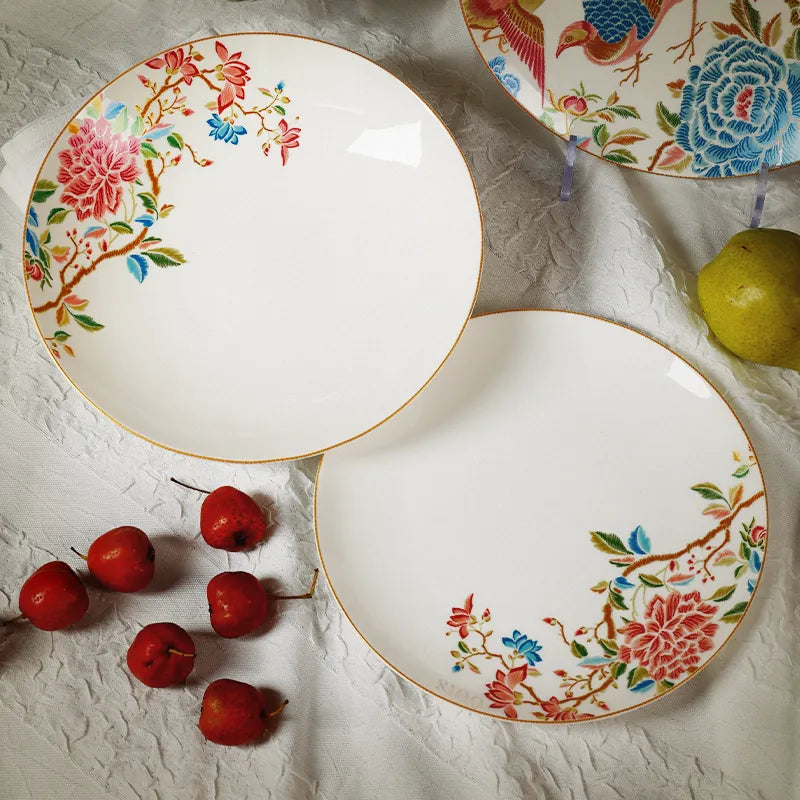
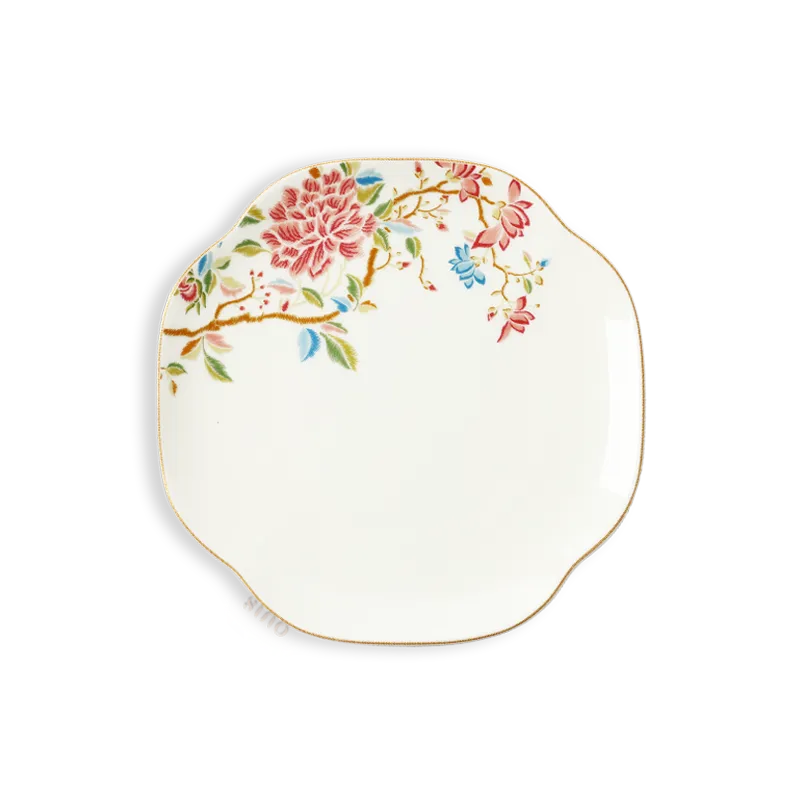
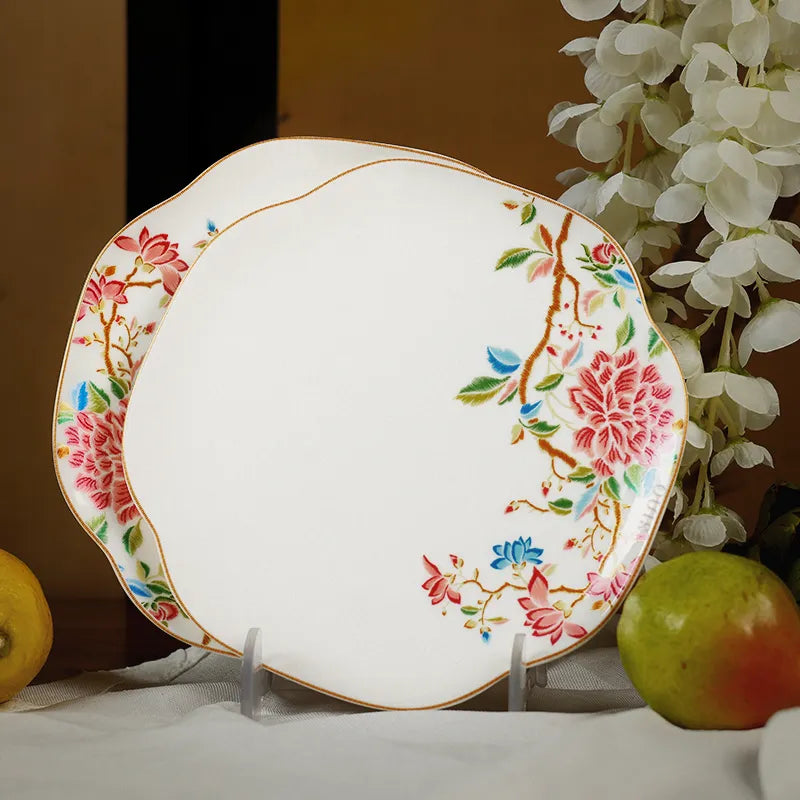
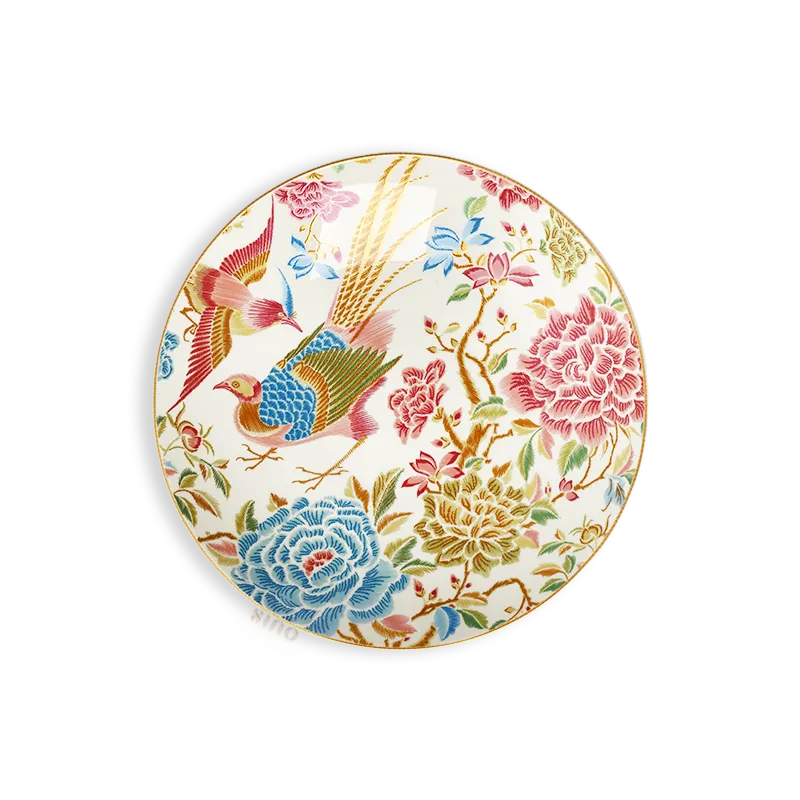
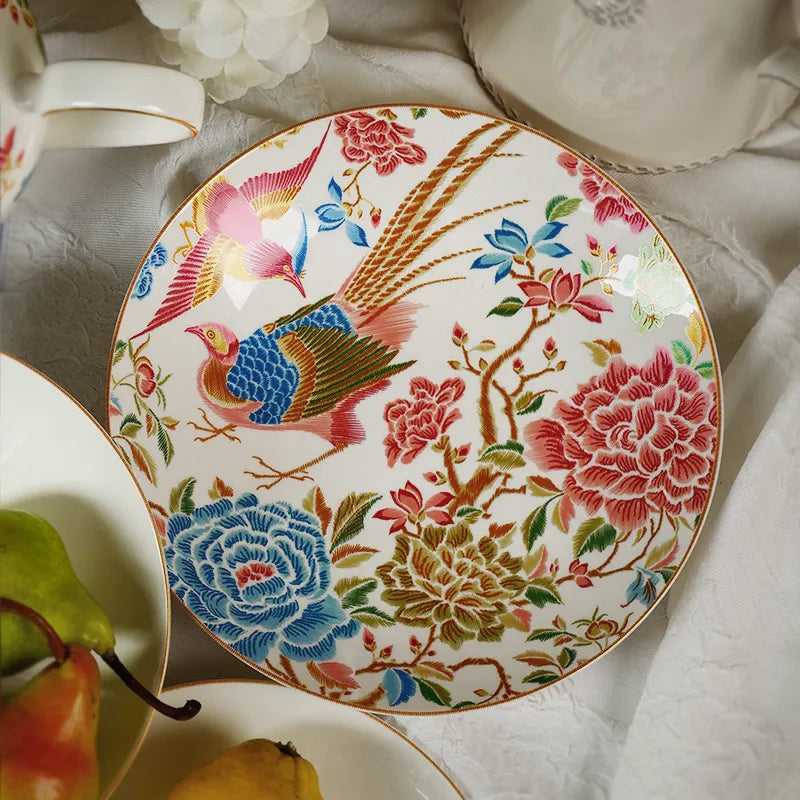
Our collection isn't just about the material; it's about the story on the surface. Inspired by the intricate art of Qing Dynasty Cantonese Embroidery (Guang Embroidery), we blend tradition with function.
-
Artistic Detailing: We utilize rich floral and butterfly patterns that symbolize joy and longevity.

-
Textural Depth: Through advanced glazing techniques, we replicate the dimensional, tactile feel of embroidery threads, making every butterfly look as if it's resting on the rim.

-
Practical Luxury: Unlike antique museum pieces, our Chinoiserie bone china is engineered for modern life—strong enough for daily use yet exquisite enough for your display cabinet.

Why It Matters for Your Dinner Vibe
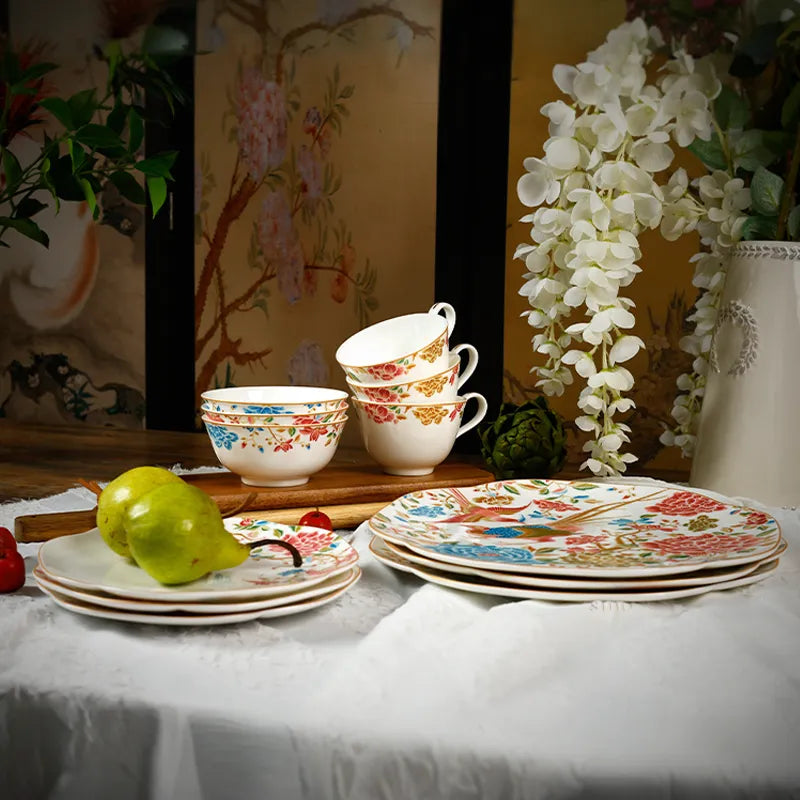
Dinnerware isn’t just a tool for eating—it’s the foundation of creating memories.
-
Elevate the Everyday: Why save nice plates for once a year? A morning coffee in a translucent bone china cup upgrades your entire routine.
-
The Perfect Gift: Whether for a wedding registry or a housewarming, the combination of durability and "white gold" status conveys deep thoughtfulness.
-
Cultural Connection: For feasts like the Chinese New Year or Sunday brunch, these plates set a tone of sophistication and cultural appreciation.
✨ Ready to elevate your table?
Discover the full Sinocultural Chinoiserie Bone China Collection and bring centuries of craftsmanship into your home.

Frequently Asked Questions About Bone China
Q: Is bone china safe for the dishwasher and microwave?
A: Generally, yes. High-quality bone china is surprisingly durable.
-
Dishwasher: You can use a dishwasher on a gentle, low-heat cycle with liquid detergent. However, to preserve the luster of the Chinoiserie patterns over decades, hand washing is often recommended.
-
Microwave: If your dinnerware features gold or silver plating (common in luxury designs), it is NOT microwave safe, as metal sparks. If the pattern is purely ceramic glaze without metal rims, it is microwave safe.
Q: Why is bone china more expensive than regular porcelain?
A: The price reflects the complexity of craftsmanship and materials. Bone china requires bone ash (which is costly) and a difficult firing process. Sinocultural pieces undergo a secondary firing at 1350°C, a standard higher than most, ensuring a denser, more translucent, and valuable product compared to mass-produced stoneware.
Q: Does bone china chip easily?
A: Contrary to its delicate look, bone china is actually the strongest of all porcelain ceramics. The bone ash adds flexibility to the clay structure, making it more resistant to chipping and mechanical shock than standard, brittle porcelain.
Q: Is bone china vegan?
A: Traditional bone china contains bone ash (calcium phosphate) derived from cattle bones, so it is not considered vegan. However, this natural component is exactly what gives the material its signature warmth, translucency, and lightweight feel that synthetic alternatives cannot replicate.