Skip to content





















Where is Guangzhou, China? Located in the heart of Southern China along the Pearl River, Guangzhou (historically known to the world as Canton) is the capital of Guangdong Province. It is a dynamic megacity where 2,000 years of maritime trade history meet futuristic skylines.
Whether you are planning a cultural Guangzhou vacation or attending the 2026 Canton Fair, this insider guide—curated by the local artisans at Sinocultural—will help you experience the true soul of Canton city.

Table of Contents:
- Quick Facts: Planning Your Guangzhou Trip in 2026
- What is Guangzhou Famous For? The Legacy of Canton
- What to Visit in Guangzhou: A Curated Day-to-Night Itinerary
- Immerse in Local Heritage: The Art of Guangxiu (Canton Embroidery)
- A Taste of Canton: Local Food Guide & Restaurants
- What to Buy in Guangzhou: Authentic Souvenirs vs. Mass Production
- FAQ: Traveling to Guangzhou (Visas, Payments & Apps)
Quick Facts: Planning Your Guangzhou Trip in 2026
-
Best Time to Visit: October to December (Pleasant autumn weather) or April (Canton Fair season).
-
Visa-Free Entry: Citizens of 54 countries can enjoy the 144-Hour (6-day) Visa-Free Transit policy when arriving at Guangzhou Baiyun International Airport (CAN).
-
Payment: Cash is rarely used. Download Alipay or WeChat Pay and link your Visa/Mastercard before arrival.
-
Top Souvenirs: Canton Embroidery (Guangxiu), local tea, and Cantonese bone china.
What is Guangzhou Famous For? The Legacy of Canton
To understand Guangzhou China, you must look at its legacy as the ultimate gateway of trade. Guangzhou is also known as the "Millennial Commercial Capital." As early as the Qin Dynasty, during Qin Shi Huang's southern expedition, a group of merchants were brought to Lingnan, marking the beginning of Guangzhou's commerce. The Maritime Silk Road was established during the Han Dynasty. In the Qing Dynasty, the famous Thirteen Hongs (Canton Trade System) made this city the only official port for foreign trade. Through the Maritime Silk Road, breathtaking Chinese silk, porcelain, and Cantonese Embroidery (Guangxiu) were shipped to European royal courts.

Today, this inclusive, pioneering spirit lives on. It is the very spirit that inspired us to create Sinocultural , a brand dedicated to preserving and sharing authentic Southern Chinese craftsmanship with the world.
What to Visit in Guangzhou: A Curated Day-to-Night Itinerary
Forget the standard tourist traps. Here is how a local would plan a perfect day blending modern marvels with ancient heritage.
1. The Modern Canton Route (Afternoon to Evening)
-
Guangdong Museum: Shaped like a "floating treasure box," this is the best place to understand Lingnan culture and the Nanyue Kingdom.
-
Local Tip: Entry is free, but online reservation via their WeChat Mini-Program is strictly required at leas 3-5 days in advance and reservations open at 22:00 every night. The museum is usually open from Tuesday to Sunday and closed on Mondays for maintenance.
-
-
Guangzhou Opera House & Library: Designed by Zaha Hadid, the Opera House is a "symphony of stone and water." Walk around Huacheng Square to capture stunning photos of these architectural masterpieces.
-
Canton Tower at Sunset: At 600 meters tall, it offers the best panoramic view of the city.
-
Local Tip: he best time to visit for sunset in summer is around 16:00-18:00. Ticket prices start at around 150RMB. Tickets can be purchased online through platforms such as Ctrip(携程), Meituan(美团), or Fliggy(飞猪), or at the on-site ticket windows.
-

Evening Highlight:
After completing this daytime route, the city transforms at night.Evening Highlight: Canton Tower, Haixinsha & Huacheng Square.Visit Canton Tower to enjoy a panoramic night view of Guangzhou, ride the Ferris wheel at sunset, then stroll through Haixinsha海心沙 Island or Huacheng花城 Square to experience the vibrant rhythm of modern Guangzhou.

2. The Historical Architecture Route (Morning)
Chen Clan Ancestral Hall(陈家祠): Built in 1888, this is the "Pearl of Lingnan Architecture." It is a masterclass in traditional wood, stone, and brick carving.

-
Getting there: Take Subway Line 1 to Chen Clan Academy Station.
-
Ticket Purchase: Purchase online through the WeChat official account "Guangdong Folk Art Museum," and it is recommended to book 1-3 days in advance. Offline, you can buy tickets by queuing with your passport, but be aware that tickets may sell out late at night. Adult tickets are priced at 10 RMB per person, with half-price tickets of 5 RMB for students and those aged 60-64. Individuals under 18 and over 65 years old receive free admission.
-
Opening Hours: 9:00-17:30, entry stops after 17:00. Closed on Tuesdays.
Zhenhai Tower (镇海楼): Known as the “First Scenic Landmark of Lingnan,” Zhenhai Tower was built in 1380. Today, it houses the Guangzhou Museum and stands as a symbol of the city’s long history.
- Getting there: Take Subway Line 2 to Yue Xiu Park Station.

Sacred Heart Cathedral(石室圣心大教堂): One of only four all-stone Gothic cathedrals in the world. Sunlight passes through its colorful stained windows, casting dramatic biblical light patterns. Free to enter.
- Getting there: Take Subway Line 6 to Yi De Road Station.

Shamian Island(沙面岛): Once a British-French concession, Shamian is filled with elegant European-style buildings and quiet tree-lined streets. It feels like an open-air museum of colonial history.
- Getting there: Take Subway Line 1 or Line 6 to Huang Sha Station.

Extra Options Based on Your Interests:
- For nature lovers: Baiyun Mountain or Huolu Mountain
- For Buddhist culture: Dafo Temple & Guangxiao Temple
- For families & adventure seekers: Chimelong Theme Park or Chimelong Safari Park

Immerse in Local Heritage: The Art of Guangxiu (Canton Embroidery)
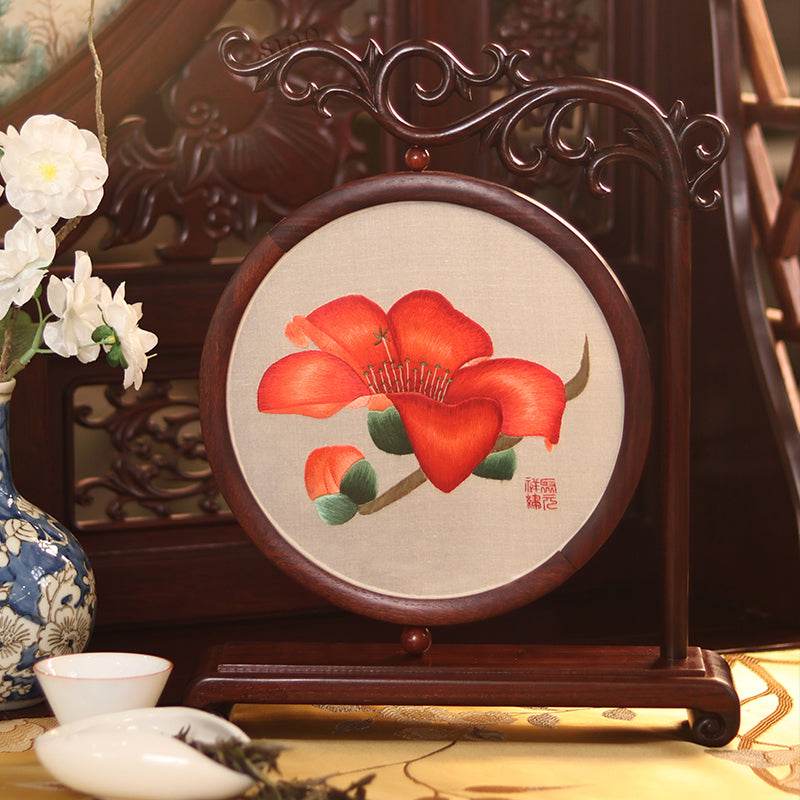
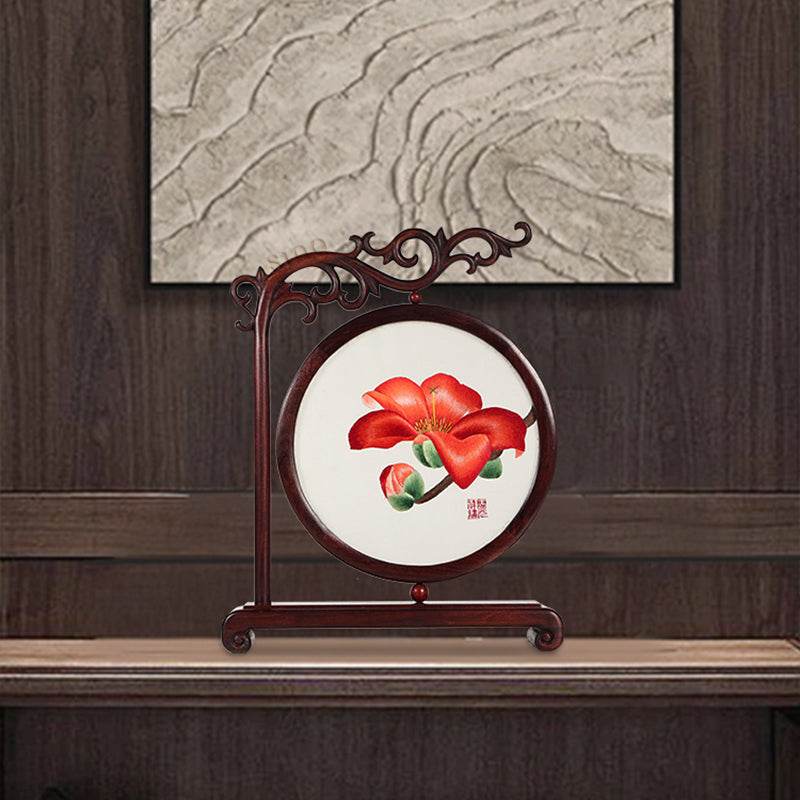
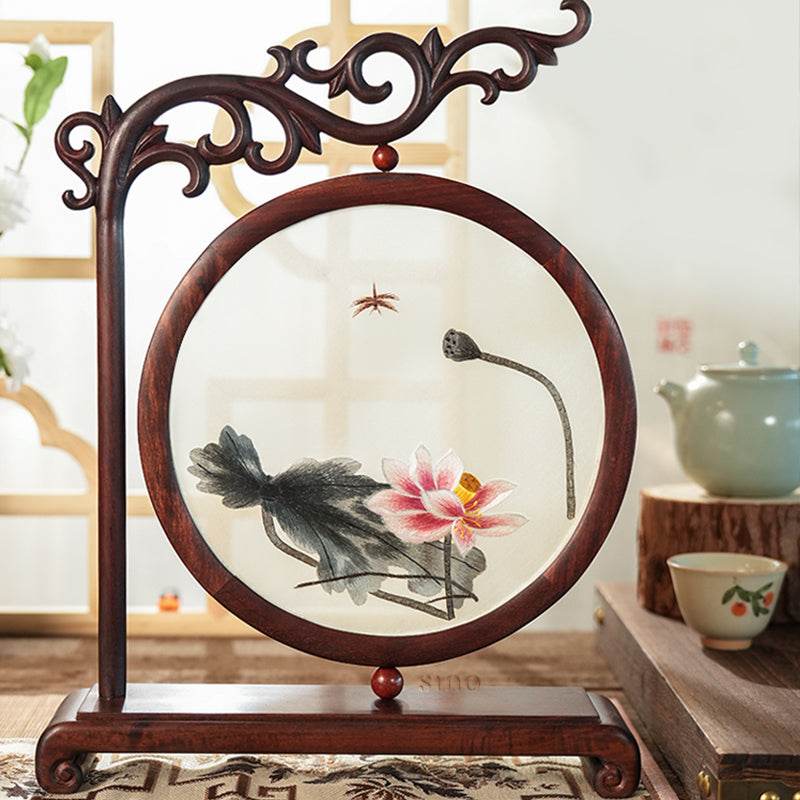
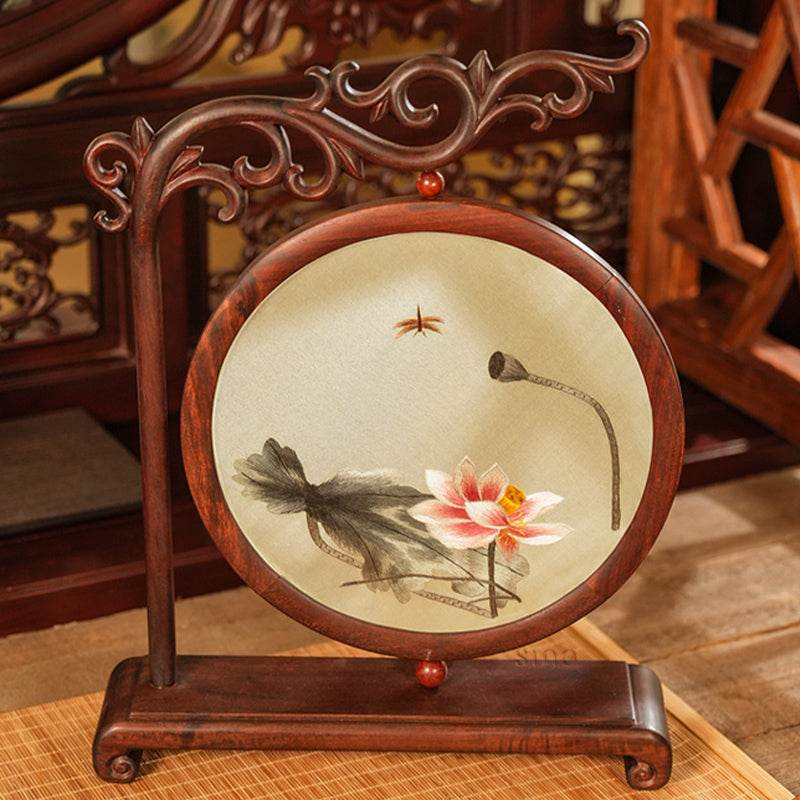
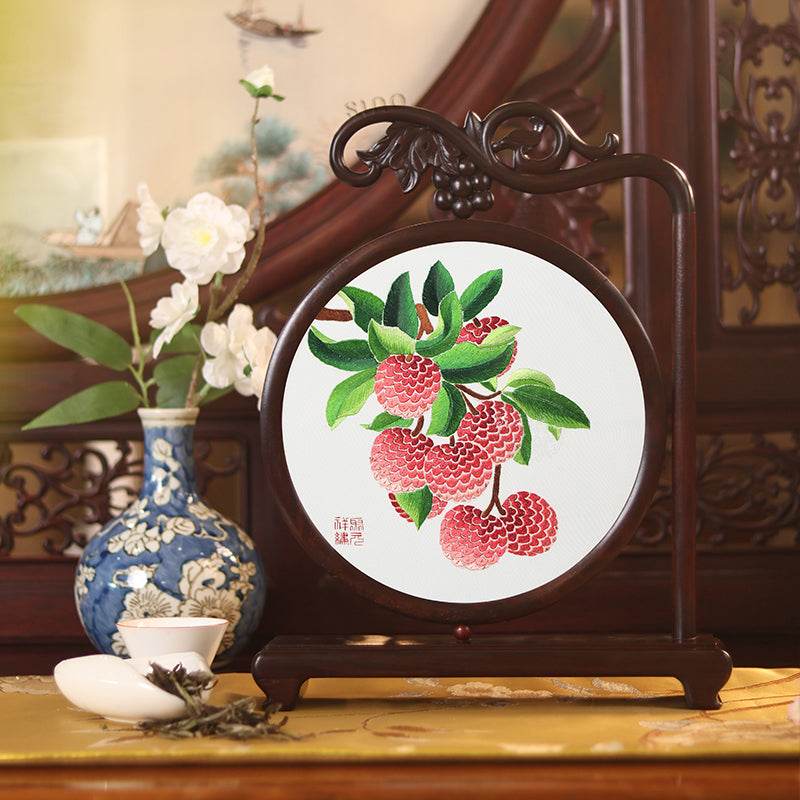
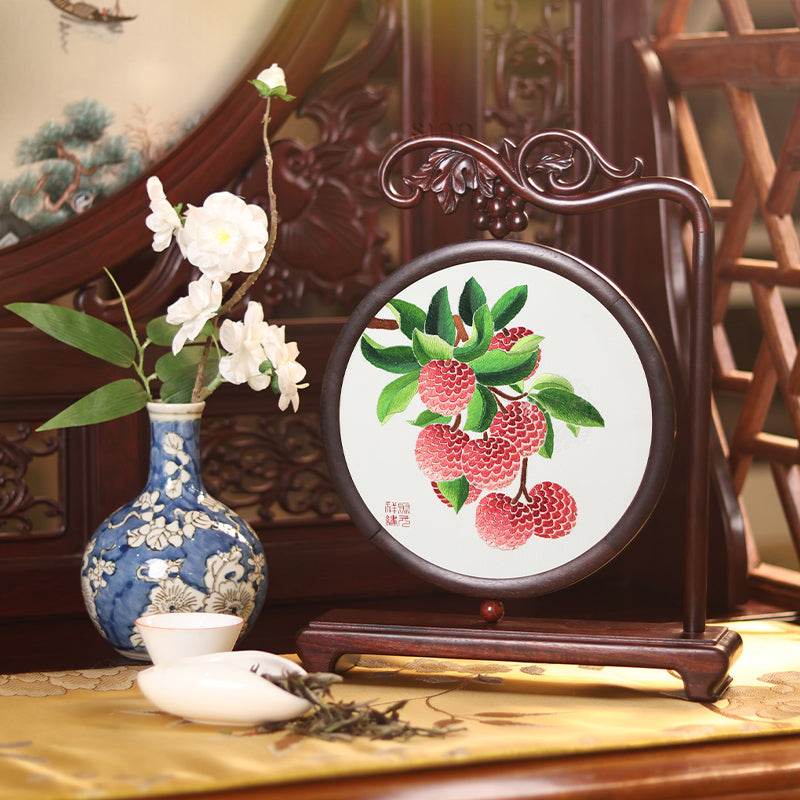
While sightseeing is wonderful, a true Guangzhou trip is incomplete without experiencing its living traditions. Among its greatest treasures is Guangxiu (Canton Embroidery), a craft dating back to the Tang Dynasty. More about Canton Embroidey, read us: Canton Embroidery (Yue Embroidery): The Ultimate Guide to Chinese Silk Art
 Historical records tell the story of Lu Meiniang, a 14-year-old local prodigy who embroidered seven volumes of the Lotus Sutra onto a tiny piece of silk. Later, during the Ming Dynasty, Portuguese traders brought these dazzling, vibrant embroideries to European kings.
Experience it yourself:
Instead of just reading about it, we invite travelers to our local studio for a deeper connection. More about Canton Embroidery Master Wang Xin Yuan: Master of Cantonese Embroidery: Xinyuan Wang(王新元)
-
Visit Ju Yuan Xiang Guangxiu Cultural Studio: We warmly welcome travelers to enjoy a free, hands-on embroidery experience. See master artisans at work and learn the basic stitches of this ancient art.
-
📍 Studio Address: Wangxinyuan Guangxiu Studio, No. 1, Building 4, Xinyi Hall, Fangcun, Liwan District, Guangzhou, China.. (You can take subway line 1 to FangCun(芳村).
-
📱 Contact: +86 136 2289 0189 (Lynn Ho - WeChat )
A Taste of Canton: Local Food Guide & Restaurants
Guangzhou is a true food capital. As the saying goes, "Eating in Guangzhou" (食在广州).
Classic Cantonese Dishes to Try
-
Breakfast (Morning Tea/Yum Cha): Rice rolls (Cheung Fun), Dim Sum (Har Gow, Siu Mai), Wonton Noodles.

-
Roast Meats (Siu Mei/烧腊): Roast Goose, Char Siu (BBQ Pork), Poached White Cut Chicken.

-
Desserts: Cantonese sweet soups (Tong Sui) like Double Skin Milk(Shuang Pi Nai 双皮奶)

-
Late-Night: Clay pot rice and fried rice noodles (Ho Fun).

Local Restaurants Recommended by Locals
Here are three trusted spots we personally recommend as a long-time resident:
1. Wing Lee Restaurant (永利饭店):If you want to experience authentic Guangzhou morning tea in a comfortable family setting, this restaurant is a perfect choice. Meanwhile, this restaurant's Cantonese cuisine is both classic and innovative, incorporating modern elements.
Recommendation Rating: ★★★★★
Estimated Cost: 101RMB per person.
Address: No.137, 1–2F, Suo Commercial Street, 268 Zhongshan 7th Rd, Yuexiu District, Guangzhou

2. Li’s Noodle House (丽的面家):A hidden gem for wonton noodles and beef brisket noodles—simple, local, and full of flavor.
Recommendation Rating: ★★★★☆
Estimated Cost: 38RMB per person.
Address: Shop 106, Ground Floor, Zhu Guang Market, No.62 Wende South Rd, Yuexiu District, Guangzhou

3. Xiong Ji Clay Pot Rice (雄记煲仔饭):The environment is very local and simple, located downstairs in a residential area—but the clay pot rice is outstanding. You can choose your favorite meats, and the slow-simmered soups are excellent.
Recommendation Rating: ★★★★☆
Estimated Cost: 24RMB per person.
Address: 60 meters west of the intersection of Xiji East Rd & Baogang Ave, Haizhu District, Guangzhou

What to Buy in Guangzhou: Authentic Souvenirs vs. Mass Production
When traveling to Guangzhou, many visitors struggle to find high-quality souvenirs, often settling for generic airport magnets. If you want to bring home a true piece of Chinese culture, authentic craftsmanship is the way to go.
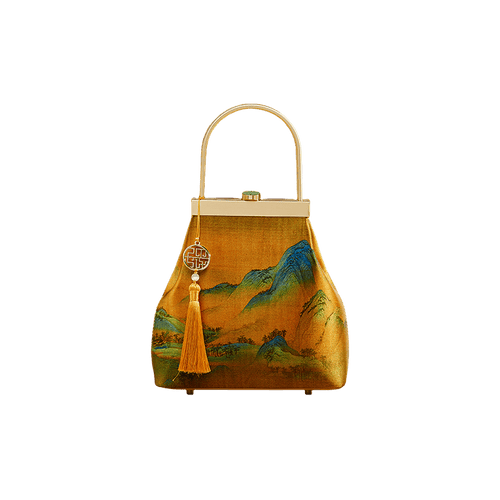
At Sinocultural, we curate and design elegant pieces that blend centuries-old Guangxiu heritage with modern luxury:
-
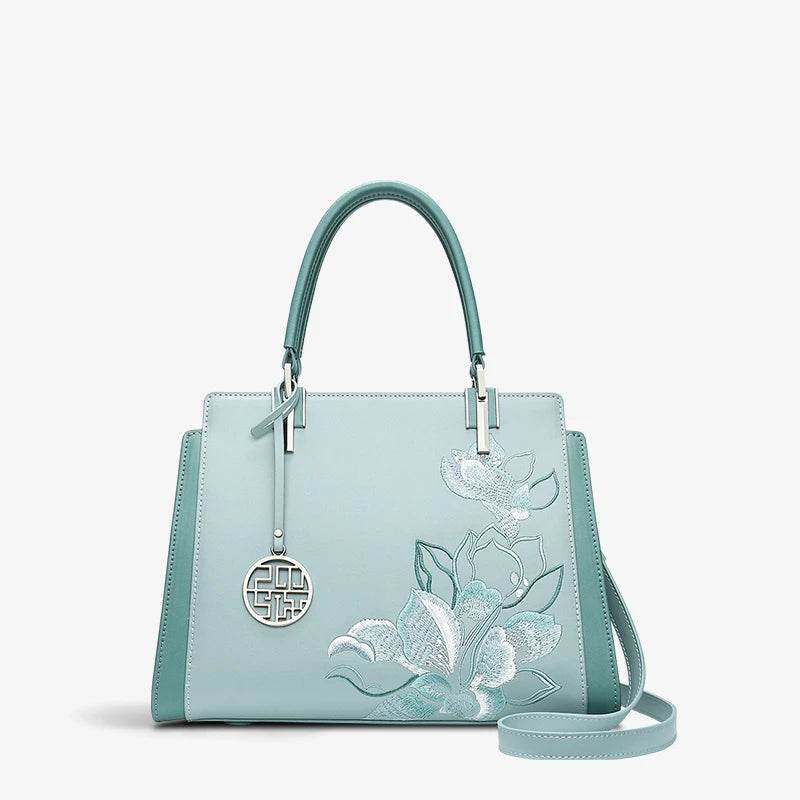
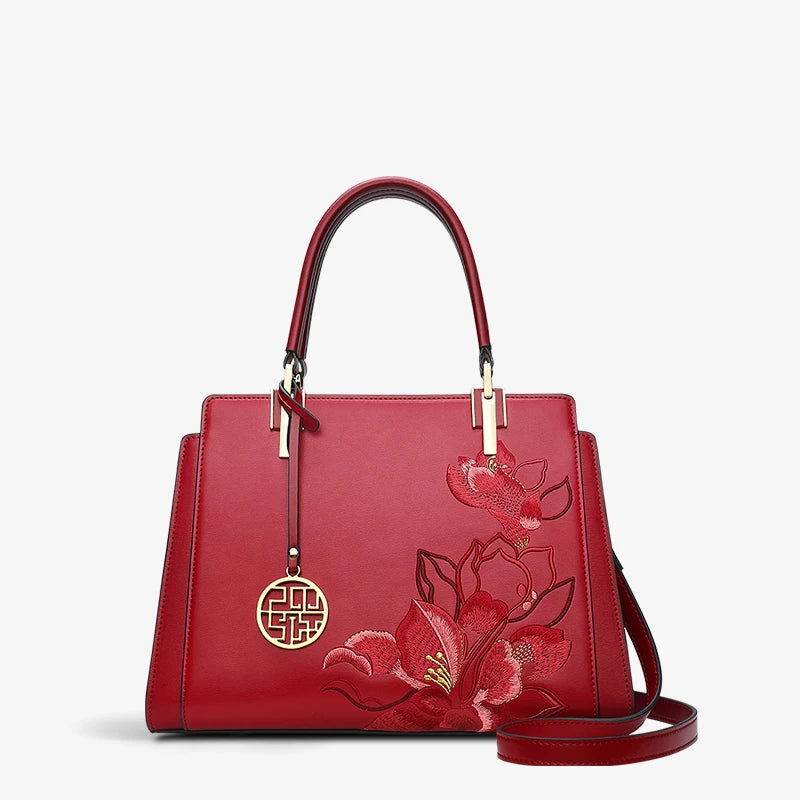
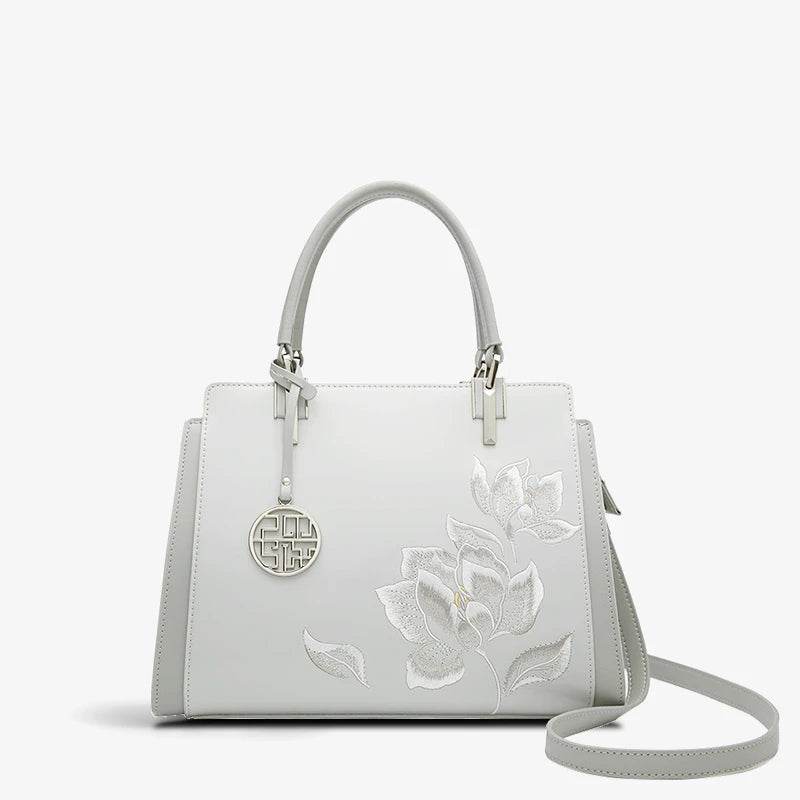
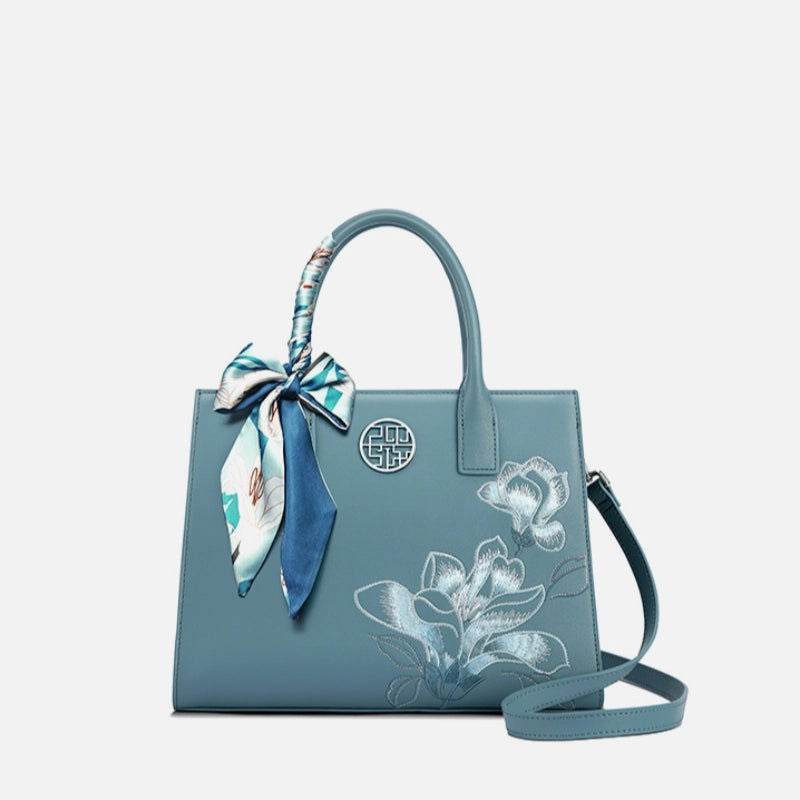
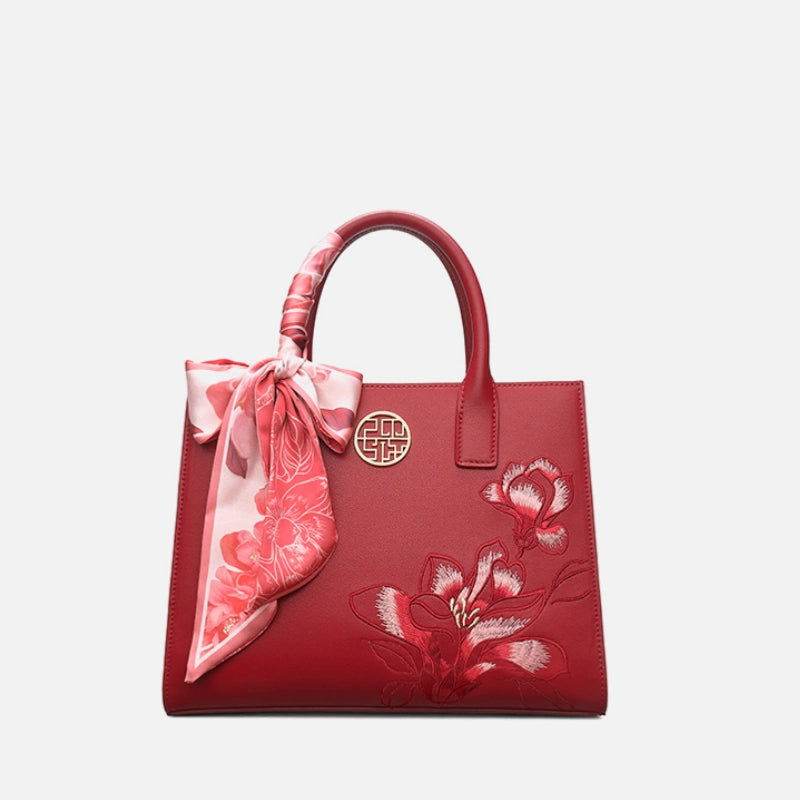
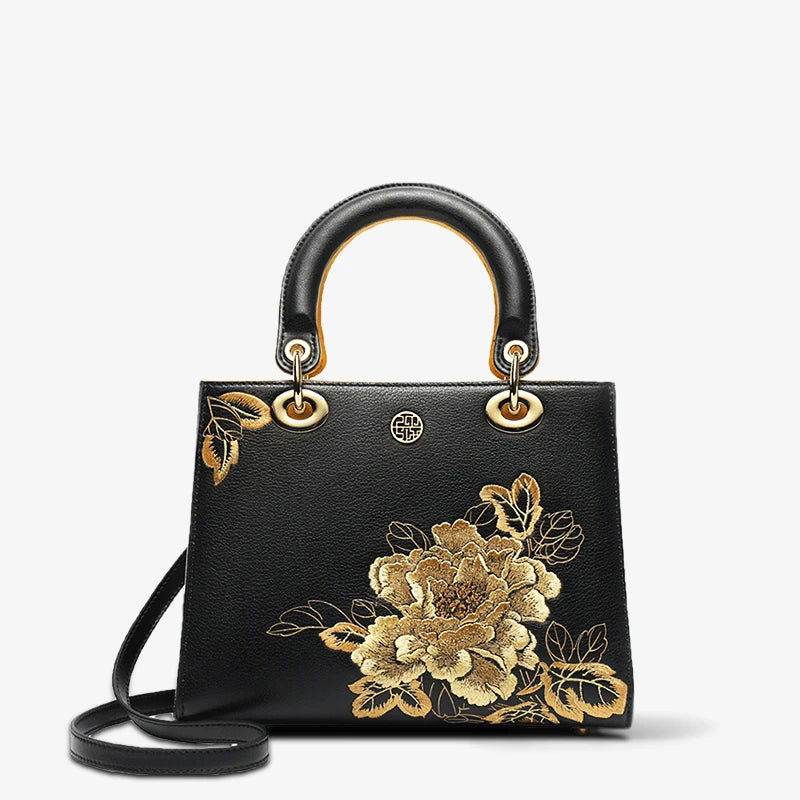
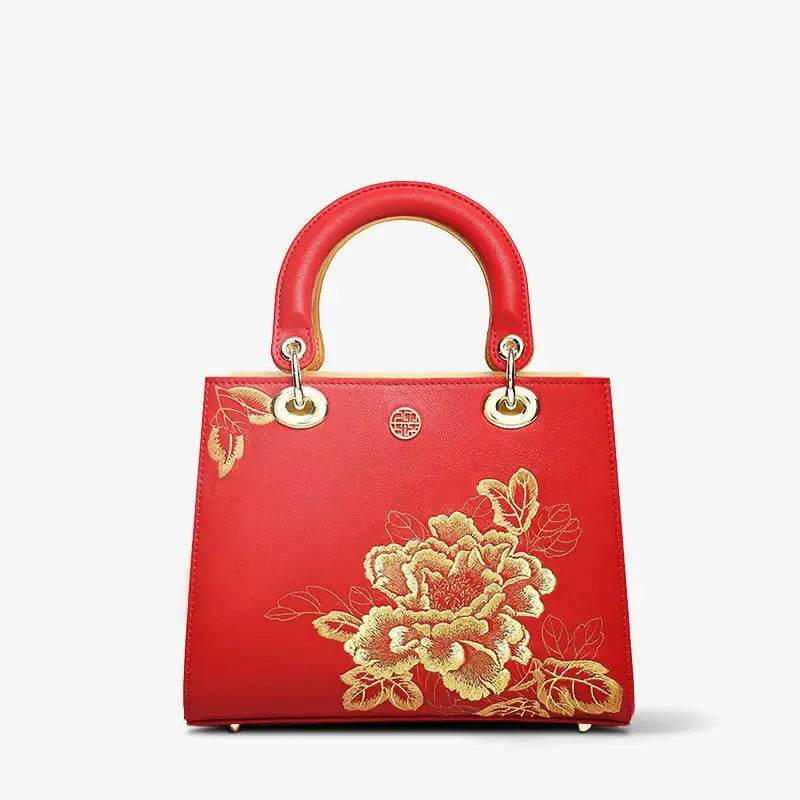
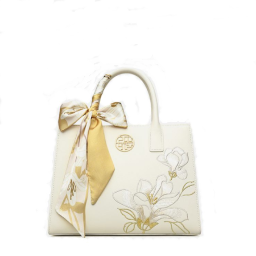
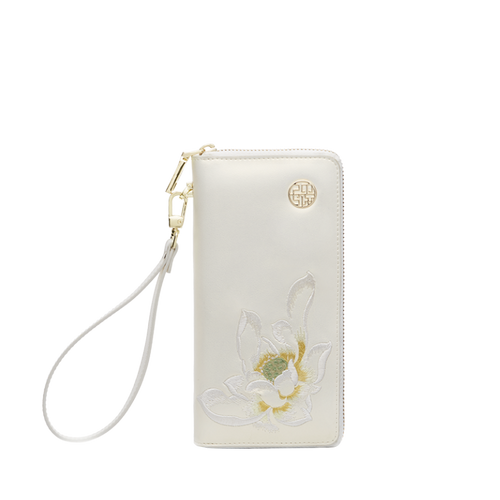
Wearable Art: Instead of fast fashion, consider our [Embroidered Leather Handbags] (eg:Red Lady Bag with Orchid), stitched by local artisans.

-
Luxury Silk Scarves: Our[Cantonese Elegance Mulberry Silk Scarves] make lightweight, exquisite gifts for loved ones back home.

-
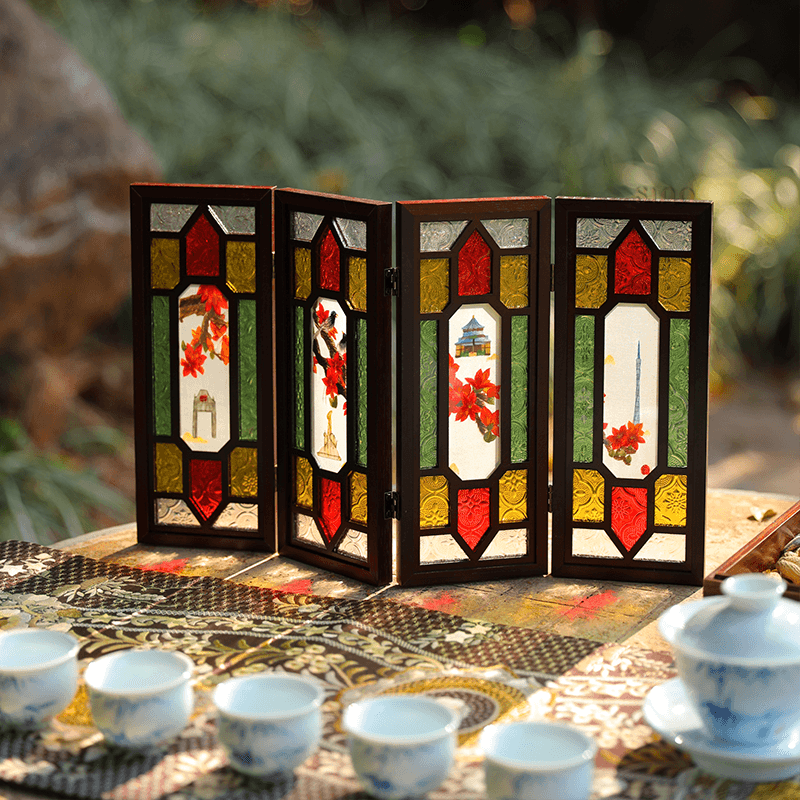
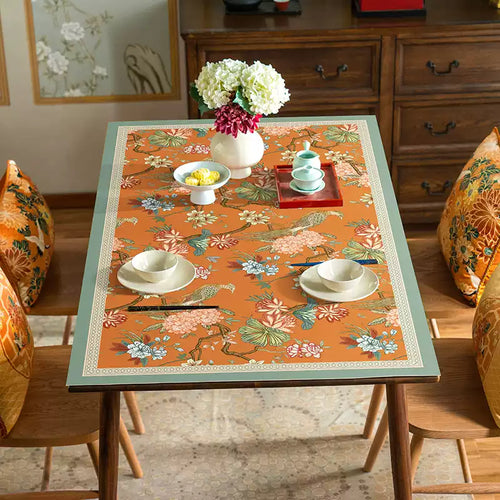
Home Decor: Bring the aesthetic of Southern China to your dining table with our [Canton-Style Bone China Collection].
 If you don't have room in your luggage, we offer international shipping directly to your door. [Explore our online boutique here.]
FAQ: Traveling to Guangzhou (Visas, Payments & Apps)
Q: Is Canton and Guangzhou the same city?
A: Yes! "Canton" is the traditional English name for the city of Guangzhou, as well as the surrounding Guangdong province. This is why the local language is called Cantonese, and the famous trade fair is the Canton Fair.
Q: Do I need cash in Guangzhou?
A: It is recommended to carry 500-1000 RMB in cash. Digital payment is dominant. Download Alipay or WeChat, register with your foreign phone number, and link your international credit card (Visa/Mastercard) before you arrive. It works for the subway, restaurants, and street vendors.
Q: How do I get around the city?
A: The Guangzhou Metro is clean, cheap, and has full English signage. For taxis, use the Didi app (the Chinese equivalent of Uber), which has an English interface and auto-translation for chatting with drivers.
Q: What apps should I download for China travel?
A: Apple Maps works perfectly in China without a VPN. For translations, use Google Translate (download the offline Chinese package before you arrive) or the Baidu Translate app.