Skip to content

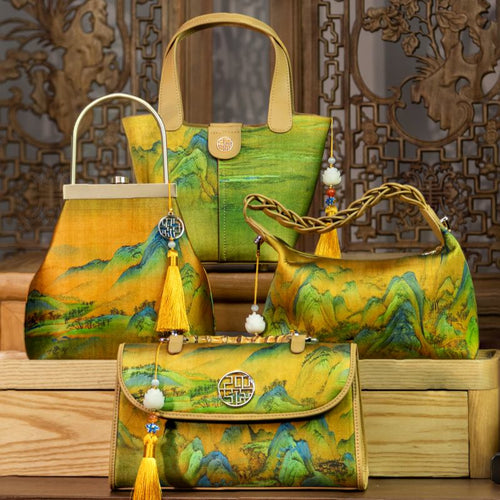
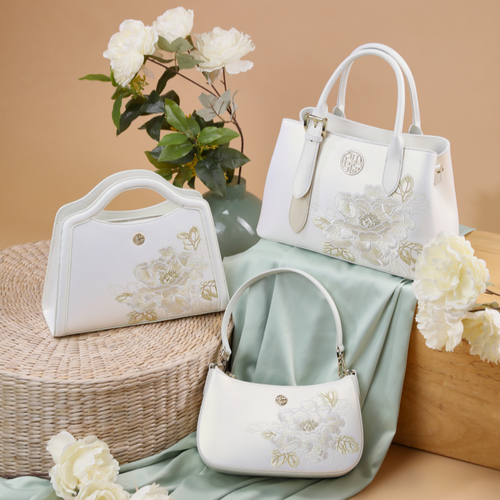
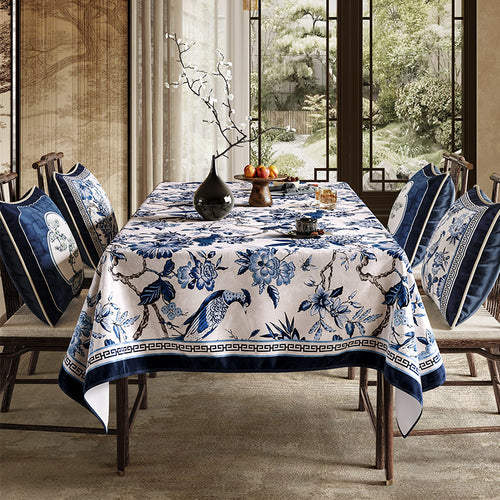
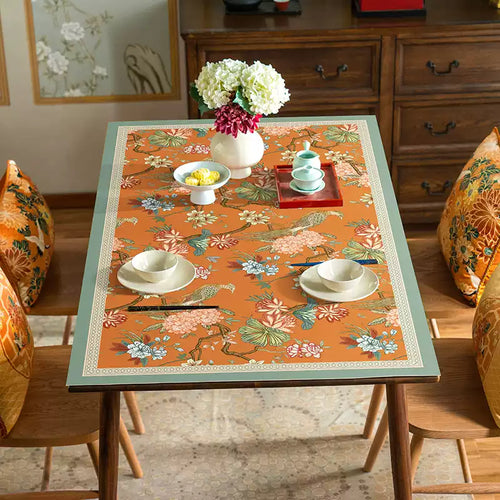





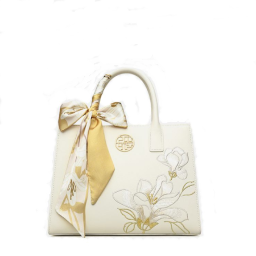
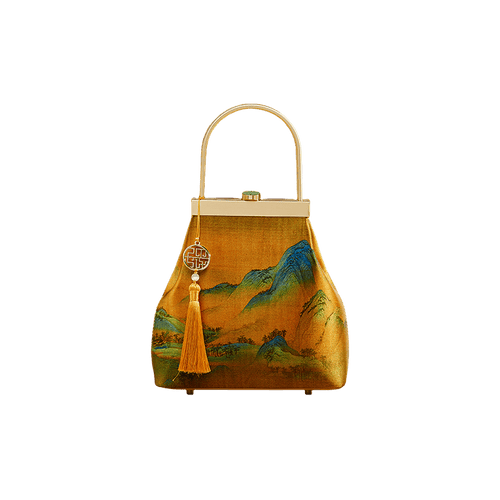


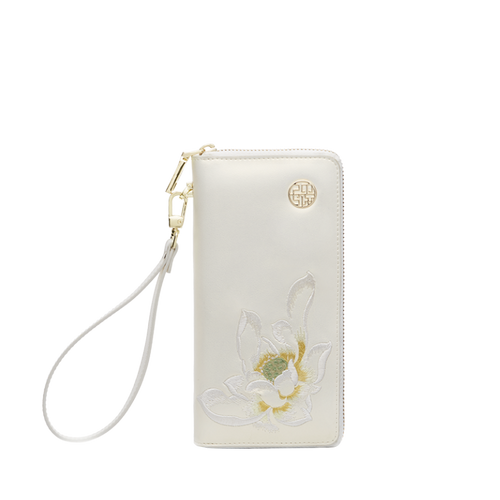



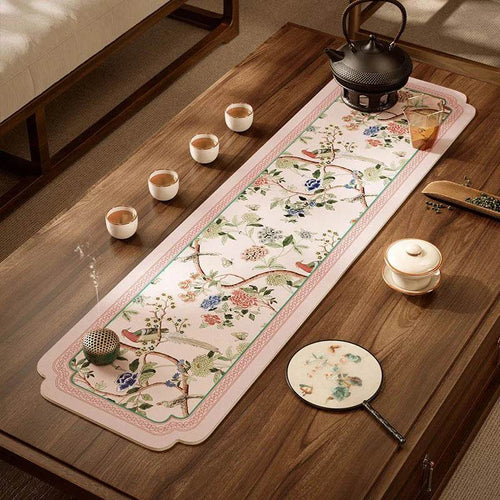

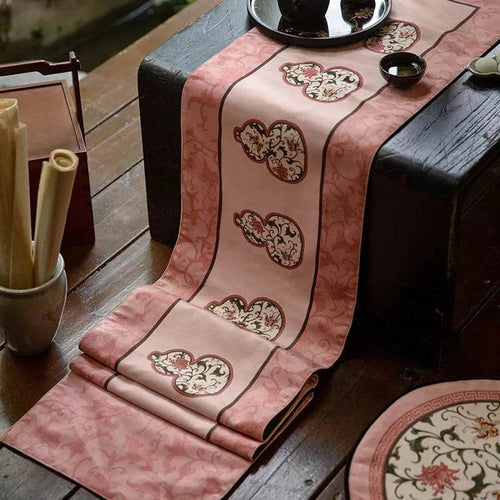




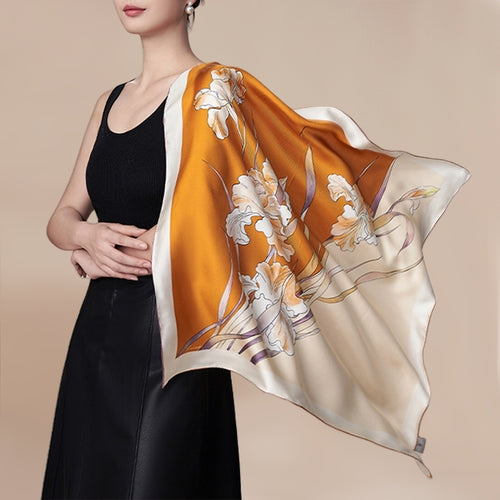


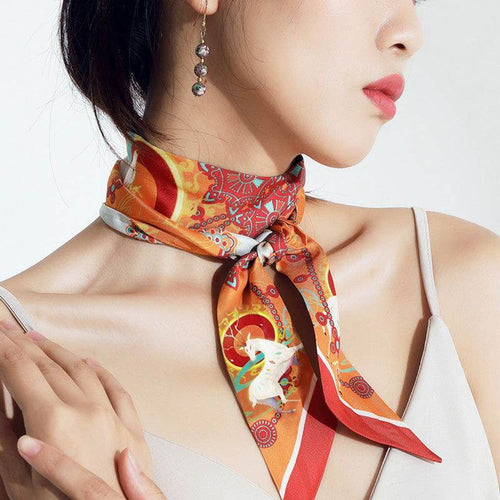


Table of Contents
- The Meaning of New Year’s Day: A Global & Historical Perspective
- Yuándàn vs. Lunar New Year: Understanding the Difference
- Regional New Year’s Day Traditions Across China
- Global New Year Customs: From Spain to Japan
- Living with Intention: Why Objects Matter
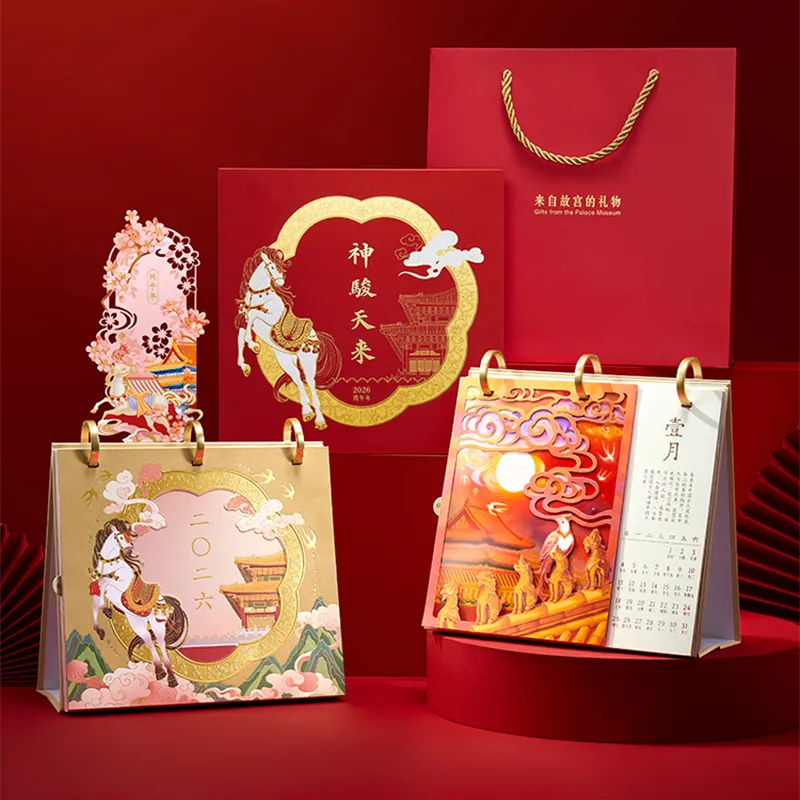
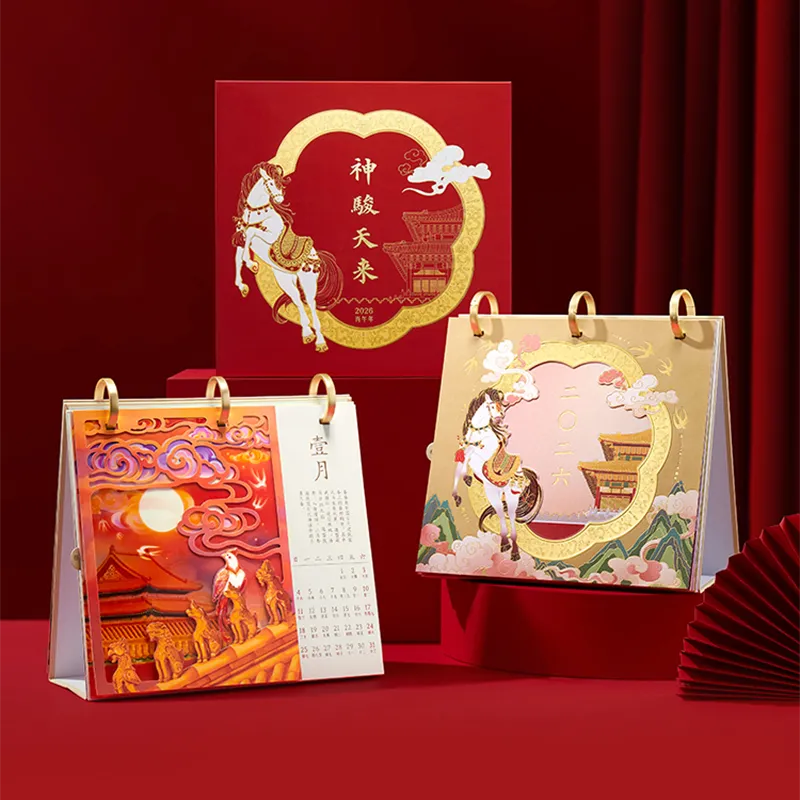
- Looking Ahead: The 2026 Year of the Fire Horse
- FAQ: Common Questions About New Year’s in China
The Meaning of New Year’s Day: A Global & Historical Perspective
New Year’s Day, observed on January 1st, marks the beginning of a new calendar year under the Gregorian system, which is now widely used across the world. Historically, this date traces back to ancient Rome, when January was named after Janus, the god of beginnings, endings, and transitions—an apt symbol for reflection and renewal.
Over time, New Year’s Day has evolved into a global moment of pause and hope. It is a day when people look back on the year that has passed, express gratitude, and set intentions for what lies ahead. While the date is shared worldwide, the ways of welcoming the new year vary greatly, shaped by geography, climate, belief systems, and cultural memory.
Yuándàn vs. Lunar New Year: Understanding the Difference
In China, New Year’s Day (元旦, Yuándàn) holds its own distinct meaning. Though it is not as ceremonially significant as the Chinese New Year(Chun Jie), it serves as a gentle opening note to the year ahead—quietly meaningful, regionally diverse, and deeply connected to everyday life.

Regional New Year’s Day Traditions Across China
1.Northern China (North China, Northeast, Northwest)
Festivities Keywords: warmth, nourishment, festive energy
In northern regions of China, where winter is long and cold, New Year’s Day customs naturally emphasize warmth and sustenance. The most iconic food is dumplings, whose shape resembles ancient Chinese ingots. Eating dumplings symbolizes “bidding farewell to the old and welcoming the new,” as well as hopes for prosperity.
In some areas, families also prepare lamb soup or hearty stews, reflecting the idea of nourishing the body against the cold. Public activities such as temple fairs, winter markets, ice festivals, and even New Year hikes are common, especially in northeastern cities where ice and snow culture is deeply rooted.
Culturally, the northern celebration highlights a practical yet optimistic mindset—starting the year well-fed, warm, and surrounded by lively human connection.

2.Southern China (Jiangnan, Lingnan, Fujian, Taiwan)
Festivities Keywords: elegance, reunion, auspicious meanings
In southern China, New Year’s Day is celebrated with a quieter grace. Food plays a symbolic role:
- In Jiangsu and Zhejiang: people eat rice cakes (niangao) to express wishes for growth and progress in the coming year.
- In Guangdong: glutinous rice balls and roasted meats are common, representing reunion, completeness, and abundance.
Rather than large public festivities, many southern families favor intimate gatherings, home-cooked meals, and calm reflection. Great attention is paid to “good omens” in food, words, and actions, reflecting a cultural preference for harmony and balance.
This gentler rhythm mirrors the southern lifestyle—where ritual blends naturally into daily life without overwhelming it.

3.Western China (Southwest and Minority Regions)
Festivities Keywords: community, music, nature
In western China, particularly in regions with strong ethnic minority cultures, New Year’s Day may blend with local traditions. Celebrations often include group gatherings, singing, dancing, and local markets.
For some communities, New Year’s Day is also connected to agricultural cycles and seasonal change, expressing respect for nature and collective life. While customs vary widely, the shared spirit is one of togetherness and renewal.

4.Eastern Coastal and Urban China
Festivities Keywords: modern, global, ceremonial
In major cities such as Shanghai, Guangzhou, and Shenzhen, New Year’s Day reflects a more international character. Common activities include countdown events, concerts, light shows, charity runs, and cultural exhibitions.
Here, New Year’s Day functions as a modern civic celebration—bridging global practices with local identity. It marks both a personal reset and a shared urban moment.

Global New Year Customs: From Spain to Japan
Beyond China, New Year’s Day is celebrated in diverse and fascinating ways across continents:
- Europe
- In Spain:people eat twelve grapes at midnight, one for each month, to invite good luck.
- In the UK:the tradition of “First Footing” symbolizes who brings fortune into the home.
- In Germany: people practice symbolic fortune-telling rituals rooted in folk tradition.

- The Americas
- In the United States: Times Square’s countdown is iconic, and many people make New Year’s resolutions.
- In Brazil: wearing white and offering flowers to the sea reflects spiritual hopes for peace and protection.

- Asia
- In Japan: New Year’s Day is deeply ceremonial, marked by shrine visits and special meals.
- In Korea: families eat rice cake soup and show respect to elders, symbolizing renewal and growth.

- Africa & Oceania
- In parts of Africa: music and dance play a central role in welcoming the new year.
- Australia: one of the first countries to enter the new year, is famous for its harbor fireworks and outdoor celebrations.

Despite their differences, these traditions all reflect a shared human desire: to begin again with hope.
Living with Intention: Why Objects Matter
At Sinocultural we believe that the way we welcome a new year is often reflected in the objects we choose to live with. These items are not merely decorative; they are quiet companions to life’s transitions.
-
Embroidered Handbag: Carry craftsmanship and continuity.
-
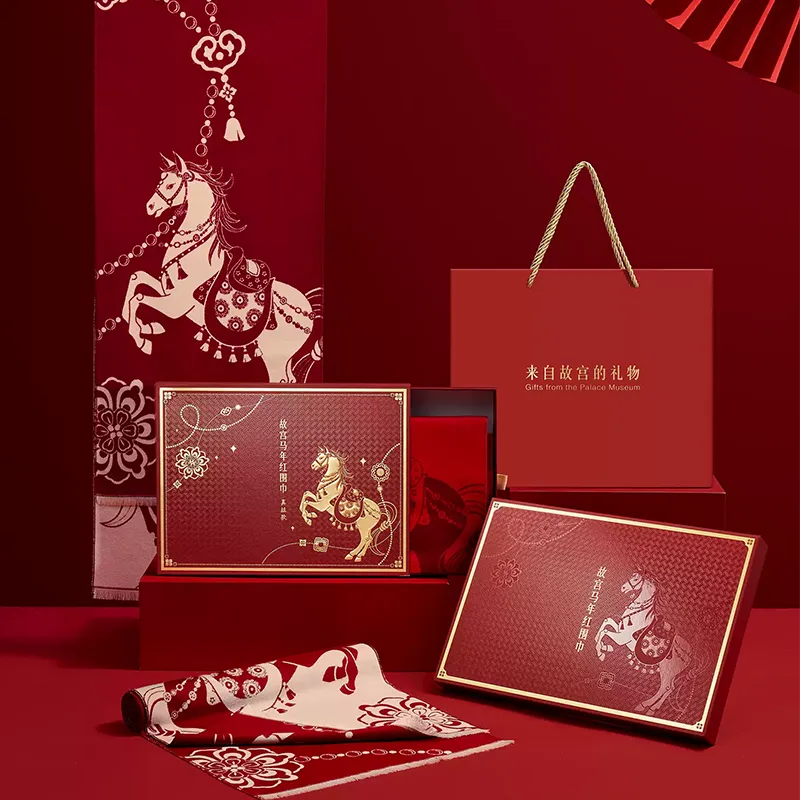
Cashmere Scarves: Offer essential warmth and care during the cold start of the year.
-
Bone China Dinnerware & Home Décor: Tablecloths and runners transform everyday meals into moments of ritual and connection.

Looking Ahead: The 2026 Year of the Fire Horse
In Chinese culture, January 1st is only the beginning. As the month unfolds, attention gradually turns toward the Chinese New Year.
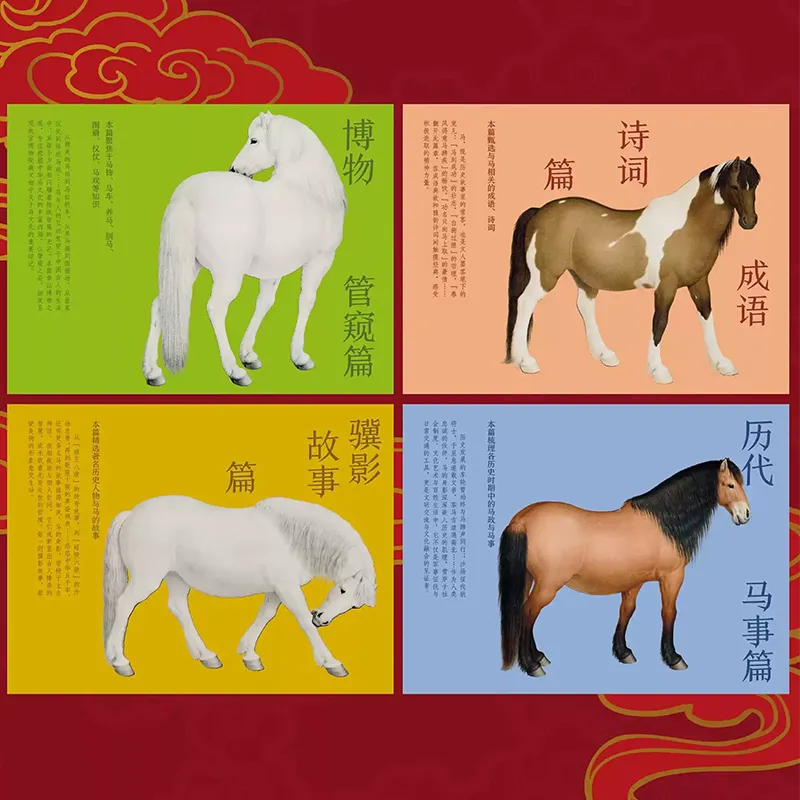
In 2026, China will welcome the Year of the Fire Horse.
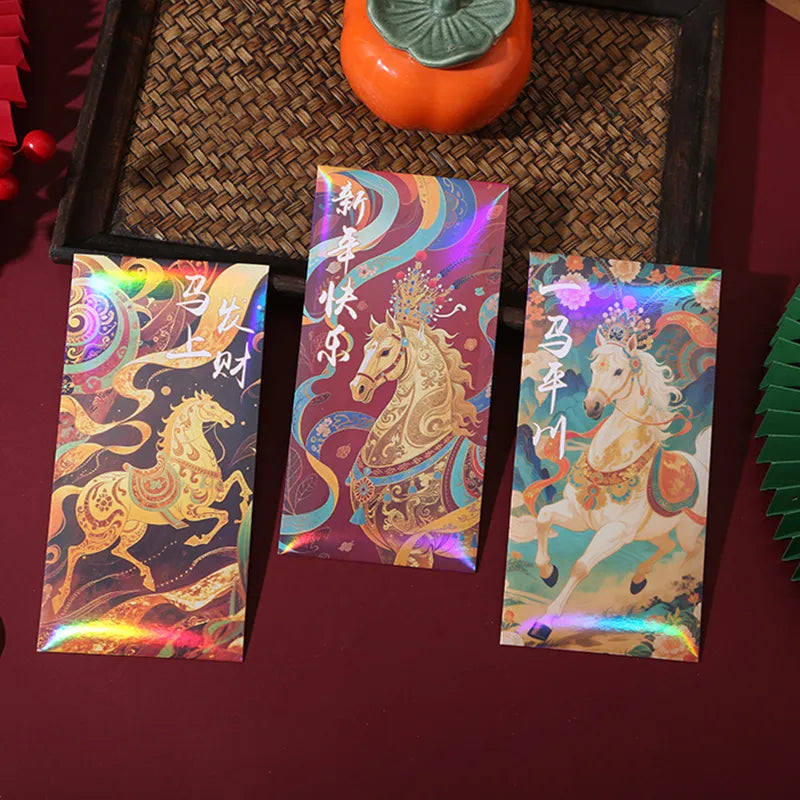
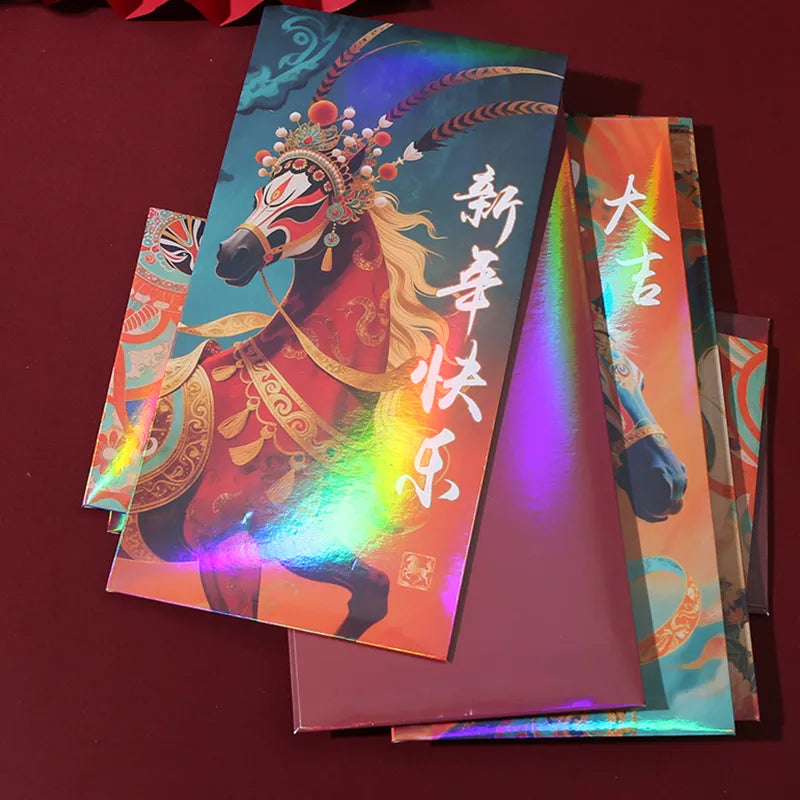
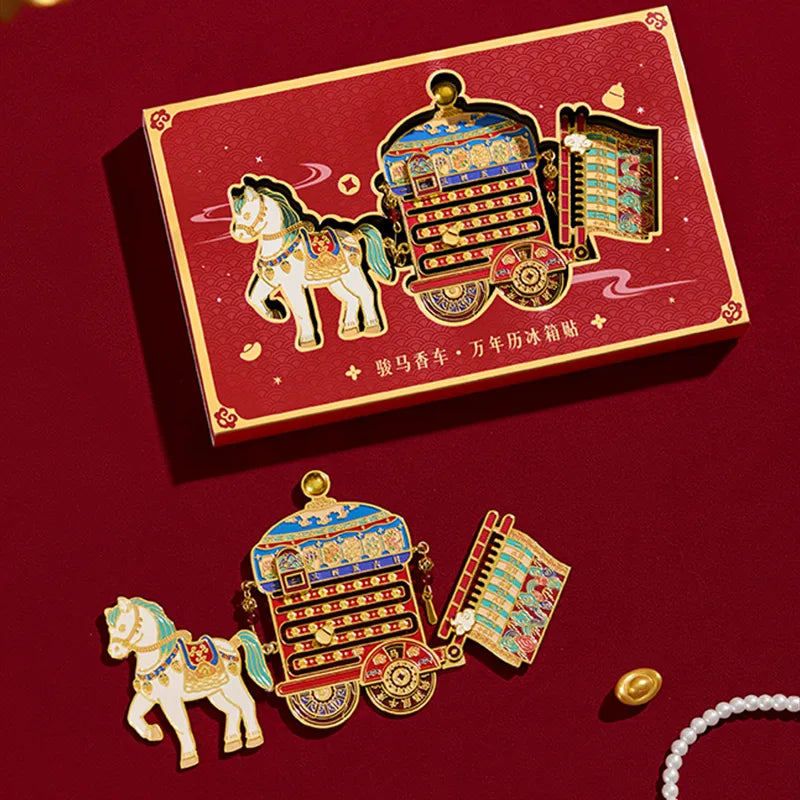
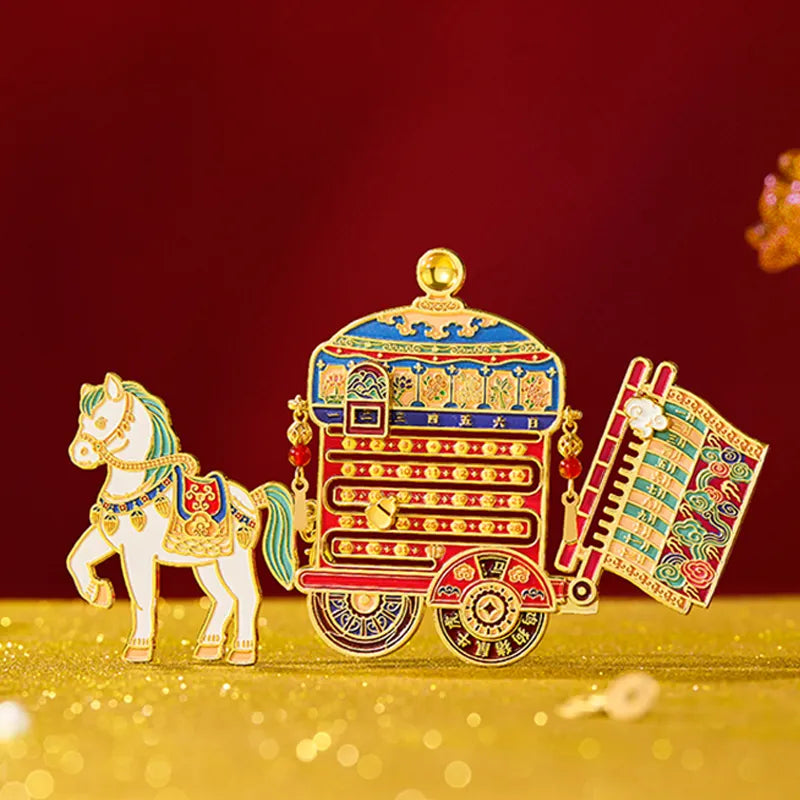
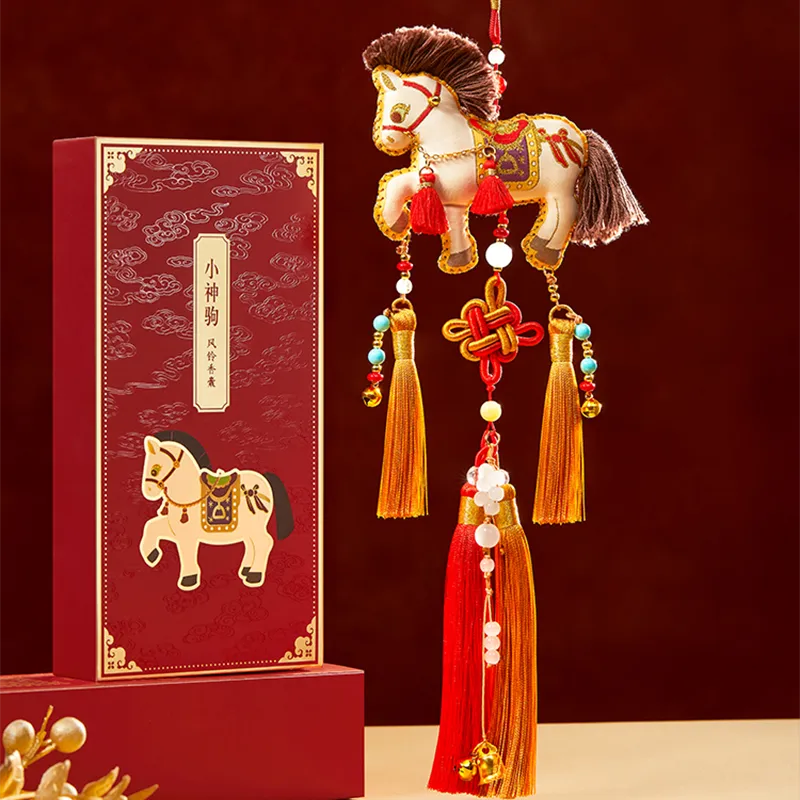
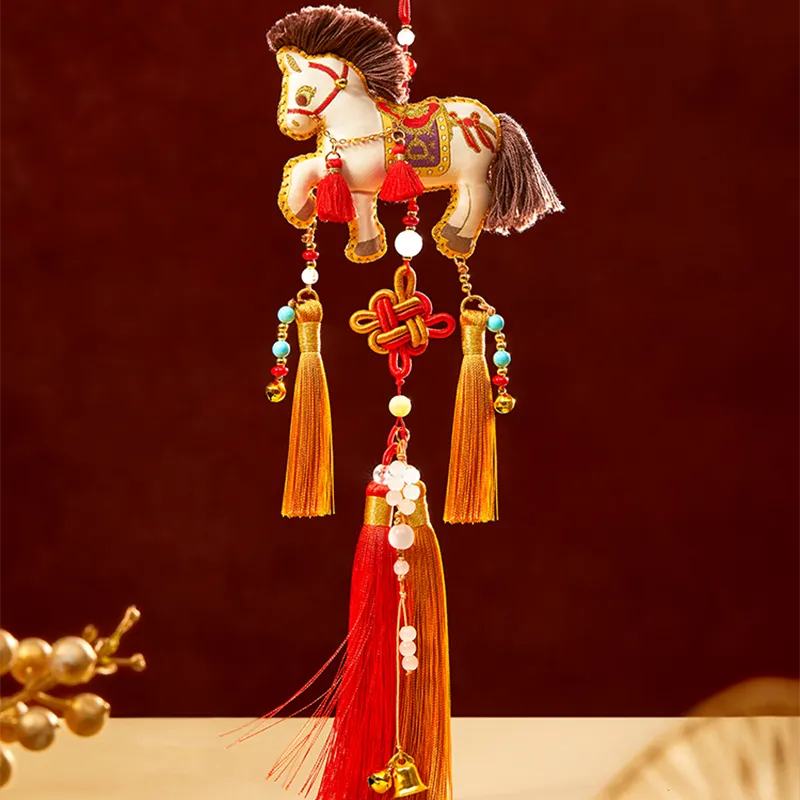
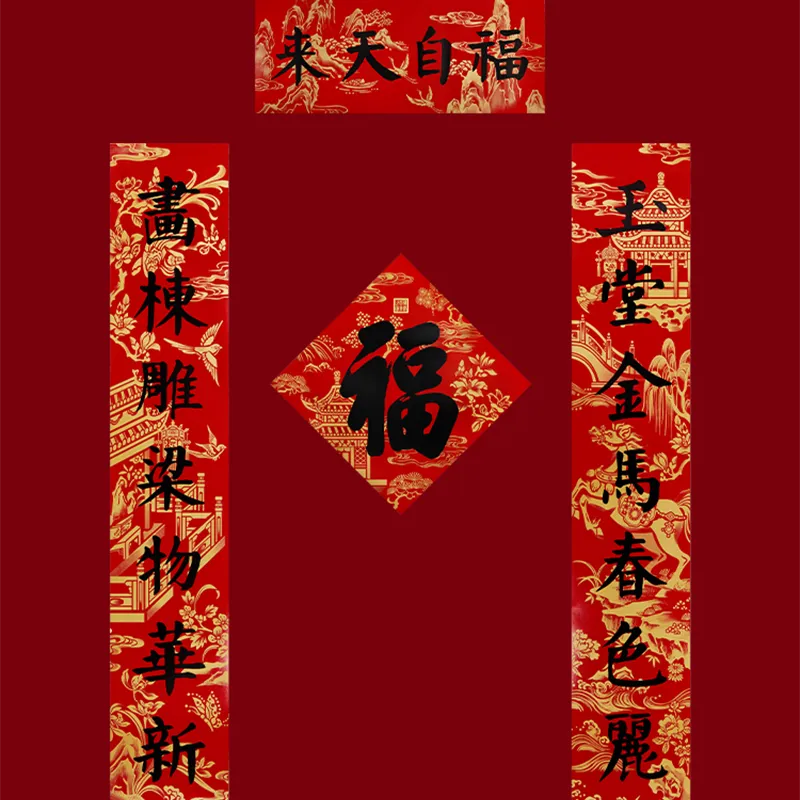
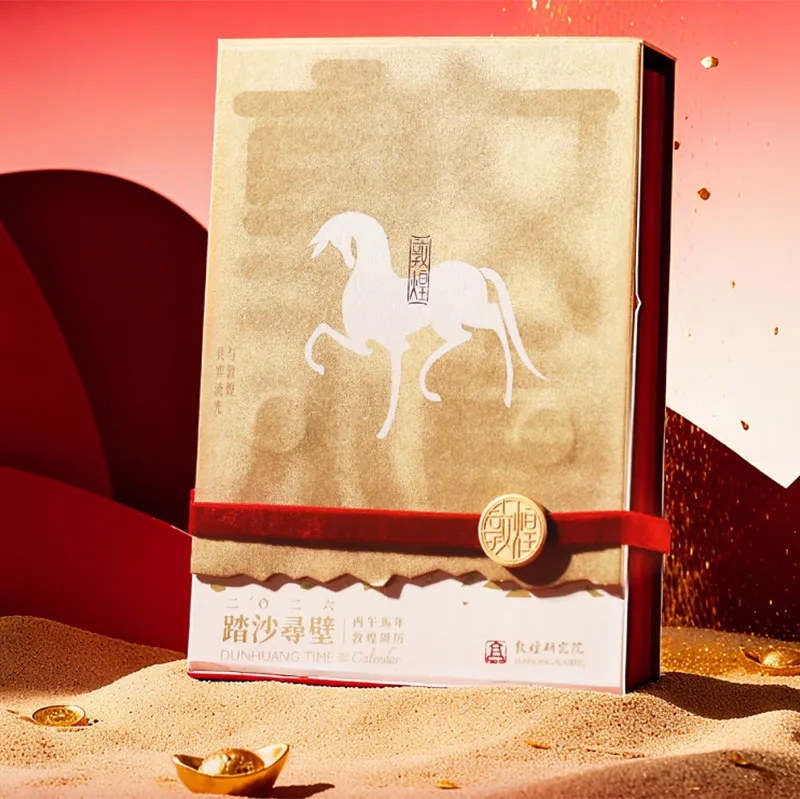
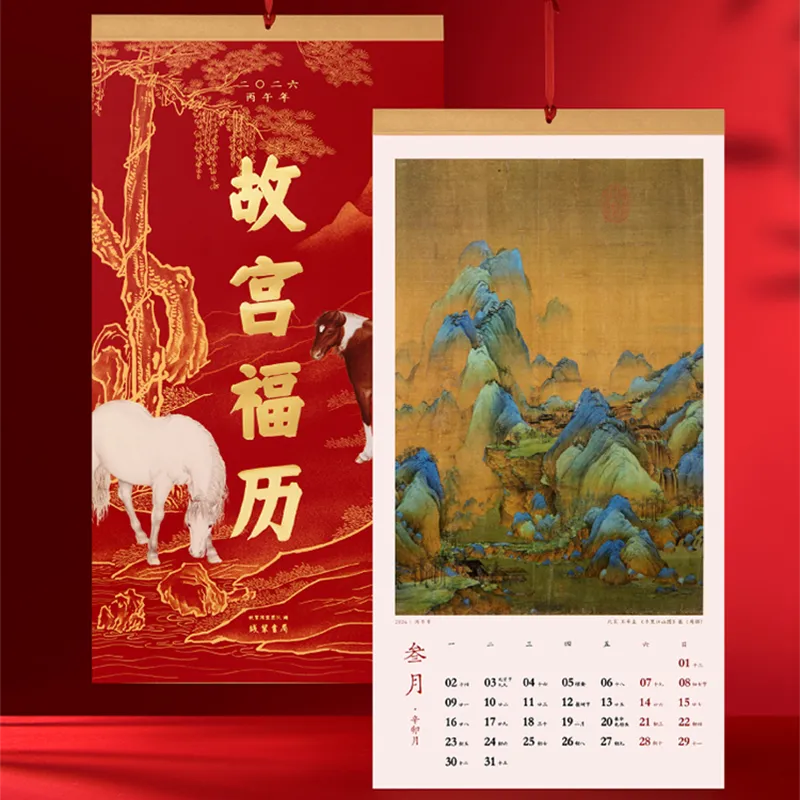
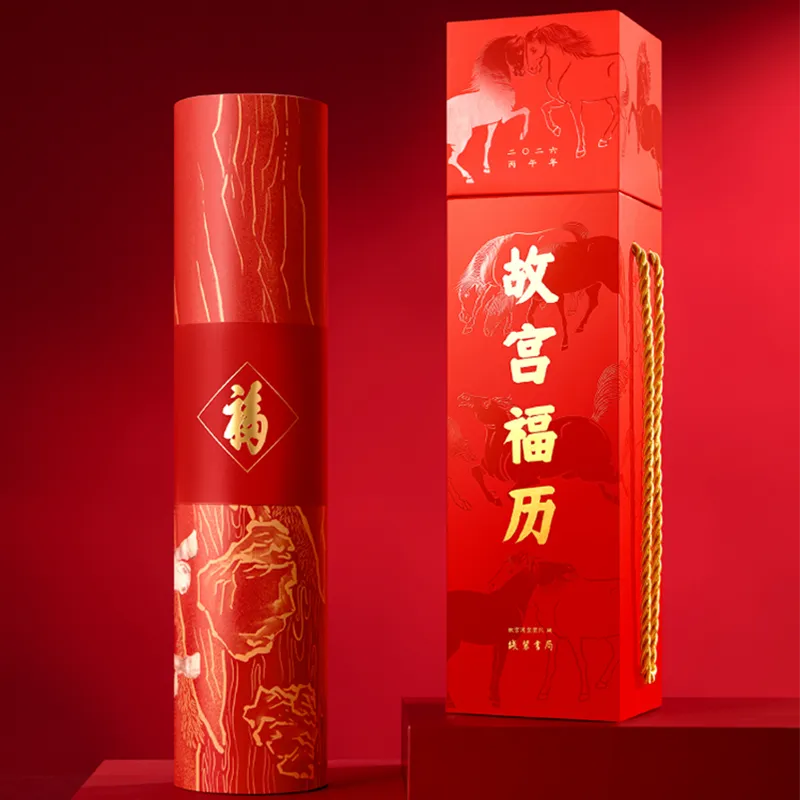
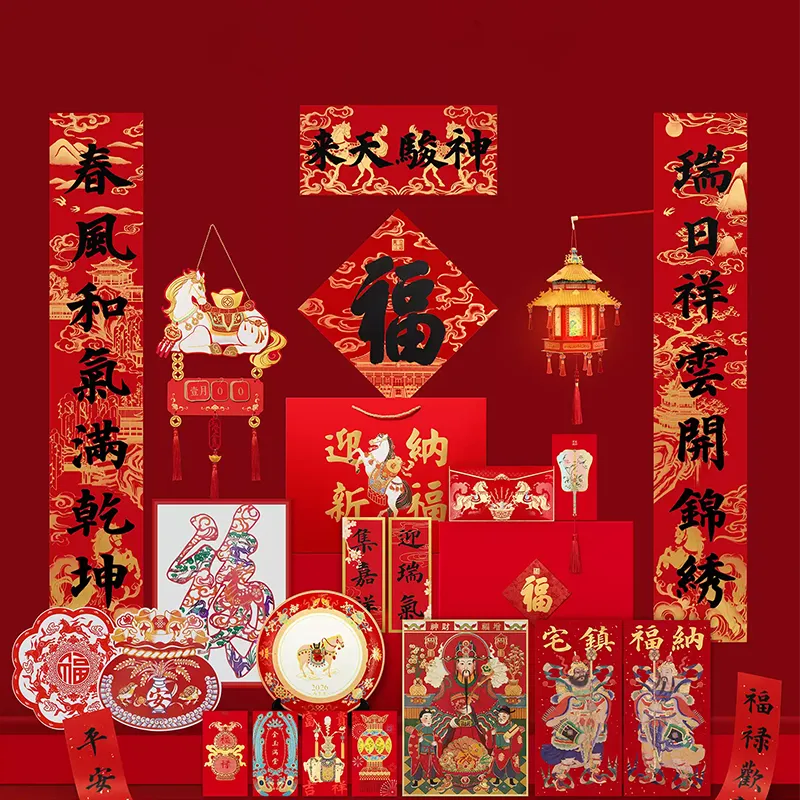
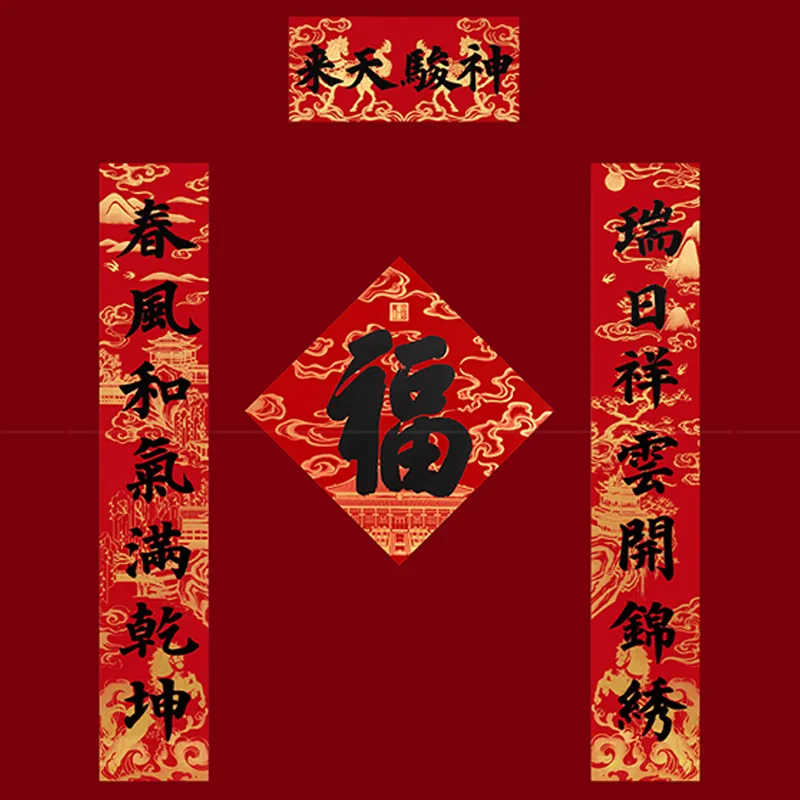
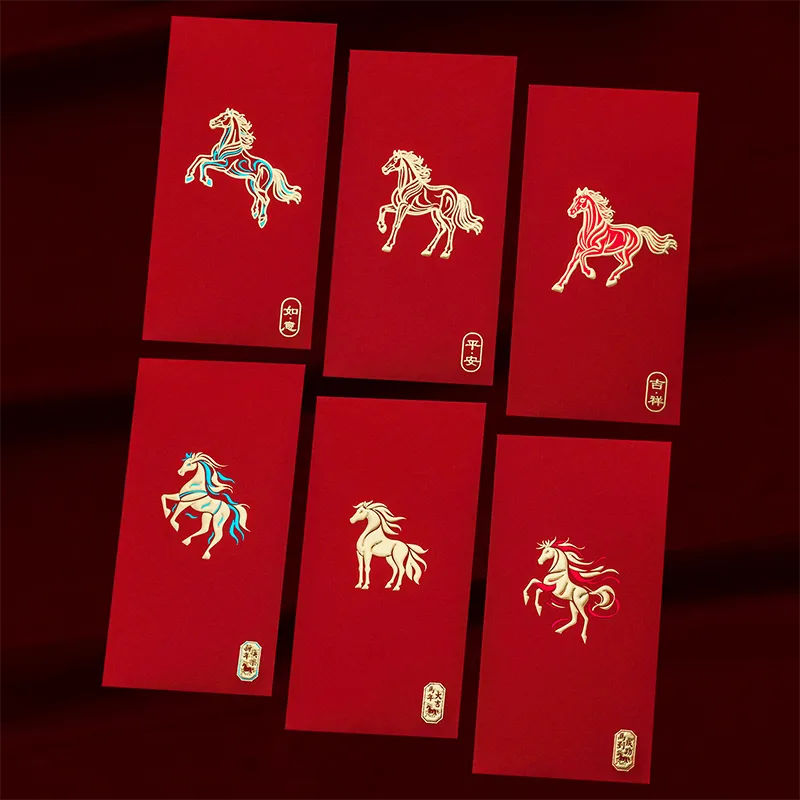
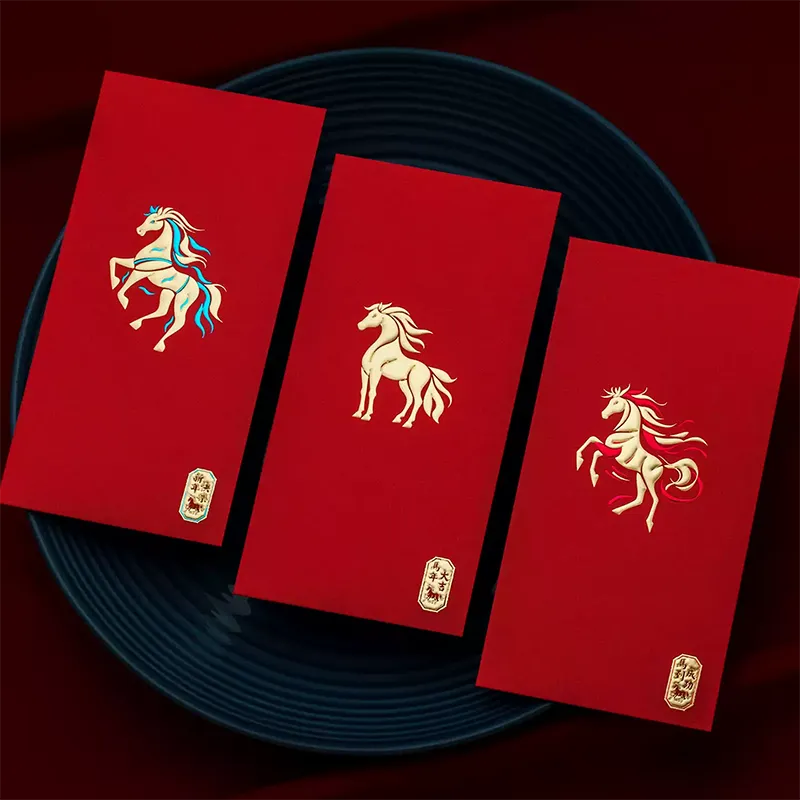
The Horse in the Chinese zodiac is traditionally associated with vitality, movement, courage, and unyielding energy. The "Fire" element adds passion and transformation to this mix. As the world steps into a new calendar year, we invite you to explore this journey further through our upcoming Fire Horse New Year collections.
May the year ahead bring renewal, warmth, and inspiration—wherever you are in the world.
FAQ: Common Questions About New Year’s in China
Q: Do Chinese people celebrate January 1st?
A: Yes. It is a public holiday known as Yuándàn. While less traditional than the Lunar New Year, it is widely celebrated with food, relaxation, and shopping. Chinese people will have a 3-day New Year's Day holiday.
Q: What is the animal for the Chinese New Year 2026?
A: 2026 is the Year of the Horse, specifically the Fire Horse. It is predicted to be a year of action, high energy, and transformation.
Q: What do people eat in China on New Year's Day?
A: It depends on the region. Northern China favors dumplings (jiaozi), while Southern China prefers sweet rice cakes (niangao) and glutinous rice balls (tangyuan).