Passer au contenu



Porcelain is one of China’s most enduring contributions to world culture. With a history that stretches back thousands of years, Chinese ceramics evolved from simple clay vessels into refined works of art admired across the globe. Each era tells a story—not only of changing techniques, but also of society’s shifting values, aesthetics, and innovations. Process history of Chinese ceramics, read our: The Art of Chinese Ceramic Firing: History, Techniques, and Patterns
Table of Contents
- Quick Summary: The Evolution of Chinese Ceramics
- Bringing History to the Table: Modern Chinoiserie Bone China Dinnerware
- 1. Neolithic Age: The Origins of Ancient Chinese Pottery (c. 4000 BCE)
- 2. The Bronze Age (Xia, Shang, Zhou): The Birth of "Proto-Porcelain"
- 3. Qin and Han Dynasties: The Invention of True Porcelain
- What Was Porcelain Used for in Ancient China?
- 4. Sui and Tang Dynasties: The Era of Tang Sancai
- 5. Song and Yuan Dynasties: Minimalist Elegance to Blue-and-White
- 6. Ming and Qing Dynasties: Porcelain as Global Luxury
- Pottery vs. True Porcelain vs. Bone China: Quick Comparison
- 7. Modern Era: The Evolution into Bone China
- FAQ: Common Questions About Chinese Porcelain History
Quick Summary: The Evolution of Chinese Ceramics
-
Invention: Primitive porcelain appeared in the Shang Dynasty, but true porcelain matured during the Eastern Han Dynasty (25–220 CE).
-
Key Styles: Notable styles include Tang Sancai (Tri-color), Song Dynasty Monochrome (Ru, Guan, Ge wares), and the iconic Blue-and-White of the Yuan and Ming dynasties.
-
Modern Day: Today, the legacy continues with Bone China, blending traditional aesthetics with modern durability for everyday luxury.
Bringing History to the Table: Modern Chinoiserie Bone China Dinnerware
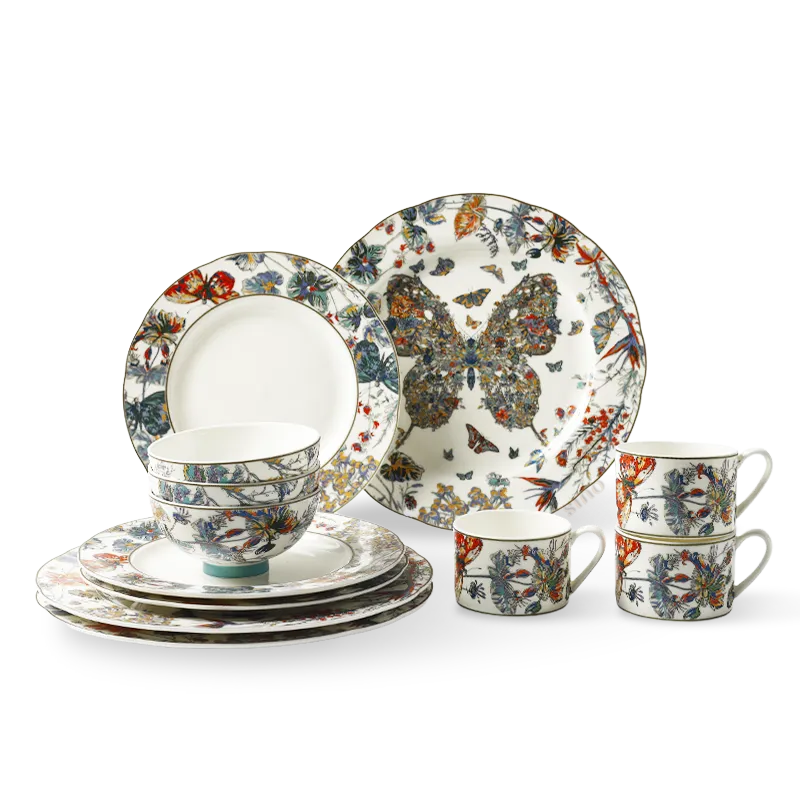
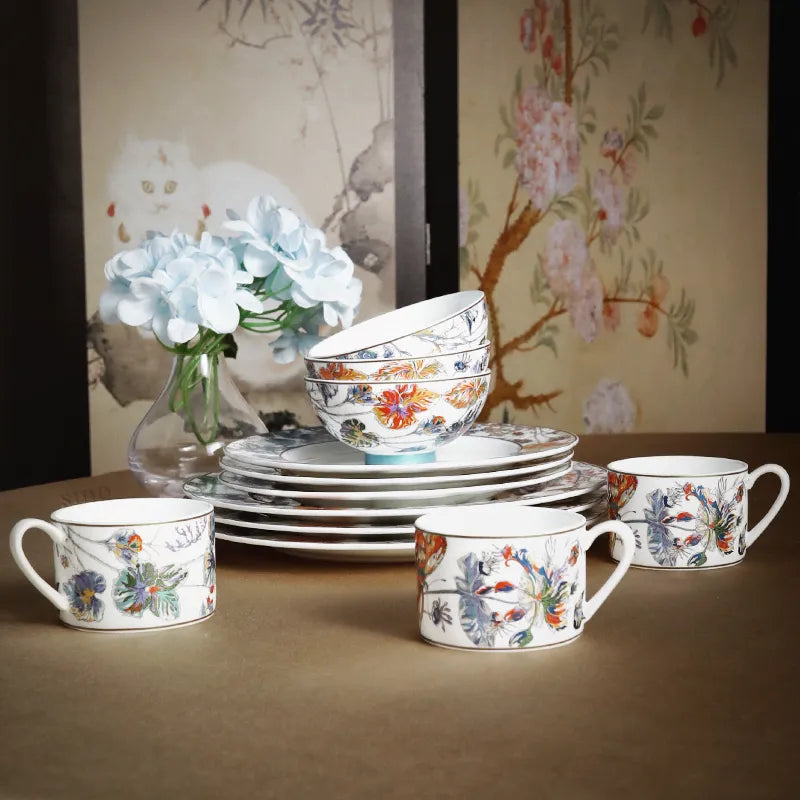
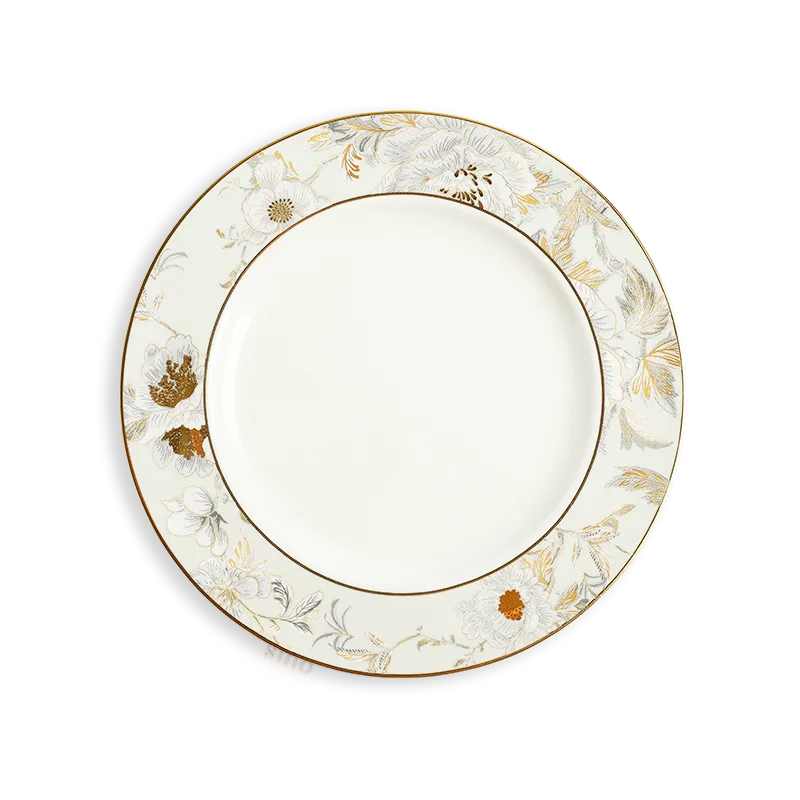
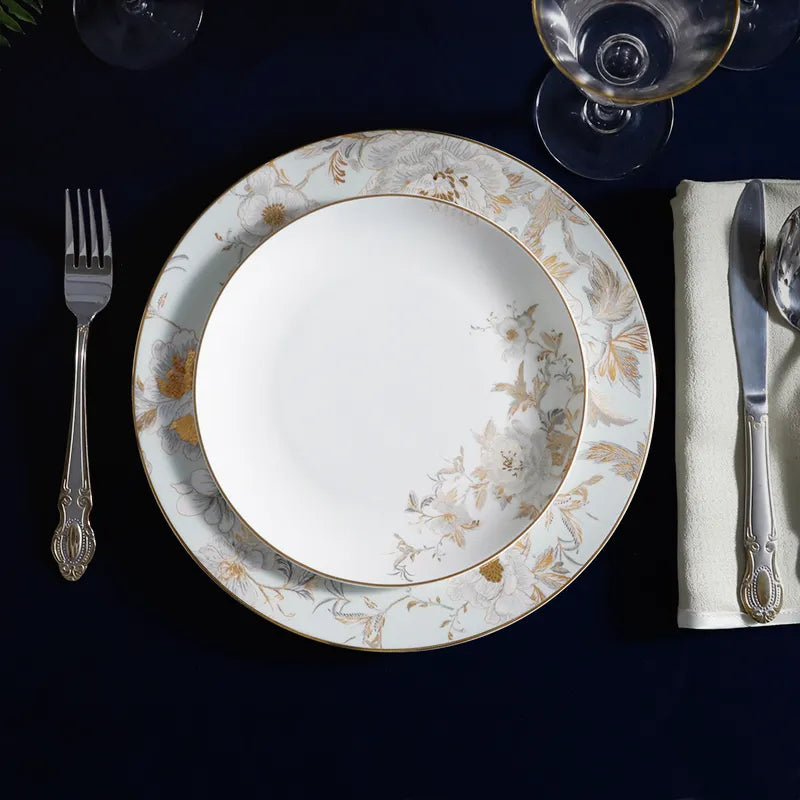
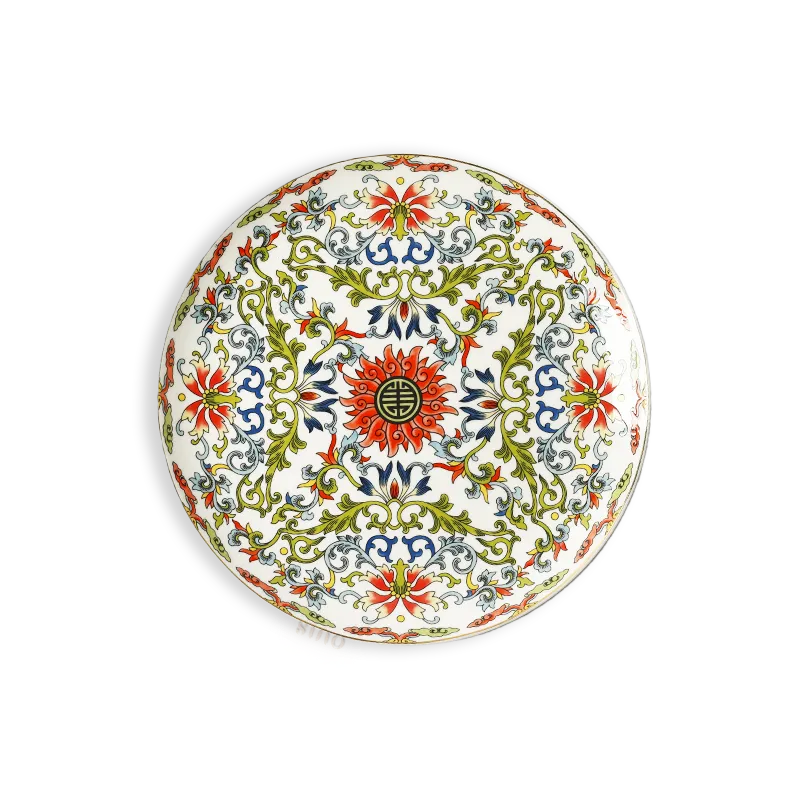
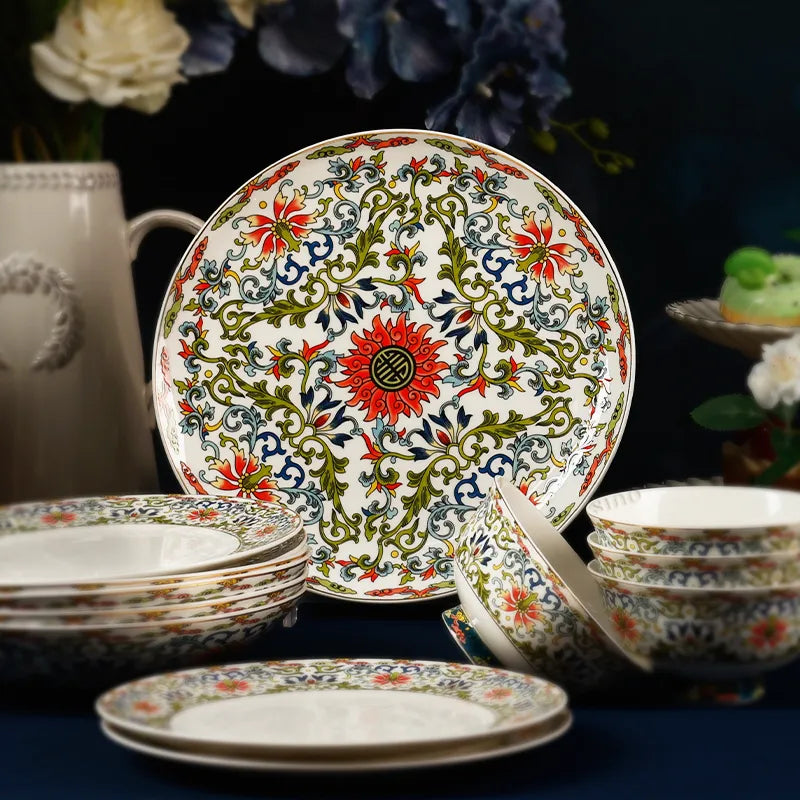
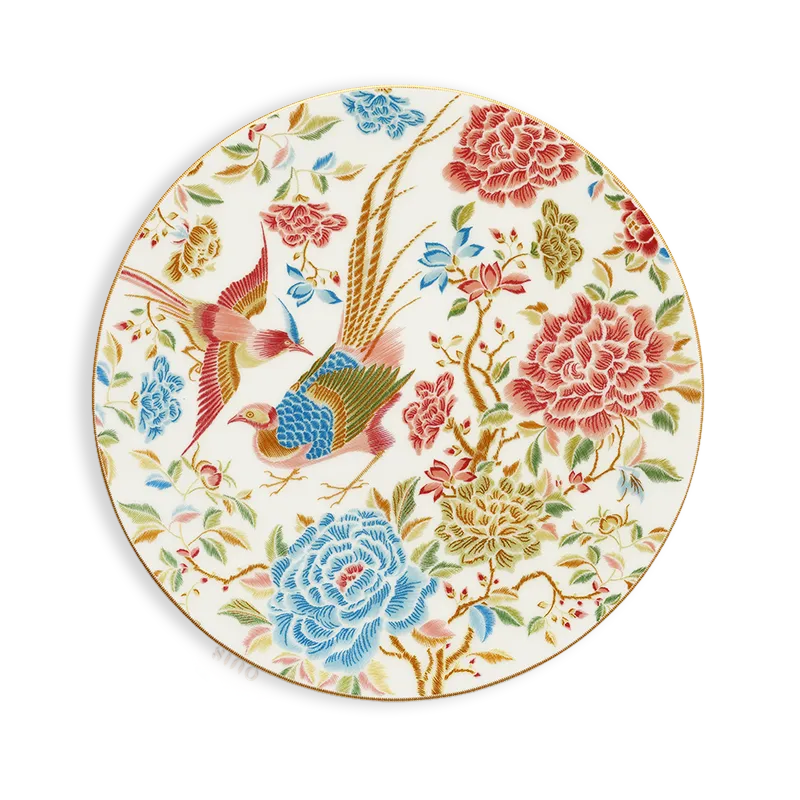
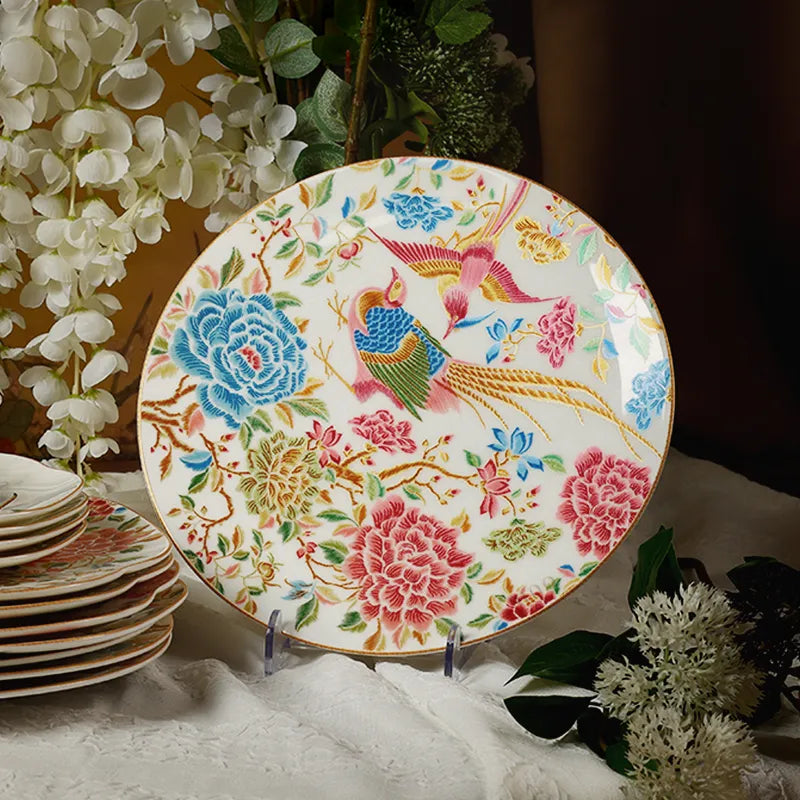
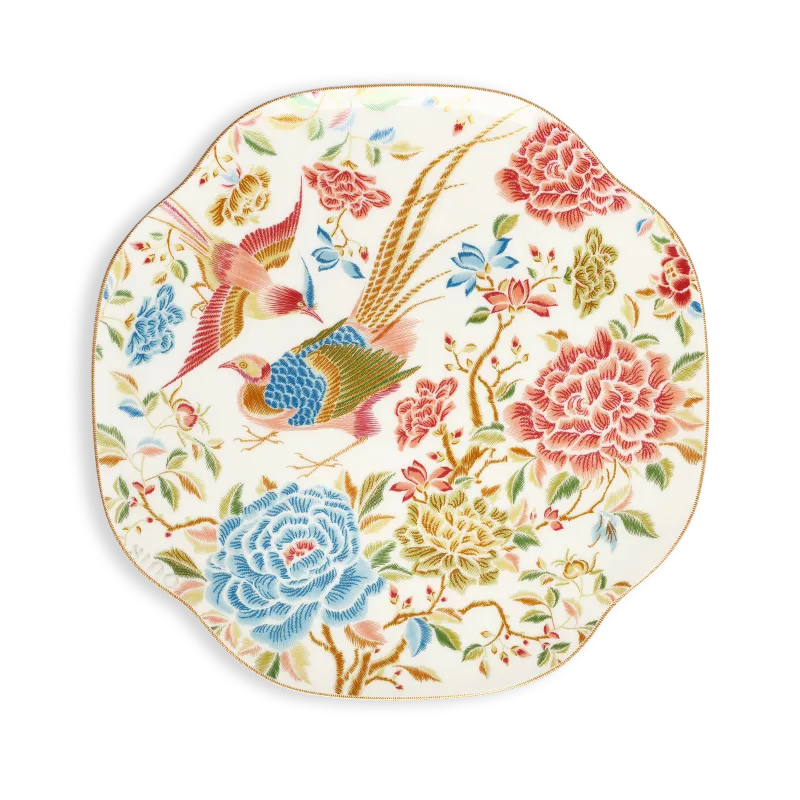
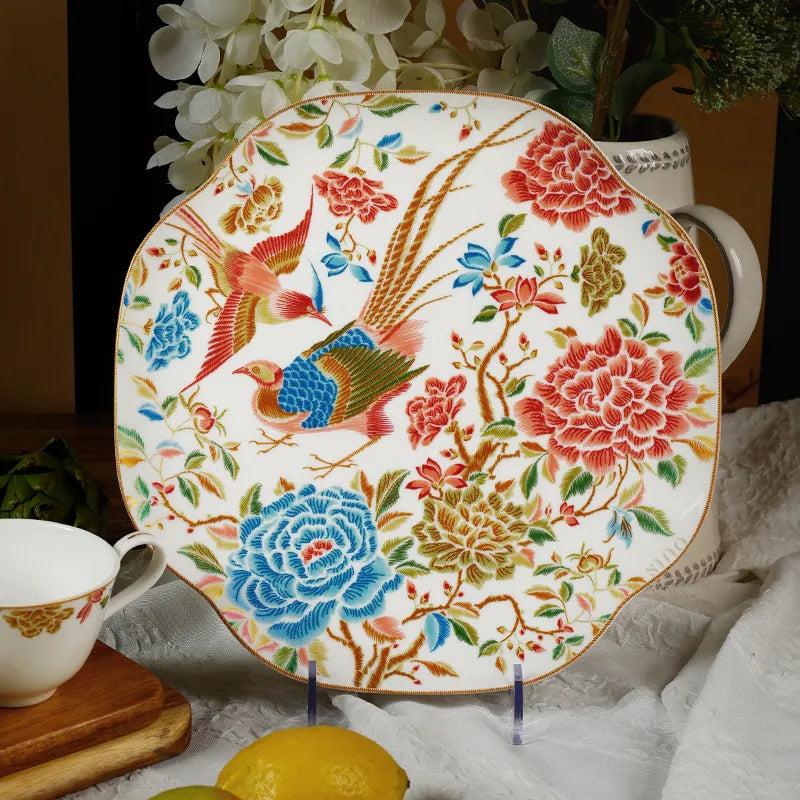
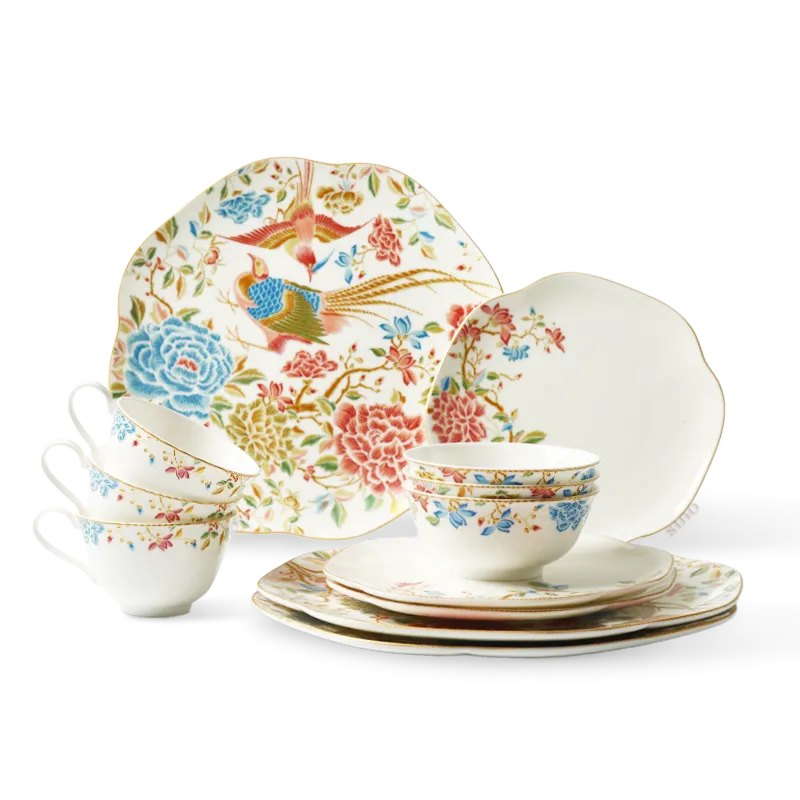
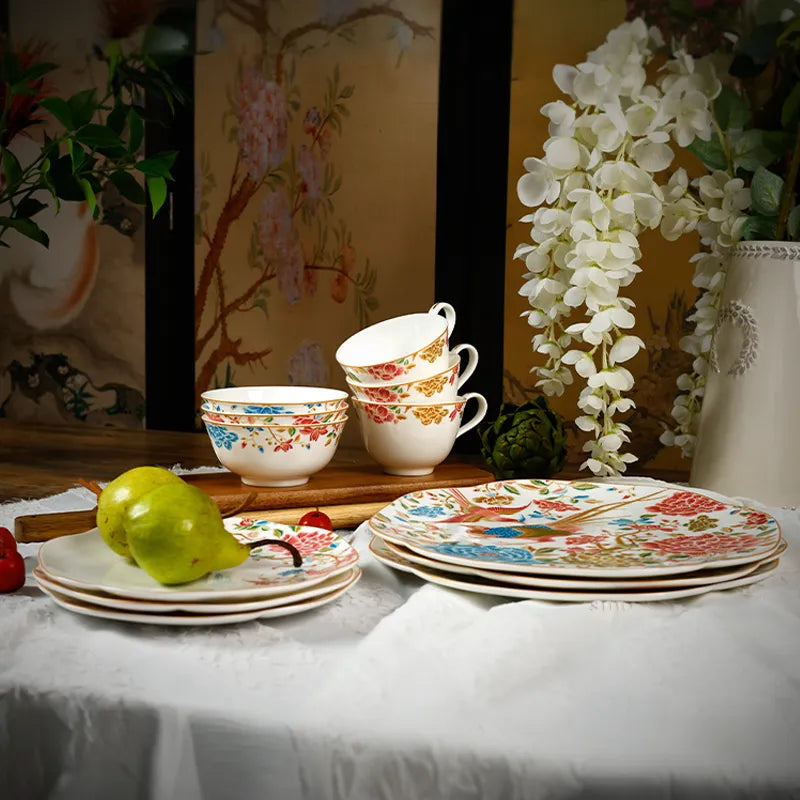
Chinese porcelain was never meant to stay frozen in ancient imperial kilns. For millennia, owning fine Chinese dinnerware was the ultimate symbol of refined taste and hospitality. At Sinocultural, we translate the legendary glazing artistry of Jingdezhen and Qing court aesthetics into modern, translucent Bone China Dinnerware Sets—bringing imperial elegance into contemporary everyday dining:
The Chinoiserie Bone China Curation
Crafted with over 45% bone meal content for unmatched translucency, chip-resistance, and lustrous enamel detailing.


Elevate your dining space with museum-grade craftsmanship: Explore All SinoCultural Luxury Bone China Sets →
1. Neolithic Age: The Origins of Ancient Chinese Pottery (c. 4000 BCE)
From clay to the first ceramics:
Chinese porcelain traces its roots to the Neolithic period, when early communities shaped clay into practical vessels. These handmade pieces were simple in form and decoration, serving basic needs such as storing food and water. Though modest, they marked the beginning of humanity’s artistic and functional relationship with ceramics.
-
Significance: They served basic needs like food storage, cooking, and water gathering along the Yellow and Yangtze rivers.
-
Artifacts: The Colored Pottery Jar (c. 4000 BCE) highlights humanity’s first artistic relationship with earth and fire, using natural mineral slips to paint swirling geometric motifs.

Colored Pottery Jar (c. 4000 BCE)

Colored Pottery Jar - Bottom (c. 4000 BCE)
2. The Bronze Age (Xia, Shang, Zhou): The Birth of "Proto-Porcelain"
Ceramics inspired by bronze artistry:
With the rise of bronze casting during the Shang and Zhou dynasties, pottery forms and decorations began to imitate metallic ritual vessels. During the Shang dynasty (c. 1600–1046 BCE), proto-porcelain (原始瓷) emerged. Fired at higher temperatures than earthen clay, these vessels featured thin feldspathic glazes in soft green or yellow tones. This technological leap marked the crucial evolutionary bridge toward the translucent, waterproof beauty later associated with Chinese porcelain.

Shang Dynasty Pottery 'Yi' 匜 (Shang Dynasty, BC 2000–BC 221)
3. Qin and Han Dynasties: The Invention of True Porcelain
Expanding scale and artistry:
When was porcelain invented? While proto-types existed earlier, historical consensus affirms that true porcelain matured during the Eastern Han Dynasty (25–220 CE).
The Qin and Han dynasties saw ceramics grow exponentially in both quantity and sophistication. In southern China (particularly the Yue kilns in Zhejiang Province), potters combined fine white Kaolin clay with porcelain stone (petuntse) and fired kilns past 1,200°C. This created fully vitrified, non-porous ceramic bodies that gave a resonant, bell-like ring when tapped.
New types appeared across the empire, such as green-glazed stoneware and painted pottery. Excavations from imperial sites like the Mawangdui tombs in Changsha reveal how ceramics were not just practical kitchen containers, but profound cultural symbols of rank, spiritual ritual, and afterlife protection.

Green Glazed Pot (Western Han Dynasty, 206 BCE–25 CE)

Green-glazed Ceramic Zhong (Han Dynasty, 206 BCE–220 CE)
What Was Porcelain Used for in Ancient China? (Sacred to Everyday Uses)
Throughout Chinese history, porcelain served three essential cultural functions:
- Imperial Rituals & Ancestral Sacrifices: Early porcelain was shaped into ritual vessels (vases, incense burners, ewers) used by emperors and high priests to offer wine and grain to Heaven, Earth, and ancestors. In royal tombs, glazed ceramic sculptures (mingqi 冥器) guaranteed status in the afterlife.
- Elevated Daily Living & the Tea Culture: As tea drinking evolved into an aristocratic art form during the Tang and Song dynasties, porcelain became an extension of philosophical living. Scholar-officials selected specific glazes—such as white Xing ware to highlight tea redness, or celadon Yue ware to complement green tea foam.
- Global Diplomatic Tribute & Maritime Silk Road Currency: Beyond China's borders, porcelain was prized as "White Gold." Emperors bestowed fine porcelain onto visiting foreign envoys as imperial favors, while merchant junks traded thousands of celadon and blue-and-white bowls across Southeast Asia, the Middle East, and Europe.
4. Sui and Tang Dynasties: The Era of Tang Sancai
The rise of celebrated kilns and Tang Sancai (three-colored ware):
The Sui and Tang periods are remembered as a golden era for Chinese ceramics. Kilns such as Yue (越) ware in Zhejiang produced jade-green celadon, while Xing (邢) ware in Hebei achieved pristine white porcelain. Most iconic was Tang Sancai (Three-Colored Ware), utilizing lead glazes tinted with copper, iron, and cobalt to produce lively splashes of amber-yellow, forest-green, and creamy white. Reflecting the cosmopolitan spirit of Tang Chang'an, Sancai figurines of camel caravans and foreign merchants became prized luxury exports along the overland Silk Road.


5. Song and Yuan Dynasties: Minimalist Elegance to Blue-and-White
From the Five Great Kilns to blue-and-white porcelain:
-
The Song Dynasty (960–1279): Known for peak understated elegance and Daoist harmony. The Five Great Kilns (Ru 汝, Guan 官, Ge 哥, Jun 钧, and Ding 定) produced monochrome masterpieces focusing on jade-like glaze textures and organic shapes rather than painted decoration. Simultaneously, Jingdezhen emerged with exquisite Qingbai (shadow-blue) wares.
-
The Yuan Dynasty (1271–1368): A dramatic aesthetic revolution occurred with the perfection of Underglaze Blue-and-White Porcelain (青花瓷). Using imported Persian cobalt pigment (Sumali Blue 苏麻离青), artisans painted high-contrast dragons, peonies, and aquatic motifs that became the global visual signature of Chinese civilization.


6. Ming and Qing Dynasties: Porcelain as Global Luxury
Porcelain as global luxury:
- Ming Dynasty: Solidified Jingdezhen as the undisputed porcelain capital of the world. Imperial kilns crafted brilliant blue-and-white masterpieces alongside polychrome innovations like Doucai (斗彩) and Wucai (五彩).
- Qing Dynasty: Reached the absolute technical apex of ceramic chemistry under Emperors Kangxi, Yongzheng, and Qianlong. Master artisans pioneered Famille Rose (粉彩), Falangcai (珐琅彩 / imperial cloissone enamels), and sacrificial monochrome glazes like deep crimson Ji Hong (祭红), sparking an era of global Chinoiserie obsession across European palaces.


Pottery vs. Stoneware vs. True Porcelain vs. Bone China: The Definitive Guide
In modern ceramics and tableware selection, fabrics and clays are defined by their firing temperatures, chemical vitrification, and water absorption rates. Review the industrial-grade comparison below:
| Ceramic Type | Firing Temperature | Core Raw Materials | Water Absorption | Key Performance & Best Uses |
|---|---|---|---|---|
| Earthenware / Pottery (陶器) |
800°C – 1050°C (Low-fire) |
Coarse natural earthenware clay, iron-rich earths |
> 10% (Highly porous) |
Earthy, opaque, rustic texture. Needs thick glaze to hold liquids (Terracotta pots, decorative vases). |
| Stoneware (炻器 / 炻瓷) |
1150°C – 1280°C (Medium-High fire) |
Non-refractory fire clay, stone flux, silica |
0.5% – 3% (Semi-vitrified) |
Opaque, substantial weight, chip-resistant. Popular in Nordic rustic tableware, baking dishes, and coffee mugs. |
| Mid-Fire Porcelain (中温日用瓷) |
1180°C – 1240°C (Energy-efficient) |
Feldspar, quartz, modified kaolin body |
< 0.5% (Vitrified) |
Smooth finish with vibrant on-glaze colors. Common in modern mass-produced everyday hotel and household plates. |
| High-Fire True Porcelain - Jingdezhen Porcelain (高温硬质瓷) |
1280°C – 1350°C+ (Traditional Jingdezhen) |
Refined Kaolin clay + Petuntse (porcelain stone) |
< 0.2% (Fully vitrified) |
Pure vitreous glass-like body, resonant metallic ring, cold white hue. Historically revered as imperial "White Gold." |
| Fine Bone China (骨质瓷) |
Dual-Fire Process: • Biscuit: 1200°C – 1280°C • Glost: 1050°C – 1150°C |
Kaolin clay + Feldspar + 40%–45% Bovine Bone Ash |
< 0.1% (Impermeable) |
Warm milky-ivory glow, superior translucency under light, exceptional tensile strength despite being ultra-thin and light. |
Want to know more about how to choose for your daily use? Read our: Bone China vs. Porcelain: Which is Better for Everyday Use?
7. Modern Era: The Evolution into Bone China
History didn't stop in the Qing dynasty. In the modern era, porcelain continues to evolve. Modern master kilns experiment with bone china and contemporary designs, keeping alive a craft that is both historic and innovative.
Known for being thinner, lighter, and far more translucent than traditional hard-paste porcelain, Bone China represents the intersection of ancient craftsmanship and modern luxury. Containing natural bone ash, it provides superior chip resistance, a warm milky-white translucency under candlelight, and a smooth tactile feel that elevates any dining experience.

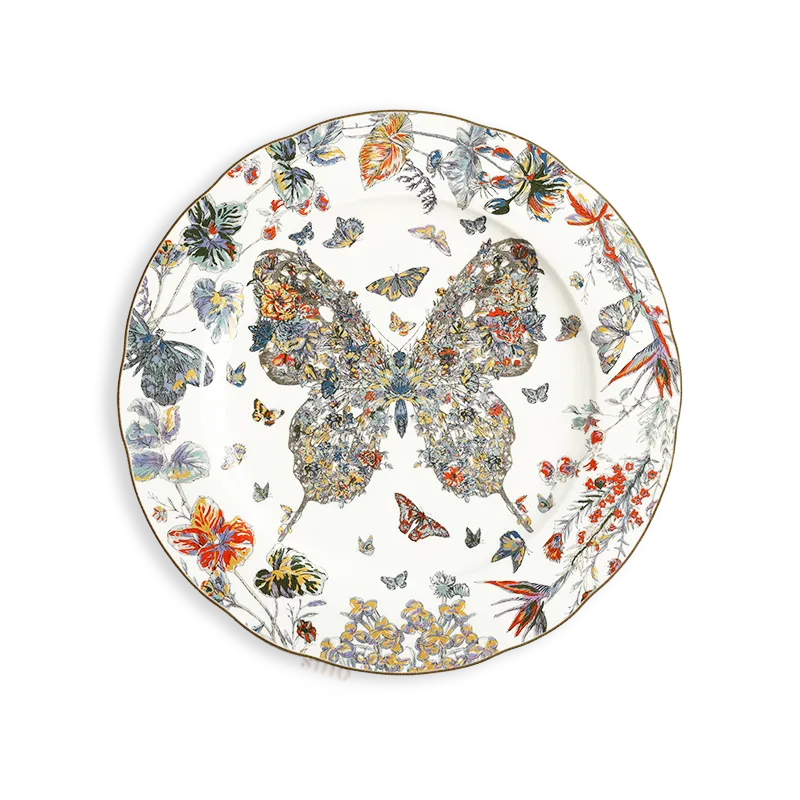
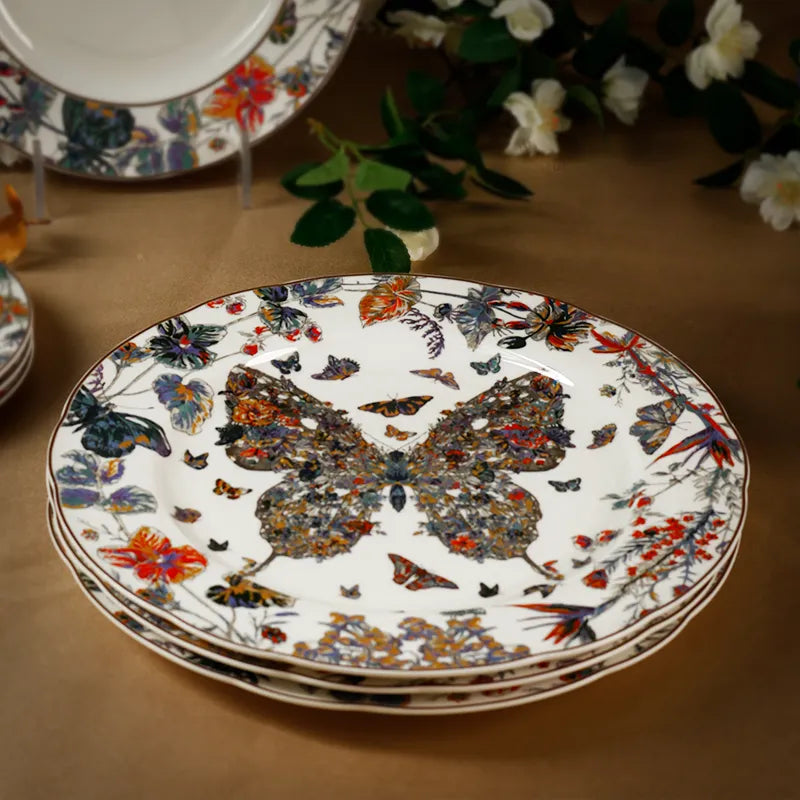
Chinoiserie Luxury Bone China Dinnerware Set (Hundred Butterflies Series)

Conclusion: Bringing History to Your Table
The story of Chinese porcelain is a journey from simple Neolithic clay to the refined luxury of the imperial courts. At Sinocultural, we honor this thousands-year-old legacy by curating Bone China collections that fit the modern home.
[Explore Our Modern Bone China Collection Here]
When you use our bone china dinnerware, you aren't just setting a table; you are partaking in a history of artistry that has been perfected over millennia.
FAQ: Common Questions About Chinese Porcelain History
Q: When was porcelain invented in China, and during which dynasty?
A: While proto-porcelain emerged in the Shang Dynasty (c. 1600 BCE), true vitrified porcelain was invented in China during the Eastern Han Dynasty (25–220 CE). Historically, Chinese arts and crafts had decisively entered the era of true porcelain by the Han and Tang dynasties.
Q: What was porcelain used for in ancient China?
A: In ancient China, porcelain was used for imperial ancestral sacrifices and temple ritual vessels, daily aristocratic tea and wine ceremonies, burial guardian artifacts (mingqi), and as a premier trade currency along the Maritime Silk Road.
Q: What is the most famous type of Chinese porcelain?
A: Blue-and-White porcelain (Qinghua) from the Yuan and Ming dynasties is arguably the most famous and universally recognized style worldwide. During the Qing Dynasty, imperial polychrome enamels like Famille Rose (粉彩) and Falangcai (珐琅彩) also reached historic global renown.
Q: What is the difference between pottery and porcelain?
A: The main differences lie in raw material, vitrification, and firing temperature: Pottery is molded from coarse clay and fired at lower temperatures (800°C–1000°C), leaving it porous and opaque. True porcelain uses refined Kaolin clay mixed with petuntse and is fired past 1200°C, producing a completely non-porous, waterproof, translucent ceramic body that rings when struck.
Q: Why is porcelain called "china" in English?
A: Because China held a complete technological monopoly on true porcelain for over a thousand years, European traders in the 16th and 17th centuries began referring to the exquisite imported tableware simply by its country of origin: "china."