Skip to content






When selecting luxury tableware for a wedding registry or upgrading your home dining experience, do terms like “Fine Bone China,” “High-Temperature Porcelain,” and “Jingdezhen Masterpieces” leave you confused? With their vastly different price points and varied marketing claims, discerning the true differences is crucial.
 What sets these ceramic giants apart? Is bone china really better than porcelain? This comprehensive guide provides a thorough breakdown, helping you make the most informed choice based on your needs for daily durability, ceremonial aesthetics, or art investment.
Part 1: The Essential Differences – A Spectrum of Value from Tabletop to Gallery
These three categories are not simply a hierarchy of quality but exist on different dimensions of value. Understanding the composition and history of ceramics is the first step.
1. Bone China – The British Innovation in Fine Dining
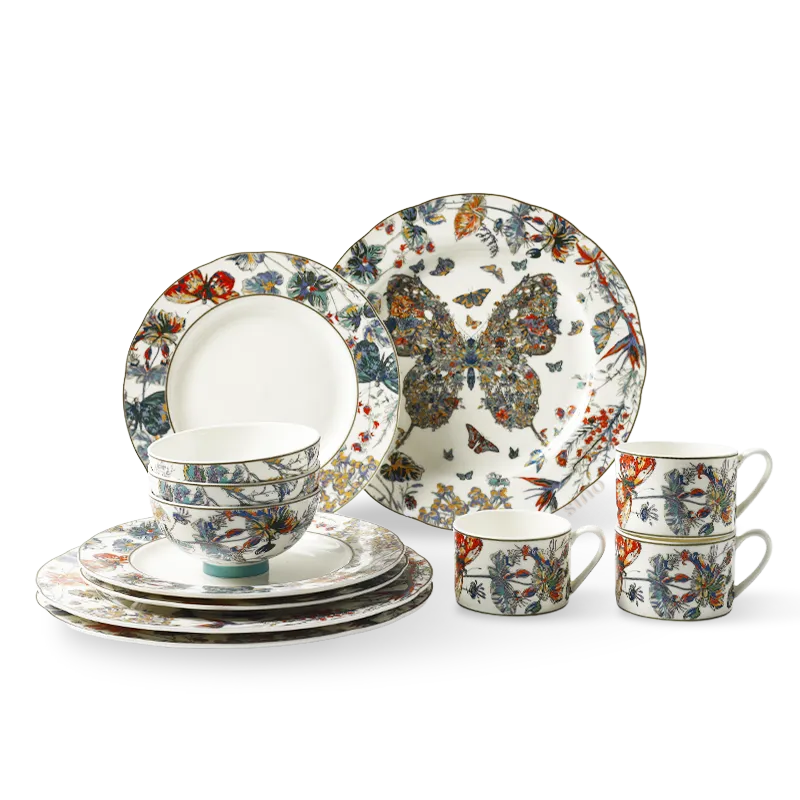
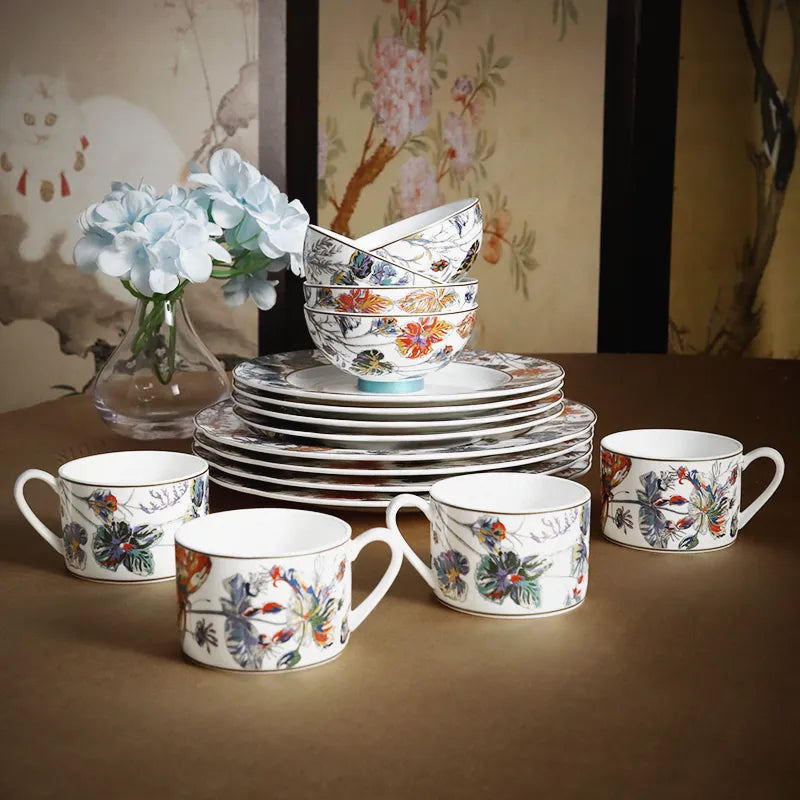
Often referred to as Fine Bone China, this material originated in late 18th-century England. As Chinese export porcelain captivated European aristocracy via maritime trade, British potters sought to replicate its allure. Their breakthrough innovation was adding a high percentage of calcined animal bone ash (typically herbivore bones) to the clay mixture.

-
Key Characteristic: The bone ash (usually over 30%) creates a material that, after high-temperature firing, gains a distinctive milky whiteness and unparalleled translucency.
-
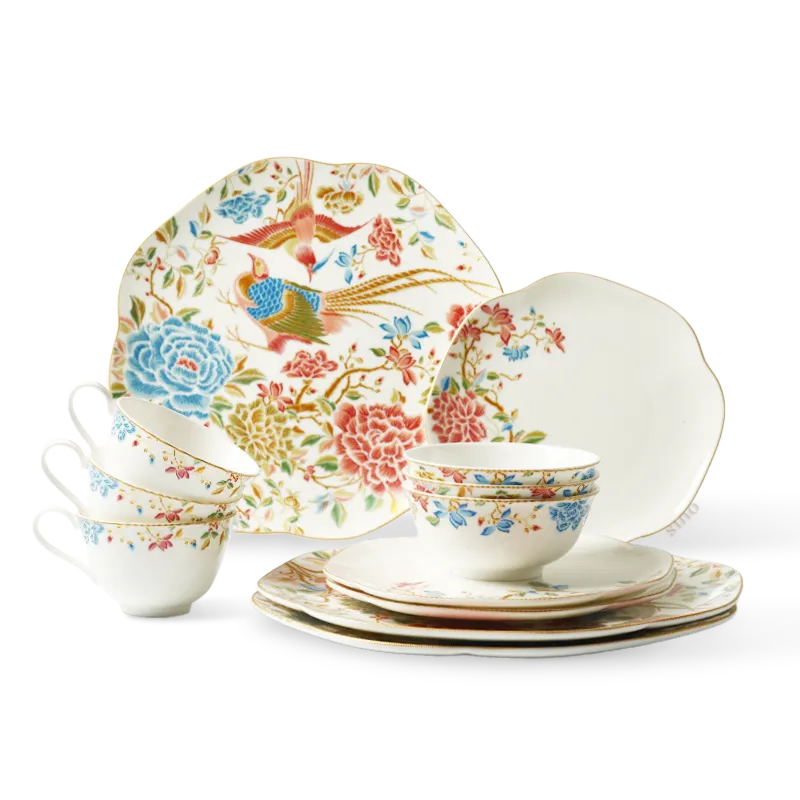
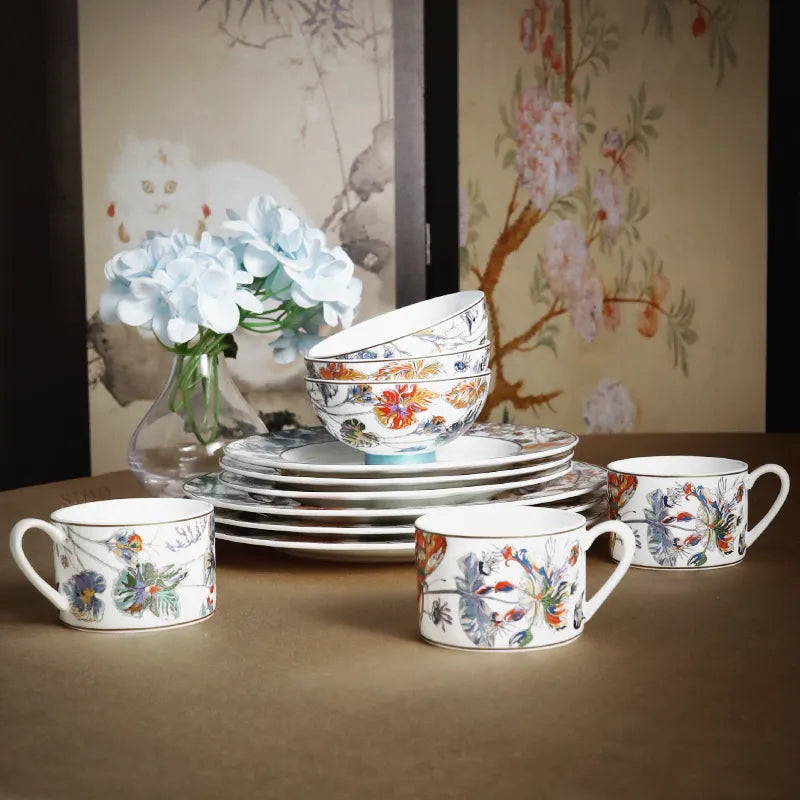
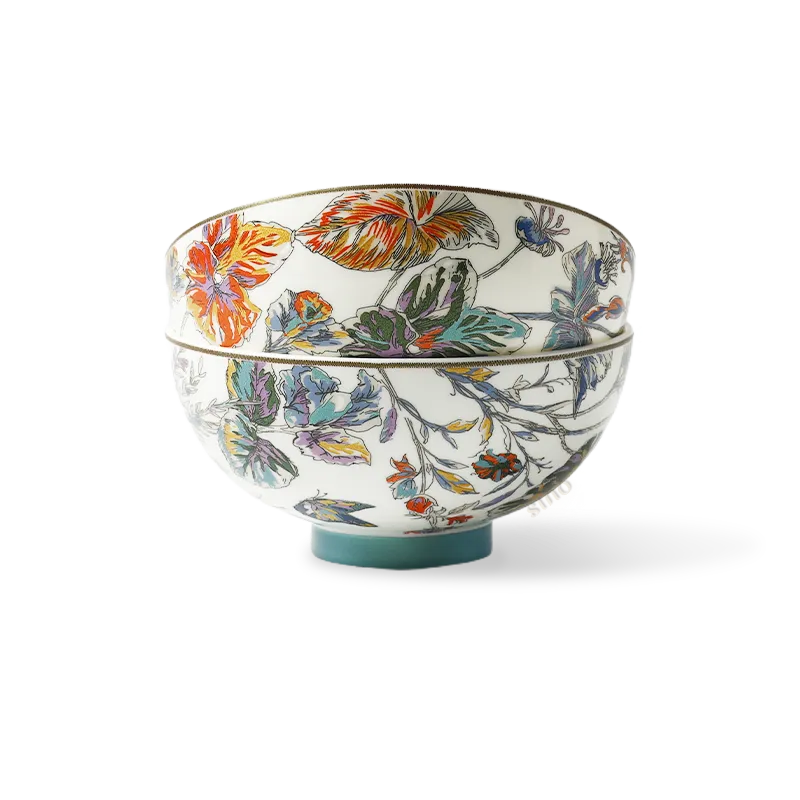
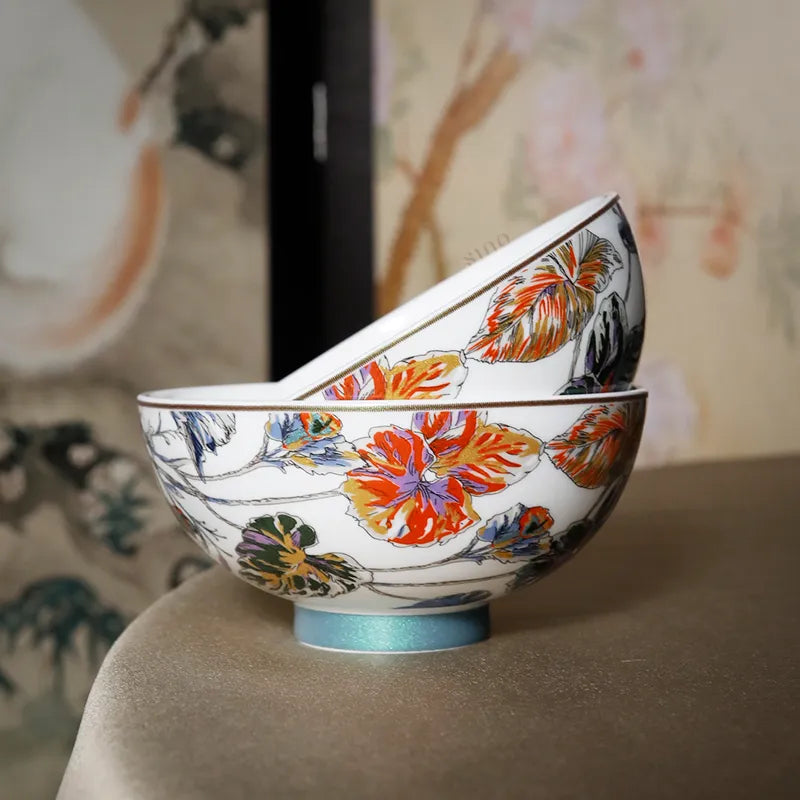
Why it’s prized: Often called "the white gold of porcelain," bone china is whiter, finer, significantly more translucent, and physically lighter than standard ceramics, making it the top choice for high-end afternoon tea sets.
Did You Know? regarding Bone Ash Content Standards: International standards typically require a minimum of 30% bone ash to be labeled "bone china," while premium global brands often boast a 45% bone ash content, resulting in superior durability and brightness.

2. Porcelain – Millennia of Eastern Wisdom
What is Porcelain? Porcelain originated in China, with its birth dating back to the Eastern Han Dynasty over 2,000 years ago. This undeniable history makes China the earliest birthplace of porcelain, a legacy forever reflected in the English word “China.”
More about Chinese porcelain history? Read our: The History of Chinese Porcelain: From Neolithic Pottery to World-Famous

Porcelain represents a sophisticated evolution from primitive earthenware. Historically, archaeologists mark the beginning of China's porcelain age with the discovery of mature celadon shards in Shangyu, Zhejiang. This archaeological evidence proves the advanced state of early ceramic technology.

-
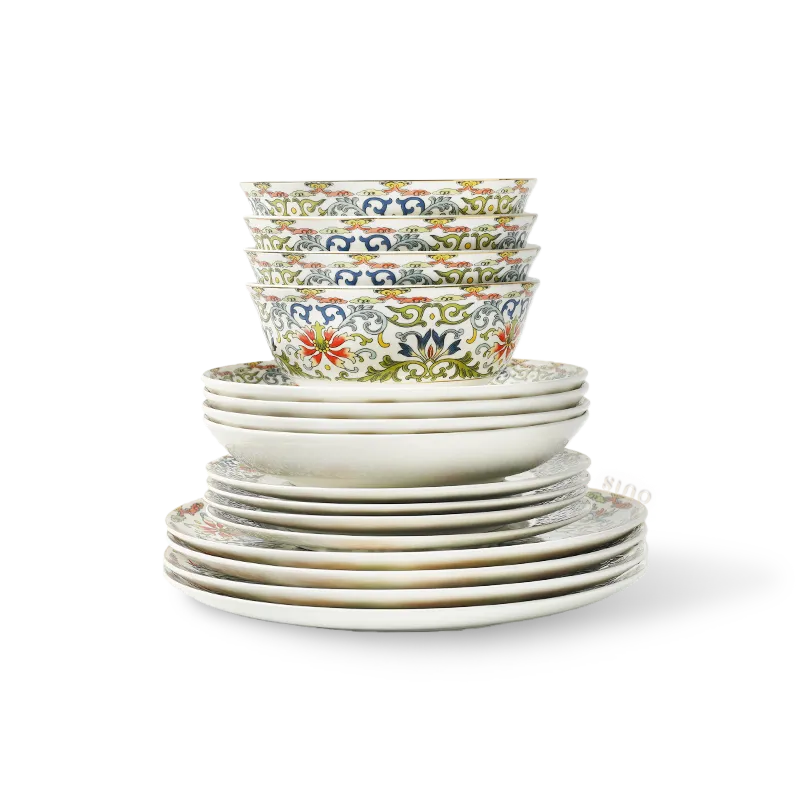
Material & Craft: Made from kaolin clay, quartz, and feldspar and fired at soaring temperatures above 1200°C (2190°F), it becomes hard, resonant when struck, and completely non-porous.

-
Cultural Spirit: Traditional porcelain is not just a material; it embodies a perfect fusion of Eastern elegance and a resilient spirit.
-
The Gold Standard: While porcelain is now produced worldwide, the finest historical and artistic lineage hails from Jingdezhen, universally recognized as the “Millennium Porcelain Capital.”
3. Jingdezhen Porcelain – The Soul of Eastern Art Collecting
When we discuss Jingdezhen Porcelain in a high-value context, we refer to top-tier artistic masterpieces, not mass-produced souvenirs. This is the pinnacle of a thousand-year-old unbroken craft, representing profound cultural heritage.
-
Investment Value: Its worth is determined not solely by material or function but by the artist's reputation (National Masters), technical difficulty, artistic originality, and historical scarcity.
-
Market Position: It serves as a functional “hard currency” in the art world. Unlike standard dinnerware, these are vessels for cultural heritage.

Part 2: Direct Comparison – Nuances in Characteristics and Experience
For buyers deciding between bone china vs. porcelain, this comparison highlights the tactile and visual differences.
Enhancing life's rituals and western dining elegance.
The sturdy foundation of daily family meals.
A vessel for cultural heritage and asset appreciation.
Superior translucency, often features gilding.
Exquisite hand-painting, unique kiln effects.
~25% lighter than standard porcelain.
Value linked to the artist/master.
Afternoon tea, Formal Western dining.
Home art display, Investing.
Part 3: How to Choose? Precise Matching to Your Lifestyle
Selecting the best dinnerware material depends entirely on your usage scenarios.
Choose Bone China if you:
-
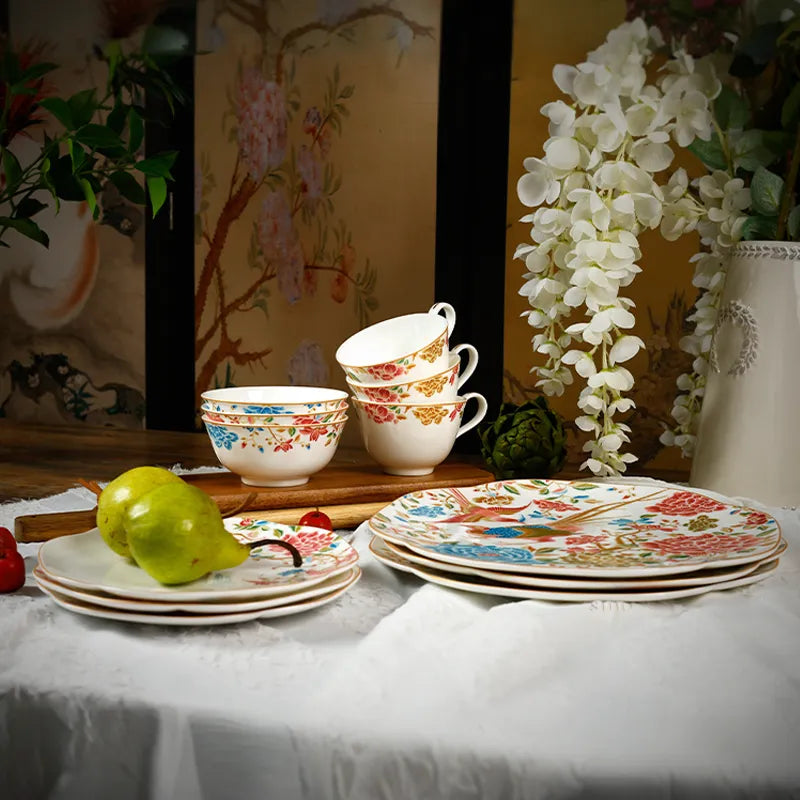
Seek ritual and refined living: There is no substitute for the experience of sipping morning coffee or afternoon tea from translucent bone china cups. It instantly elevates the ambiance.

-
Value a lightweight experience: Especially suitable for the elderly or those who dislike heavy stoneware; it reduces wrist strain during long meals.
-
Need the perfect Wedding or Anniversary Gift: Its unique luster and "white gold" status convey deep thoughtfulness and luxury.
-
Prefer British or Modern Minimalist styles: The milky base provides the perfect canvas for simple florals or 24k gold rim accents.

Choose High-Quality Porcelain if you:
-
Prioritize everyday durability: Ideal for families with children where frequent washing and heavy use are the norm.
-
Prefer Chinese or Asian dining habits: Excellent for holding hot soups or steamed dishes due to its thicker body, offering superior heat retention.
-
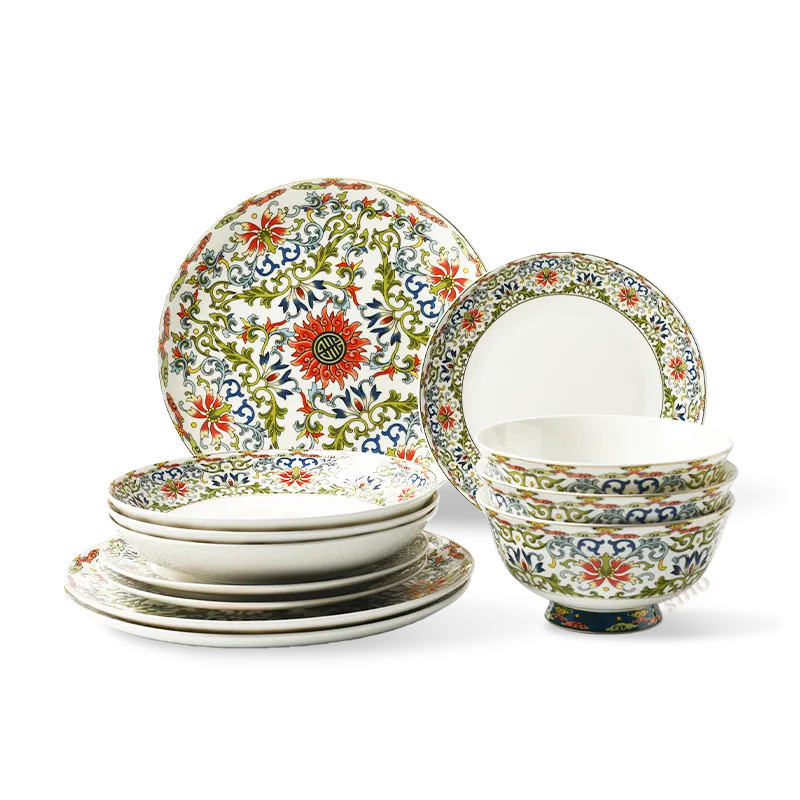
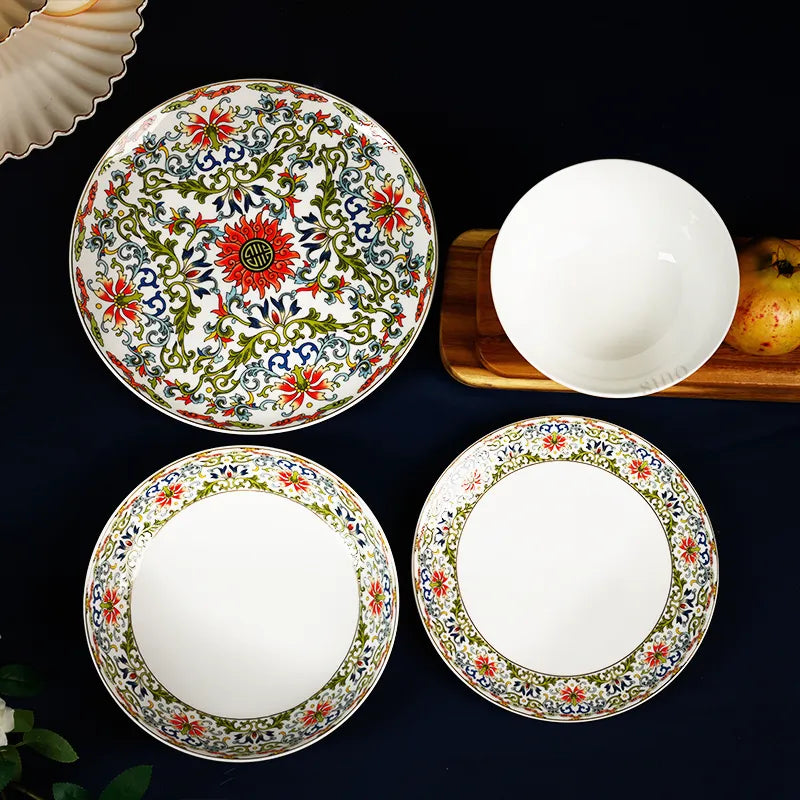
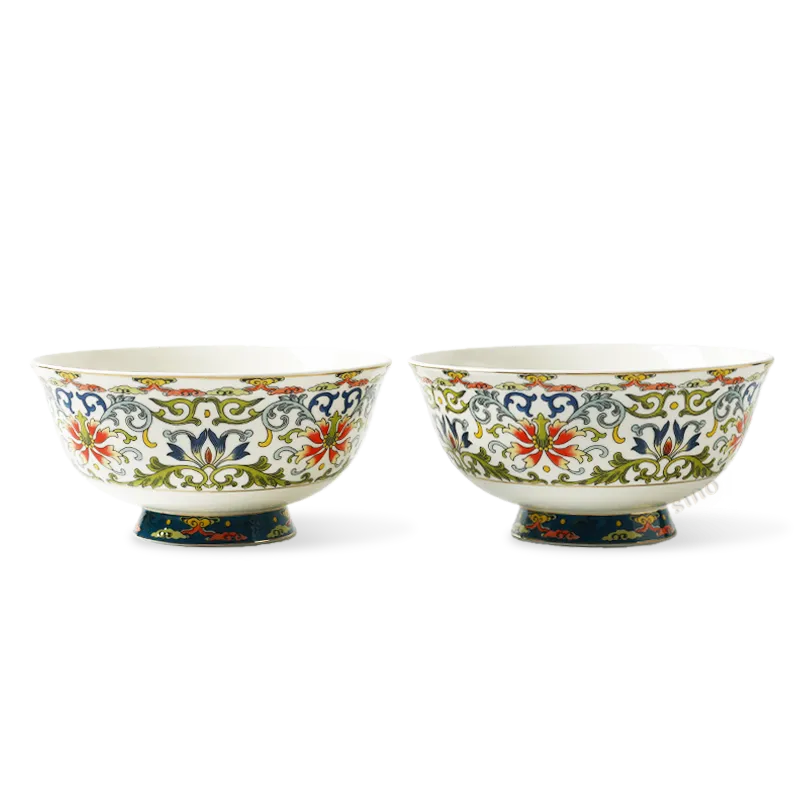
Desire rich colors and underglaze patterns: Porcelain's ability to take vibrant, high-temperature glazes suits those who love bold, traditional motifs (like Blue and White porcelain).
-
Focus on budget-friendly quality: You want a well-coordinated, extensive set without the premium price tag of bone ash content.

Consider Jingdezhen Porcelain (Artistic Grade) if you:
-
Seek unique artwork: You appreciate ceramics as collectibles that carry culture and craftsmanship, rather than just tools for eating.
-
Require a gift of profound meaning: Perfect for honoring VIPs or commemorating significant milestones, demonstrating unparalleled sincerity and taste.
-
Engage in asset allocation: You understand the Chinese art market, the artist's standing, and view the purchase as an “elegant investment” for the future.

Part 4: Care & Use – Debunking Myths and Proper Maintenance
Keywords: Is bone china dishwasher safe? How to clean fine china? Bone china durability.
Common Myth: “Is bone china inevitably delicate and hard to care for?”
Fact: This is a misconception. Modern high-quality bone china is remarkably durable. The bone ash actually adds strength to the clay body, making it less brittle than standard porcelain, despite being thinner.

FAQ: Expert Care Tips for Your Tableware
-
Is Bone China Dishwasher Safe?
-
Yes, mostly. Both porcelain and bone china are generally dishwasher safe. However, always use a gentle cycle (low heat) and liquid detergent.
-
Caveat: If your vintage bone china has gold or platinum bands, hand washing is safer to prevent the metal from fading over time.
-
-
Can I use it in the Microwave or Oven?
-
Microwave: High-quality porcelain is microwave safe. Bone china is also microwave-safe UNLESS it has metallic decoration (gold/silver rims). Metal causes sparking.
-
Oven: Generally, fine china is not recommended for oven cooking unless specified by the manufacturer.
-
-
How to prevent cracking (Thermal Shock)?
-
Never pour boiling water directly into a piece just taken from a cold cabinet or freezer. Extreme temperature changes are the enemy of all ceramics.
-
-
How to store fine china safely?
-
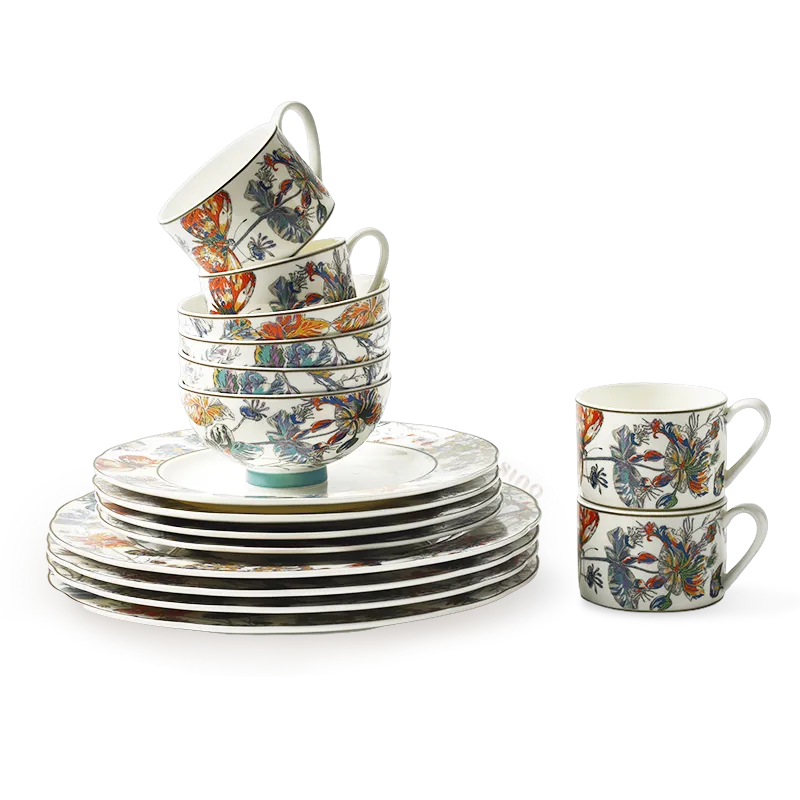
When stacking plates or bowls, place a soft cloth, napkin, or felt pad between items. This prevents the unglazed foot of the top plate from scratching the glazed surface of the bottom plate.
-
Conclusion: Make the Perfect Choice in the Right Dimension
Ultimately, the choice isn't about what's "better," but what's right for your table.
-
Bone China is the refined companion that brightens the everyday with elegance and light.
-
High-Quality Porcelain is the reliable, sturdy friend providing constant, quiet support.
-
Jingdezhen Porcelain is the artistic mentor, an heirloom to be passed down and contemplated.

As a seller specializing in high-end tableware, we understand the unique value behind each category. We offer not just products, but solutions that match your lifestyle and aspirational needs. Specifically, as experts in fine bone china sets, we firmly believe:
A fine bone china set is more than a vessel for food; it is the artwork that illuminates your table, an emotional heirloom worthy of being passed down. Our curated collections honor classic craftsmanship while enhancing everyday practicality, ensuring elegance is no longer fragile and refinement becomes part of your daily ritual.