Skip to content













Table of Contents
There’s a quiet magic in drinking tea alone—a moment where time slows, aromas linger, and every sip feels like a whisper to the soul. Across the world, tea lovers have shaped their own rituals. In the West, tea may be a casual comfort; but in the East, it is elevated to Cha Dao (The Way of Tea)—an art form, a philosophy, and a way of life.
In Chinese tea culture, the vessel is the heart of the ritual. While teapots are beloved, the Gaiwan (lidded bowl) is the scholar’s choice—versatile, elegant, and honest. Whether you are practicing the skillful Gongfu Cha method or simply enjoying a moment of solitude, the Gaiwan connects you to the leaf like no other vessel.

At Sinocultural, we invite you to step into this serene world. Below, we guide you through the eight poetic steps of the Chinese tea ceremony—a journey where fine porcelain and poetry meet in the palm of your hand.
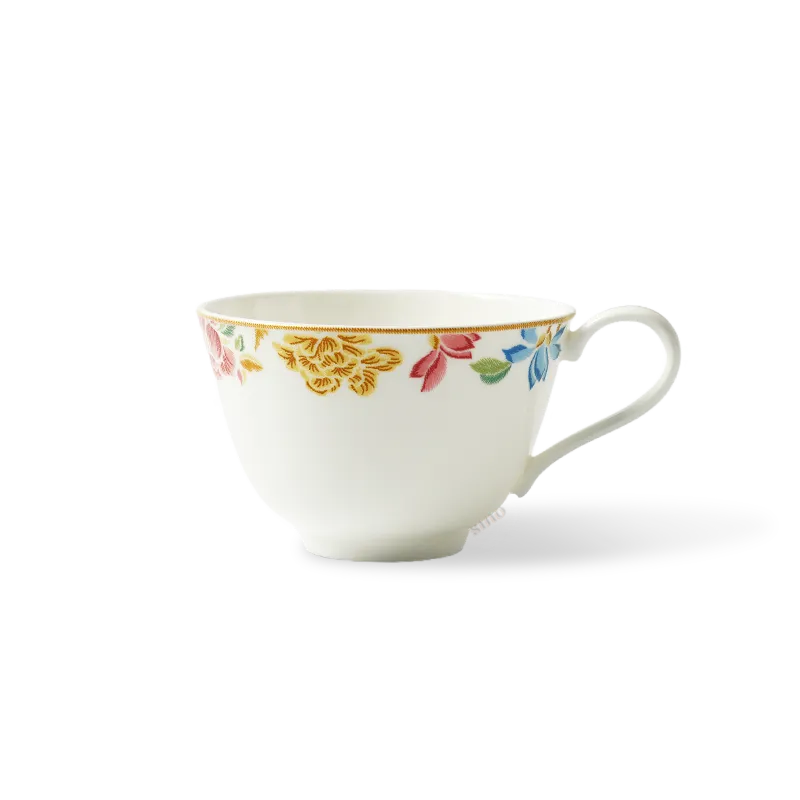
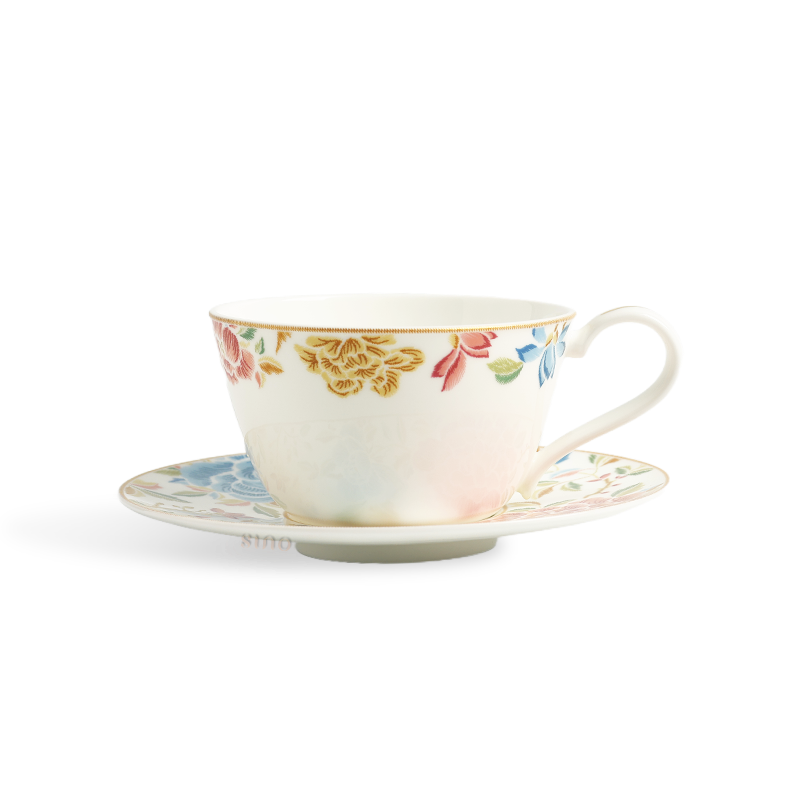
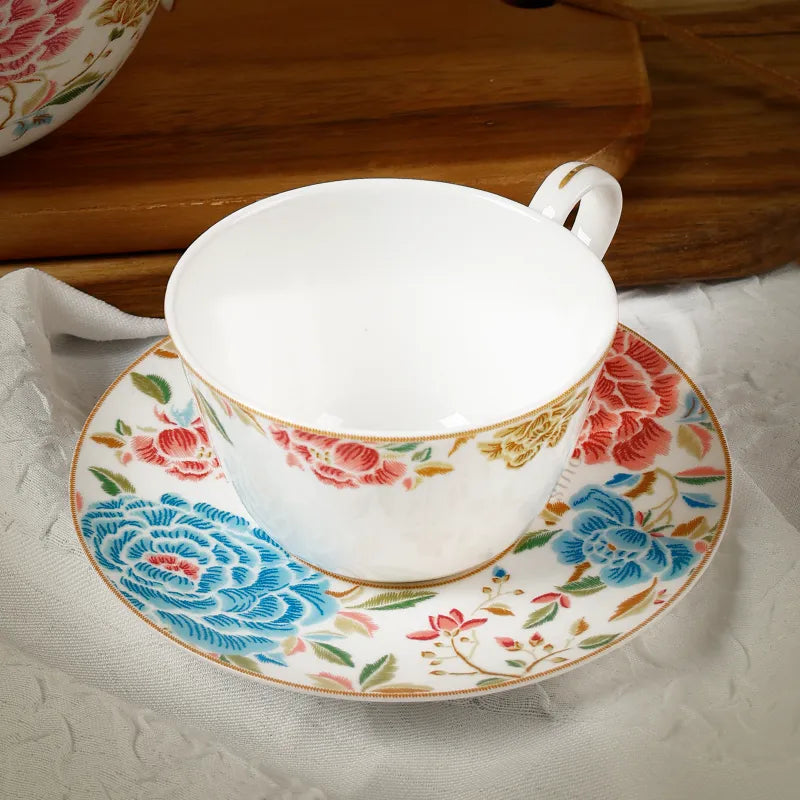
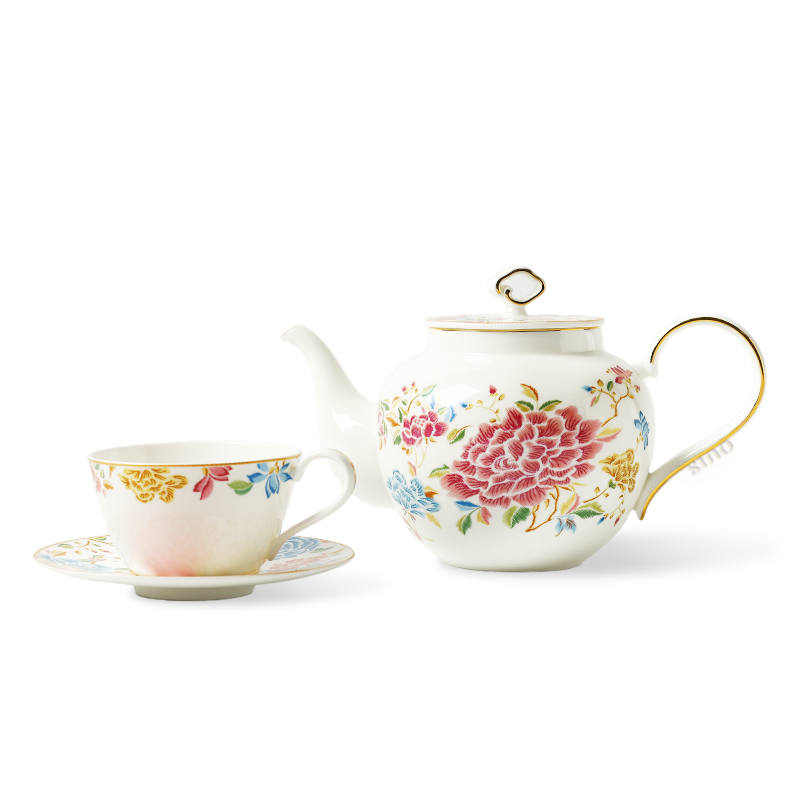
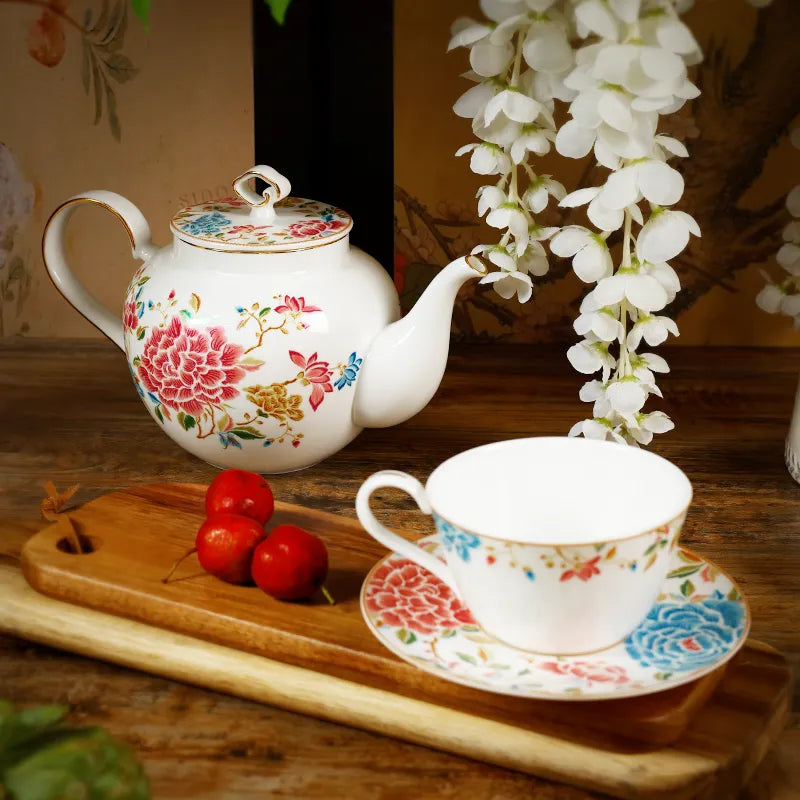
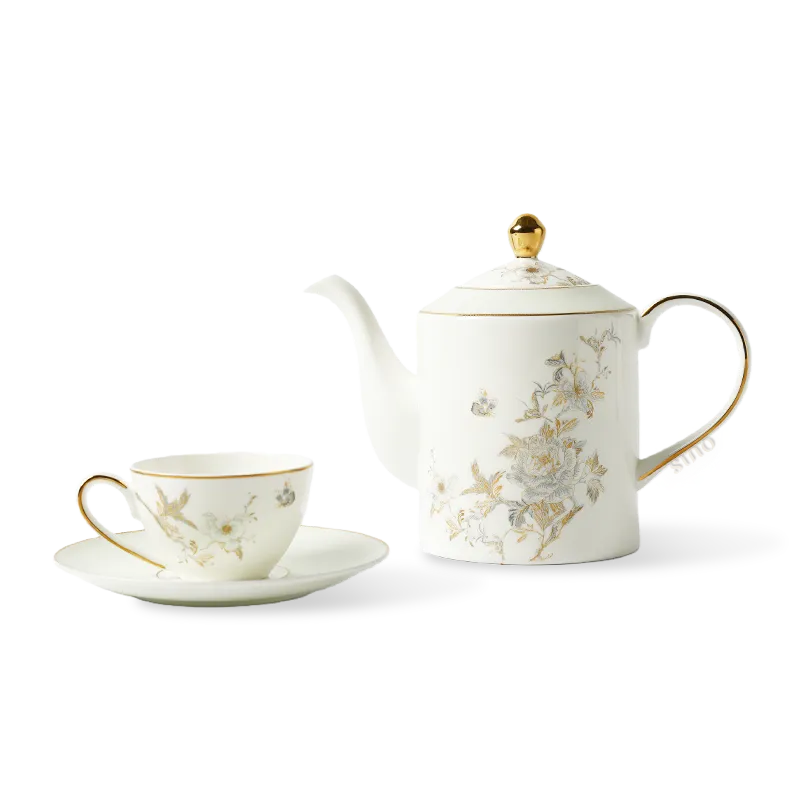
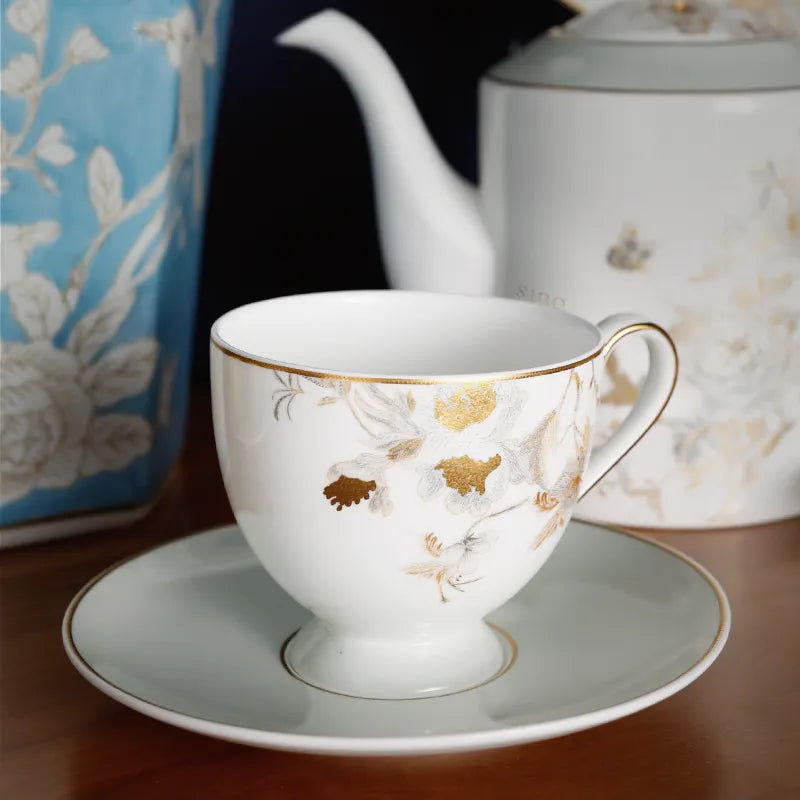
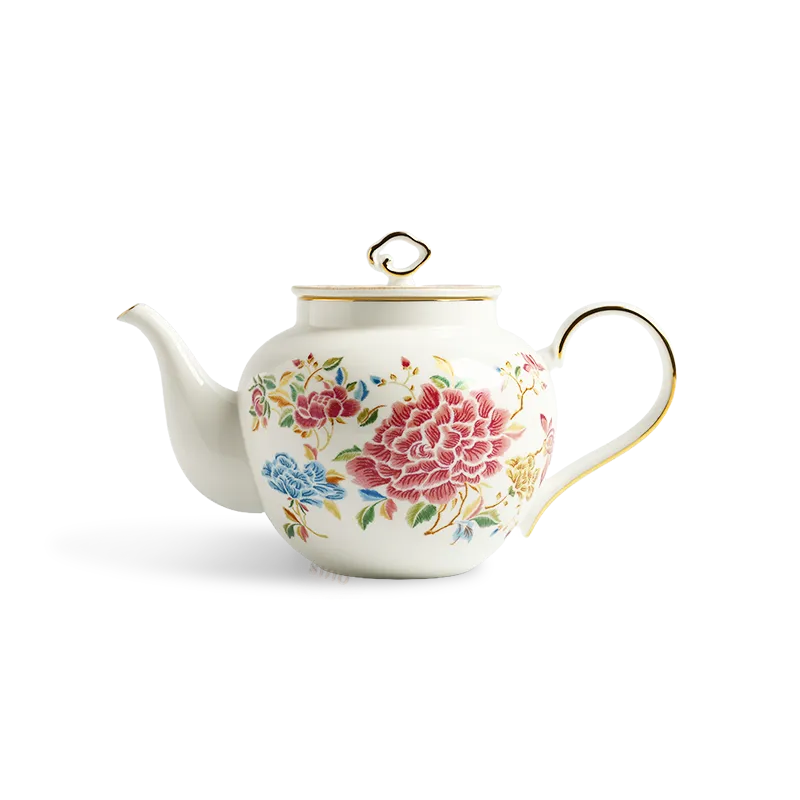
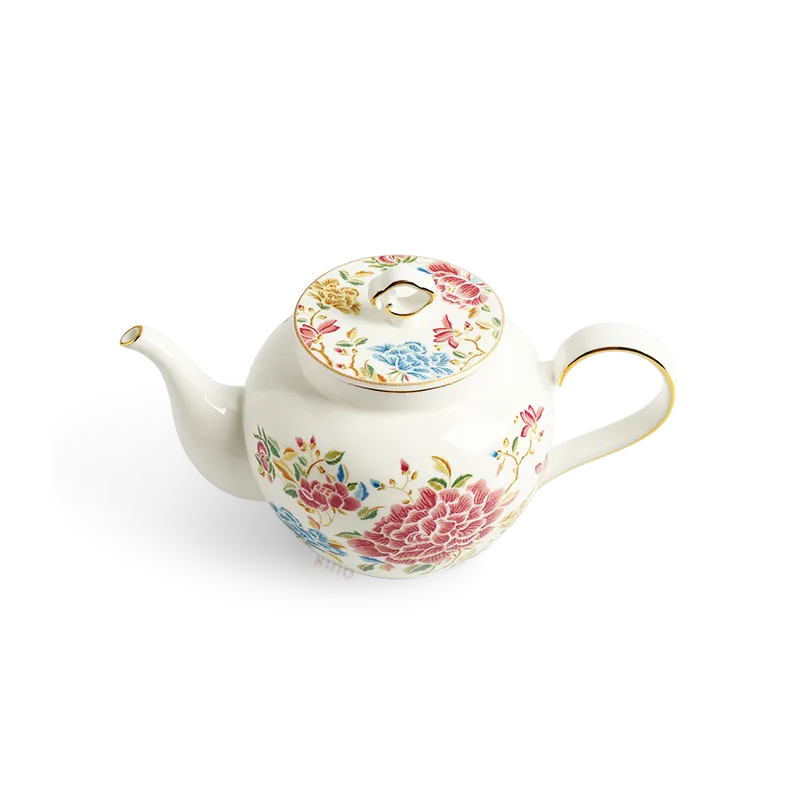
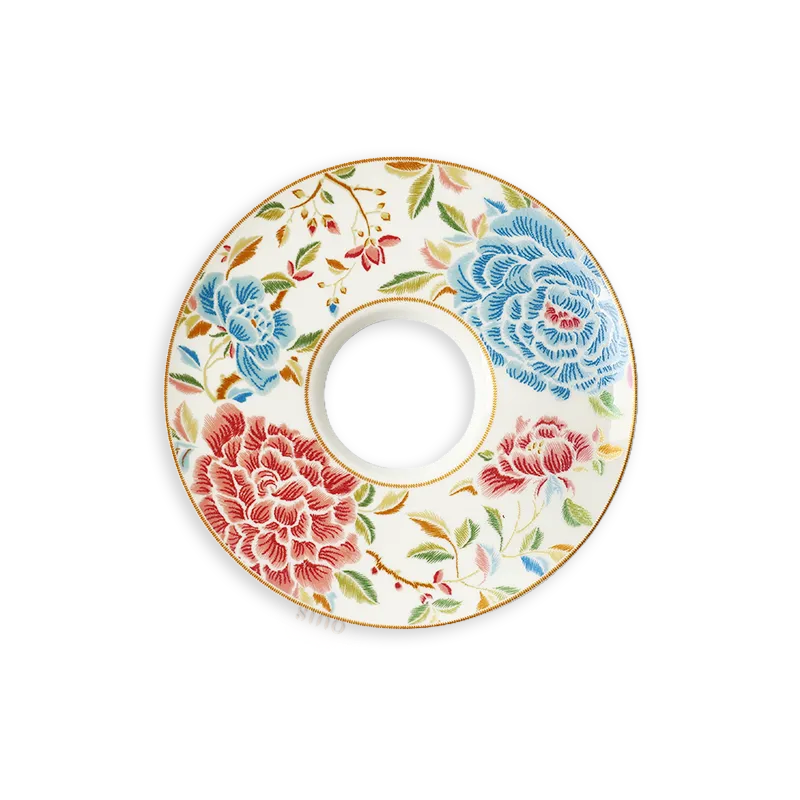
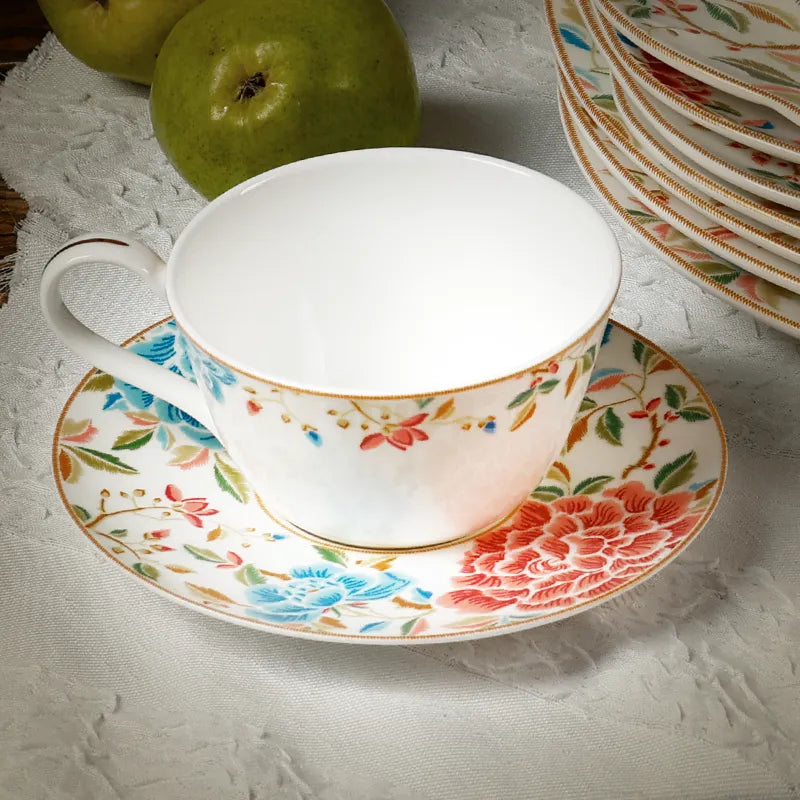
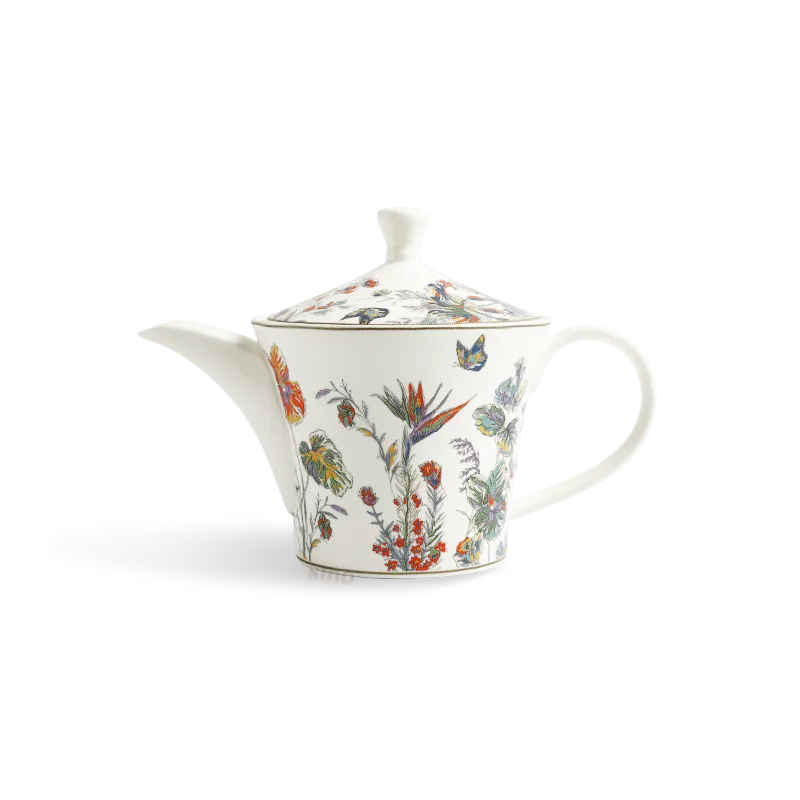
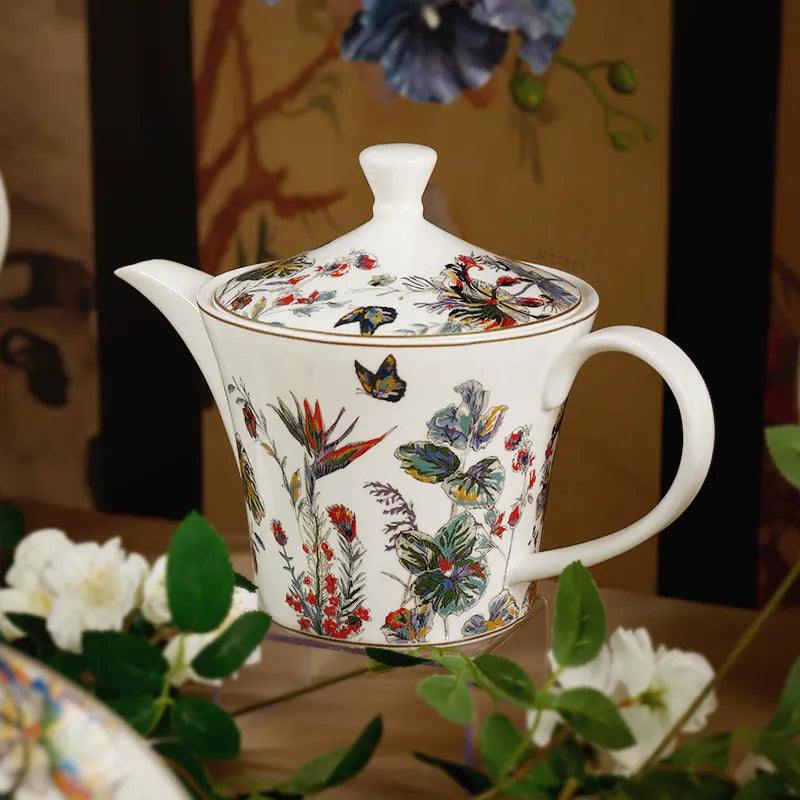
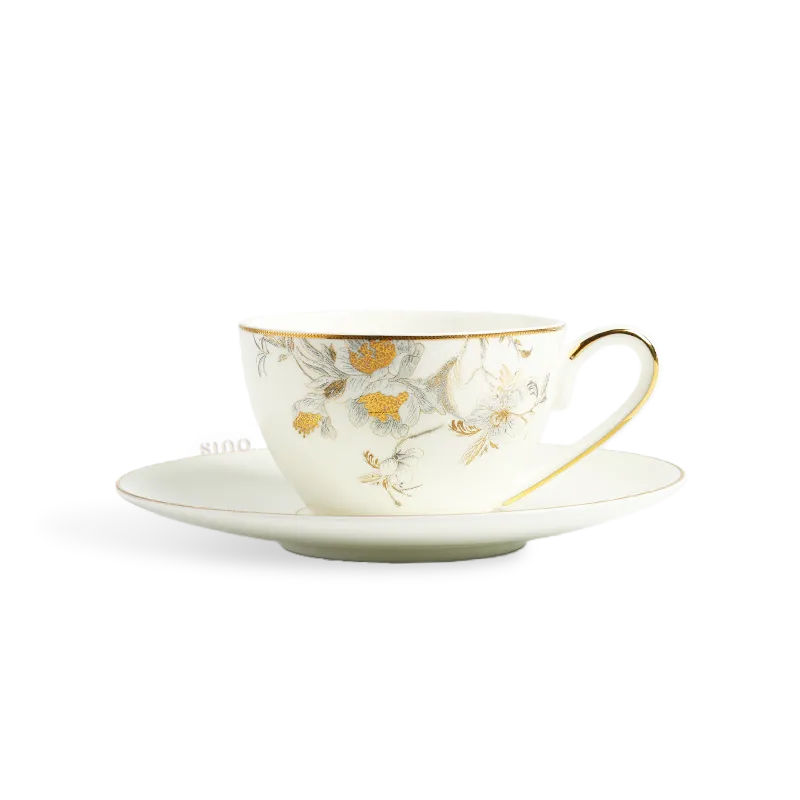
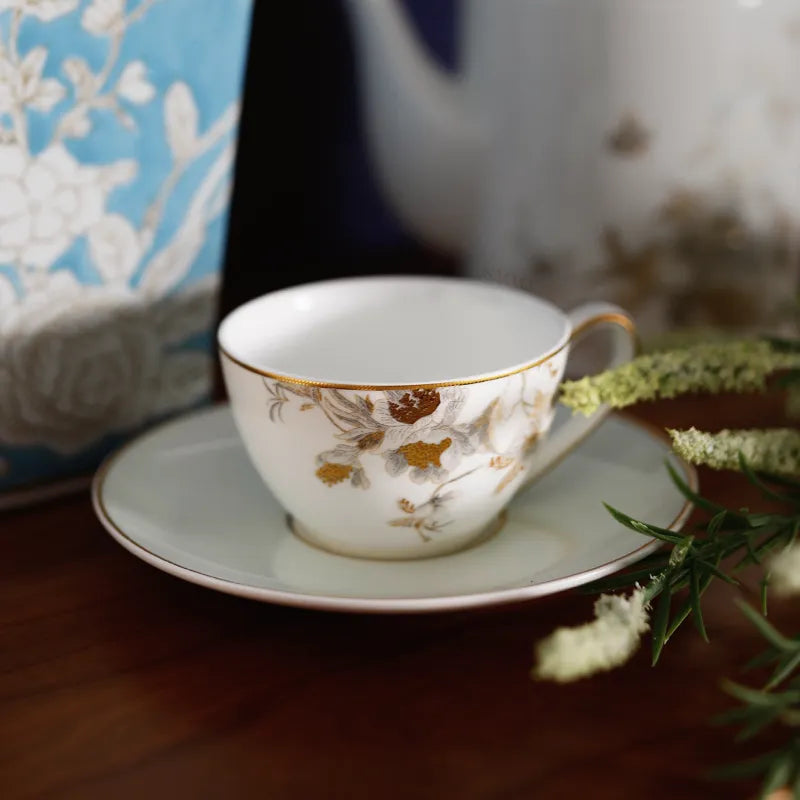
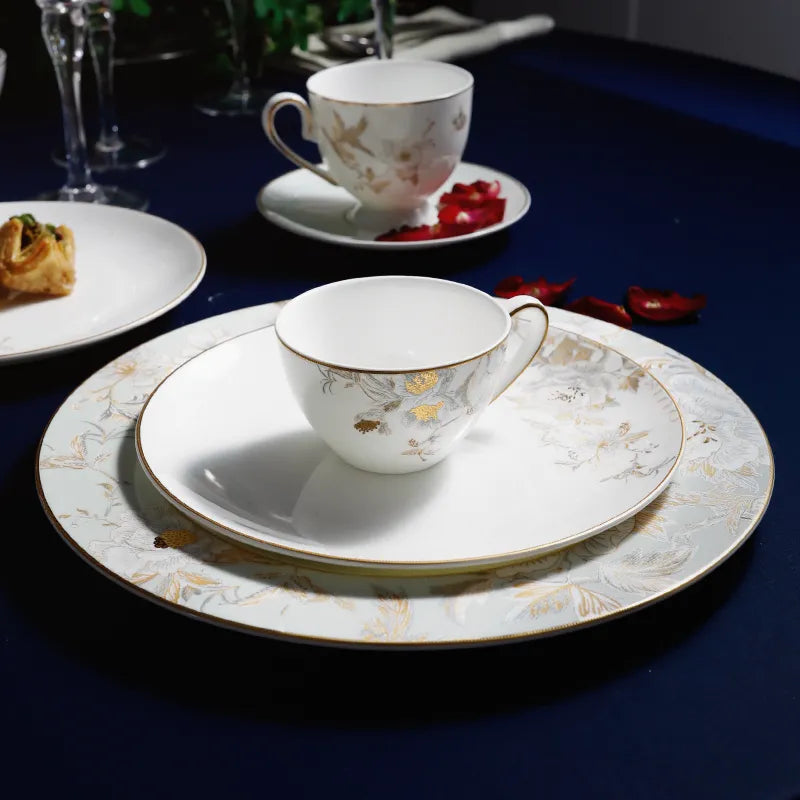
[Bone China Teaware Collection]

>The Poetic Journey of Tea: 8 Steps to Savor
1. Warming the Stage (温杯 – Wen Bei)
Awakening the Porcelain
Before tea meets water, the porcelain must awaken.
-
The Ritual: Using a Chinese porcelain Gaiwan, pour in hot water—about 70–80% full—and gently swirl so the heat caresses every curve.
-
Why it matters: This readies the thin porcelain walls, releasing future aromas and cleansing away dust. A few seconds is enough.
-
The Temperature: Different teas call for different water temperatures—cooler for Green tea, hotter for Black or Pu-erh. Pour out the water carefully. Your vessel is now a warm stage, ready for the leaves.

2. Shaking Awaits the Scent (摇香 – Yao Xiang)
The Dry Aroma
After warming the cup and pouring out the water, add the dry tea leaves.
-
The Motion: Hold the Gaiwan, gently shake it up and down.
-
The Magic: The sudden burst of warmth from the pre-heated porcelain awakens the hidden fragrance. The smooth, glazed walls trap and amplify this fleeting "dry aroma" (Gan Xiang), letting it bloom in an instant.

3. Cleansing the Surface (刮沫 – Gua Mo)
Purifying the Brew
Pour hot water into the Gaiwan to cover the leaves.
-
The Technique: Tilt the lid to about 45°, then glide it gently along the rim—the bubbles and tiny leaf dust drift away, leaving only clear, pure tea liquor.
-
The Material: High-quality porcelain glaze makes this cleansing effortless, ensuring your tea soup remains pristine.
.

4. Lid Suspension (盖碗悬停 – Gai Wan Xuan Ting)
The Elegant Pause
Right after cleansing, let the Gaiwan lid’s center gently touch the rim, circling with a delicate motion to find its perfect balance.
-
The Function: The lid stays gracefully suspended—an elegant pause that lets steam escape and leaves unfurl. This prevents the delicate leaves from "stewing" in excess heat, allowing the flavor to blossom naturally.

5. Rolling the Essence (搓茶 – Cuo Cha)
Teasing the Flavor
After lid suspension, use the outer rim of the lid to gently press along the Gaiwan’s inner curve, rotating back and forth.
-
The Purpose: This motion teases the leaves open, releasing the tea’s hidden aromas and deepening the flavor profile.
-
The Touch: The smooth porcelain ensures the leaves are treated delicately, preserving their shape and essence.

6. Pouring the Torrent (入海 – Ru Hai)
Meeting the Sea
Pour the tea from the Gaiwan into your porcelain tea cup (or Fairness Pitcher) in a smooth, continuous stream.
-
The Visualization: This “meeting with the sea” lets the hot tea collide with air, enhancing its aroma and flavor.
-
The Flow: The Gaiwan's design allows for a quick, controlled pour, essential for achieving the perfect brew strength in Chinese tea culture.

7. Butterfly Dance (蝶舞 – Die Wu)
The Visual Symphony
After pouring the tea, flip the Gaiwan’s saucer onto the table and place the Gaiwan base on it, creating a graceful “butterfly dance” posture.
-
The Beauty: This allows you to admire the tea liquor’s color, clarity, and viscosity.
-
The Canvas: White porcelain acts as the perfect backdrop, reflecting the true color of the tea—from the pale jade of green tea to the amber of black tea—without alteration.

8. Unfolding the Treasure (展茗 – Zhan Ming)
Reading the Leaves
Finally, flip the Gaiwan onto its saucer, resting it upside down. Lift the bowl to reveal the spent leaves clinging to its surface.
-
The Story: This step, often overlooked, allows you to appreciate the "wet leaves" (Ye Di). Their shape, color, and lingering aroma reveal the tea’s quality and story.

Porcelain’s Whisper in the World of Tea
In Chinese tea culture, porcelain is far more than a vessel—it’s a silent partner in every brew. Its smooth, glazed surface treats delicate leaves with care, never bruising them. Its gentle heat retention keeps the infusion warm without oversteeping. And because porcelain is non-porous, it preserves the tea’s pure flavor, free from lingering notes of past brews.

But porcelain’s role goes beyond function. It carries thousand years of Chinese craftsmanship—each curve, each glaze, each painted motif a testament to artistry refined over dynasties. From the kilns of Jingdezhen景德镇 to today’s studio pieces, porcelain teaware is a marriage of utility and beauty.

This is the magic of 方寸间 (fāng cùn jiān—“within the small space”): in the confined space of a teacup or gaiwan, an entire world unfolds. Aroma, color, flavor, and history meet in harmony, all elevated by the quiet elegance of porcelain.

Conclusion: In the Stillness, Flavor Blooms
Drinking tea is never just about quenching thirst. Through these eight graceful steps, what begins as leaves and water transforms into a quiet meditation.
Whether you are performing a full tea ceremony or simply taking a break from the busy world, the ritual remains the same: pause, breathe, and notice. Perhaps your next cup could be an invitation: to hold a piece of fine porcelain in your hands, to listen to the whisper of tea, and to let flavor bloom in stillness.

FAQ: Understanding the Chinese Gaiwan
Q: What is a Gaiwan used for in Chinese culture?
A: The Gaiwan (lid-bowl) is a universal tea vessel in Chinese culture. It is used to brew tea, inspect the aroma, and even drink directly from. It is the preferred tool for tasting the true character of the tea leaves.
Q: Is a Gaiwan only for Gongfu tea?
A: While the Gaiwan is the primary tool for the skilled Gongfu tea method (brewing with high leaf-to-water ratio), it is also used for casual drinking. However, the 8 steps described above specifically enhance the mindfulness and flavor extraction typical of the tea ceremony.
Q: Why use porcelain for a tea ceremony?
A: Porcelain is neutral and non-porous. Unlike clay, it does not alter the tea's flavor. This makes it the standard for judging high-quality teas and appreciating their true aroma.