Passer au contenu




There is a Chinese saying that has echoed across centuries: "Jiāng nán jiā lì dì, jīn líng dì wáng zhōu" — "South of the River, a land of grace and beauty; Jinling, the city of emperors." Few places in China carry that weight as quietly, or as deeply, as Nanjing.
In this guide, Sinocultural will take you through what makes Nanjing one of China's most layered and rewarding cities to explore. We will walk through its living cultural heritage — from Qinhuai lanterns to the remarkable craft of Yunjin Cloud Brocade — map out a route through its most meaningful landmarks, introduce the local food you should not leave without trying, and share the traditions and souvenirs that carry Nanjing's spirit home with you.
Table of Contents
- Introduction: The Ancient Capital of Eastern China
- Yunjin Brocade: A Royal Textile Treasure
- Top Landmarks: A History-to-River Route
- A Taste of Nanjing: Local Food Guide
- Traditions & Souvenirs: What to Buy
- Final Thoughts
- Practical FAQ for Travelers
Quick Facts: Planning Your Nanjing Trip in 2026
- Best Time to Visit: March to April for spring blossoms and mild weather, or October to November for cool autumn days around Purple Mountain.
- Visa-Free Entry: Eligible travelers may use China’s 240-Hour (10-day) Visa-Free Transit policy when meeting transit requirements. Check the latest eligibility before departure.
- Payment: Cash is rarely used. Download Alipay or WeChat Pay and link your Visa/Mastercard before arrival.
- Top Souvenirs: Nanjing Yunjin Brocade, rain flower stones, Qinhuai lanterns, local tea, and cultural brocade gifts.
- Must-See Places: Ming Xiaoling Mausoleum, Nanjing Museum, Nanjing Yunjin Cloud Brocade Museum, Confucius Temple, and Qinhuai River.
- Must-Try Food: Nanjing salted duck, duck blood vermicelli soup, beef potstickers, tangbao, and Qinhuai snacks.
A City of Memory, Resilience, and Quiet Elegance
For much of its two-thousand-year history, Nanjing stood at the center of Chinese civilization. It served as the capital of ten dynasties and governments, witnessed the founding of the Ming dynasty, endured one of the darkest chapters of the twentieth century, and rose again with the resilience that defines it today. Yet for all this, Nanjing does not announce itself loudly. It is not a city of spectacle. Its character is something you feel slowly — in the cool shade of its famous plane trees lining wide avenues, in the quiet grandeur of its ancient stone city walls, in the stillness of Purple Mountain, and in the warm glow of lanterns drifting along the Qinhuai River at night.
That contrast is what makes Nanjing so worth understanding. By day, the city moves with the quiet dignity of a place that has carried history for a very long time. By evening, it softens — especially along the Qinhuai River, where the old quarter around Confucius Temple fills with light, food stalls, and the sound of daily life against the backdrop of centuries-old waterfront buildings. It is a city shaped by both sorrow and warmth, and somehow, the two sit together with a grace that is entirely its own.

Yunjin Brocade: Nanjing’s Royal Textile Treasure
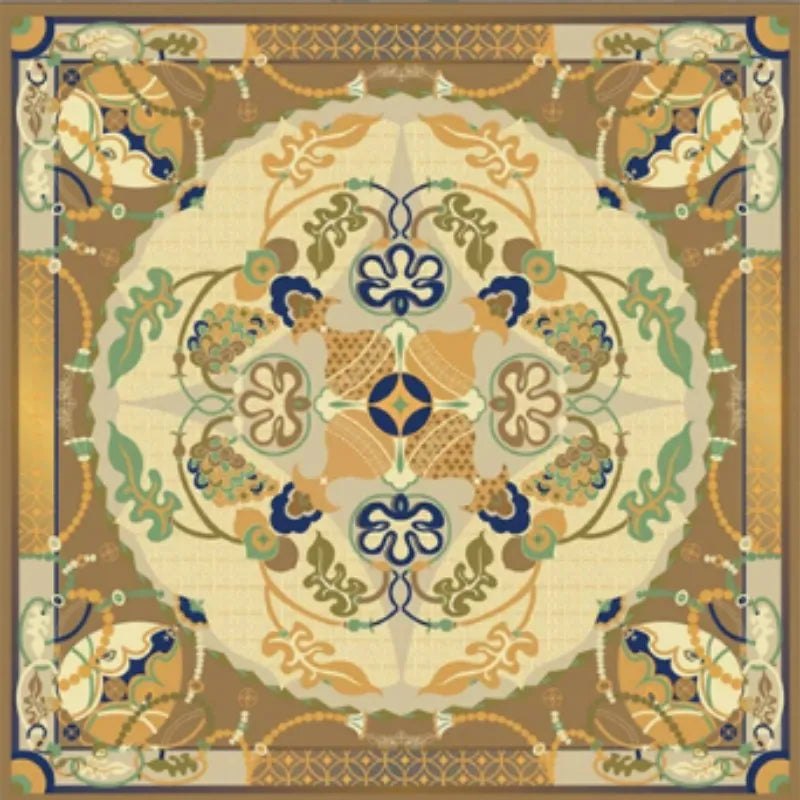
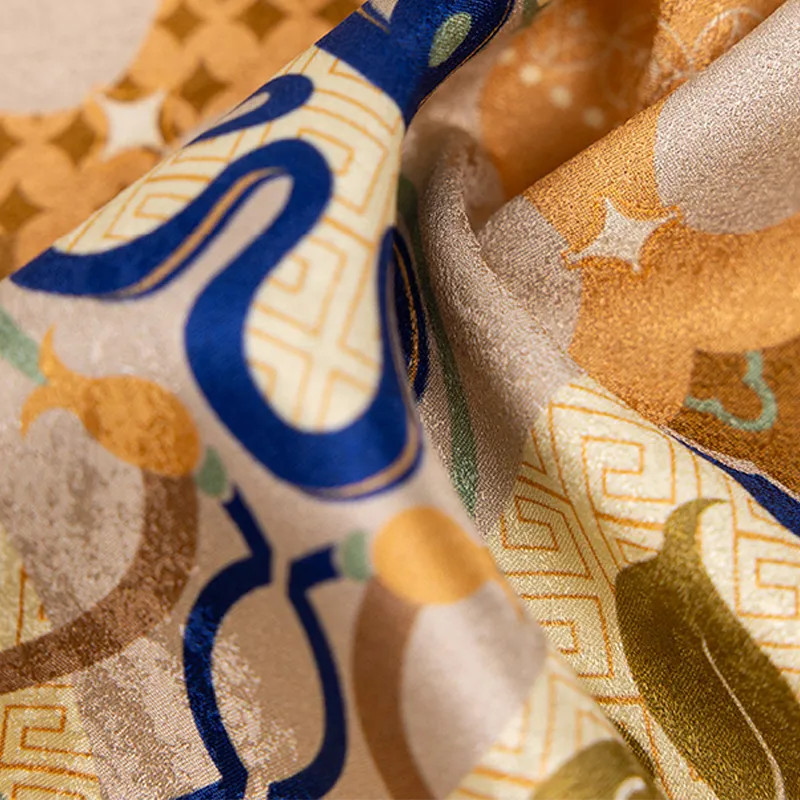
Among the cultural treasures that make Nanjing distinctive, Yunjin Cloud Brocade stands in a category of its own. Named for the way its colors shift and glow like clouds at sunset, this silk weaving tradition has been part of the city since 417 AD. For centuries it clothed the emperors of the Yuan, Ming, and Qing dynasties — not simply as fabric, but as a statement of imperial power and refined taste. For travelers interested in culture, craft, and Chinese history, it offers one of the most direct ways to understand Nanjing beyond its landmarks and museums.

Yunjin is woven by hand on a large traditional wooden loom, using fine mulberry silk, gold and silver threads, and in the finest traditional pieces, peacock feather yarn. Two craftspeople work the loom together, and the process is slow by design — a skilled pair may complete only a few centimeters in a single day. As one of China's most celebrated intangible cultural heritage traditions, it remains a living craft, still made in Nanjing today.

Travelers who want to experience Yunjin in person can visit the following place:
- 📍 Nanjing Yunjin Cloud Brocade Museum — No. 240 Chating East Road, Jianye District, Nanjing
Recommended Nanjing Itinerary: From Imperial History to Qinhuai River Lights
One of the best ways to experience Nanjing is to follow the city’s historical layers. From imperial mausoleums and ancient city walls to museums, brocade craftsmanship, old streets, and river lights, these recommended routes offer a balanced way to explore Nanjing’s history, culture, scenery, and local atmosphere.
1. Immersive History Route
Purple Mountain → Ming Xiaoling Mausoleum → Sun Yat-sen Mausoleum

Start with Purple Mountain, one of Nanjing’s most important scenic and historical areas. The route brings together natural beauty and national memory, making it ideal for travelers who want to understand Nanjing as an ancient capital. Ming Xiaoling Mausoleum reflects the city’s imperial past, while Sun Yat-sen Mausoleum adds a solemn modern historical layer. Together, these landmarks show Nanjing’s dignity, depth, and strong connection with Chinese history.
2. Ancient City Exploration Route
Nanjing City Wall → Jiming Temple → Xuanwu Lake

This route is perfect for seeing how old Nanjing fits into the modern city. Walk along the Nanjing City Wall for views of historic gates, lake scenery, and the city skyline. Continue to Jiming Temple, a peaceful landmark with a long Buddhist tradition, then slow down around Xuanwu Lake. Compared with more crowded attractions, this route feels calm and spacious, offering a softer view of Nanjing’s ancient city atmosphere.
3. History and Culture Route
Nanjing Museum → Nanjing Yunjin Cloud Brocade Museum

For cultural travelers, Nanjing’s museums are essential. Nanjing Museum offers a broad view of the city’s history, art, and material culture, making it a strong starting point for understanding Nanjing beyond its famous landmarks. After that, visit the Nanjing Yunjin Cloud Brocade Museum to see how the city’s royal textile tradition continues through silk, gold thread, patterns, and hand-weaving techniques. This route connects Nanjing’s historical identity with its living craftsmanship.
4. Nanjing After Dark Route
Confucius Temple → Laomendong → Jiangnan Examination Hall → Qinhuai River Night Cruise

As night falls, Nanjing becomes warmer and livelier around the Qinhuai River. Start at Confucius Temple, where historic architecture, local snacks, and busy streets create one of the city’s most recognizable scenes. Continue to Laomendong for old lanes, cafés, and traditional-style buildings, then visit Jiangnan Examination Hall to learn about China’s imperial examination culture. End the evening with a Qinhuai River night cruise, where lanterns, reflections, and riverside buildings show Nanjing’s most atmospheric side.
What Is a Must-Eat in Nanjing? A Local Food Guide
Nanjing’s food culture is closely tied to duck dishes, comforting noodles, and refined Jiangnan-style home cooking. Compared with the bold heat of Sichuan cuisine, Nanjing food is usually more balanced, savory, and gently rich, making it easy for travelers to enjoy across different meals of the day.
Must-Eat Nanjing Dishes and Local Snacks
-
Duck Classics: Duck Blood Vermicelli Soup, Nanjing Roast Duck, Nanjing Salted Duck, Soy-Braised Duck Heads.

-
Noodles and Steamed Bites: Tangbao (Soup Dumplings) , Pork Noodle Soup, Dry Tossed Noodles.

-
Nanjing Restaurant Must-Orders: Braised Abalone with Free-Range Chicken, Handmade Crab Roe Tofu, Vegetarian Medley.

Where Locals Eat: Recommended Spots
1. Nanjing Xintianchu Restaurant (南京新天厨酒家): A local favorite for authentic Huaiyang-style dishes and classic Nanjing flavors. It is a good choice for travelers who want to try regional specialties or dishes beyond the usual tourist food list.

Rating: ★★★★☆
Estimated Cost: RMB 100 per person.
Address: No. 88 Huju North Road, Gulou District, Nanjing, Jiangsu Province.
2. Nanjing Jiabao Flavor Restaurant (南京家宝风味馆): A hidden neighborhood eatery located in a small street near Qinhuai. The setting is simple and lively, with a strong local atmosphere. The chef once trained in Guangdong, so the food combines Cantonese cooking techniques with Nanjing-style local dishes, creating flavors that feel both familiar and surprising.

Rating: ★★★★★
Estimated Cost: RMB 80 per person.
Best For: Local street-side dining, bold home-style dishes, and travelers looking for a less touristy Nanjing food experience.
Address: No. 25 Daxianglu, Qinhuai District, Nanjing.
3. Plum Garden at Jinling Hotel (金陵饭店·梅苑): A refined local star-rated restaurant inside Jinling Hotel, first opened in 1983. It specializes in elegant Huaiyang cuisine and is often chosen for hosting guests or formal meals. Reservations are recommended. For travelers who want to experience a more luxurious Chinese dining setting in Nanjing, this is a strong choice.

Rating: ★★★★☆
Estimated Cost: Around RMB 400 per person.
Best For: Refined Huaiyang cuisine, formal dining, business hosting, and luxury Chinese dining experiences.
Address: 2F, Jinling Hotel, No. 2 Hanzhong Road, Xinjiekou Square, Nanjing, Jiangsu Province.
What to Buy in Nanjing: Yunjin Brocade Souvenirs with Cultural Value
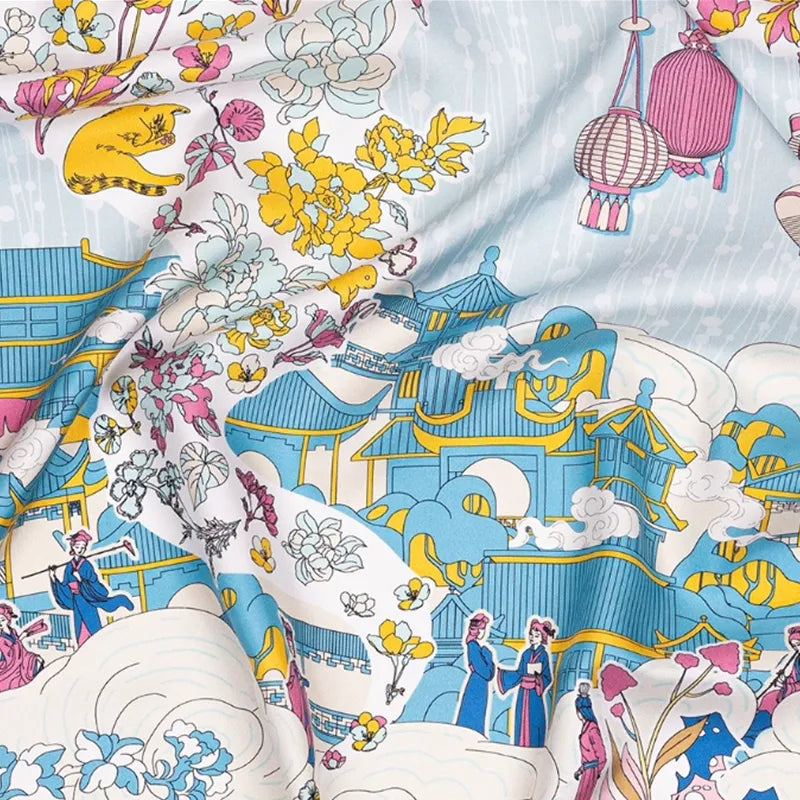
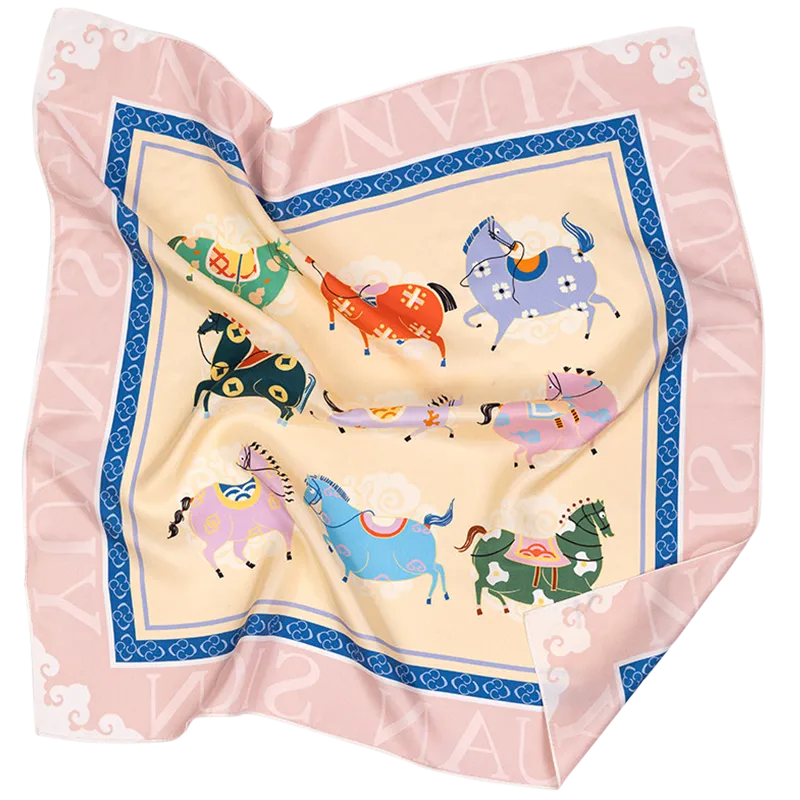
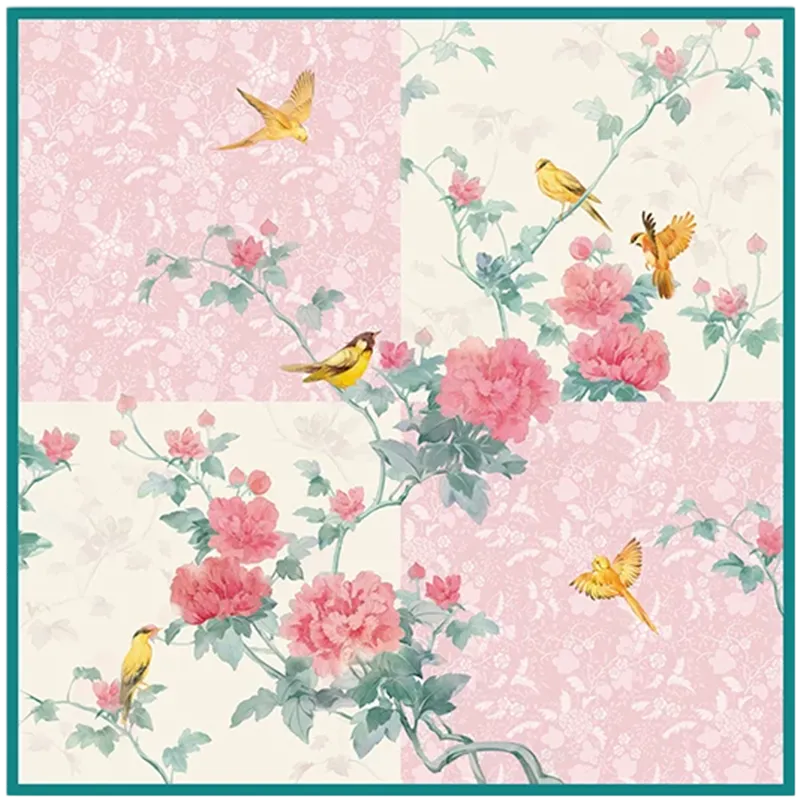
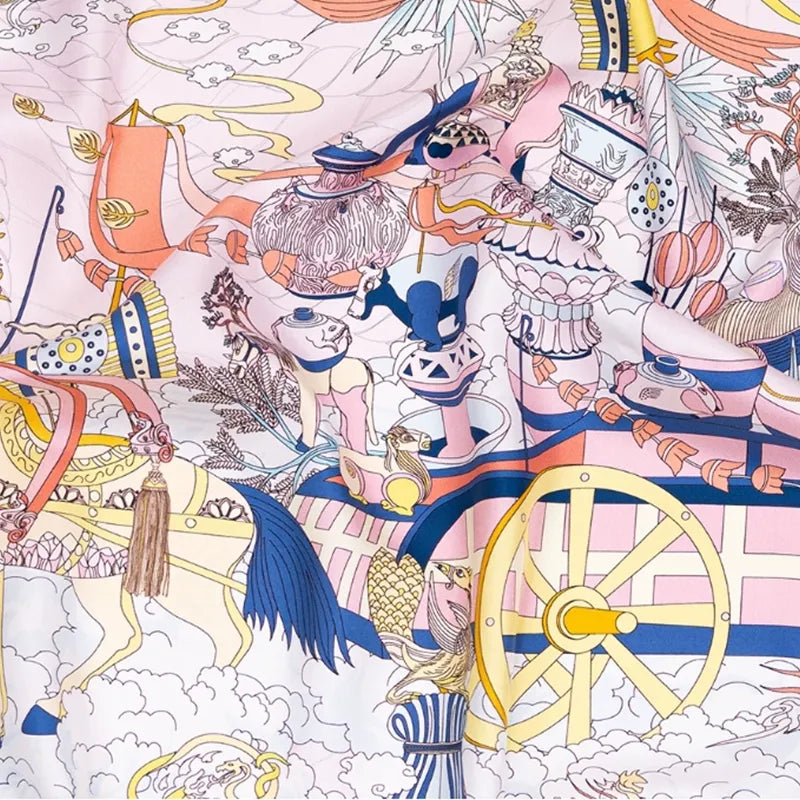
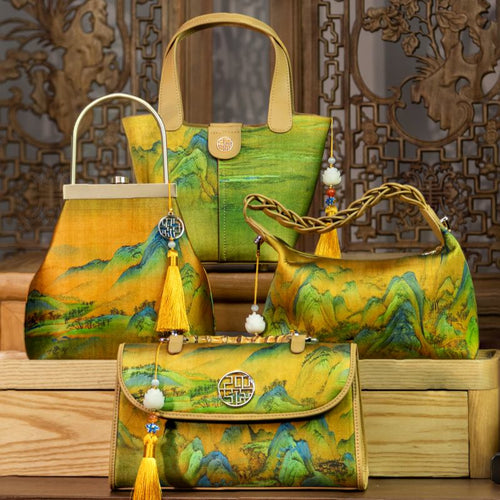
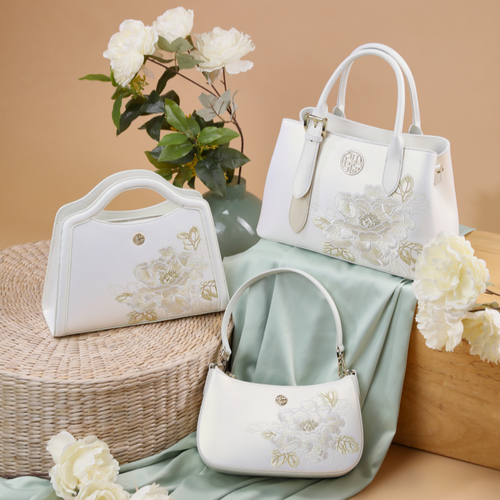
At Sinocultural, we are especially inspired by Nanjing Yunjin Brocade, a textile tradition closely connected with imperial craftsmanship, refined patterns, and the cultural spirit of the ancient capital. By bringing Yunjin-inspired designs into modern handbags and silk scarves, we hope to make this historic craft easier to appreciate, carry, and share in everyday life.
For travelers looking for meaningful gifts from Nanjing, we curate pieces that blend cultural heritage with modern elegance:
-
Luxury Gold Woven Nanjing Brocade Top Handle Bag – A refined Yunjin brocade handbag for women, perfect as a luxury gift, cultural souvenir, or elegant gift for mother.

-
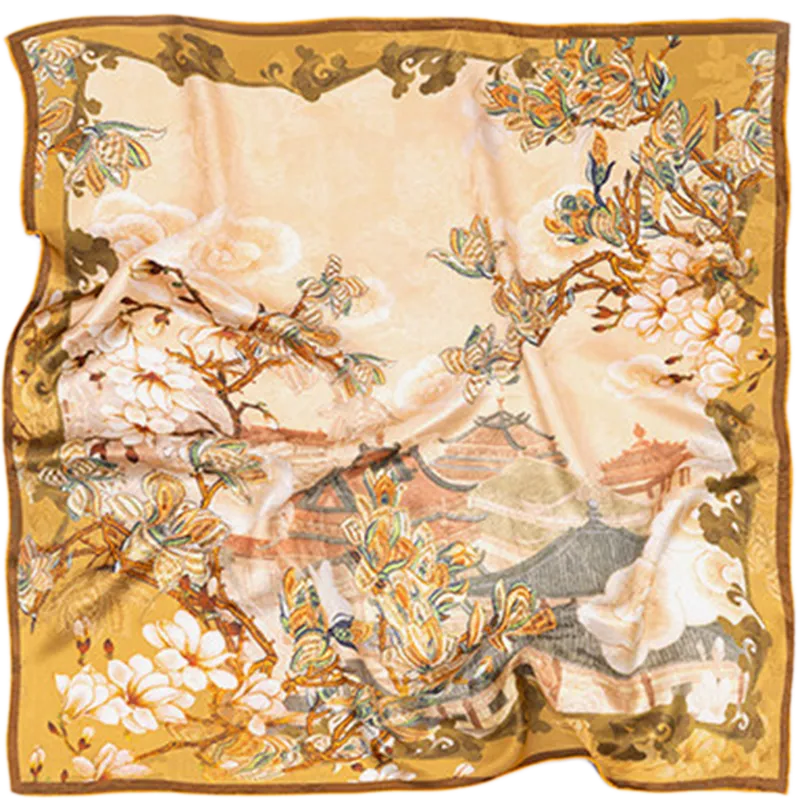
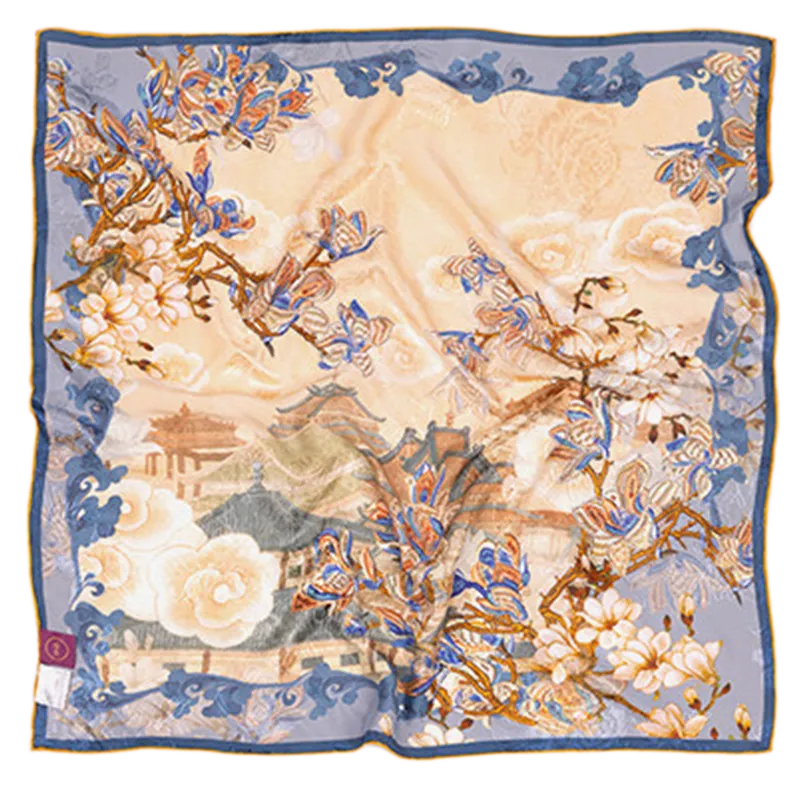
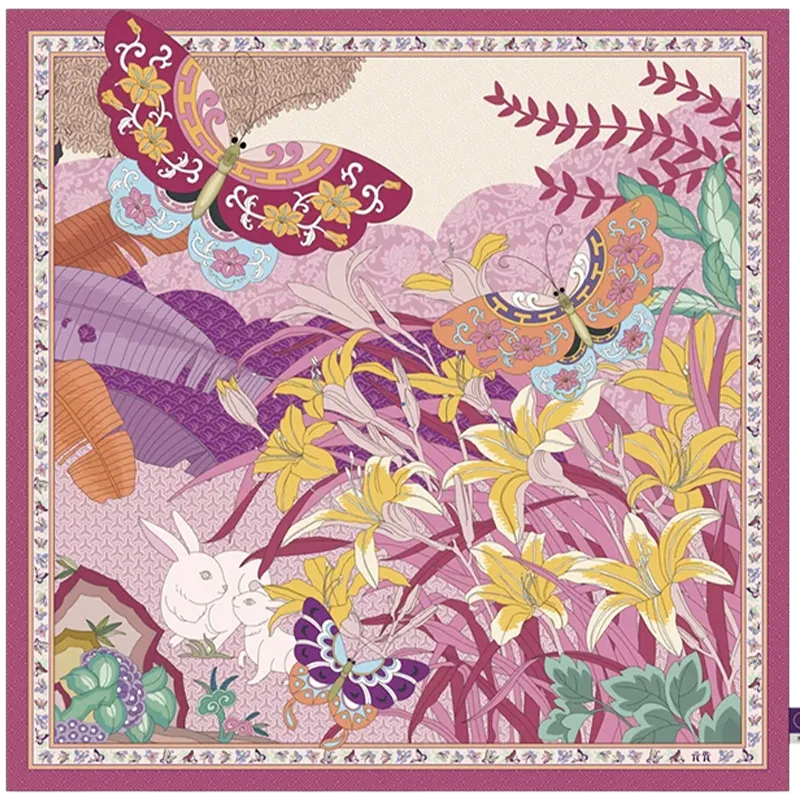
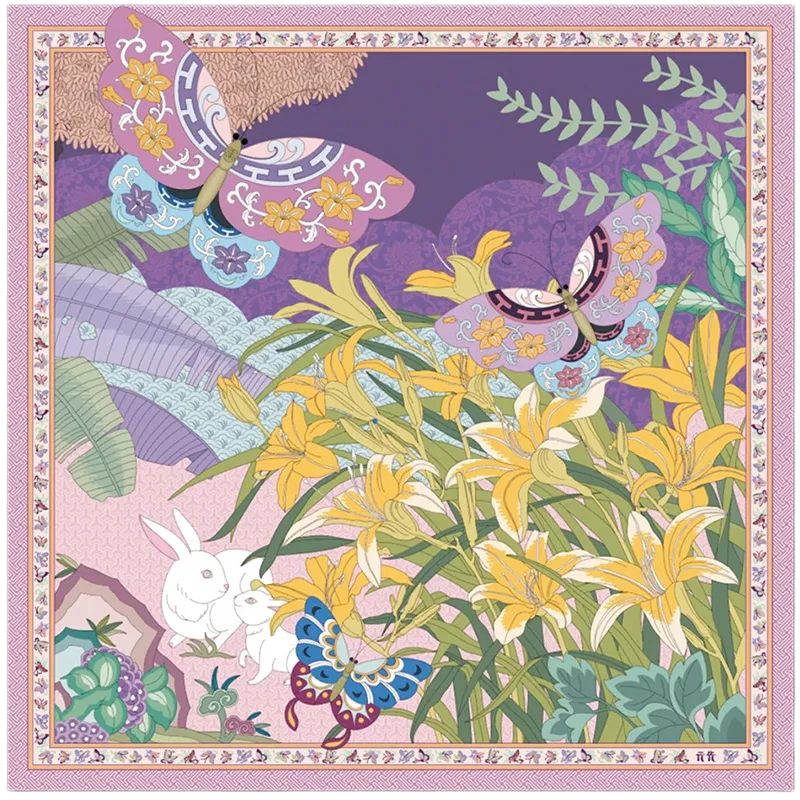
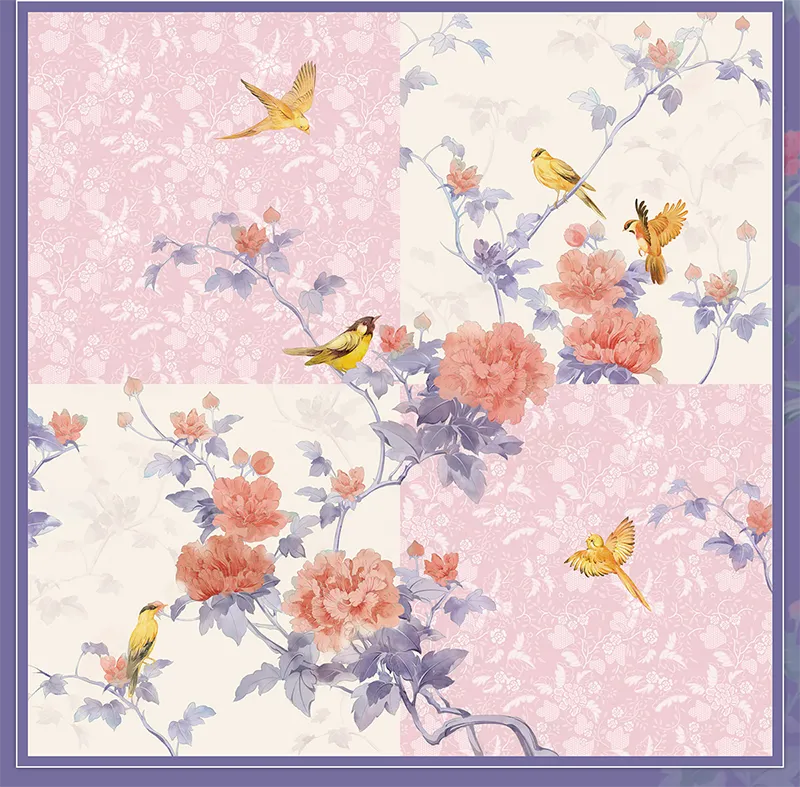
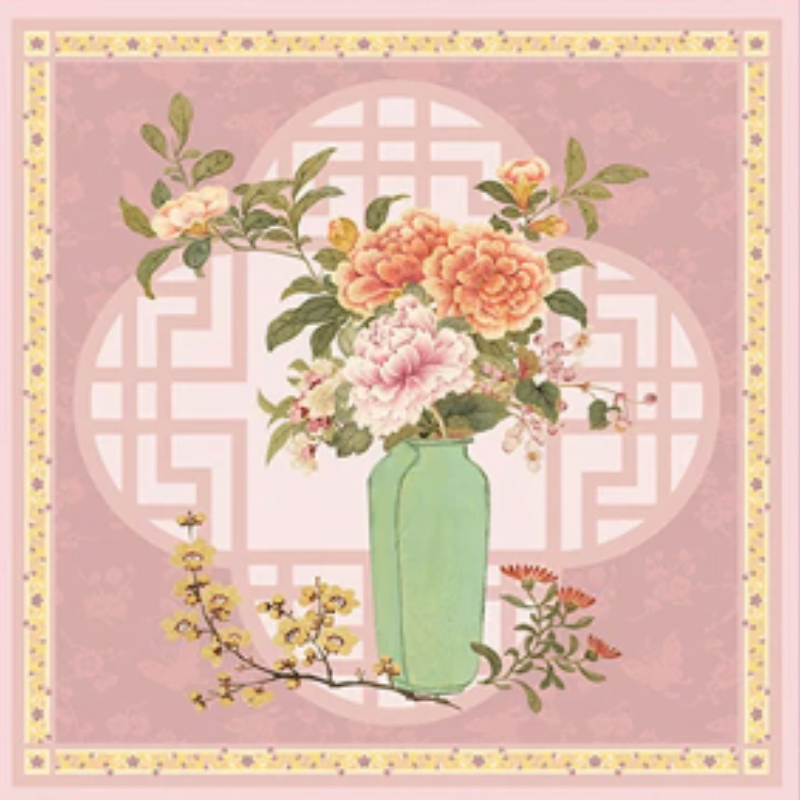
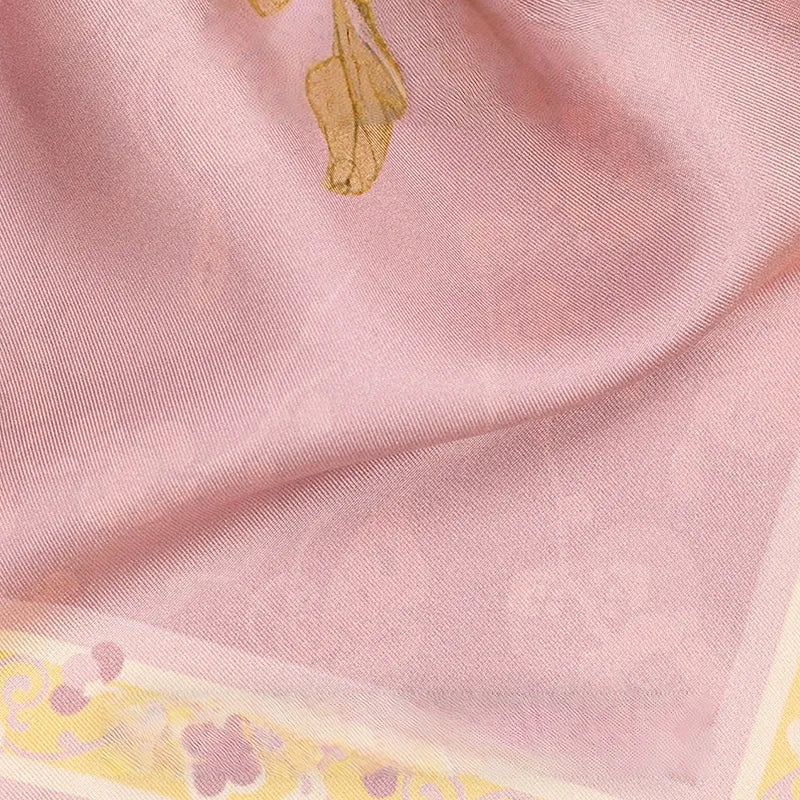
Luxury Nanjing Brocade Bloom Double-Sided Mulberry Silk Square Scarf – A graceful mulberry silk scarf with brocade-inspired floral beauty, ideal as a meaningful gift for women.

-
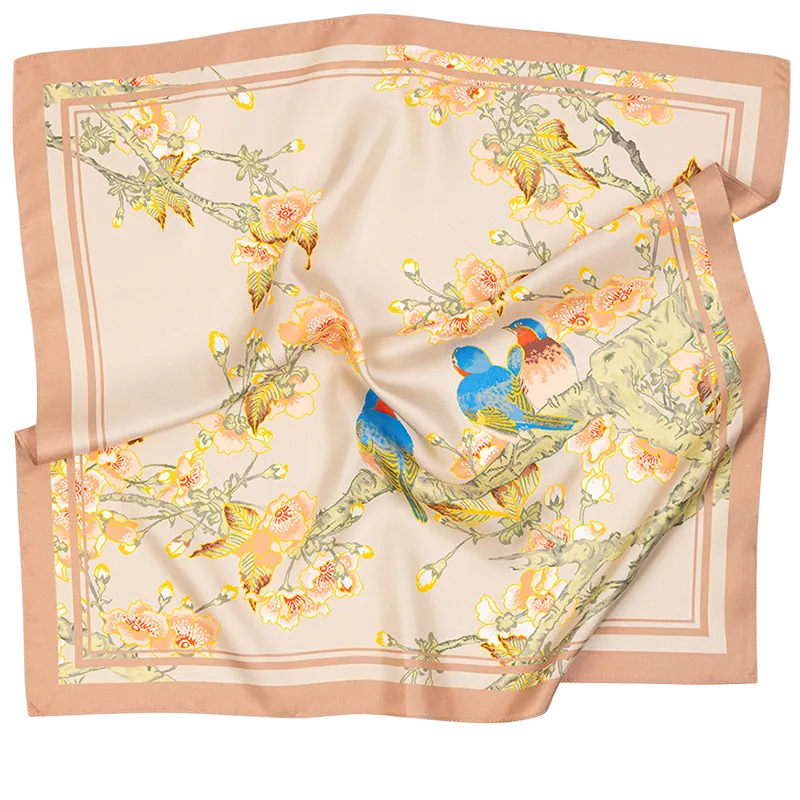
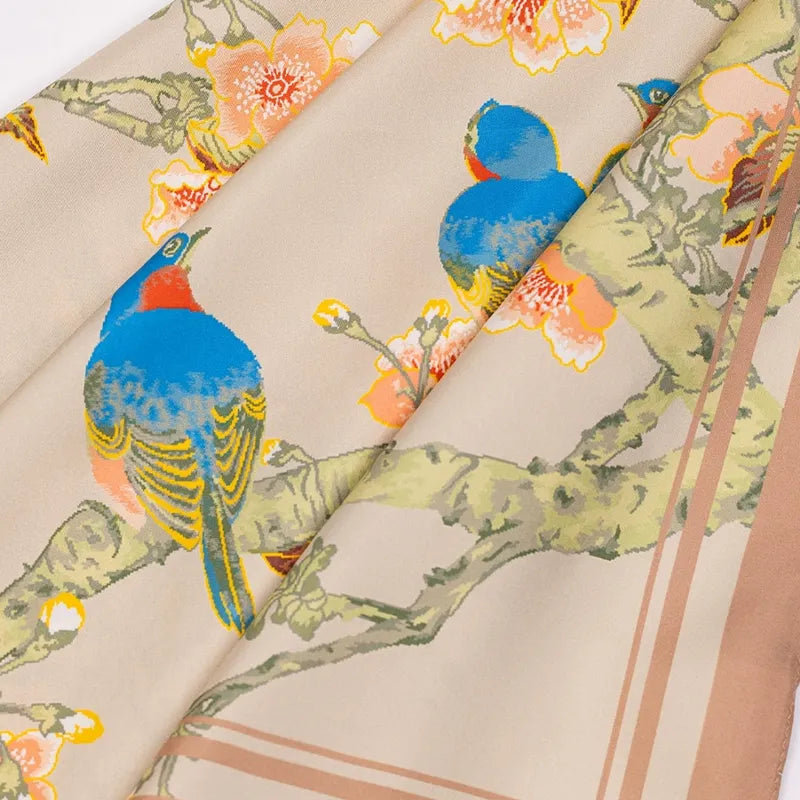
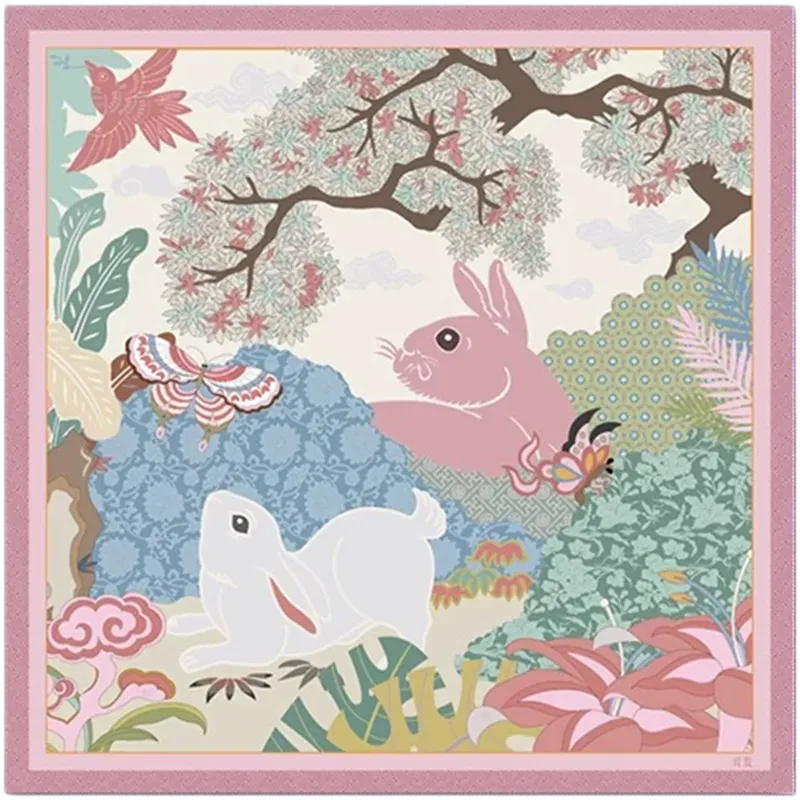
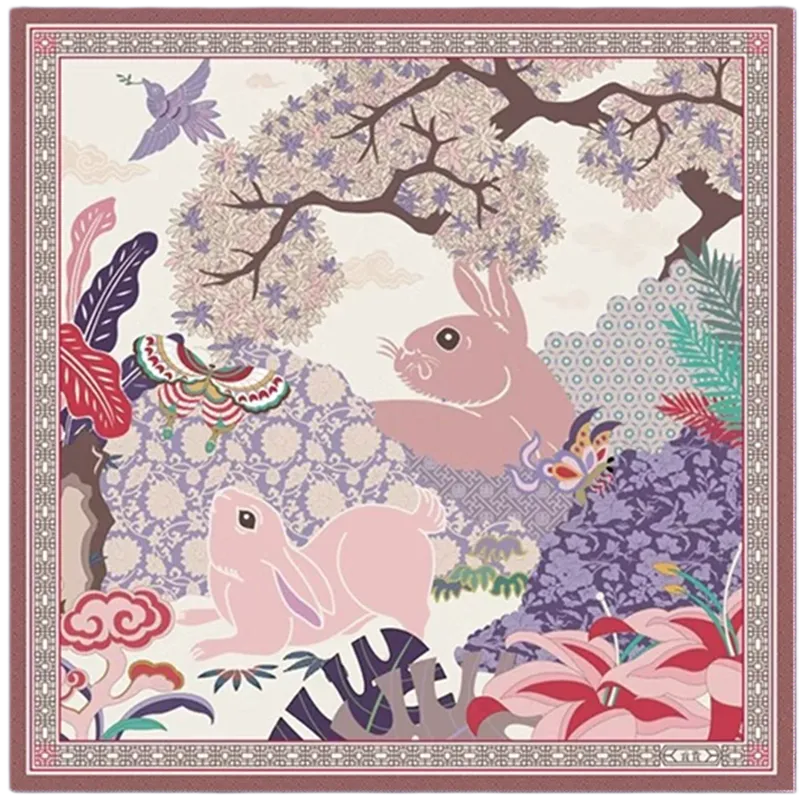
Luxury Nanjing Brocade Garden Rabbit Mulberry Silk Square Scarf – A charming silk square scarf with a soft Garden Rabbit motif, suitable as a gift for her, gift for mother, or cultural fashion accessory.

Looking for a thoughtful gift with cultural value? Visit Sinocultural to discover Chinese heritage-inspired gifts, including Yunjin brocade bags, silk scarves, and elegant accessories for women, mothers, and anyone who appreciates traditional craftsmanship.

A City to Remember, A Culture to Carry With You
Nanjing is more than an ancient capital. It is a city shaped by memory, resilience, and quiet elegance. From plane-tree-lined avenues and ancient city walls to the lights of the Qinhuai River, Nanjing reveals its beauty slowly, through history, atmosphere, and everyday warmth.
Its culture lives not only in landmarks, but also in food, local life, and traditional craftsmanship. Among these traditions, Nanjing Yunjin Brocade stands out as a symbol of the city’s refined spirit. Through silk, gold-woven details, and meaningful patterns, it carries the elegance of Nanjing’s imperial past into the present.
This is Nanjing: solemn yet gentle, historic yet alive. As part of Sinocultural’s China travel series, this guide explores the city through its landscapes, flavors, heritage, and the lasting beauty of Yunjin Brocade.
FAQ: What to Know Before Traveling to Nanjing, China
-
Q: What should I prepare before traveling to China?
A: Prepare your passport, visa or visa-free transit documents, hotel booking details, travel insurance, and a working mobile phone. Before arrival, download WeChat, Alipay, a translation app, and a Chinese map app such as Amap or Baidu Maps. Always check the latest entry policy before your trip. -
Q: Where can foreign travelers get a SIM card in China?
A: You can buy a SIM card at official stores of China Mobile, China Unicom, or China Telecom. A passport is usually required for real-name registration. In Nanjing, look for mobile service stores at airports, railway stations, shopping malls, or city-center areas. -
Q: Should I download WeChat and Alipay before arriving in China?
A: Yes. WeChat and Alipay are essential for payments, transport, taxis, mini programs, and daily services in China. Setting them up before arrival will make your first day much easier. -
Q: Can foreigners link a bank card to Alipay or WeChat Pay?
A: In many cases, foreign travelers can link Visa, Mastercard, or other international cards to Alipay or WeChat Pay. Once linked, you can scan QR codes to pay in shops, restaurants, hotels, and many tourist areas. Carry some Chinese yuan in cash as backup. -
Q: How do I take a taxi or use ride-hailing apps in China?
A: The easiest option is DiDi, China’s main ride-hailing app. You can also call a ride through Alipay or WeChat. Save your destination in Chinese to avoid address issues. -
Q: How do I order food delivery in China?
A: Use Meituan or Ele.me for food delivery. The apps are mostly in Chinese, so a translation app can help. Food delivery is useful if you are staying in a hotel or apartment after a long day of sightseeing. -
Q: What map app should I use in China?
A: Amap, also known as Gaode Maps, and Baidu Maps are usually more accurate than Google Maps in China. They are useful for walking routes, metro directions, traffic updates, and nearby restaurant searches. Save the Chinese names of your hotel and attractions before going out. -
Q: How do I use the Nanjing Metro?
A: Nanjing Metro is one of the easiest ways to get around the city. You can buy single-journey tickets at stations or use a metro QR code through Alipay. It is convenient for areas such as Xinjiekou, Confucius Temple, Xuanwu Lake, and Nanjing Railway Station.