Passer au contenu

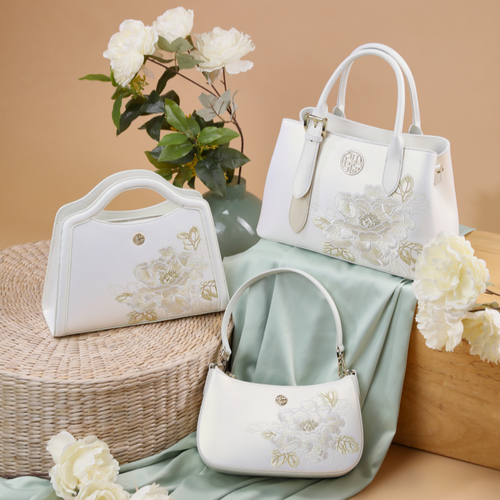
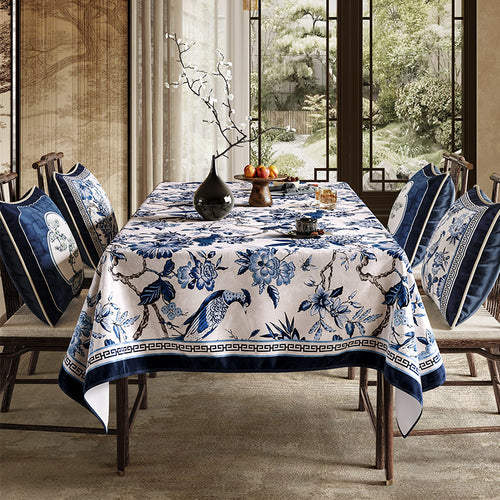
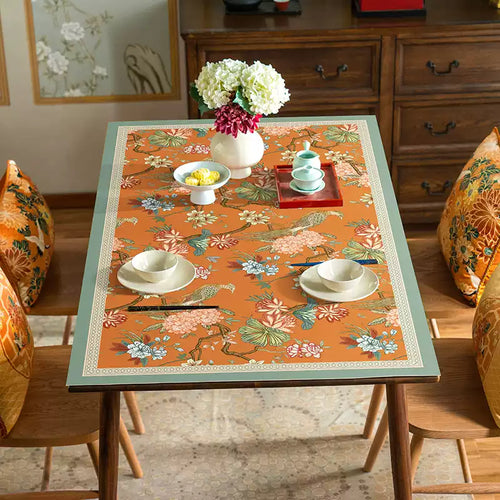
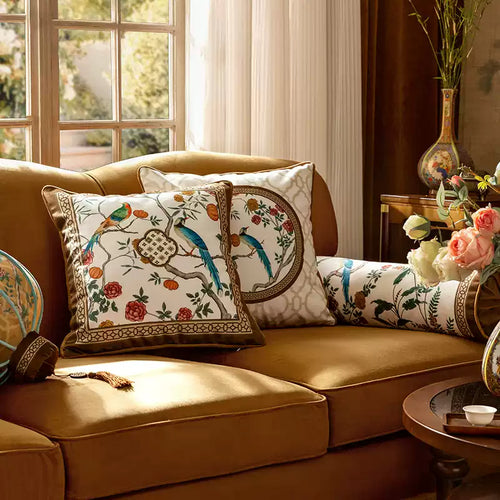


The revival of Song Brocade was not achieved through historical research alone. It also depended on master weavers who could translate traditional knowledge into working looms, improved techniques, and textiles suited to contemporary life.
Li Dexi represents this practical and innovative side of Suzhou’s silk tradition. With decades of hands-on experience in weaving and textile construction, he has studied and recreated complex ancient silk structures while continuing to explore how traditional craftsmanship can evolve. His work is not simply about reproducing fabrics from the past, but about refining weaving methods, expanding their applications, and giving historic techniques new relevance.
Through Li Dexi’s story, Song Brocade becomes more than a restored heritage. It becomes a living craft—one that can be reconstructed, reimagined, and woven into modern design.
Table of Contents
- From the Factory Floor to Master Weaver
- Reweaving What History Had Nearly Erased
- What Defines Li Dexi Song Brocade?
- Signature Patterns and Their Cultural Meanings
- From Ancient Looms to Modern Life
- Why Li Dexi Song Brocade Still Matters Today
From the Factory Floor to Master Weaver
Li Dexi began his silk-weaving career in 1970 at the former Wuxian No. 2 Silk Factory in Suzhou. Starting with loom operation and maintenance, he learned the craft through daily work with silk threads, machinery, and production challenges. This practical experience gave him a deep understanding of how loom settings and textile structures shape the final fabric.
By the late 1970s, Li had moved from operating machines to improving them. While working in equipment management, he helped transform a single-machine system into a more efficient multi-loom setup, significantly increasing production. The project later received the First Prize for Scientific and Technological Progress in Suzhou.

In 1991, he founded Suzhou Tian’ao Special Weaving and Embroidery Co., Ltd., where he developed a wider range of complex silk textiles. His experience across different woven structures laid the foundation for his later work in Song Brocade, ancient textile reconstruction, and modern silk innovation. Li became a master weaver by understanding the craft from the inside—thread by thread and loom by loom.
Reweaving What History Had Nearly Erased
Li Dexi’s knowledge of looms and textile structures prepared him for a greater challenge: turning restored Song Brocade techniques into fabrics that could be woven consistently. During his long collaboration with Qian Xiaoping, who led the systematic study and revival of traditional Song Brocade craftsmanship, Li contributed his practical experience in loom operation, textile construction, and production development. Together, their work helped bring historical weaving knowledge back into practice.

Recreating an old pattern involved far more than copying its appearance. Each motif had to be translated into repeating units, color sequences, and precise arrangements of warp and weft. Through repeated trials, Li adjusted thread density, color placement, and loom settings until the pattern, texture, and overall balance worked together as a complete fabric.
For Li, reconstruction was not the final goal. Once a traditional structure could be woven reliably, he explored how it could be adapted for contemporary use. By preserving the cultural framework of classic motifs while refining their colors, proportions, and fabric applications, he helped Song Brocade move beyond historical reproduction. This combination of traditional structure, technical precision, and practical innovation became a defining feature of Li Dexi Song Brocade.
What Defines Li Dexi Song Brocade?
Li Dexi Song Brocade is defined not by a single pattern or color palette, but by the balance it creates between traditional weaving structures, technical precision, and contemporary design. His approach preserves the cultural foundations of Song Brocade while allowing its colors, proportions, and applications to evolve for modern life.
Together, these qualities show how Li Dexi approaches Song Brocade as both a historical craft and a contemporary textile. Its traditional structure remains intact, while its visual expression continues to evolve through precise weaving, thoughtful adaptation, and practical innovation.
Signature Patterns and Their Cultural Meanings
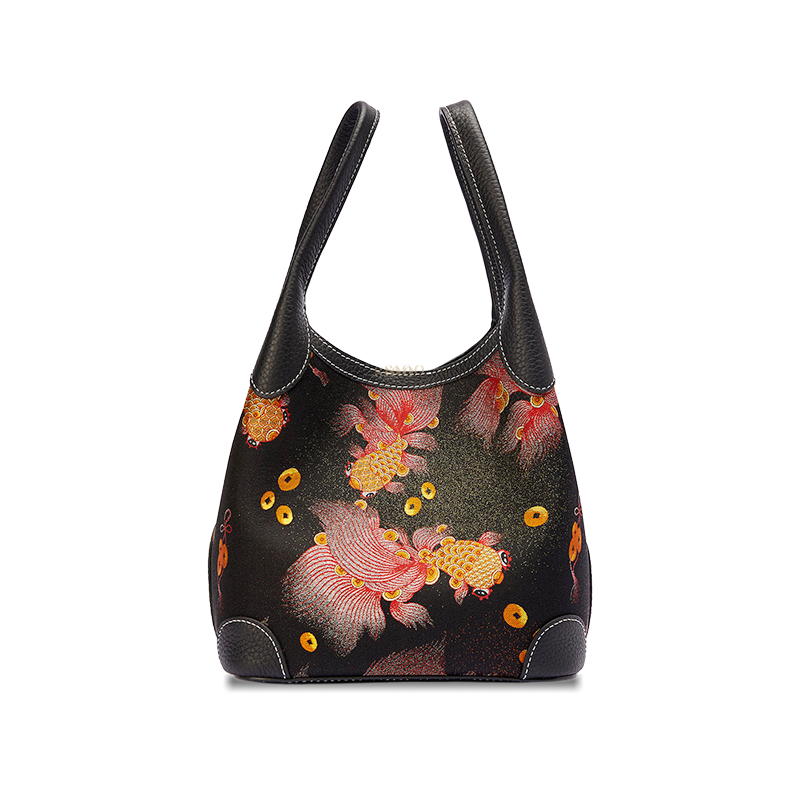
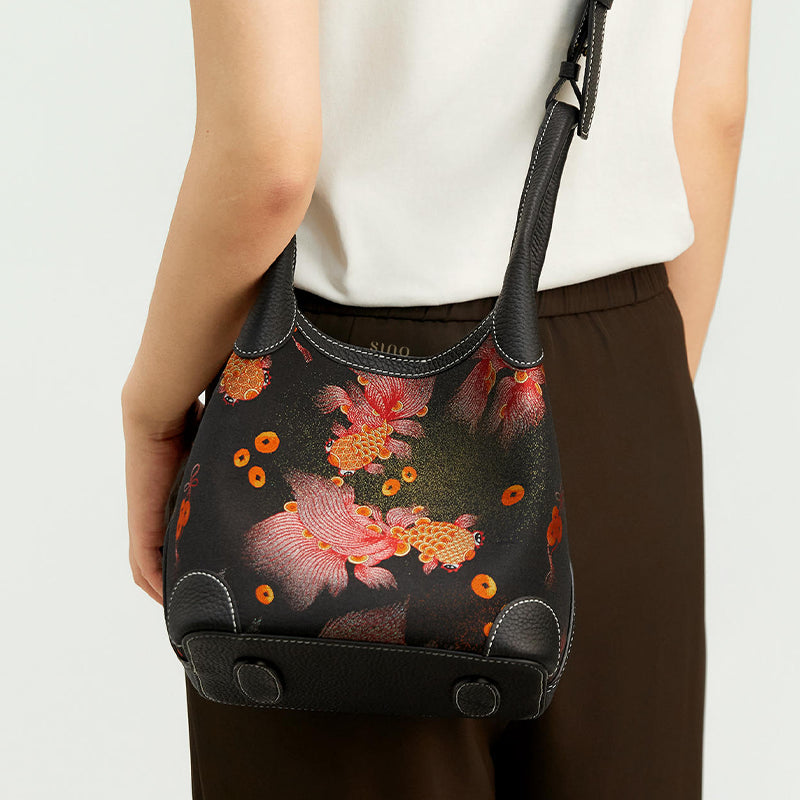
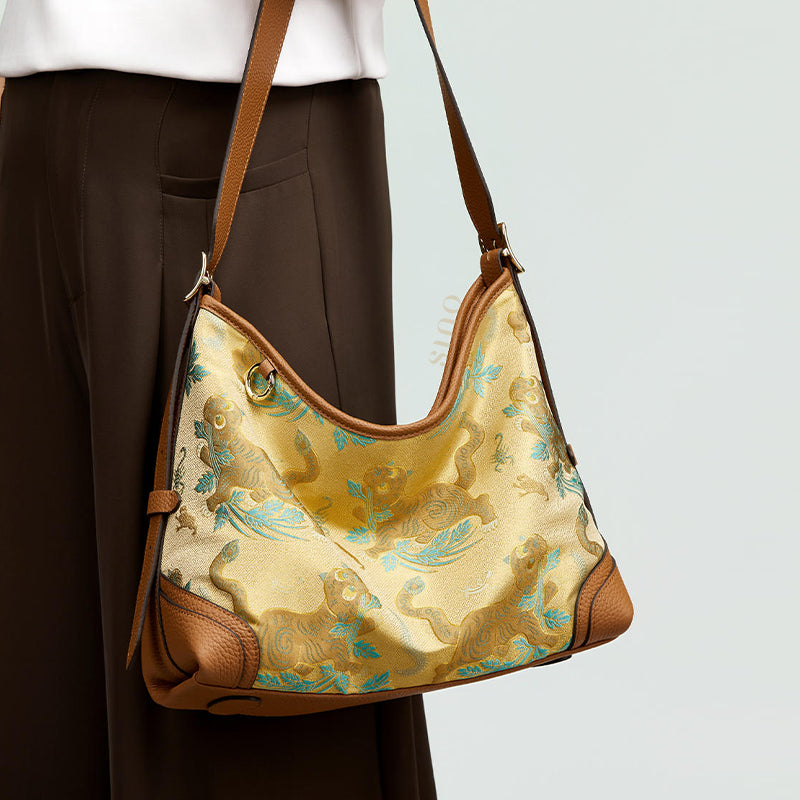
Li Dexi Song Brocade combines traditional Chinese symbolism with refined colors and contemporary compositions. From flourishing flowers to historical landscapes, each pattern transforms silk into a visual expression of prosperity, renewal, and cultural connection.
-
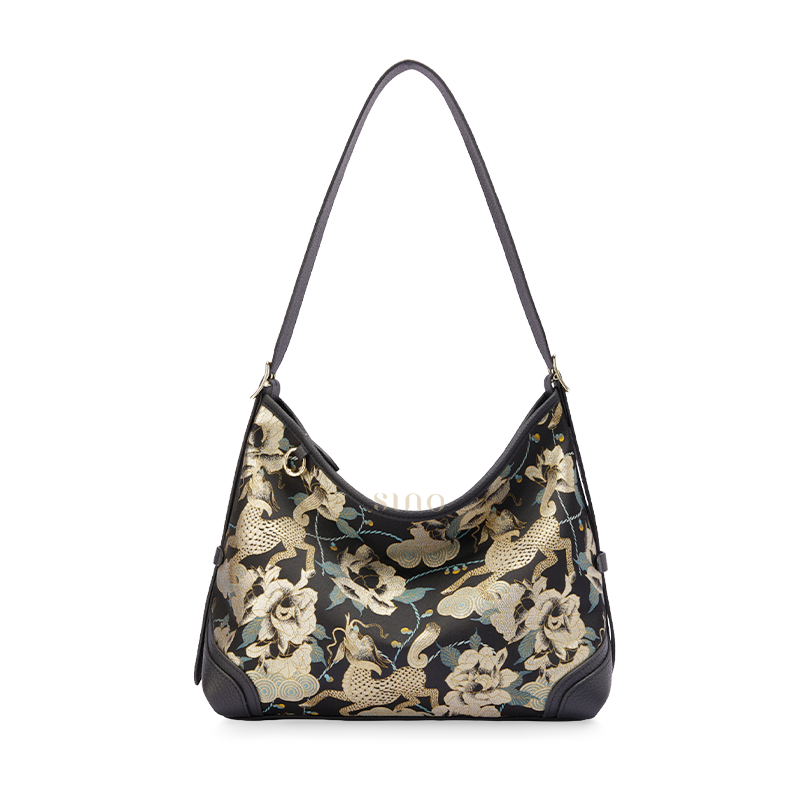
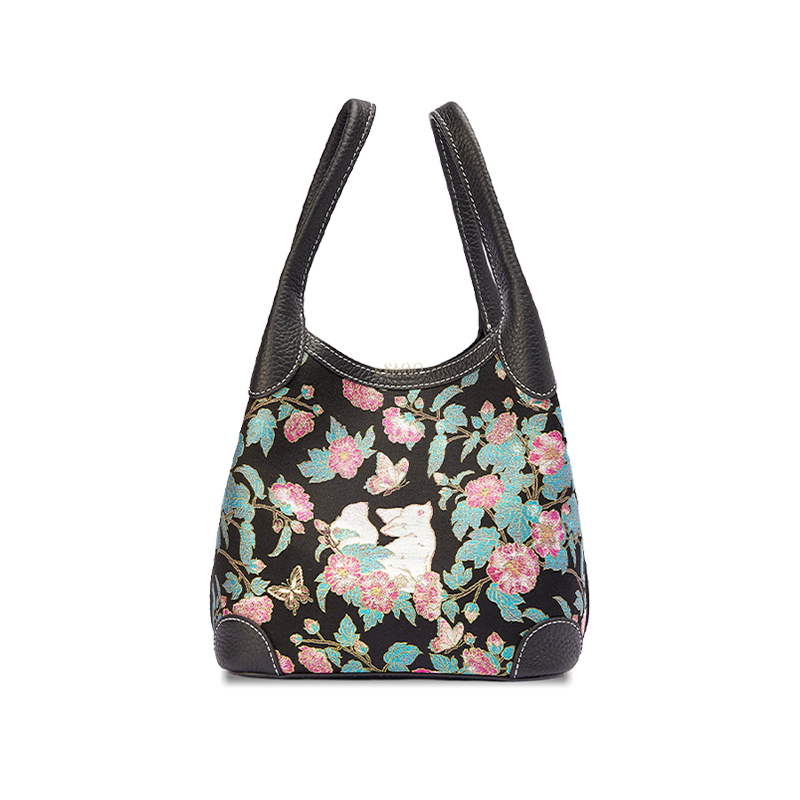
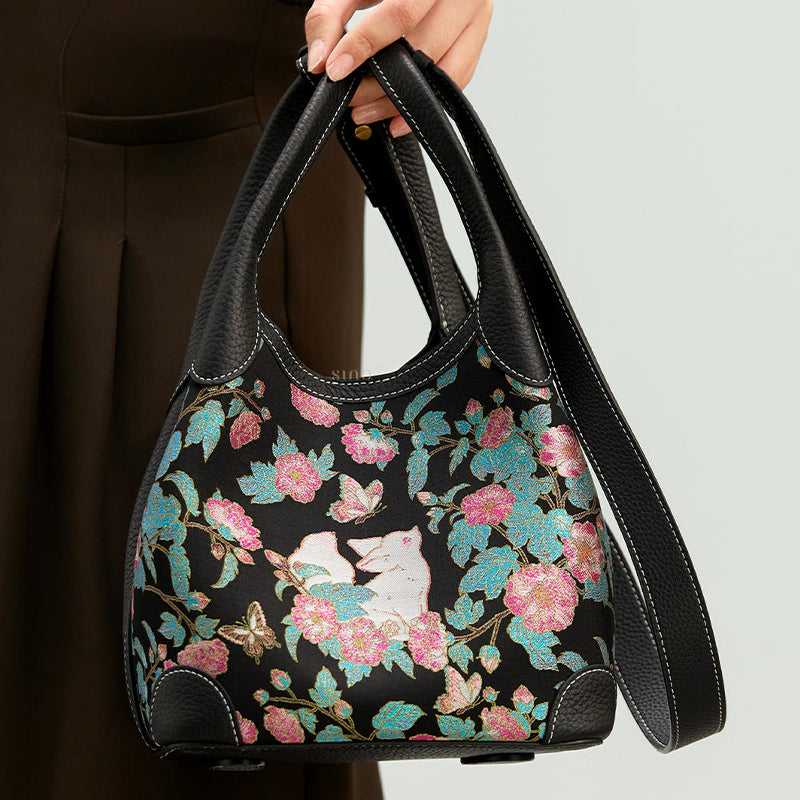
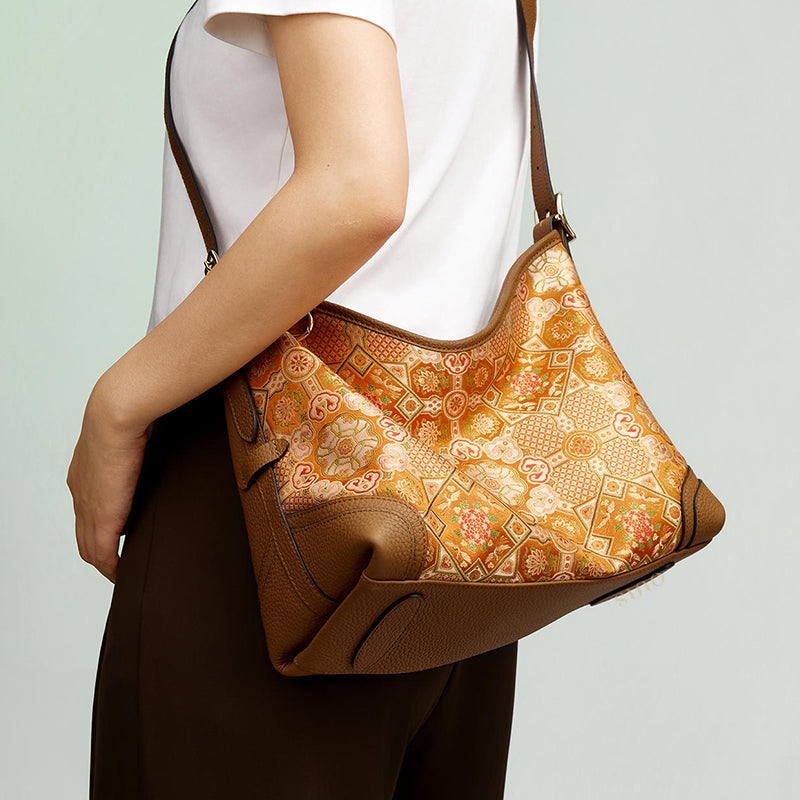
Blooming Flowers Pattern: The Blooming Flowers pattern brings together classic floral elements and rich, layered colors. Flowers in full bloom symbolize prosperity, happiness, and a flourishing life, while the vibrant composition expresses the richness, romance, and joyful spirit of Eastern aesthetics.

If this abundant floral pattern brings you a sense of beauty and prosperity, explore our Luxury Song Brocade Blooming Flowers Leather Crossbody Bag. -
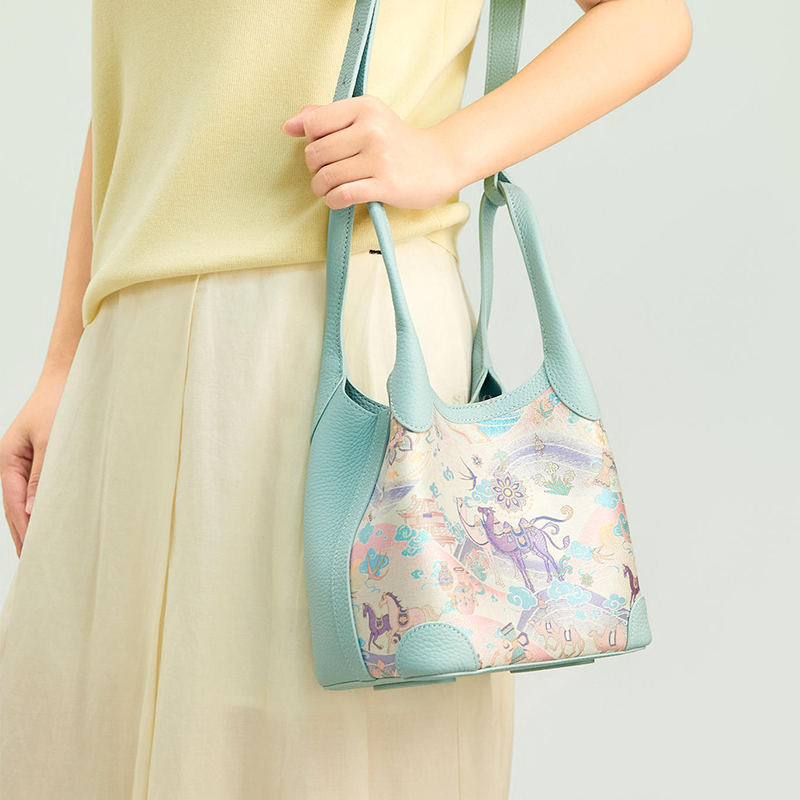
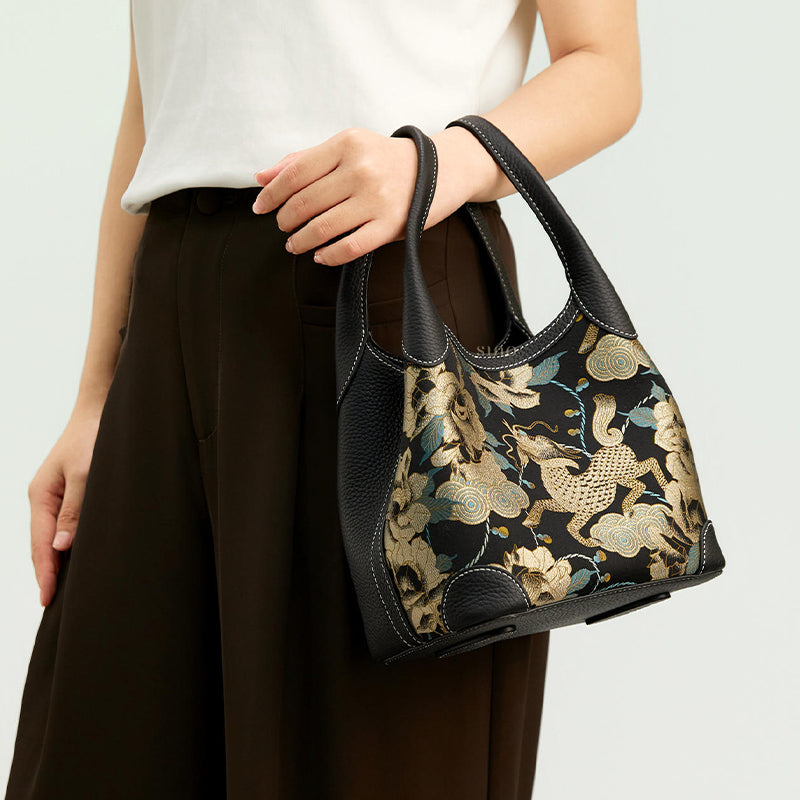
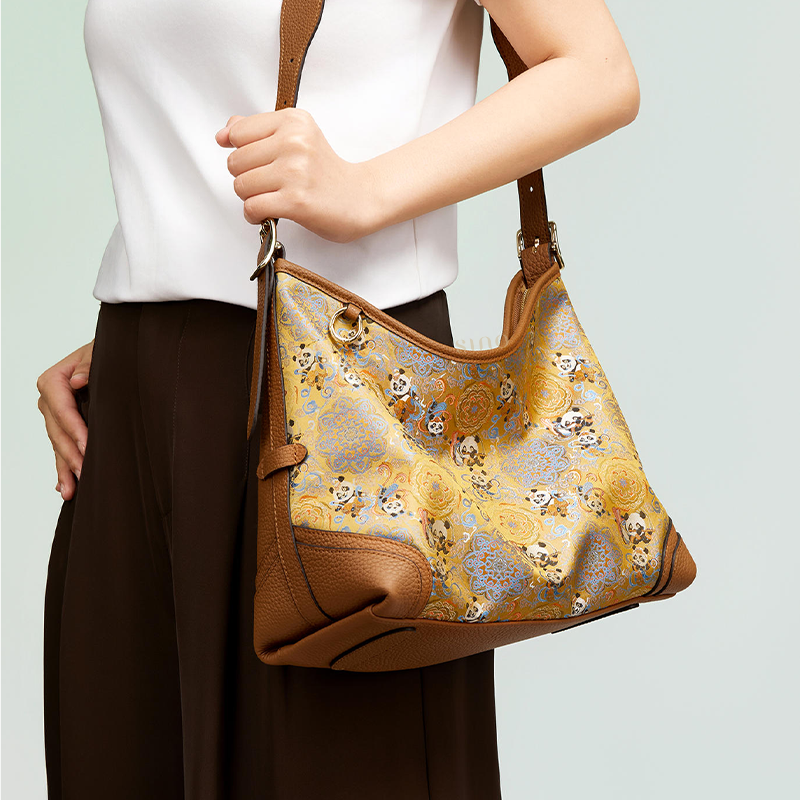
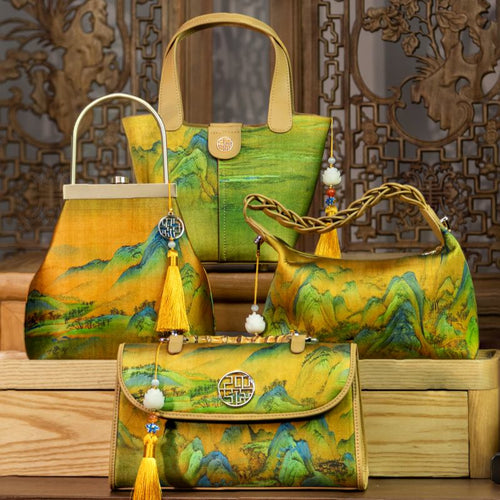
Silk Road Pattern: Inspired by the monumental Silk Road brocade scroll associated with Li Dexi’s weaving practice, this pattern tells a story of travel, trade, and cultural exchange. It represents openness, connection, and the meeting of civilizations across mountains and seas, turning silk into a woven record of shared history.

Explore this historical narrative through our Chinoiserie Luxury Song Brocade Silk Road Leather Basket Tote Bag. -
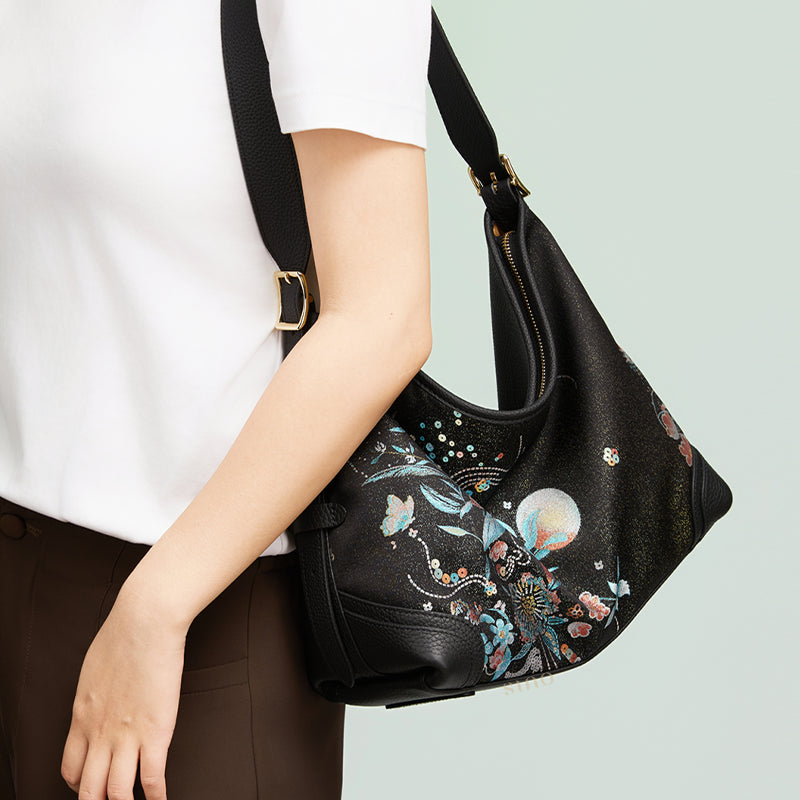
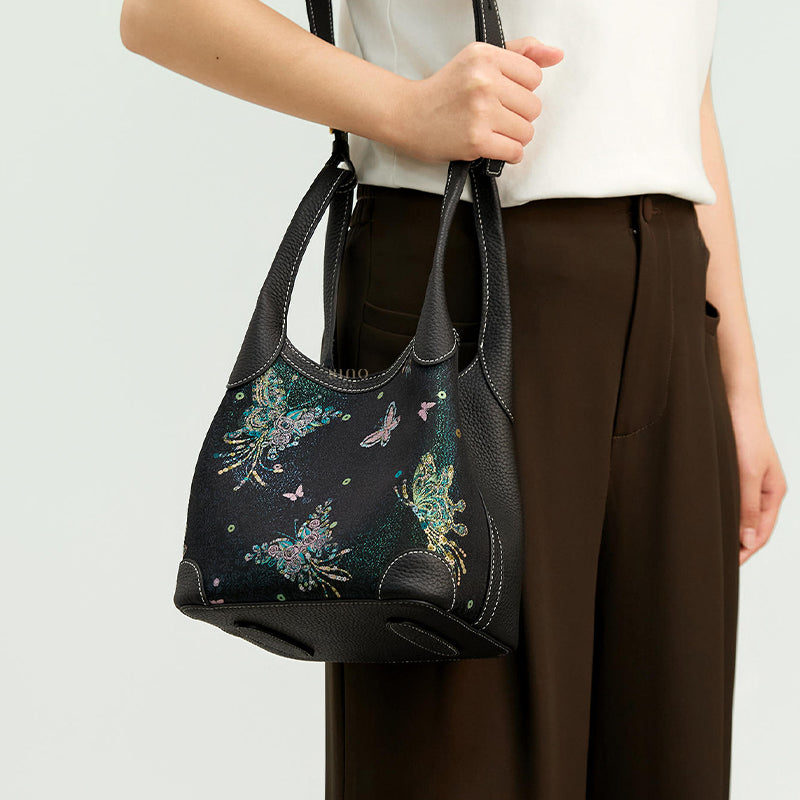
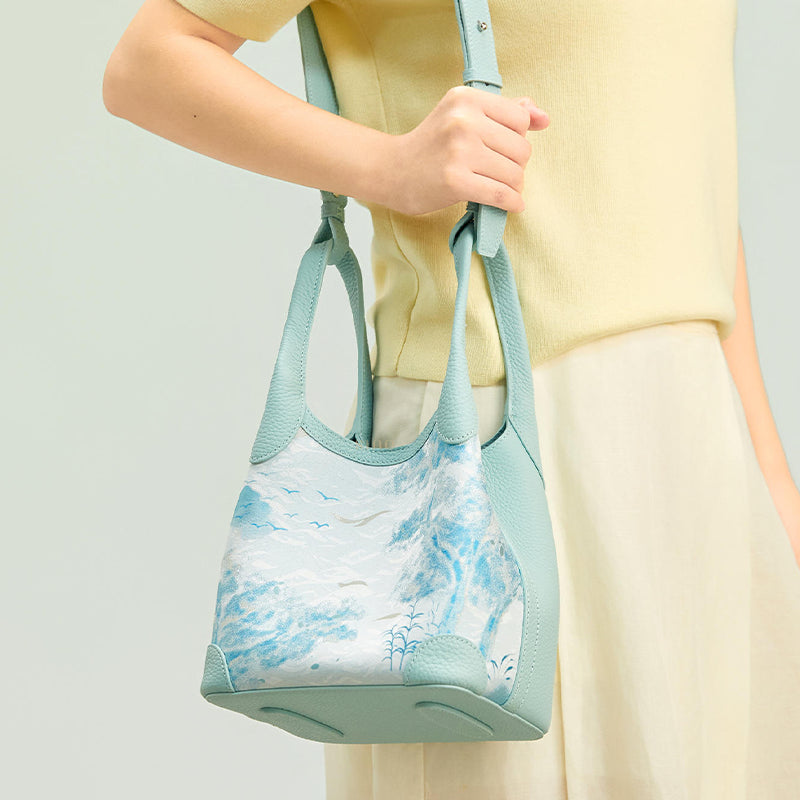
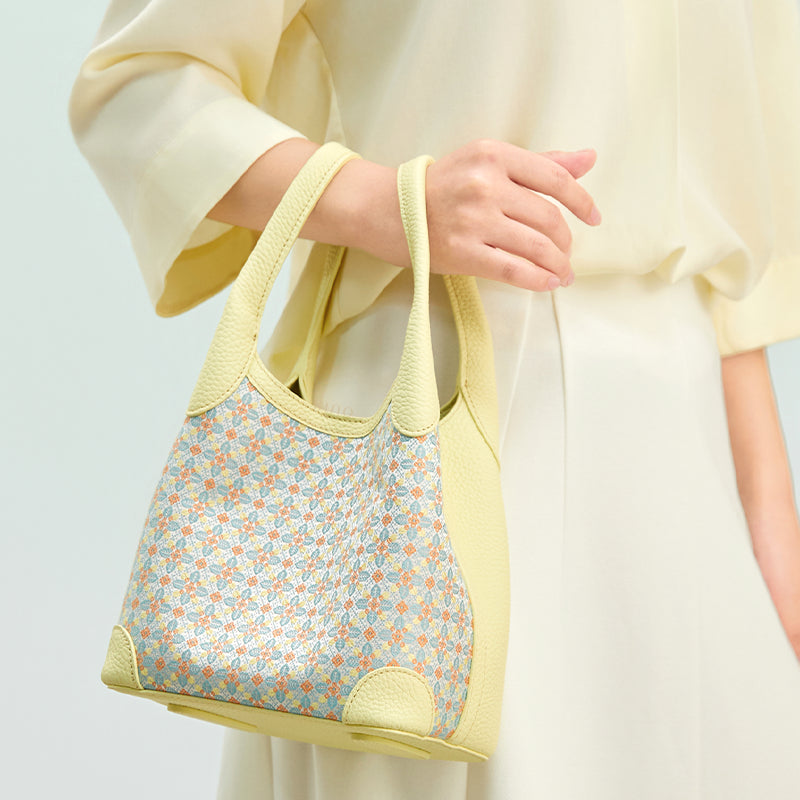
Spring Butterfly and Pearl Pattern: The Spring Butterfly and Pearl pattern captures butterflies moving among flowers beneath the gentle light of spring. Butterflies symbolize transformation and renewal, while pearl-like details suggest completeness, refinement, and quiet abundance. Together, they express vitality, grace, and the promise of a new season.

If this graceful spring pattern brings you a sense of renewal and elegance, explore our Luxury Song Brocade Butterfly & Pearl Leather Basket Tote Bag.
From Ancient Looms to Modern Life
These patterns show how traditional symbolism can remain meaningful in contemporary design. Yet Li Dexi’s contribution extends beyond reinterpreting individual motifs. He also helped expand the ways Song Brocade could be woven, presented, and used in modern life.

Historically, Song Brocade was closely associated with scroll mounting, decorative cases, ceremonial textiles, and formal clothing. Drawing on his knowledge of looms and textile construction, Li explored how traditional patterns could be adapted for a wider range of uses. By refining color combinations, adjusting pattern scale, and developing fabrics for different design needs, he helped preserve the character of Song Brocade while making it more suitable for contemporary clothing and accessories. Modern weaving equipment also allowed complex designs to be produced with greater consistency under the guidance of traditional techniques.
Technical adaptation, however, is only one part of bringing Song Brocade into modern life. SAINT JOY’s commercial and marketing system for Song Brocade has further expanded its reach through brand positioning, celebrity collaborations, cultural events, media exposure, and contemporary communication, helping the heritage textile connect with wider and younger audiences.
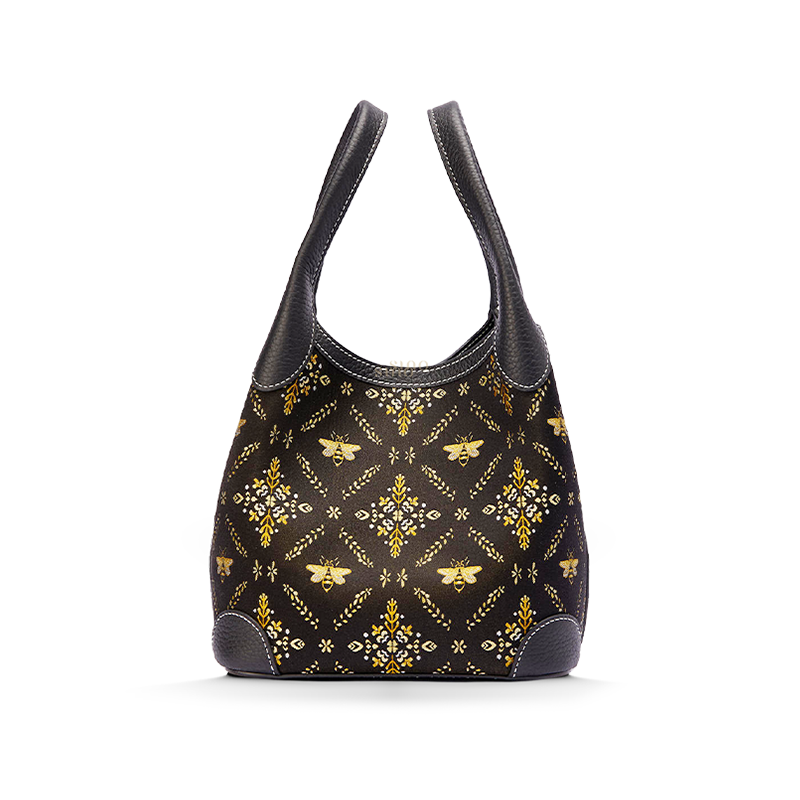
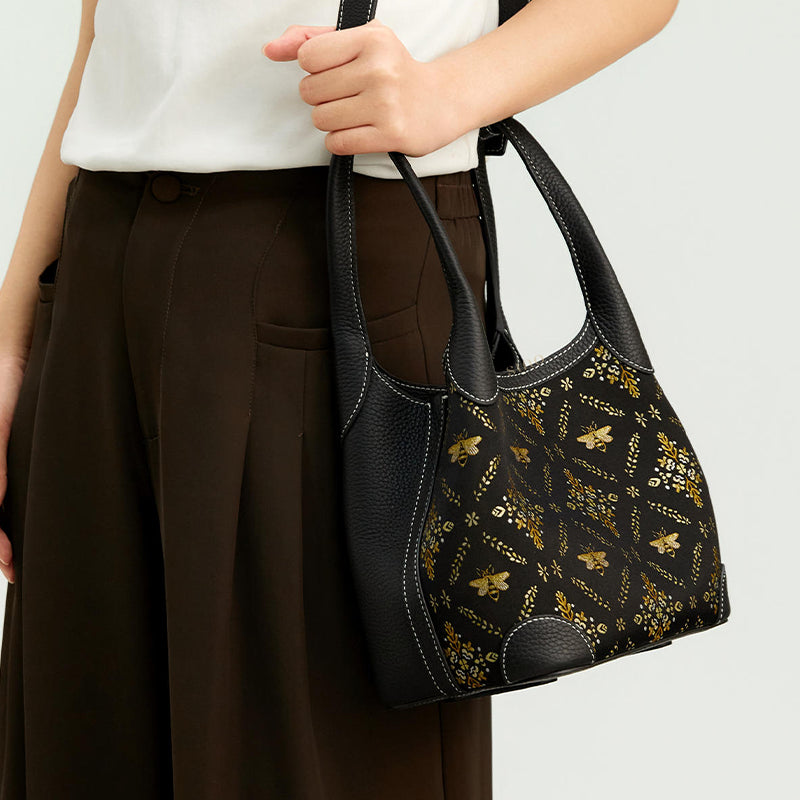
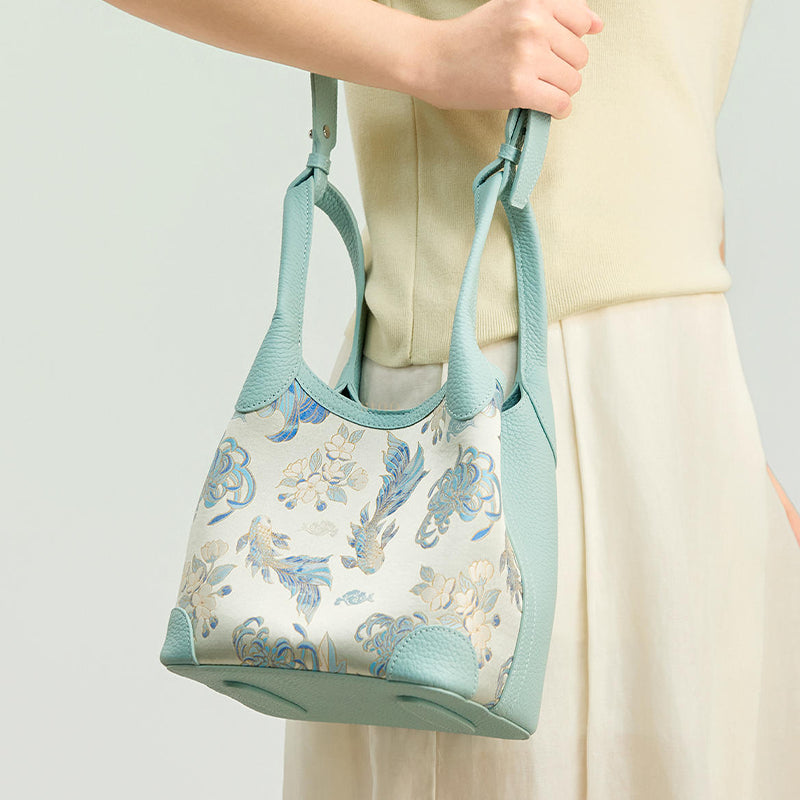
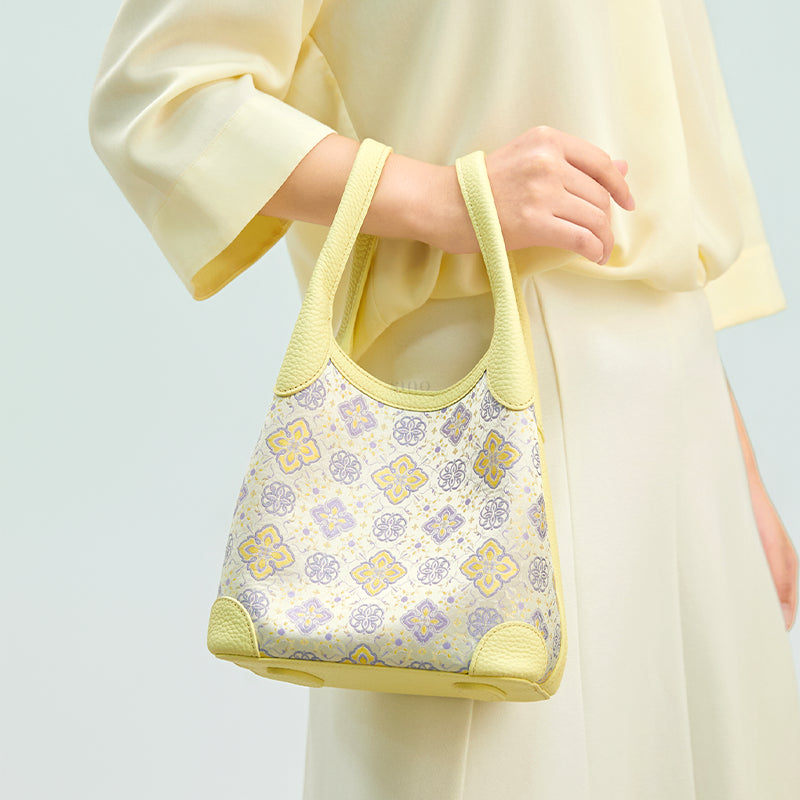
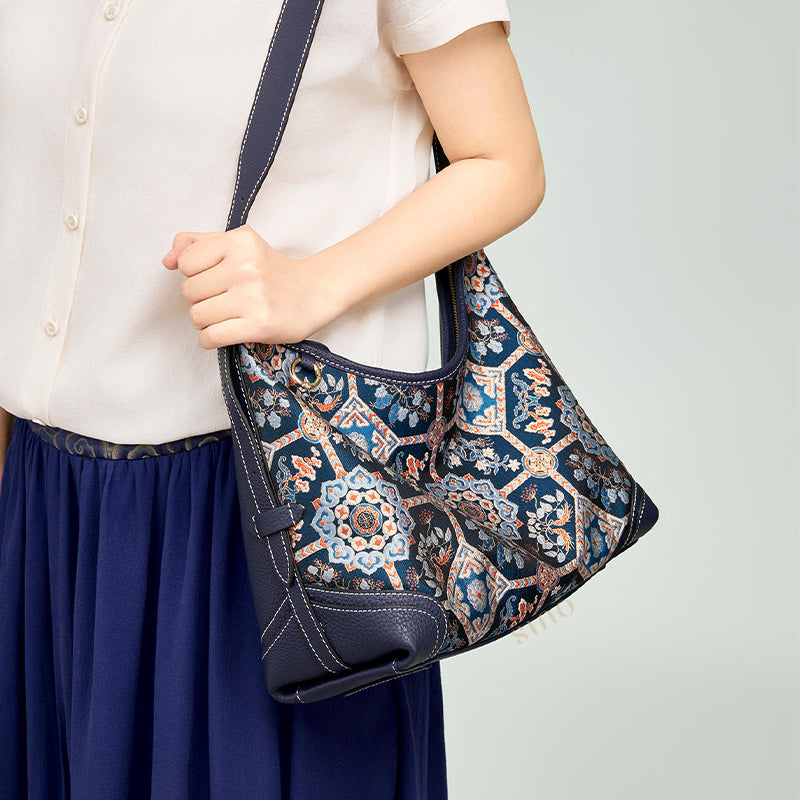
If you're ready to find a piece worth collecting, explore the our Sinocultural Brocade Handbag Collection.

SinoCultural continues this approach by pairing Li Dexi Song Brocade with structured leather and modern handbag silhouettes. In these designs, heritage silk is no longer limited to historical display or formal occasions. It becomes something that can be carried, styled, and appreciated in everyday life—allowing an ancient weaving tradition to remain visible, useful, and culturally relevant today.
Why Li Dexi Song Brocade Still Matters Today
In an age dominated by fast fashion and disposable goods, Li Dexi Song Brocade represents a very different relationship with clothing and materials. Some admirers even travel to Suzhou specifically to see and purchase these fabrics. Song Brocade is therefore no longer a distant textile preserved behind museum glass. It has become a living expression of Chinese aesthetics—something people can see, touch, wear, and value in the present.

What makes Li’s work distinctive is his respect for the foundations of traditional weaving. Song Brocade requires numerous stages of preparation, pattern development, loom setting, and weaving, while his wider work with ancient textiles reflects a sustained effort to understand structures that might otherwise disappear. This deliberately slow process stands in sharp contrast to mass production, preserving knowledge that can be learned only through years of practice.
At the same time, Li has helped free traditional patterns from the impression that heritage must feel old-fashioned. Through refined colors, balanced compositions, and thoughtful reinterpretation, Song Brocade can appear classical without feeling dated. Its continuing appeal shows that tradition does not survive by remaining still, but by keeping its roots while finding new ways to speak to each generation.