Skip to content

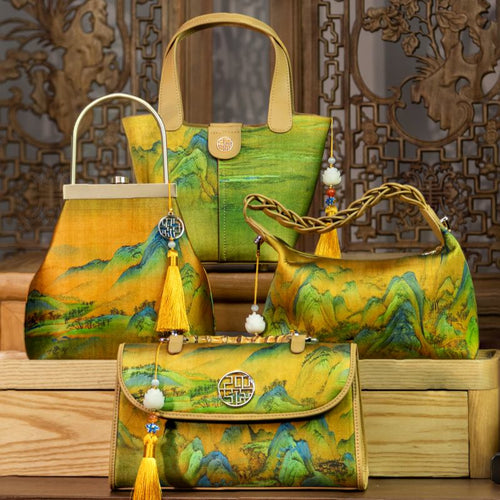
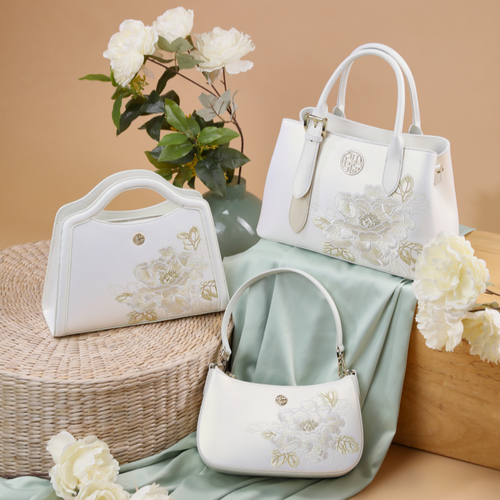
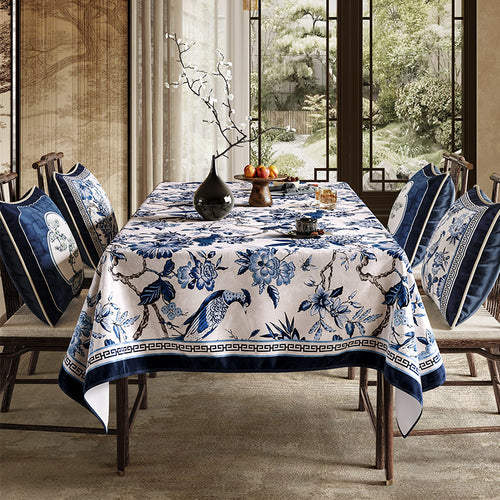
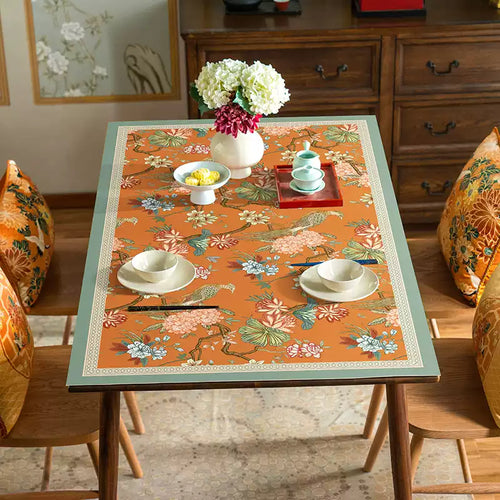
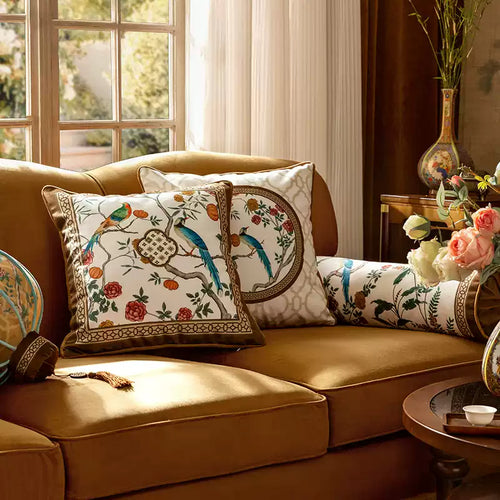
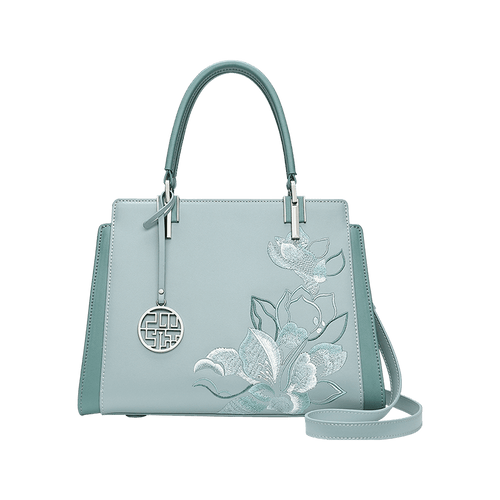
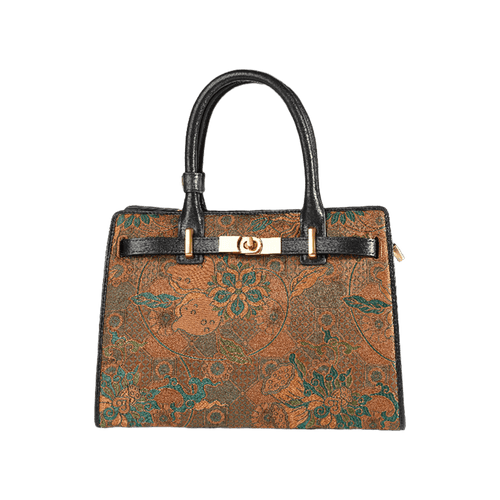
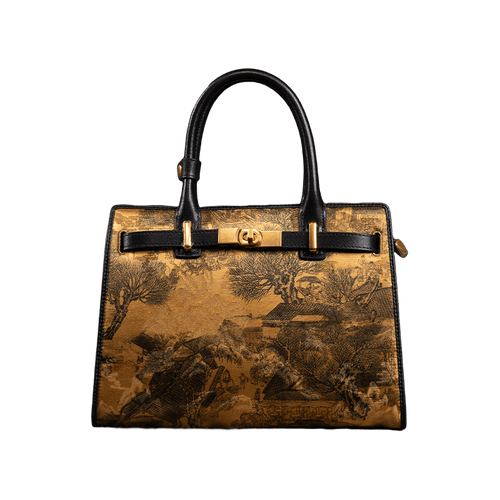
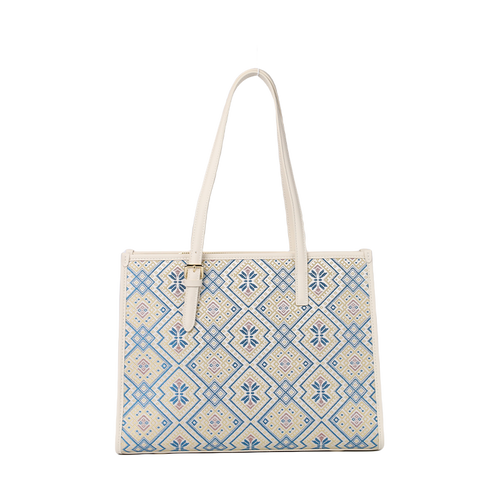
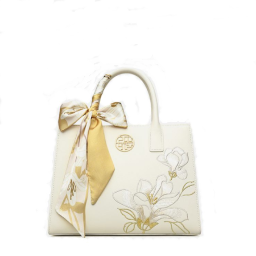
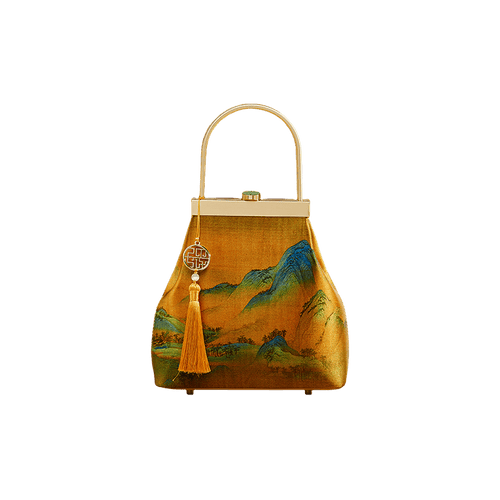
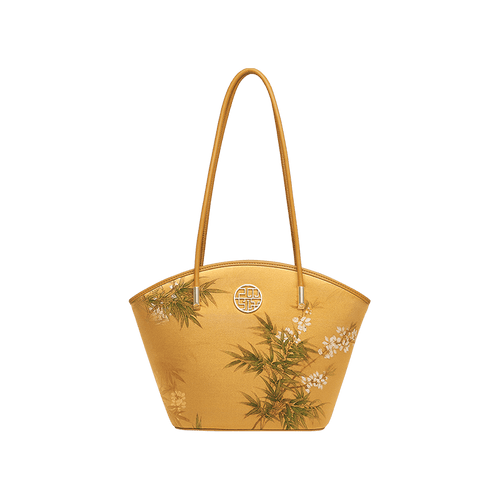
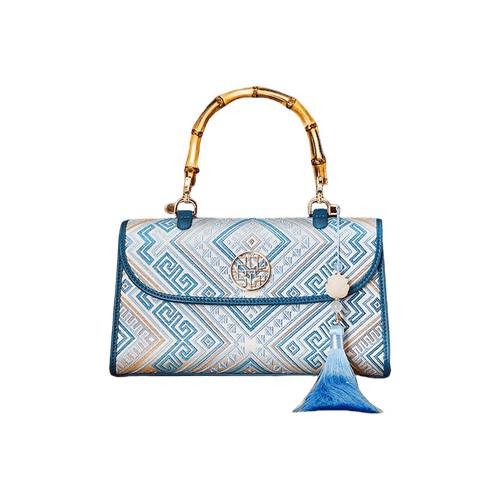
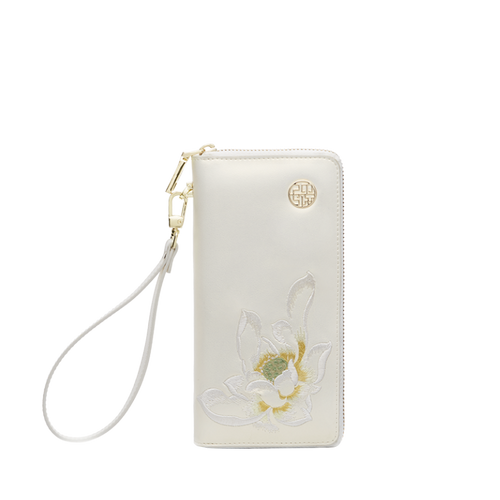
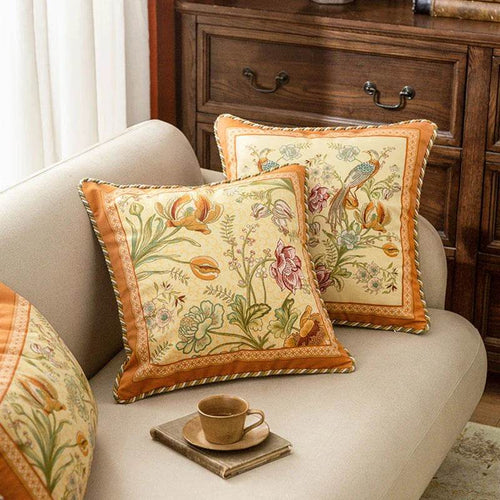
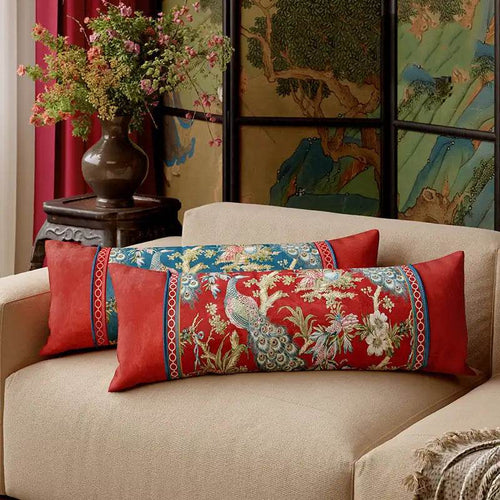
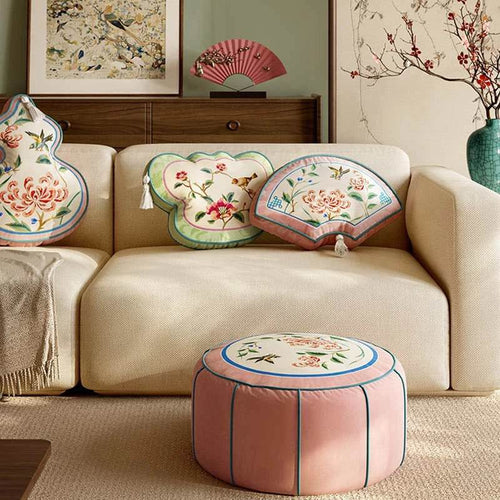
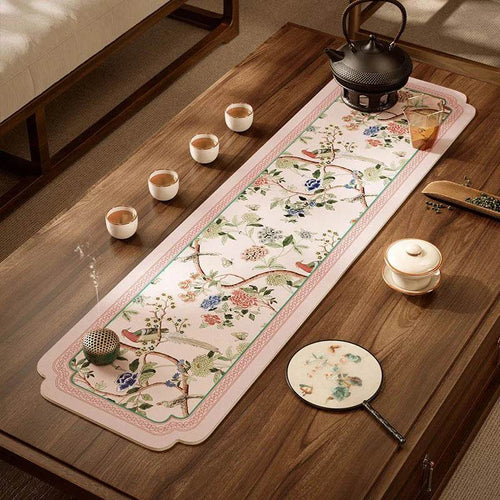
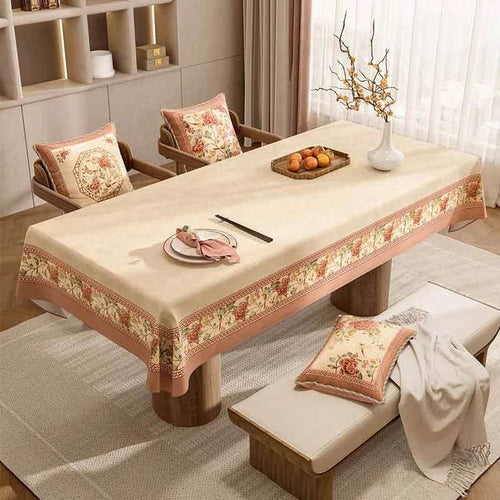
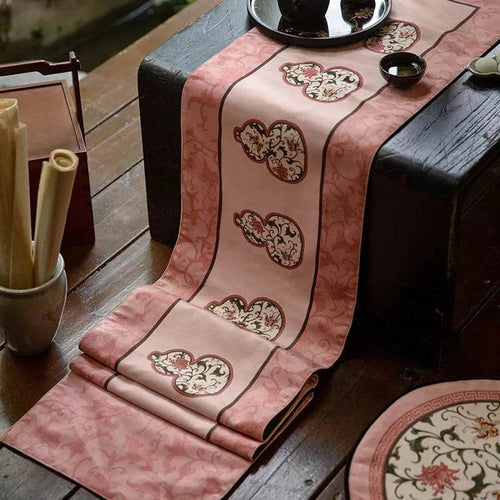


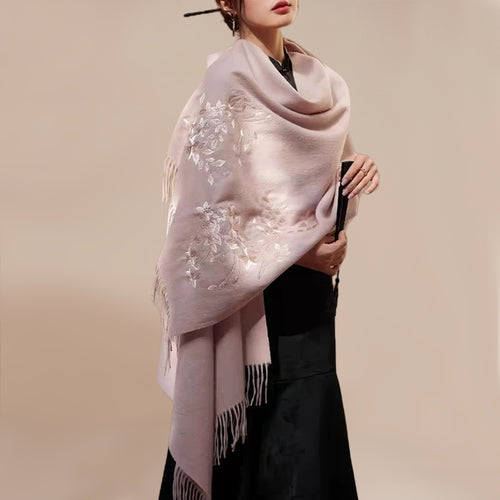
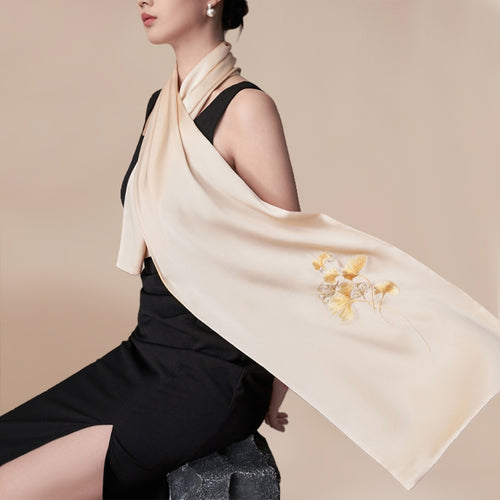
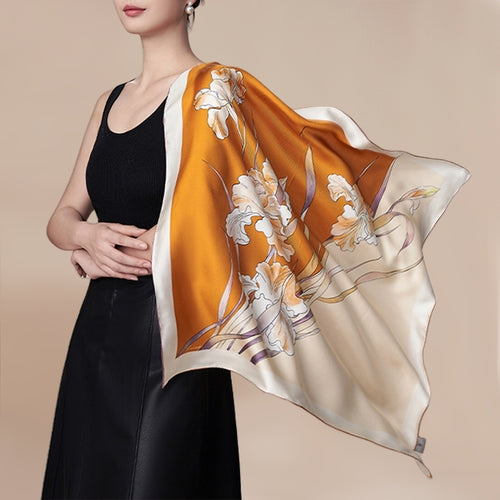
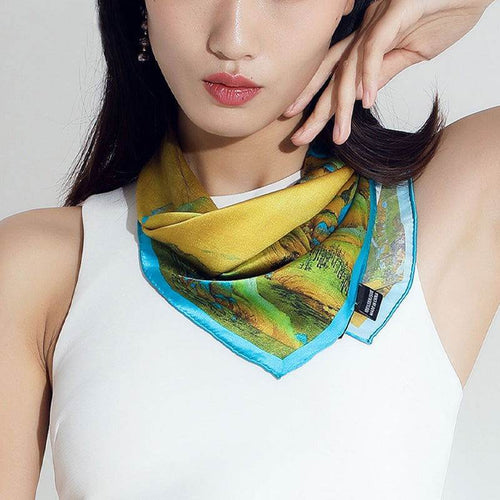
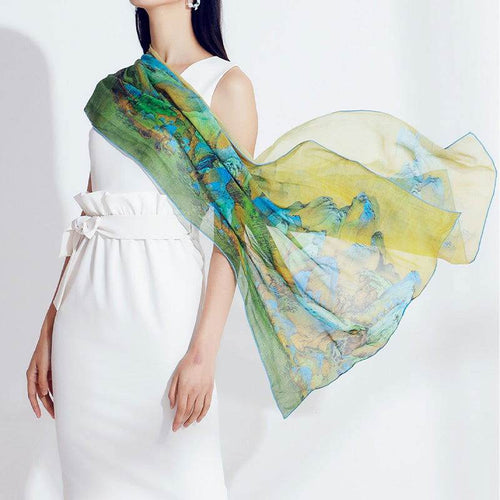
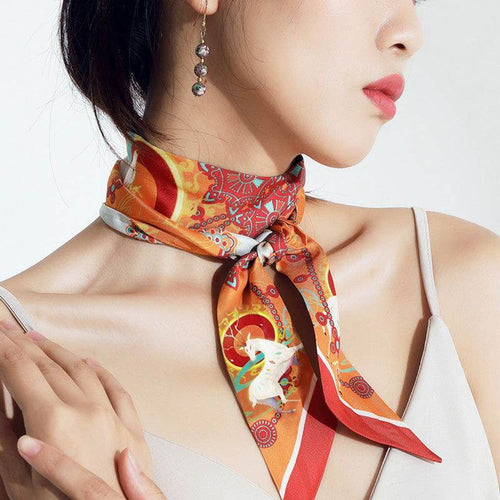


Suzhou(Su) Embroidery, or Su Xiu (苏绣), is one of China's most celebrated traditional intangible cultural heritages, originating from Suzhou in Jiangsu Province. With a history spanning over two millennia, it is one of the four main styles of chinese suzhou embroidery, renowned globally for its exquisite hand craftsmanship and vibrant quality. This asian silk embroidery art form is distinguished by its refined needlework, balanced compositions, and the use of incredibly fine silk threads. >>>More read about China four famous embroideries.

Table of Contents
- At a Glance: Quick Facts
- Techniques of "Painting by Needle"
- The Magic of Double-Sided Suzhou Embroidery
- The Soul of the Craft: Generations of Artistry
- Unraveling the Symbolism in Every Thread
- A Global Treasure & The Embroidery Museum
- Frequently Asked Questions (FAQ)
At a Glance: Suzhou Embroidery Facts
| Feature | Description |
| Chinese Name | Su Xiu (苏绣) |
| Origin | Suzhou, Jiangsu Province, China |
| History | Over 2,000 years (since the Three Kingdoms period) |
| Signature Technique | Double-sided Su embroidery (identical on both sides) |
| Materials Used | Extremely fine split silk threads on translucent mulberry silk fabric |
Delicate as a Brushstroke: The Techniques of "Painting by Needle"
Suzhou Embroidery is often called "painting by needle" for its ability to create stunningly realistic images with thread. Artisans masterfully employ a vast array of stitching techniques—evolving from about ten basic stitches to over 40—to craft intricate patterns and three-dimensional scenes.

Key techniques that define Su Embroidery include:
-
Splitting Silk Threads: A single silk thread is often split into multiple finer strands, some as fine as a human hair, allowing for incredibly delicate and detailed work.This process is crucial for achieving subtle shading and a shimmering finish.

-
Even and Random Embroidery: Techniques range from "Even Embroidery" (ping xiu), which emphasizes uniform and neat stitches, to the more modern "Random Stitch Embroidery" (luan zhen xiu). The latter uses crisscrossing and layered stitches of different colors to create a vivid, oil painting-like effect.

-
Double-Sided Embroidery: A hallmark of the highest level of craftsmanship, double-sided embroidery presents a perfect image on both sides of a translucent silk fabric, with all thread ends skillfully concealed.

The Magic of Double-Sided Suzhou Embroidery
A hallmark of the highest level of craftsmanship is double sided suzhou embroidery (Shuangmian Xiu). This mesmerizing technique presents a perfect image on both sides of a translucent silk fabric, with all thread ends skillfully concealed between the microscopic layers of silk. Whether you are looking at the front or the back, the artwork is flawlessly identical. Today, mastering suzhou double sided embroidery remains the ultimate test for any Su Xiu artisan.
The techniques of "double-sided different-colored embroidery" and "double-sided triple-different embroidery" in Su embroidery have extremely high technical barriers. It requires the embroiderer to split a single silk thread into extremely fine strands for operation and to employ a unique "needle-hiding technique," ensuring that the colors on both sides do not interfere with each other while maintaining complete and intact patterns. This exquisite "one needle, two sides" technique makes Suzhou double-sided embroidery a pinnacle representation of Chinese embroidery art, with extremely high recognizability.
The Soul of the Craft: Generations of Traditional Artistry
The creation of a chinese suzhou silk embroidery piece demands exceptional skill and patience. From the selection of fine silk threads and designing the pattern to the meticulous execution of each stitch, every step is handled with precision. This knowledge is traditionally passed down through generations, often from mother to daughter, preserving the authenticity of this ancient art. Each piece embodies the artisan's dedication and honors the rich tapestry of Chinese culture.
Unraveling the Symbolism in Every Thread
More than just a handicraft, Suzhou Embroidery is a medium for cultural expression, with each piece conveying rich symbolic meanings rooted in Chinese tradition.
Common motifs and their meanings include:
-
Dragons and Phoenixes: Symbols of power, prosperity, and good fortune.

-
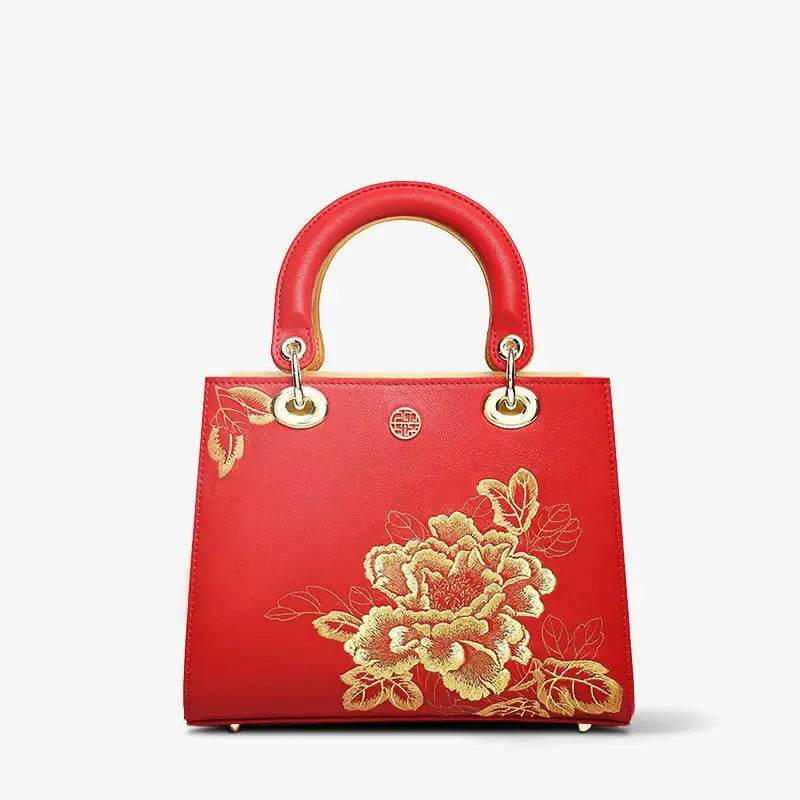
Peonies: Representing wealth, honor, and love.

-
Mandarin Ducks: Signifying a happy and faithful marriage.
-
Lotus Flowers: Symbolizing purity and integrity.

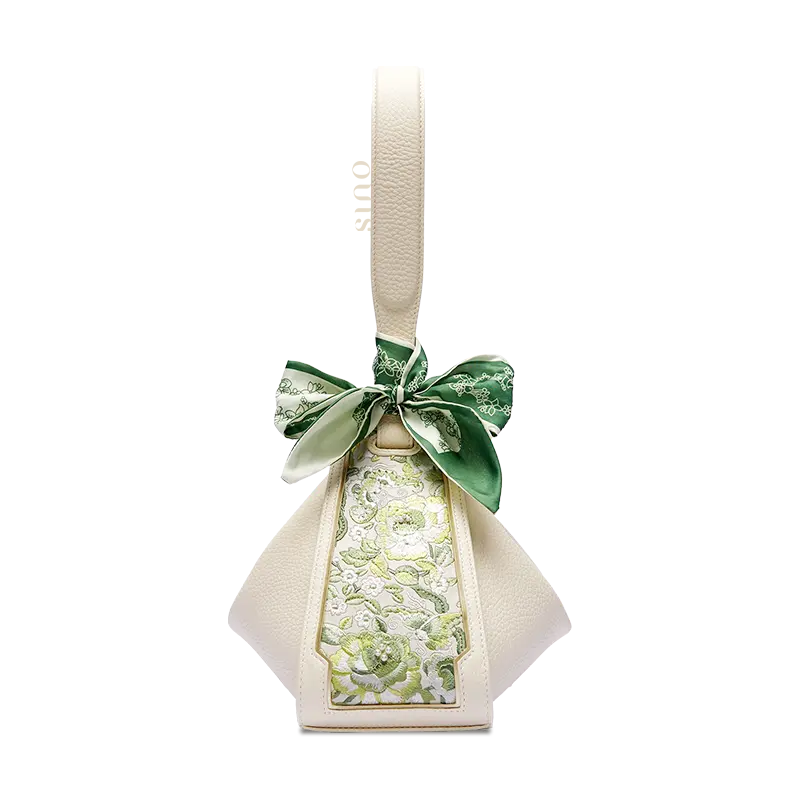
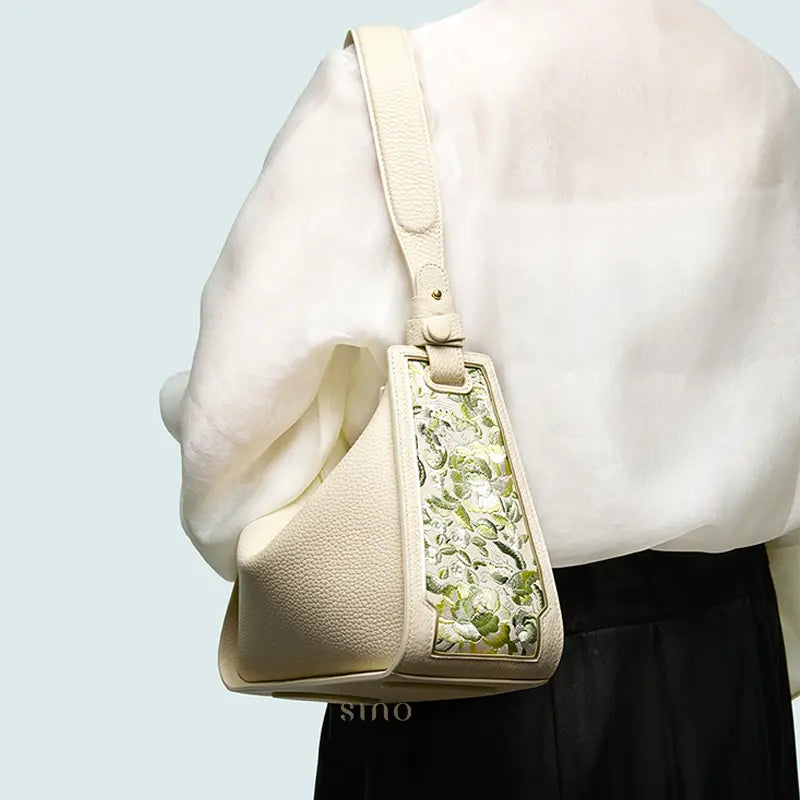
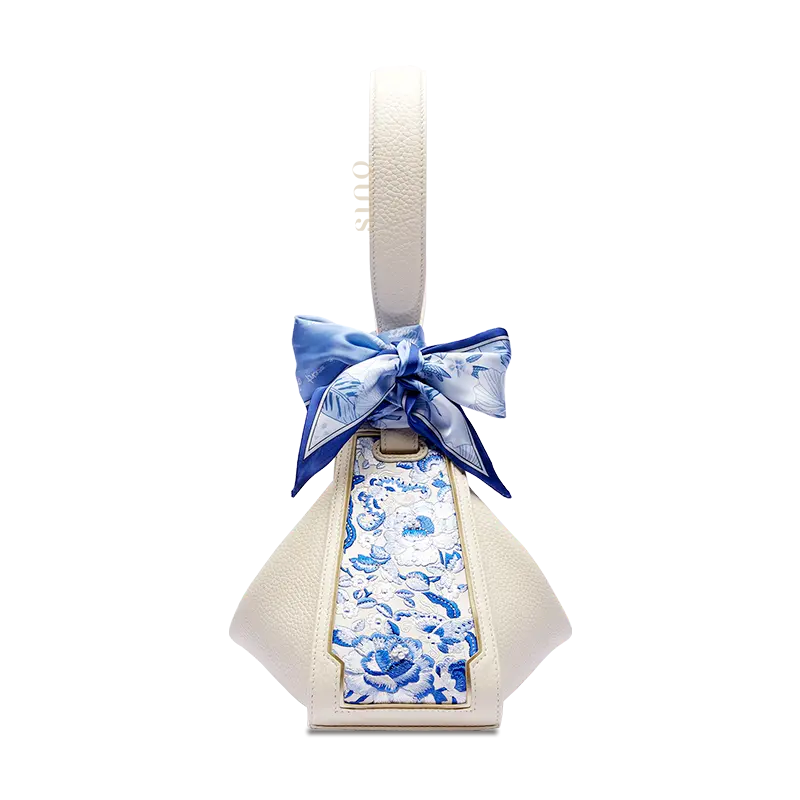
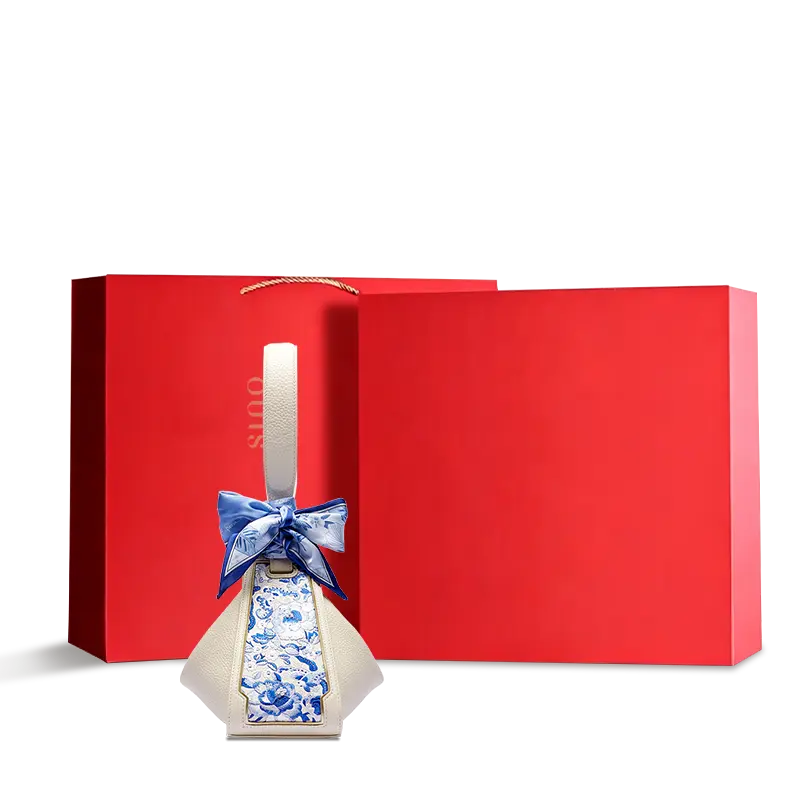
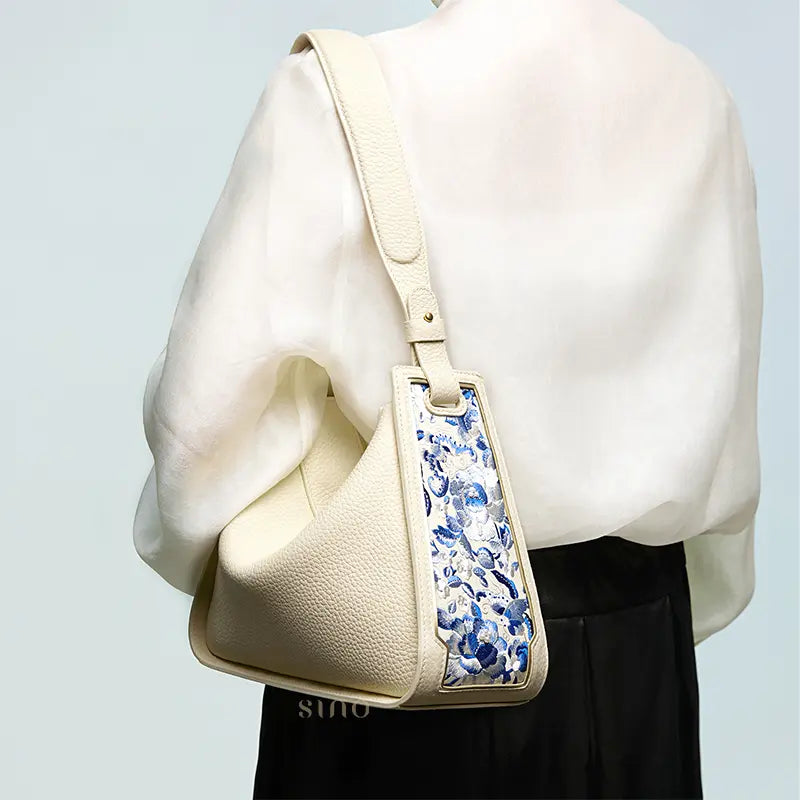
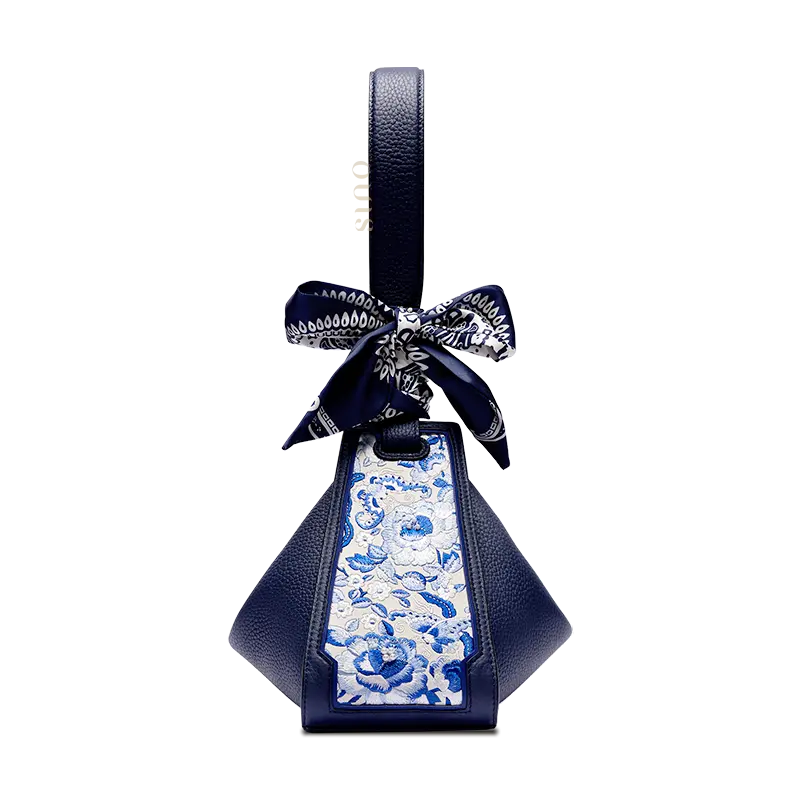
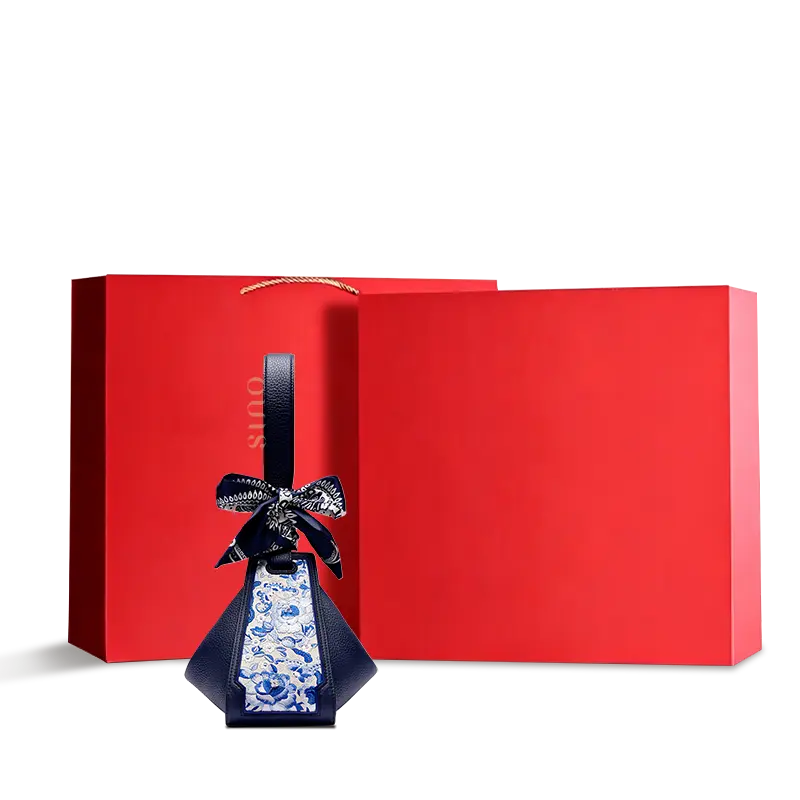
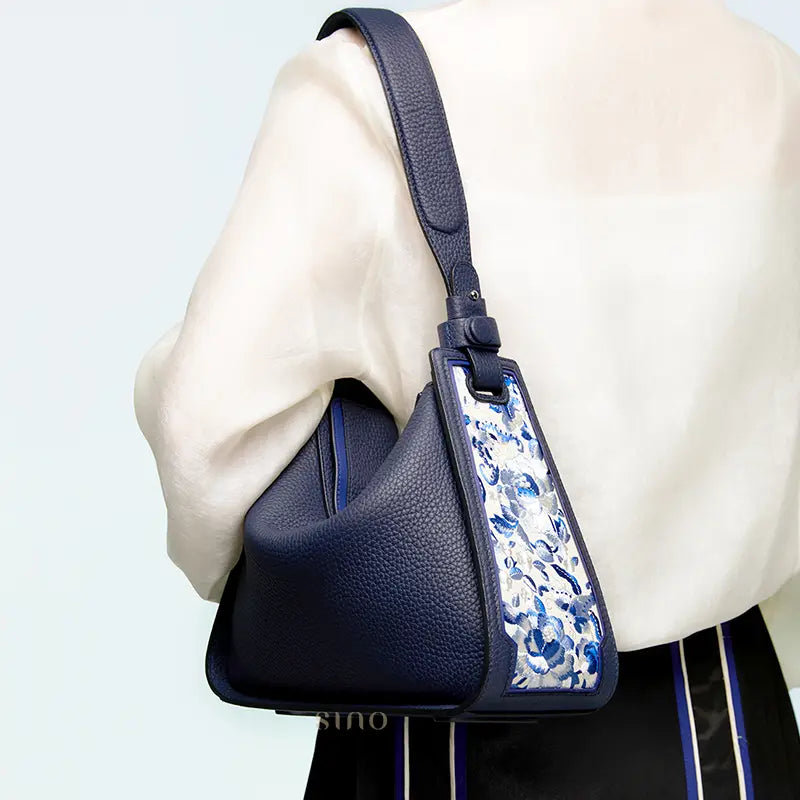
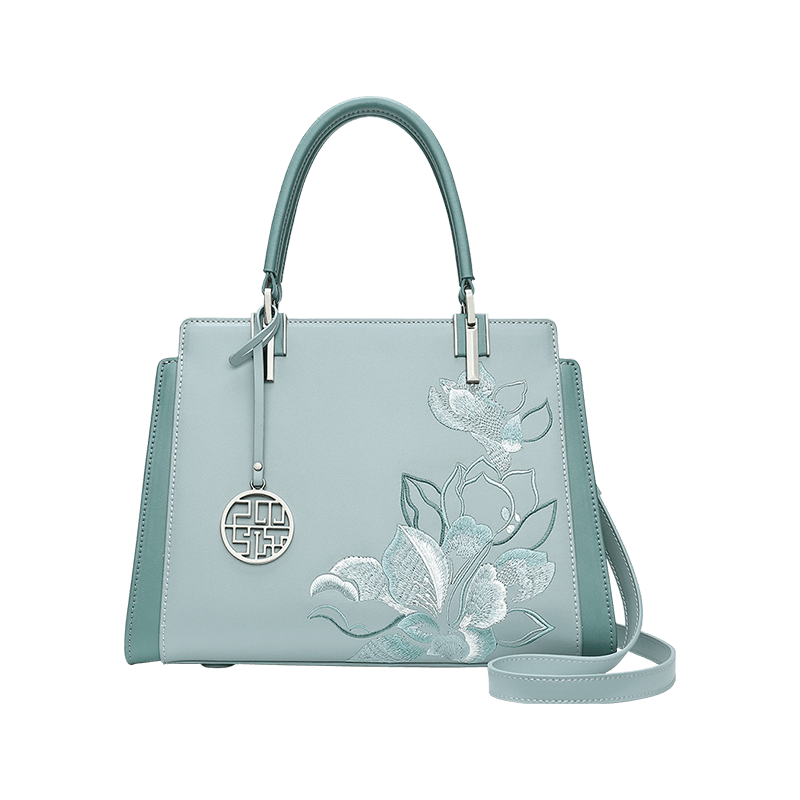
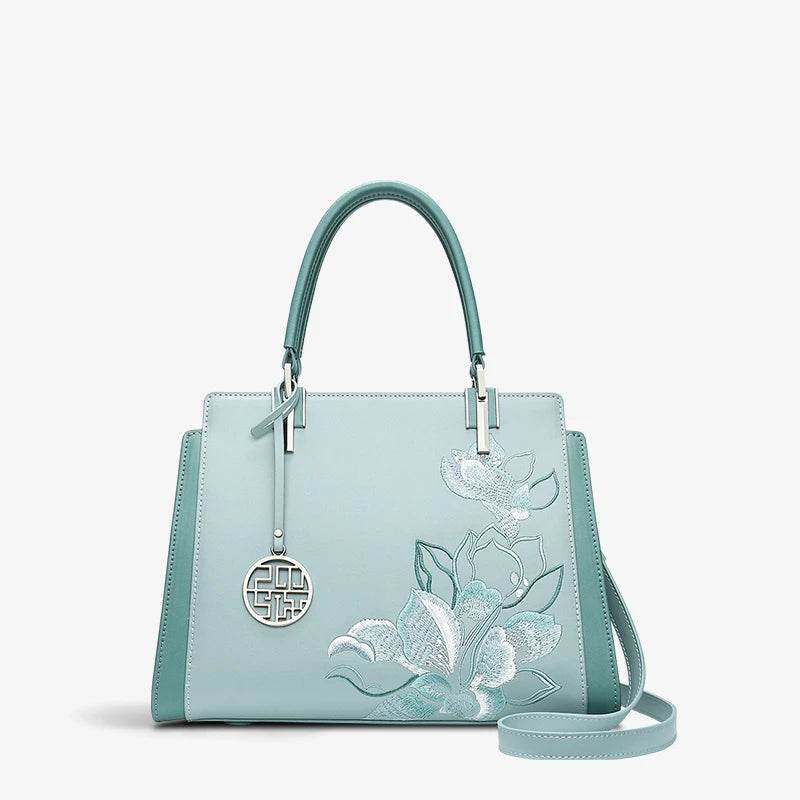
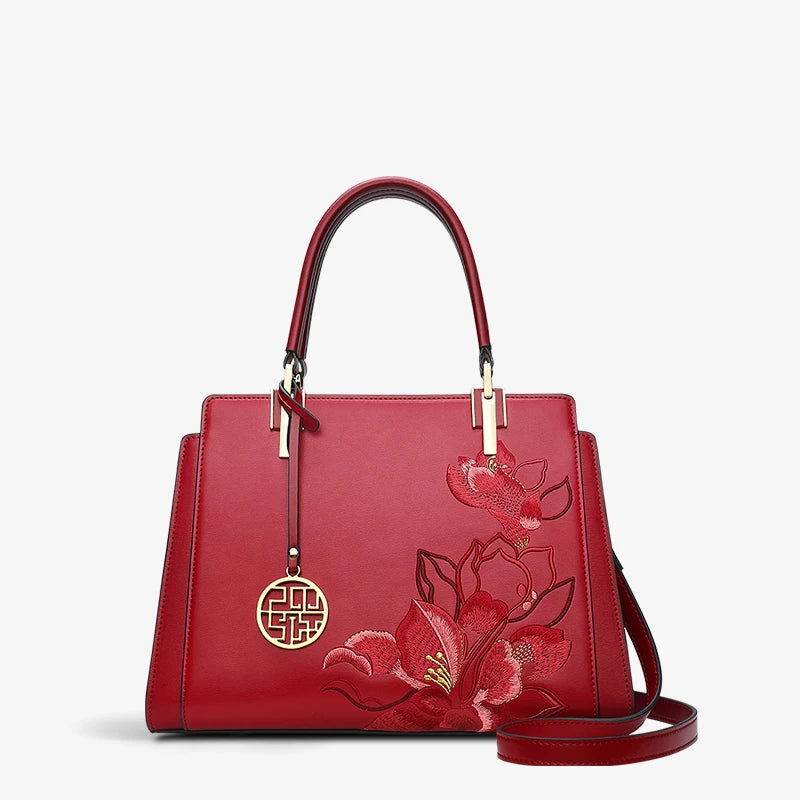
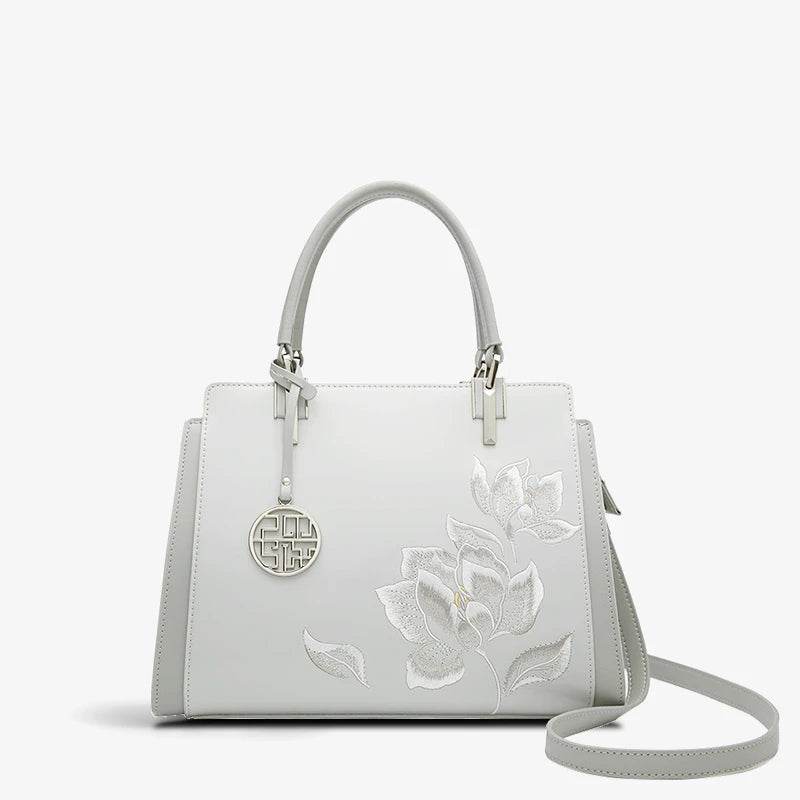
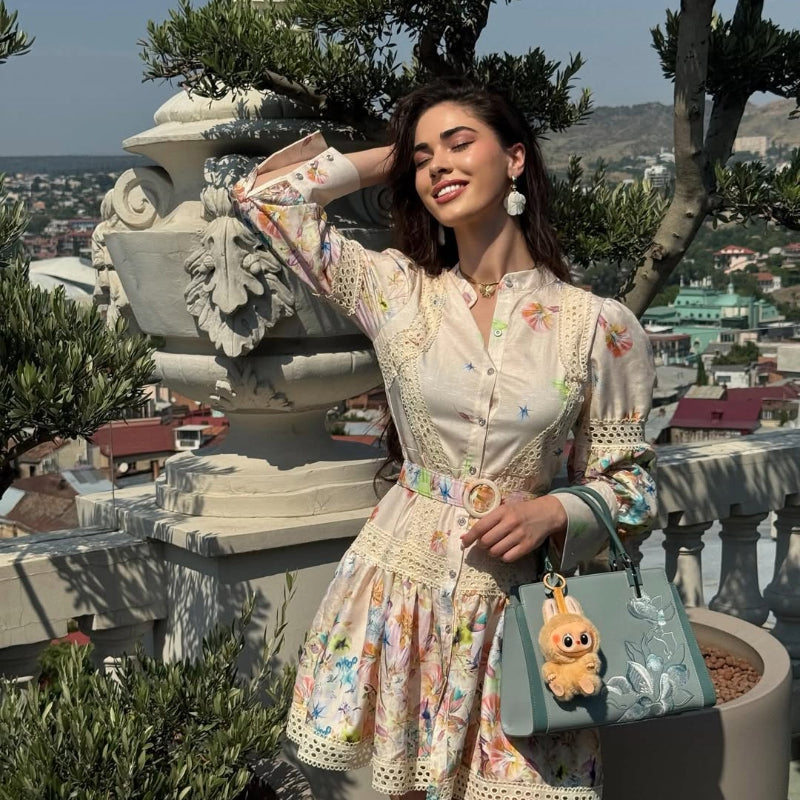
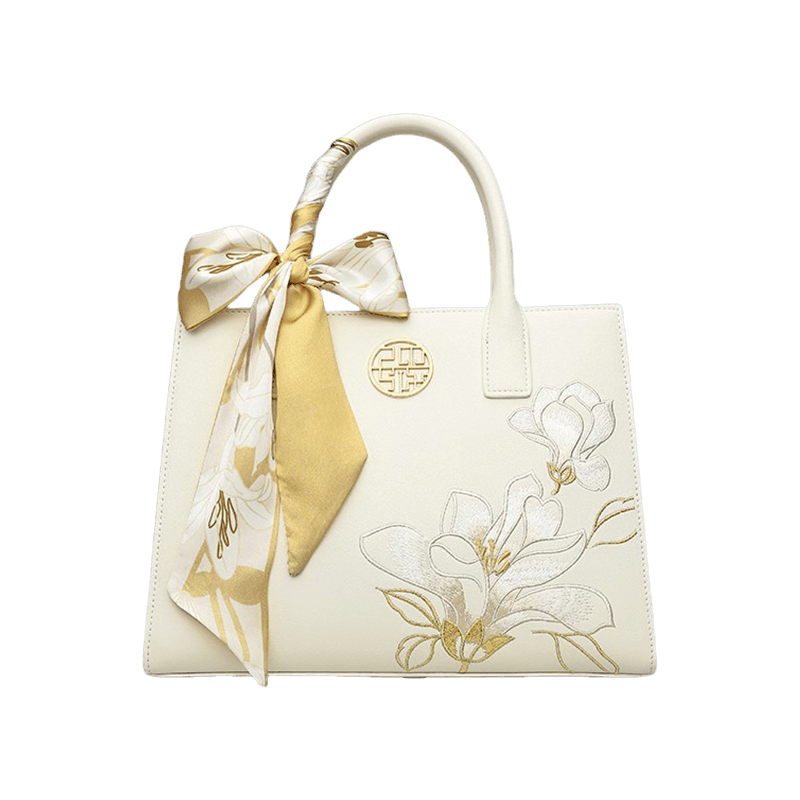
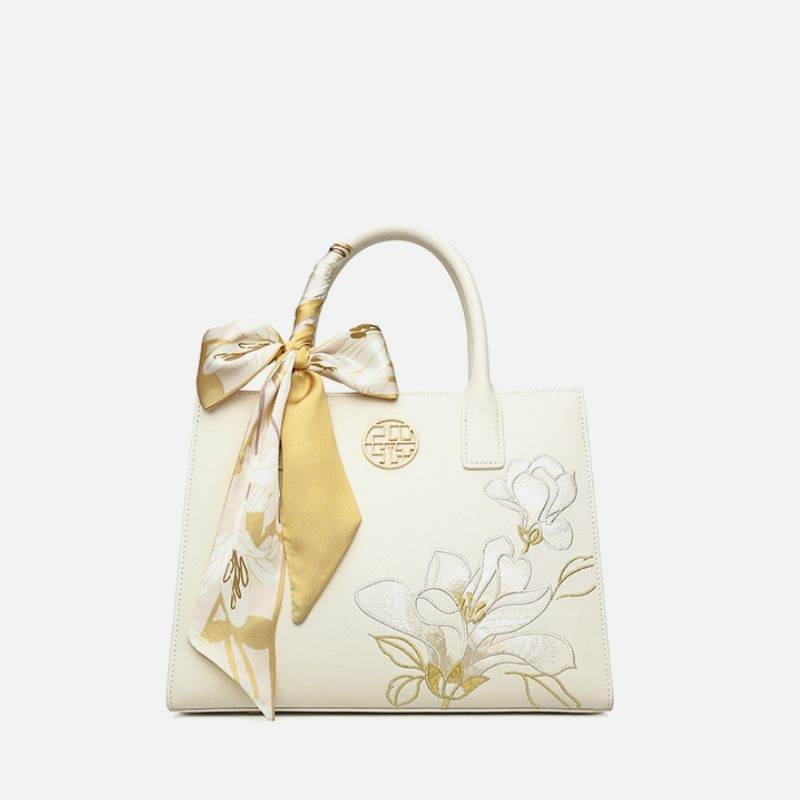
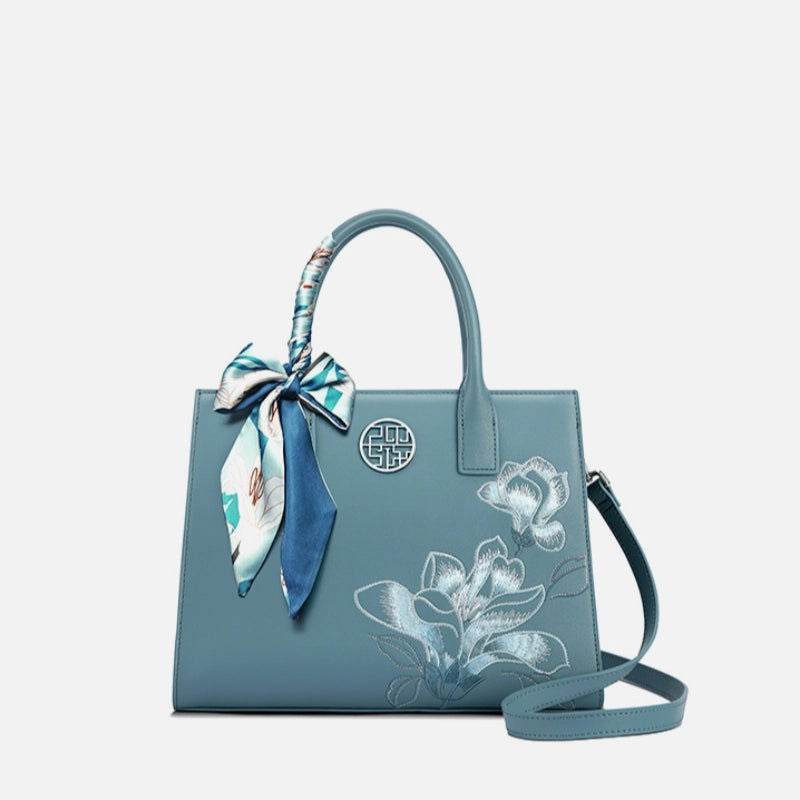
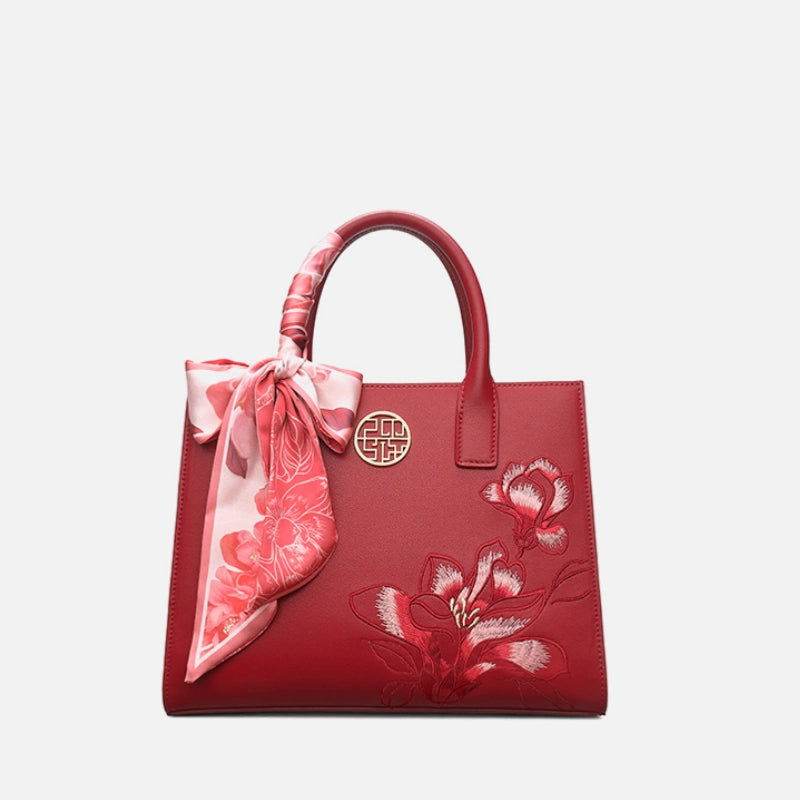
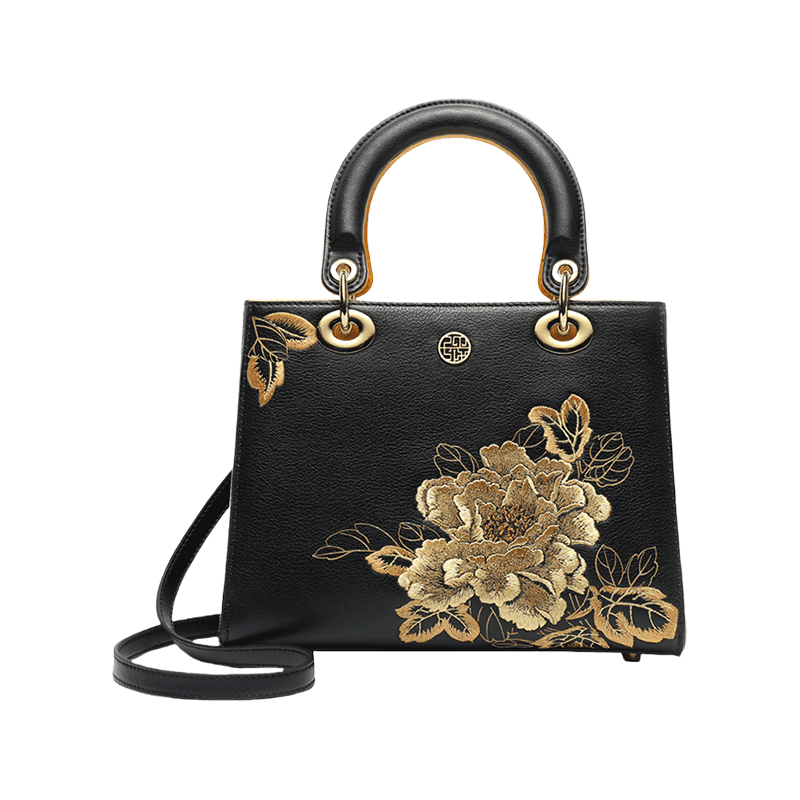
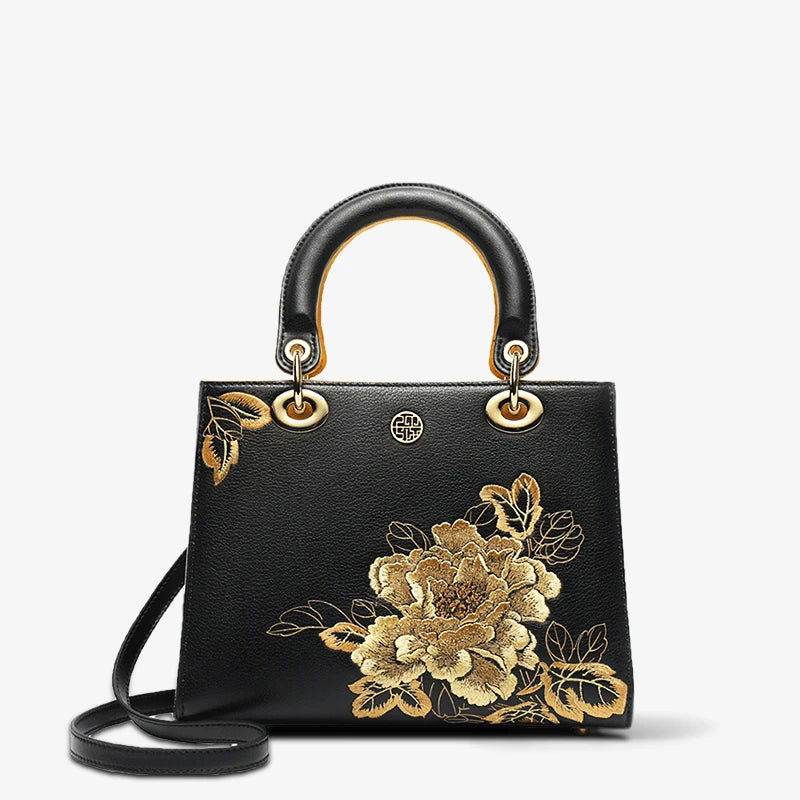
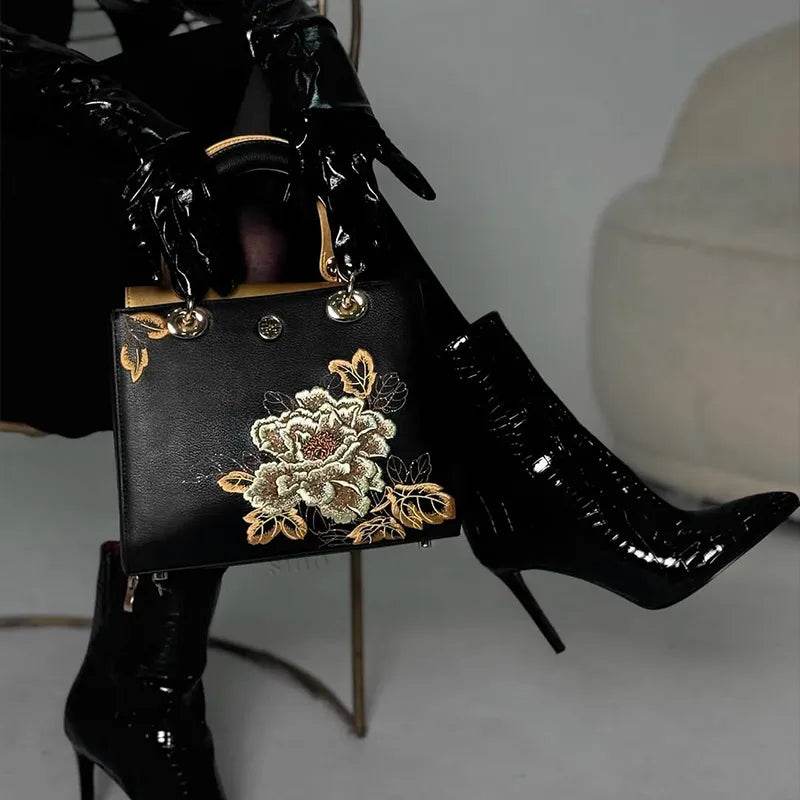
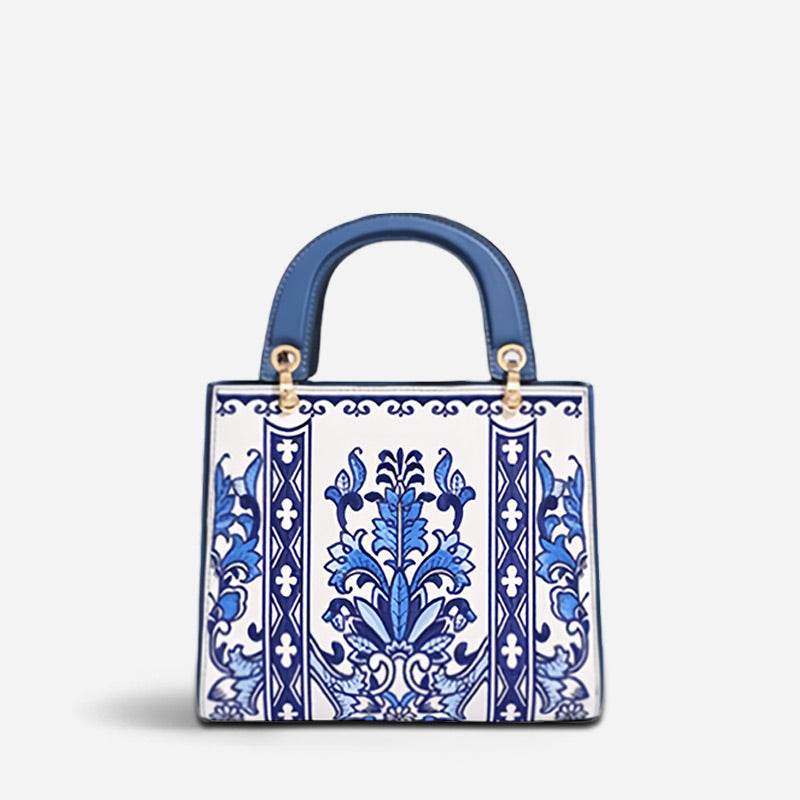
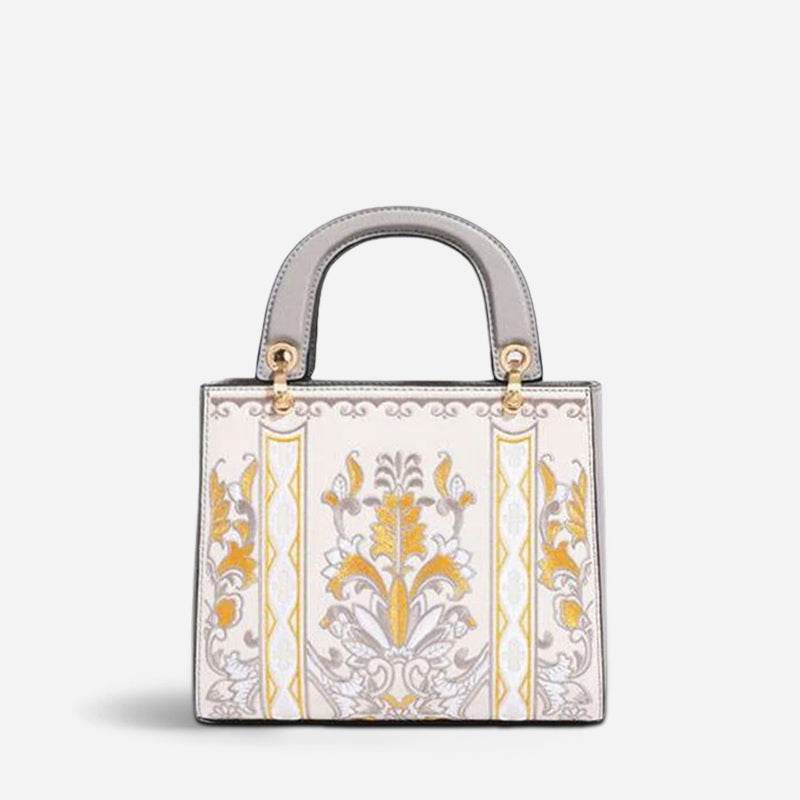
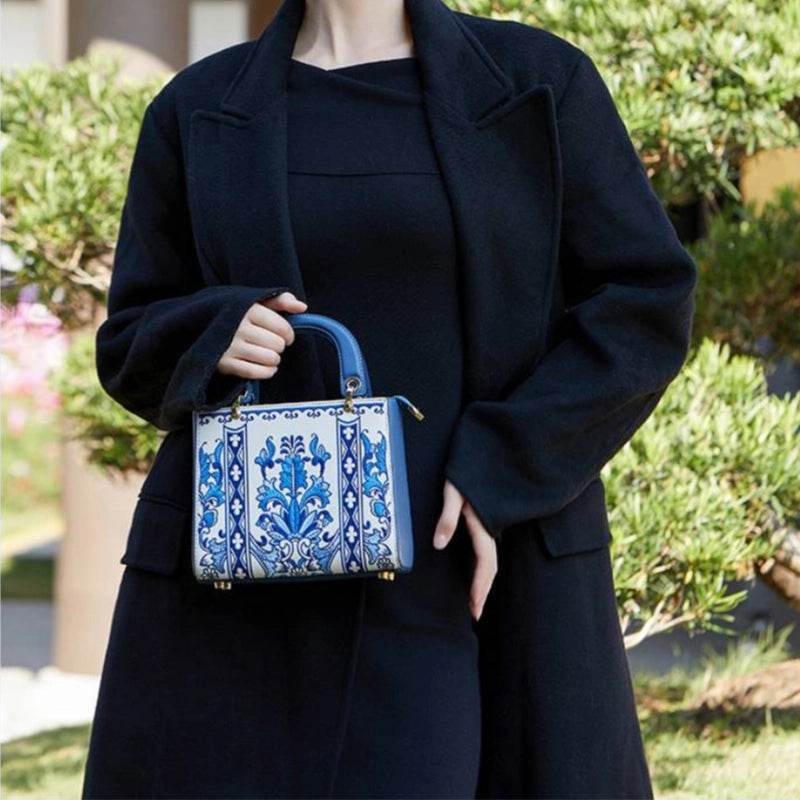
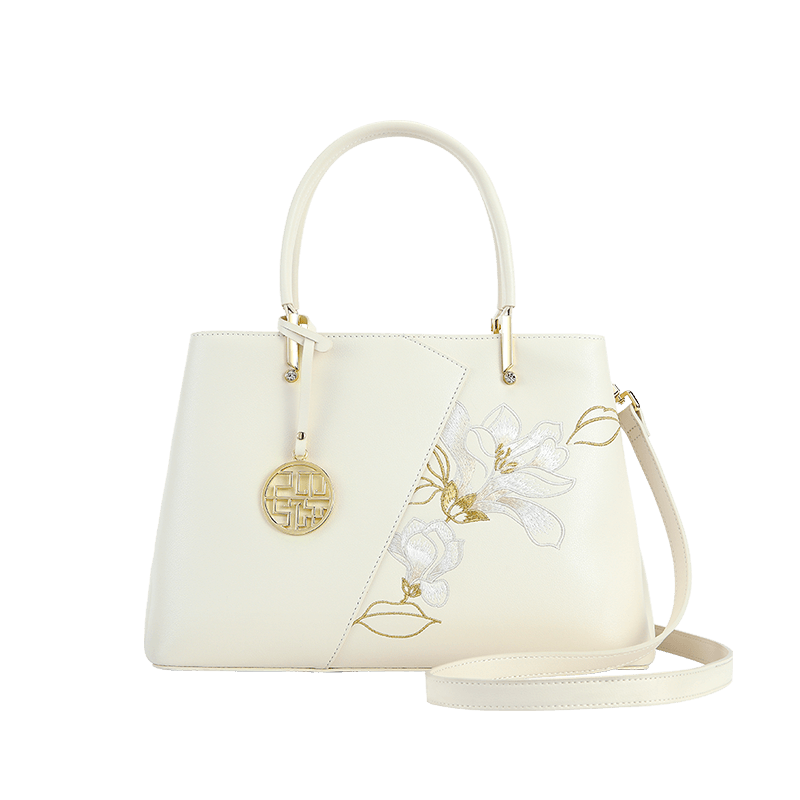
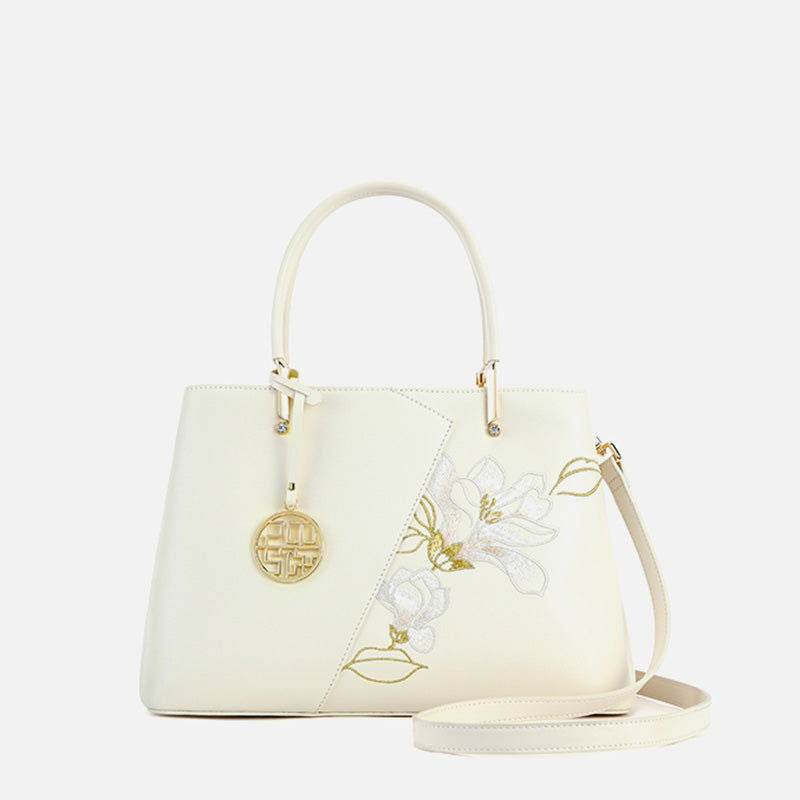
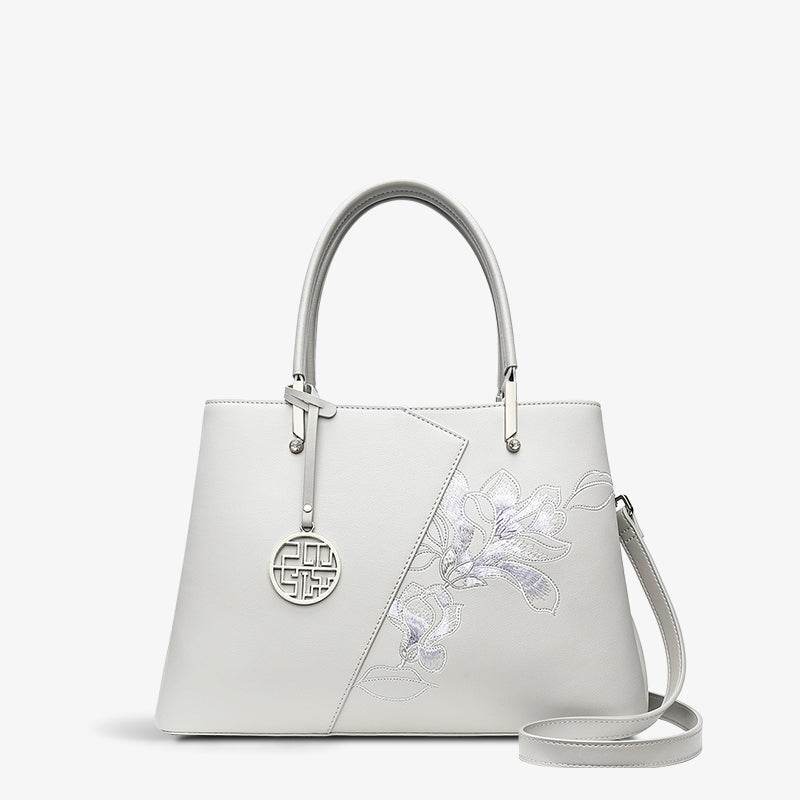
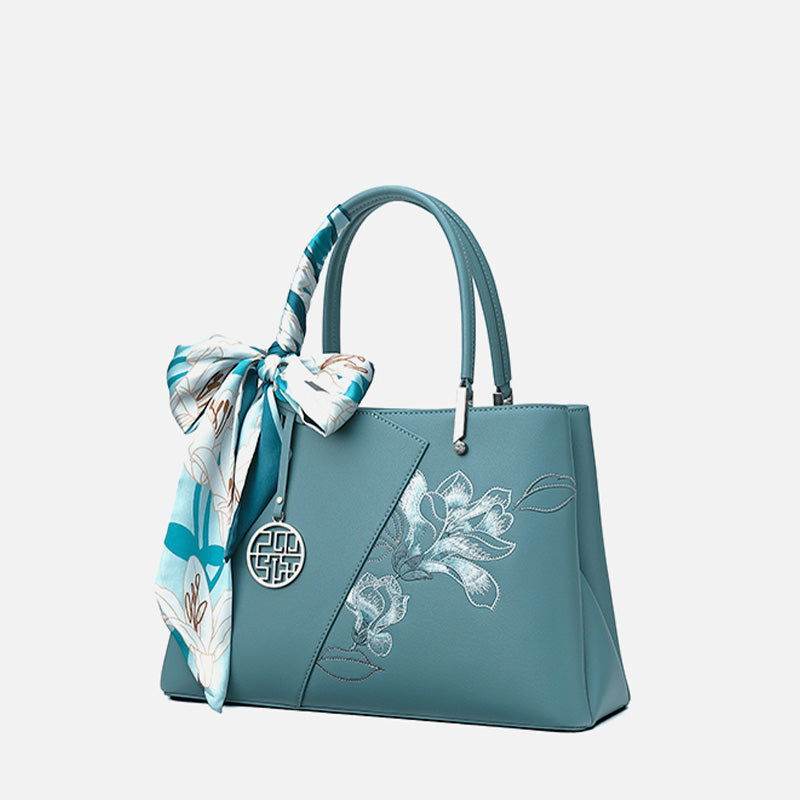
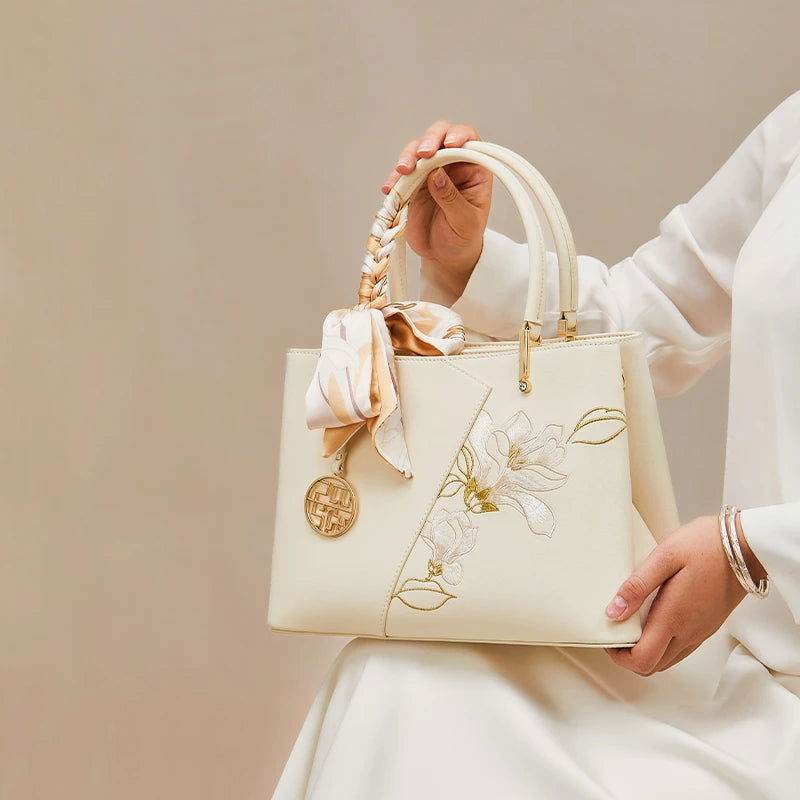
These designs transform each embroidery into a cultural scroll, filled with historical narratives, traditional values, and well-wishes for a beautiful life. Explore Embroidery Handbags Collections.

A Global Treasure: The International Influence of Suzhou Embroidery
While deeply rooted in Chinese culture, Suzhou Embroidery is cherished worldwide for its unique artistic value. It serves as a significant cultural ambassador, showcasing the charm of traditional Chinese art in international exchanges and exhibitions.
Masterpieces of Suzhou Embroidery can be found in private collections across the globe. For those traveling to China, visiting the Suzhou Embroidery Museum is a must, as it houses some of the most breathtaking historical artifacts of this craft, fostering a deeper understanding and appreciation between different cultures.
Conclusion
Suzhou Embroidery is a treasure of China's traditional intangible cultural heritage, a confluence of art and culture, and a crystallization of craftsmanship and wisdom. Every stitch embodies the artisans' dedication and the transmission of traditional culture.
At SinoCultural, we reinterpret these traditions through modern design. Let us cherish, protect, and pass on this intangible cultural heritage, ensuring the brilliant beauty of Suzhou Embroidery never fades, continuing to present the world with the traditional artistry of China.
Frequently Asked Questions (FAQ)
Q: What is the difference between Suzhou Embroidery and Su Xiu?
A: There is no difference. Su Xiu embroidery is simply the direct Chinese pinyin translation for Suzhou Embroidery. "Su" stands for Suzhou, and "Xiu" means embroidery.
Q: Where can I find authentic Su embroidery for sale?
A: Finding genuine hand-stitched pieces can be challenging. For collectors seeking authentic su embroidery for sale or wearable art, SinoCultural offers collections that reinterpret these traditions through modern design.

Q: How do you display double-sided embroidery?
A: Because double sided su embroidery is meant to be viewed from both sides, it is traditionally mounted in a freestanding, rotatable wooden frame (often carved from rosewood) rather than hung flat against a wall.