Skip to content





What is Xiangyunsha Silk?
Xiangyunsha Silk (also known internationally as Gambiered Guangdong Silk or simply Cloud Silk) is hailed as the "soft gold" of the silk world. It holds the unique distinction of being the only mulberry silk fabric globally that is hand-dyed and finished using pure plant dyes and river mud.

Exclusive to the Shunde District of Foshan City, Guangdong Province—the only place where authentic Xiangyunsha can be produced—it is recognized as a National Geographical Indication product of China. Today, its crafting technique is also proudly inscribed as a piece of China’s Intangible Cultural Heritage. More about Chinese history, read our: Ancient China and Silk: History, How It Was Made & The Silk Road | SinoCultural

Table of Contents
Part I. Origins: From "Liangchou" to Nationwide Acclaim
The history of Xiangyunsha fabric is a long, serendipitous encounter between the earth and silk.
The Budding Phase: The Origins of Ju-liang Dyeing (Northern Song - Ming Dynasty)
As early as the Northern Song Dynasty, Shen Kuo’s Dream Pool Essays recorded the southern ethnic minorities' habit of using the juice of the shu-liang (Dioscorea cirrhosa, a type of yam tuber) for dyeing. Initially, this technique was applied to fishing nets and coarse cloth. Because shu-liang juice is rich in tannic acid, it made fabrics incredibly tough, waterproof, and corrosion-resistant.

By the Ming Dynasty, weavers in the Nanhai and Shunde regions of Guangdong began applying this technique to expensive mulberry silk. At that time, it was called "Liangchou" (shu-liang Silk), serving as a premium, sweat-resistant fabric for the daily wear of the Lingnan locals.
The Peak: Nationwide Acclaim in the Late Qing and Early Republic
During the late Qing Dynasty and early Republic of China, folk artisans in Shunde further refined the craft. Building upon the original shu-liang dye, they introduced the crucial step of "coating with river mud." Utilizing the iron-rich mineral mud unique to the Pearl River Delta, a chemical reaction was triggered, giving the silk a lustrous, pitch-black surface.
-
The Origin of the Name: Socialites and merchants of the time noticed that walking in garments made of this silk produced a crisp, rustling sound ("sha sha"). Thus, they gave it the poetic name "Xiangyunsha" (响云纱 - Sounding Cloud Silk), which was later homophonically adapted to its current name, "Xiangyunsha Silk" (香云纱 - Fragrant Cloud Silk).
-
A Symbol of Status: In the 1920s and 30s, xiang yun sha silk was exported to Southeast Asia, Europe, and America, becoming the ultimate summer choice for Shanghai's elites and dignitaries. Madame Soong Ching-ling favored Xiangyunsha throughout her life; her classic Xiangyunsha qipao remains a symbol of elegance and integrity today.

The Ups and Downs: From the Brink of Extinction to Heritage Rebirth
-
The Decline: With the rise of chemical fibers and artificial dyes, Xiangyunsha—with its long production cycle, low yield, and complete dependence on the weather—suffered a massive blow. After the 1950s, many workshops closed.
-
The Revival: Entering the 21st century, as people grew to value eco-friendliness and traditional culture, Xiangyunsha returned to the public eye. In 2008, the "Xiangyunsha Dyeing and Finishing Technique" was officially listed as a National Intangible Cultural Heritage.
Part II. The Core Craftsmanship: "Three Washings, Nine Boilings, Eighteen Sunnings"
Every inch of xiangyunsha silk fabric is a "gift from nature." It relies entirely on sunlight, moisture, and the artisan's profound experience, completely eschewing modern machinery.
The core process can be likened to brewing traditional Chinese medicine: white silk is repeatedly soaked, boiled, and sun-dried in shu-liang juice. Through dozens, sometimes hundreds of cycles, the plant essence is thoroughly "fed" into the silk fibers in a long, transformative journey.

The core steps include:
-
shu-liang Soaking: White raw silk is repeatedly steeped in tannin-rich shu-liang juice, giving the fabric a deep reddish-brown base.
-
Sun Exposure: The silk must be laid flat on grassy fields. Ultraviolet rays act as a catalyst for oxidation, deepening the red hue.
-
River Mud Coating (The Finishing Touch): In the early hours of the morning, artisans evenly apply iron-rich river mud specific to the Pearl River Delta. The tannic acid reacts instantly with the iron ions, solidifying into that profound, black mineral coating.
-
River Washing: The mud and sand are washed away, leaving behind a natural, antibacterial, and remarkably cool-to-the-touch texture.

Part III. Varieties: More Than Just One Kind of "Black"
For newcomers to xiangyun sha, the first step is distinguishing between "Chou" (Silk) and "Sha" (Gauze):
-
Liangchou (Classic Silk): The most traditional plain weave. It is dense and substantial, ideal for structured jackets or suits. It develops a stunning, antique "crackle" (Kaipian) texture over time as it is worn.
-
Guiwen Sha (Turtle-shell Gauze): Woven with tiny, cicada-wing-like checks. Incredibly breathable and feather-light, it is the top-tier fabric for traditional qipaos and sun-protective shirts.
-
Jacquard Xiangyunsha: Features subtle woven patterns. After the mud-coating process, the patterns take on a three-dimensional effect, shimmering beautifully.
-
Colored Xiangyunsha: A modern adaptation. It retains the crisp texture but utilizes localized mudding or print-then-dye techniques to create vibrant colors.

Part IV. Understanding Xiangyunsha Silk Price & Value
Many people wonder about the Xiangyunsha silk price and why it commands a premium in the luxury market. Because authentic Gambiered Guangdong Silk cannot be mass-produced in factories, its price is dictated by its rarity.
The production is entirely dependent on the weather (requiring specific intense sunlight) and relies on the rare, iron-rich mud found only in one specific river delta in China. A single batch takes months of back-breaking manual labor. Therefore, authentic Xiangyunsha fabric is highly expensive, often treated as a luxury investment or a collectible textile art piece rather than just seasonal clothing.

Part V. Modern Fashion: The SinoCultural Xiangyunsha Bag Collection
Xiangyunsha has long stepped out of museums. In the hands of contemporary designers, it is returning to mainstream aesthetics with extraordinary vitality. Whether tailored into sharp blazers, flowing gowns, or modern qipaos, Xiangyunsha’s inherent "structured crispness" perfectly flatters the silhouette. It represents the true definition of a "green luxury."

Lifestyle: Heirloom Art You Can Carry
The true charm of Xiangyunsha lies not only in how it drapes on the body but in the refined elegance it brings to everyday life. Because of its durable, mold-resistant, and water-repellent properties, xiangyun silk is exceptionally well-suited for high-end lifestyle accessories.
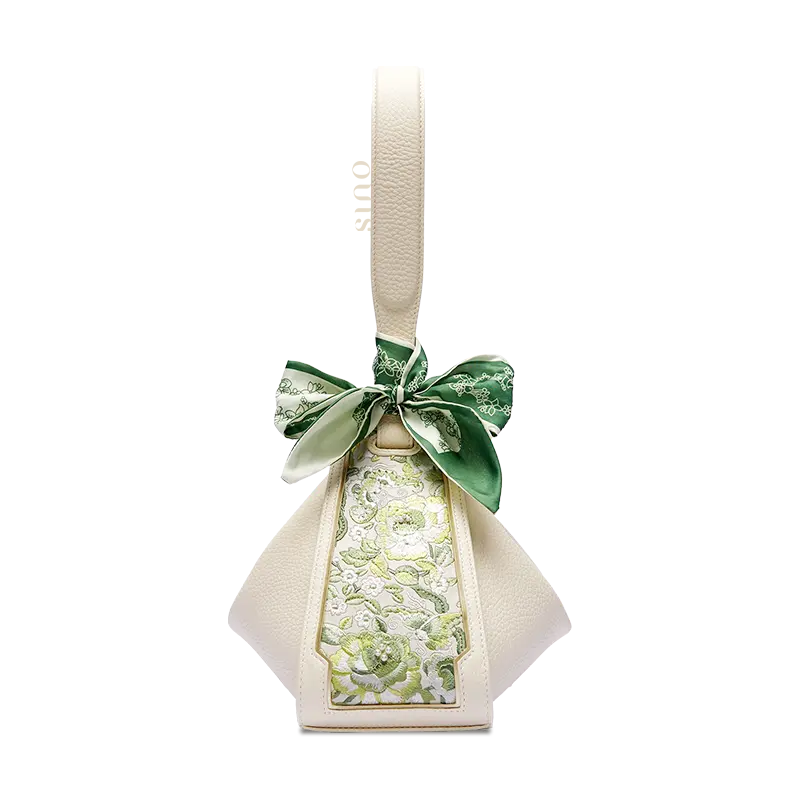
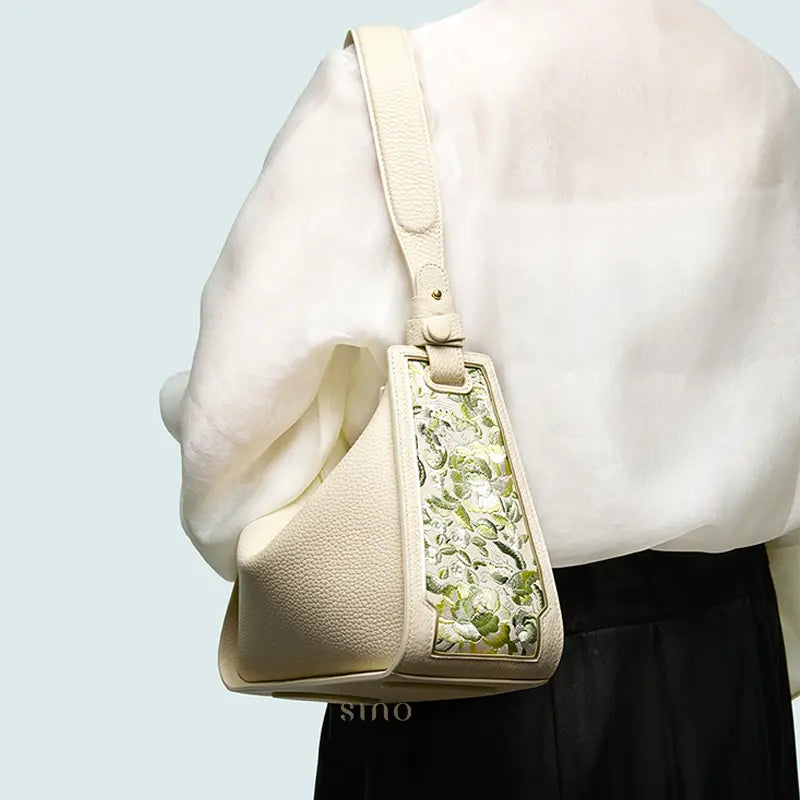
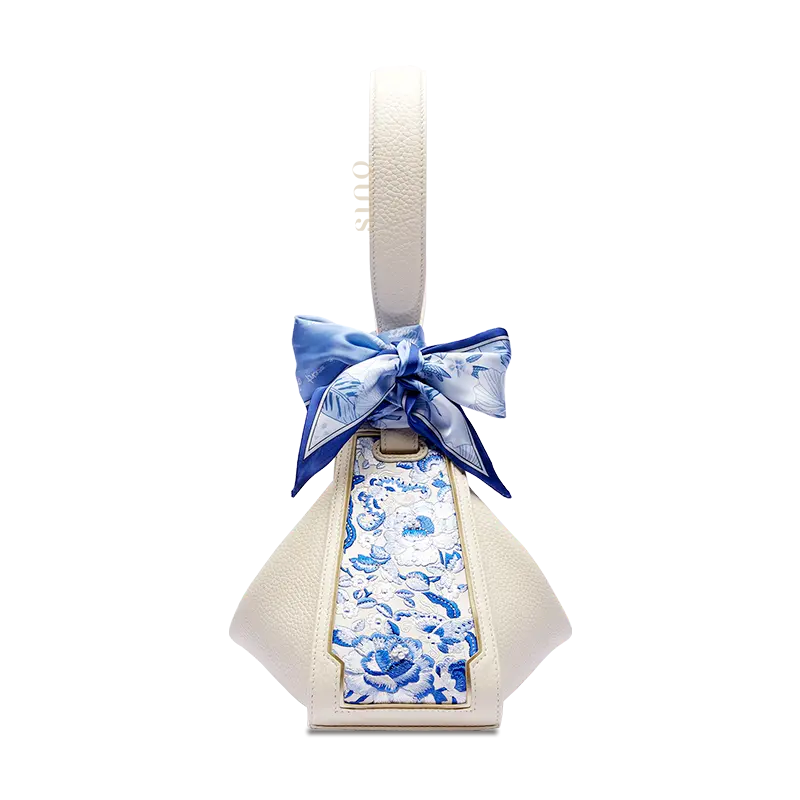
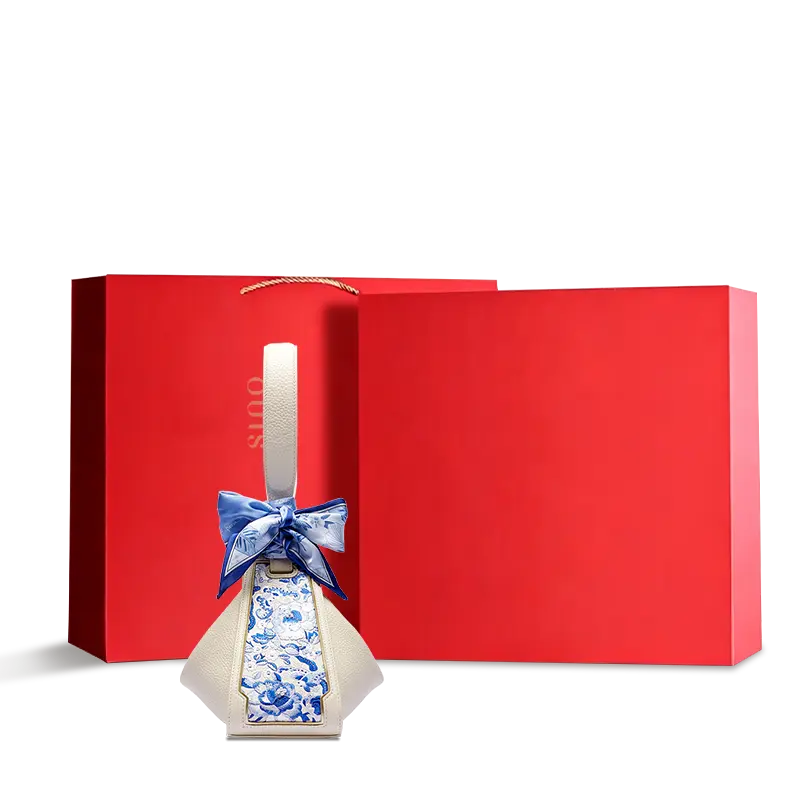
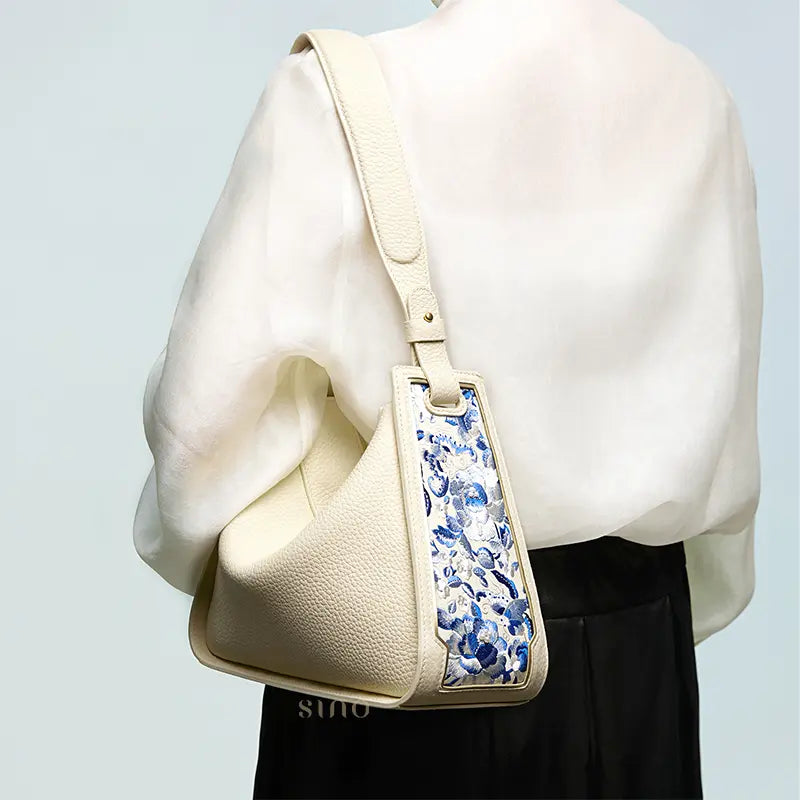
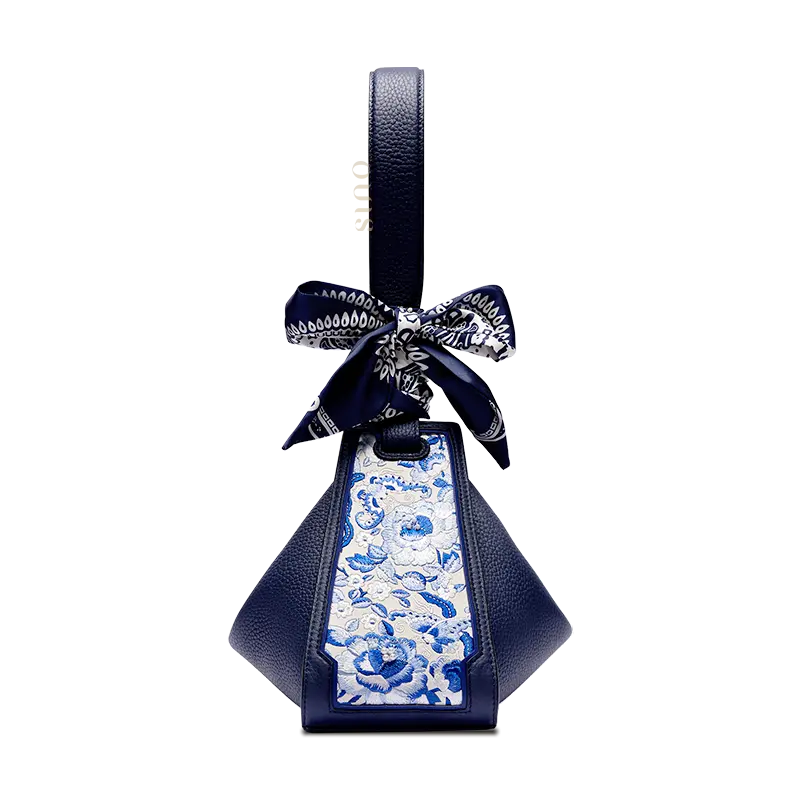
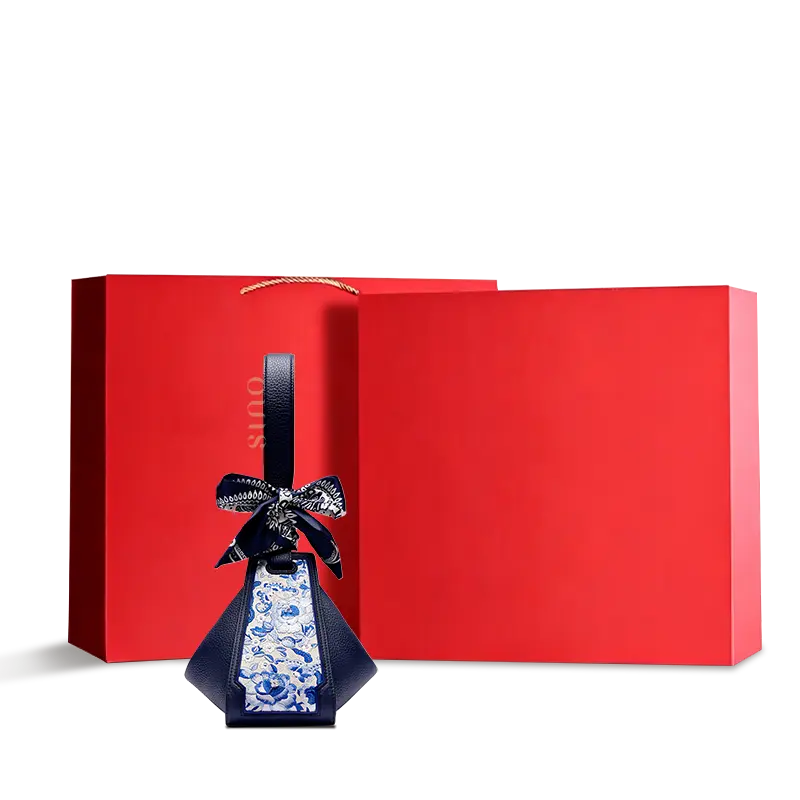
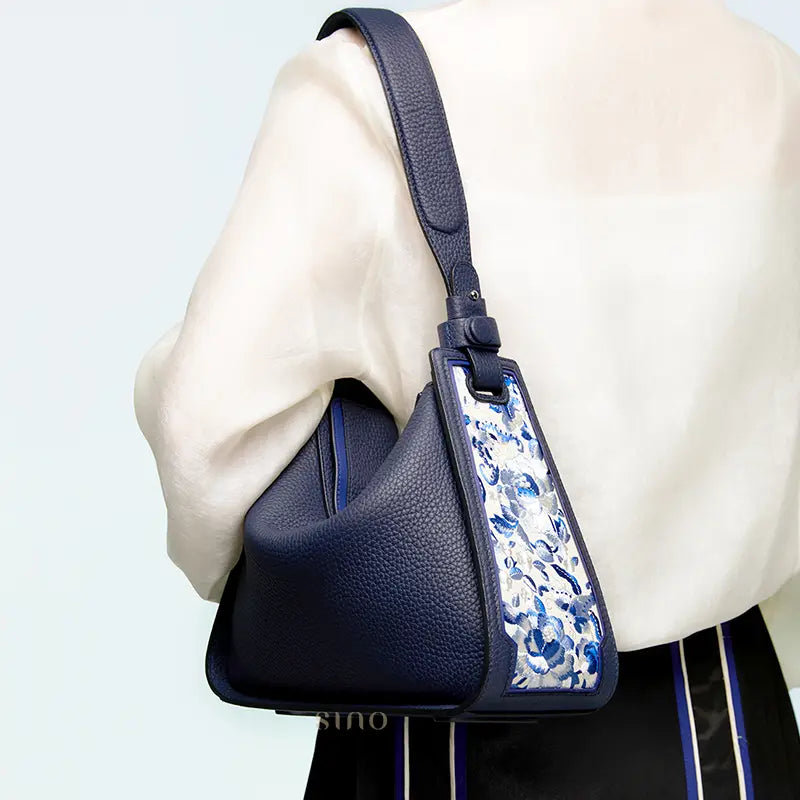
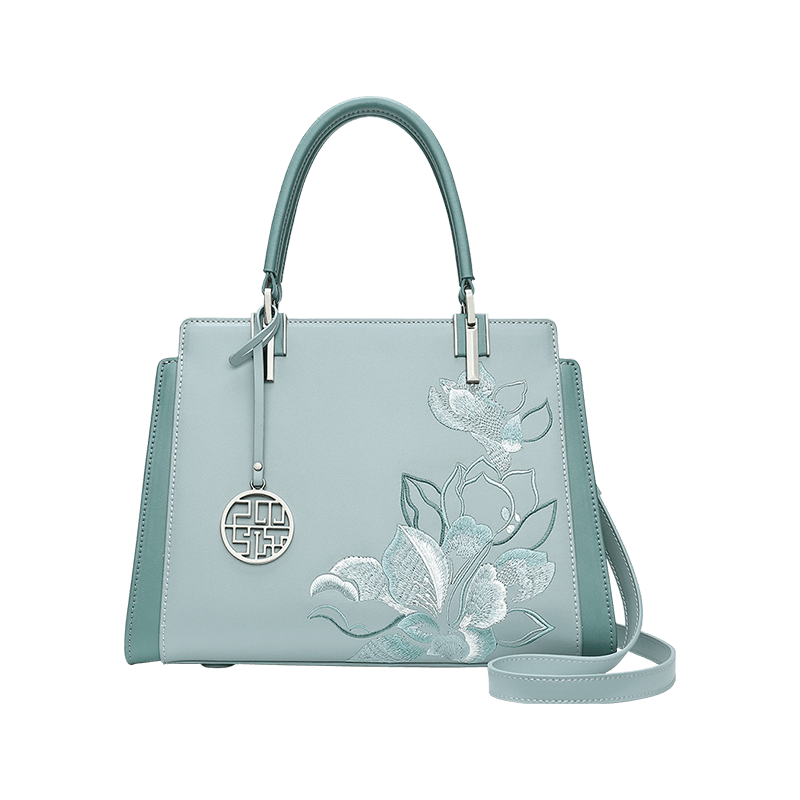
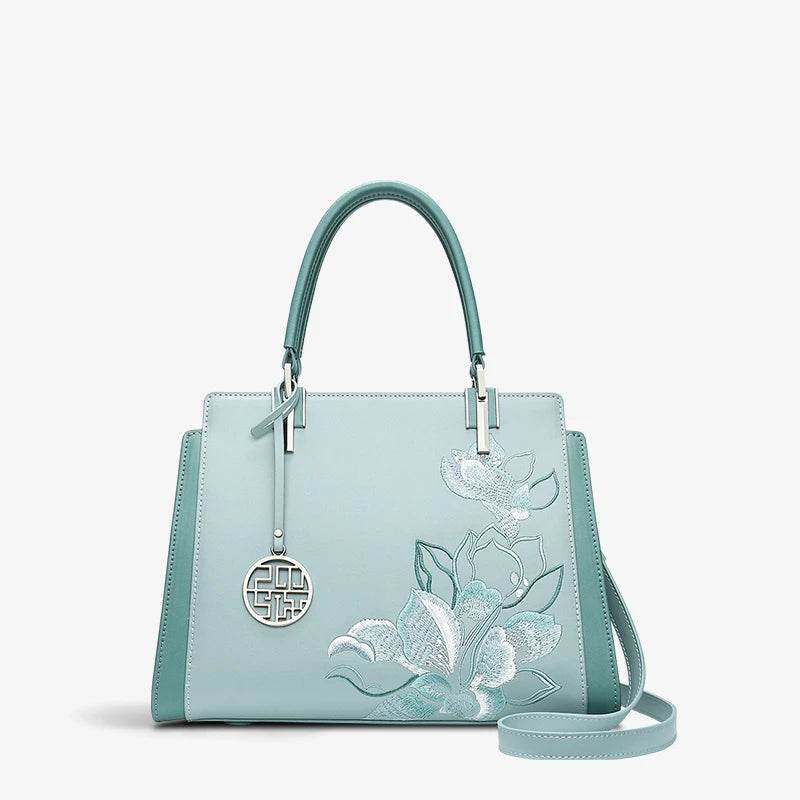
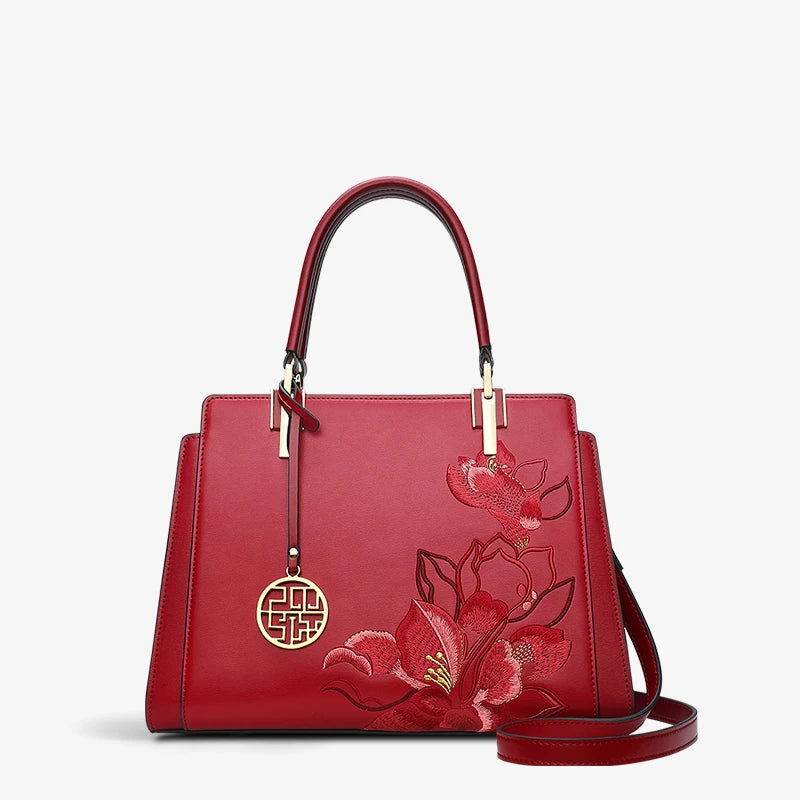
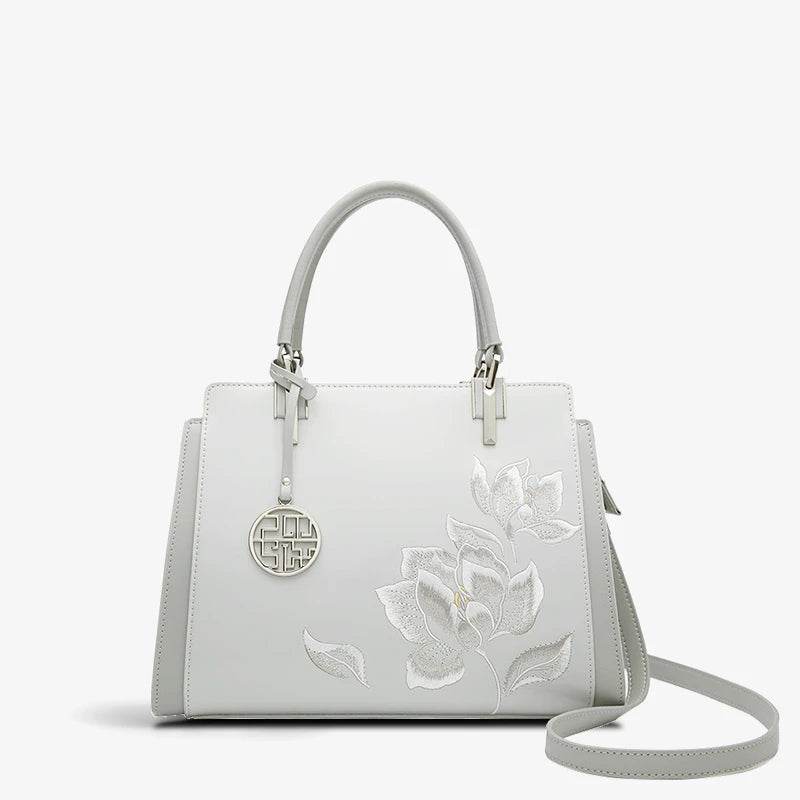
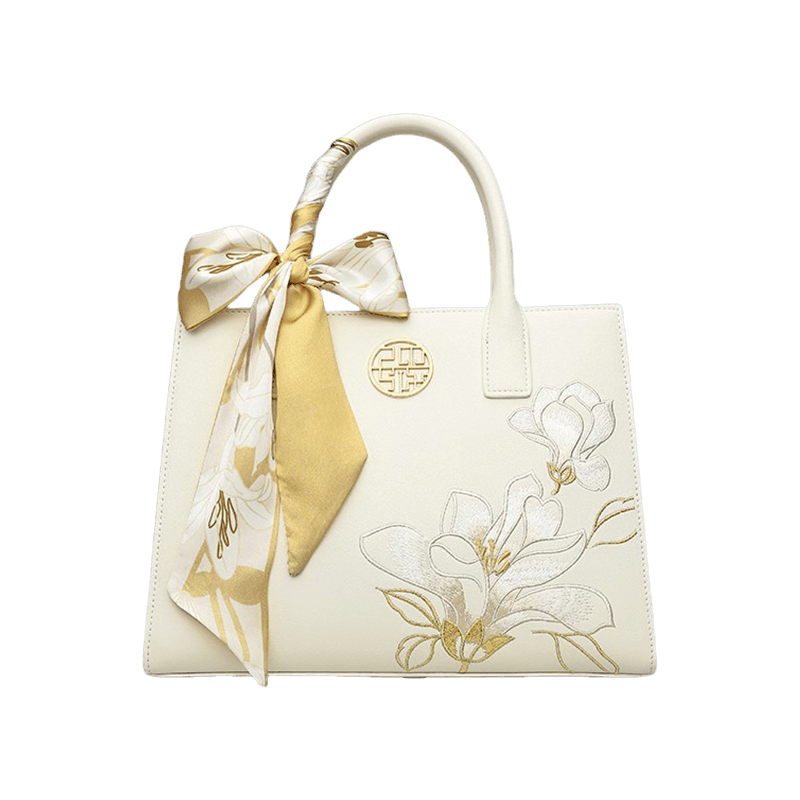
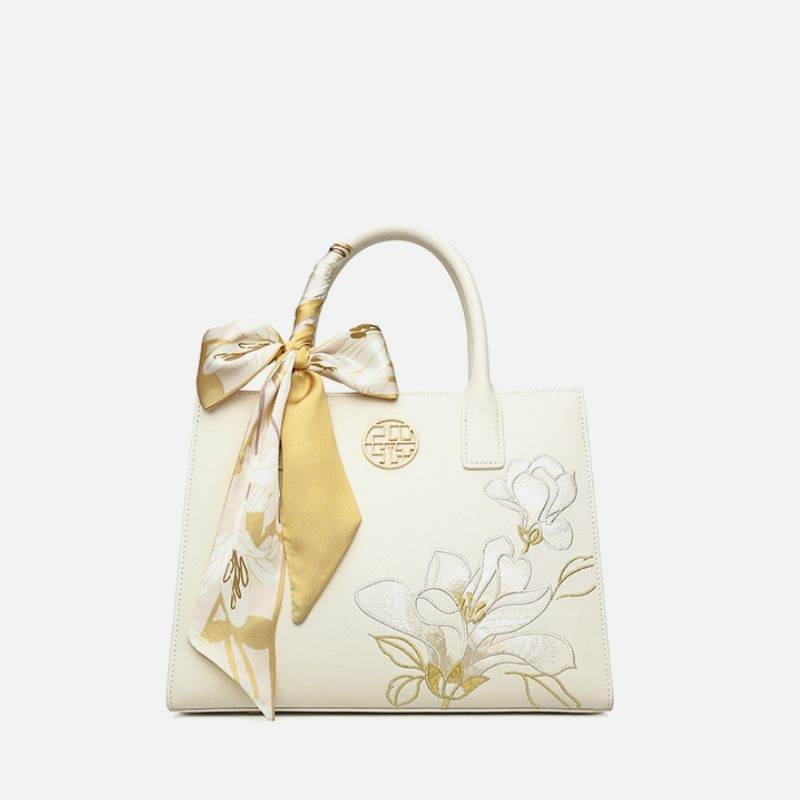
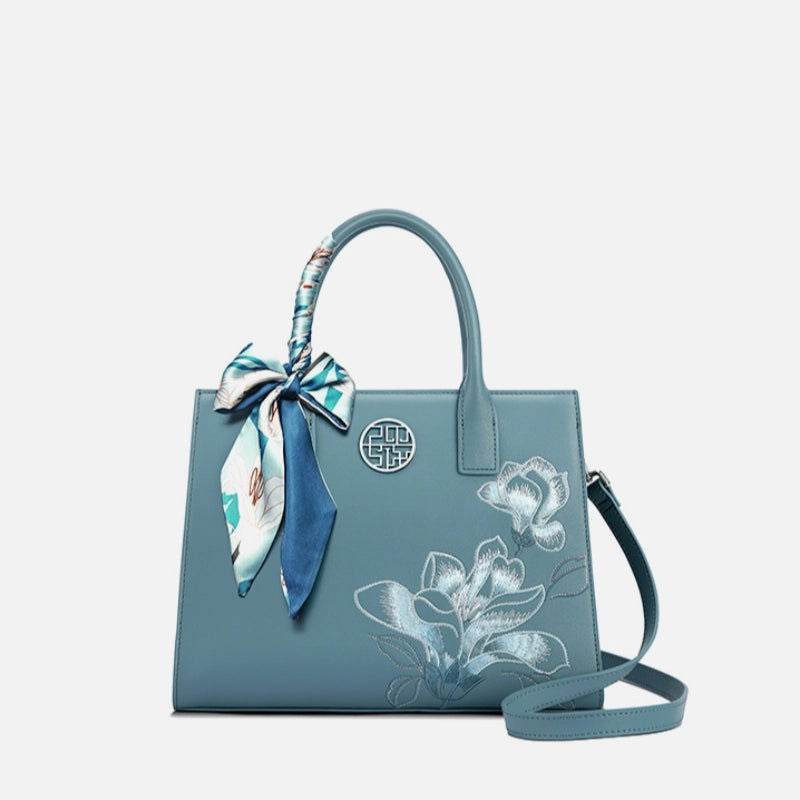
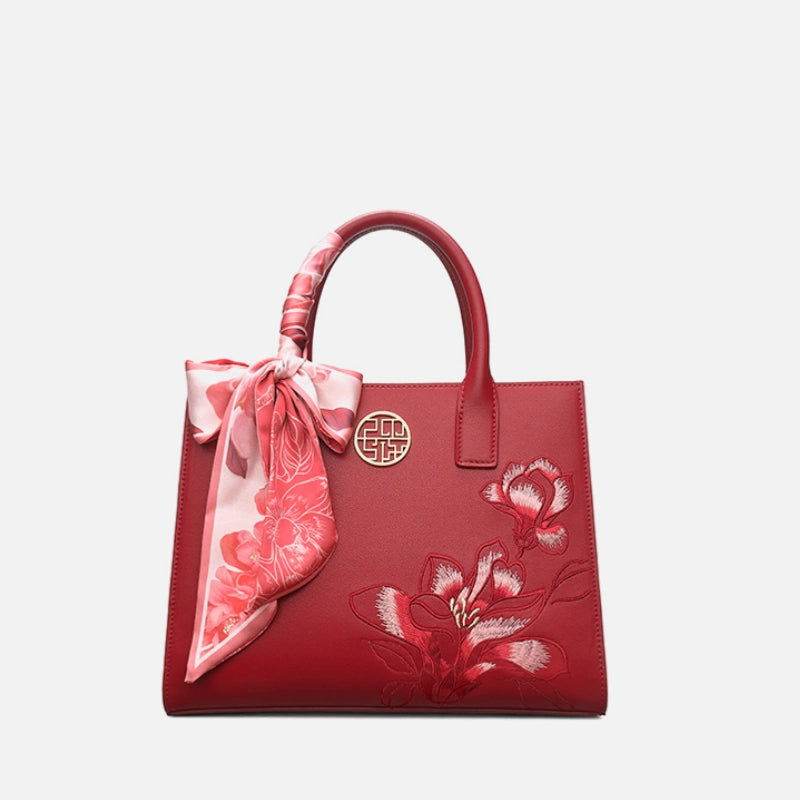
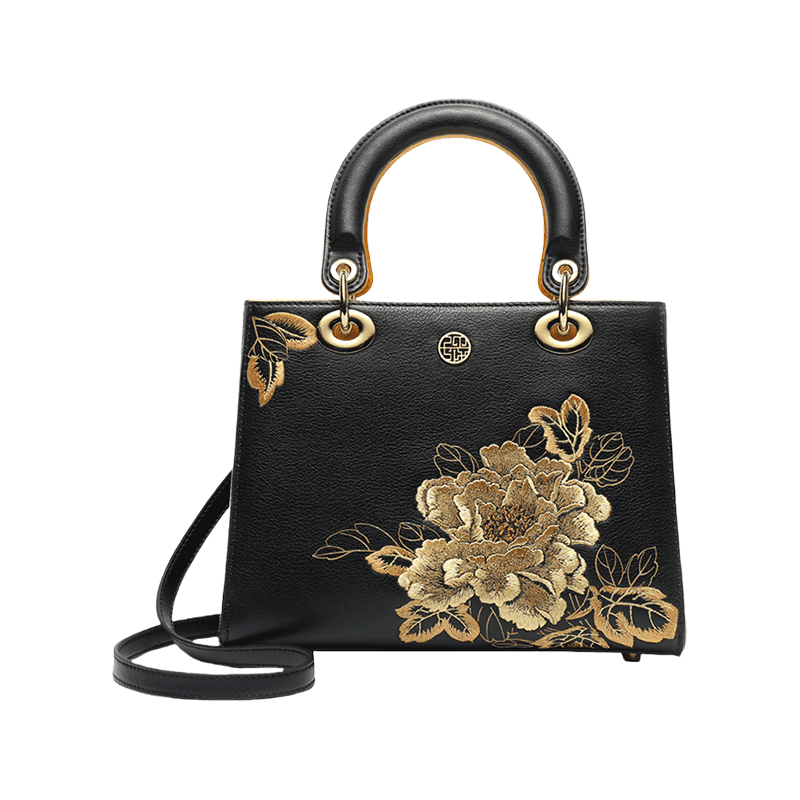
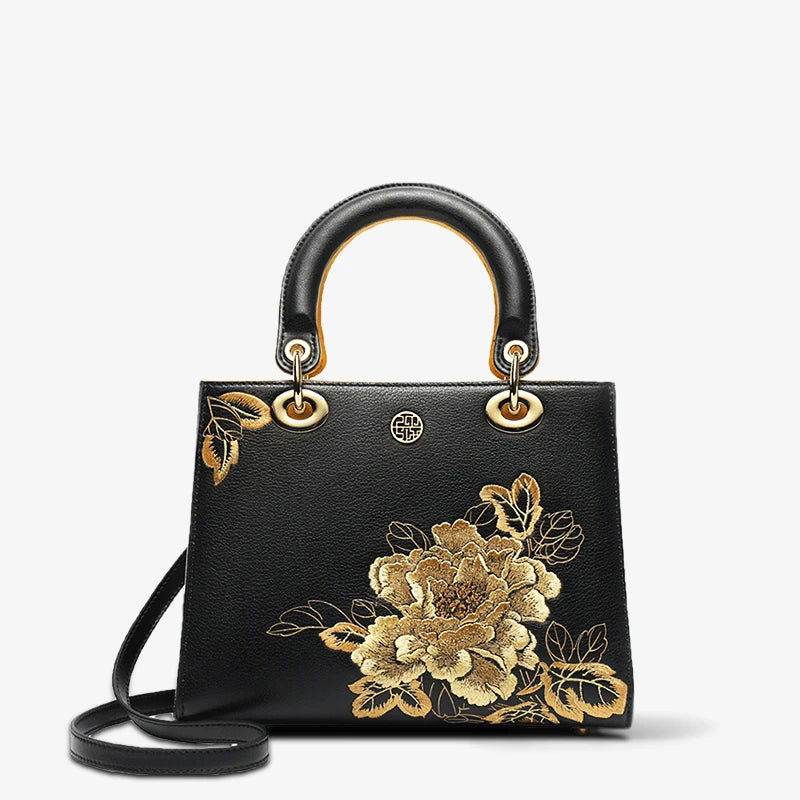
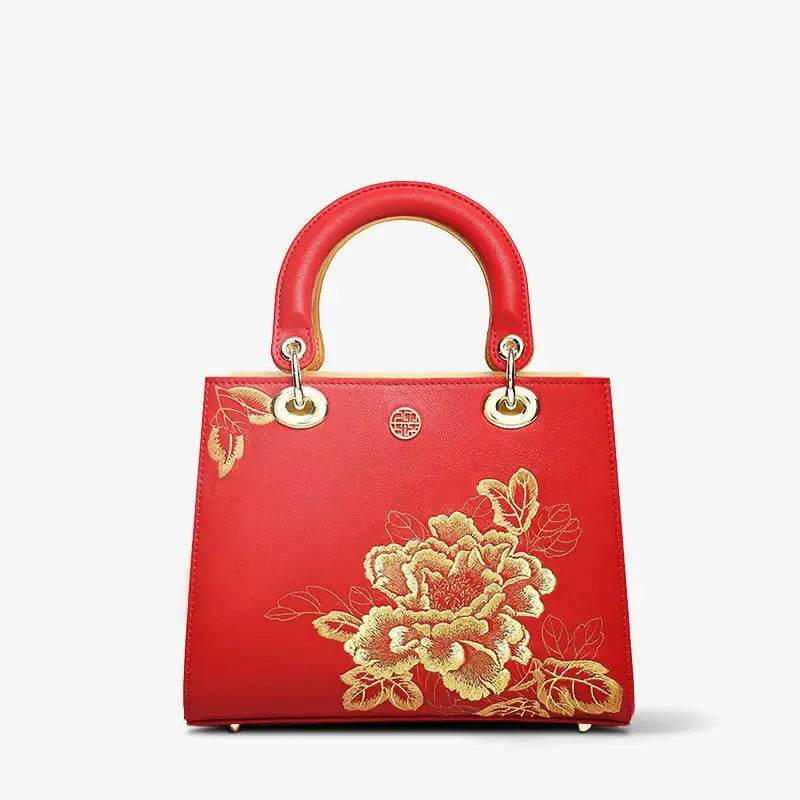
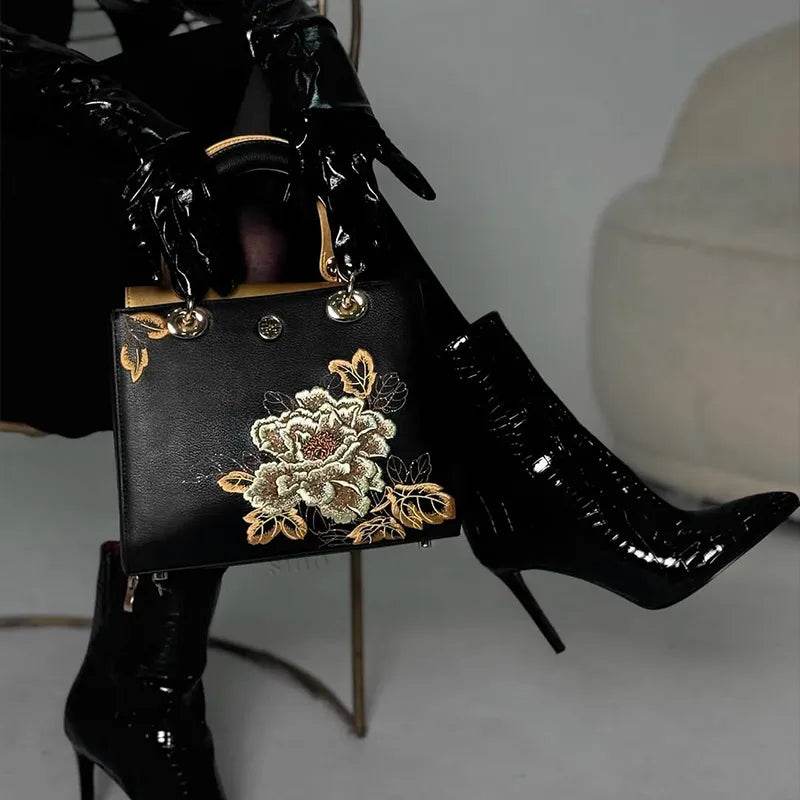
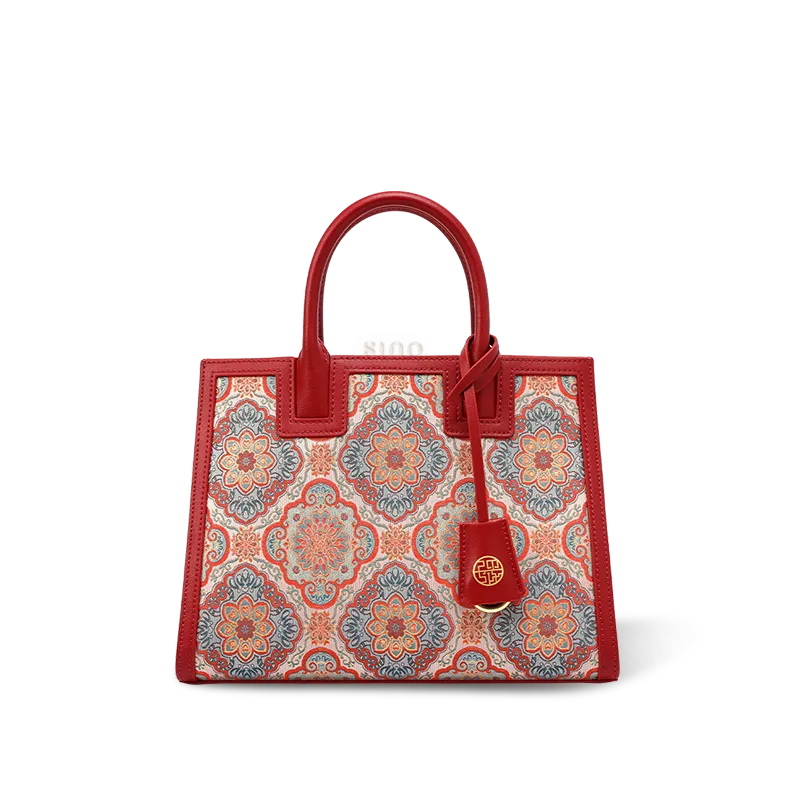
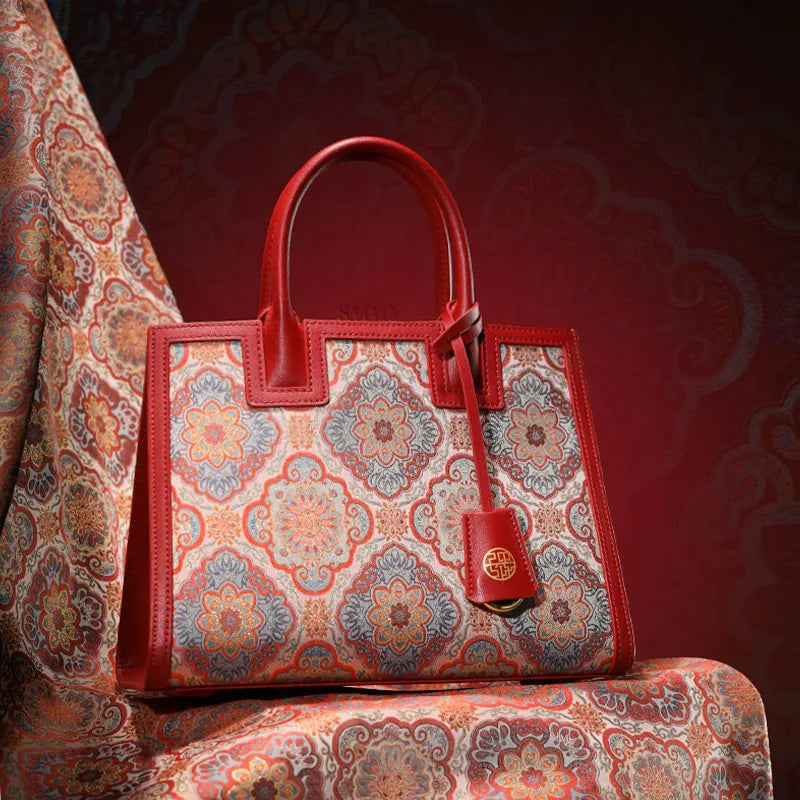
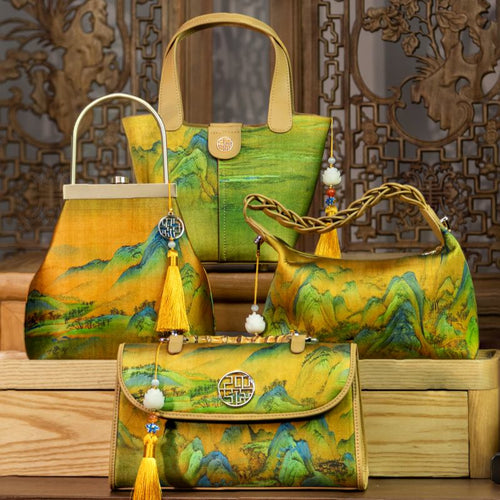
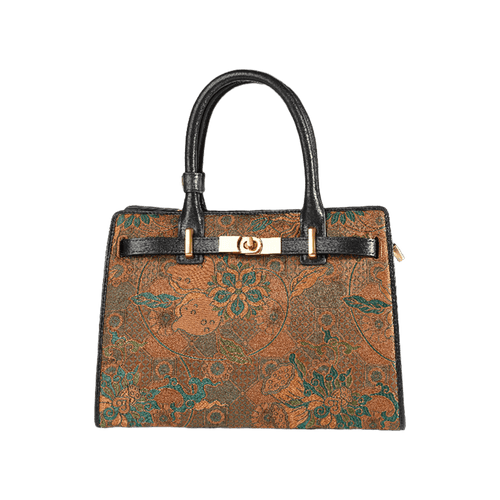
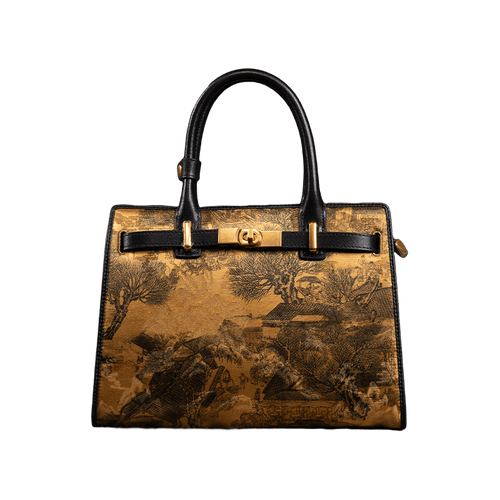
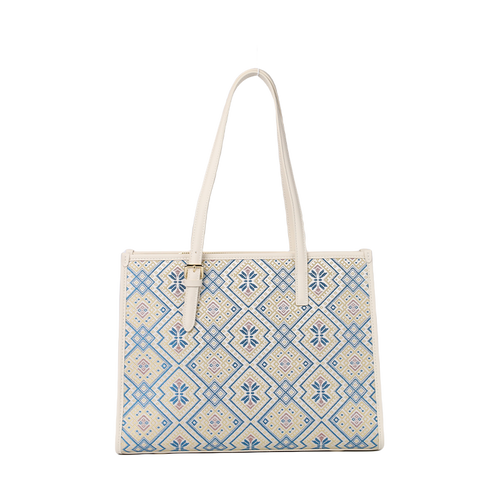
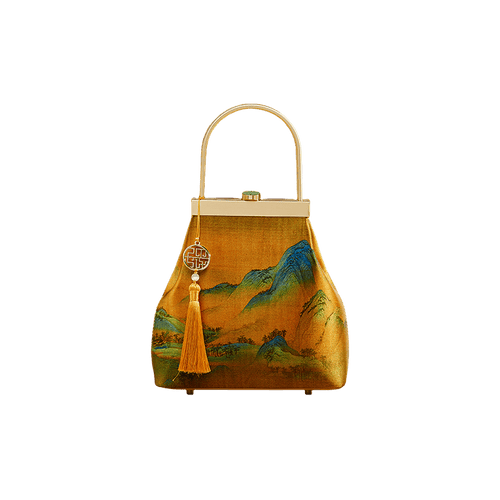
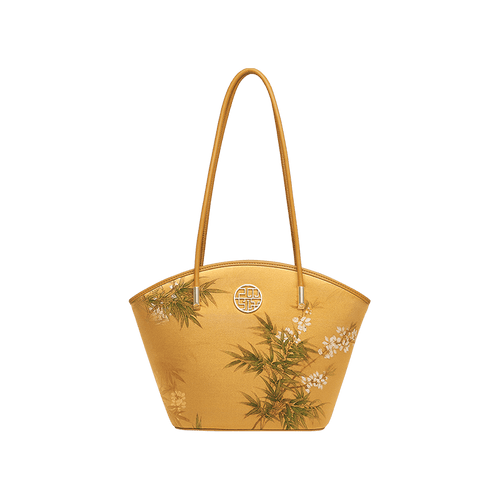
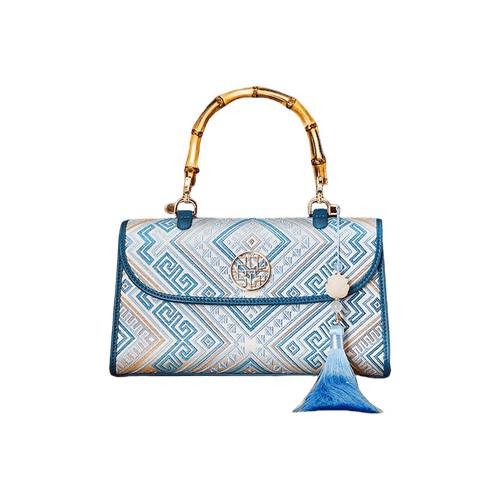
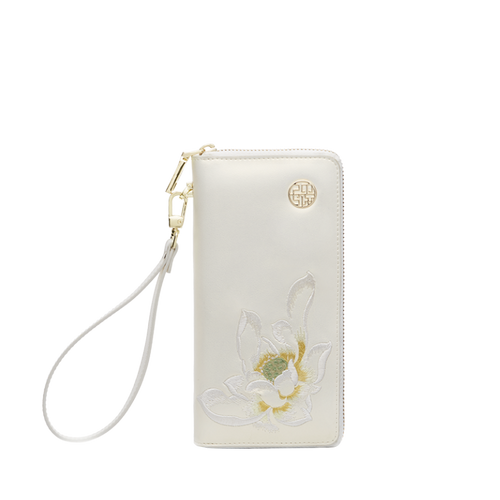
This is precisely why SinoCultural chose to encapsulate this precious intangible heritage in our exclusive [Xiangyunsha Bag Collection]

-
One-of-a-Kind, Yet Everyday: We insist on using the most traditional, handcrafted Xiangyunsha (Liangchou). After enduring the river mud and scorching sun, every single cut of fabric develops a completely unique crackle pattern. This means every Xiangyunsha bag you own from SinoCultural is an absolute "orphan"—the only one of its kind in the world.

-
A Patina Forged by Time: Xiangyunsha is alive. As you use the bag, it develops a "Kaipian" (crackle) patina. The black coating softens, subtly revealing the russet undertones. Instead of wearing out, it grows richer and more delightfully vintage over time, easily becoming a modern heirloom.
-
The Ultimate Work-Life Companion: Our Xiangyunsha bags carry an innate, aloof luxury. Whether paired with a sharp blazer for the boardroom or serving as a refined accessory for an afternoon tea, it perfectly marries traditional aesthetics with modern practicality.
>>>[Shop the SinoCultural Authentic Xiangyunsha Bag Collection Here]

Part VI. FAQ, Identification & Care Guide
Q: How can I spot real Xiangyunsha silk fabric?
A: Color: Authentic Xiangyunsha is "black on the outside, brown on the inside" (面黑里棕), with a reddish-brown base tone from the Ju-liang dye. Sound: Give it a gentle rub; you should hear a crisp, rustling "sha sha" sound. Touch: It feels structured but never stiff, possessing a very distinct, cool, mineral-like tactile quality.
Q: How should I wash and care for my Xiangyunsha items?
A: Treat it like an antique. Strictly avoid alkaline detergents. We recommend gentle hand washing with clear water or a specialized silk wash.
Q: How should I store Cloud Silk?
A: Keep it away from direct sunlight and heavy pressure. It is best stored hanging to prevent the black mineral coating from developing permanent, brittle cracks due to prolonged folding.
Conclusion
Xiangyunsha is a fabric that breathes. It will continue to oxidize in the air and develop a one-of-a-kind texture through the friction of your everyday life. It is more than just a piece of fabric; it is a fragment of time, ready to be worn and carried into your future.