تخطي إلى محتوي
أين تقع قوانغتشو، الصين؟ تقع في قلب جنوب الصين على طول نهر اللؤلؤ، قوانغتشو (المعروفة تاريخياً للعالم باسم كانتون) هي عاصمة مقاطعة قوانغدونغ. إنها مدينة كبرى ديناميكية حيث تلتقي 2000 عام من تاريخ التجارة البحرية بآفاق مستقبلية.
سواء كنت تخطط لقضاء إجازة ثقافية في قوانغتشو أو تحضر معرض كانتون 2026، فإن هذا الدليل الداخلي—الذي أعده الحرفيون المحليون في Sinocultural—سيساعدك على تجربة الروح الحقيقية لمدينة كانتون.

جدول المحتويات:
- حقائق سريعة: التخطيط لرحلتك إلى قوانغتشو في عام 2026
- بماذا تشتهر قوانغتشو؟ إرث كانتون
- ماذا تزور في قوانغتشو: خط سير رحلة من النهار إلى الليل
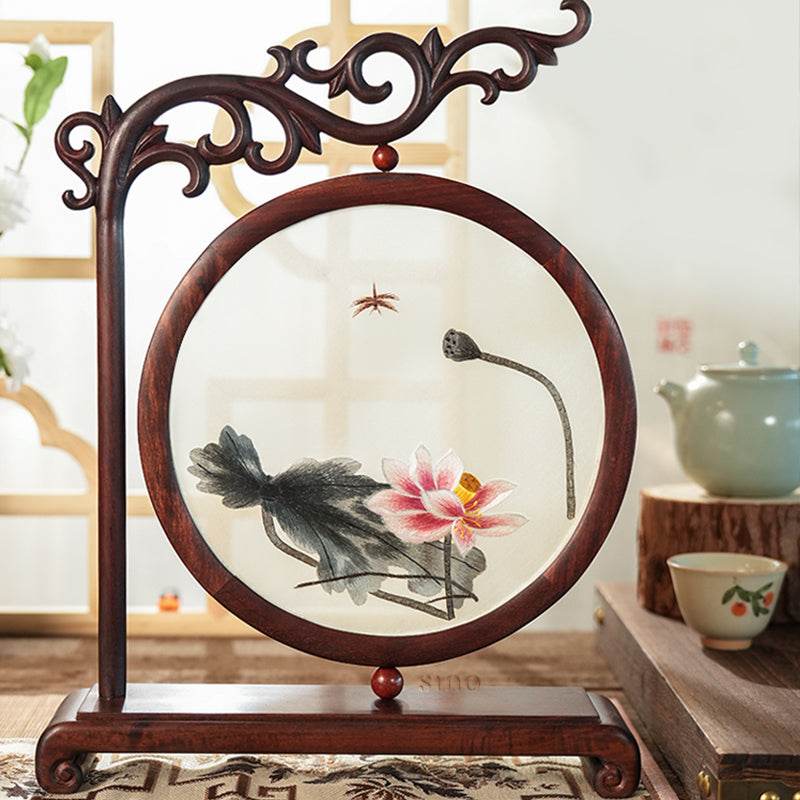
- انغمس في التراث المحلي: فن غوانغشيو (تطريز كانتون)
- مذاق كانتون: دليل الطعام المحلي والمطاعم
- ماذا تشتري في قوانغتشو: هدايا تذكارية أصلية مقابل الإنتاج الضخم
- الأسئلة الشائعة: السفر إلى قوانغتشو (التأشيرات، المدفوعات والتطبيقات)
حقائق سريعة: التخطيط لرحلتك إلى قوانغتشو في عام 2026
-
أفضل وقت للزيارة: من أكتوبر إلى ديسمبر (طقس خريفي لطيف) أو أبريل (موسم معرض كانتون).
-
الدخول بدون تأشيرة: يمكن لمواطني 54 دولة الاستمتاع بـ سياسة العبور بدون تأشيرة لمدة 144 ساعة (6 أيام) عند الوصول إلى مطار قوانغتشو باييون الدولي (CAN).
-
الدفع: نادرًا ما يُستخدم النقد. قم بتنزيل Alipay أو WeChat Pay واربط بطاقتك Visa/Mastercard قبل الوصول.
-
أفضل الهدايا التذكارية: تطريز كانتون (غوانغشيو)، الشاي المحلي، وخزف كانتون العظمي.
بماذا تشتهر قوانغتشو؟ إرث كانتون
لفهم قوانغتشو الصين، يجب أن تنظر إلى إرثها كبوابة التجارة النهائية. تُعرف قوانغتشو أيضًا باسم "العاصمة التجارية الألفية". في وقت مبكر من عهد أسرة تشين، خلال حملة تشين شي هوانغ الجنوبية، تم جلب مجموعة من التجار إلى لينغنان، مما يمثل بداية التجارة في قوانغتشو. تم إنشاء طريق الحرير البحري خلال عهد أسرة هان. في عهد أسرة تشينغ، جعلت شركات هونغ الثلاثة عشر (نظام تجارة كانتون) الشهيرة هذه المدينة الميناء الرسمي الوحيد للتجارة الخارجية. عبر طريق الحرير البحري، تم شحن الحرير الصيني الخلاب والخزف وتطريز كانتون (غوانغشيو) إلى البلاطات الملكية الأوروبية.

اليوم، تستمر هذه الروح الشاملة والرائدة. وهي الروح التي ألهمتنا لإنشاء Sinocultural ، وهي علامة تجارية مكرسة للحفاظ على الحرفية الجنوبية الصينية الأصيلة ومشاركتها مع العالم.
ماذا تزور في قوانغتشو: خط سير رحلة من النهار إلى الليل
انسَ الفخاخ السياحية التقليدية. إليك كيف سيخطط السكان المحليون ليوم مثالي يمزج بين العجائب الحديثة والتراث القديم.
1. مسار كانتون الحديث (بعد الظهر حتى المساء)
-
متحف قوانغدونغ: مصمم على شكل "صندوق كنز عائم"، وهو أفضل مكان لفهم ثقافة لينغنان ومملكة نانيوه.
-
نصيحة محلية: الدخول مجاني، ولكن يتطلب حجزًا عبر الإنترنت من خلال برنامج WeChat Mini-Program الخاص بهم قبل 3-5 أيام على الأقل، وتُفتح الحجوزات الساعة 22:00 كل ليلة. يفتح المتحف عادةً من الثلاثاء إلى الأحد ويُغلق أيام الاثنين للصيانة.
-
-
دار أوبرا قوانغتشو والمكتبة: صممتها زها حديد، ودار الأوبرا هي "سمفونية من الحجر والماء". تجول في ساحة هواشنغ لالتقاط صور مذهلة لهذه الروائع المعمارية.
-
برج كانتون عند غروب الشمس: بارتفاع 600 متر، يوفر أفضل إطلالة بانورامية على المدينة.
-
نصيحة محلية: أفضل وقت للزيارة عند غروب الشمس في الصيف هو حوالي الساعة 16:00-18:00. تبدأ أسعار التذاكر من حوالي 150 يوان صيني. يمكن شراء التذاكر عبر الإنترنت من خلال منصات مثل Ctrip (携程)، Meituan (美团)، أو Fliggy (飞猪)، أو من مكاتب التذاكر في الموقع.
-

الفعالية المسائية:
بعد إكمال هذا المسار النهاري، تتحول المدينة ليلاً. الفعالية المسائية: برج كانتون، هايشينشا وساحة هواشنغ. قم بزيارة برج كانتون للاستمتاع بإطلالة ليلية بانورامية على قوانغتشو، اركب عجلة فيريس عند غروب الشمس، ثم تجول في جزيرة هايشينشا海心沙 أو ساحة هواشنغ花城 لتجربة الإيقاع النابض بالحياة في قوانغتشو الحديثة.

2. مسار العمارة التاريخية (الصباح)
قاعة تشن العائلية (陈家祠): بُنيت عام 1888، وهي "لؤلؤة عمارة لينغنان". تُعد تحفة فنية في النحت التقليدي على الخشب والحجر والطوب.

-
كيفية الوصول: استقل خط المترو 1 إلى محطة أكاديمية تشن العائلية.
-
شراء التذاكر: قم بالشراء عبر الإنترنت من خلال الحساب الرسمي على WeChat "Guangdong Folk Art Museum"، ويوصى بالحجز قبل 1-3 أيام. خارج الإنترنت، يمكنك شراء التذاكر بالوقوف في الطابور باستخدام جواز سفرك، ولكن كن على دراية بأن التذاكر قد تُباع في وقت متأخر من الليل. تبلغ أسعار تذاكر البالغين 10 يوان صيني للشخص الواحد، مع تذاكر بنصف السعر بقيمة 5 يوان صيني للطلاب ومن تتراوح أعمارهم بين 60-64 عامًا. يحصل الأفراد الذين تقل أعمارهم عن 18 عامًا وتزيد أعمارهم عن 65 عامًا على دخول مجاني.
-
ساعات العمل: من 9:00 صباحًا إلى 5:30 مساءً، يتوقف الدخول بعد الساعة 5:00 مساءً. يغلق يوم الثلاثاء.
برج جينهاي (镇海楼): المعروف بـ "أول معلم طبيعي في لينغنان"، بُني برج جينهاي عام 1380. اليوم، يضم متحف قوانغتشو ويقف رمزًا لتاريخ المدينة الطويل.
- كيفية الوصول: استقل خط المترو 2 إلى محطة متنزه يويه شيو.

كاتدرائية القلب المقدس (石室圣心大教堂): واحدة من أربع كاتدرائيات قوطية مبنية بالكامل من الحجر في العالم. يمر ضوء الشمس عبر نوافذها الزجاجية الملونة، مما يخلق أنماطًا درامية من الضوء التوراتي. الدخول مجاني.
- كيفية الوصول: استقل خط المترو 6 إلى محطة طريق يي دي.

جزيرة شاميان (沙面岛): كانت في السابق مستعمرة بريطانية-فرنسية، وتزخر شاميان بالمباني الأنيقة ذات الطراز الأوروبي والشوارع الهادئة المظللة بالأشجار. تبدو وكأنها متحف في الهواء الطلق للتاريخ الاستعماري.
- كيفية الوصول: استقل خط المترو 1 أو 6 إلى محطة هوانغ شا.

خيارات إضافية بناءً على اهتماماتك:
- لعشاق الطبيعة: جبل بايون أو جبل هوليو
- للثقافة البوذية: معبد دافو و معبد غوانغشياو
- للعائلات ومحبي المغامرات: مدينة ألعاب تشيميلونغ أو حديقة سفاري تشيميلونغ

انغمس في التراث المحلي: فن غوانغشيو (تطريز كانتون)
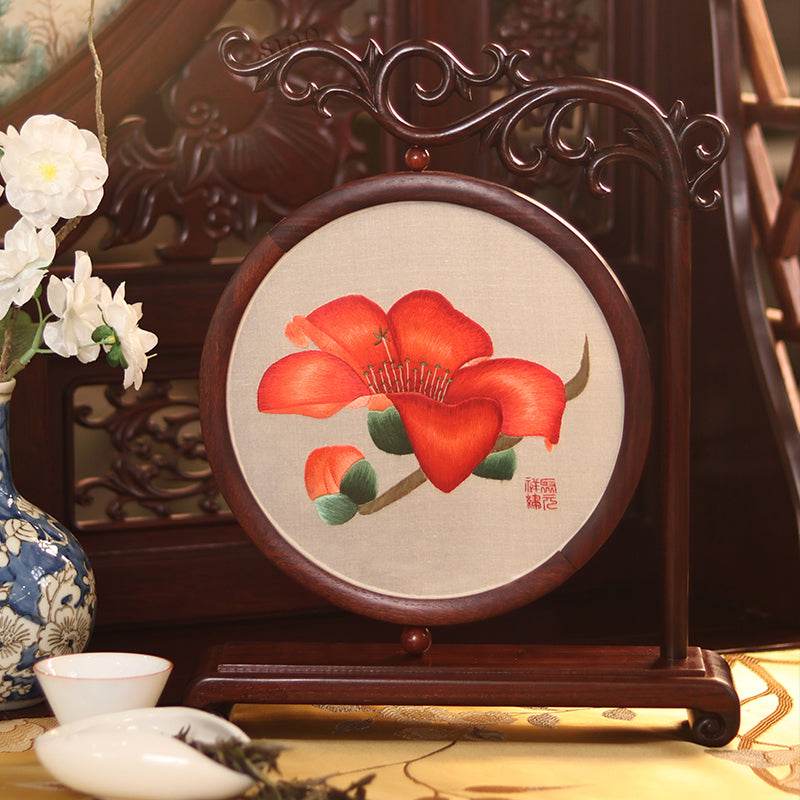
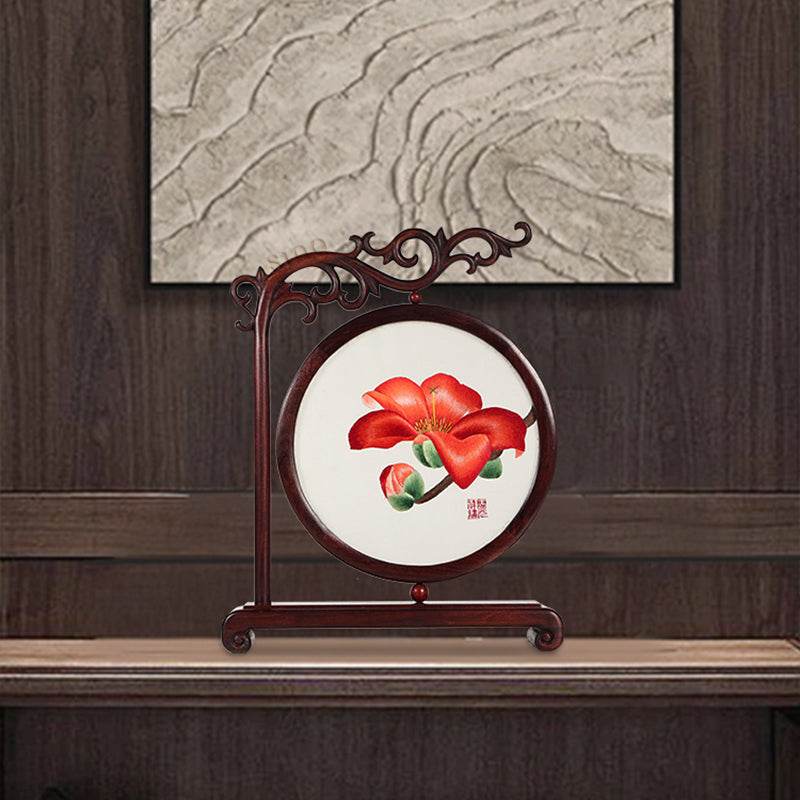
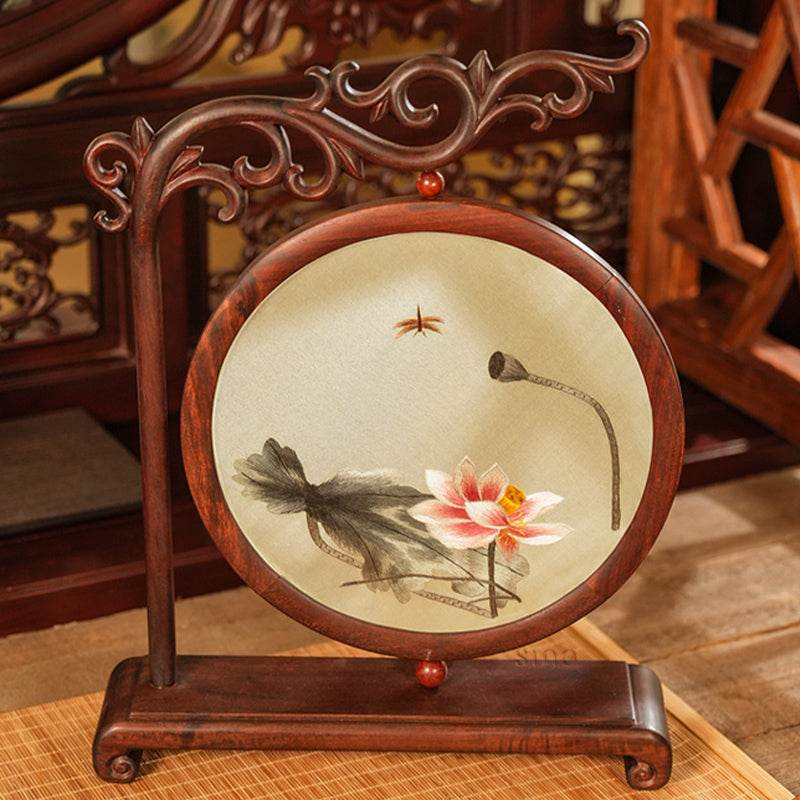
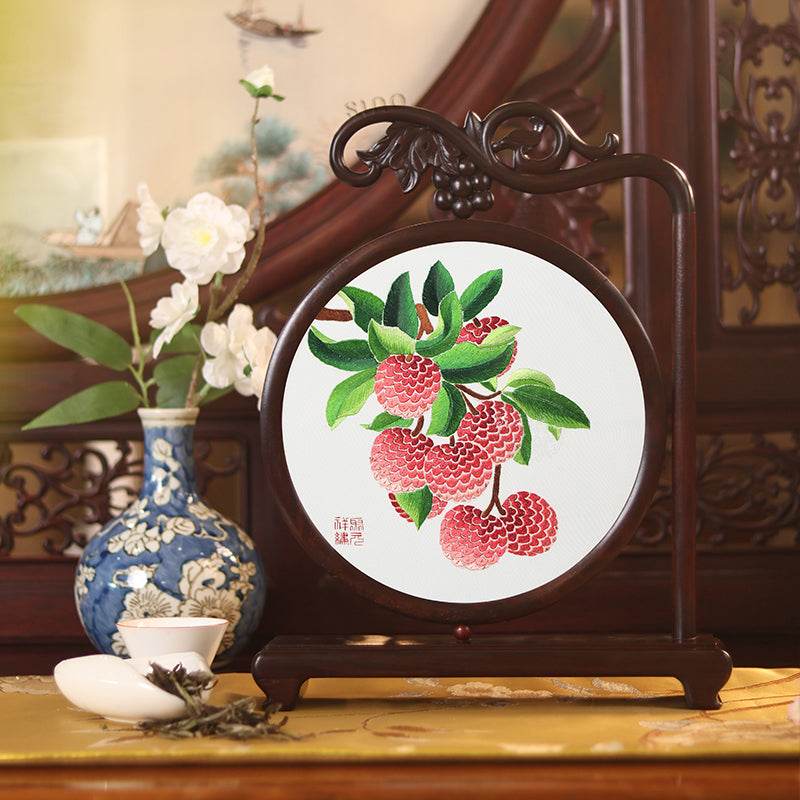
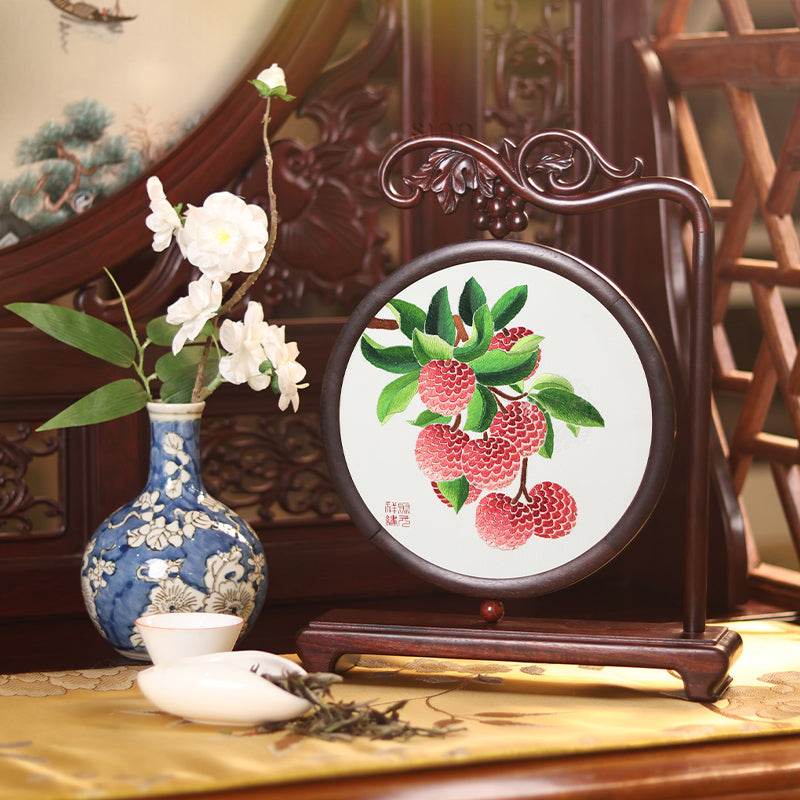
بينما مشاهدة المعالم السياحية رائعة، فإن رحلة قوانغتشو الحقيقية لا تكتمل دون تجربة تقاليدها الحية. من بين أعظم كنوزها هو تطريز غوانغشيو (تطريز كانتون)، وهي حرفة تعود إلى عهد أسرة تانغ. للمزيد عن تطريز كانتون، اقرأ: تطريز كانتون (تطريز يويه): الدليل الشامل لفن الحرير الصيني
 تحكي السجلات التاريخية قصة لو مي نيانغ، المعجزة المحلية البالغة من العمر 14 عامًا التي طرّزت سبعة مجلدات من سوترا اللوتس على قطعة صغيرة من الحرير. لاحقًا، خلال عهد أسرة مينغ، جلب التجار البرتغاليون هذه التطريزات المبهرة والنابضة بالحياة إلى الملوك الأوروبيين.
جربها بنفسك:
بدلاً من مجرد القراءة عنها، ندعو المسافرين إلى ورشتنا المحلية لتجربة أعمق. المزيد عن معلم تطريز كانتون وانغ شين يوان: معلم تطريز كانتون: شين يوان وانغ (王新元)
-
قم بزيارة استوديو جو يوان شيانغ للثقافة والتطريز: نرحب بالمسافرين بحرارة للاستمتاع بتجربة تطريز مجانية وعملية. شاهد الحرفيين المهرة وهم يعملون وتعلم الغرز الأساسية لهذا الفن العريق.
-
📍 عنوان الاستوديو: استوديو وانغشينيوان جوانجكسيو، رقم 1، مبنى 4، قاعة شينيي، فانغكون، منطقة ليوان، قوانغتشو، الصين.. (يمكنك ركوب مترو الأنفاق الخط 1 إلى فانغ كون (芳村).
-
📱 الاتصال: +86 136 2289 0189 (لين هو - وي شات)
تذوق كانتون: دليل الطعام المحلي والمطاعم
قوانغتشو هي عاصمة حقيقية للطعام. وكما يقول المثل: "الطعام في قوانغتشو" (食在广州).
أطباق كانتونية كلاسيكية لتجربتها
-
الإفطار (شاي الصباح/يام تشا): لفائف الأرز (تشيونغ فن)، ديم سوم (هار غاو، سيو ماي)، نودلز الوانتون.

-
اللحوم المشوية (سيو مي/燒臘): إوز مشوي، تشار سيو (لحم خنزير مشوي)، دجاج أبيض مسلوق.

-
الحلويات: حساء كانتوني حلو (تونغ سوي) مثل حليب الطبقة المزدوجة (شوانغ بي ناي 双皮奶)

-
في وقت متأخر من الليل: أرز وعاء الفخار ونودلز الأرز المقلية (هو فن).

المطاعم المحلية الموصى بها من قبل السكان المحليين
إليكم ثلاثة أماكن موثوقة نوصي بها شخصيًا كمقيمين منذ فترة طويلة:
1. مطعم وينغ لي (永利饭店):إذا كنت ترغب في تجربة شاي الصباح الأصيل في قوانغتشو في أجواء عائلية مريحة، فإن هذا المطعم هو الخيار الأمثل. وفي الوقت نفسه، يتميز هذا المطعم بالمأكولات الكانتونية الكلاسيكية والمبتكرة، مع دمج العناصر الحديثة.
تقييم التوصية: ★★★★★
التكلفة التقديرية: 101 يوان صيني لكل شخص.
العنوان: رقم 137، الطابقان الأول والثاني، شارع سو التجاري، 268 طريق تشونغشان السابع، منطقة يويشيو، قوانغتشو

2. مطعم لي للنودلز (丽的面家):جوهرة خفية لنودلز الوانتون ونودلز لحم البقر بالمرقة - بسيط، محلي، ومليء بالنكهة.
تقييم التوصية: ★★★★☆
التكلفة التقديرية: 38 يوان صيني لكل شخص.
العنوان: محل 106، الطابق الأرضي، سوق تشو غوانغ، رقم 62 طريق وينده الجنوبي، منطقة يويشيو، قوانغتشو

3. أرز وعاء فخاري شيونغ جي (雄记煲仔饭):البيئة محلية وبسيطة للغاية، وتقع في الطابق الأرضي من منطقة سكنية - لكن أرز وعاء الفخار رائع. يمكنك اختيار اللحوم المفضلة لديك، والحساء المطبوخ ببطء ممتاز.
تقييم التوصية: ★★★★☆
التكلفة التقديرية: 24 يوان صيني لكل شخص.
العنوان: 60 مترًا غرب تقاطع شارع شيجي الشرق وشارع باوغوانغ، منطقة هايتشو، قوانغتشو

ماذا تشتري في قوانغتشو: هدايا تذكارية أصيلة مقابل إنتاج ضخم
عند السفر إلى قوانغتشو، يواجه العديد من الزوار صعوبة في العثور على هدايا تذكارية عالية الجودة، وغالبًا ما يكتفون بالمغناطيسات العامة للمطارات. إذا كنت ترغب في إحضار قطعة حقيقية من الثقافة الصينية، فإن الحرف اليدوية الأصيلة هي السبيل الأمثل.
في سينوكالتشرال، نقوم بتنسيق وتصميم قطع أنيقة تجمع بين تراث غوانغشيو الذي يعود لقرون مع الفخامة الحديثة:
-
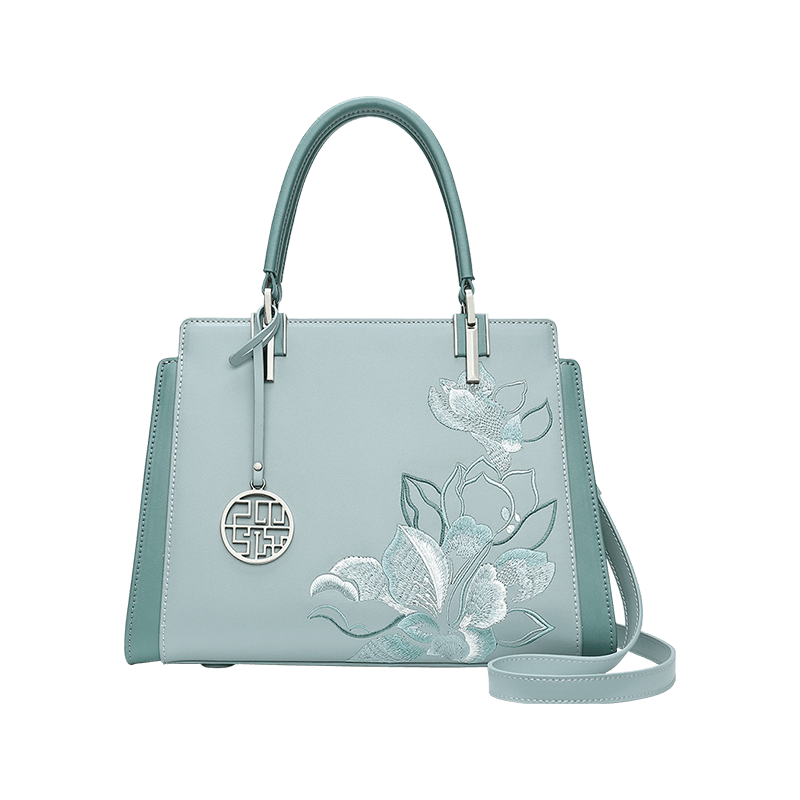
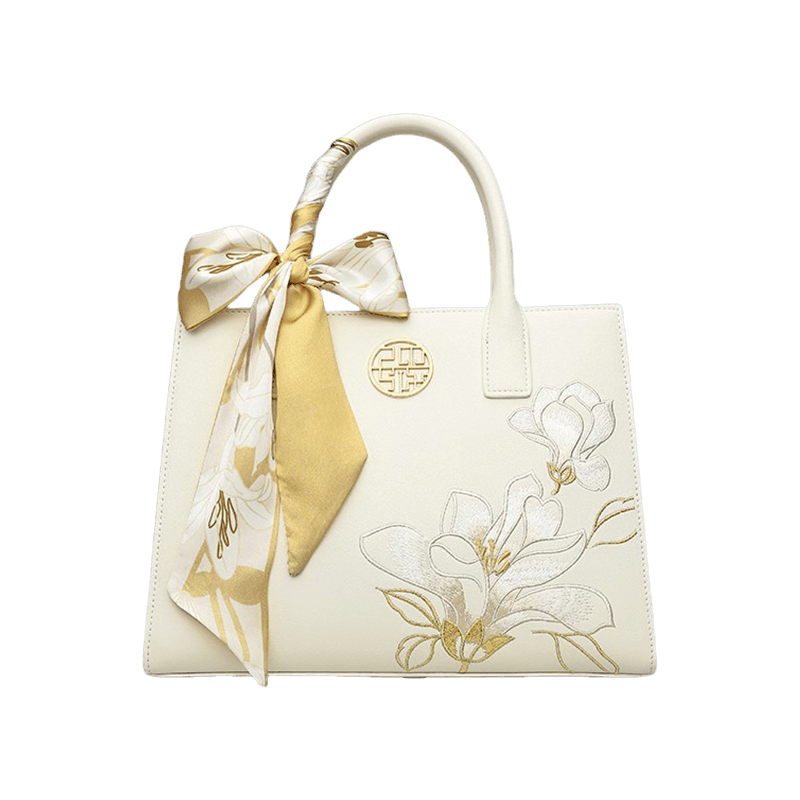
الفن القابل للارتداء: بدلاً من الموضة السريعة، فكر في [حقائب اليد الجلدية المطرزة] (مثل: حقيبة السيدة الحمراء مع زهرة الأوركيد)، التي خيطها حرفيون محليون.

-
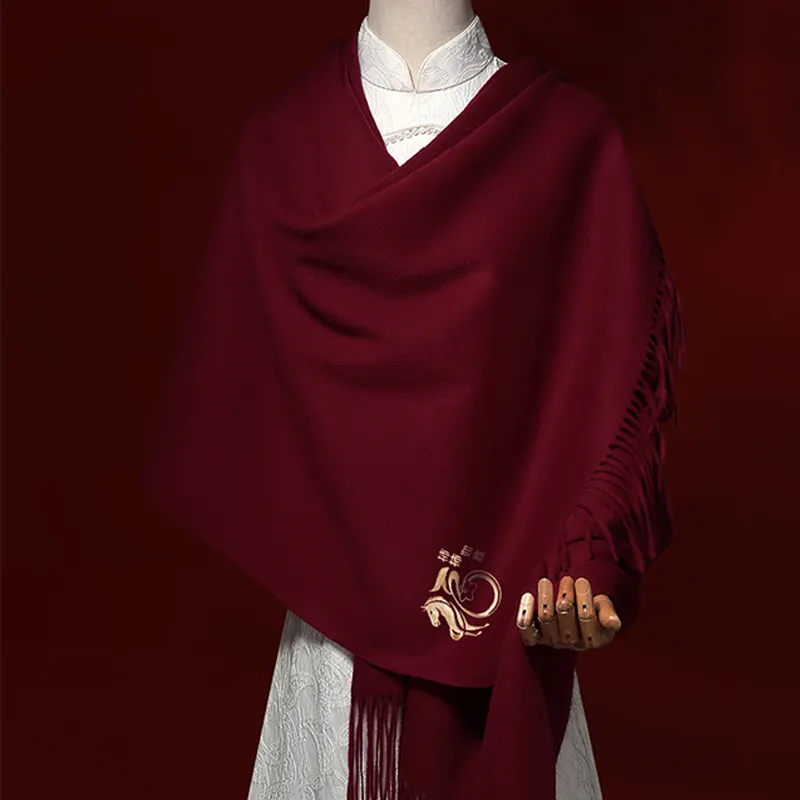
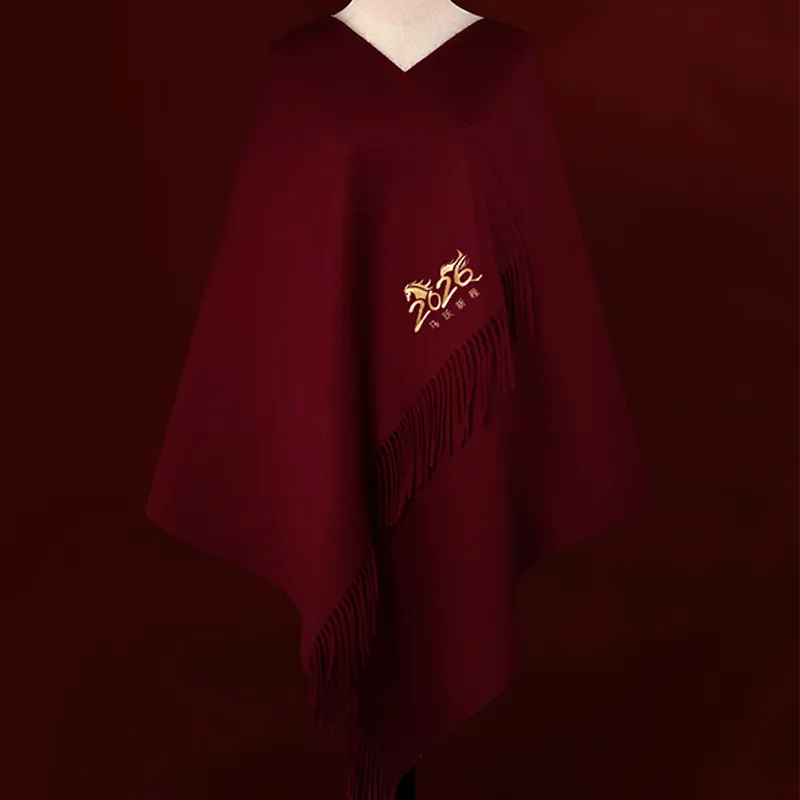
الأوشحة الحريرية الفاخرة: [أوشحة الحرير التوتية الأنيقة من كانتون] تُعد هدايا خفيفة الوزن ورائعة لأحبائك في الوطن.

-
ديكور المنزل: أحضر جمال جنوب الصين إلى طاولة طعامك من خلال [مجموعتنا من البورسلين العظمي بنمط كانتون].
 إذا لم يكن لديك متسع في أمتعتك، فإننا نقدم الشحن الدولي مباشرة إلى باب منزلك. [استكشف متجرنا الإلكتروني هنا.]
الأسئلة الشائعة: السفر إلى قوانغتشو (تأشيرات، مدفوعات، وتطبيقات)
س: هل كانتون وقوانغتشو نفس المدينة؟
ج: نعم! "كانتون" هو الاسم الإنجليزي التقليدي لمدينة قوانغتشو، وكذلك لمقاطعة قوانغدونغ المحيطة بها. ولهذا السبب تسمى اللغة المحلية بالكانتونية، والمعرض التجاري الشهير هو معرض كانتون.
س: هل أحتاج إلى النقود في قوانغتشو؟
ج: يوصى بحمل 500-1000 يوان صيني نقدًا. الدفع الرقمي هو السائد. قم بتنزيل علي باي (Alipay) أو وي شات (WeChat)، وسجل برقم هاتفك الأجنبي، واربط بطاقتك الائتمانية الدولية (فيزا/ماستركارد) قبل وصولك. يعمل هذا في مترو الأنفاق والمطاعم وبائعي الشوارع.
س: كيف أتجول في المدينة؟
ج: مترو قوانغتشو نظيف ورخيص وبه لافتات باللغة الإنجليزية بالكامل. لسيارات الأجرة، استخدم تطبيق ديدي (Didi) (المقابل الصيني لأوبر)، والذي يحتوي على واجهة إنجليزية وترجمة تلقائية للتحدث مع السائقين.
س: ما هي التطبيقات التي يجب تنزيلها للسفر إلى الصين؟
ج: خرائط أبل (Apple Maps) تعمل بشكل مثالي في الصين بدون شبكة افتراضية خاصة (VPN). للترجمات، استخدم جوجل ترجمة (Google Translate) (قم بتنزيل حزمة اللغة الصينية غير المتصلة بالإنترنت قبل وصولك) أو تطبيق بايدو ترجمة (Baidu Translate).