Skip to content

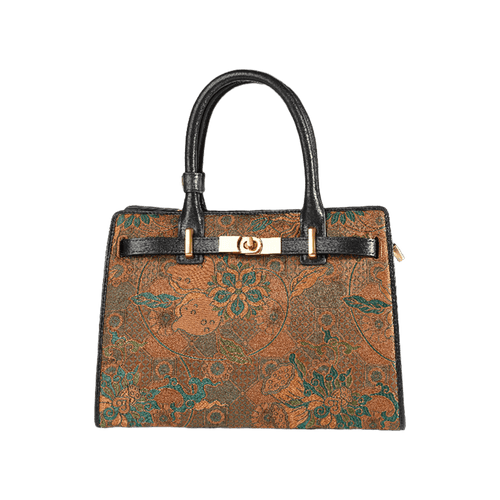
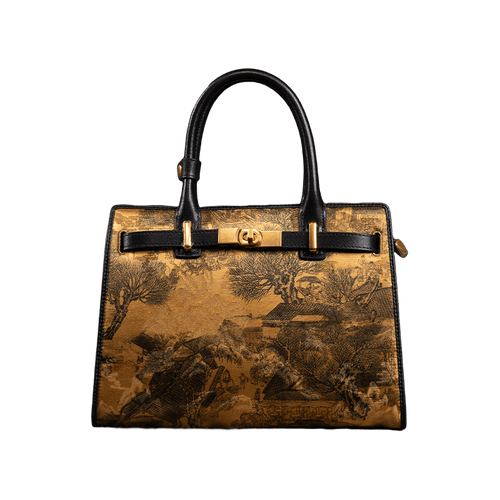
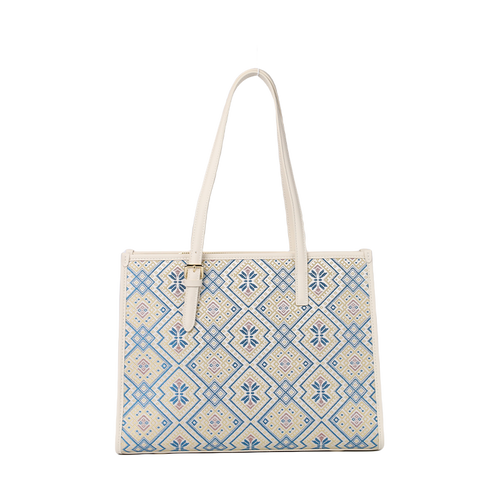
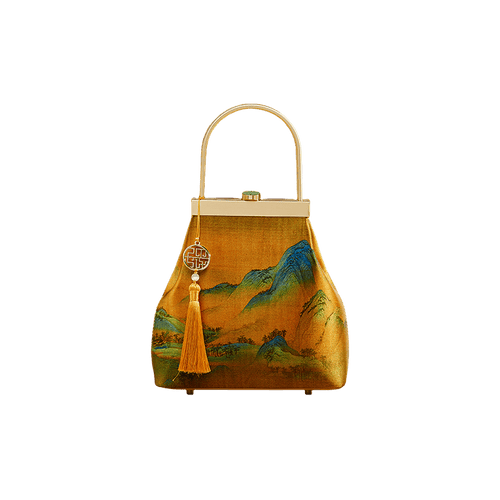
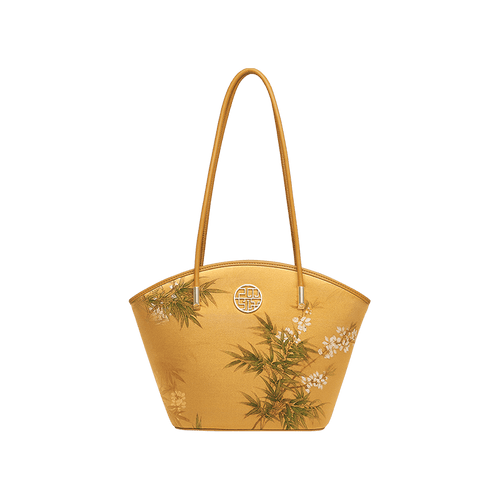
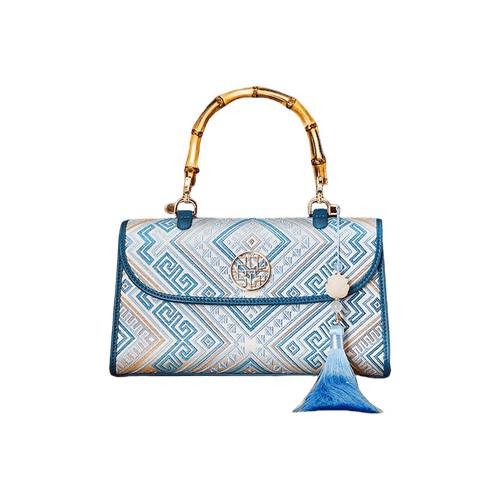
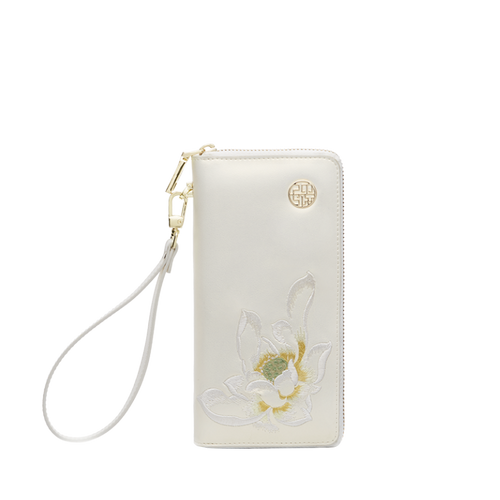




The butterfly is one of the few symbols that means something to almost every culture — but in Chinese tradition, it means something more. Where the West sees transformation, China also sees love. Where one culture finds freedom, another finds devotion. The butterfly holds all of it, quietly, in its wings.
From ancient poetry to hand-embroidered silk, from a philosopher's dream to a modern brocade bag, the butterfly has traveled through Chinese culture for centuries without losing its depth. This is the story of how it got there — and why it still resonates today.
Table of Contents
- What Does a Butterfly Symbolize in Chinese Culture?
- Ancient Chinese Butterfly Stories and Their Meanings
- From Ancient Stories to Modern Design: Butterfly Symbolism in Chinese Art
- Why a Butterfly Pattern Bag Makes a Meaningful Gift
- How to Style a Butterfly Chinese Bag
- Carry Love, Joy and Transformation with Sinocultural
What Does a Butterfly Symbolize in Chinese Culture?
In Chinese culture, the butterfly carries meanings that go beyond its visual beauty. It's a symbol of love and loyalty, joy and freedom, elegance and good fortune — each layered with emotional depth rooted in centuries of art, poetry, and craft.
- Love and Romance: Two butterflies flying together is one of the most enduring images of romantic devotion in Chinese tradition — a pairing so poetic it appears throughout classical literature and decorative art alike.
- Joy and Happiness: Closely associated with flowers, spring, and the garden in full bloom, the butterfly naturally evokes lightness and the quiet beauty of everyday life. Its gentle movement suggests a world at peace with itself.
- Freedom and Transformation: The butterfly's journey from caterpillar to winged creature carries particular resonance in Chinese culture — a symbol of personal growth, a new chapter, and the quiet courage it takes to change.
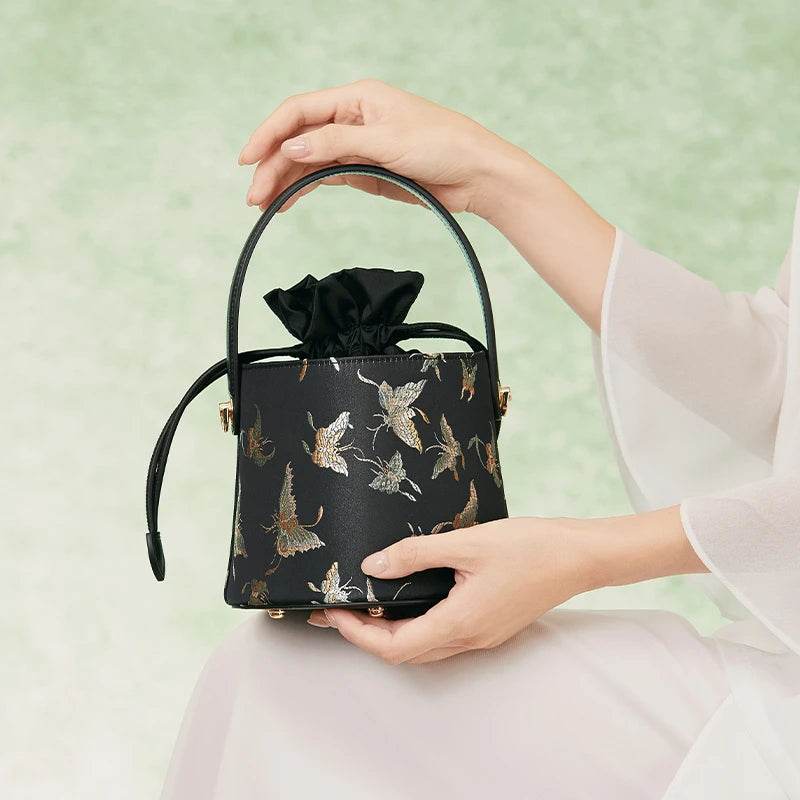
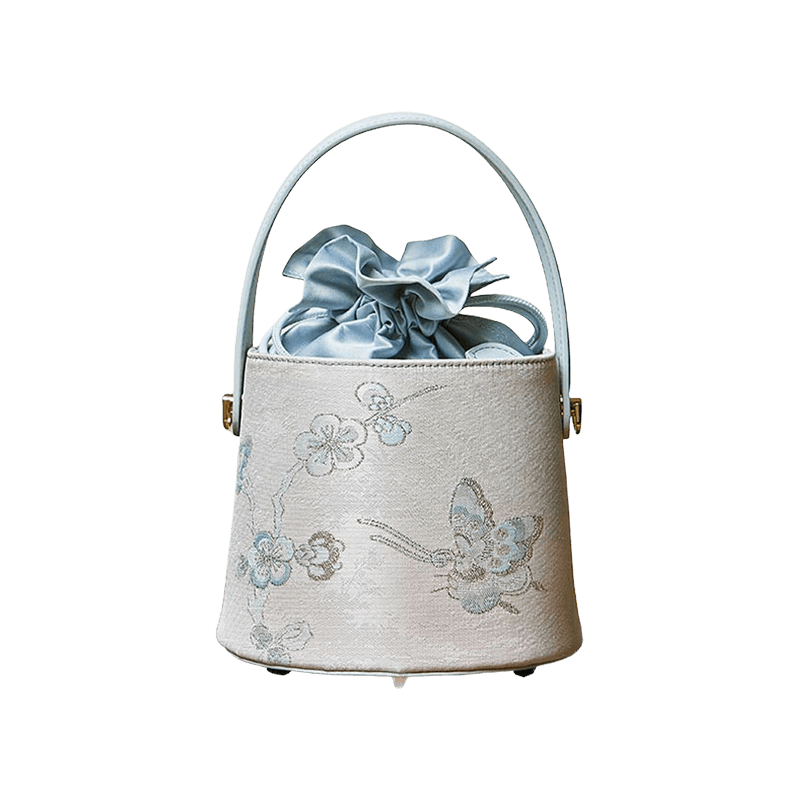
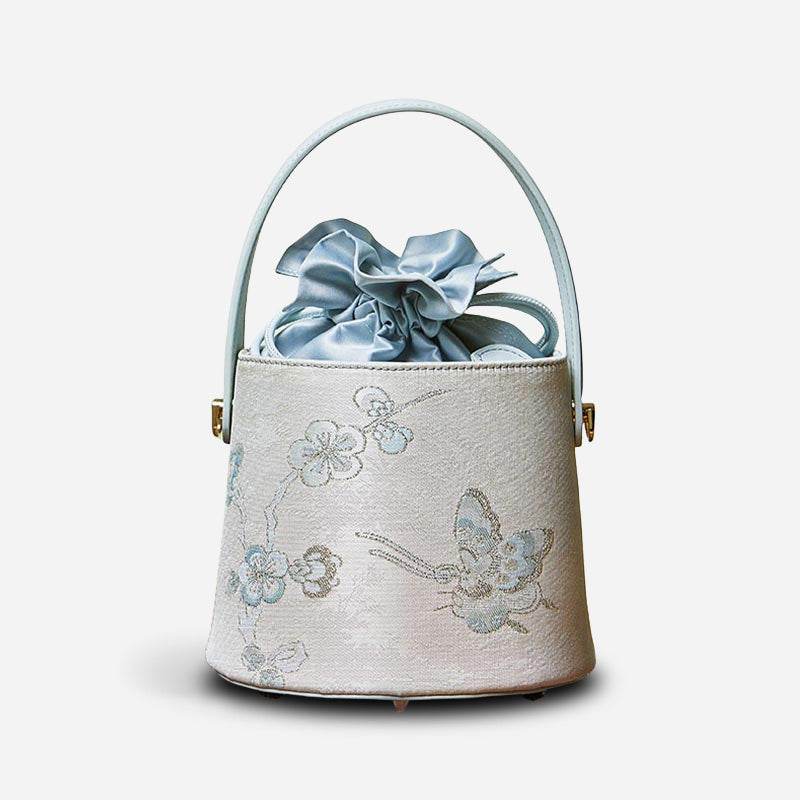
- Elegance and Good Wishes: In Chinese embroidery, brocade, and traditional accessories, butterfly motifs express femininity, grace, and auspicious blessings — turning a decorative pattern into something genuinely symbolic.

What makes butterfly meaning in Chinese culture so compelling is precisely this: it isn't just ornamental. Whether it appears in a Tang dynasty painting or on a contemporary butterfly-patterned Chinese bag, the butterfly Chinese symbolism speaks to feelings that translate across any culture — love, joy, beauty, and the freedom to become something new.
Ancient Chinese Butterfly Stories and Their Meanings
To understand why the butterfly carries such deep meaning in Chinese culture, it helps to look at two stories that have shaped its symbolism for centuries — one a love story, the other a philosophical dream.
The Butterfly Lovers: China's Romeo and Juliet
Zhu Yingtai disguised herself as a man to study, at a time when women were not permitted to. For three years, she and Liang Shanbo studied side by side — their friendship slowly becoming something neither could name. When she finally had to leave, she spent eighteen miles of the journey home trying to tell him the truth, speaking in riddles and metaphors, hoping he would understand. He didn't, not then.
By the time Liang Shanbo realized he loved her, it was too late. She had been promised to another. He died of grief. On the day of her wedding, Zhu Yingtai stopped at his grave — and the earth opened. She stepped in.
From the grave, two butterflies rose together.
It's this final image — two souls finally free, finally side by side — that gave the butterfly its place in Chinese culture as a symbol of love, loyalty, and a devotion that outlasts even death. Considered one of China's four great folk legends, the story is believed to have originated during the Eastern Jin dynasty, with written records traceable to the Tang period.

Zhuangzi's Butterfly Dream: Freedom and the Self
The second story is quieter, but no less profound.
The philosopher Zhuangzi once fell asleep and dreamt he was a butterfly — drifting weightlessly through the air, with no memory of ever being a man. When he woke, he sat for a long moment before writing: "Now I do not know whether I was then a man dreaming I was a butterfly, or whether I am now a butterfly dreaming I am a man."
It's one of the oldest questions in Chinese philosophy, and it remains unanswered by design. The butterfly here isn't a symbol of escape — it's a symbol of the self in motion: always becoming, never fully fixed. In a single dream, Zhuangzi gave the butterfly a second life in Chinese culture, one rooted not in love, but in the deeper freedom of not knowing exactly where one ends and the world begins.
Together, these two stories explain why the butterfly is far more than decoration. It carries the weight of love and loss, of transformation and wonder — and the quiet human desire for something freer and more beautiful than everyday life allows.

From Ancient Stories to Modern Design: Butterfly Symbolism in Chinese Art
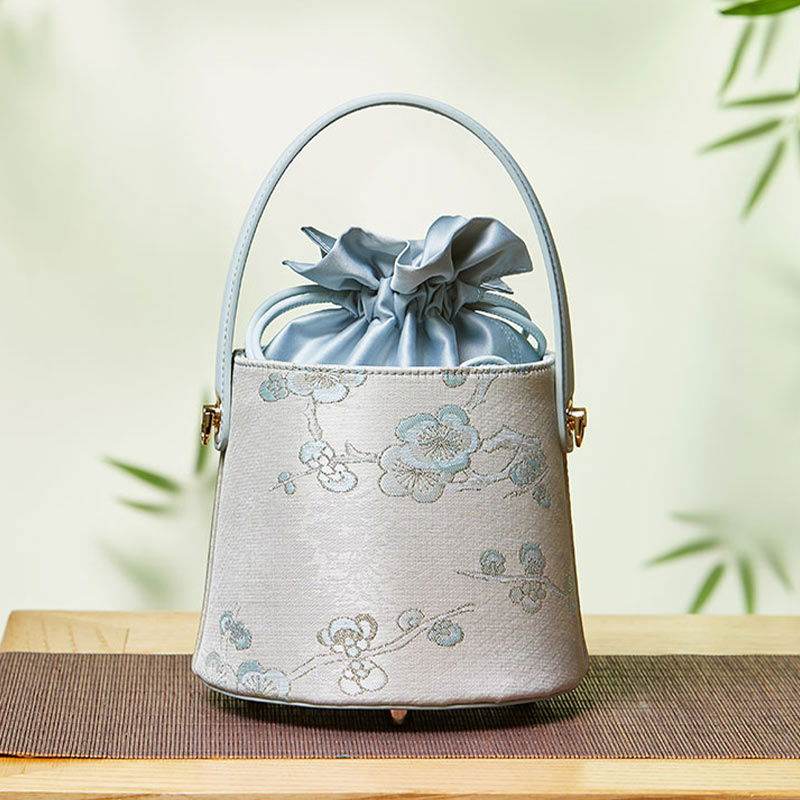
In Chinese art, butterfly symbolism has always been expressed through visual pairing. Butterflies appear alongside peonies, osmanthus, spring gardens, and flowing clouds — combinations that aren't purely decorative, but carry layered meaning. Peonies suggest prosperity and romance; clouds suggest freedom and good fortune. Together, these motifs create a visual language of happiness, elegance, and auspicious wishes that has shaped Chinese embroidery, brocade, ceramics, and clothing for centuries.

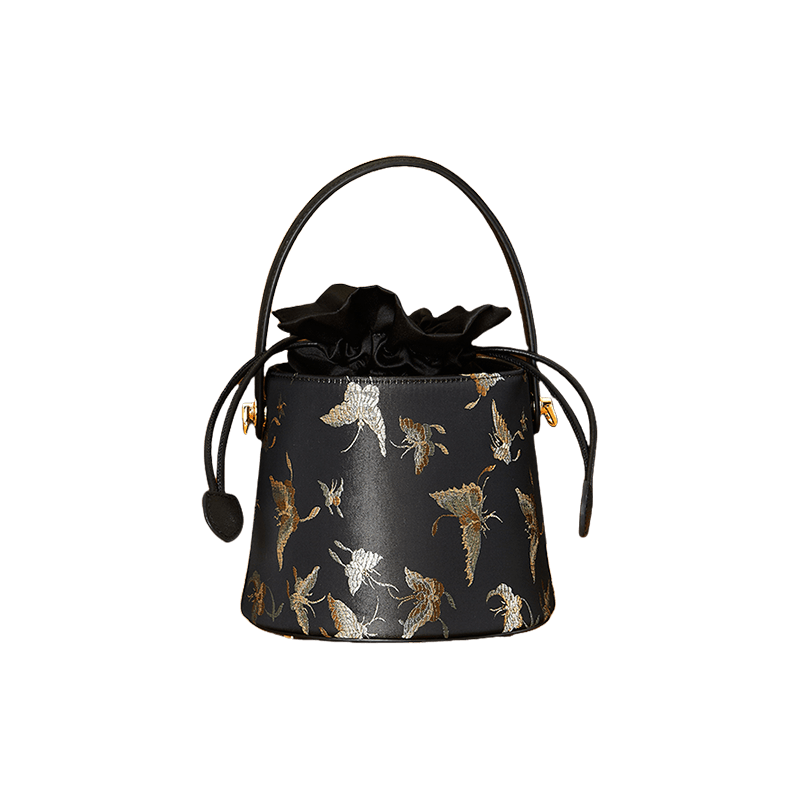
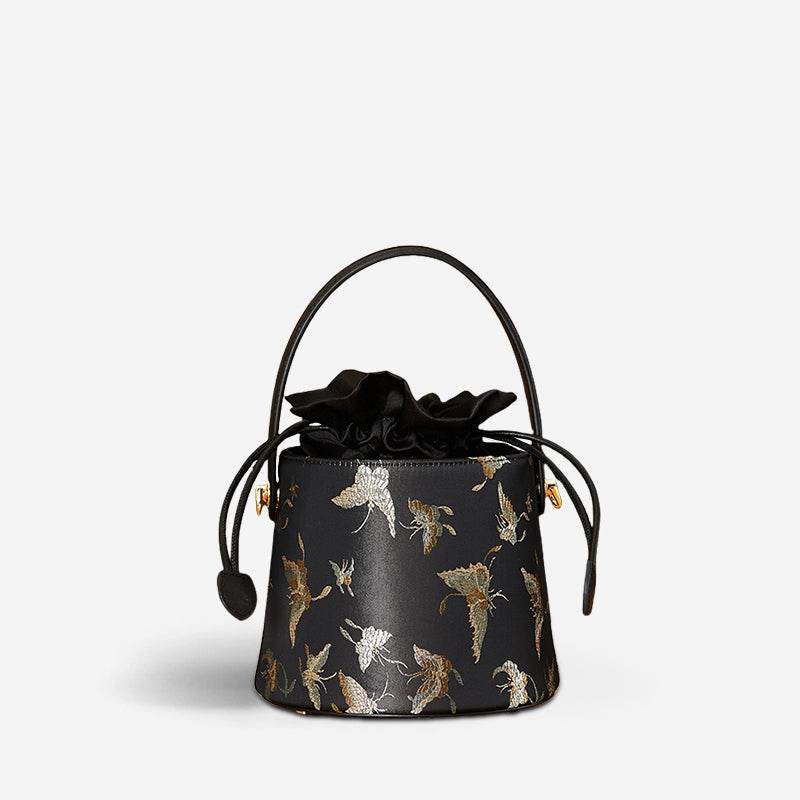
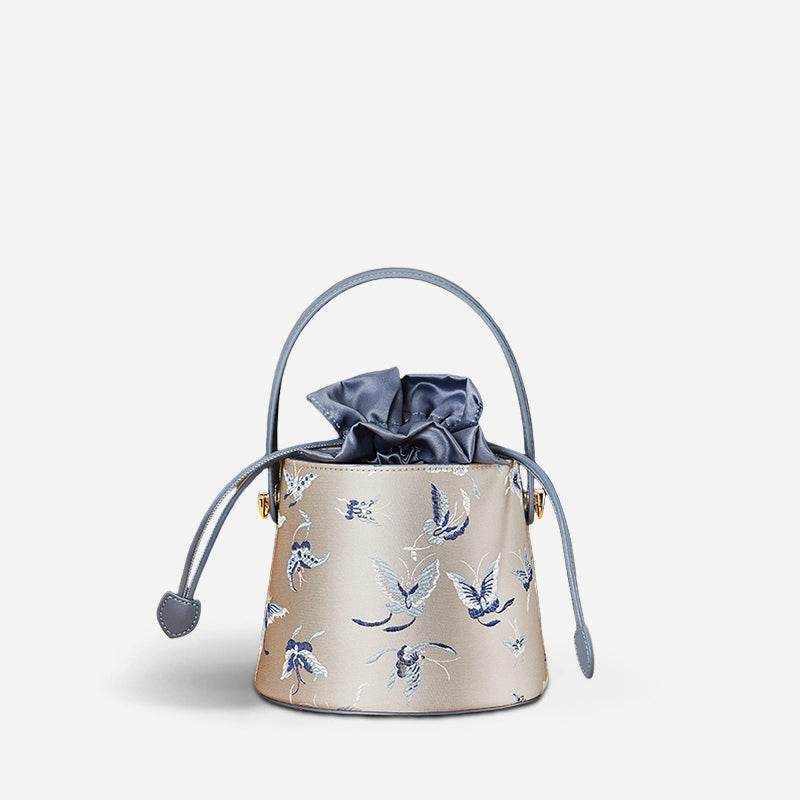
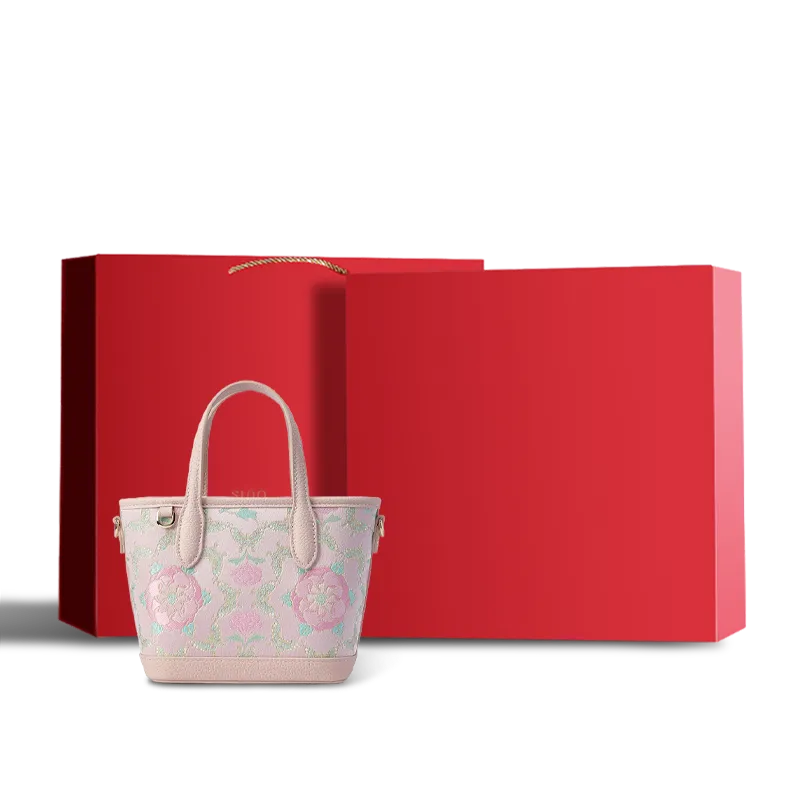
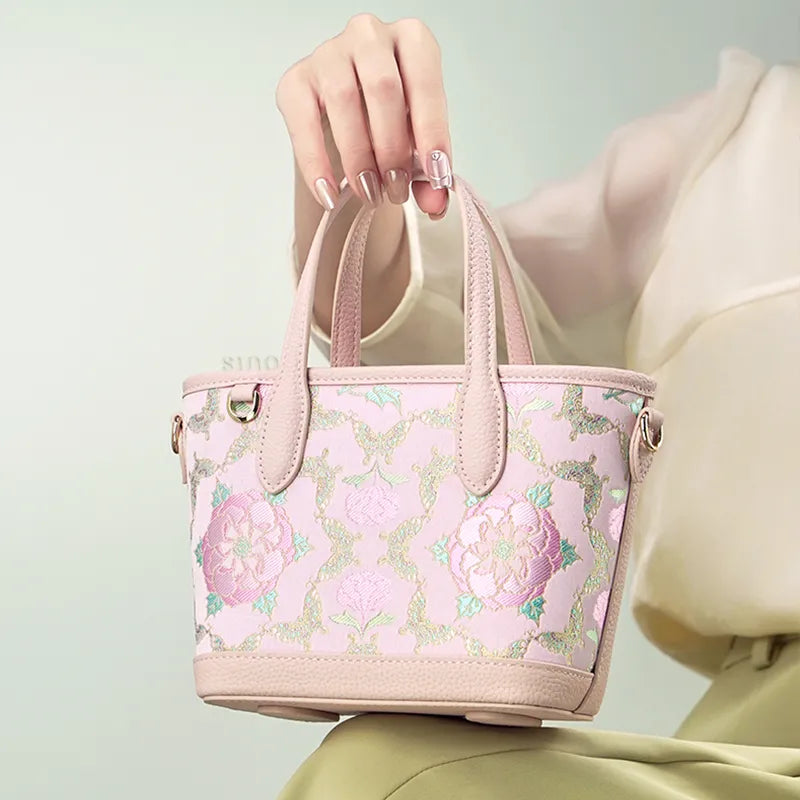
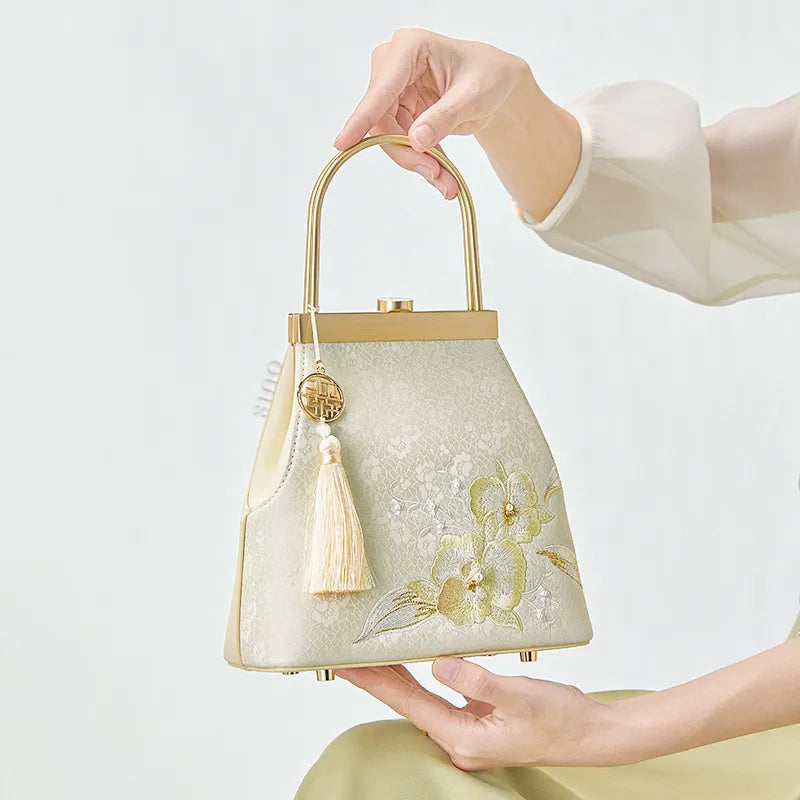
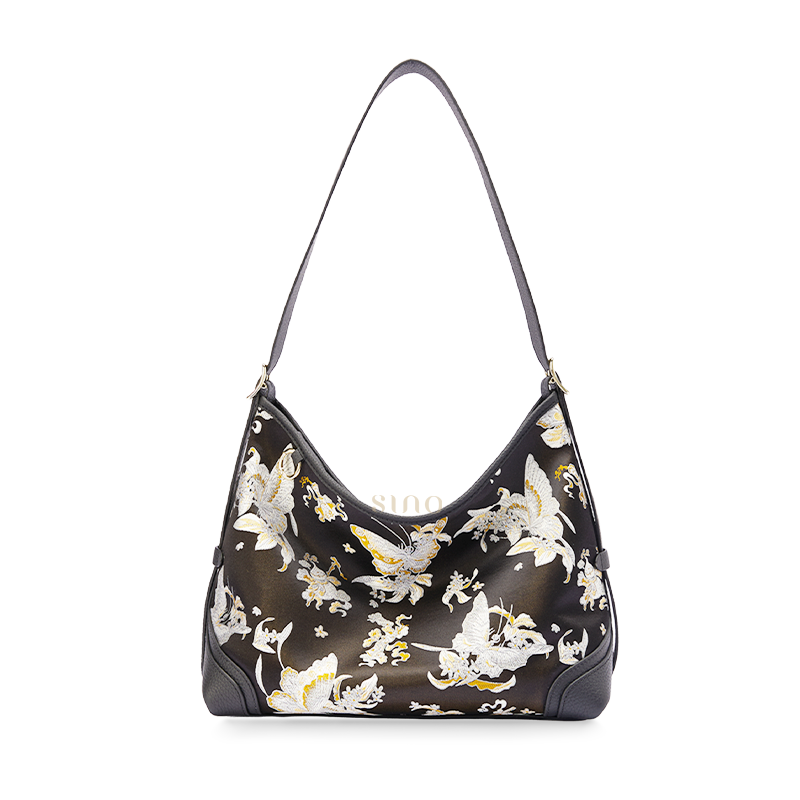
That same visual language lives on in contemporary design. A butterfly-patterned Chinese bag isn't simply a beautiful accessory — it's a way of carrying a story. The meaning woven into the pattern connects back to the Butterfly Lovers, to Zhuangzi's dream, to centuries of craft and cultural memory. What was once stitched into imperial robes or painted onto porcelain now travels with you.
Why a Butterfly Pattern Bag Makes a Meaningful Gift
A butterfly-patterned bag carries more than visual beauty. In Chinese culture, it holds the meanings of love, joy, loyalty, and transformation — making it one of the most considered pieces you can give, or keep for yourself.
-
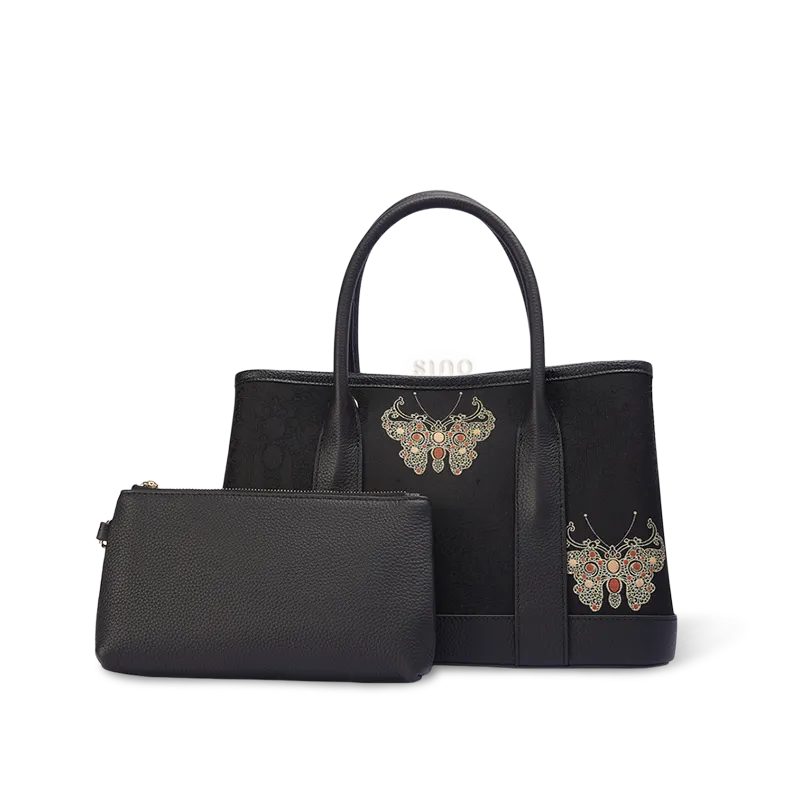
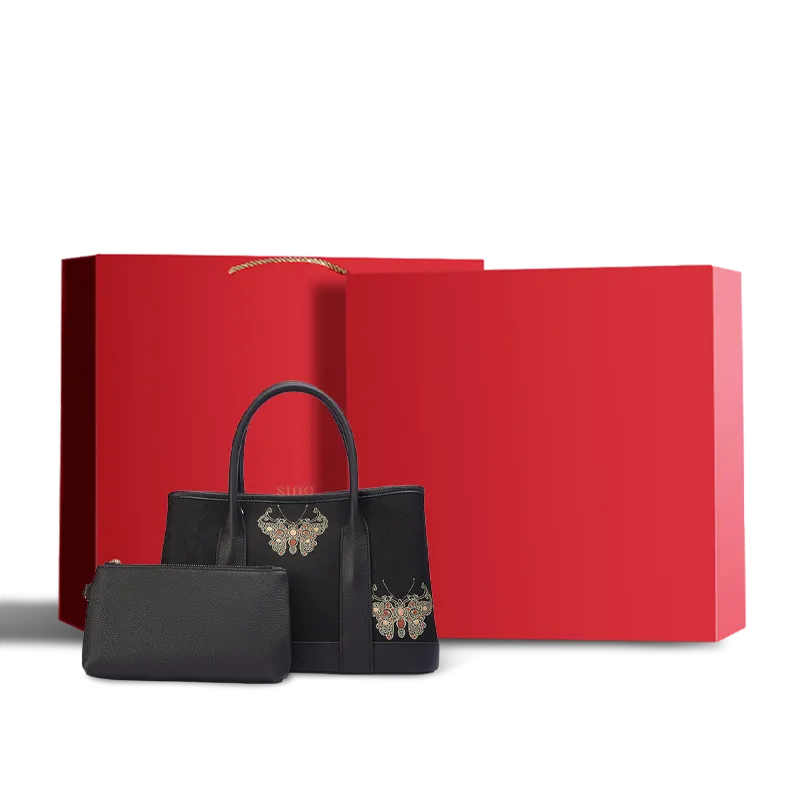
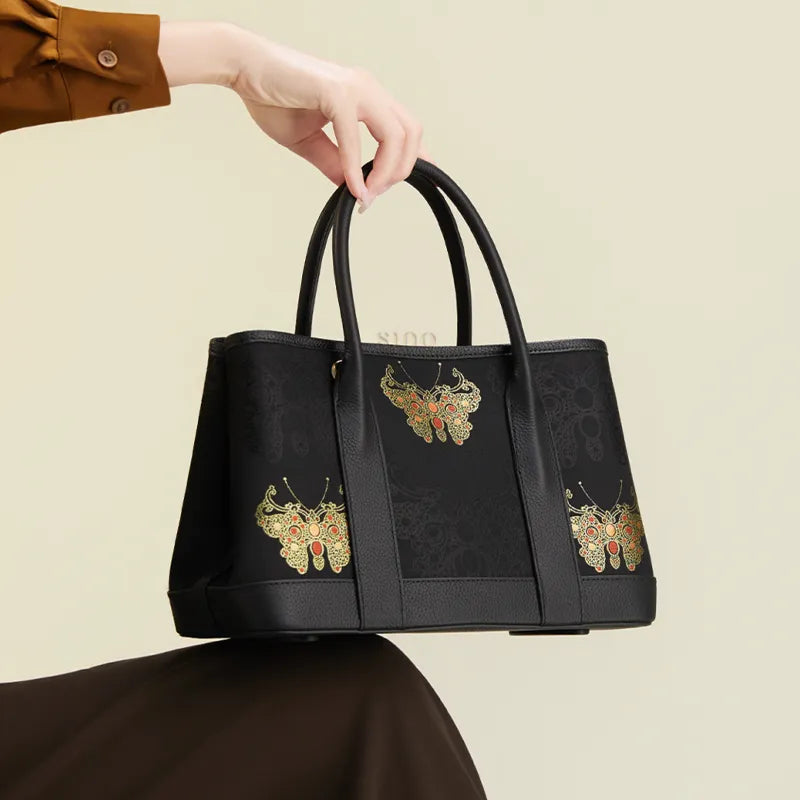
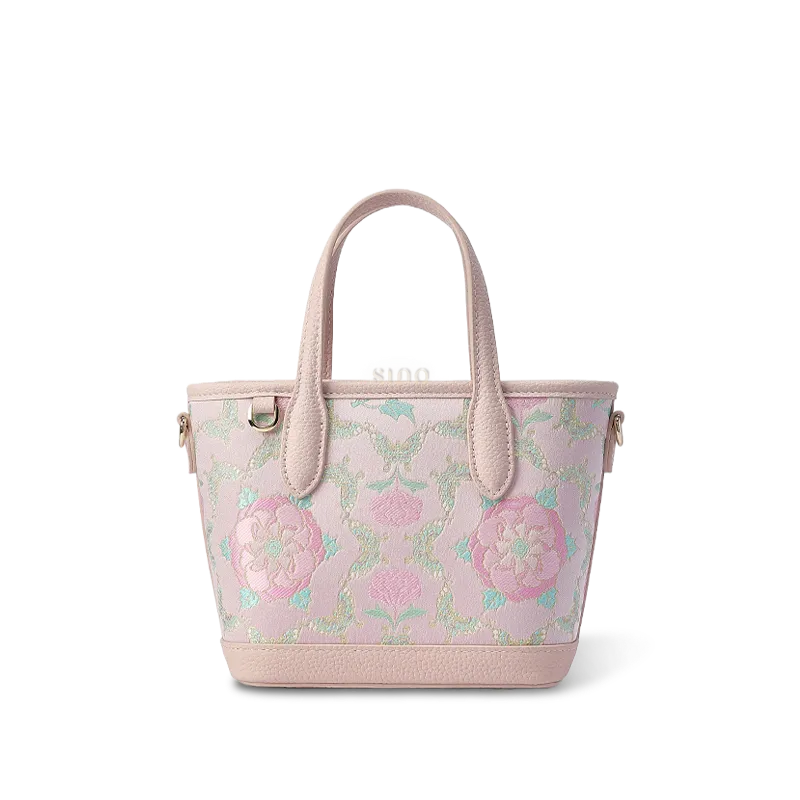
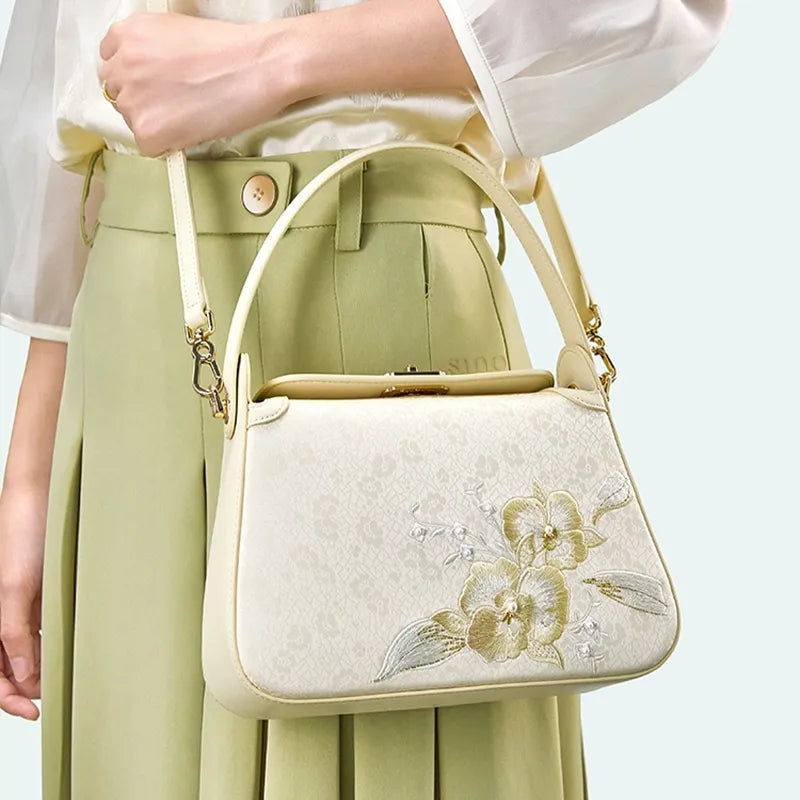
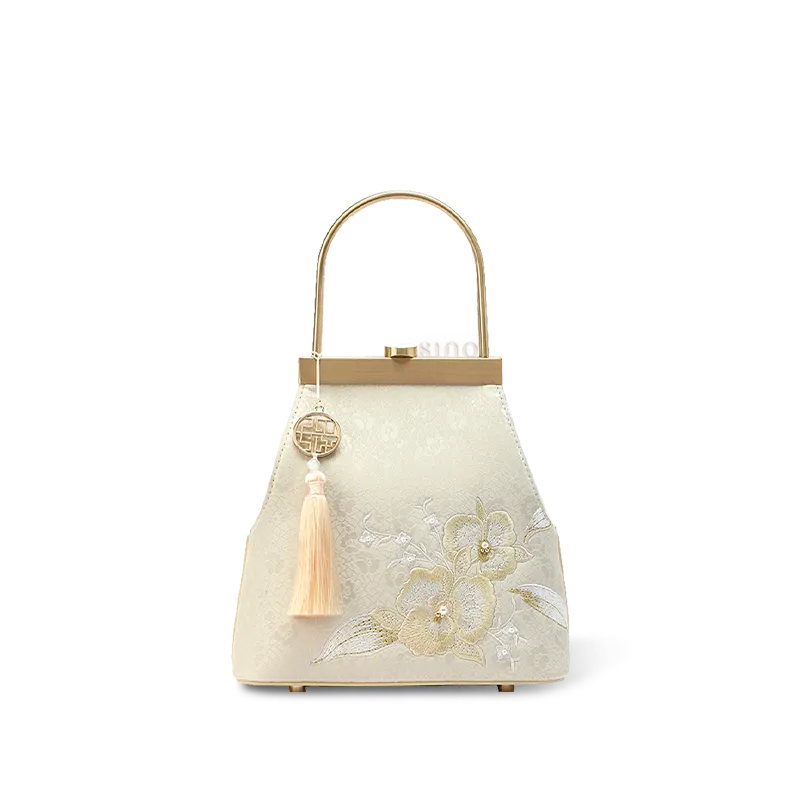
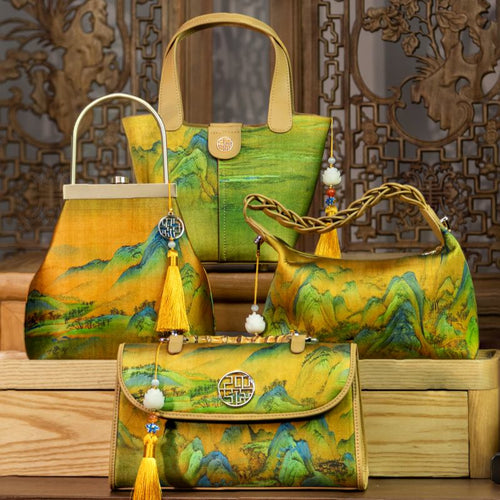
For a partner, wife, or girlfriend: A luxury women's tote bag where paired butterfly motifs in Song brocade quietly express love, happiness, and a life well-shared — the kind of piece that says something without needing words.

-
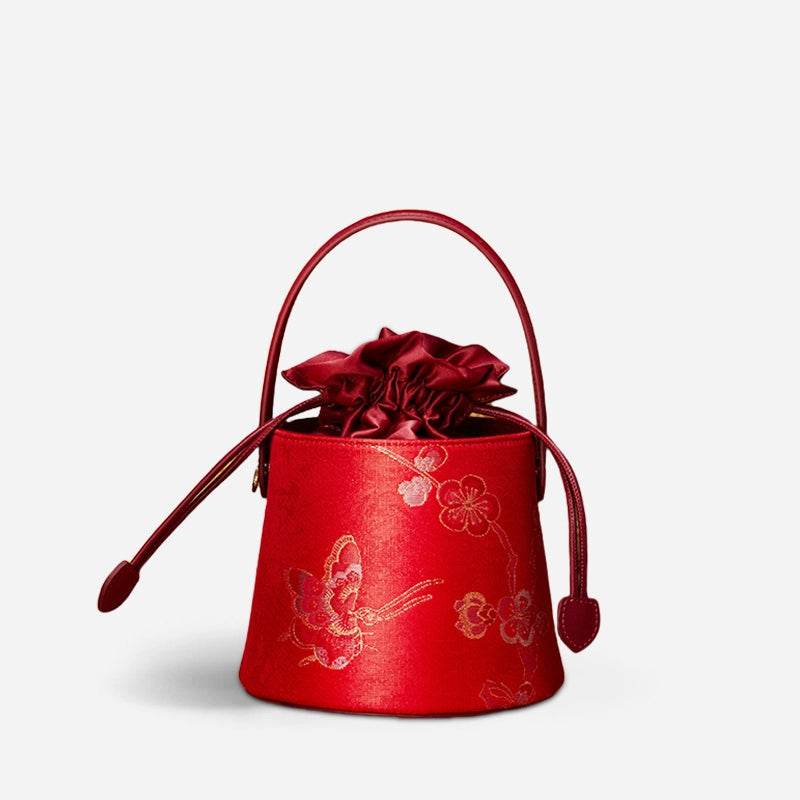
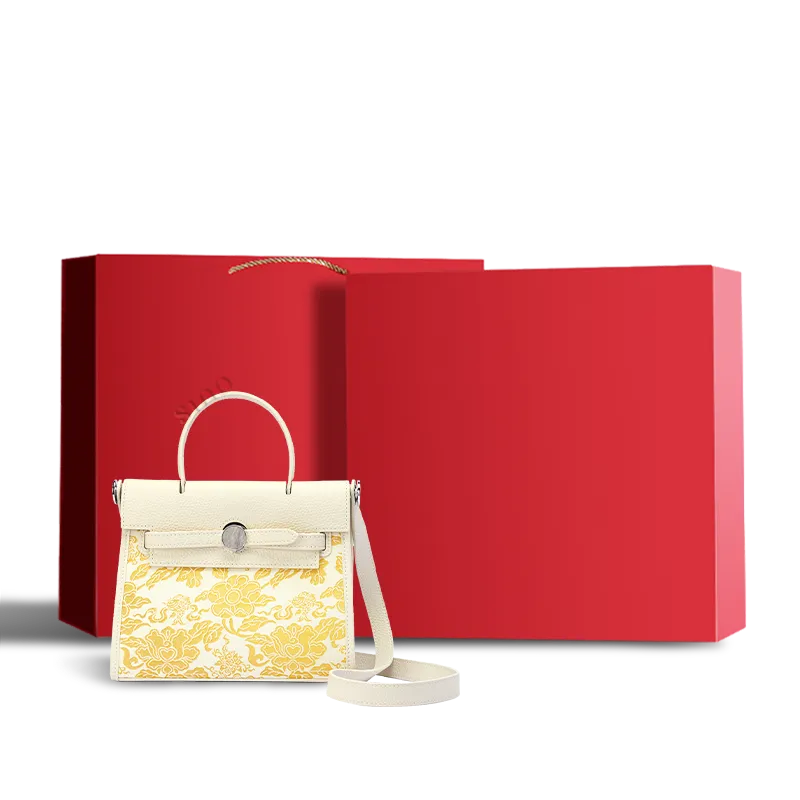
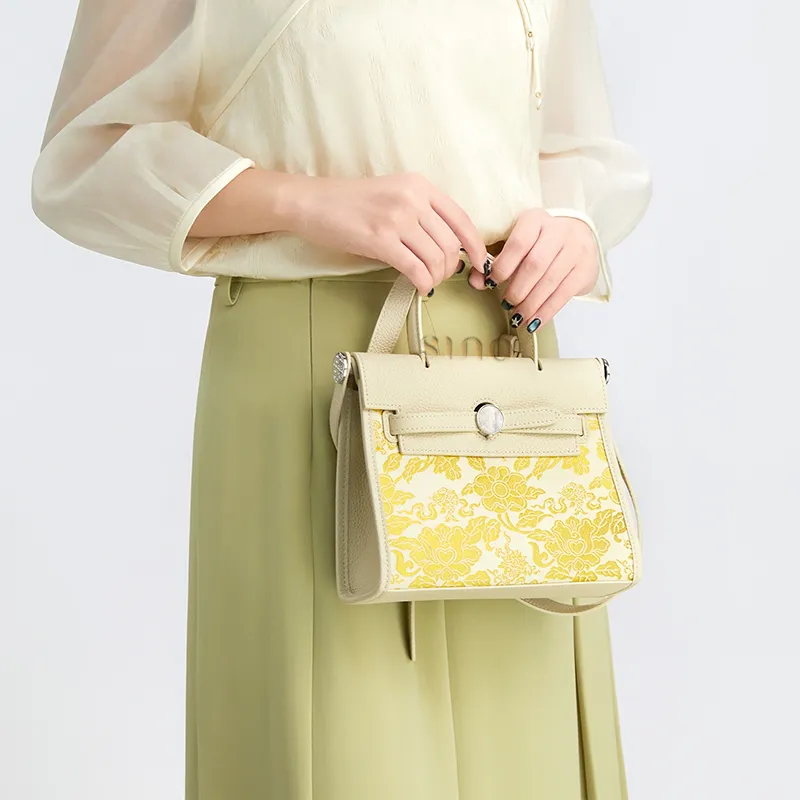
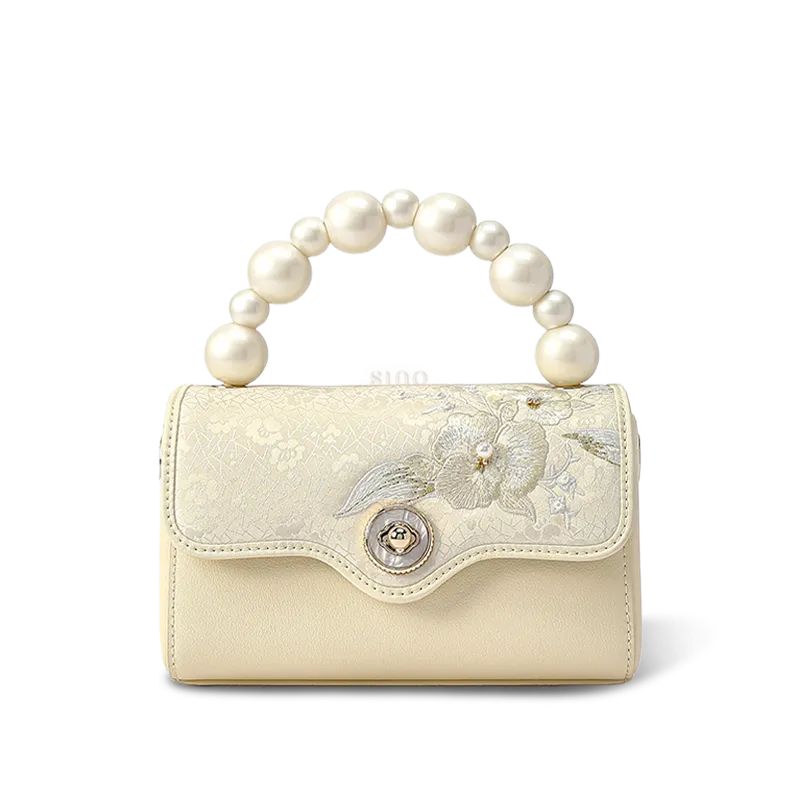
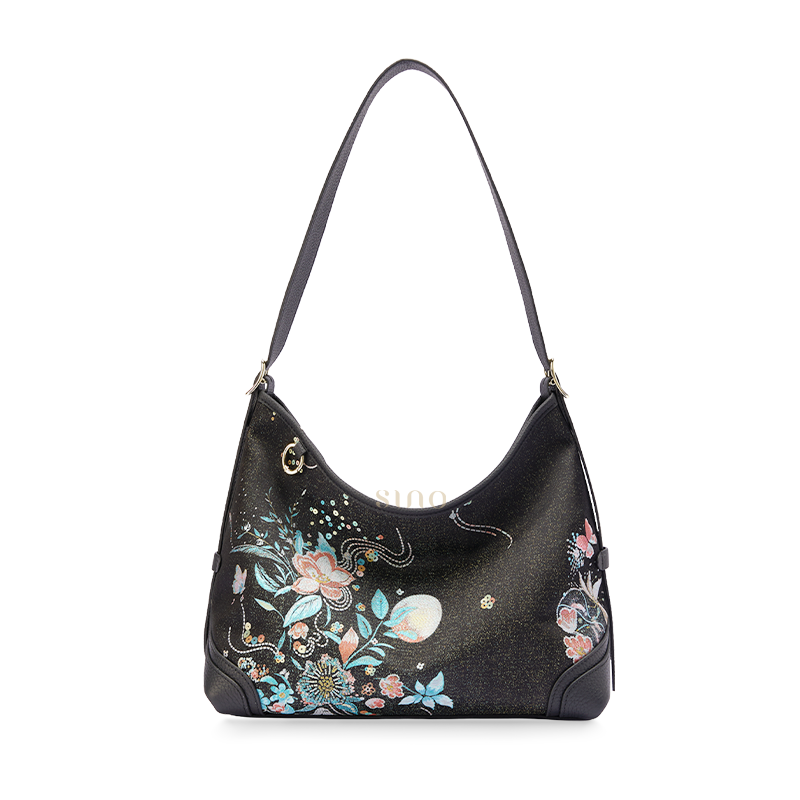
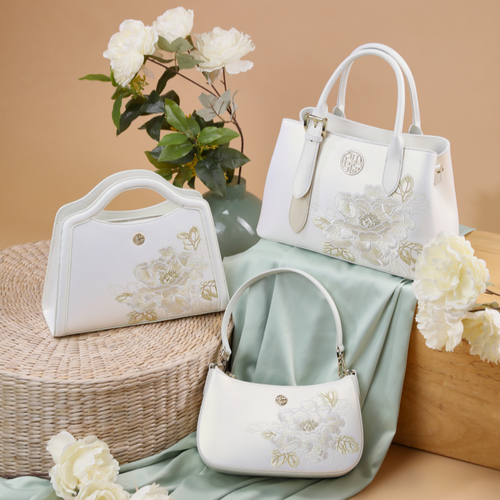
For birthdays, anniversaries, or festive occasions: An elegant designer crossbody bag for women combining butterfly and peony motifs — a pairing that has symbolized beauty, prosperity, and joyful romance in Chinese art for centuries.

-
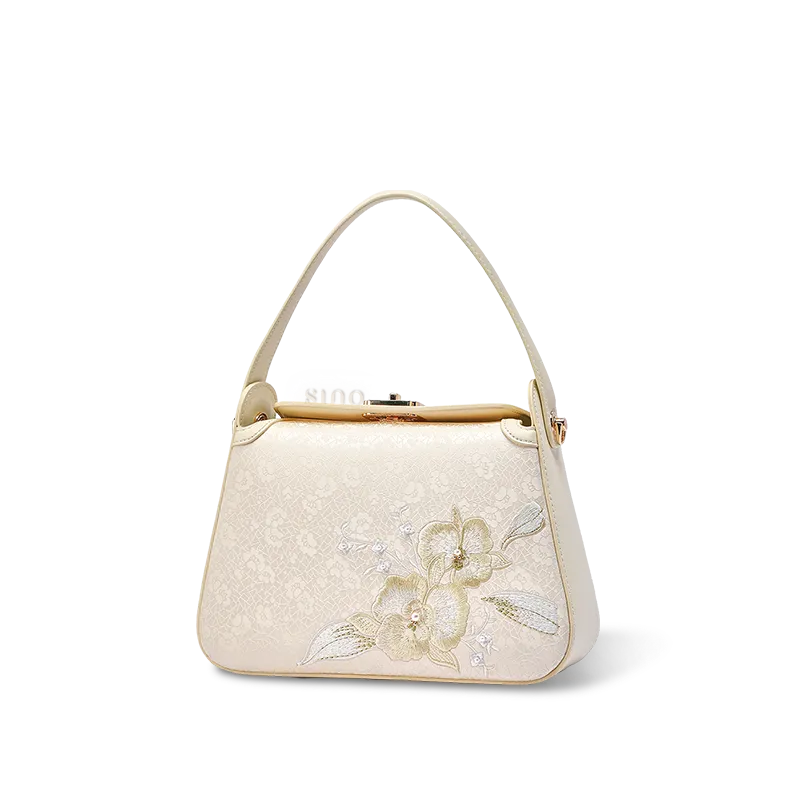
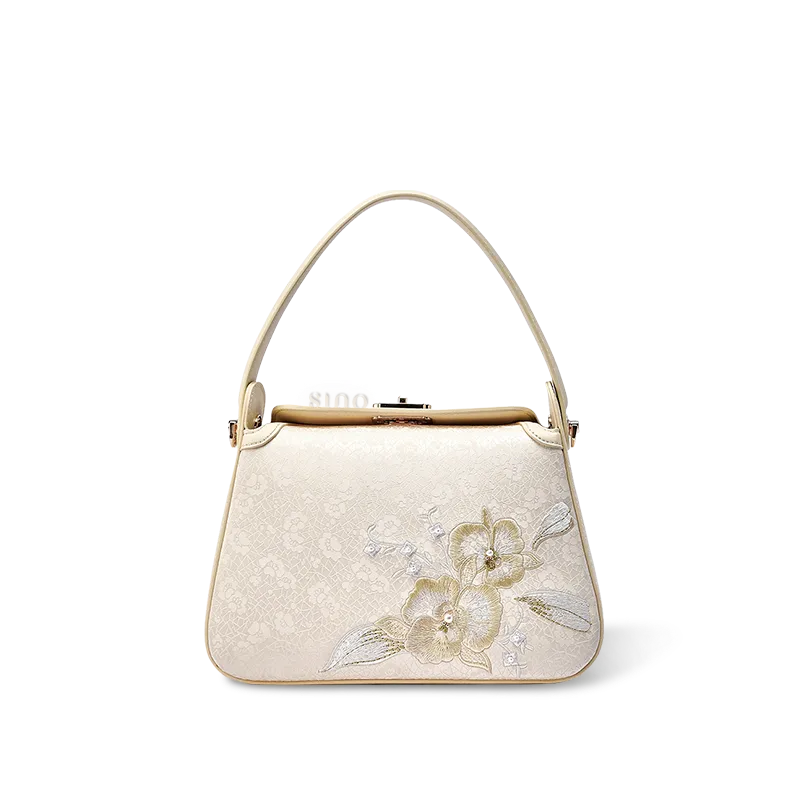
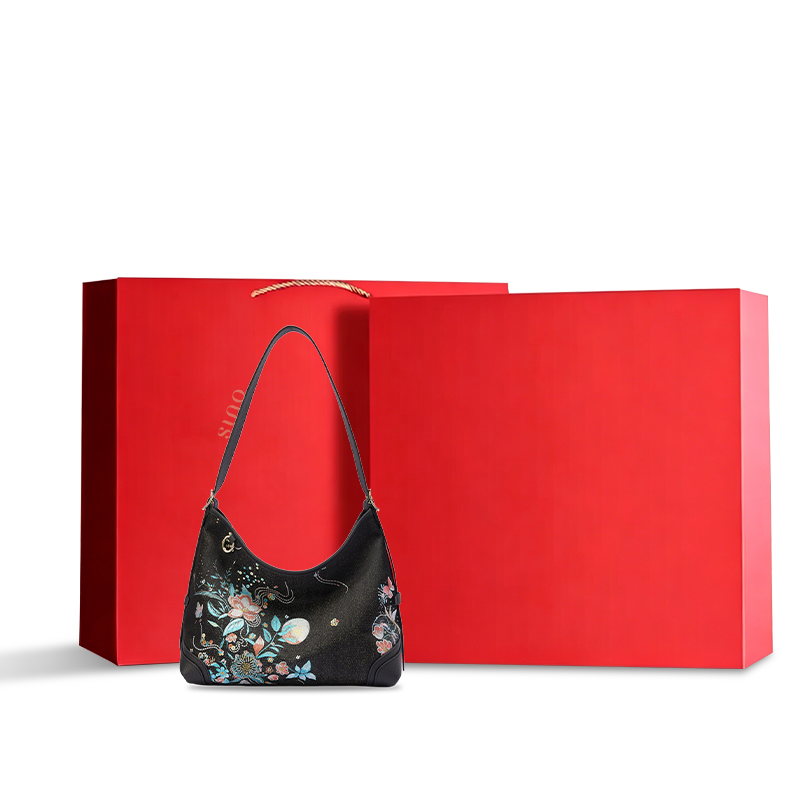
For yourself — a gift of personal growth: A luxury handbag with butterfly motif that carries the symbolism of transformation and renewal. A quiet reminder that becoming something new can be a graceful thing.

-
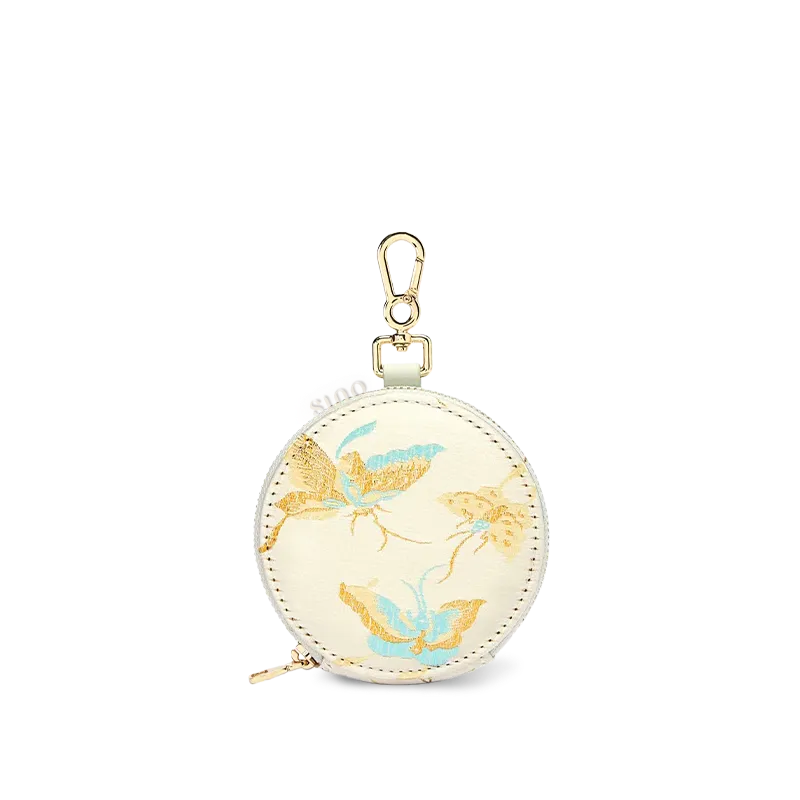
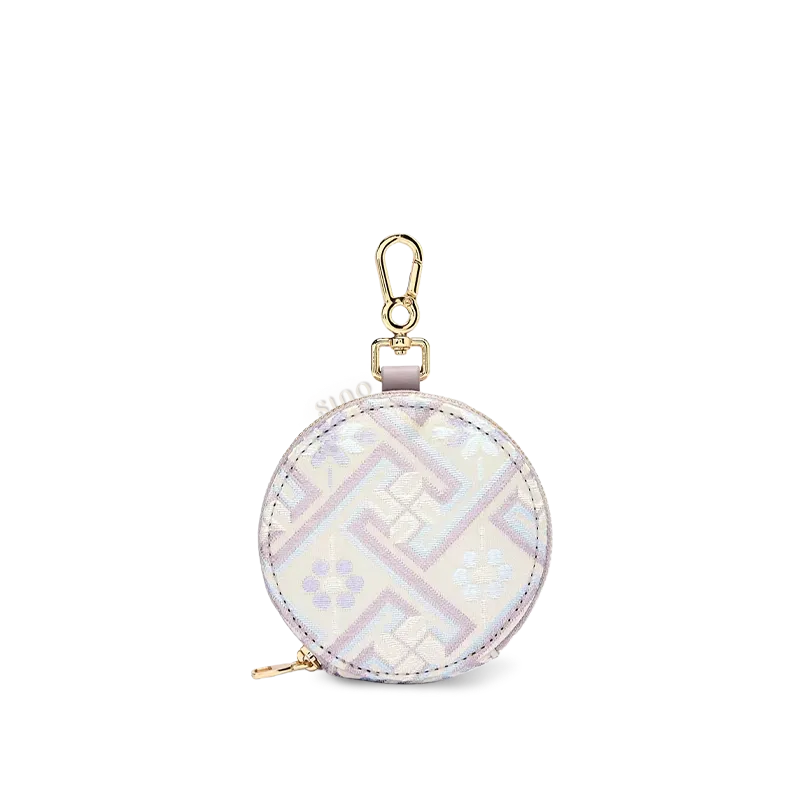
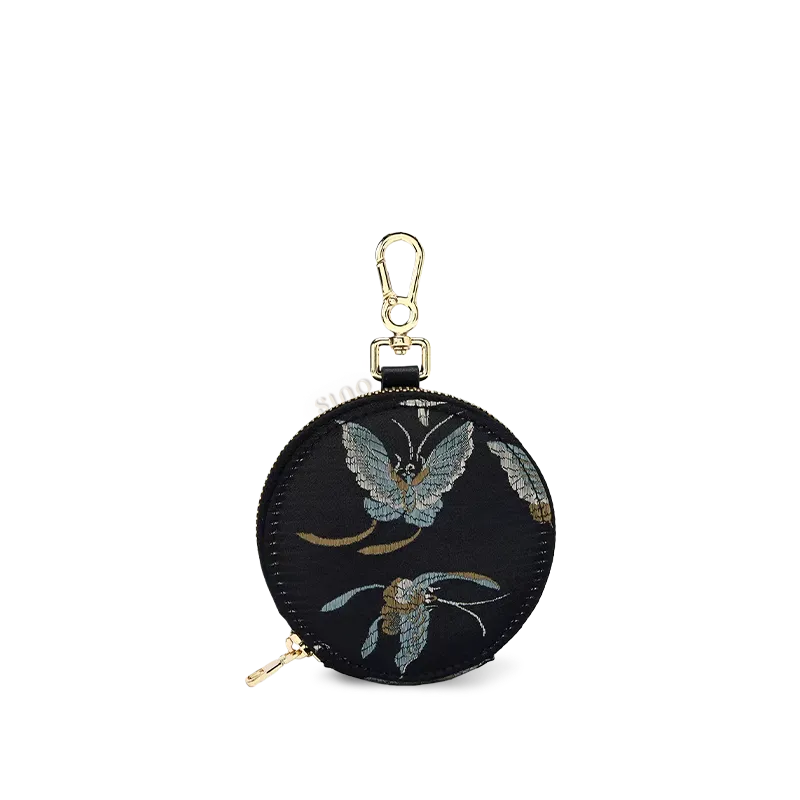
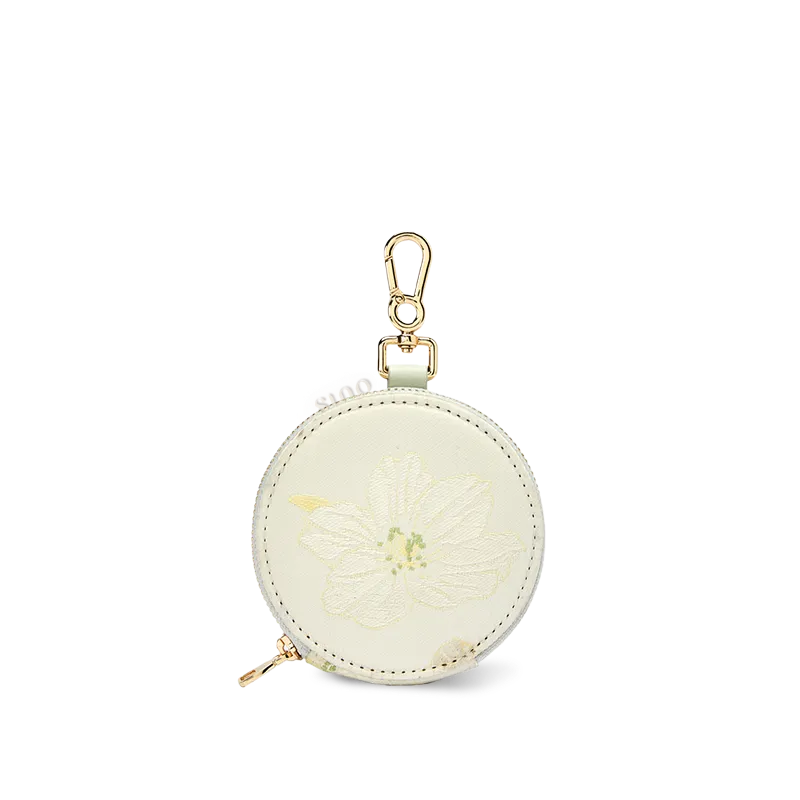
For mothers, friends, or family: A Chinese-inspired embroidered bag charm and coin purse — small in scale, but rich in cultural meaning. The kind of gift that stays.

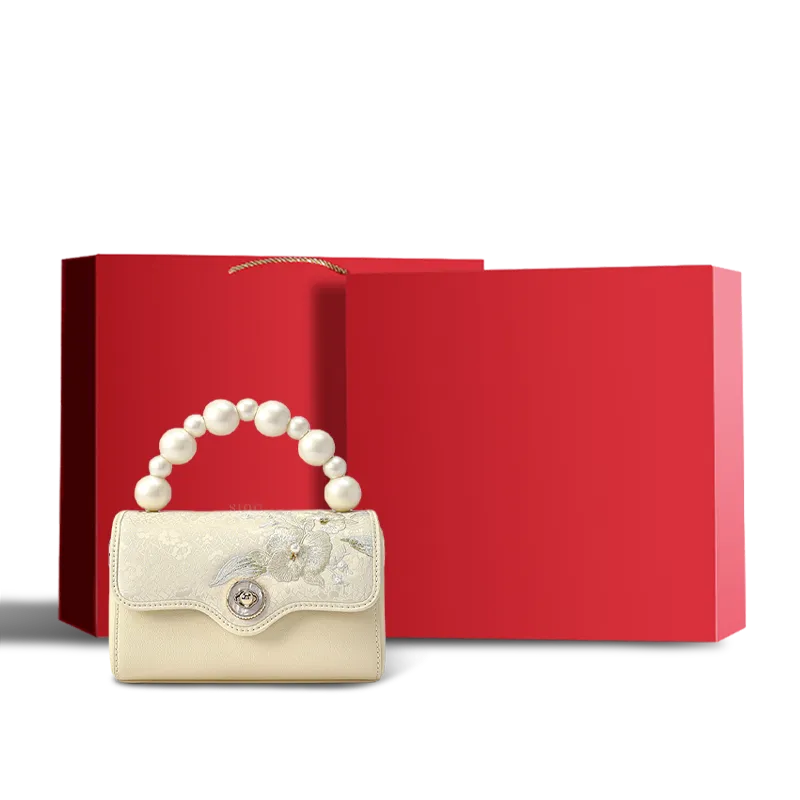
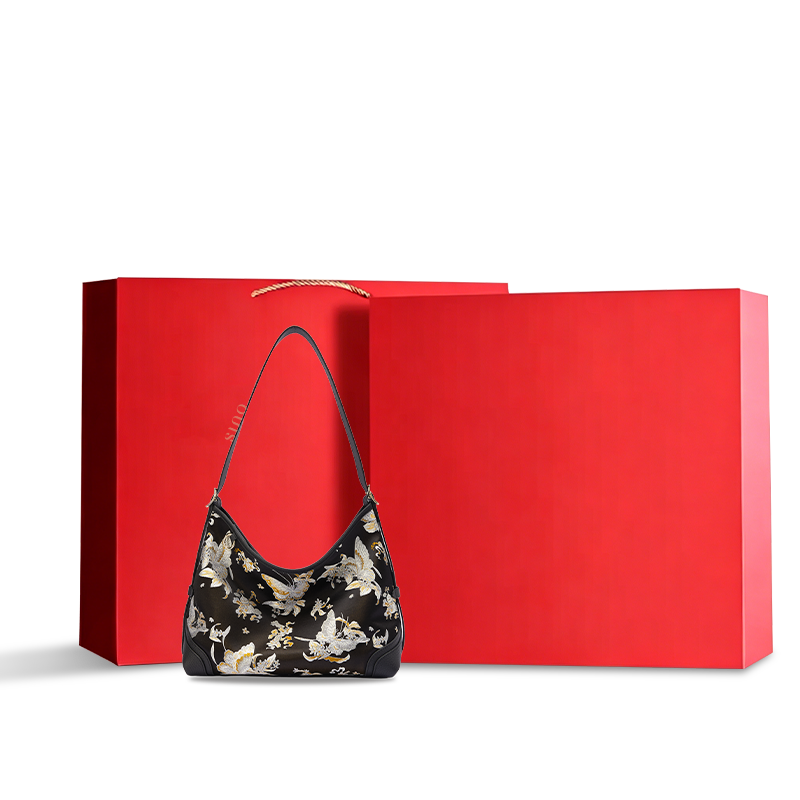
Looking for something meaningful for a woman you love — a partner, a mother, a friend? Explore the full collection at Sinocultural and find a piece that carries culture, craft, and intention in every detail.

How to Style a Butterfly Chinese Bag
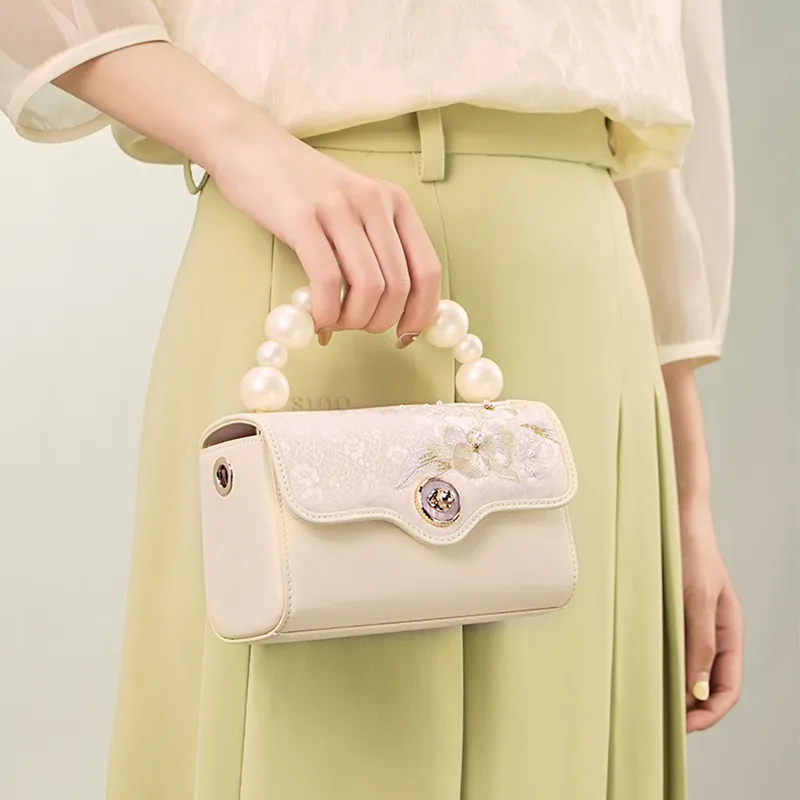
A butterfly Chinese bag is more versatile than it might first appear. The key is contrast — let the bag carry the cultural detail, and keep everything else simple.
-
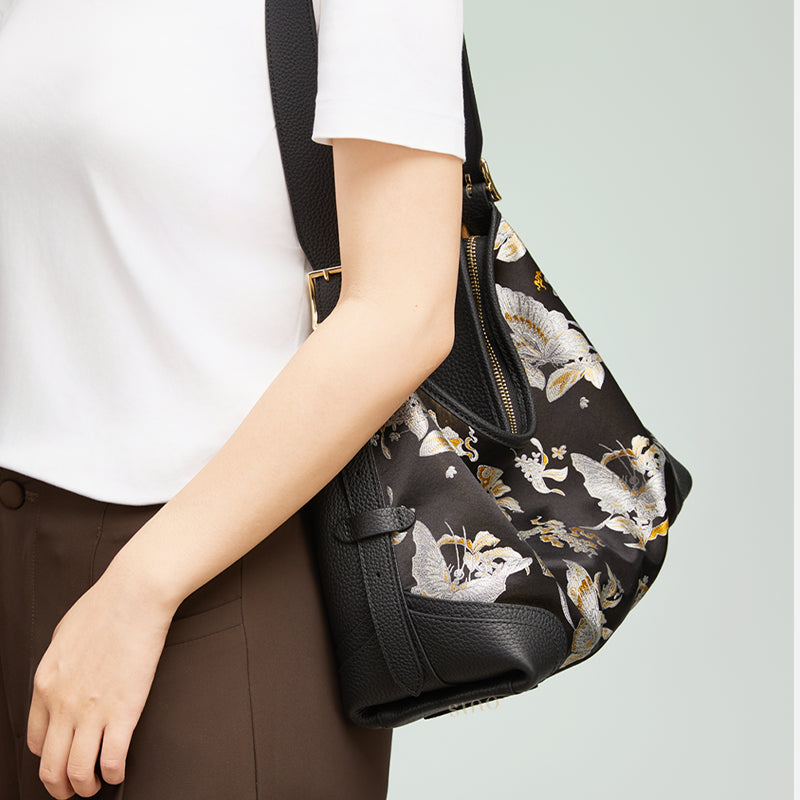
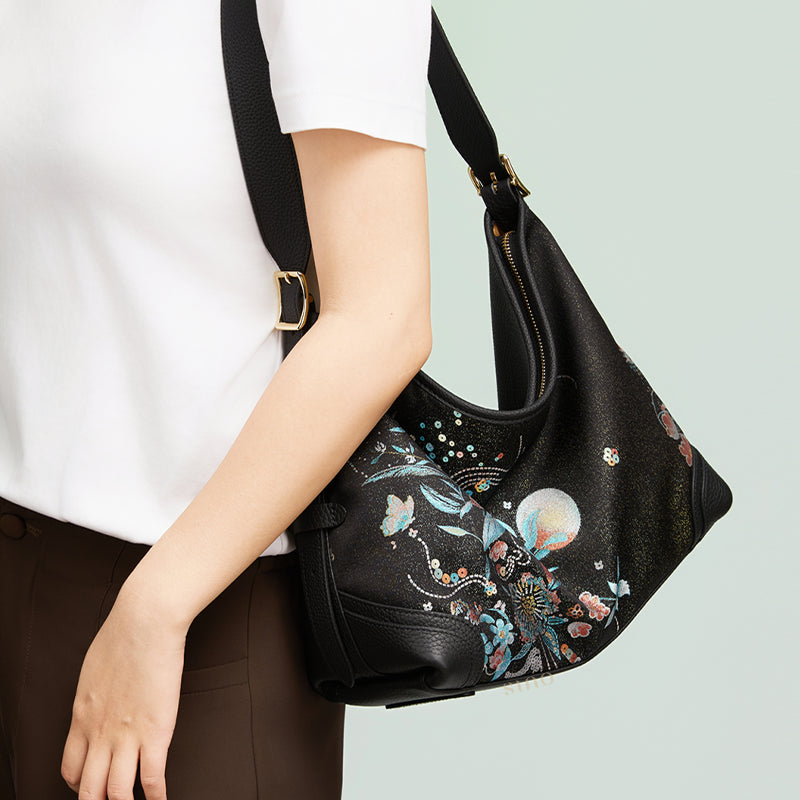
For everyday wear: Think clean basics: a fitted black camisole paired with wide-leg denim trousers keeps the outfit minimal and modern. Neutral black and blue tones provide a calm backdrop, allowing the butterfly brocade bag to become the focal point without effort. The simplicity of the clothing contrasts with the rich embroidery texture, highlighting the bag’s cultural and visual charm.

-
For dates, dinners, or romantic occasions: Pair with a fitted midi dress in black, deep burgundy, or forest green — colors that let the bag's embroidery or brocade detail stand out without competing. A silk slip dress works particularly well: the fabric echo between dress and bag creates a cohesive, considered look. Keep jewelry minimal — small gold earrings or a delicate chain are enough. Let the butterfly be the statement.

-
For travel, gallery visits, or cultural events: Try it with wide-leg linen trousers and a tucked-in blouse, or a longline blazer over a simple tee. The structured silhouette of a brocade or embroidered bag grounds a relaxed outfit and adds an artistic edge — the kind of detail that makes a casual look feel intentional and well-traveled.

Carry Love, Joy and Transformation with Sinocultural
In Chinese culture, the butterfly has never been just a decorative motif. It carries the weight of ancient love stories, philosophical questions, and centuries of artistic tradition — meanings that have been stitched, woven, and painted into everything from imperial embroidery to contemporary design.
At Sinocultural, we bring that symbolism into accessories made to be worn and lived with. Each butterfly-patterned bag is a meeting point between cultural memory and modern craft — a piece that doesn't just look beautiful, but carries something worth passing on.
For further reading and sources referenced in this article:
- The Butterfly Lovers legend — historical origins and earliest written records: Wikipedia — Butterfly Lovers
- Zhuangzi's Butterfly Dream — philosophical context and analysis: Stanford Encyclopedia of Philosophy — Zhuangzi
- Butterfly motifs in Chinese textile and embroidery traditions: Cornell University Library — Symbolic Motifs in Chinese Traditional Dress