Skip to content
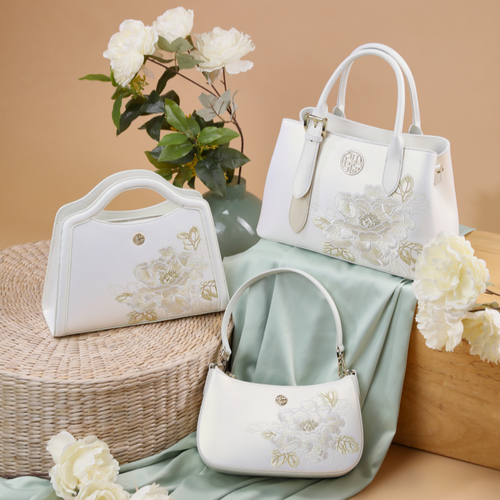

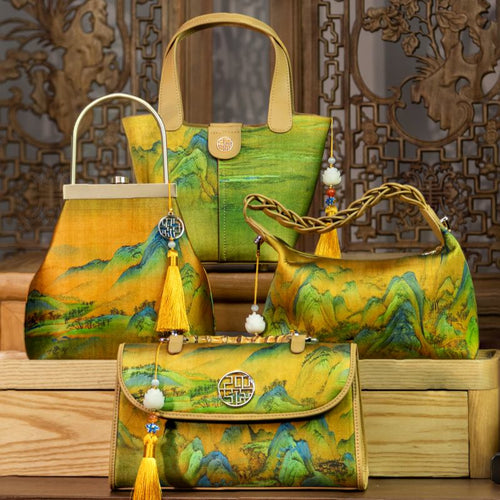
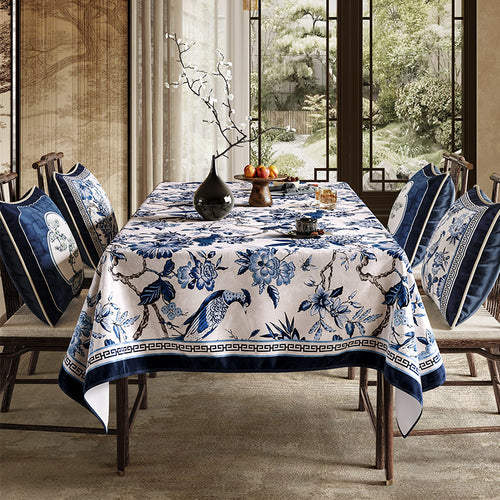
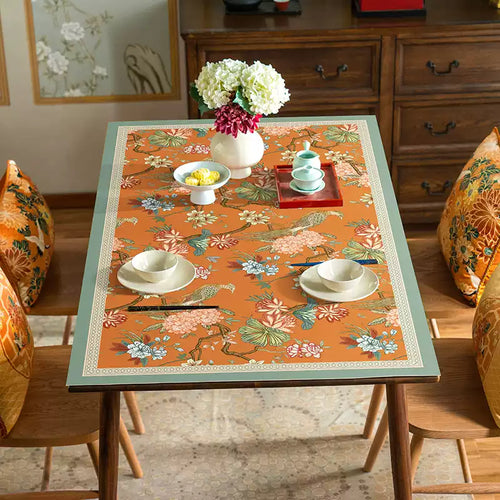






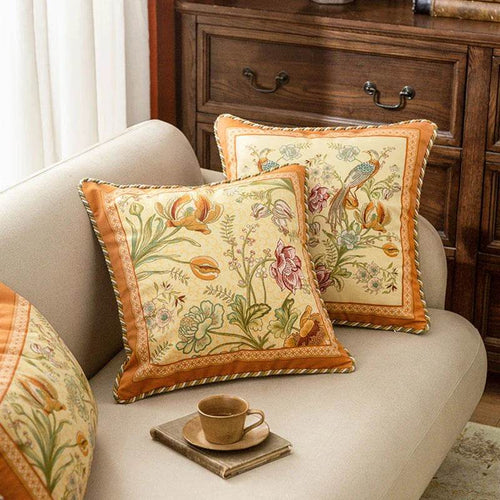
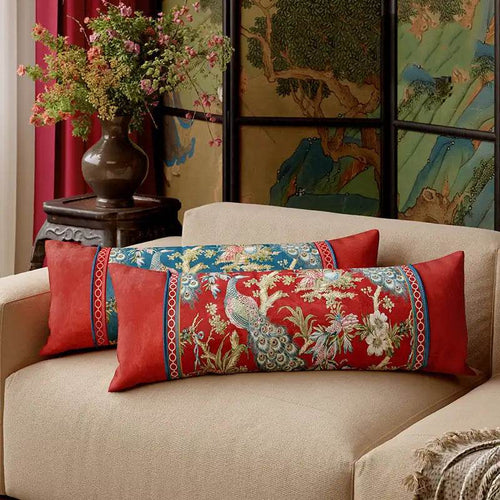
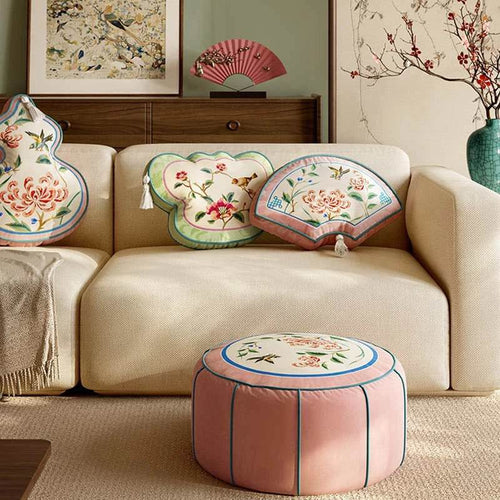
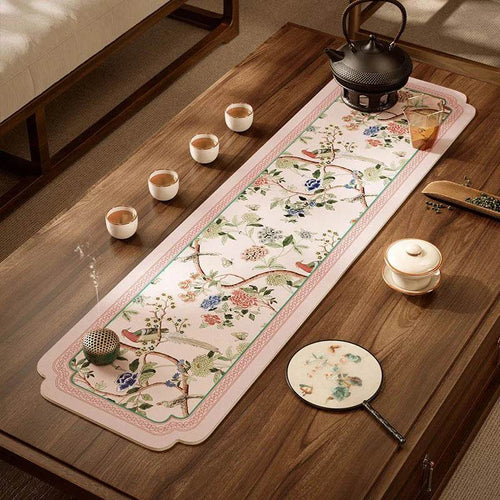
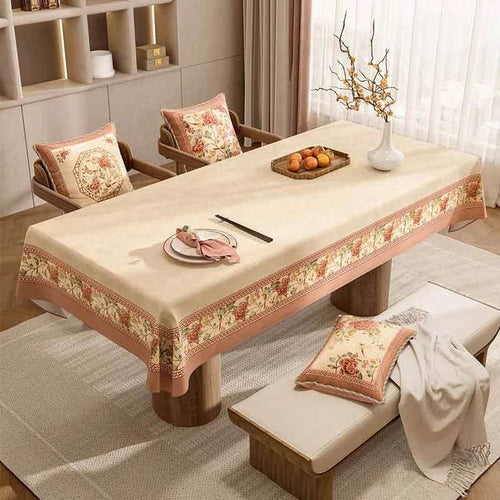
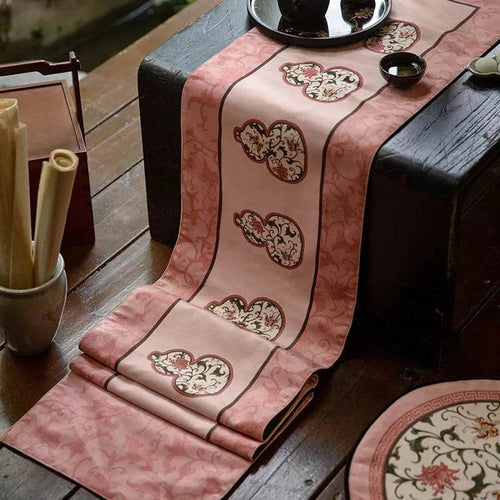


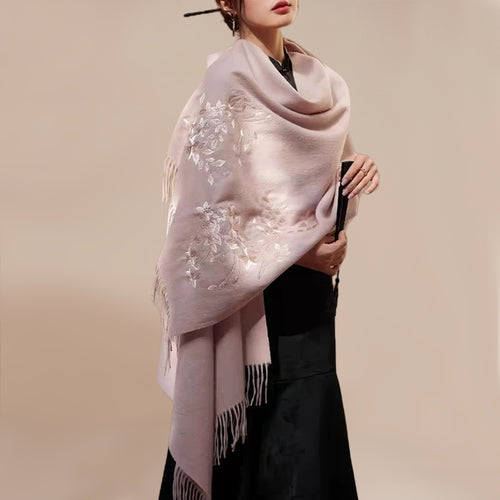
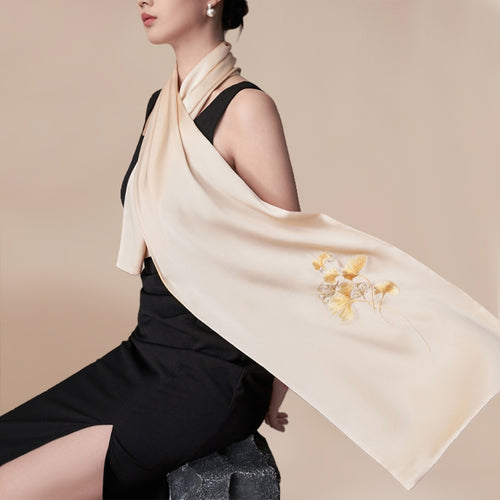
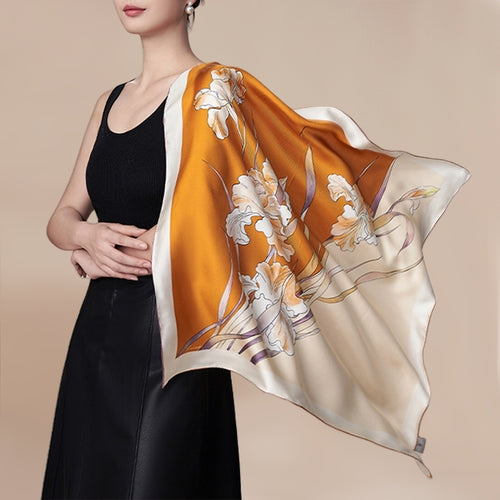


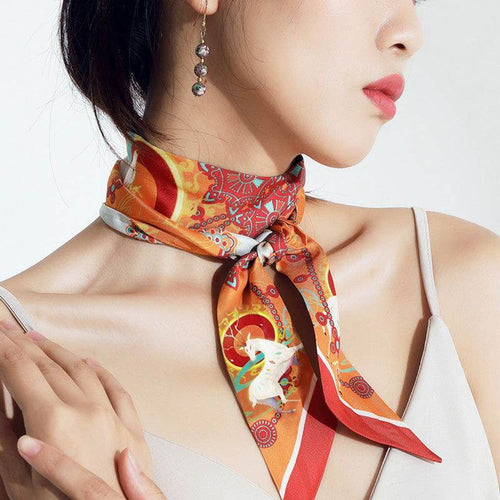


Where the Xiang River flows past Yuelu Mountain and the Liuyang River carries the memory of old melodies, this city begins with a feeling rather than a name. It is heard in the rhythm of local dialects, seen in riverside lights after sunset, and tasted in the bold heat of Hunan flavors. Here, history is not kept far away from daily life. It lives in ancient academies, busy food streets, old neighborhoods, and the warm, direct energy of the people.
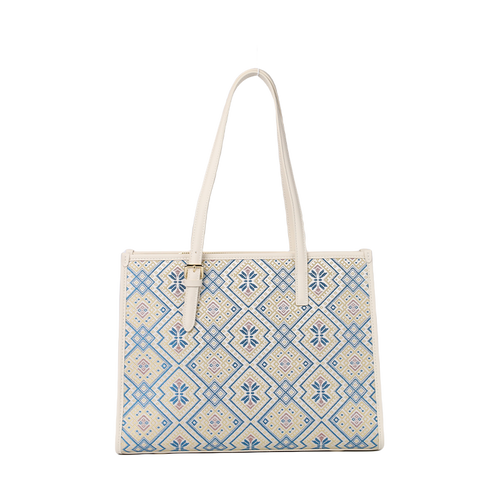
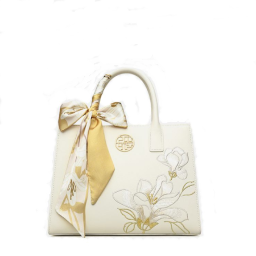
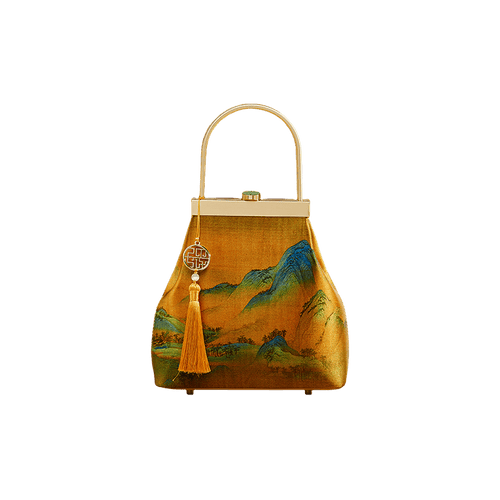
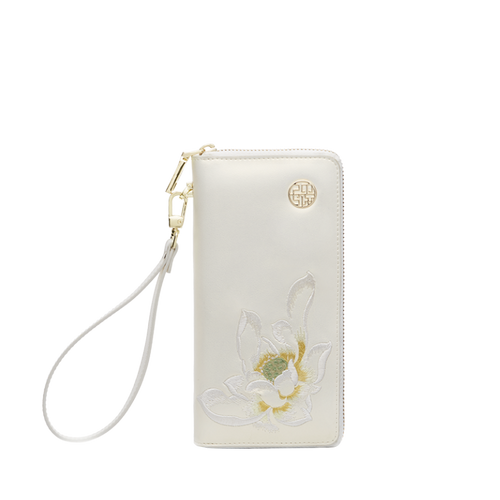
This is a place where fire and tenderness exist together. Its streets are lively, its food is fearless, and its culture carries the strength of the Xiang River. Yet behind that fiery spirit lies another kind of beauty—quiet, patient, and finely detailed. Through the art of Xiang embroidery, the soul of this Hunan city appears not only in sound and flavor, but also in silk threads, delicate stitches, and patterns shaped by generations of craftsmanship.
Table of Contents
- Changsha’s Fiery Spirit: Daring to Lead
- Changsha’s Living Heritage: The Gentle Art of Xiang Embroidery
- Travel Routes in Changsha: Street Life, Scenic Landmarks, Cultural Corners
- A Taste of Changsha: Local Food Guide
- Changsha Traditions & Meaningful Souvenirs
- A Star City to Feel: Where Bustling Street Life Meets Literary Grace
- FAQ: Travel Tips for Changsha
Changsha’s Fiery Spirit: Daring to Lead
The first thing you notice in Changsha isn't the skyline. It's the noise — steam rising off midnight street food, someone laughing too loudly, a vendor calling out prices like he's daring you to disagree. There's a heat here that has nothing to do with the chili.

Locals have a phrase for it, spoken fast and thick in Changsha dialect: qiā dé kǔ, nài dé fán, bù pà sǐ — endure the hardship, hold your patience, fear no death. Not poetic. Not meant to be. Just a way of describing people who don't wait for permission to begin.
Scaled up, that same restlessness becomes something else: xīn yōu tiān xià, gǎn wéi rén xiān — carry the world's troubles at heart, dare to be first. It's the spirit the city voted for itself, and history backs it up. In 1918, a group of young thinkers — Mao Zedong among them — founded the New People's Study Society here, determined to rethink the world. Decades later, Yuan Longping built his research base in this same city and spent a lifetime perfecting hybrid rice, eventually helping feed nations far beyond Hunan.
Different centuries, same instinct. In Changsha, things tend to start with someone moving first and worrying about the rest later.
Changsha’s Living Heritage: The Gentle Art of Xiang Embroidery
1.The Historical Origins of Xiang Embroidery
Behind Changsha’s bold and energetic character lies a quieter form of beauty. Xiang embroidery, one of China’s Four Great Embroidery traditions, grew from the folk needlework of Hunan over two thousand years ago, expressing the region's artistic spirit through silk, color, and patient handwork.

The earliest evidence reaches back to ancient Chu tombs in Changsha, where exquisite embroidered pieces revealed the sophistication of local craft. By the Western Han dynasty, more than forty embroidered textiles had been unearthed from the Mawangdui tombs alone. By the late Qing dynasty, Xiang embroidery had developed a fully distinct artistic identity: structured compositions, vivid color, and a lifelike realism that set it apart from China's other embroidery traditions.
2.The Stitches and Craftsmanship of Xiang Embroidery
The defining method is the blended stitch — a way of layering silk threads to create seamless transitions of light, shadow, and color. Its celebrated hair stitch takes this further still, recreating the softness and directional movement of fur with individual silk threads, most famously in depictions of lions and tigers. Dozens of additional stitches — straight, wandering, net, knot, and woven — build texture and dimension into each finished piece.

A single work can move through more than a dozen stages: designing, preparing fabric, transferring the pattern, selecting threads, mounting, embroidering, pressing, and framing. The process is slow by design. That patience is part of what makes Xiang embroidery feel, in every sense, handmade.
3.Where to see it in Changsha

📍 China Xiang Embroidery Creative Museum, Hunan Normal University, Near Taozi Lake, Yuelu District. search the museum name in your map app for directions.
⏰ Typical hours: 9:00–17:00. Check ahead for Monday closures or seasonal changes.
Travel Routes in Changsha: Street Life, Scenic Landmarks, Cultural Corners
Changsha rewards those who follow its rhythm — fiery by night, layered with history by day, and quietly alive in the streets in between. These three days offer a way into the city's character: its landmarks, its culture, and the local life that happens between the famous stops.
Day 1: City Landmarks & Night Culture
Juzizhou Island → Wuyi Square → Huangxing Pedestrian Street → Pozi Street
Start at Juzizhou Island, where a short scenic train ride brings you to the iconic Young Mao Zedong Statue — one of Changsha's most photographed landmarks and a striking place to begin any visit. As evening falls, walk the stretch from Wuyi Square through Huangxing Pedestrian Street down to Pozi Street for street food, neon signs, and the kind of night energy the city is known for. End with a drink at one of the area's bars.

Day 2: History, Culture & Contemporary Art
Hunan Museum → Yuelu Mountain → Aiwan Pavilion → Yuelu Academy → Xie Zilong Photography Museum & Li Zijian Art Museum
Begin the morning at Hunan Museum, home to the Mawangdui Han Tomb collection and the remarkably preserved remains of Lady Xin Zhui. Reservations are recommended, especially during weekends and peak travel periods.In the afternoon, cross the river to Yuelu Mountain, walk to Aiwan Pavilion, and visit Yuelu Academy before taking the cable car down for views over the Xiang River. After a short coffee or afternoon tea break, continue to Xie Zilong Photography Museum and Li Zijian Art Museum. The two venues are located close to each other and offer a rewarding mix of photography, painting, and contemporary art. Since both museums usually close around 6:00 p.m., plan to arrive by mid-afternoon and check the latest opening hours before visiting.

Day 3: Street Life & Local Rhythm
Taiping Old Street → Fengying Xili → Tianxin Pavilion → Wenheyou→ Xiang River Waterfront
Wander Taiping Old Street in the morning for a taste of old Changsha — good for local breakfast and slow browsing. In the afternoon, Fengying Xili is the neighbourhood for coffee and quiet; Tianxin Pavilion nearby holds one of the city's few remaining sections of ancient city wall. For the evening, Wenheyou recreates 1980s Changsha street life in vivid detail — worth an hour or two before a final walk along the Xiang River waterfront.

A Taste of Changsha: Local Food Guide
From street snacks and rice noodles to local tea drinks and traditional Hunan dishes, here are some essential flavors to try during your trip.
-
Famous Changsha Snacks: Stinky Tofu, Spiced Duck,Tangyou Baba, Changsha Rice Noodles.

-
Changsha’s Famous Tea Brand - Cha Yan Yue Se: Youlan Latte (幽兰拿铁), Dongri Jiaoyang (冬日骄阳), Shengsheng Oolong (声声乌龙).

-
Must-Try Hunan Dishes: Steamed Fish Head with Chopped Chili, Changsha-Style Spicy Crayfish, Sour and Spicy Chicken Giblets, Mashed Chili with Century Egg, Qianlianghu Duck, Spicy Stir-Fried Clams.

Where Locals Eat: Recommended Changsha Restaurants
To understand Changsha food beyond street snacks, visit restaurants that represent different sides of the city—from refined Hunan dining to neighborhood kitchens hidden inside residential streets.
1.Nanjing Restaurant (南景饭店) – A Black Pearl-listed restaurant offering an elegant atmosphere and a broad selection of consistently prepared Hunan dishes. It is a suitable choice for travelers looking for a more polished introduction to Changsha cuisine.

Rating: ★★★★☆
Estimated Cost: RMB 300 per person
Address: No. 238 Yingbin Road, Furong District, Changsha, Hunan, China
2. Dongfeng Restaurant (东风饮食店) – Set inside a modest courtyard, this local restaurant is known for traditional Hunan cooking, fresh daily ingredients, and dishes prepared with plenty of smoky wok flavor. Its relaxed atmosphere feels closer to eating in a neighborhood home than in a formal restaurant.

Rating: ★★★★☆
Estimated Cost: RMB 80 per person
Address: Near the Railway Mechanization Bureau residential compound, Dongfeng Road, Wujialing Subdistrict, Kaifu District, Changsha
3. Wei Zaixiang Restaurant (危在祥餐馆) – Hidden in an older residential area, this traditional restaurant is run by experienced Hunan chefs and is regularly visited by local diners. The location can be difficult to find on a first visit, but that sense of discovery is part of its old-Changsha charm.

Rating: ★★★★★
Estimated Cost: RMB 70 per person
Address: Huojuyi Area, Yinjiawan Road, Furong District, Changsha, near Huojudong Road, Panyuan Road, and Kangle Road
Changsha Traditions & Meaningful Souvenirs
Changsha’s cultural character is often most visible during the Lunar New Year. At the Fire God Palace temple fair, traditional performances, local snacks, and festive crowds bring the old customs of the city into everyday street life. Families may decorate their homes with plum blossoms, an auspicious symbol associated with the Chinese expression xi shang mei shao—joy appearing on the face. From the seventh day of the Lunar New Year through the Lantern Festival, dragon lantern performances also fill streets and communities with movement, music, and wishes for good fortune.
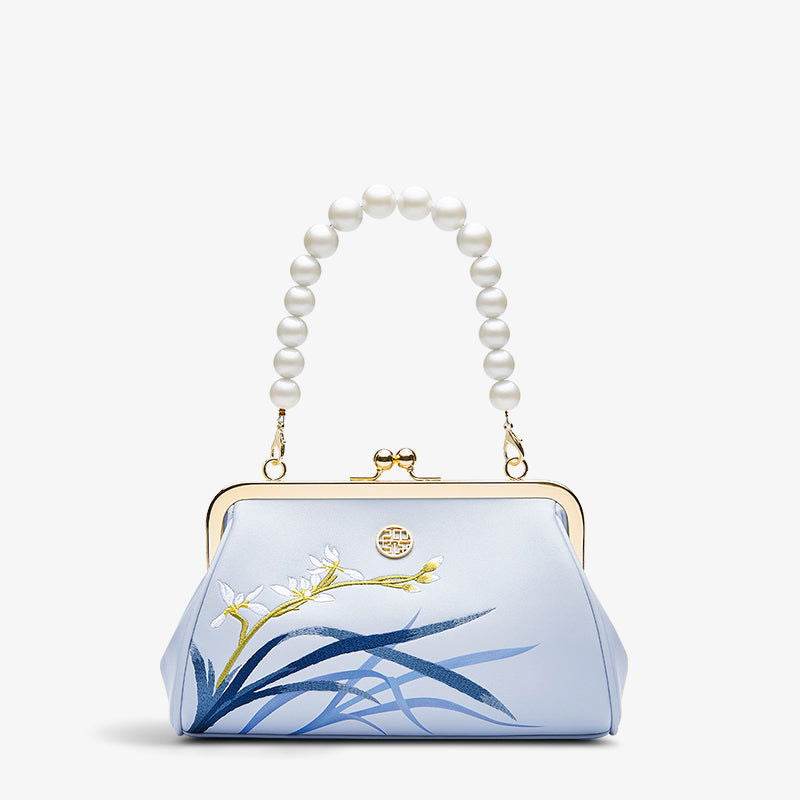
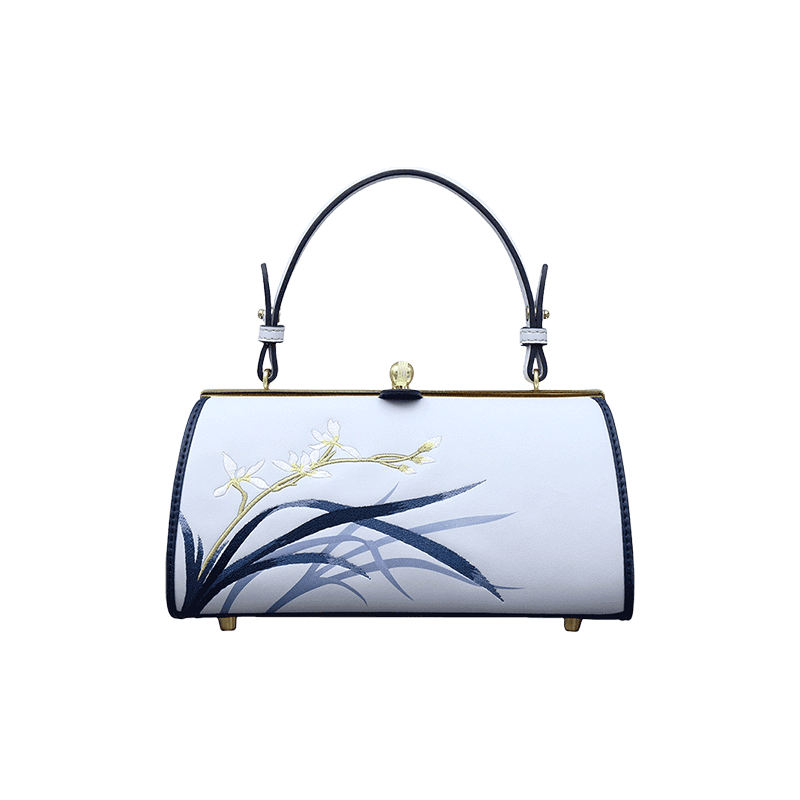
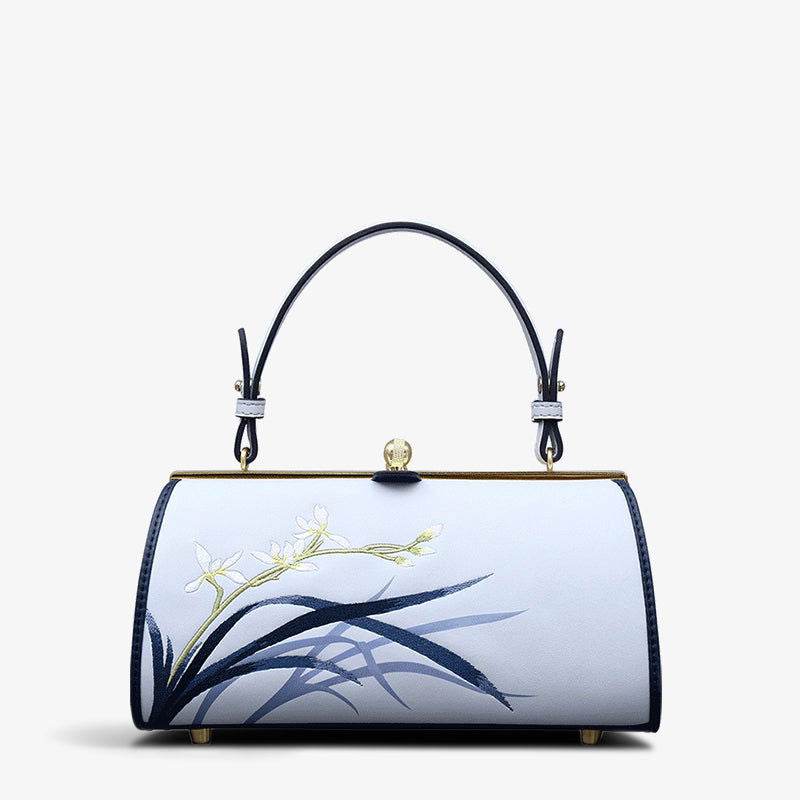
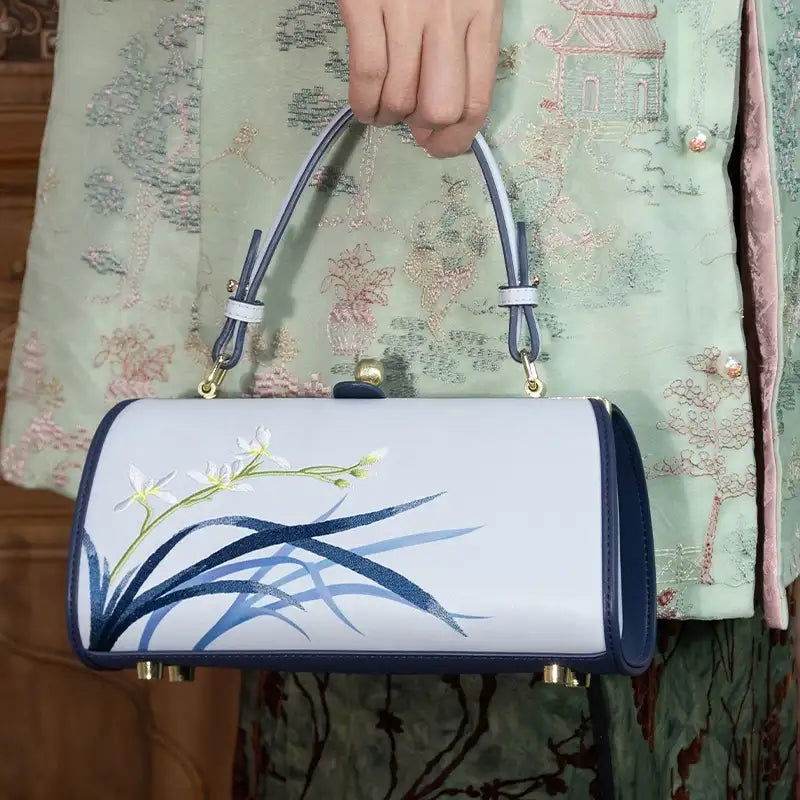
For travelers looking for meaningful souvenirs, Xiang embroidery offers a beautiful way to carry a piece of Hunan culture home. Small embroidered refrigerator magnets are easy to pack, while framed Xiang embroidery artworks make elegant decorative gifts. Each piece reflects the patience, color, and refined needlework behind one of China’s most celebrated embroidery traditions.
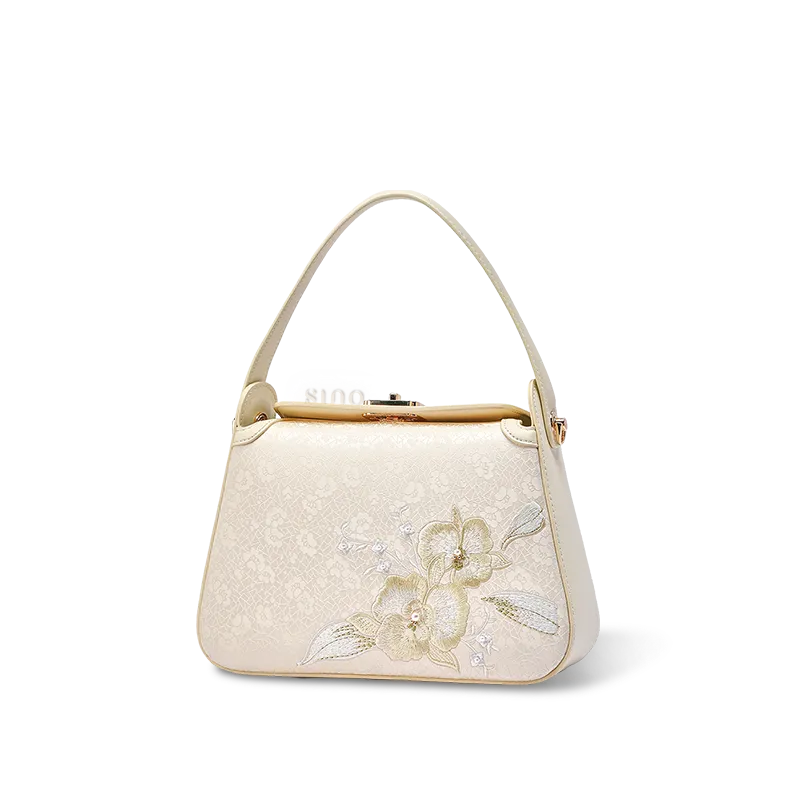
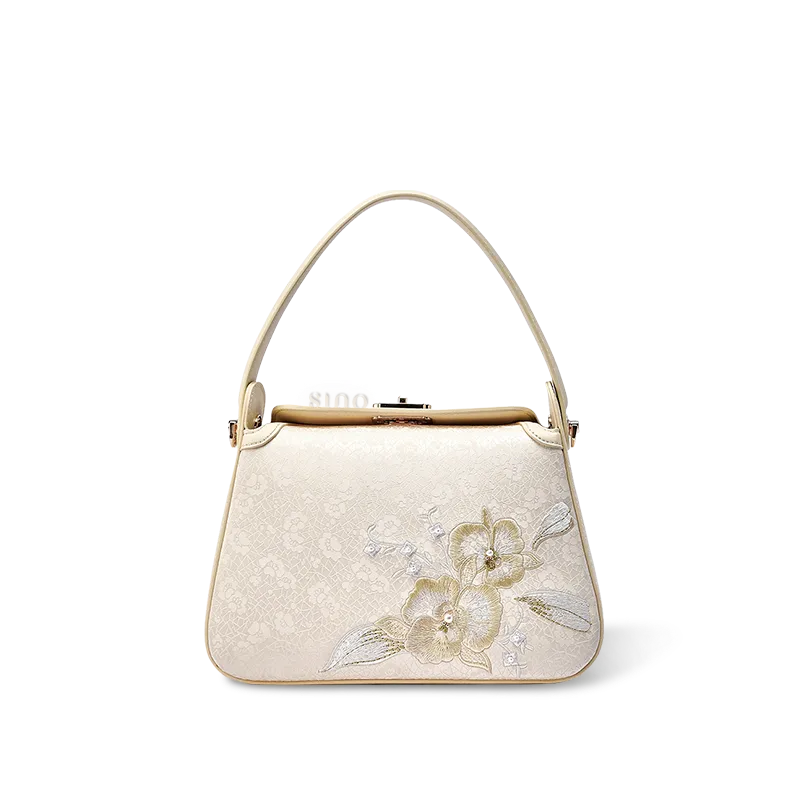
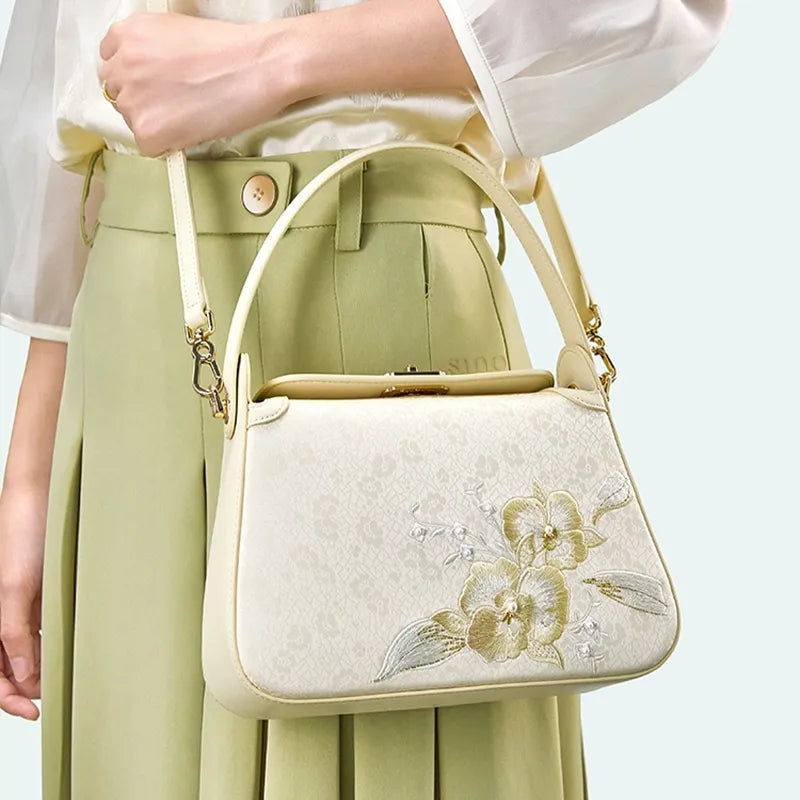
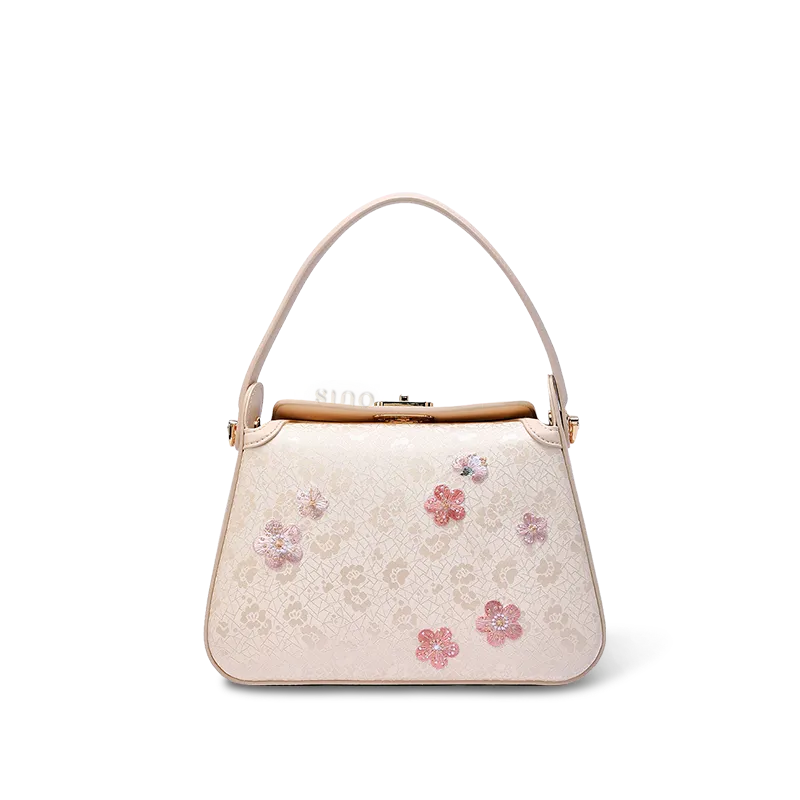
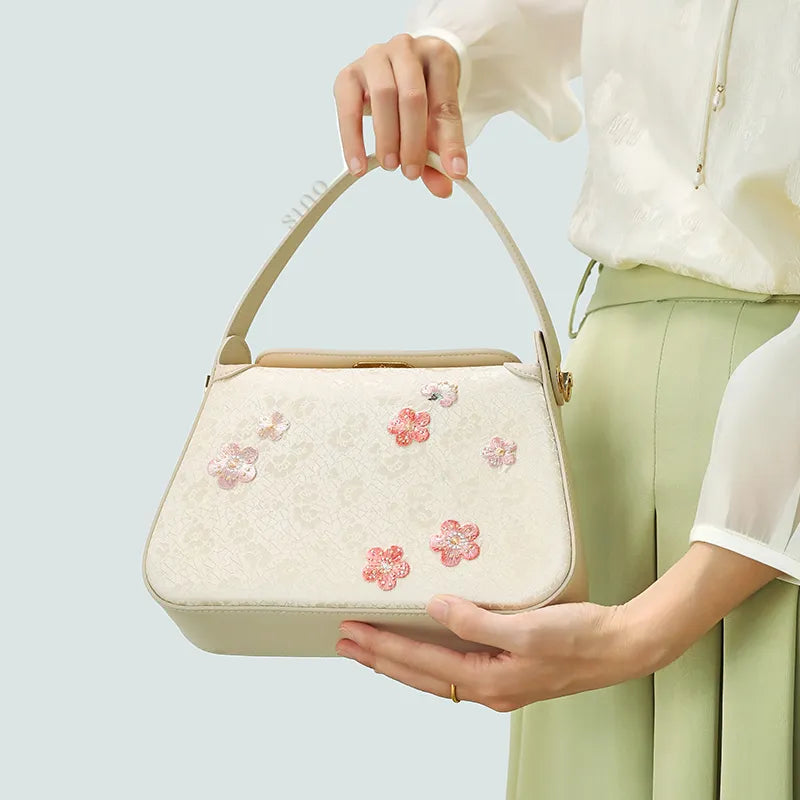
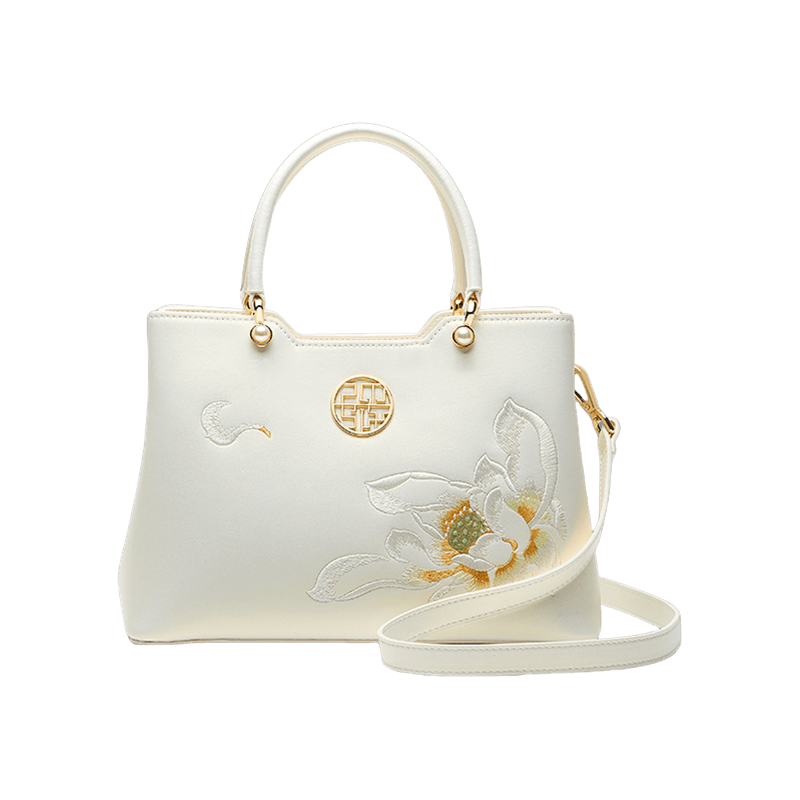
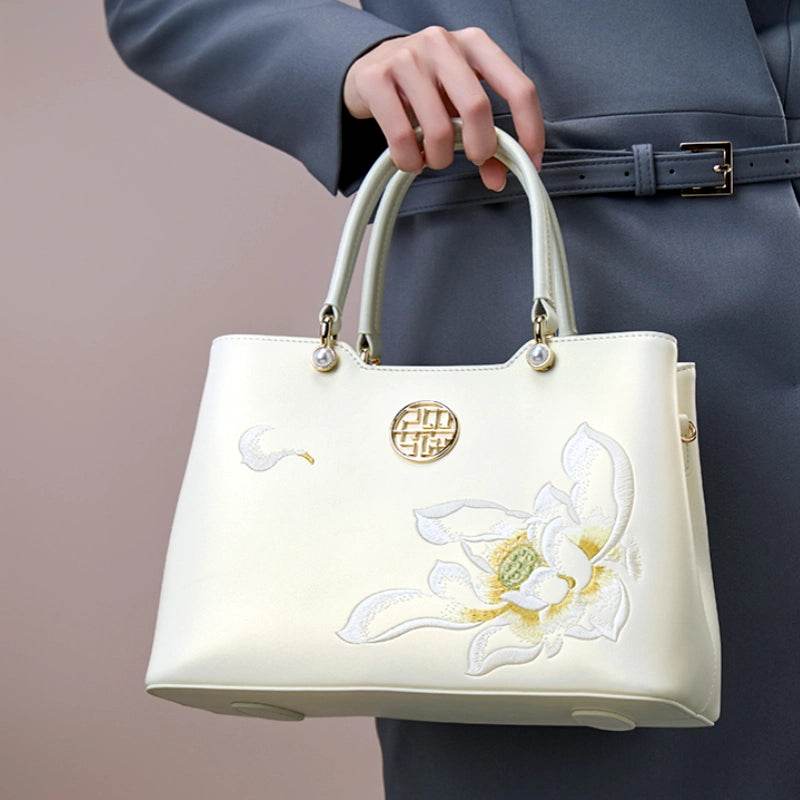
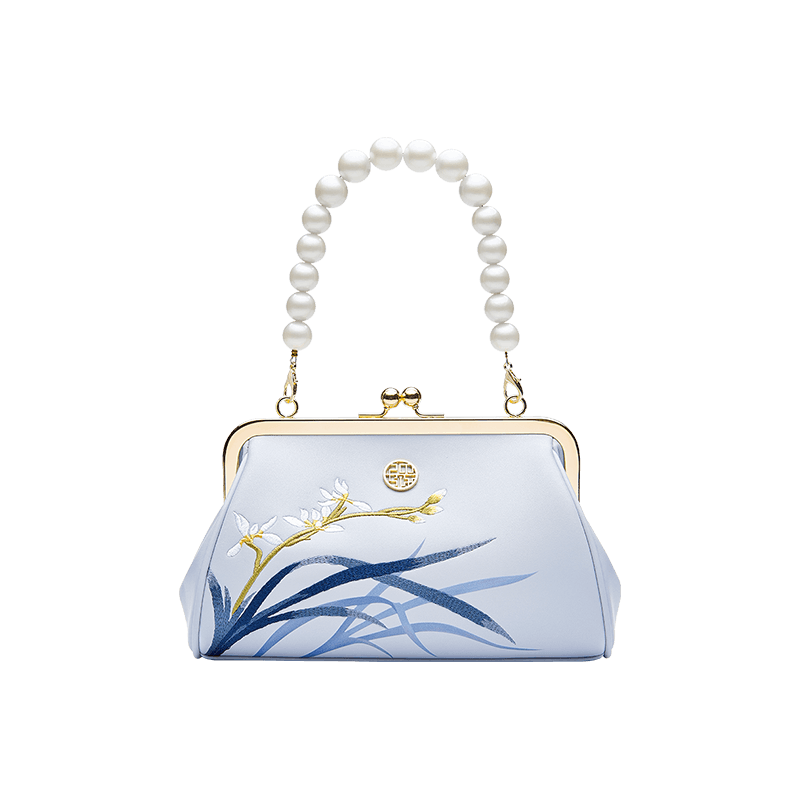
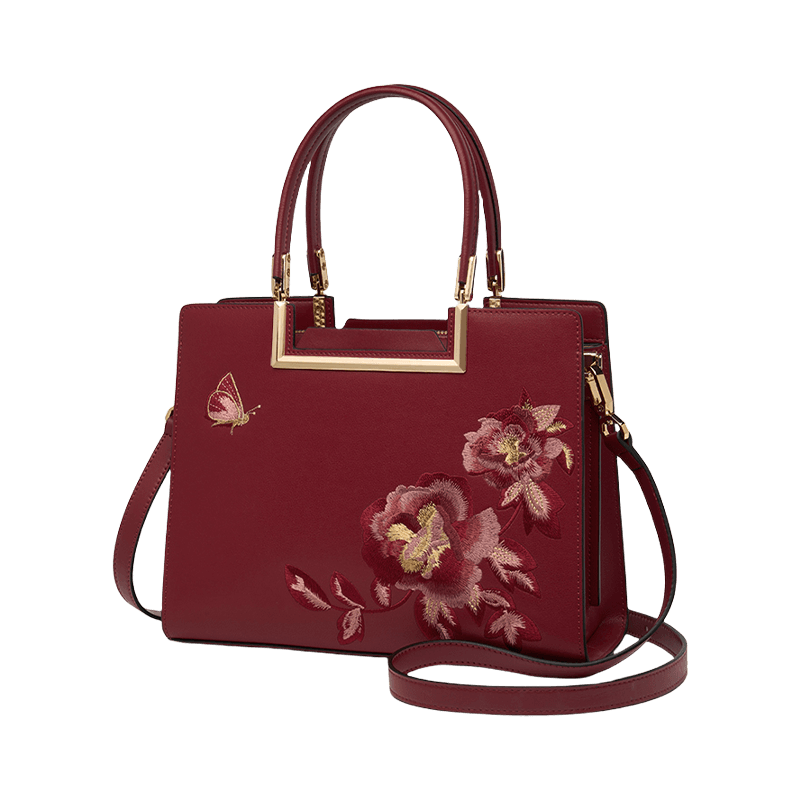
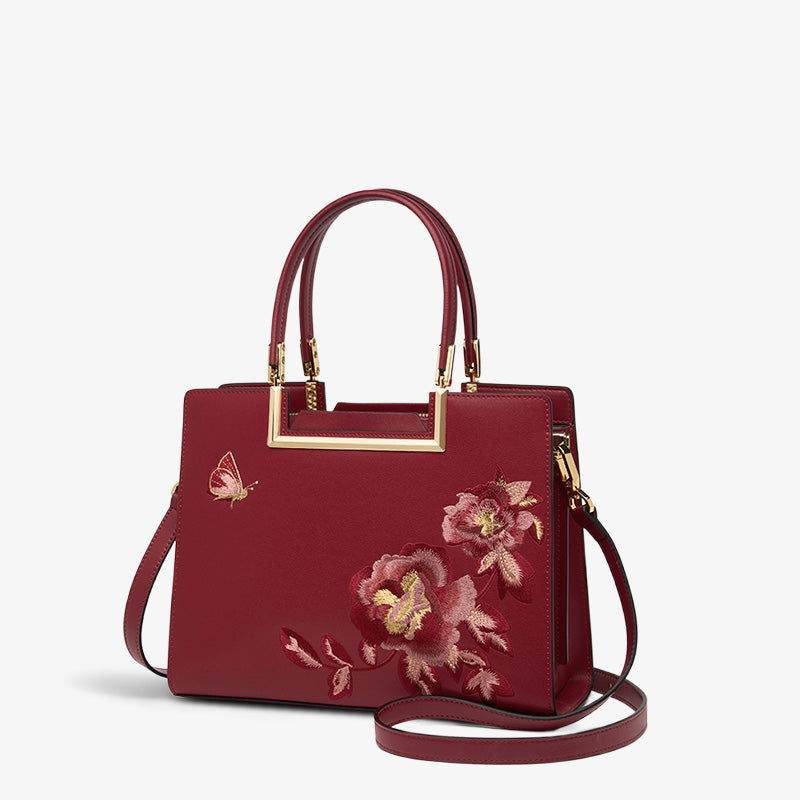
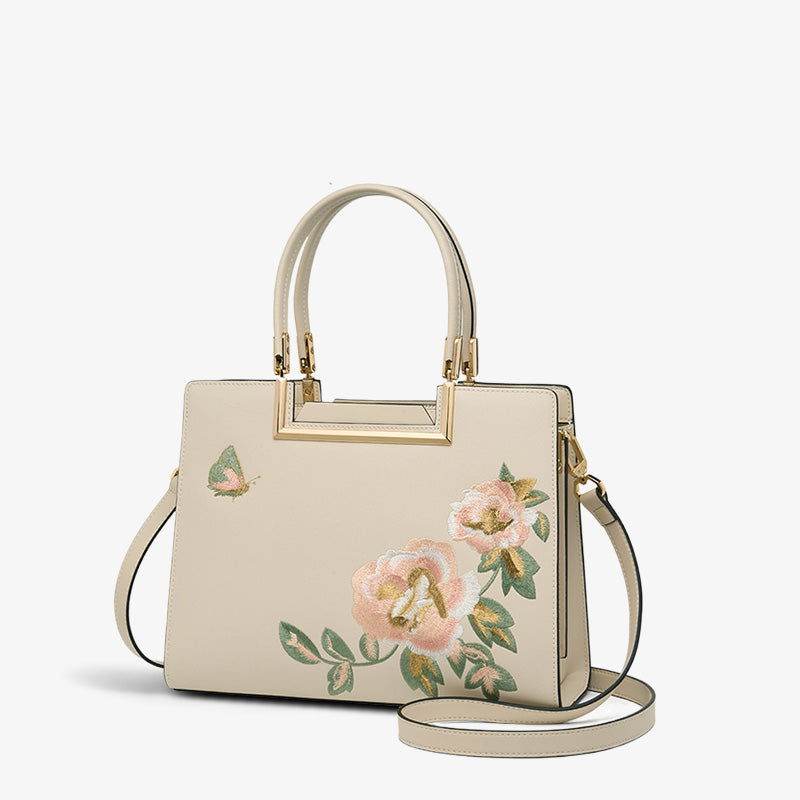
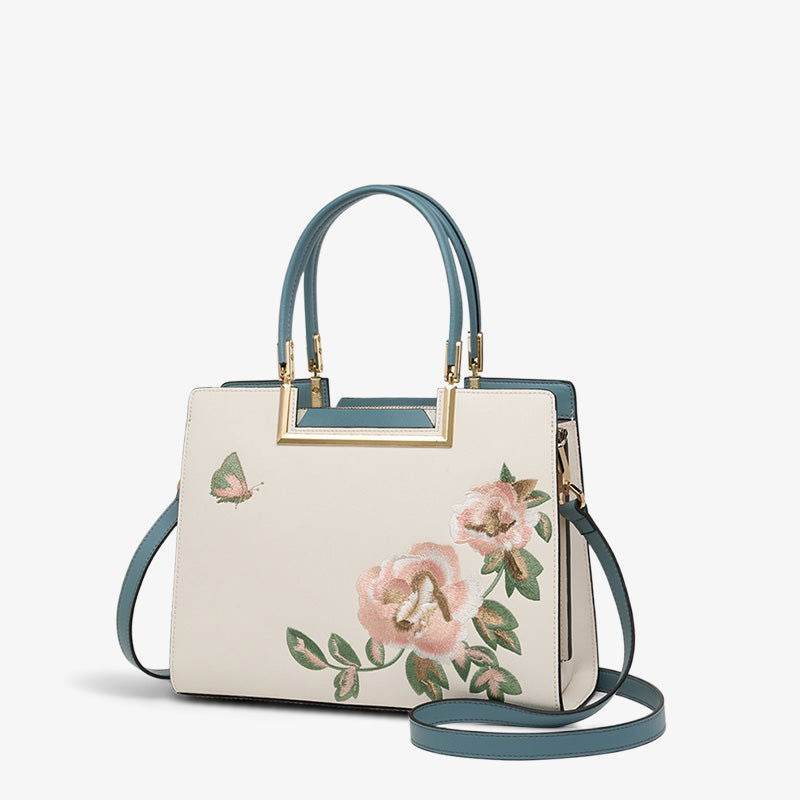
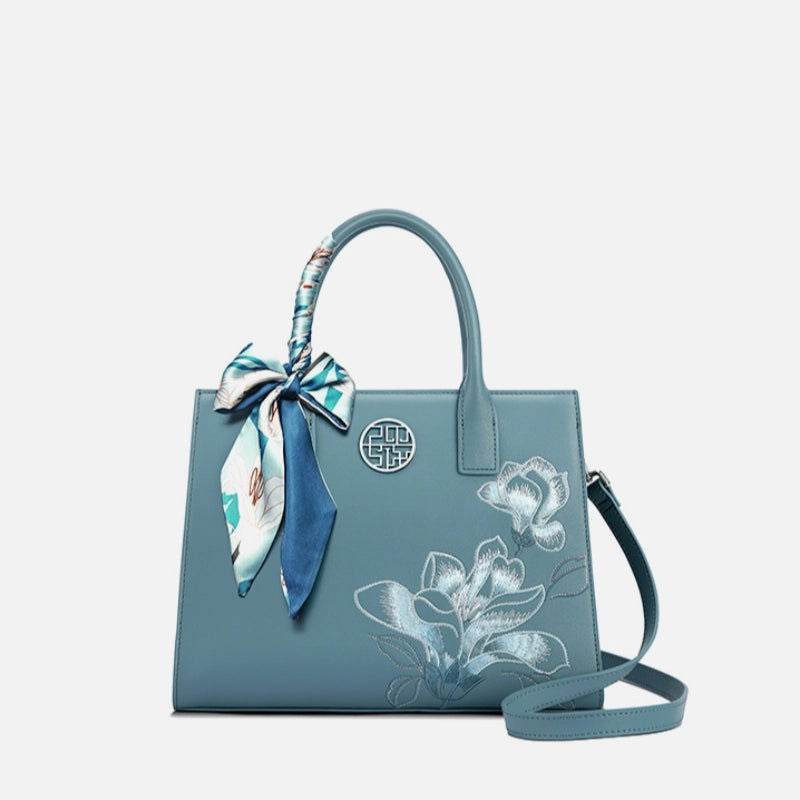
At SinoCultural, we also bring the beauty of Chinese embroidery into contemporary leather handbags designed for modern life:
-
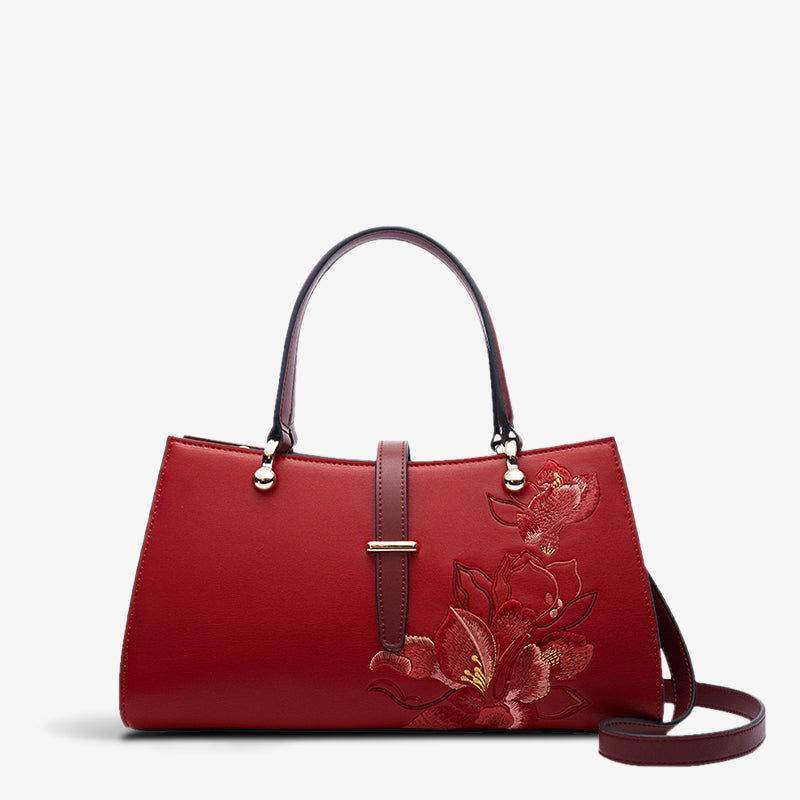
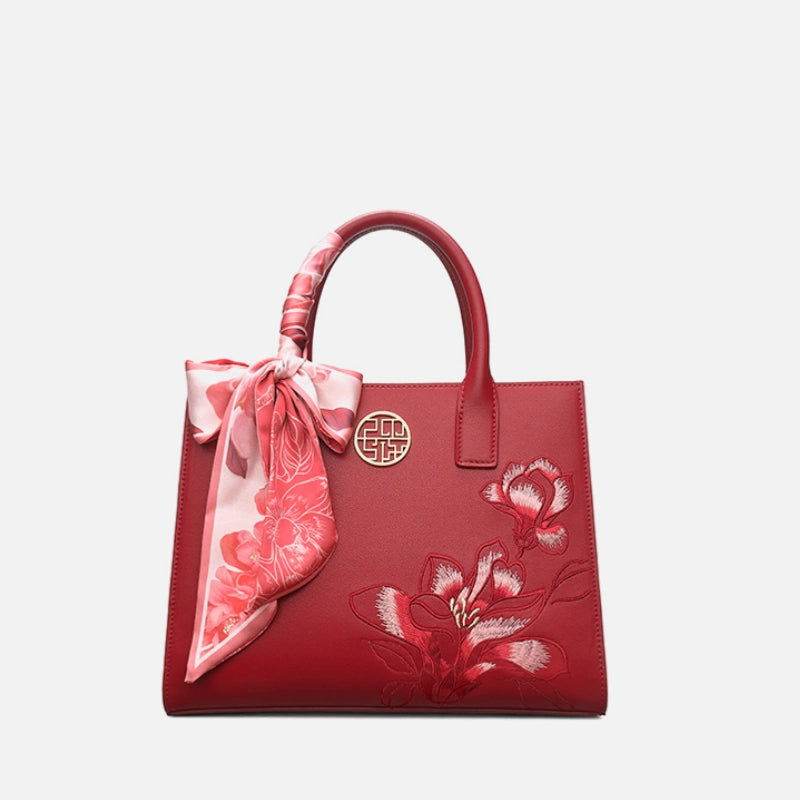
For the Elegant Woman: Luxury Leather Magnolia Crossbody Bag – Designer Embroidery Satchel

-
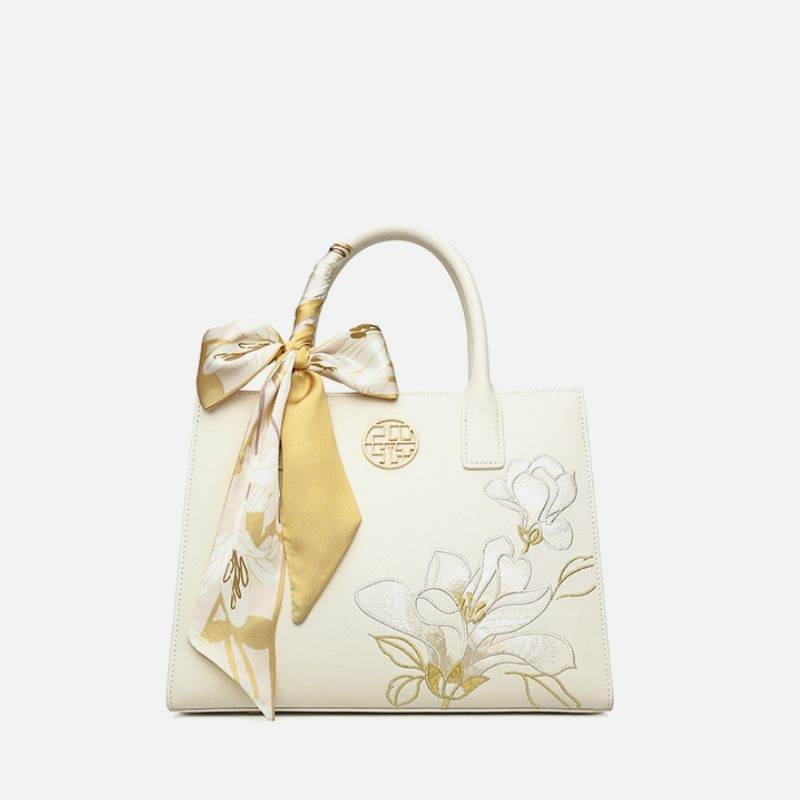
A Meaningful Gift for Mothers: Luxury White Magnolia Embroidered Leather Handbag with Silk Scarf

-
For a Younger, Bolder Style: Embroidered Leather Red Shoulder Bag – Peony Women’s Hobo Handbag

These bags transform traditional floral embroidery into wearable art, allowing Chinese craftsmanship to become part of everyday dressing rather than something seen only in museums or galleries.
For travelers with limited luggage space, SinoCultural offers international delivery directly to your door. [Explore our embroidered handbag collection here.]

A Star City to Feel: Where Bustling Street Life Meets Literary Grace
Changsha is a city best understood through contrast. Its streets stay lively late into the night, filled with food stalls, bright signs, conversation, and the aroma of chili rising from busy kitchens. Yet beneath this energy lies a deep literary tradition rooted in the ancient land of Chu. On Yuelu Mountain, Yuelu Academy has passed knowledge and ideas from one generation to the next, shaping scholars and people determined to make a difference.

This spirit reaches far beyond the academy walls. Changsha, and Hunan as a whole, has long been home to people willing to endure hardship, remain patient, and push forward with stubborn courage. That character still shapes the city today. Its beauty is not found only in famous landmarks, but in the meeting of lively street life, inherited culture, and a quiet determination that continues to move the city forward.
FAQ: Travel Tips for Changsha
Q: Is Changsha worth visiting, and how many days do you need?
A: Yes, Changsha is worth visiting for its Hunan culture, spicy local food, historic landmarks, lively nightlife, and Xiang embroidery heritage. Three days is ideal for first-time visitors, allowing enough time to explore Orange Isle, Yuelu Mountain, Hunan Museum, the city center, and local neighborhoods. With only two days, focus on the major cultural sights and evening food streets.
Q: When is the best time to visit Changsha?
A: The best time to visit Changsha is generally during spring, from March to May, or autumn, from mid-September to November. These seasons offer more comfortable temperatures for walking, sightseeing, and exploring Yuelu Mountain. Summers are usually hot and humid, while major Chinese public holidays can bring larger crowds and higher demand for hotels and attraction reservations.
Q: Where is the best area to stay in Changsha?
A: For first-time visitors, the area around Wuyi Square, Huangxing Road, and IFS is the most convenient place to stay in Changsha. It provides easy access to the metro, shopping streets, local restaurants, nightlife, Taiping Old Street, and Pozi Street. Travelers who prefer a quieter atmosphere near Yuelu Mountain and Yuelu Academy can consider staying in Yuelu District.
Q: How do you get around Changsha as an international traveler?
A: The Changsha Metro is the easiest way to travel between the airport, railway stations, city center, and major attractions. Metro Line 6 connects Changsha Huanghua International Airport with the urban rail network, while taxis and ride-hailing services are useful for destinations farther from metro stations. Save attraction and hotel names in Chinese, as English may not always be widely spoken by drivers.
Q: Do you need to book Hunan Museum in advance?
A: Yes, visitors should reserve admission to Hunan Museum in advance, especially on weekends, during school holidays, and in peak travel seasons. Admission to the permanent exhibitions is generally free, but timed reservations are required. International visitors can normally reserve with their passport information and should bring the original passport used for the booking.
Q:Can you combine Changsha with Zhangjiajie and Fenghuang Ancient Town?
A: Yes, Changsha can easily be combined with Zhangjiajie and Fenghuang Ancient Town as part of a wider Hunan travel itinerary. High-speed trains generally take about two to three and a half hours from Changsha to Zhangjiajie and around two to two and a half hours to Fenghuang Gucheng Station, depending on the service. A practical itinerary is three days in Changsha, two or three days in Zhangjiajie, and one or two nights in Fenghuang Ancient Town.