Skip to content

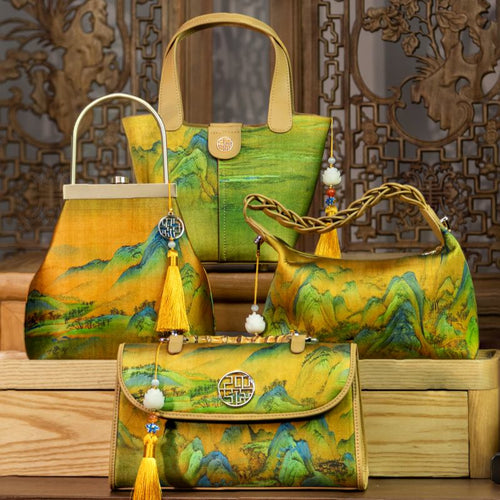






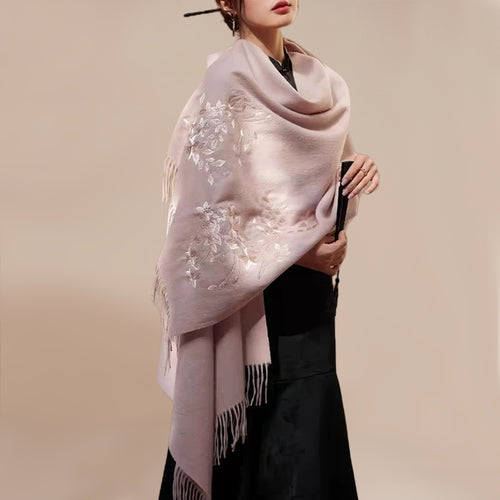
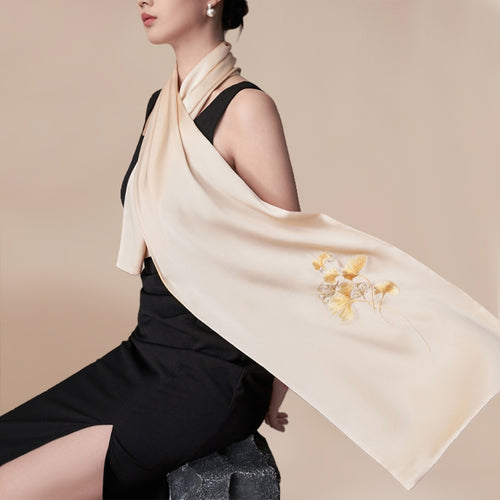
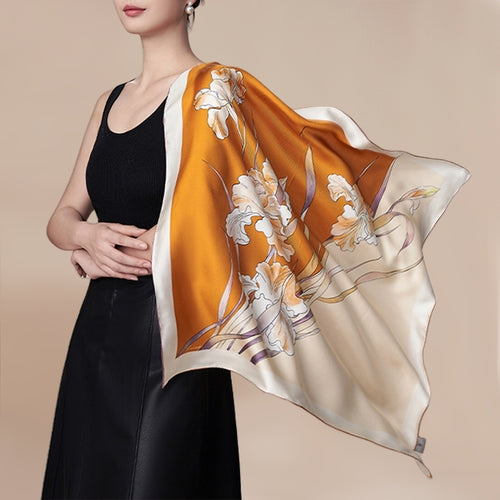

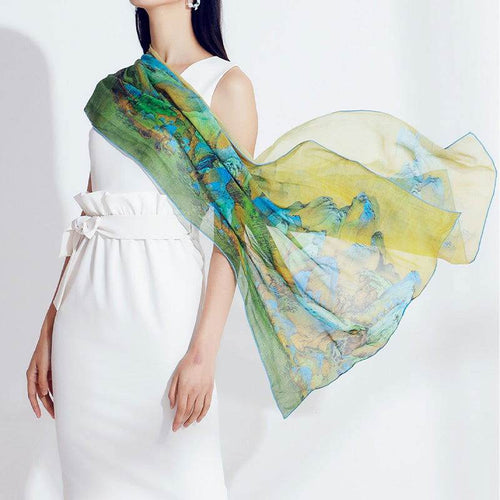
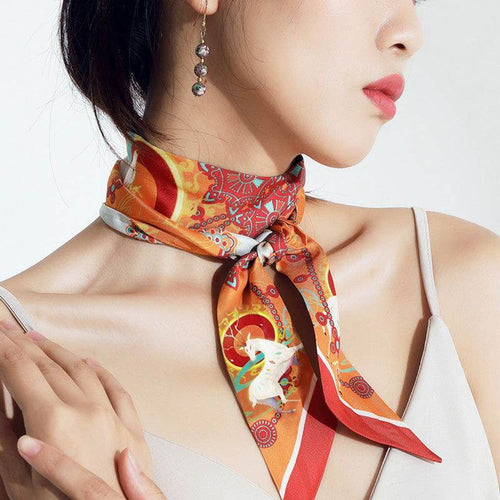


After Beijing’s imperial grandeur, our journey through northern China continues to Luoyang, one of China’s most important ancient capitals and a city that shaped the course of Chinese civilization for more than three thousand years. As the capital of multiple dynasties, including the Eastern Zhou, Eastern Han, Wei, Jin, Northern Wei, and Tang periods, Luoyang witnessed the rise of political power, cultural exchange, and artistic innovation throughout Chinese history. Unlike Beijing, whose imperial past is concentrated in one palace complex, Luoyang's history is scattered across the whole city — a Buddhist cliff carving here, a Tang-dynasty foundation stone under a modern street there.
What makes Luoyang truly distinctive is the way history was transformed into beauty. The Longmen cliffs were carved over roughly 400 years by different dynasties, which is why the Buddha faces change style as you walk from one end to the other — thinner and more austere near the Northern Wei caves, fuller and more relaxed by the time you reach the Tang-era Fengxian Temple.
Today, a Luoyang travel guide reveals much more than ancient landmarks. Beyond its famous sites, visitors can discover traditional crafts, local flavors, cultural celebrations, and the enduring spirit of a city where the past continues to inspire the present. As the next chapter of our northern China cultural journey, Luoyang invites travelers to experience the elegance, artistry, and timeless beauty of Chinese civilization.
Table of Contents
- Luoyang’s Ancient Capital Legacy: Civilization & Cultural Roots
- Luoyang’s Living Heritage: Longmen Grottoes, Tang Sancai & Peony Culture
- Luoyang Travel Highlights: Ancient Sites & Cultural Experiences
- A Taste of Luoyang: Local Food Guide
- Luoyang Traditions & Meaningful Cultural Gifts
- Luoyang: Where Chinese Civilization Blossomed Through Time
- FAQ: Travel Tips for Luoyang
Luoyang’s Ancient Capital Legacy: Civilization & Cultural Roots

Before Beijing became the political center of imperial China, Luoyang had already served as capital for over a thousand years, across dynasties as different as the Eastern Zhou, Eastern Han, Northern Wei, and Tang. Few cities anywhere have been rebuilt as capitals this many times — each dynasty left its own layer, which is part of why archaeologists still find new ruins beneath the modern city today.
Its location on the Silk Road's eastern end shaped that history as much as any emperor did. In 68 CE, Emperor Ming of the Eastern Han built White Horse Temple here to house Buddhist scriptures brought back from Central Asia — it's still considered the first officially sanctioned Buddhist temple on Chinese soil. By the Tang dynasty, Luoyang functioned as the empire's eastern capital, and merchants, monks, and diplomats moved through it regularly, which is one reason Longmen's Buddhist carvings show such a wide range of artistic styles a few centuries later.
What outlasted any individual dynasty was the city's role as a place where things arrived, mixed, and stayed. Long after the political capital moved elsewhere, Luoyang kept the temples, the trade routes' influence, and the craftsmanship that came with them — which is largely why the sites covered in this guide, from Longmen to the old Tang city ruins, exist at all.
Luoyang’s Living Heritage: Longmen Grottoes, Tang Sancai & Peony Culture
Three traditions best show how Luoyang's history is still visible today: the Buddhist carvings at Longmen, the glazed ceramics known as Tang Sancai, and the peony, which the city has cultivated since at least the Tang dynasty. Unlike sites that survive only as ruins, all three are still actively practiced here — sculptors still study the Longmen carving techniques, workshops still fire Tang Sancai using the original glazing method, and the city's gardens still bloom with the same flower Tang-dynasty poets wrote about.
1.Longmen Grottoes: Faith and Art Carved in Stone

Along the limestone cliffs beside the Yi River, thousands of Buddhist figures emerge from caves and niches shaped over centuries, particularly during the Northern Wei and Tang dynasties. Their changing styles reveal how Buddhist art gradually developed a distinctly Chinese visual language—from the slender, restrained figures of earlier periods to the fuller and more expressive forms of the Tang. At Fengxian Temple, the monumental Vairocana Buddha captures this mature aesthetic through its calm expression, balanced proportions, and quiet grandeur. Look closely at the smaller, unnamed niches away from Fengxian Temple — many were carved by ordinary pilgrims and merchants, not court sculptors, which is part of why the styles vary so much from one grotto to the next.
2.Tang Sancai: The Colors of Tang Dynasty Elegance

With flowing glazes of amber, green, cream, and deep brown, Tang Sancai brings the energy of the Tang Dynasty vividly to life. Horses and camels are the most common Tang Sancai figures because they were often buried with merchants and officials who profited from Silk Road trade — the ceramics were funerary goods, not decorative art. Today, a handful of workshops in Luoyang still use the traditional three-glaze firing process, and some are open for visitors to watch — a chance to see a 1,300-year-old technique still in use, rather than just displayed behind glass.
3.Luoyang Peony Culture: Where Beauty Became a City Symbol

Each spring, Luoyang's gardens and parks fill with peonies in shades of pink, crimson, white, yellow, and purple. The flower's association with the city goes back to the Tang dynasty, when court records describe peony-viewing parties lasting several days and poets such as Liu Yuxi wrote verses specifically about Luoyang's blooms. The city has held an annual peony festival every April since the early 1980s, and peony motifs now show up well beyond the gardens themselves — in ceramics, embroidery, paintings, and gifts sold across the city.
Luoyang Travel Highlights: Ancient Sites & Cultural Experiences

Luoyang is best explored through a few cultural routes that connect its ancient capital heritage, Buddhist landmarks, museums, and living traditions. The highlights below combine essential sights with practical visitor information, including tickets, opening hours, booking tips, and suggested visiting time for international travelers.
1.Ancient Capital Route: From Luoyang Museum to the Sui-Tang City
Start the day at Luoyang Museum, where archaeological finds and historical collections provide a clear introduction to the city’s long history as an ancient capital. In the afternoon, continue to the Sui-Tang Luoyang City area to explore Yingtian Gate应天门 and Mingtang天堂明堂, two of the best places to experience the scale and atmosphere of imperial Luoyang. After sunset, head to Luoyi Ancient City洛邑古城 for lantern-lit streets, Hanfu photography, local snacks, and a more lively look at how traditional culture is experienced in Luoyang today.
Ancient Capital Route — Quick Guide
1 full day
A comfortable pace for exploring Luoyang’s ancient-capital history, Tang Dynasty heritage, and evening cultural atmosphere.
Luoyang Museum → Yingtian Gate → Mingtang–Tiantang → Luoyi Ancient City
Visit the museum in the morning, explore the imperial sites in the afternoon, and head to Luoyi Ancient City after sunset.
Ancient Capital Route — Visitor Information
Admission: Free.
Opening Hours: Tuesday–Sunday, 9:00 a.m.–7:00 p.m.; last entry at 6:30 p.m. Usually closed on Mondays.
Booking: Advance real-name reservation is required through the official Luoyang Museum WeChat account.
Passport Tip: International visitors can make a reservation using a passport and should bring the original document for entry.
Yingtian Gate: Standard admission is around CNY 60 per person.
Packages including upper-level access or immersive performances such as “Shendu Grand Court Ceremony” may range from approximately CNY 89–268.
Mingtang–Tiantang: Adult admission is usually around CNY 90. Combo tickets may offer better value.
Opening Hours: Generally around 9:00 a.m.–10:30 p.m.; last entry is usually around 10:00 p.m.
Booking: Advance online booking is recommended through official scenic-area channels or major Chinese travel platforms.
Night Tip: Free 3D projection shows are often held at Yingtian Gate’s North Square around 8:30 p.m. Check the latest schedule before visiting.
Admission: Free.
Reservation: Advance real-name reservation is recommended and may be required during busy periods through the official Luoyi Cultural Tourism WeChat account.
Best Time: Visit after sunset, when the streets are illuminated and Hanfu photography and cultural performances bring the area to life.
Passport Tip: International visitors should keep their passport available for identity verification.
Hanfu Tip: For more options and better prices, compare rental shops around Minzhu Street outside the main scenic area. Basic packages are often around CNY 50–100.
2.Buddhist Heritage Route: From White Horse Temple to Longmen Grottoes
Start the morning at White Horse Temple and allow around 1.5–2 hours to explore its quiet courtyards, halls, and Buddhist heritage. From there, travel south to the Longmen Grottoes, with roughly 45–60 minutes for the transfer. Plan at least 3–4 hours at Longmen to walk along the Yi River, visit the main grottoes, and see Fengxian Temple. Altogether, this is best treated as a full-day route, tracing Buddhism from its early arrival in China to its transformation into one of Luoyang’s greatest artistic traditions.
Buddhist Heritage Route — Quick Guide
1 full day
Allow around 1.5–2 hours for White Horse Temple and at least 3–4 hours for the Longmen Grottoes.
White Horse Temple → Longmen Grottoes
The two sites are in different parts of Luoyang. Allow roughly 45–60 minutes for the transfer by taxi or ride-hailing service.
Visit White Horse Temple in the morning, then continue to Longmen after lunch. Late afternoon offers softer light along the Yi River and grotto cliffs.
Buddhist Heritage Route — Visitor Information
Admission: CNY 35 per person.
Opening Hours: Hours vary by season. During busy festival periods, entry may begin around 7:40 a.m. and close around 6:30 p.m.
Booking: Reserve through the official Luoyang White Horse Temple WeChat account. Timed tickets may be released several days in advance during peak periods.
Passport Tip: International visitors should carry their original passport and confirm the accepted booking method before purchase.
Admission: CNY 90 for a standard adult ticket.
Mar–Oct: Generally 8:00 a.m.–6:00 p.m.
Nov–Feb: Generally 8:00 a.m.–5:00 p.m.
Ticket Includes: West Hill Grottoes, East Hill Grottoes, Xiangshan Temple, and Bai Garden.
Booking: Real-name timed ticketing is used. Advance booking through the official Longmen Grottoes ticketing service is recommended.
Transfer: Allow around 45–60 minutes between White Horse Temple and Longmen Grottoes by taxi or ride-hailing service.
Walking: Longmen involves substantial walking and stairs, so comfortable shoes are strongly recommended.
Passport: Keep your original passport with you, especially for real-name ticket verification.
Best Pace: White Horse Temple in the morning → lunch and transfer → Longmen Grottoes in the afternoon.
3.Peonies & Tang Sancai: Experience Luoyang’s Living Culture
This route pairs Luoyang's two most visual traditions. Spend the morning in the peony gardens — best in April — then head to the Luoyang Sancai Art Museum in the afternoon, where exhibits walk through how the three-glaze technique actually works. It's a lighter day than the Longmen or Sui-Tang routes, which makes it easy to combine with shopping or a slower lunch.
Peonies & Tang Sancai — Quick Guide
Half day to 1 day
Allow a relaxed morning for peony viewing and continue with a Tang Sancai museum or craft experience in the afternoon.
China National Flower Garden → Luoyang Sancai Art Museum
This route combines Luoyang’s seasonal floral culture with one of its most distinctive traditional crafts.
April is the best time for peony viewing, especially during the Luoyang Peony Culture Festival.
Outside peony season, focus more on Tang Sancai, museums, and other cultural experiences.
Peonies & Tang Sancai — Visitor Information
Best Season: Late March to early May, with the main peony bloom typically concentrated in April.
Peony-Season Admission: Generally around CNY 30–50 per person, depending on the flowering period and seasonal policy.
Opening Hours: During the peony festival season, generally around 7:00 a.m.–7:00 p.m.
Ticket Purchase: Tickets are usually available through official online channels, major Chinese travel platforms, or on site.
Travel Tip: Check the latest bloom forecast before visiting, as flowering conditions and ticket prices can change during the season.
Admission: Free.
Apr 1–Oct 7: 8:30 a.m.–10:00 p.m.
Oct 8–Mar 31: 8:30 a.m.–8:00 p.m.
What to See: Exhibitions introduce the history, techniques, and contemporary development of Luoyang Sancai.
Craft Experience: Hands-on Tang Sancai activities may be available, but schedules and fees can vary. Confirm workshop availability in advance if this is an important part of your visit.
A Taste of Luoyang: Local Food Guide
Like much of Henan, Luoyang is a city where wheat-based foods are part of everyday life. But its local food culture feels quite different from the better-known noodle traditions of Shaanxi or Shanxi. Here, noodles are often paired with rich broths, sour flavors, and slow-cooked soups, creating a food culture that gives equal importance to both noodles and soup. From hearty beef soup and sour Jiangmian Tiao to the elaborate Luoyang Water Banquet, the city’s cuisine is warm, comforting, and deeply rooted in local habits.
Classic Luoyang Dishes to Try
-
Local Signature Dishes: Peony Swallow Dish, Sliced Pork in Soup, Crispy Fried Meatballs, and Braised Tiger-Head Carp with Scallions.

-
Local Noodle Specialties: Jiangmian Tiao, Hutu Noodles, Luoyang Hui Mian, Hele Noodles, and Knife-Cut Noodles.

-
Street & Everyday Favorites: Cumin Lamb, Luoyang-Style Beef Tripe Hot Pot, and Beef or Mutton Soup.

Local Restaurants Recommended by Locals
Here are three local favorites for experiencing Luoyang’s most distinctive flavors, from the traditional Luoyang Water Banquet and classic local dishes to the city’s much-loved noodle specialties. Each offers a different way to taste the everyday food culture that locals know best.
1.Guangtou Dong Luomo Village, Yingtian Gate Branch (光头东烙馍村·应天门店):Founded in 2009, this popular local restaurant is known for classic Luoyang flavors and often fills up at mealtimes. Try the Black-Foot Chicken Paomo, Peony Swallow Dish, and Crispy Fried Meatball Soup for a hearty introduction to traditional Luoyang home-style cooking.

Recommendation Rating: ★★★★☆
Estimated Cost: Around 50–60 RMB per person.
Address: 1F, Huayuan Plaza, 50 meters east of the intersection of Jiayumen Avenue and Kaixuan East Road, Xigong District, Luoyang, Henan, China.
2. Niuniu Hui Mian (妞妞烩面): A popular neighborhood spot frequented by nearby students and residents, known for generous portions and comforting bowls of Hui Mian. The noodles come in very large, deep bowls, so one large serving is often enough for two lighter eaters when paired with a cold dish. The Cold Beef Salad is also a local favorite—refreshing, savory, and especially good alongside the rich noodle soup.

Recommendation Rating: ★★★★☆
Estimated Cost: Around 15–20 RMB per person.
Address: Near the border of Xigong and Laocheng districts, close to Luoyi Ancient City and a nearby metro station.
3. Ma Nao Stir-Fried Chicken & Dapanji (马孬炒鸡大盘鸡): A well-known spot for Luoyang’s Locomotive Factory-style Stir-Fried Chicken, a local dish made simply with chicken, chilies, and scallions. Unlike Xinjiang-style Dapanji, this version is drier, more concentrated in flavor, and slightly sweet. It is a good choice for travelers who want to try one of Luoyang’s more distinctive neighborhood specialties.

Recommendation Rating: ★★★★☆
Estimated Cost: Around 40–50 RMB per person.
Address: Opposite Qiming Hospital, Qiming East Road, Laocheng District, Luoyang, Henan, China.
Getting There: Taxi or ride-hailing is the easiest option. The food street can get crowded at mealtimes, and parking may be limited.
Luoyang Traditions & Meaningful Cultural Gifts
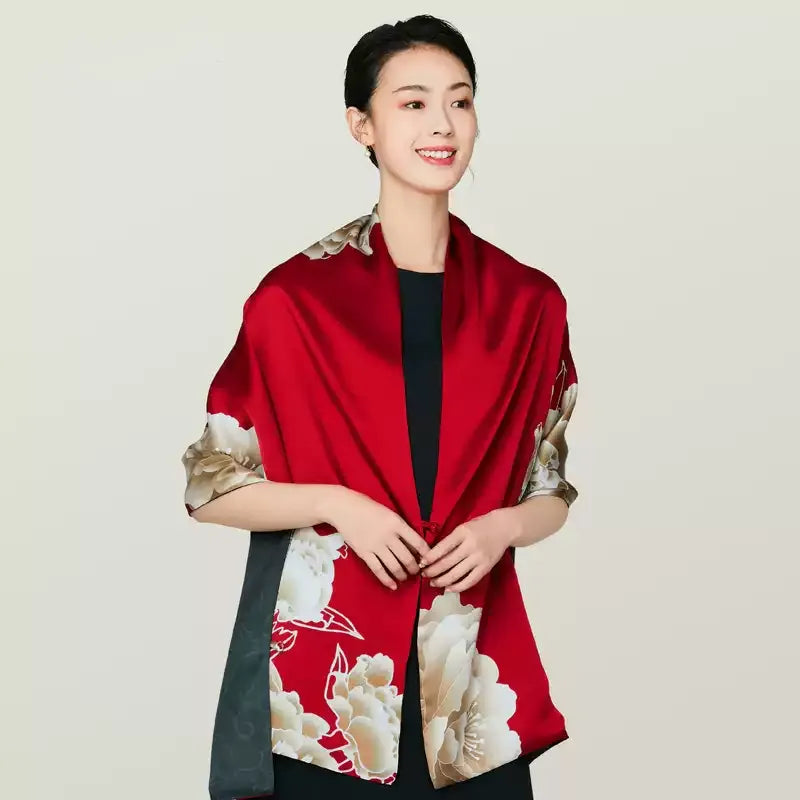
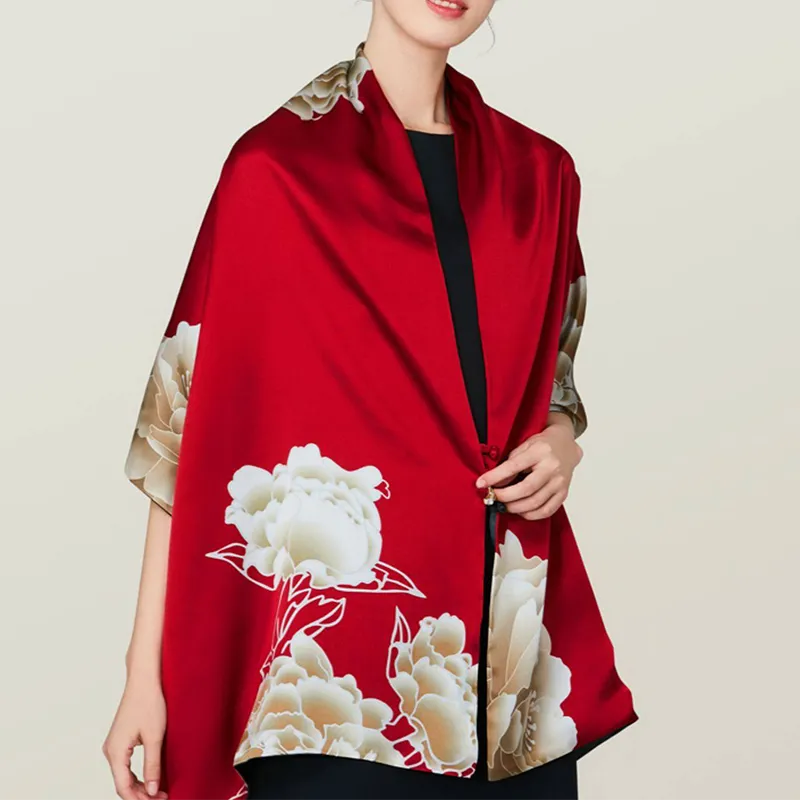
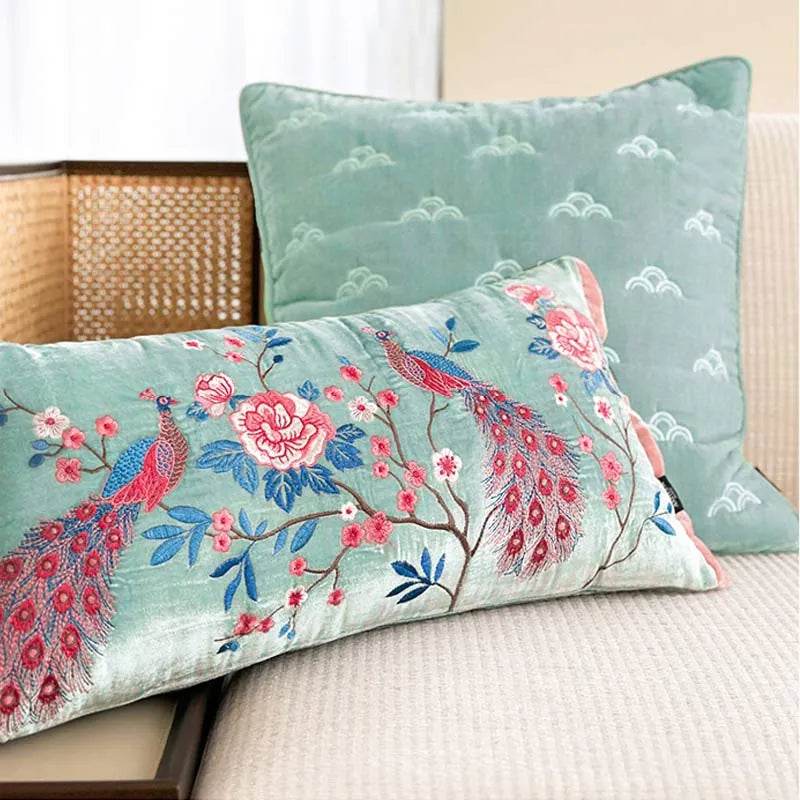
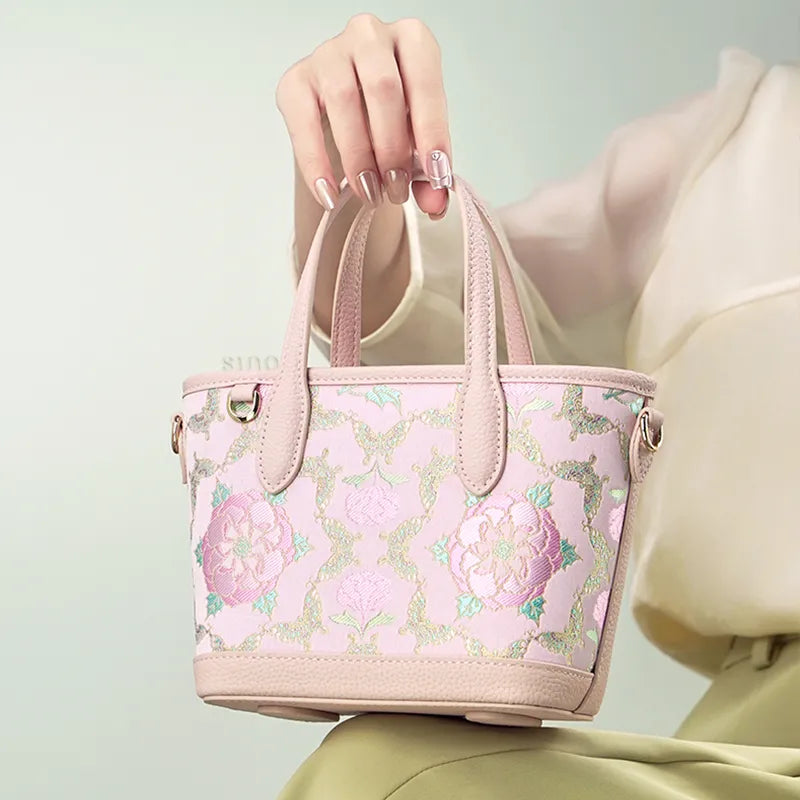
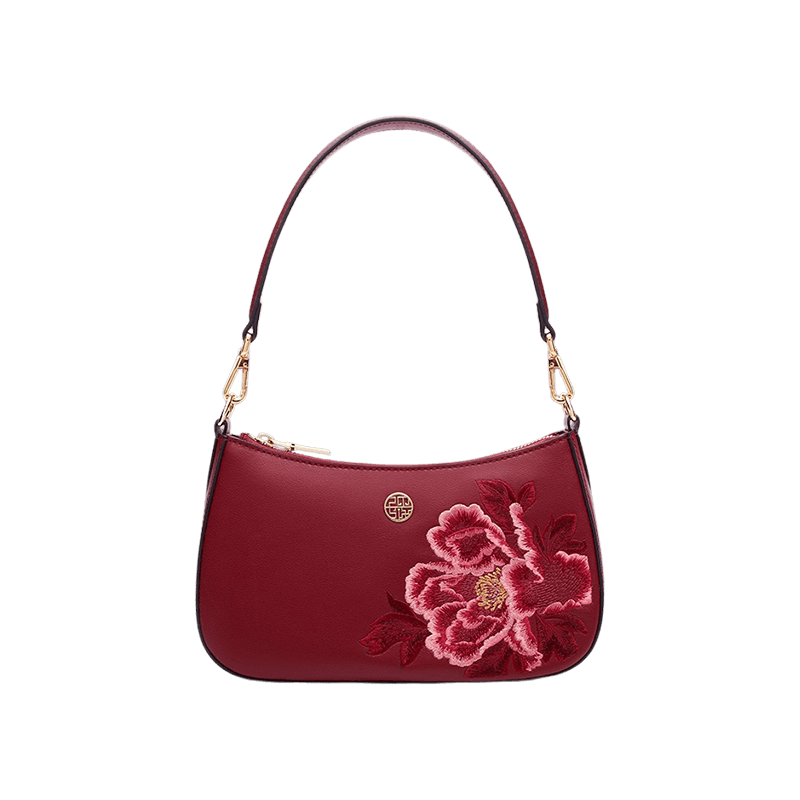
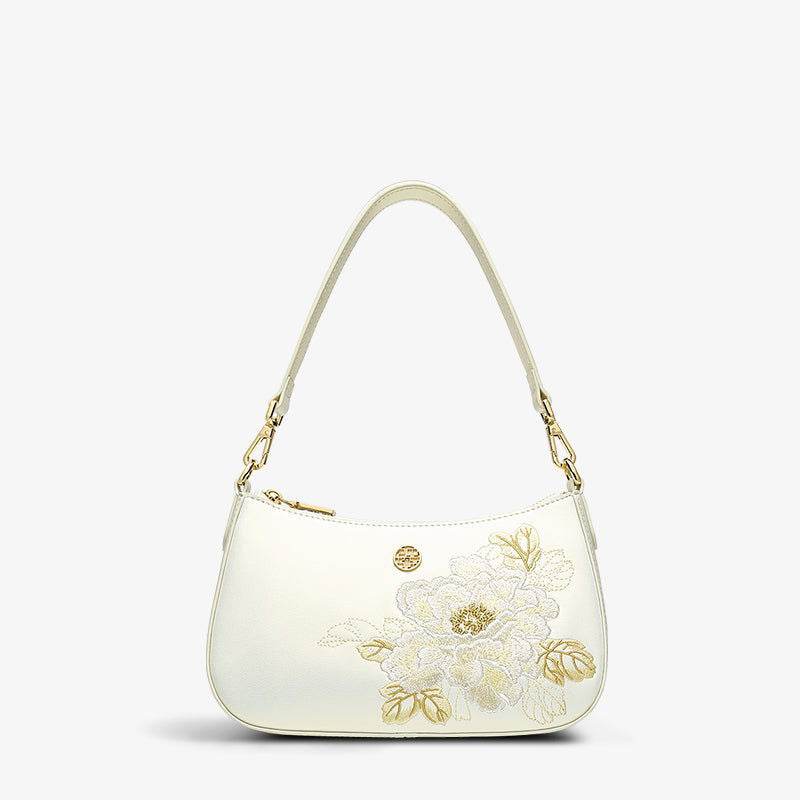
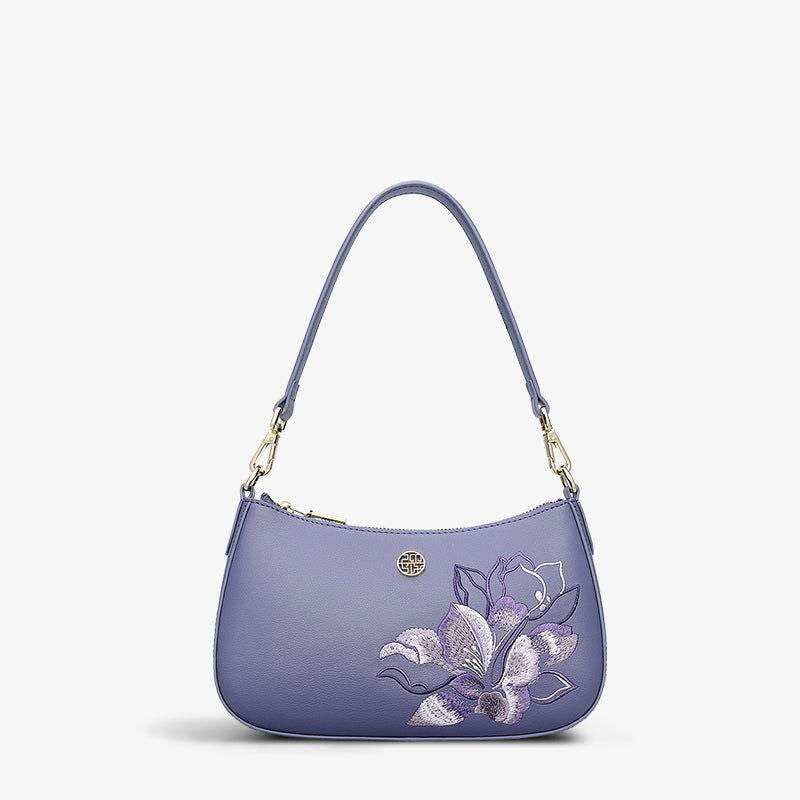
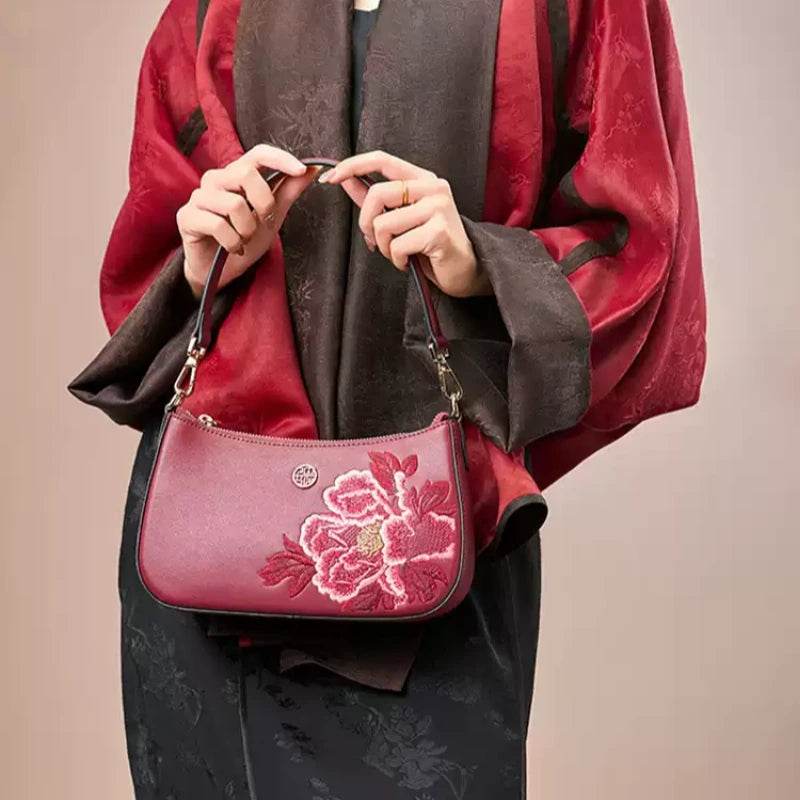
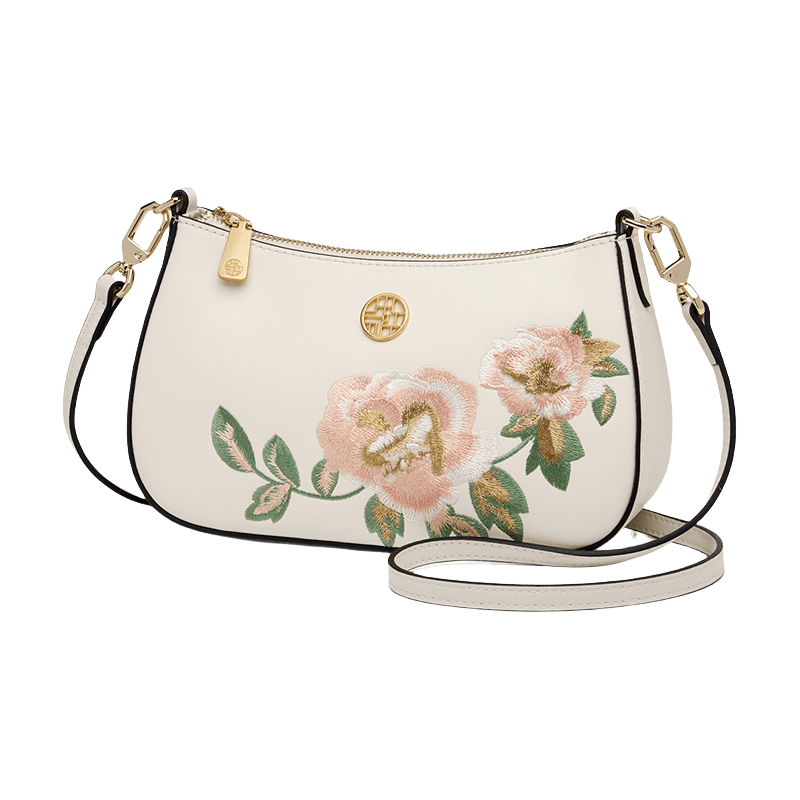
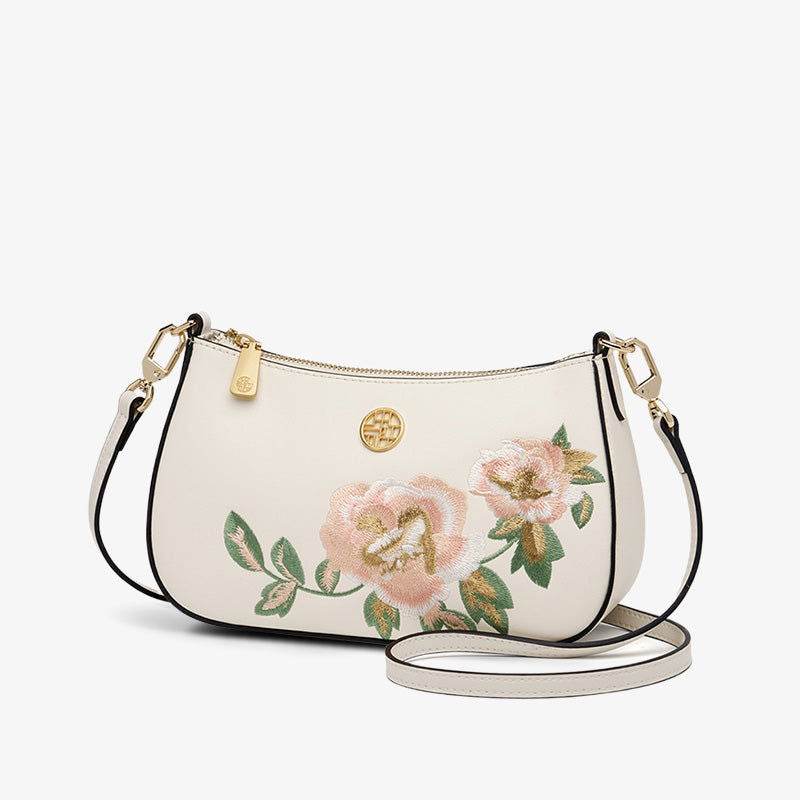
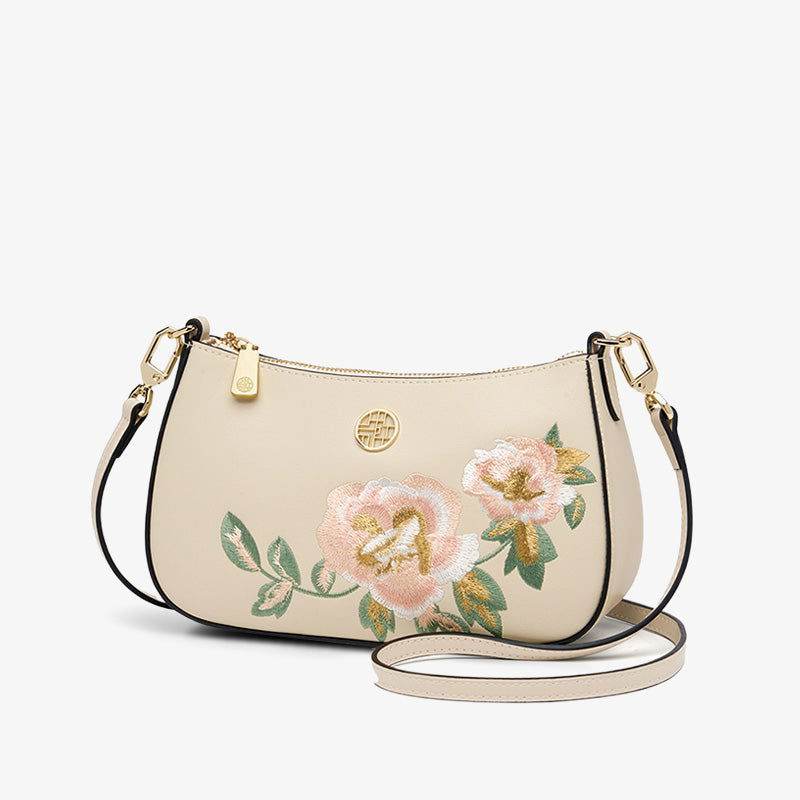
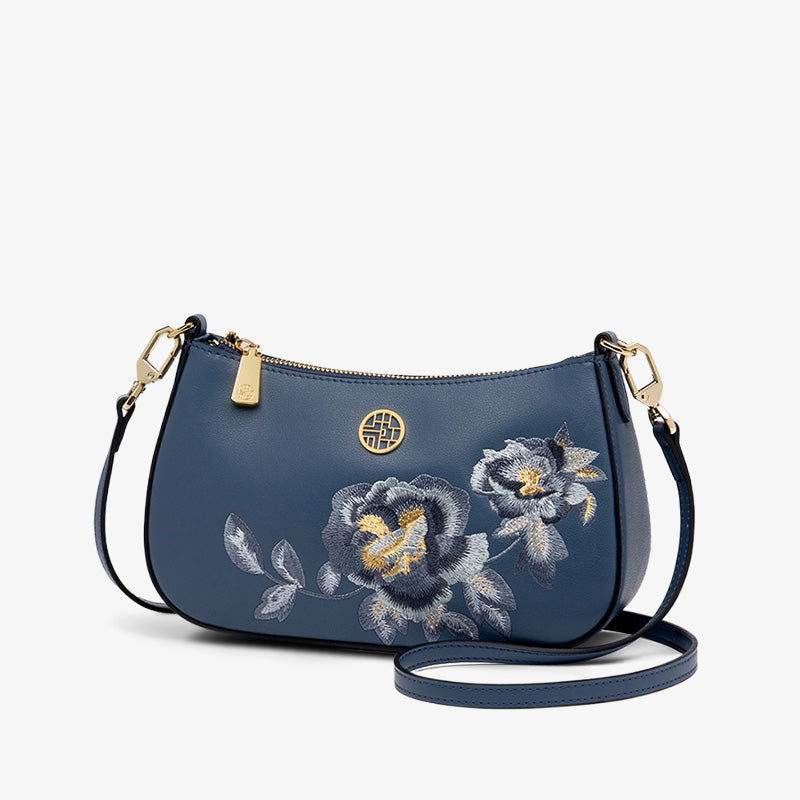
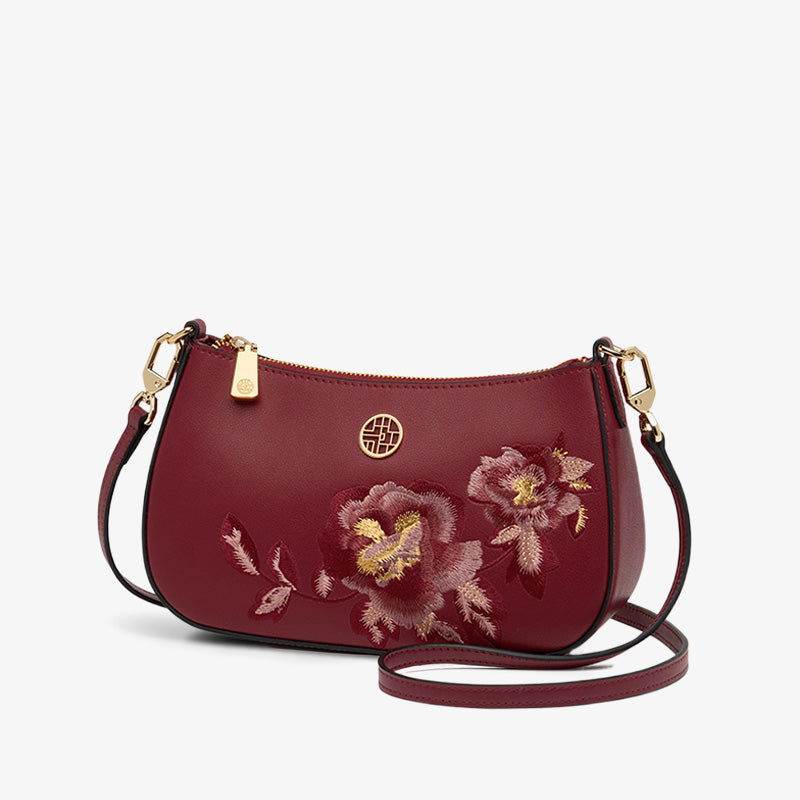
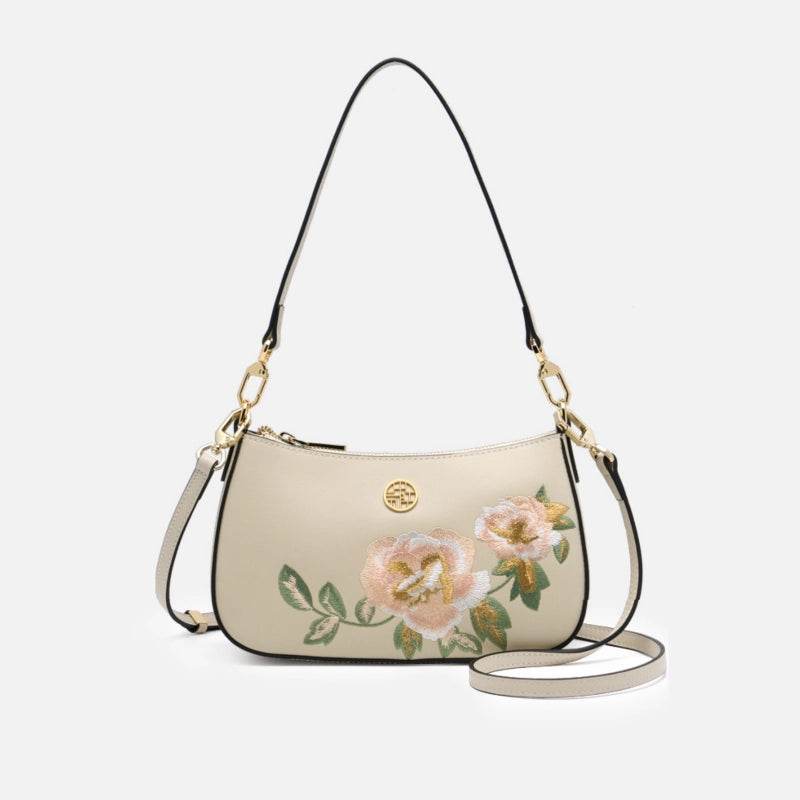
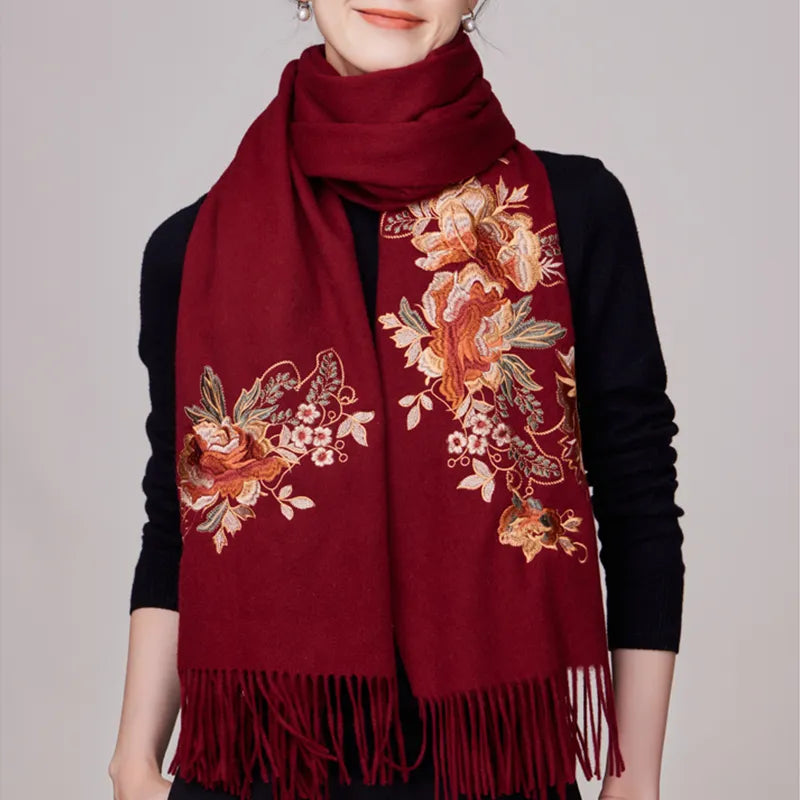
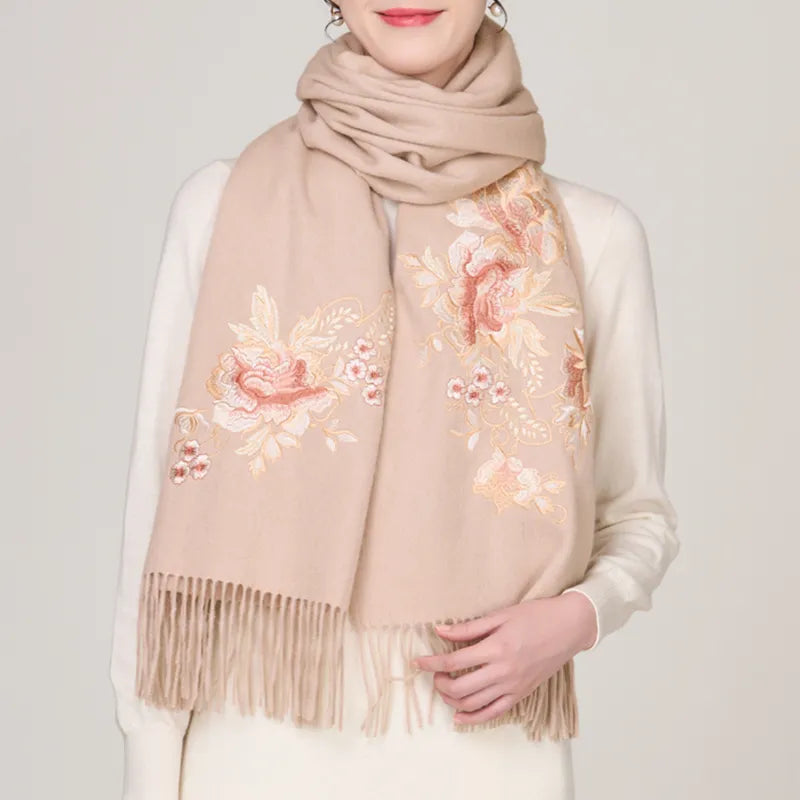
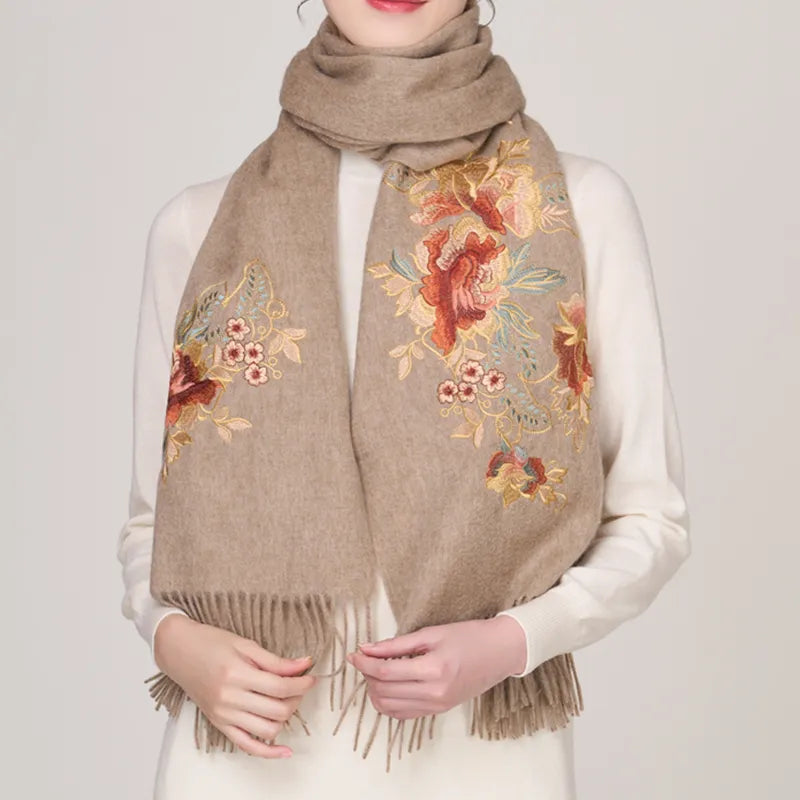
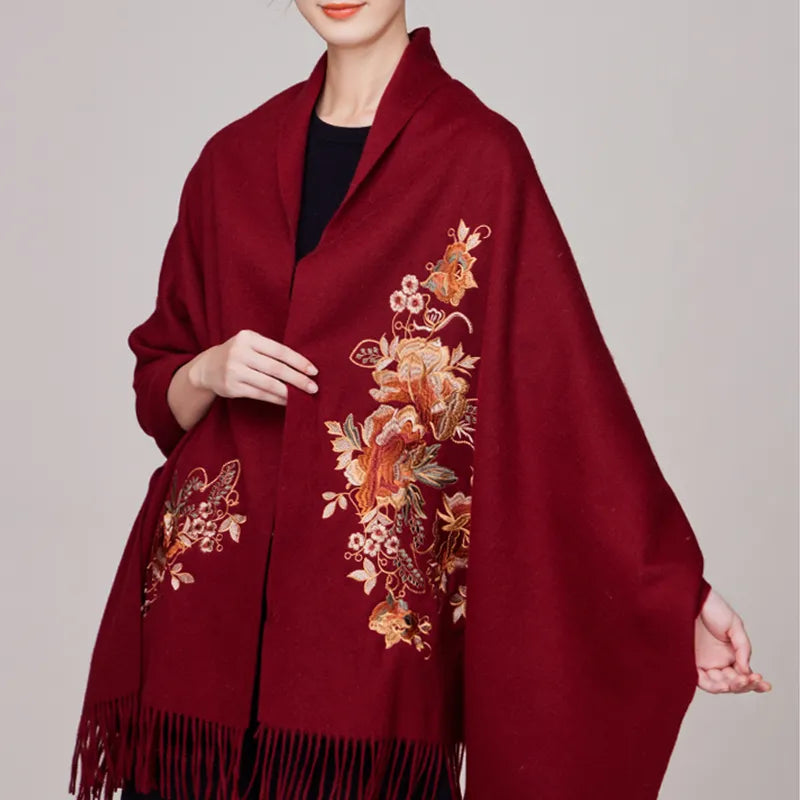
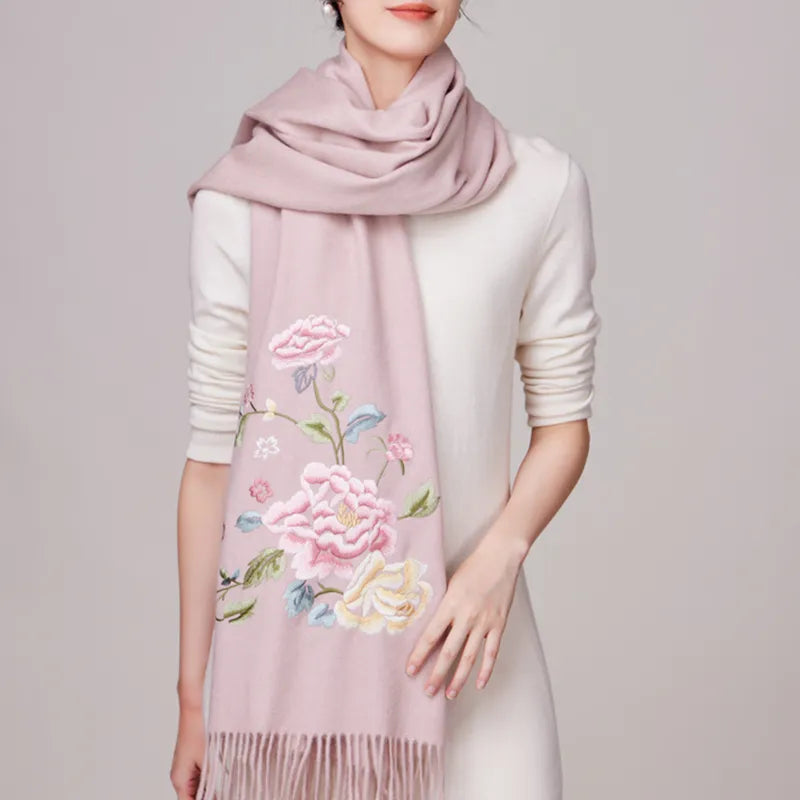
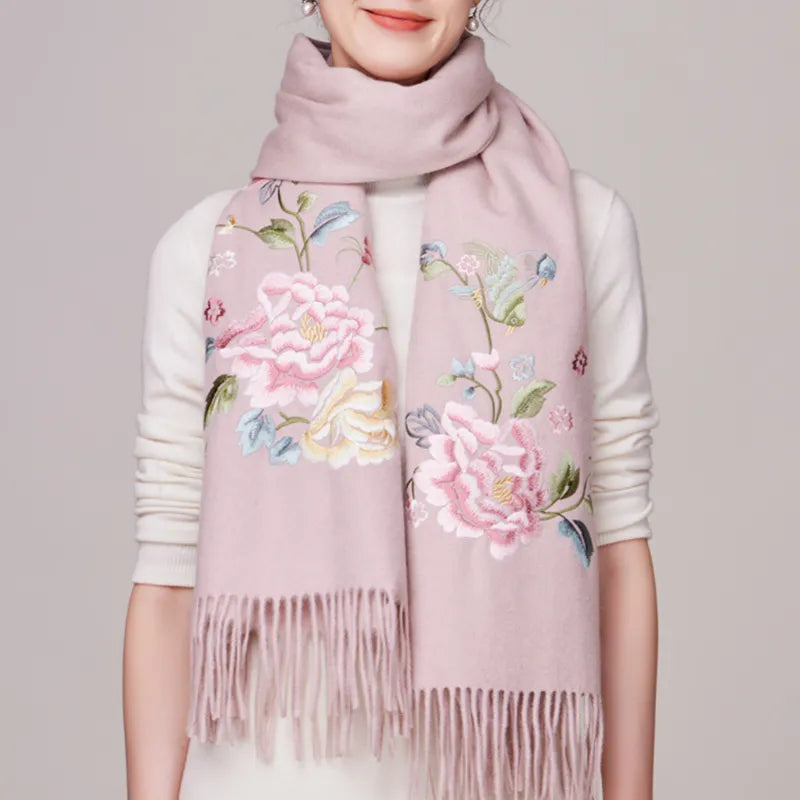
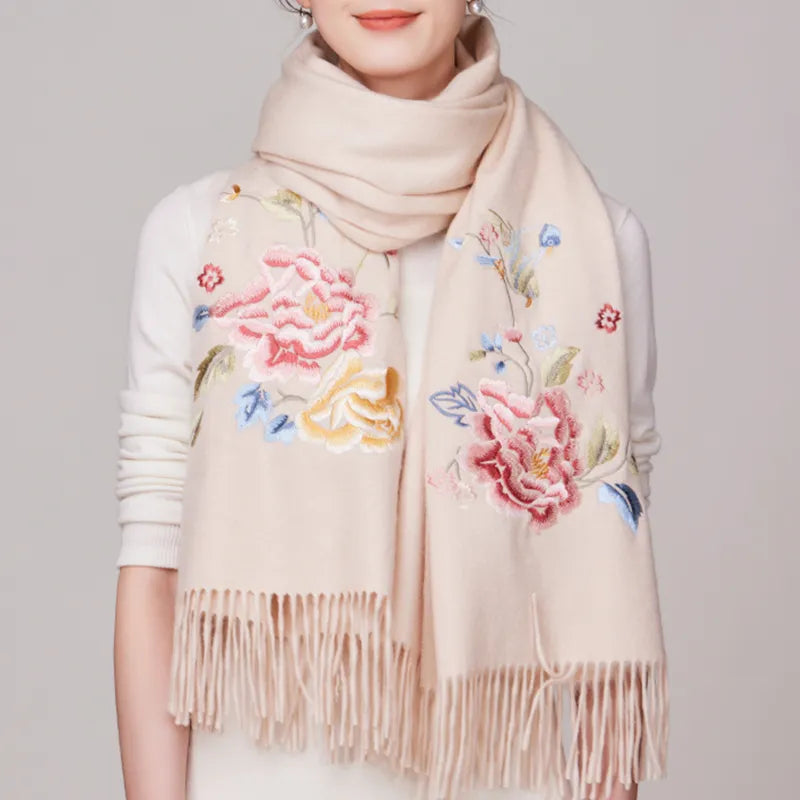
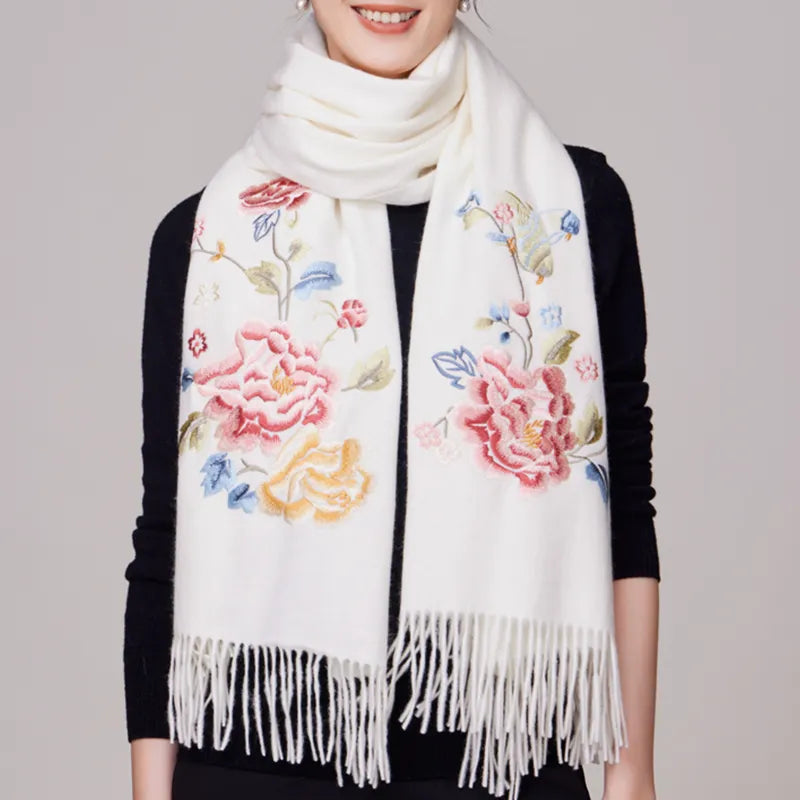
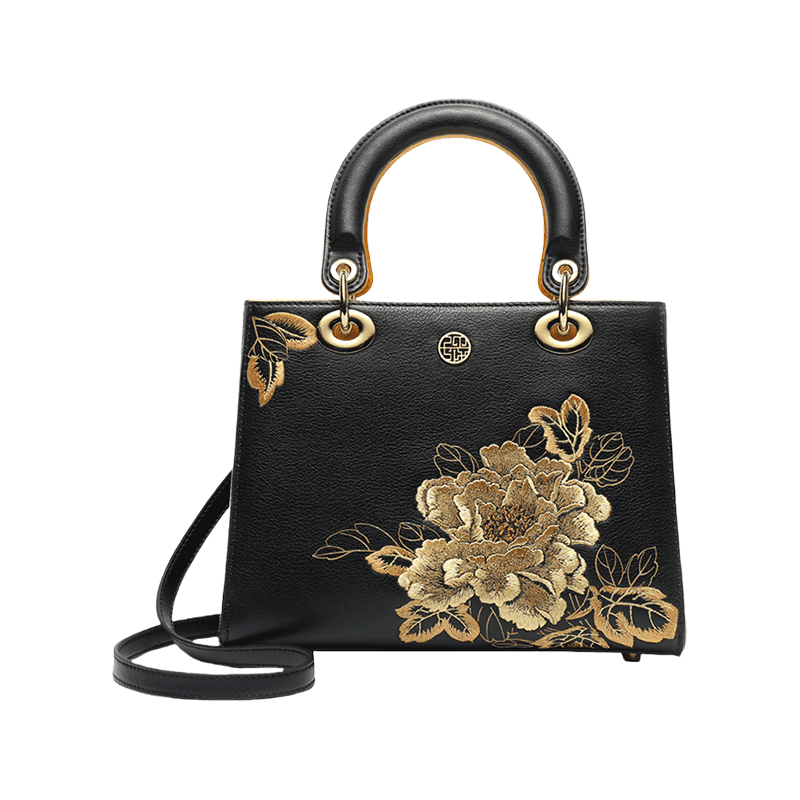
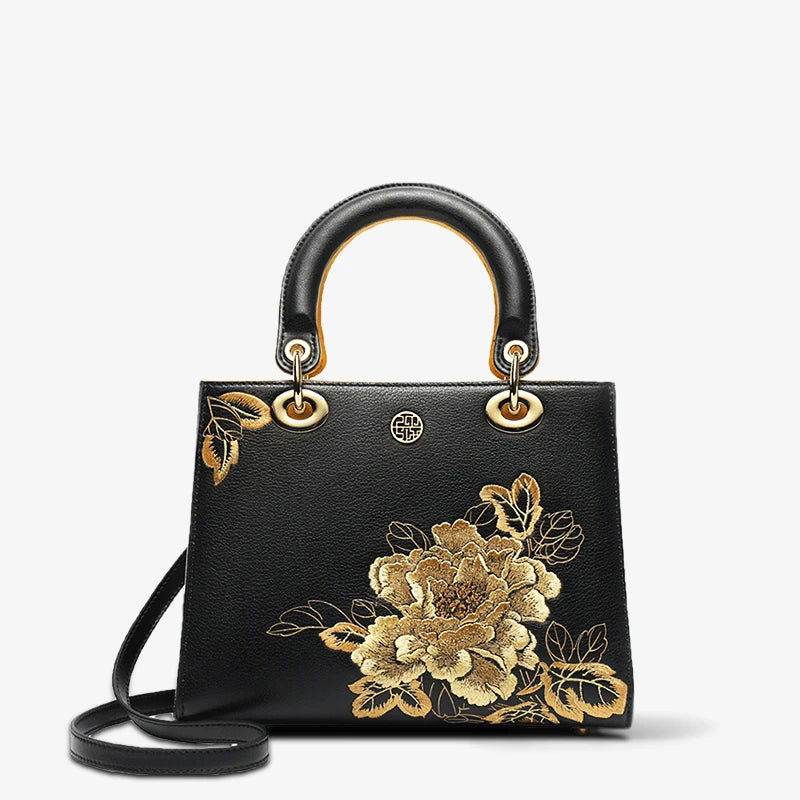
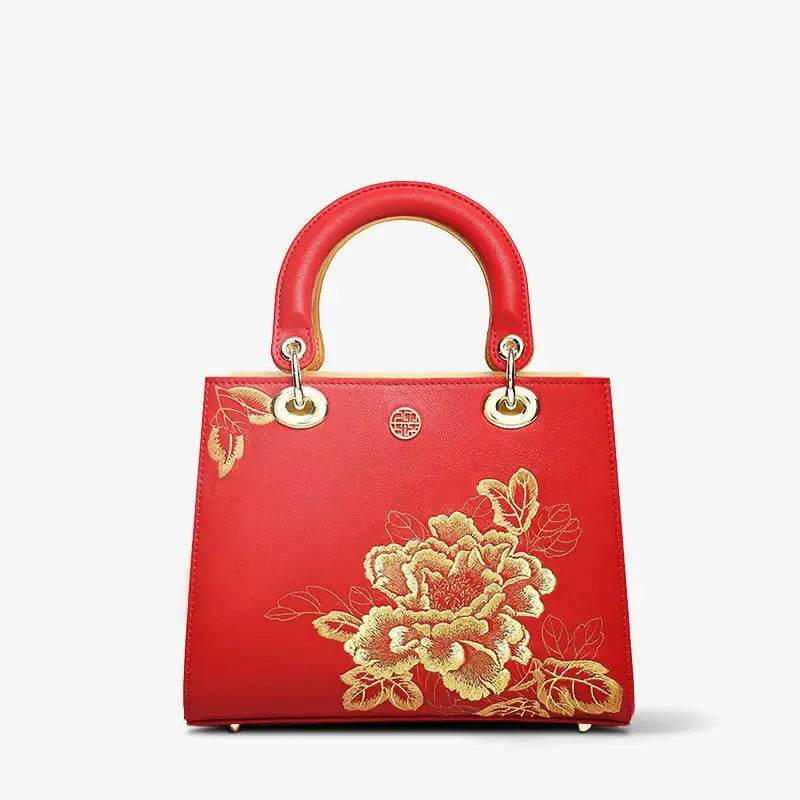
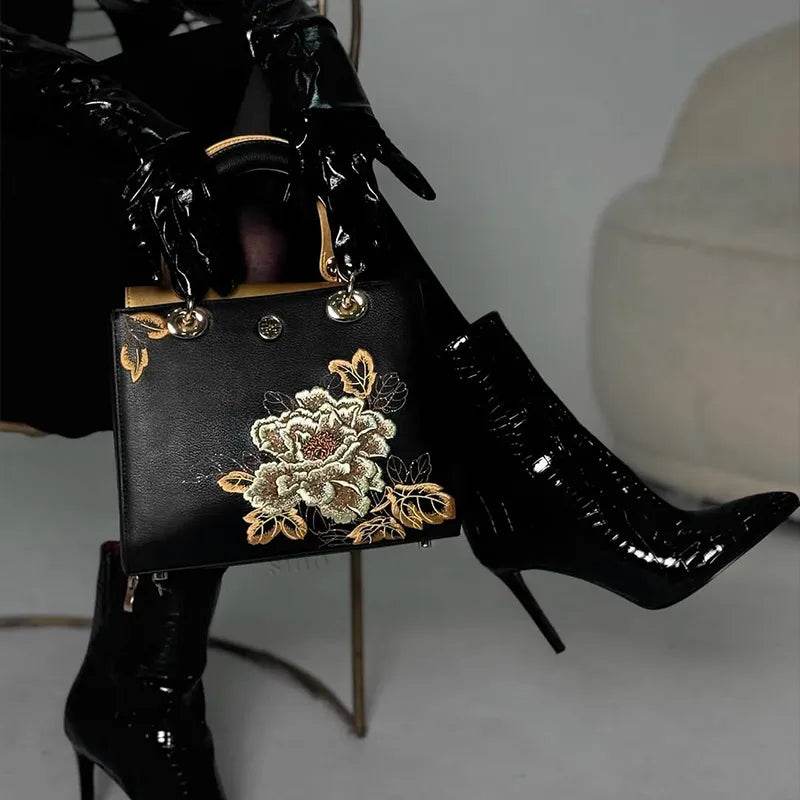
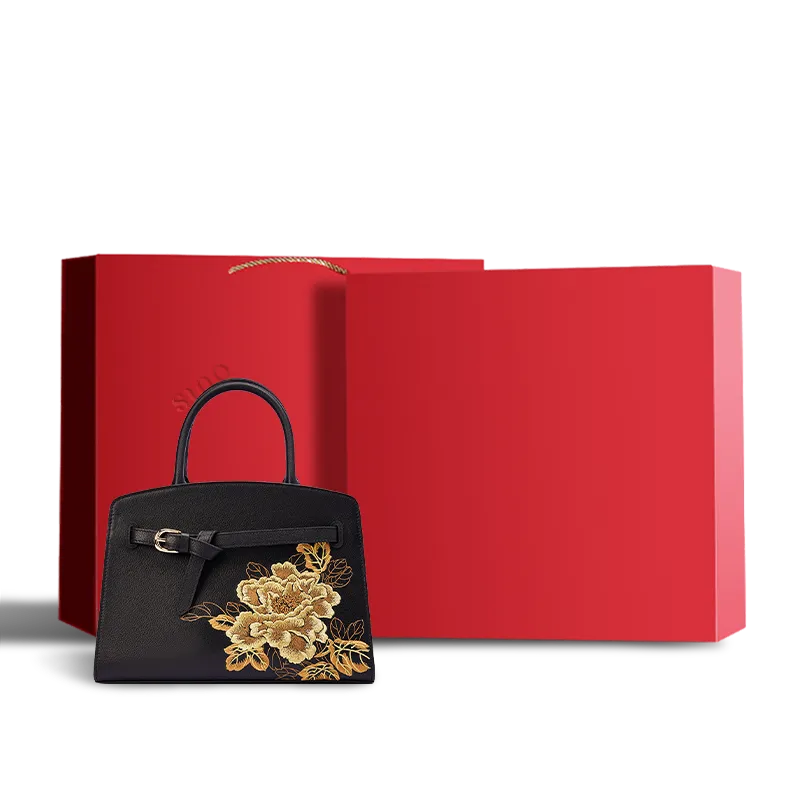
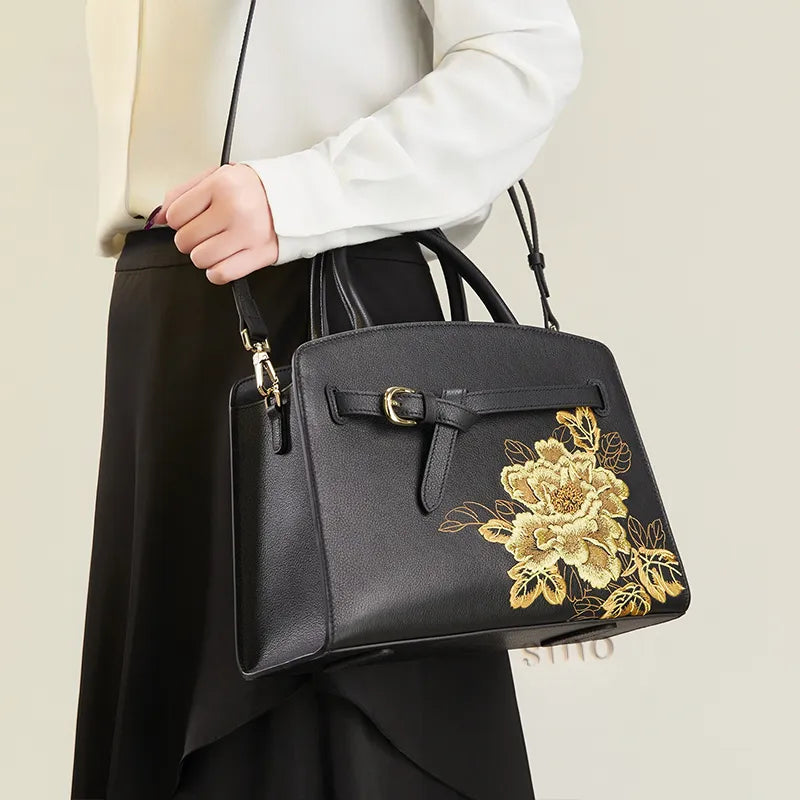
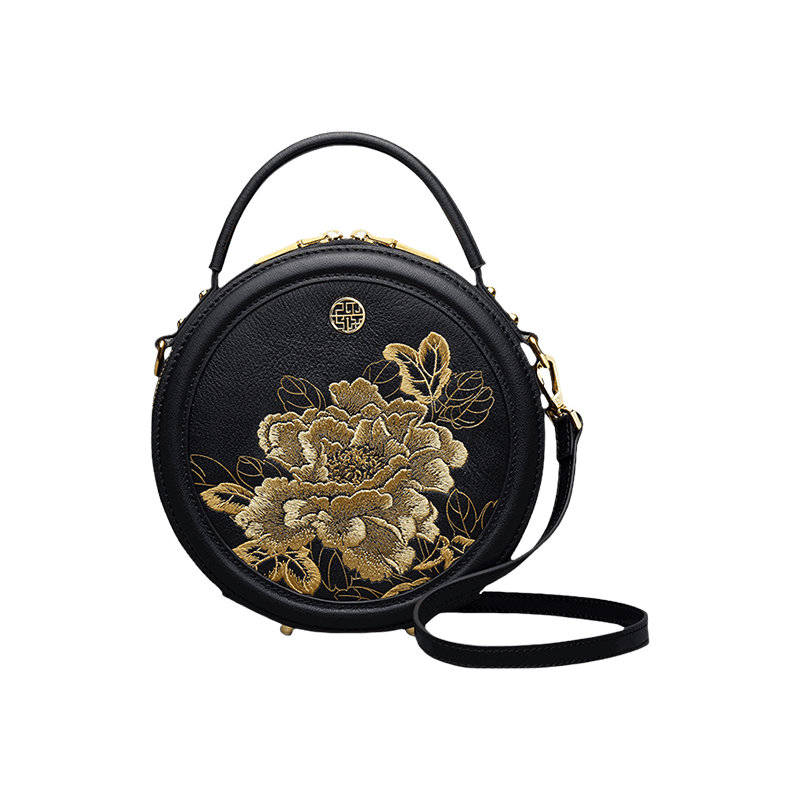
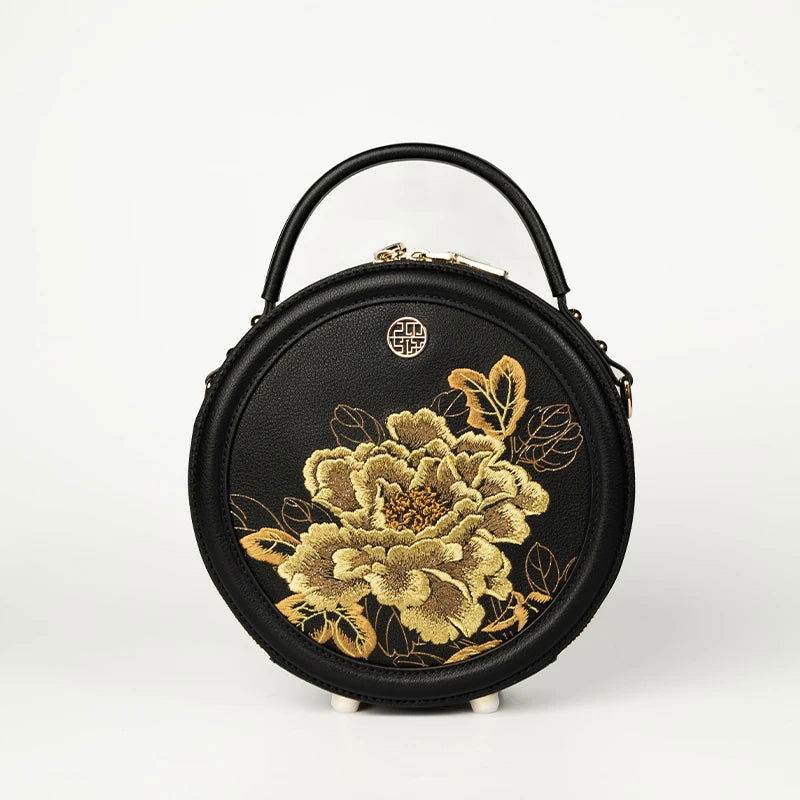
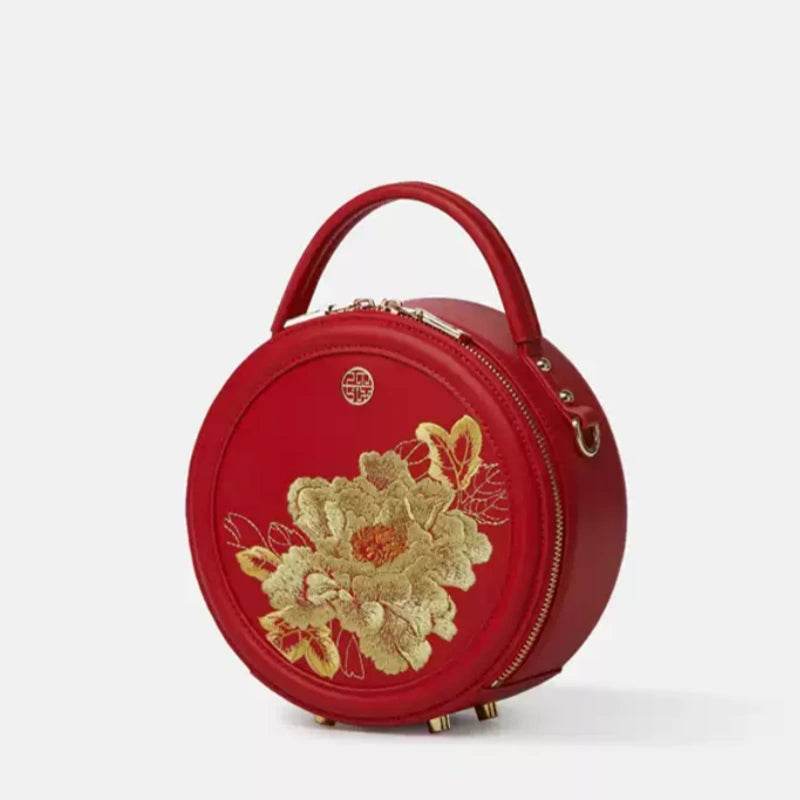
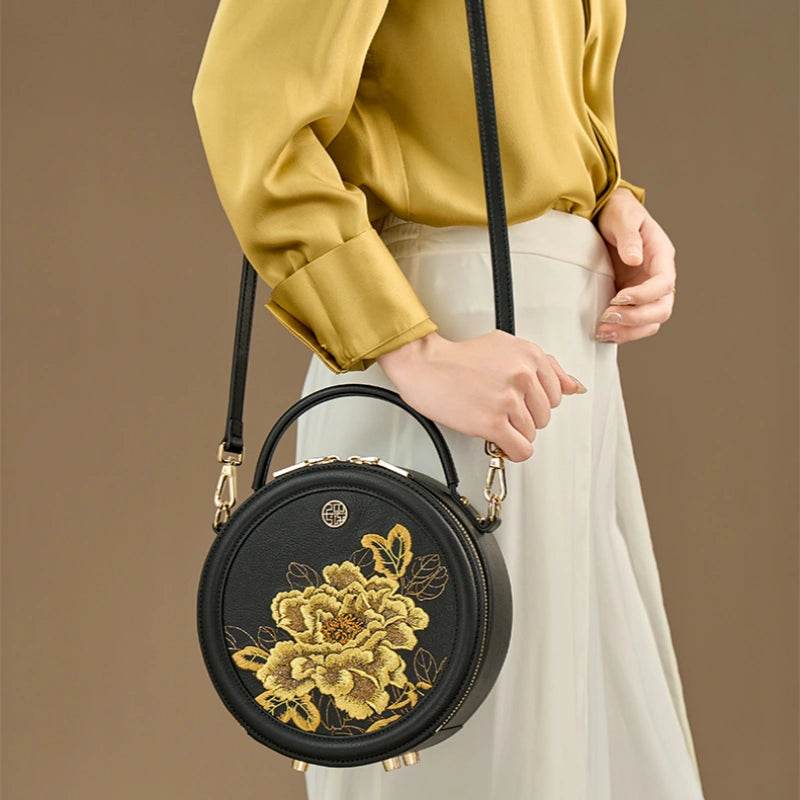
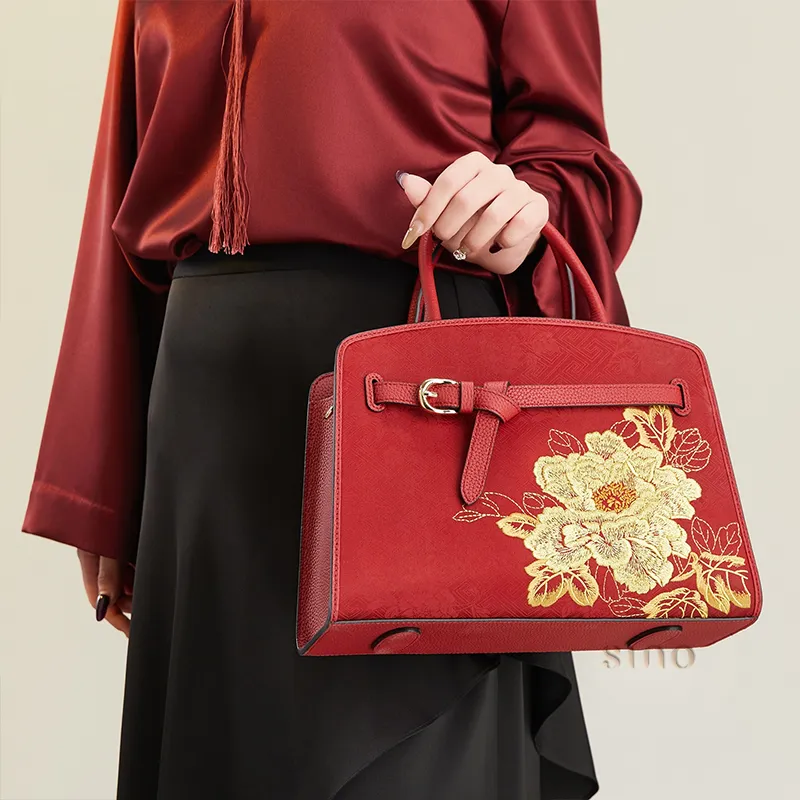
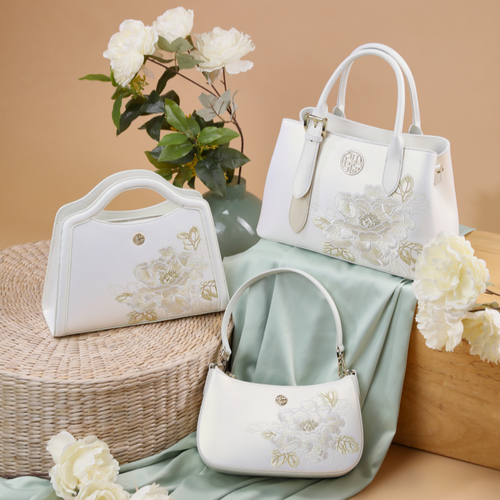
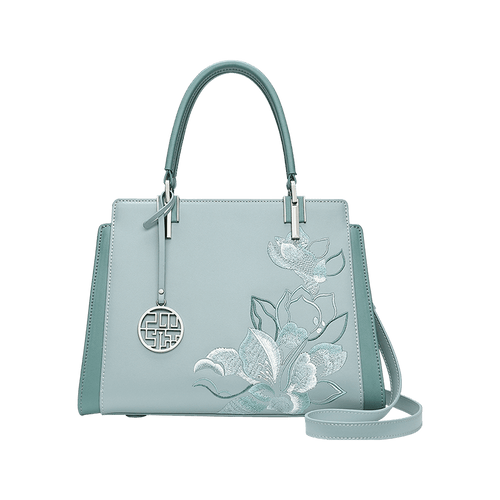
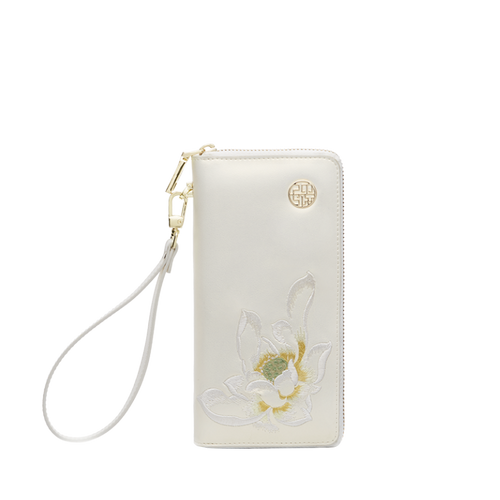
In Luoyang, the peony is more than a seasonal flower—it represents beauty, prosperity, elegance, and good fortune. For centuries, its graceful form and rich colors have inspired Chinese painting, textiles, ceramics, and decorative arts. Today, peony motifs remain a meaningful way to remember the city and take a piece of its cultural story home.
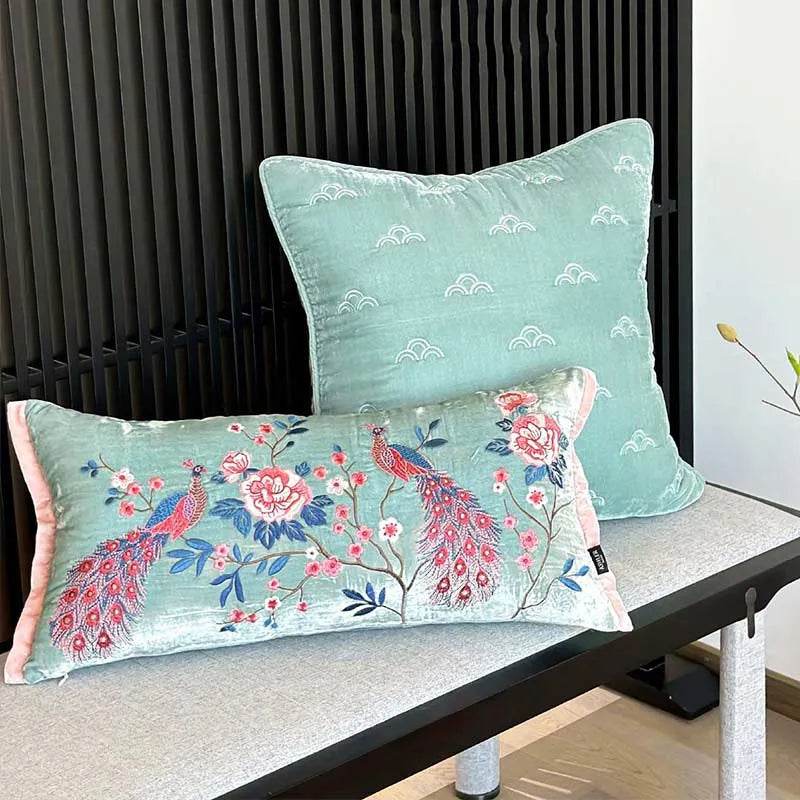
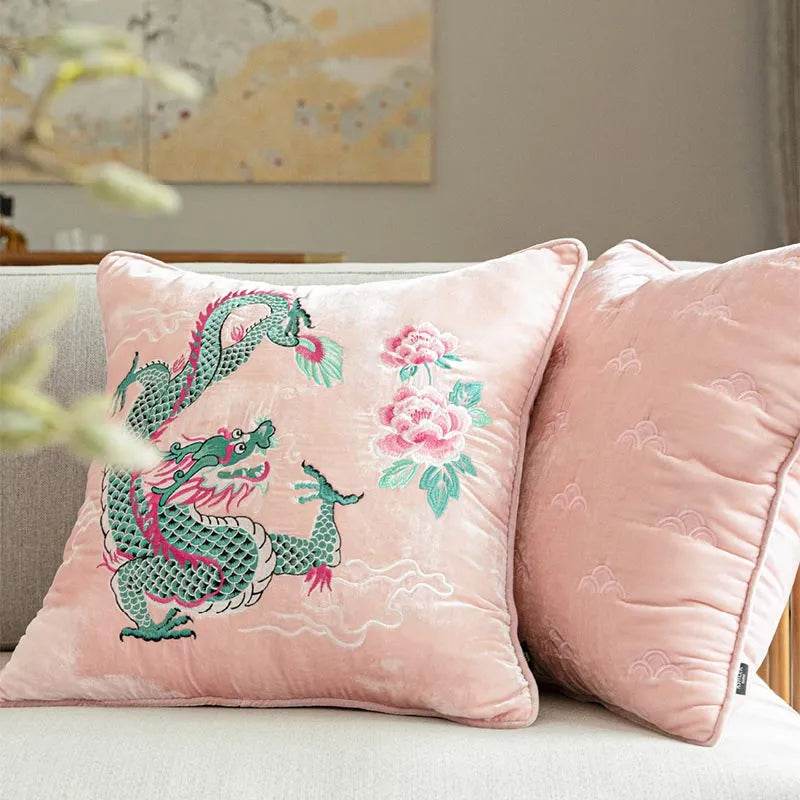
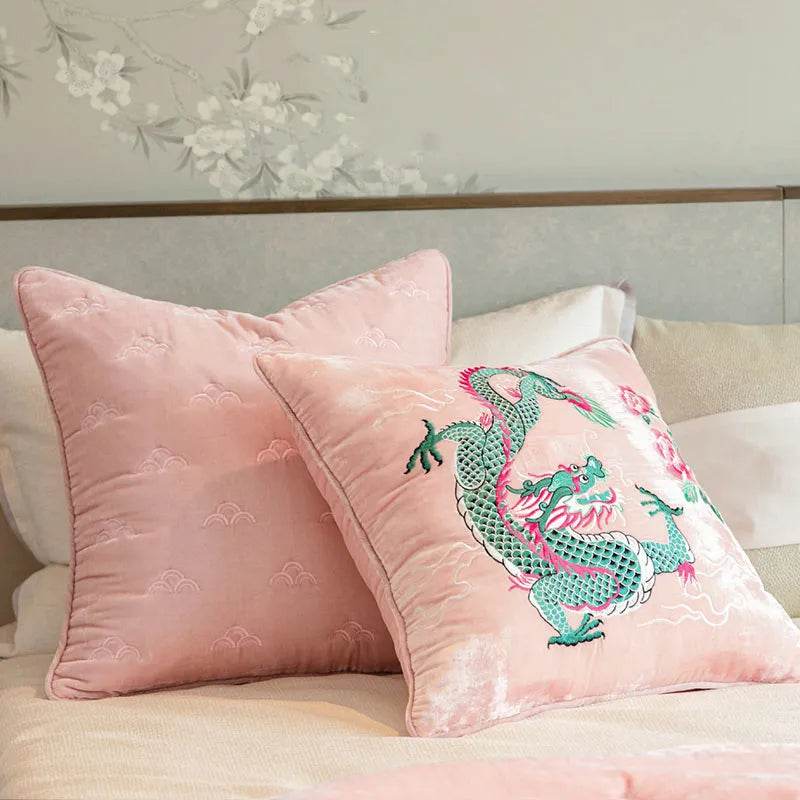
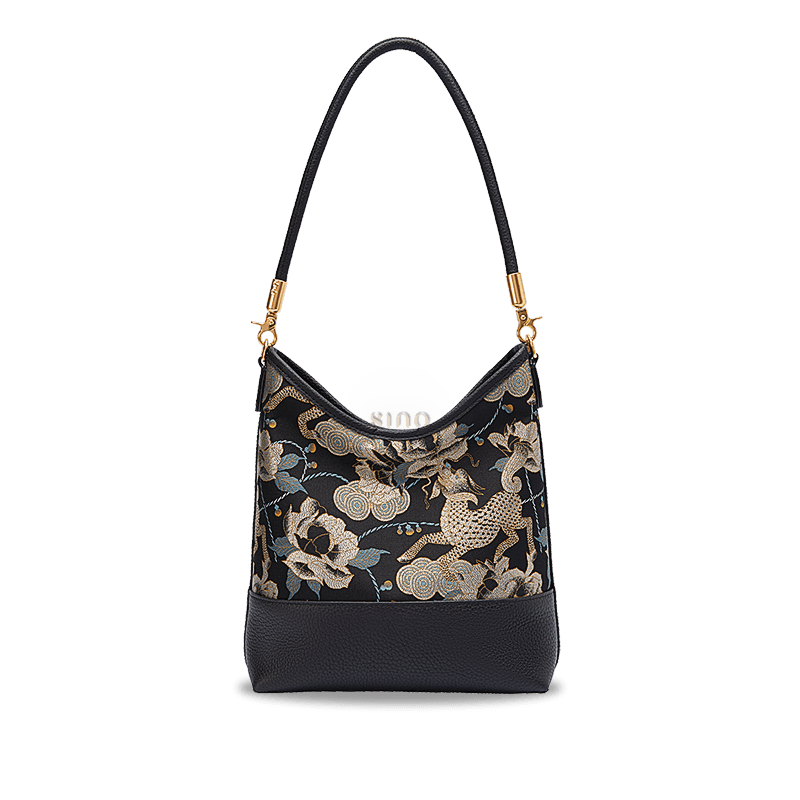
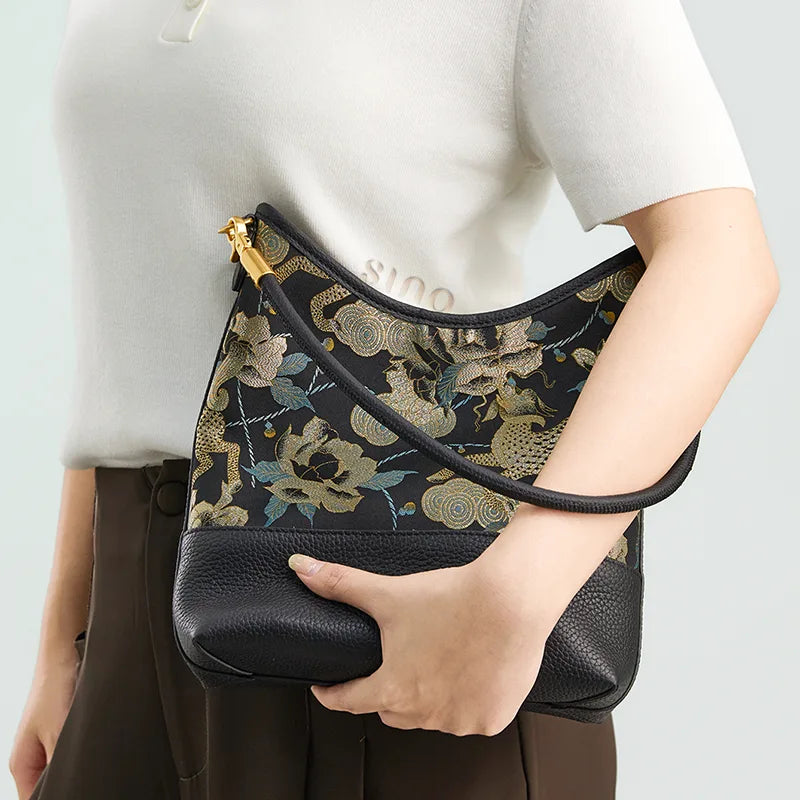
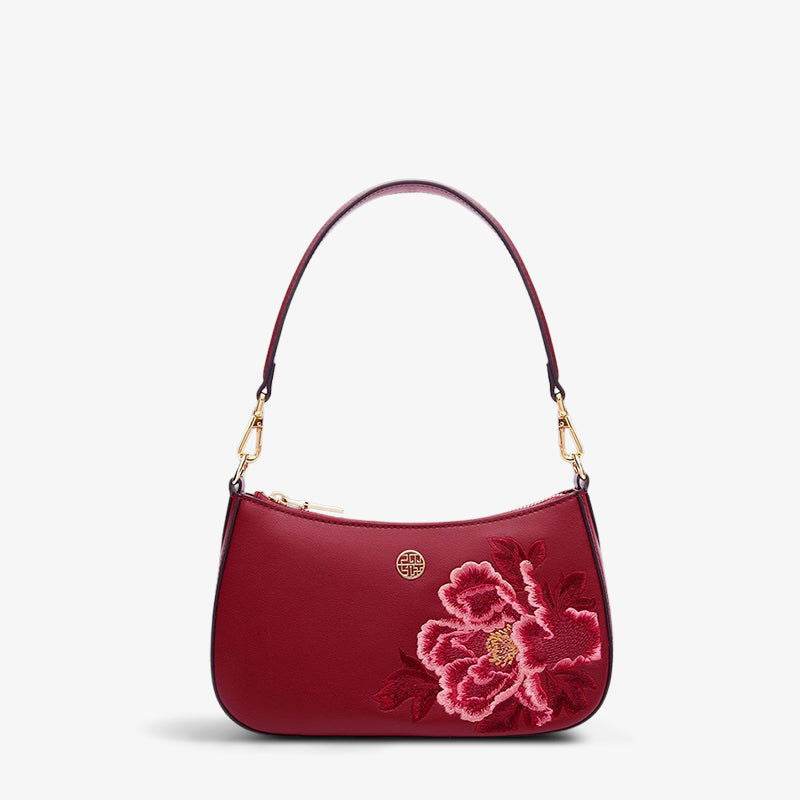
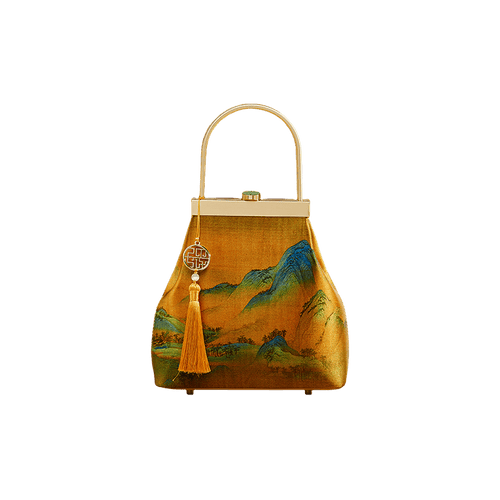
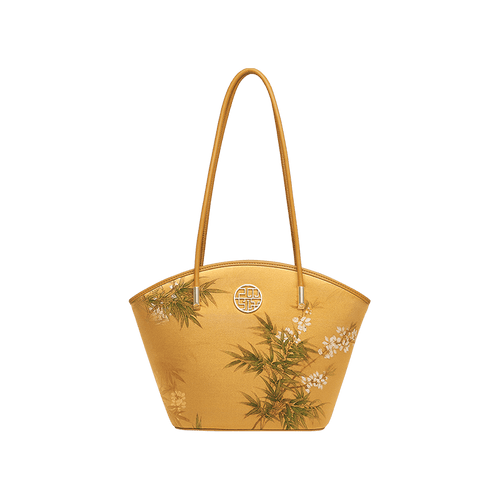
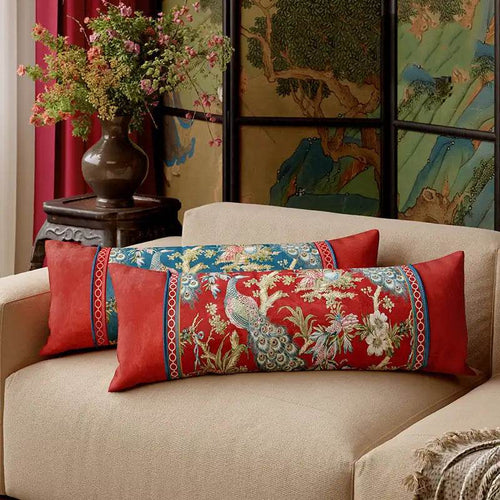
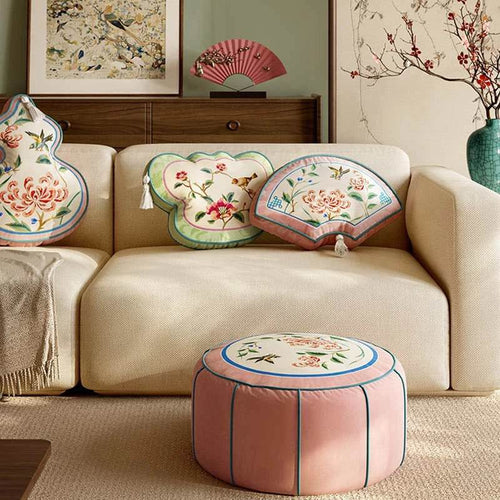
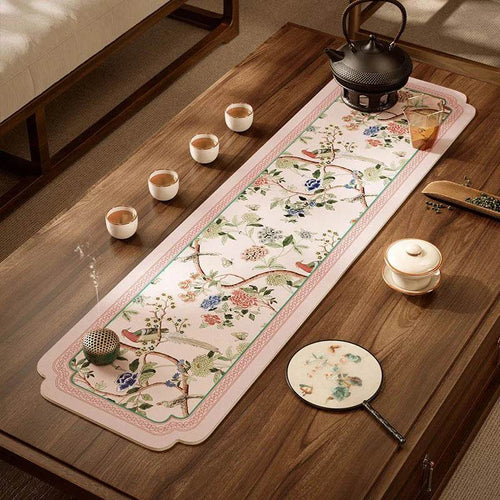
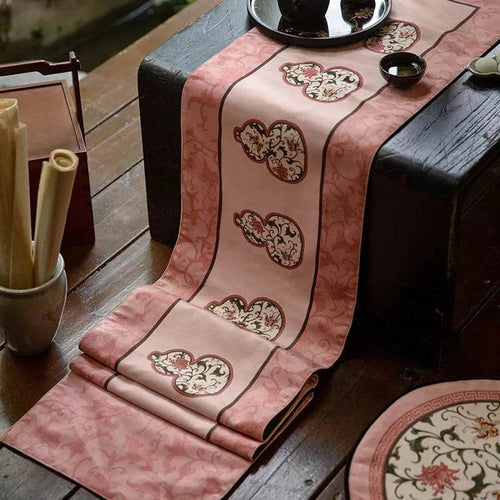
For many travelers, choosing a meaningful souvenir is part of the journey. However, limited time or luggage space can make it difficult to shop for special gifts while traveling. Peony-inspired cultural designs, such as embroidered handbags and traditional craft pieces, offer a thoughtful way to preserve the memory of Luoyang’s floral heritage. Travelers who prefer to prepare in advance can also explore SinoCultural’s collection online, with pieces inspired by Chinese craftsmanship and delivered directly to their door.


Luoyang: Where Chinese Civilization Blossomed Through Time
What stays with most visitors isn't any single site — it's how ordinary the extraordinary becomes here. You can eat a bowl of noodles a five-minute walk from Buddhist carvings older than most of Europe's cathedrals, then watch teenagers in rented Hanfu take selfies under a reconstructed Tang-dynasty gate an hour later.
Two days covers the major sites comfortably. Three lets you slow down for the food, the gardens, and the smaller routes covered above. And if you're arriving from Beijing, Luoyang makes for a useful reset: "ancient capital" here doesn't mean one walled-off historic district you visit and leave — it means a city that never fully stopped being what it was.
FAQ: Travel Tips for Luoyang
-
Q: Is Luoyang worth visiting?
A: Yes. As one of China’s ancient capitals, Luoyang offers a different experience from Beijing and Xi’an, with world-famous heritage sites like the Longmen Grottoes, Tang Dynasty culture, traditional crafts, and the legendary peony culture. It is especially rewarding for travelers interested in history, art, and Chinese traditions. -
Q: How many days do you need in Luoyang?
A: Plan 2 days for a comfortable first visit. One day is enough to explore the Longmen Grottoes, Luoyi Ancient City, and key historical sites, while a second day allows time for the White Horse Temple, museums, local food, and cultural experiences. During peony season, adding extra time is recommended. -
Q: What is the best time to visit Luoyang?
A: The best times are spring (April) and autumn (September–October). April is the most popular month for the Luoyang Peony Festival, when the city’s gardens are filled with blooming peonies. Autumn offers comfortable weather and fewer crowds for sightseeing. -
Q: Can you visit Luoyang as a day trip from Xi’an?
A: Yes. Luoyang is accessible from Xi’an by high-speed train, making it possible to visit the Longmen Grottoes and other highlights in one day. However, staying overnight is recommended if you want to experience Luoyang’s local food, evening atmosphere, and cultural sites at a slower pace. -
Q: Where should first-time visitors stay in Luoyang?
A: For international travelers, Luolong District is a convenient choice, with easy access to Luoyang Longmen Station and the Longmen Grottoes area. Hotels such as Luoyang Marriott Hotel and Courtyard by Marriott Luoyang offer international-standard facilities and are suitable for travelers seeking comfortable stays. For a more local atmosphere, areas near Laocheng District and Luoyi Ancient City are better for evening walks and traditional restaurants. -
Q: How can foreign travelers book tickets for Luoyang attractions?
A: Most major attractions in Luoyang require real-name reservations. Foreign visitors should prepare their passport information when booking tickets through official WeChat services or Chinese travel platforms. During holidays and the peony season, advance booking is strongly recommended. -
Q: What food should you try in Luoyang?
A: Luoyang is known for its unique “soup and noodle” culture. First-time visitors should try the famous Luoyang Water Banquet, Peony Swallow Dish, beef or mutton soup, Jiangmian Tiao, and Hui Mian to experience the city’s traditional flavors.