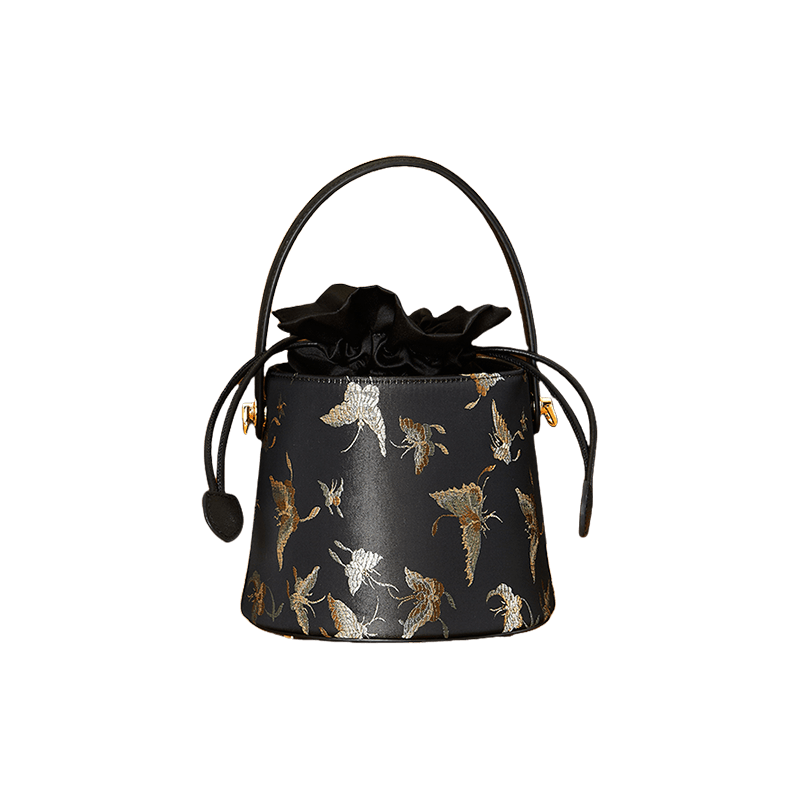

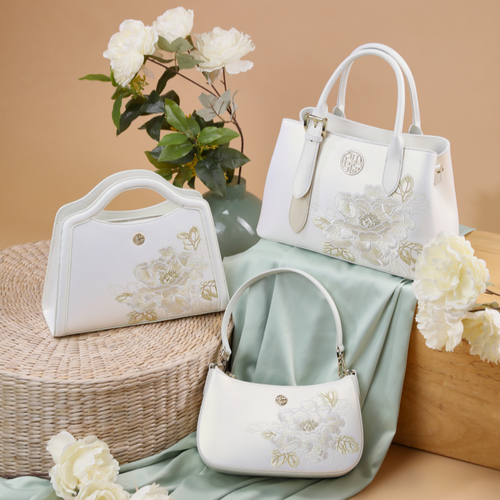
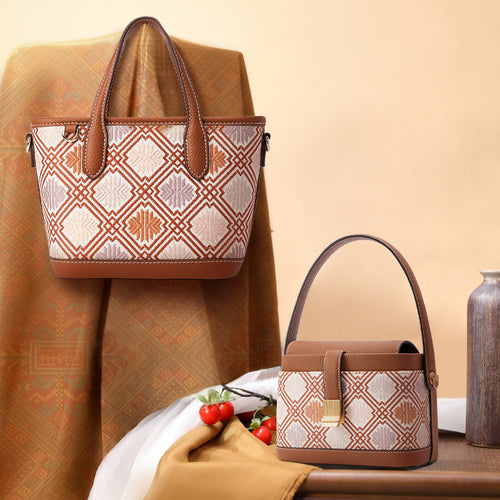
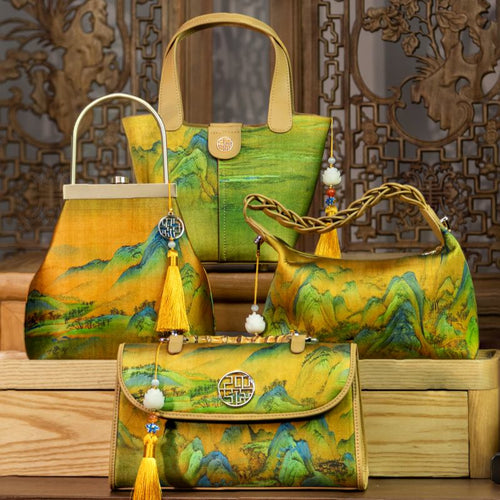
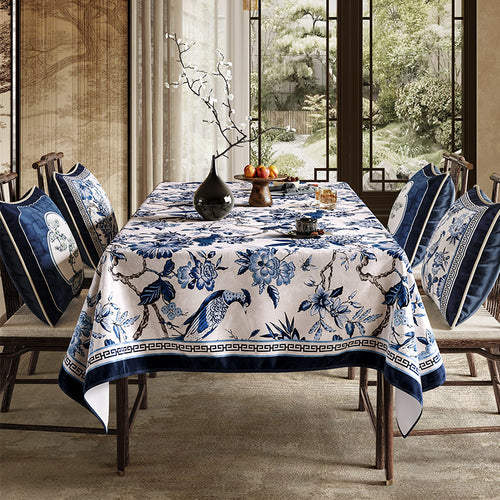
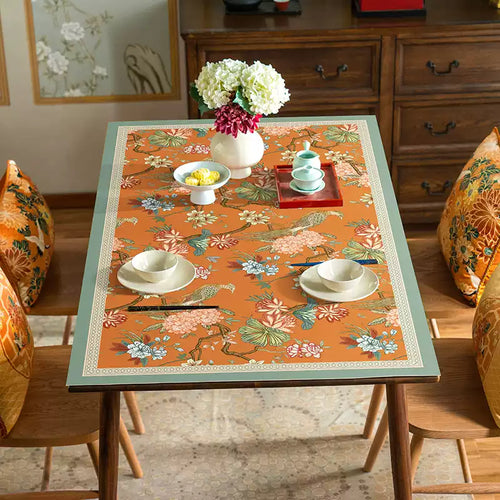
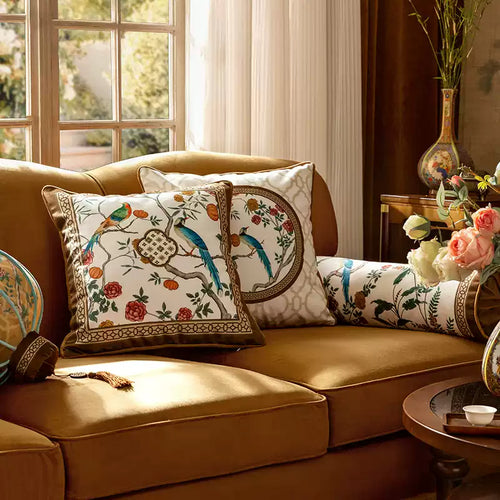
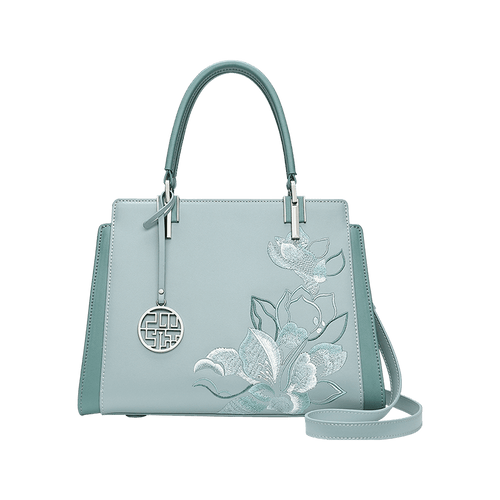
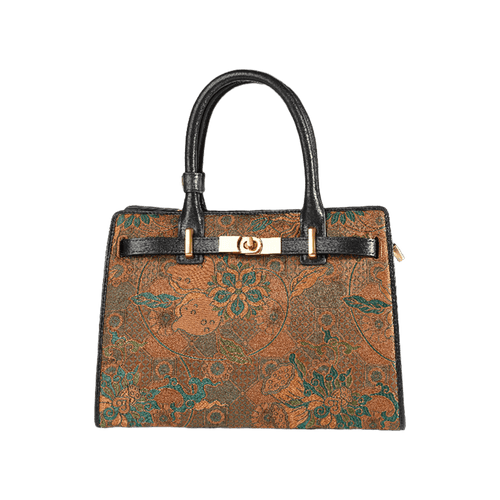
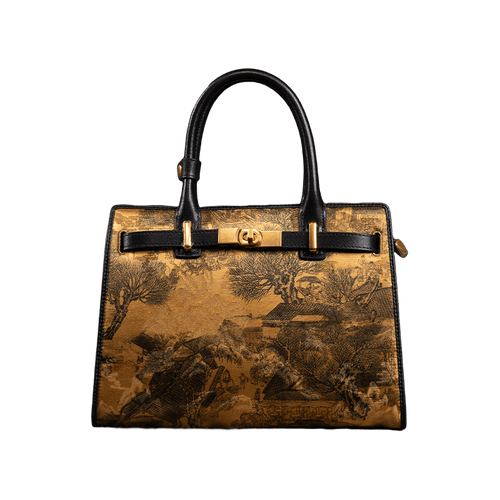
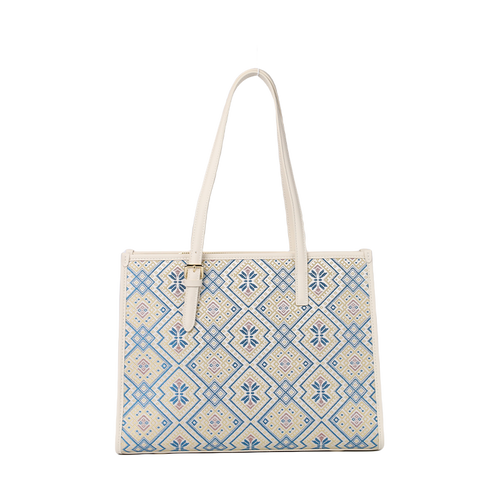
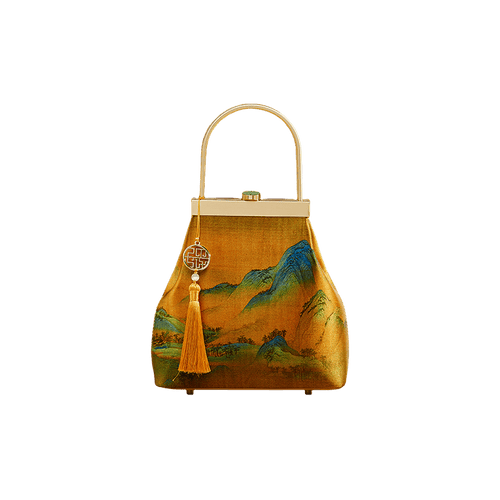
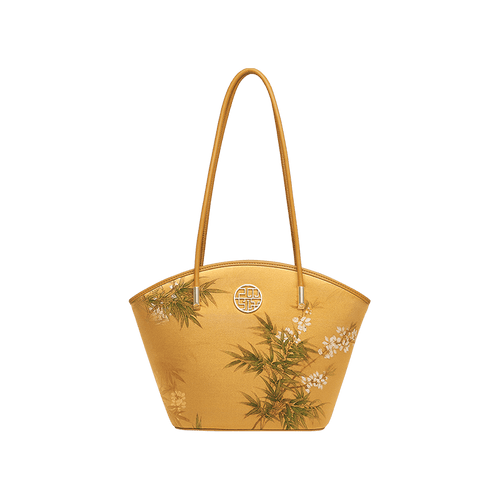
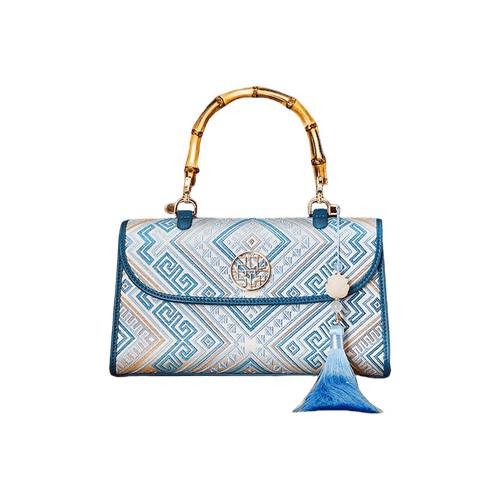
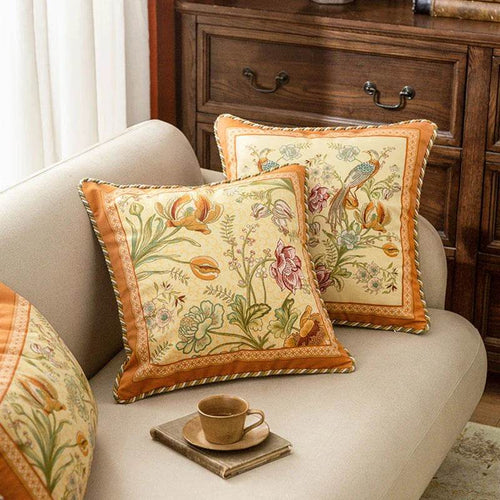
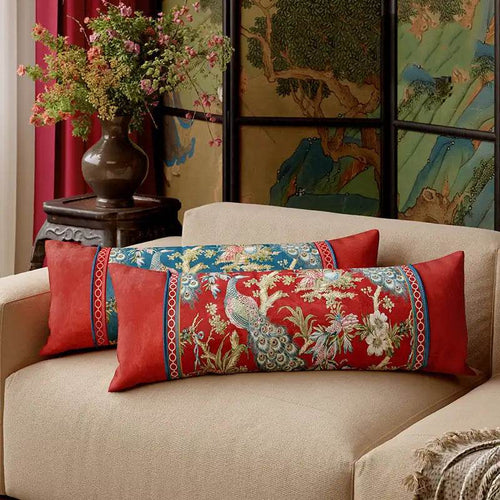
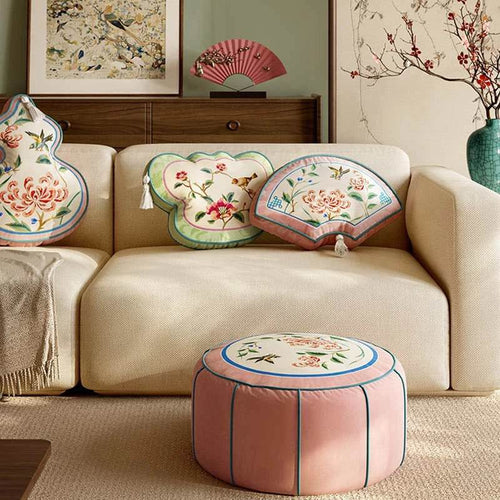
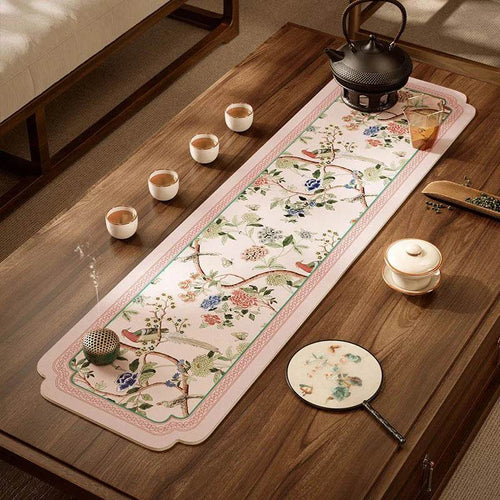
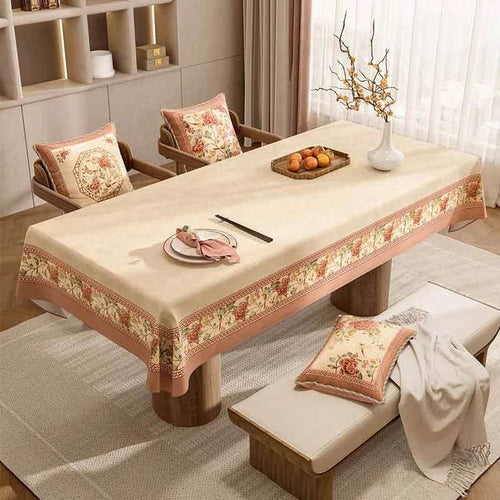
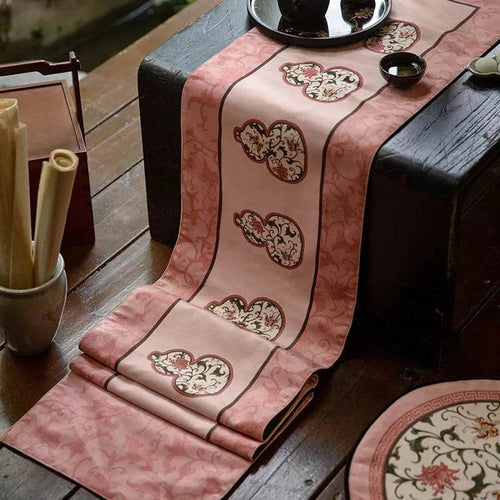


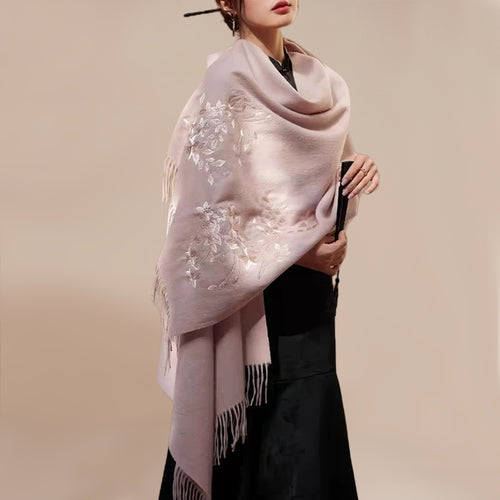
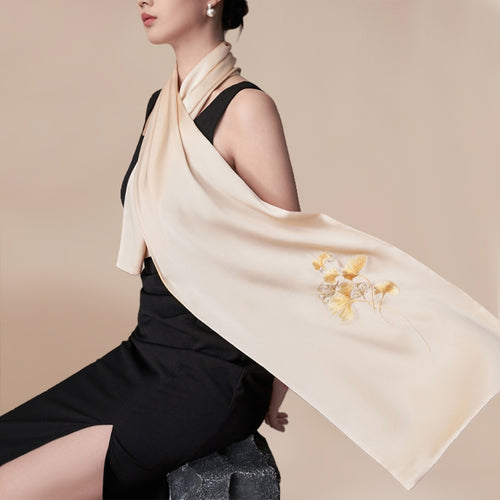
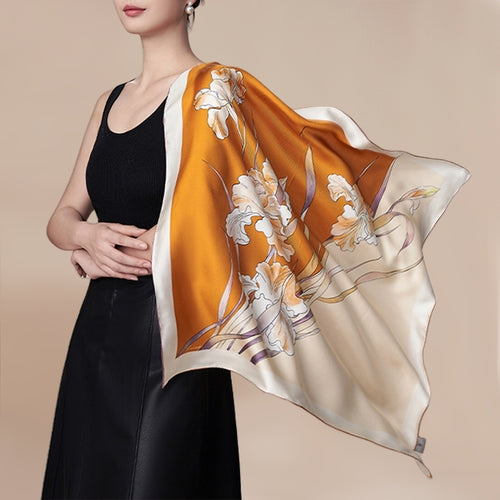


Nanjing Yun Brocade(Yunjin), a designated Geographical Indication product of China and renowned as "Inch of Brocade, Inch of Gold," boasts a rich history dating back to the 13th year of the Eastern Jin Dynasty (417 AD) when the Brocade Office (Jin Shu) was established in the capital Jiankang (modern-day Nanjing).
More about Chinese four famous brocade, read us: Chinese Brocade Design: Colors, Patterns & The 4 Famous Styles | SinoCultural

With a legacy spanning over sixteen centuries, Yun brocade of China stands as the sole preserver of traditional characteristics and unique techniques. Regarded as the "Crown Jewel of Brocades," it represents the highest achievement in Chinese silk weaving, encapsulating the essence of silk craftsmanship and standing as a radiant crystallization of Chinese silk culture.
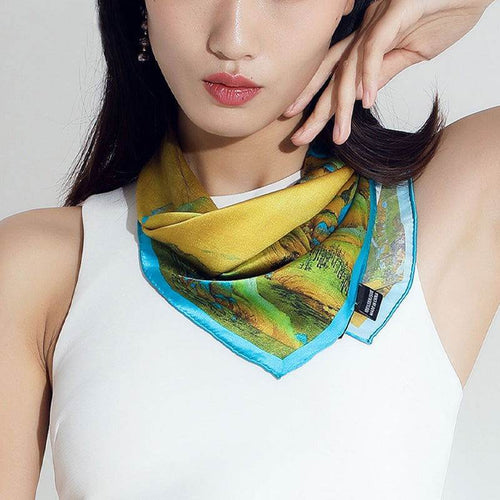
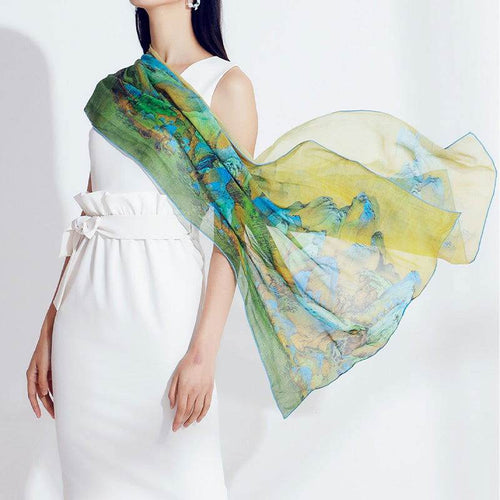
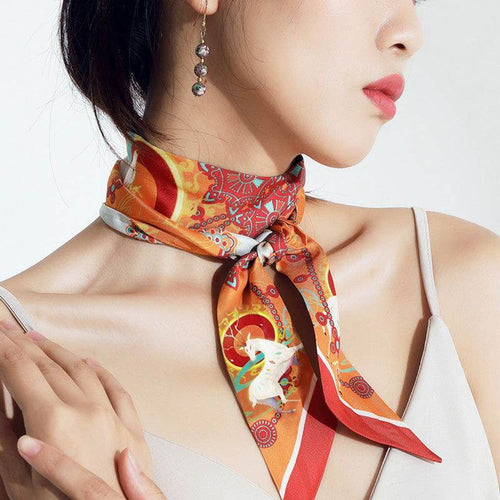
SinoCultural beautifully weaves the ancient art of Nanjing Yunjin into our silk scarves, bringing a touch of imperial luxury to your everyday life. Explore SinoCultural Nanjing Yunjin Silk Scarves & Gifts.

Table of Contents
- What is Nanjing Yun Brocade?
- The "Yun Material": Silk, Gold & Peacock Feathers
- Common Patterns and Their Symbolism
- The Elaborate 5-Step Production Process
- Understanding Yun Brocade Price and Value
- Where to Collect Modern Yun Brocade Art
- Frequently Asked Questions (FAQ)
What is Nanjing Yun Brocade?
Named for its brilliant and lustrous colors resembling clouds in the sky, Nanjing Yun brocade is distinguished by meticulous materials, intricate weaving, exquisite patterns, and elegant styles. Evolving from the excellence of previous generations, it incorporates valuable experiences from various silk weaving techniques, reaching the pinnacle of silk craftsmanship.
In ancient times, "Brocade" symbolized the highest level of textile technology. Nanjing brocades, as the foremost among China's Four Famous Brocades, served as imperial tribute during the Yuan, Ming, and Qing dynasties. Recognized by experts as the final milestone in the history of ancient Chinese brocade craftsmanship, it is hailed as the "Oriental Gem" and "Chinese Paragon." It remains a precious heritage of historical and cultural significance for the Chinese nation and the world.

The "Yun Material": Silk, Gold & Peacock Feathers
What exactly is the Yun material that makes this fabric so legendary? Unlike standard silk, Yun Brocade utilizes a breathtaking combination of ultra-luxury raw materials.
-
Mulberry Silk: The highest grade of natural silk forms the foundation.
-
Precious Metals: Real gold thread and silver thread are woven directly into the fabric to create a majestic, iridescent glow.
-
Peacock Feather Threads: For the most exclusive imperial robes, artisans spun vibrant peacock feathers into the threads, ensuring the colors would remain radiant and never fade, shifting beautifully under different lighting.
Common Patterns in Yun Brocade and Symbolism
Nanjing Yun Brocade, with its rich tapestry of patterns, showcases a diverse array of designs that reflect both cultural and artistic sophistication. These patterns are meticulously woven into the fabric, creating a harmonious blend of traditional symbolism and artistic expression.

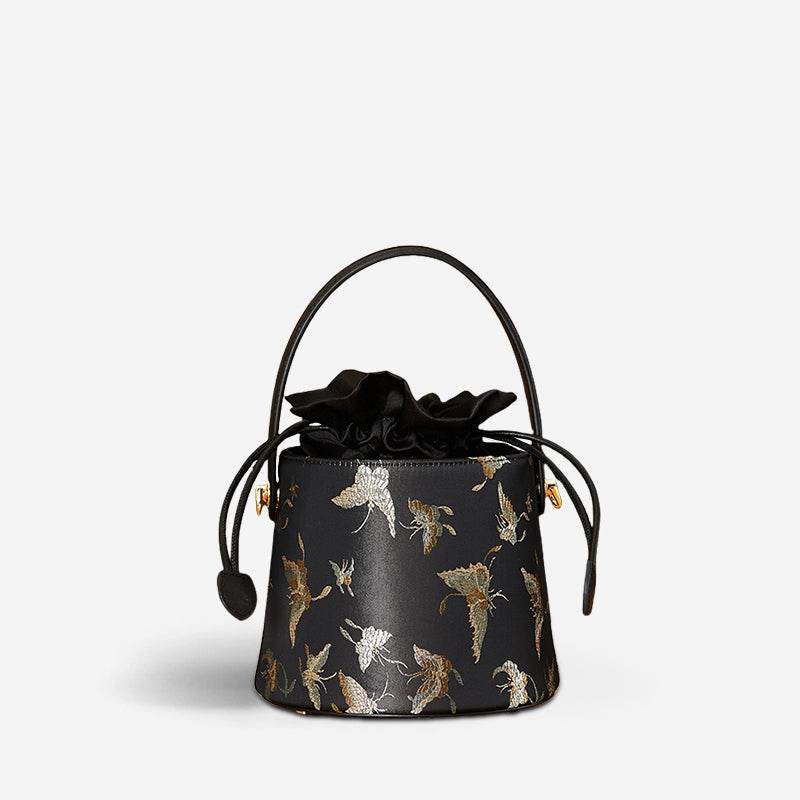
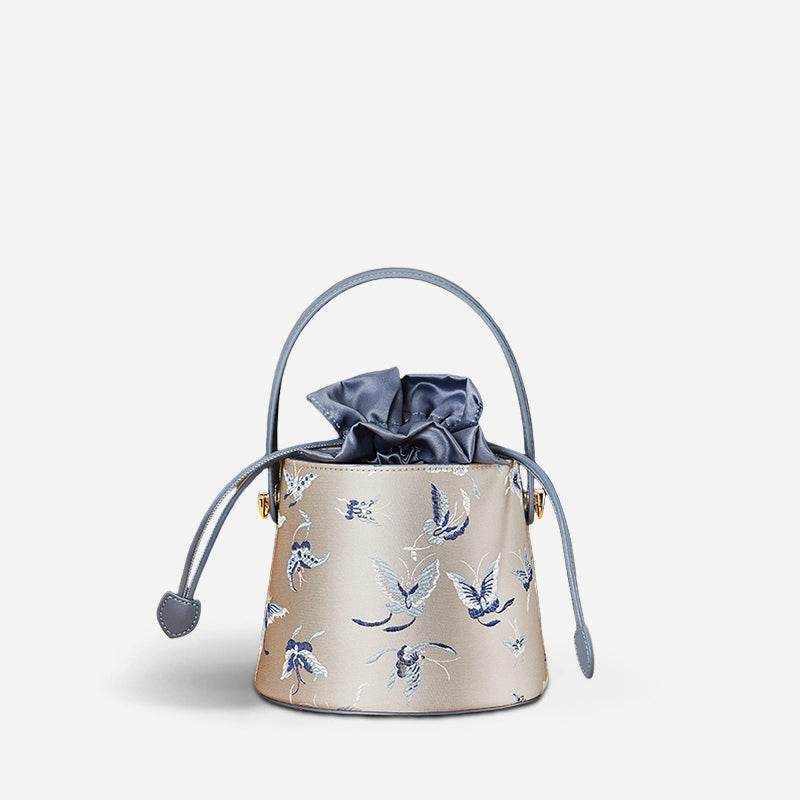
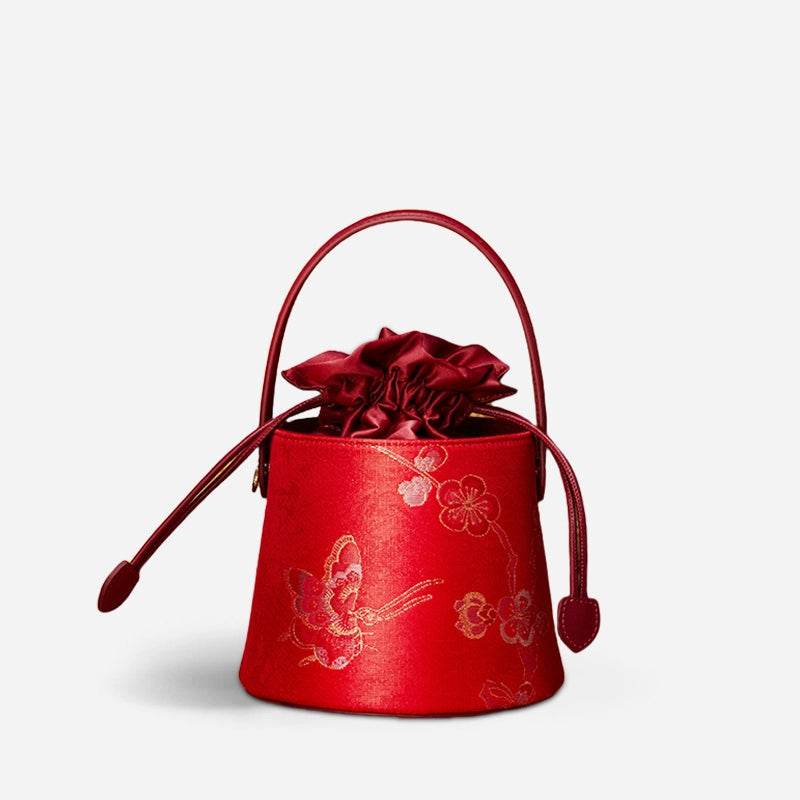
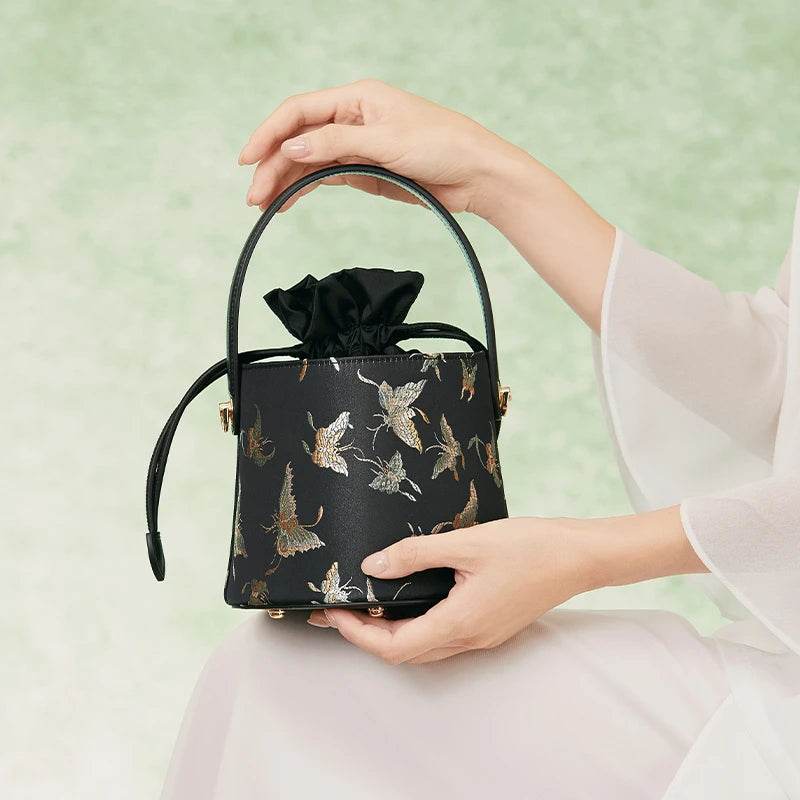
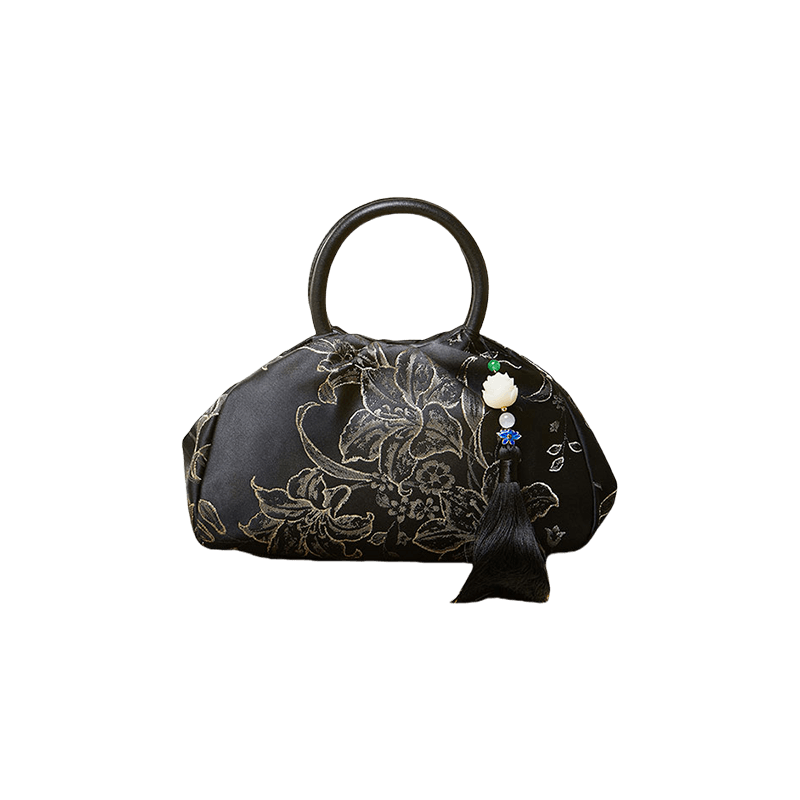
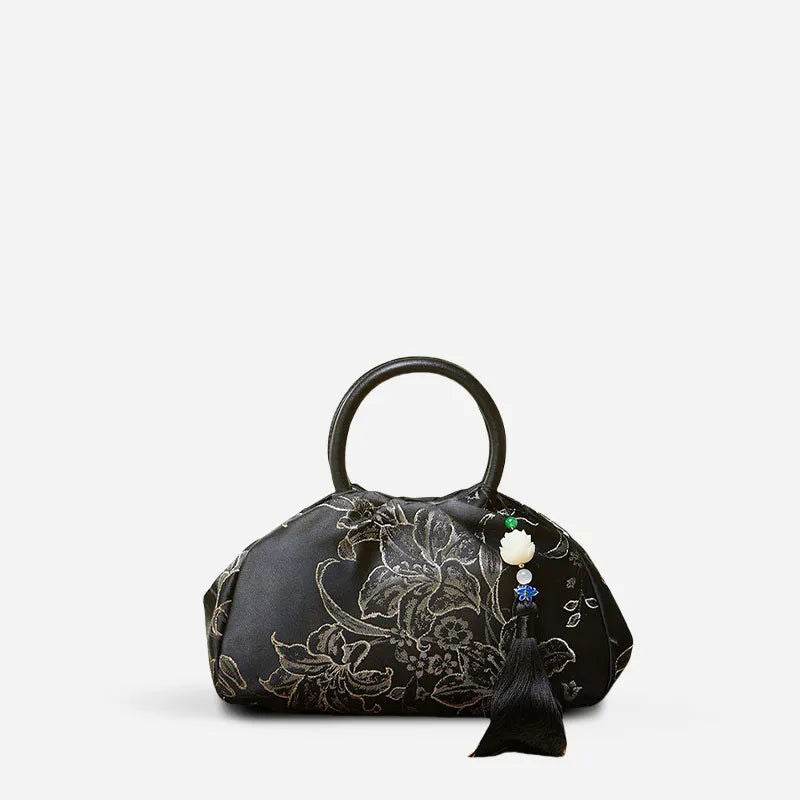
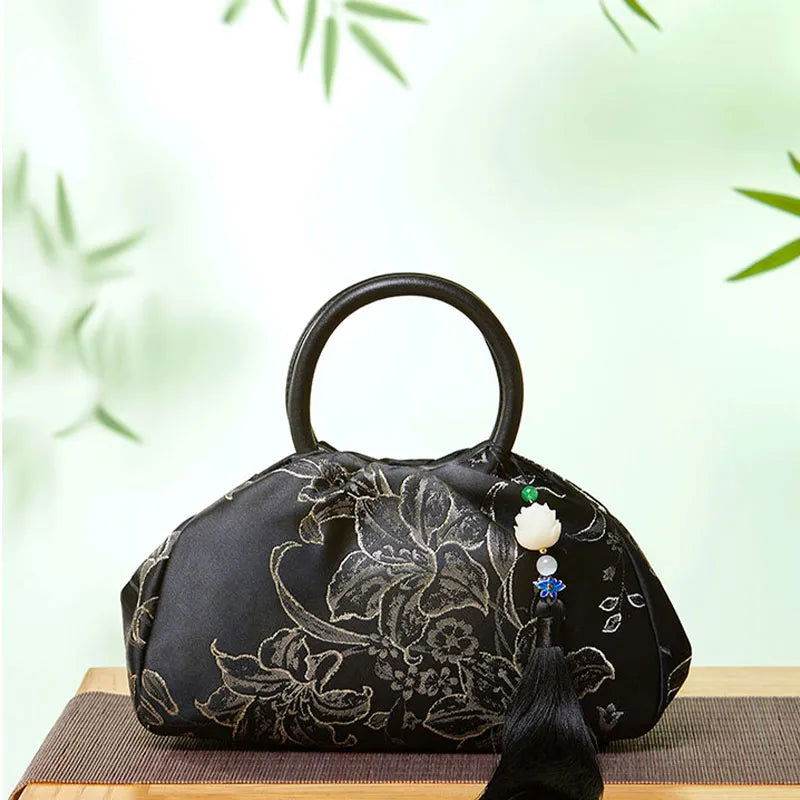
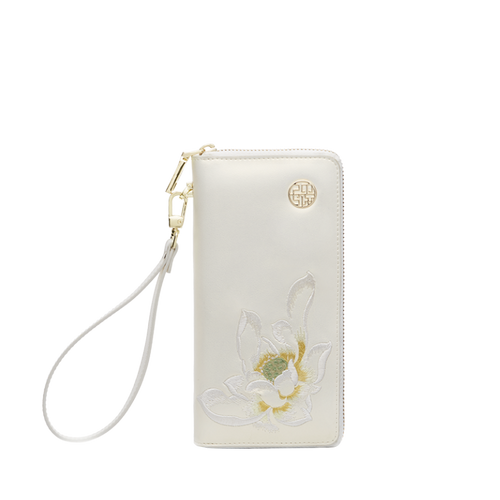
Each motif carries its own significance, contributing to the overall allure and cultural richness of Nanjing Yun Brocade. Today, you don't need to be an emperor to appreciate these imperial designs. By incorporating these profound symbols—such as the Auspicious Clouds or the majestic Phoenix—into modern daily items like the [SinoCultural Brocade handbags], this 1,600-year-old art form becomes a meaningful cultural gift or a sophisticated personal keepsake.

The Elaborate Production Process of Yun Brocade
The creation of a piece of Yun Brocade continues to employ the ancient Jacquard wooden looms, a craftsmanship reliant on human memory, defying modern machinery. The intricate production process is summarized into five main stages:

-
Pattern Design: Crafting a pattern begins with enlarging a small design into a larger one, filling it with colors, and meticulously marking a grid on the pattern, referred to as the design template.
-
Lifting Plan Creation: This step involves using a method reminiscent of knot-tying to structure the pattern into bundles of threads. This process shares similarities with computer programming, where the flower-pattern program is concealed within these intricate knots.
-
Raw Material Preparation: Depending on the pattern requirements, various embellishments such as gold thread and peacock feather threads are prepared alongside the base silk.
-
Loom Construction (The "Big Flower Tower"): The crucial Jacquard loom, often seen as a "living fossil" of ancient brocade weaving, requires meticulous installation of the needed warp threads. Steps include setting up the pattern cards and hoisting them.
-
Weaving: Two artisans must operate the massive loom simultaneously (one above pulling the threads, one below weaving). Steps like preparing the loom's pillars, counting threads, drawing fibers, picking twists, and lifting healds are all part of this harmonious blend of traditional craftsmanship and technological precision.
Understanding Yun Brocade of China Price and Value
Many collectors inquire about the Yun brocade of China price. The ancient saying "Inch of Brocade, Inch of Gold" (寸锦寸金) is not an exaggeration.
The Yun brocade of China value is astronomical due to two factors: the extreme cost of materials (real gold and peacock feathers) and the incredibly slow production rate. Even with two master artisans working together on a traditional wooden Jacquard loom, they can only weave about 5 centimeters (2 inches) of fabric per day.

Today, while large museum-grade Yun Brocade panels can cost hundreds of thousands of dollars, smaller modern accessories (like notebooks, scarves, or framed art pieces) make this imperial luxury accessible to global collectors.

Where to Collect Modern Yun Brocade Art
At SinoCultural, we believe that the highest achievement in Chinese silk weaving should be shared with the world. We incorporate the radiant aesthetics and imperial patterns of Nanjing Yun Brocade into our modern luxury collections.
Whether you are looking for a meaningful cultural gift or a piece of wearable history, explore our curated selection of traditional Chinese silk arts.
>>>[Explore SinoCultural Silk & Brocade Collections Here]
Frequently Asked Questions (FAQ)
Q: Why is Nanjing Yun Brocade so expensive?
A: Its high price is due to the use of precious Yun materials like real gold thread and peacock feathers, combined with an extremely slow, manual weaving process that produces only 5cm of fabric a day. It cannot be replicated by modern machines.
Q: Can machines make Yun Brocade today?
A: No. Authentic Nanjing Yun Brocade is still the only silk weaving technique that relies entirely on traditional, human-operated wooden Jacquard looms, as modern machines cannot handle the complex integration of heavy gold threads and delicate feathers.
Q: What is the most famous pattern in Yun Brocade?
A: The Dragon and Phoenix patterns, often surrounded by Auspicious Clouds (Ruyi Yun), are the most famous, as this fabric was exclusively used to weave the dragon robes for the Emperors of the Ming and Qing Dynasties.
More read:
Chinese Brocade Design: Colors, Patterns & The 4 Famous Styles | SinoCultural
Exploring the Craft of Song Brocade: A Thousand-Year-Old Art of Beauty and Tradition
The Rich Heritage of Zhuang Brocade: A Colorful Tradition
Rediscovering Shu Brocade: Li Ziqi Revives Traditional Chinese Craftsm