Skip to content

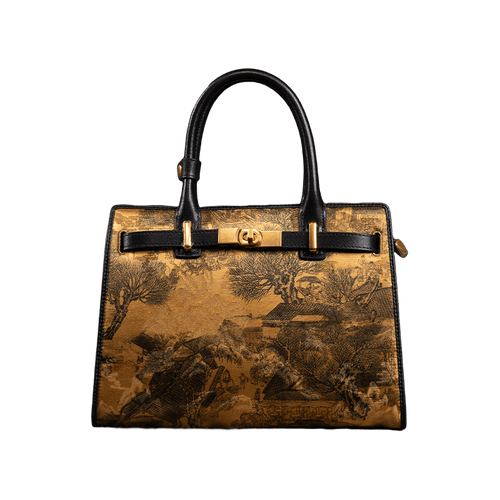
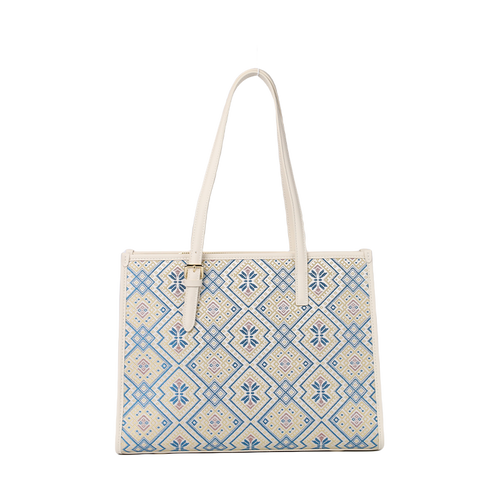
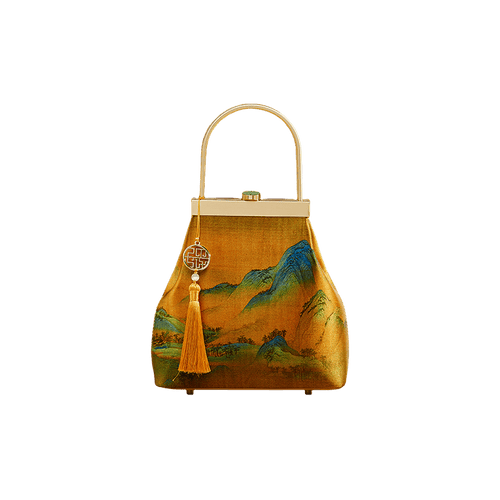




Editor's Note: This article has been updated to include insights on the viral panda-themed dress, price guides, and where to experience the art of Chengdu Shu brocade.
In a recent viral video titled For Everyone Who Knows My Name, global cultural icon Li Ziqi showcases an incredible piece of handmade art: a panda-themed Shu brocade dress that she crafted herself. The dress features exquisite lacquered buttons and a Shu brocade waistband, skillfully blending traditional Chinese craftsmanship with modern design. These two precious techniques, lacquer art and Shu brocade, highlight the rich cultural history of China.

Table of Contents
The Viral Phenomenon: Li Ziqi's Revival of Traditional Crafts
In her video, Li Ziqinot only created a stunning China Shu brocade panda dress but also emphasized the importance of preserving and reviving traditional crafts. By incorporating plant dyeing, silk production, and Shu brocade weaving into her design, Li Ziqi has brought these ancient techniques to a broader audience.
Her works blend traditional Chinese art with modern aesthetics, showcasing the charm of these crafts while making them more accessible to contemporary life.Li Ziqi has garnered widespread attention for Shu brocade by integrating this traditional Chinese craft into modern design. She encourages viewers to explore the cultural history embedded in every stitch and thread, helping to bring ancient techniques closer to modern fashion.
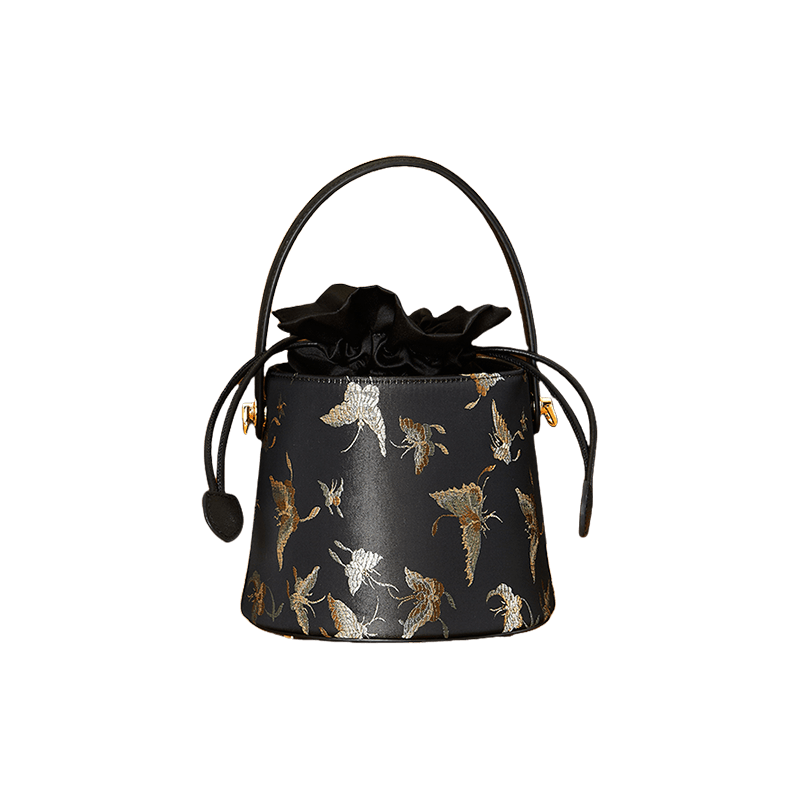
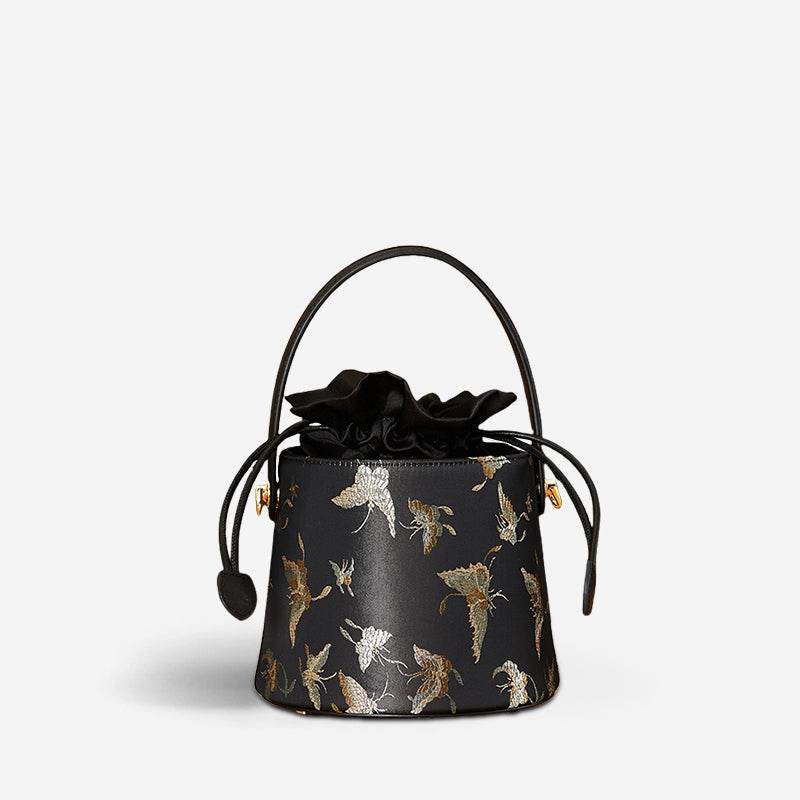
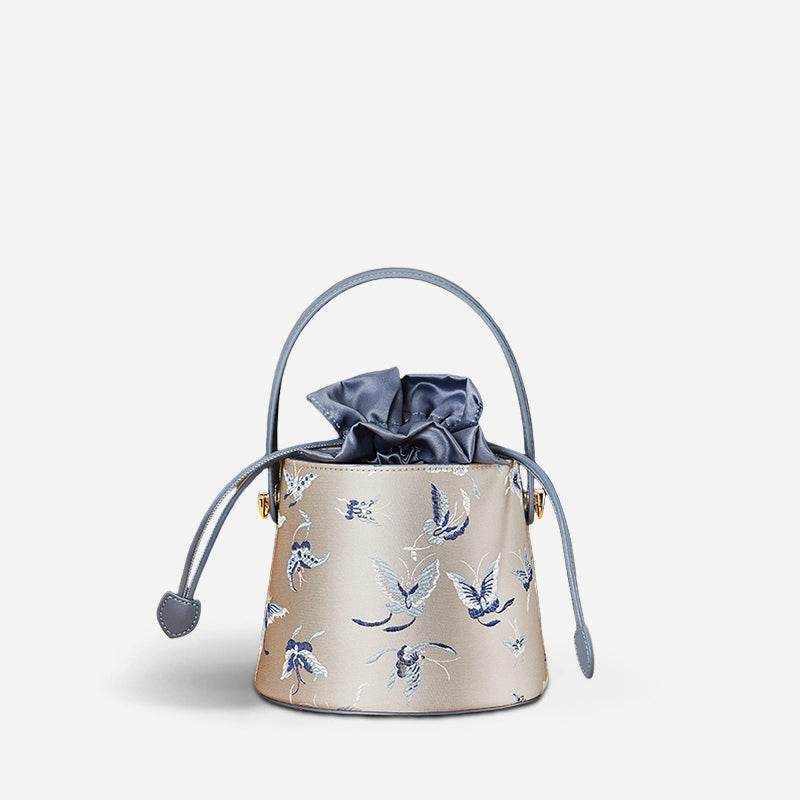
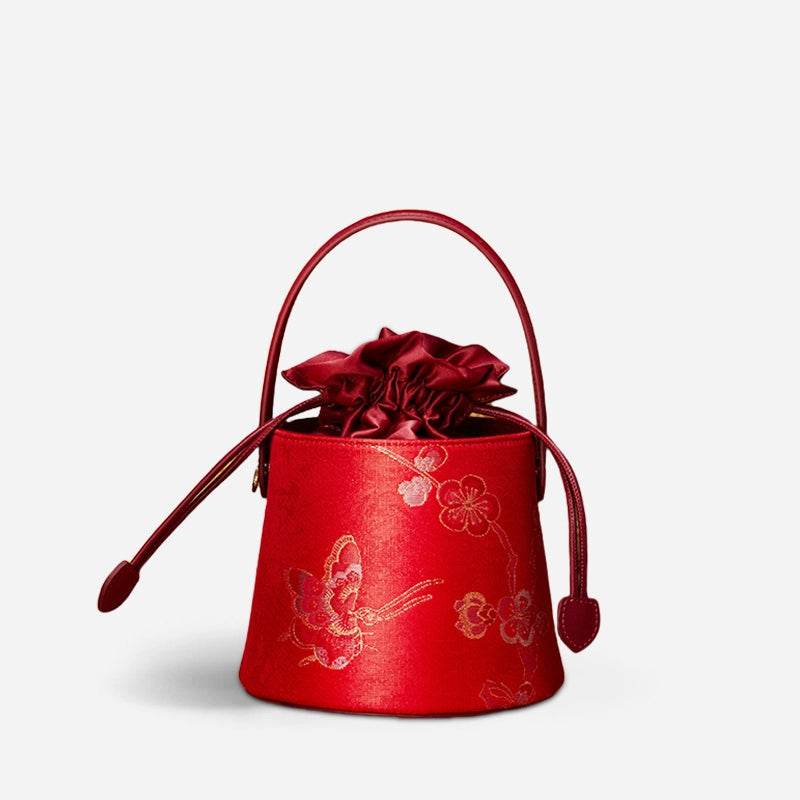
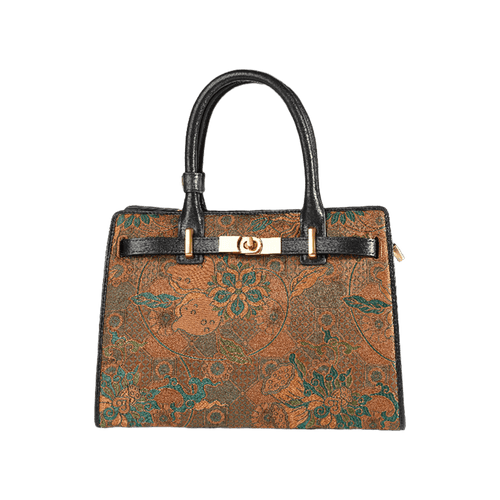
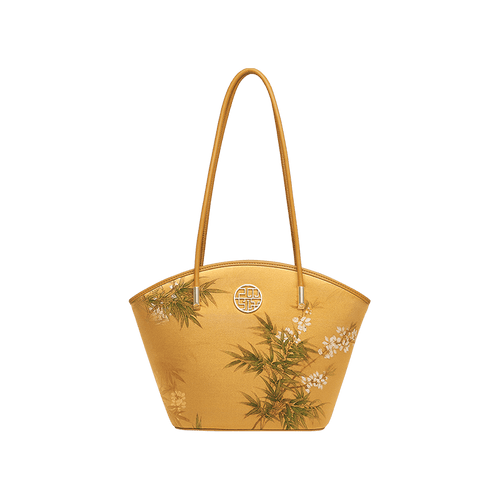
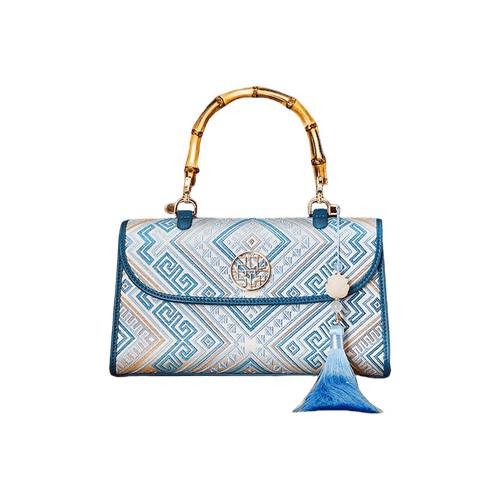
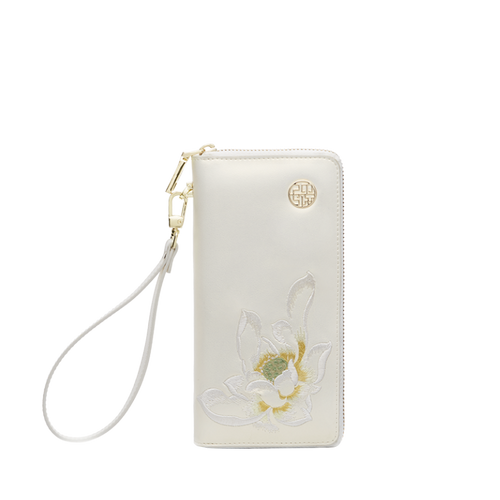
For international fans searching for Li Ziqi products or wishing to incorporate this serene, traditional aesthetic into their own lives, understanding the fabric she used—Shu brocade—is the perfect starting point. >>>Explore Shu Brocade products in SinoCultural: Chinese Handmade Luxury Brocade Handbags & Purses | SinoCultural

The Charm of Shu Brocade
Shu brocade is renowned for its exceptional quality and artistic allure, originating from Sichuan province (particularly Shu brocade Chengdu), with a history spanning over 2,000 years. It was once a luxury item for Chinese royalty and nobility.
Shu brocade is one of China’s “Four Famous Brocades,” alongside Suzhou’s Song brocade, Nanjing’s Yun brocade, and Guangxi’s Zhuang brocade. Known for its intricate patterns and vibrant silk threads, Shu brocade uses five primary colors—red, yellow, green, blue, and black—woven into complex and delicate designs, representing the pinnacle of Chinese craftsmanship.

The History and Unique Craft of Shu Brocade
The history of Shu brocade dates back to the Han dynasty, with its craftsmanship reaching its peak during the Tang dynasty. According to the historical text Danyang Ji, Shu brocade was so valuable that it was said, "An inch of brocade is worth an inch of gold," meaning its rarity was as precious as gold itself.
In ancient times, only the royal family and nobility had access to Shu brocade. The production process for Shu brocade is complex, involving multiple steps including thread preparation, dyeing, design, and weaving. The final brocade not only dazzles with its visual impact but also holds profound cultural value.
The Craftsmanship of Shu brocade:
Creating Shu brocade involves several intricate processes:
-
Dyeing: The silk threads must undergo precise dyeing using natural plant materials, with each color carefully processed.

-
Pattern Design: After dyeing, the design of the patterns is a crucial step, often incorporating elements from nature, history, and mythology.

-
Weaving: The final step is the weaving process, where artisans use specialized traditional wooden looms to meticulously create intricate patterns, showcasing the complexity and delicacy of the designs.

Understanding the Shu Brocade Price and Value
After seeing Li Ziqi's painstaking process, many viewers wonder about the Shu brocade price. Because authentic, handmade Shu brocade requires months of labor on a traditional loom, it remains a true luxury item.

Historically "worth its weight in gold," today, a small authentic handmade Shu brocade panel or scarf can cost hundreds of dollars, while larger intricate garments or tapestries can range into the thousands. It is highly valued not just as a fabric, but as an investable piece of intangible cultural heritage.
Where to Experience It: Chengdu Shu Brocade and Embroidery Museum
If you are inspired by the rich textures of the panda dress and want to see this art form in person, the ultimate destination is the Chengdu Shu Brocade and Embroidery Museum in Sichuan, China. Click to learn about Shu Embroidery: Shu(Sichuan) Embroidery : History, 130+ Stitches & Price Guide | SinoCultural

As the birthplace of this craft, the museum houses ancient looms, historical royal garments, and offers live demonstrations where master weavers operate massive traditional jacquard looms, exactly like the ones that inspired modern revivals.
Travel to Chengdu? Read our Guide: Chengdu Travel Guide 2026: Where to Stay, Food & Shu Brocade | Sinocultural
Discover More Traditional Chinese Crafts at SinoCultural
At SinoCultural, we deeply appreciate the value of traditional Chinese crafts and are proud to share these cultural treasures with a global audience. The revival and reinvention of craftsmanship shown by Li Ziqi reminds us that this art is a living testament to culture and creativity.

While she creates her own garments, we at SinoCultural carefully select and design products that bring these traditional crafts to your everyday wardrobe. Currently, we offer a breathtaking range of luxury products made from Song brocade, Zhuang brocade, and Yun brocade, all representative of these imperial techniques.
Shu brocade, with its deep historical and cultural significance, will soon be added to our product line. Every piece in our collection is crafted with the masterful skill of artisans, merging elegance and practicality with modern design.
Inspired by the traditional Chinese aesthetic?
>>>[Explore SinoCultural's Premium Brocade & Silk Collections Today]

Frequently Asked Questions (FAQ)
Q: Did Li Ziqi make the Shu brocade panda dress from scratch?
A: Yes, in her viral video, Li Ziqi showcases the painstaking traditional process of crafting the dress. She highlights the integration of intangible cultural heritage skills, from preparing the raw silk and natural plant dyes to operating the massive, complex wooden loom required for authentic Chengdu Shu brocade.
Q: What is the difference between Shu brocade and Song brocade?
A: Both are among China's "Four Famous Brocades." Shu brocade (from Sichuan) is known for its brightly colored warp threads and bold, vivid patterns (like the panda motifs). Song brocade (from Suzhou), which we currently offer at SinoCultural, is characterized by more elegant, subdued, and geometric patterns, often used in classical Chinese aesthetics.
Q: Is Shu brocade made of real silk?
A: Yes, authentic traditional Shu brocade is woven entirely from high-quality natural mulberry silk. The silk threads are often dyed with natural plant extracts before weaving, giving the fabric its signature luminous sheen and enduring color.
Q: Where can I buy authentic Shu brocade products or similar traditional crafts?
A: True handmade Shu brocade is rare and often customized. However, if you are looking for premium traditional Chinese craftsmanship, SinoCultural offers exquisite collections of Song brocade, Yun brocade, and Zhuang brocade products. We are also actively curating a genuine Shu brocade collection to bring this imperial art straight to your wardrobe.