 Skip to content

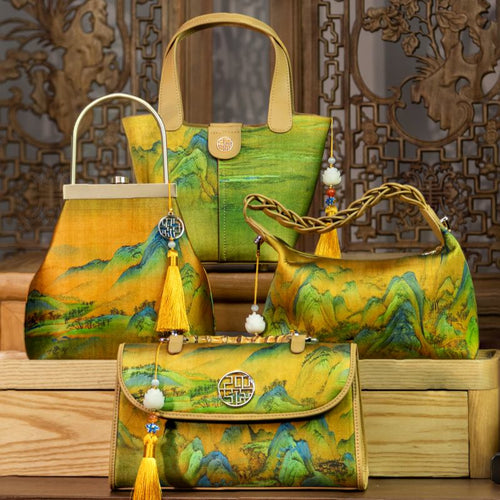
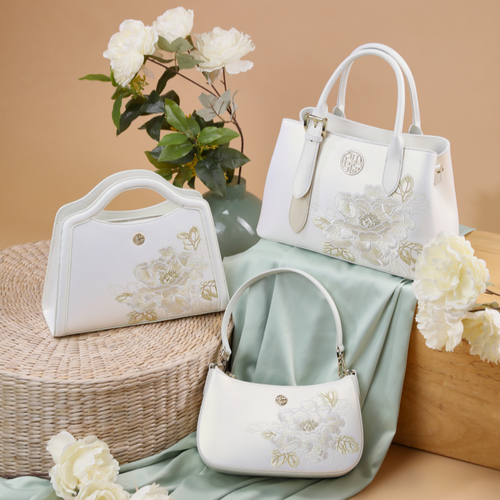
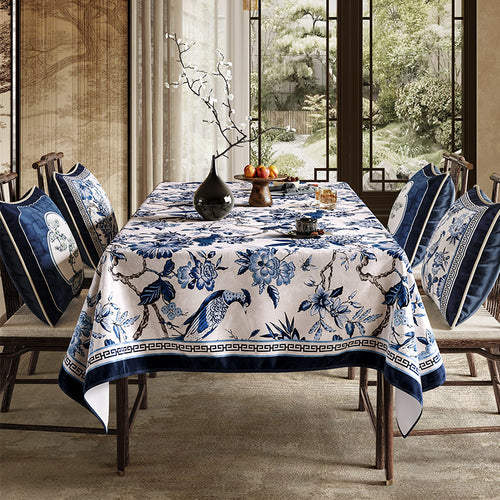
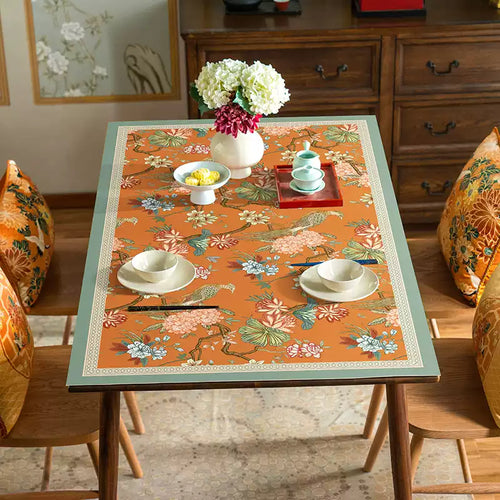
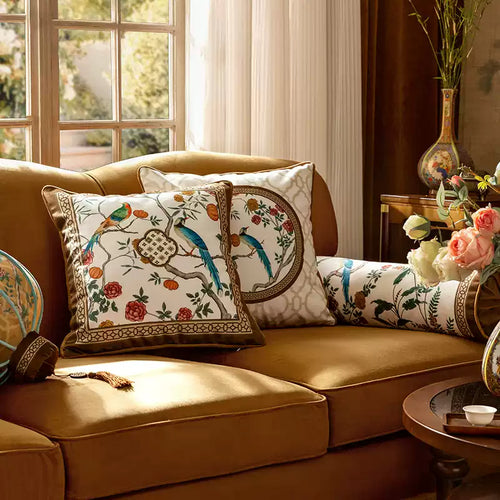
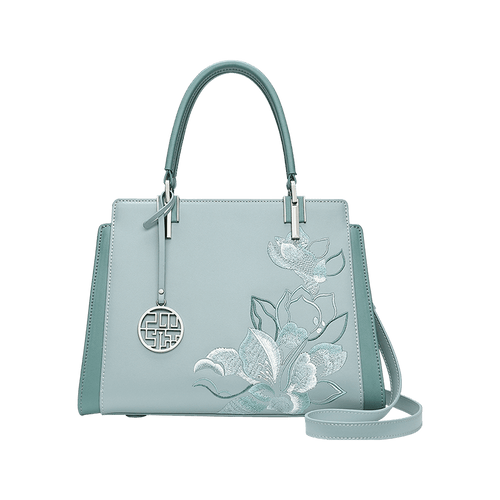
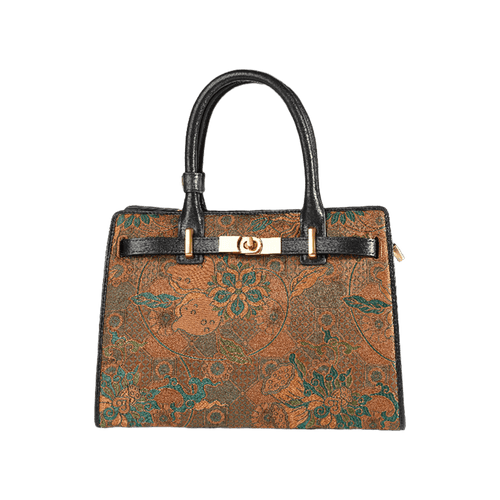
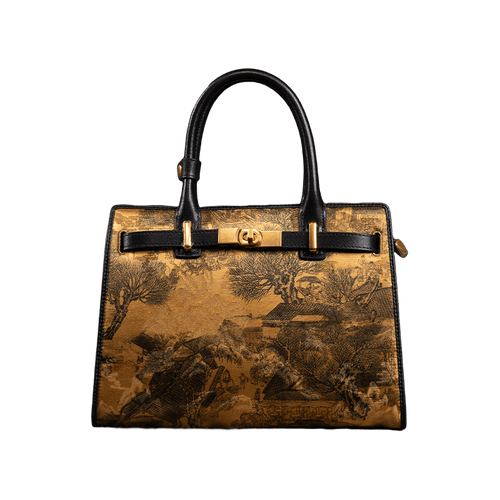
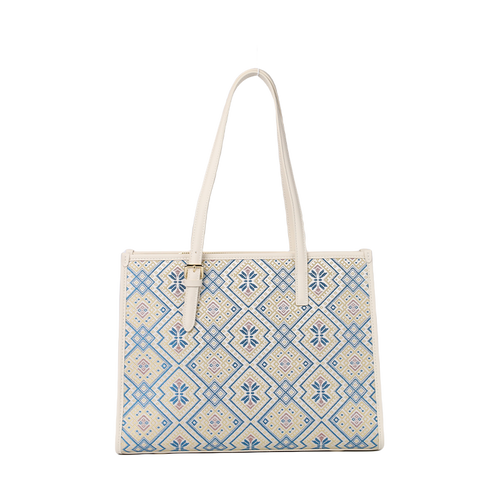
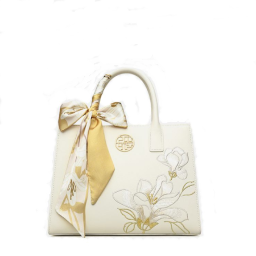
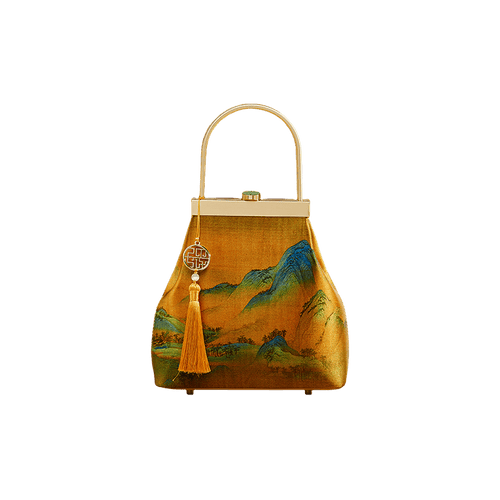
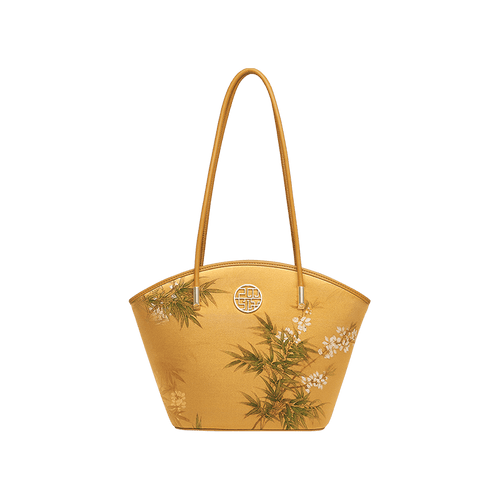
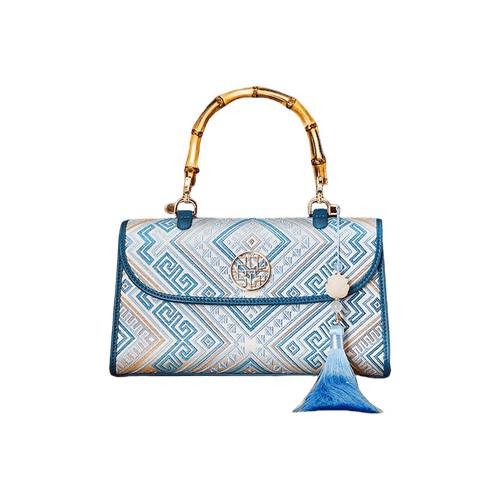
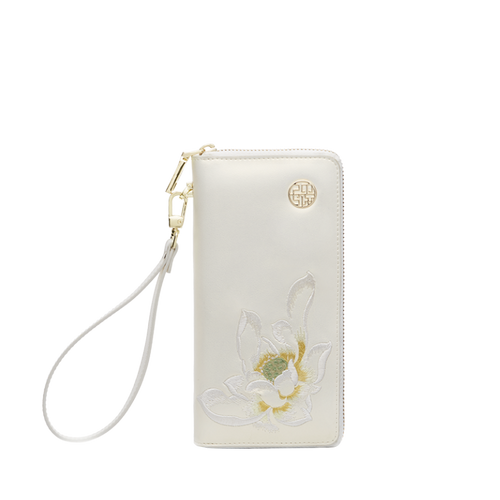
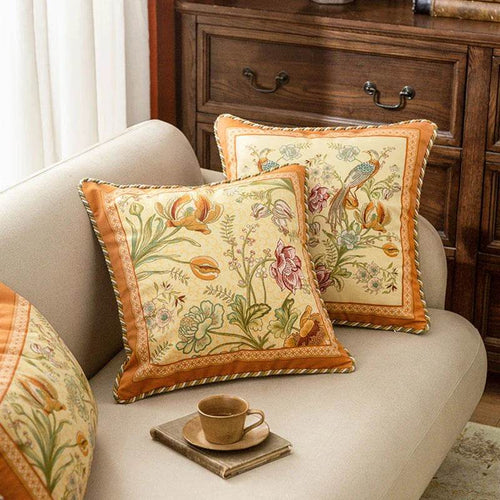
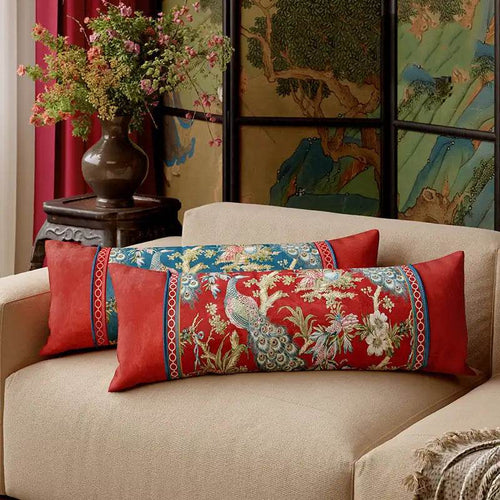
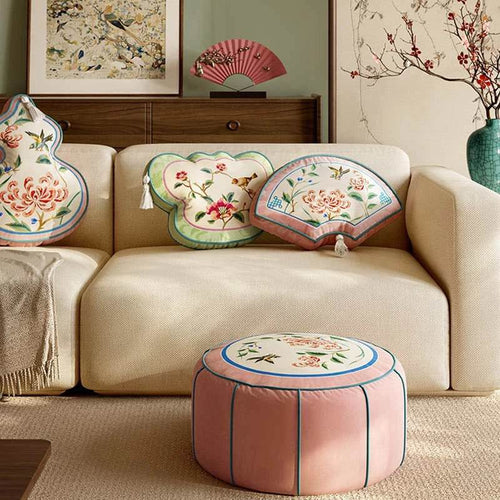
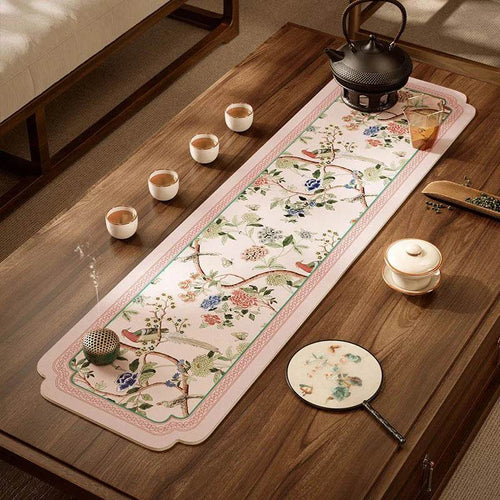
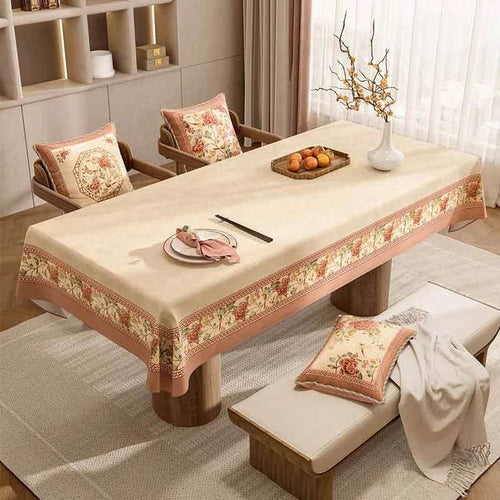
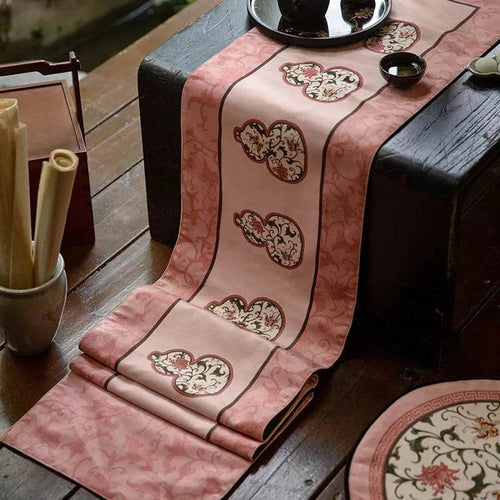


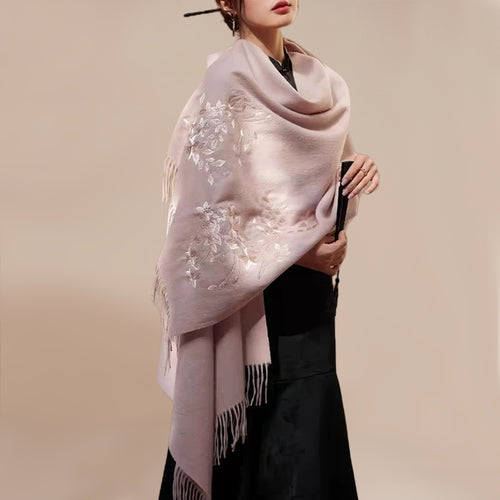
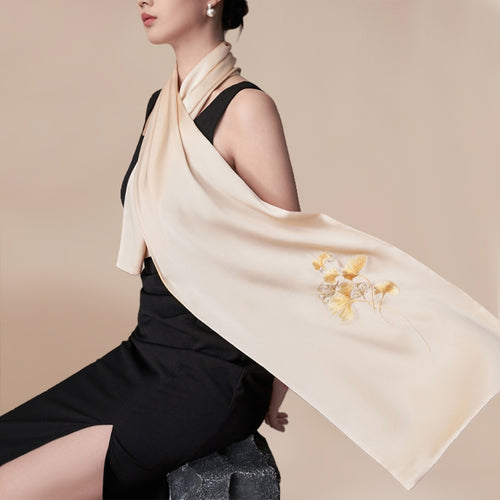
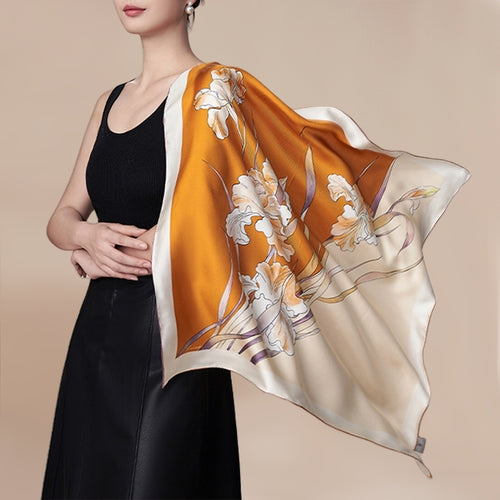
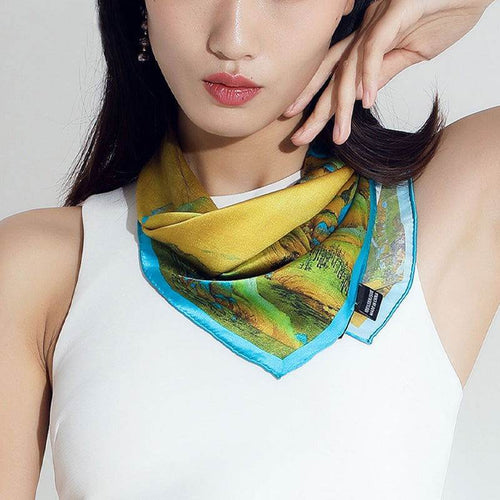
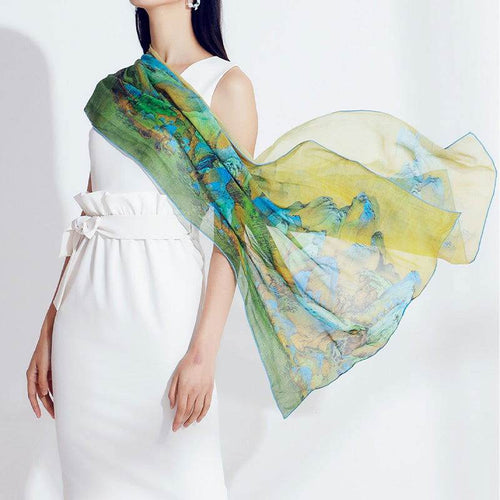
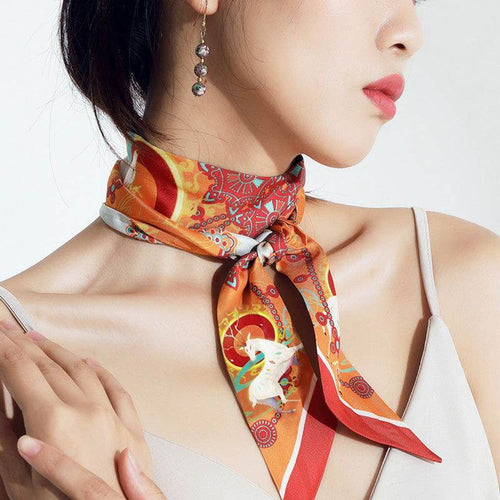


Song Brocade, one of China's traditional silk crafts, is also known as 'Suzhou Song Brocade' due to its main production area in Suzhou. Renowned for its splendid colors, exquisite patterns, and soft texture, Song Brocade is hailed as the 'Crown of Brocades' alongside Nanjing Yun Brocade, Sichuan Shu Brocade, and Guangxi Zhuang Brocade, forming the four famous brocades of China. More about China Four Brocades: Chinese Brocade Fabric (Jin): The 4 Famous Brocade, Patterns & History

Table of Contents
- What is Song Brocade? History and Origins
- What to Buy in Suzhou: Porcelain and Brocades
- Craftsmanship Features & Natural Dyes
- The Usage of Song Brocade: From Tradition to Modern Fashion
- The 3 Main Types of Song Brocade on the Market
- Renowned Brands and How to Spot Fake Song Brocade
- Frequently Asked Questions (FAQ)
What is Song Brocade? History and Origins
Song brocade boasts a profound history of over 2,700 years, originating during the Spring and Autumn Period (770 BC) and reaching its golden age of artistic flourishing during the Song Dynasty (960–1279 AD). Because its main production and development area has historically been Suzhou, it is widely revered worldwide as "Suzhou Song Brocade."
1. The Masterful "Two-Warp, Three-Weft" Weaving Technique
What makes Song brocade a luxury textile is its demanding production process, woven entirely from premium mulberry silk. The core of Song brocade craftsmanship lies in its "three-end twill weave" and a complex system known as the "two-warp, three-weft" technique:
-
The Warp (Vertical) Threads: Divided into two layers—the base warp (providing structural strength) and the face warp (creating the visual surface).
-
The Weft (Horizontal) Threads: Divided into three distinct roles—the ground weft, the pattern weft, and the color-changing weft.
-
Partitioned Shuttle Weaving: By utilizing a highly skilled segmented color-changing shuttle technique, artisans interweave these threads so the fabric exhibits a perfectly smooth and delicate finish on both sides. This results in symmetrical, rigorous patterns with exceptionally harmonious color palettes.

2. The 3 Main Classifications of Song Brocade
Due to differences in structure, fabric thickness, and performance, authentic Song brocade is traditionally categorized into three main structural types:
1. Da Jin (Large Brocade - The Premium Tier)
This is the most luxurious and complex category, which is further subdivided into two types based on thickness:
-
Heavy Brocade: Thick, robust, and opulent. Historically used for grand palace decorations, hall mountings, and imperial use.
-
Fine Brocade: The most representative and widely used type of Song brocade. It features a moderate thickness, making it the perfect material for high-end clothing, fashion accessories, and fine art framing.

2. He Jin (Box Brocade)
A slightly less complex weave, primarily designed for practical elegance. It is commonly used for mounting traditional folding screens, luxury gift boxes, and ancient bookbindings.

3. Xiao Jin (Small Brocade)
As the name suggests, this category features smaller, repeating geometric or floral patterns. It is frequently used for decorative borders, edgings on garments, and delicate traditional accessories.
What to Buy in Suzhou: Porcelain and Brocades
If you are planning a trip to the "Venice of the East" and wondering what to buy in Suzhou, the answer lies in its ancient craftsmanship. While many tourists look for silk scarves, true collectors seek out porcelain and brocades.
Suzhou is the historic heart of Jiangnan culture. Pairing a delicate piece of Suzhou porcelain with a meticulously woven Song Brocade table runner or artwork represents the pinnacle of traditional Chinese aesthetics. It is widely considered the most luxurious and culturally significant souvenir you can acquire in the city.

Craftsmanship Features & Natural Dyes
The production process of Song Brocade is intricate, characterized by the simultaneous display of warp and weft threads.
The dyeing process requires the use of pure natural dyes. The silk is dyed according to the pattern's requirements before entering the weaving process. The selection of dyes is highly stringent, mostly using plant-based dyes and some mineral dyes, all hand-dyed.
Song Brocade patterns typically have a geometric framework filled with floral designs, auspicious grass, or patterns symbolizing the Eight Treasures, Eight Immortals, or Eight Auspicious Symbols.

The Usage of Song Brocade: From Tradition to Modern Fashion
The Usage of Song Brocade:
Song Brocade not only possesses considerable appreciation and collectible value but also addresses a practicality issue that other silk handicrafts struggle to achieve. Typically, art pieces are delicately displayed in frames, similar to traditional paintings, limiting their practicality. However, Song Brocade's craftsmanship ensures its versatility, as it has a robust texture that can withstand various uses and can be repeatedly washed.
The practicality of Song Brocade is remarkable, featuring a soft and durable texture, exquisite patterns, wear resistance, and the ability to withstand repeated washing. Combining traditional craftsmanship with modern aesthetic concepts, pioneering brands have successfully innovatively applied Song Brocade to a wide range of fields. This allows Song Brocade, originally reserved for framing paintings, to truly enter the homes of ordinary people.
Modern Song Brocade Fashion:
Today, this ancient fabric is making waves in the luxury fashion industry. It is highly sought after for creating structured brocade coat Song dynasty-inspired fashion, elegant handbags, and even delicate jewelry like Song brocade earrings and Song brocade tassel earrings.
At SinoCultural, we celebrate this durable and gorgeous fabric by offering curated collections of modern silk fashion.
>>>[Explore SinoCultural's Premium Silk & Embroidery Collections Here]

The 3 Main Types of Song Brocade on the Market
When shopping for this luxurious fabric, it is essential to understand that there are three main types of Song brocade available today:
1. Old Song Brocade (The Traditional Masterpiece)
Old Song brocade adheres strictly to ancient techniques, boasting exquisite craftsmanship and rich cultural heritage.
-
The Loom: Handcrafted on a traditional ironwood loom.
-
Dimensions & Material: Extremely low production volume with a narrow width of only 72 centimeters. Made entirely from 100% pure mulberry silk.
-
Visual & Tactile Features: It features delicate patterns, clear edges, and a strong three-dimensional effect. The selvage (edge) is neat and smooth, commonly known in the trade as a "polished edge."
-
Best For: Due to its complex craftsmanship and scarcity, it is primarily used for high-end custom clothing, expensive art collections, and reproductions of museum exhibits.

2. New Song Brocade (The Modern Innovation)
New Song brocade offers enhanced practicality, better suited to modern fashion needs, while being more efficient and accessible.
-
The Loom: Woven using a modern high-speed rapier loom, allowing for high output.
-
Dimensions: Can reach a much wider width of 140 centimeters.
-
Visual Features: The edges often have fine, fluffy hairs, creating a "rough edge" effect.
-
Best For: Most authentic Song brocade on the commercial market today is "new" brocade. It is perfectly suited for making various elegant garments such as Cheongsams (Qipaos), brocade coats, and Chinese-style tops.
3. Imitation Song Brocade (The Synthetic Alternative)
These garments merely imitate historical Song Dynasty brocade patterns.
-
Technique & Material: Made using a simple jacquard technique, primarily using polyester or synthetic blends as the raw material.
-
The Drawback: Although they resemble the ancient style from a distance, the patterns are not refined enough. The colors often appear either unnaturally bright or too dull, completely lacking the natural texture, softness, and iridescent luster of genuine silk Song brocade.
Renowned Brands and How to Spot Fake Song Brocade
The revitalization of this national intangible cultural heritage has been driven by renowned master weavers and brands. In China, the most famous Song brocades are often associated with four master artisans: Qian Xiaoping, Shang Jiukai (UpJiuKai), Li Dexi, and Lu Meiying. Each of their styles possesses unique characteristics in terms of color palette, pattern, and texture.

However, because of the global popularity of Song brocade, inferior fake (polyester) versions have flooded the market. As a smart consumer, you can make an accurate preliminary judgment by checking these three elements:
1. Check the Anti-Counterfeiting Stamp (The Logo)
Authentic luxury products will always have an anti-counterfeiting mark. If you are buying raw fabric, authentic pieces will have a distinct logo stamp woven or printed directly on the edge of the fabric. If you are buying ready-made high-end clothing, the artisan or seller will sew a dedicated authenticity stamp on the inside of the garment.
2. Check the Care Label Closely
A genuine, high-investment piece will proudly and clearly state its material. Genuine care labels will strictly say "100% Mulberry Silk" (100% 桑蚕丝). Be highly suspicious of vague wording such as "Silk Blend," "Art Silk," or simply "Pure Silk Brocade" without specifying mulberry silk, as these are often marketing tricks for synthetics.
3. Evaluate the Price and Retailer
Authentic Song brocade, whether "Old" or "New," requires expensive raw silk and intensive labor. If the price seems too good to be true, it is likely imitation polyester jacquard.
Shop with Confidence at SinoCultural:
To avoid the risks of the mass market, discerning buyers turn to trusted curators. At SinoCultural, we strictly source and offer only premium, authentic silk crafts. Whether you are looking for an exquisite traditional embroidered scarf or a piece of silk art, we guarantee the heritage and quality of every thread.
>>> [Discover Authentic Chinese Silk Crafts at SinoCultural]

Frequently Asked Questions (FAQ)
Q: Why is Song Brocade called the 'Crown of Brocades'?
A: It earned this title because of its highly intellectual and refined geometric patterns, its durability, and its historical status as the preferred material for mounting the most precious imperial paintings and calligraphy during the Song Dynasty.
Q: Can Song Brocade be washed?
A: Yes! Unlike many delicate silk embroideries that cannot touch water, one of the greatest practical advantages of Song Brocade is its robust texture. Authentic pieces are wear-resistant and can withstand careful, repeated washing without losing their shape.


