Skip to content








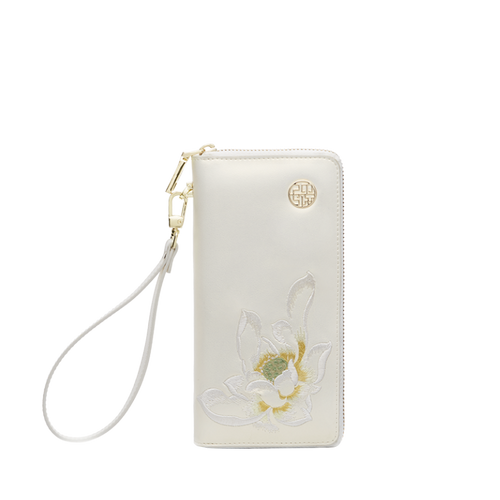

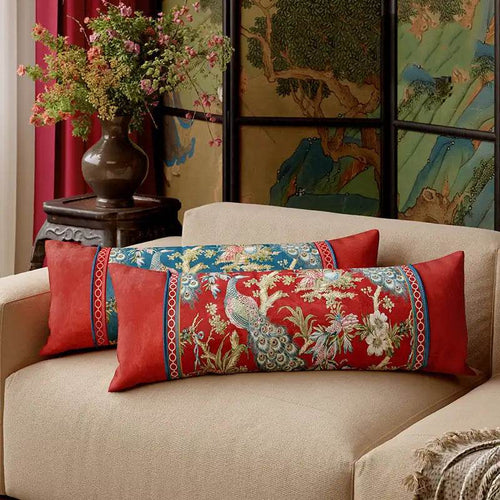
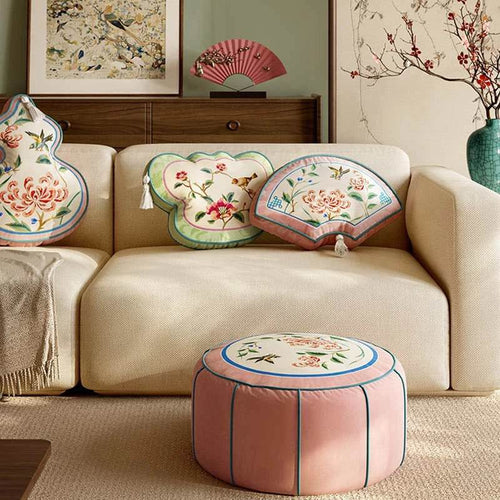
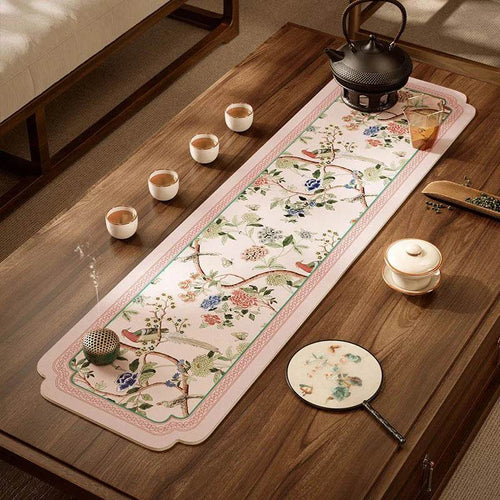








What connects China's first emperor, the golden age of the Tang Dynasty, and the ancient Silk Road? The answer lies in Xi'an.
Once known as Chang'an, Xi'an was the capital of the Tang Dynasty, while nearby Xianyang served as the Qin capital. Just outside the city, the world-famous Terracotta Warriors, often called the "Eighth Wonder of the World," reveal the legacy of China's first emperor. Xi'an was also a major eastern starting point of the Silk Road, connecting China with distant lands through trade and cultural exchange.
But Xi'an isn't just about ancient history. From walking along centuries-old city walls to enjoying authentic local dishes at restaurants loved by locals, there's so much to experience. Get to know Xi'an through this guide before experiencing it for yourself.
Table of Contents
- Xi'an: History & Spirit of the Ancient Capital
- Qin & Tang Heritage: History, Crafts & Folk Arts
- Explore Xi'an: Must-See Attractions & Suggested Routes
- What to Eat in Xi'an: Local Food Guide
- Xi'an Souvenirs & Cultural Gifts
- Final Thoughts: Discover the Spirit of Xi'an
- Xi'an Travel FAQ
- Essential Xi'an Travel Tips
Xi'an: History & Spirit of the Ancient Capital
Long before Xi'an was known as Chang'an, the Guanzhong Plain was home to the Western Zhou and later the Qin, who unified China in 221 BCE with nearby Xianyang as their capital. Chang'an went on to become a major capital under the Han and Tang dynasties, placing this region at the center of Chinese politics and culture for centuries.
As an eastern starting point of the ancient Silk Road, Chang'an welcomed merchants, monks, and travelers from across Asia and beyond. Along with silk and spices came new religions, music, art, and ideas. These exchanges left their mark on the city's architecture, food, and traditions, giving Xi'an a cultural identity shaped by centuries of contact with the wider world.

Today, that history remains part of Xi'an's identity. Tang Everbright City brings Tang-inspired culture to life, while universities and aerospace research reflect the city's modern ambitions. Beyond the landmarks, neighborhood restaurants, familiar customs, and the down-to-earth character of Guanzhong give Xi'an a warmth that visitors can experience for themselves.
Qin & Tang Heritage: History, Crafts & Folk Arts
From Qin to Tang: Two Golden Chapters of Chinese History

The Qin Dynasty changed the course of Chinese history. After unifying China in 221 BCE, Emperor Qin Shi Huang introduced common standards for writing, weights, and measures. His famous Terracotta Army also reveals the remarkable craftsmanship of the time. Thousands of life-sized clay soldiers were created with carefully detailed armor, hairstyles, and facial features, offering a rare glimpse into the skills of ancient Chinese artisans.
Centuries later, Chang'an flourished as the capital of the Tang Dynasty. Merchants, musicians, and travelers brought influences from across Asia, enriching the city's art, fashion, and everyday life. Silk textiles, colorful ceramics, music, and Buddhist art all reflected the cultural exchanges that made Tang-era Chang'an one of the world's great cities.
Living Folk Arts: Xi'an's Traditional Craftsmanship

Beyond its imperial heritage, Xi'an is home to folk arts passed down through generations. Yabai embroidery, from Zhouzhi County, is known for its bright colors and auspicious patterns, traditionally used on wedding items and household textiles. Shaanxi paper cutting transforms simple sheets of red paper into flowers, animals, and good-luck symbols, often displayed during festivals and family celebrations.
The region also has a lively tradition of storytelling through performance. Shaanxi shadow puppetry uses intricately carved leather figures to tell stories behind an illuminated screen, while Qinqiang Opera, one of China's oldest regional opera traditions, is known for its powerful singing and bold facial makeup. Together, these art forms offer another way to experience the local culture beyond Xi'an's famous historical sites.
Explore Xi'an: Must-See Attractions & Suggested Routes
1.Route 1: Imperial History in Lintong

Terracotta Warriors → Lishan Garden → Huaqing Palace
Start at the Terracotta Warriors, about an hour's drive east of central Xi'an. Don't miss Pit 1, where thousands of life-sized terracotta soldiers and military officers stand in the vast excavation hall. Then take the free shuttle bus to Lishan Garden to see Qin Shi Huang's burial mound and the surrounding archaeological sites.
Next, take a taxi to Huaqing Palace, where you can explore the imperial bathing pools and traditional gardens. If you have time, stay for the evening performance The Song of Everlasting Sorrow, which tells the love story of Emperor Xuanzong and Yang Guifei.
Travel Tip: Short on time? Prioritize the Terracotta Warriors. If you want to explore all three attractions, set aside a full day.
Visitor Information
Opening hours, tickets & booking details
← Swipe or scroll to explore all three attractions →
Note: Opening hours, ticket prices and booking policies may change. Please check the official websites before your visit.
2.Route 2: Ancient Walls & Tang Chang'an

Xi'an City Wall → Giant Wild Goose Pagoda → Tang Everbright City
Start at Xi'an City Wall, entering through Yongning Gate (South Gate). Walk or rent a bicycle along the ancient walls for great views of the old city and its modern surroundings. Then take the metro or a taxi to Giant Wild Goose Pagoda, a landmark of Tang Dynasty Buddhism, where you can explore the historic temple grounds and admire the centuries-old pagoda.
From there, walk to Tang Everbright City, a lively pedestrian street filled with Tang-style architecture, colorful lights, and cultural performances. It's especially worth visiting after dark, when the whole area comes alive.
Travel Tip: Save Tang Everbright City for the evening to enjoy its illuminated streets. Weekends and Chinese public holidays can get crowded, so plan accordingly.
Visitor Information
Opening hours, tickets & booking details
← Swipe or scroll to explore all three attractions →
Note: Opening hours, ticket prices and performance schedules may change. Please check the latest visitor information before your trip.
3.More to Explore in Xi'an: History & Local Culture

Want to discover more of Xi'an beyond the main attractions? Here are two places worth adding to your itinerary.
If you're interested in Chinese history, visit the Shaanxi History Museum, where ancient bronzes, pottery, and Tang Dynasty treasures offer a closer look at the civilizations that shaped the region.
For a taste of local life, head to the Muslim Quarter, near the Drum Tower. Explore its lively streets, try traditional Hui-style dishes like lamb paomo and beef roujiamo, and wander into the surrounding lanes to discover another side of Xi'an's food culture.
Travel Tip: These are optional stops, so there's no need to fit them into one day. The museum pairs well with Giant Wild Goose Pagoda, while the Muslim Quarter is easy to combine with a visit to the Bell and Drum Towers.
Visitor Information & Travel Tips
Essential details for exploring more of Xi'an
← Swipe or scroll to view both attractions →
Note: Museum hours and booking policies may change. Check the official website before visiting.
What to Eat in Xi'an: Local Food Guide
Xi'an is known for its hearty noodles, flavorful meat dishes, and traditional street snacks. From Biangbiang noodles to crispy roujiamo, there's plenty to try. Here are nine local favorites, along with three restaurants popular with locals where you can experience Xi'an's food culture for yourself.
-
Xi'an Noodles & Wheat Dishes: Biangbiang Noodles(𰻞𰻞面), Youpo Noodles (油泼面), Saozi Noodles (臊子面)

-
Hearty Local Specialties: Lamb & Flatbread Soup (羊肉泡馍), Crispy Fried Chicken (葫芦鸡), Clear Lamb Soup (水盆羊肉)

-
Street Snacks: Chinese-Style Meat Burger(肉夹馍), Cold Skin Noodles(凉皮), Steamed Sticky Rice & Red Date Cake(甑糕)

Where Locals Eat in Xi'an: 3 Restaurants to Try
Here are three places to try Xi'an's local flavors, from a neighborhood noodle shop and traditional lamb soup to a sit-down Shaanxi restaurant. Prices are approximate and may vary depending on your order.
1. Lao Baijia Noodle House, Cehui East Road Main Branch (老白家面馆·测绘东路总店):
Don't expect fancy decor here. Lao Baijia is the kind of no-frills noodle shop locals have been coming to for years. Its signature oil-splashed noodles (Youpo Mian) are served in generous portions, so if you're visiting with someone, consider sharing a bowl first. And here's a local tip: take a bite of raw garlic between mouthfuls of noodles. That's how many people in Guanzhong like to eat them, and it adds an extra kick.

Recommendation Rating: ★★★★☆
Estimated Cost: Around 20–25 RMB per person.
Address: No. 118, Xinlücheng, Cehui East Road, Beilin District, Xi'an.
2. Hei You Fu Chengcheng Lamb Soup, Tang Everbright City Branch (黑右福澄城水盆羊肉·大唐不夜城店):
If you're near Tang Everbright City, this is a good place to stop for a bowl of Shuipen Yangrou. The lamb is tender, and the clear, flavorful broth doesn't have an overpowering mutton taste. But don't overlook the chili oil. It gives the soup an extra layer of flavor, especially if you like a bit of heat. Order some flatbread on the side to soak up the broth.

Recommendation Rating: ★★★★☆
Estimated Cost: Around 30–40 RMB per person.
Address: Ground Floor, Qujiang Zuо'an Building, No. 1111 Yannan 1st Road, Yanta District, Xi'an.
3. Qin Tang No. 1 Shaanxi Restaurant, Bell Tower Branch (西安菜馆·秦唐一号·钟楼店):
If you'd rather sit down for a proper meal and try several Shaanxi dishes, Qin Tang No. 1 near the Bell Tower is a good choice. It's an established local restaurant with a menu full of regional favorites. Start with Huluji, a traditional Shaanxi-style fried chicken with crispy skin and juicy meat, then add roujiamo and a few dishes to share. Come hungry, and it's even better with a group.

Recommendation Rating: ★★★★☆
Estimated Cost: Around 70–80 RMB per person.
Address: 2nd Floor, Qin Tang No. 1 Hotel, No. 176 Dongmutoushi Street, Beilin District, Xi'an.
Xi'an Souvenirs & Cultural Gifts
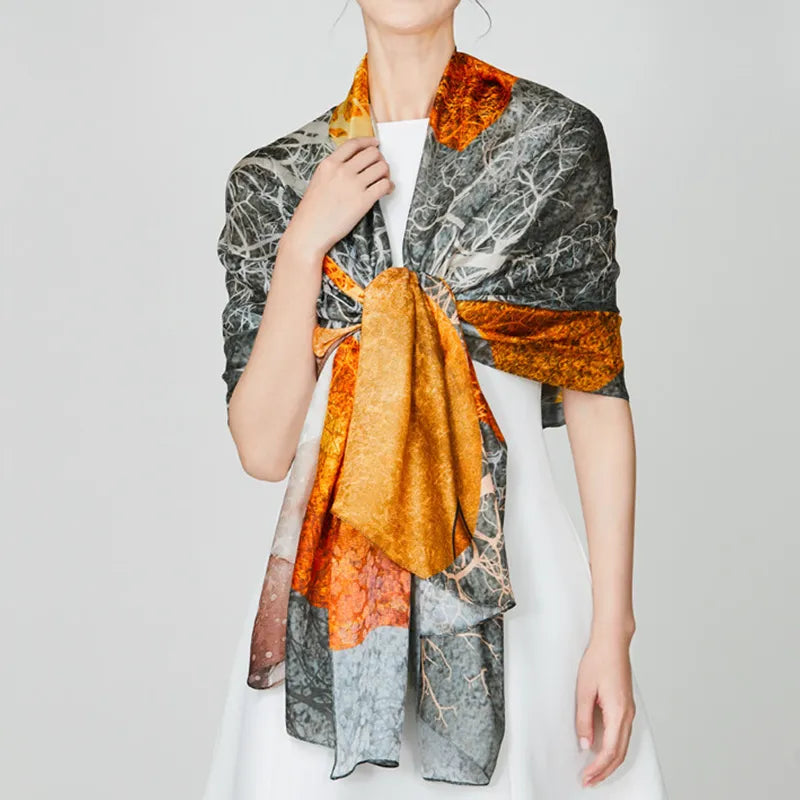
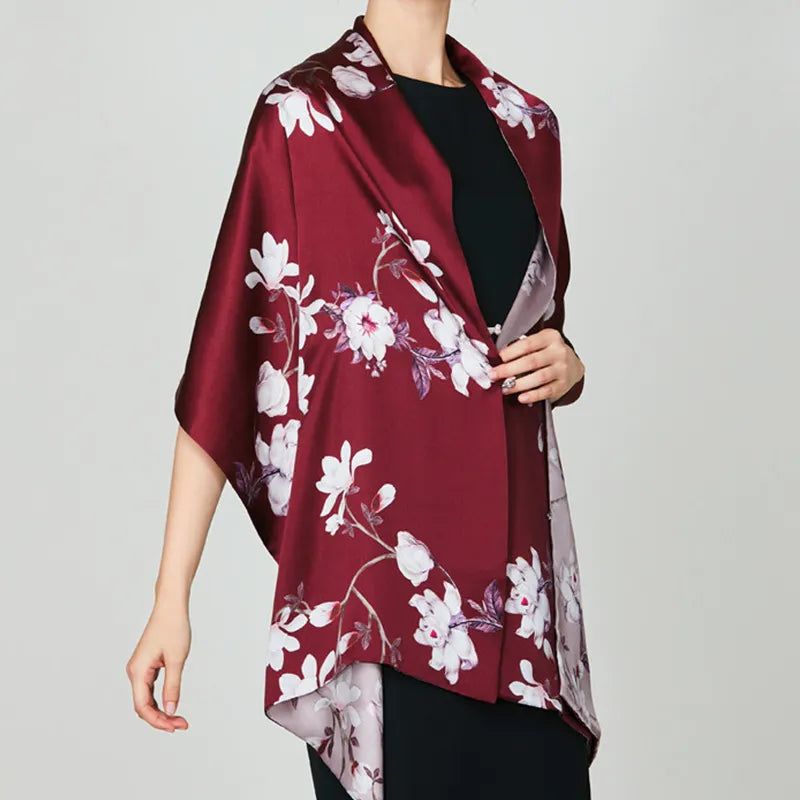
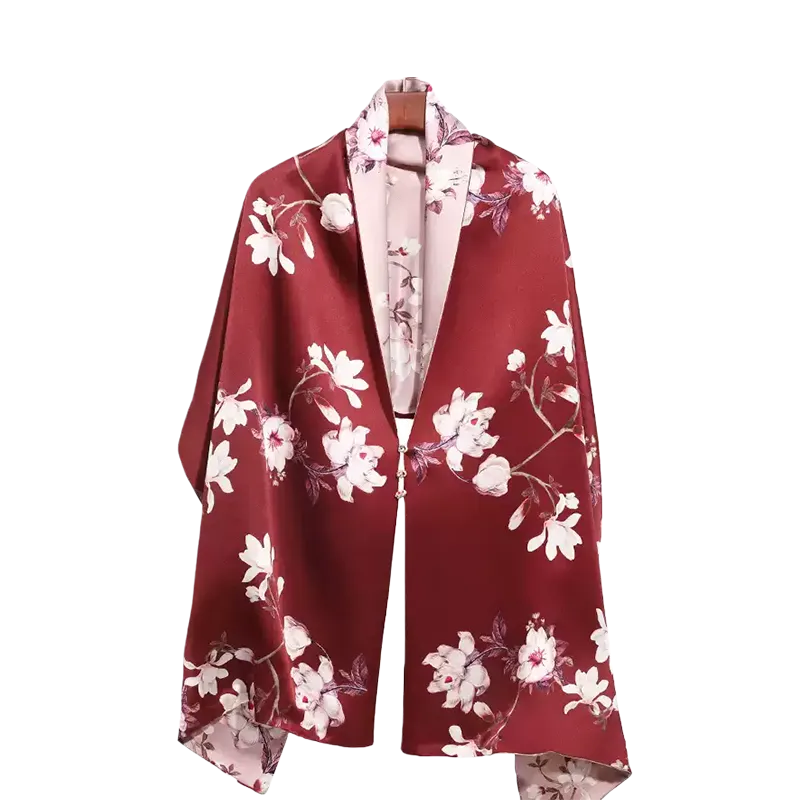
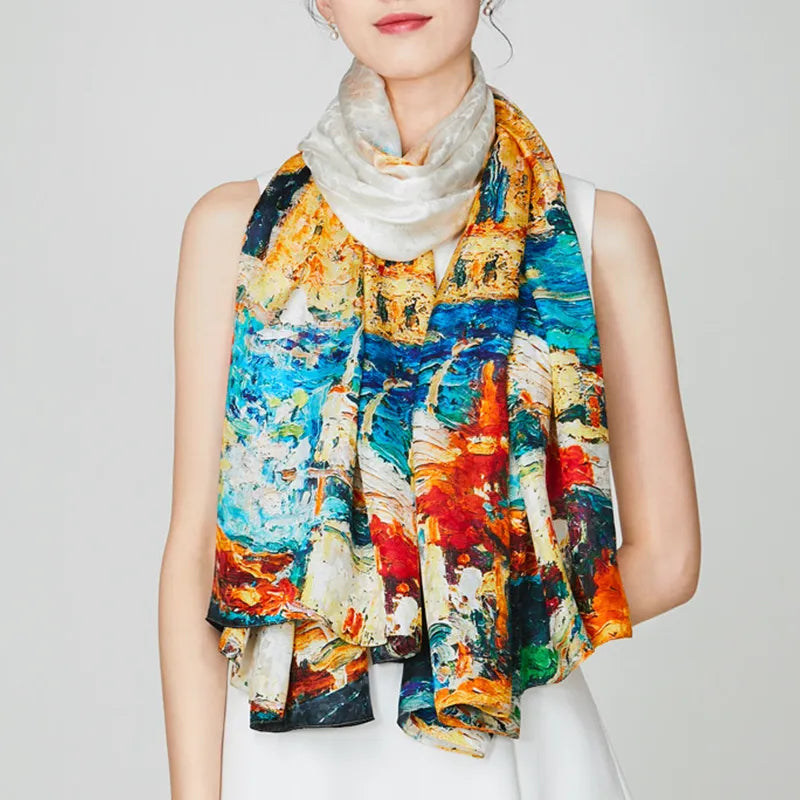
Xi'an's traditions are deeply rooted in the customs of the Guanzhong region. During festivals and family celebrations, red paper cuttings and colorful embroidery often carry wishes for happiness and good fortune, while shadow puppetry and Qinqiang Opera keep local stories alive. These traditions also make for meaningful souvenirs, from handcrafted paper cuttings and shadow puppets to miniature Terracotta Warriors. And as an eastern starting point of the ancient Silk Road, Xi'an has a special connection to Chinese silk, once traded across distant lands.
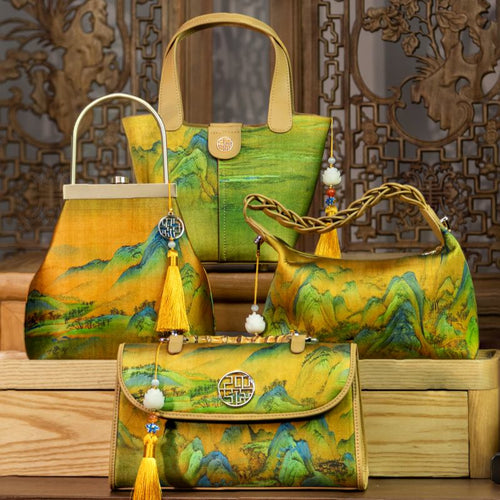
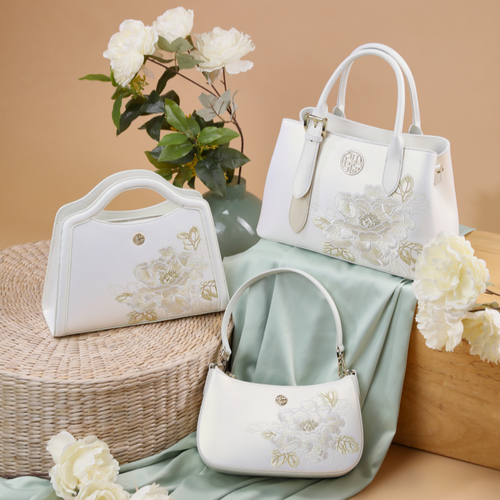
If you're short on time or luggage space, you can also explore traditional Chinese gifts on our website, SinoCultural. We offer international shipping, so you can shop from wherever you are.
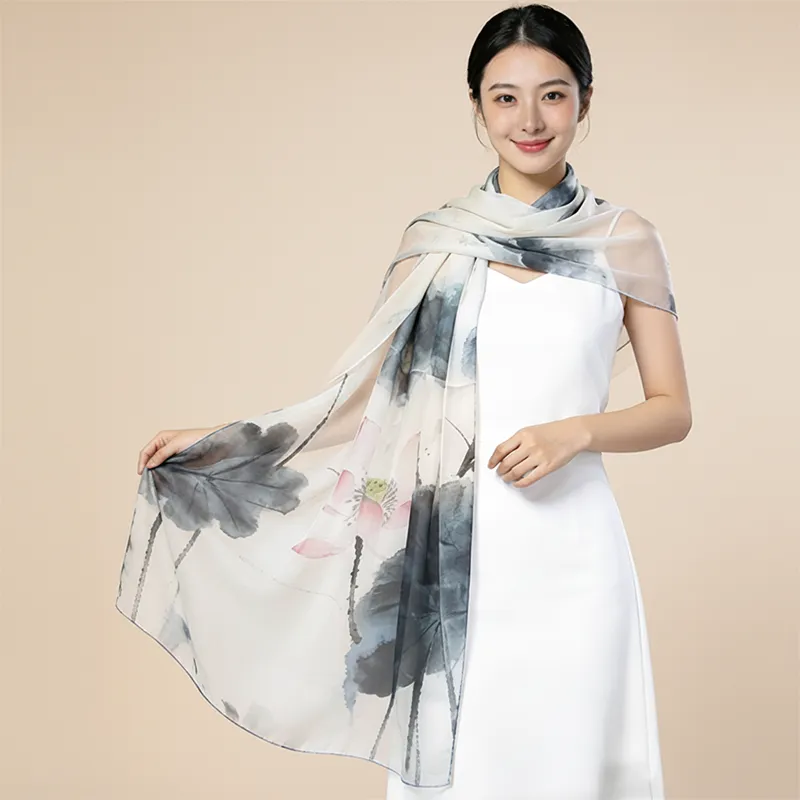
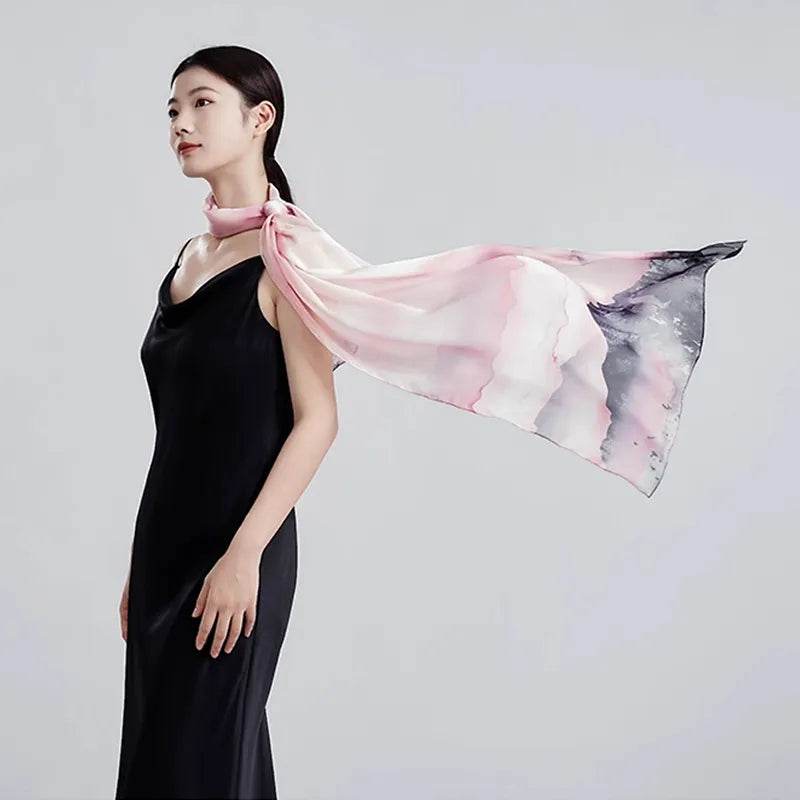
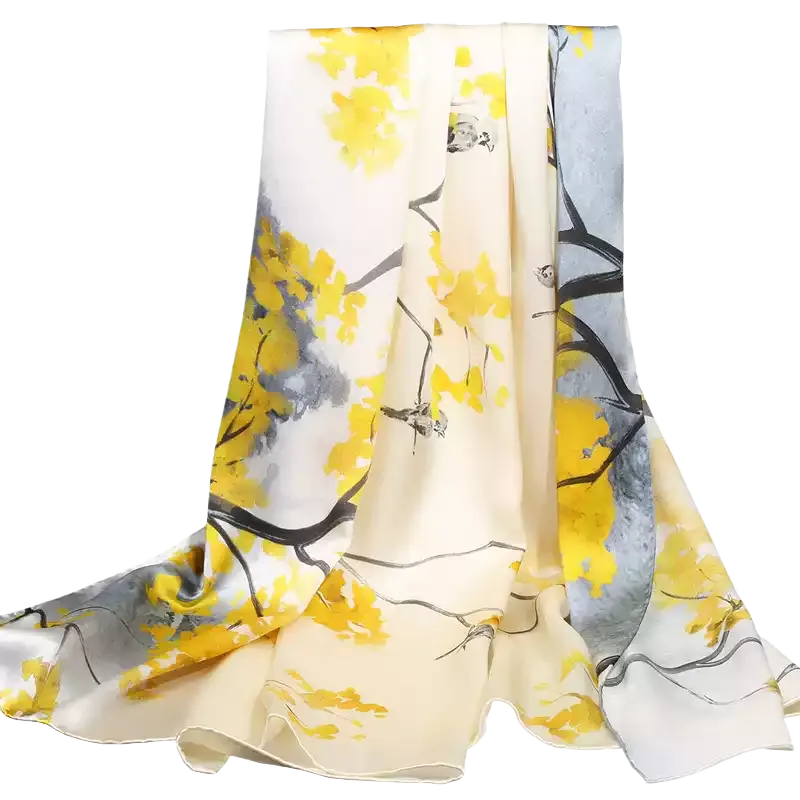
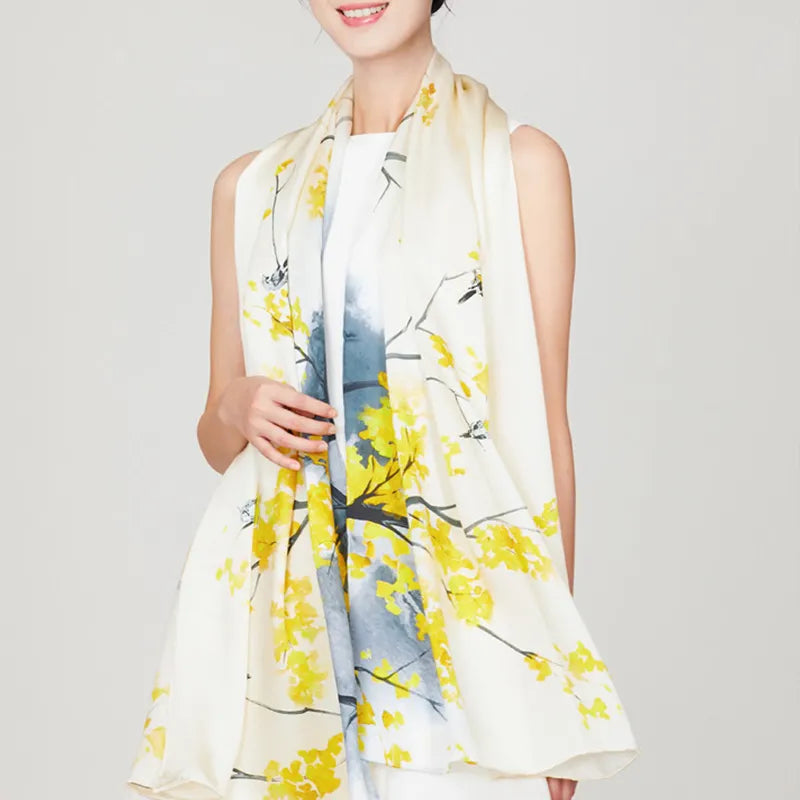
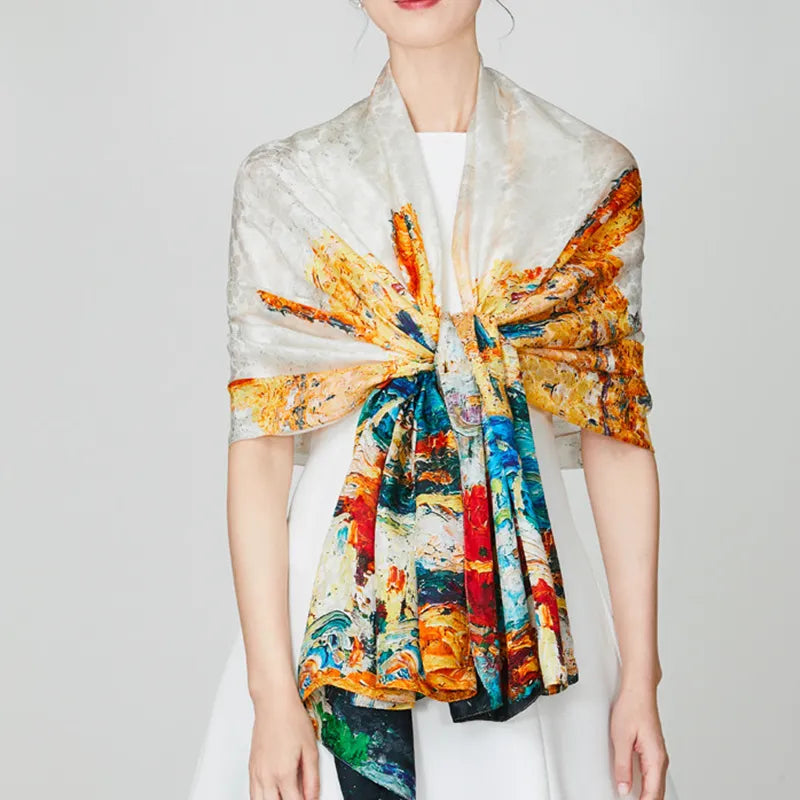
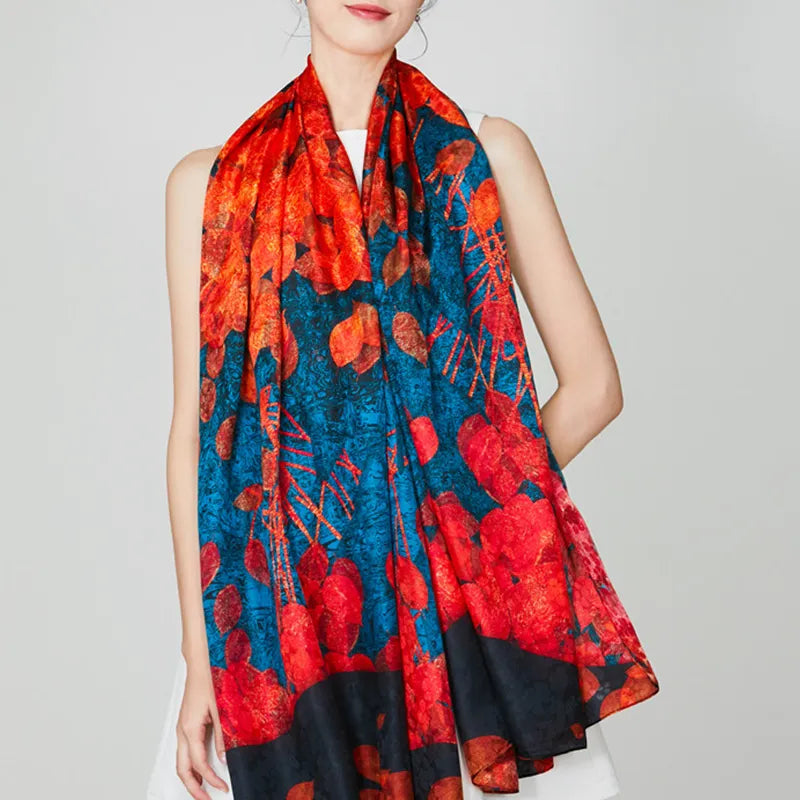
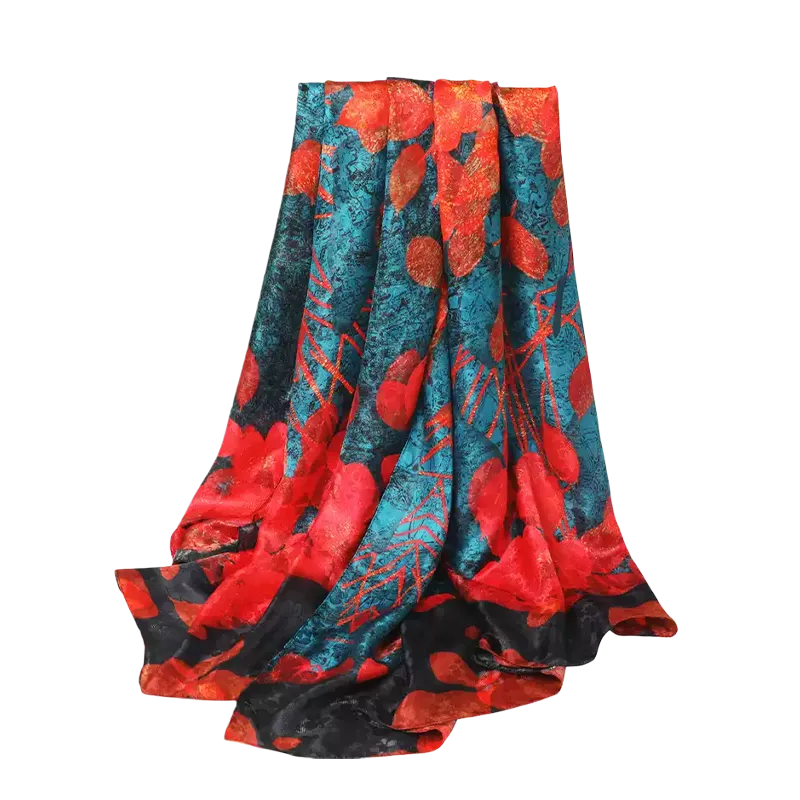
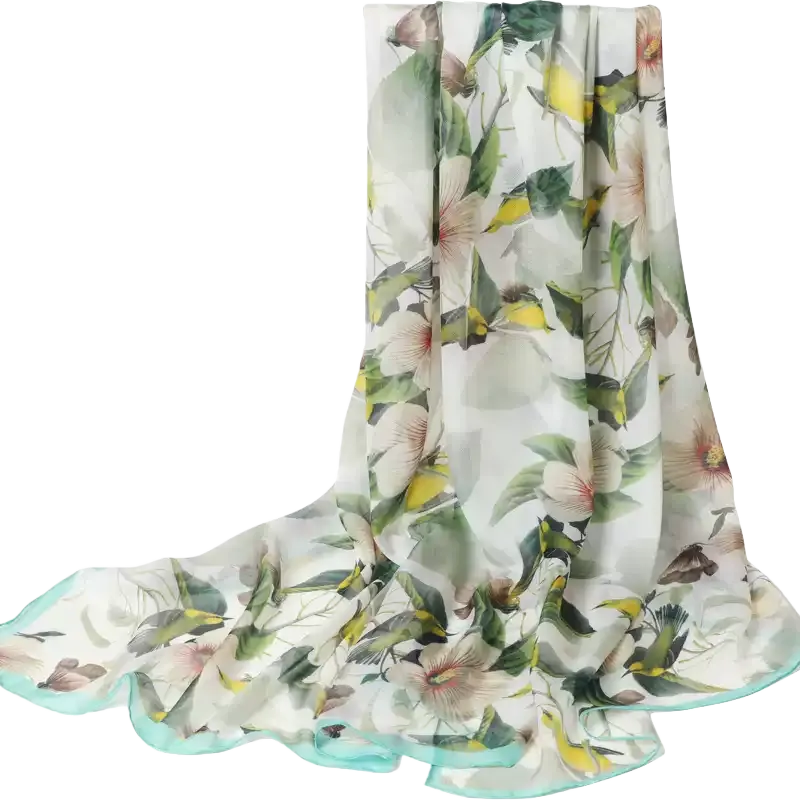
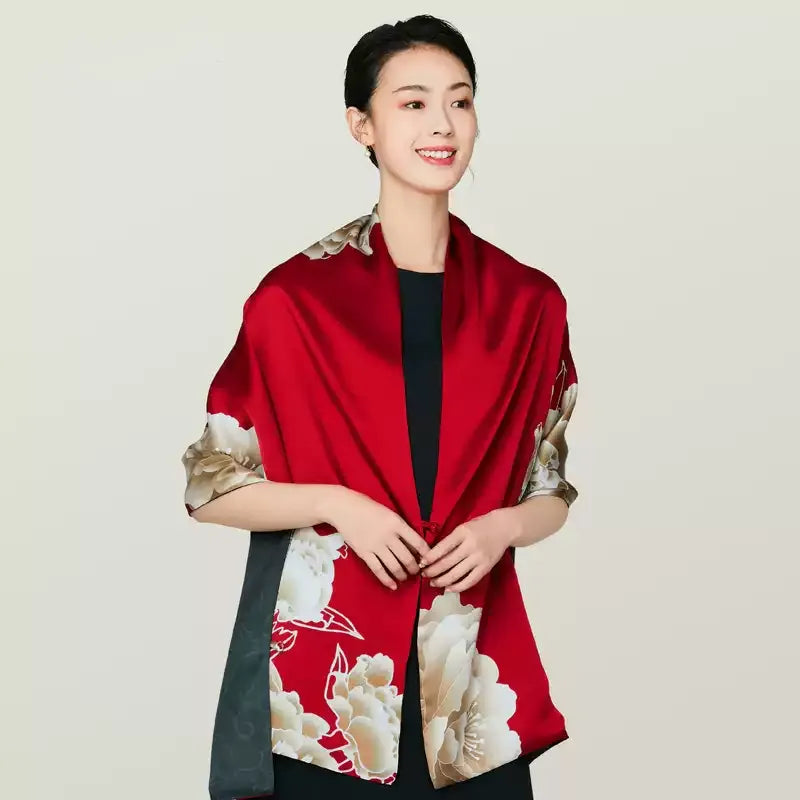
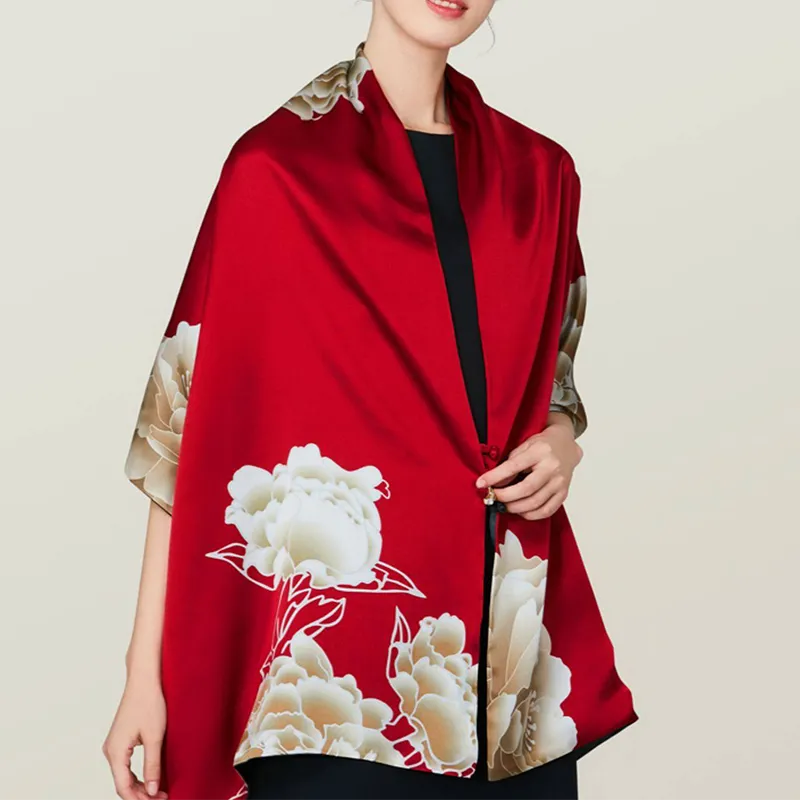
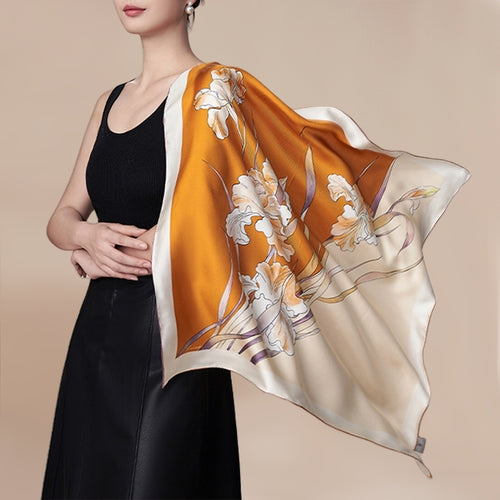
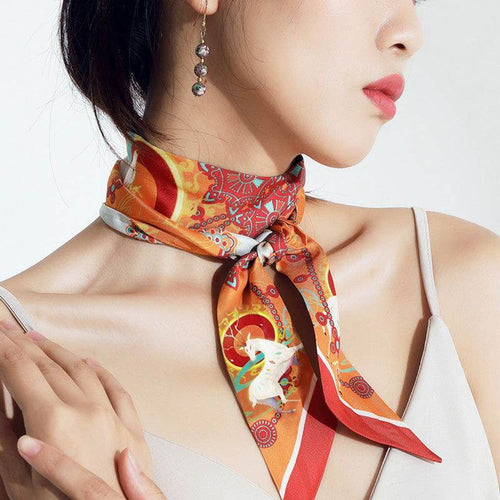
From delicate Su embroidery to traditional floral motifs, explore silk scarves that bring Chinese craftsmanship into everyday life.


← Swipe or scroll to explore all four scarves →
Final Thoughts: Discover the Spirit of Xi'an
The Terracotta Warriors may be what brings you to Xi'an, but there's much more to enjoy once you're here. Take a walk along the ancient city walls, try a bowl of oil-splashed noodles with raw garlic, or spend an evening exploring the streets around the Big Wild Goose Pagoda. There's no need to rush through every attraction. Take your time, follow your interests, and enjoy the city at your own pace.
If Xi'an has sparked your curiosity about China, why stop here? Explore the ancient heritage of Luoyang, discover Beijing's imperial landmarks, or enjoy the laid-back lifestyle of Chengdu. Check out our other China Travel Guides for more travel inspiration. And stay tuned for our next stop—we'll be sharing another Chinese city, with more local stories, cultural traditions, and places worth discovering. See you in the next guide!
Xi'an Travel FAQ