Skip to content






Porcelain is one of China’s most enduring contributions to world culture. With a history that stretches back thousands of years, Chinese ceramics evolved from simple clay vessels into refined works of art admired across the globe. Each era tells a story—not only of changing techniques, but also of society’s shifting values, aesthetics, and innovations.
Table of Contents
- Quick Summary: The Evolution of Chinese Ceramics
- The Origins: Neolithic Pottery (c. 4000 BCE)
- The Bronze Age: The Birth of Proto-Porcelain
- Han Dynasty: The Invention of True Porcelain
- Tang Dynasty: The Golden Age of Sancai
- Song & Yuan Dynasties: The Five Great Kilns & Blue-and-White
- Ming & Qing Dynasties: Porcelain Goes Global
- Modern Era: The Rise of Bone China
- FAQ: Common Questions About Chinese Porcelain History
Quick Summary: The Evolution of Chinese Ceramics
-
Invention: Primitive porcelain appeared in the Shang Dynasty, but true porcelain matured during the Eastern Han Dynasty (25–220 CE).
-
Key Styles: Notable styles include Tang Sancai (Tri-color), Song Dynasty Monochrome (Ru, Guan, Ge wares), and the iconic Blue-and-White of the Yuan and Ming dynasties.
-
Modern Day: Today, the legacy continues with Bone China, blending traditional aesthetics with modern durability for everyday luxury.
1. Neolithic Age: The Origins of Ancient Chinese Pottery
From clay to the first ceramics:
Chinese porcelain traces its roots to the Neolithic period, when early communities shaped clay into practical vessels. These handmade pieces were simple in form and decoration, serving basic needs such as storing food and water. Though modest, they marked the beginning of humanity’s artistic and functional relationship with ceramics.
-
Significance: They served basic needs like food storage and water.
-
Artifacts: The Colored Pottery Jar (c. 4000 BCE) highlights humanity’s first artistic relationship with earth and fire.

Colored Pottery Jar (c. 4000 BCE)

Colored Pottery Jar - Bottom (c. 4000 BCE)
2. The Bronze Age (Xia, Shang, Zhou): The Birth of "Proto-Porcelain"
Ceramics inspired by bronze artistry:
With the rise of bronze casting, pottery forms and decorations began to imitate metalwork. During the Shang dynasty, proto-porcelain emerged, with glazes in soft green or yellow tones. This was a pivotal step toward the translucent beauty later associated with Chinese porcelain.

Shang Dynasty Pottery 'Yi'匜 ( Shang Dynasty,BC2000-BC221)
3. Qin and Han Dynasties: The Invention of True Porcelain
Expanding scale and artistry:
When was porcelain invented? While proto-types existed earlier, most historians agree that true porcelain matured during the Eastern Han Dynasty (25–220 CE).
The Qin and Han dynasties saw ceramics grow in both quantity and sophistication. New types appeared, such as glazed earthenware and painted pottery, showcasing advanced techniques and vibrant patterns. Excavations from sites like the Mawangdui tombs in Changsha reveal how ceramics were not just practical objects, but also cultural symbols of status and ritual.

Green Glazed Pot(Western Han Dynasty, 206 BCE–25 CE)

Green-glazed Ceramic(Han Dynasty,206 BCE–220 CE)
4. Sui and Tang Dynasties: The Era of Tang Sancai
The rise of celebrated kilns and Tang Sancai(three-colored ware):
The Sui and Tang periods are remembered as a golden era for Chinese ceramics. Kilns such as Yue越 ware in Zhejiang and Xing邢 ware in Hebei produced finely glazed wares. Most iconic was Tang Sancai (Three-Colored Ware), with its lively glaze of yellows, greens, and browns, which reflected the cosmopolitan spirit of the Tang dynasty and became prized exports along the Silk Road.


5. Song and Yuan Dynasties: Minimalist Elegance to Blue-and-White
From the Five Great Kilns to blue-and-white porcelain:
-
The Song Dynasty (960–1279): Known for understated elegance. The Five Great Kilns (Ru汝, Guan官, Ge哥, Jun钧, and Ding定) produced monochrome wares that focused on the purity of the glaze and shape rather than painted patterns.
-
The Yuan Dynasty (1271–1368): A dramatic shift occurred with the invention of Blue-and-White Porcelain. Using cobalt pigment imported from Persia, artisans created the distinct high-contrast designs that the world now recognizes as quintessentially "Chinese."


6. Ming and Qing Dynasties: Porcelain as Global Luxury
Porcelain as global luxury:
- Ming Dynasty: The Ming dynasty established Jingdezhen景德镇 as the porcelain capital of China, producing brilliant blue-and-white wares alongside polychrome and monochrome glazes.
- Qing Dynasty: Artisans expanded further with techniques like famille rose (粉彩) and cloisonné-inspired enamels, creating pieces of extraordinary detail and color. Chinese porcelain became a coveted luxury in Europe, influencing global tastes and sparking a centuries-long fascination.


7. Modern Era: The Evolution into Bone China
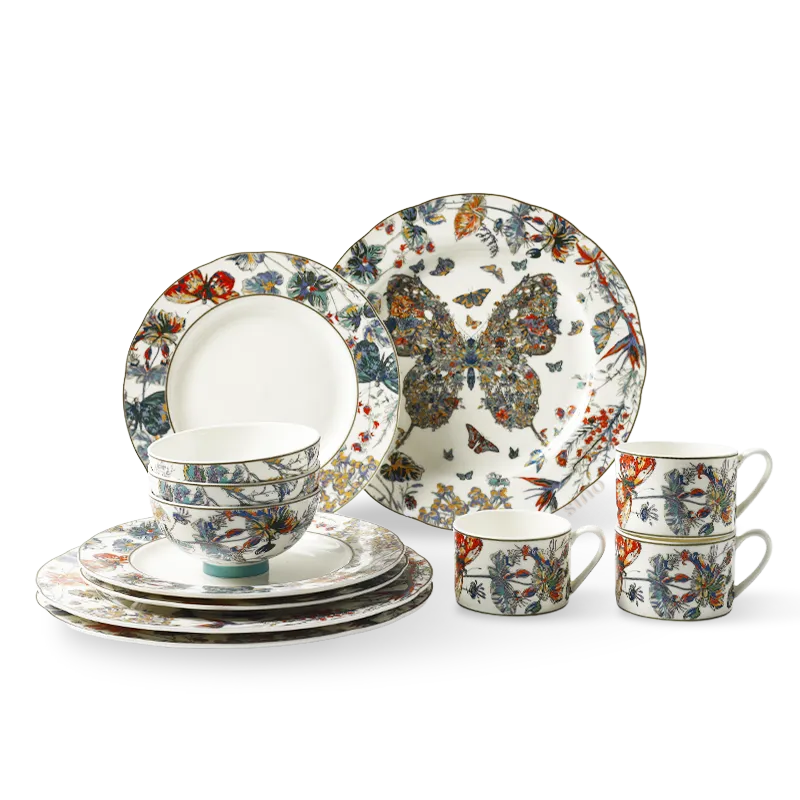
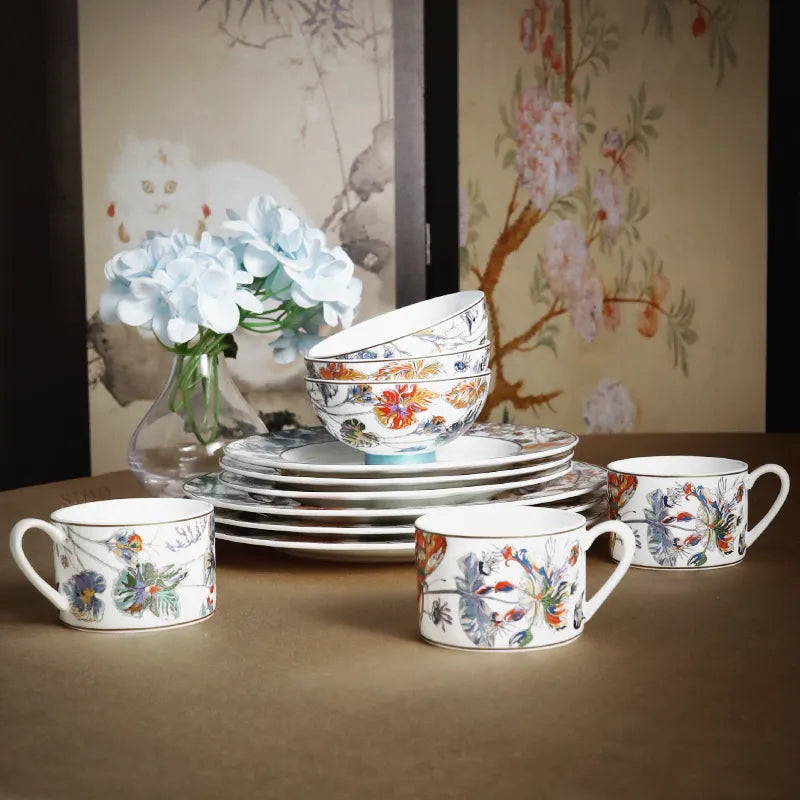
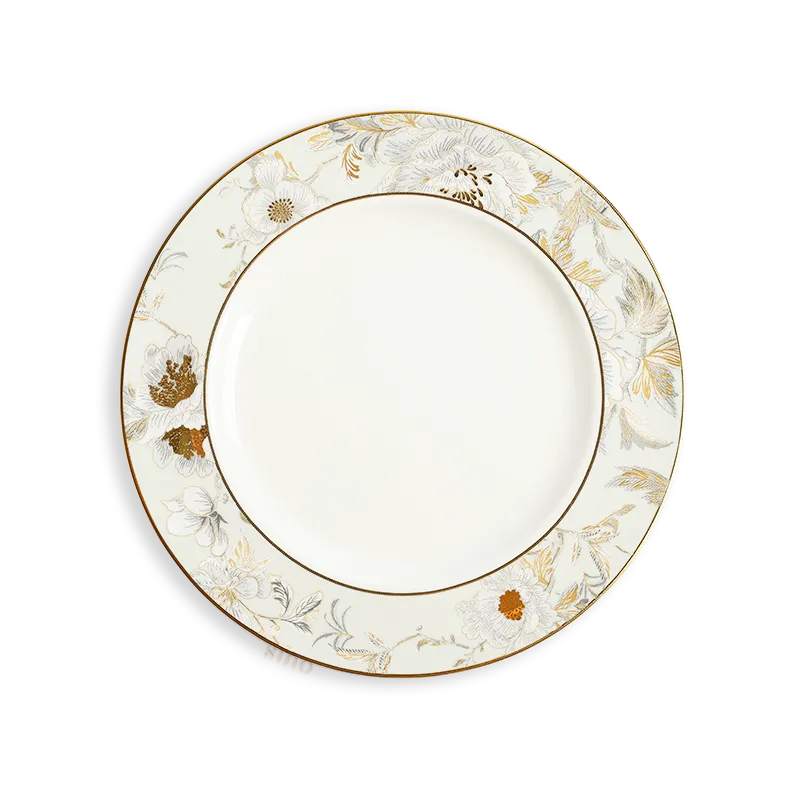
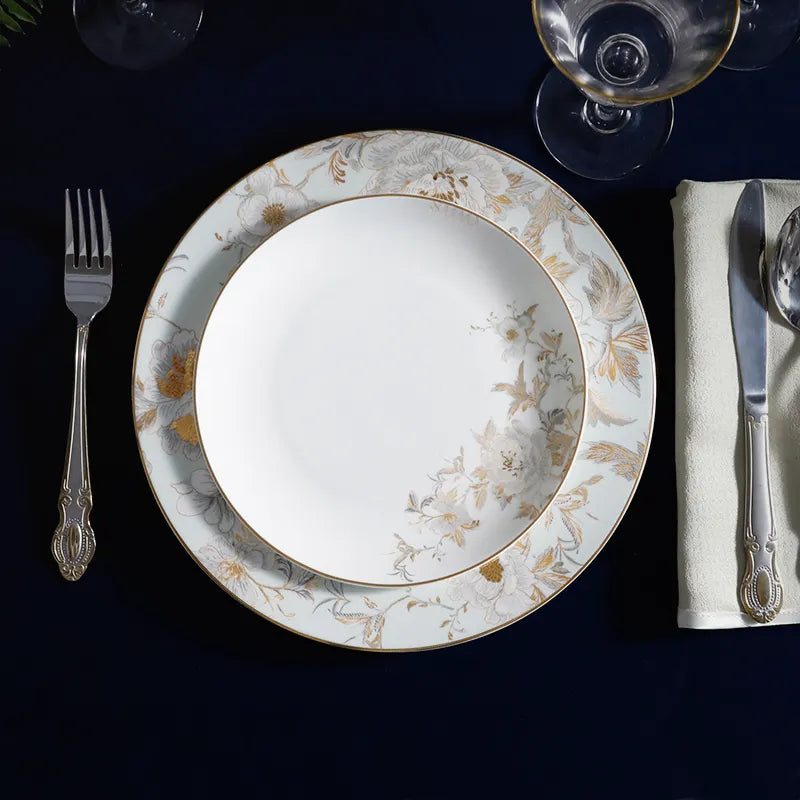
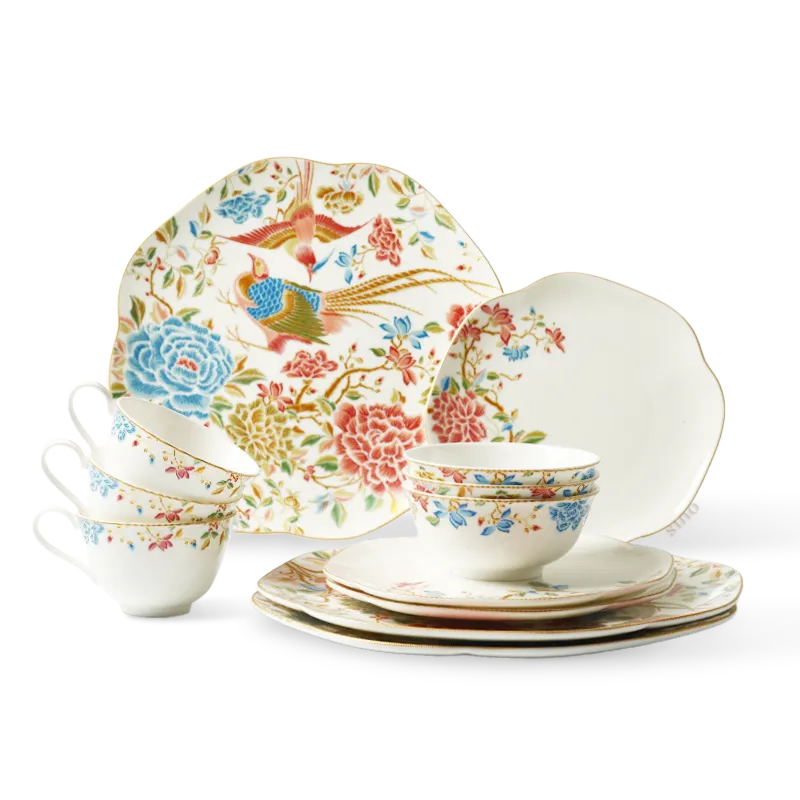
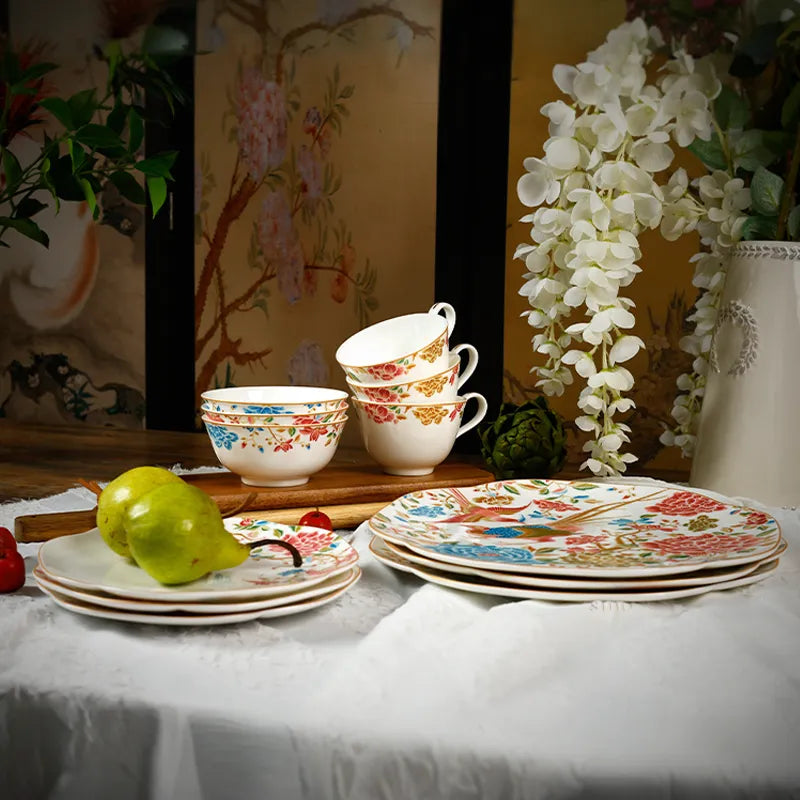
History didn't stop in the Qing dynasty. In the modern era, porcelain continues to evolve. Factories adopted industrial methods, while artists experimented with bone china and contemporary designs. Today, Chinese porcelain bridges tradition and modernity, appearing in everything from fine tableware to avant-garde art, keeping alive a craft that is both historic and innovative.
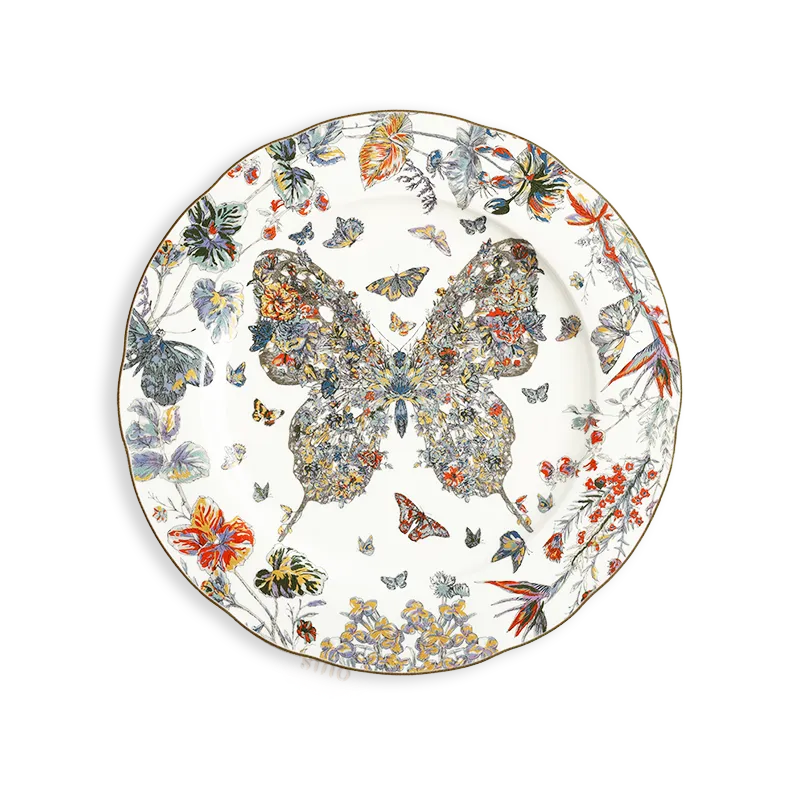
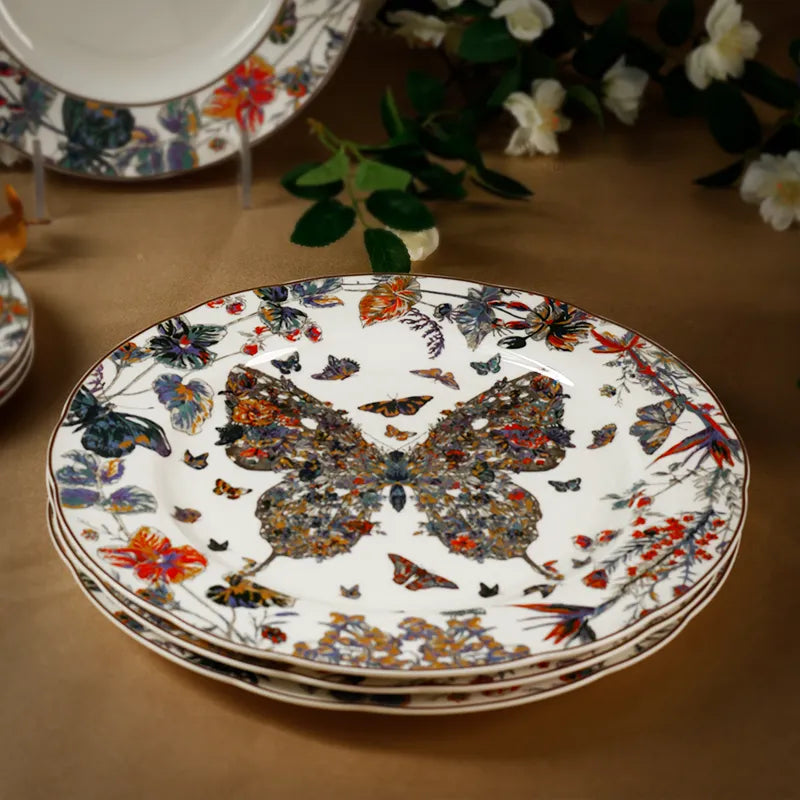
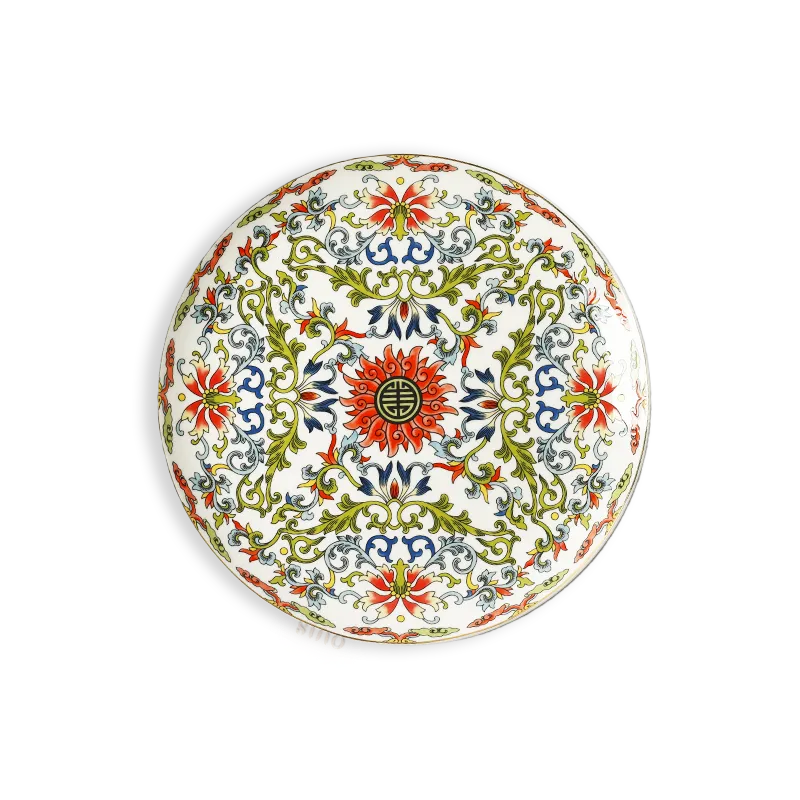
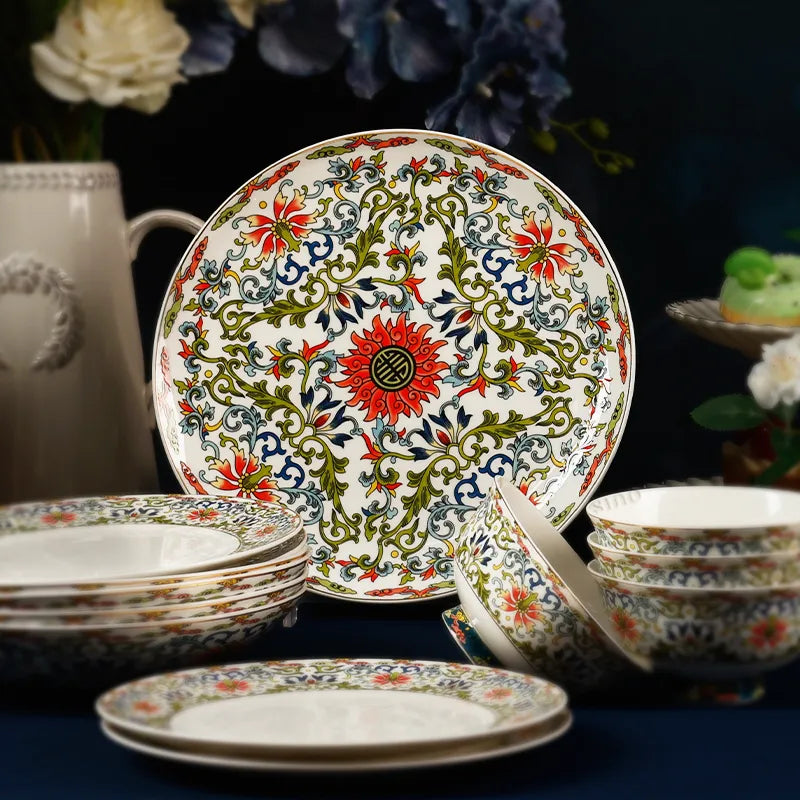
Known for being thinner, lighter, and more translucent than traditional hard-paste porcelain, Bone China represents the intersection of ancient craftsmanship and modern innovation.
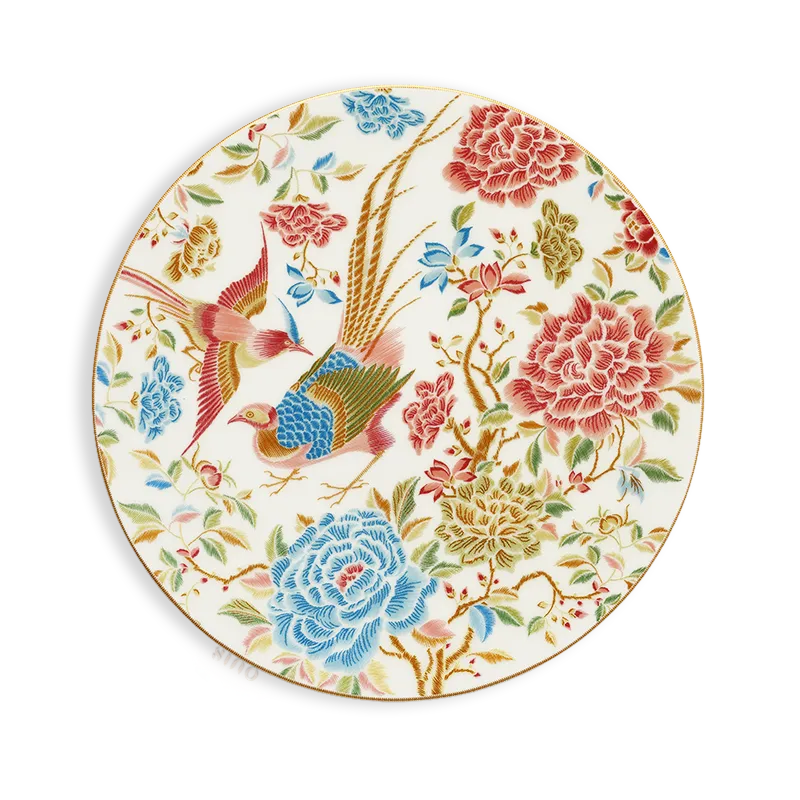
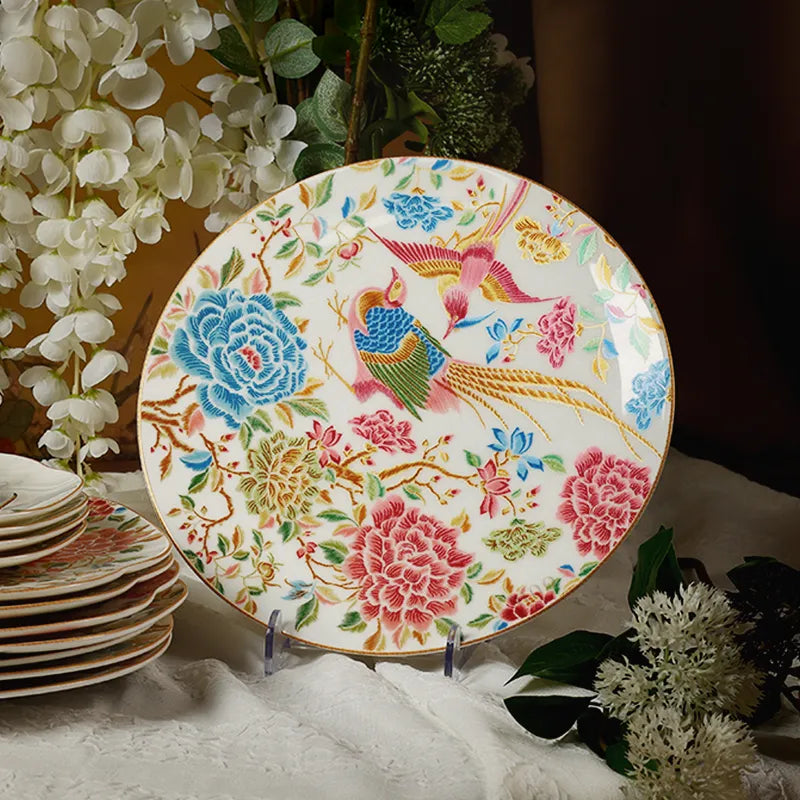
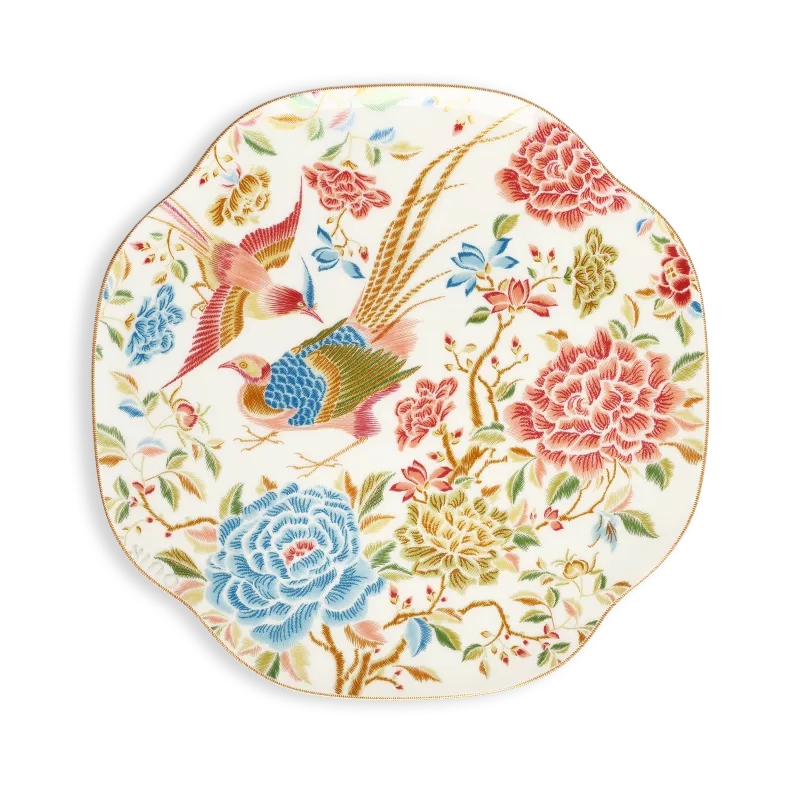
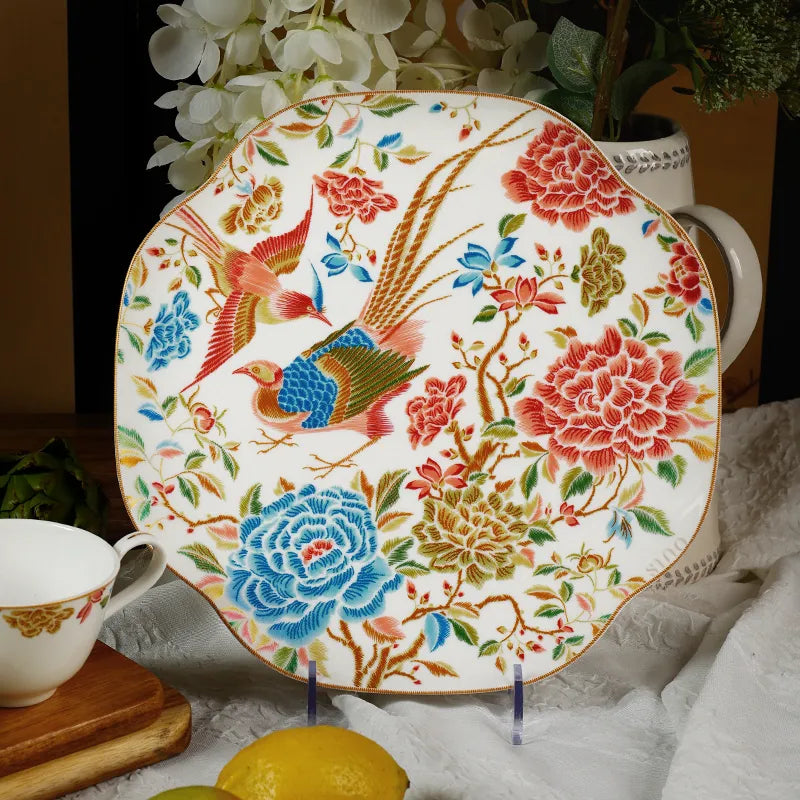
 Chinoiserie Luxury Bone China Dinnerware Set

Conclusion: Bringing History to Your Table
The story of Chinese porcelain is a journey from simple Neolithic clay to the refined luxury of the imperial courts. At Sinocultural, we honor this thousands-year-old legacy by curating Bone China collections that fit the modern home.
Explore Our Modern Bone China Collection Here]
When you use our bone china dinnerware, you aren't just setting a table; you are partaking in a history of artistry that has been perfected over millennia.
FAQ: Common Questions About Chinese Porcelain
Q: When was porcelain invented in China?
A: Proto-porcelain appeared during the Shang Dynasty (1600–1046 BCE), but mature, true porcelain was developed during the Eastern Han Dynasty (25–220 CE).
Q: What is the most famous type of Chinese porcelain?
A: Blue-and-White porcelain (Qinghua) from the Yuan and Ming dynasties is arguably the most famous and recognized style worldwide.
Q: What is the difference between pottery and porcelain?
A: The main difference lies in the firing temperature and material. Pottery is made from coarser clay and fired at lower temperatures, while porcelain uses Kaolin clay and is fired at very high temperatures (over 1200°C), making it vitrified, translucent, and waterproof.