Skip to content










In northwest China, Gansu is a land of vast deserts, rugged mountains, and ancient towns set against wide-open landscapes. The Qilian Mountains rise above dry valleys, the Gobi Desert stretches toward the horizon, and green oases appear among the sand and stone. Running through this dramatic scenery is the Hexi Corridor, a historic passage that once connected China with Central Asia along the ancient Silk Road.
Following the corridor west, travelers encounter Zhangye’s colorful Danxia mountains, the ancient fortress of Jiayuguan standing against the Gobi Desert, and Dunhuang’s sweeping sand dunes and Mogao Caves. Each stop offers a different glimpse of northwest China, from striking natural landscapes to centuries-old art and local traditions. This Gansu travel guide takes you along a suggested seven-day route, with recommended attractions, transportation tips, local food, and cultural experiences to help you plan your journey.
Table of Contents
- Gansu: Landscapes, People & the Spirit of Northwest China
- The Ancient Silk Road & the Hexi Corridor
- Gansu's Living Heritage: Dunhuang Art, Folk Traditions & Craftsmanship
- A 7-Day Hexi Corridor Itinerary: Zhangye, Jiayuguan & Dunhuang
- A Taste of Gansu: Local Food Along the Silk Road
- Silk Road Crafts & Meaningful Cultural Gifts
- FAQ & Essential Travel Tips for Gansu
Gansu: Landscapes, People & the Spirit of Northwest China
Stretching across northwest China, Gansu is a land of changing landscapes. The snow-capped Qilian Mountains rise above the southern valleys, while vast stretches of Gobi Desert extend across the north. Between them, rivers feed pockets of green farmland and oasis towns, creating a striking contrast with the surrounding dry terrain. Long desert roads, distant mountain ranges, and small settlements scattered across the open land give Gansu a sense of space that is rarely found in China's more densely populated eastern cities.

Life in Gansu is just as varied as its scenery. The province is home to several ethnic communities, including Han, Hui, Tibetan, Dongxiang, and Yugur people, each with their own customs and traditions. Their influences can be found in local markets, regional food, traditional clothing, festivals, and everyday life. From bowls of hand-pulled noodles and lamb dishes in busy town streets to pastoral communities near the mountains, Gansu offers a glimpse of a different side of China—one shaped by its landscape and the people who have made this region their home.

The Ancient Silk Road & the Hexi Corridor
Between the Qilian Mountains to the south and the deserts to the north lies the Hexi Corridor, a narrow stretch of land running through northwest Gansu. Fed by mountain streams and snowmelt, its oases provided water and farmland in an otherwise dry landscape. These conditions made the corridor a natural passage for people traveling between China's interior and Central Asia, long before it became one of the most important routes of the ancient Silk Road.

During the Han dynasty, the corridor became increasingly important as China's connections with the western regions expanded. Towns such as Wuwei, Zhangye, Jiuquan, and Dunhuang developed along the route, serving as stops for merchants, travelers, and envoys. Silk, horses, spices, and other goods passed through these settlements, but trade was only part of the story. Buddhist teachings, artistic styles, and ideas also traveled along the same routes, bringing distant cultures into contact.

The influence of these exchanges can still be seen across Gansu today. Buddhist caves, ancient fortifications, traditional music, and local crafts all reflect different chapters of the region's past. Dunhuang, in particular, became an important center of Buddhist art, with the Mogao Caves preserving centuries of paintings and sculptures. These surviving traditions offer a closer look at the cultural legacy of the Silk Road.
Gansu's Living Heritage: Dunhuang Art, Folk Traditions & Craftsmanship
Across Gansu, the influence of its landscape and history can still be seen in the region's art, customs, and traditional skills. The Silk Road brought Buddhist beliefs and artistic influences through the Hexi Corridor, while local communities continued to shape their own traditions through music, festivals, and everyday craftsmanship. From the murals of Dunhuang to the folk traditions of local ethnic groups and the work of skilled artisans, these cultural expressions offer different ways to understand Gansu's past and present.
Dunhuang Art: Buddhist Murals, Flying Apsaras & the Mogao Caves
Carved into the cliffs outside Dunhuang, the Mogao Caves preserve more than a thousand years of Buddhist art. First created in the 4th century, the caves were expanded and decorated by generations of artists, leaving behind an extraordinary collection of murals and painted sculptures. Images of the Buddha and bodhisattvas cover the cave walls, with each period bringing its own artistic style, colors, and details.

Beyond religious stories, the murals offer a glimpse into everyday life along the ancient Silk Road. Merchants, musicians, dancers, and donors appear in scenes that reveal the clothing, customs, and cultural influences of their time. Some paintings even depict caravans and musical performances, showing how people, goods, and ideas moved across different regions. Together, these details make Dunhuang's murals an invaluable visual record of life in the ancient world.

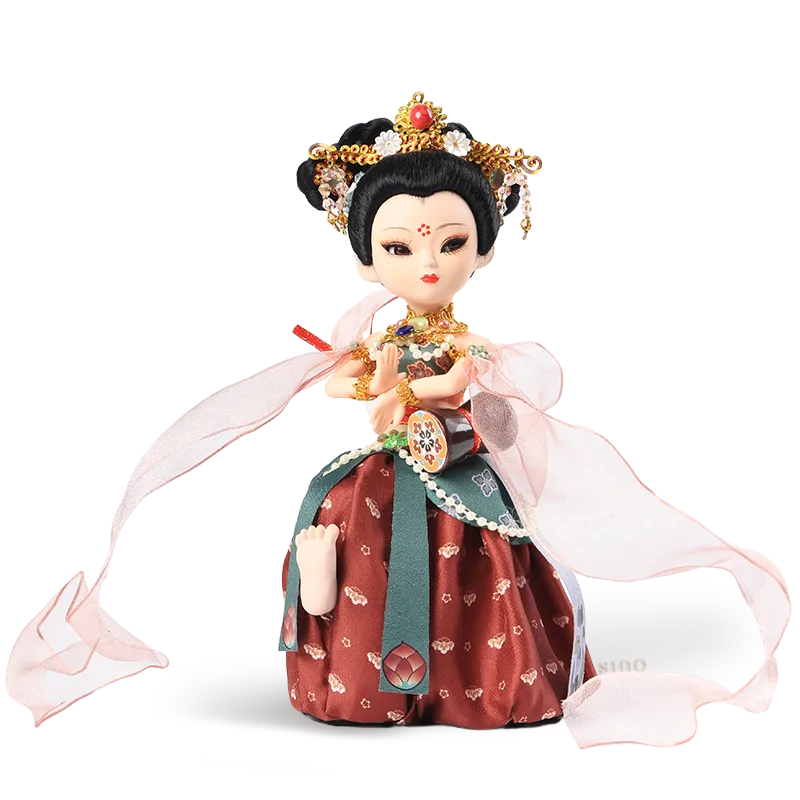
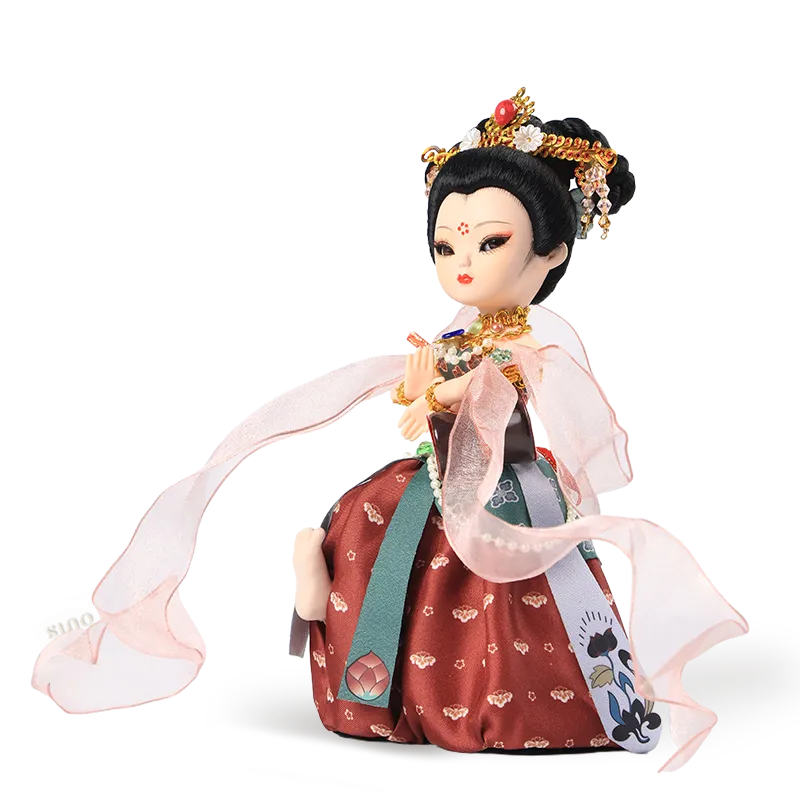
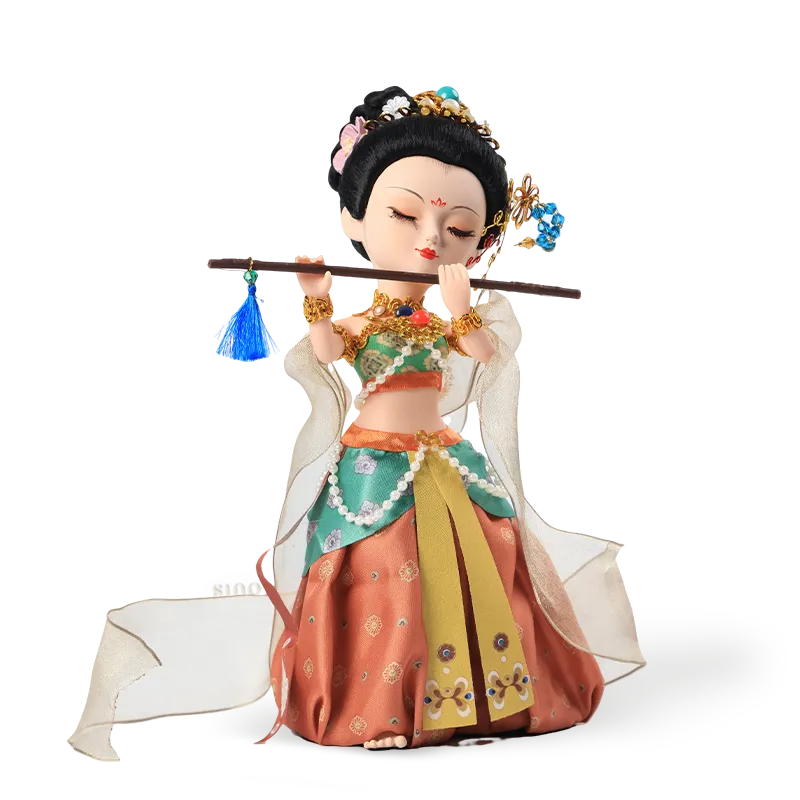
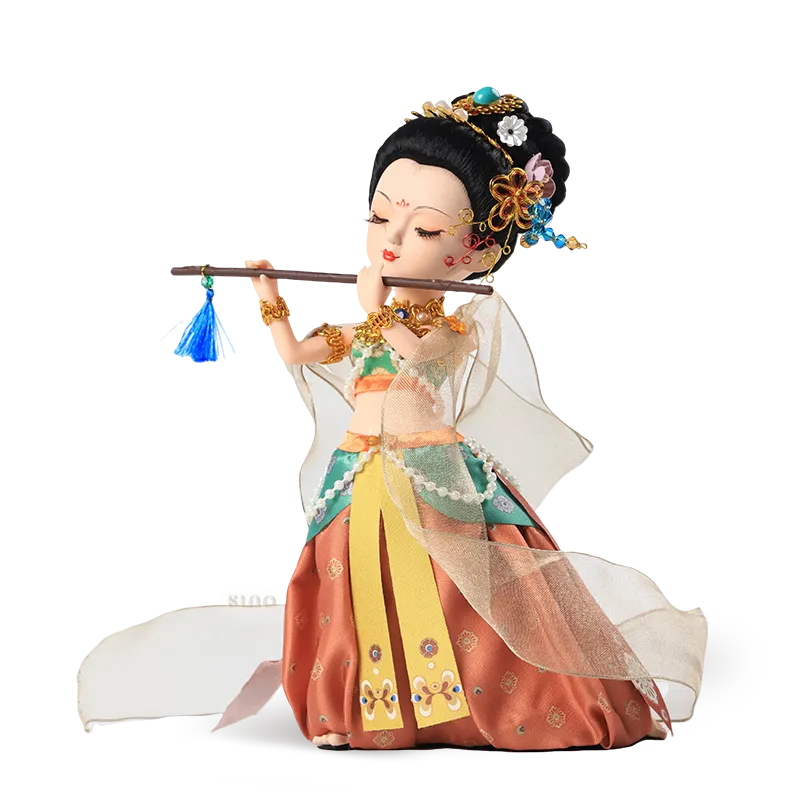
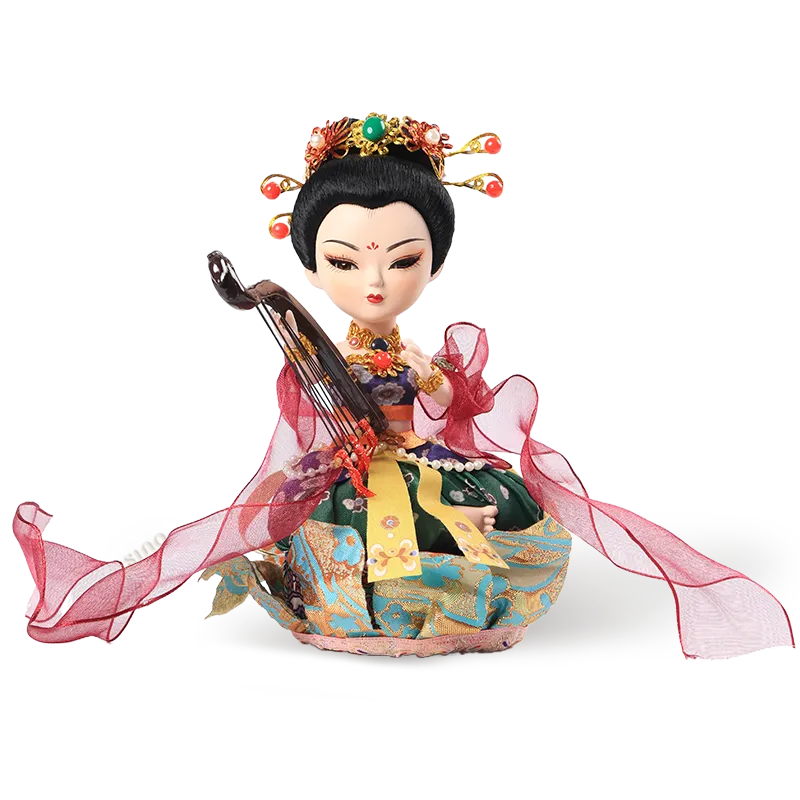
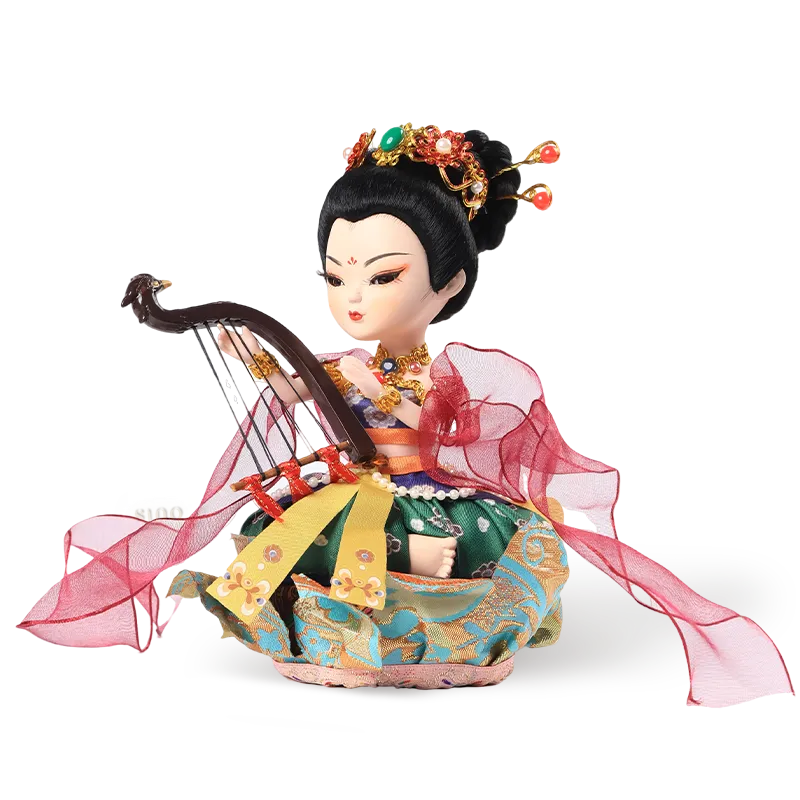
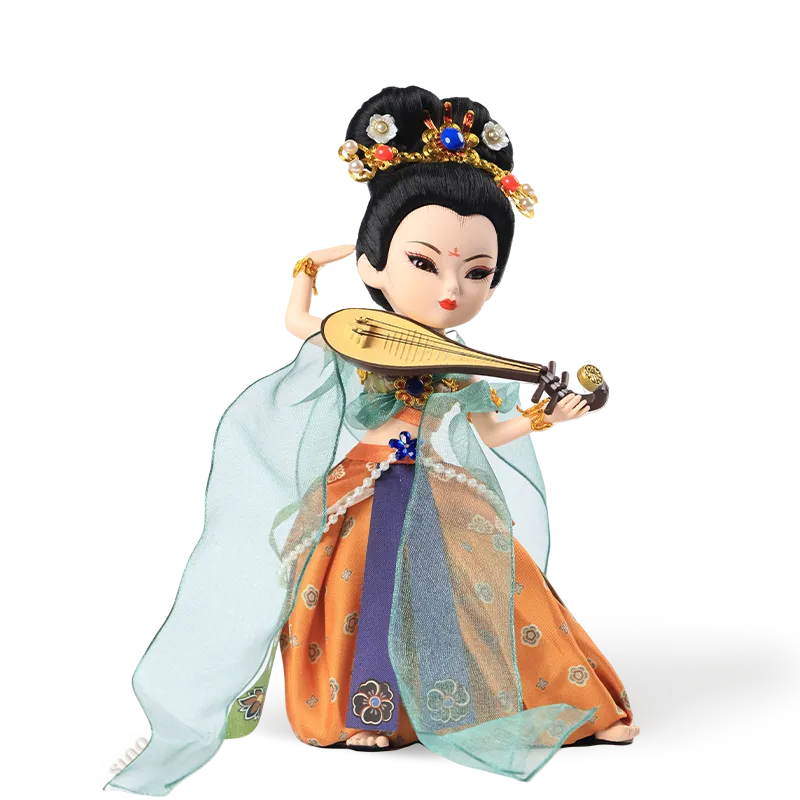
Among the most recognizable images are the flying apsaras, celestial figures often shown gliding through the air with flowing scarves, graceful poses, and musical instruments. Their movement and vivid colors have become defining features of Dunhuang art. Although painted centuries ago, these figures continue to inspire contemporary dance, visual art, and design, keeping one of the Silk Road's most distinctive artistic traditions alive.

Folk Traditions & Ethnic Culture: Yugur Heritage, Folk Songs & Hexi Baojuan
Among the communities that call Gansu home are the Yugur people, many of whom live in Sunan, near the Qilian Mountains. Their traditional clothing, colorful embroidery, and pastoral heritage reflect a way of life closely connected to the surrounding grasslands and mountains.

Music has also played an important role in keeping local traditions alive. Yugur folk songs tell stories of family, love, nature, and everyday life, passing memories and customs from one generation to the next. For visitors, they offer a glimpse into a cultural tradition that is still valued by local communities.

Another distinctive tradition is Hexi Baojuan, a form of folk storytelling found along the Hexi Corridor. Combining spoken narration with rhythmic chanting, its stories draw on Buddhist tales, local legends, and traditional moral teachings. Passed down through generations, it remains an important part of the region's folk literature.

Traditional Crafts of Gansu: Folk Art & Handcrafted Skills
A 7-Day Hexi Corridor Itinerary: Zhangye, Jiayuguan & Dunhuang
Practical Travel Guide: Transport, Tickets & Travel Tips
A Taste of Gansu: Local Food Along the Silk Road
The Hexi Corridor is a long, narrow stretch of land in northwestern Gansu, lying between the Qilian Mountains and the vast deserts to the north. It follows an important section of the ancient Silk Road, connecting places such as Wuwei, Zhangye, Jiuquan, Jiayuguan, and Dunhuang. Along this historic route, local food reflects the region's wheat-based cooking, hearty lamb dishes, and ingredients shaped by its oasis landscapes. As you travel from Zhangye to Dunhuang, here are some local specialties, traditional noodles, and street snacks worth trying along the way.
-
Traditional Noodles & Wheat-Based Foods: Lanzhou Beef Noodles, San Tao Che — Three-Piece Meal: Handmade Wide Noodles, Savory Braised Meat & Fu Tea (三套车), Zhangye Cuo Yu Noodles (张掖搓鱼面), Firecracker Noodles (炒炮仗)

-
Local Signature Dishes: Lamb with Rolled Dough (羊肉垫卷子), Shandan Chao Bola — Iron-Plate Stir-Fry (山丹炒拨拉), Desert-Style Crispy Chicken (大漠风沙鸡), Skillet-Roasted Lamb Ribs (炕锅羊排)

-
Local Snacks & Drinks: Li Guang Apricot Peel Tea (李广杏皮茶), Liangzhou Rolled Rice Cake (凉州卷糕), Oleaster Fruit Cake (沙枣饼), Pao'er Yougao — Fried Sweet Pastry (泡儿油糕) , Beef & Desert Onion Flatbread (沙葱牛肉饼)

A Little Travel Tip
Zhangye, Dunhuang, Wuwei, and Jiuquan are all worth exploring for their local food traditions. Each place has its own specialties, so keep an eye out for small local eateries along the way.
If you have food allergies, always check the ingredients with the restaurant before ordering. Northwest Chinese cuisine can be quite rich and oily, so consider bringing digestive tablets if you usually need them after a heavy meal.
Where to Eat Along the Hexi Corridor: Local Restaurant Recommendations
To help you discover the local food culture along the Hexi Corridor, we've selected five restaurants across Wuwei, Zhangye, Jiayuguan, Jiuquan, and Dunhuang. Each offers a taste of its city's regional specialties, from hearty beef hot pots and wok-fried dishes to grilled meats and traditional local cooking. Whether you're following the route or exploring these cities at your own pace, these spots are worth adding to your food list.
1.Lao Wang Jia Cai Guo Zi (Xiguan Branch)老王家菜锅子: A well-known local spot for hearty Wuwei-style cooking, this restaurant is especially popular for its generous beef and beef rib pots. The rich broth, tender meat, fresh vegetables, and house dipping sauce make it a satisfying meal. The small pot is already large enough for two people to share with an additional side dish.

Recommendation Rating: ★★★★☆
Estimated Cost: Around 70–90 RMB per person.
Address: No. 143 Gongyuan Road, opposite the south gate of Xiyuan Residential Community, Liangzhou District, Wuwei, Gansu, China.
A Note Before You Order: The small beef or beef rib pot costs around 140–158 RMB and is generally enough for two. Tea, including the traditional San Pao Tai (三炮台), is charged separately at around 10 RMB per cup. Table vinegar and chili are complimentary, while additional condiments such as soy sauce may incur an extra charge.
2.Lao Zhou Chao Bola (Main Branch)老周炒拨拉: A lively local favorite in Zhangye, known for its signature Chao Bola—lamb, tripe, and other cuts stir-fried with onions over high heat on a large iron griddle. The smoky aroma and sizzling cooking are part of the experience. Pair it with freshly fried flatbread and a glass of apricot peel tea for a satisfying local meal.

Recommendation Rating: ★★★★☆
Estimated Cost: Around 30–50 RMB per person.
Address: No. 24, East Side of Mingqing Street, near the Bell and Drum Tower, Ganzhou District, Zhangye, Gansu, China.
A Note Before You Order: The 88 RMB set meal is enough for two people. If you prefer to skip lamb heart and lungs, ask for the version without them. The fried flatbread and apricot peel tea are worth trying alongside the stir-fry.
3.Niu Jiu Shuihu Barbecue (Guanghui Garden Branch)牛九水浒烤肉: A popular spot in Jiayuguan for charcoal-grilled meats. Here, you grill your own meat over hot coals, with generous cuts, simple seasoning, and plenty of cumin and chili powder to bring out the flavor. The meat is fresh, tender, and slightly charred on the outside—a great place to enjoy a hearty Northwest Chinese barbecue.

Recommendation Rating: ★★★★★
Estimated Cost: Around 60–80 RMB per person.
Address: No. 1766-5 Shengli South Road, West Gate of Guanghui Garden Residential Community, near Datang Food Street, Jiayuguan, Gansu, China.
A Note Before You Order: Portions here are surprisingly large, so don't order as much meat as you normally would. If you're dining as a pair, start with a few dishes and order more if needed. It's an easy way to avoid wasting food.
4.Shiji Hong Mudan Restaurant (Nanshi Street Branch)世纪红牡丹餐厅: A longtime local favorite in Jiuquan, serving traditional Chinese dishes since 1998. The signature spring pancakes and roast duck wraps are worth trying, with chewy pancakes, tender duck, and sweet bean sauce in every bite. The dry-pot potato slices are another popular choice, especially if you're looking for something savory to share.

Recommendation Rating: ★★★★☆
Estimated Cost: Around 40–50 RMB per person.
Address: No. 39-1-3 Nanshi Street, Suzhou District, Jiuquan, Gansu, China (near the Drum Tower).
A Note Before You Visit: The restaurant typically opens from 10:30 AM to 2:30 PM and again from 5:00 PM to 9:00 PM. Keep the afternoon break in mind when planning your visit, and check the hours before heading over.
5.Jingyuan Ga Liu Lamb Restaurant靖远尕六羊羔肉: A popular local spot in Dunhuang, known for its tender, mild-flavored lamb and generous portions. The signature Bai Tiao Lamb is simply simmered in water and served with salt and chili powder for dipping, letting the natural flavor of the meat stand out. Don't miss the refreshing cold desert onions and Hui-style stir-fried flatbread, both great alongside the lamb.

Recommendation Rating: ★★★★★
Estimated Cost: Around 70–100 RMB per person.
Address: Beitai Alley, south of the East Gate of Shazhou Park, Dunhuang, Jiuquan, Gansu, China.
A Note Before You Visit: This place gets busy, especially around noon, when waits can exceed 30 minutes. Try visiting around 2:45 PM or after 8:30 PM to avoid the crowds, but check the kitchen hours first. A half-jin portion of Bai Tiao Lamb costs around 49 RMB, and a few side dishes make a satisfying meal for two.
Silk Road Crafts & Meaningful Cultural Gifts
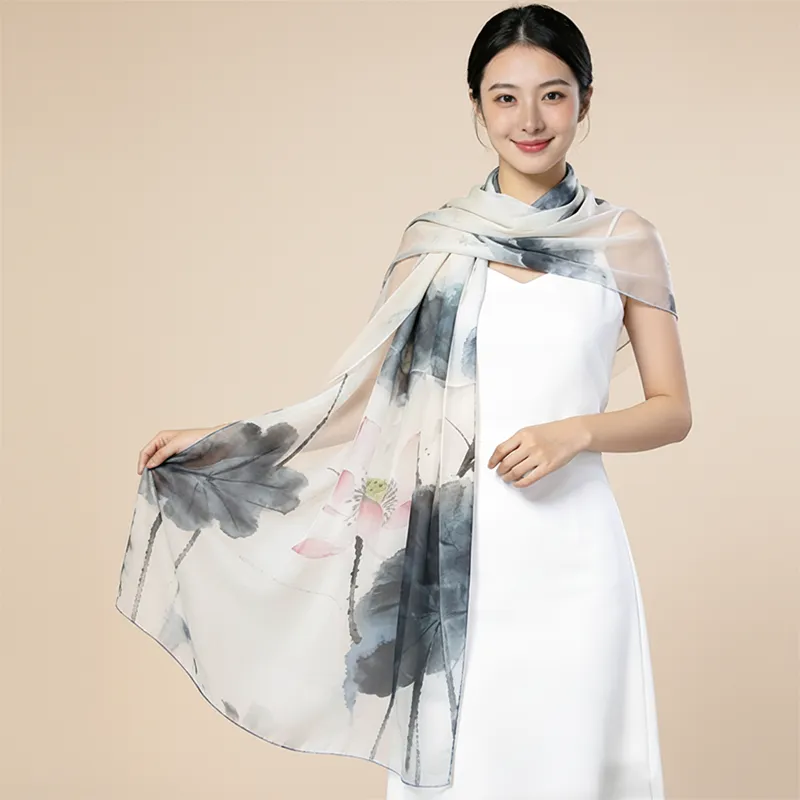
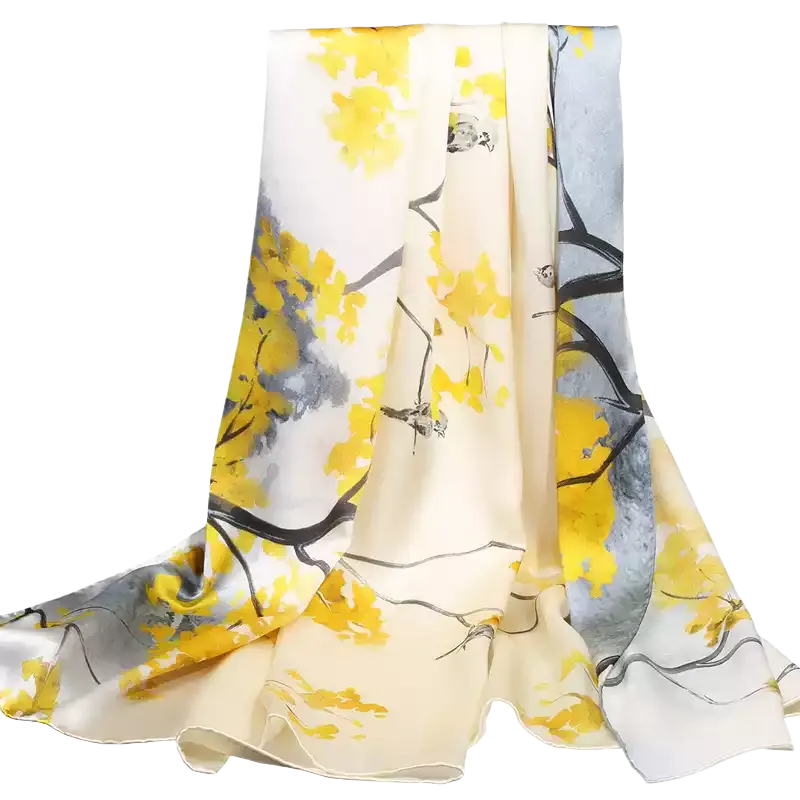
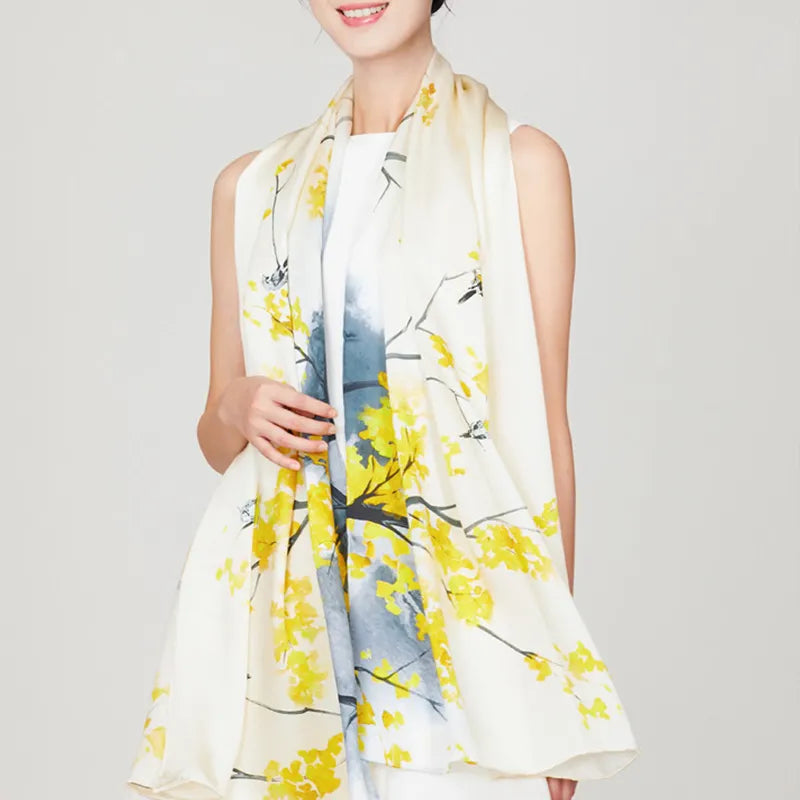
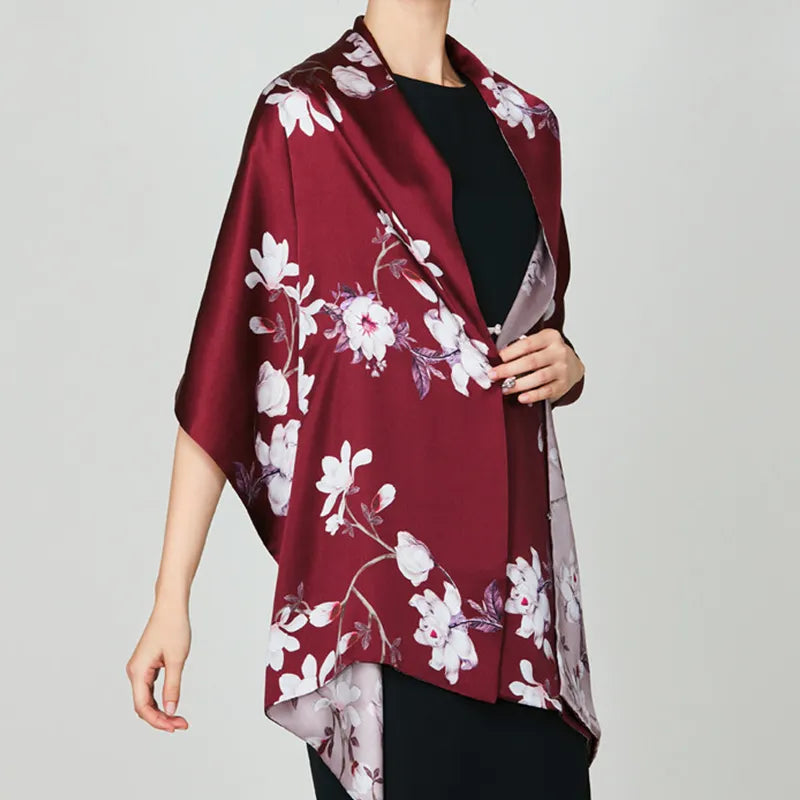
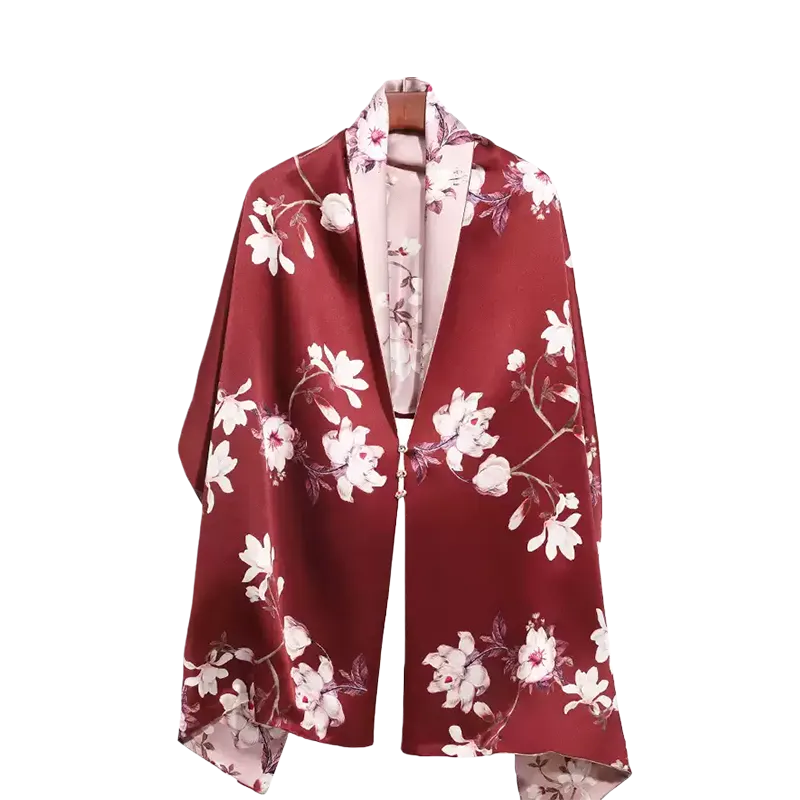
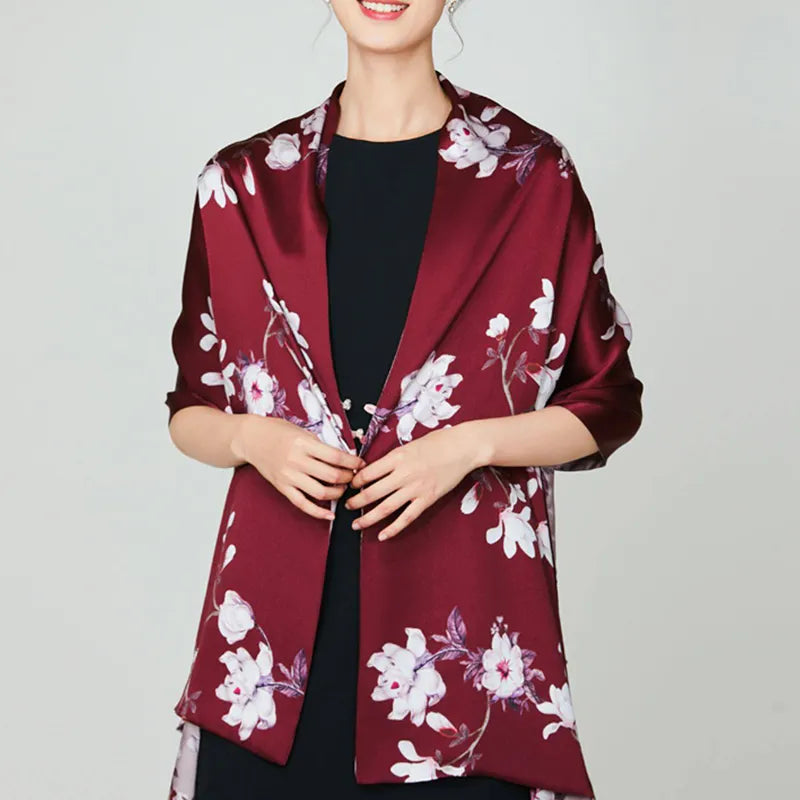
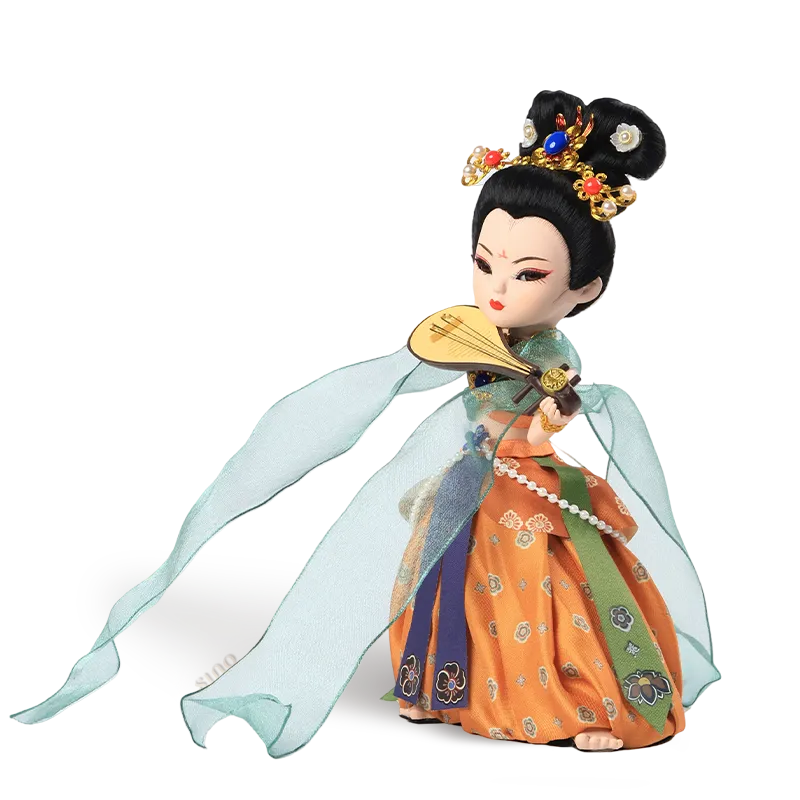
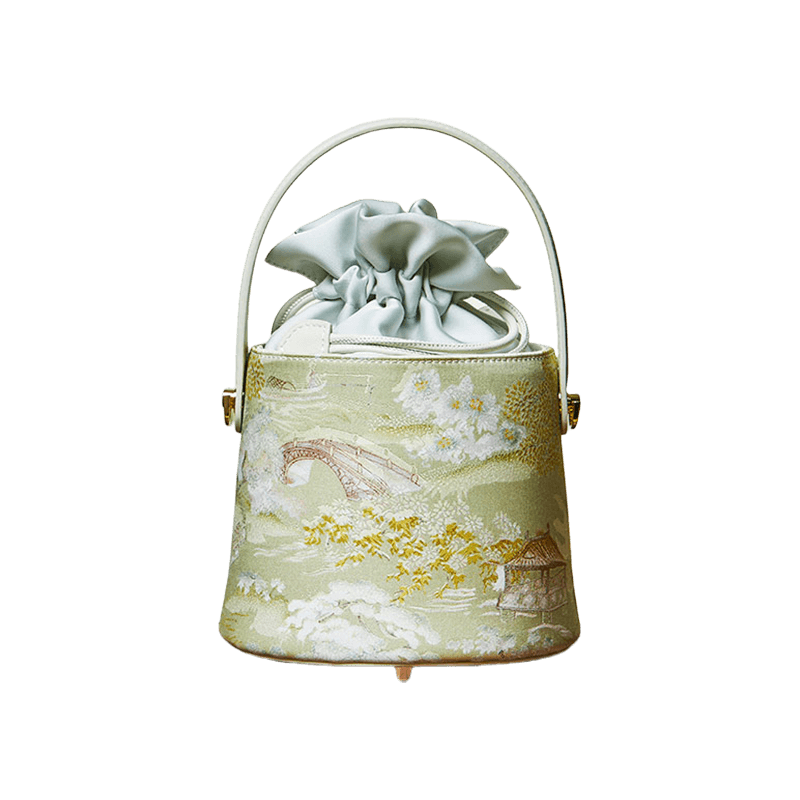
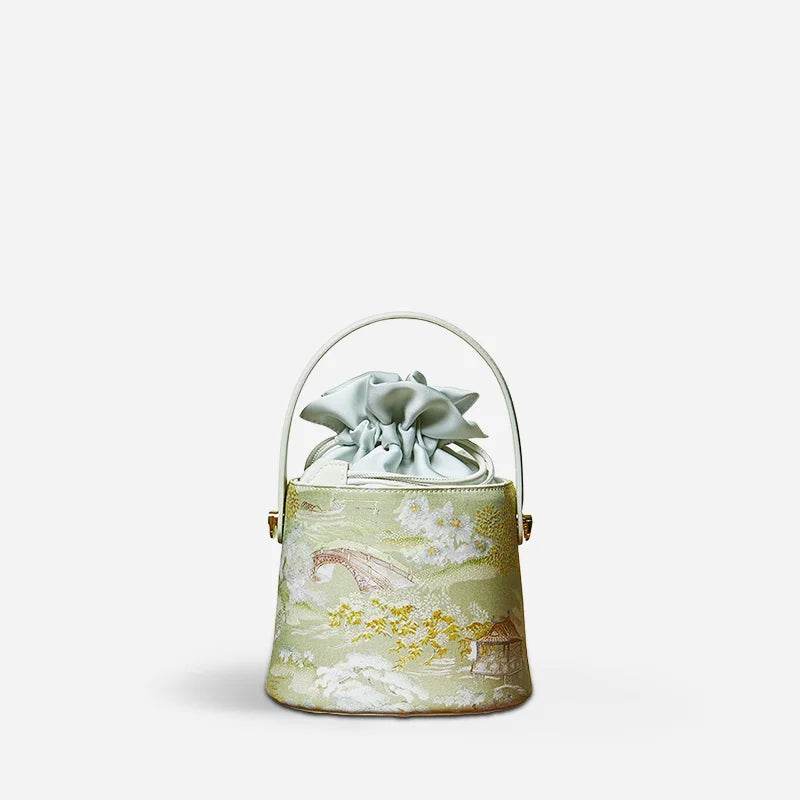
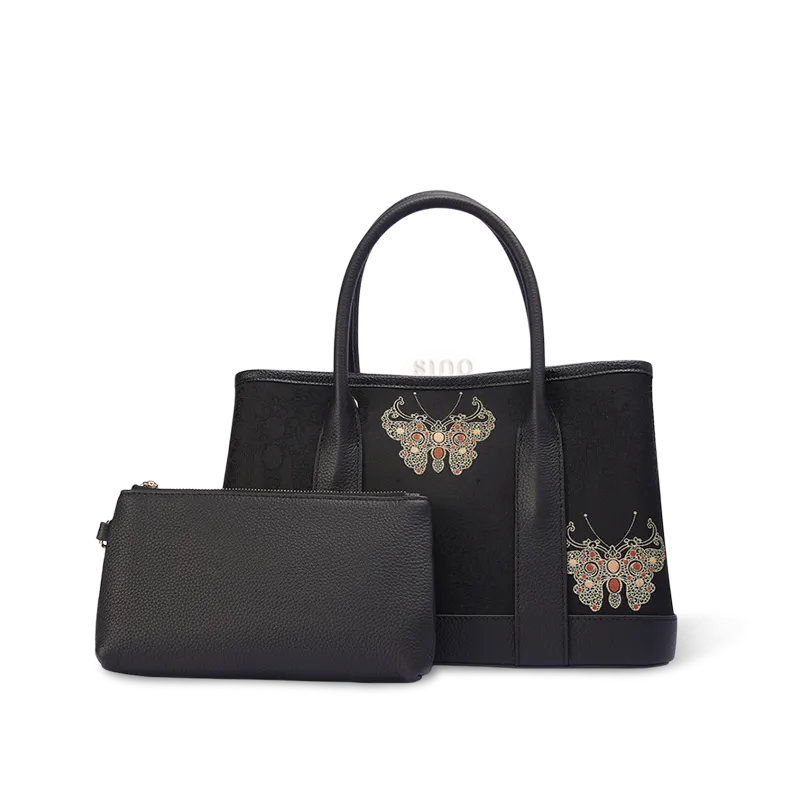
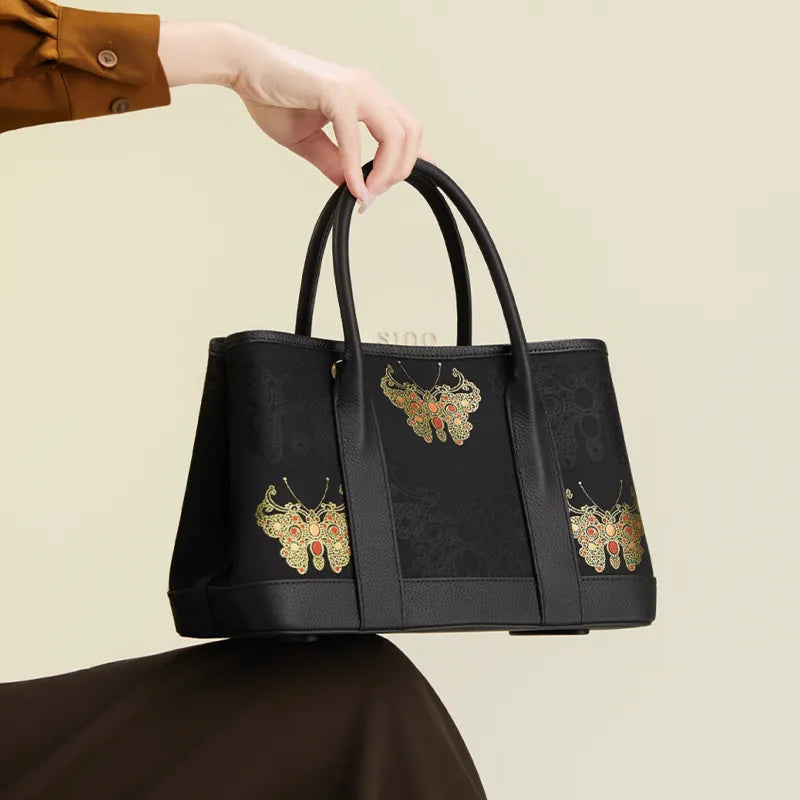
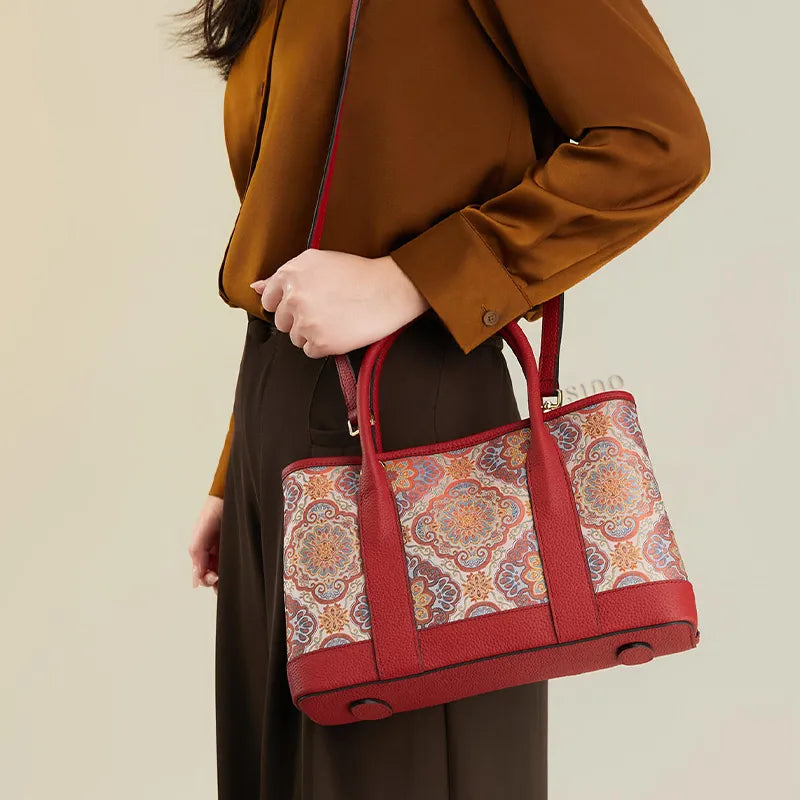
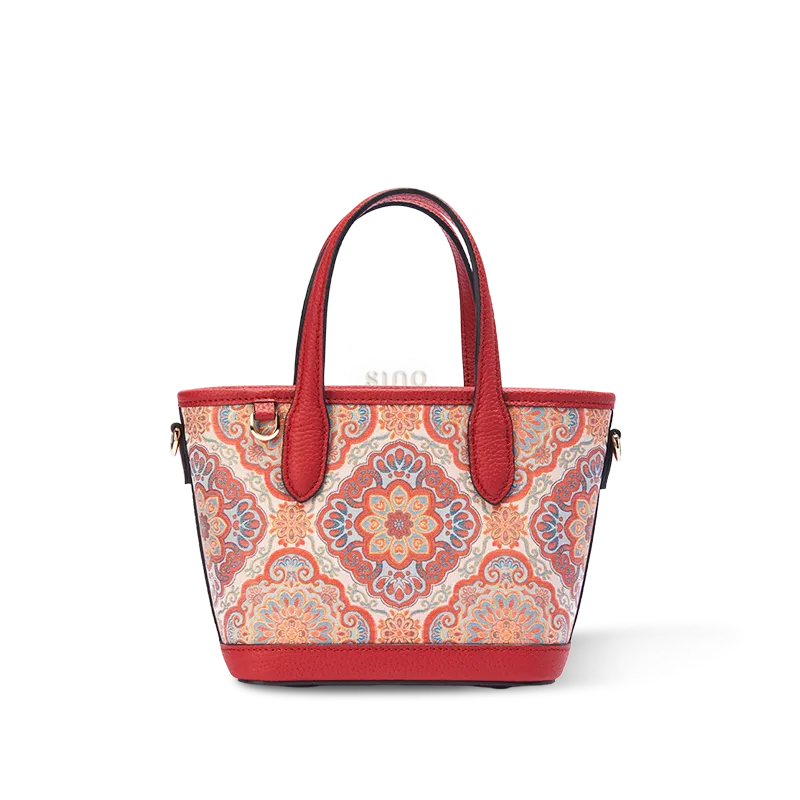
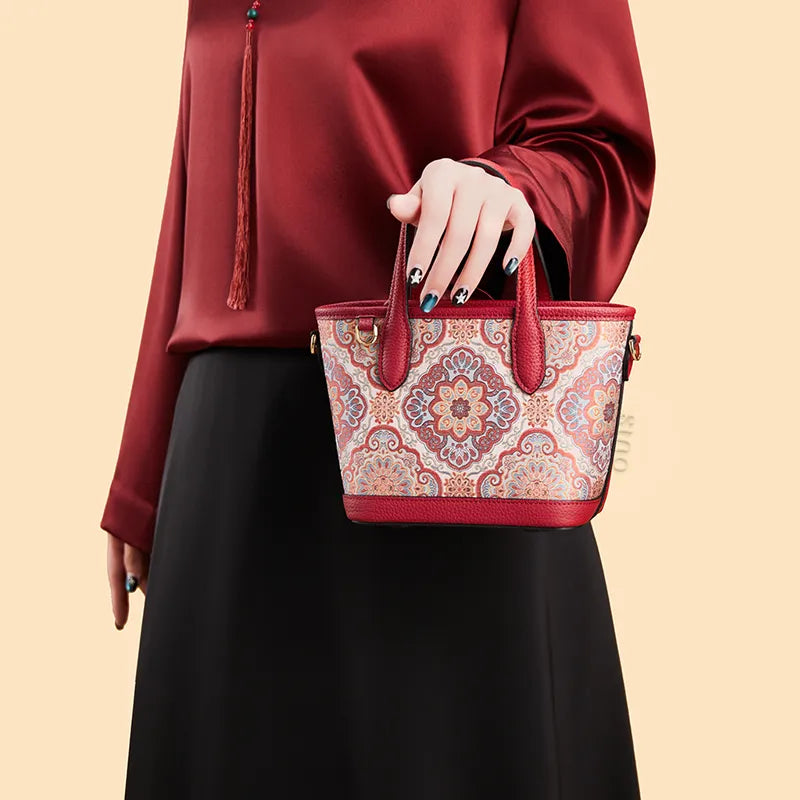
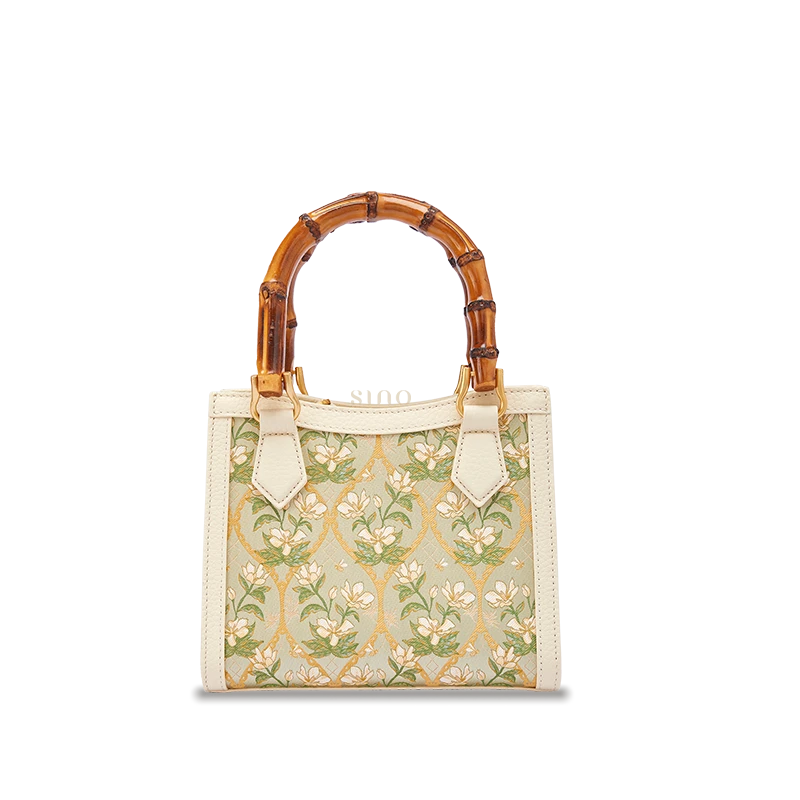
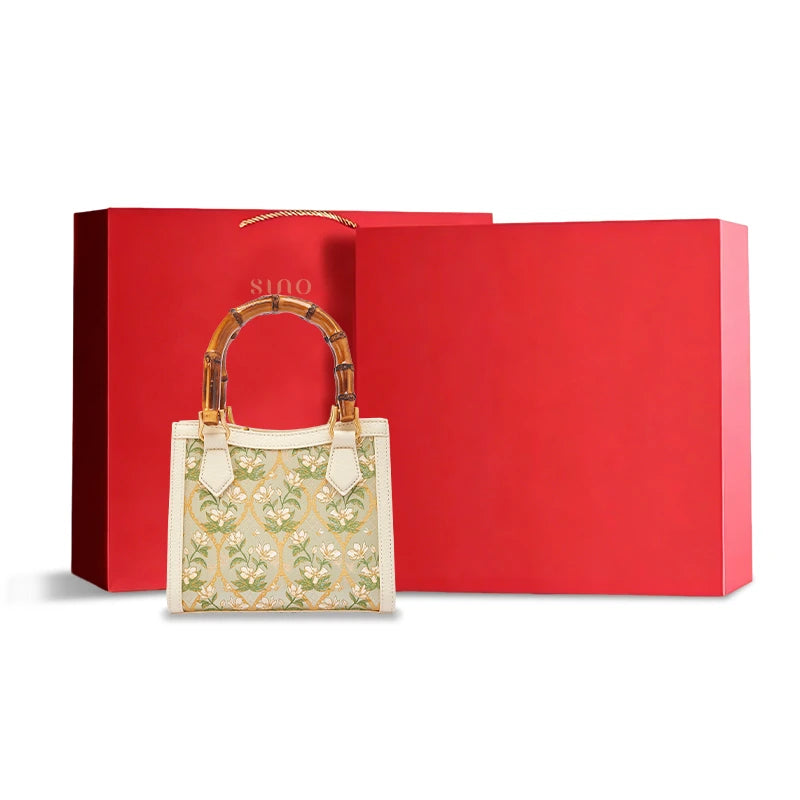
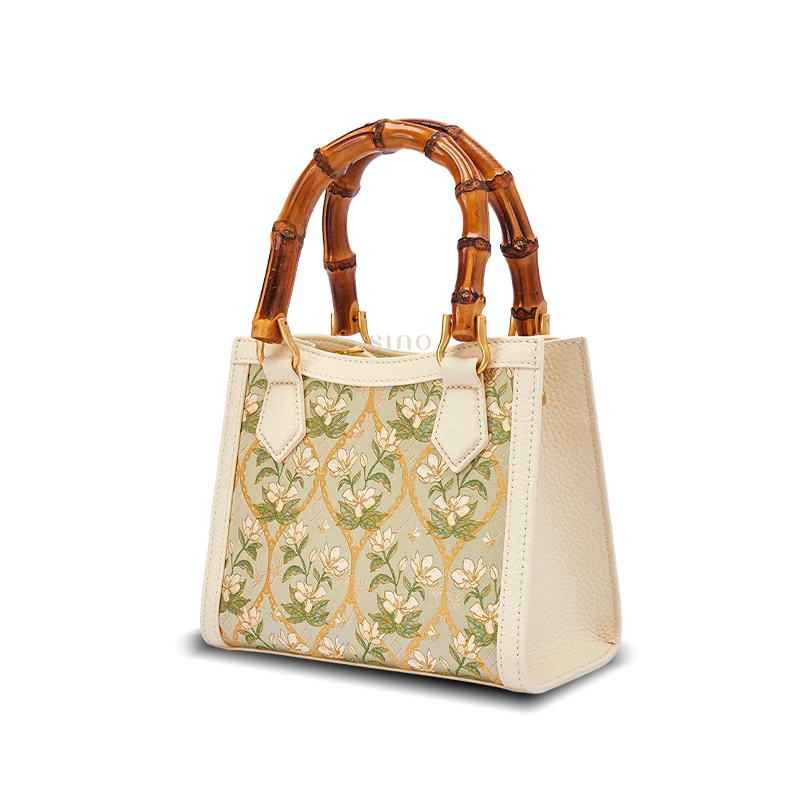
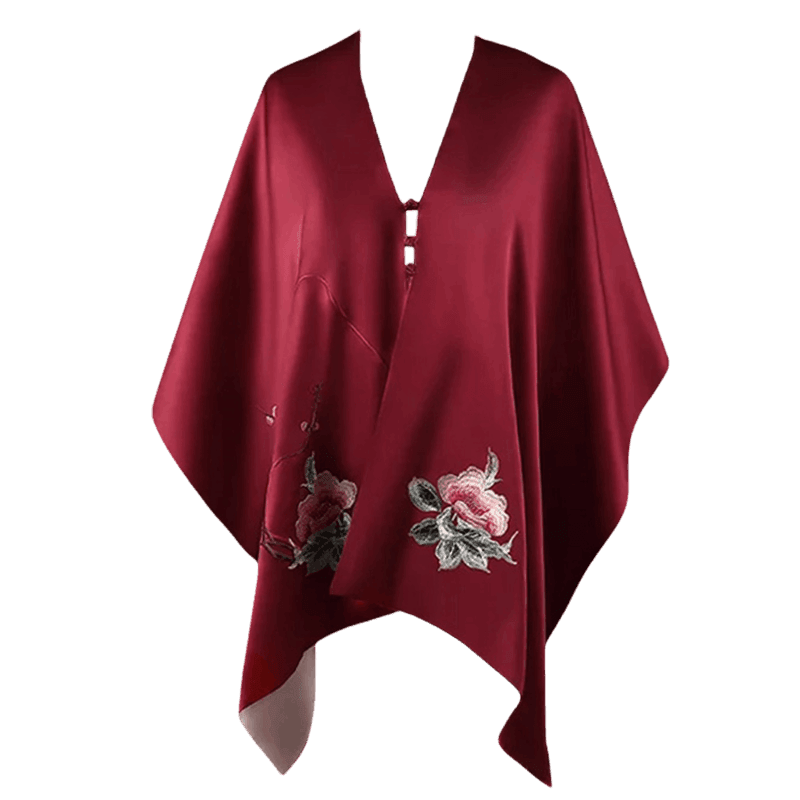
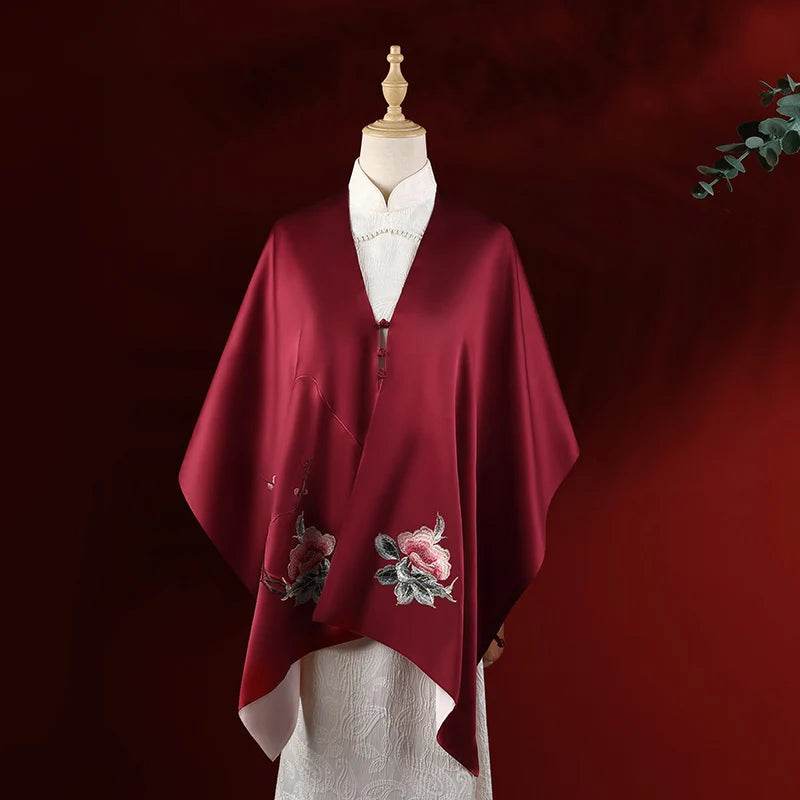
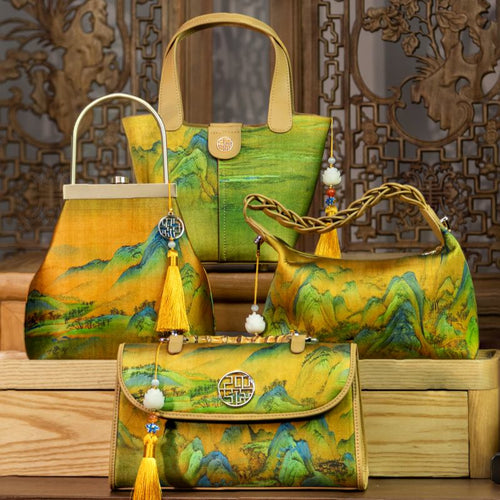
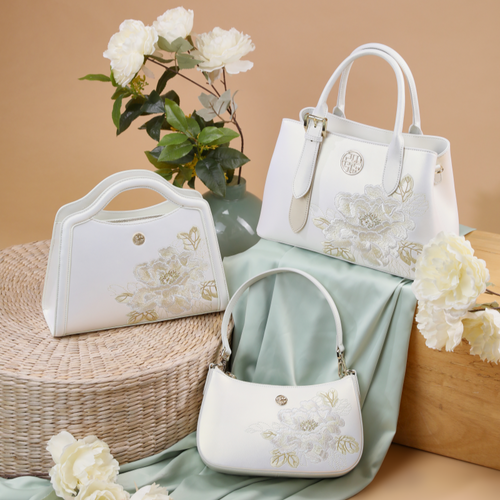
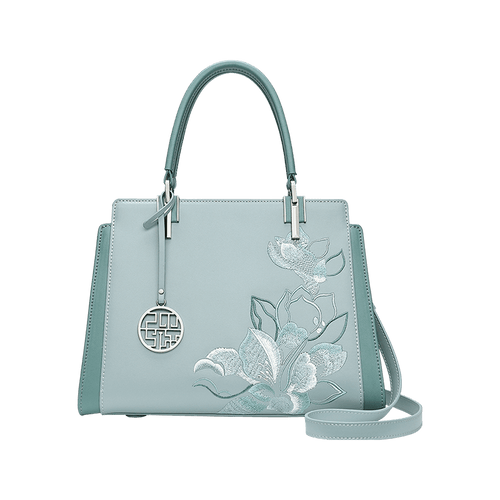
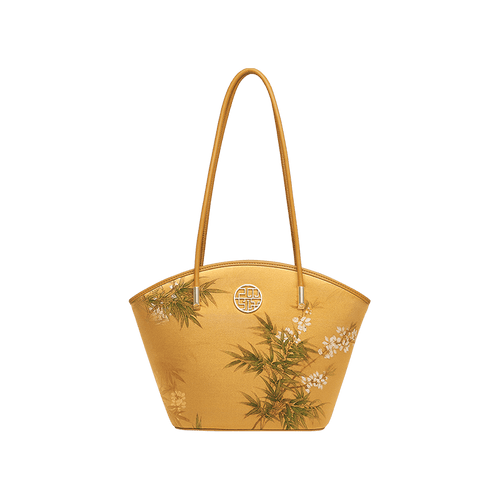
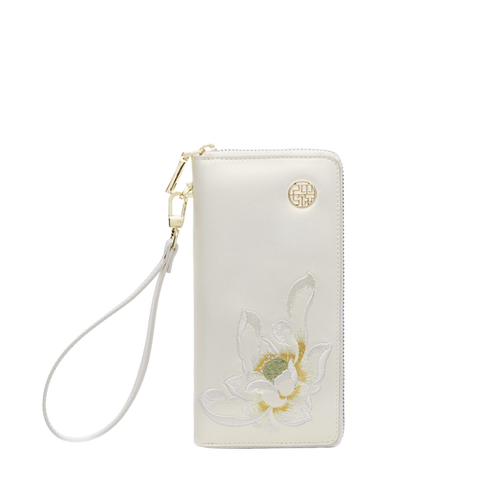
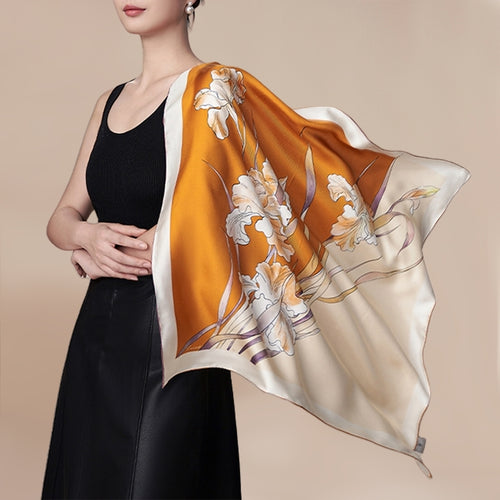
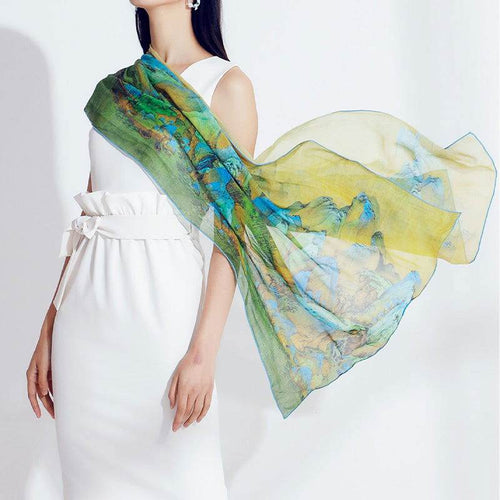
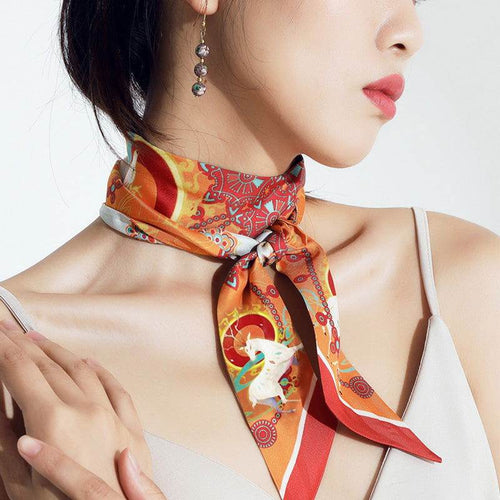
Traveling along the Hexi Corridor offers more than places to visit. It also introduces you to the art, textiles, and traditions shaped by centuries of exchange along the Silk Road. If you're looking for something to remember the journey by, consider pieces that reflect this heritage—a Song brocade bag with Silk Road-inspired motifs, a mulberry silk scarf, or a Dunhuang-inspired flying apsara doll. Whether you're choosing a gift for someone back home or something for yourself, these pieces offer a way to carry a little of the journey with you.
Silk Road-Inspired Gifts
Discover pieces inspired by Chinese silk, traditional craftsmanship, and the art of Dunhuang.


A meaningful souvenir doesn't have to be something you pick up along the way. It can also be a piece that reminds you of the places you've explored, the art you've discovered, and the stories you've heard. Whether kept for yourself or given to someone special, these Silk Road-inspired gifts offer a simple way to remember your journey through Gansu.