Skip to content

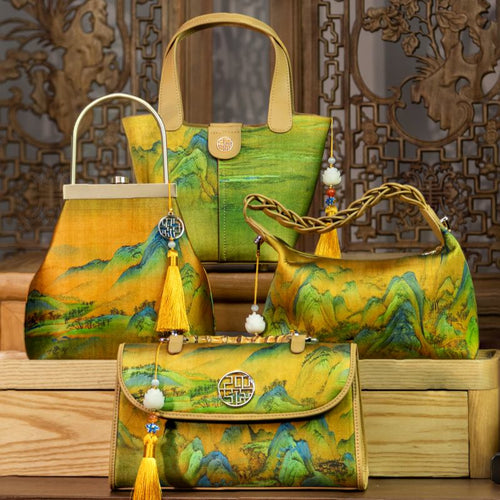
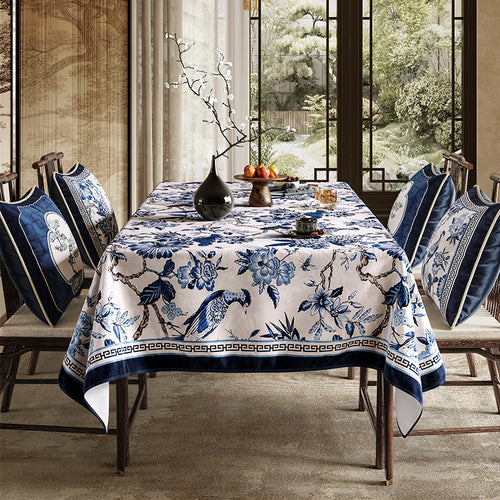
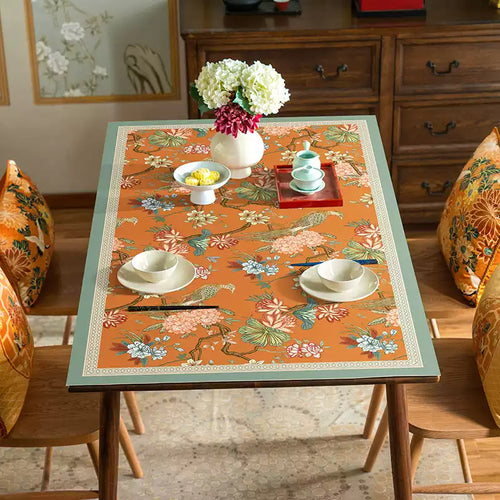




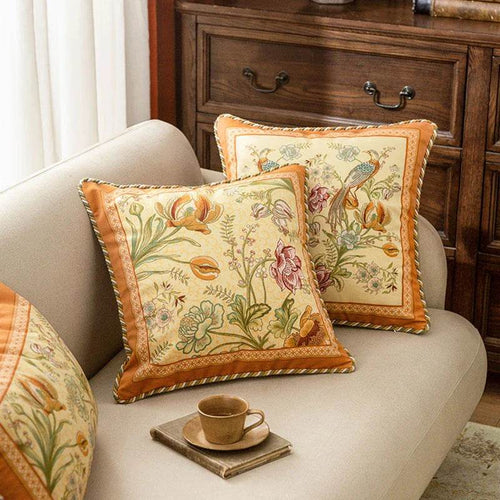
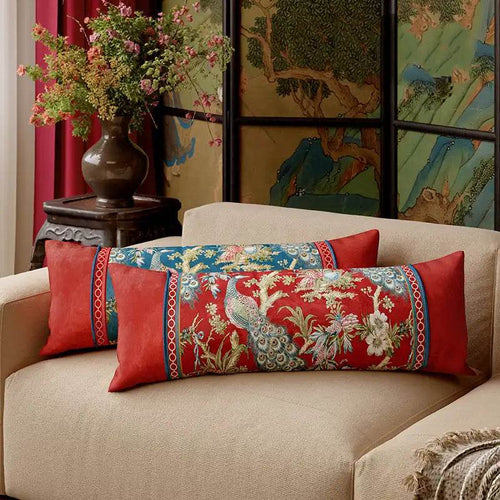
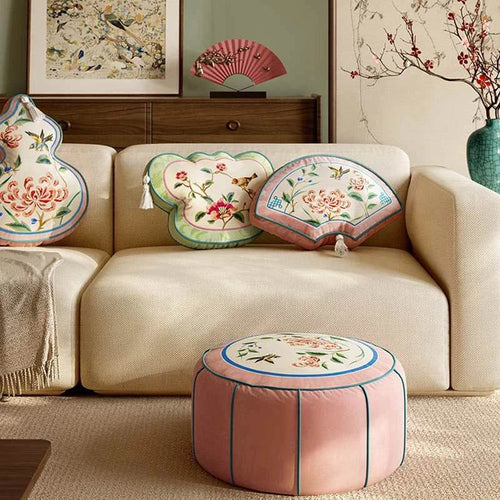

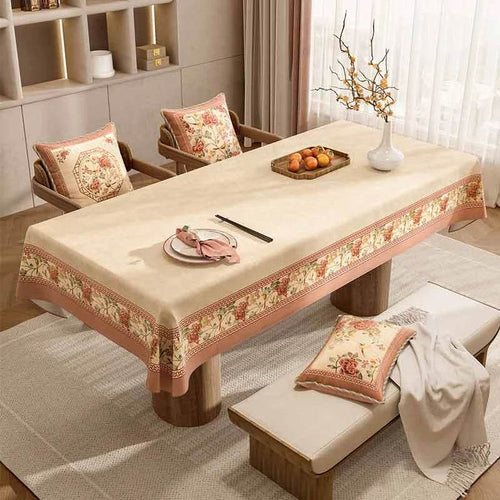
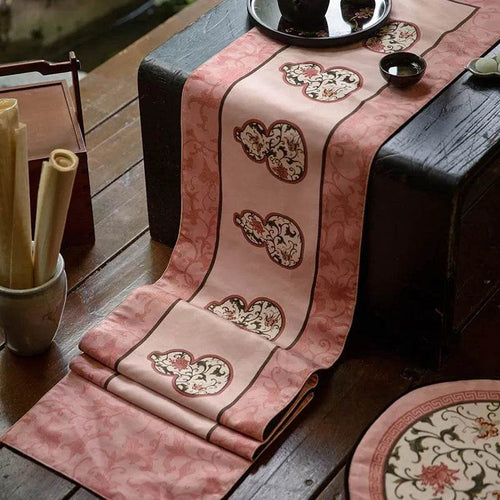


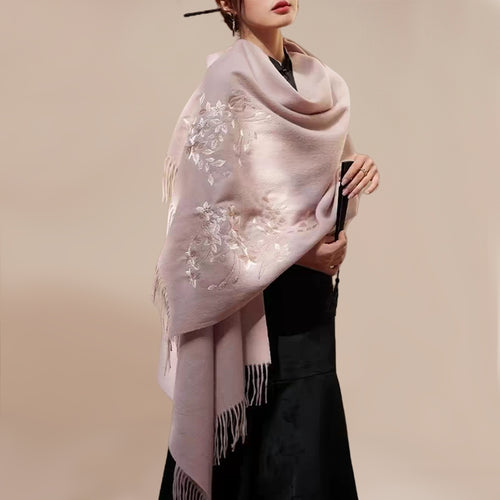
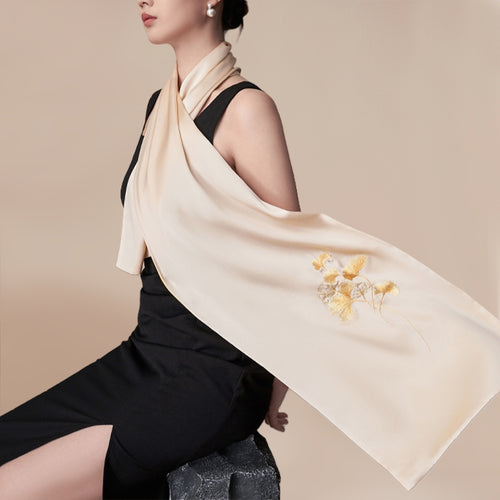
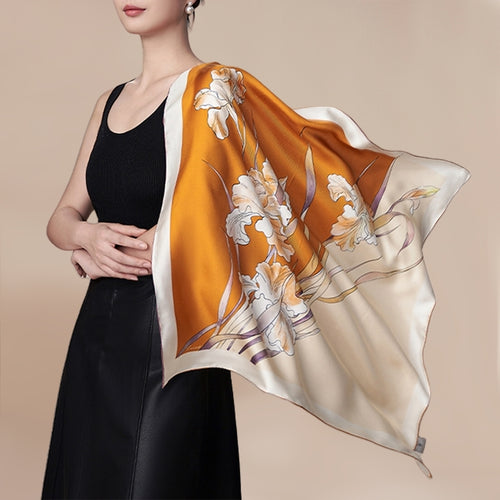
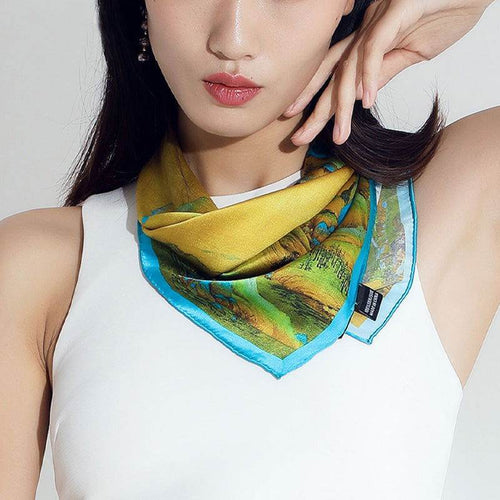
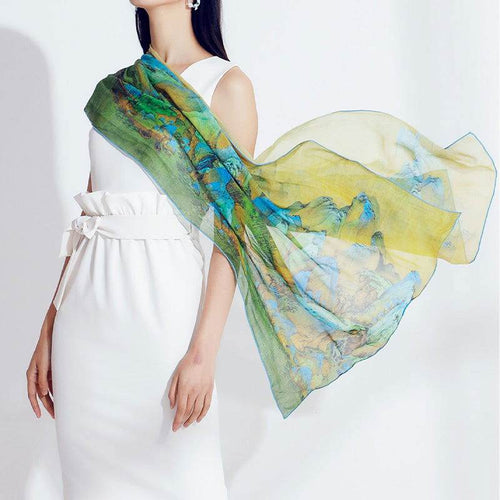
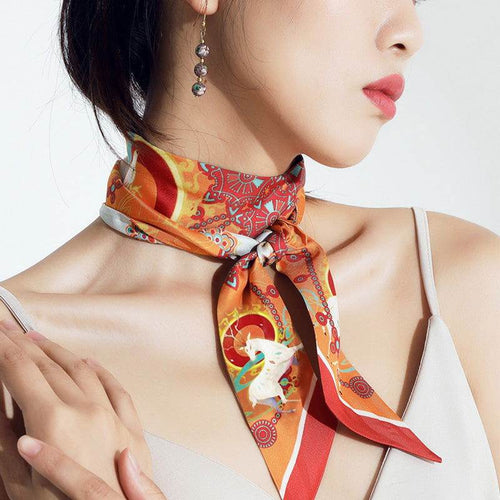


For millennia, Chinese silk has been the undisputed pinnacle of luxury textiles. But what truly makes it so special? This guide is your definitive journey into the world of imperial weaving, from the foundational techniques to the master-level arts like Kesi and Yunjin Brocade that defined dynasties. Discover the stories, the craftsmanship, and the cultural soul woven into every thread of ancient China silk.
What is Authentic Chinese Silk (桑蚕丝 / Sī)?
In authentic Chinese culture, true silk refers exclusively to 100% natural Mulberry Silk (Sang Cansi 桑蚕丝), harvested from silkworms fed on mulberry leaves. Unlike modern synthetic textiles often commercially labeled as "China silk" (which is frequently polyester Habotai), genuine ancient Chinese silk is categorized into structural classifications such as Ling, Luo, Chou, Duan, Kesi, and Brocade—prized for its protein-rich breathability, natural pearlescent luster, and remarkable tensile durability.
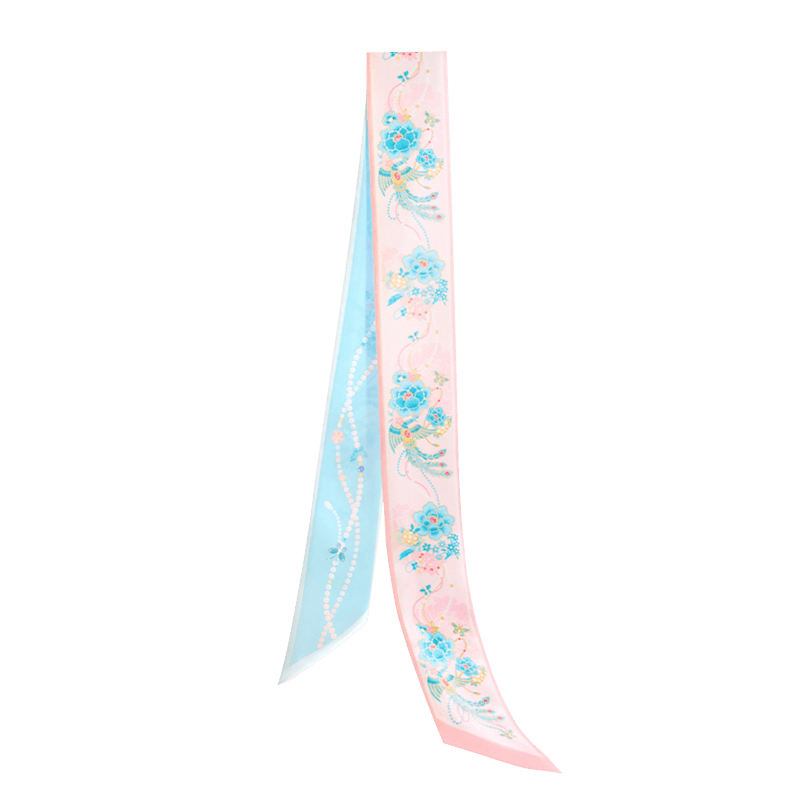
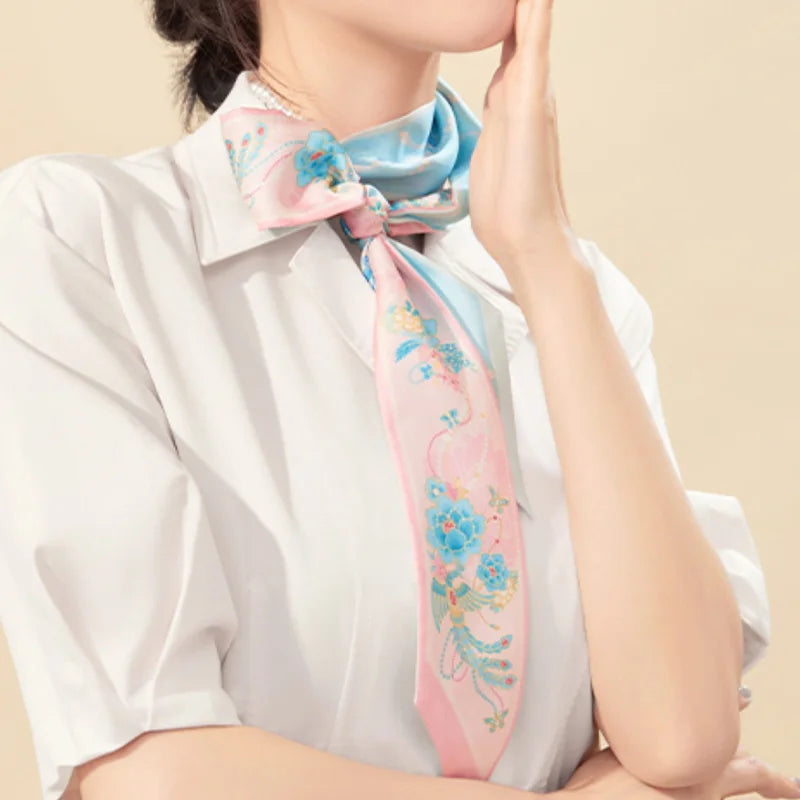
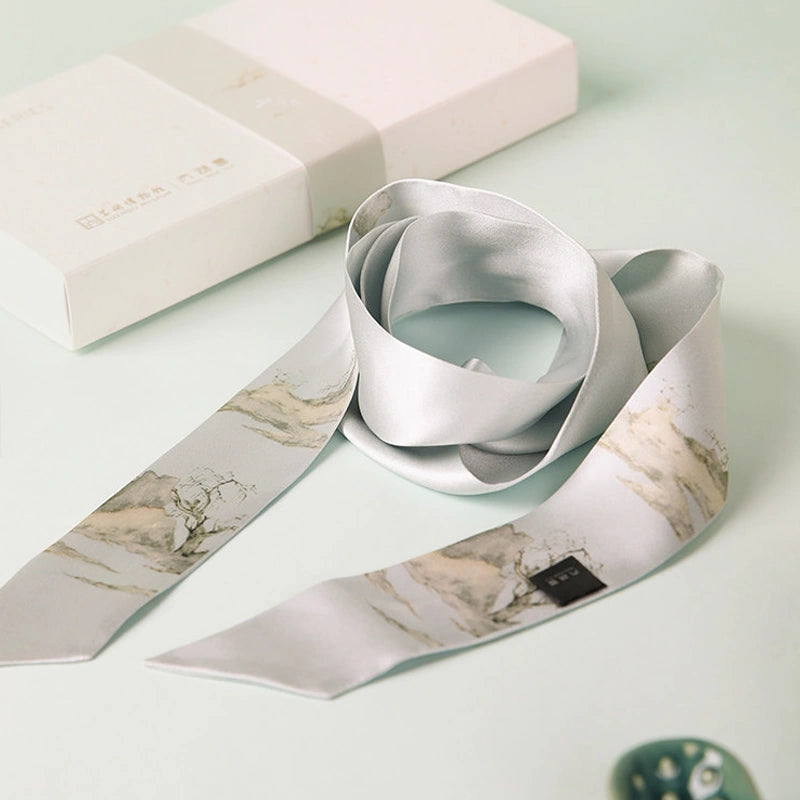
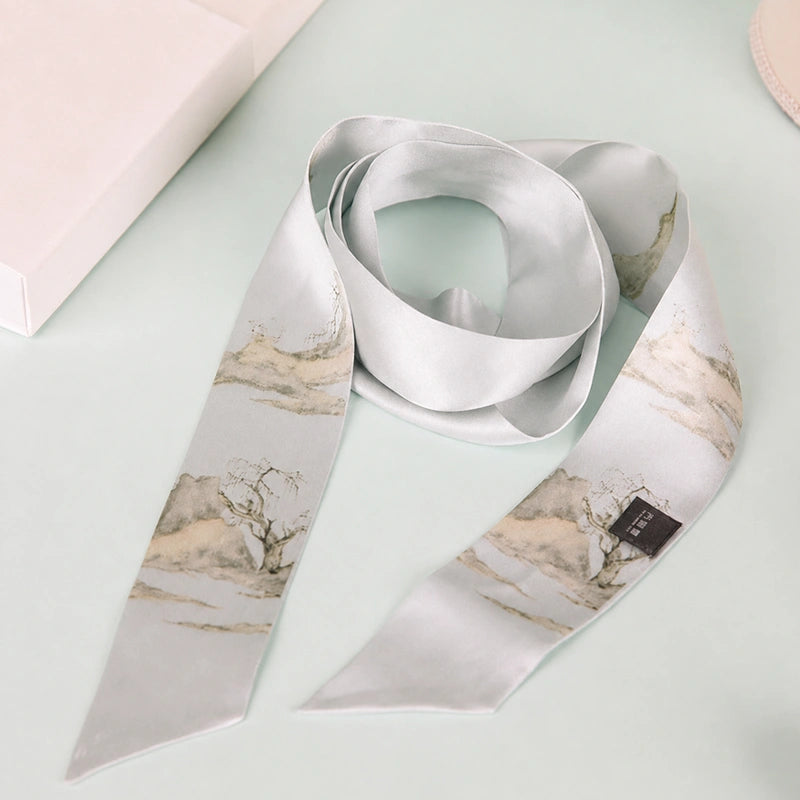
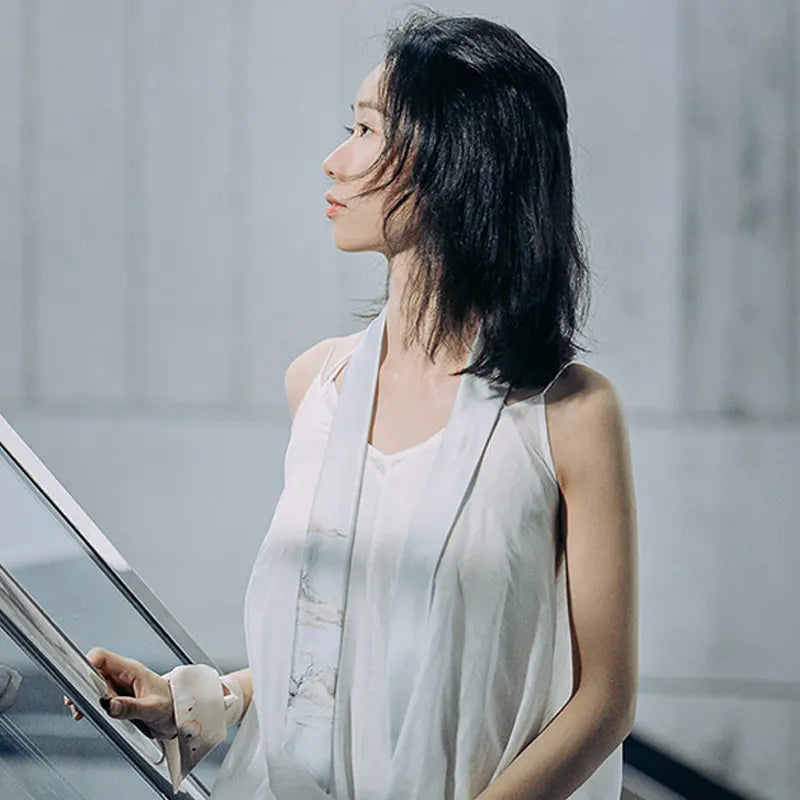
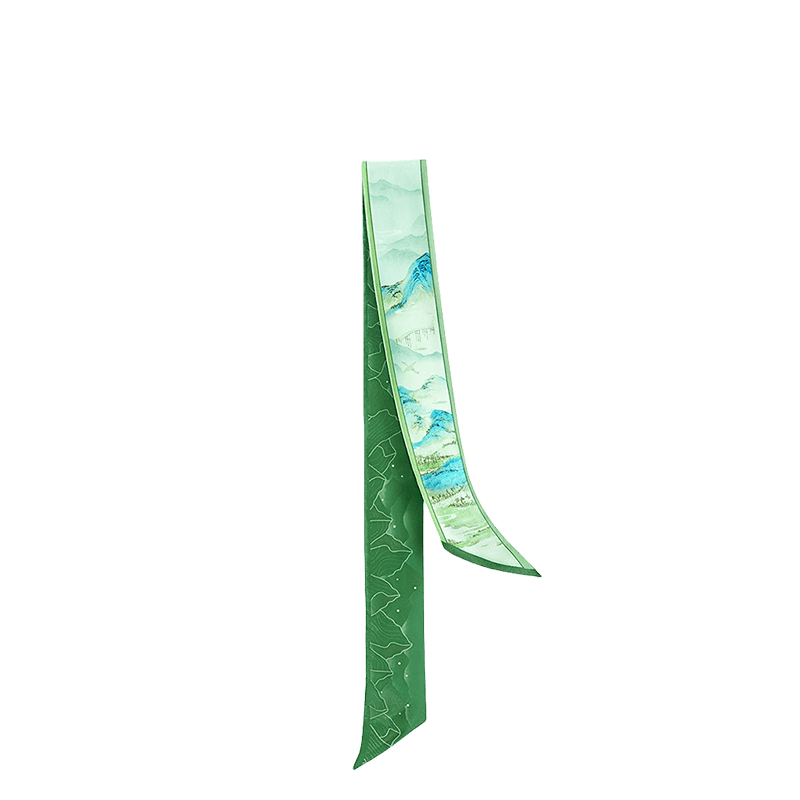
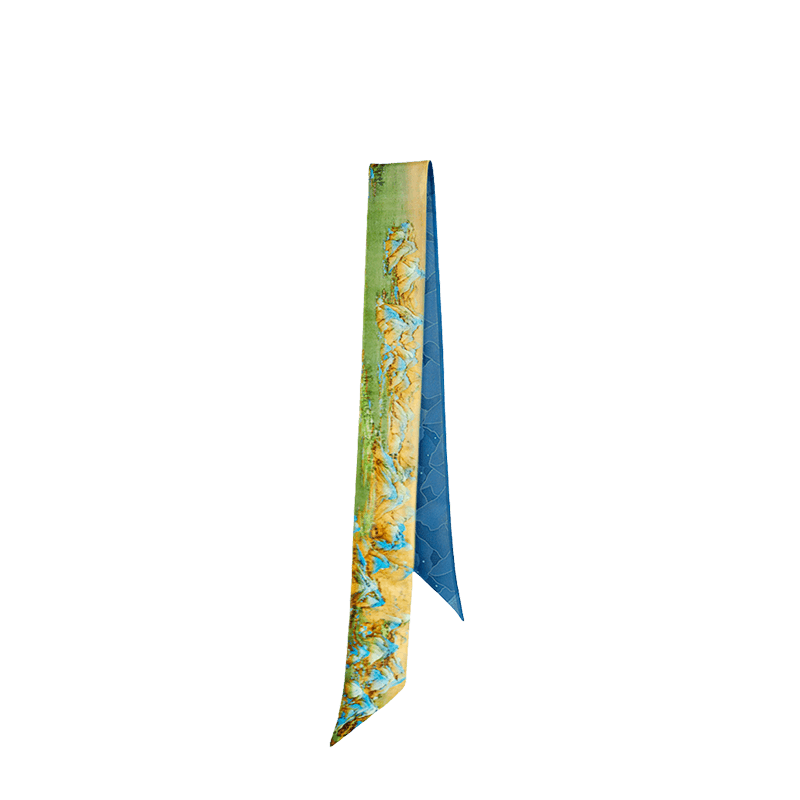
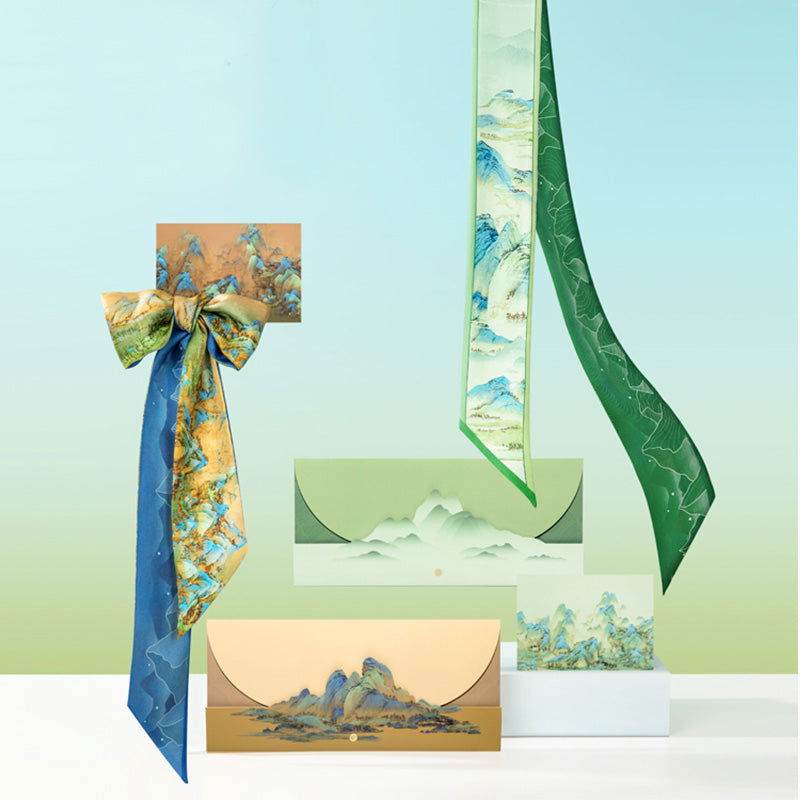
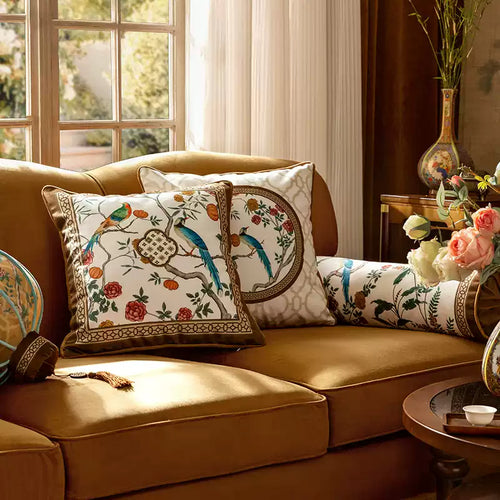
To truly understand the difference between commercial synthetic substitutes and genuine 100% Mulberry Silk (Sang Cansi), there is no better way than feeling its featherlight drape and liquid pearlescent sheen against your skin. At Sinocultural, our scarves are crafted exclusively from 100% mulberry silk—translating ancient imperial weaving into everyday wearable art.
Experience the Touch of Genuine Chinese Silk
Hand-rolled edges, lustrous twill drape, and timeless imperial motifs.


Looking for more patterns and sizes? Explore the Full SinoCultural Silk Scarf Collection →
Table of Contents
- 1. The Origins: When and Who Invented Silk in Ancient China?
- 2. What is Chinese Luxury? A Dialogue with Civilization
- 3. Chinese Silk: The Art of Imperial Weaving & Fabric Types
- 4. The Four Famous Chinese Embroideries (Su, Yue, Shu, Xiang)
- 5. The Four Famous Brocades of China: Weaving Power & Prestige
- 6. The Rarest Silk Techniques: Kesi & Xiangyunsha
- 7. FAQ: Understanding Chinese Silk Fabrics & Language
- 8. Conclusion: Luxury as a Cosmic Conversation

The Origins: When and Who Invented Silk in Ancient China?
To understand the value of silk in China, we must look back at its origins. When was silk invented? Archaeological evidence suggests that silk production began in Neolithic China (Yangshao culture) as early as 3600 BC.
But who invented silk? According to ancient Chinese mythology, the discovery belongs to Leizu (嫘祖), the wife of the Yellow Emperor. Legend has it that a silkworm cocoon fell into her hot tea, and as she pulled it out, it unraveled into a single, shimmering thread. She then invented the silk loom, elevating ancient China and silk into a symbiotic relationship that would eventually map the famous Silk Road. From raw cocoons to the finest chinese woven silk, this discovery changed the course of global trade. More details about Chinese silk, read our: 6,000 Years of Chinese Silk: History, Secrets & The Silk Road | SinoCultural
What is Chinese Luxury? A Dialogue with Civilization
Chinese luxury embodies 8,000 years of imperial artistry – where silk threads encode dynastic glory, porcelain glazes capture celestial harmony, and tea leaves ferment into liquid philosophy. Unlike Western luxury’s pursuit of novelty, these UNESCO-protected crafts (Yunjin Brocade, kesi silk, Ru kiln ceramics) thrive on sacred traditions: a single dragon robe consuming 3 years of hand-weaving, celadon glazes perfected through Song dynasty alchemy. More than status symbols, they are living heirlooms of a civilization that redefined luxury as dialogue between heaven, earth, and human genius.


Chinese Silk – The Art of Imperial Weaving
In China, silk is more than just cloth; it is a carrier of culture and art. From palace embroidery to brocade, every piece of chinese fabric woven from silk is a work of art, and every stitch contains profound cultural significance. Silk of China is also recognized as the highest luxury in China's traditional crafts. The best silk in the world comes from China. In the Great Navigation Age, western nobles took Chinese silk products as their ultimate status symbol. Weaving process of Chinese silk, read our: Silk Weaving: From Mulberry Leaves to Exquisite Textiles
Core Techniques & The 14 Traditional Chinese Silk Fabric Types
When discussing types of Chinese silk, artisans historically categorize them based on weave structures, density, and finishing methods:
| Category (Chinese) | Weave Structure | Tactile Characteristics | Historical & Modern Use |
|---|---|---|---|
| Ling (绫) – Twill Silk | Twill weave with diagonal ribs | Soft, fluid, subtle diagonal sheen | Mounting imperial scrolls, fine robes |
| Luo (罗) – Gauze Silk | Crossed-warp openwork structure | Airy, breathable, lattice transparency | Summer robes, breathable court garments |
| Chou (绸) – Pongee / Taffeta | Dense plain weave | Substantial, durable, smooth finish | Everyday imperial wear, luxury lining |
| Duan (缎) – Satin Silk | Satin weave (floating warps) | Liquid drape, brilliant mirror shine | Formal gowns, wedding wear, scarves |
| Jin (锦) – Brocade | Compound multi-shuttle weft/warp | Thick, opulent, raised colorful patterns | Dragon robes, royal tapestries, bags |
| Juan (绢) & Sha (纱) | Fine plain & sheer gauze weave | Ultra-lightweight, crisp to soft | Classical Chinese paintings, veils |
Is "China Silk" Real Silk? Understanding the Trade Name vs. Authentic Mulberry Silk
One of the most common questions from fabric enthusiasts worldwide is: Is China silk real silk?
The confusion stems from modern textile terminology. In Western commercial markets, the term "China Silk" is often used generically to describe a lightweight, plain-weave fabric (historically Habotai silk, around 8–10 momme). However, modern discount retailers often produce synthetic imitations made of 100% polyester and label it loosely as "China silk lining."
Authentic Chinese silk from Sinocultural is 100% genuine Mulberry Silk (Sang Cansi). Woven from pure natural protein filaments produced by domesticated silkworms (Bombyx mori), it contains 18 natural amino acids that nourish human skin and hair. To test authentic silk from synthetic substitutes, a burn test reveals that pure silk burns slowly with the smell of singed hair and crushes to ash, while synthetic fibers melt into hard chemical beads.
-
Foundational weaves: Ling (Twill), Luo (Gauze), Chou (Pongee), Duan (Satin), Juan, Sha, Xiao, Jin (Brocade), Zhou (Crepe). These range from crisp chinese raw silk fabric to incredibly soft chinese fabric woven from silk.
-
Master-level arts: Four Famous Embroideries, Four Famous Brocades, Kesi (缂丝), Xiangyunsha Silk (香云纱).
-
Nanjing Yunjin Brocade: Dragon robe fabric for Ming/Qing emperors (5cm/day output).
-
Kesi Silk: Reversible patterns woven at 2mm/day precision.
-
Xiangyunsha Silk: Plant-dyed "soft gold" exclusive to royalty.

Four Famous Chinese Embroideries (Su, Yue, Shu, Xiang)
The Four Famous Chinese Embroideries include Yue (Canton) Embroidery, Su (Suzhou) Embroidery, Shu (Sichuan) Embroidery, and Xiang (Hunan) Embroidery. They have a history of at least 4,000 years in China and reached their peak during the Ming and Qing Dynasties. The Qing Dynasty marked the golden age of Su Embroidery, with many embroidered pieces enjoyed by the imperial family, all crafted by Su embroidery artisans.
→ For a deeper exploration of each style's unique charm, read our complete guide to The Four Famous Embroideries of China: «An Expert Guide to China Four Famous Embroideries: Su, Xiang, Yue, Shu»

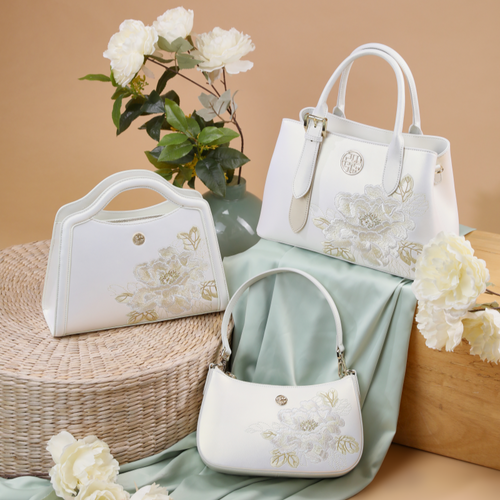
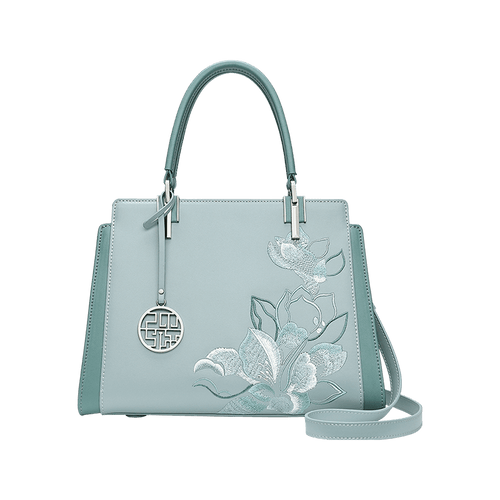
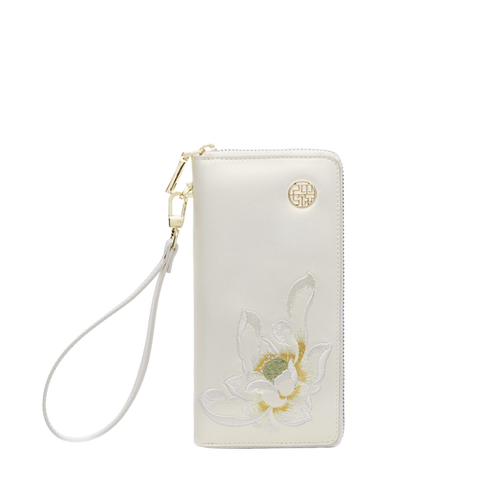
While these masterpieces once graced the halls of imperial palaces, SinoCultural is committed to bringing this 'living heritage' into the modern world. We work with master artisans to translate these ancient, meticulous stitches—particularly the vibrant Yue (Canton) embroidery—into sophisticated everyday accessories. Our Timeless Embroidered Handbag collection allows you to carry 4,000 years of Chinese history and culture with you, blending imperial elegance with contemporary style.
Chinese Embroidered Handbags
Translating imperial palace stitches into structured modern leather and silk accessories.


Looking for more embroidered styles and sizes? Explore the Full SinoCultural Embroidered Handbag Collection →
Four Famous Brocades of China – Weaving Power & Prestige
The Four Famous Chinese Brocades include Yun Brocade, Song Brocade, Shu Brocade, and Zhuang Brocade. Chinese “jin” (brocade) has a history of over 3,000 years. It is highly demanding in production and very difficult to produce, and is regarded as the pinnacle of silk weaving craftsmanship used for the most luxurious chinese silk clothes and tapestries.
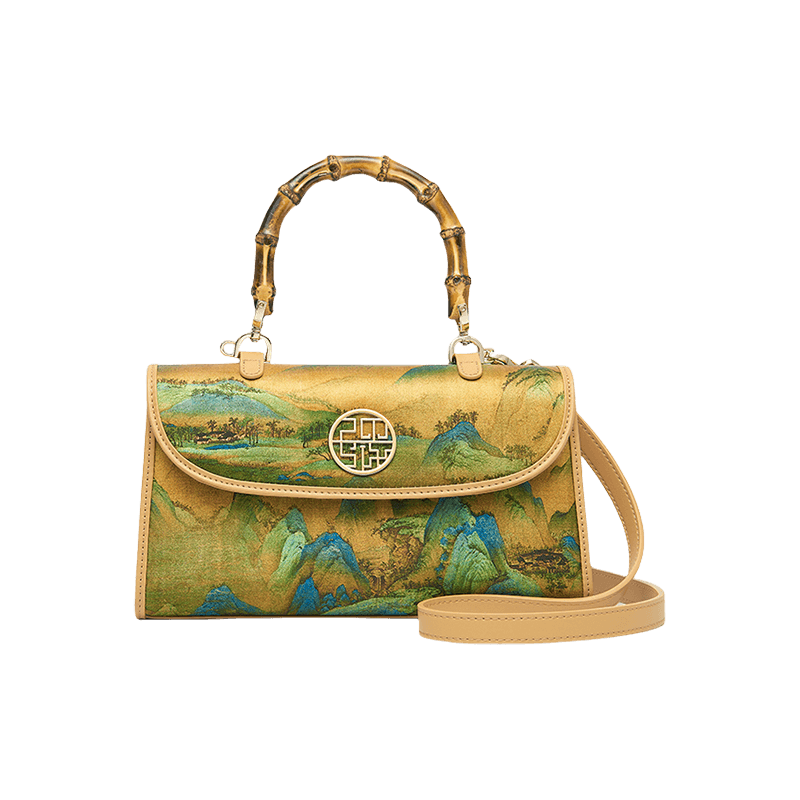
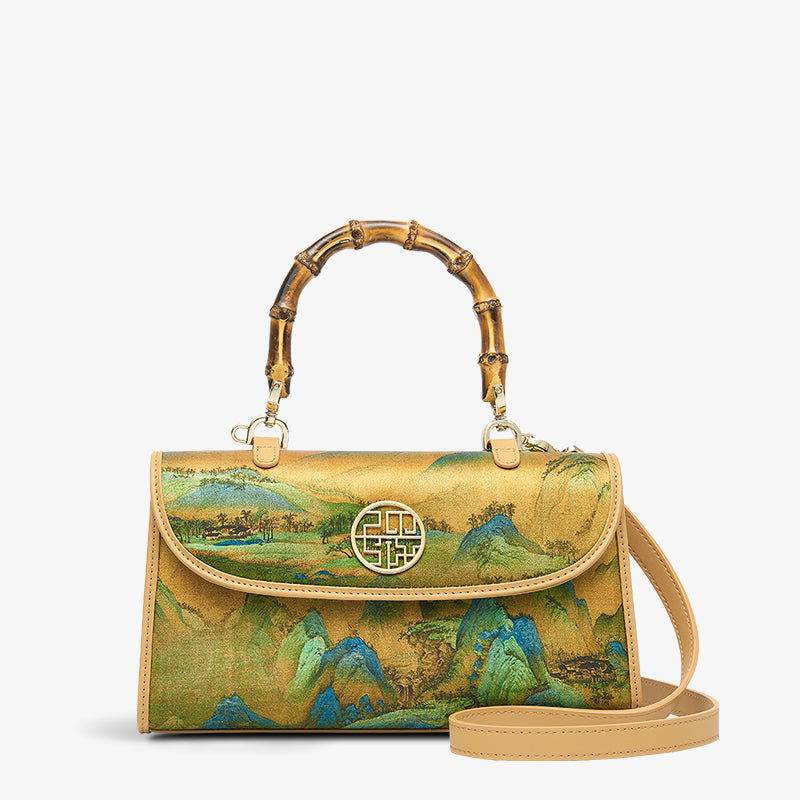
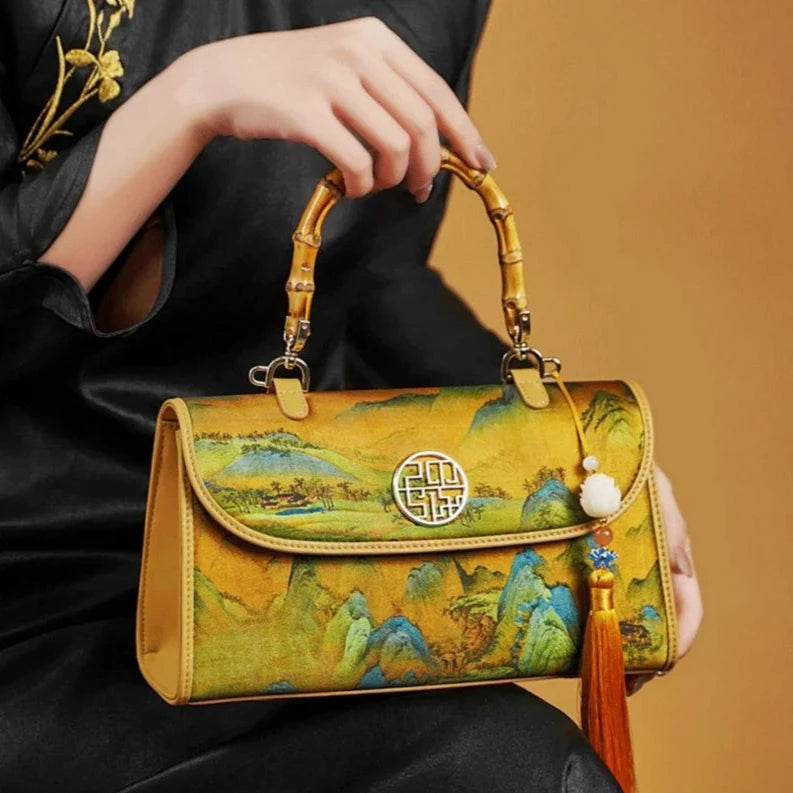
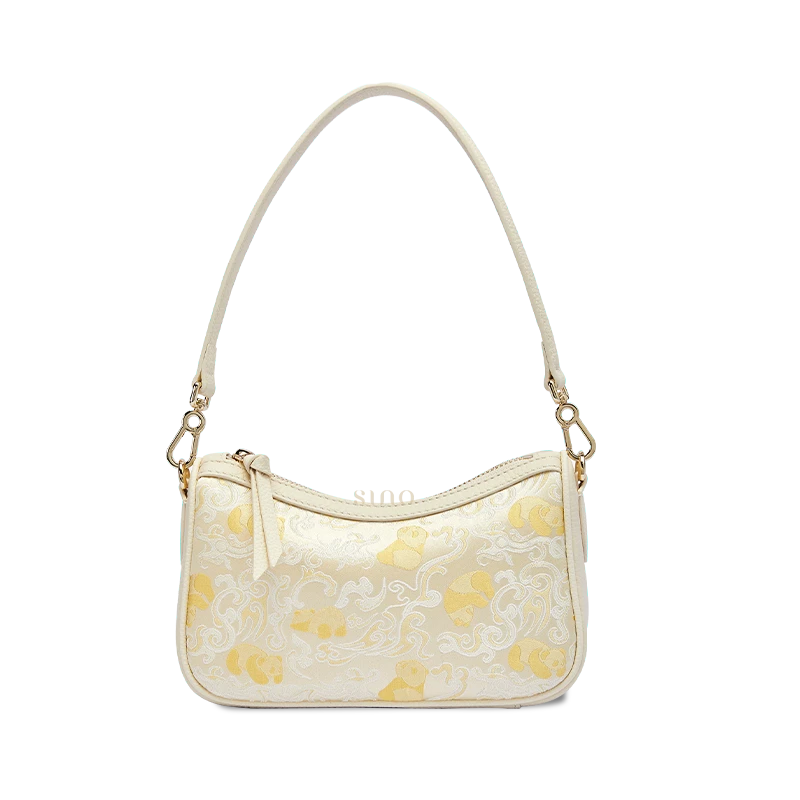
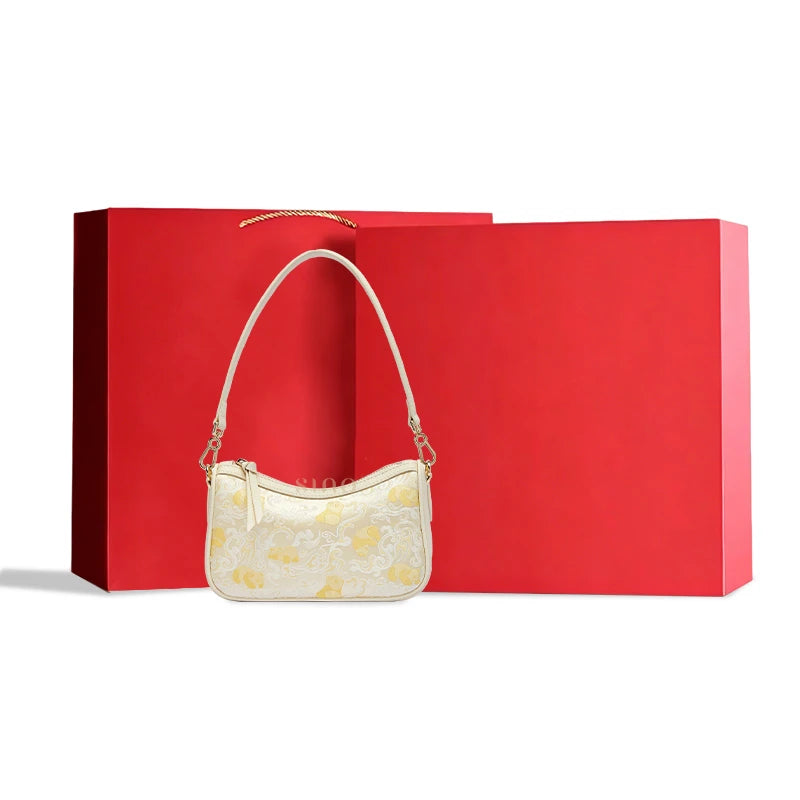
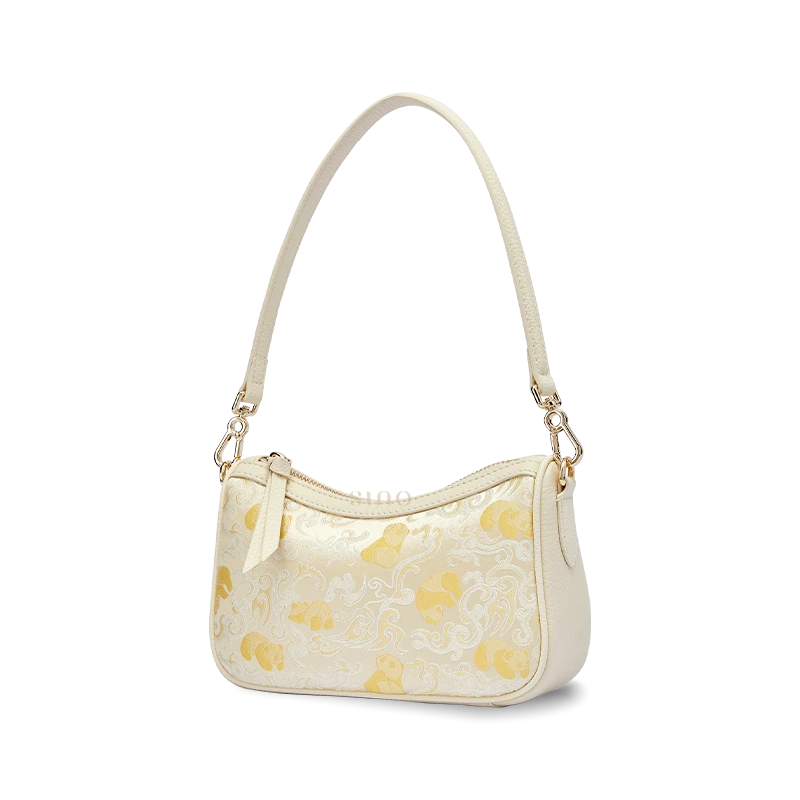
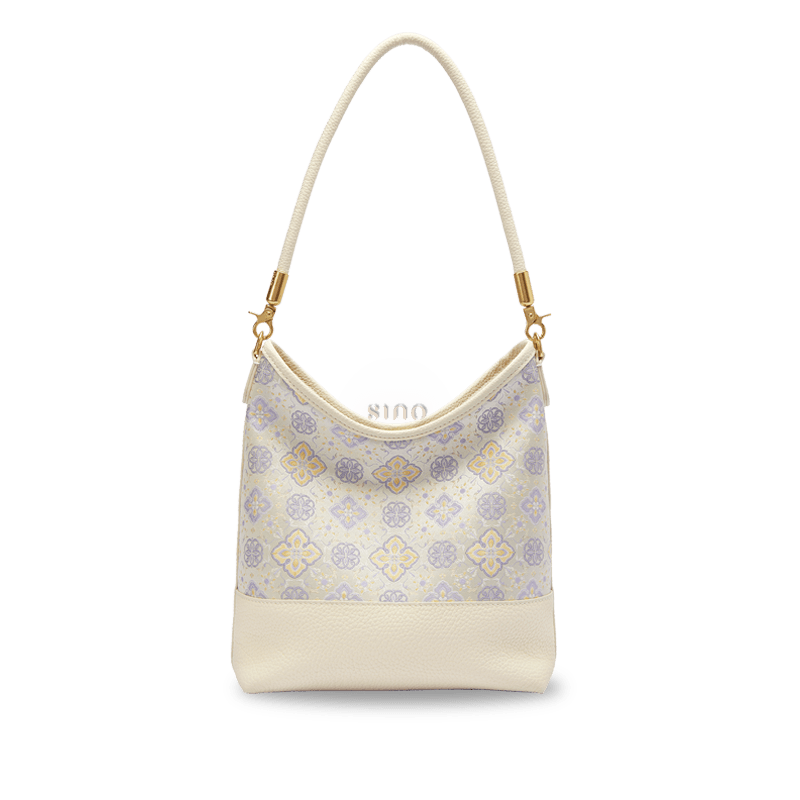
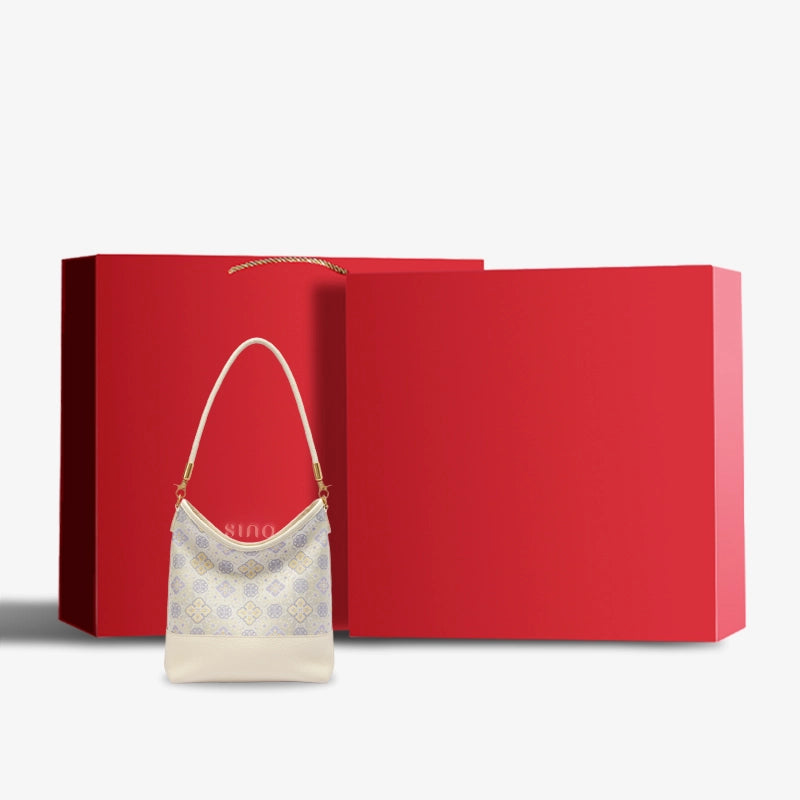
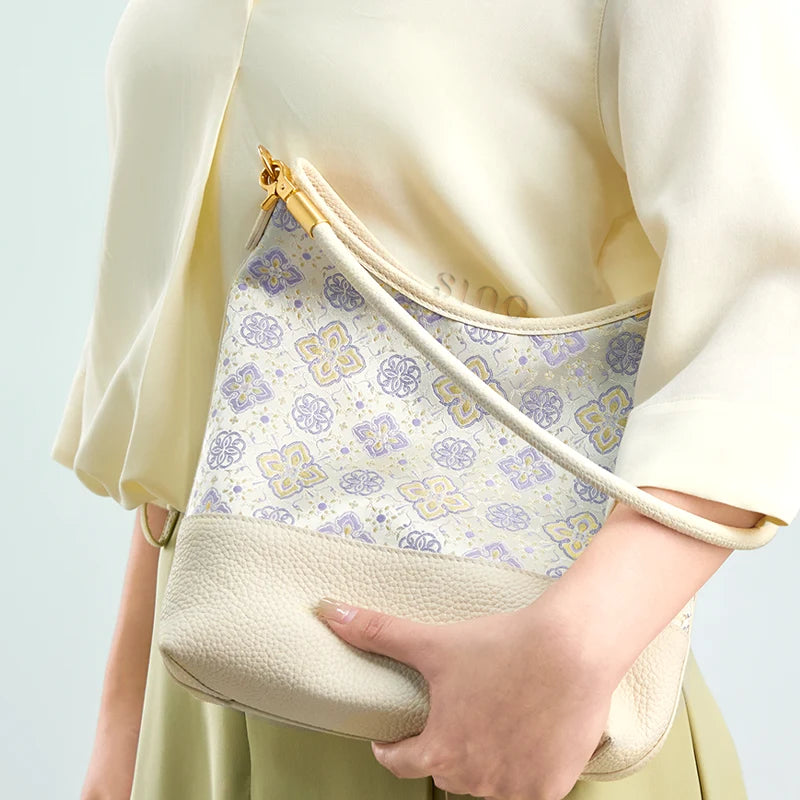
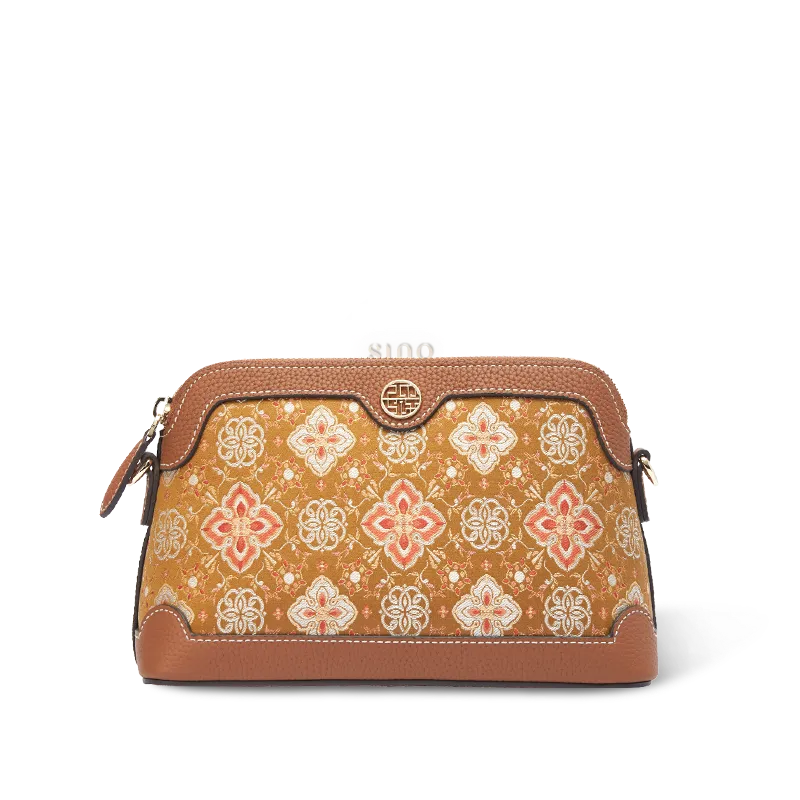
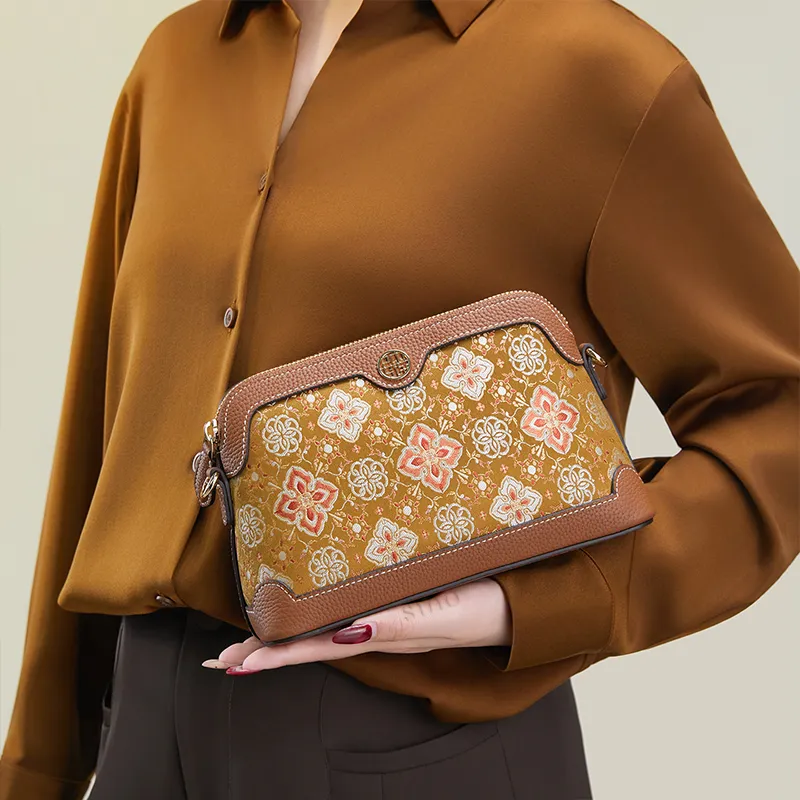
While imperial brocade was once strictly reserved for royal dragon robes and dynasty tapestries, Sinocultural translates this 3,000-year pinnacle of silk weaving into modern, structured everyday luxury. Explore four of our signature handcrafted brocade handbags below:
Luxury Chinese Brocade Handbags
Multi-weft silk jacquard, rich tactile luster, and modern structured silhouettes.


Explore our full treasury of authentic Chinese brocade weaves: Explore All SinoCultural Brocade Handbags →
→ Want to delve deeper into the unique charm of each brocade? Please read our «The Four Famous Brocades of China»
→ History about China Brocade, please read «History of Chinese Brocade(Zhijin): The Pinnacle of Silk Culture»

Nanjing Yunjin - The Best "Jin" Use for Royal
Yunjin(Yun Brocade), also known as ”Tianyi", has been a high-end custom for the royal family and nobles since ancient times. “Strands of jade and gold, woven into imperial clothes”, originated from the Eastern Jin Dynasty, and after more than 1,600 years, it was a royal tribute in the Yuan, Ming, and Qing dynasties, and a special brocade for dragon robes. It is not only clothing, but also a symbol of glory and status. It is a masterpiece of brocade weaving craftsmanship throughout the ages and ranks first among the four famous brocades in China.

Yunjin weaving process is extremely complex and cannot be completely replaced by modern machines so far, so it can only be woven by hand to achieve its intricate chinese silk patterns.
→ Want to incorporate Nanjing Yunjin into your life? Experiencing this luxury through our Yunjin silk scarves.
Rarest Silk Techniques – Kesi & Xiangyunsha
◈ Kesi (缂丝) – Carving in Pure Silk
Kesi, an ancient weaving art, is known as the "carving art on silk" for its fine craftsmanship and unique techniques.


SinoCultural brings this imperial-grade artistry into your modern wardrobe. Our Kesi Silk Bag celebrates the perfection of the front-and-back consistency that defines this ancient craft. Every stitch is a testament to the artisan's patience; every bag is a tribute to the 'Saint of Weaving'.

Cloud Mountain Kesi Silk Crossbody Handbag
Woven using the legendary tongjing duanwei (continuous warp and broken weft) method, this reversible silk tapestry depicts misty Daoist mountain peaks with unmatched clarity and artisanal prestige.
◈ Xiangyunsha Silk (香云纱) – The "Soft Gold" of Lingnan
China's top luxury fabric, the treasure among fabrics - Xiangyunsha silk is one of the oldest, most complex and most legendary silk fabrics in the world. As an extraordinarily soft chinese fabric woven from raw silk, it was exclusively used by the Chinese royal family in ancient times. Xiangyunsha silk is also the only silk fabric dyed with pure plant dye yam, and is known as "soft gold" in the textile industry.
→ More details about xiangyunsha silk, please read: «The Art and Craftsmanship of Fragrant Cloud Silk (Xiangyunsha): A Historical Craft»

Discover the feeling of 'soft gold' against your skin. Shop our exclusive Xiangyunsha Silk pieces.

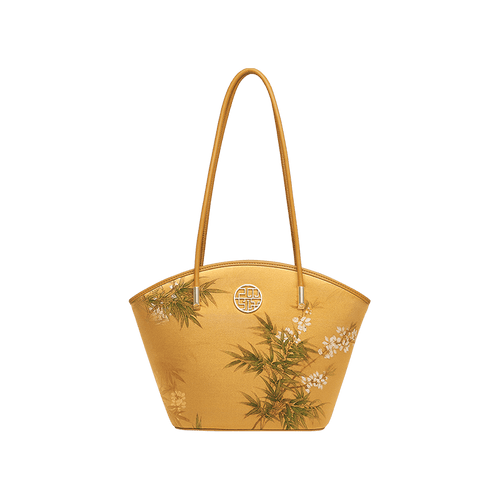
Xiangyunsha Silk Bamboo Barrel Handbag
Coated with river mud and dyed naturally with wild Liangshu yam over 30 painstaking steps, this barrel handbag carries the rustling whisper of bamboo and the glossy patina unique to authentic Xiangyunsha silk.
FAQ: Understanding Chinese Silk Fabrics & Language
Q: What is the soft chinese fabric woven from silk called?
A: While many silks are soft, Xiangyunsha (Gambiered Guangdong Silk) and fine Juan (绢) are known for being incredibly soft. Xiangyunsha is particularly famous and is often referred to as "soft gold" due to its smooth texture and complex plant-dyeing process.
Q: What is the difference between standard silk and chinese raw silk fabric?
A: Chinese raw silk fabric (known as Sheng Si 生丝 in Chinese) still retains its natural sericin (a gummy protective protein produced by the silkworm). It feels crisp, textured, and slightly stiff. Once boiled off and degummed (known as Shu Si 熟丝), it transforms into the remarkably fluid, lustrous, and soft chinese silk celebrated in haute couture.
Q: What does "Mulberry Silk" mean in Chinese?
A: In Chinese, pure mulberry silk is called Sang Cansi (桑蚕丝). "Sang" (桑) means mulberry tree, and "Can" (蚕) means silkworm. It is the gold standard of real silk, distinguishing it from wild tussah silk (Zuo Cansi 柞蚕丝) and synthetic rayon.
Q: Is China Silk genuine silk or synthetic?
A: Genuine historical China Silk is 100% natural mulberry silk woven in a lightweight plain weave. However, in modern Western retail, low-grade polyester fabrics used for cheap linings are often misleadingly marketed as "China silk." Always verify that your garment specifies "100% Mulberry Silk" (Grade 6A), such as the authentic textiles at Sinocultural.
Q: Are traditional Chinese silk patterns symbolic?
A: Yes, nearly all Chinese silk patterns carry auspicious meanings. Dragons represent imperial power, peonies symbolize wealth, bats represent good fortune, and lotus blossoms embody spiritual purity.
Conclusion: Luxury as a Cosmic Conversation
These millennium-forged luxuries are cipher keys to Chinese civilization: the 1,924 components of a Yunjin loom echo the agrarian wisdom of 24 solar terms; kesi's tongjing duanwei (warp-continuity-weft-break) technique mirrors Daoist yin-yang cosmology; Xiangyunsha's Dioscorea cirrhosa dyeing ritual embodies the tianren heyi (nature-humanity symbiosis) philosophy. True luxury reveals itself not in glitter, but in how silk threads converse with cosmic rhythms and plant pigments dance with sunlight.