Skip to content












Table of Contents
- The Heart of Ceramics: Why Firing Matters
- A Legacy Forged in Fire: History of Chinese Kilns
- Jingdezhen’s 72 Steps: The Ancient Process
- Ancient Dragon Kilns vs. Modern Electric Kilns
- Step-by-Step Guide: How to Fire Chinese-Style Ceramics Today
- Decoding Chinese Porcelain Patterns & Aesthetics
- FAQ: Common Questions About Chinese Ceramics
- Conclusion: A Legacy You Can Touch
1. The Heart of Ceramics: Why Firing Matters
The moment of firing is the heart of ceramics—a process of dramatic transformation where soft, yielding clay is reborn as stone. In China, this art has been perfected over 5,000 years, evolving from the smoky, unpredictable dragon kilns of folk potters to the legendary imperial kilns that gifted the world porcelain. This is not just a craft; it is a legacy—a long conversation with the earth, written in fire.

But this ancient art is not a locked secret. Firing is a science, a delicate dance of chemistry and temperature where minerals fuse, glazes melt into glass, and colors bloom into existence. Understanding this process is the key to unlocking your creative vision. While modern electric kilns and digital controls make the technique more accessible than ever, the guiding philosophy remains unchanged: a deep respect for the material, a mastery of heat, and the pursuit of harmony between your hands and nature's elements.

While modern electric kilns make the technique accessible, the guiding philosophy remains: a balance of chemistry, temperature, and respect for nature. This guide covers the history, the legendary Jingdezhen techniques, and how to apply these ancient principles to modern ceramic art.
2. A Legacy Forged in Fire: History of Chinese Kilns
To understand the art of firing, we must first appreciate the journey of the material itself. The story of Chinese ceramics is not just about clay; it’s about a relentless pursuit of beauty, strength, and perfection that began at the dawn of civilization and eventually captivated the world. This history provides the foundation for every technique we use today.
From Earth to Fire: The Earliest Roots of Chinese Ceramics
China’s story with ceramics begins thousands of years before the rise of imperial courts. In Neolithic villages along the Yellow and Yangtze rivers, early potters discovered that clay—once shaped and exposed to controlled heat—could become something entirely new: a vessel stronger than mud and more enduring than wood. These first pieces were simple, thick, and fired in open pits, but they carried an important breakthrough: humans had learned to shape the earth with fire.
As communities advanced, so did their kilns. Open fires gradually evolved into the elongated dragon kilns, built along hillsides to harness rising heat. These early kilns reached higher, more stable temperatures, allowing pottery to become harder, denser, and more refined. The dragon kiln marked the beginning of intentional craftsmanship—an early understanding that temperature, airflow, and clay composition could transform not only utility but beauty.This growing mastery laid the foundation for what would eventually become China’s great kiln traditions.

The Rise of Porcelain: When Craftsmanship Became Prestige
As early potters refined their control of clay and fire, a quiet revolution was brewing—one that would redefine what ceramics could be. By the Tang Dynasty (618–907 AD), Chinese artisans had unlocked the secret to a material the world had never seen before: true porcelain. This breakthrough didn’t happen overnight. It was the result of generations of experimentation, fueled by a desire for purity—whiter clay, cleaner forms, and a body so refined that it rang like a bell when struck.
The discovery of kaolin clay and the ability to fire it at exceptionally high temperatures—around 1300°C (2372°F)—changed everything. What emerged from the kiln was astonishing: a vitrified, translucent, stone-hard material that was both delicate and strong. Porcelain was not just pottery; it was “white gold.” Its purity, durability, and subtle glow made it instantly desirable, impossible for other cultures to replicate at the time.
As demand grew, Chinese dynasties elevated porcelain from folk craft to imperial treasure. This was the birth of the official kilns (Guan Yao)—state-run workshops dedicated to producing flawless ceramics exclusively for the royal court. These kilns enforced exacting standards: perfect proportions, consistent glazes, and colors reserved only for emperors. Through imperial taste and strict craftsmanship, porcelain became more than a material—it became a symbol of cultural refinement, technological mastery, and national identity.

The Global Peak: When Chinese Porcelain Ruled the World
By the Song and Yuan dynasties, Chinese porcelain had become more than a domestic treasure—it was a global obsession. Through the Silk Road, fine celadon and blue-and-white ware traveled westward, astonishing merchants and travelers alike. Even Marco Polo marveled at China’s “porcellana,” noting how prized and plentiful it was.
During the Ming Dynasty, Admiral Zheng He carried porcelain across the Indian Ocean on his legendary voyages, spreading Chinese craftsmanship from Southeast Asia to East Africa. The height of maritime trade came later in the Qing Dynasty with the rise of the Guangzhou Thirteen Factories, where mountains of export porcelain were packed onto European ships. The famous shipwreck Nanhai No.1, discovered centuries later, still carries untouched crates of these goods—proof of the scale and sophistication of this global trade.
In this era, porcelain wasn’t just art; it was China’s calling card to the world. Delicate, durable, and unmistakably refined, it defined global taste and solidified China’s status as the unrivaled master of ceramics.

3. Jingdezhen’s 72 Steps: The Ancient Process
If the first section showed how Chinese ceramics were born, this section reveals how they were perfected. Nowhere is this mastery clearer than in Jingdezhen, the “Porcelain Capital” of China. For over a thousand years, artisans here refined a production system so sophisticated that a single porcelain piece required 72 distinct steps—each performed by specialized craftsmen.
Below is a reader-friendly look at how these 72 steps unfold, grouped into three essential phases: material preparation, forming, and firing.
1). Material Preparation (The Birth of Clay)
-
Kan Shan勘山 (Prospecting): Locating quality porcelain stone in the mountains.
-
Zhi PI制坯 (Clay Making): Stones are pulverized, mixed into slurry, filtered, and kneaded into blocks. This phase alone involves 8 precise steps.
2). Forming and Shaping
-
Li Pi 理坯(Trimming): Master mold-makers throw, coil, and trim the clay into vessels.
-
Lou Diao镂雕 (Carving): Delicate carving work is performed before the clay dries completely.

3). The Alchemy of Fire
-
Qing Hua青花 (Blue & White Painting): Cobalt pigments are applied to the unfired body.
-
Zhan You蘸釉 (Glazing): Applying glaze via dipping or blowing techniques.
-
Man Yao满窑 (Loading): Stacking the kiln shelves strategically.
-
Shao Yao烧窑 (Firing): The critical 1300°C firing that vitrifies the porcelain.
- Kan Se看色: Adjusting the firing temperature by observing the color of the kiln fire.
- Hua Ci画瓷(Painting): Artists hand-paint in porcelain.
- Xie Kuan写款(Signature): Apply imperial signatures.
- Kao Hua烤花(Second Firing): Fire decorations again.

4. Ancient Dragon Kilns vs. Modern Electric Kilns
How does the ancient craft translate to today's tools? The table below compares the traditional methods with modern studio equipment.

Wood Kiln

Modern Electric Kiln
5. Step-by-Step Guide: How to Fire Chinese-Style Ceramics Today
With modern tools, anyone can follow a clear, repeatable firing process. Here’s a simplified roadmap that mirrors the core logic of traditional Chinese firing, but adapted for today’s studio environment:
-
1. Prepare the Clay:Wedging removes air and aligns particles. Shape your piece using wheel-throwing, handbuilding, or slip casting. Let it dry slowly until bone-dry.

-
2. First Firing (Bisque Firing):Load the bone-dry pieces into the kiln and fire to around Cone 06–04 (approx. 999–1060°C / 1830–1940°F).This hardens the clay into a porous body that accepts glaze.

-
3. Glazing:Apply glaze by dipping, pouring, brushing, or spraying. Keep the base clean to avoid sticking to kiln shelves.

-
4. Glaze Firing:Fire again to the temperature suited to your clay body—Stoneware around Cone 6–10, porcelain even higher. Modern digital controllers help you execute slow warming, peak temperature, and controlled cooling.

-
5. Overglaze Decoration:Just like the ancient craftsmen who added enamel paintings or gold accents, you can add lusters, enamels, decals, or hand-painting and fire a third time at lower temperatures.
With each firing, you are repeating the essential rhythm of the ancient kilns—heat, transformation, refinement—only with tools that make the journey far more accessible.
6. Decoding Chinese Porcelain Patterns & Aesthetics
If you want to infuse your ceramics with a touch of Chinese heritage, you’re drawing from one of the world’s most diverse artistic traditions. Here are a few elements that translate beautifully into modern ceramic design:
-
Blue-and-White (Qinghua 青花):Cobalt patterns inspired by mountains, waves, lotus petals, or cloud scrolls.

-
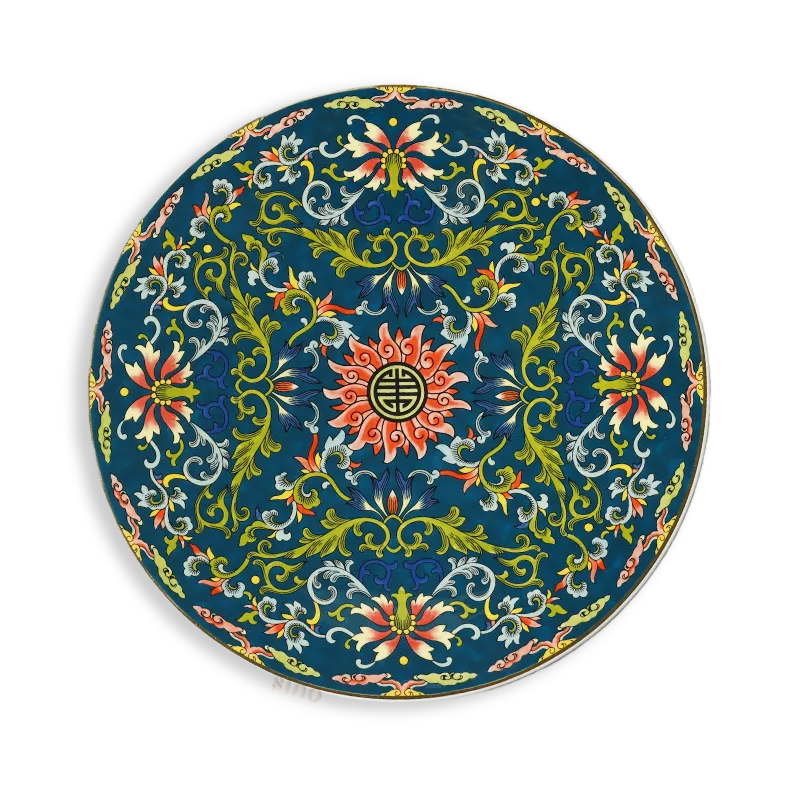
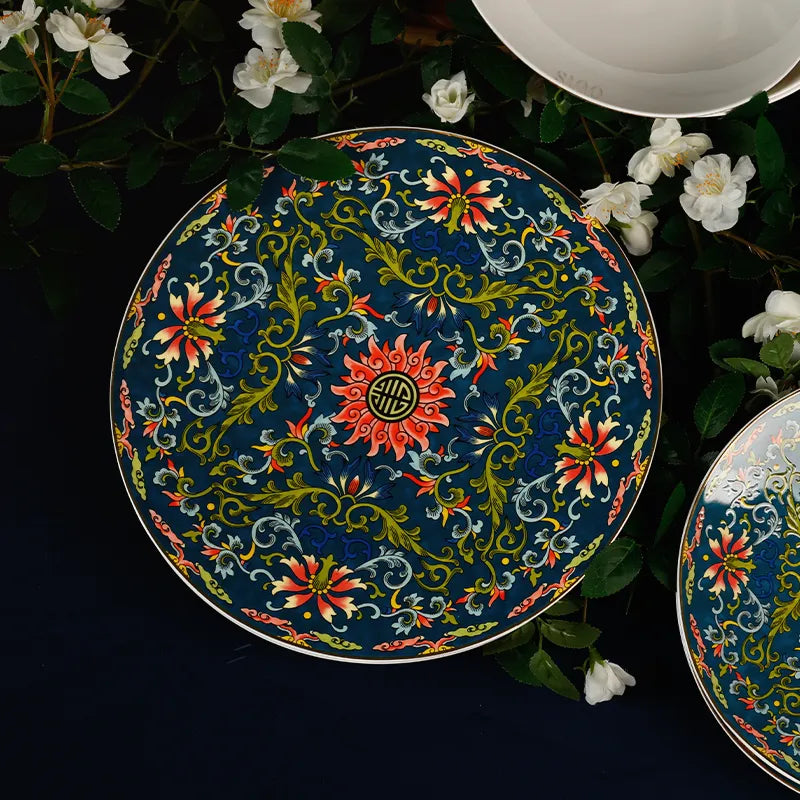
Falangcai & Enamel Colors (珐琅彩):Bright, layered overglaze painting—perfect for fine lines, flowers, and narrative scenes.

-
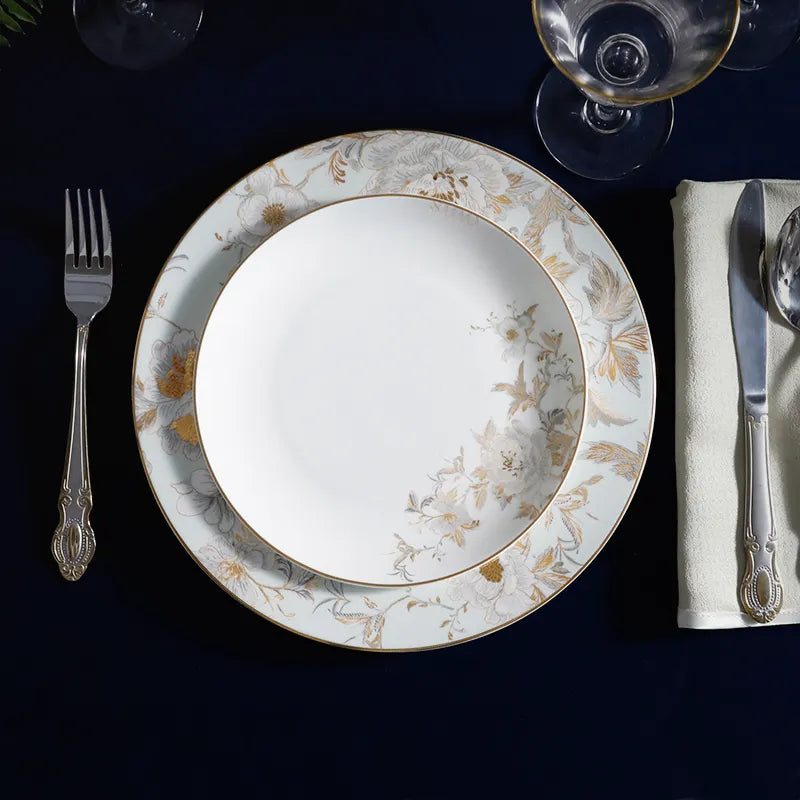
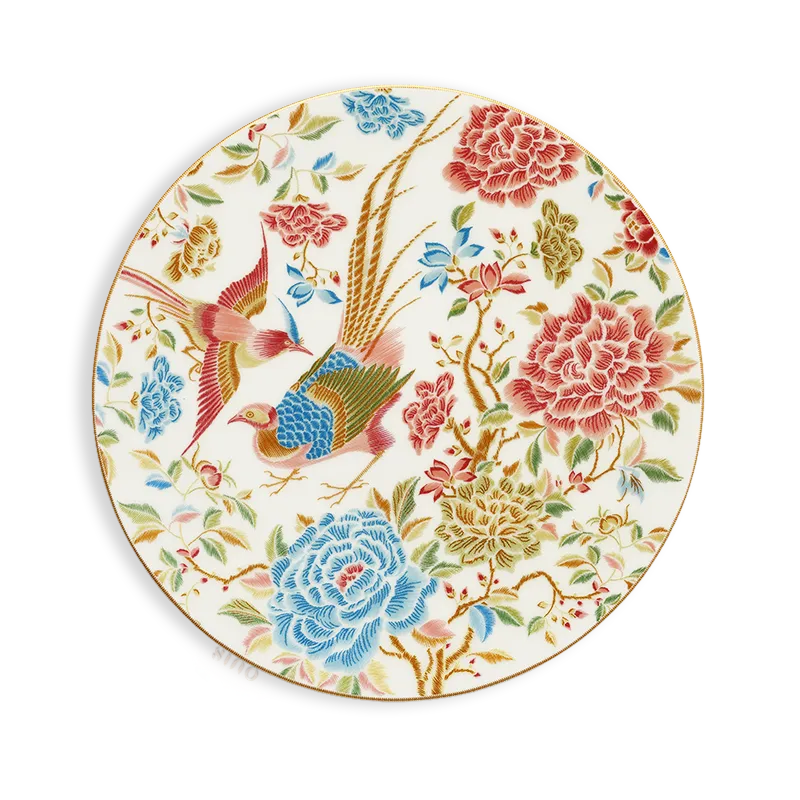
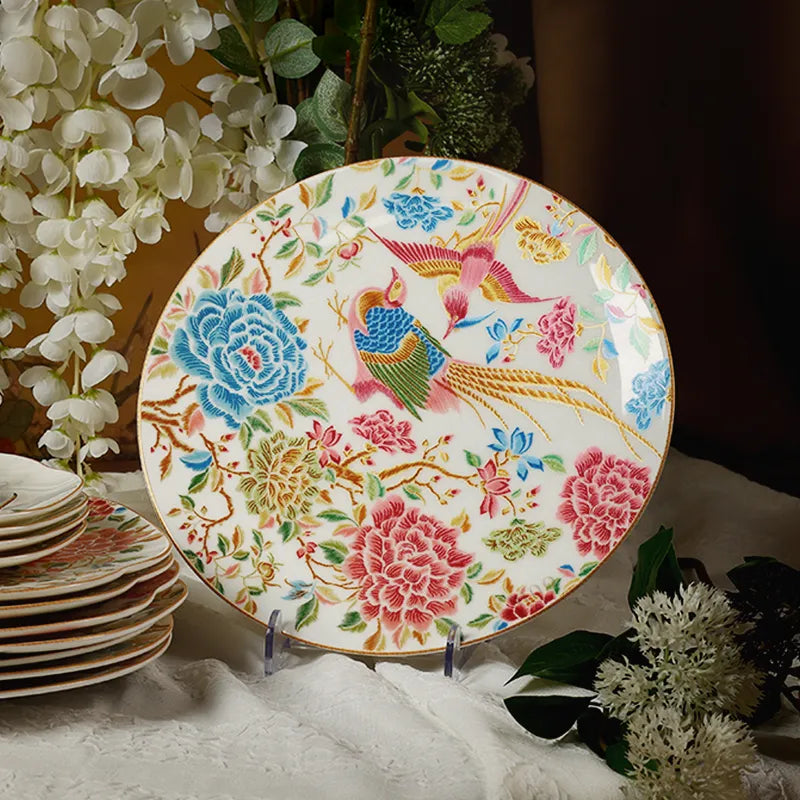
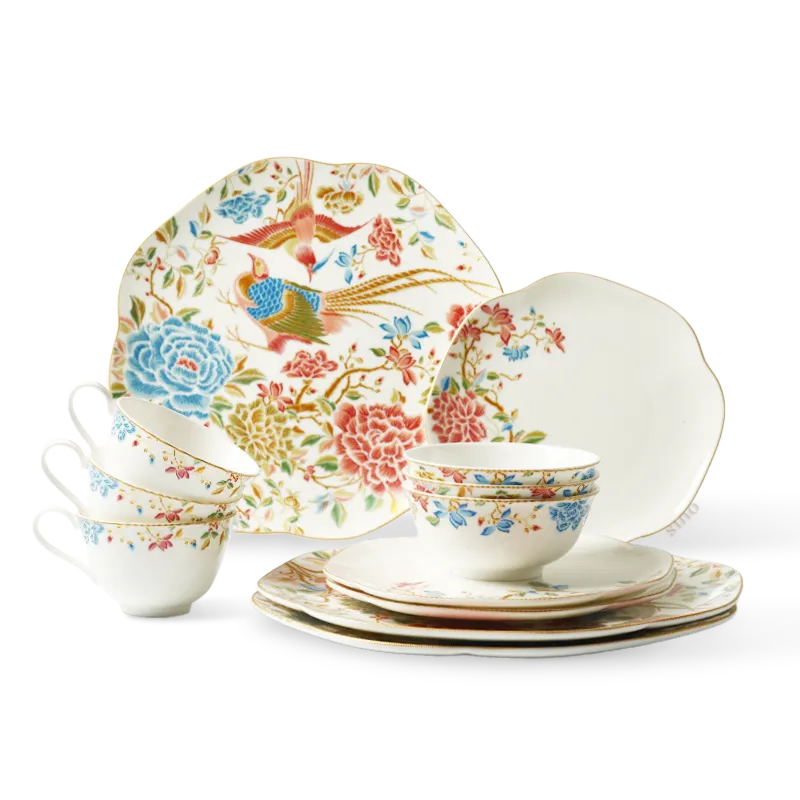
Peony Motifs (牡丹):Symbolizing prosperity and beauty; ideal for plates, bowls, and decorative jars.

-
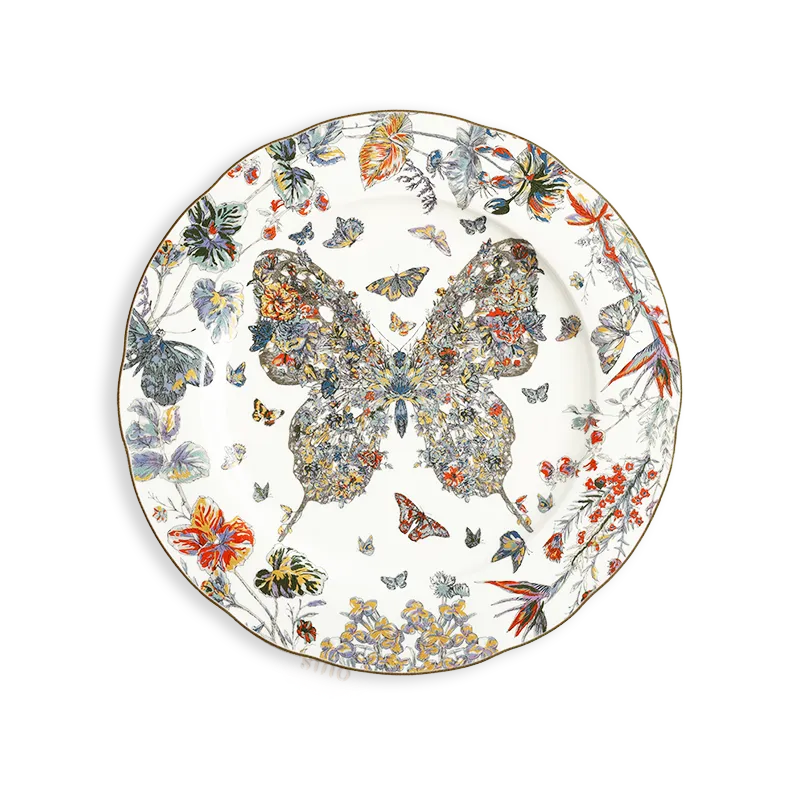
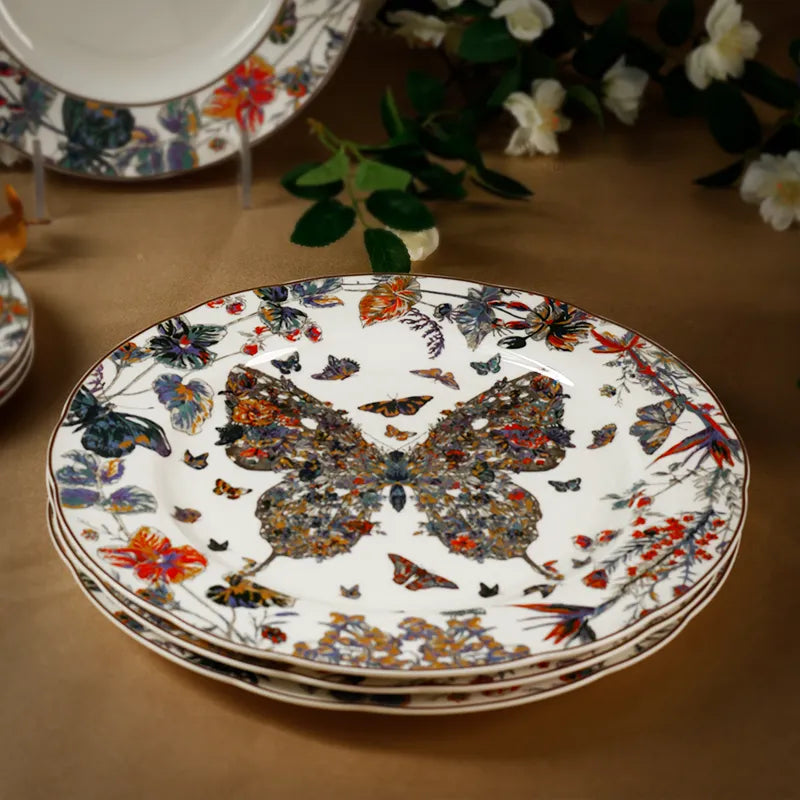
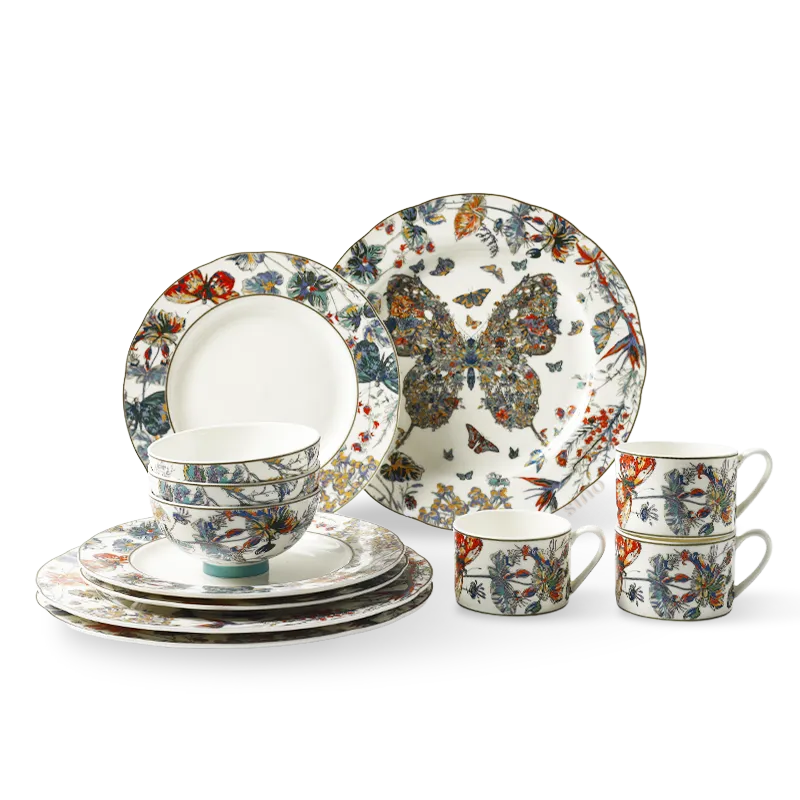
Butterfly Patterns (百蝶图):A classic symbol of joy and transformation, great for cups and tea sets.

-
Fish & Waves (年年有余 / 吉祥水纹):Traditional symbols of abundance and good fortune.

-
Geometric Borders (回纹 / 如意纹):Perfect for rims and edges, adding structure and elegance.

Whether used subtly or boldly, these elements connect your work to centuries of craftsmanship—echoes of Jingdezhen, the Silk Road, and the world’s earliest porcelain exports.
7. Conclusion: A Legacy You Can Touch
Firing is the soul of ceramics—the magical process that turns soft clay into enduring stone. At Sinocultural, we believe this 5,000-year-old craft shouldn't just be admired in museums; it belongs on your table.
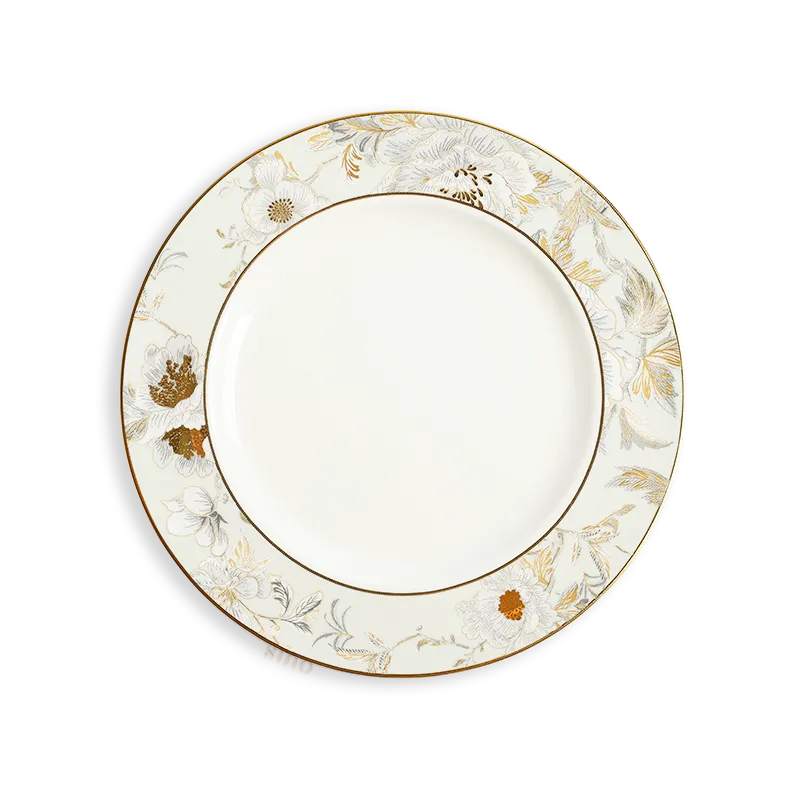
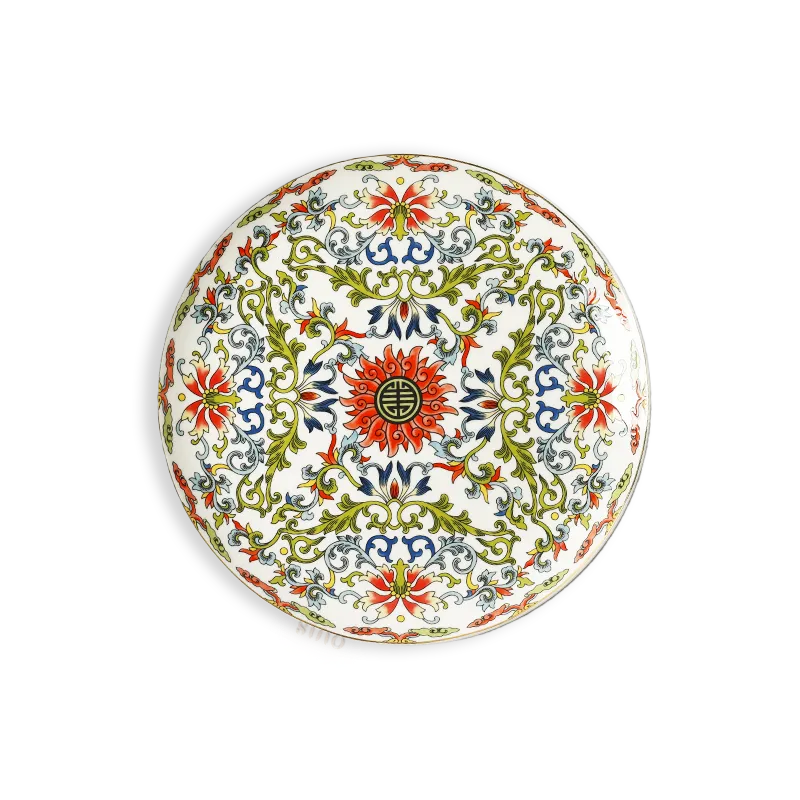
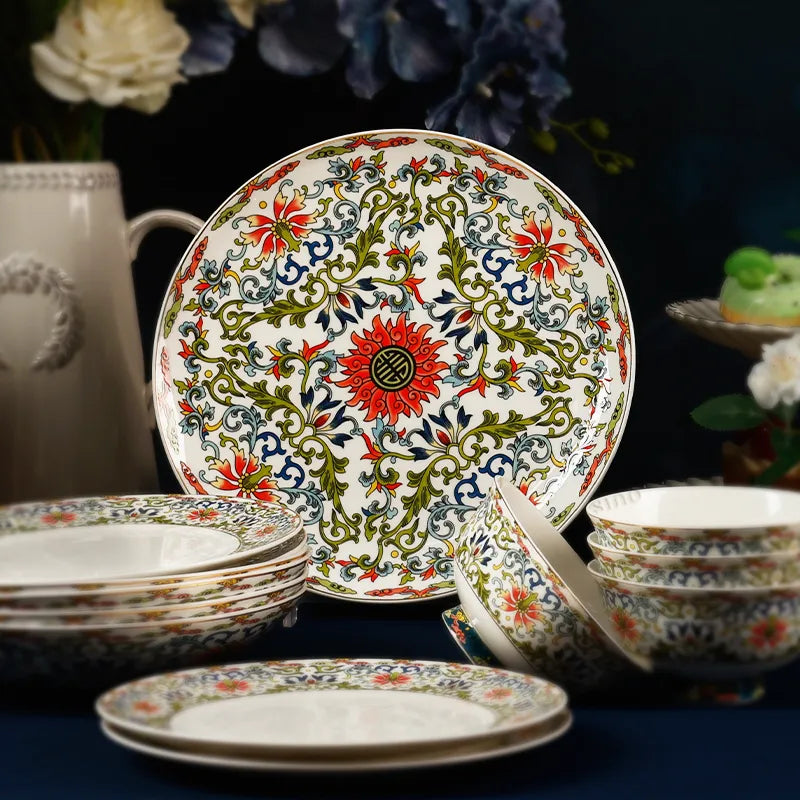
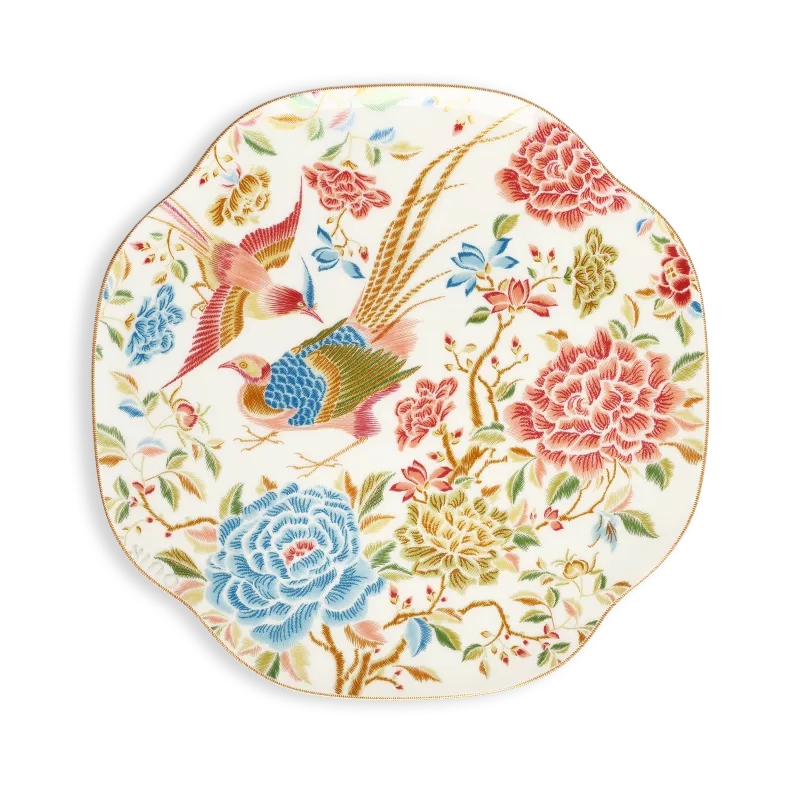
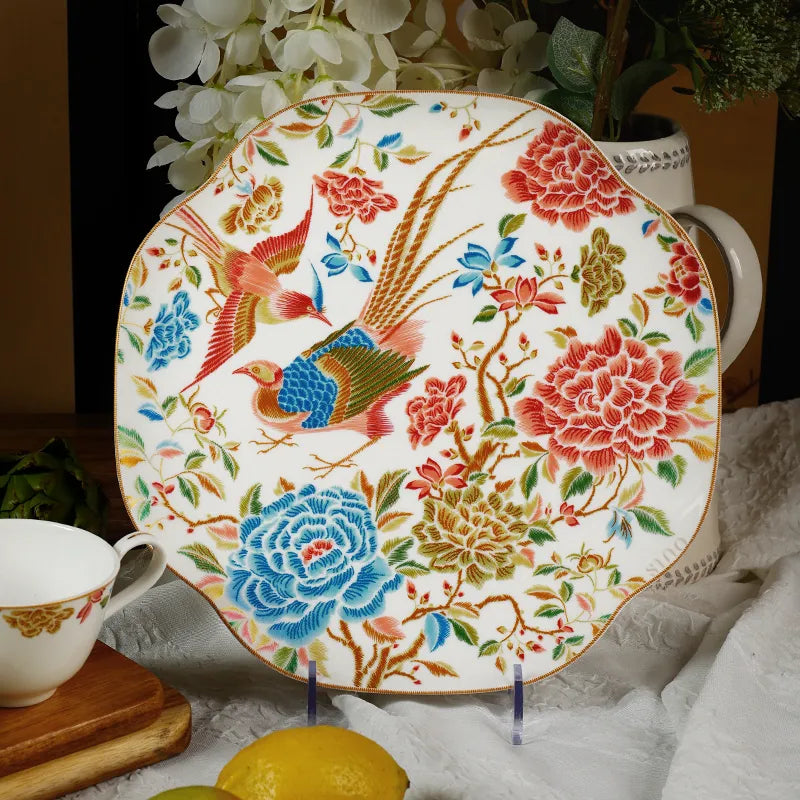
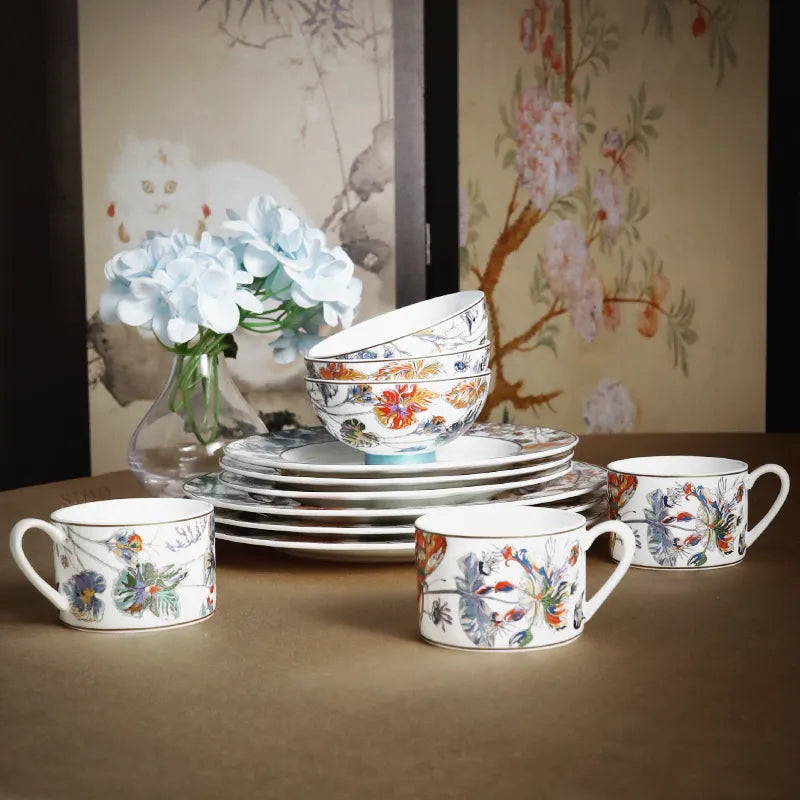
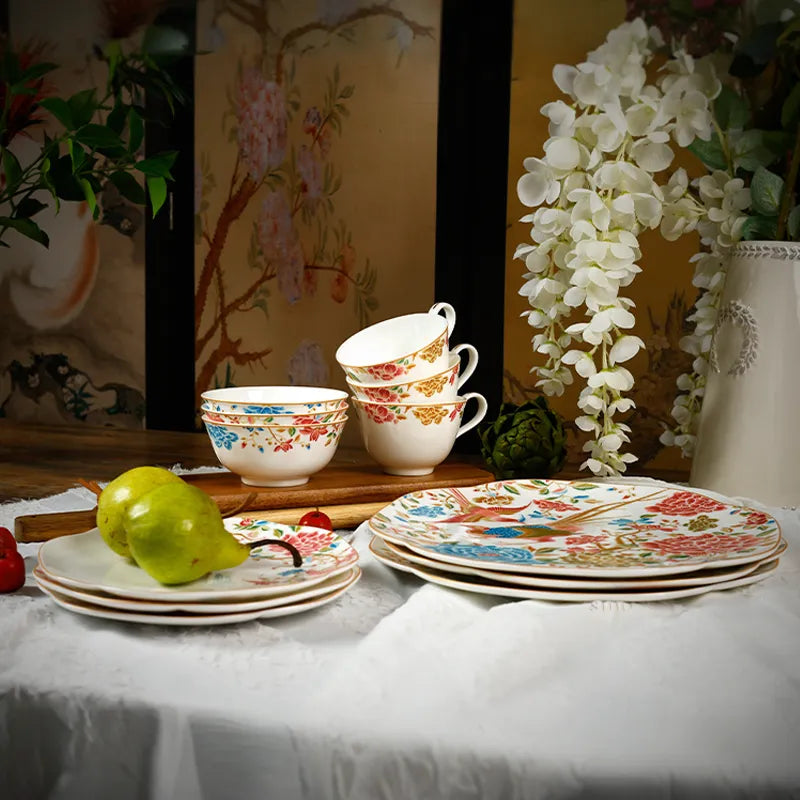
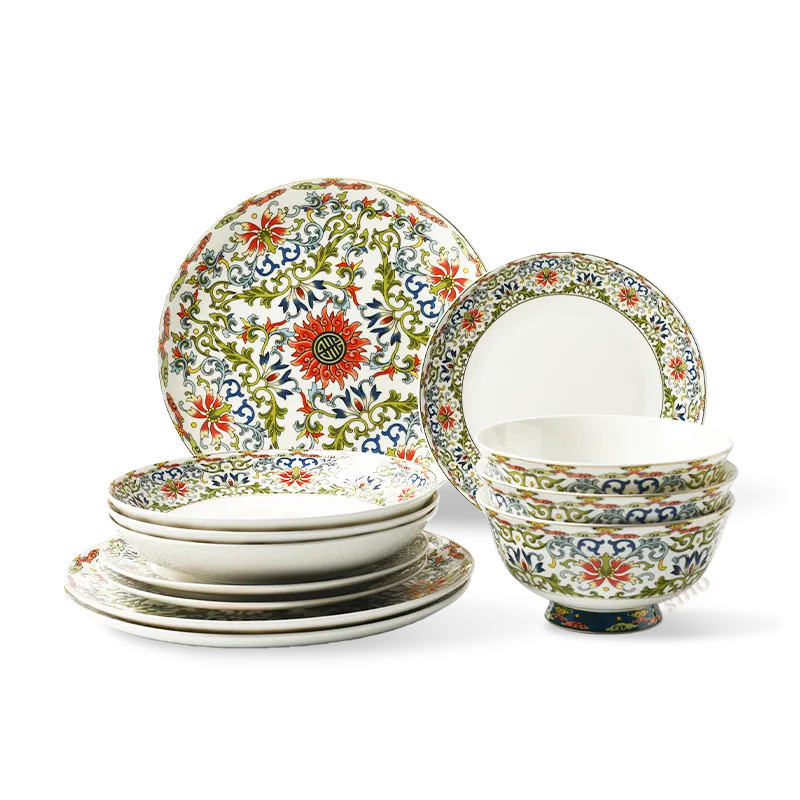
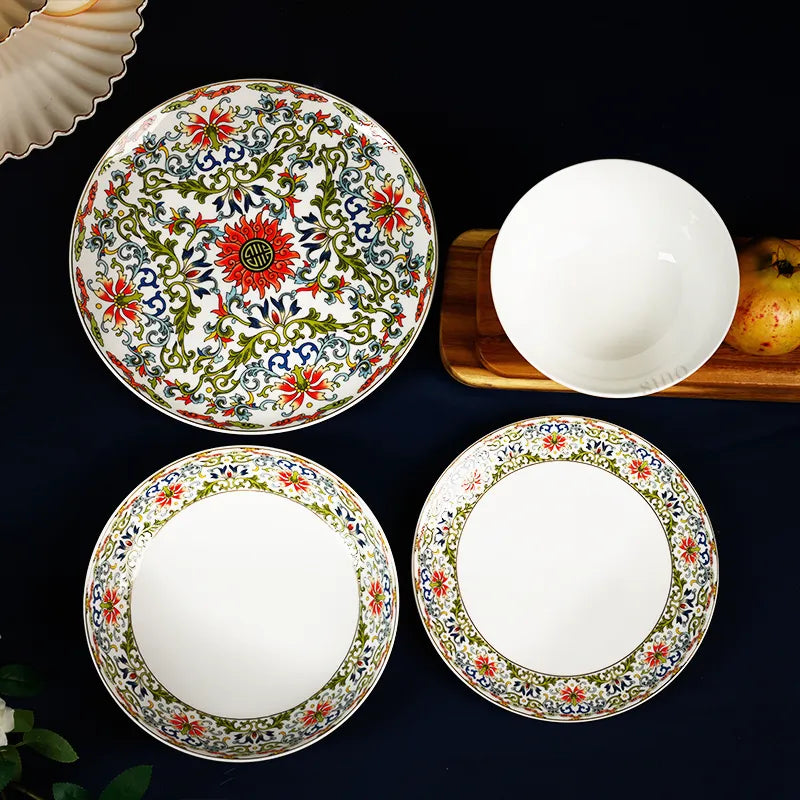
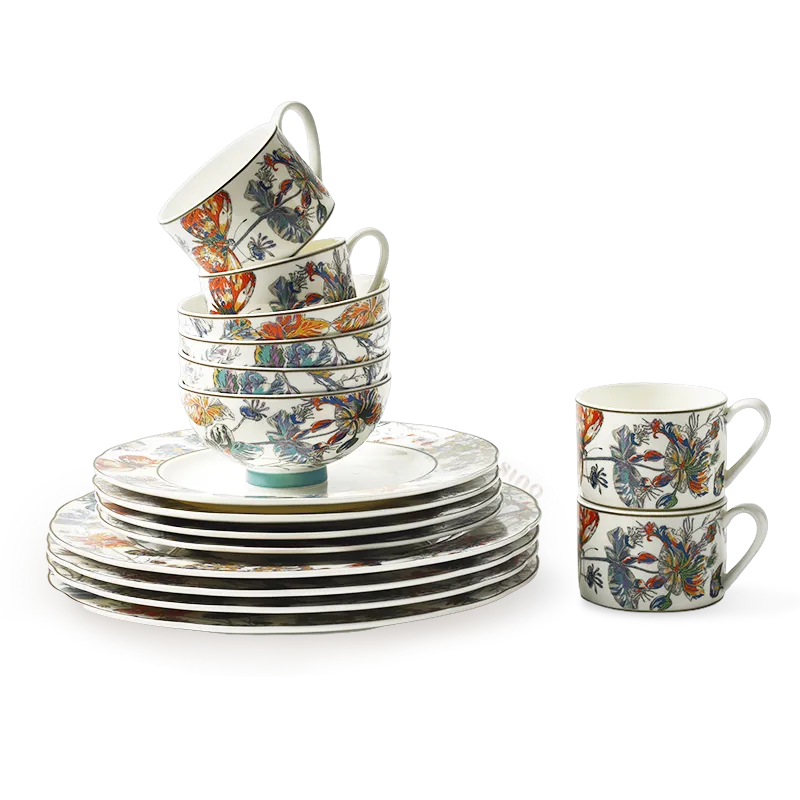
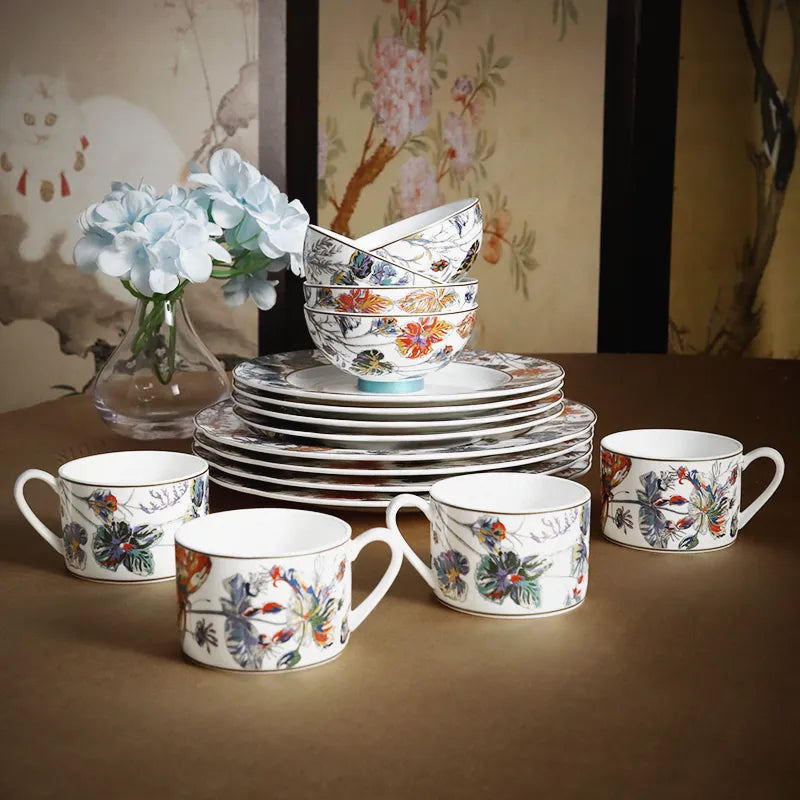
Our Bone China tableware embodies the ultimate mastery of fire: incredibly strong, beautifully translucent, and timelessly elegant. It is the modern result of centuries of kiln evolution.Experience the art of fine porcelain in your daily life.
[👉 Explore Our Exquisite Bone China Collection]

8. FAQ: Common Questions About Chinese Ceramics
Q: What is the firing temperature for Chinese porcelain?
A: True Chinese porcelain is typically fired at very high temperatures, between 1250°C and 1350°C (2282°F–2462°F), to achieve full vitrification and translucency.
Q: What is a Dragon Kiln?
A: A Dragon Kiln (Long Yao) is a traditional long, narrow kiln built on a slope. It functions like a chimney, drawing heat upwards to fire thousands of pieces at once efficiently.
Q: Why is Jingdezhen famous?
A: Jingdezhen is famous because it possesses high-quality deposits of kaolin (porcelain clay) and has been the center of imperial porcelain production for over 1,000 years.