Passer au contenu




“Hǎo yī duǒ měi lì de mò li huā” — what a beautiful jasmine flower. Even for many international readers, this gentle line from the beloved Chinese folk song Molihua may feel strangely familiar. Soft, graceful, and quietly memorable, the melody has long carried the poetic charm of Jiangsu. And if that song could become a city, it might feel a lot like Suzhou.
In Suzhou, beauty does not arrive all at once. It reveals itself slowly — in the stillness of a classical garden, in the light movement of canal water, in white walls and dark tiled roofs, in the refined texture of silk, and in the understated rhythm of everyday life. This is a city shaped not by spectacle, but by balance, elegance, and restraint.
In this guide, Sinocultural will take you through Suzhou’s unique city spirit, its intangible cultural heritage, and the aesthetic pleasure of exploring its gardens, waterways, and historic streets. And will also introduce local food experiences and meaningful cultural gifts to bring home, including the imperial luxury of Song brocade. For travelers drawn to refined Chinese aesthetics, Suzhou is not just a place to visit, but a place to slowly feel.
Table of Contents
- Suzhou’s Aesthetic Contrast: Classical Beauty and Modern City Life
- Suzhou’s Living Heritage: Arts to Hear, Crafts to Touch
- A Day in Suzhou: A Route That Unfolds in Beauty
- A Taste of Suzhou: Local Food Guide
- Suzhou Traditions & Meaningful Souvenirs
- A City to Feel, Not Just to See
- FAQ: Travel Tips For Suzhou
Key Takeaways
- Best For: Culture lovers, Sweet foodies, and The Chinese Architecture Buff.
- Must-See: Classical Gardens of Suzhou, Suzhou Museum, Pingjiang Road.
- Must-Buy: Handcrafted Song Brocade & Su Embroidery.
- Best Time to Visit: Spring&Autumn (Pleasant weather).
Suzhou’s Aesthetic Contrast: Classical Beauty and Modern City Life
What makes Suzhou so captivating is not only its classical beauty, but the striking contrast woven into the city itself. On one side, there is the old Suzhou of Pingjiang Road, where narrow stone lanes, arched bridges, quiet canals, and dark-tiled roofs preserve the gentle charm of Jiangnan. The Twin Pagodas stand silently like an ancient memory from the Northern Song dynasty, their weathered surfaces carrying a sense of time, stillness, and quiet reflection. Every corner of the old city seems to hold a softer rhythm, where history lingers in the walls, the waterways, and the light.
And yet Suzhou is not a city frozen in the past. Around Jinji Lake, the skyline rises in glass and steel, and the Gate of the Orient cuts into the sky with a bold, futuristic presence. As evening falls and neon lights begin to shimmer across the water, this side of Suzhou feels almost cinematic, like stepping into a dream shaped by modern ambition. What makes the city even more fascinating is how naturally these two worlds exist together. A day in Suzhou might begin with Pingtan评弹 and Biluochun碧螺春 tea in a classical garden, continue through museums filled with Su embroidery and kesi, and end with sunset by the lake or a drink beneath the city lights. Here, people know how to slow down for beauty, yet move easily with the rhythm of modern life. Suzhou feels like a double-sided embroidery—one side stitched with garden paths and canal reflections, the other woven with glass towers and starlike light.

Suzhou’s Living Heritage: Arts to Hear, Crafts to Touch
If the first charm of Suzhou lies in its gardens, canals, and quiet contrast between old and new, its deeper beauty lives in the heritage still woven into the city today. In Suzhou, culture is not only something to see, but also something to hear. A morning in the Humble Administrator’s Garden may be accompanied by the soft sound of Pingtan, while Kunqu reflects the refined elegance of classical Jiangnan.
That same elegance also lives in Suzhou’s silk traditions. Like a piece of double-sided embroidery, the city expresses its beauty not only through gardens and waterways, but also through the delicacy of Su embroidery, the quiet complexity of Kesi, and the layered richness of Song brocade.
The Sounds of Suzhou: Pingtan and Kunqu
Among Suzhou’s most important performing traditions, Kunqu and Pingtan offer two different but equally essential ways to understand the city’s cultural character.
Kunqu is one of the oldest forms of Chinese opera, with roots in the Ming dynasty. Known for its elegant singing, stylized movement, and literary beauty, it has influenced many later Chinese opera traditions.
Pingtan is a traditional storytelling art from Suzhou and the Jiangnan region. Performed in the local Wu dialect, it blends narration, singing, humor, and instrumental accompaniment, usually with the pipa and sanxian. Compared with Kunqu, it feels more intimate and conversational.

The Silk Arts of Suzhou: Su Embroidery, Kesi, and Song Brocade
- Su Embroidery: Su embroidery is known for its delicacy, precision, and graceful finish. It is especially admired for double-sided embroidery and lifelike needlework, with soft color shading and refined detail.
- Kesi: Kesi is a highly intricate silk tapestry weaving technique. Rather than embroidery, it is woven thread by thread, which gives it a rich, controlled, and quietly luxurious texture.
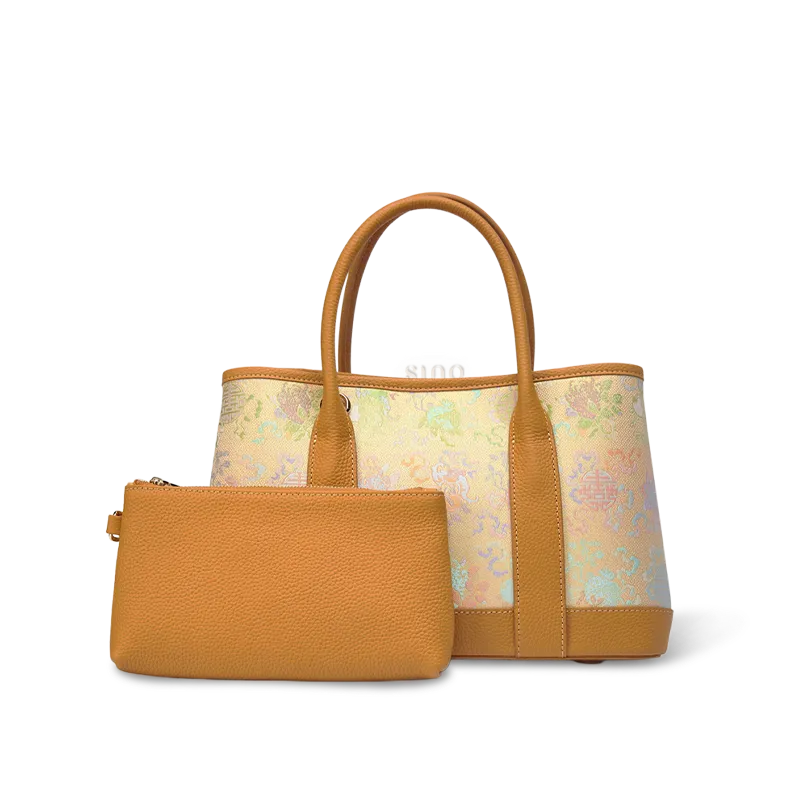
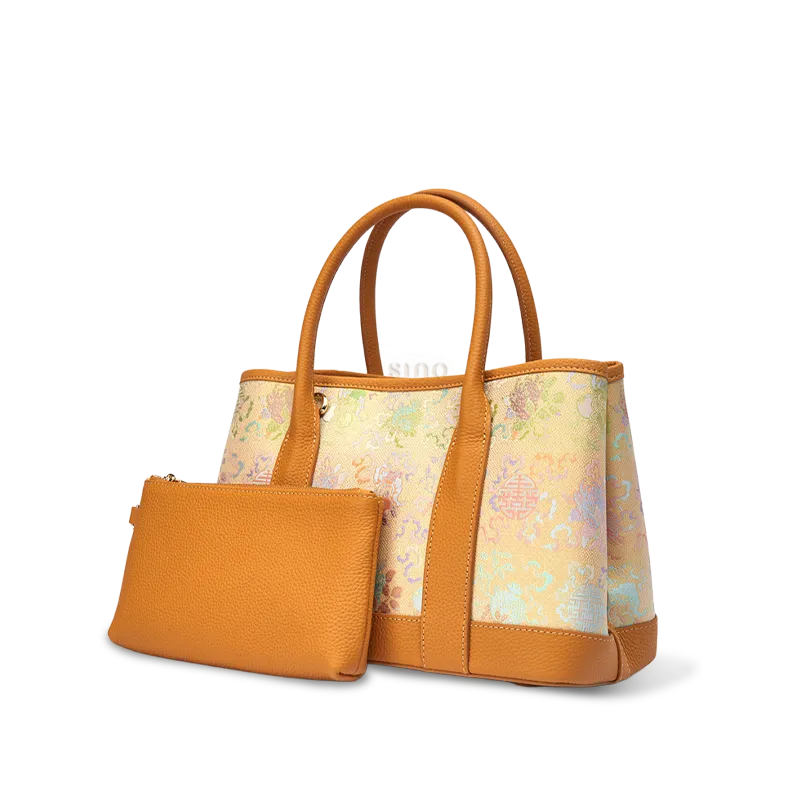
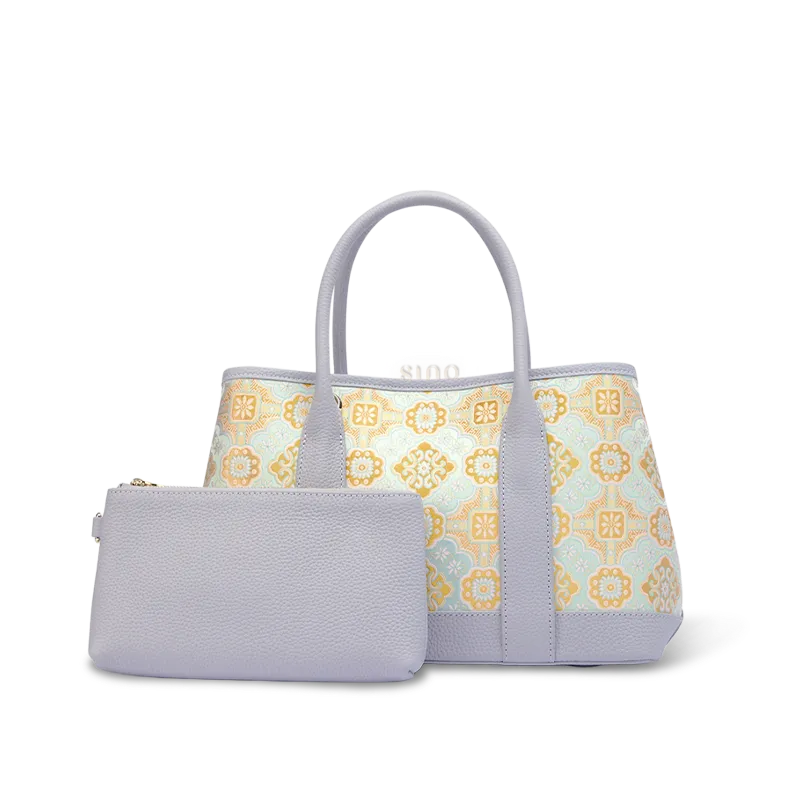
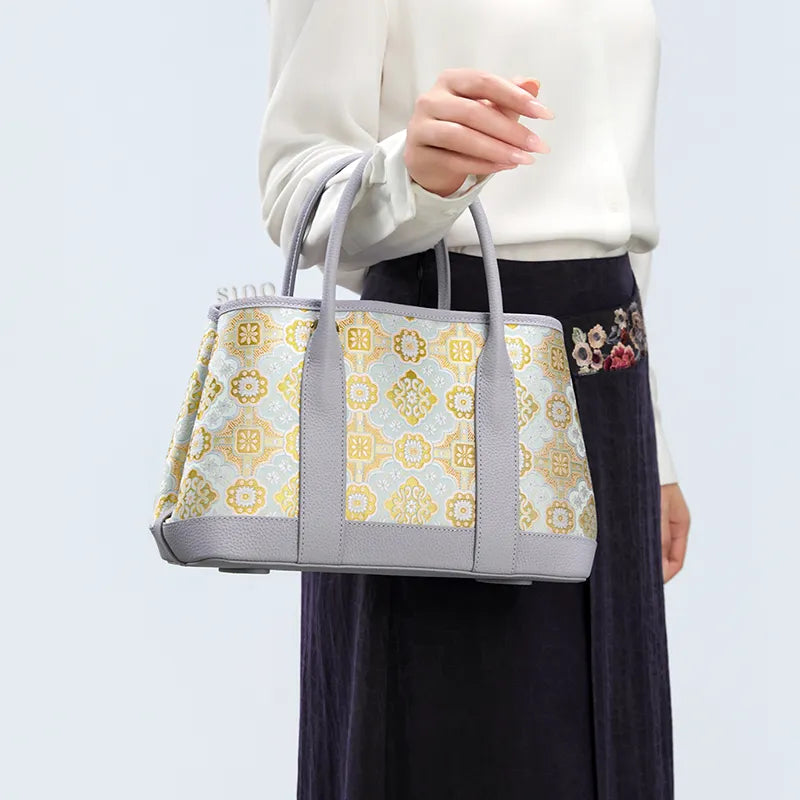
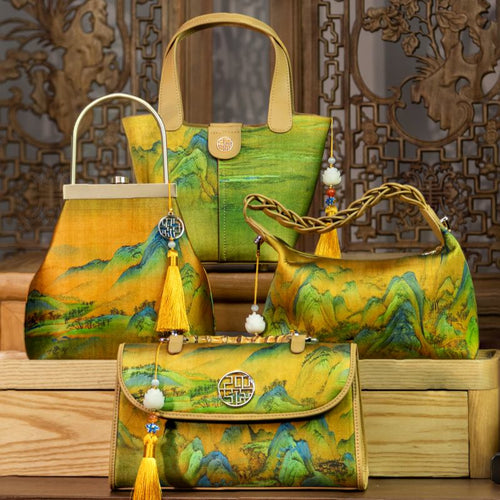
- Song Brocade: Song brocade is one of Suzhou’s most iconic silk traditions and is often called the “crown of Chinese brocades.” It is known for its layered patterns, rich texture, and regal character. Techniques such as diagonal twill weaving and color-changing effects give it depth, structure, and a luminous finish.

For readers who want to explore these traditions further, you can continue to our articles on the history of Song brocade, how Song brocade is made, how to identify Song brocade, as well as our features on Su embroidery and Kesi.
If you hope to experience this silk heritage in person, the Suzhou Silk Museum is well worth a visit.
- 📍 Suzhou Silk Museum Address: No. 2001 Renmin Road, Gusu District, Suzhou, China (opposite Beisi Pagoda, around a 3-minute walk)
A Day in Suzhou: A Route That Unfolds in Beauty
One of the most rewarding ways to experience Suzhou is to follow a route that unfolds gradually. Rather than rushing from one landmark to another, this path lets the city reveal itself in layers—from the quiet order of museums and gardens, to the lived-in charm of old streets, and finally to the openness of lake views and a modern skyline. By the end of the day, Suzhou feels less like a checklist of sights and more like a city of atmosphere, rhythm, and lasting impression.
Morning
- Suzhou Museum: Begin the day here, where Suzhou’s aesthetic feels calm, balanced, and precise. The clean lines, soft light, and thoughtful layout make it an ideal first stop for understanding the city’s sense of refinement.
- Humble Administrator’s Garden: From the museum, step into one of Suzhou’s most iconic classical gardens. Pavilions, water, rockeries, and framed views come together in a way that feels quiet, elegant, and deeply Jiangnan. Morning is the best time to enjoy its stillness.

Midday
- Pingjiang Road: After the garden, move into the old city through Pingjiang Road. Here, Suzhou becomes more intimate—stone lanes, white walls, canals, and small bridges turn classical beauty into something you can walk through at your own pace.
- Twin Pagodas: Nearby, the Twin Pagodas add an older and more contemplative layer to the route. They bring a sense of history and quiet weight, reminding you that Suzhou’s beauty is not only delicate, but also deeply rooted.

Afternoon
- Slow down in the old town: This is the moment to leave space in your route. Stop for tea, find a small café, browse a local shop, or simply walk without hurrying. Suzhou is a city that rewards slowness.
- Look for everyday details: In the afternoon light, small things begin to stand out—the reflection of water under a bridge, carved windows, hanging lanterns, or the softness of old stone streets. This is when Suzhou starts to feel less like a destination and more like a mood.

Evening
- Jinji Lake: As the day opens outward, head toward Jinji Lake. The view becomes broader, the air feels lighter, and the city begins to shift from classical intimacy to urban openness.
- Gate of the Orient and the modern skyline: End the route with Suzhou’s contemporary side. Glass towers, water reflections, and evening lights create a completely different atmosphere from the old city. After a day of gardens and canals, this contrast feels especially striking.

This route works so well because it lets Suzhou grow on you slowly. It begins with stillness, moves through history and daily life, and ends with a modern skyline by the water. That gradual change is part of what makes the city so memorable—and so easy to fall in love with.
A Taste of Suzhou: Local Food Guide
Suzhou cuisine is best known for one signature trait: a light, delicate sweetness. As part of the Jiangnan food tradition, it often feels softer, fresher, and more refined than many other regional cuisines in China. If you enjoy food with a gently sweet flavor and a more elegant, balanced style, Suzhou is a city well worth tasting.
If you want to get a better sense of Suzhou through its local food, these are some of the flavors and dishes worth trying first:
- Su Cuisine classics: squirrel-shaped mandarin fish, Biluochun tea shrimp, crab roe tofu, and eight-treasure duck
- Crab specialties: Yangcheng Lake hairy crab and drunken crab
- Noodle dishes: vegetarian topped noodles, fried fish noodles, eel noodles, stir-fried pork noodles, and crab roe noodles
- Sweet treats: Suzhou-style pastries and Suzhou-style rice dumplings

Where Locals Eat: Recommended Spots
To experience Suzhou food like a local, skip polished tourist venues and follow where residents gather.
Classic “Fly Restaurants” (Casual Local Favorites)
1. Xiangxuehai Restaurant(香雪海胥江店) – A great place to try classic Su cuisine in an elegant setting, with well-loved local dishes, good value, and a strong reputation among local diners.

⭐ Rating: ★★★★☆
📍 Address: Shilu Area, Gusu District, Suzhou, Jiangsu, China
2. Rongyanglou(荣阳楼) – A good spot for a more local and everyday taste of Suzhou, known for its snacks, soup noodles, and small wontons. Prices are affordable, and it is popular with locals—just try to go before 5:00 PM, or some dishes may sell out.

⭐ Rating: ★★★★☆
📍 Address: No. 329 Shantang Street, Suzhou, China
3.Luji Restaurant(陆记饭店) – Luji is a long-running local favorite that has been serving Suzhou diners for more than twenty years. The dishes carry that satisfying, wok-cooked depth of flavor that makes a meal feel especially hearty and memorable.

⭐ Rating: ★★★★★
📍 Address: No. 1752 Renmin Road, Pingjiang District, Suzhou, China (near Beisi Pagoda)
Suzhou Traditions & Meaningful Souvenirs
Suzhou’s traditions often live quietly in everyday life. In this Jiangnan city, people may enjoy Biluochun tea while listening to Pingtan near a classical garden, while many older locals still cherish the beauty of Kunqu. Seasonal customs also remain part of local rhythm. After the plum rain season, people have long kept the habit of airing books and clothing in the sun. And as the Dragon Boat Festival approaches, Suzhou becomes even more rooted in tradition: people remember Wu Zixu, watch dragon boat races, hang mugwort and calamus, wear herbal sachets, and tie five-colored threads on children as wishes for peace, health, and good fortune.
What to Buy: The Art of Gift Giving
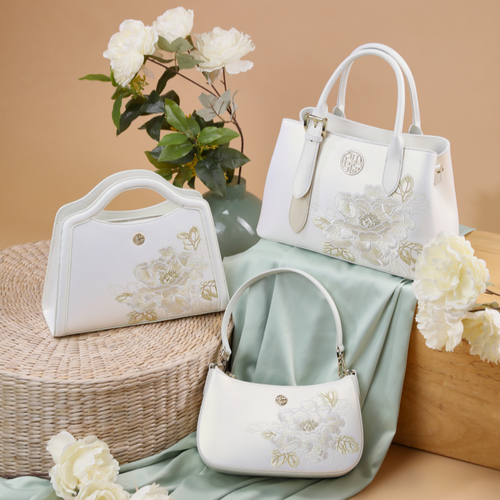
If you’re looking for a meaningful souvenir rather than just another trinket, Suzhou offers something truly special. Its silk heritage and refined craftsmanship create gifts that carry the quiet elegance of Jiangnan into everyday life — from the delicate beauty of Suzhou embroidery to the rich luxury of Song brocade.
-
Suzhou Embroidery:
-
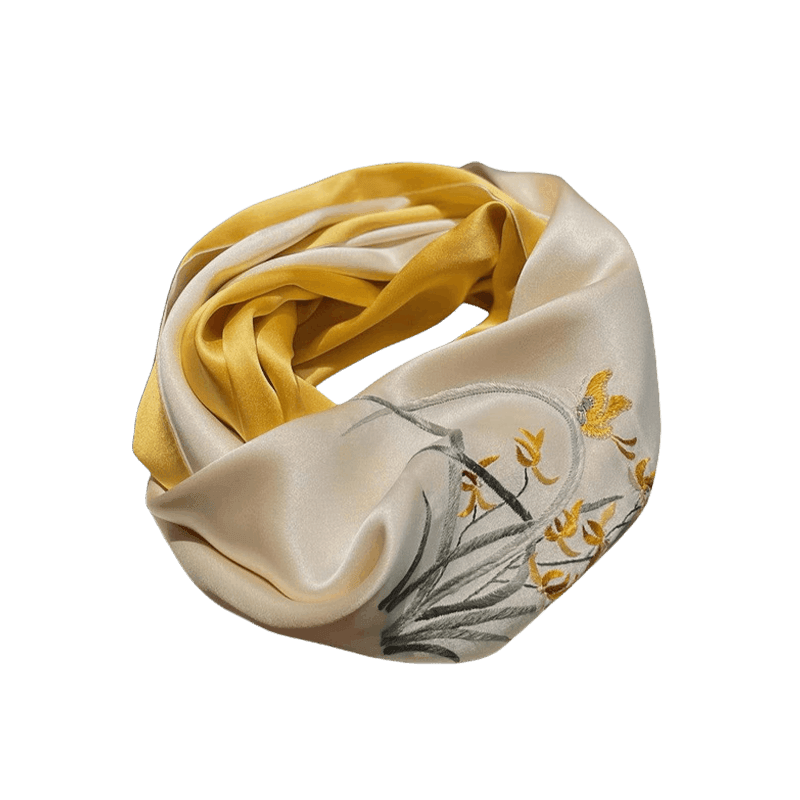
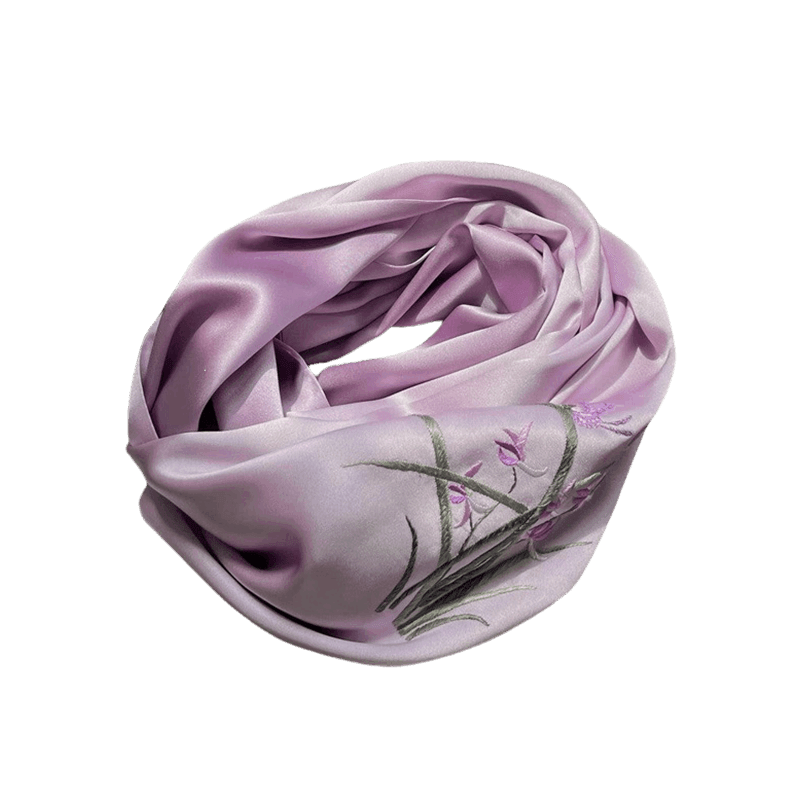
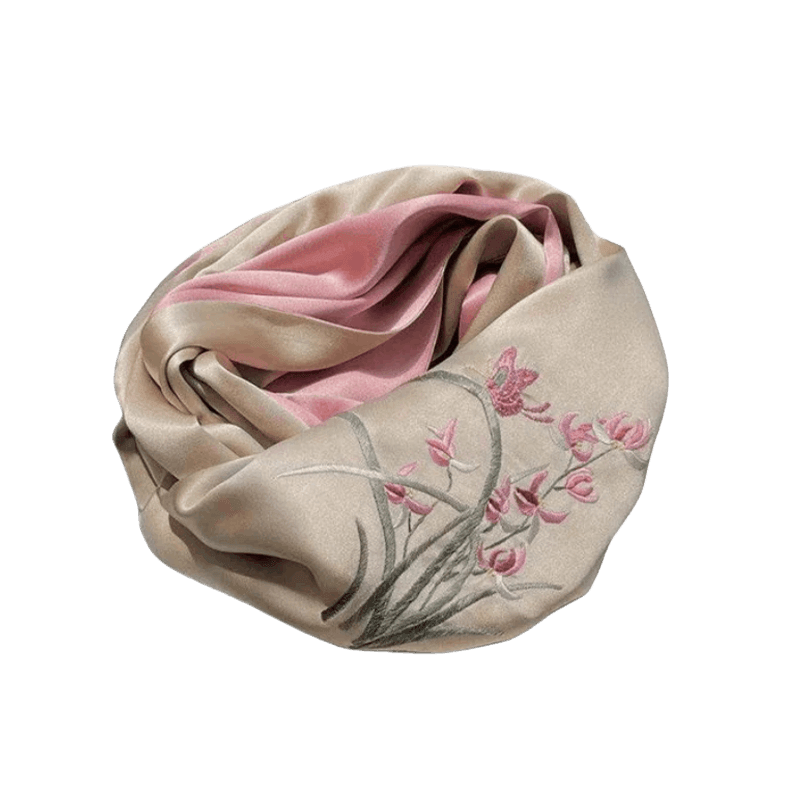
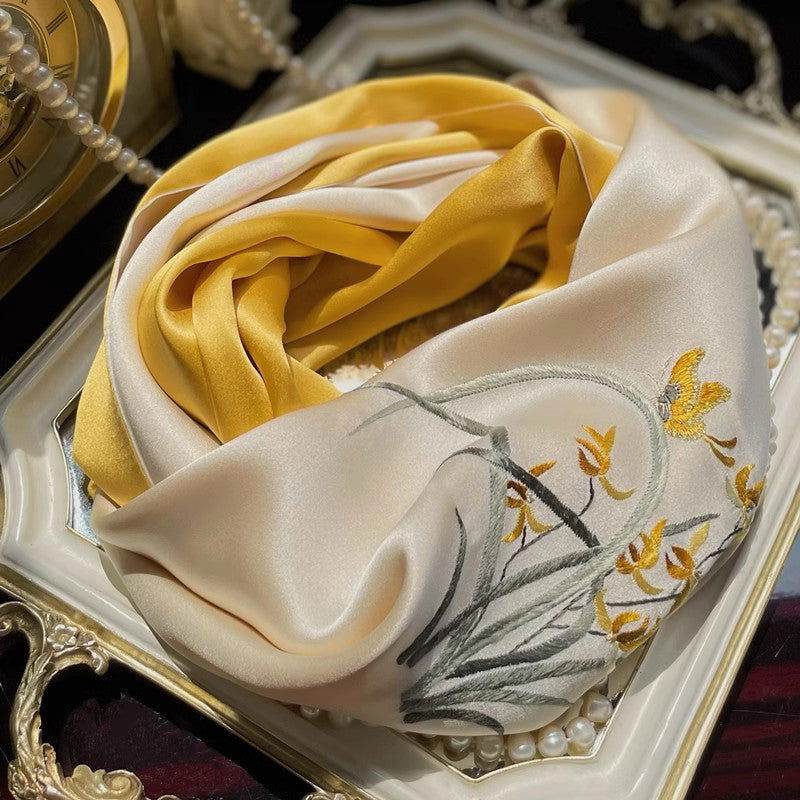
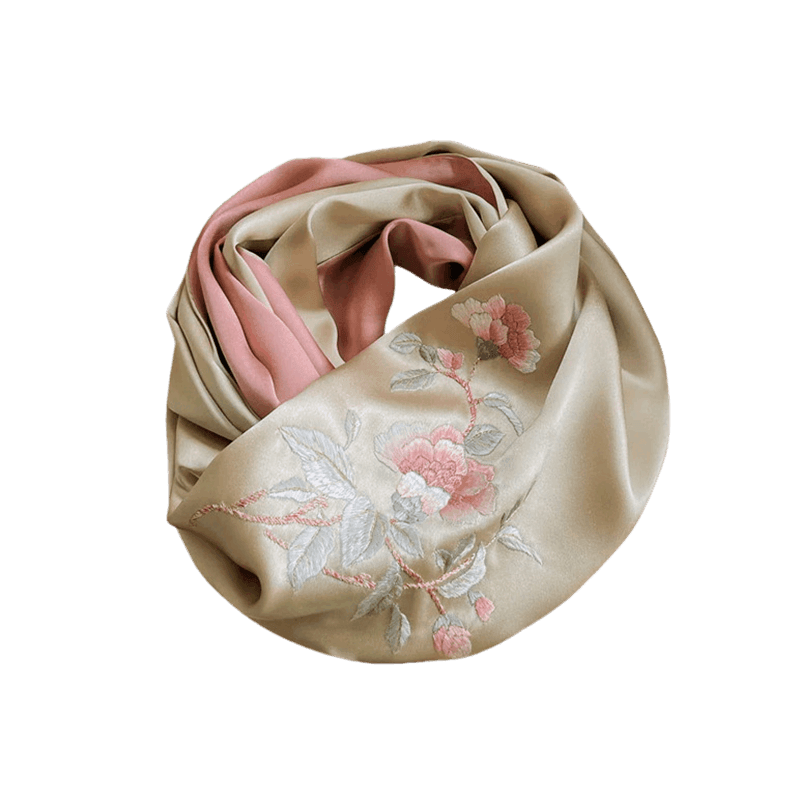
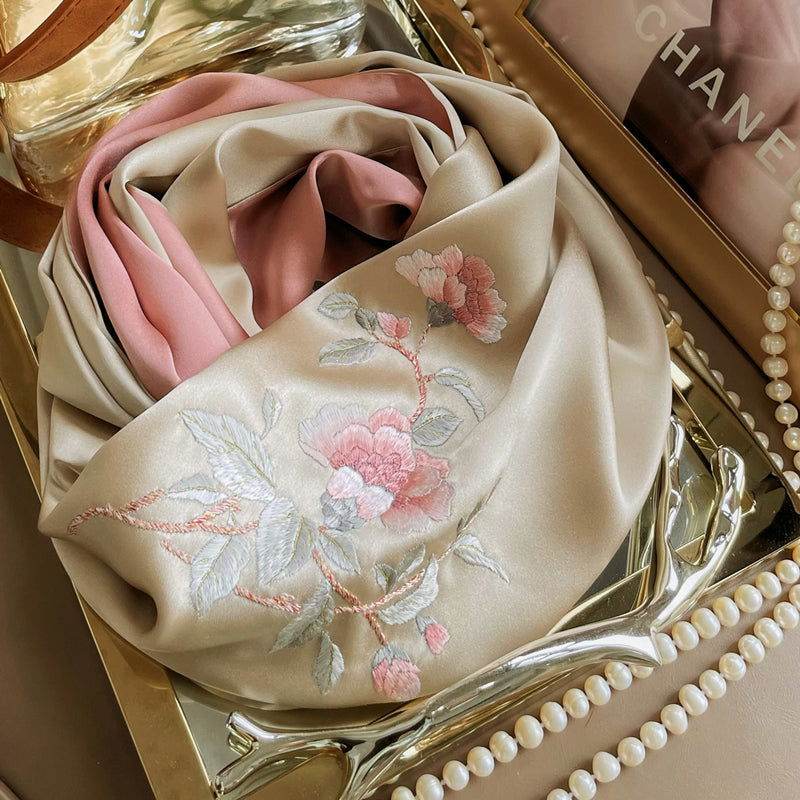
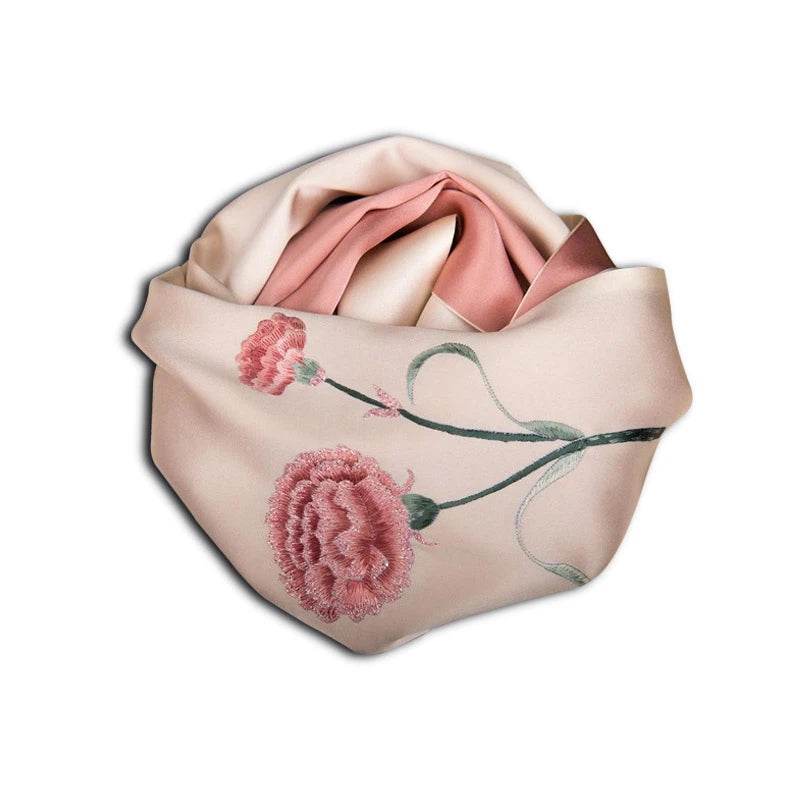
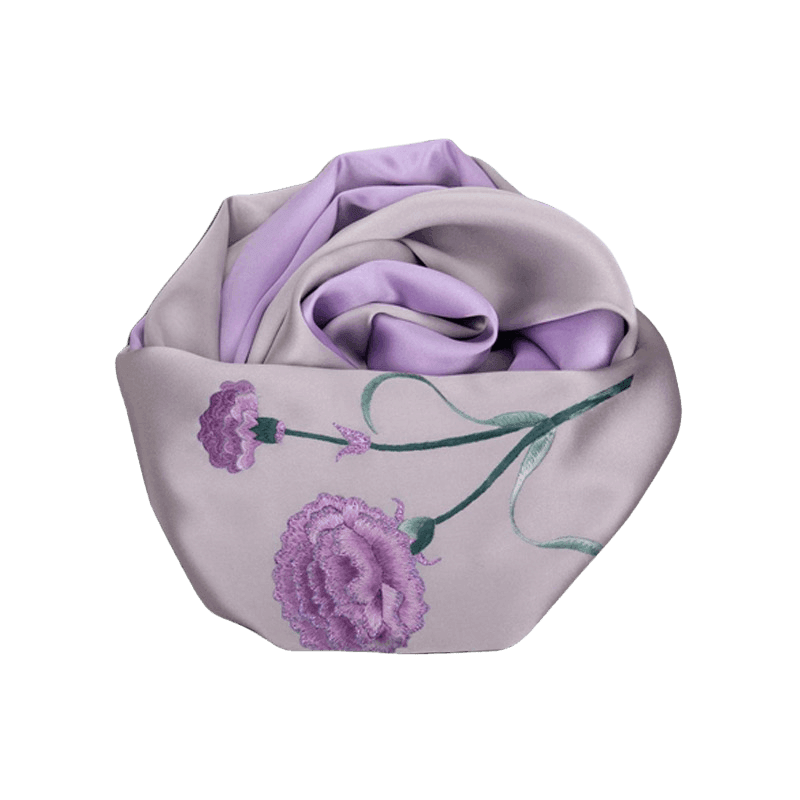
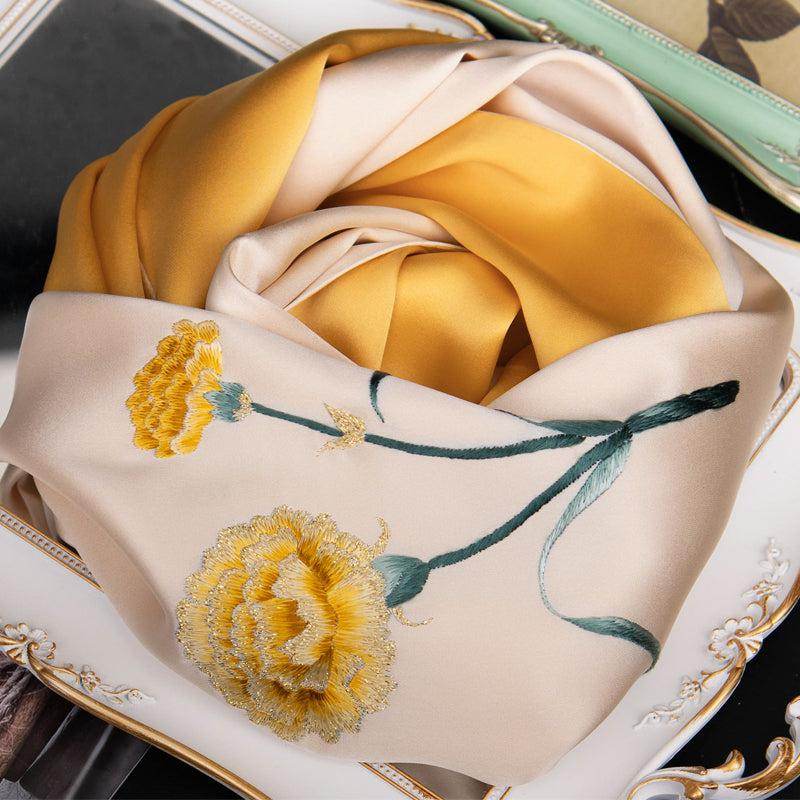
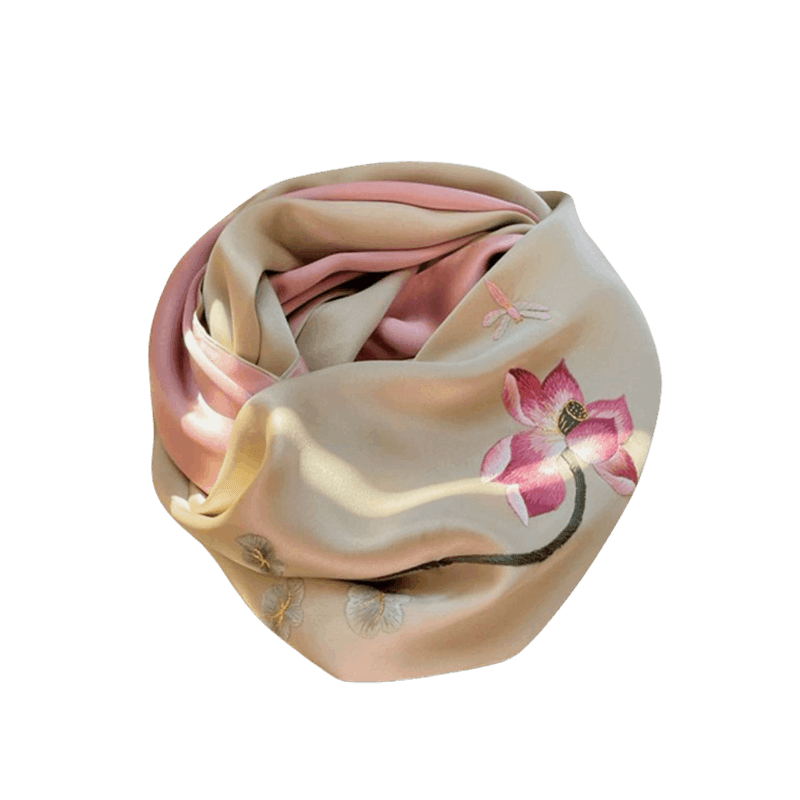
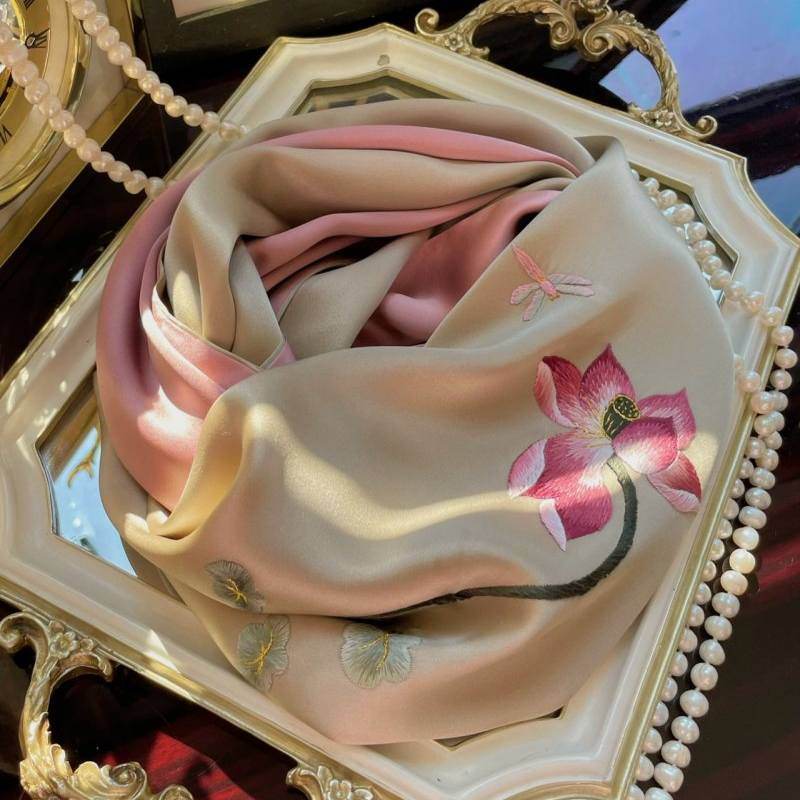
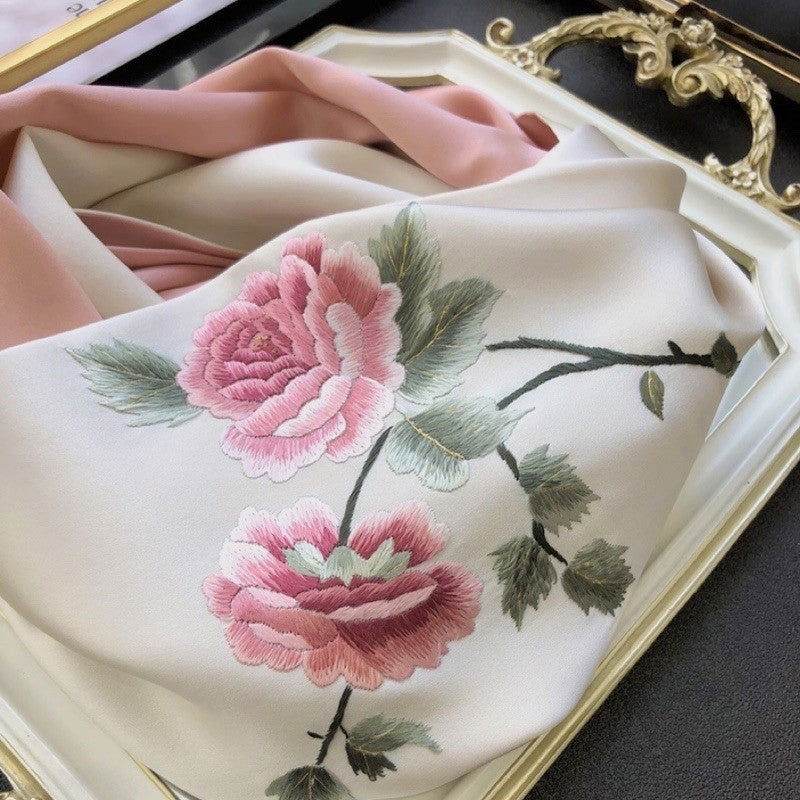
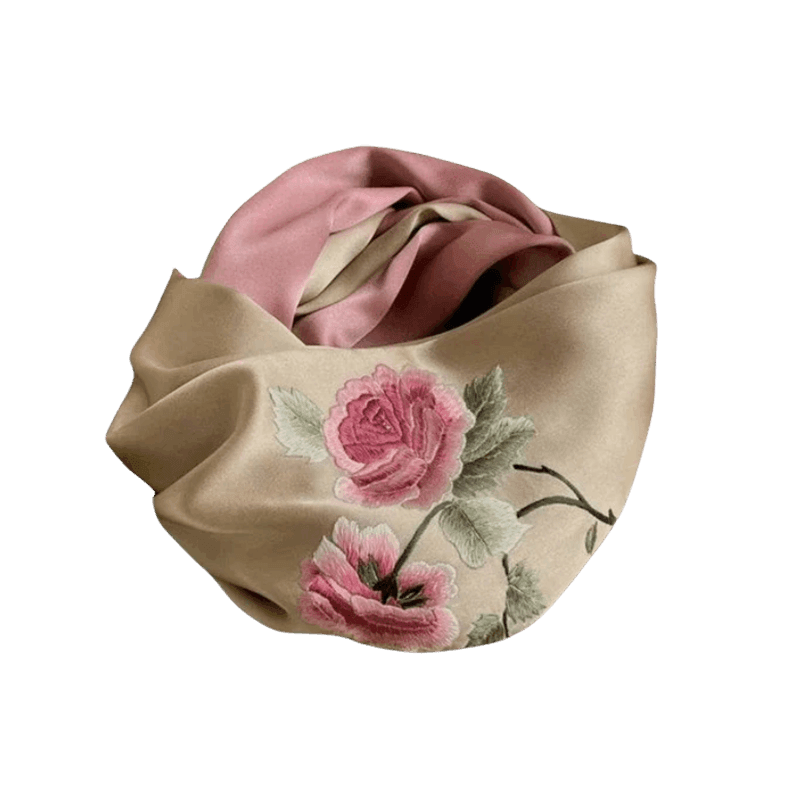
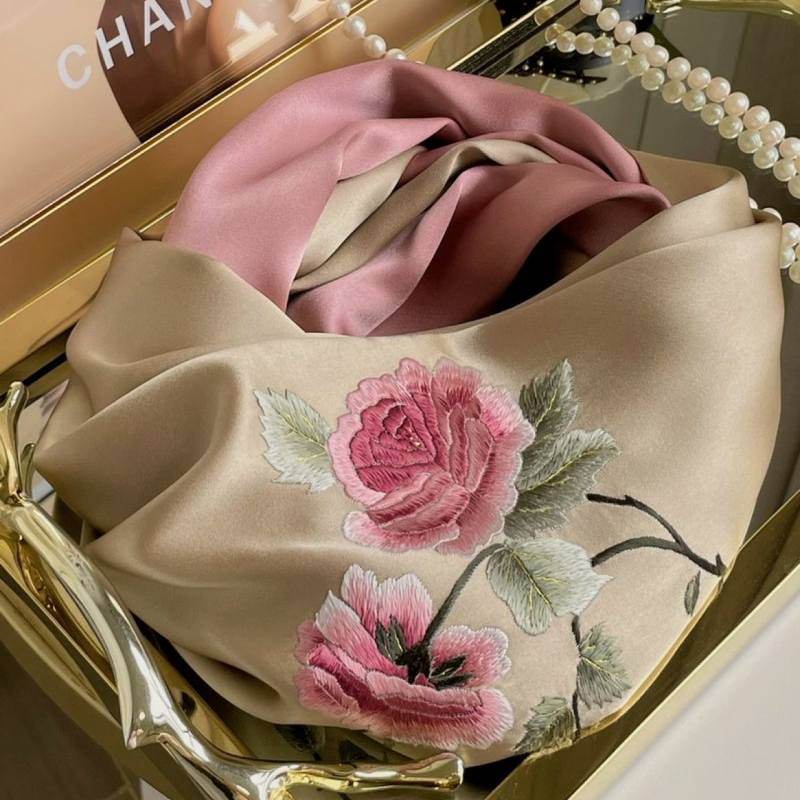
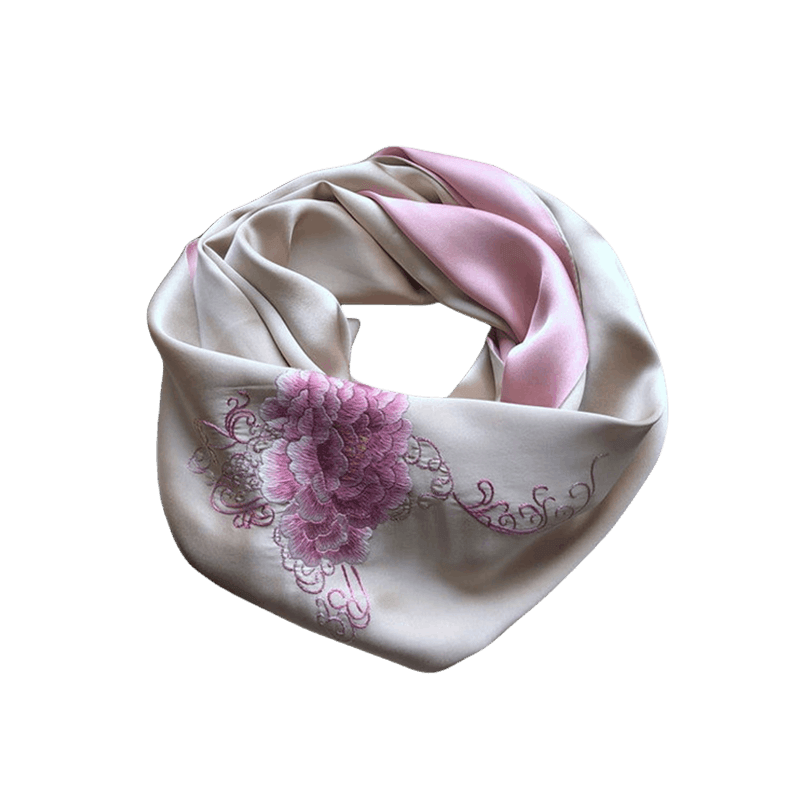
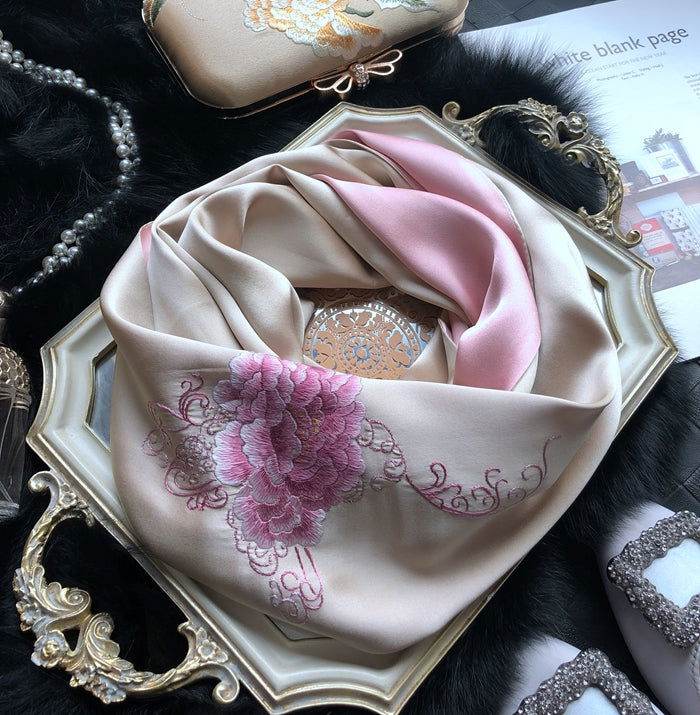
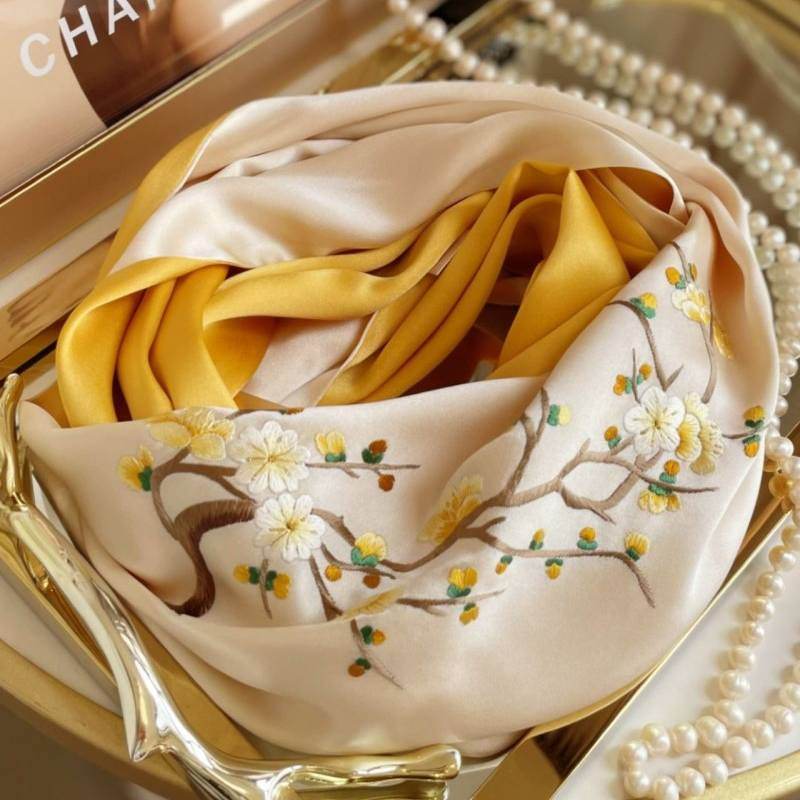
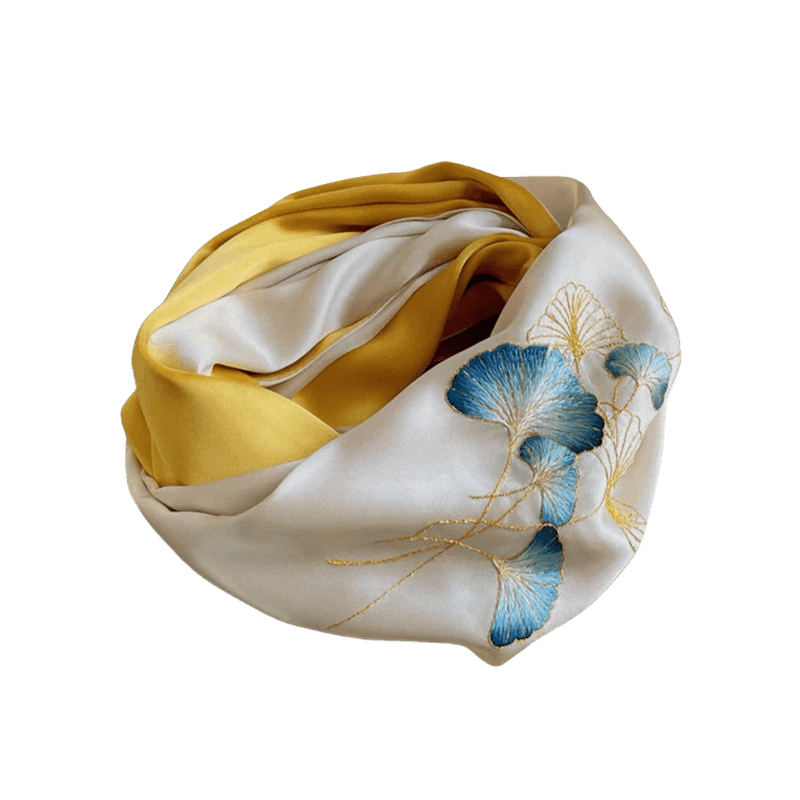
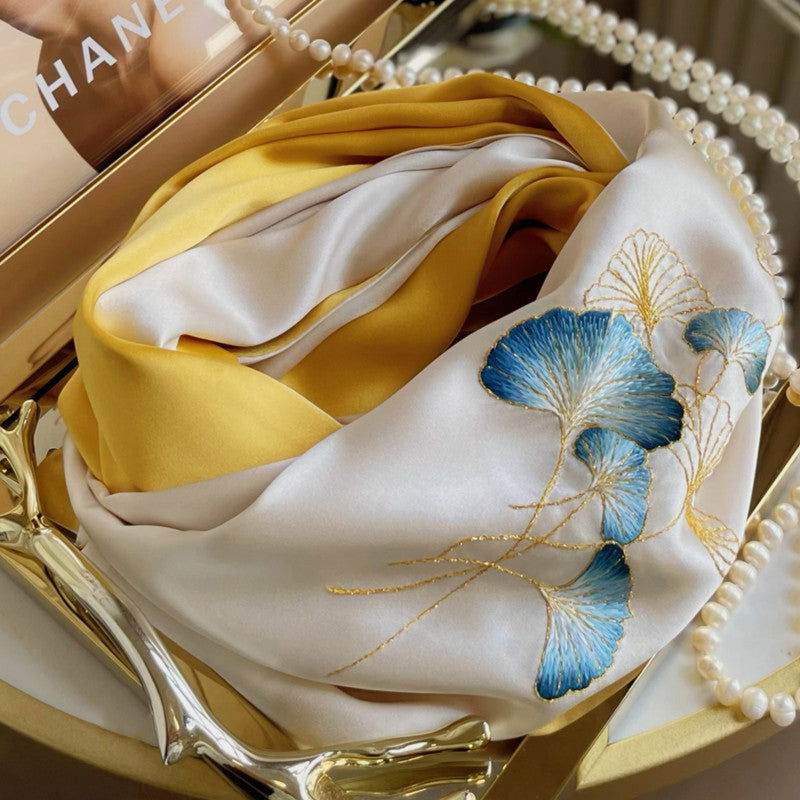
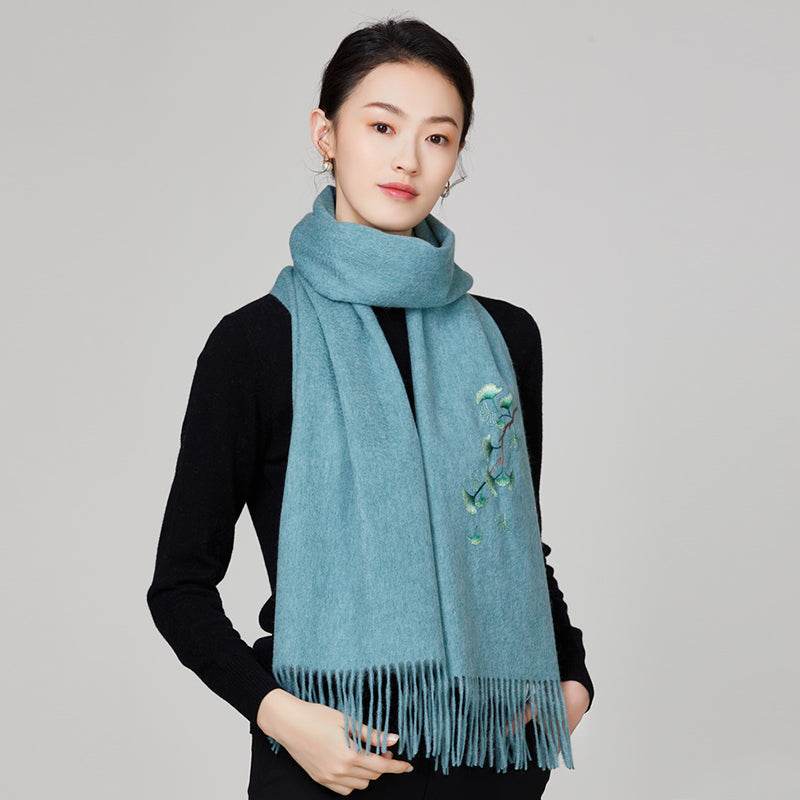
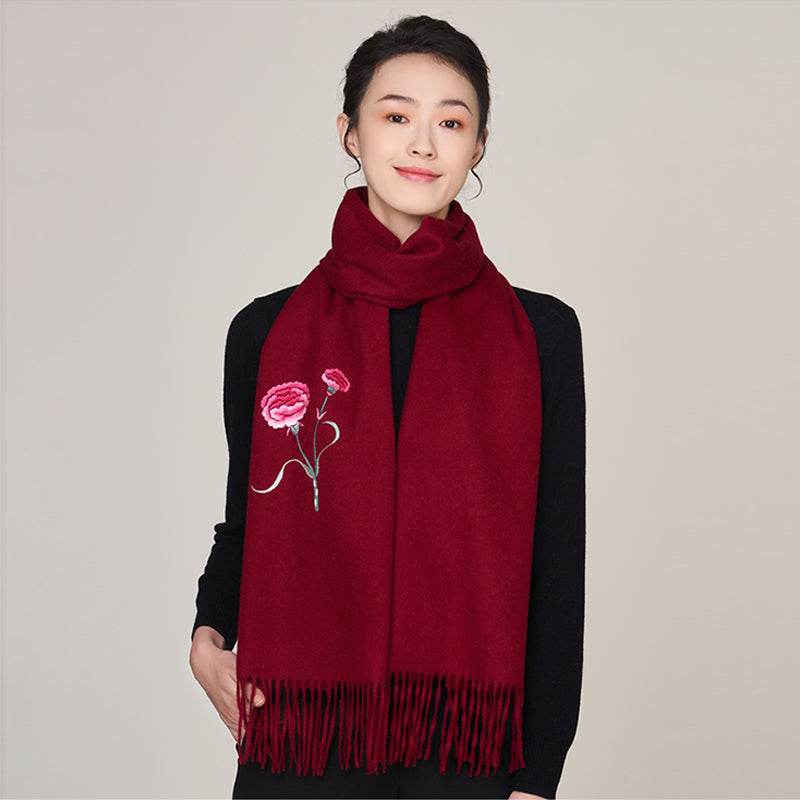
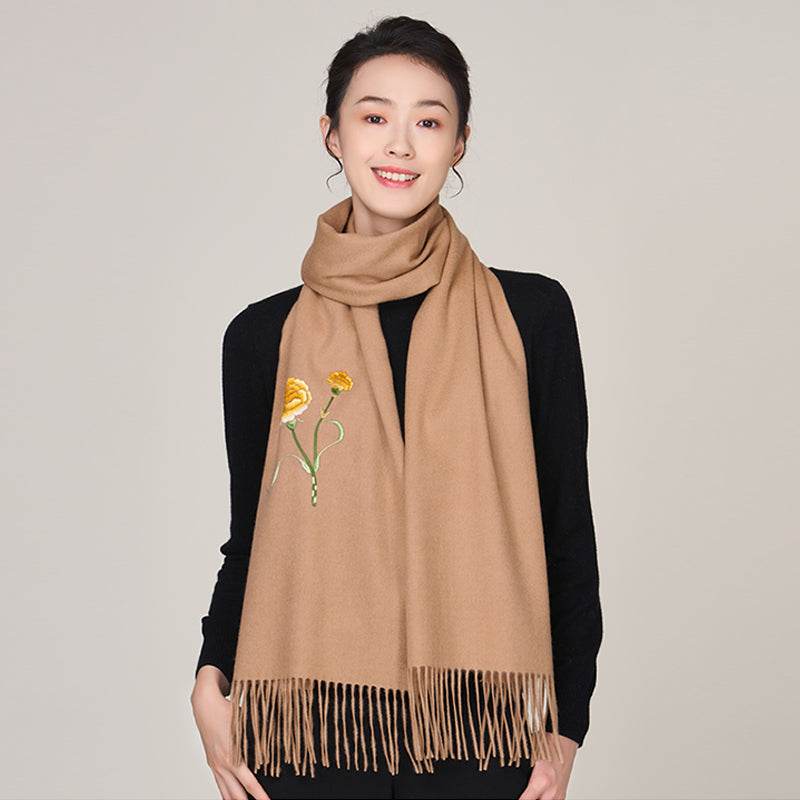
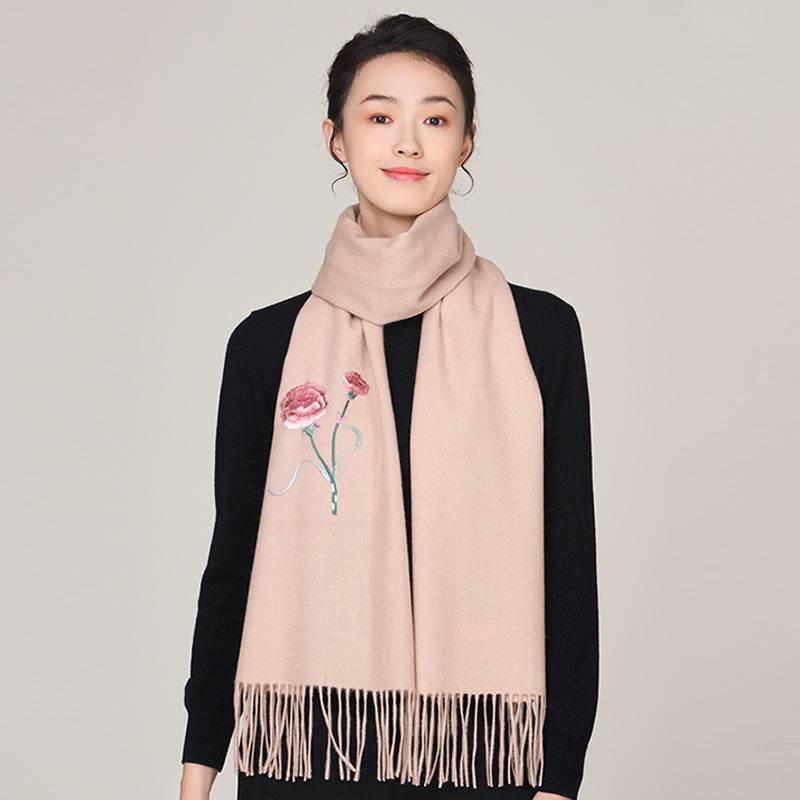
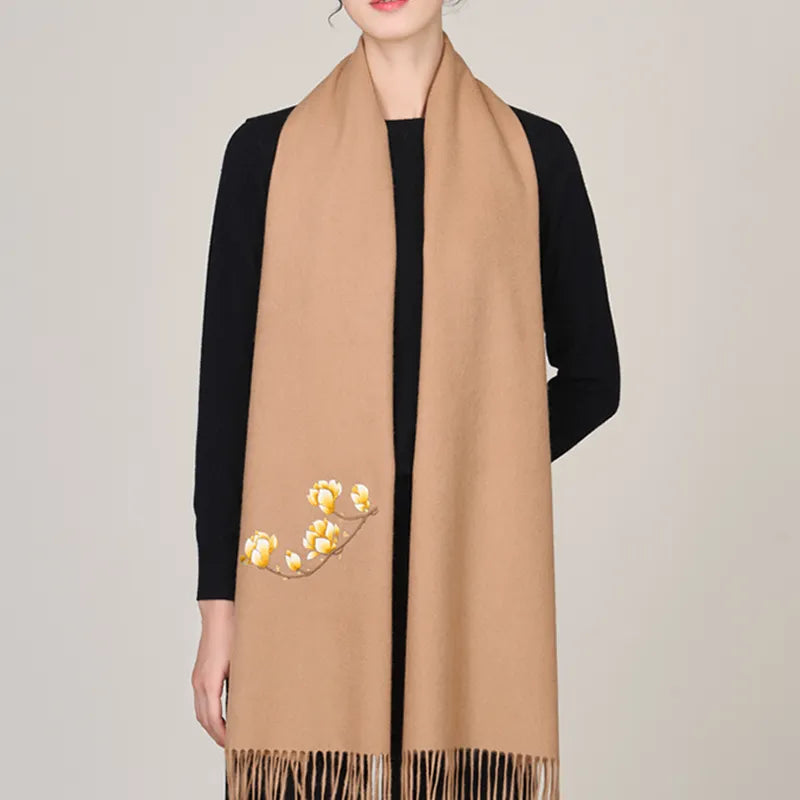
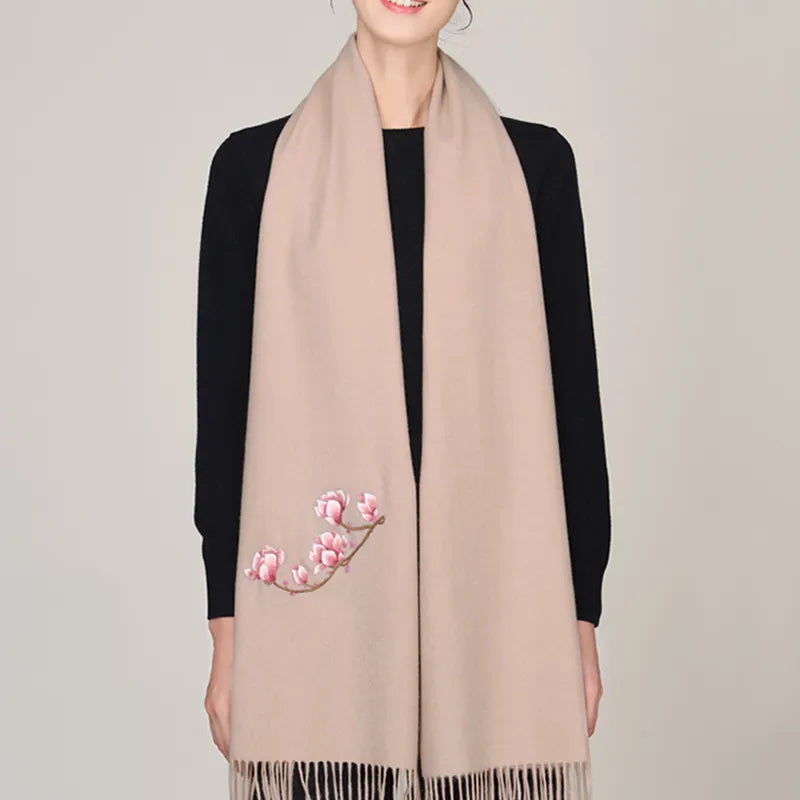
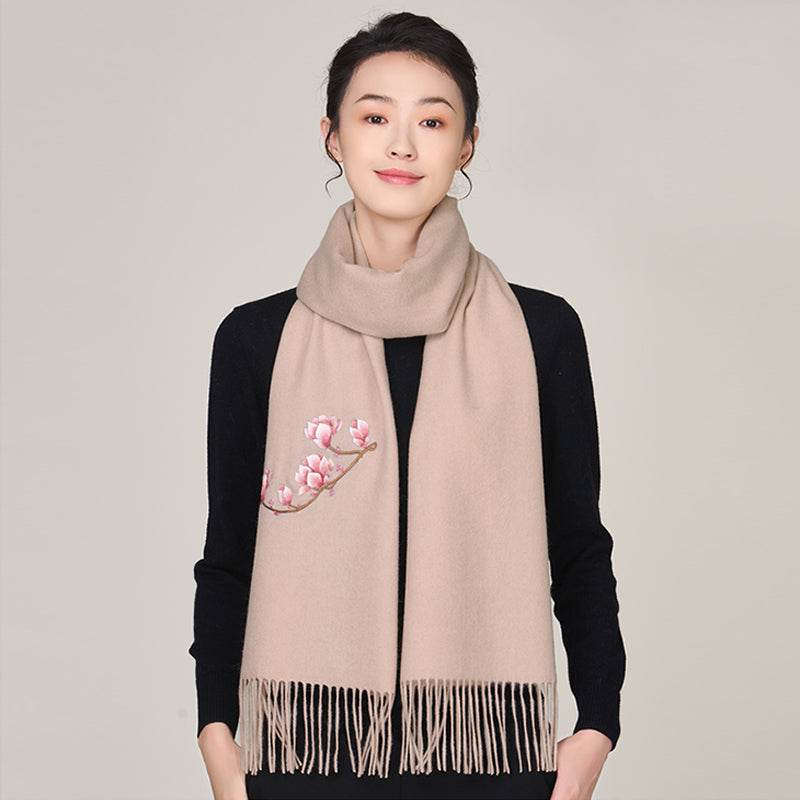
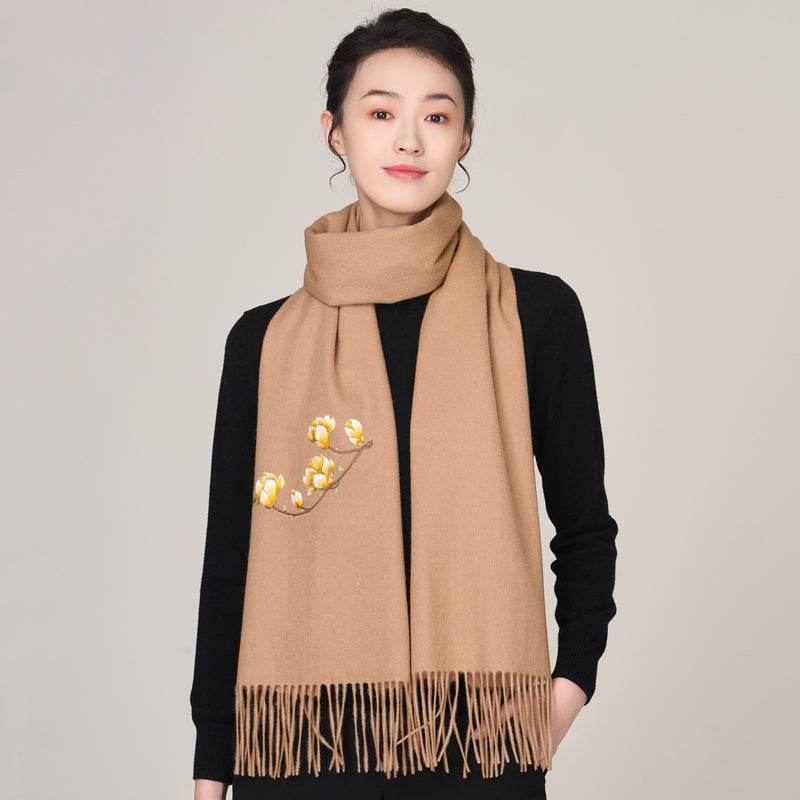
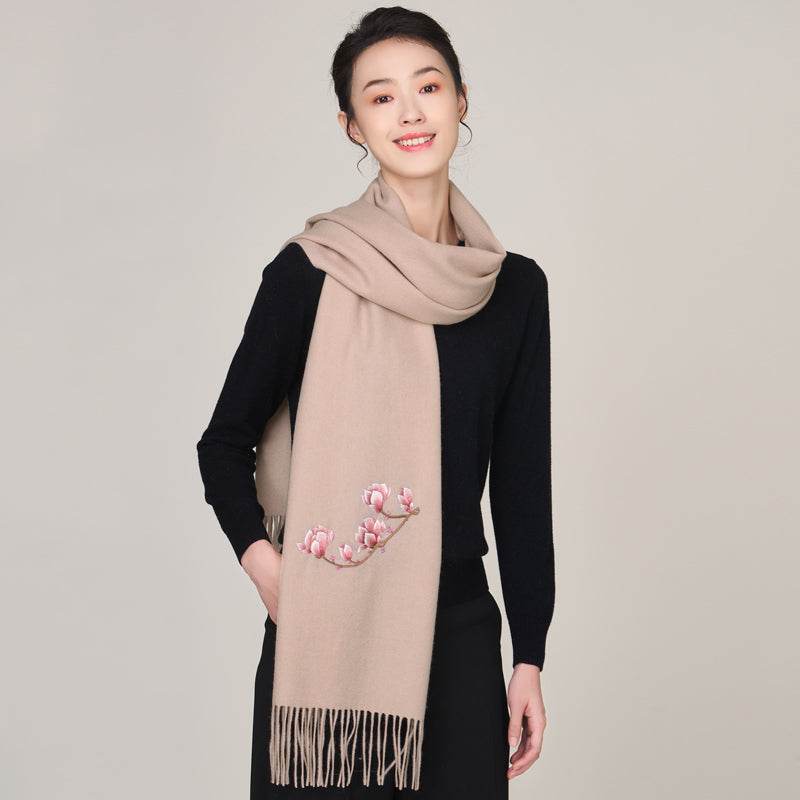
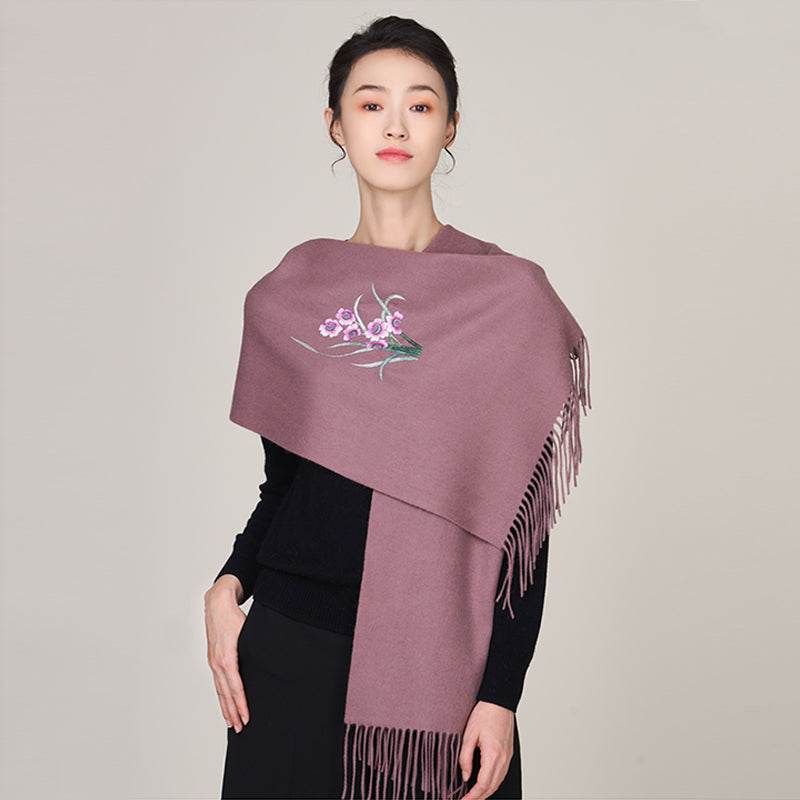
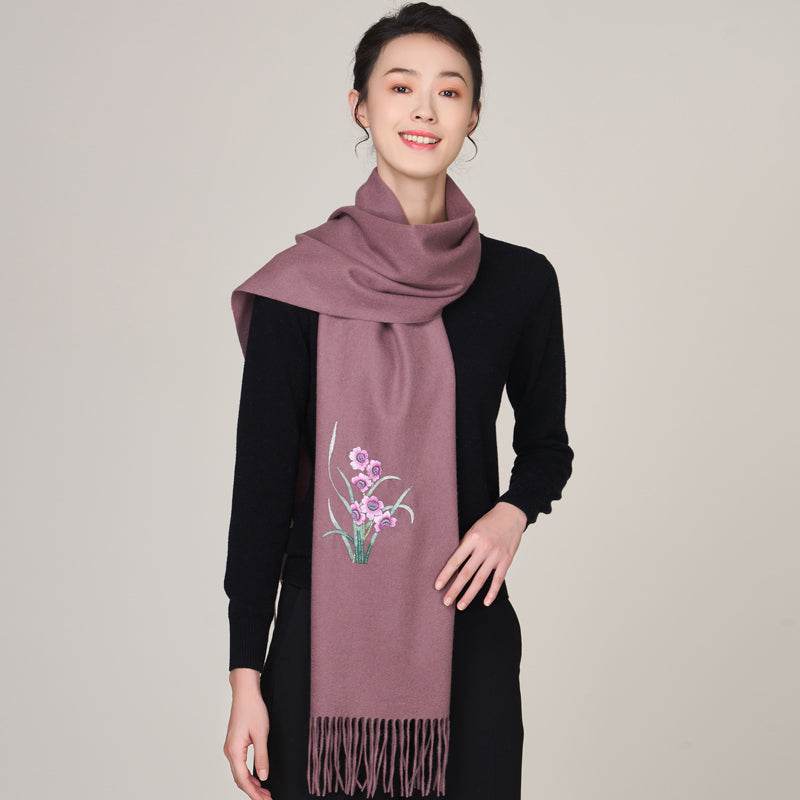
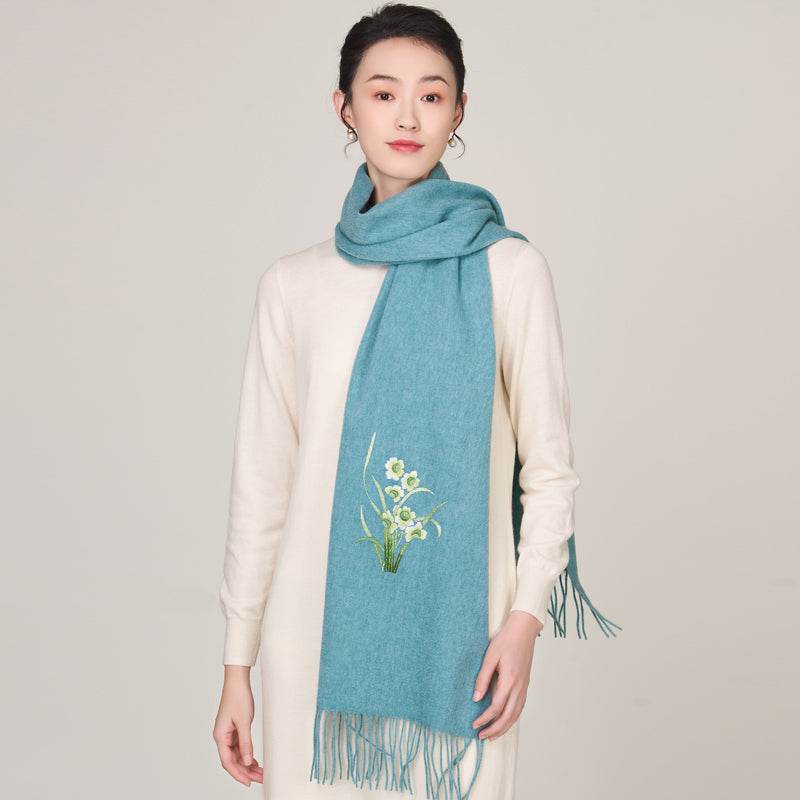
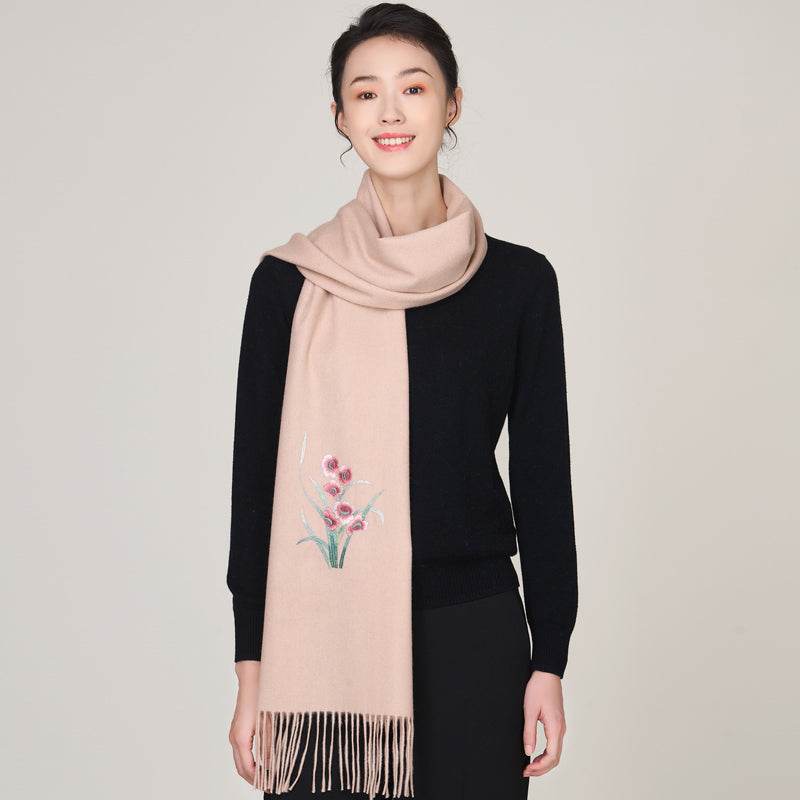
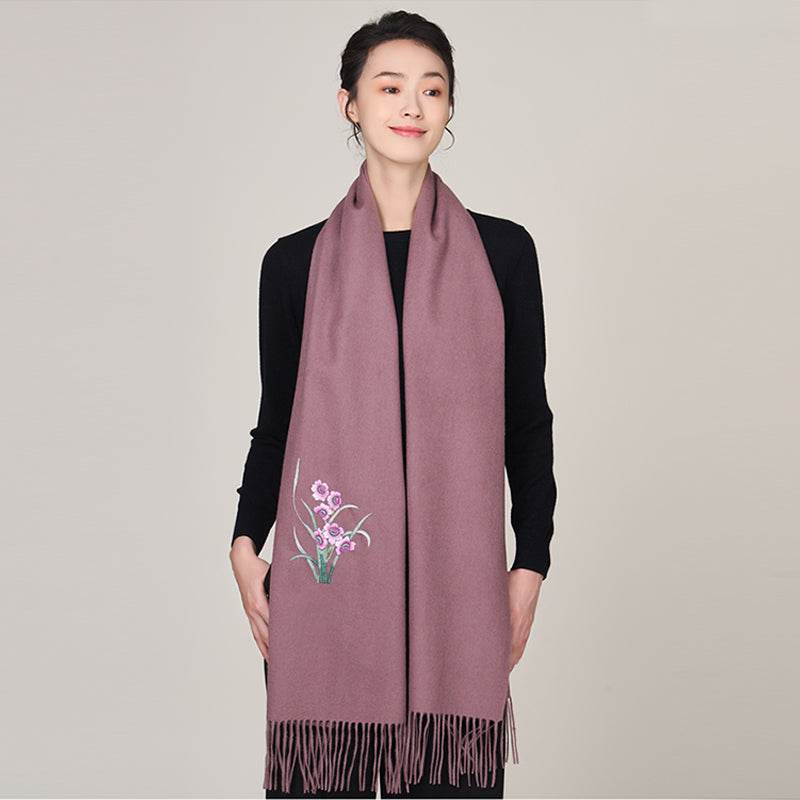
Suzhou Embroidery Mulberry Silk Scarf – 190×65 cm. Its embroidery features smooth color transitions and a luminous silk finish.

-
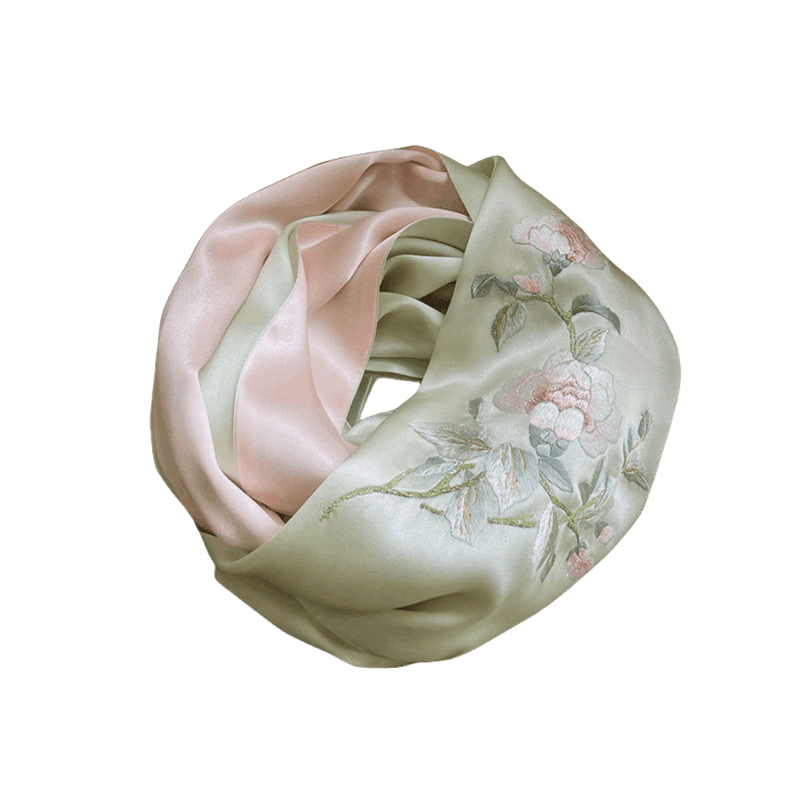
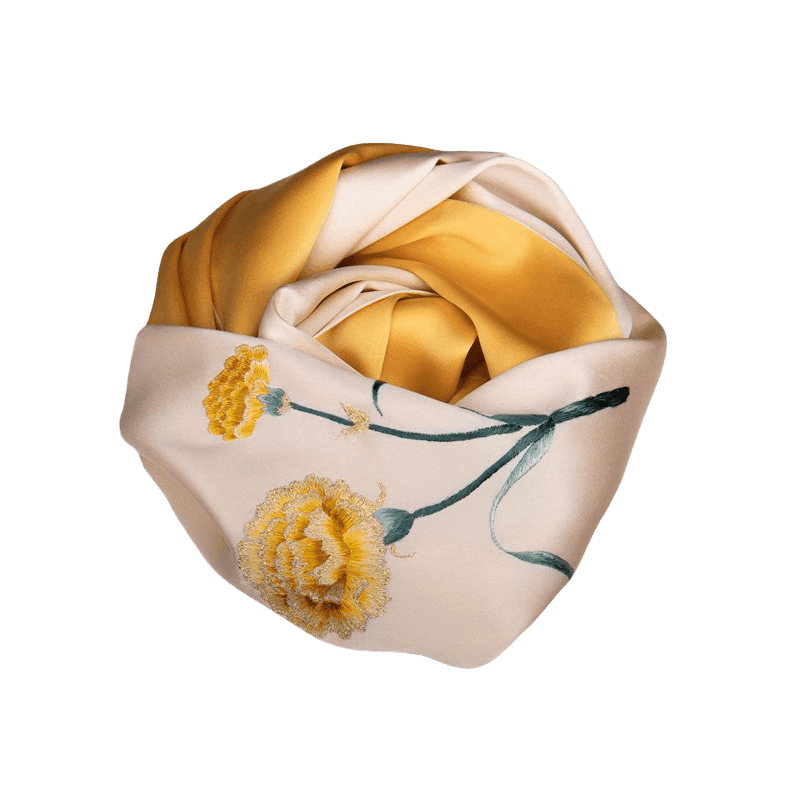
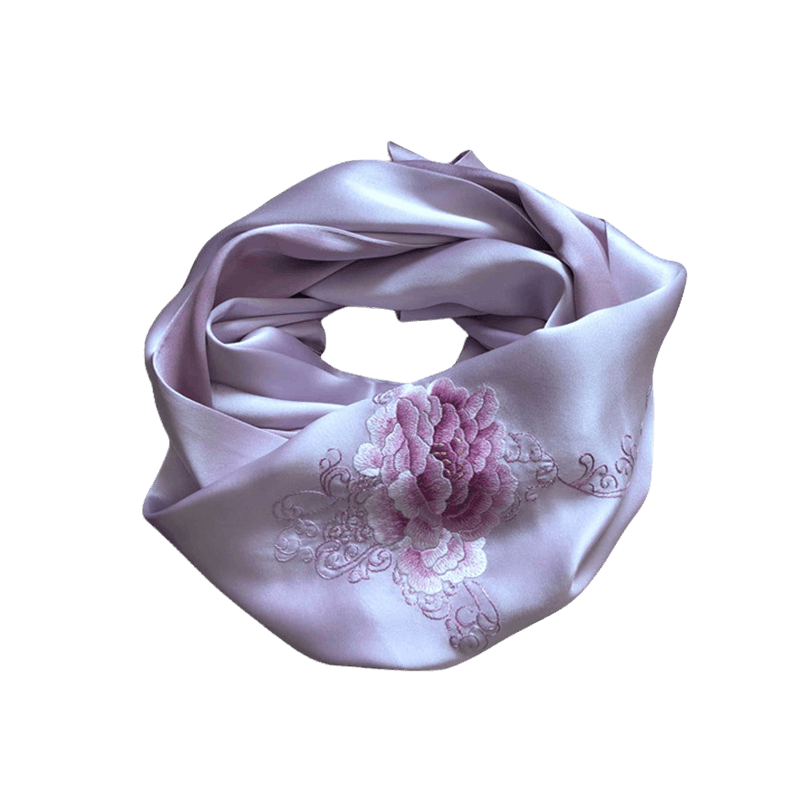
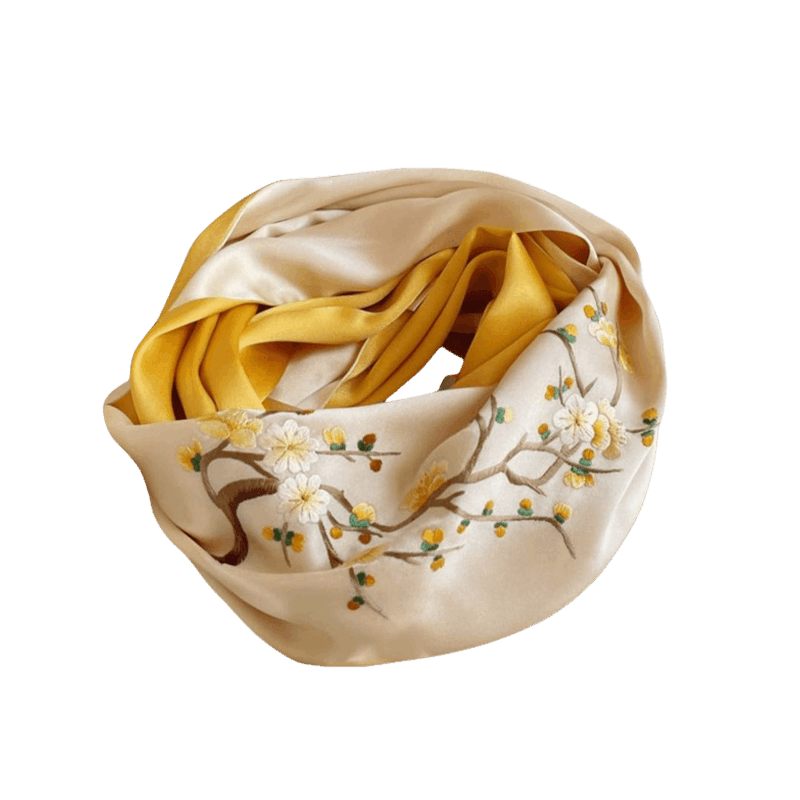
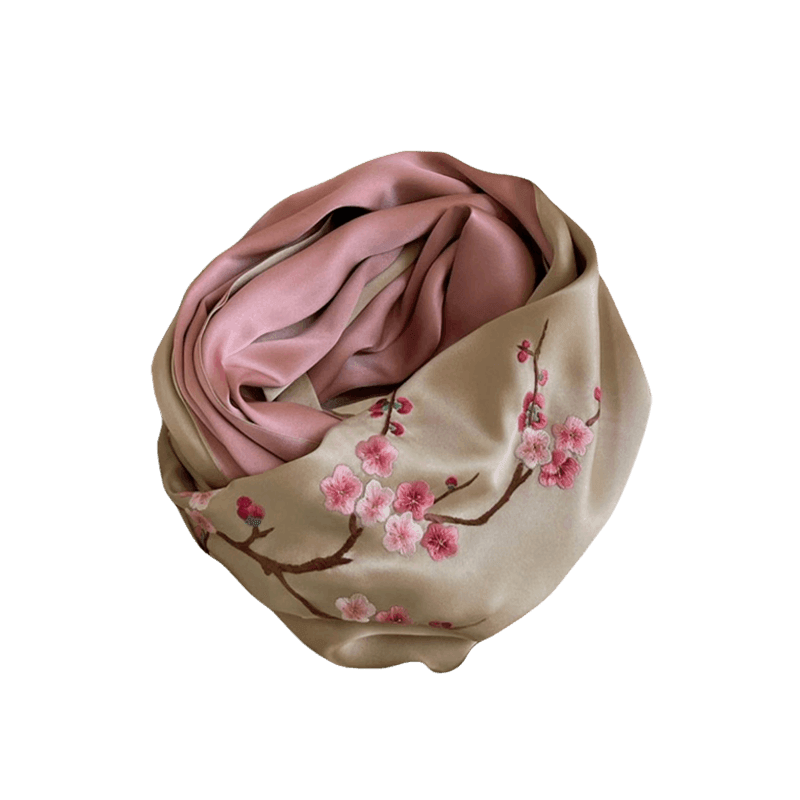
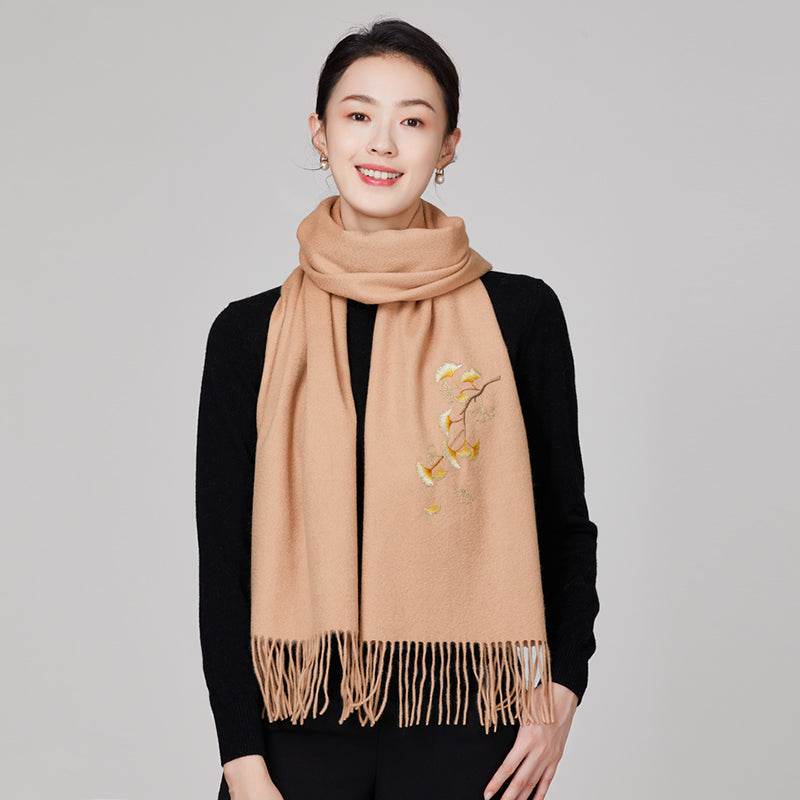
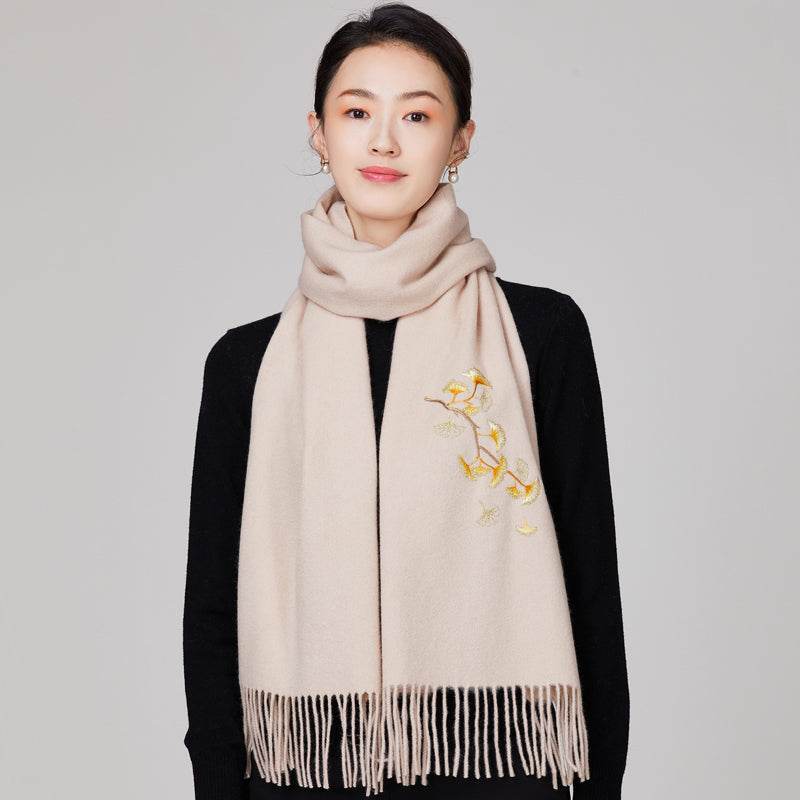
Handcrafted Suzhou Embroidery Silk Scarf – 155×35 cm. It is a refined gift for those who appreciate wearable craftsmanship.

-
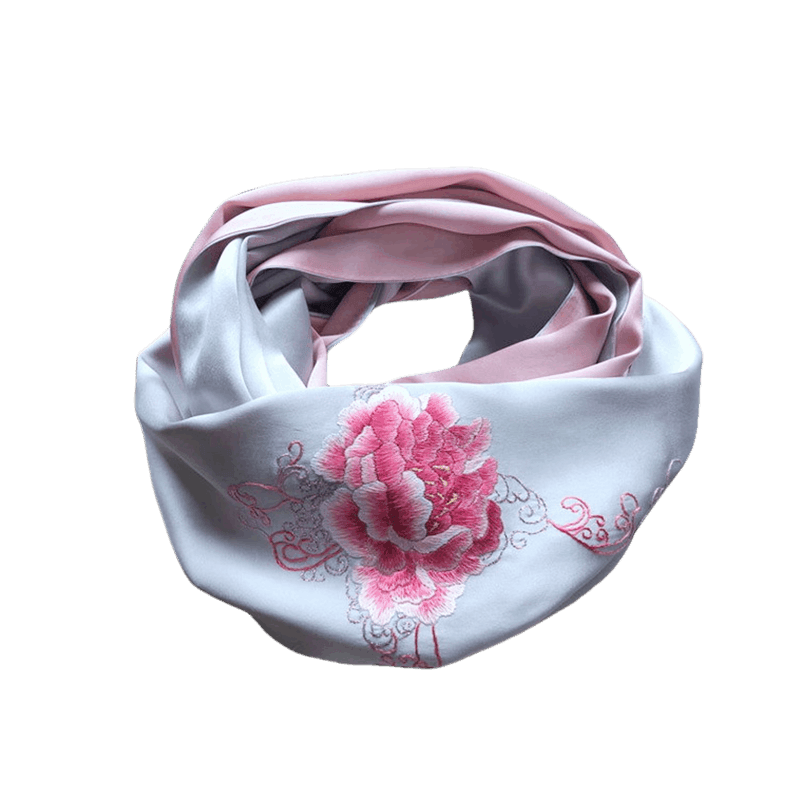
Suzhou Embroidery Mulberry Silk Scarf – 190×65 cm. Its embroidery features smooth color transitions and a luminous silk finish.
-
Song Brocade:
-
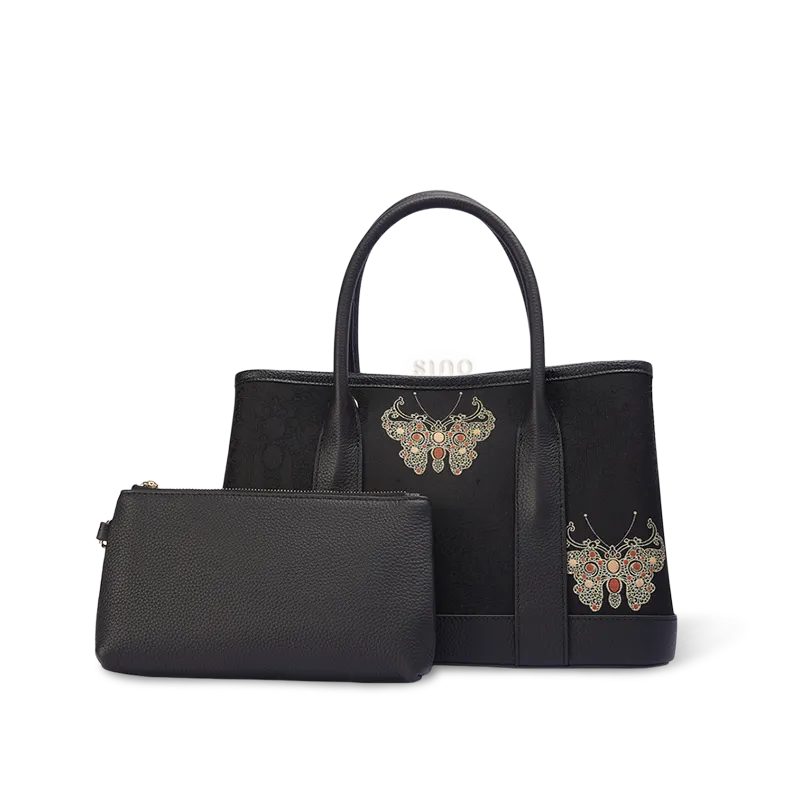
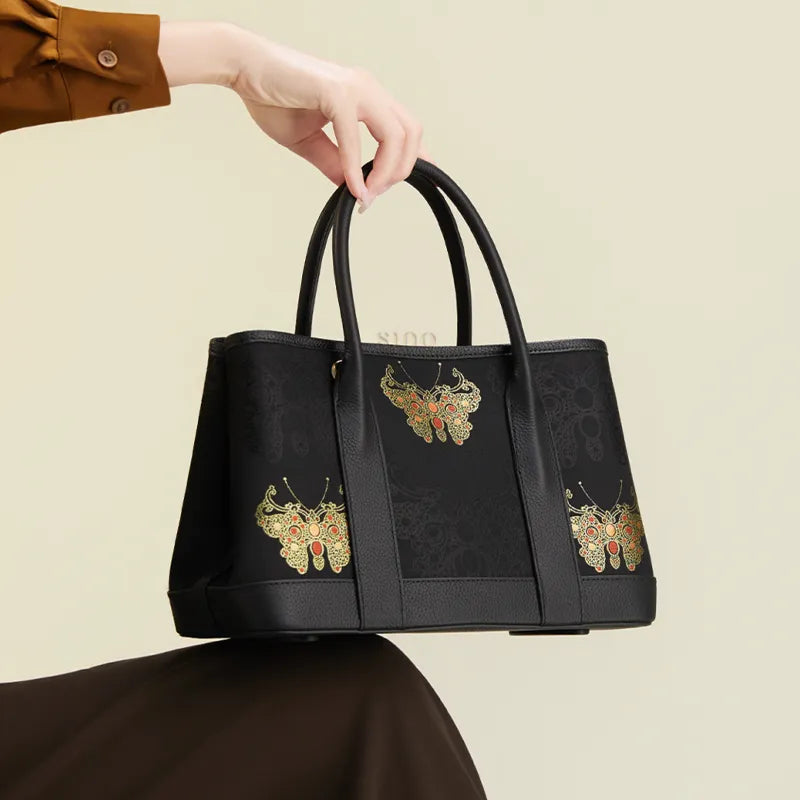
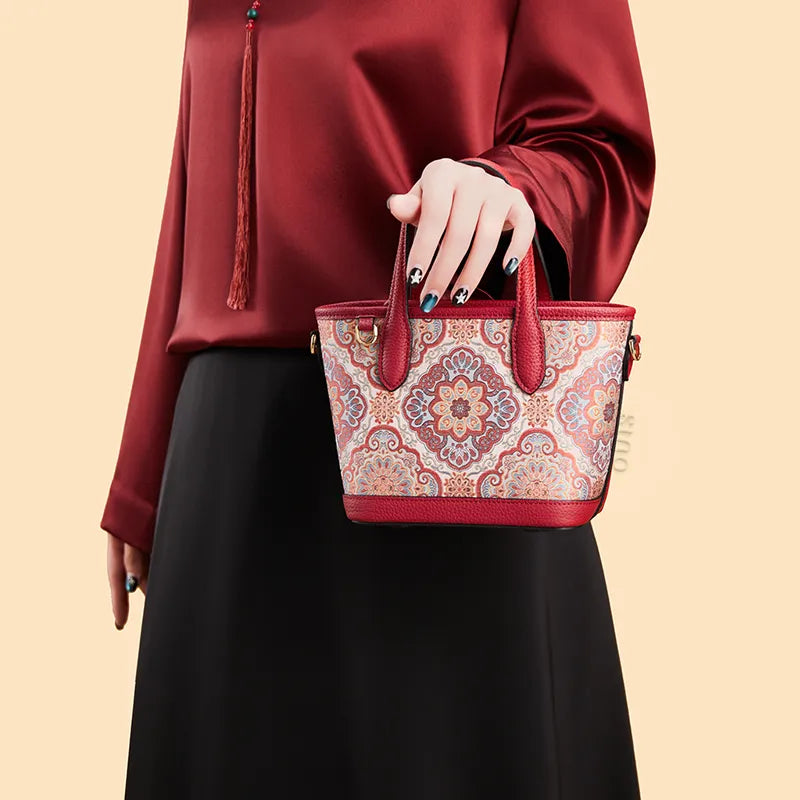
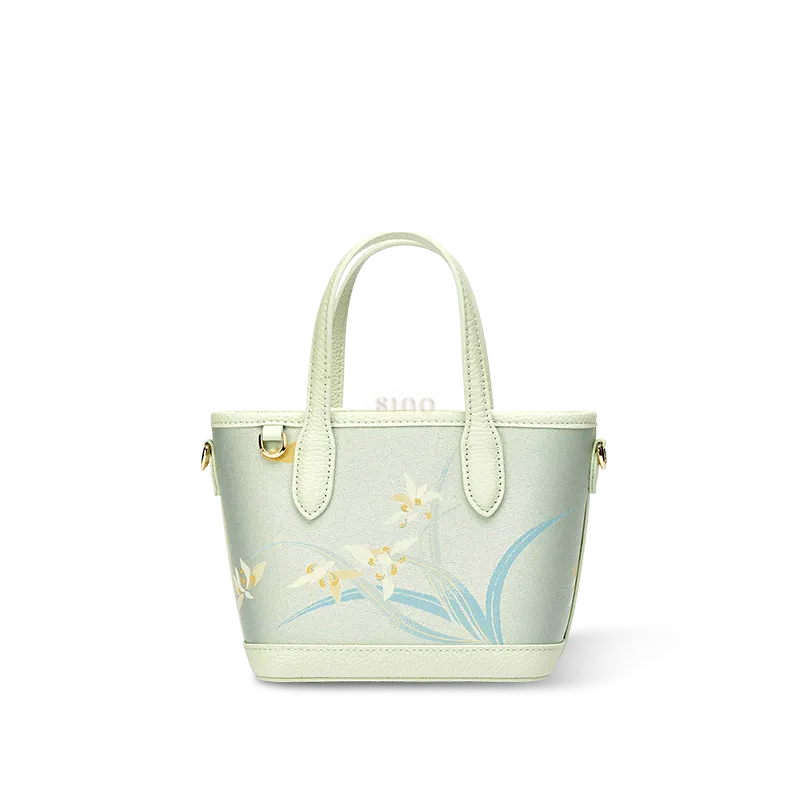
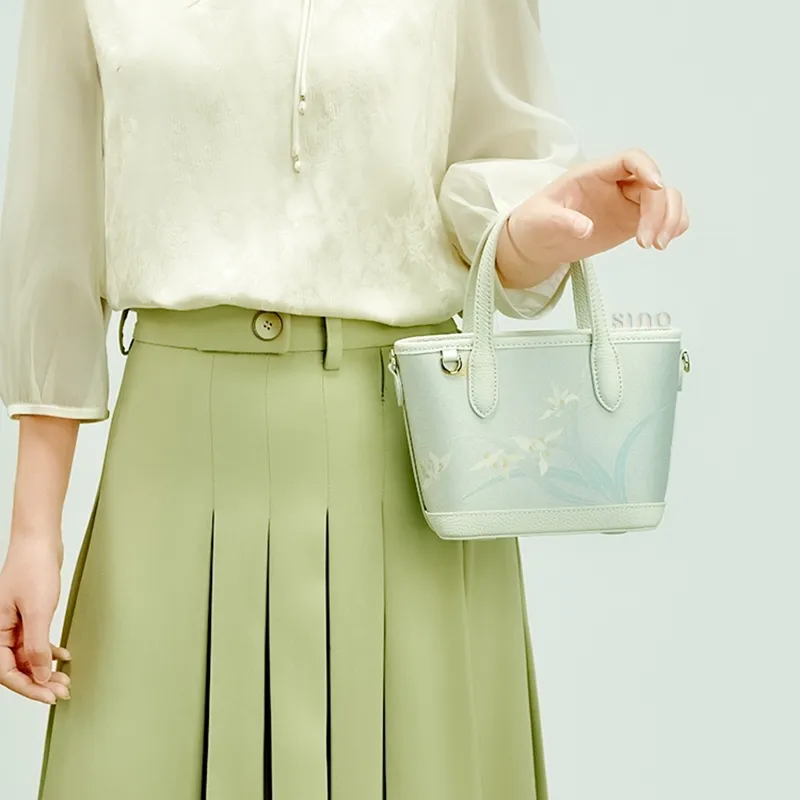
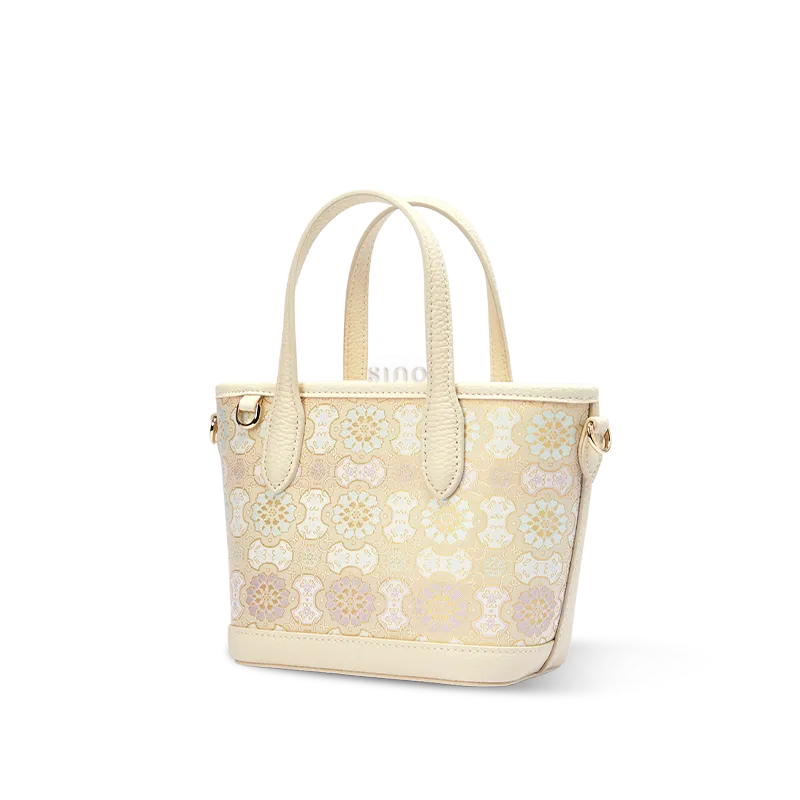
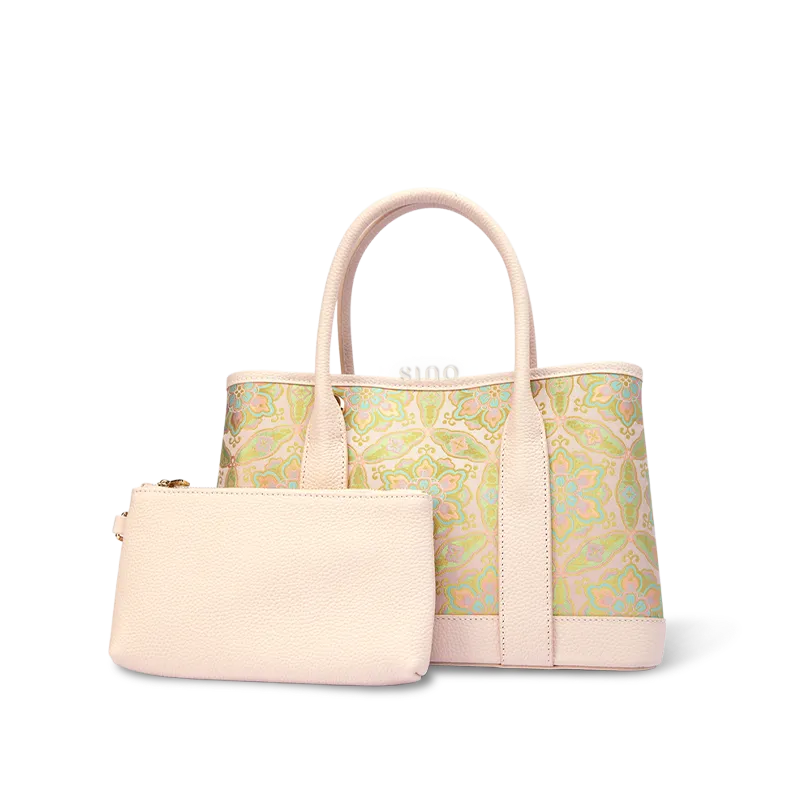
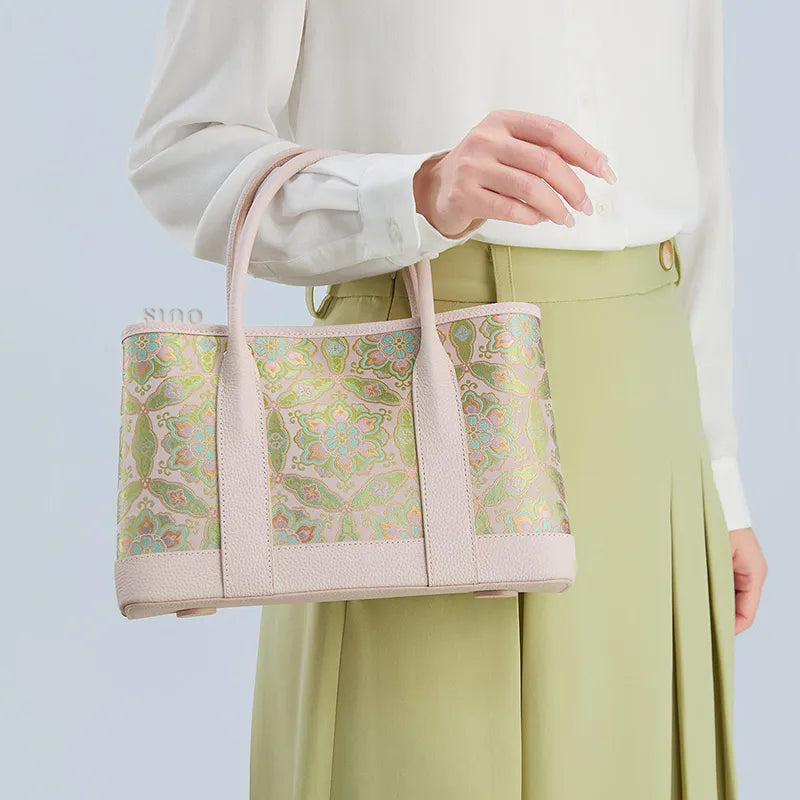
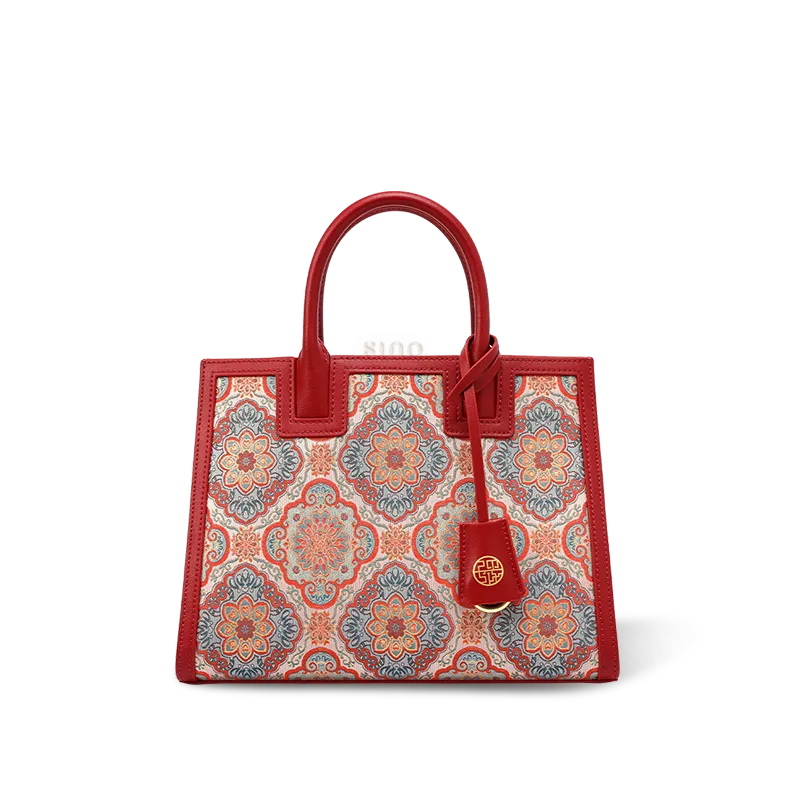
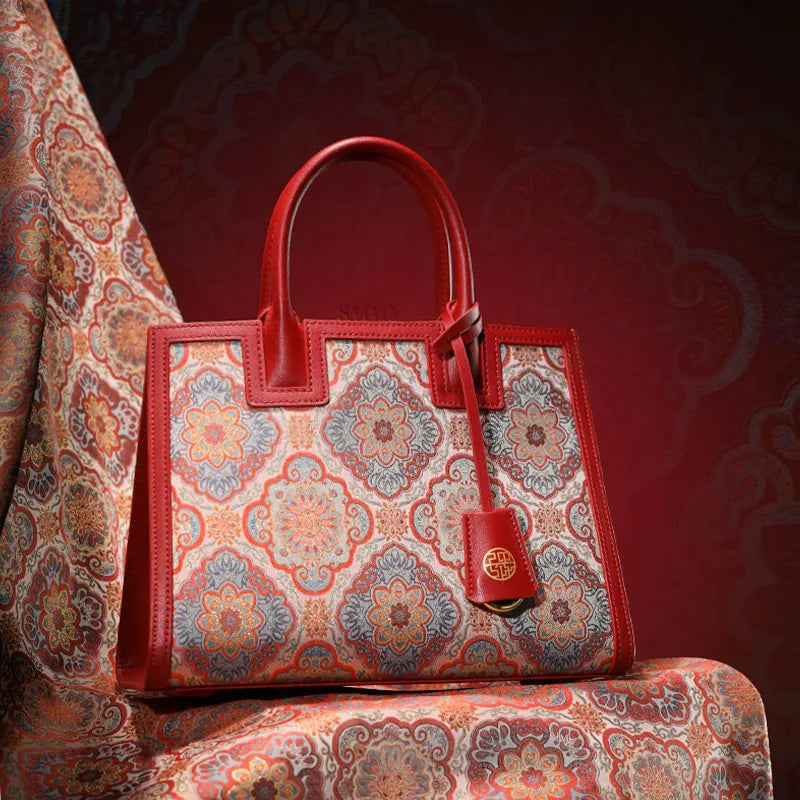
Luxury Red Song Brocade Floral Tote Bag. This tote bag combines traditional Song brocade weaving with an elegant, versatile silhouette.

-
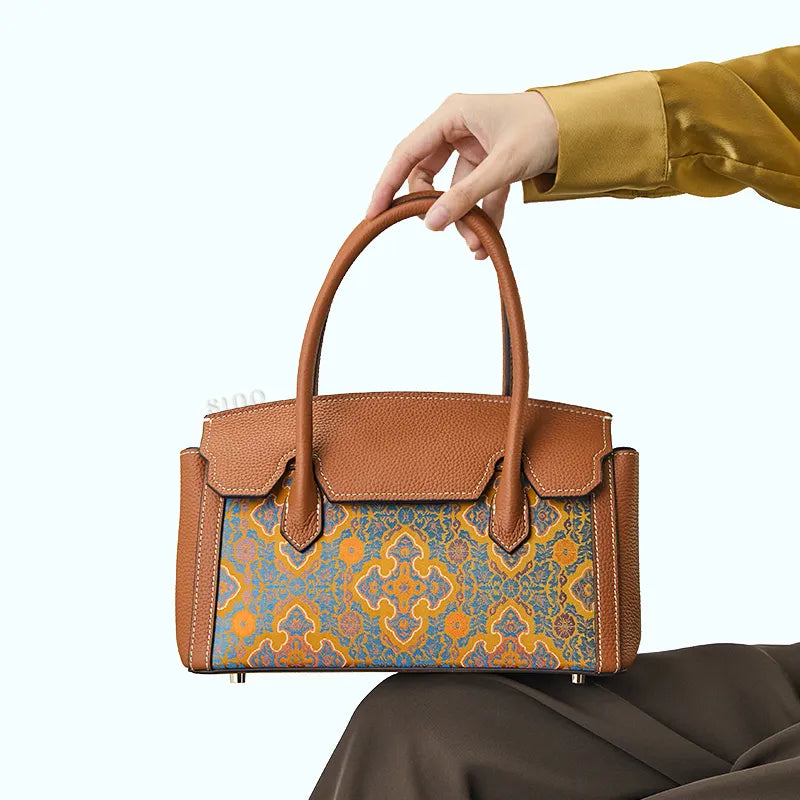
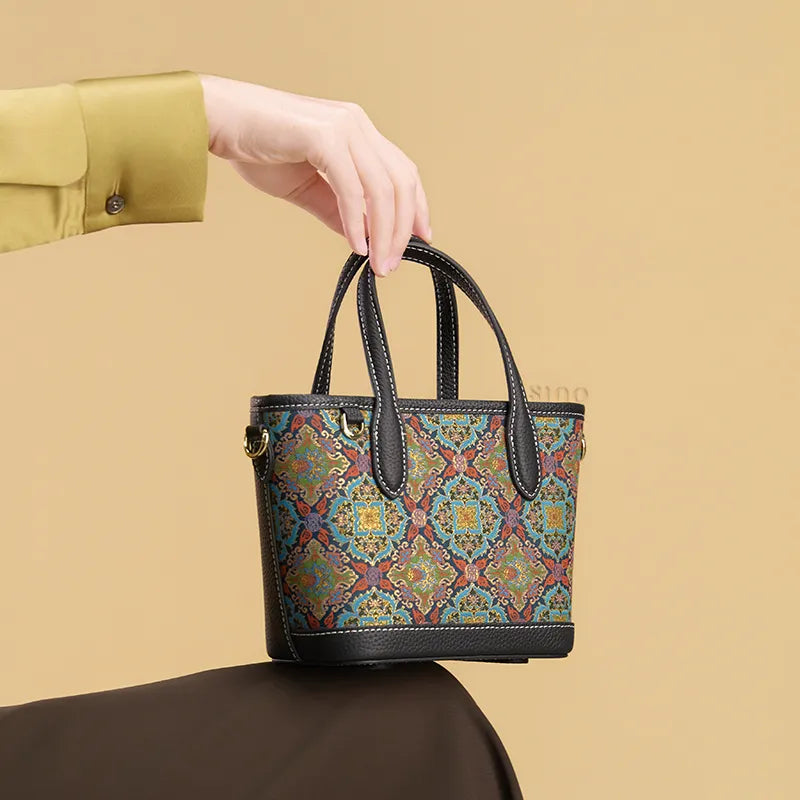
Chinoiserie Red Song Brocade Baoxiang Motif Handbag. Featuring classic Song brocade and the traditional Baoxiang floral motif, this handbag brings together lotus and peony imagery in a design associated with prosperity, harmony, and timeless elegance.

-
Luxury Red Song Brocade Floral Tote Bag. This tote bag combines traditional Song brocade weaving with an elegant, versatile silhouette.
We invite you to visit our online collection to find a piece of Song Brocade & Su Embroidery to carry with you.

A City to Feel, Not Just to See
Suzhou is not a city that tries to impress all at once. Its beauty arrives slowly—in the quiet line of a white wall, in the symmetry of a garden window, in the still water beneath a stone bridge, and in the gentle balance between fullness and space. This is the kind of city where Chinese aesthetics can be felt not as an idea, but as a way of seeing and living. We hope this guide has helped you glimpse Suzhou’s comfort, elegance, and cultural spirit beyond its landmarks, and that one day you will experience them for yourself, step by step, in the city itself. At Sinocultural, we are grateful to share this series with you, and we will continue exploring more Chinese cities through their traditions, character, and inner spirit—so that before you travel, you may already begin to understand the different beauty each one holds.
FAQ: Travel Tips For Suzhou
-
Q: Where should I stay in Suzhou if I want a more traditional garden-style experience?
A: If you prefer a stay with Suzhou’s classical garden charm, consider Kimpton Bamboo Grove Suzhou, Nanyuan Hotel (Garden Hotel Suzhou), or Jiangnan House Changyuan. Each offers a different take on the city’s elegant garden-style atmosphere. -
Q: I’m based in Shanghai for work and only have one free day. If I can visit just one place in Suzhou, where should I go?
A: I would recommend Pingjiang Road. It is one of Suzhou’s best-preserved old streets, with canals, bridges, alleys, cafés, and a strong old-town atmosphere. You can also take a canal boat nearby, and places like Ouyuan, Lion Grove Garden, and Suzhou Museum are all within easy reach.
-
Q: Does Suzhou have its own airport? How do I get there by air?
A:Most travelers reach Suzhou via nearby airports, such as Shanghai Pudong, Shanghai Hongqiao, or Sunan Shuofang. From Hongqiao, you can easily transfer to Hongqiao Railway Station and take a high-speed train to Suzhou in about 25 minutes.
-
Q:Is Suzhou high-speed rail convenient for sightseeing? Which station should I choose?
A: Suzhou is very easy to reach by high-speed rail, especially from Shanghai. If you plan to explore the old city, Suzhou Railway Station is the most convenient option, while Suzhou North can also work. Suzhou South is much farther from the historic center, so it is less ideal for old-town sightseeing.